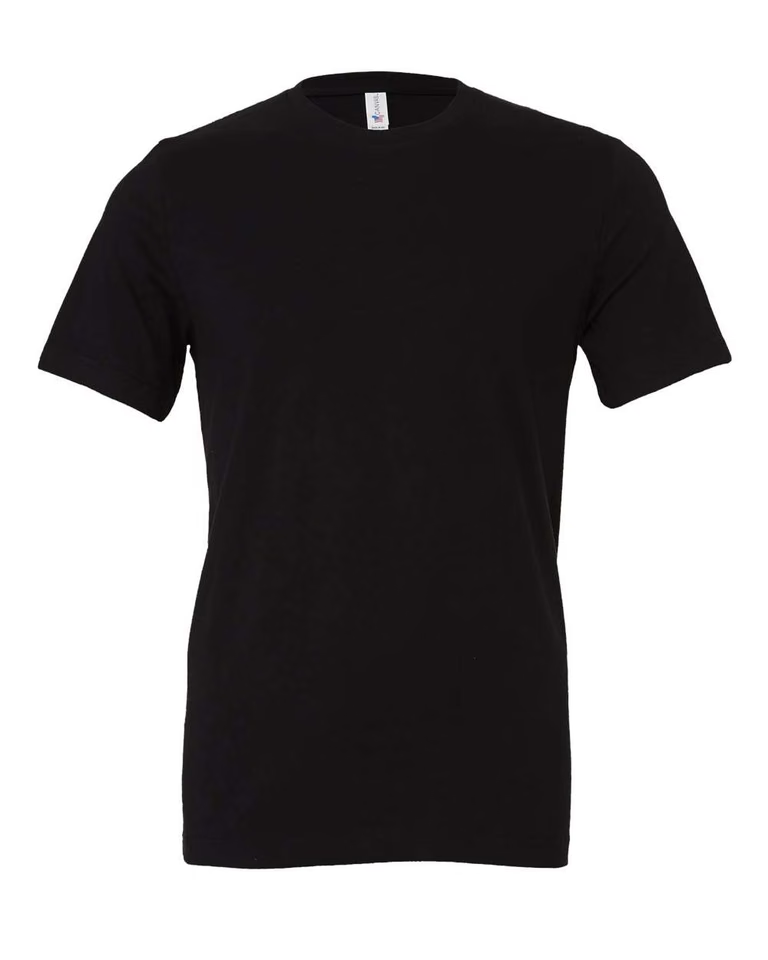
Decoration method guide
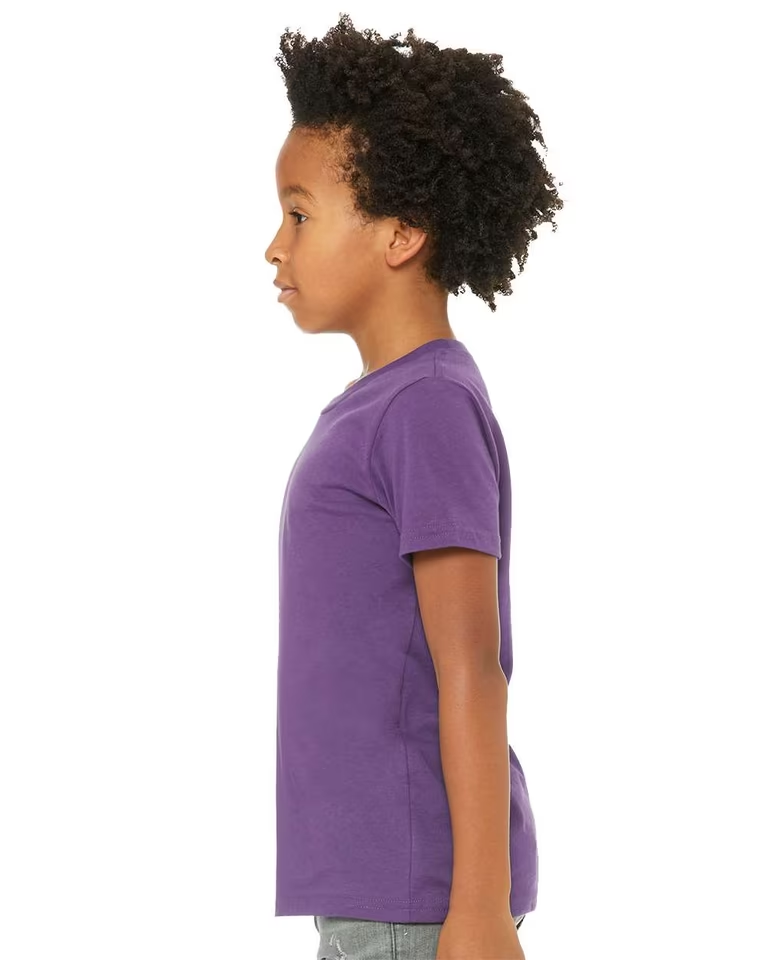
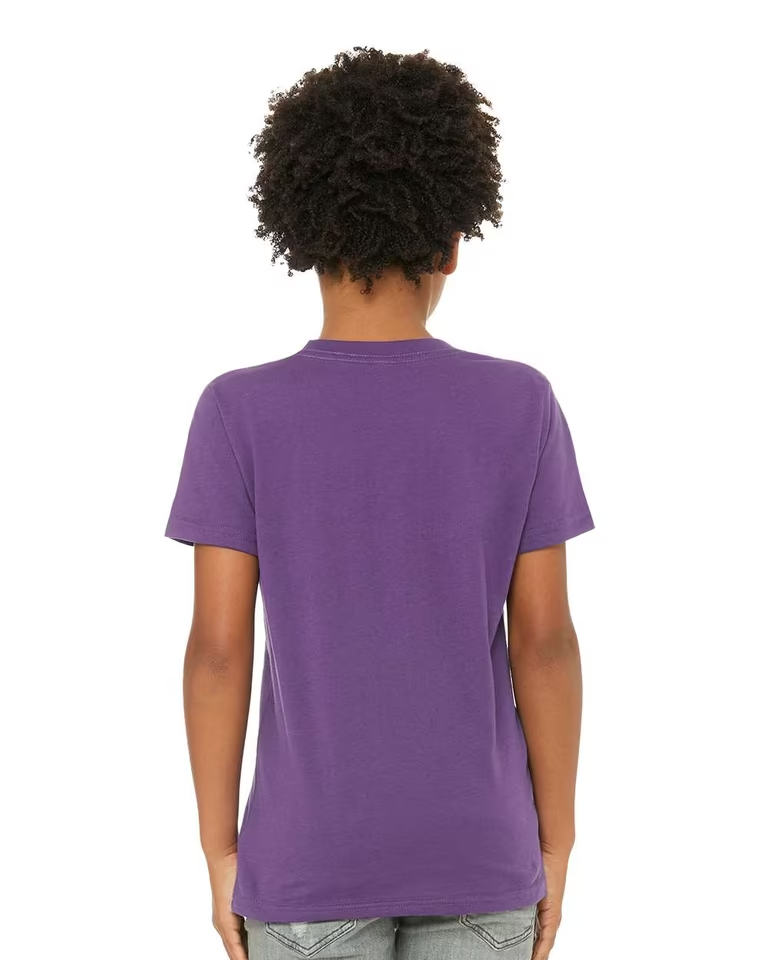
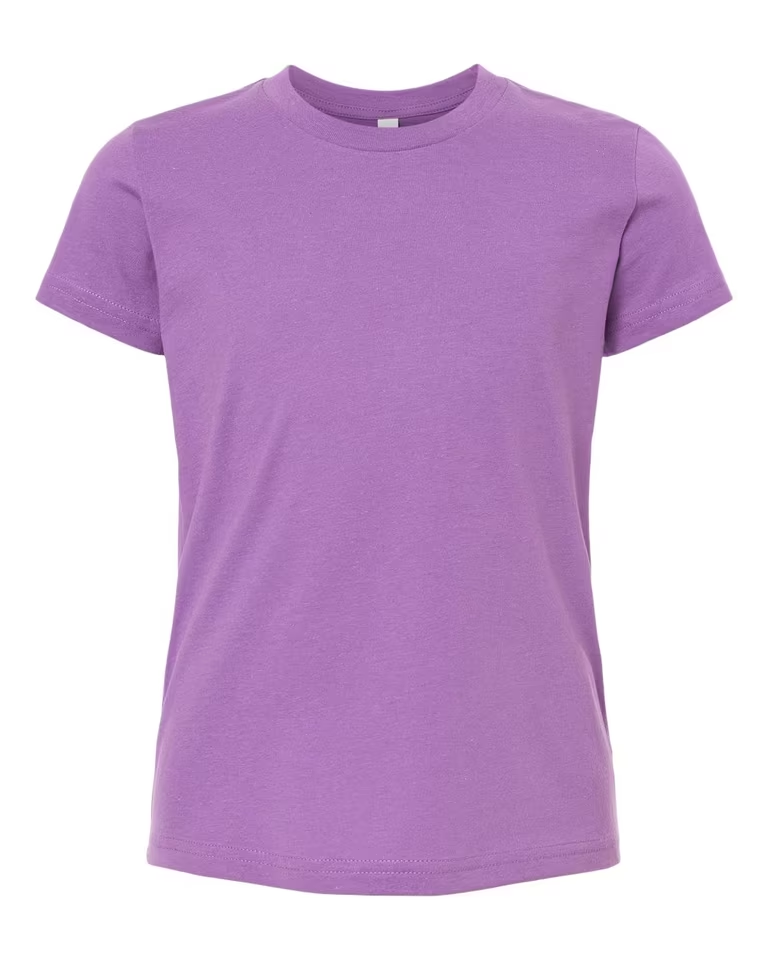
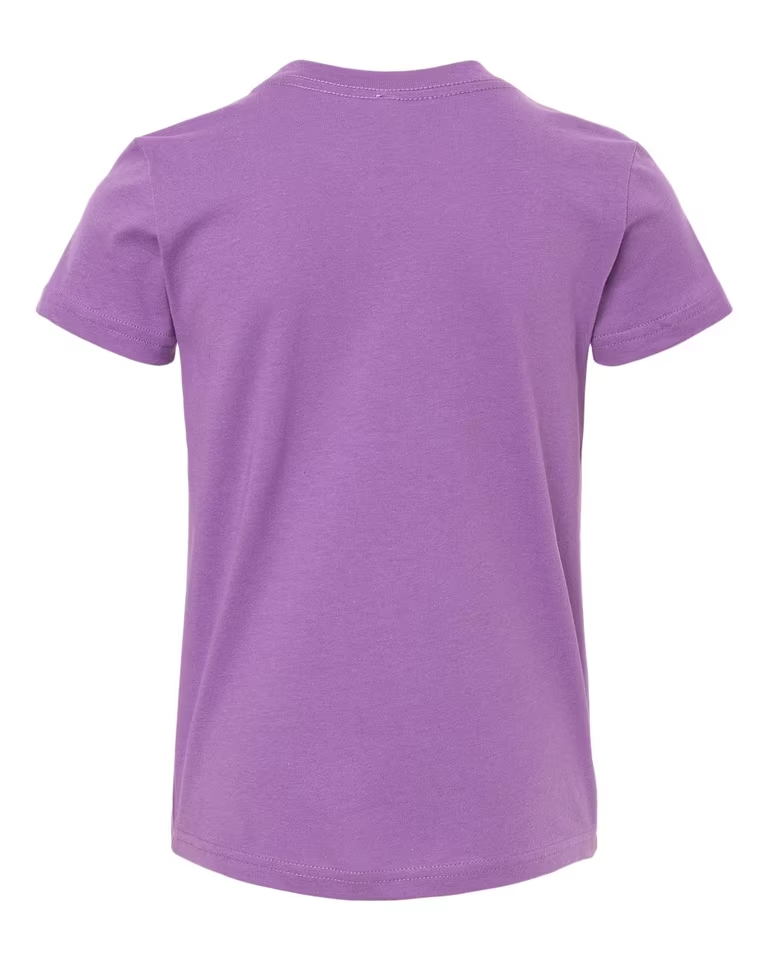
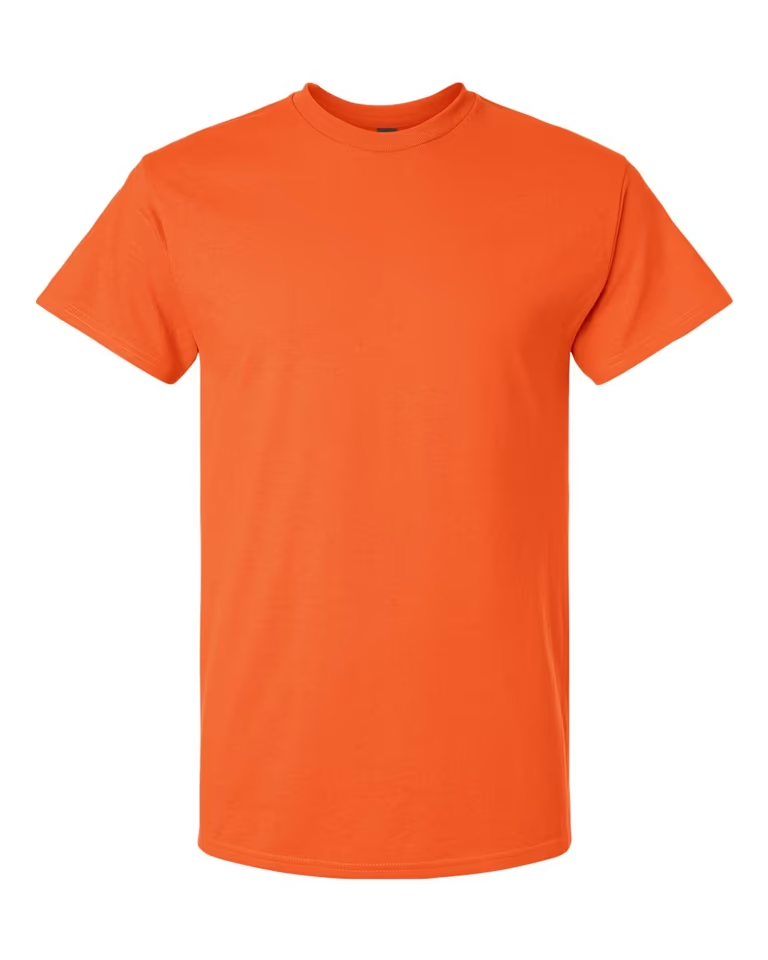
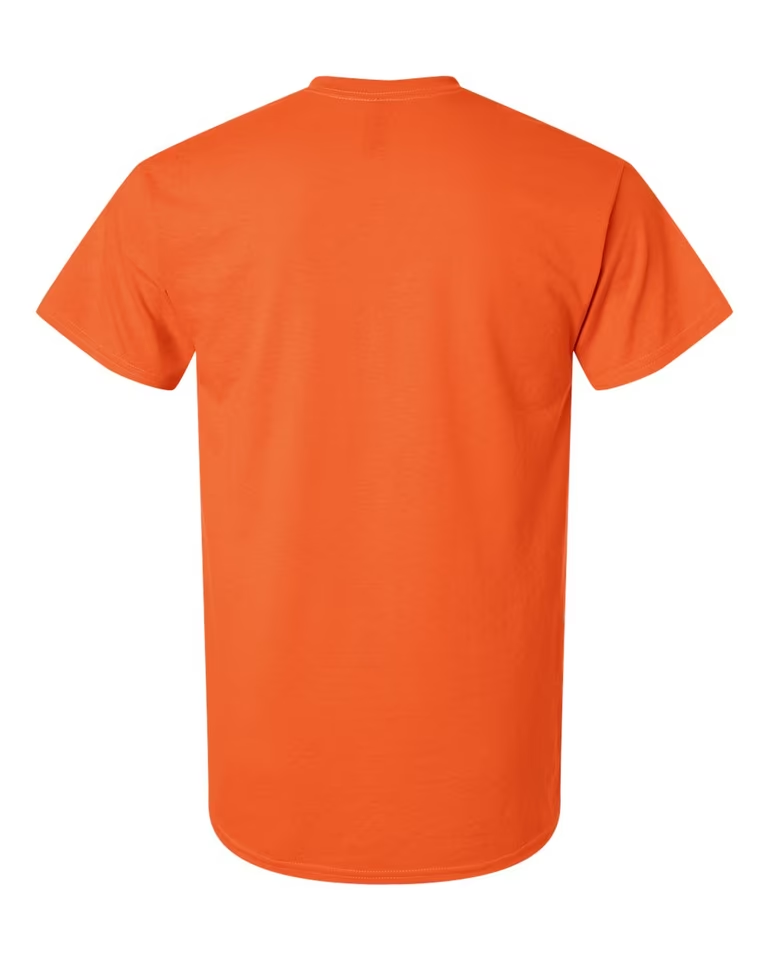
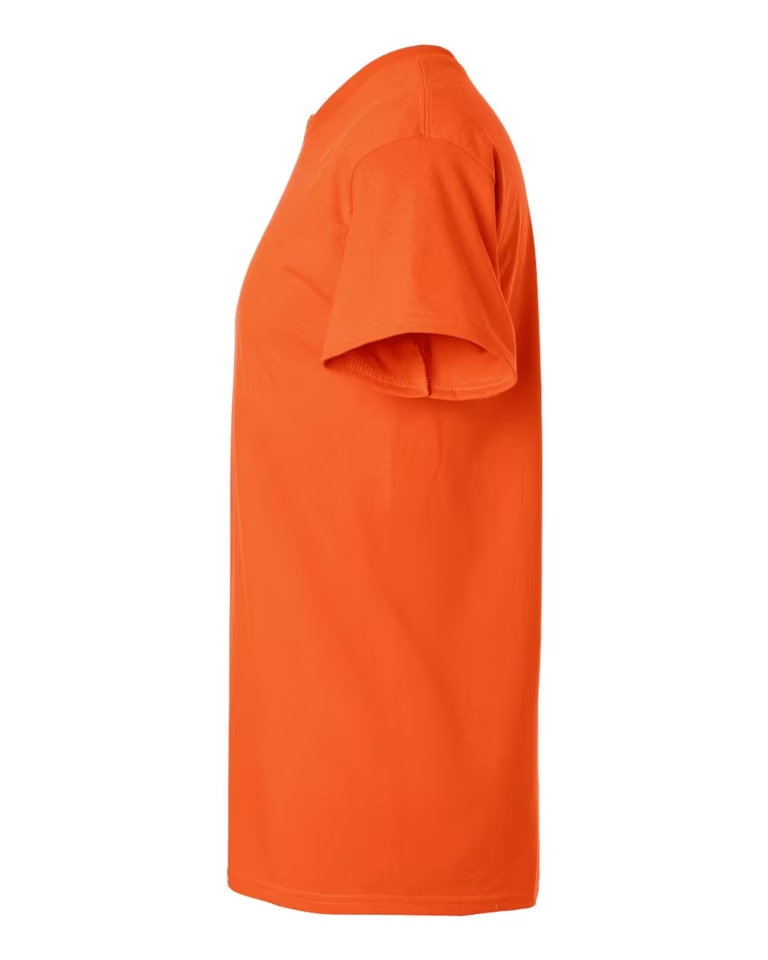
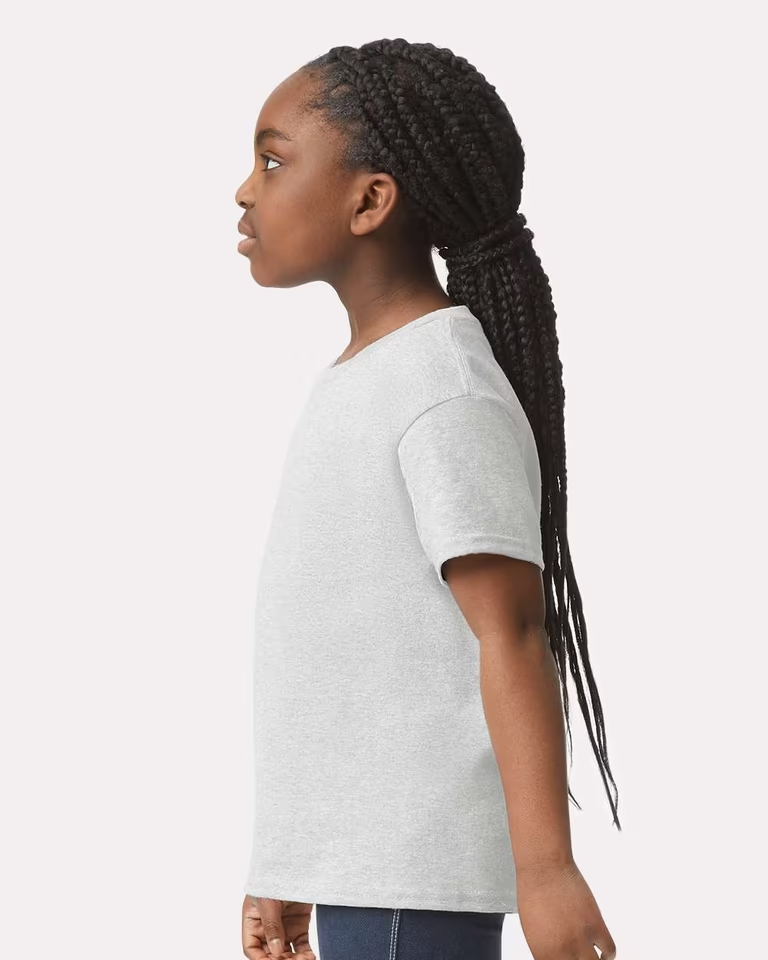
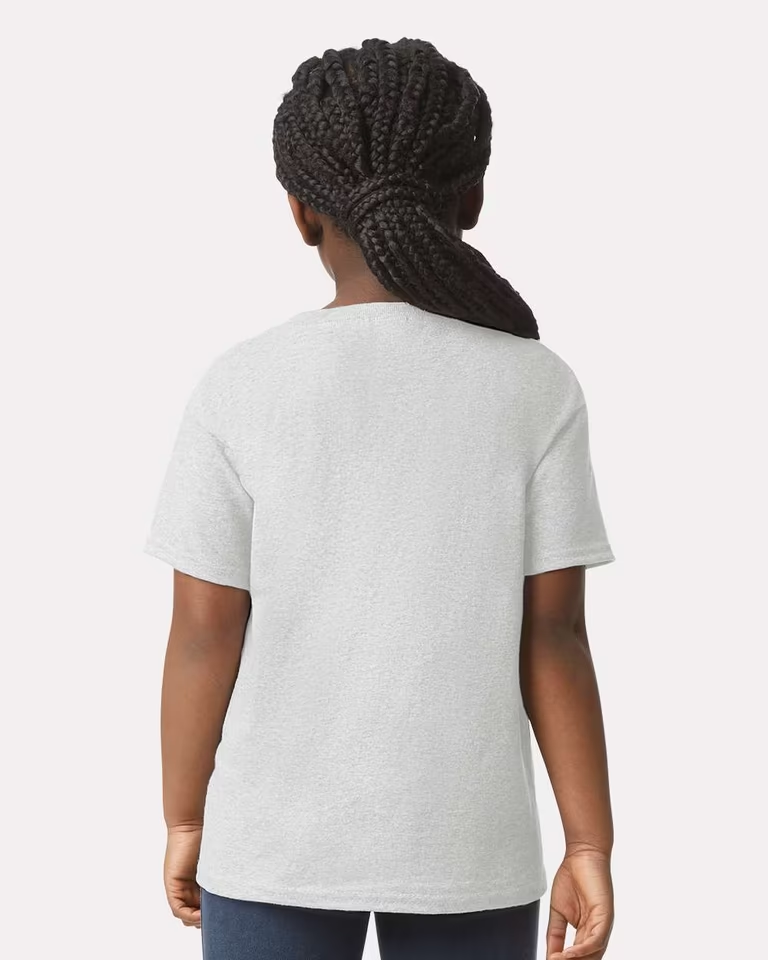
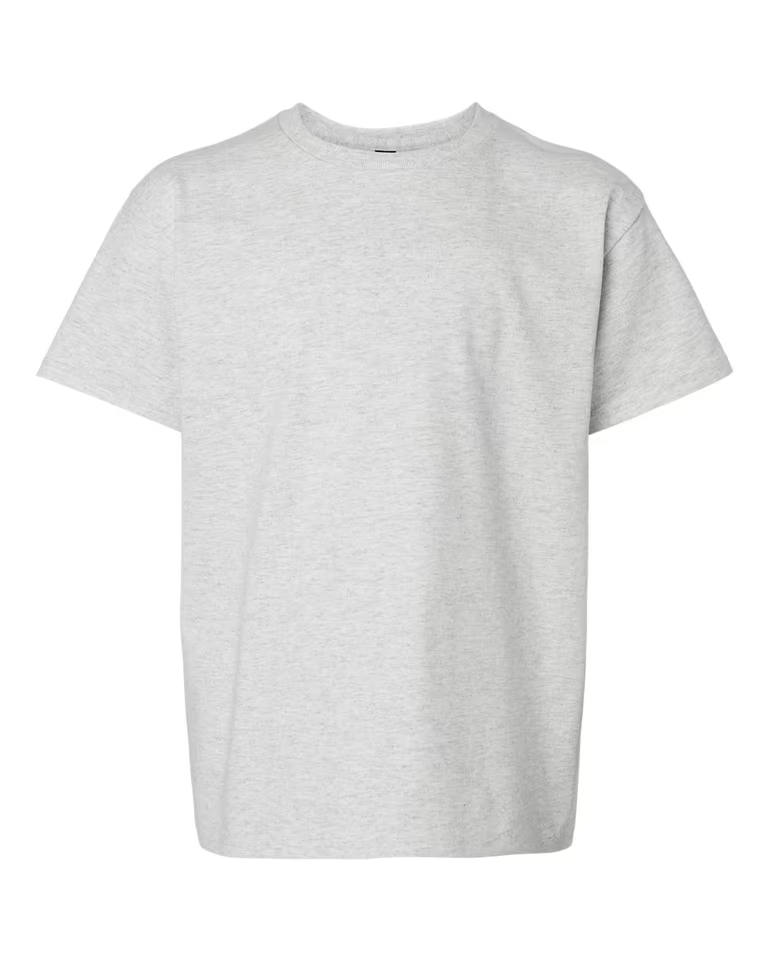
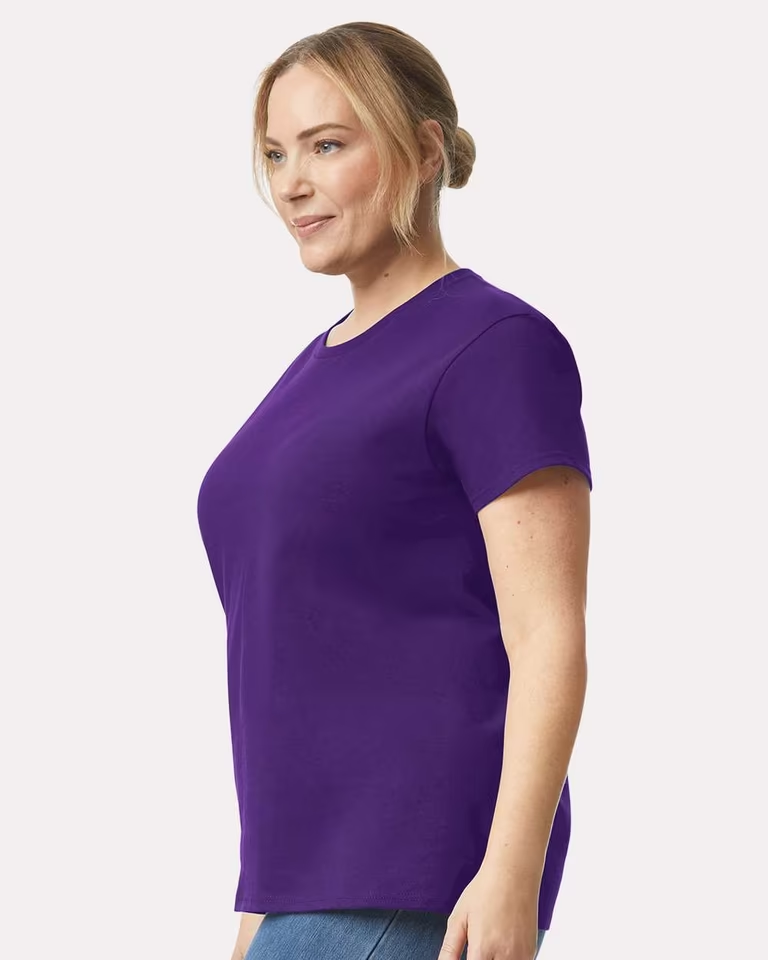
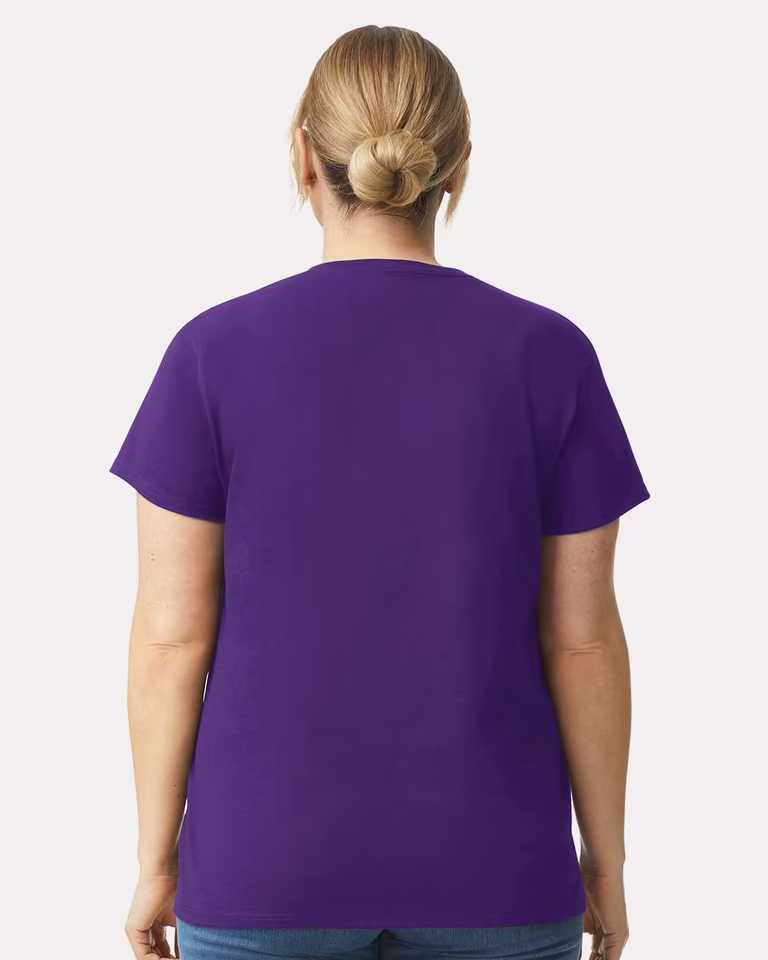
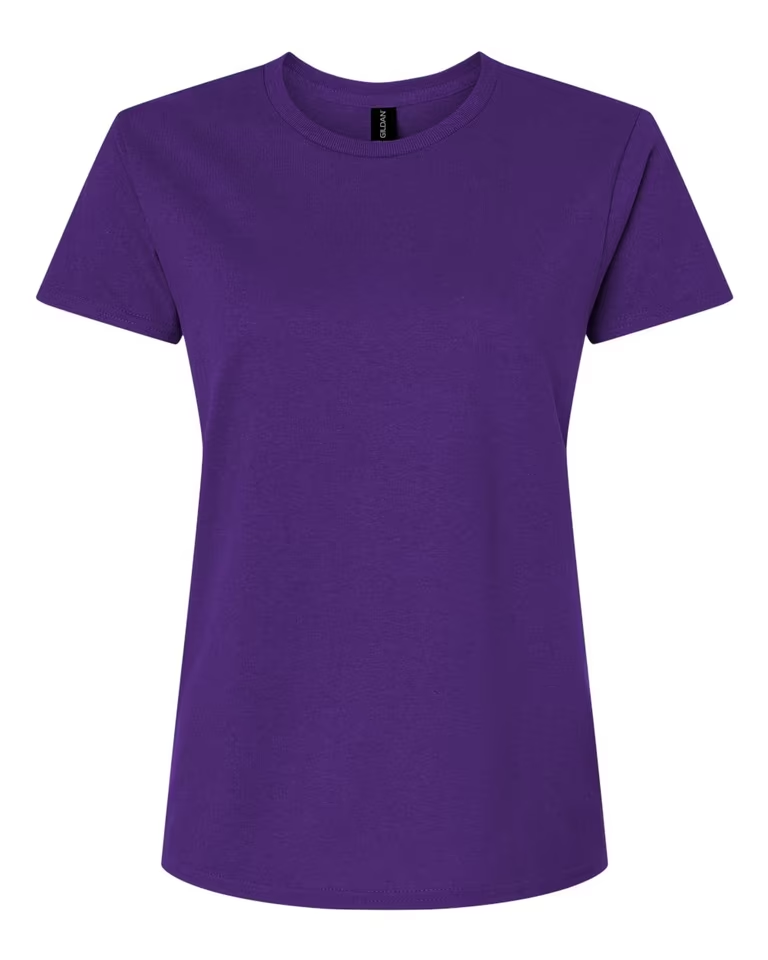
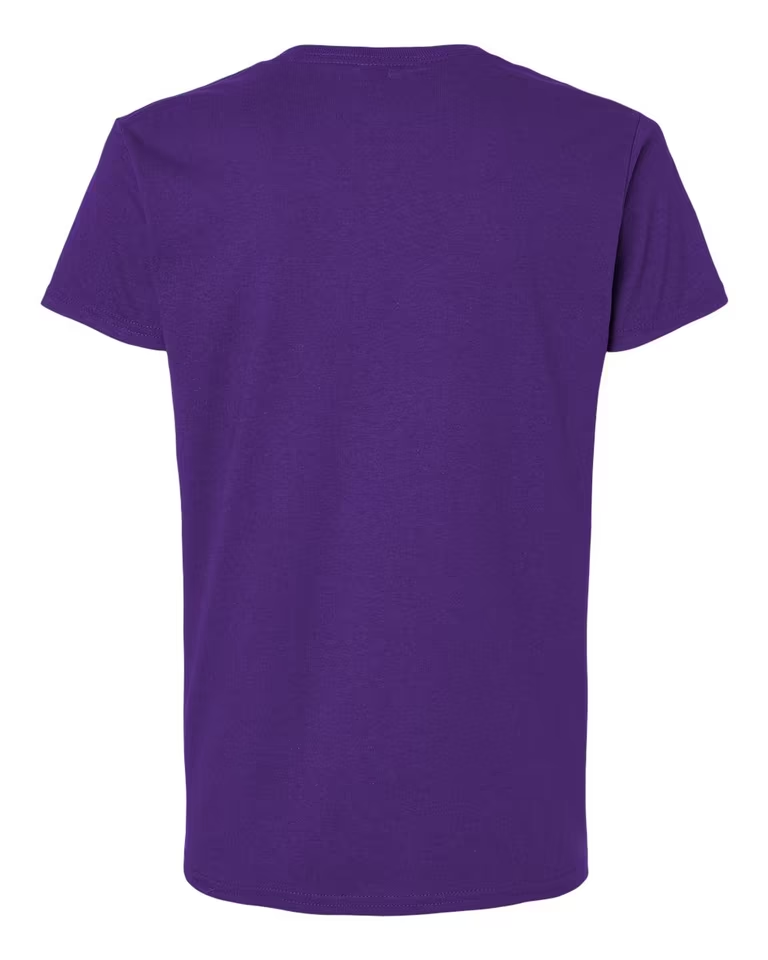
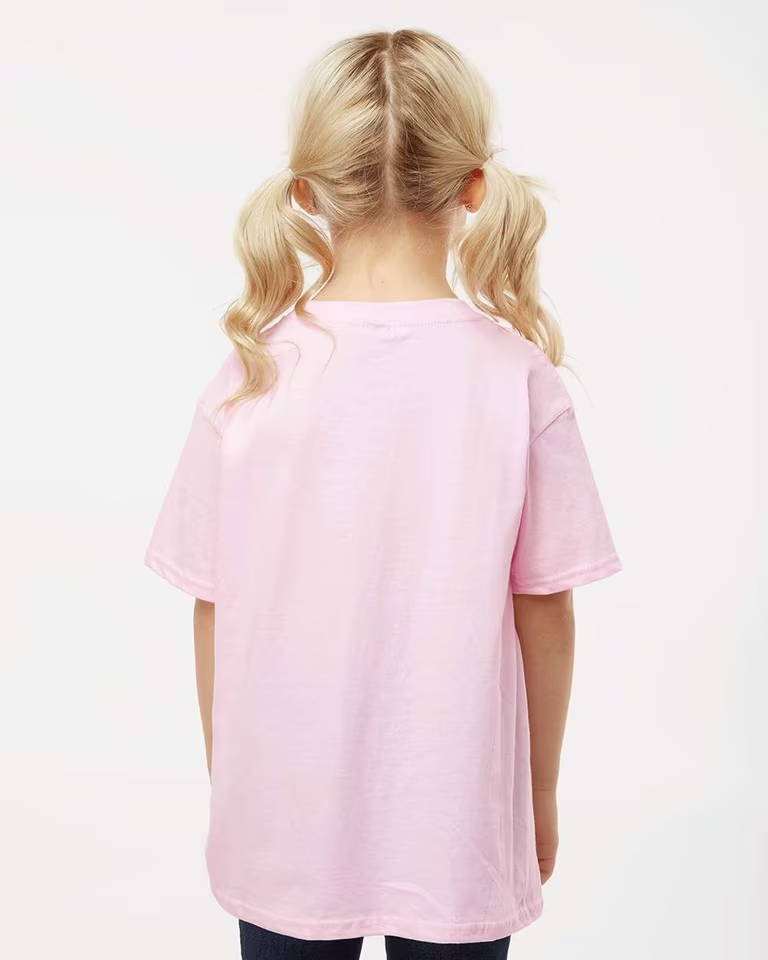
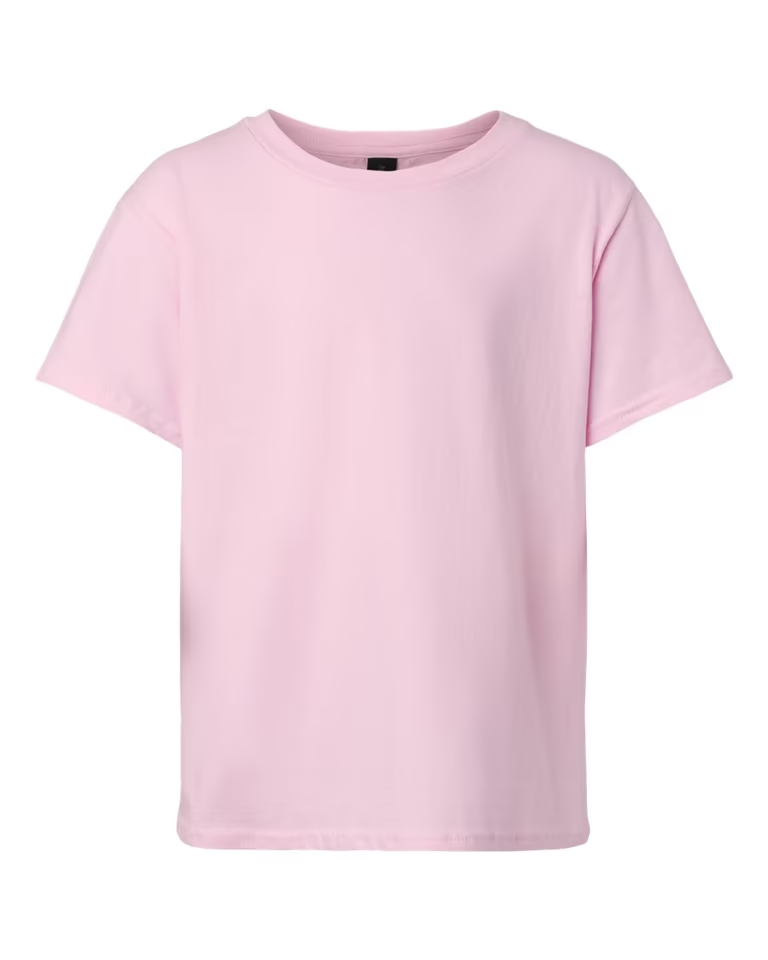
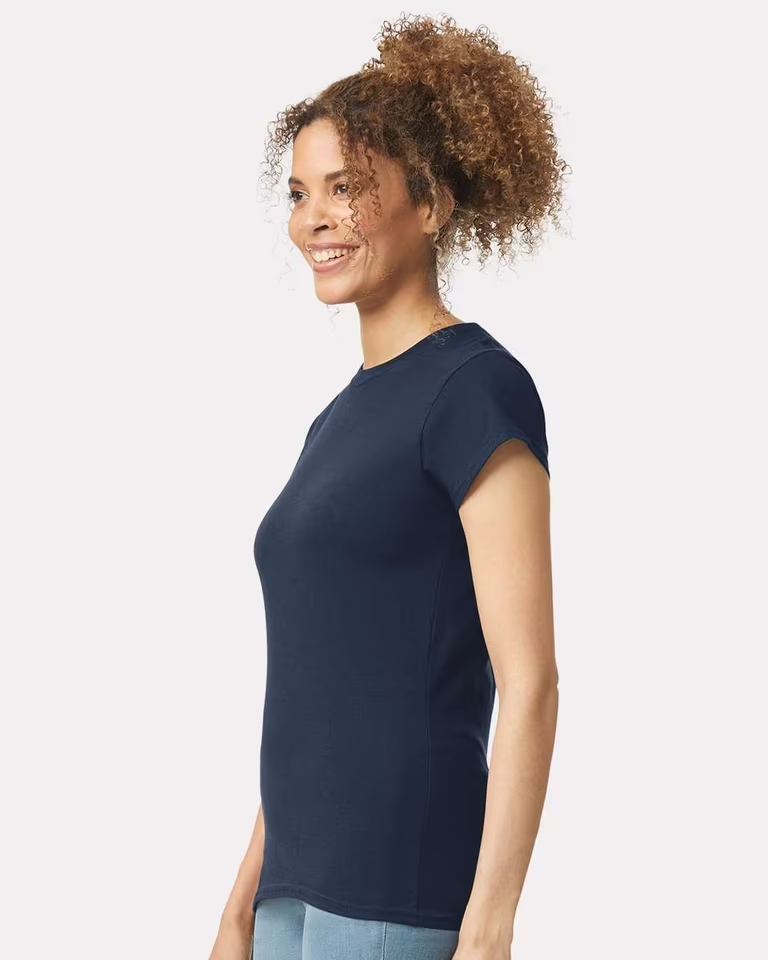
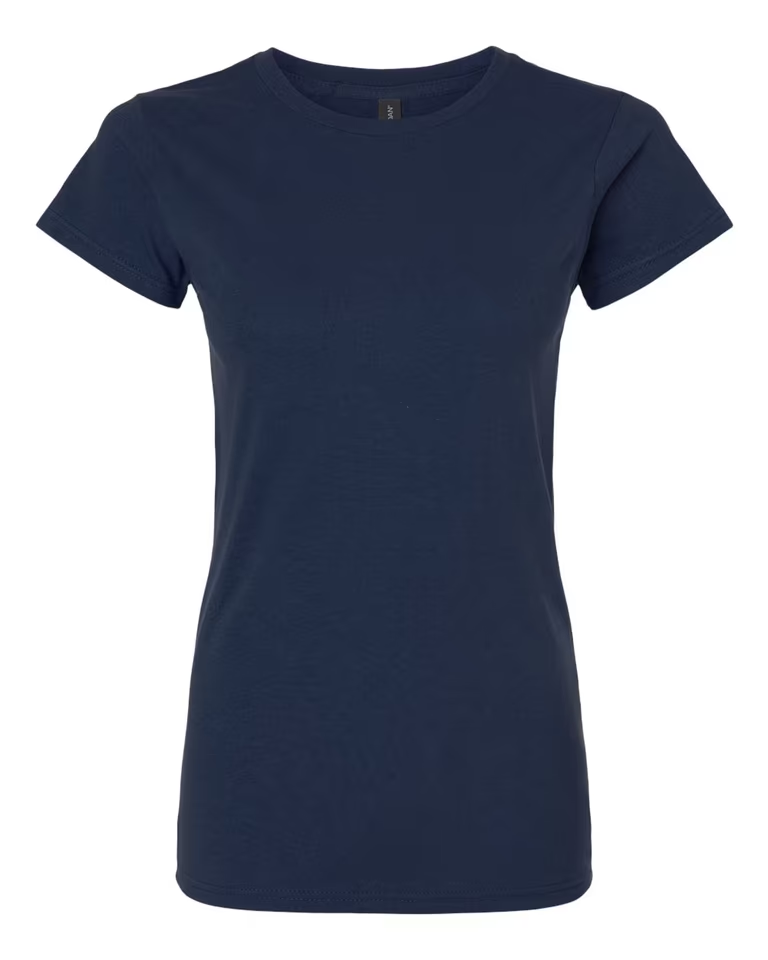
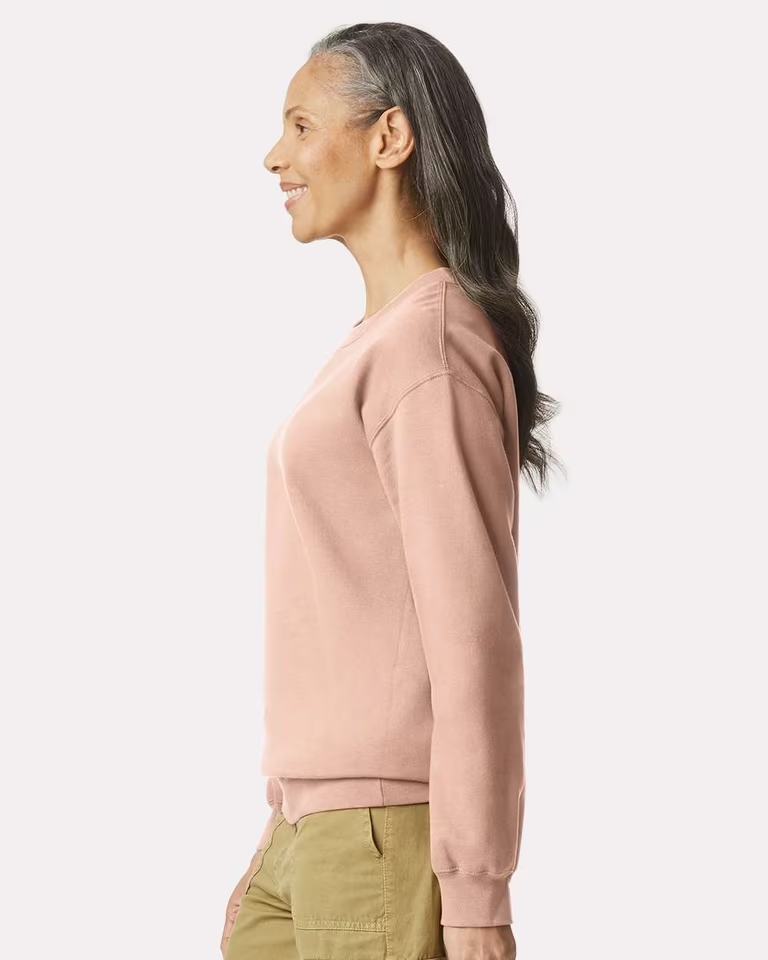
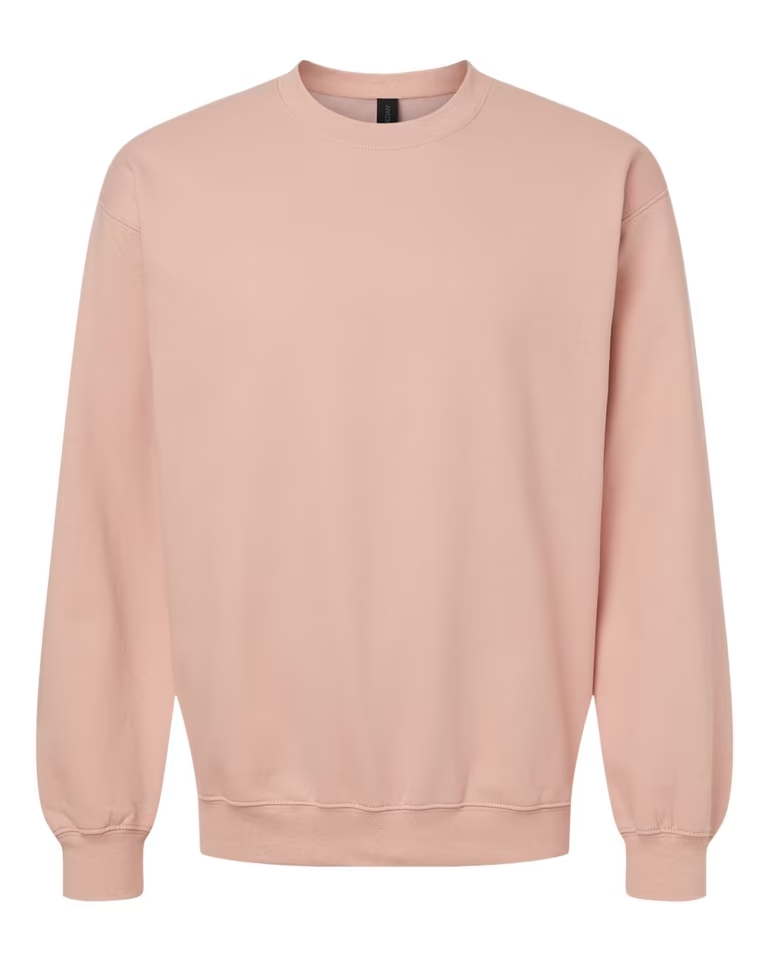
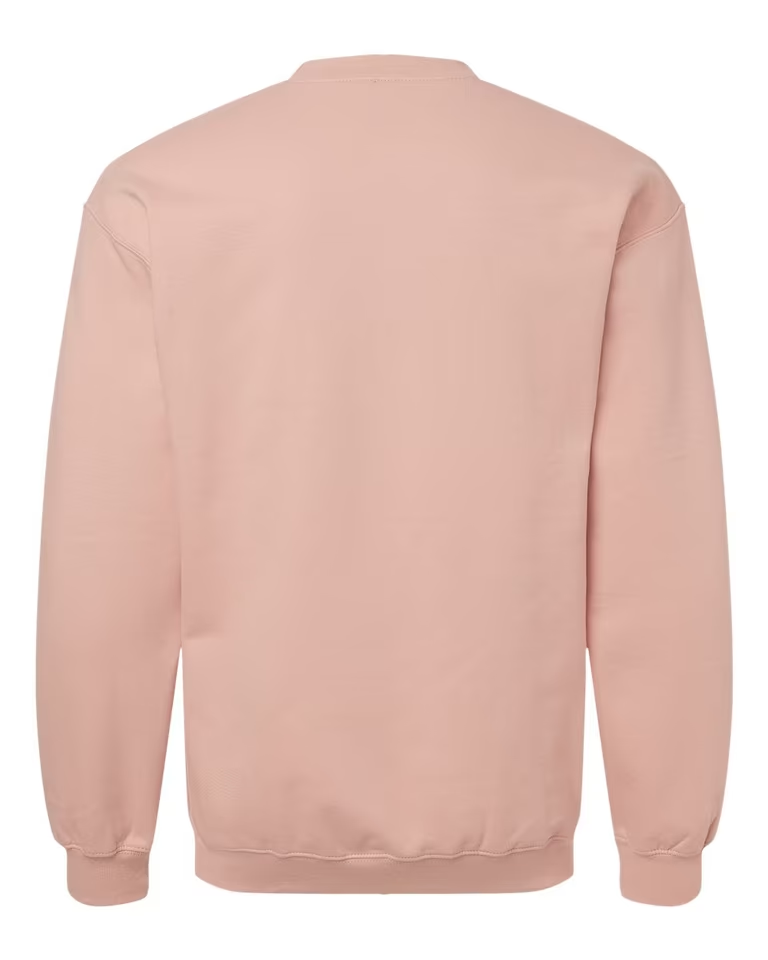
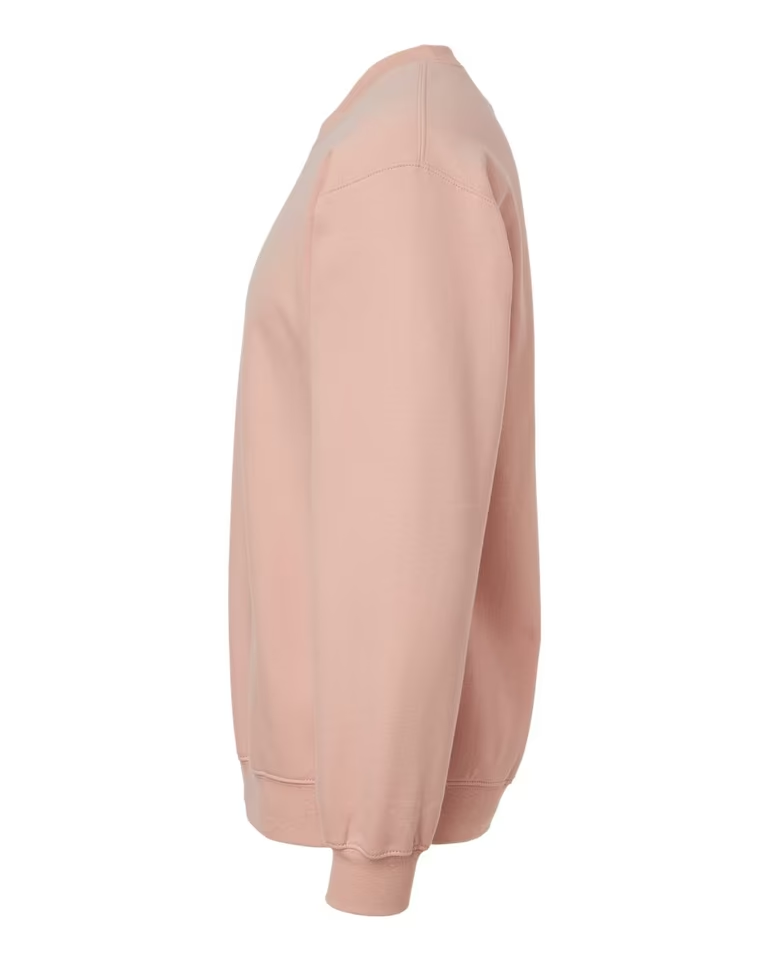
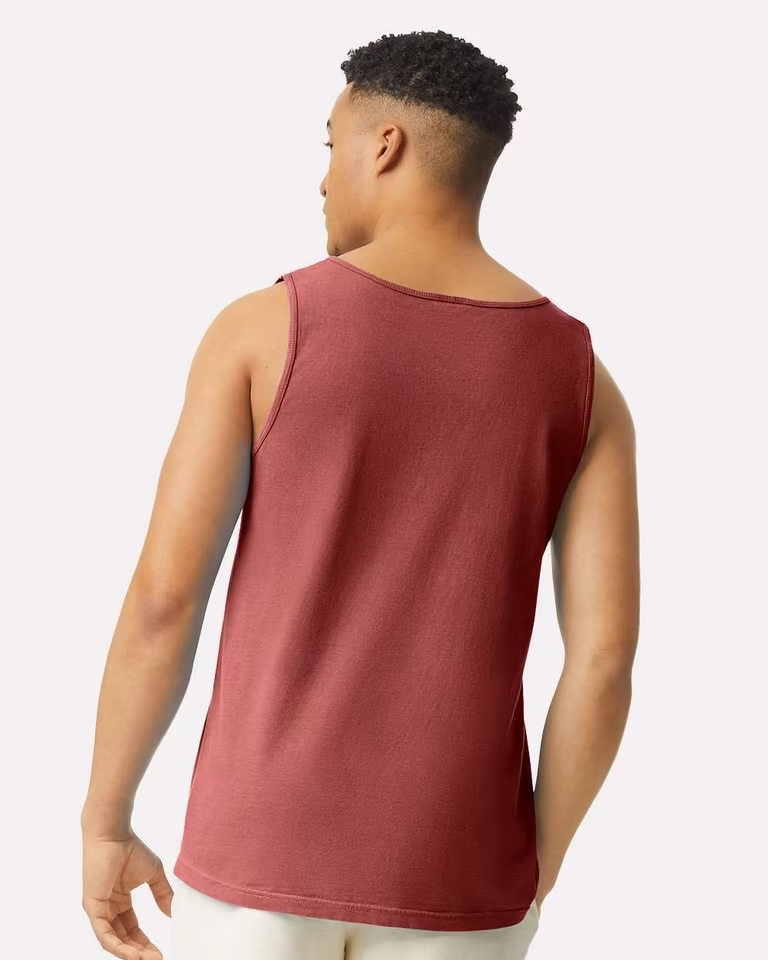
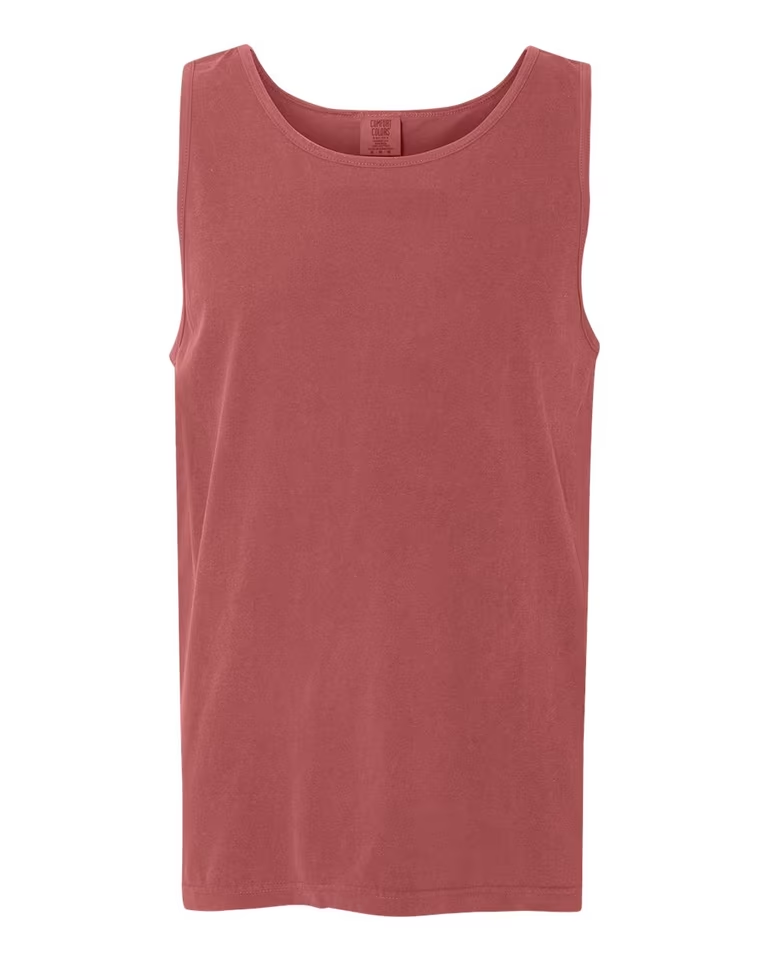
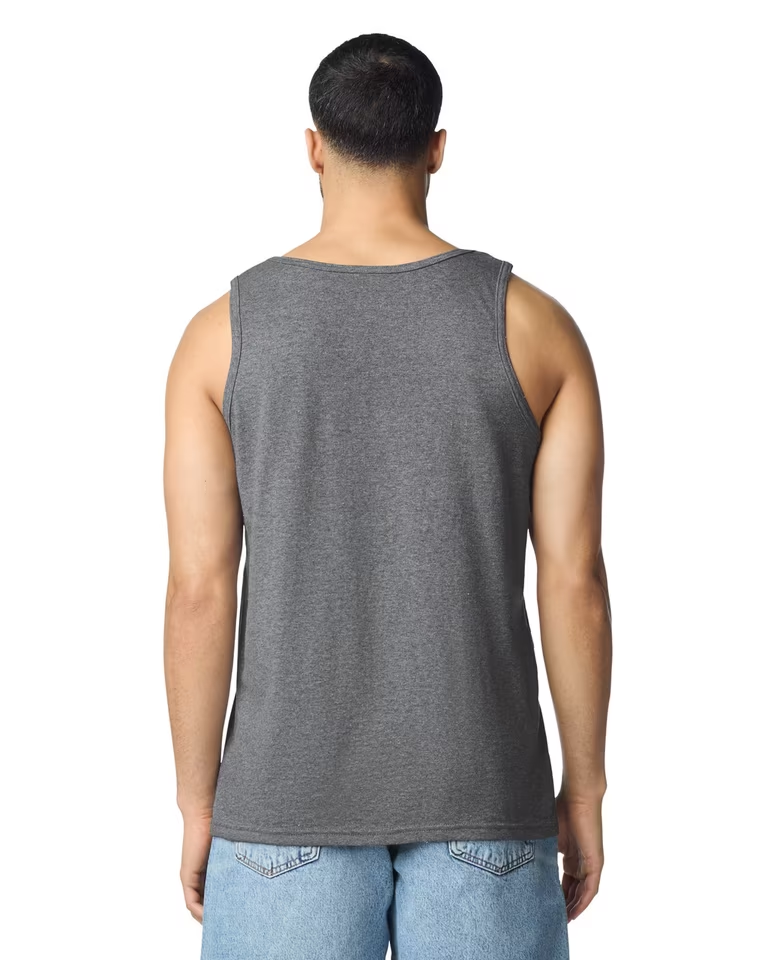
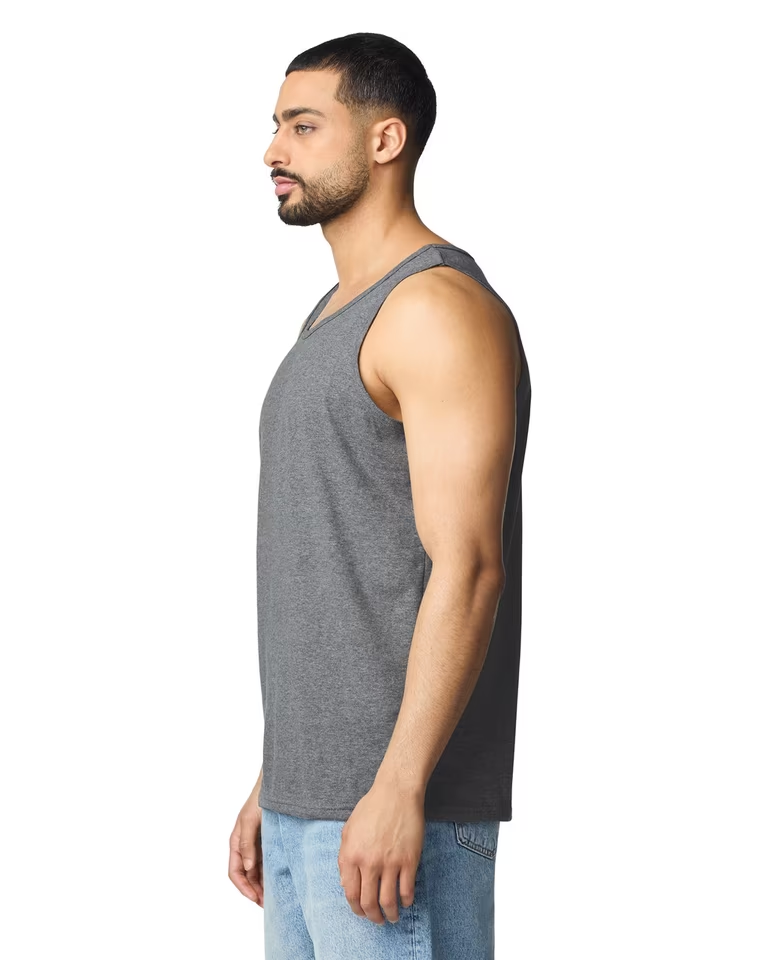
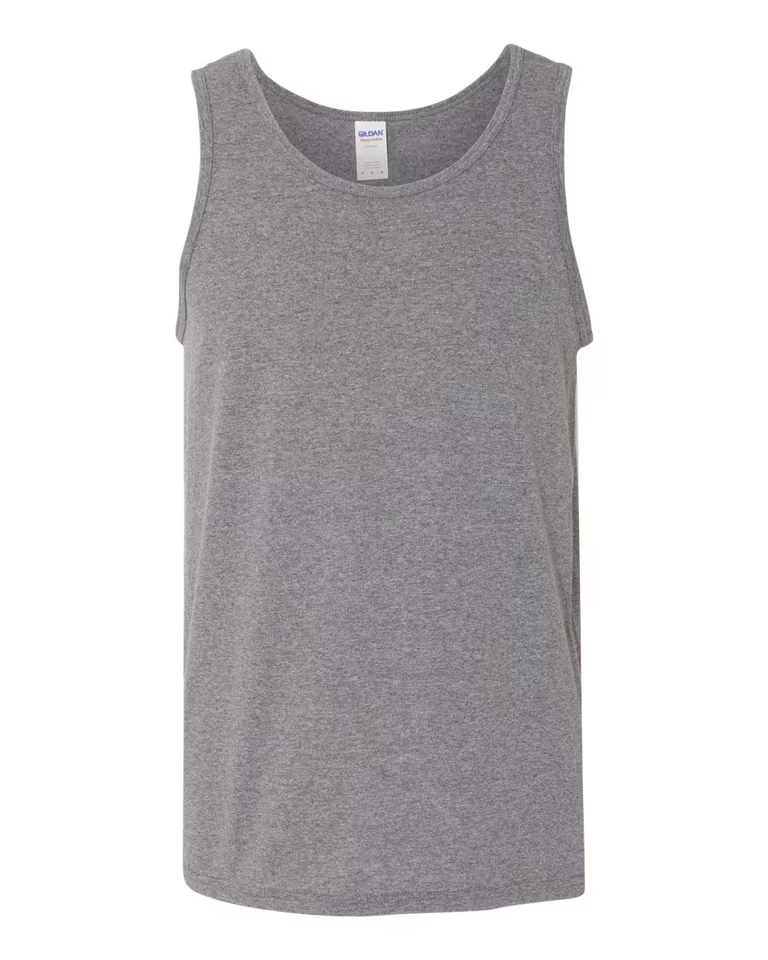
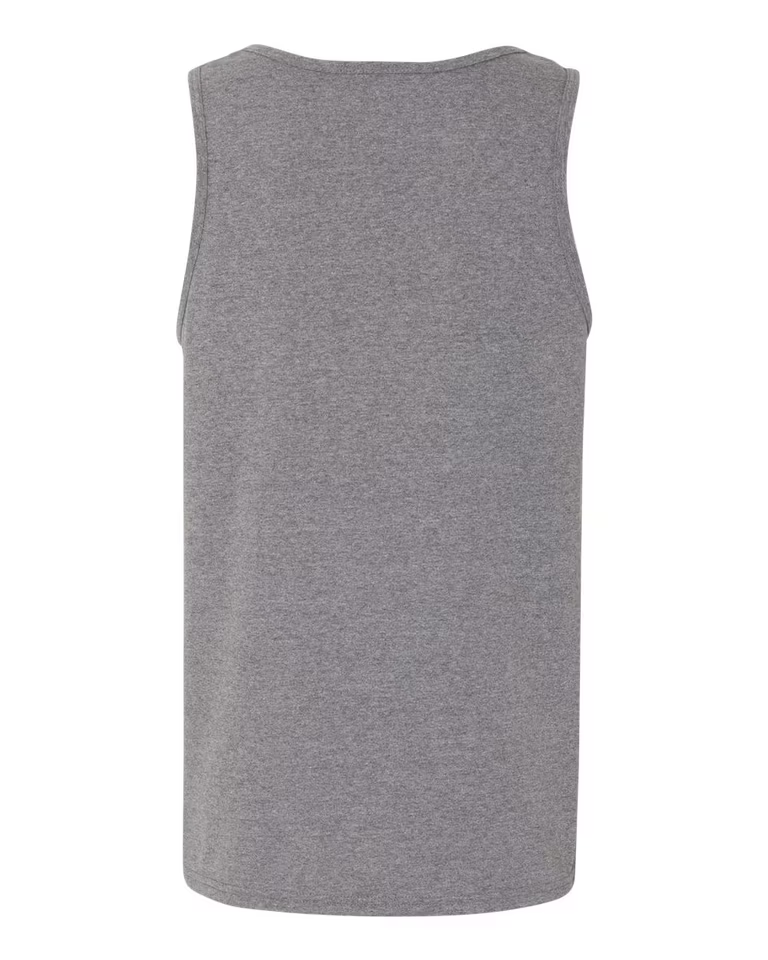
100% cotton
Last updated September 14, 2026
DTG is an inkjet printer for shirts: Screen-printing ink where the carrier is water rather than PVC. It soaks into the fabric fibers instead of sitting on top, so the print feels like the shirt itself. Less opaque on dark garments than plastisol. pigment ink jetted directly into the fabric, with photographic detail and effectively unlimited color. It owns the print-on-demand world and any job where the artwork is too complex for screens. But it's by far the pickiest method about the garment underneath it; the blank does half the work.
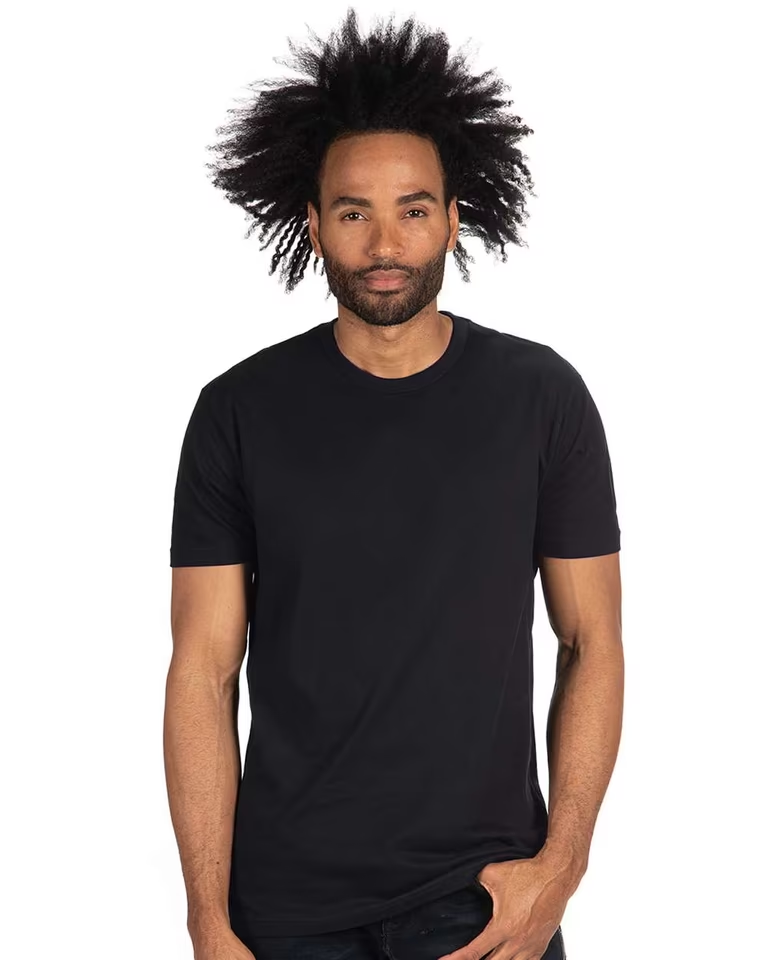
Dark and colored garments first get sprayed with a A liquid sprayed onto dark garments before DTG printing. It reacts with the ink to improve adhesion and helps white ink stay bright on dark fabric. that lets a white ink A first layer of (usually white) ink printed under the design on dark garments. It stops the dark fabric from showing through and keeps colors bright. sit on the surface, then CMYK builds the image on top; the whole print is heat-cured. Because there's no per-color setup, gradients, photos, and 30-color illustrations cost the same as a one-color logo.
It wins on A yarn made from a single strand (not plied). Most tees use singles. The lower the count number, the thicker the yarn (30s is thicker than 40s). Higher counts produce finer, lighter fabric. and small runs of complex art: print-on-demand stores, samples, artist drops. At volume it loses to screen printing on both speed and ink cost.
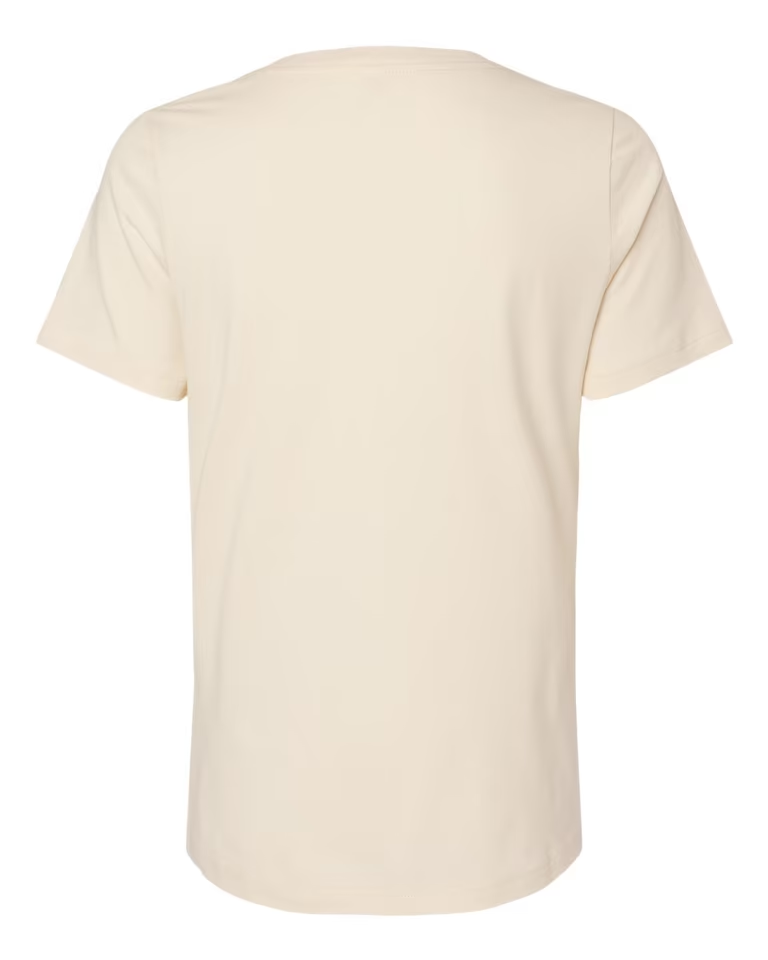
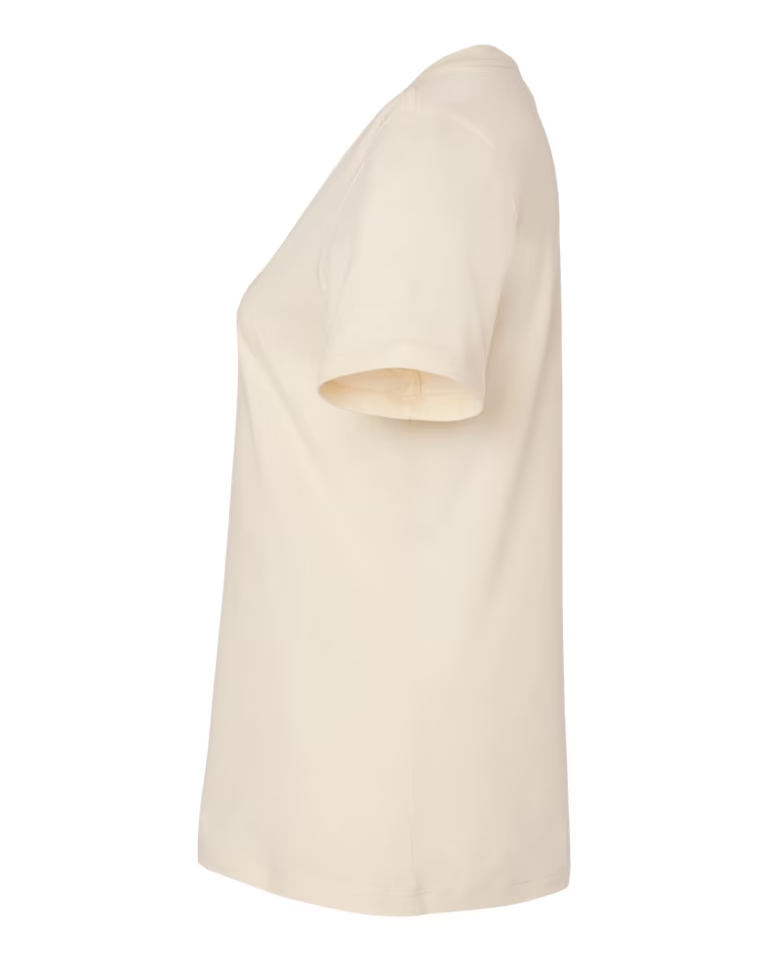
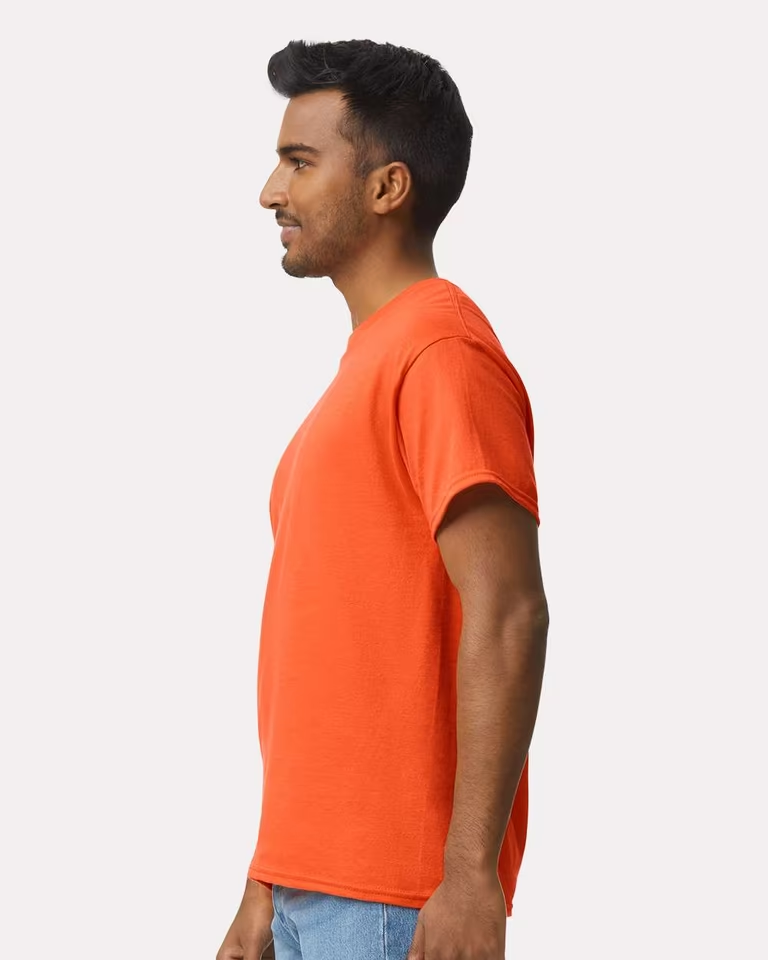
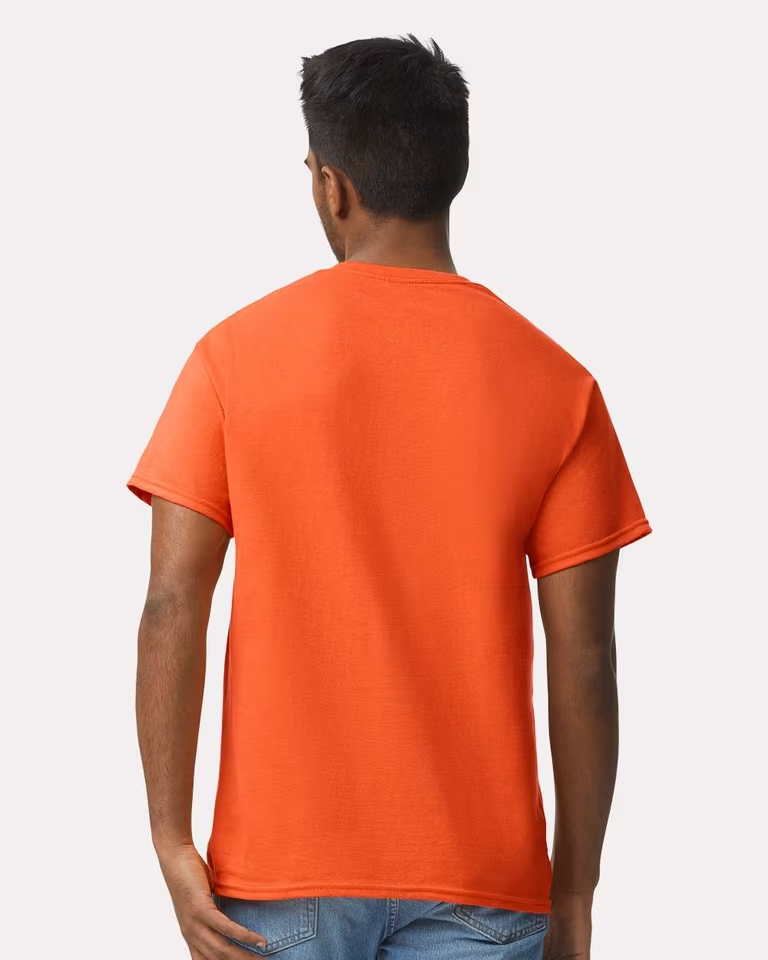
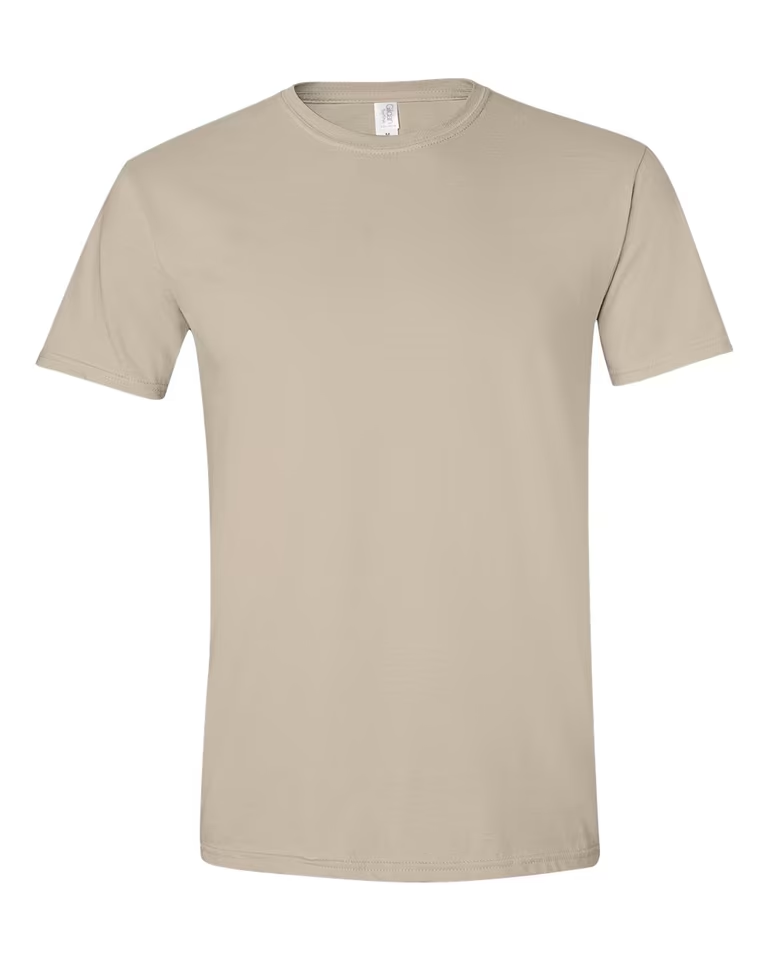
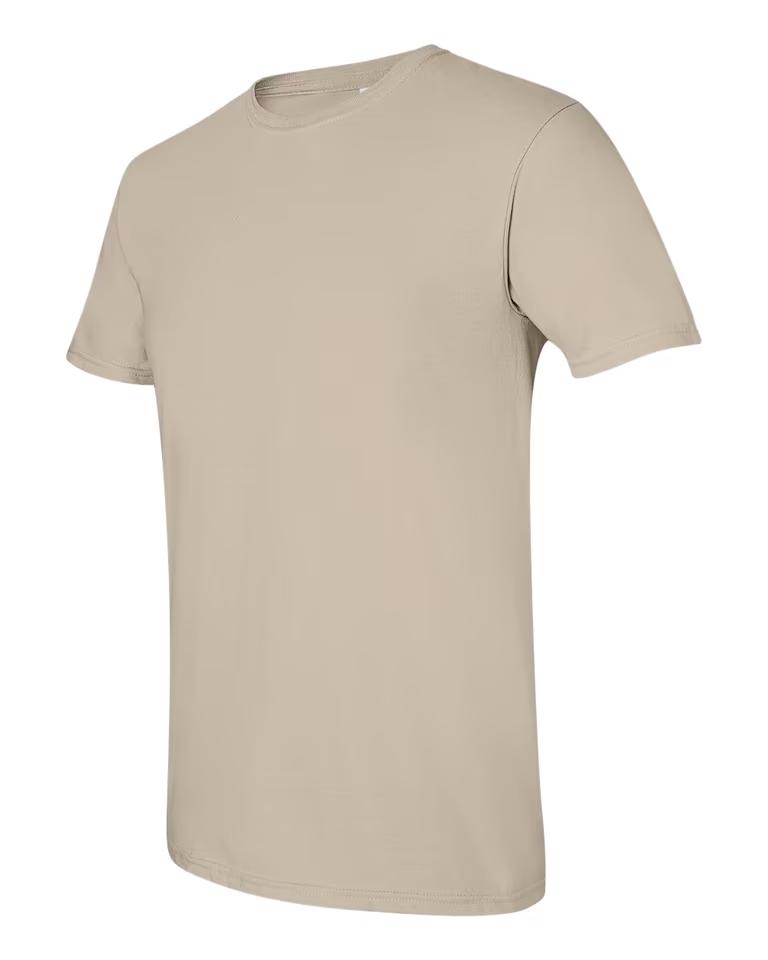
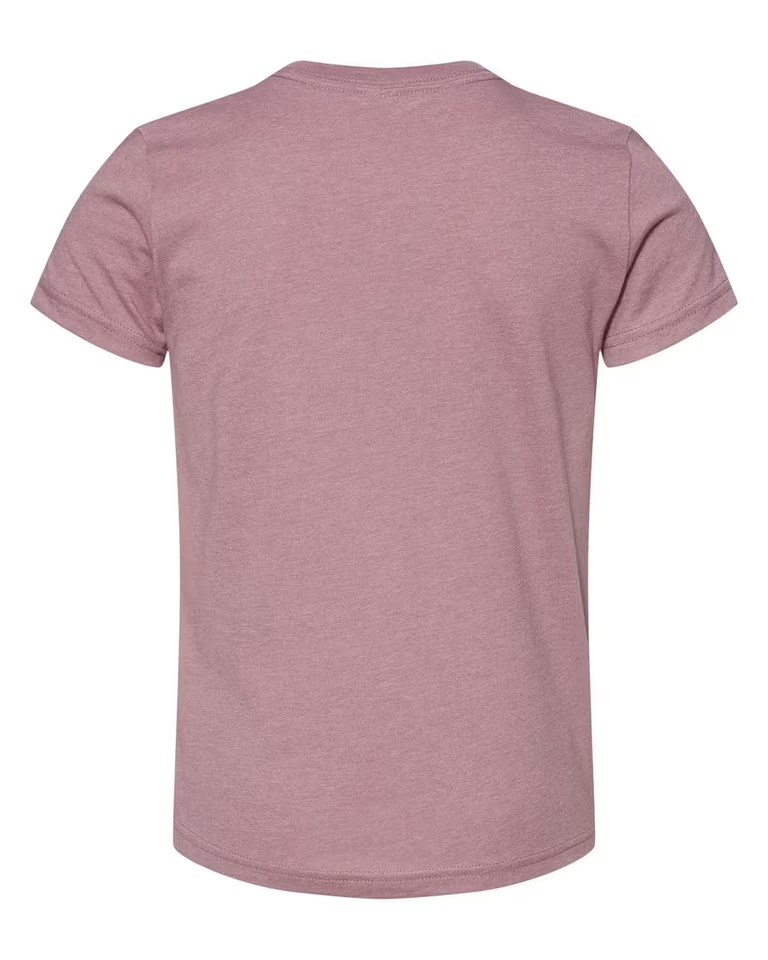
100% cotton, and specifically A step after carding where short fibers are combed out. Combed yarn is smoother, stronger, and pills less than straight-carded yarn. ring-spun cotton. The Screen-printing ink where the carrier is water rather than PVC. It soaks into the fabric fibers instead of sitting on top, so the print feels like the shirt itself. Less opaque on dark garments than plastisol. ink needs absorbent natural fiber, and a smooth, tight-knit surface gives sharp edges instead of ink wicking into fuzz, which is why DTG shops standardize on retail-fit ring-spun staples and avoid rough open-end tees. Heavier, denser fabrics print well; the enemy is texture, not weight.
Blends are a compromise: prints on CVC come out more muted and vintage, tri-blends more so, and polyester is largely off the table without specialized poly DTG systems. A liquid sprayed onto dark garments before DTG printing. It reacts with the ink to improve adhesion and helps white ink stay bright on dark fabric. compatibility varies by garment dye and finish, so test any new style; some colors fade or box-mark where the A liquid sprayed onto dark garments before DTG printing. It reacts with the ink to improve adhesion and helps white ink stay bright on dark fabric. hits.
Per-print cost is dominated by white ink and A liquid sprayed onto dark garments before DTG printing. It reacts with the ink to improve adhesion and helps white ink stay bright on dark fabric. on dark garments, which makes a dark shirt meaningfully more expensive to print than a white one, and it doesn't fall with quantity. That's why DTG pricing stays flat while screen printing pricing collapses at scale.
Common failures trace back to the blank or the A liquid sprayed onto dark garments before DTG printing. It reacts with the ink to improve adhesion and helps white ink stay bright on dark fabric. : dull prints on untreated or low-quality cotton, visible A liquid sprayed onto dark garments before DTG printing. It reacts with the ink to improve adhesion and helps white ink stay bright on dark fabric. rectangles on sensitive dye lots, and white A first layer of (usually white) ink printed under the design on dark garments. It stops the dark fabric from showing through and keeps colors bright. showing through after washing on loose-knit fabric. Buying consistent, DTG-proven styles eliminates most of it.
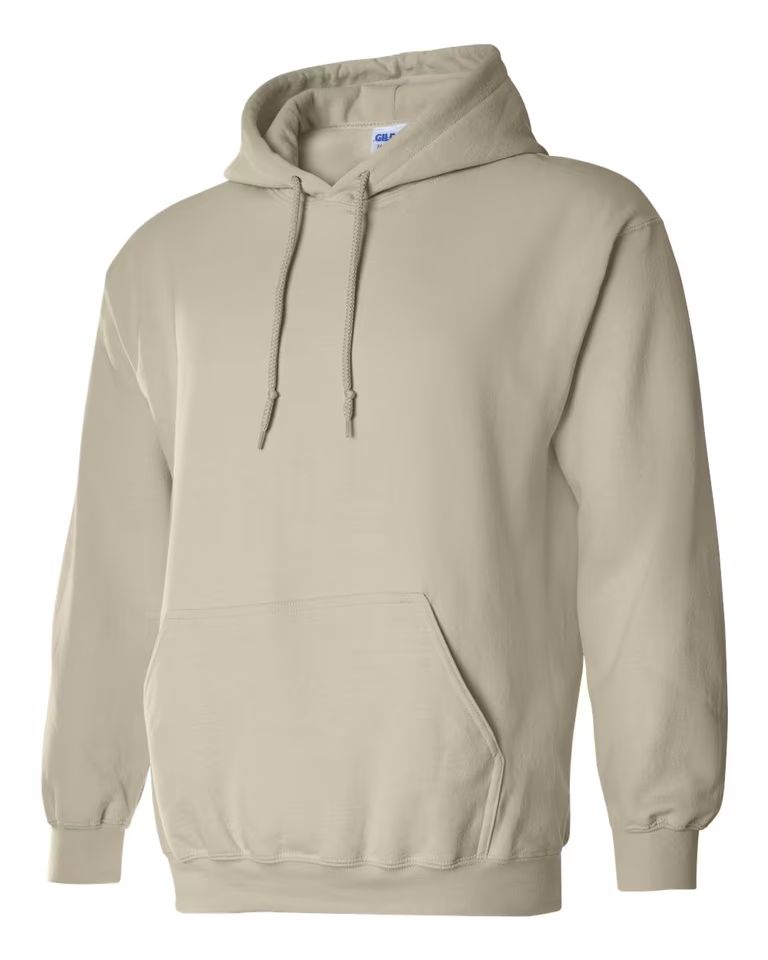
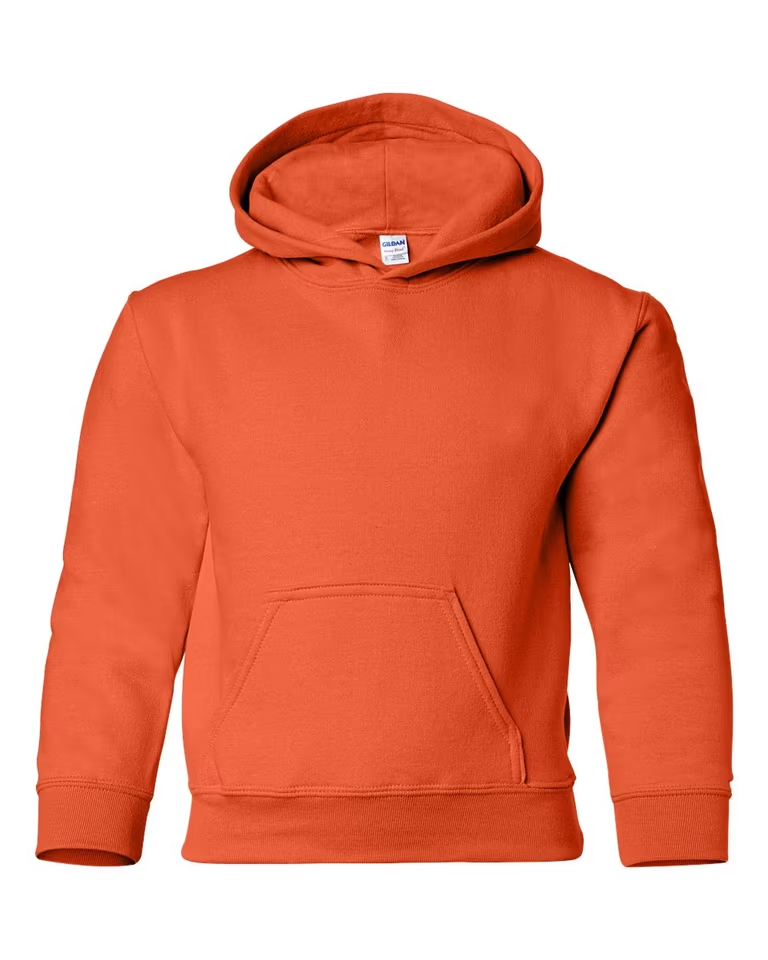
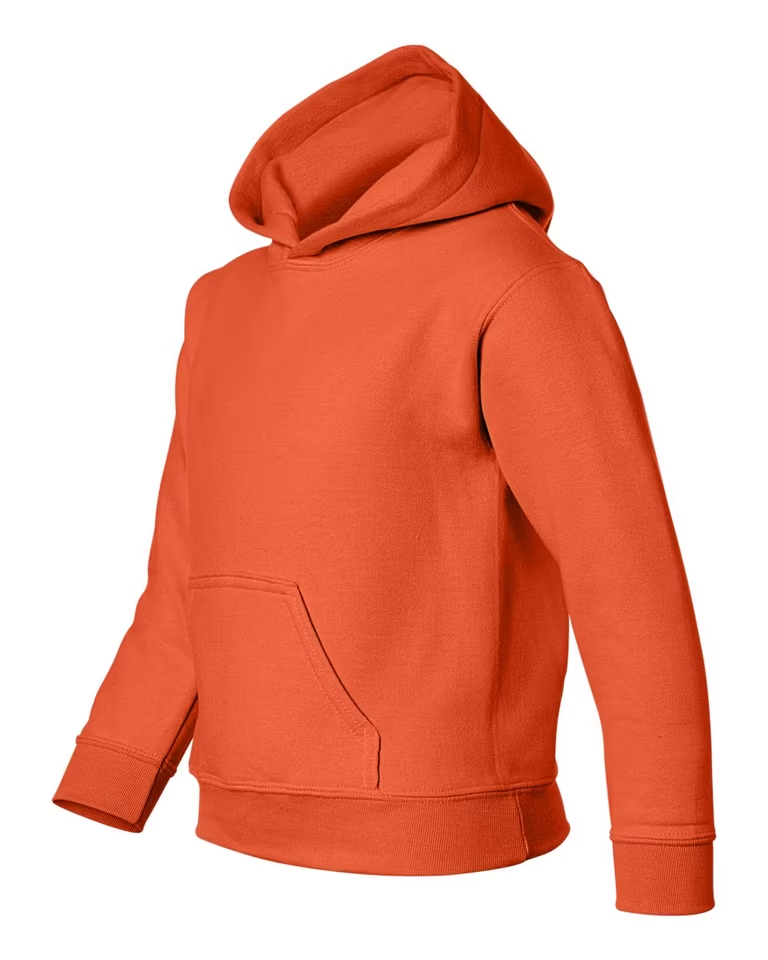
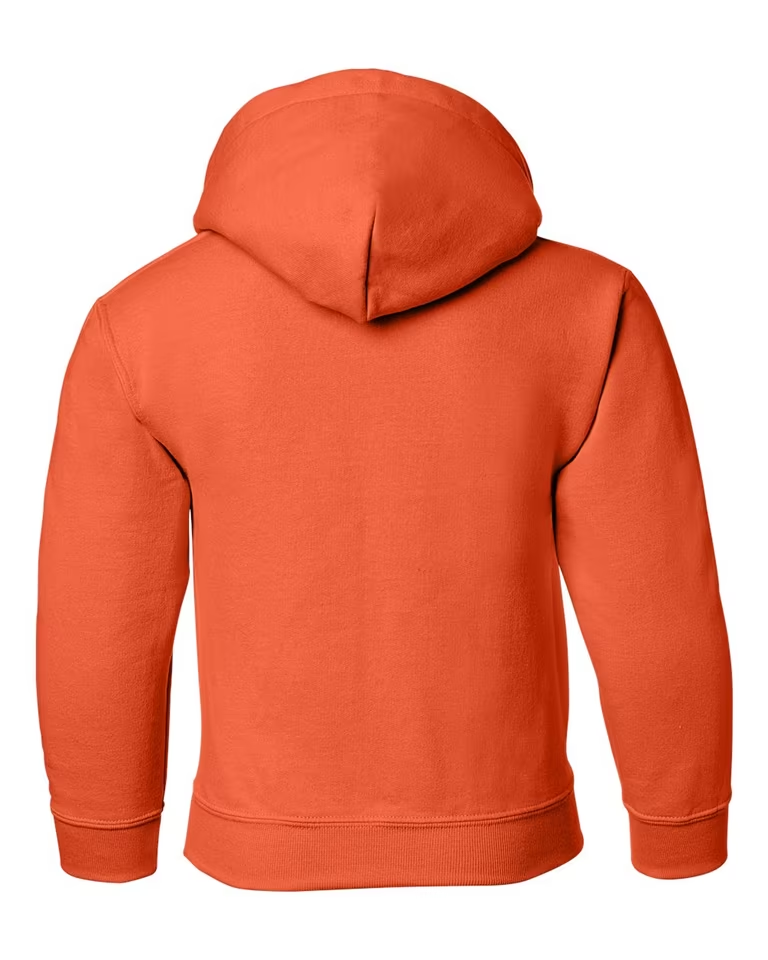
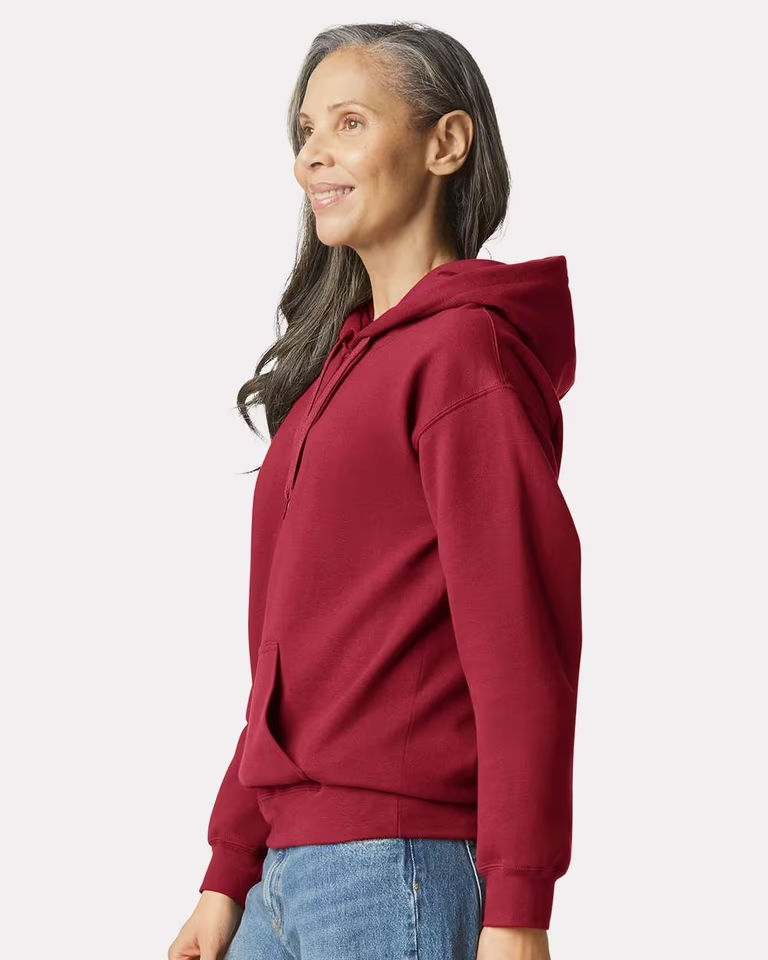
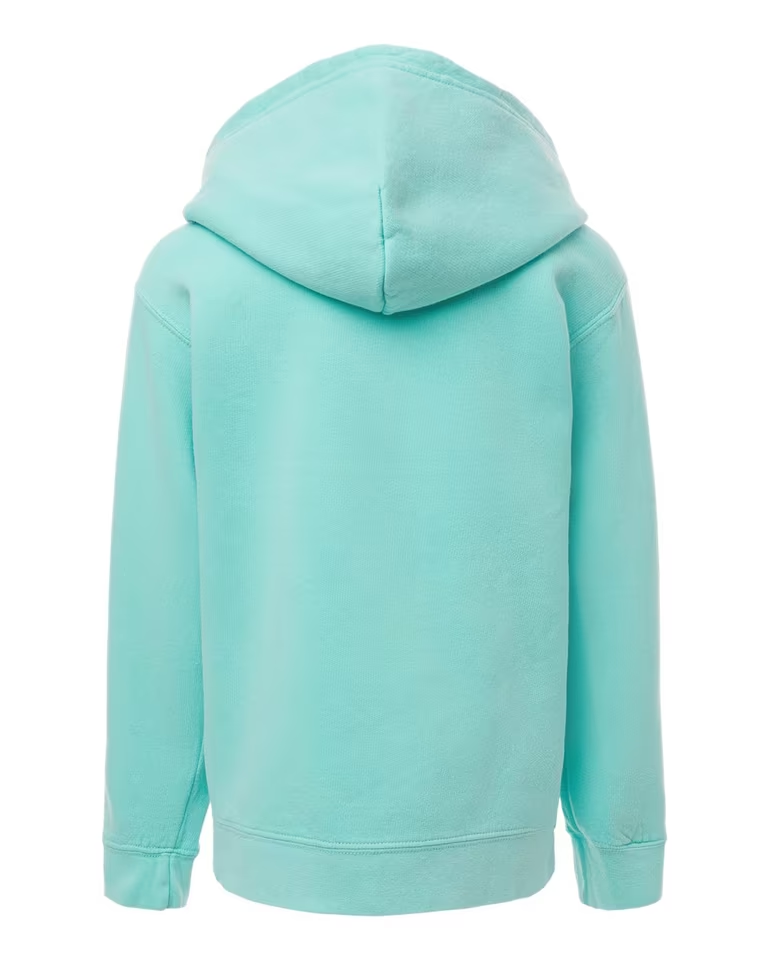
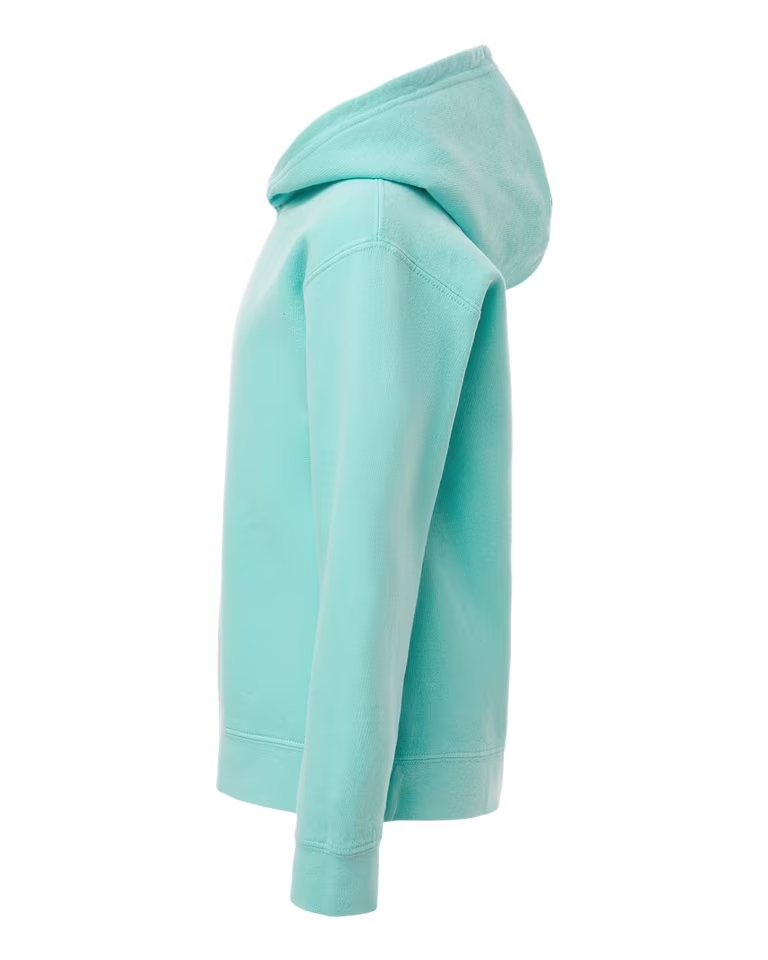
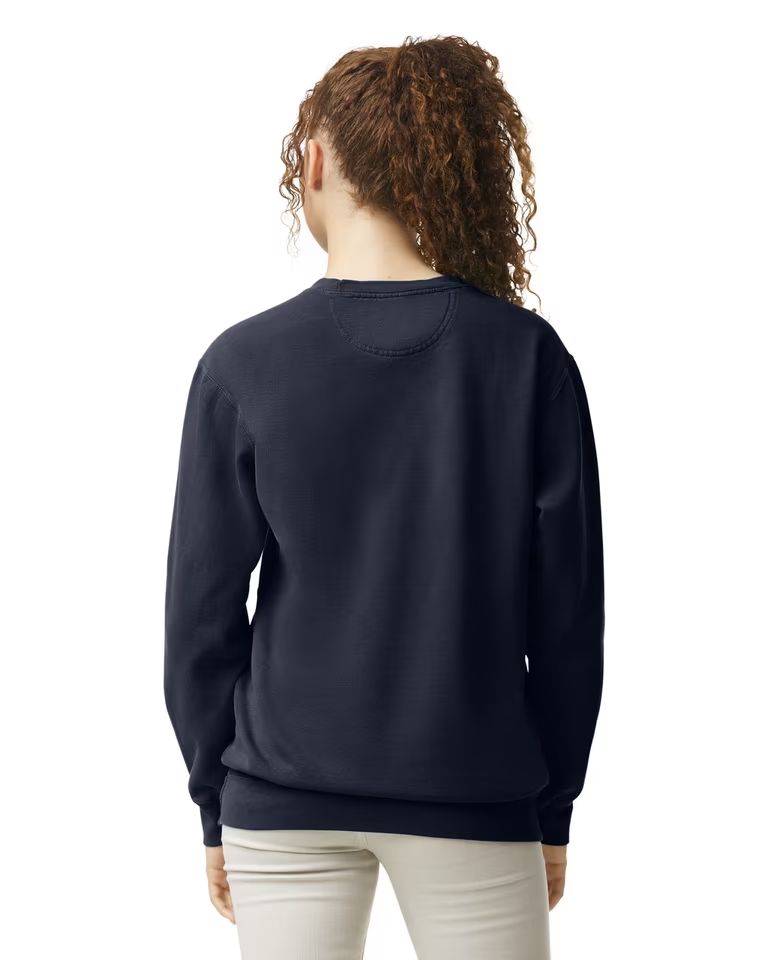
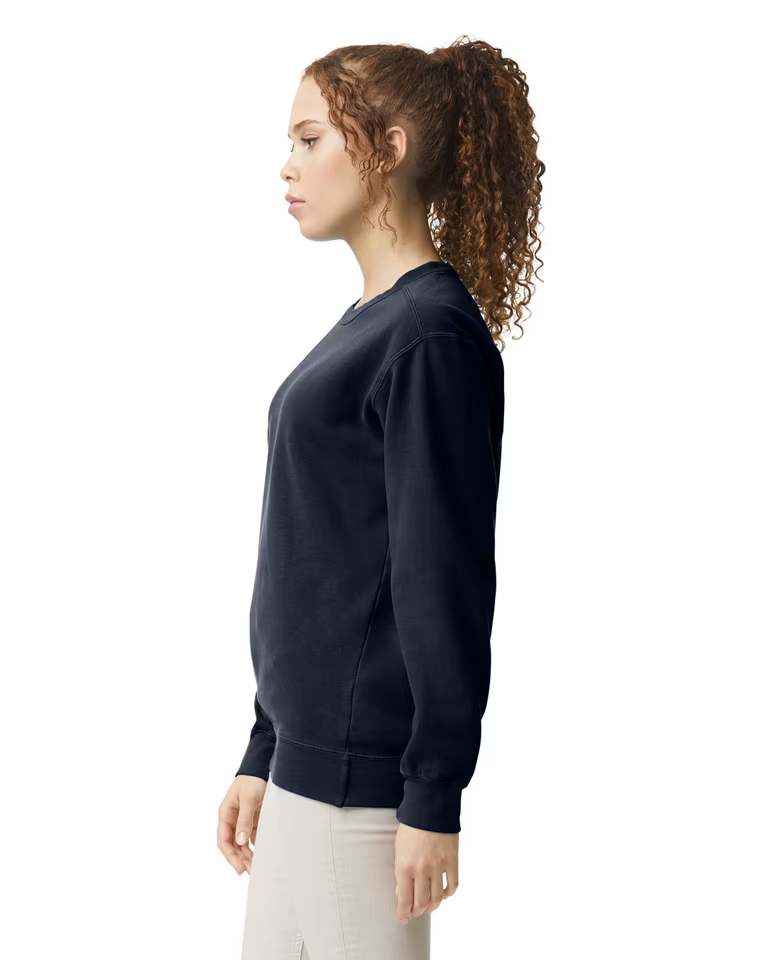
DTG wants cotton, so this browses the cotton catalog by category, tees and fleece deepest. Each row previews a category's best; the Shop all link opens the full set.
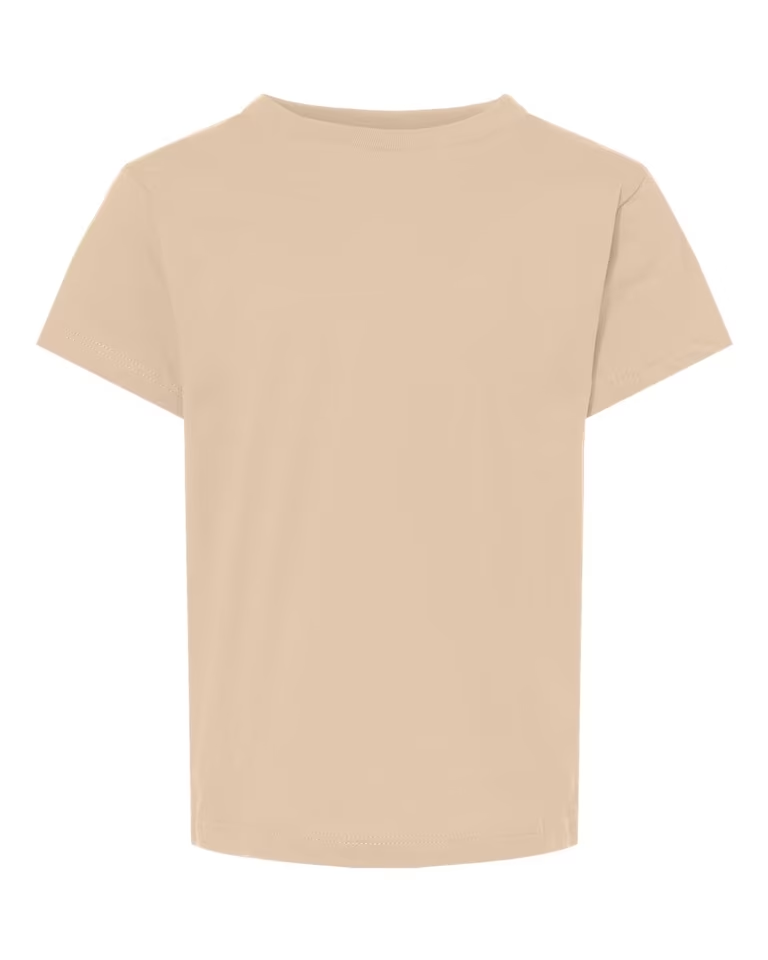
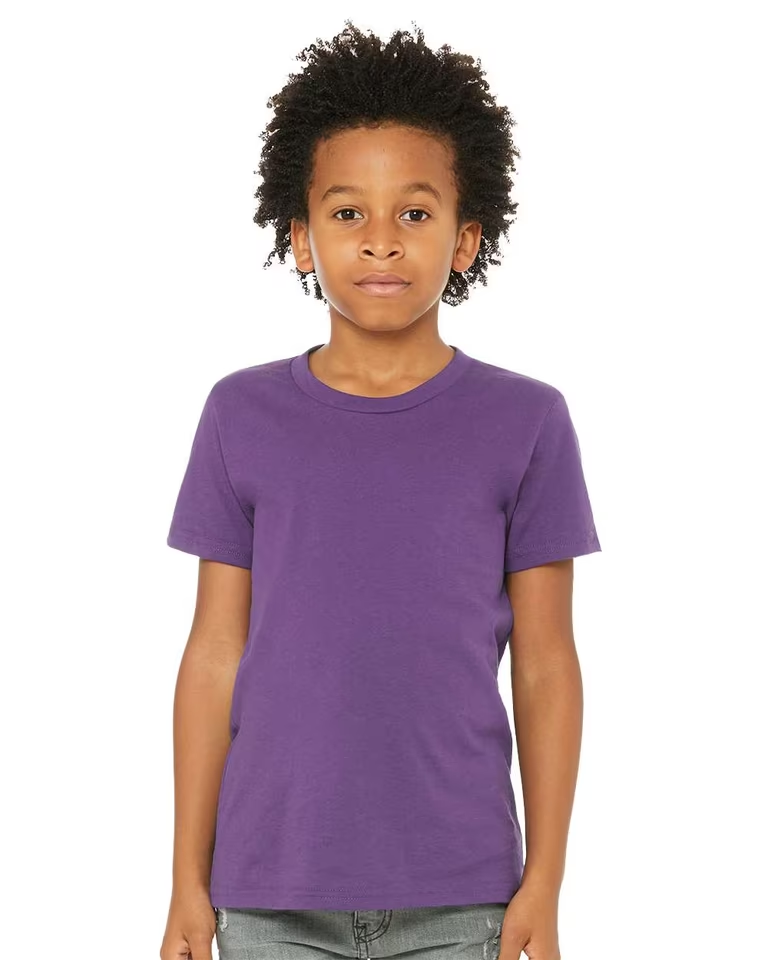
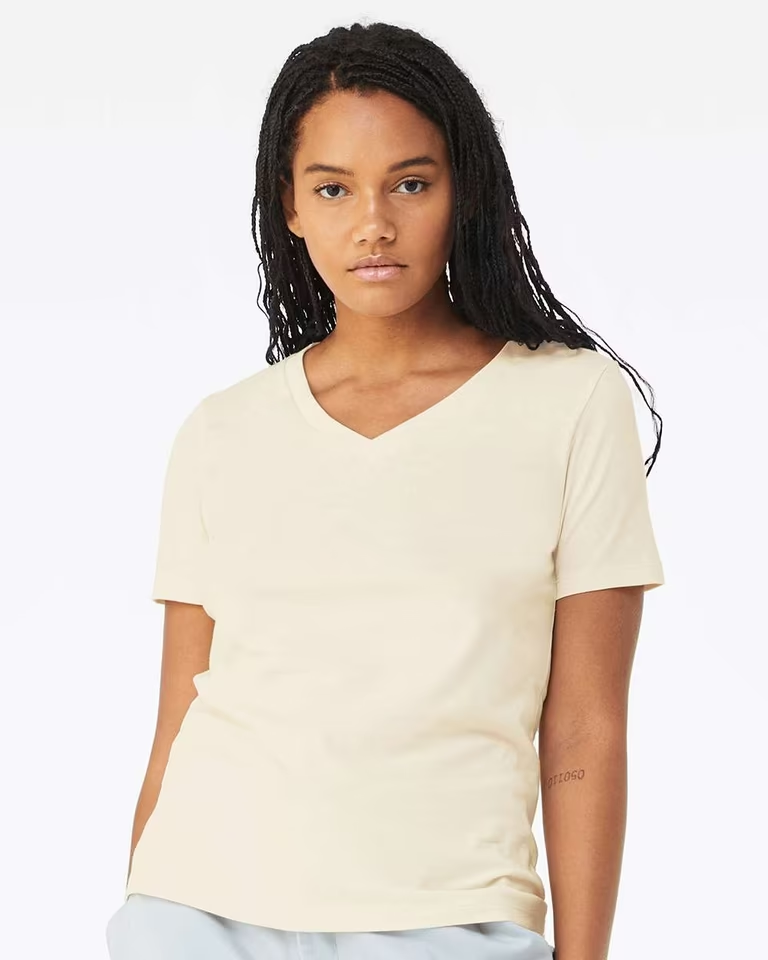
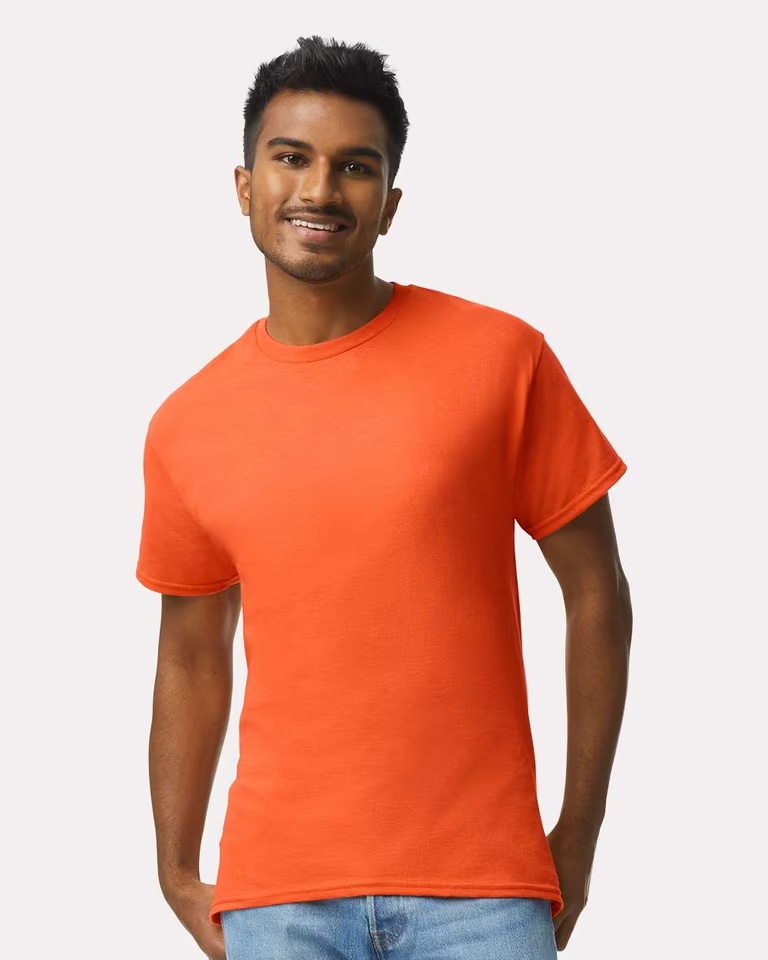
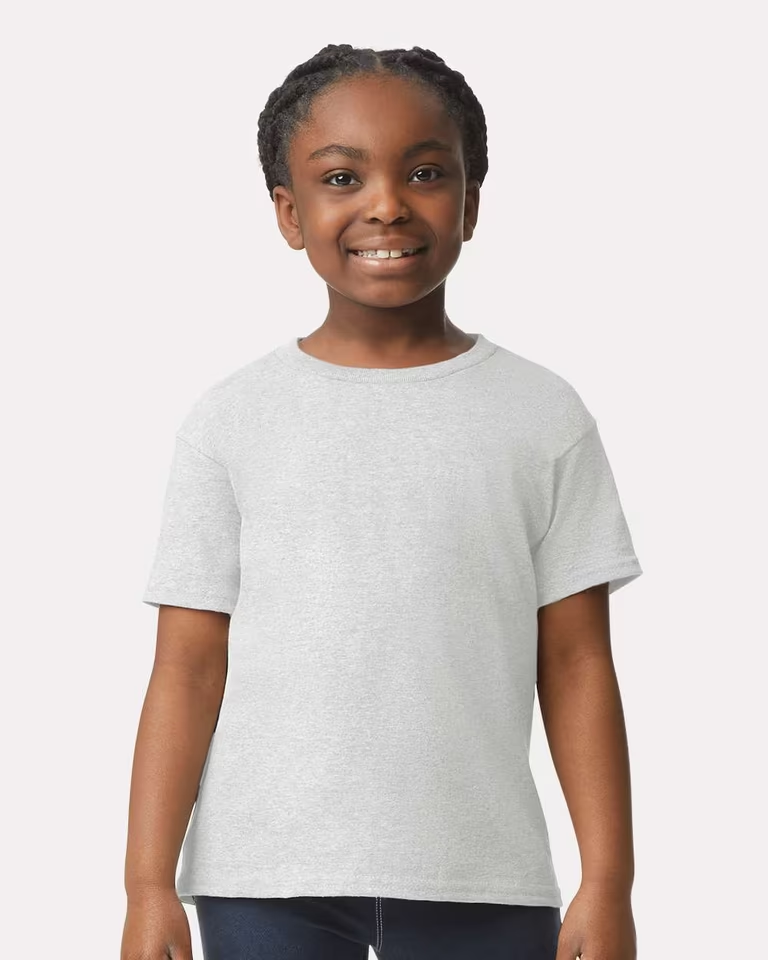
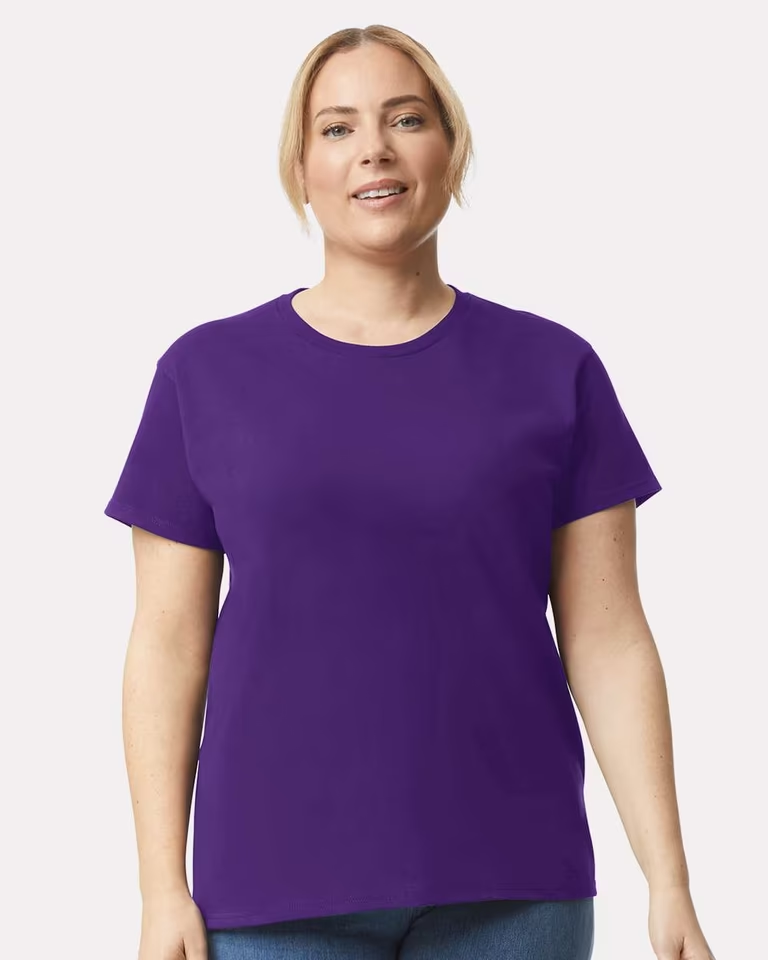
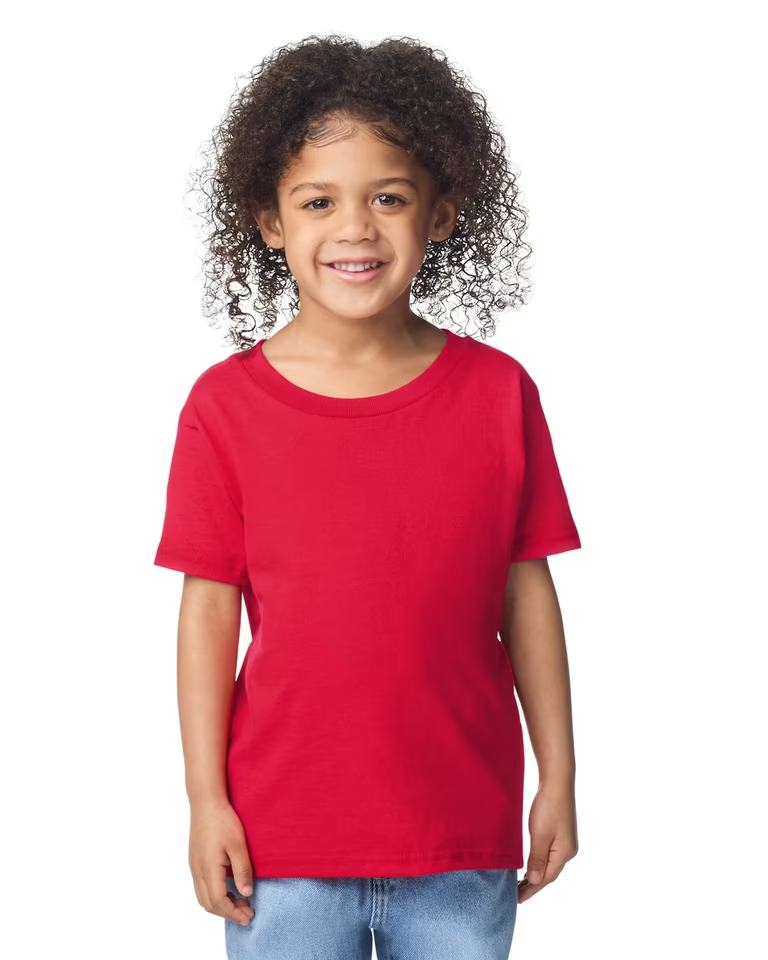
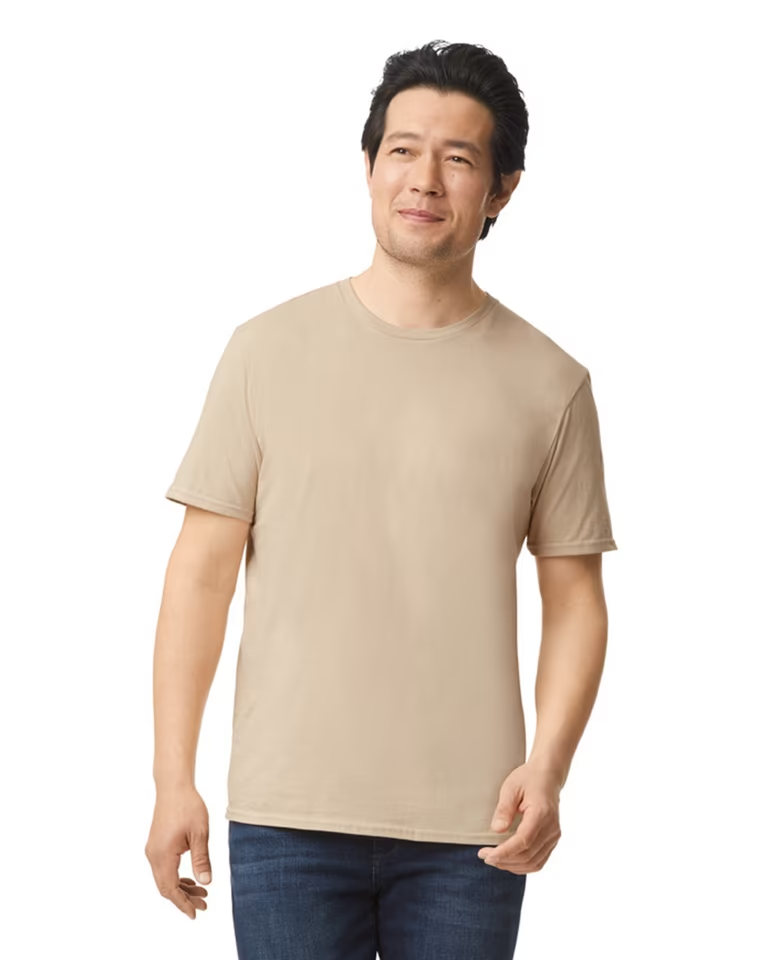
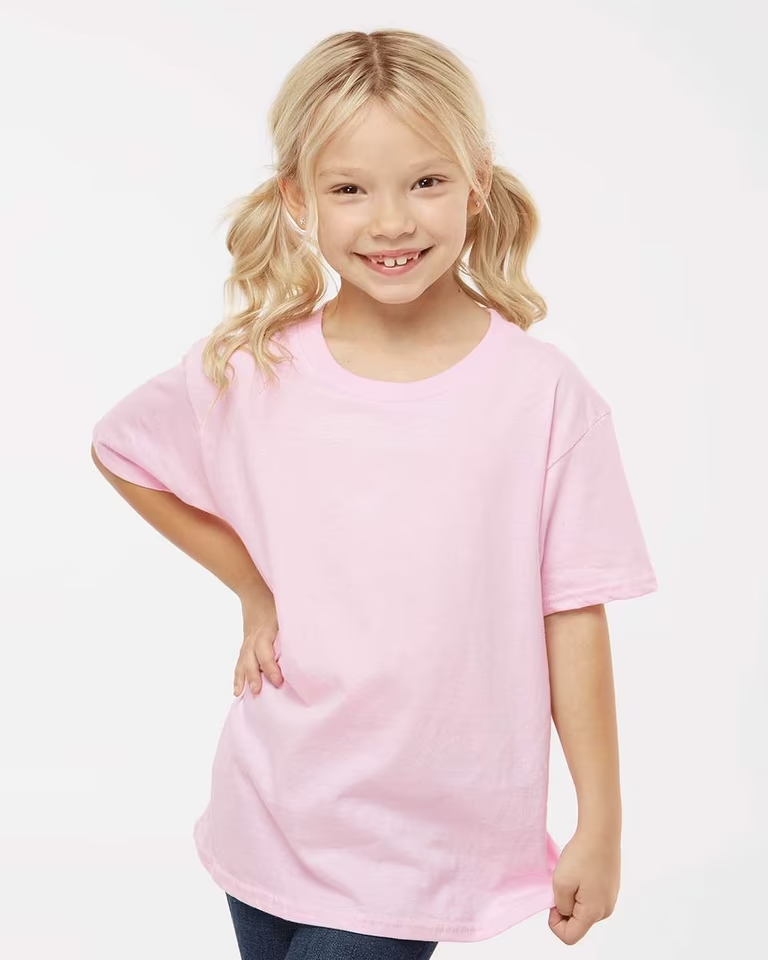
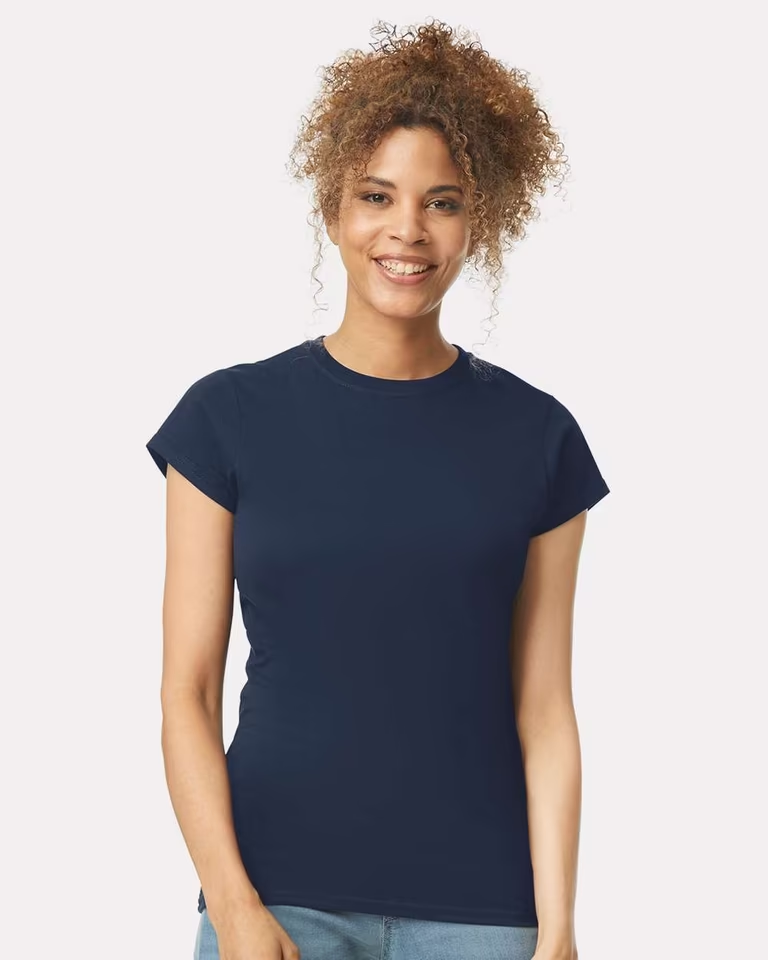
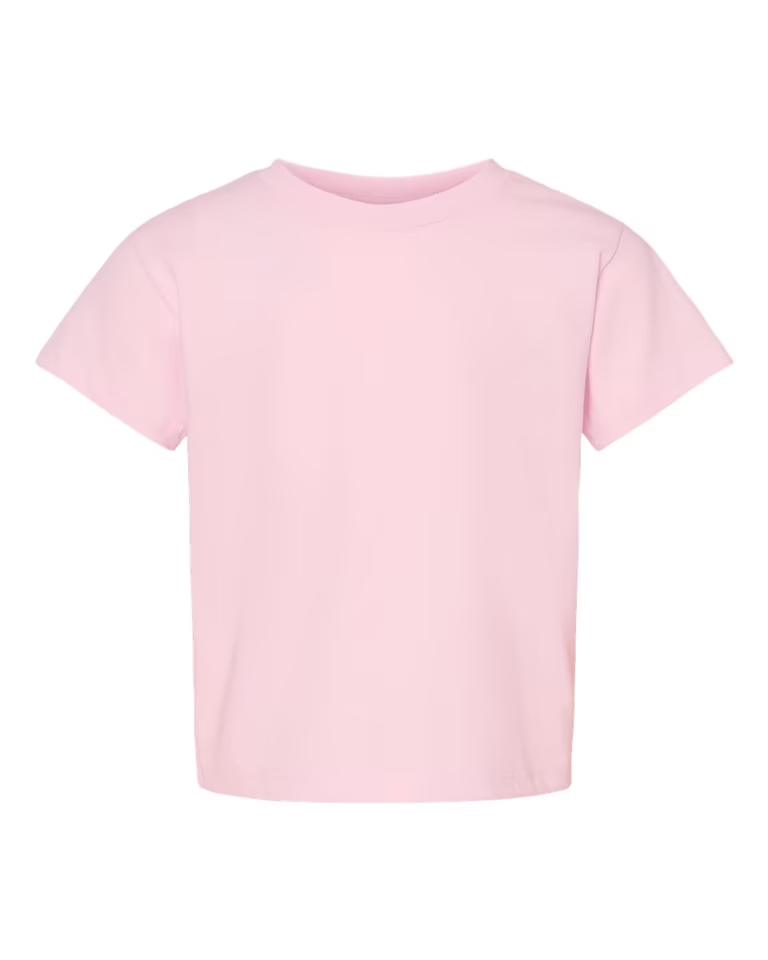
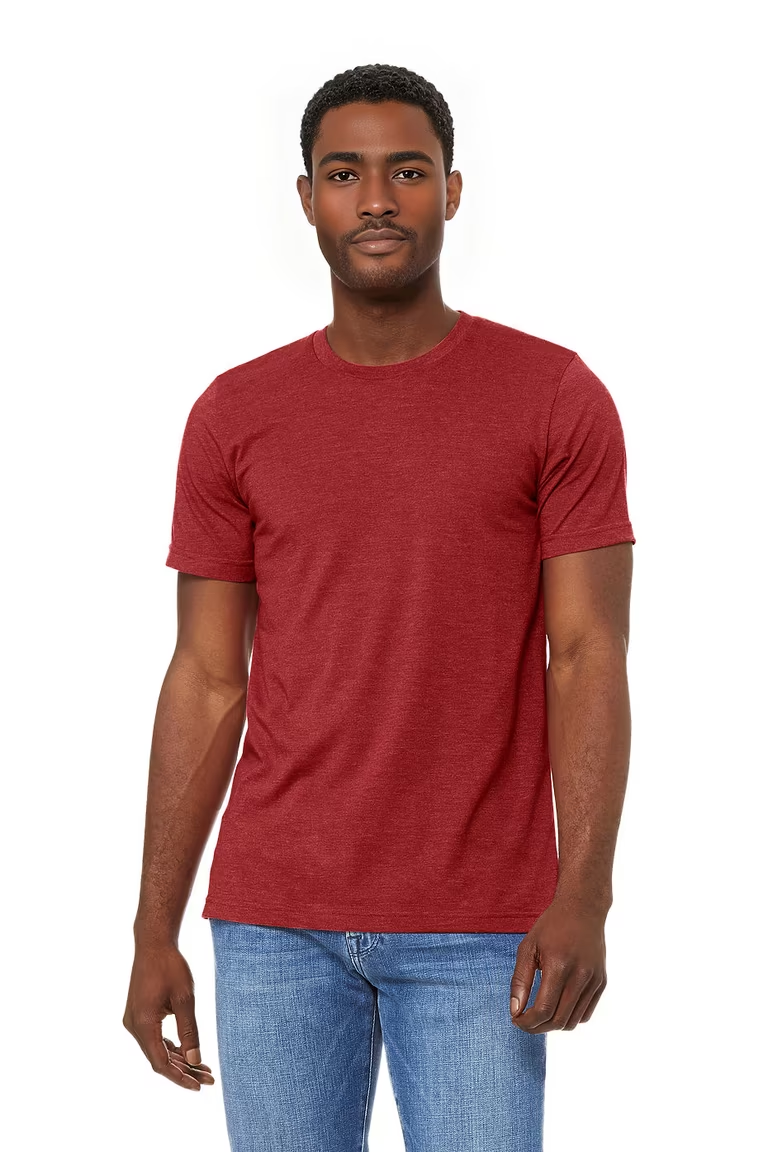
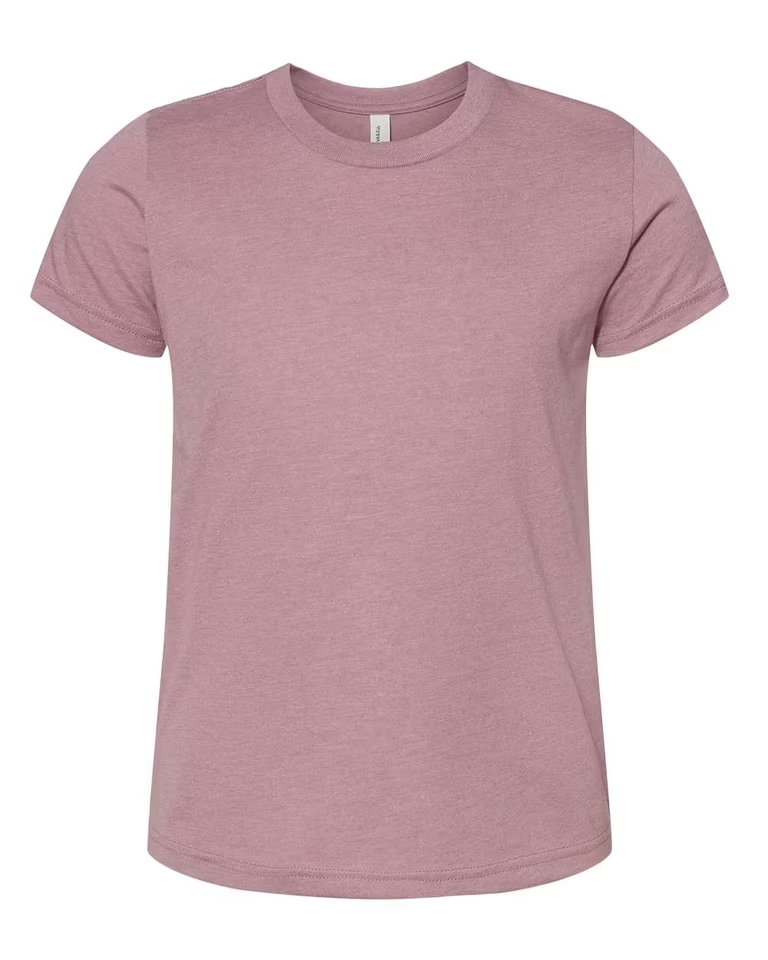
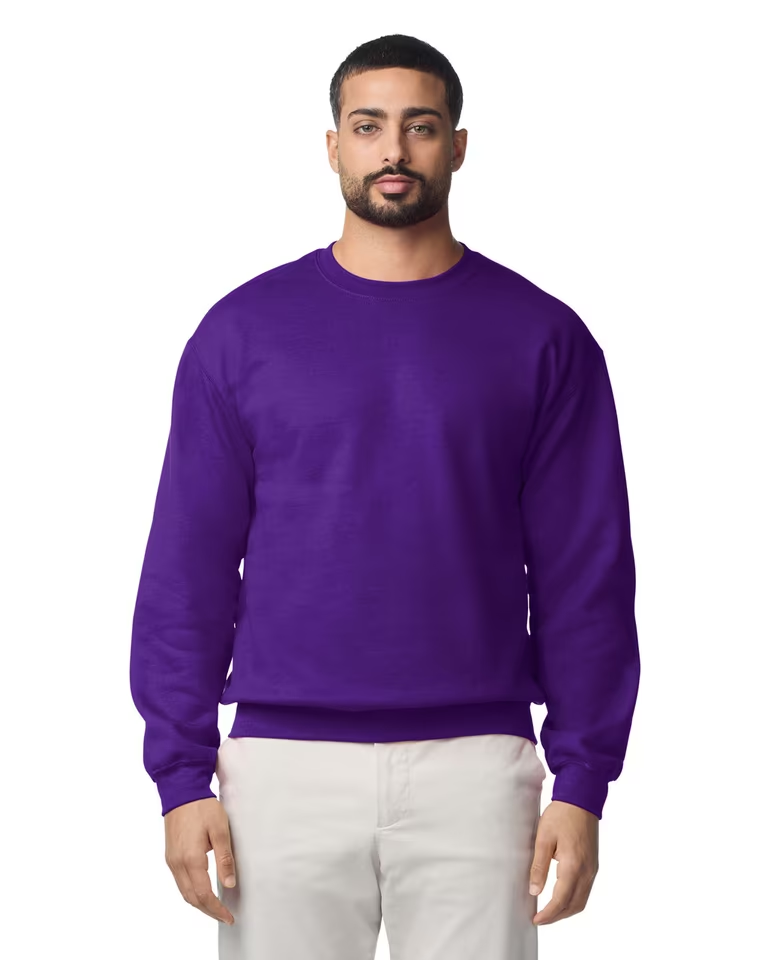
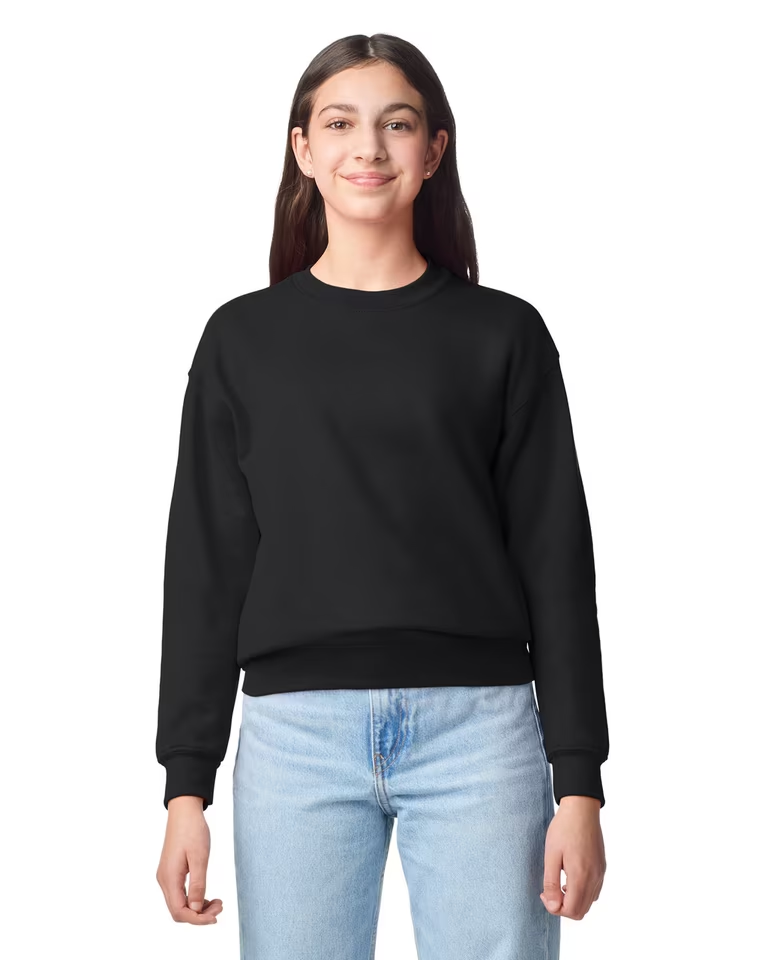
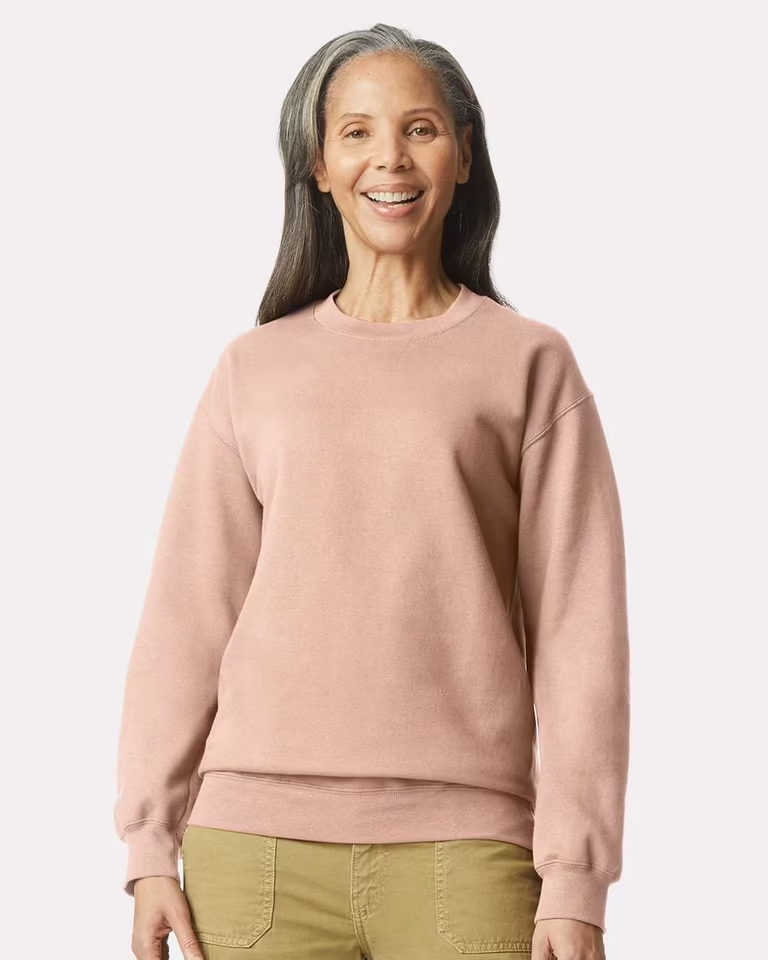
Gildan style number SF000
$14.37
Retail $20.04
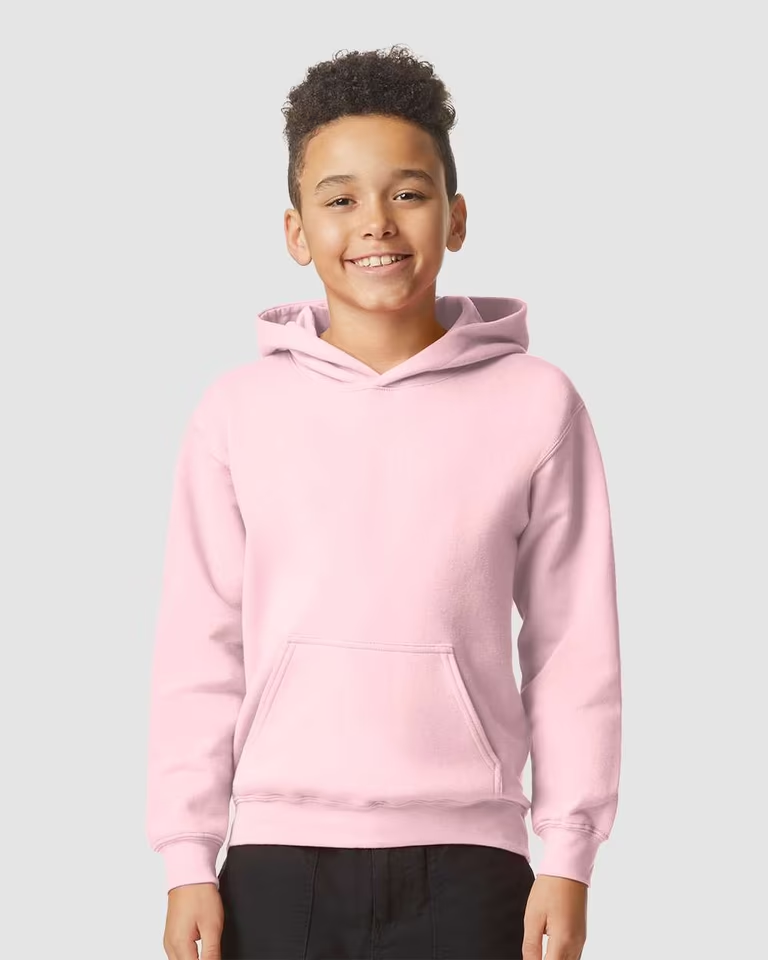
Gildan style number SF500B
$16.71
Retail $22.29
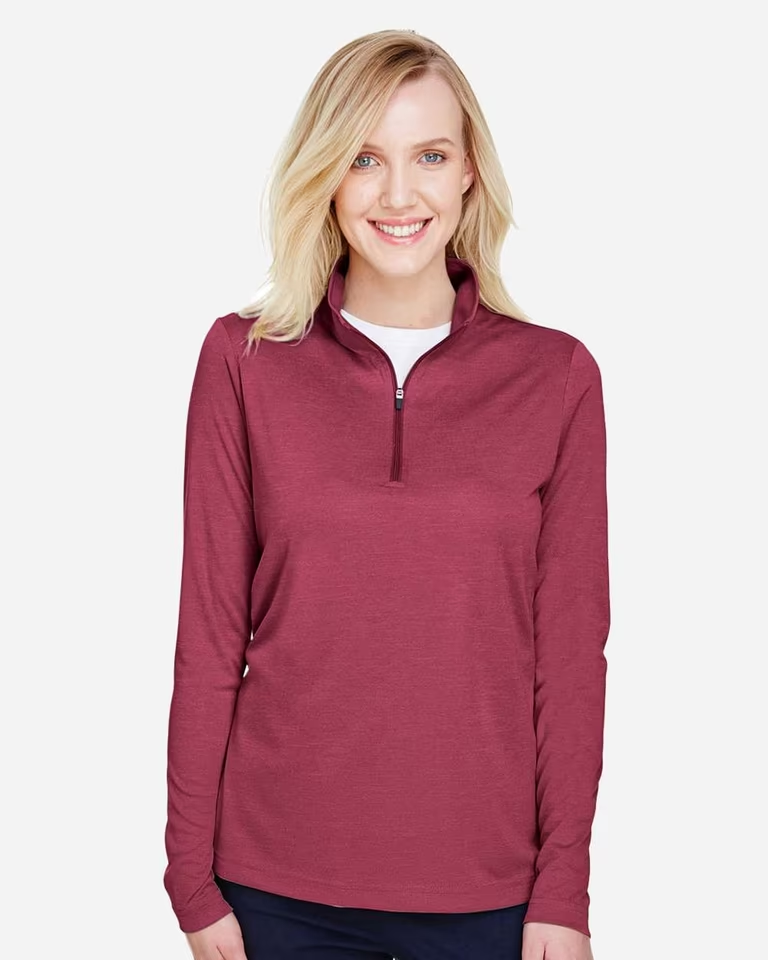
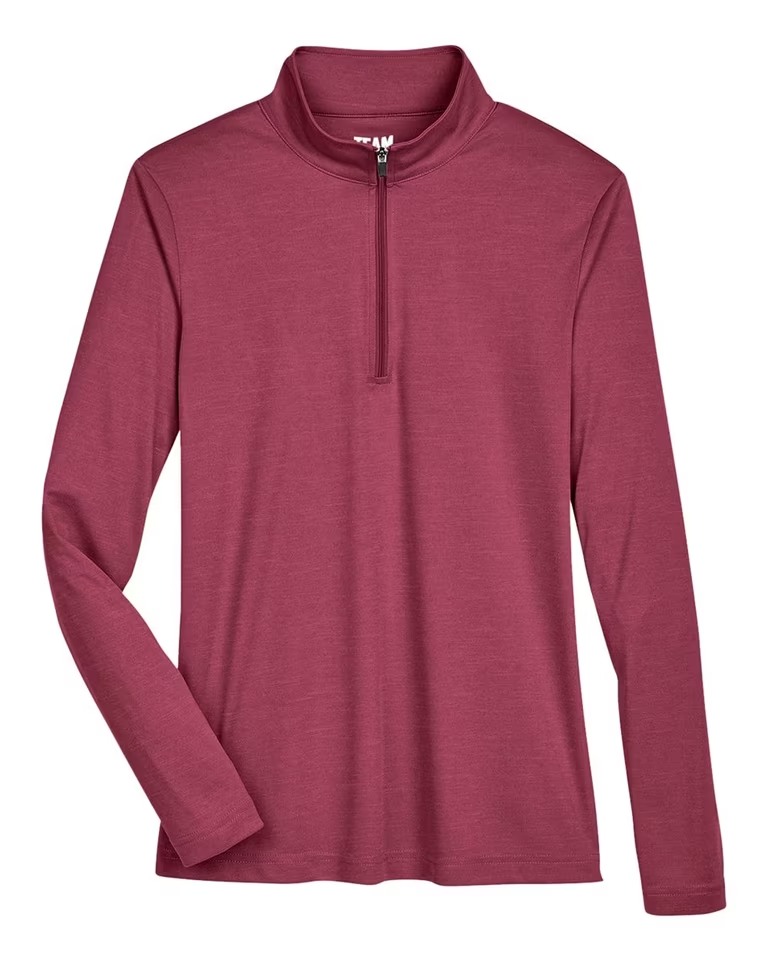
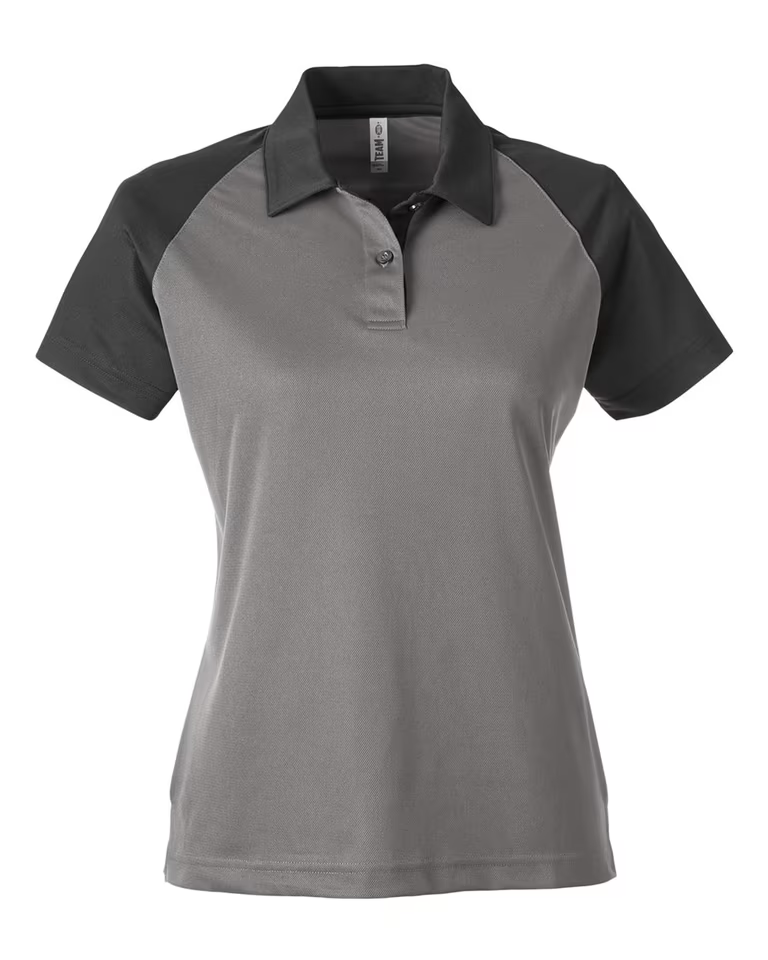
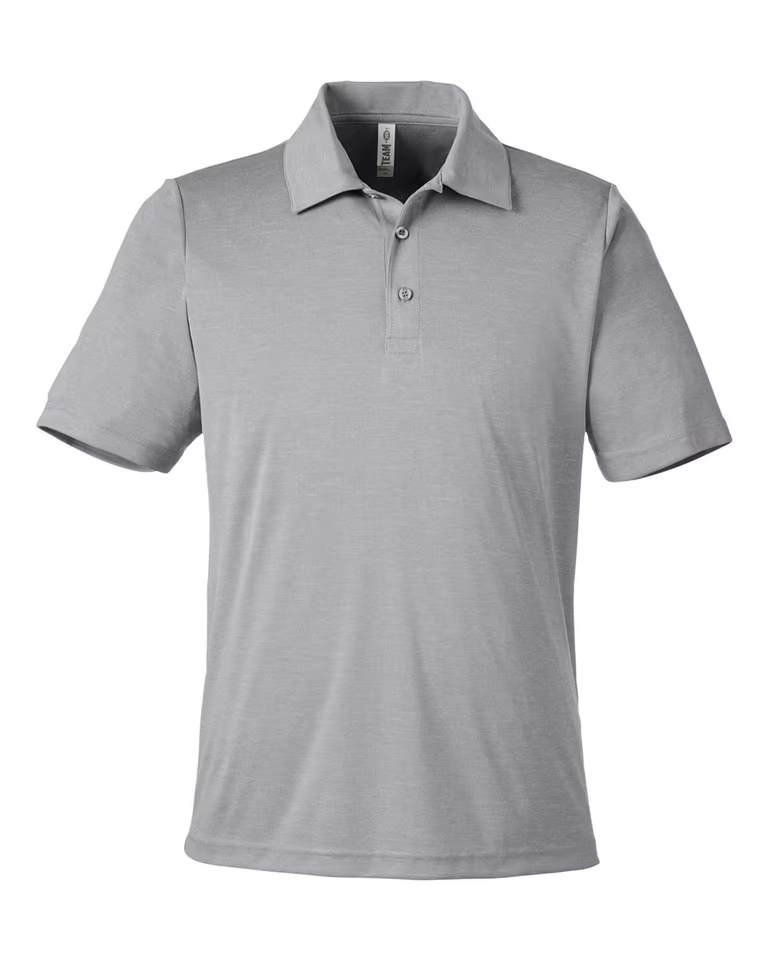
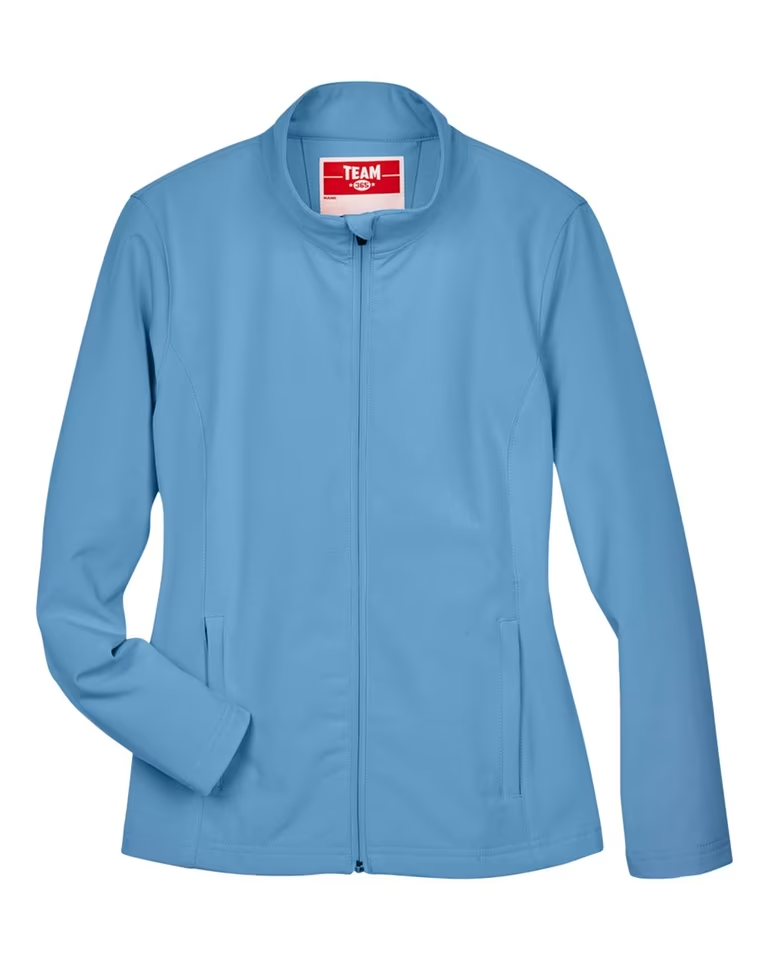
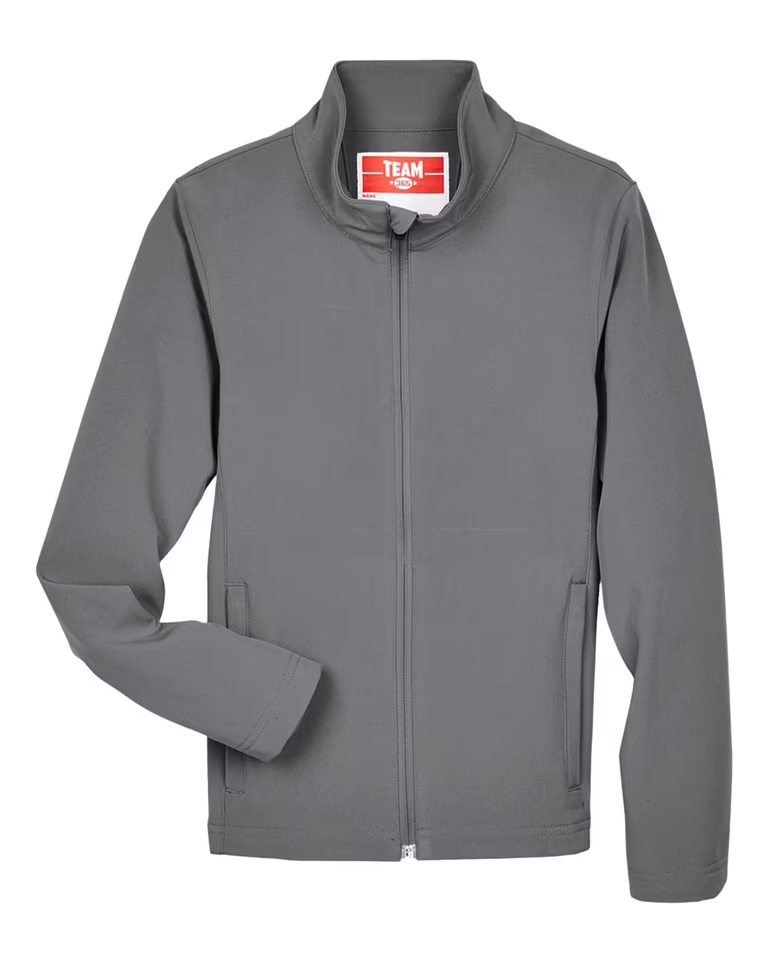
Team 365 style number TT31HW
$21.42
Retail $26.78
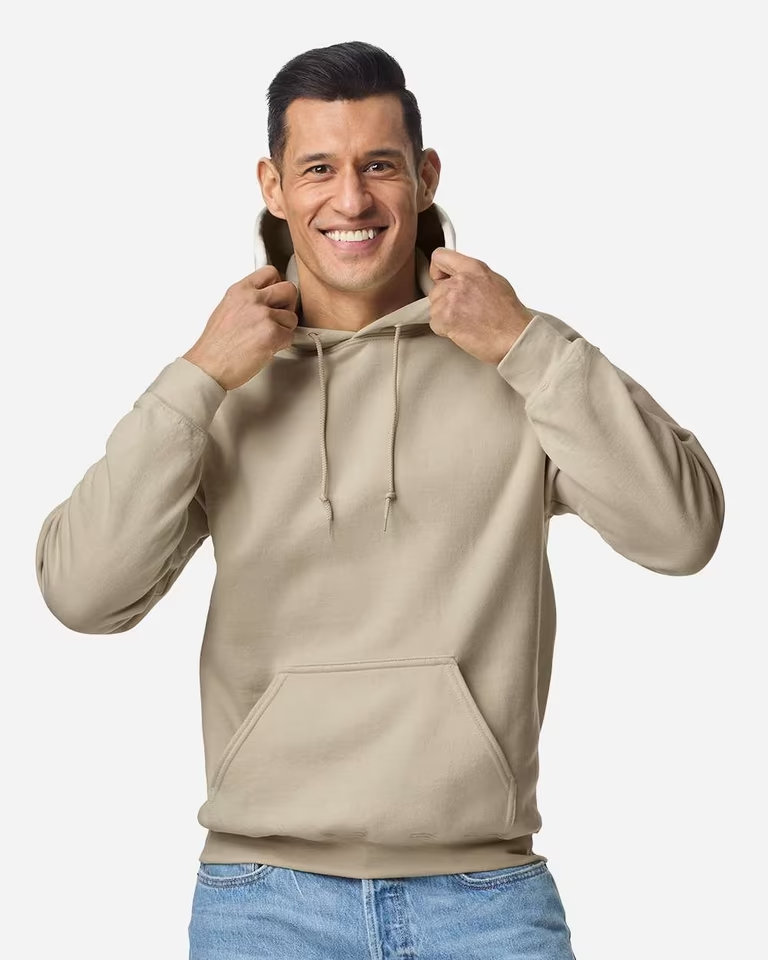
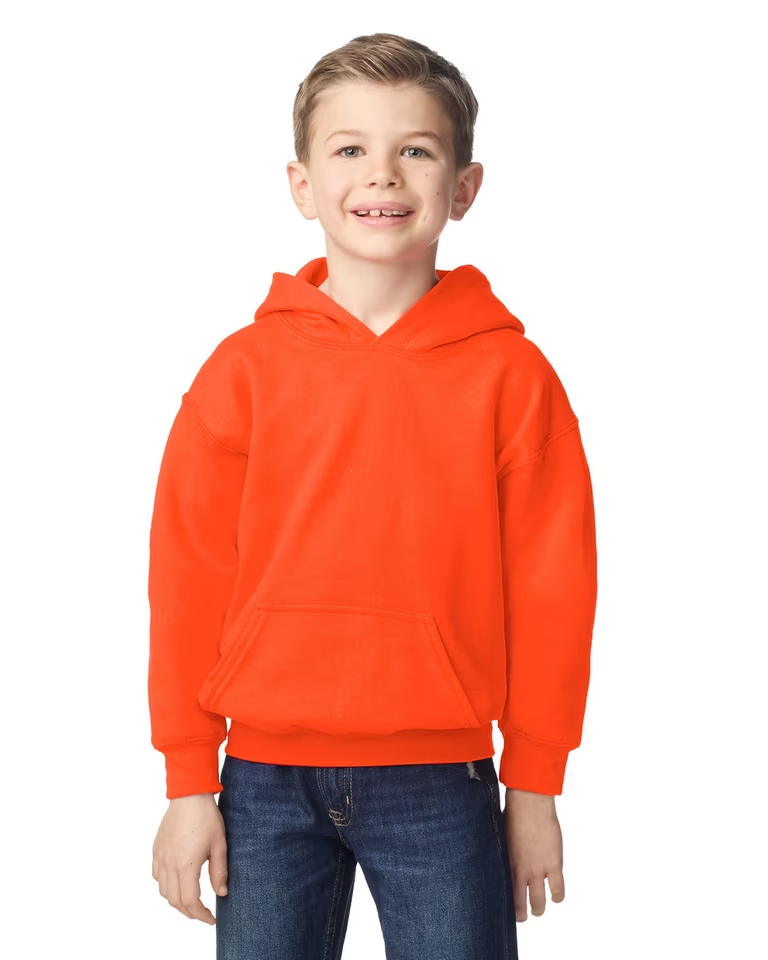
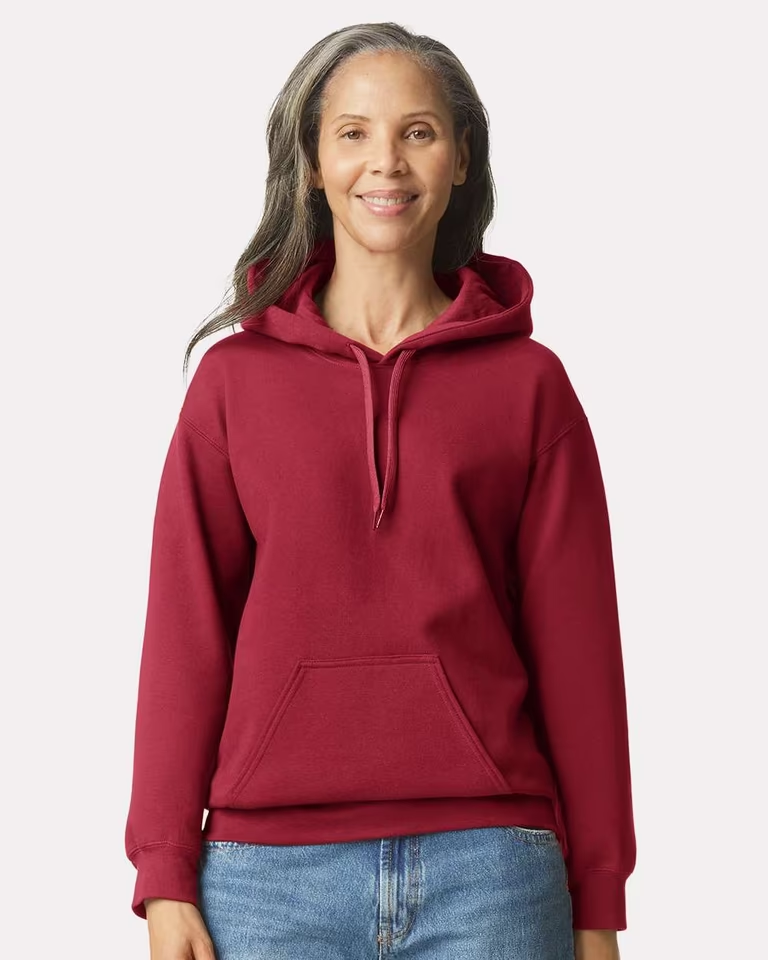
Gildan style number SF500
$18.60
Retail $24.80
Independent Trading style number SS4001Y
$19.05
Retail $25.40
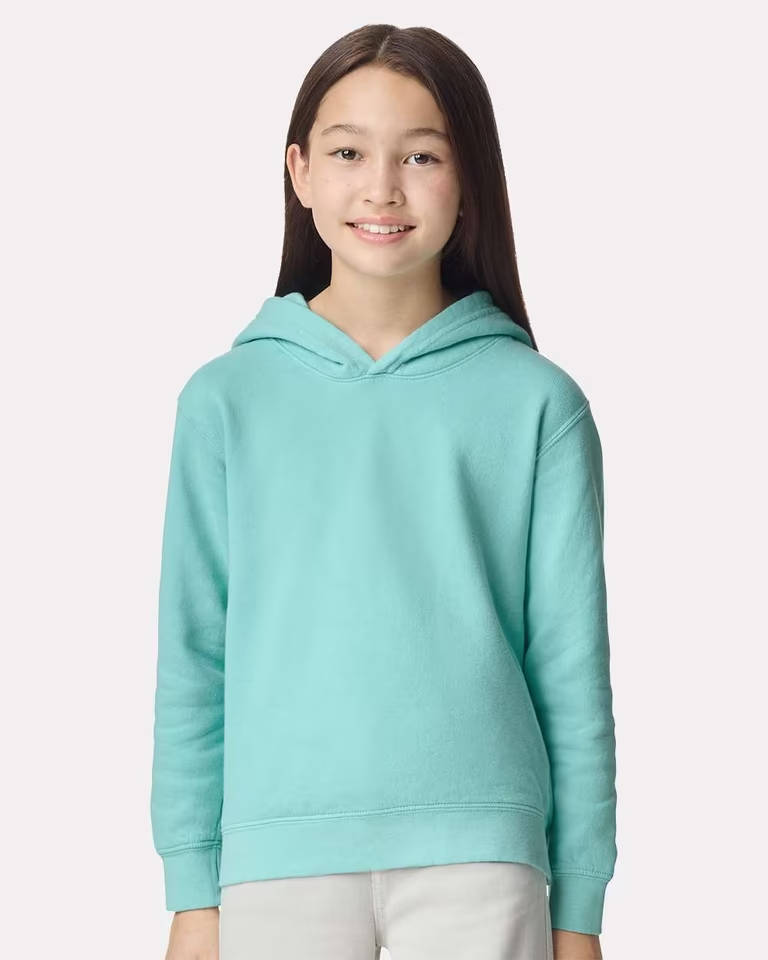
Comfort Colors style number 1467Y
$27.32
Retail $36.42
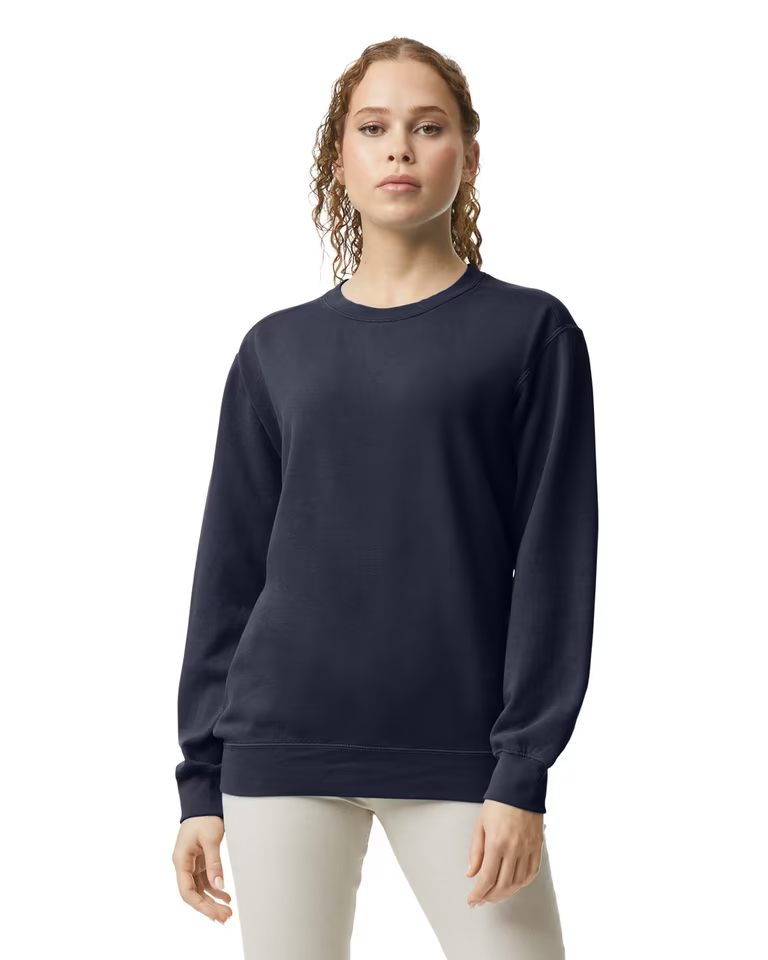
Comfort Colors style number 1566
$32.27
Retail $43.03
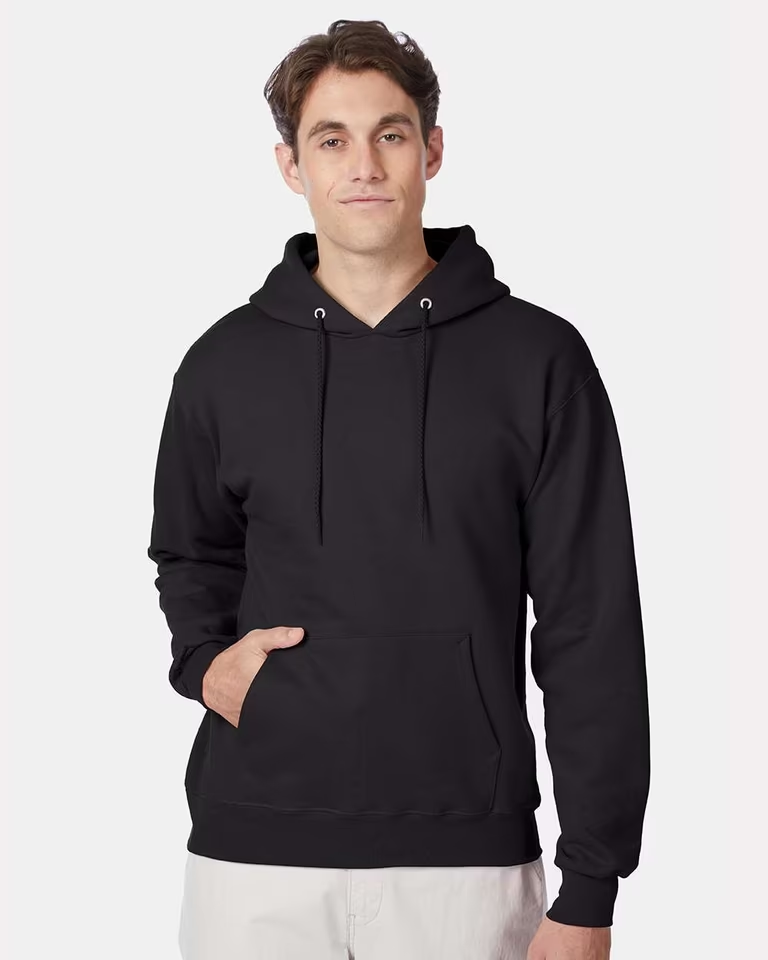
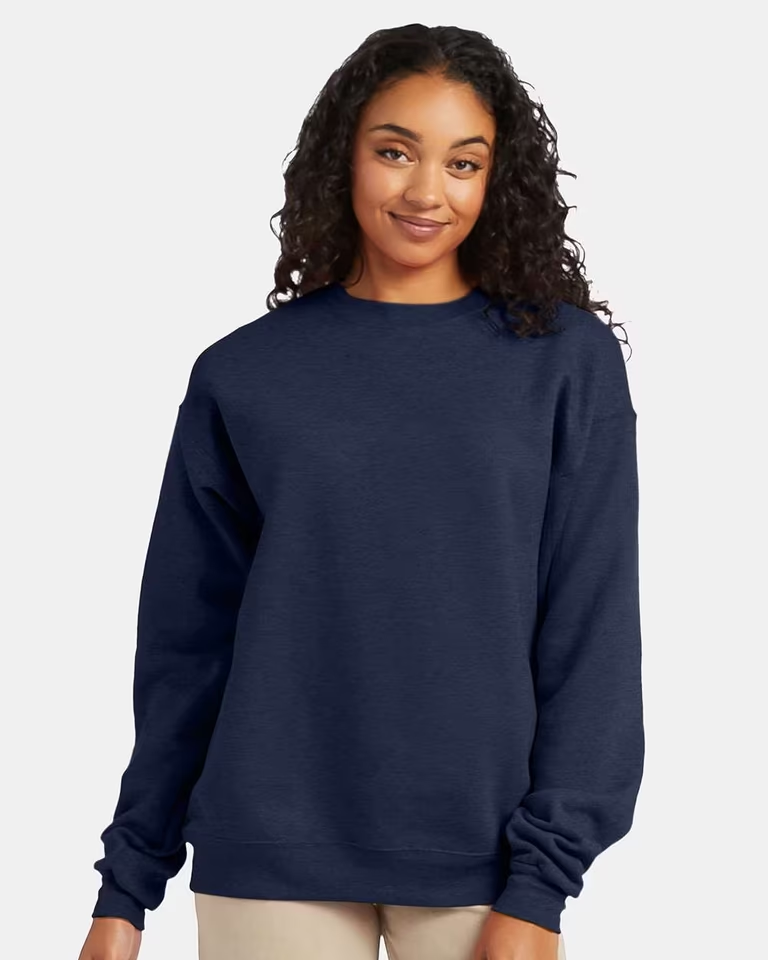
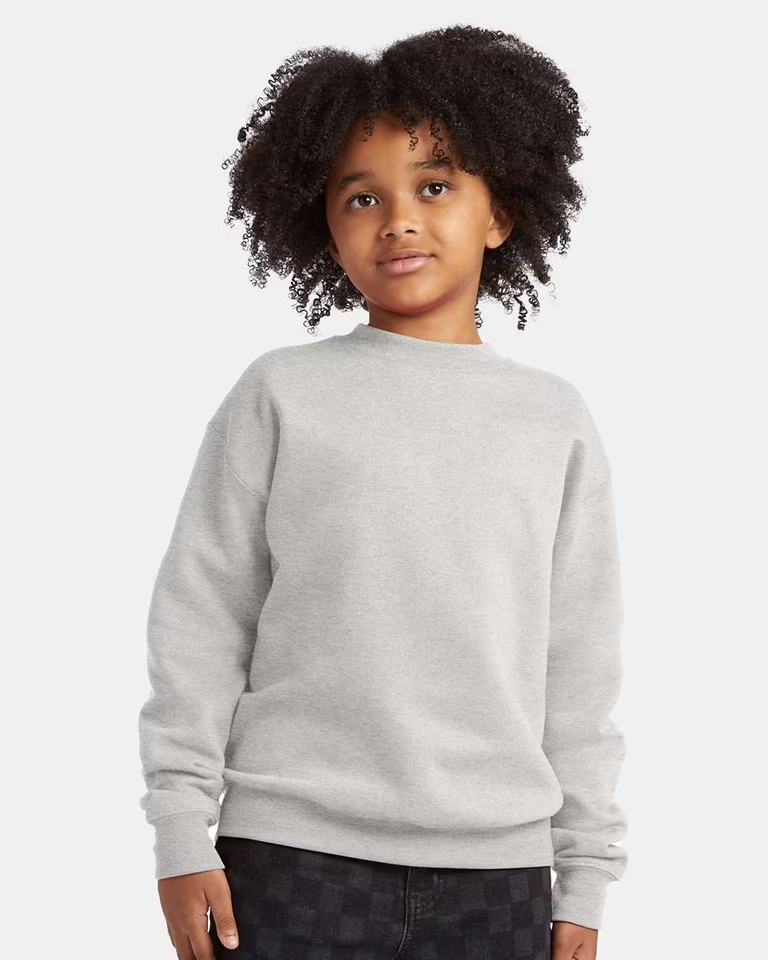
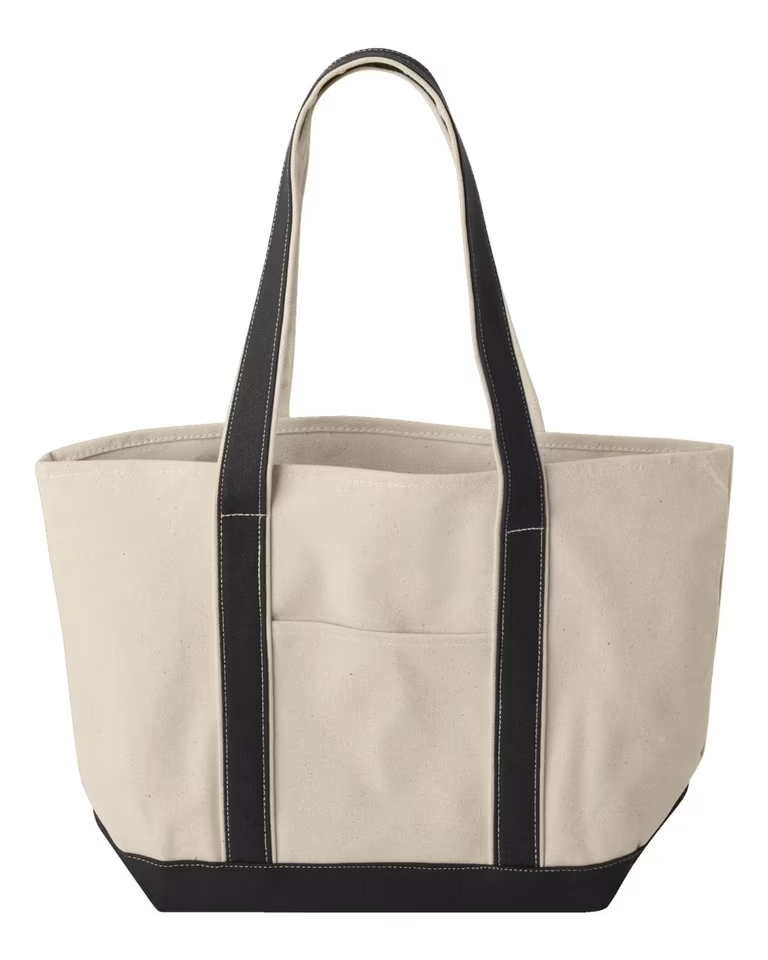
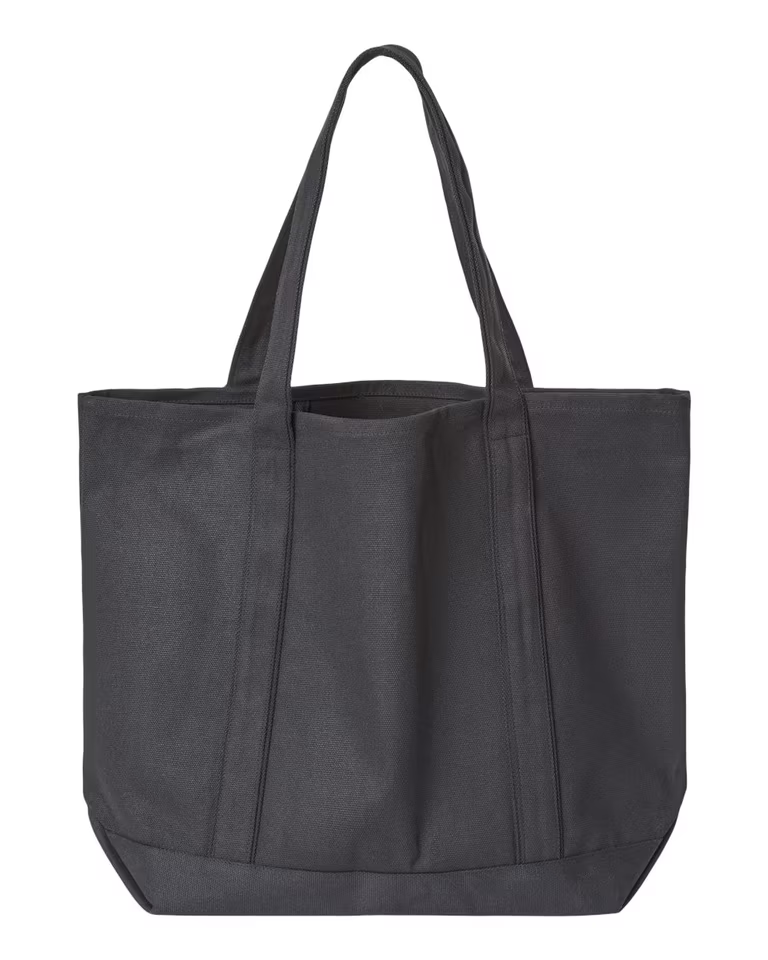
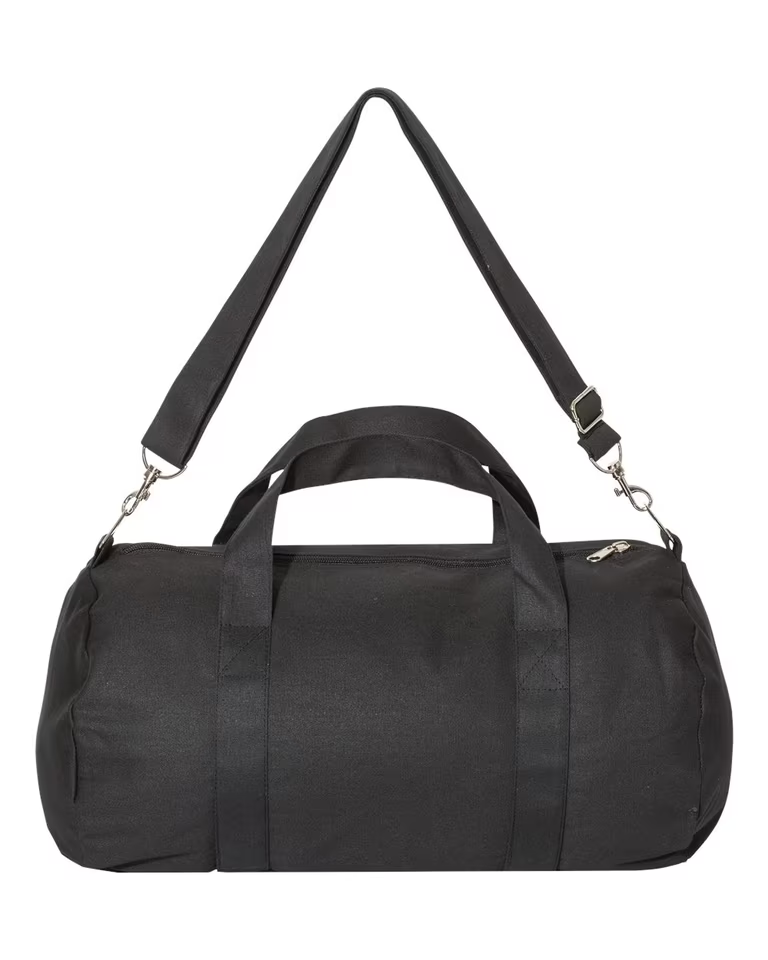
Liberty Bags style number 8871
$24.50
Retail $32.67
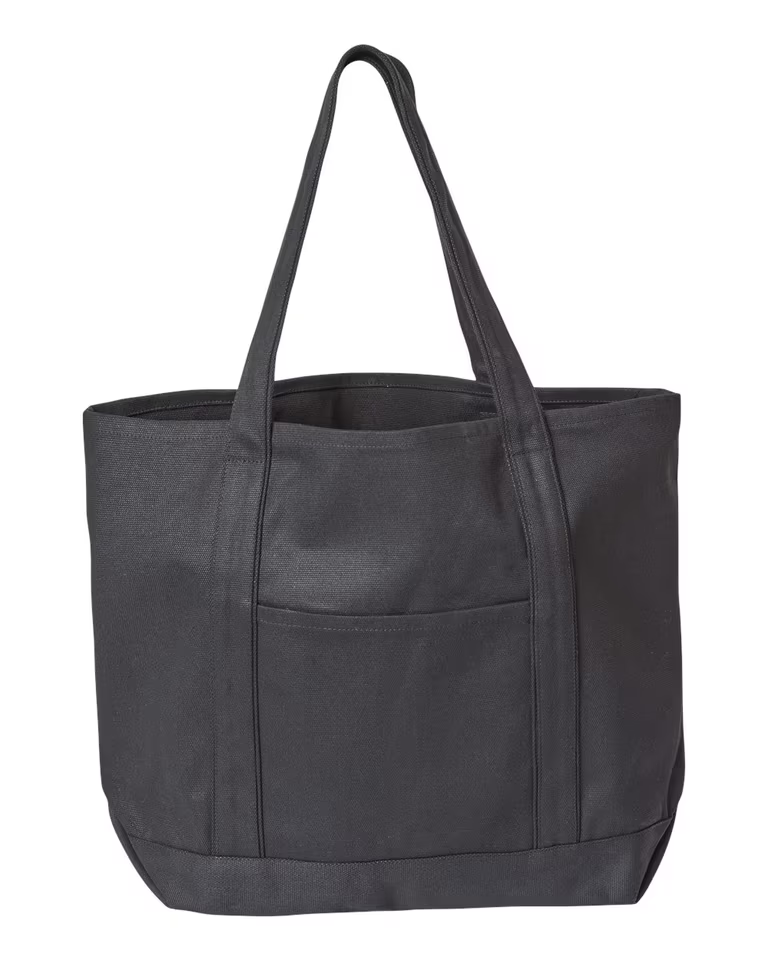
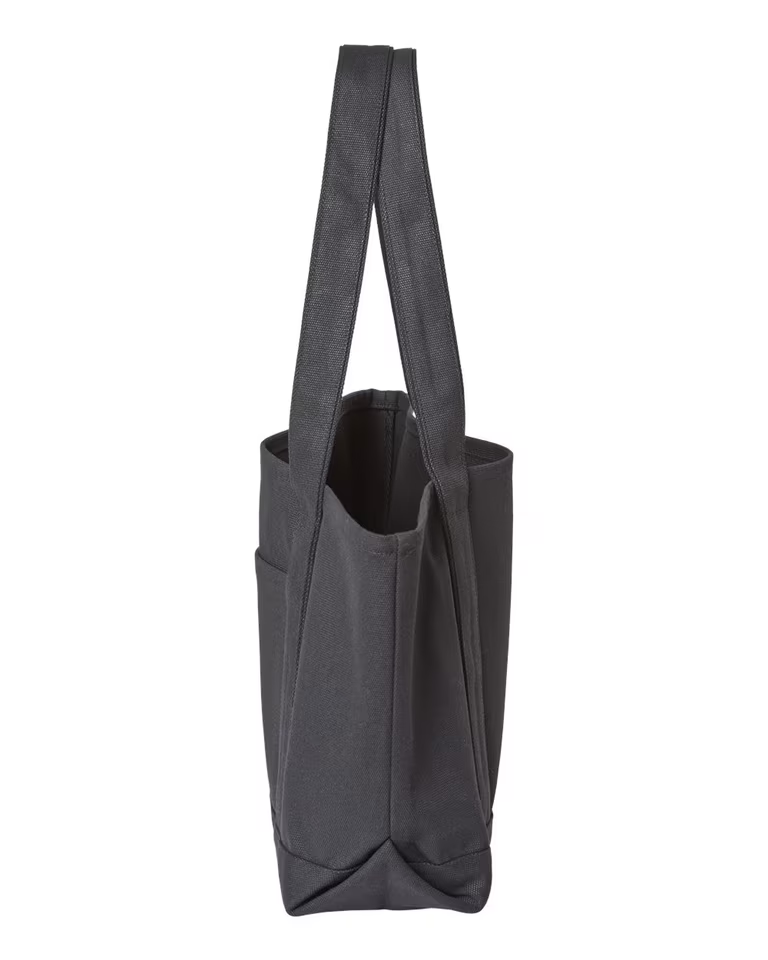
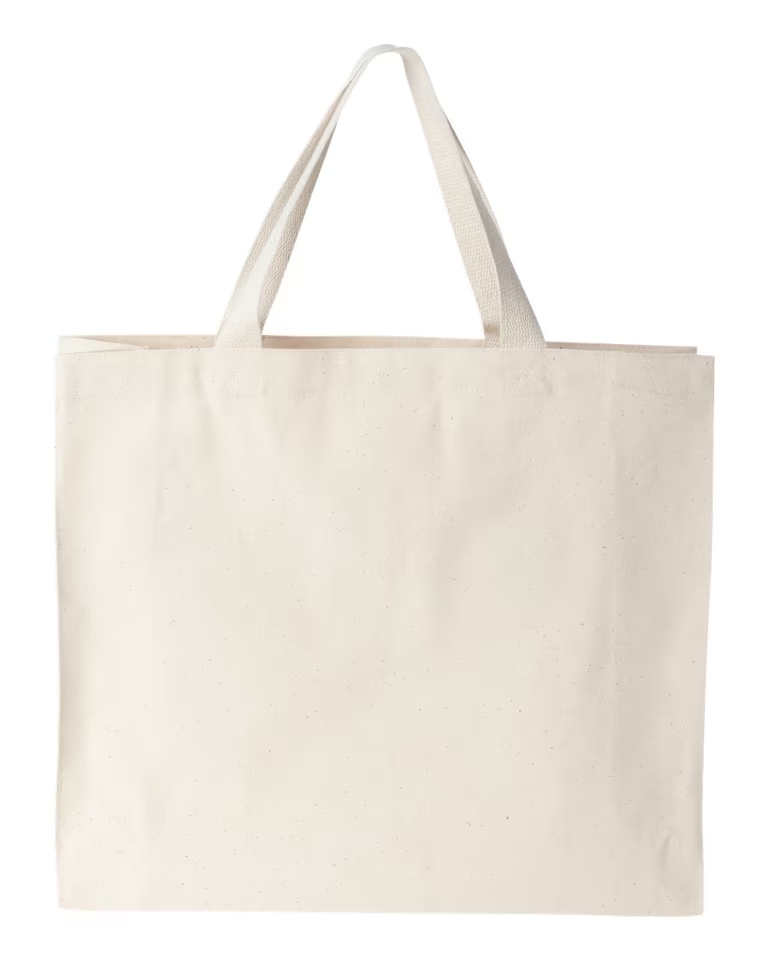
Liberty Bags style number 8872
$27.71
Retail $36.93
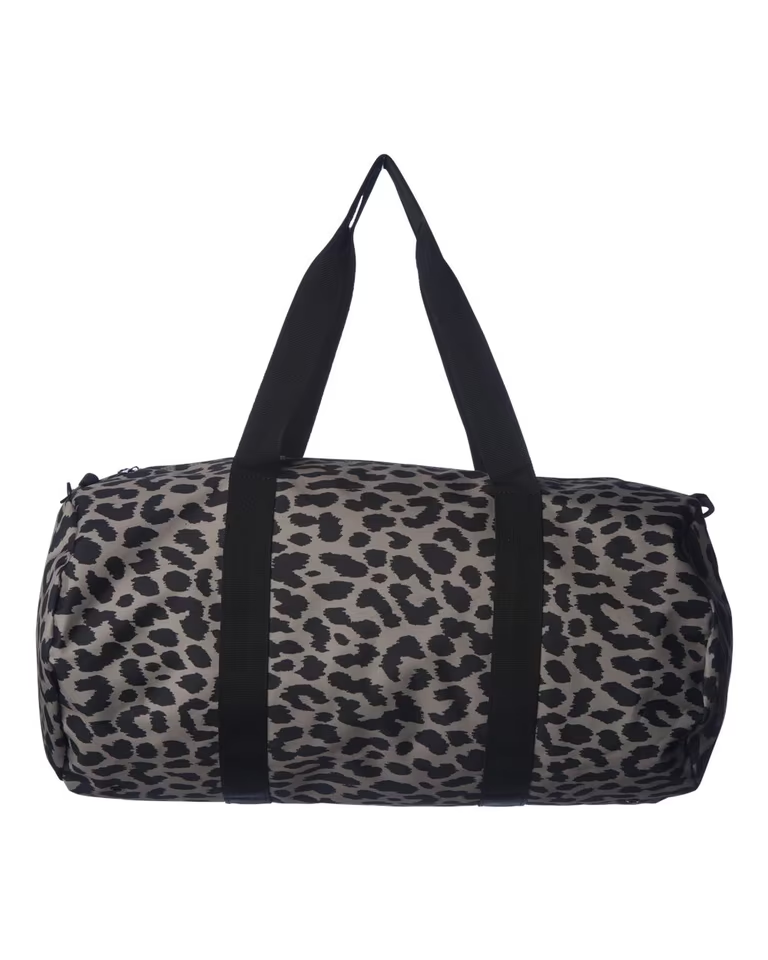
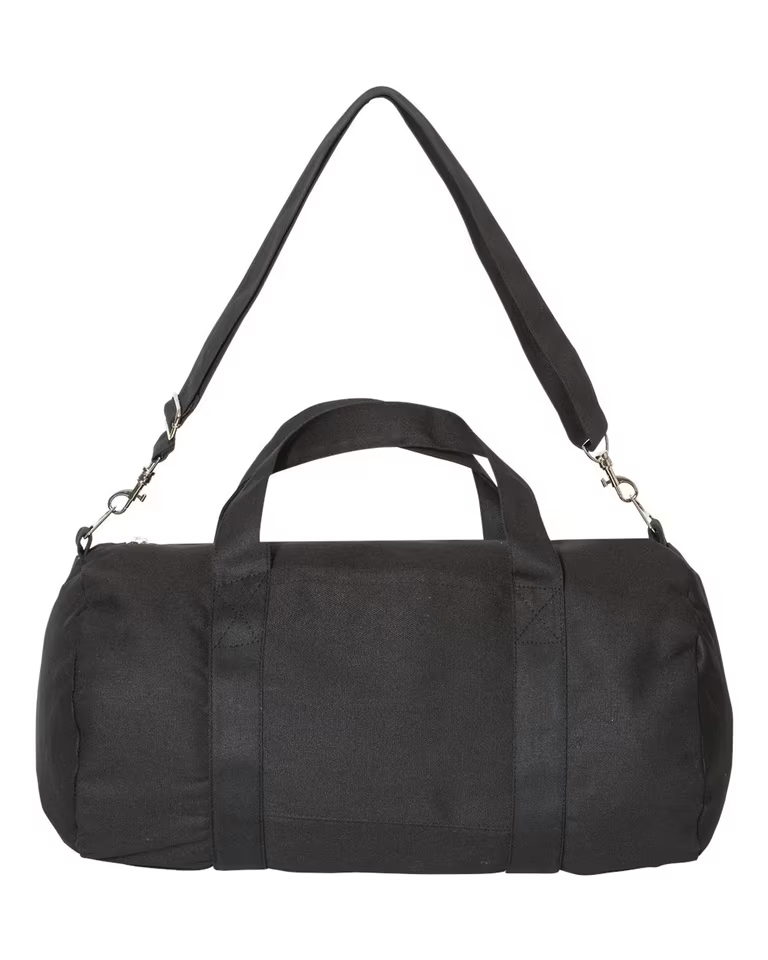
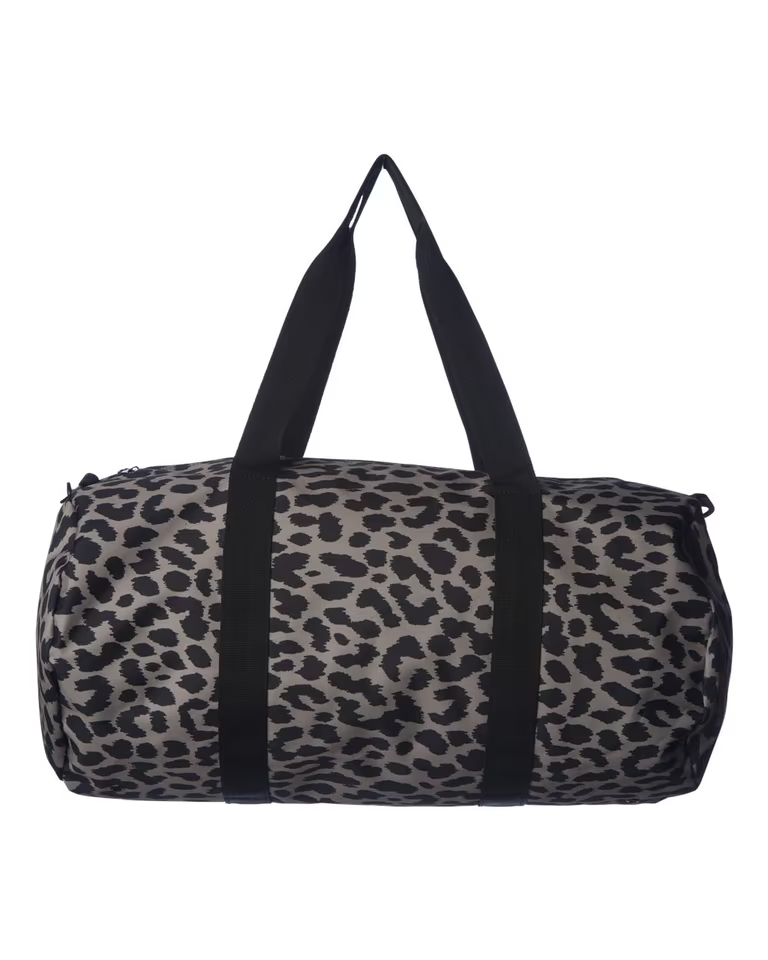
Independent Trading style number INDDUFBAG
$25.56
Retail $34.09
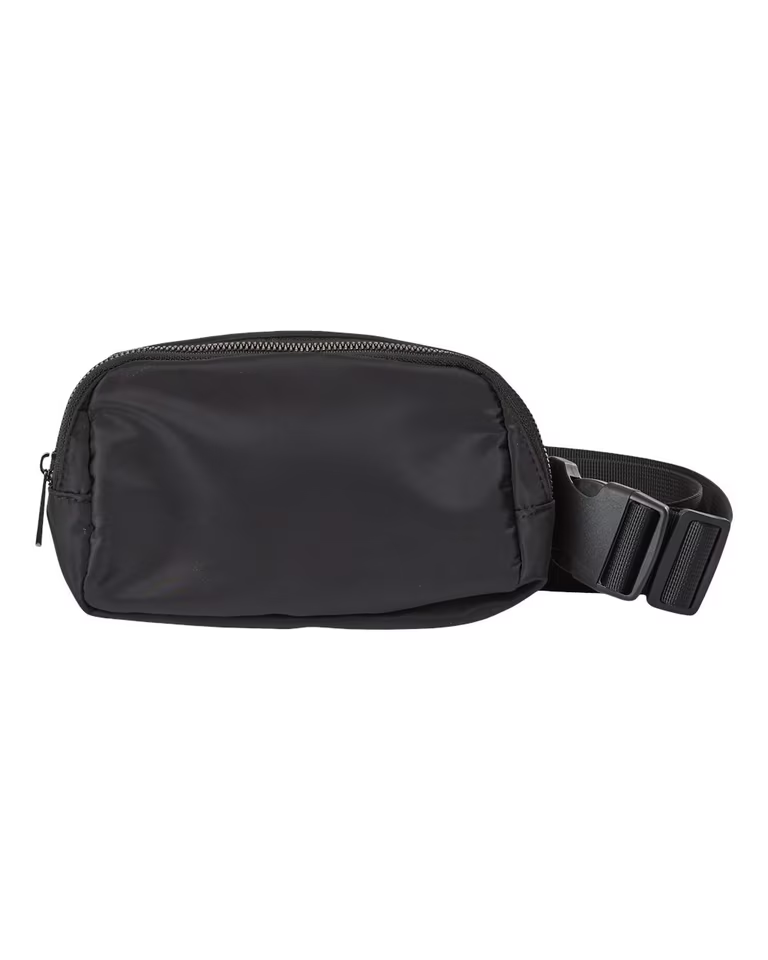
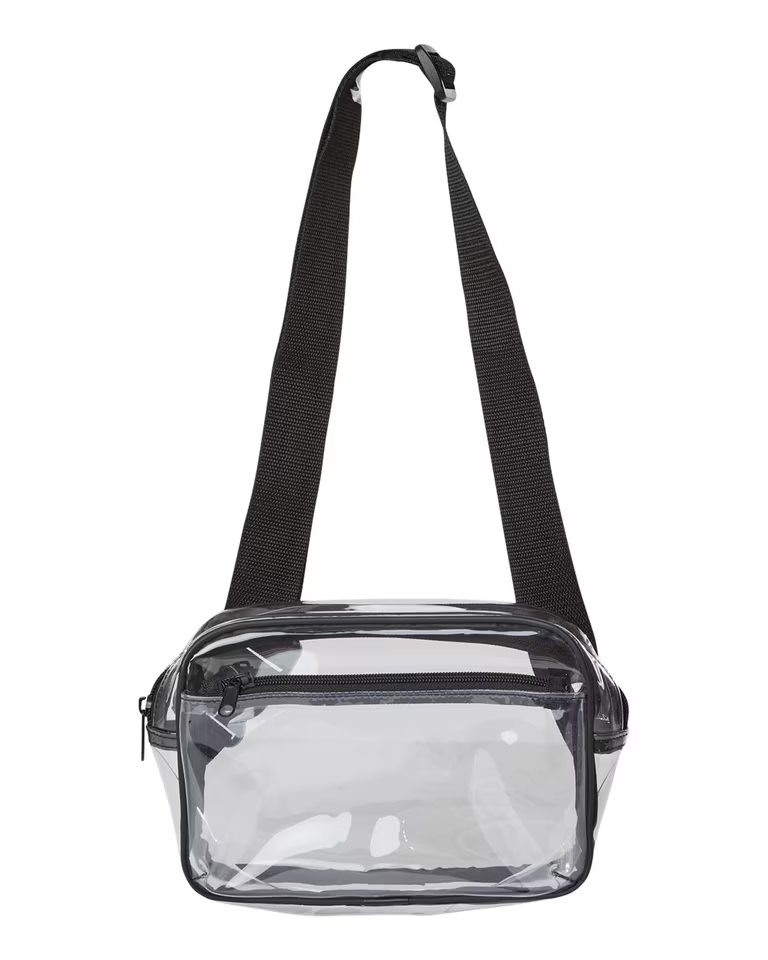
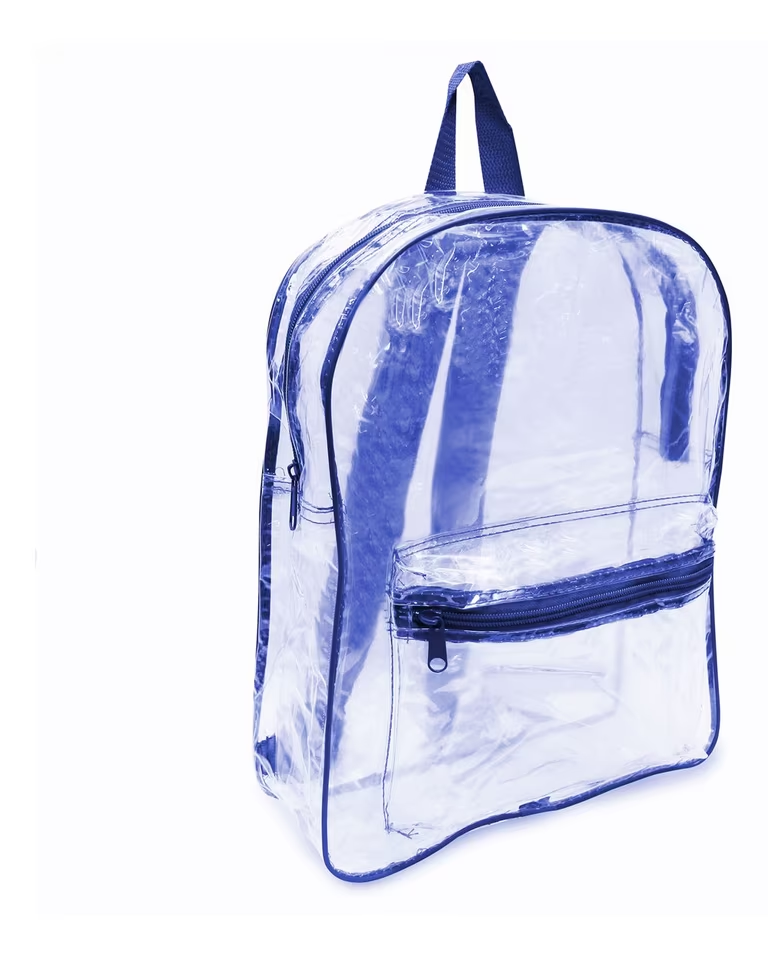
Liberty Bags style number 5778
$15.80
Retail $21.05
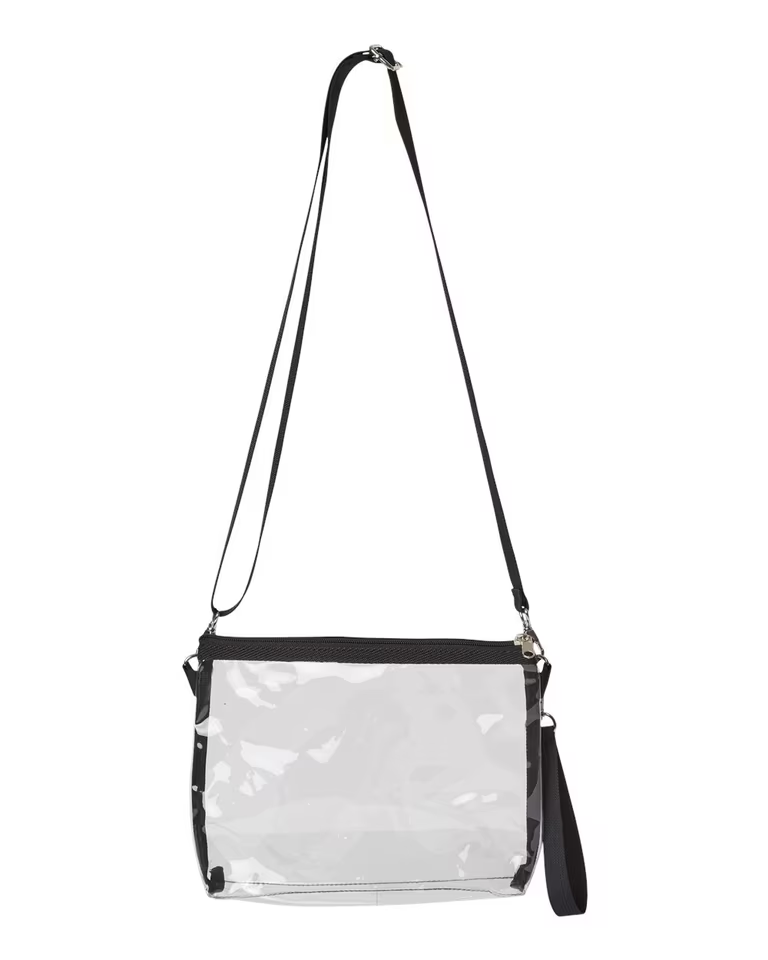
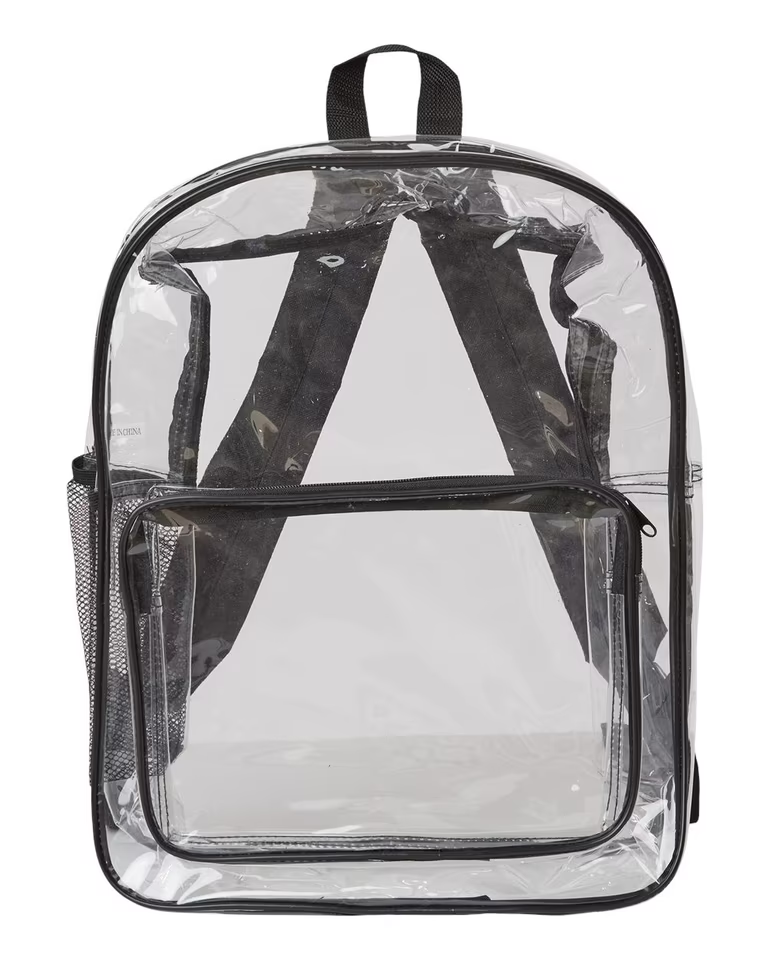
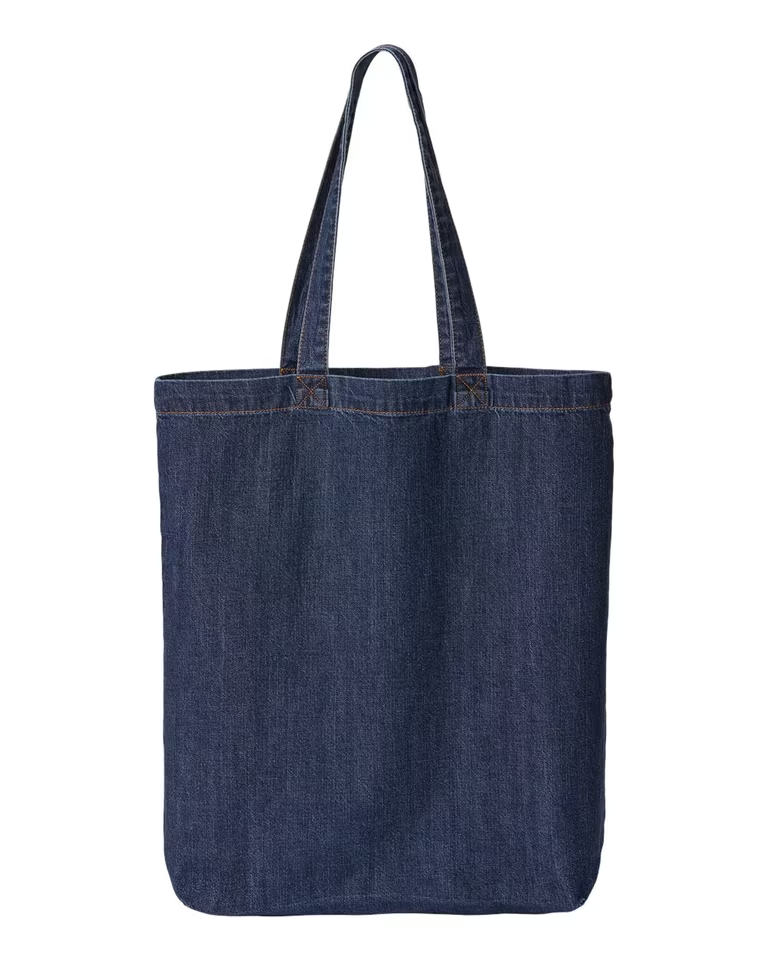
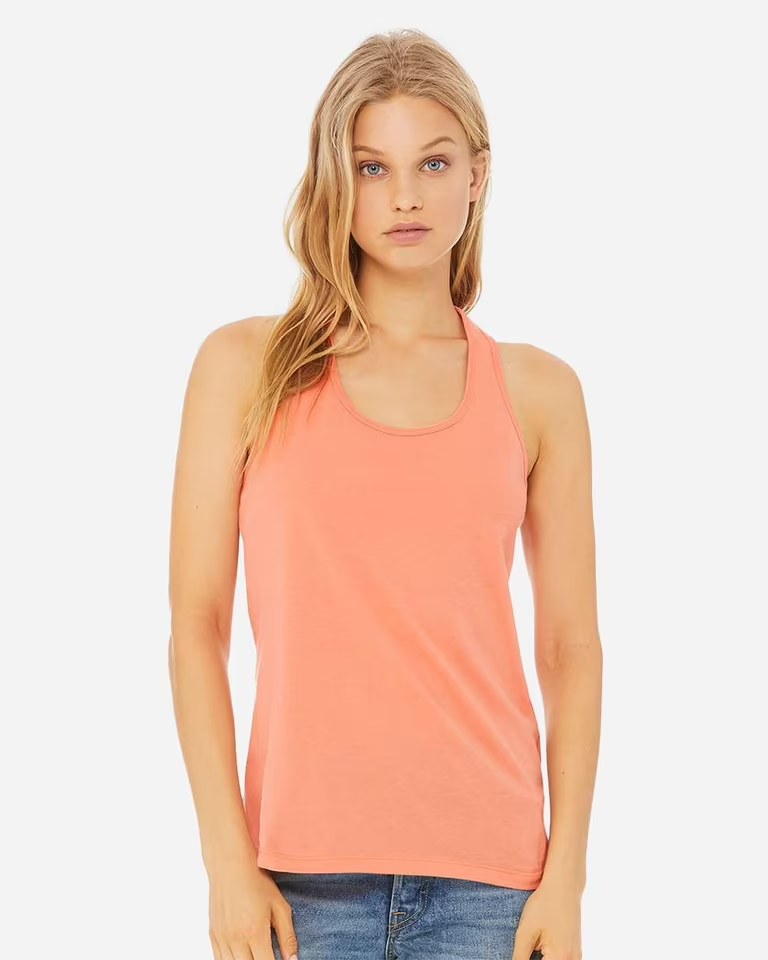
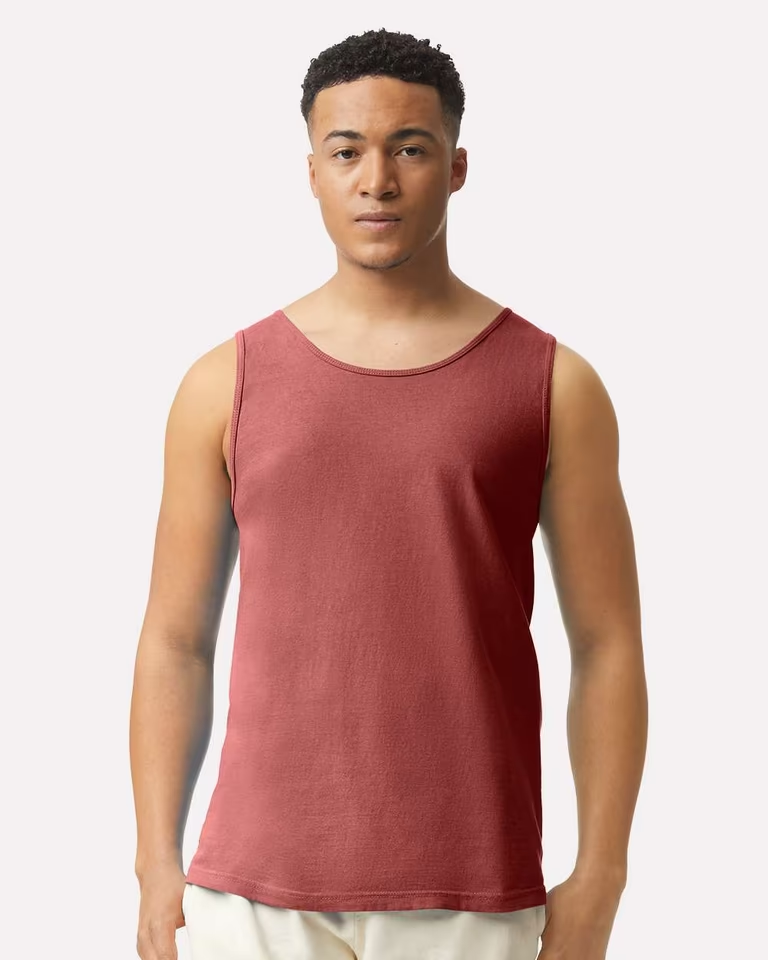
Comfort Colors style number 9360
$10.02
Retail $13.37
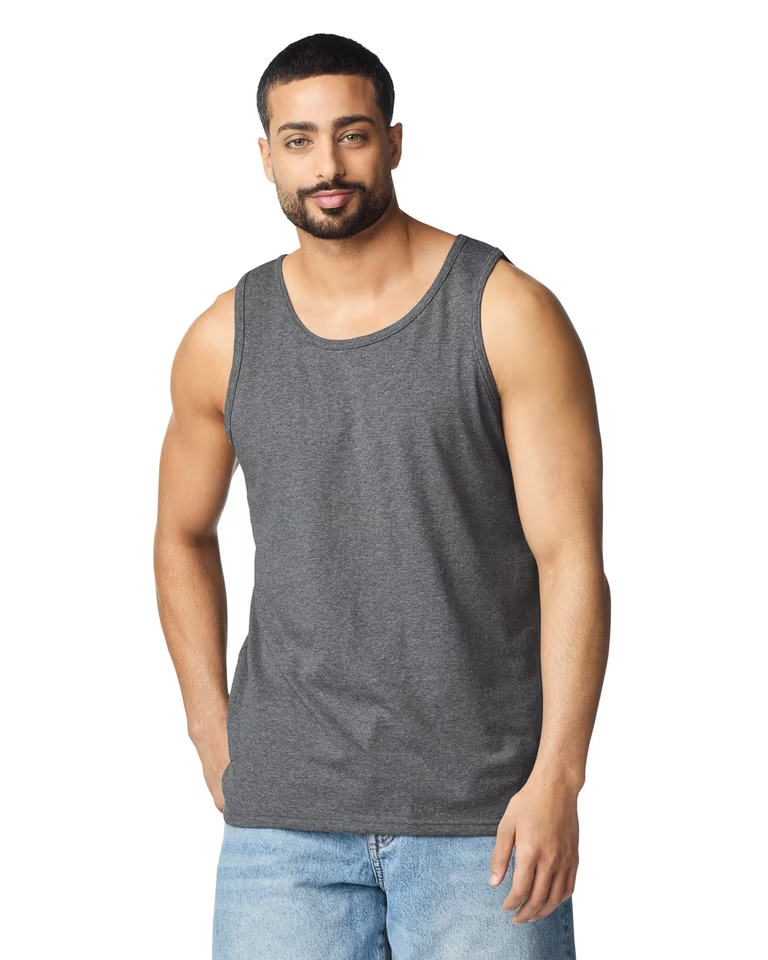
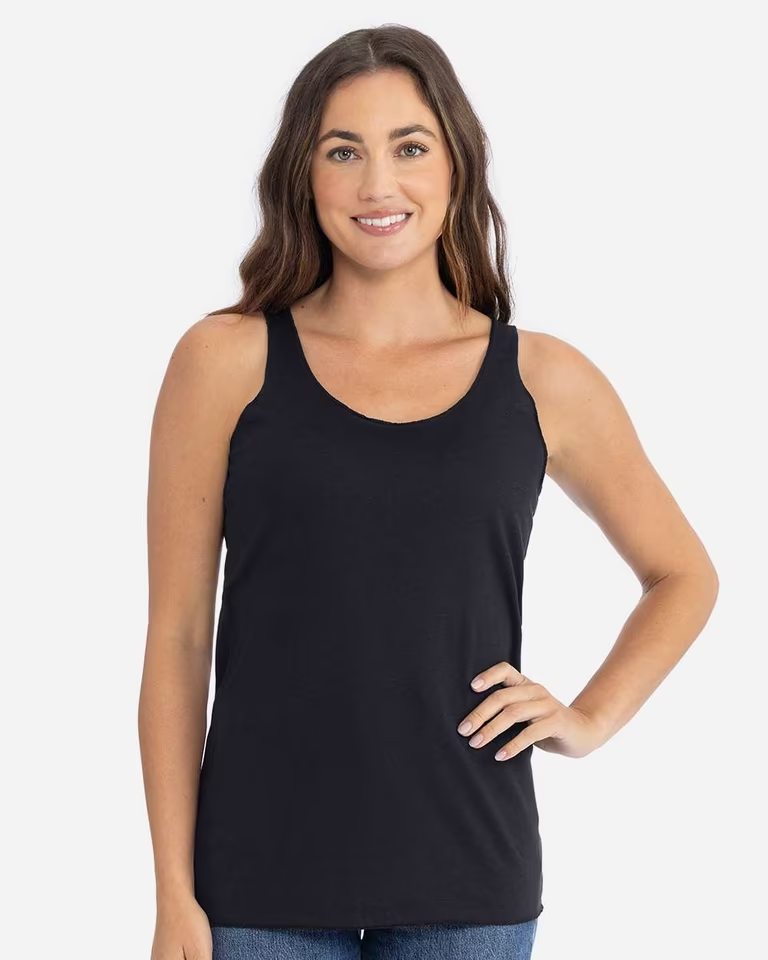
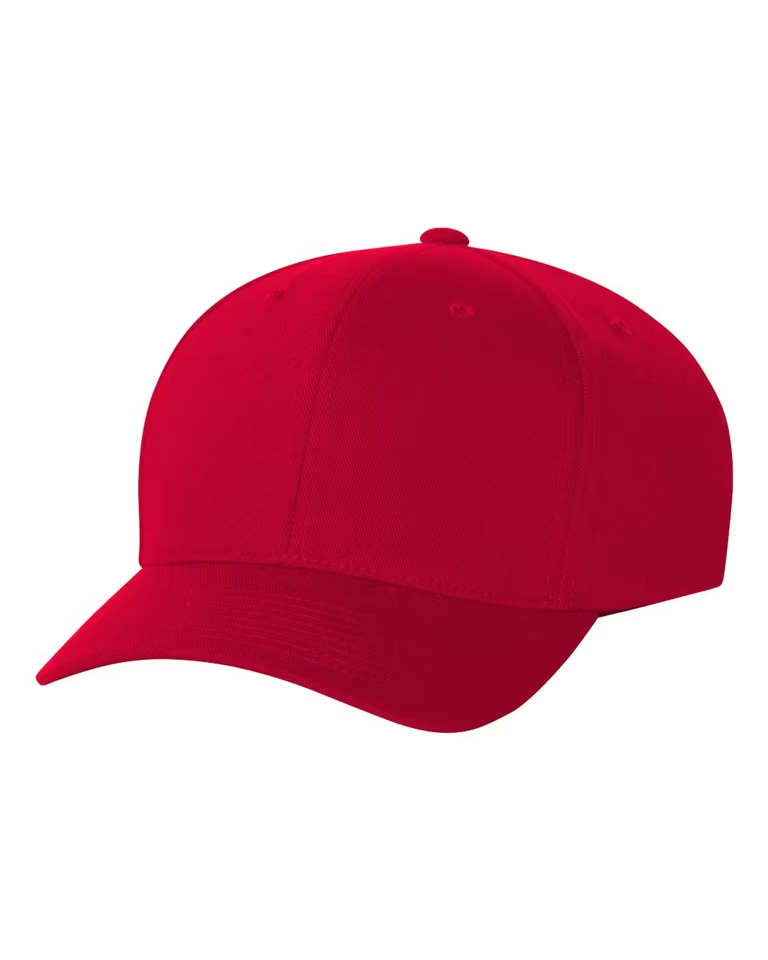
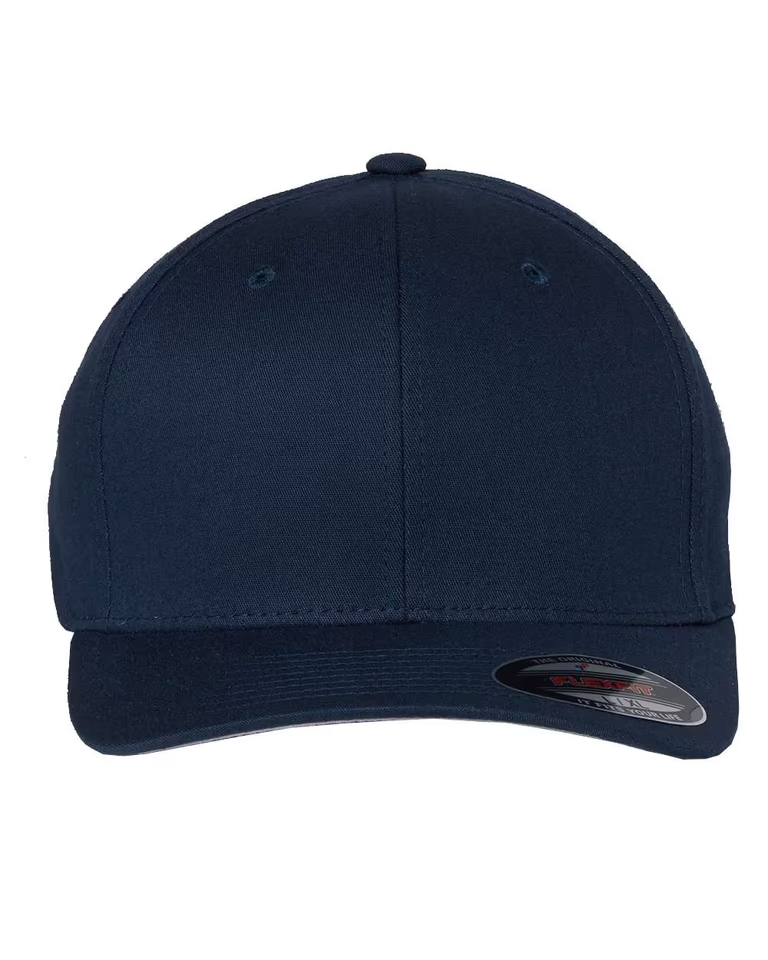
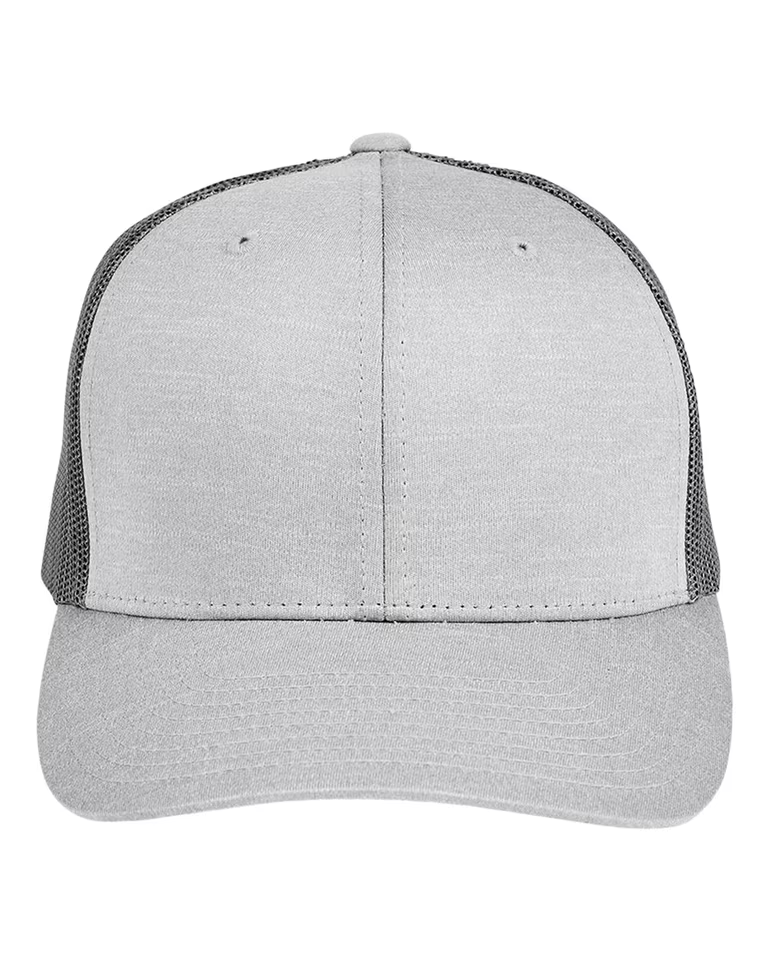
Team 365 style number TT802Y
$11.12
Retail $13.90
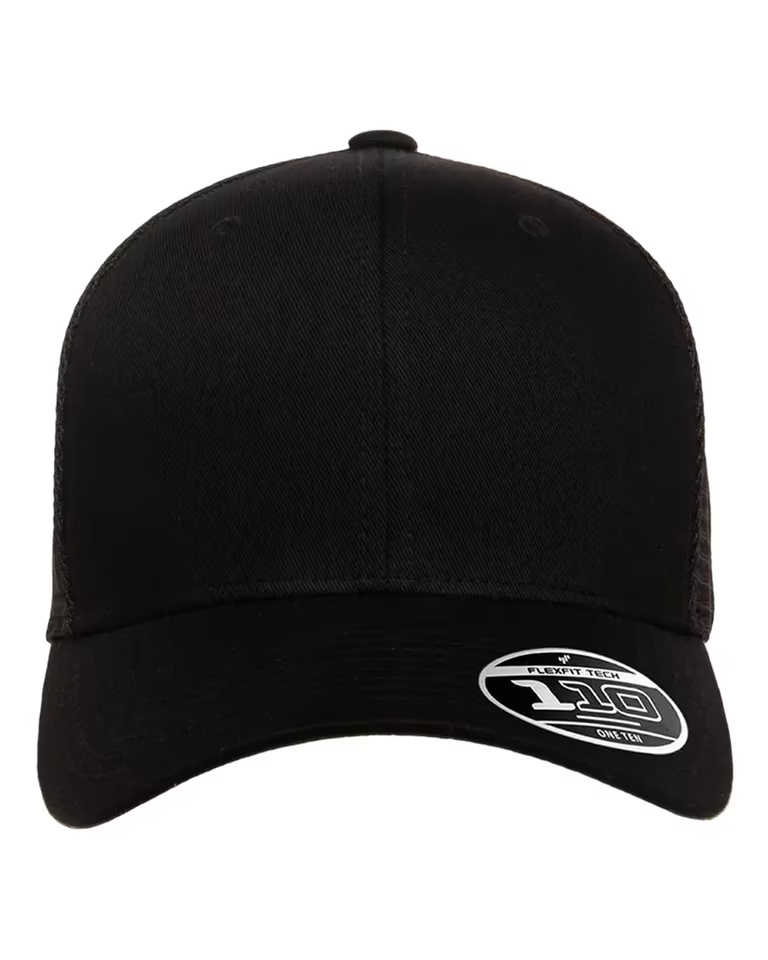
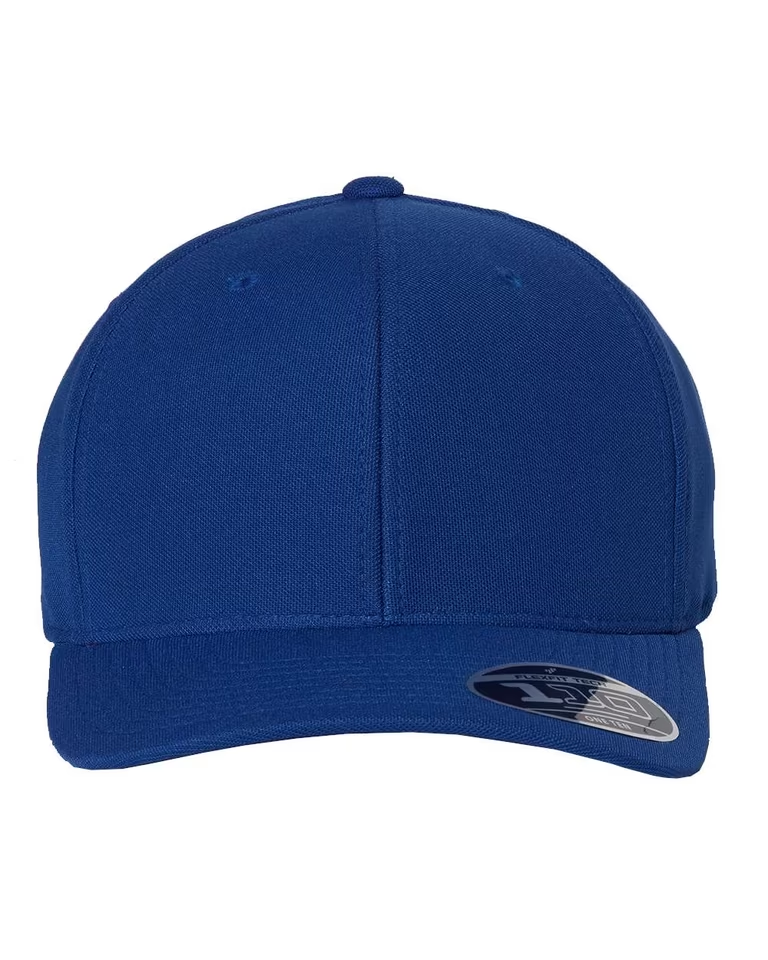
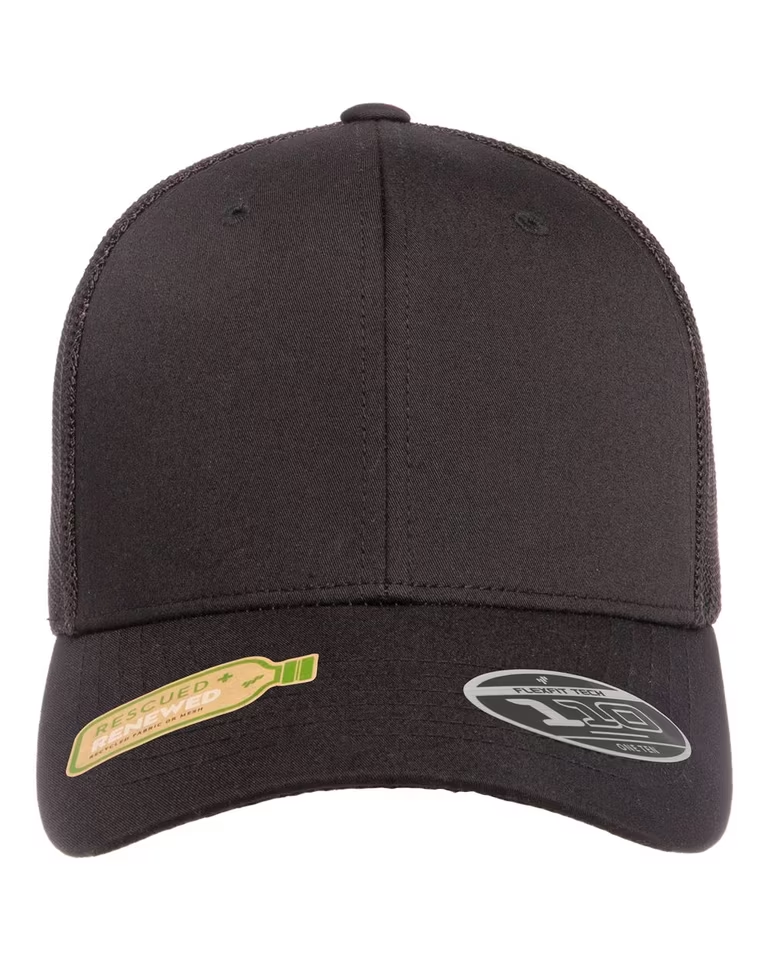
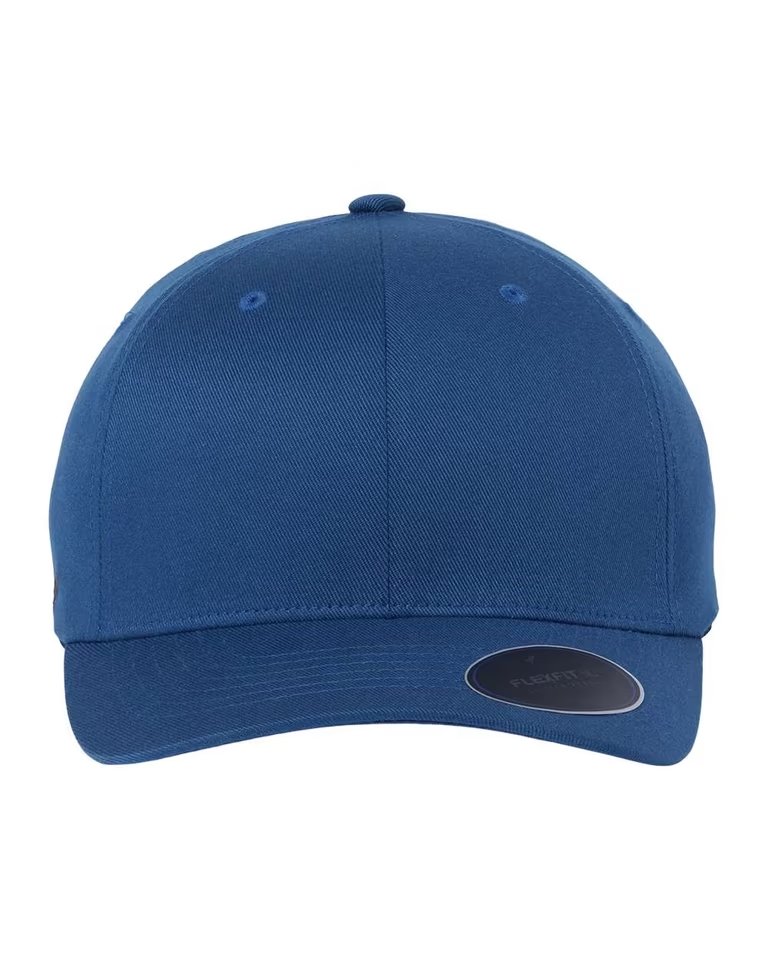
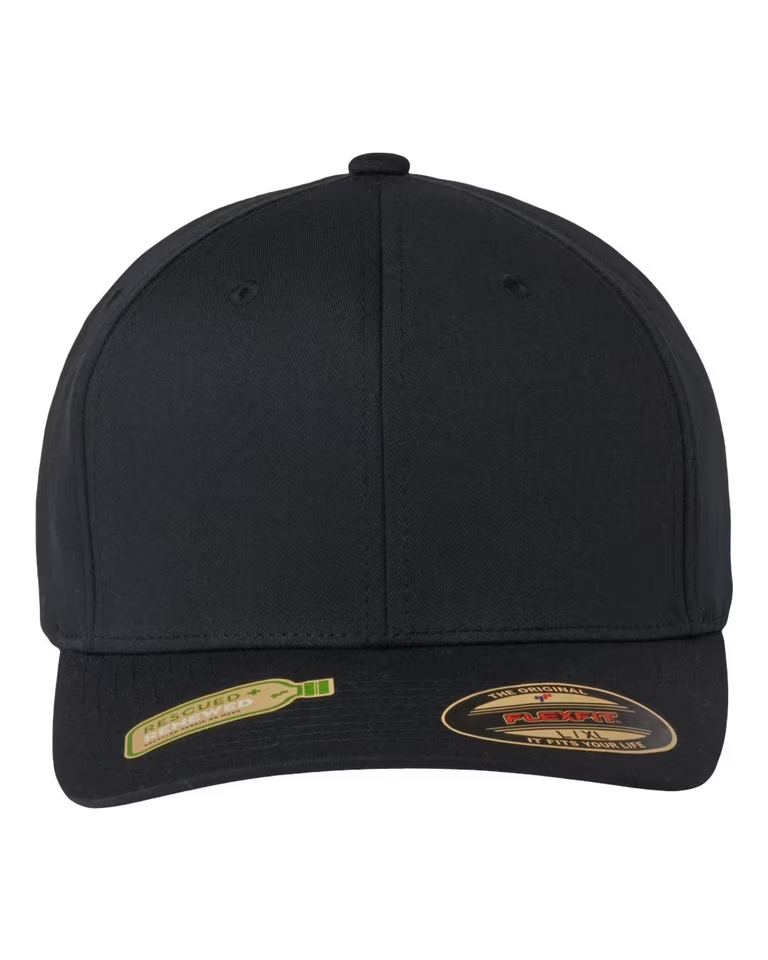
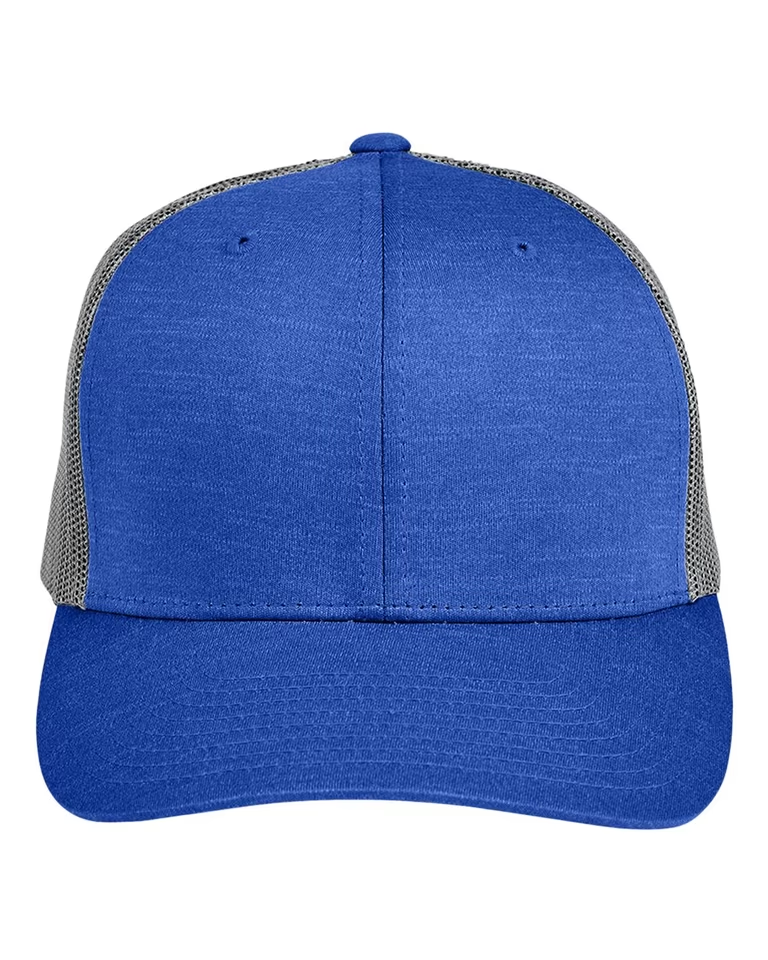
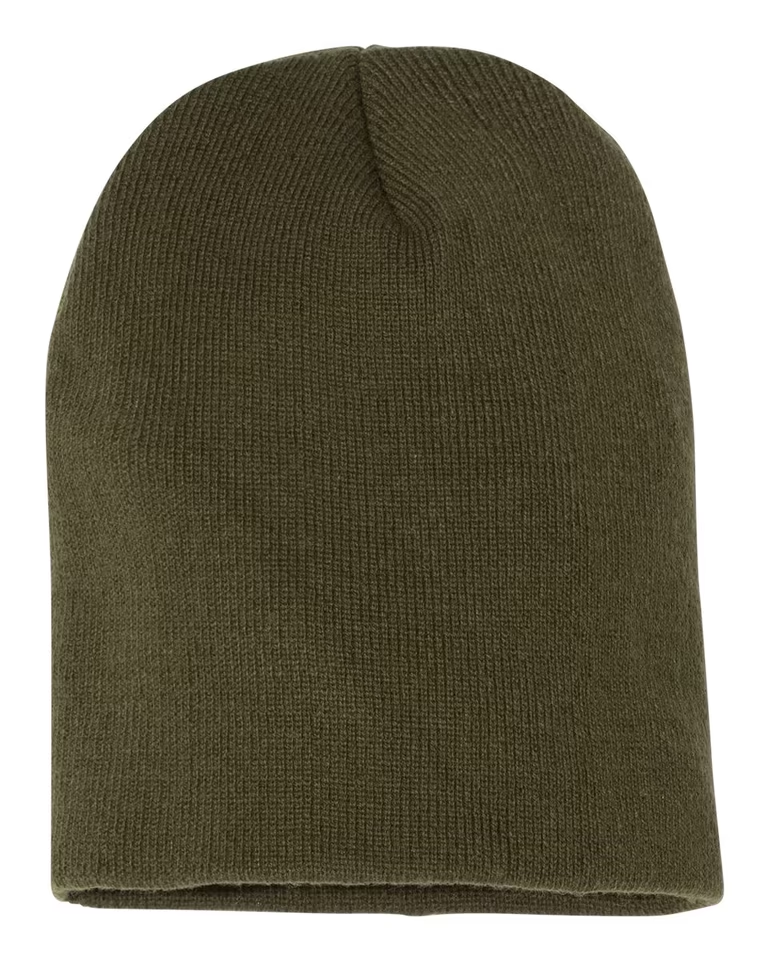
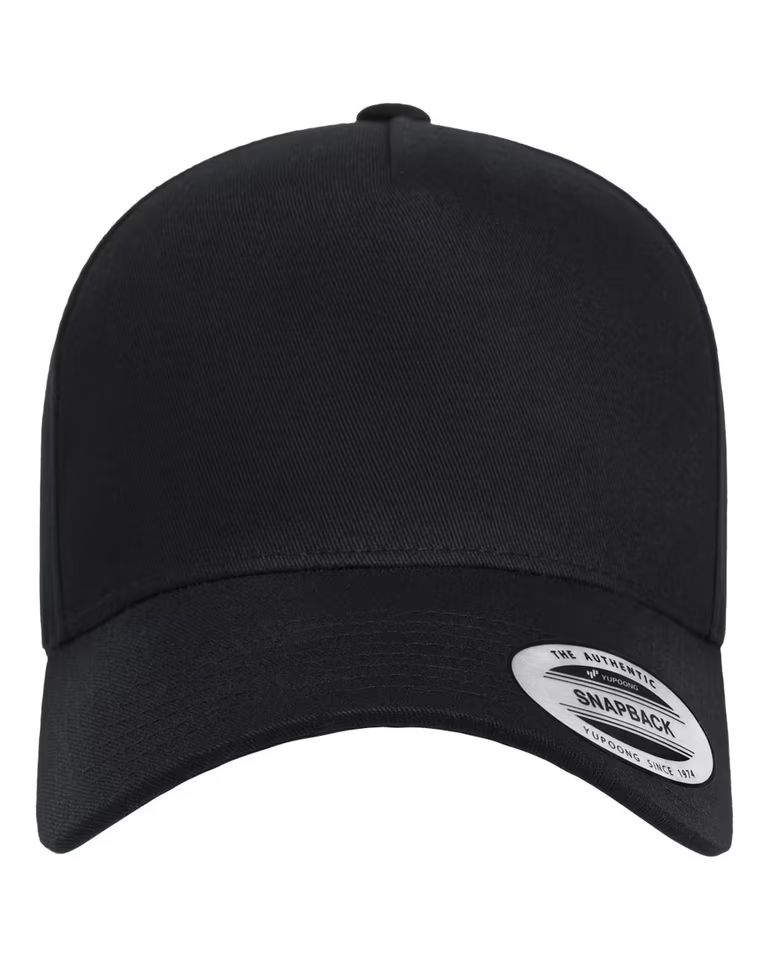
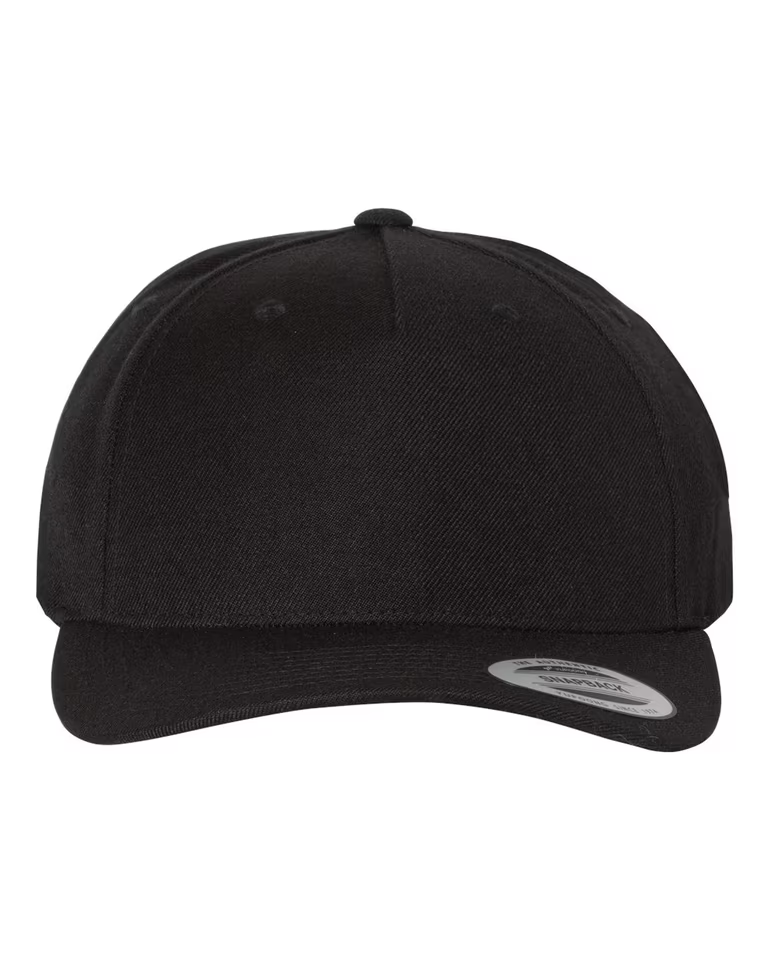
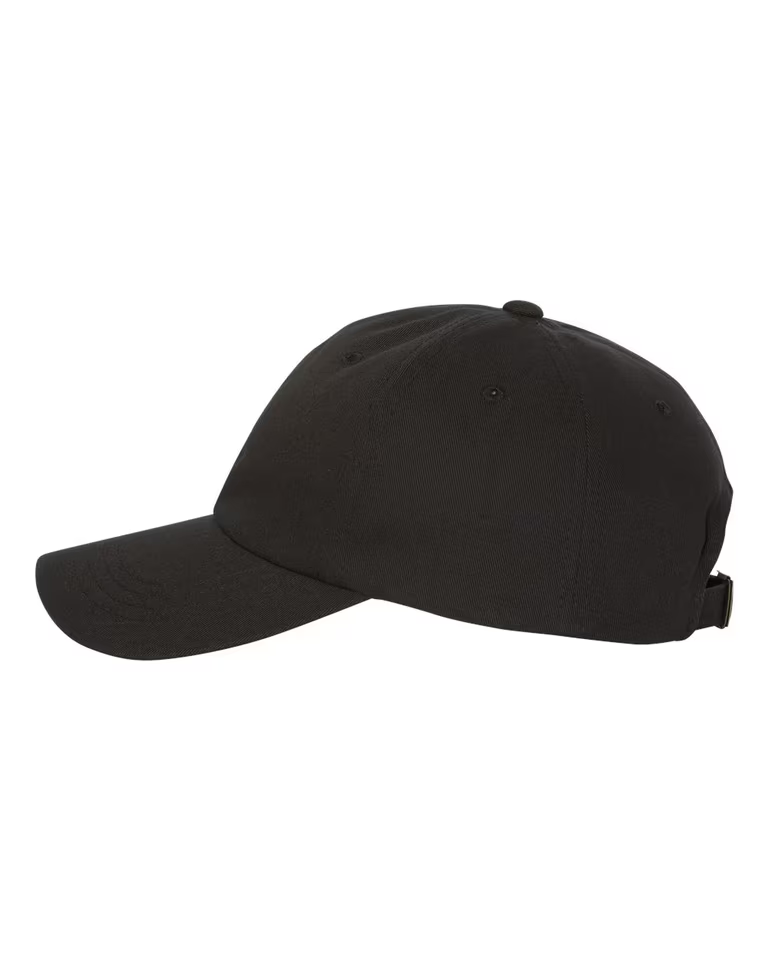
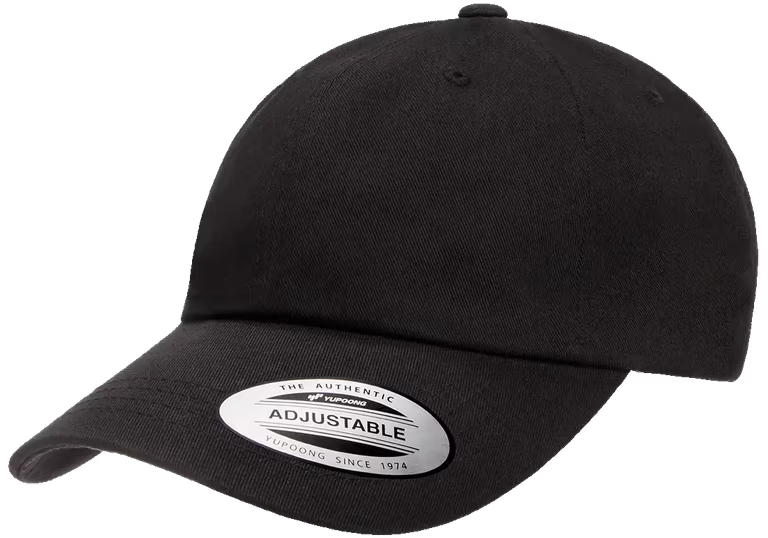
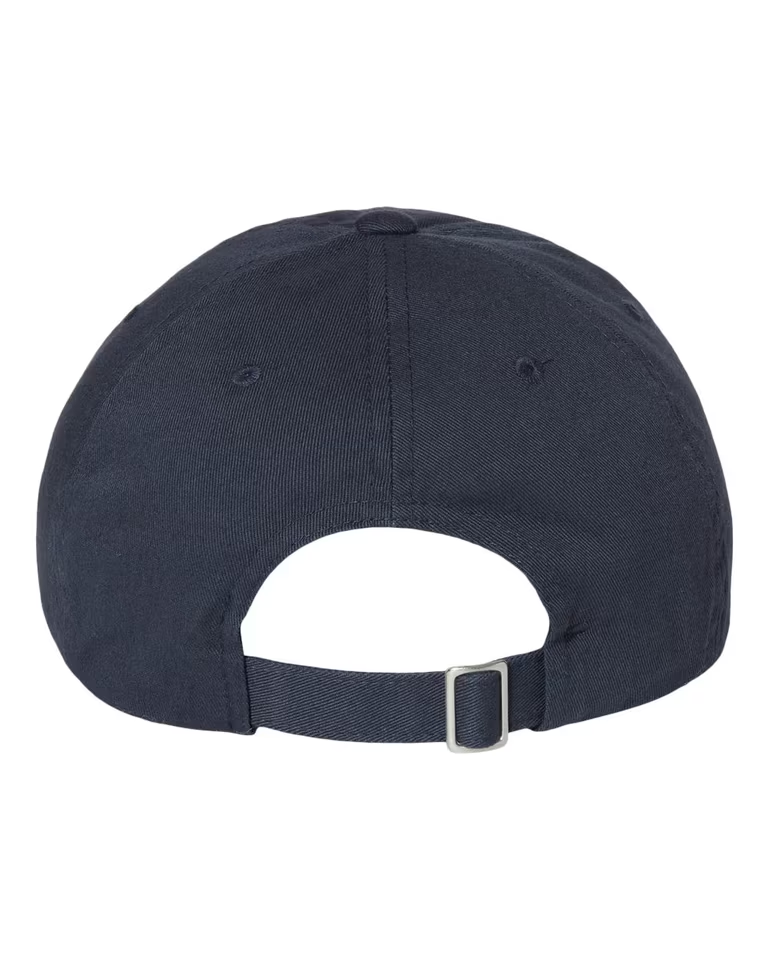
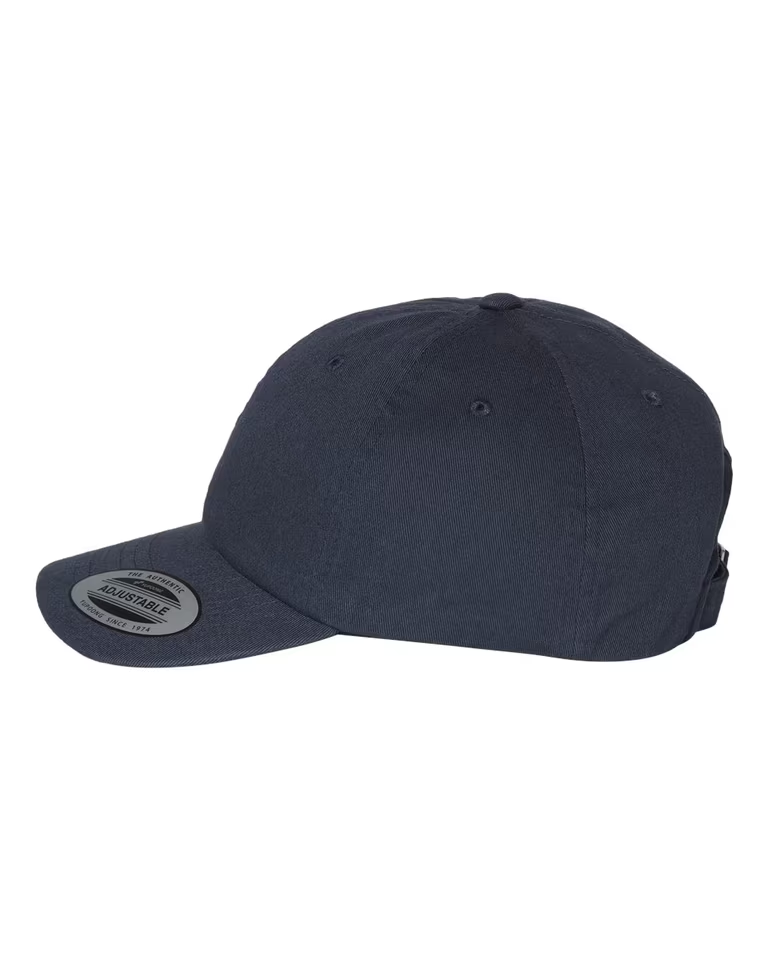
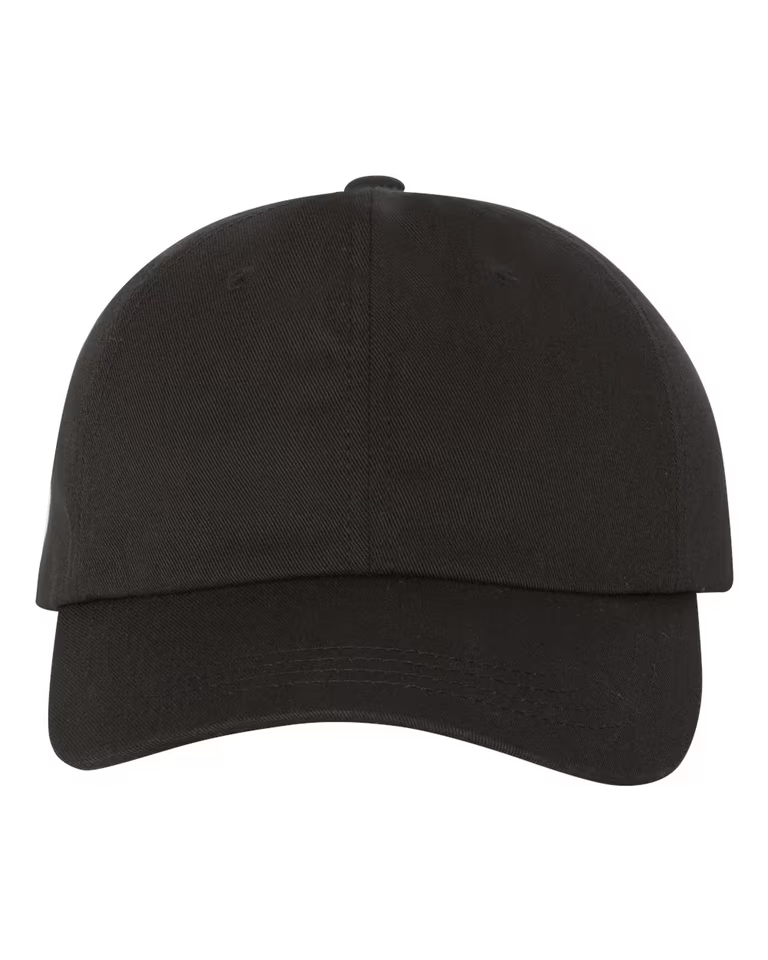
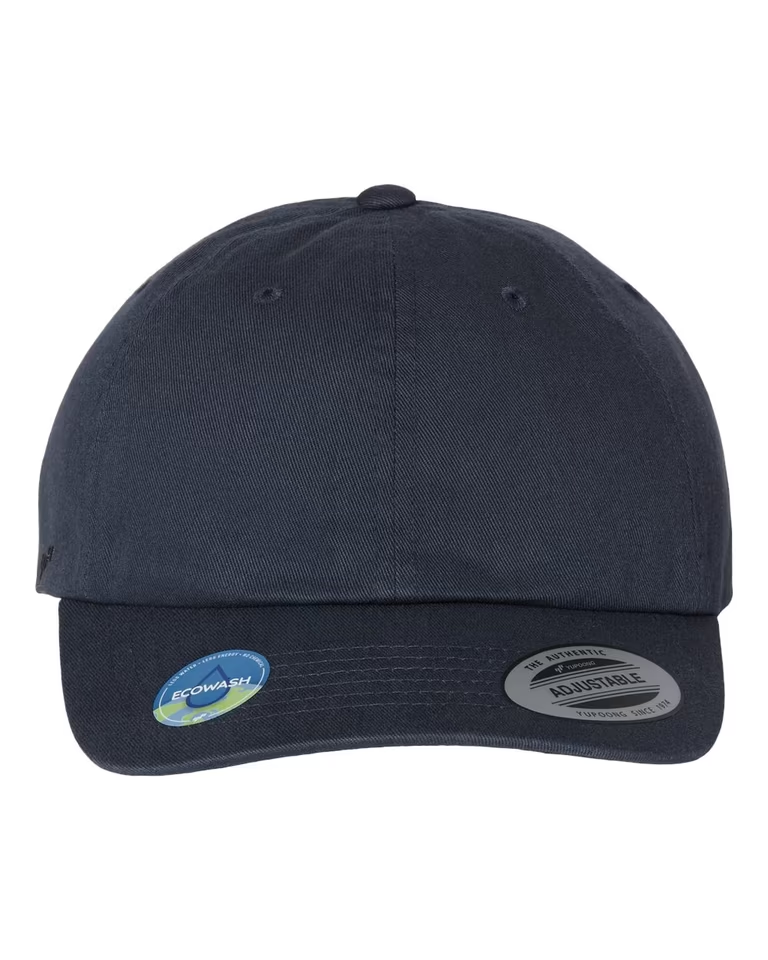
Yupoong style number 5789M
$10.67
Retail $14.21
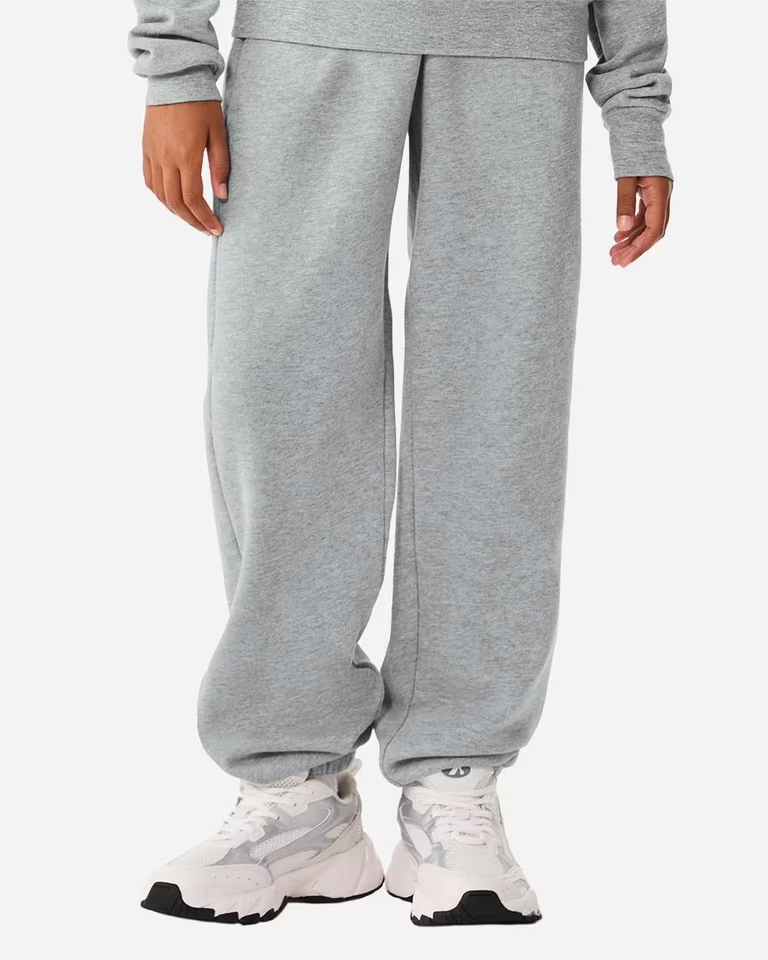
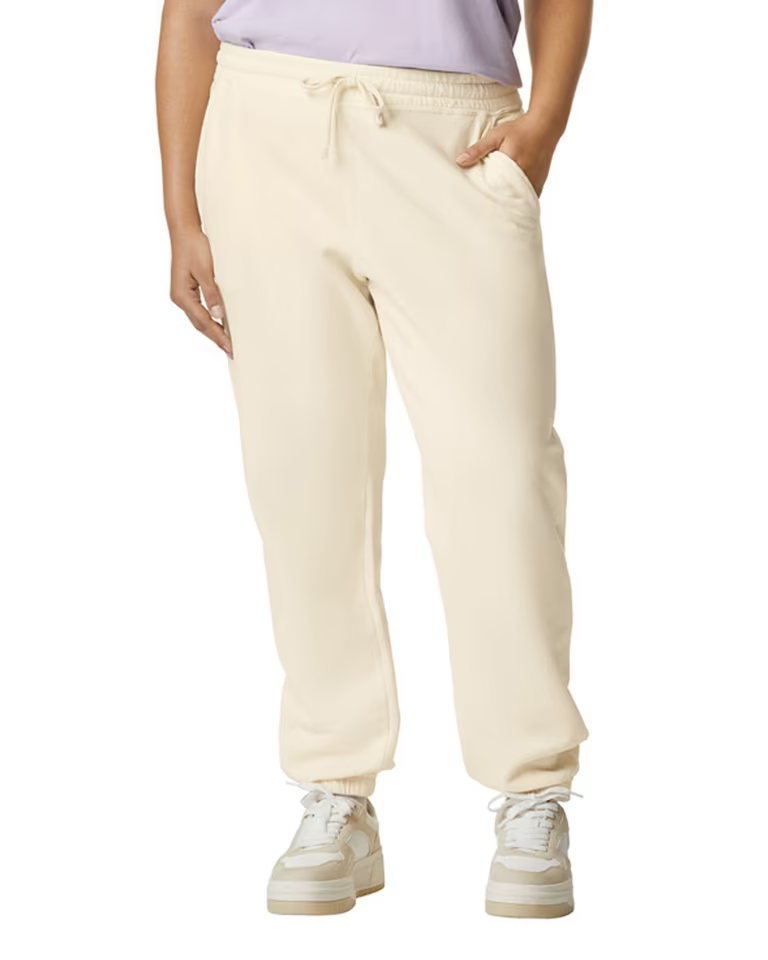
Comfort Colors style number 1469
$28.95
Retail $38.60
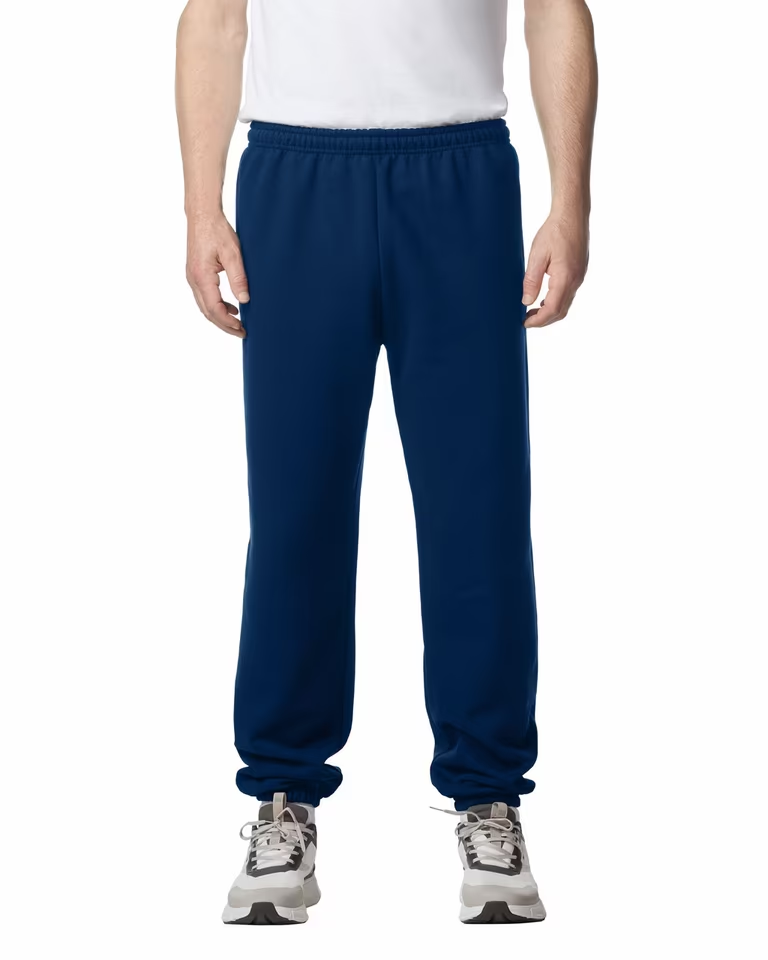
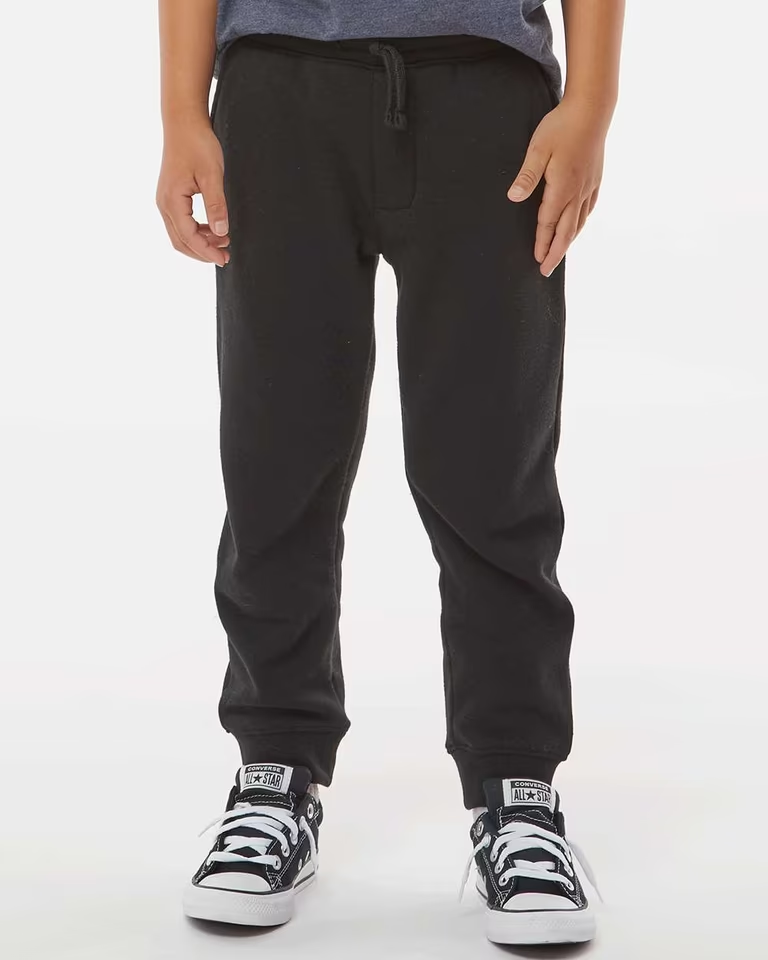
Independent Trading style number PRM16PNT
$18.17
Retail $24.22
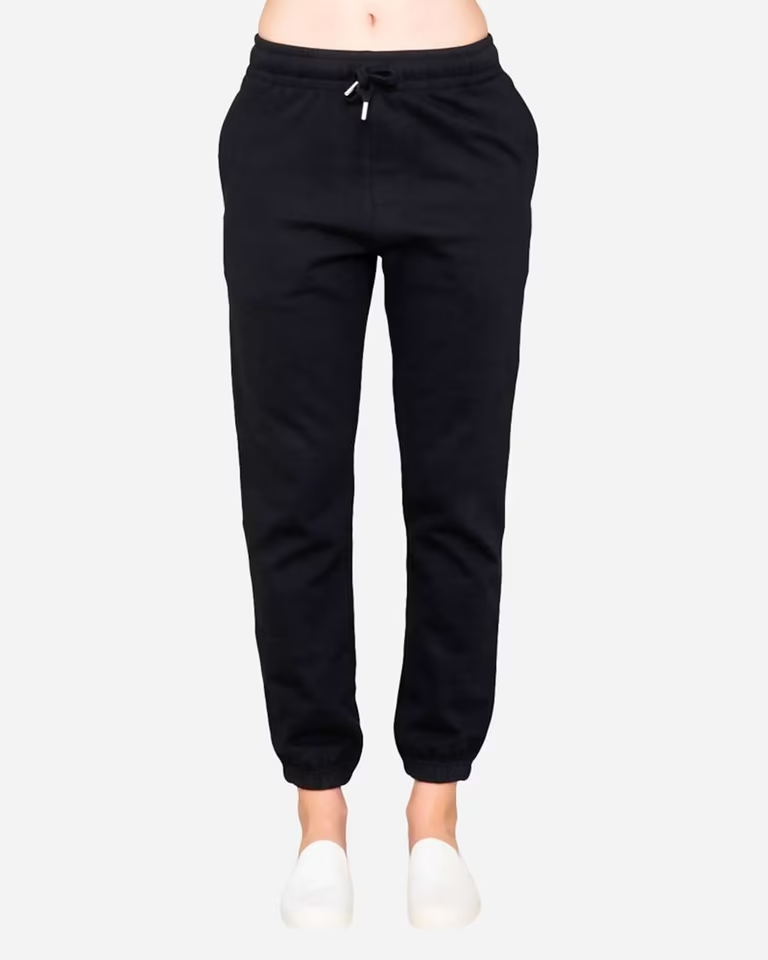
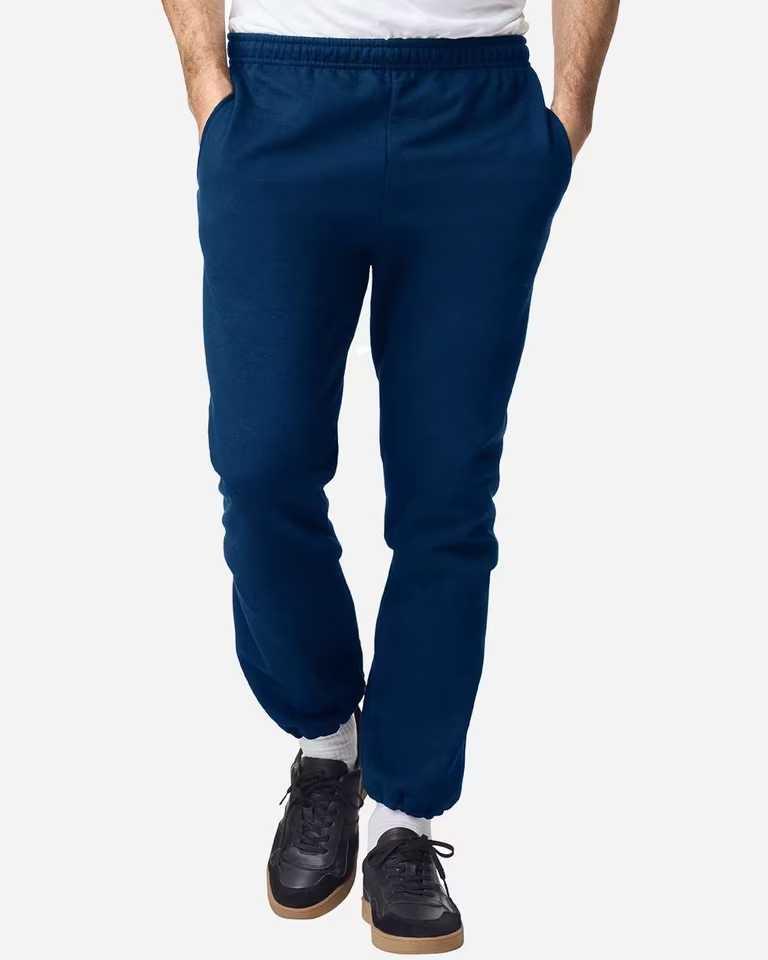
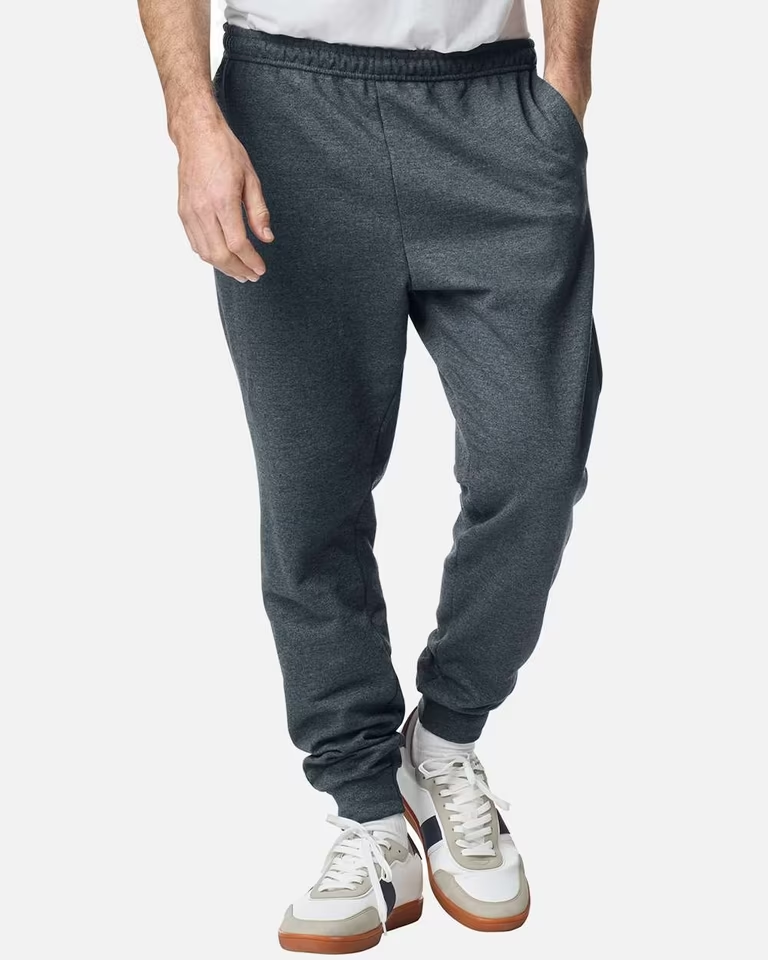
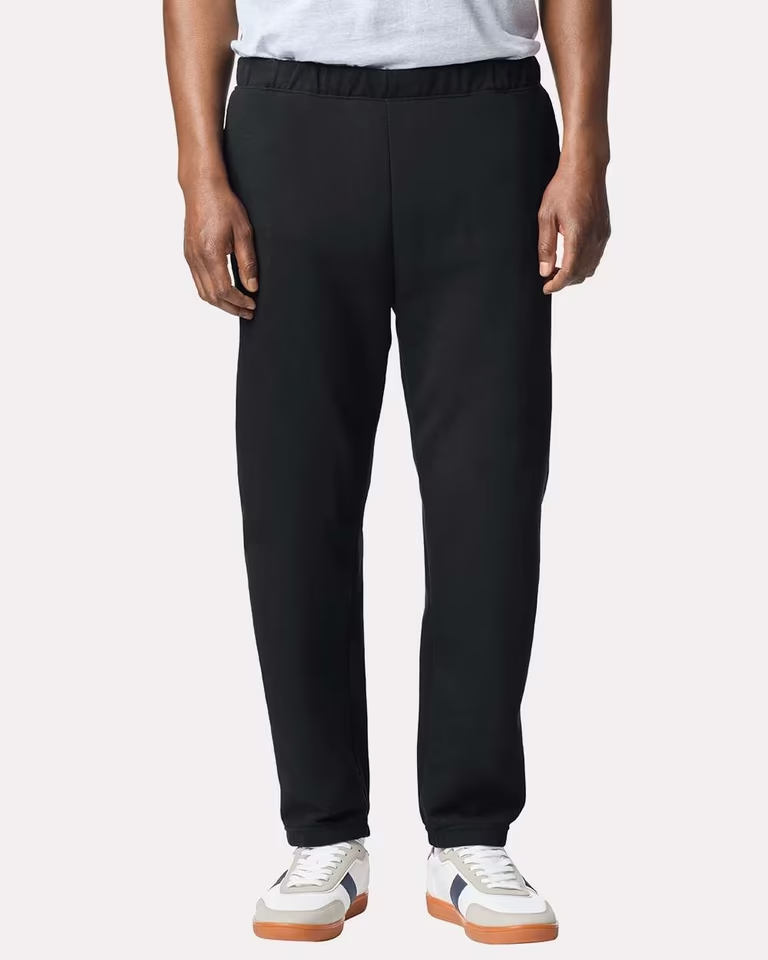
Gildan style number SF100
$23.16
Retail $30.88
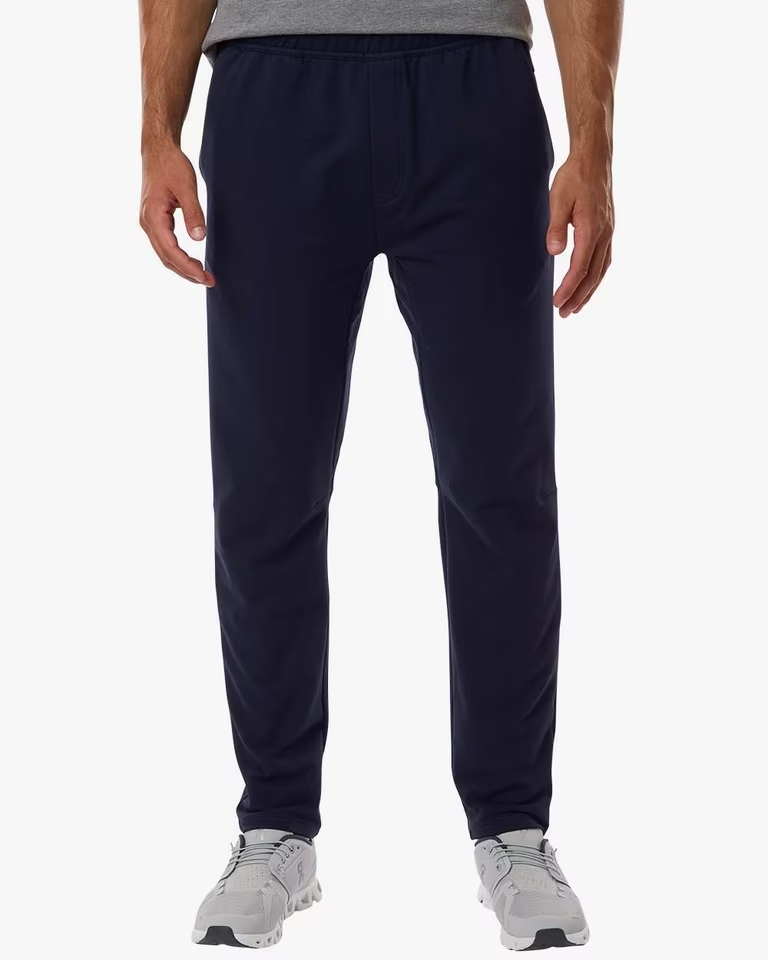
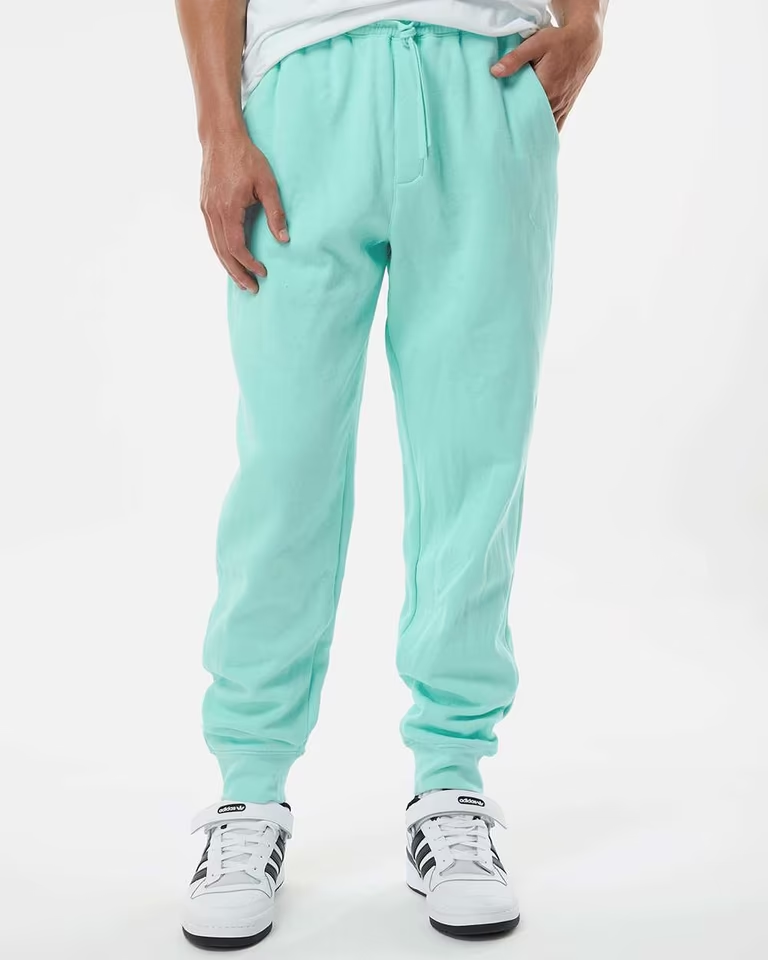
Independent Trading style number IND20PNT
$26.03
Retail $34.71
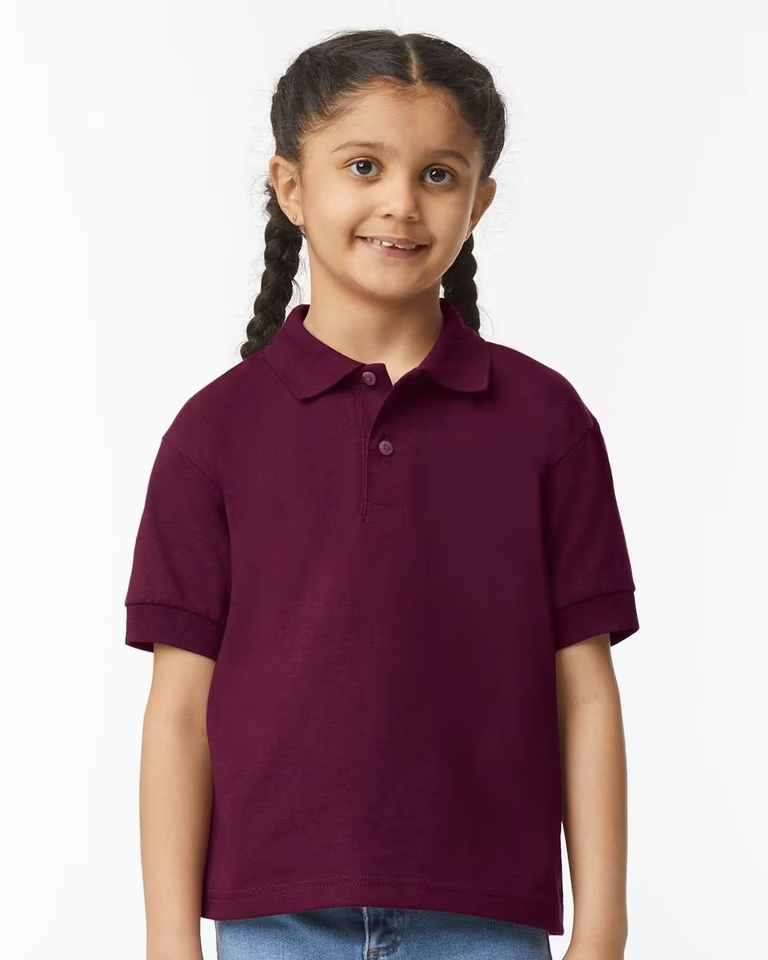
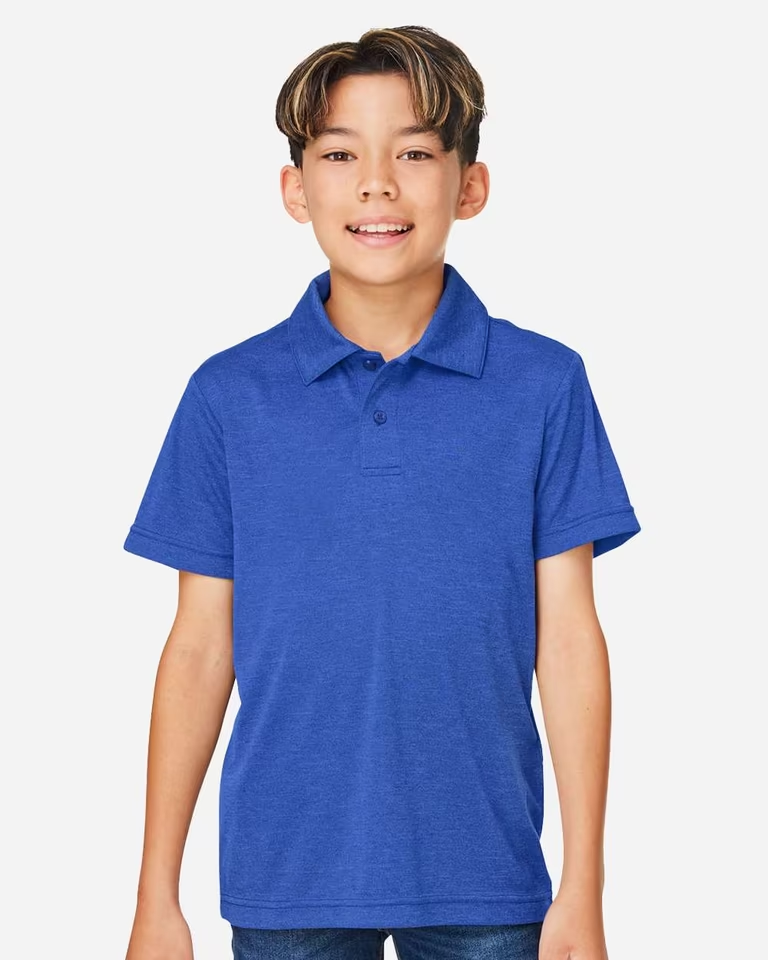
Team 365 style number TT51HY
$16.48
Retail $20.60
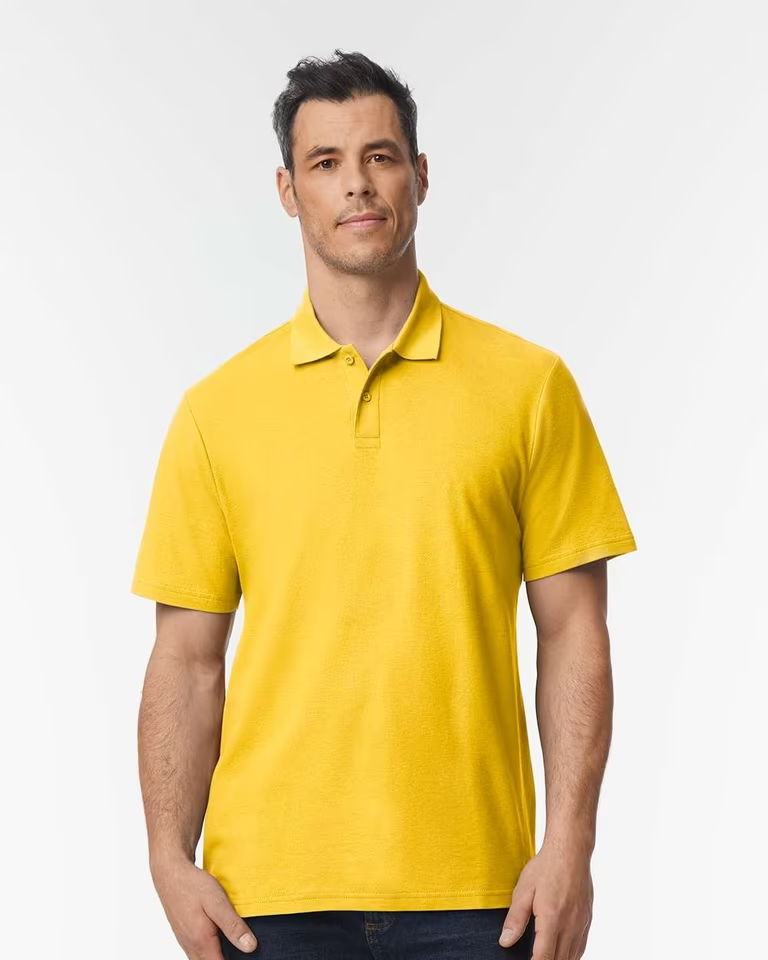
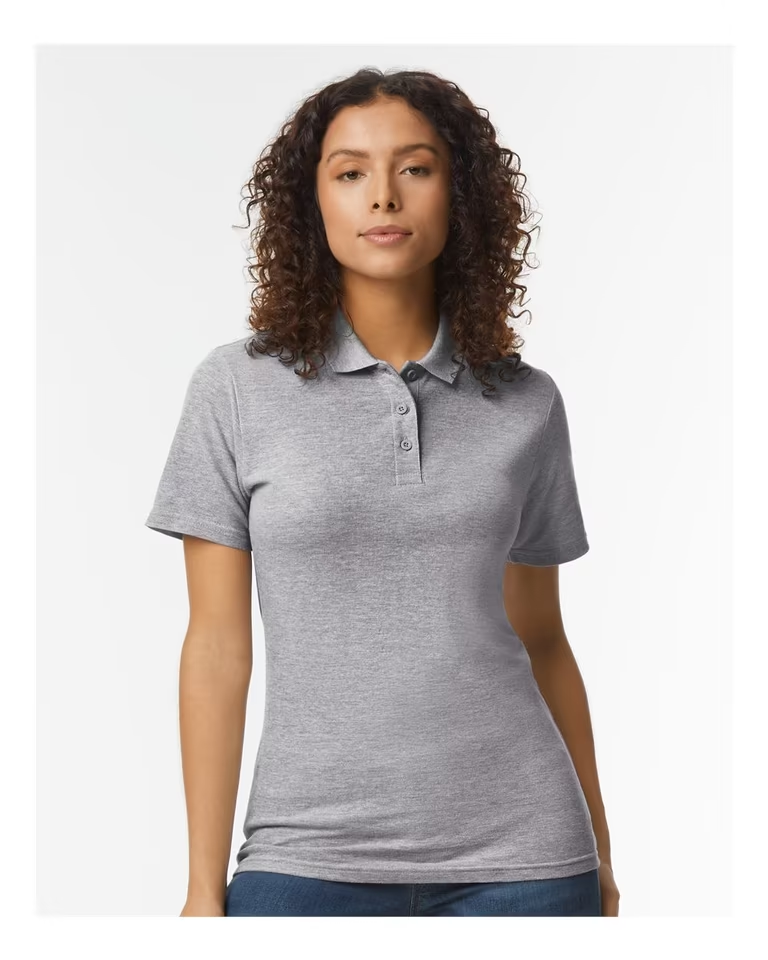
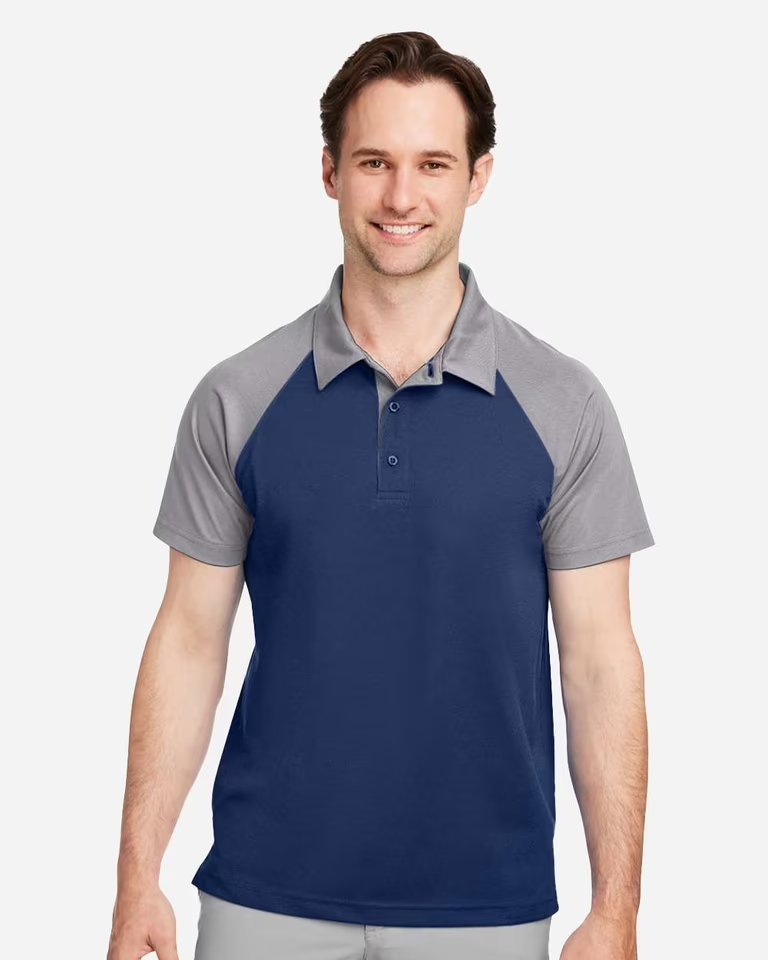
Team 365 style number TT21C
$20.60
Retail $25.75
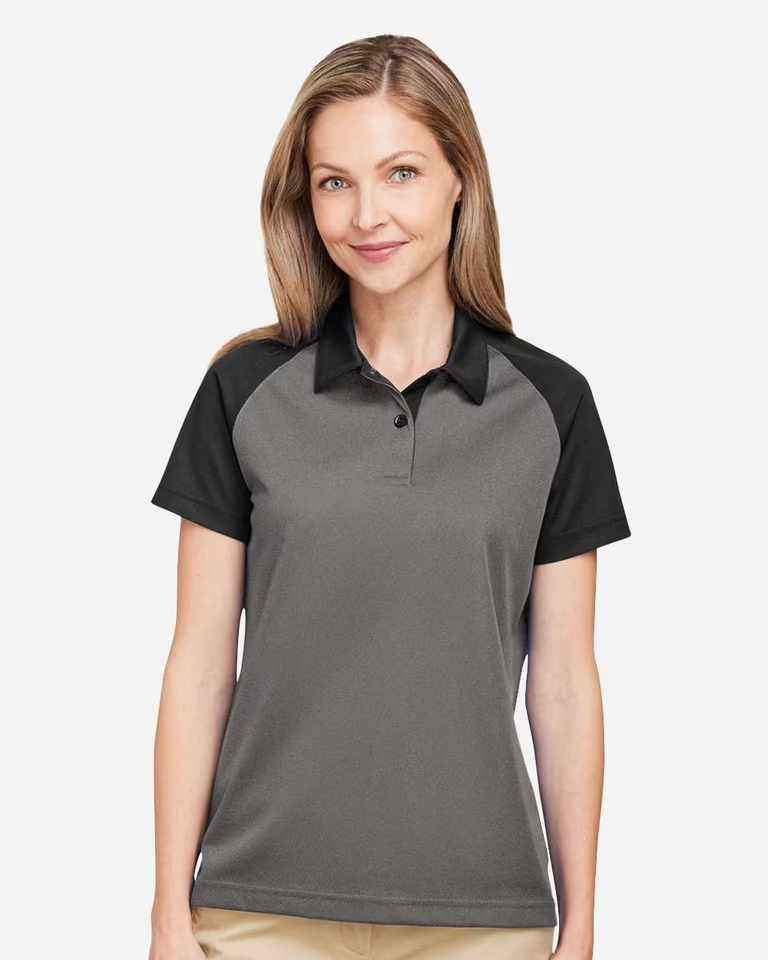
Team 365 style number TT21CW
$20.60
Retail $25.75
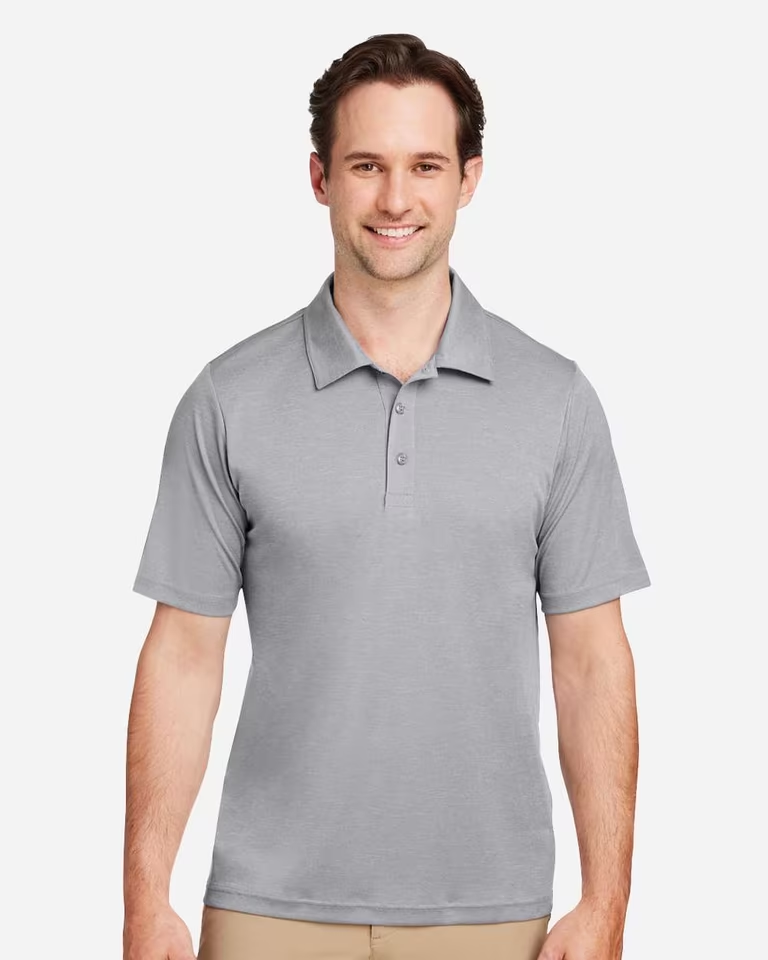
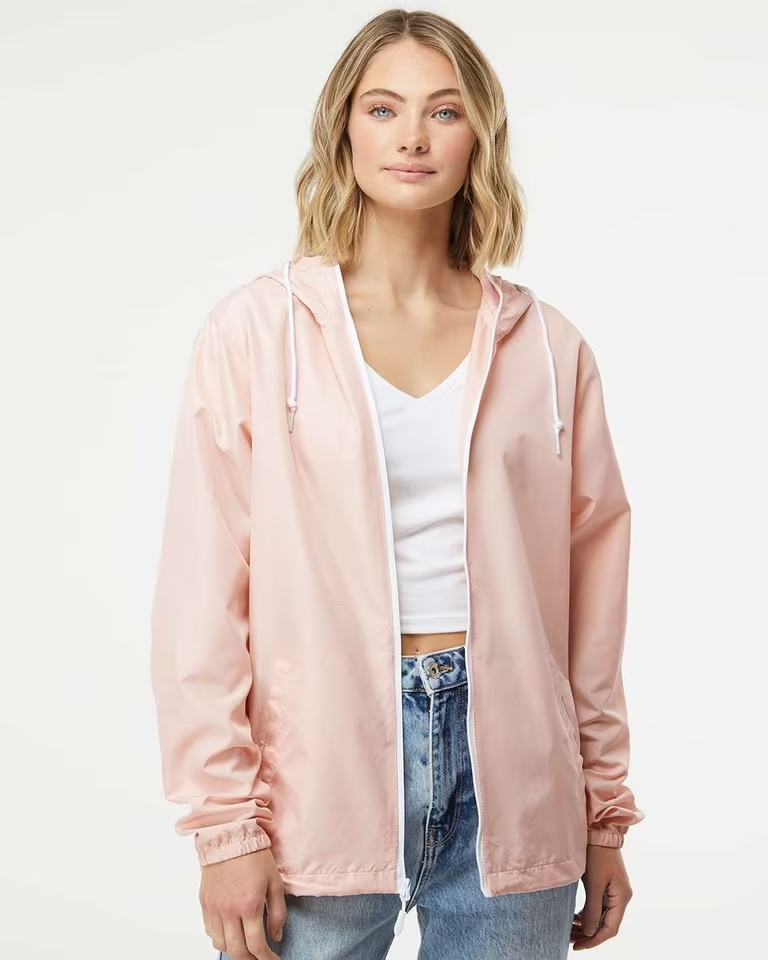
Independent Trading style number EXP54LWZ
$27.11
Retail $36.15
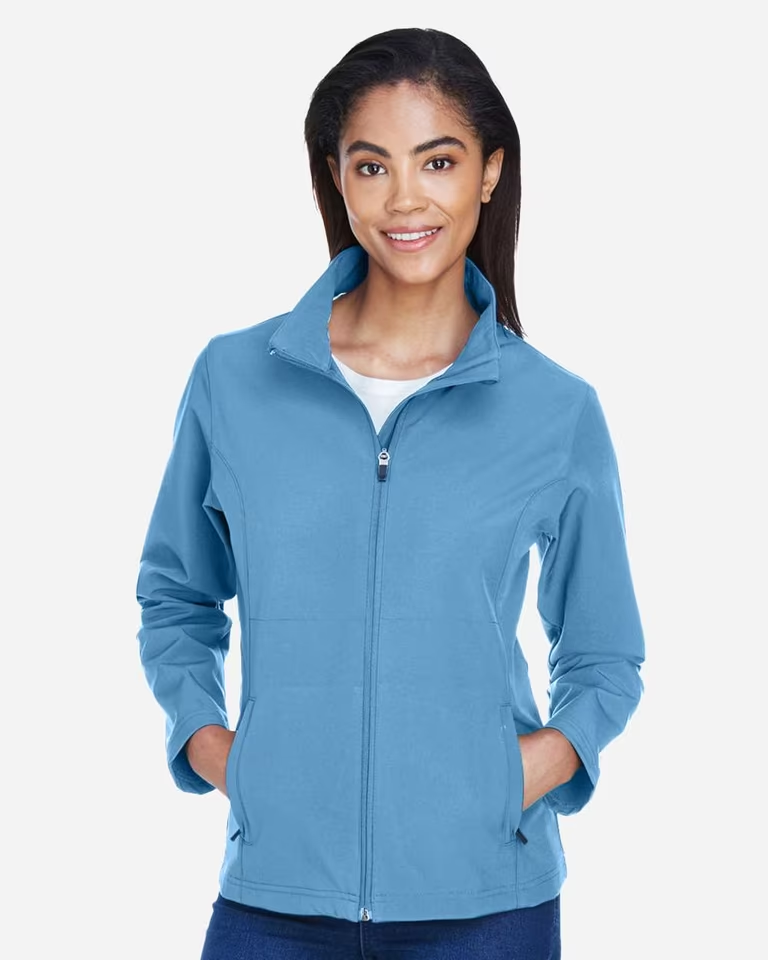
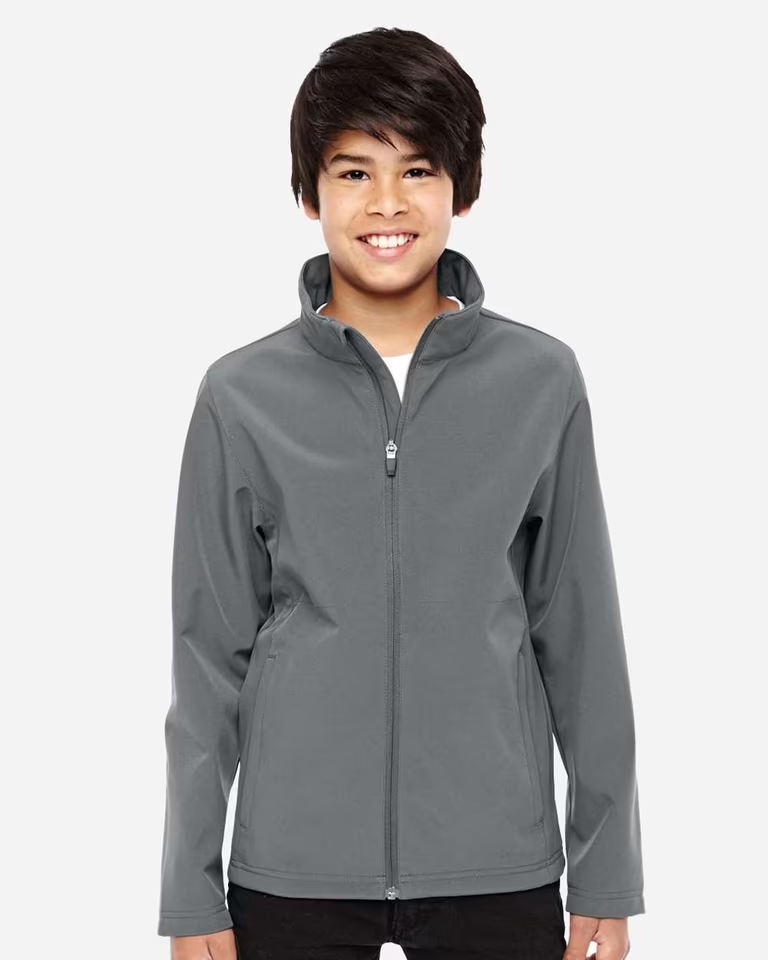
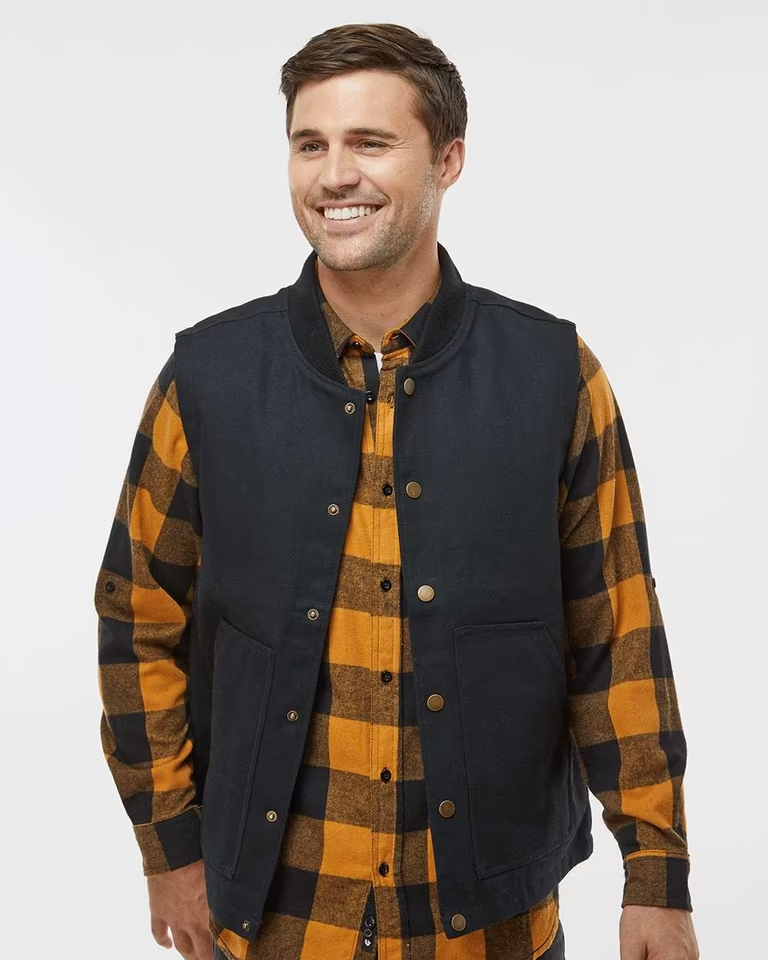
Independent Trading style number EXP560V
$54.59
Retail $72.77
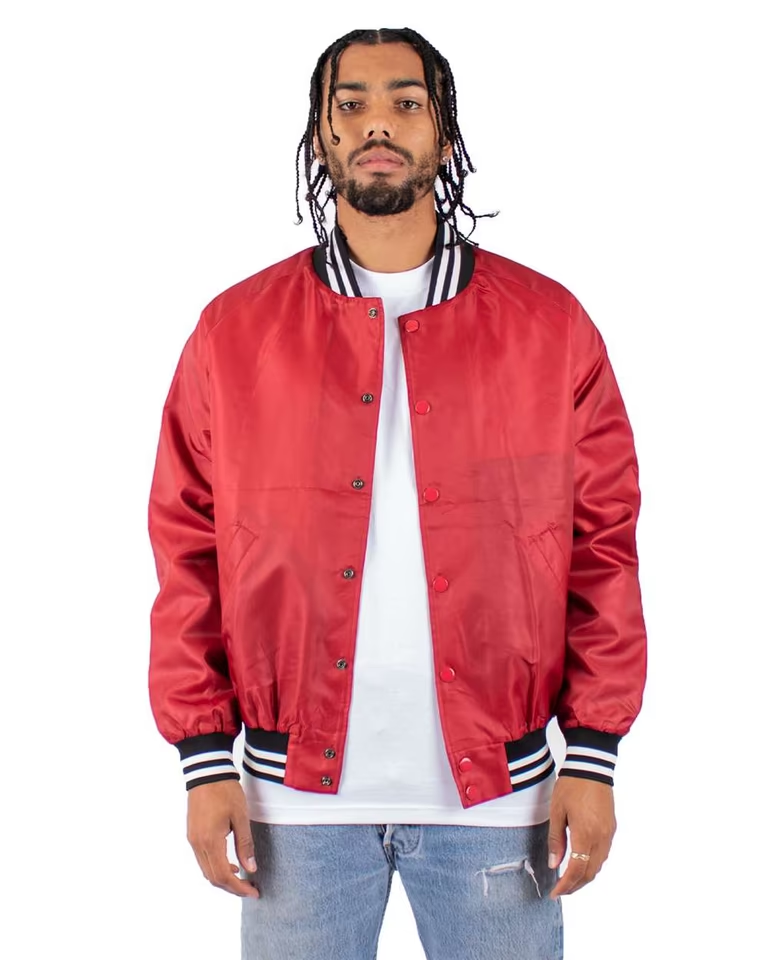
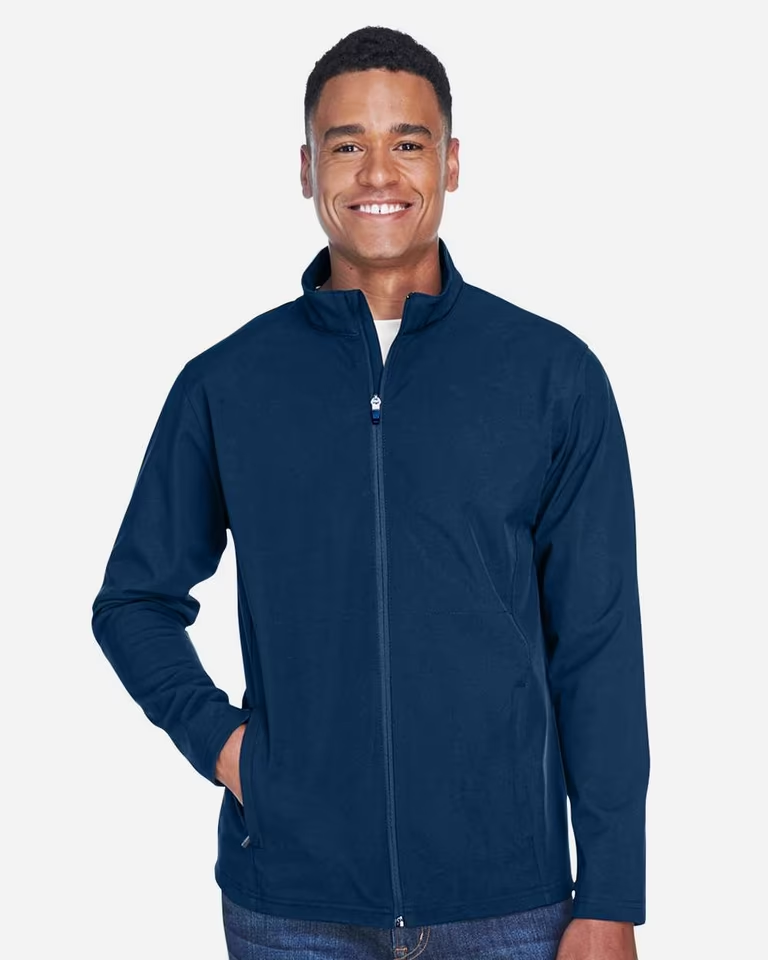
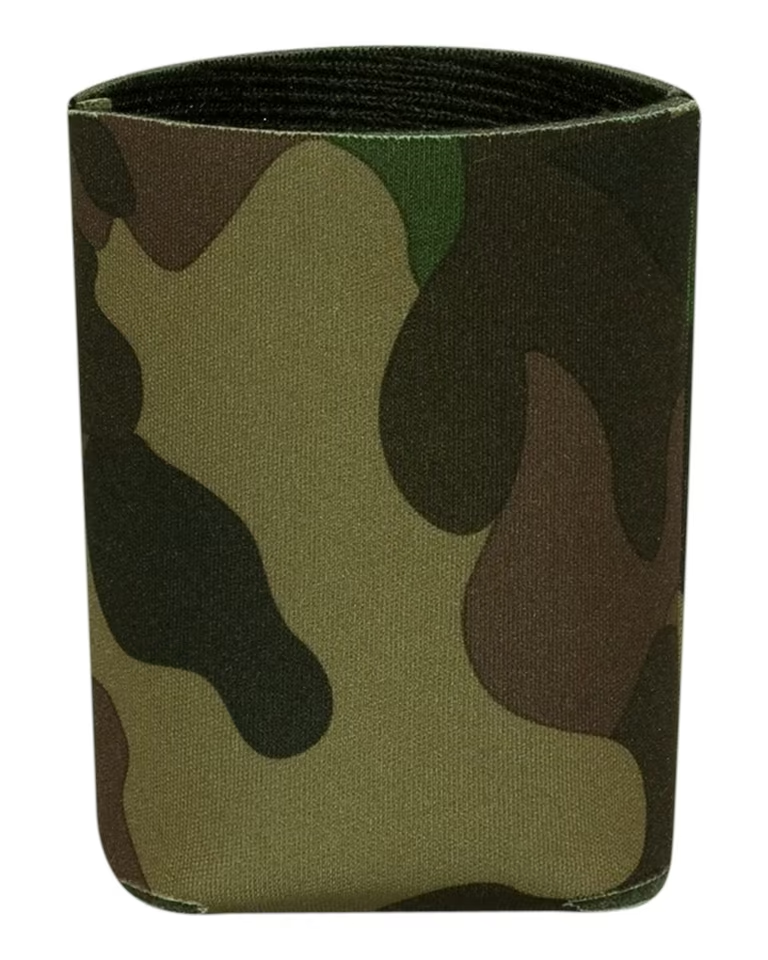
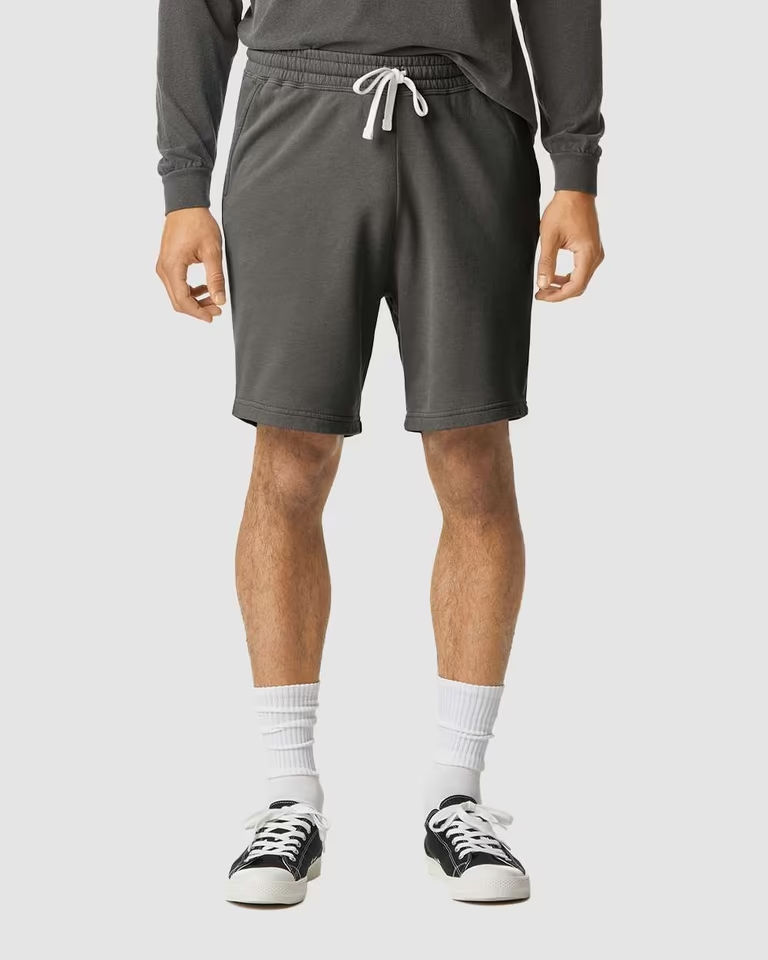
Comfort Colors style number 1468
$22.25
Retail $29.66