Fabric & weight guide
Smooth & print-ready
Last updated September 14, 2026
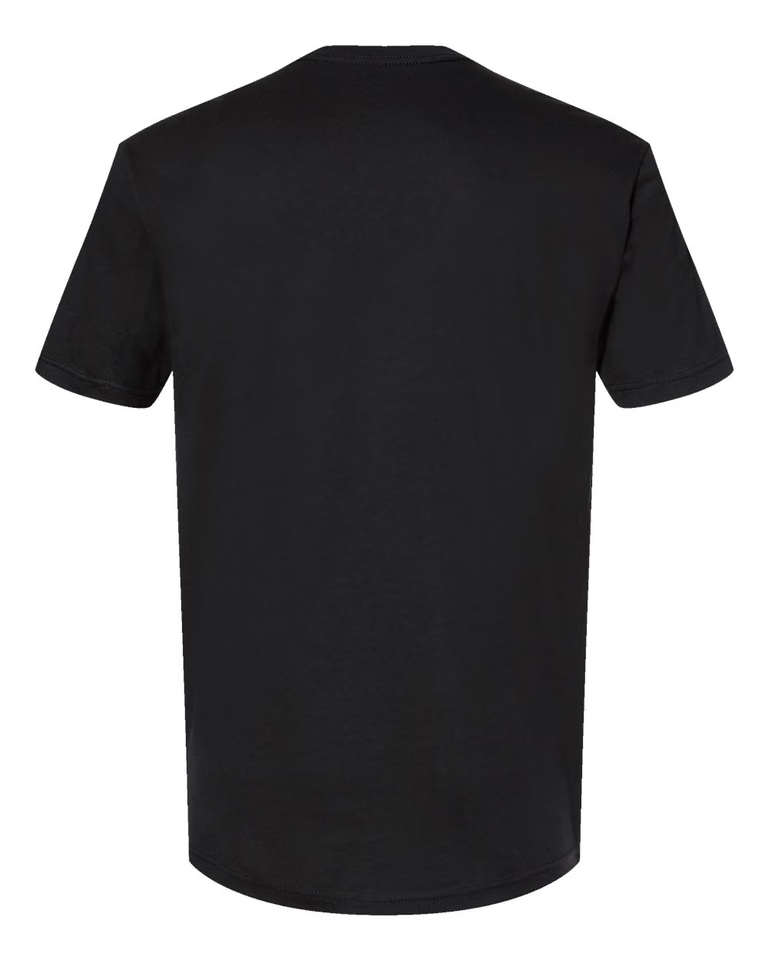
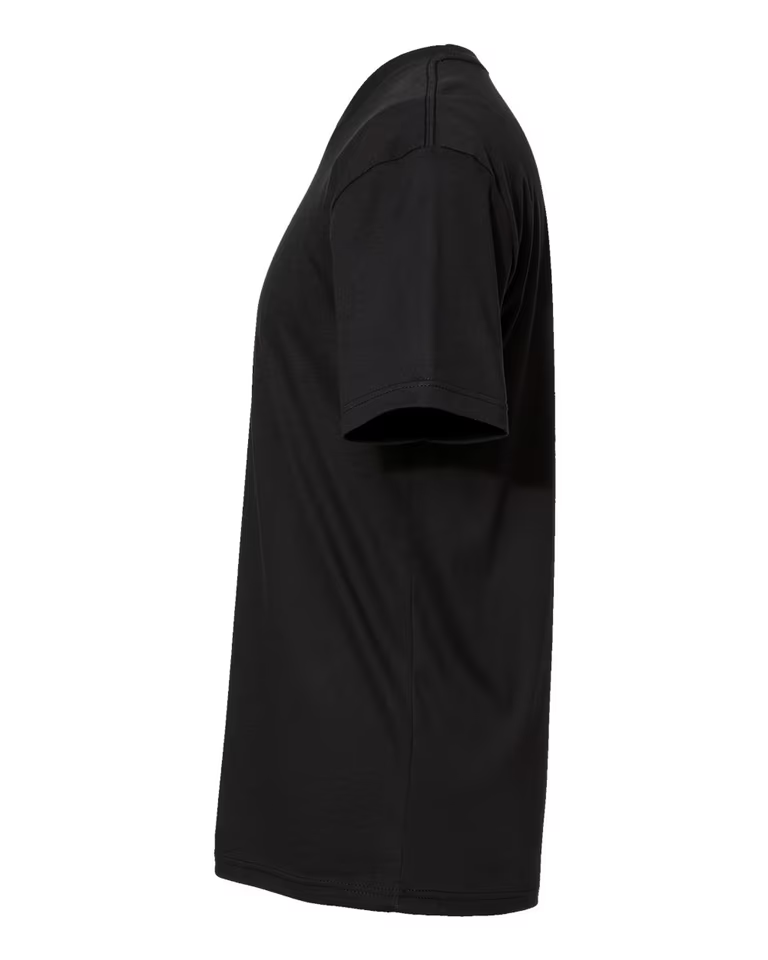
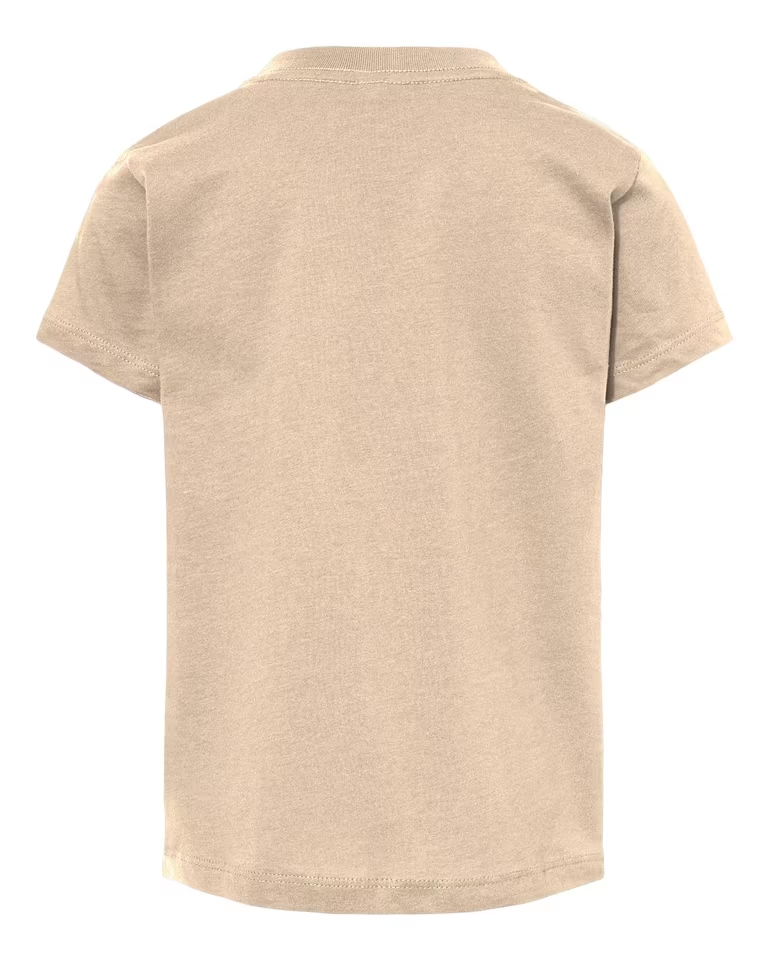
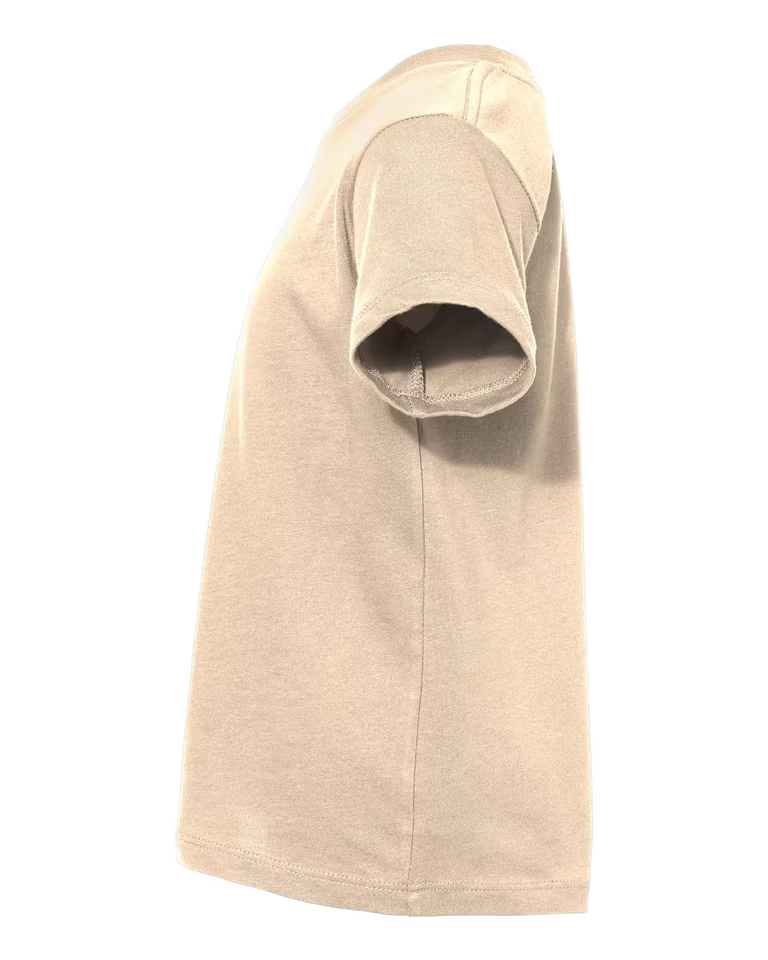
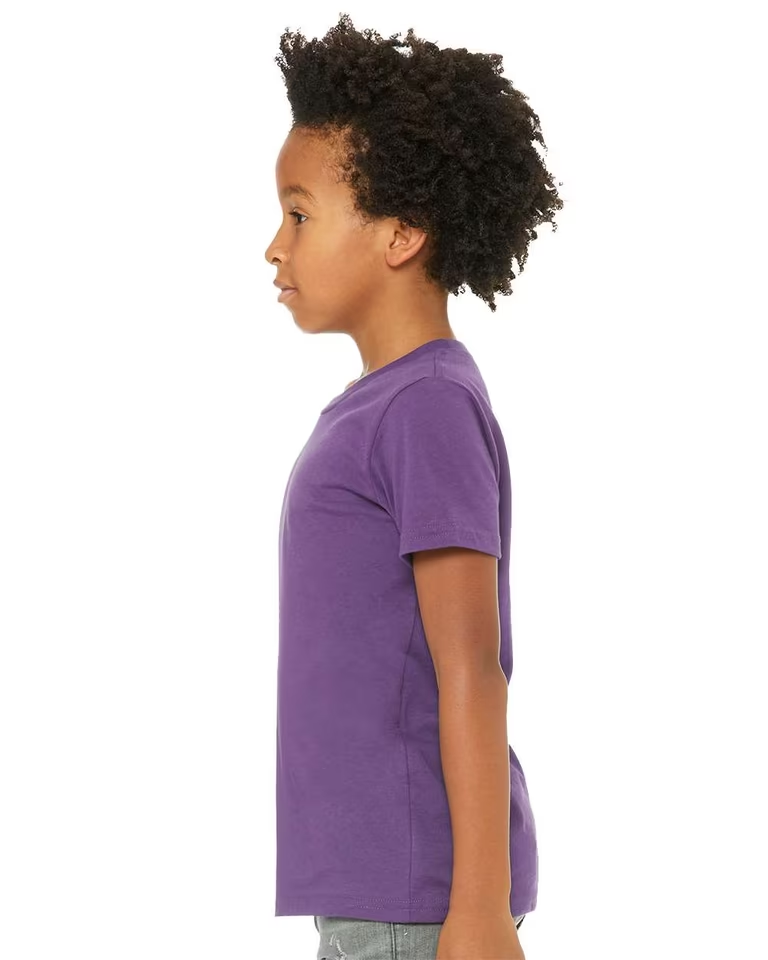
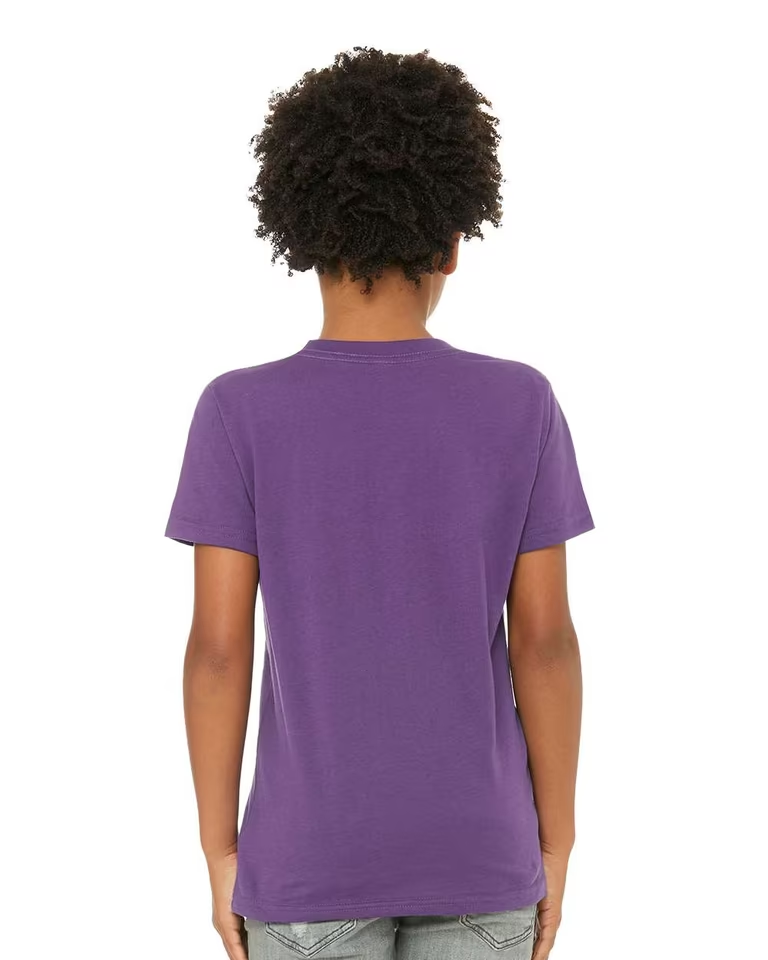
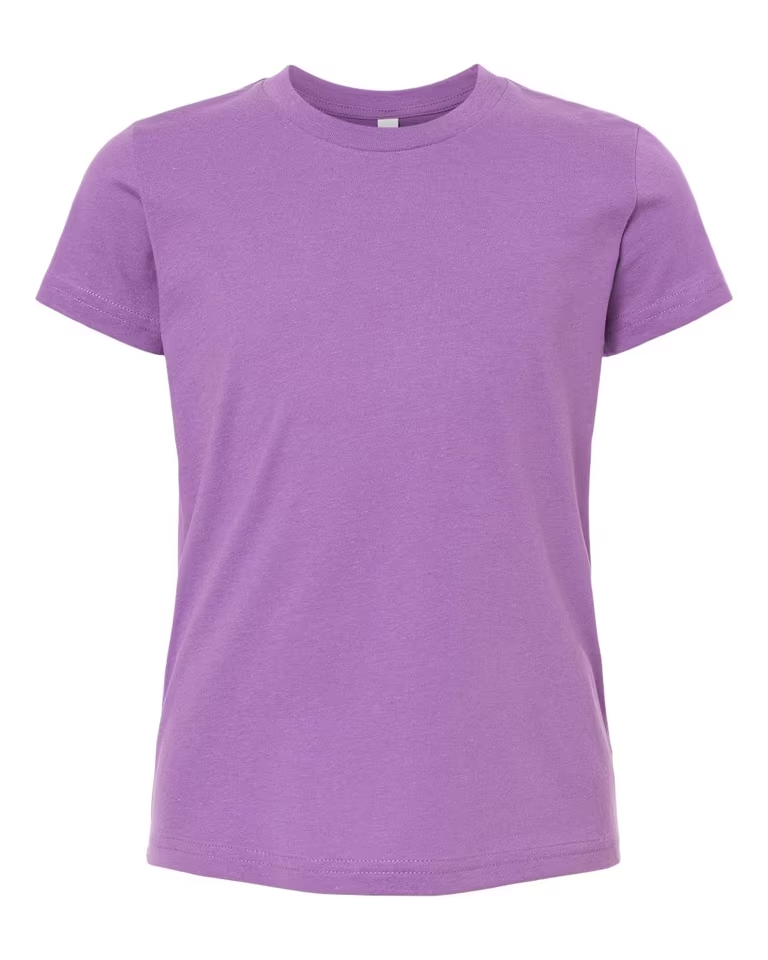
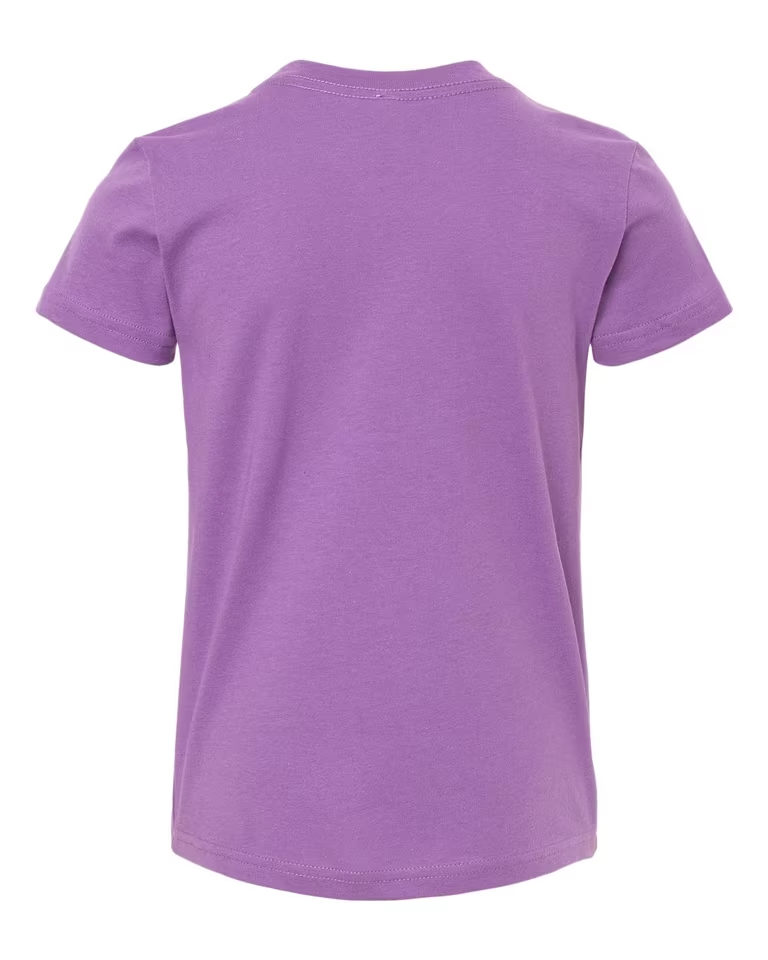
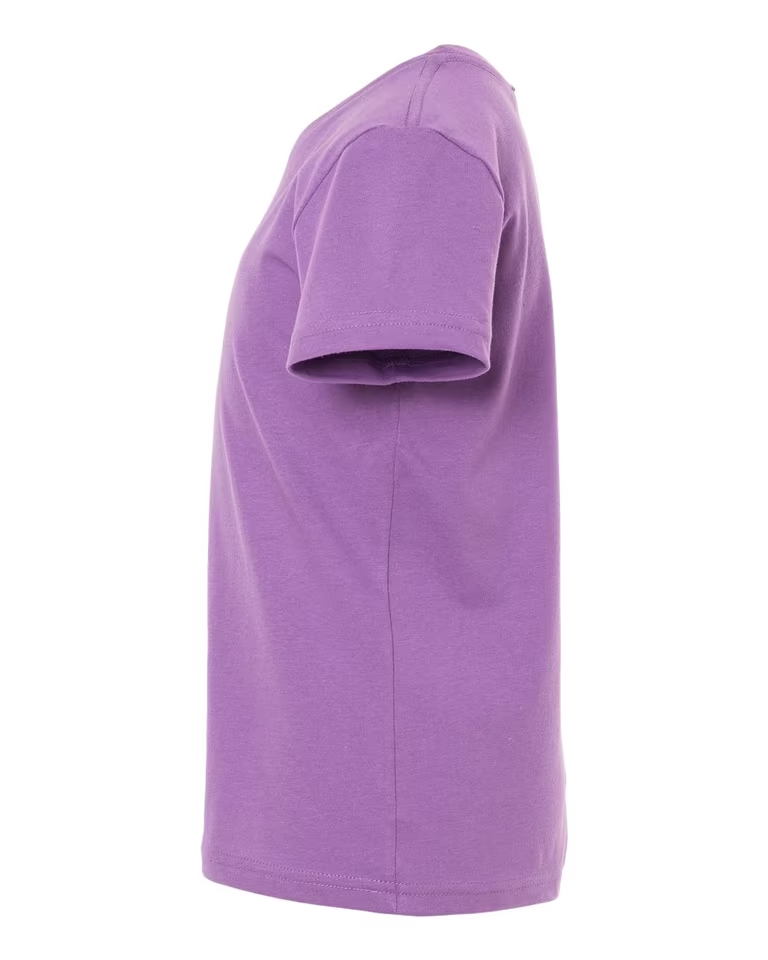
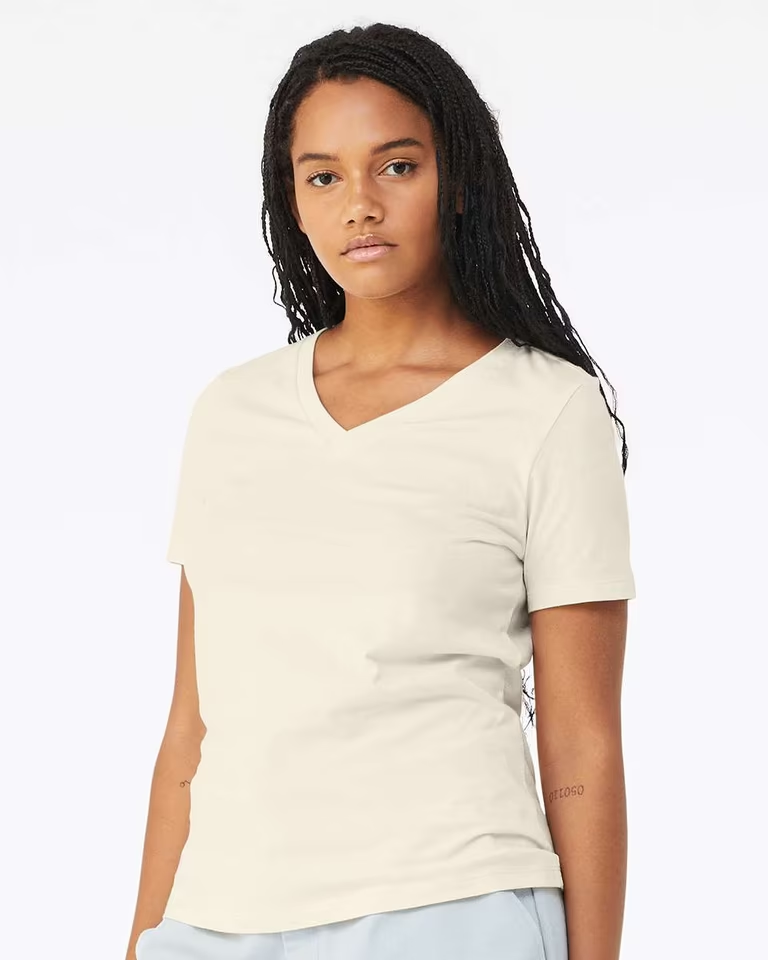
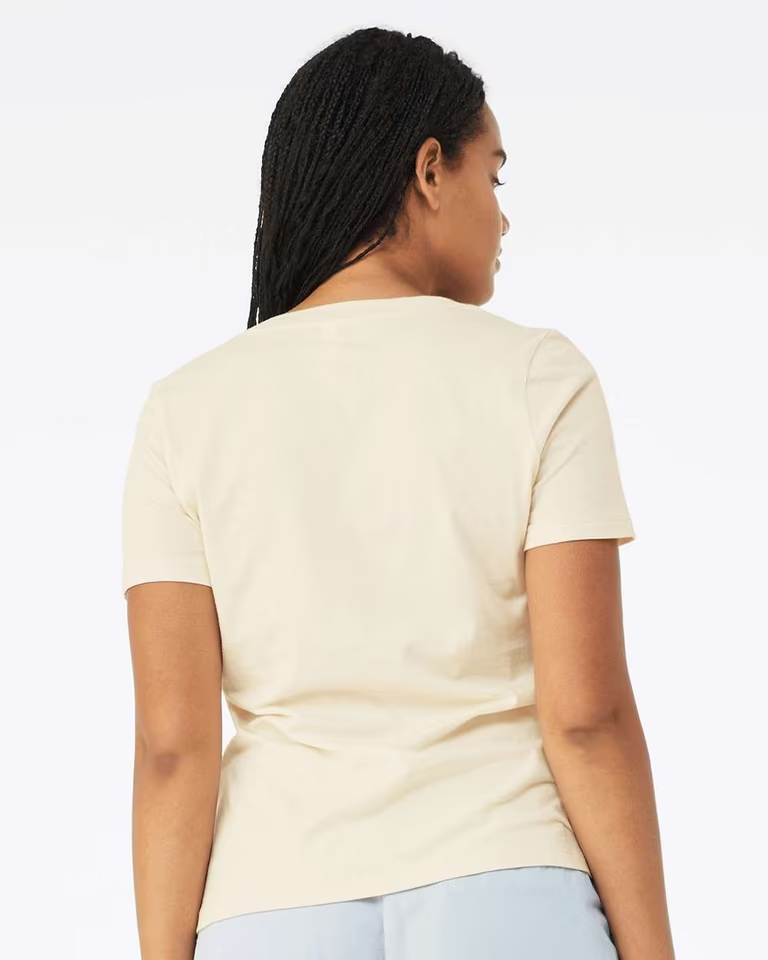
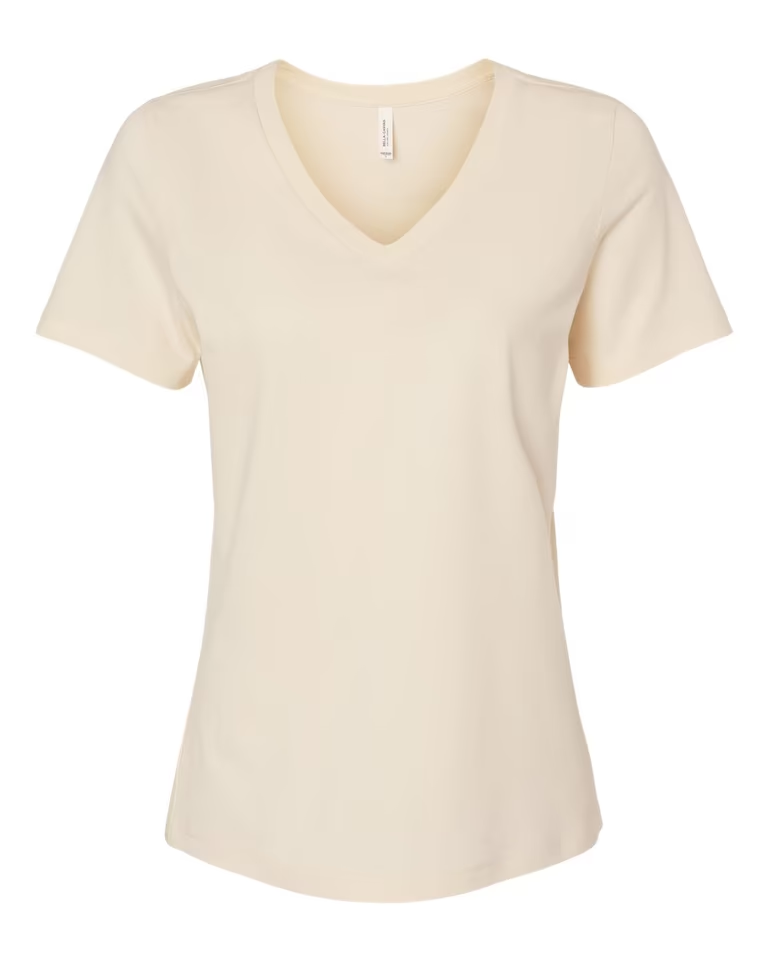
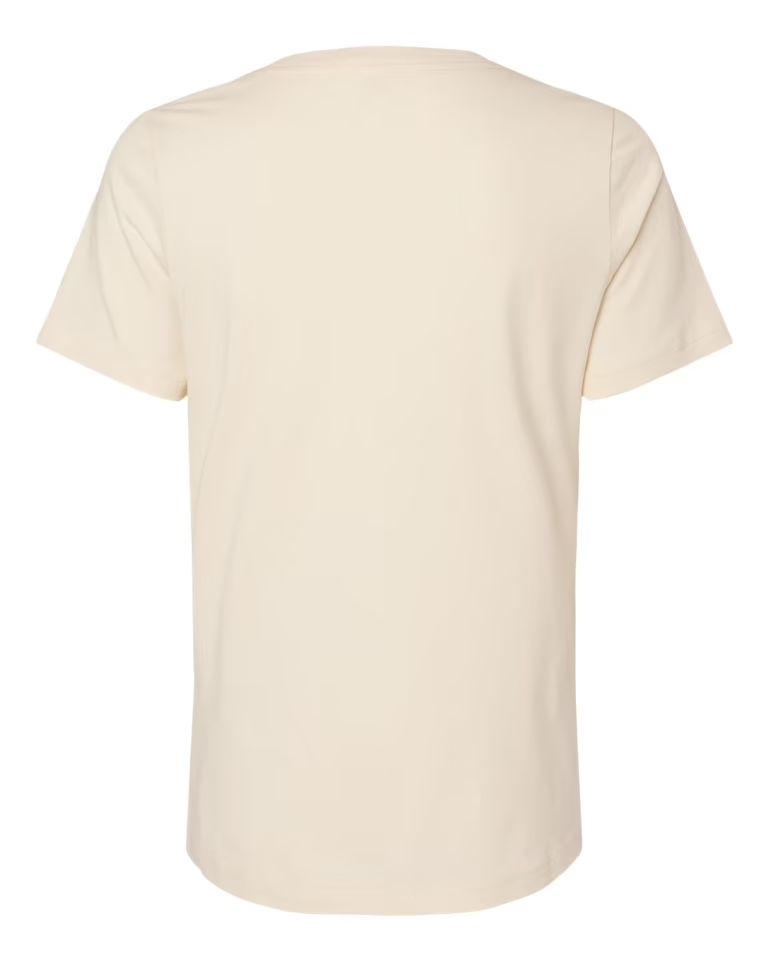
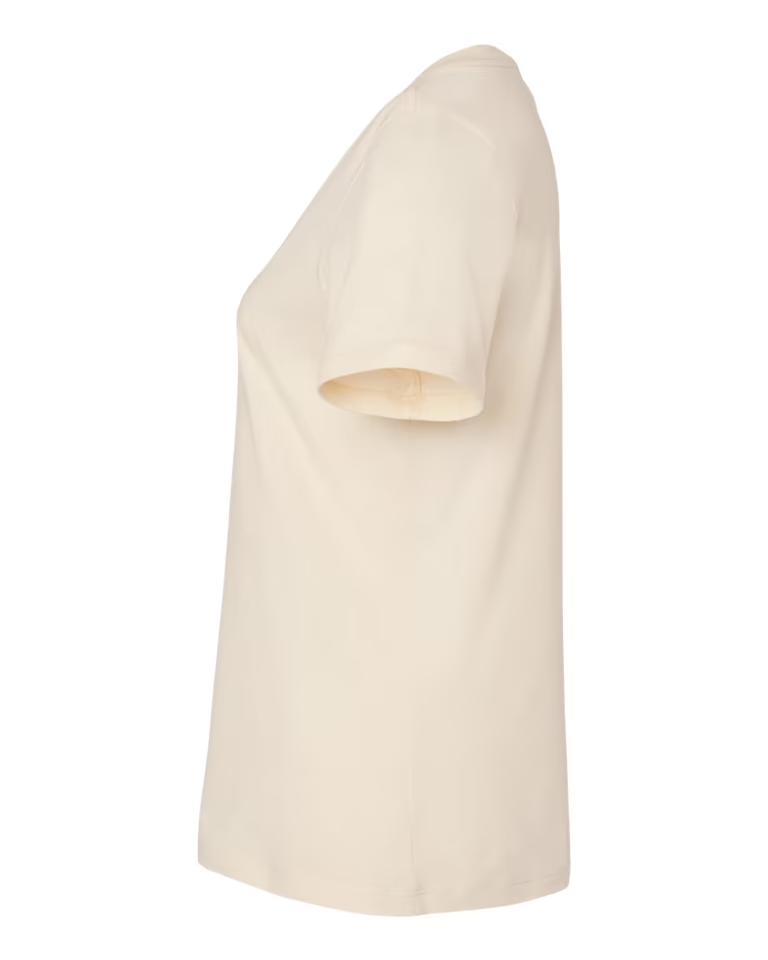
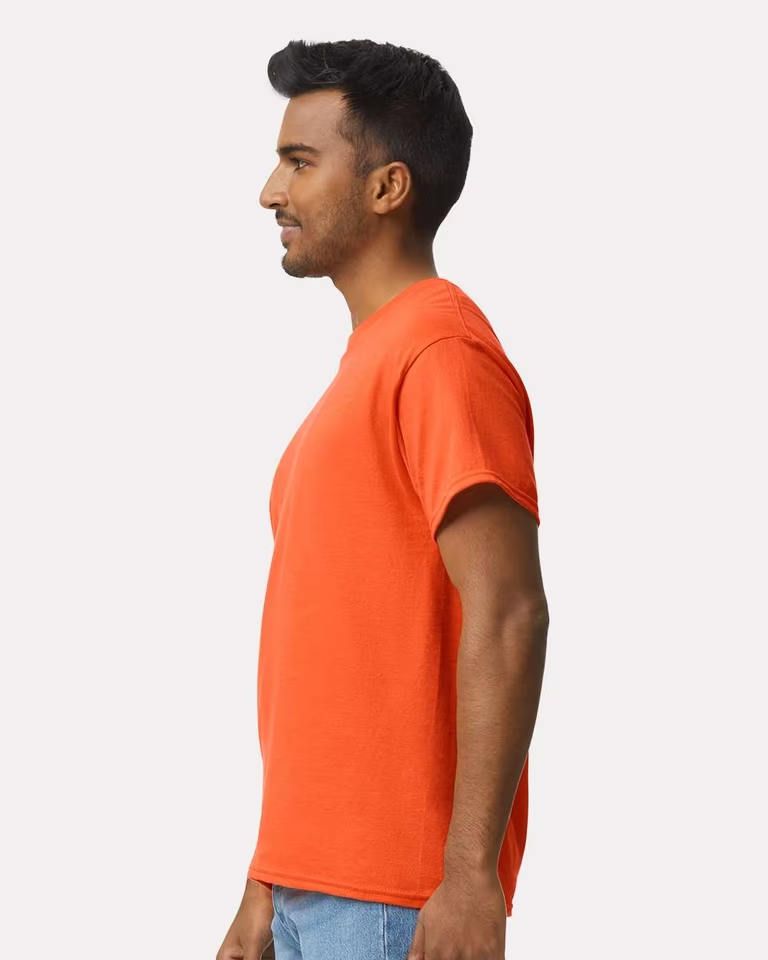
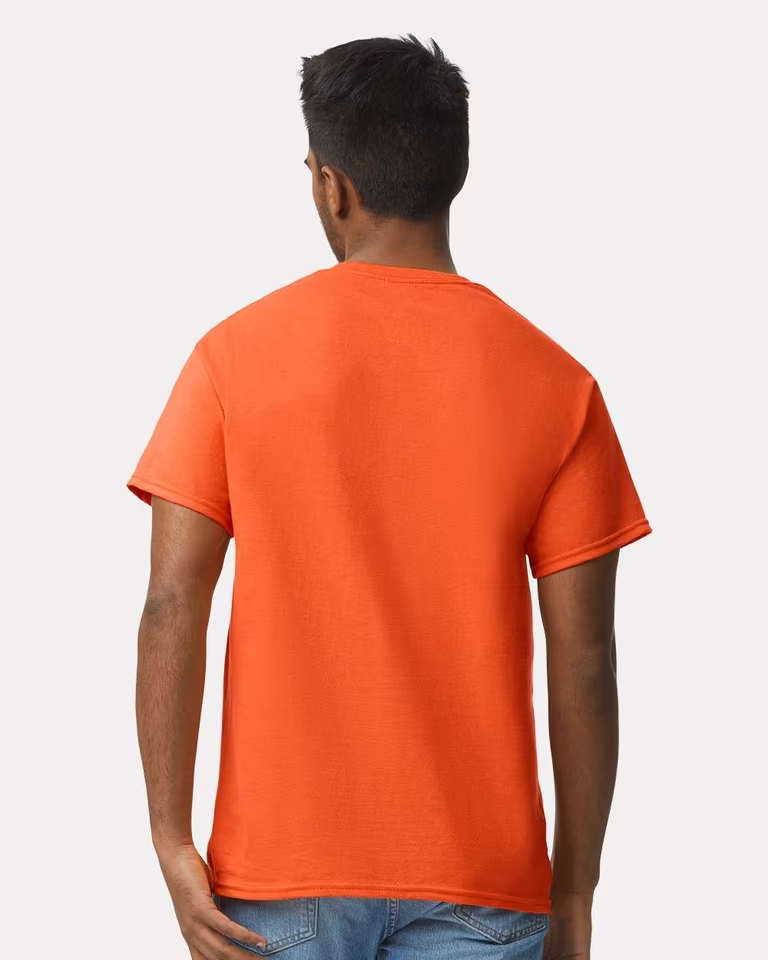
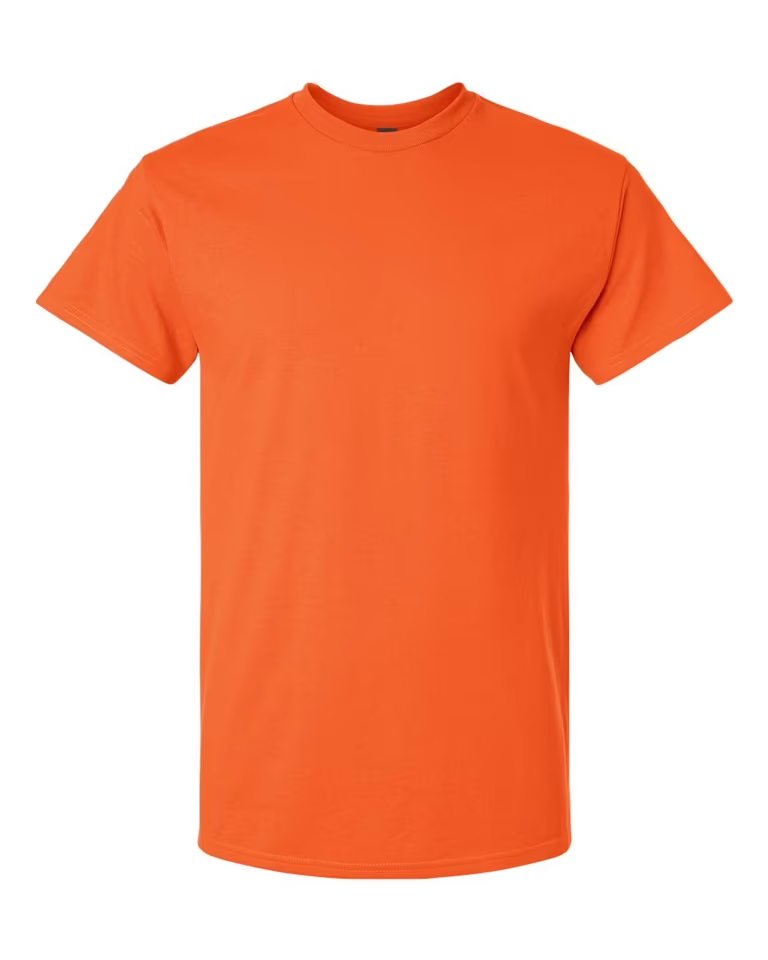
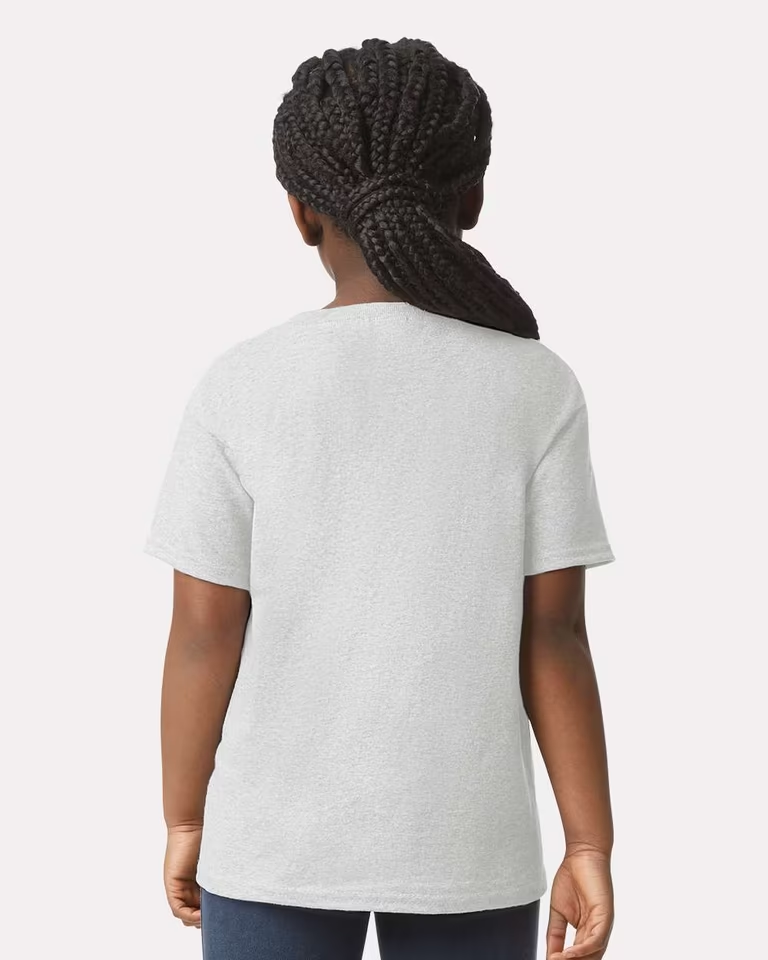
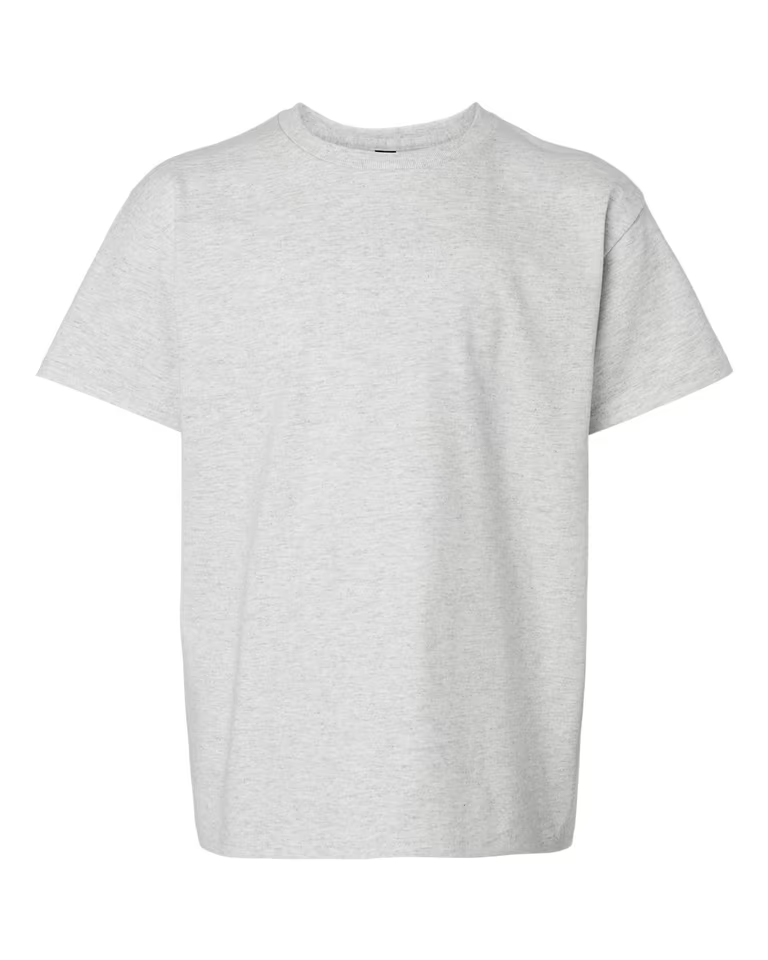
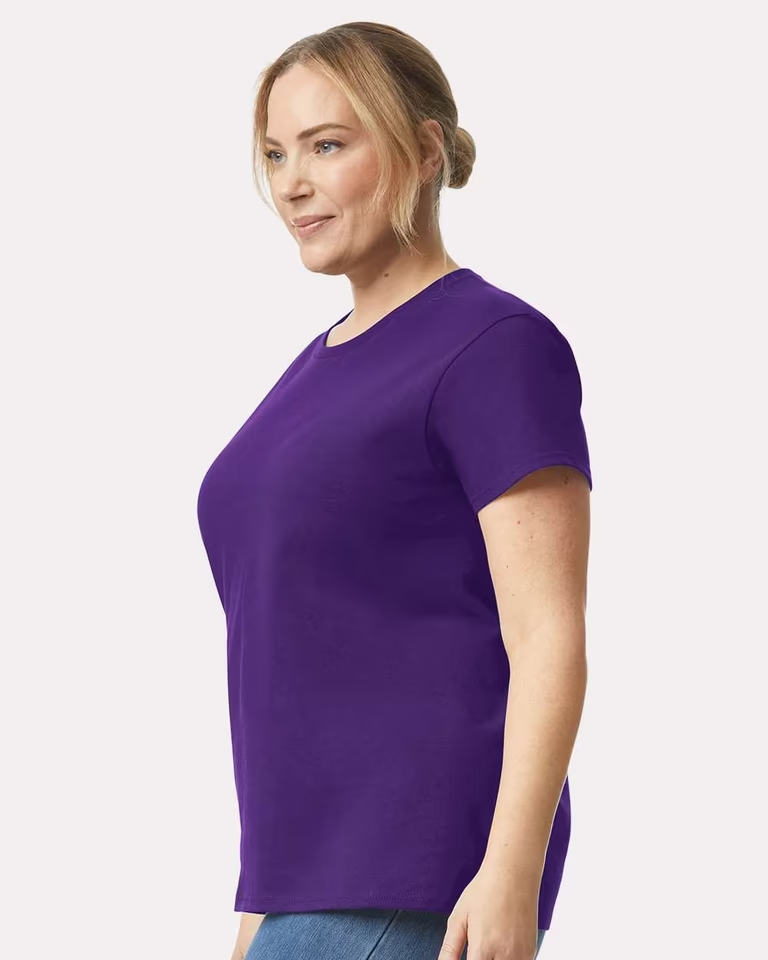
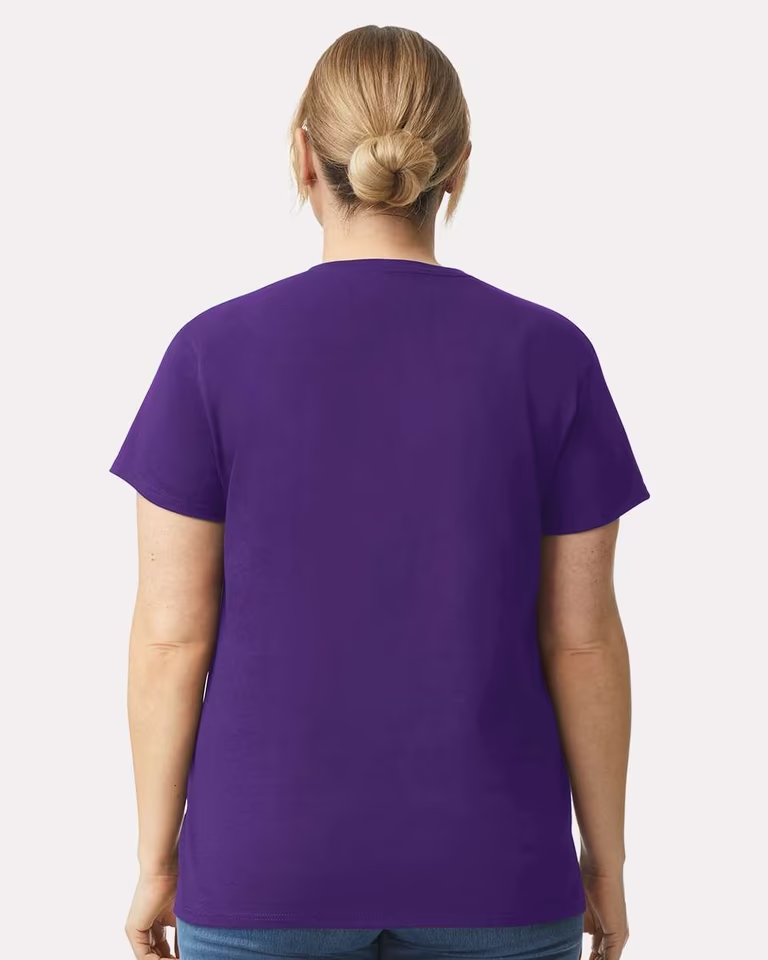
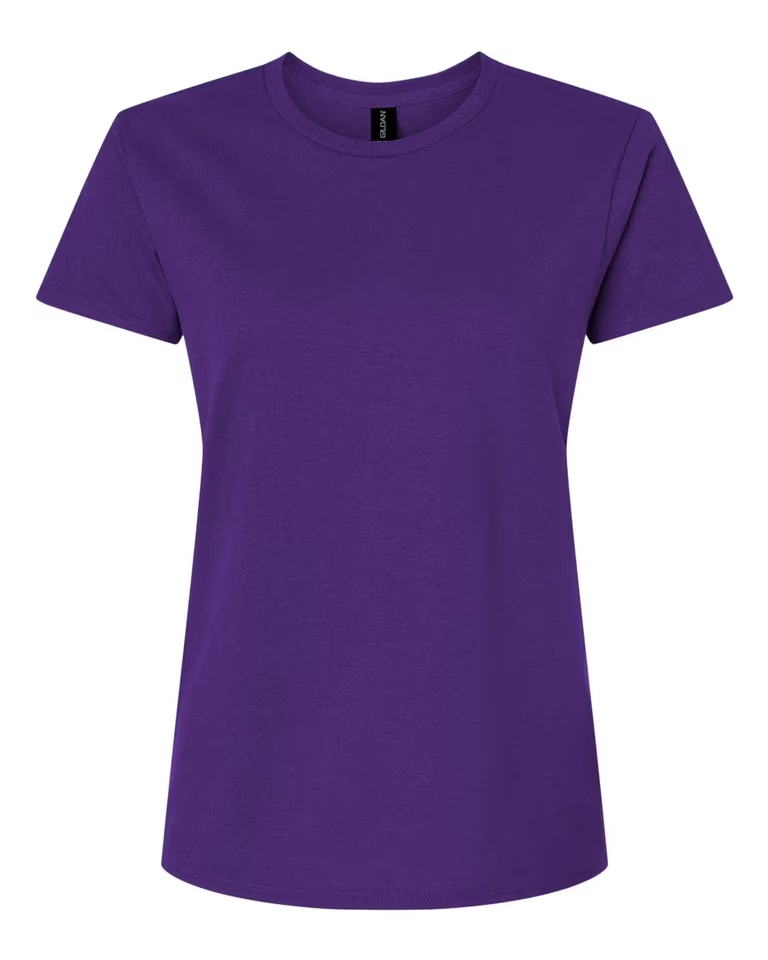
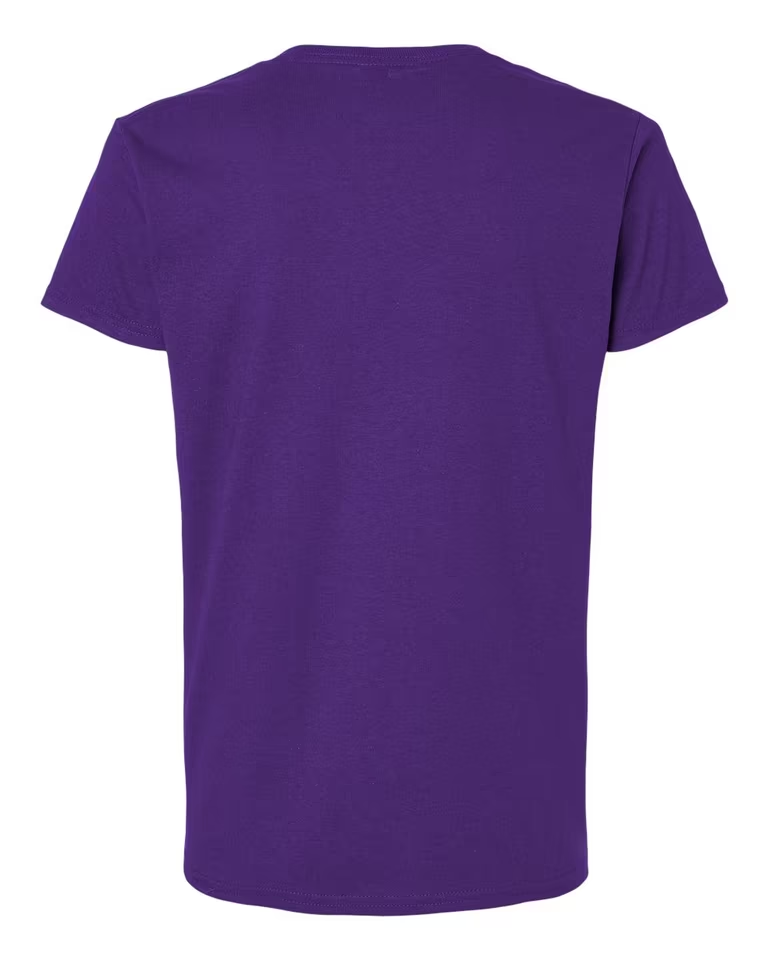
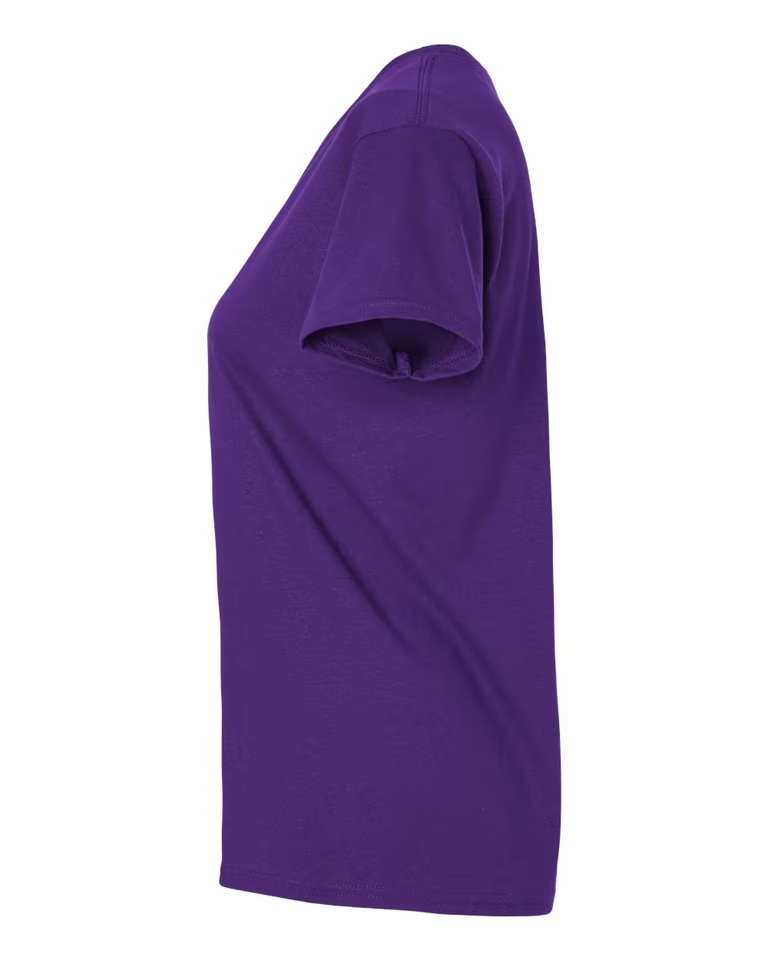
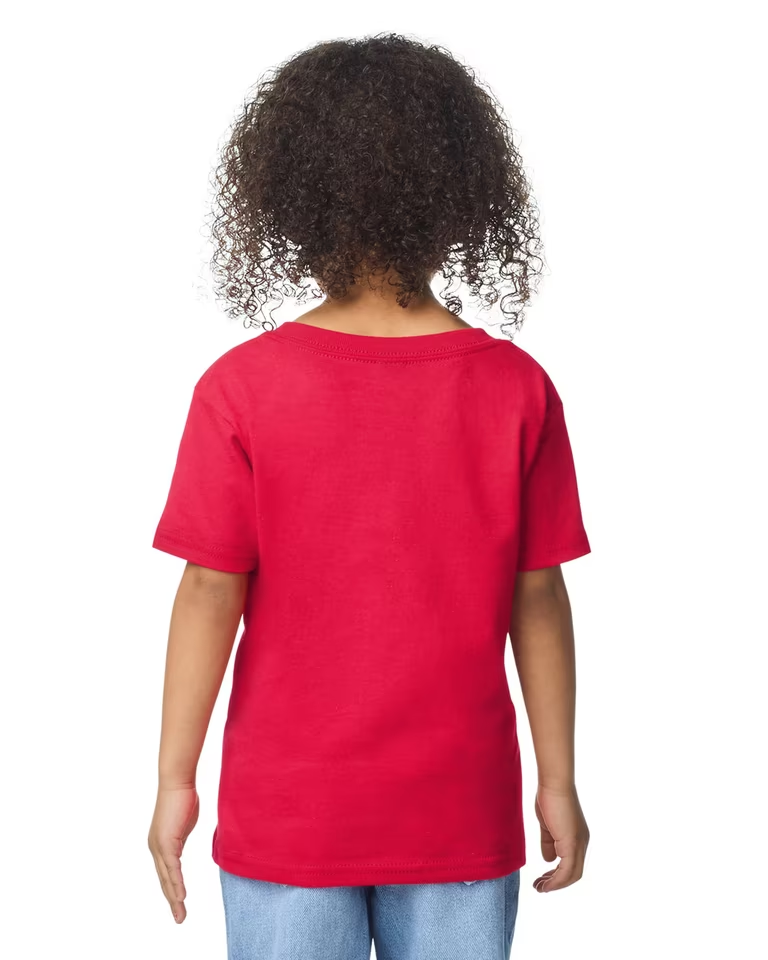
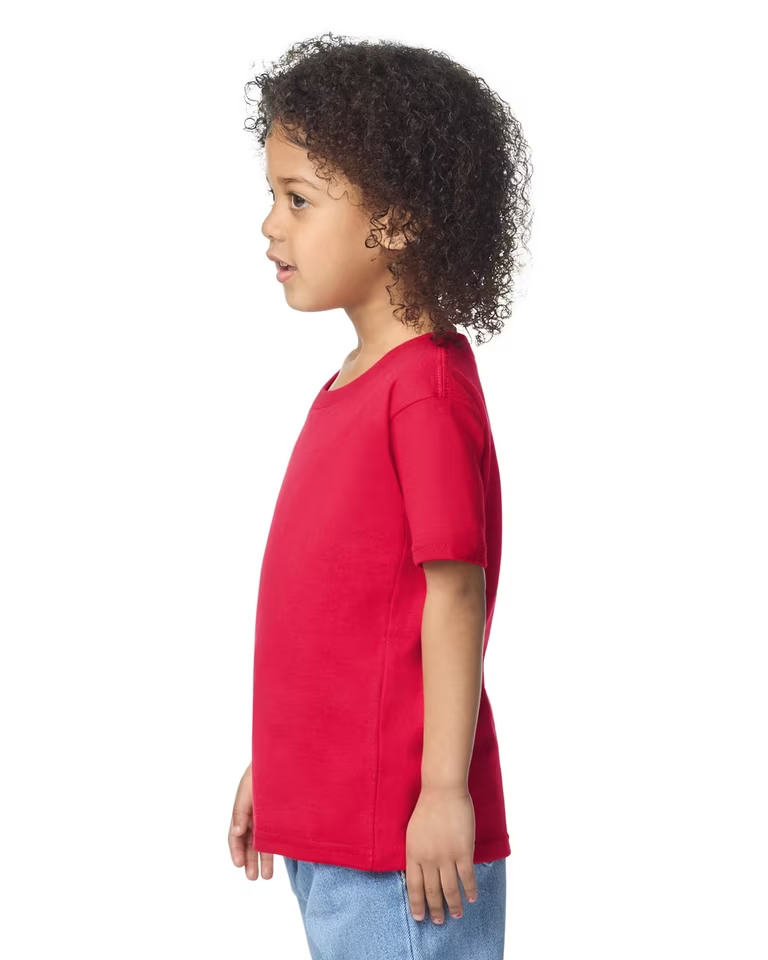
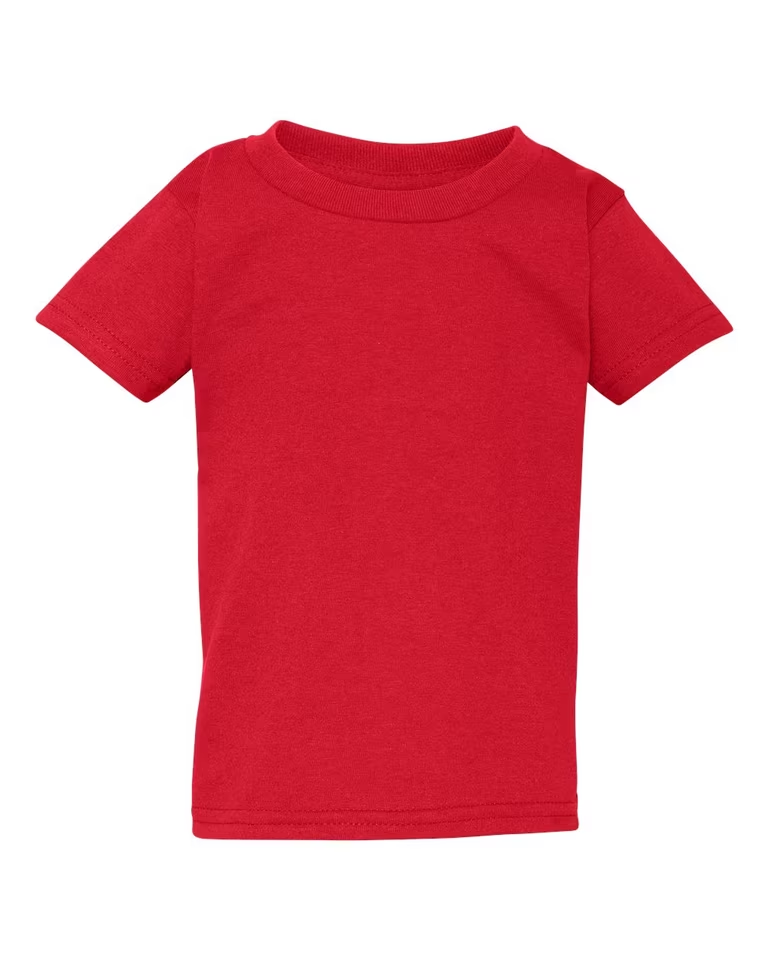
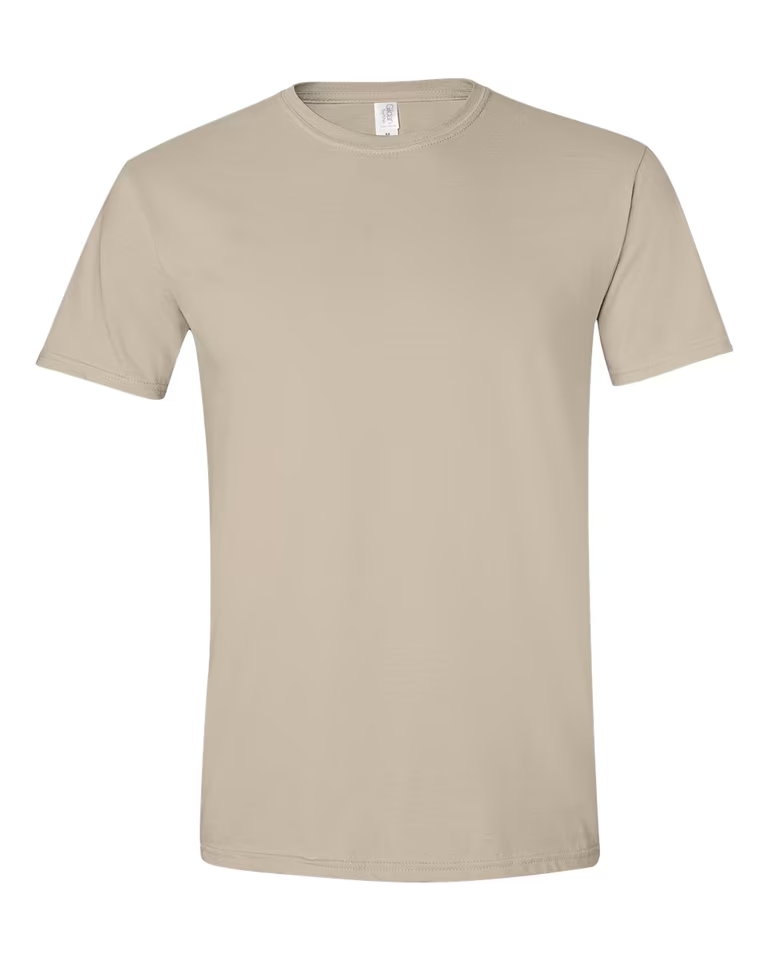
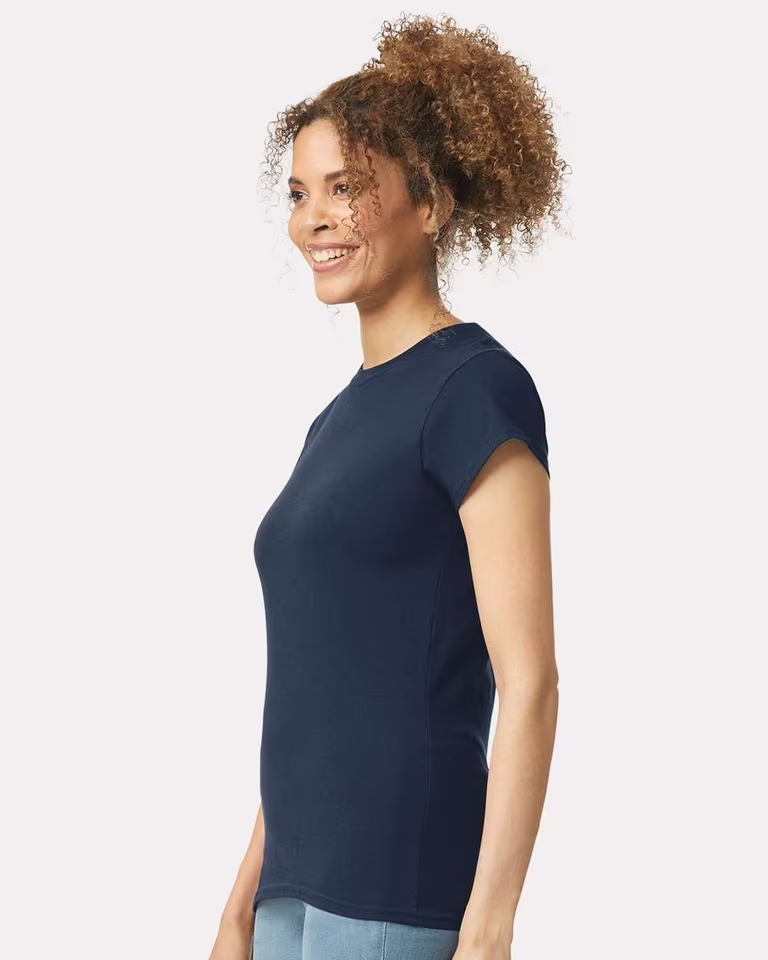
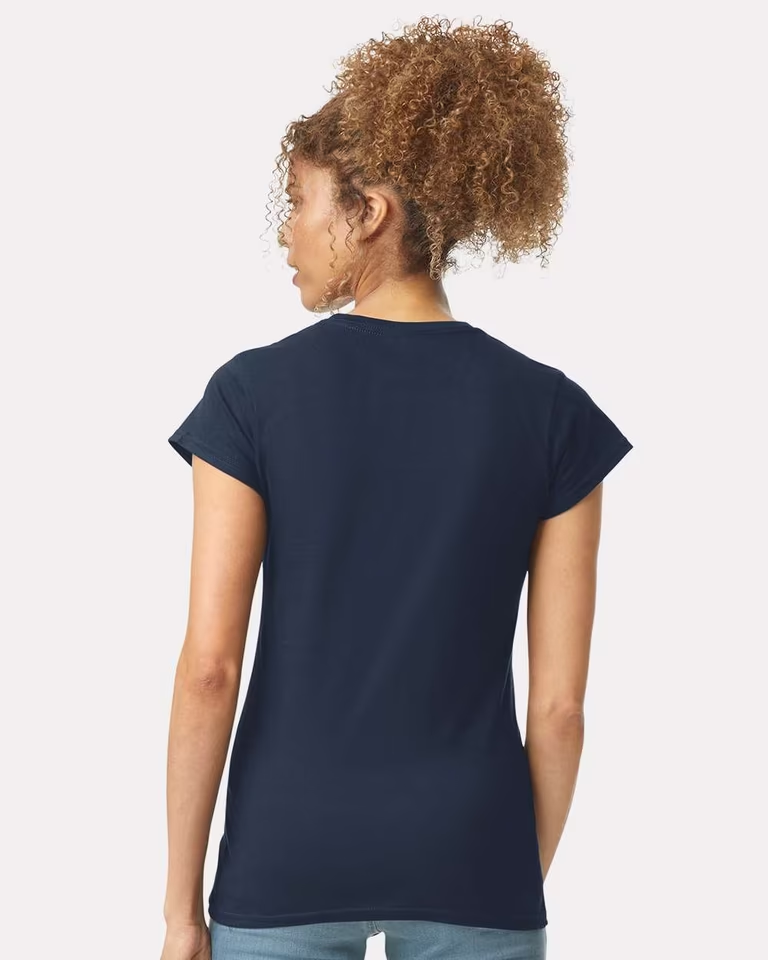
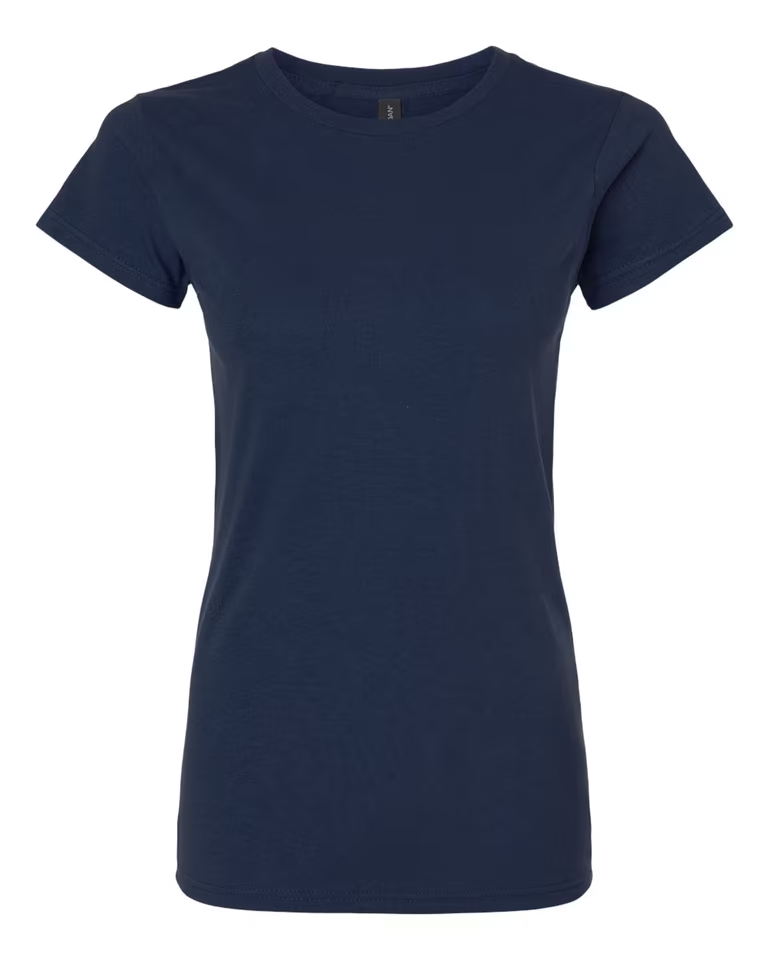
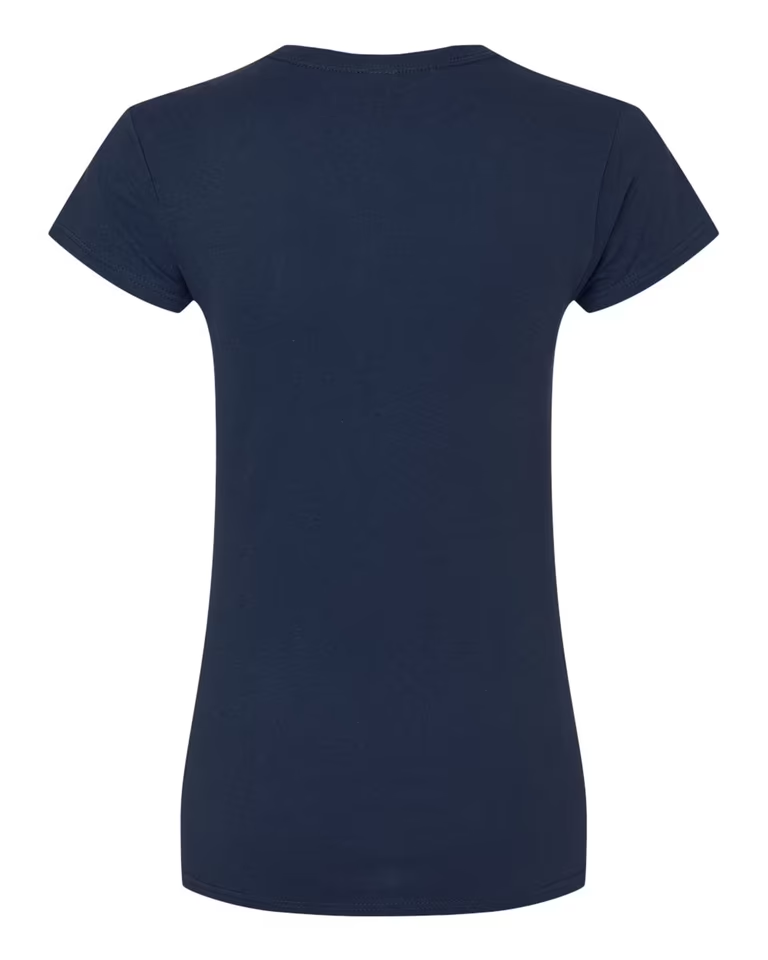
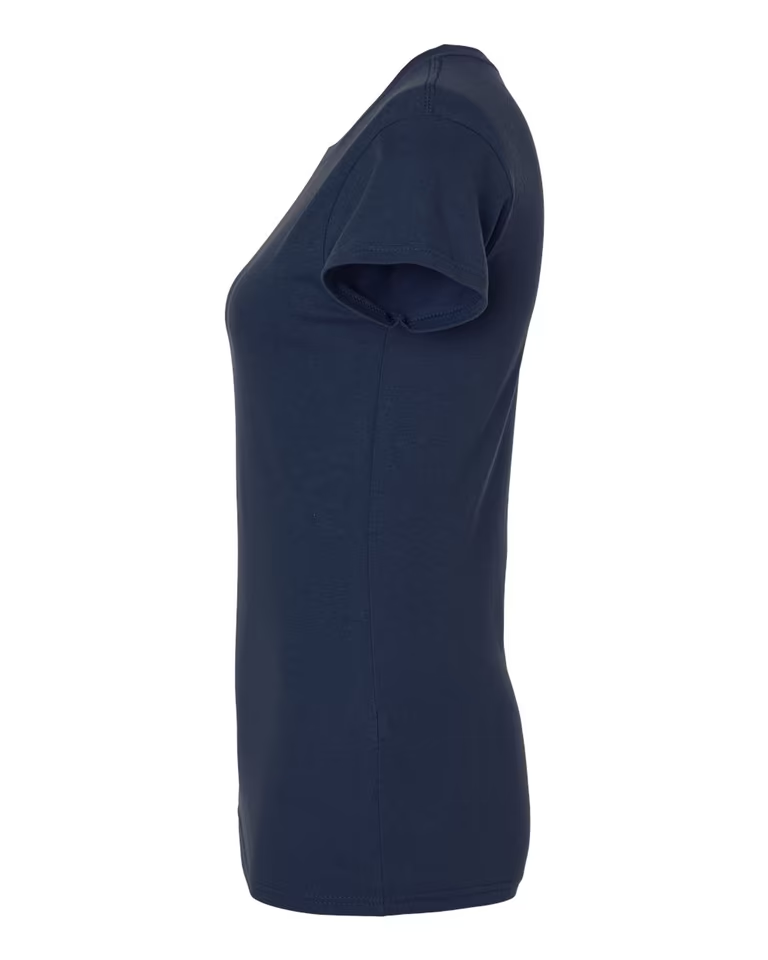
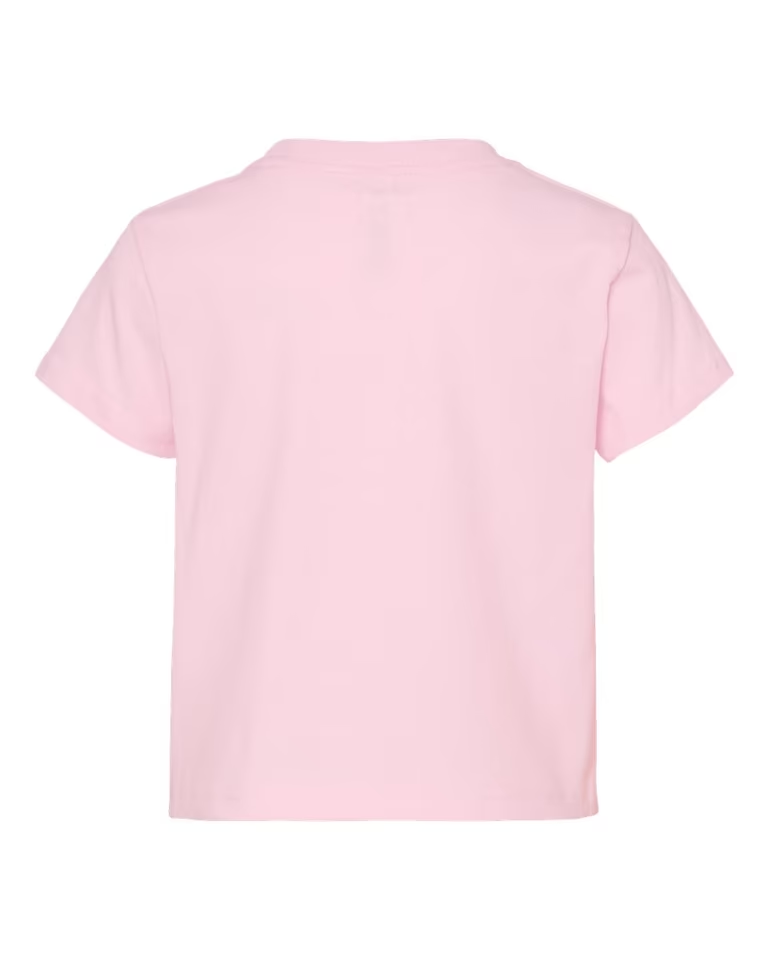
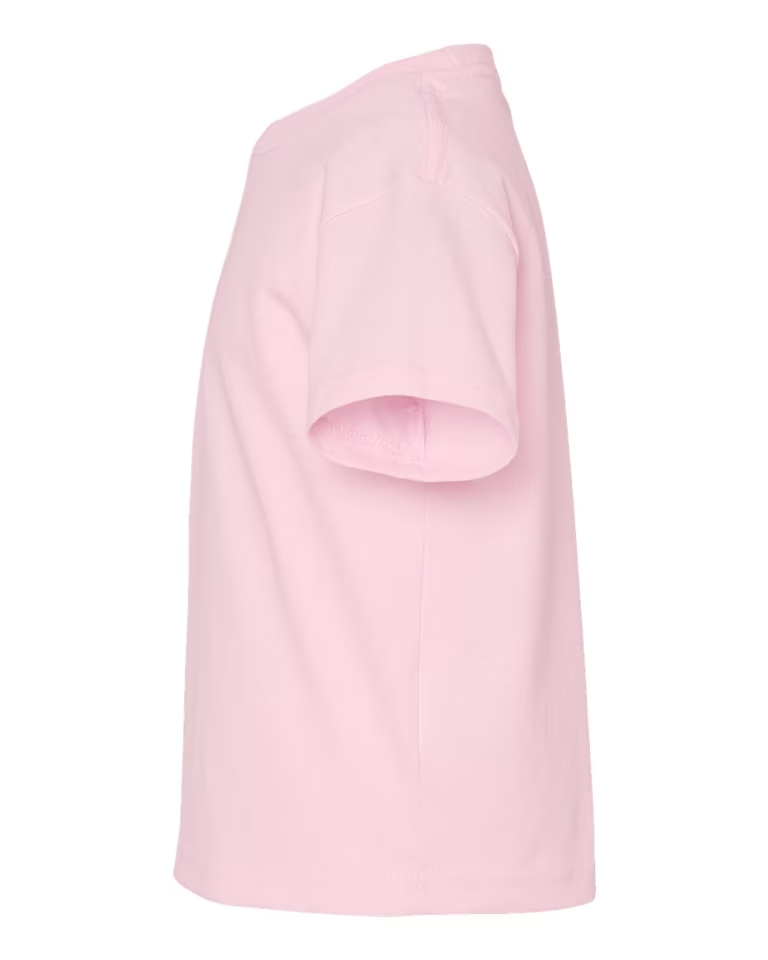
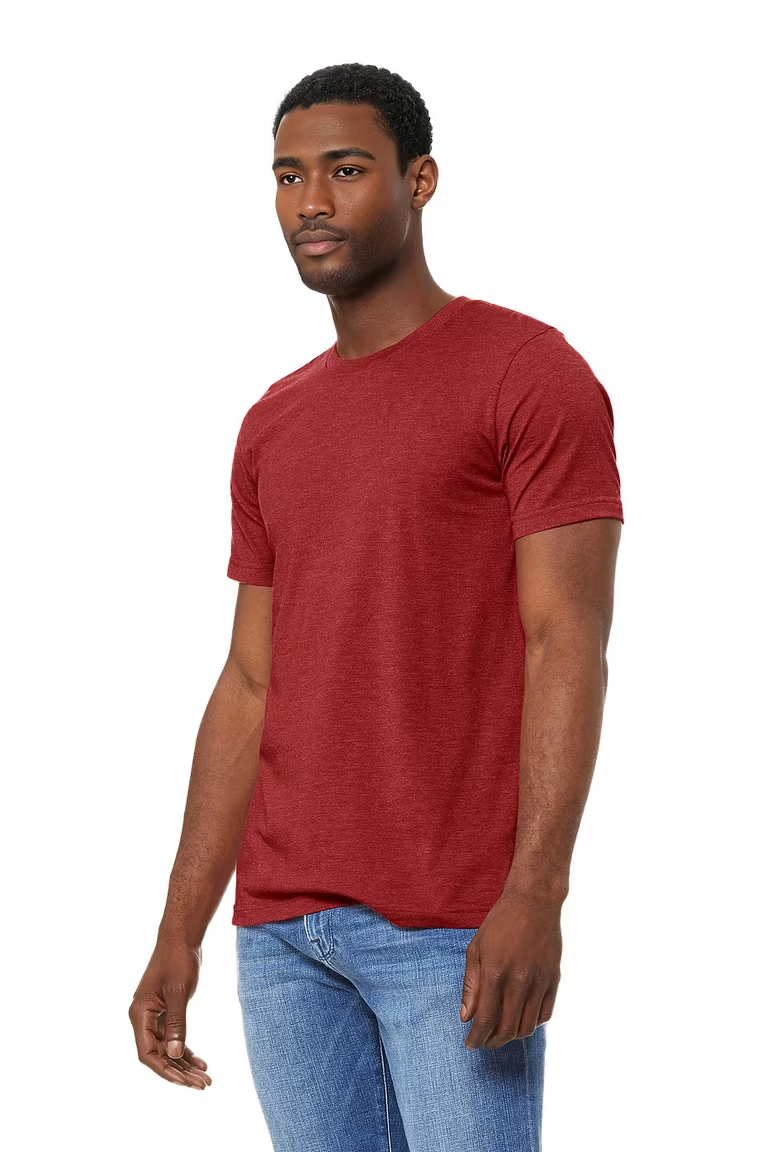
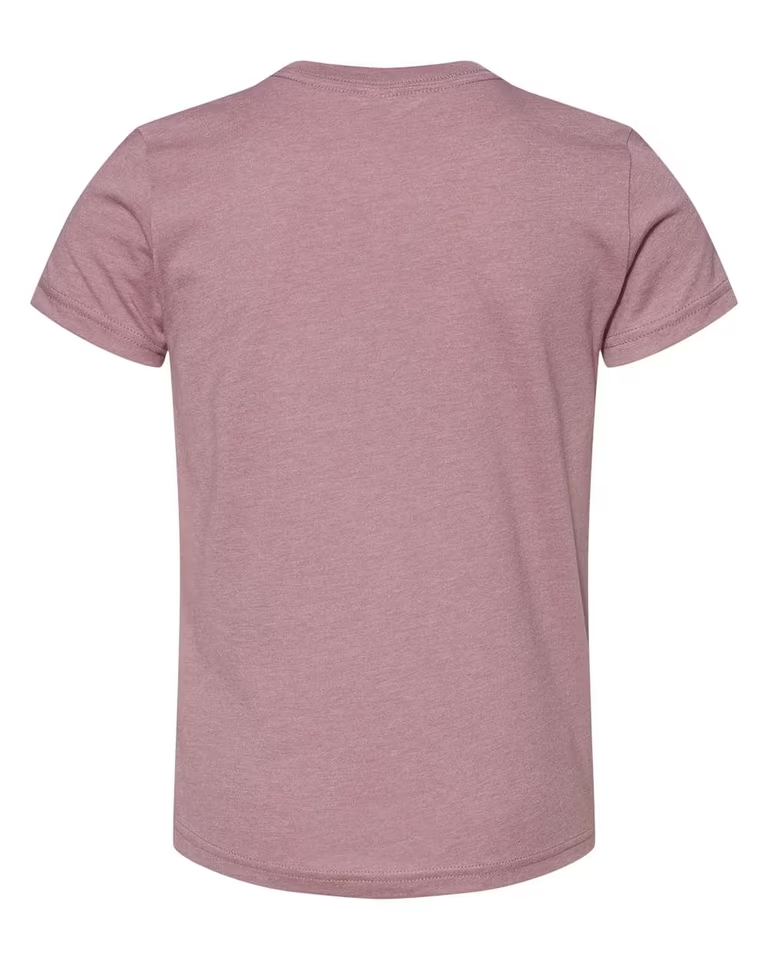
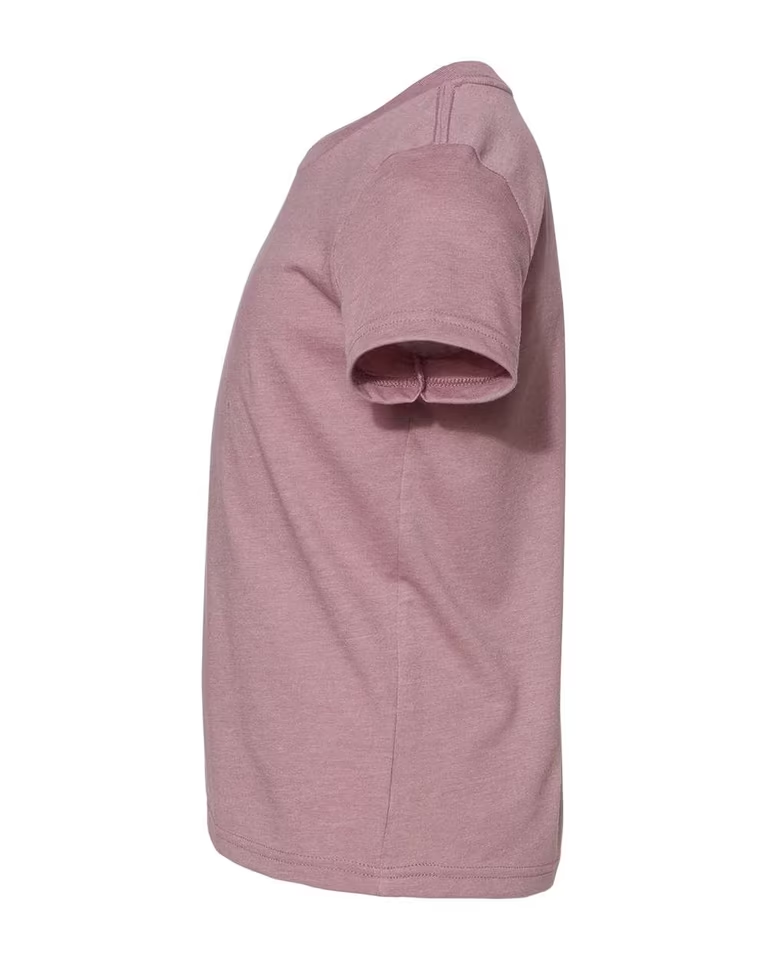
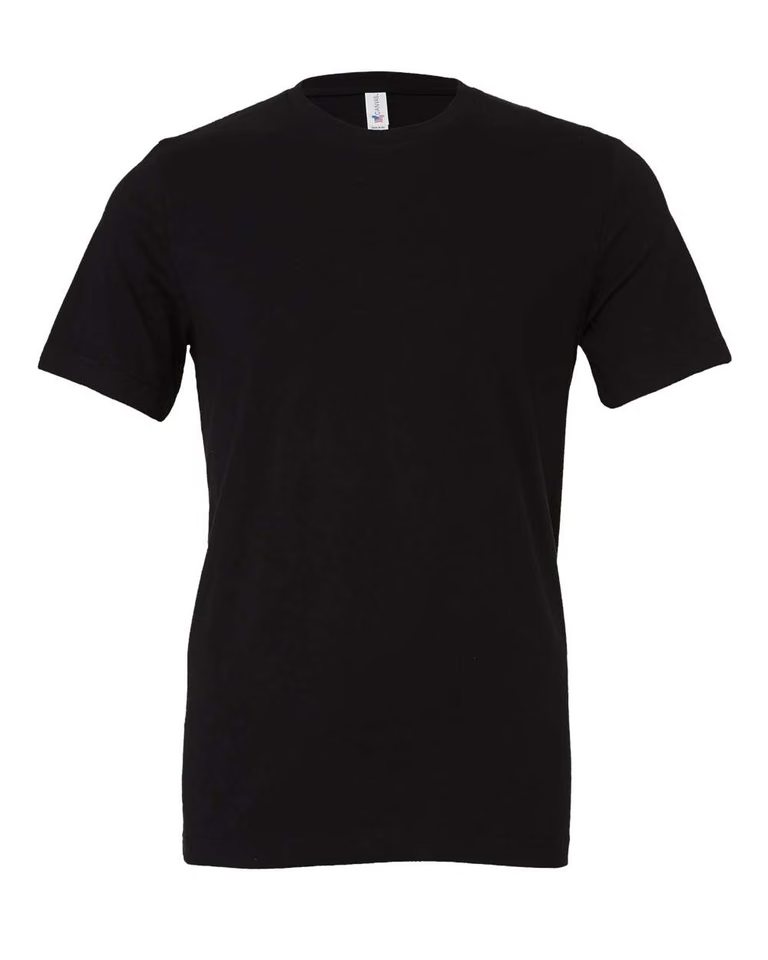
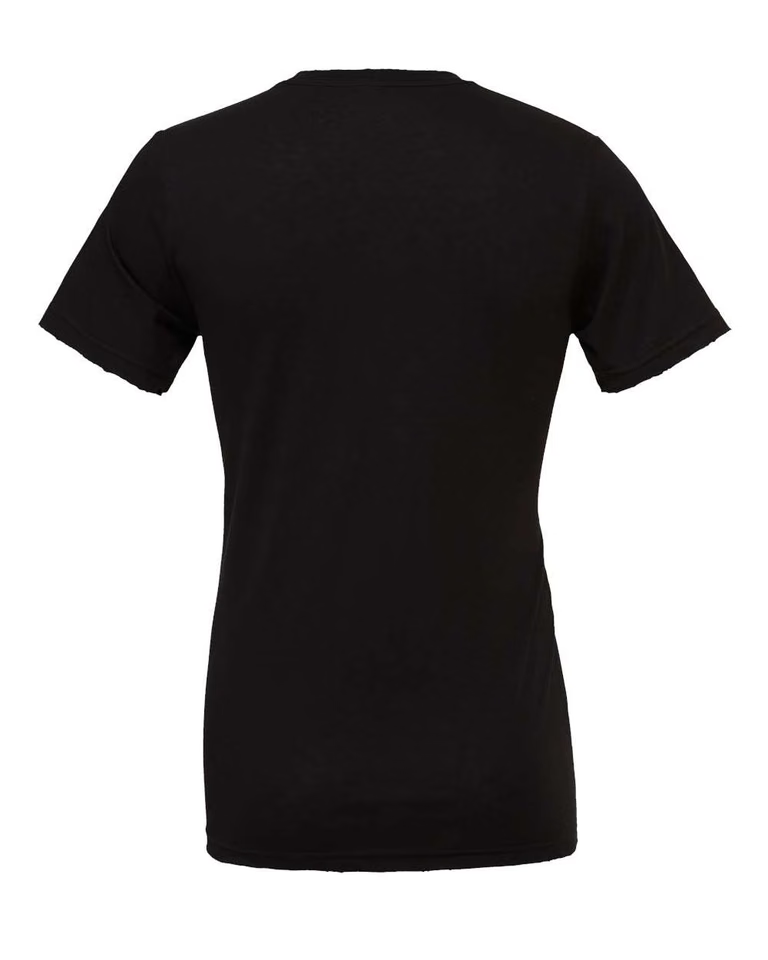
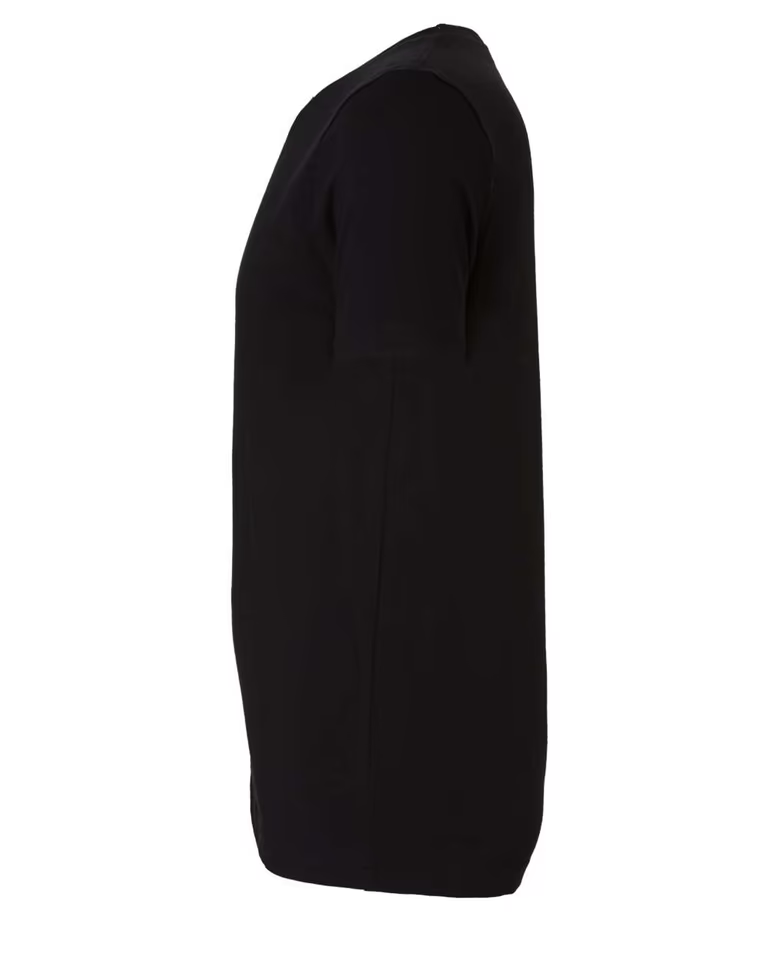
Ring-spun cotton is spun into a finer, smoother, stronger yarn than the carded open-end cotton in promo tees. It is the fabric DTG and fine-detail screen printing want, and the default for anything sold at retail.
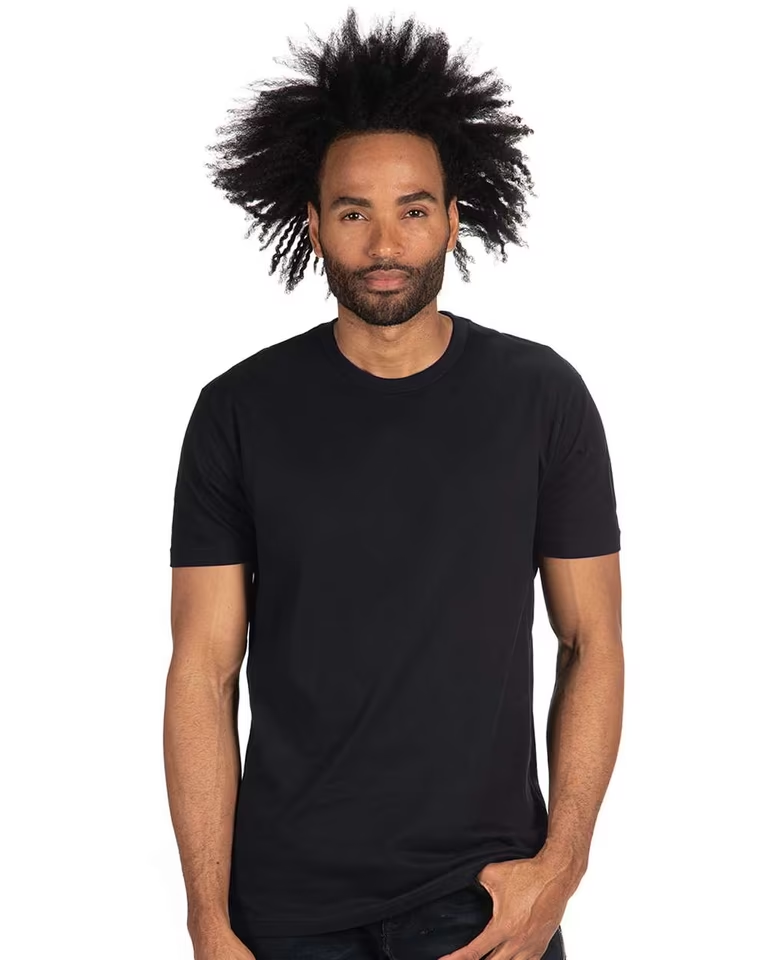
Ring spinning continuously twists cotton fibers into a thin, aligned yarn instead of binding loose fibers together the way open-end rotor spinning does. Most retail-fit tees go a step further and comb the fiber first, removing short strands and impurities before spinning; that is what the A step after carding where short fibers are combed out. Combed yarn is smoother, stronger, and pills less than straight-carded yarn. ring-spun on the label means.
The result shows up in A yarn made from a single strand (not plied). Most tees use singles. The lower the count number, the thicker the yarn (30s is thicker than 40s). Higher counts produce finer, lighter fabric. count, the yarn-fineness number: open-end tees run 18–20 A yarn made from a single strand (not plied). Most tees use singles. The lower the count number, the thicker the yarn (30s is thicker than 40s). Higher counts produce finer, lighter fabric. , while ring-spun fashion tees run 30 A yarn made from a single strand (not plied). Most tees use singles. The lower the count number, the thicker the yarn (30s is thicker than 40s). Higher counts produce finer, lighter fabric. and up. Finer yarn knits into a tighter, smoother, lighter fabric, typically How dense a knit fabric is, measured in oz/yd². Typical ranges: under 4.5 oz is lightweight fashion; 4.5–5.5 oz is the midweight band most everyday tees fall into; 5.5–6 oz is heavy everyday and fleece; 6 oz and up is the heavyweight range, with 7 oz and up the streetwear max-weight class. Heavier fabric drapes more substantially, holds prints flatter, and costs more per blank. (roughly 145 Grams per square meter: the standard weight unit for woven and knit fabrics. A heavier GSM means a denser, usually more durable fabric. Most tees fall between 145 GSM (4.3 oz) and 207 GSM (6.1 oz). ).
The smooth, low-lint surface is the whole point for decorators. Ink sits on top of the fabric instead of sinking into fuzz, so fine line work and A technique that simulates gradients and shading by printing tiny dots of solid color. The dots vary in size or spacing. Closer together they look darker; farther apart, lighter. hold, less ink is needed for opacity, and Screen-printing ink where the carrier is water rather than PVC. It soaks into the fabric fibers instead of sitting on top, so the print feels like the shirt itself. Less opaque on dark garments than plastisol. and A printing technique that chemically removes the dye from a dyed fabric rather than laying ink on top. The result feels like the shirt itself, with no hand feel. prints come out with a soft How a fabric feels against the skin. Printers also use it to describe the tactile thickness of an ink deposit (a thick plastisol print has "high hand"). .
DTG in particular is built for A step after carding where short fibers are combed out. Combed yarn is smoother, stronger, and pills less than straight-carded yarn. ring-spun cotton: fewer loose fibers means less A liquid sprayed onto dark garments before DTG printing. It reacts with the ink to improve adhesion and helps white ink stay bright on dark fabric. fighting and cleaner detail. Screen printing, DTF, and embroidery all behave well on it.
Choose ring-spun when the shirt itself is part of the product: brand merch, retail drops, anything sold at retail. It costs more per blank than open-end, but the How a fabric feels against the skin. Printers also use it to describe the tactile thickness of an ink deposit (a thick plastisol print has "high hand"). and the print quality carry the price.
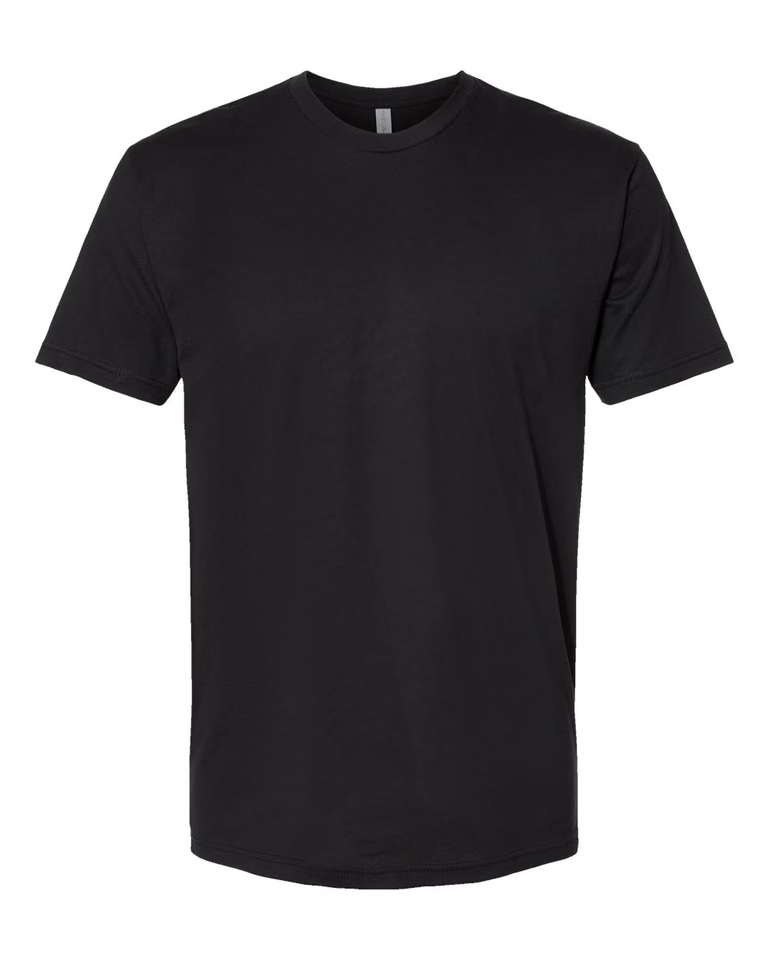
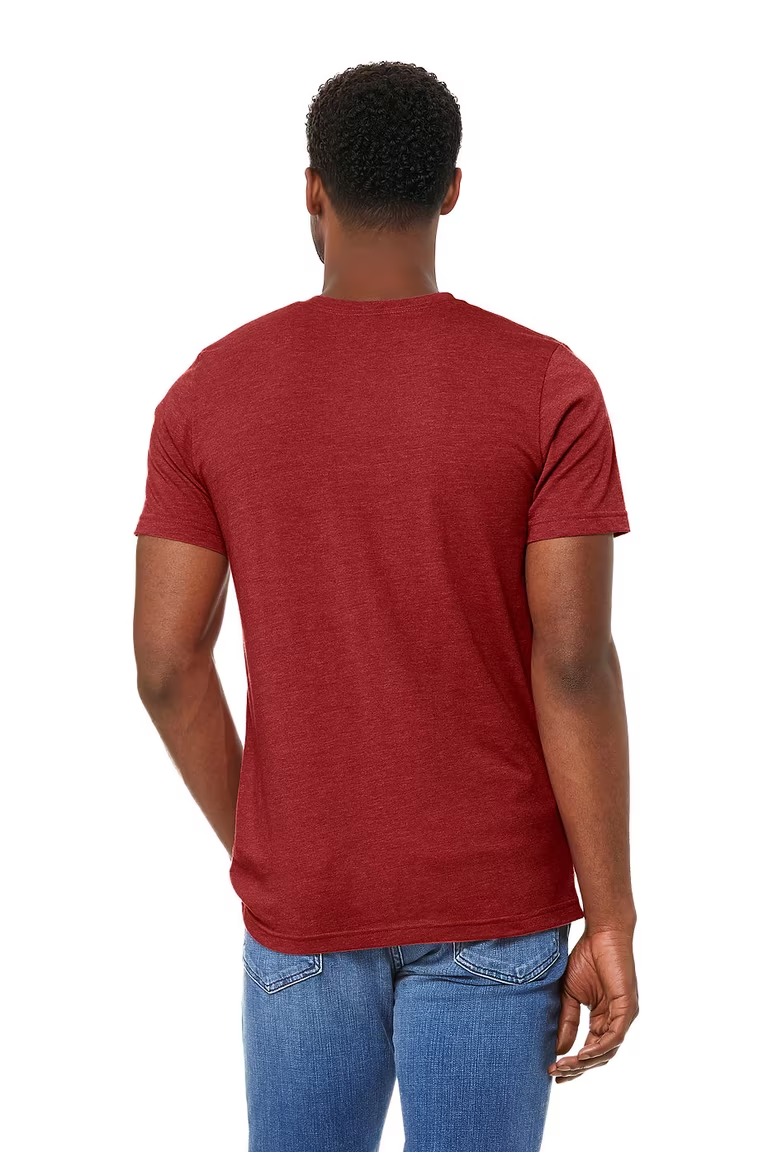
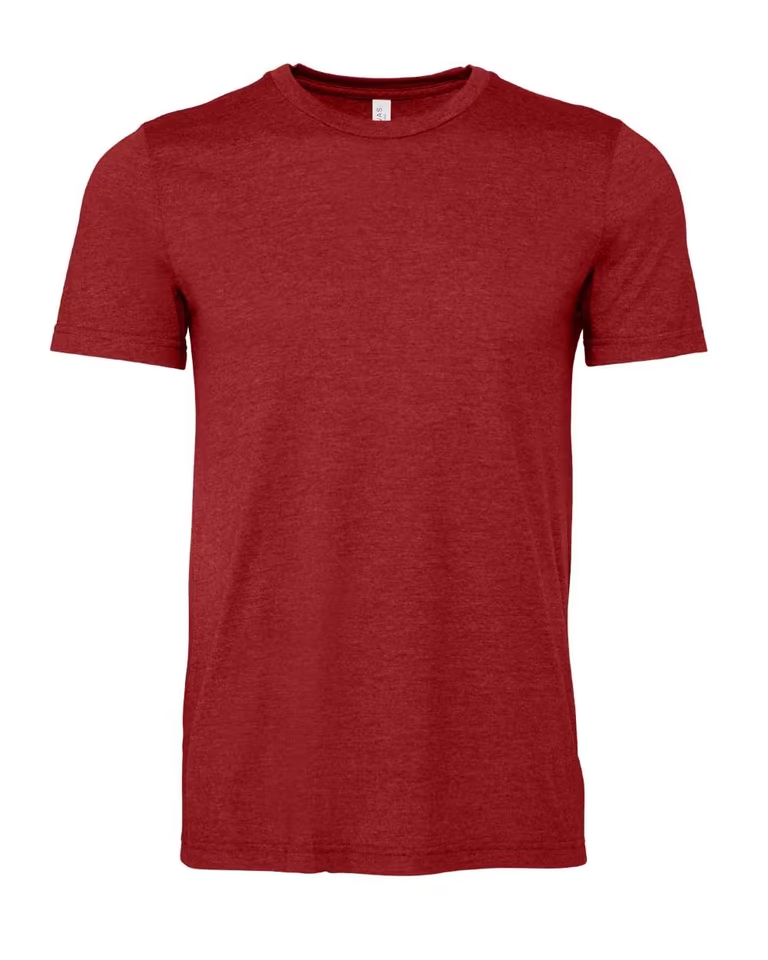
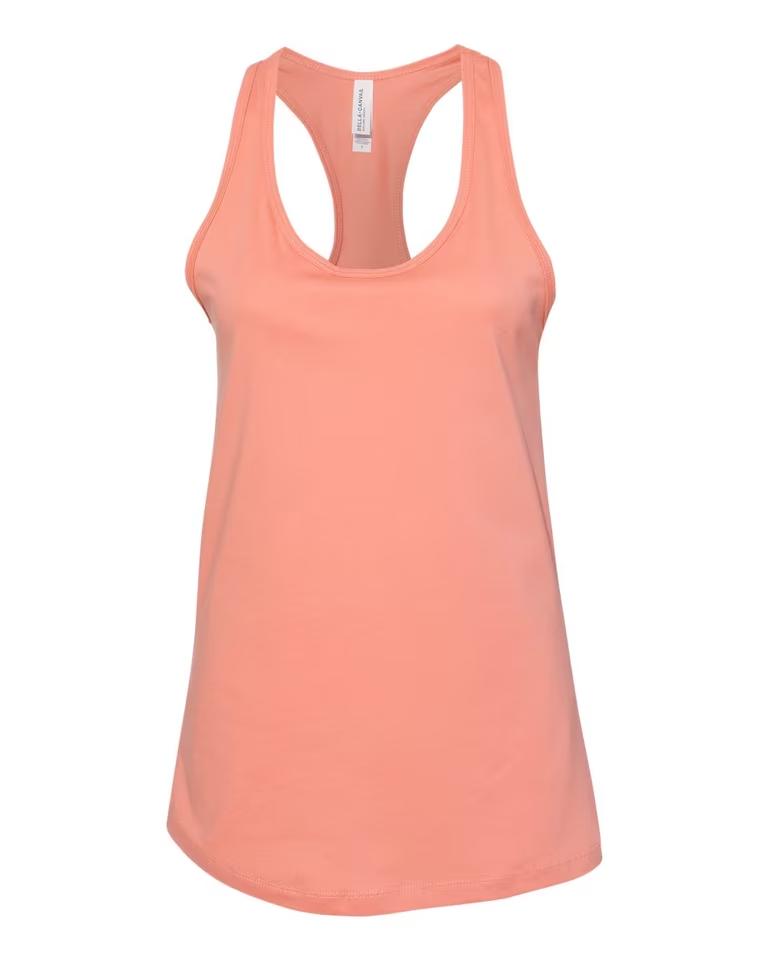
The anchors are the Bella+Canvas 3001 ( How dense a knit fabric is, measured in oz/yd². Typical ranges: under 4.5 oz is lightweight fashion; 4.5–5.5 oz is the midweight band most everyday tees fall into; 5.5–6 oz is heavy everyday and fleece; 6 oz and up is the heavyweight range, with 7 oz and up the streetwear max-weight class. Heavier fabric drapes more substantially, holds prints flatter, and costs more per blank. , 100% Bella+Canvas's branded name for their highest-grade cotton yarn. Combed removes short fibers; ring-spun twists them tighter. The result is a very smooth, pill-resistant fabric. A step after carding where short fibers are combed out. Combed yarn is smoother, stronger, and pills less than straight-carded yarn. ring-spun, 32 A yarn made from a single strand (not plied). Most tees use singles. The lower the count number, the thicker the yarn (30s is thicker than 40s). Higher counts produce finer, lighter fabric. ) and the Next Level 3600 ( How dense a knit fabric is, measured in oz/yd². Typical ranges: under 4.5 oz is lightweight fashion; 4.5–5.5 oz is the midweight band most everyday tees fall into; 5.5–6 oz is heavy everyday and fleece; 6 oz and up is the heavyweight range, with 7 oz and up the streetwear max-weight class. Heavier fabric drapes more substantially, holds prints flatter, and costs more per blank. , 100% A step after carding where short fibers are combed out. Combed yarn is smoother, stronger, and pills less than straight-carded yarn. ring-spun), the two retail-fit standards of the category.
Ring-spun is a yarn spin, not a filter of its own, so this browses the full cotton wall; the retail-fit, DTG-ready collections named above are the ring-spun ones. Tees and fleece run deepest. Each row leads with a category's best, and the Shop all link opens the rest.
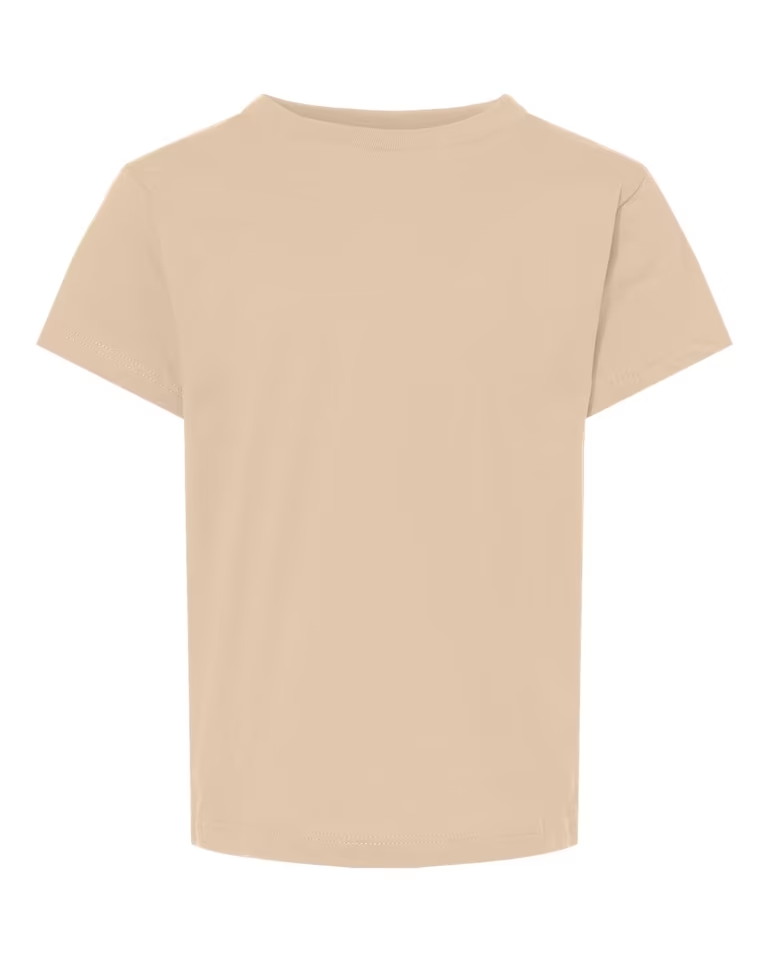
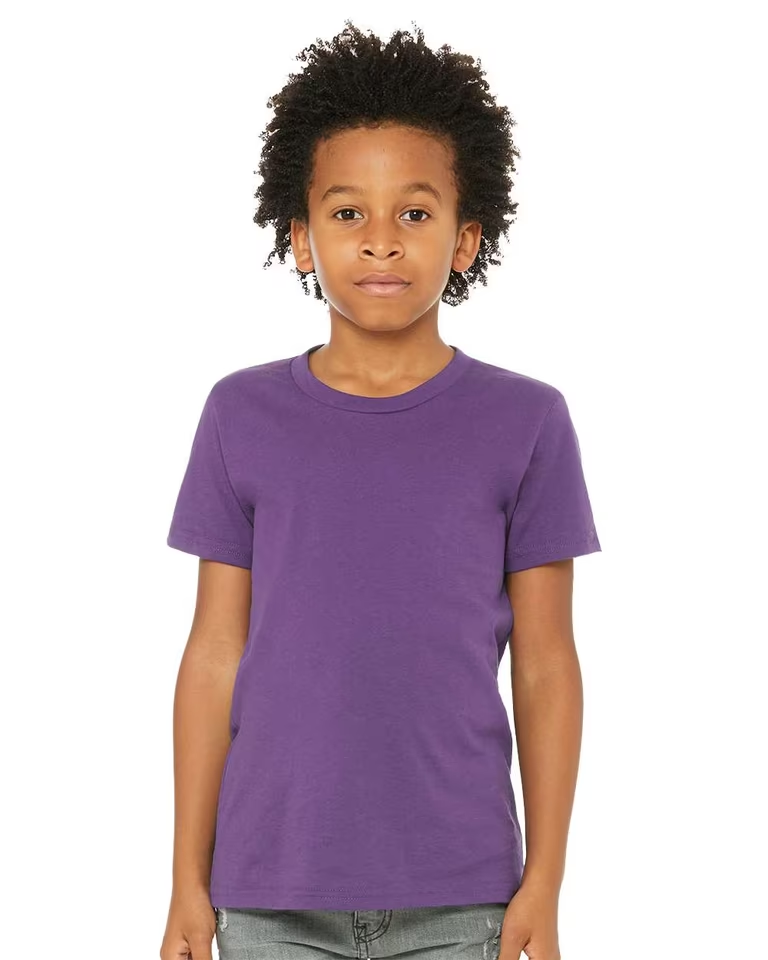
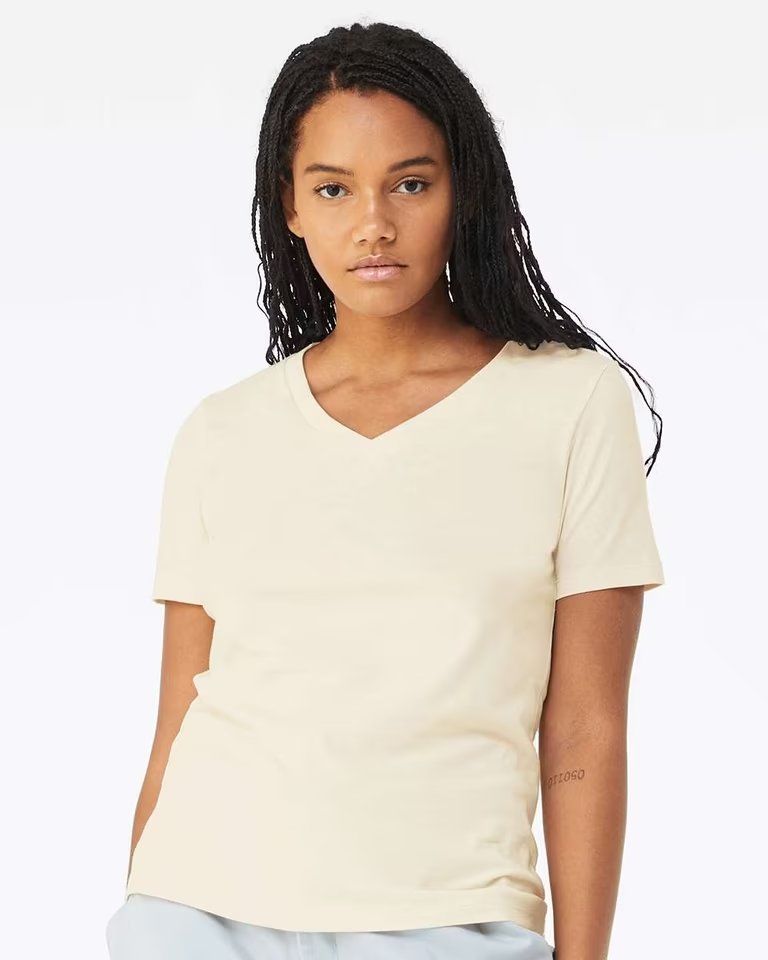
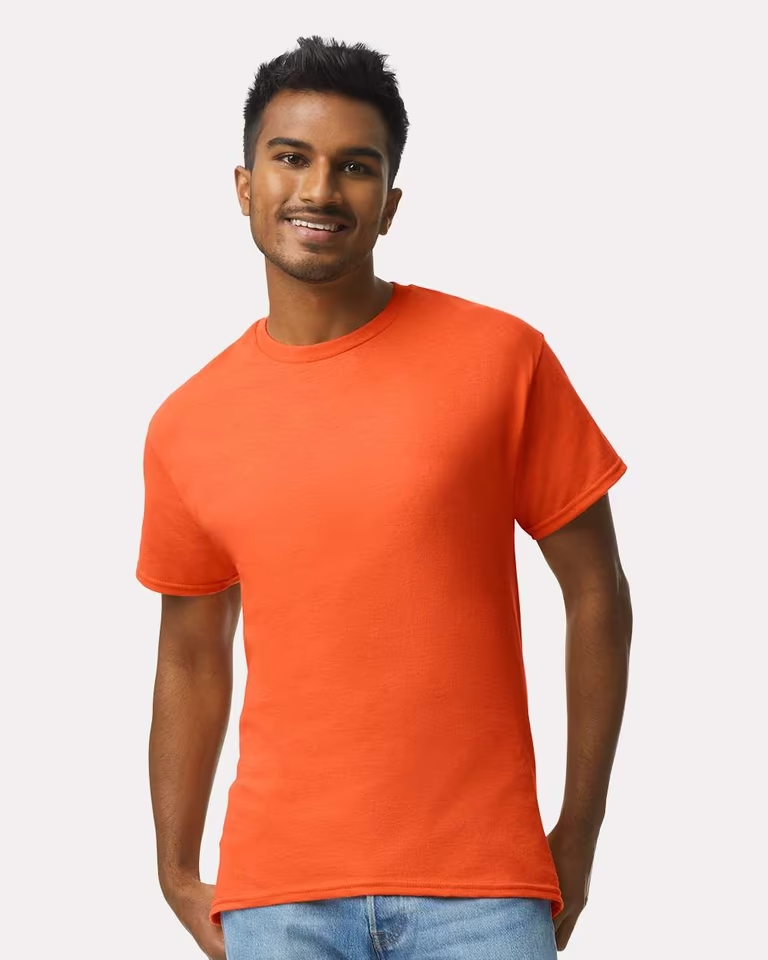
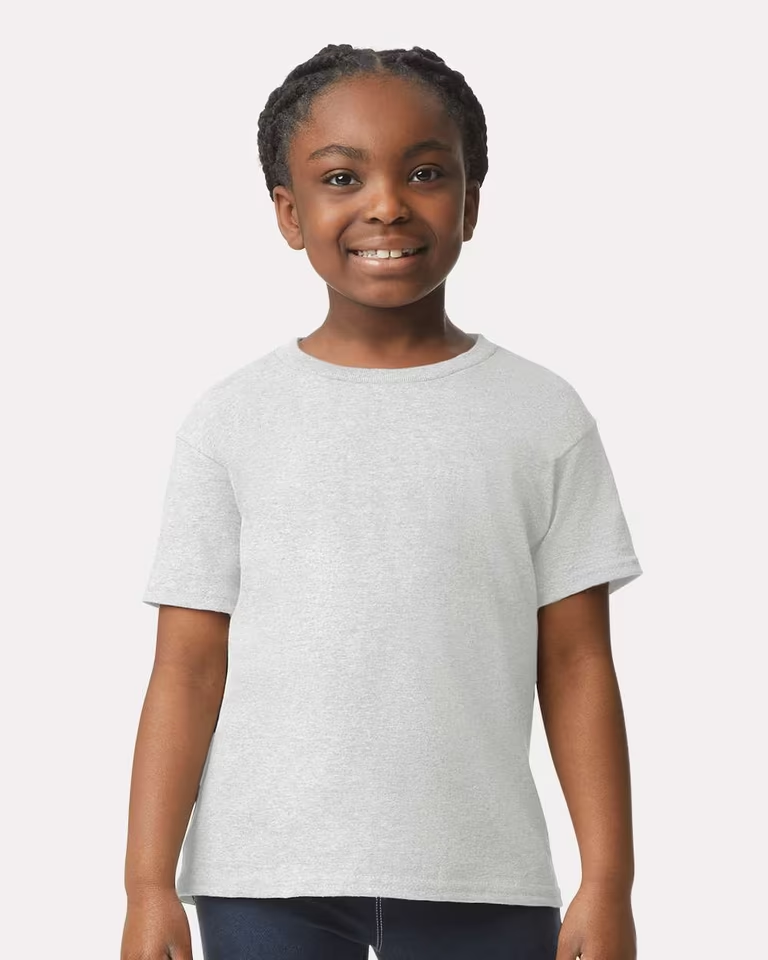
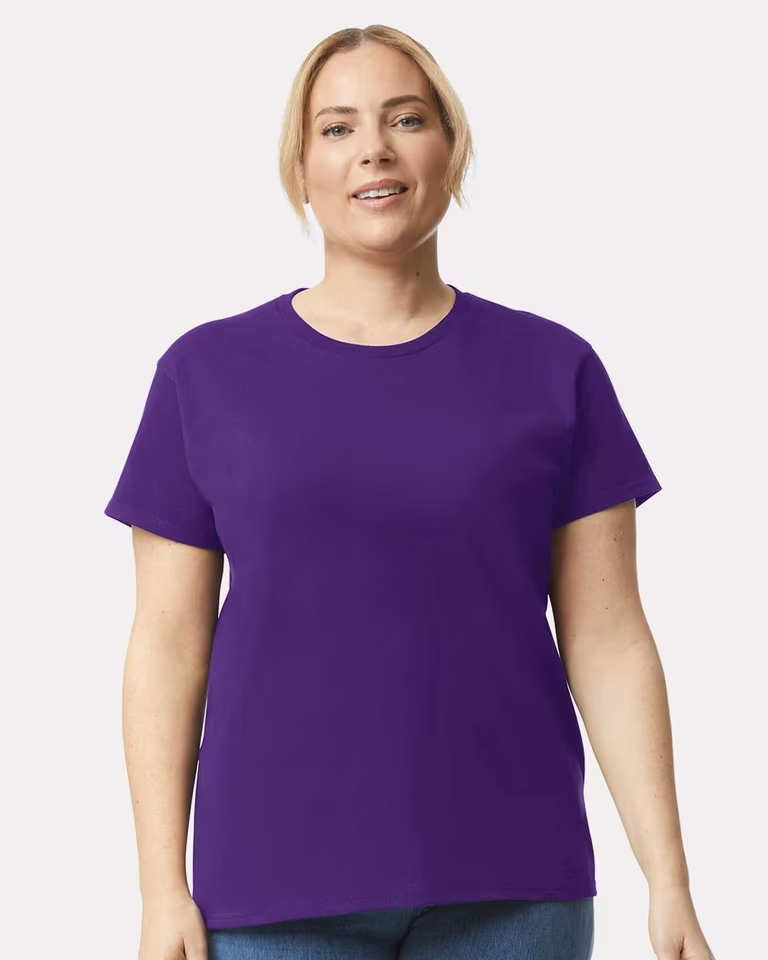
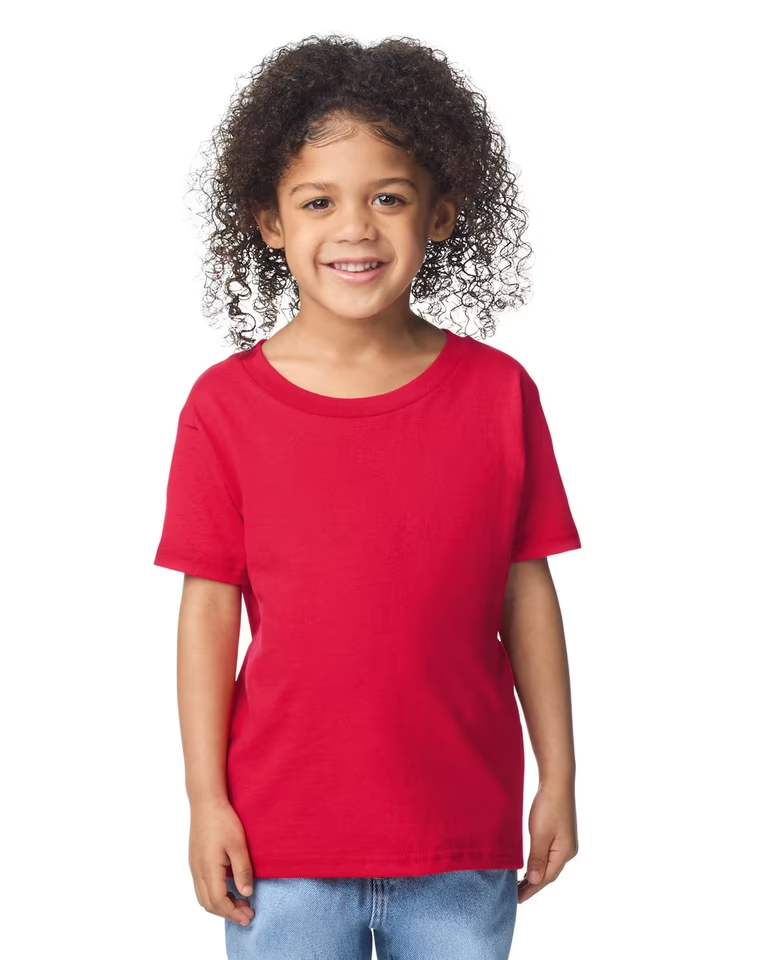
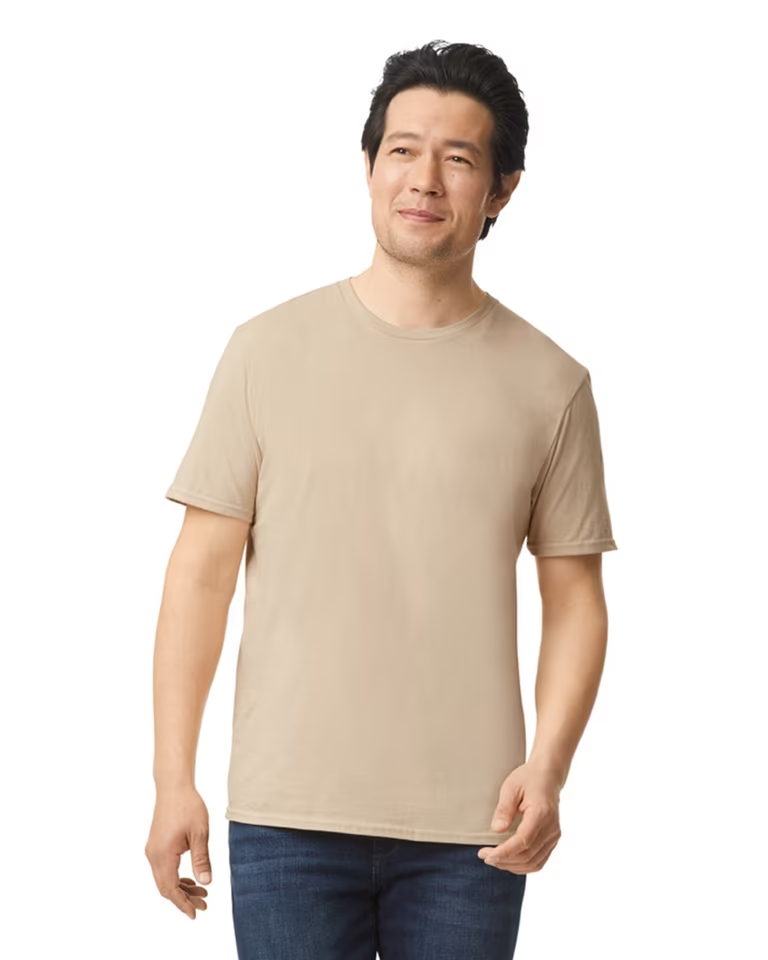
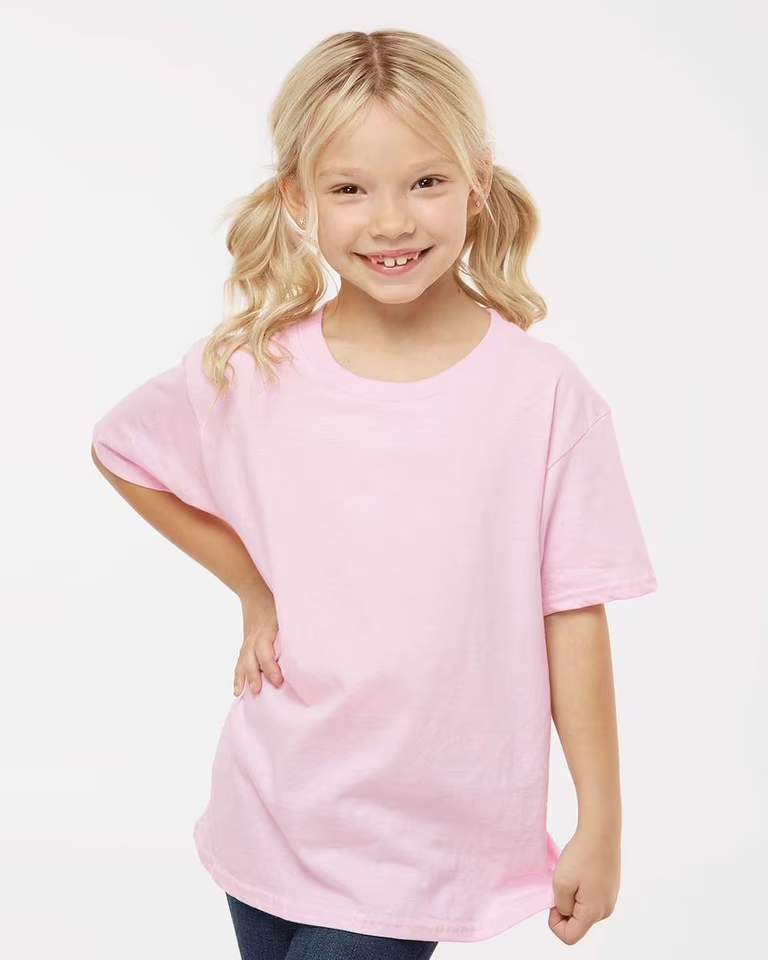
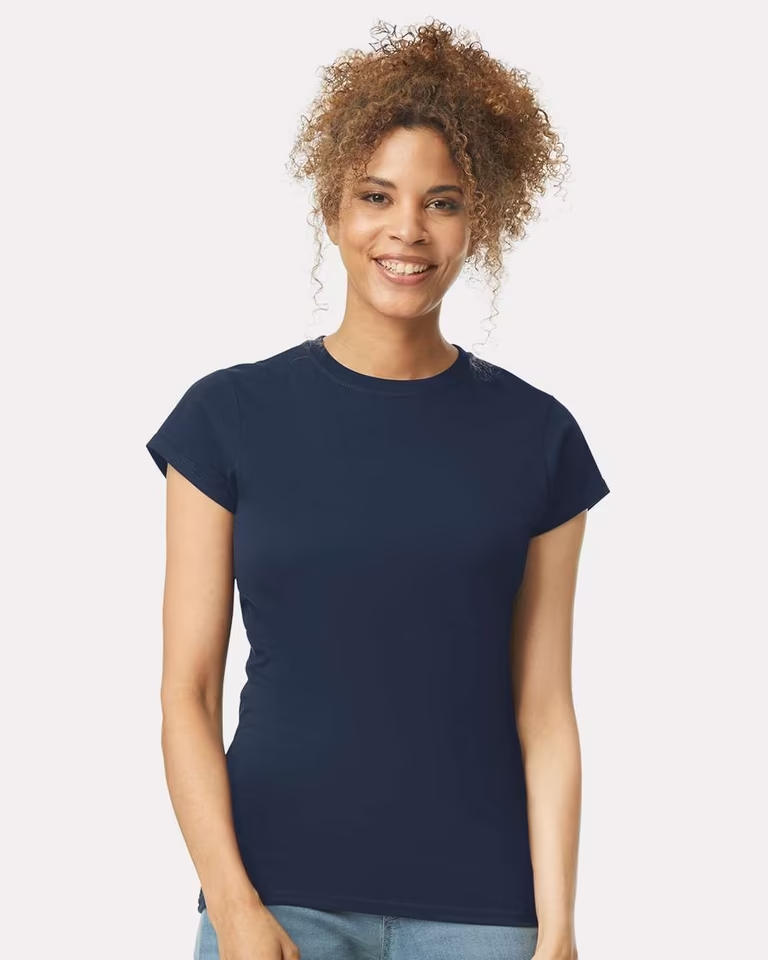
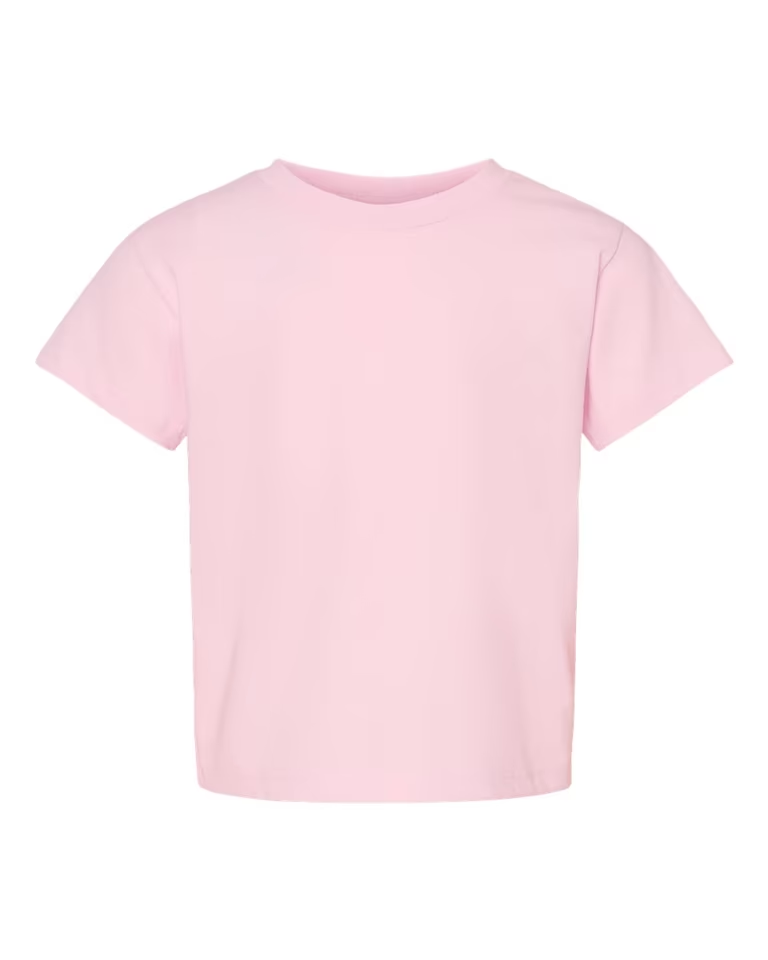
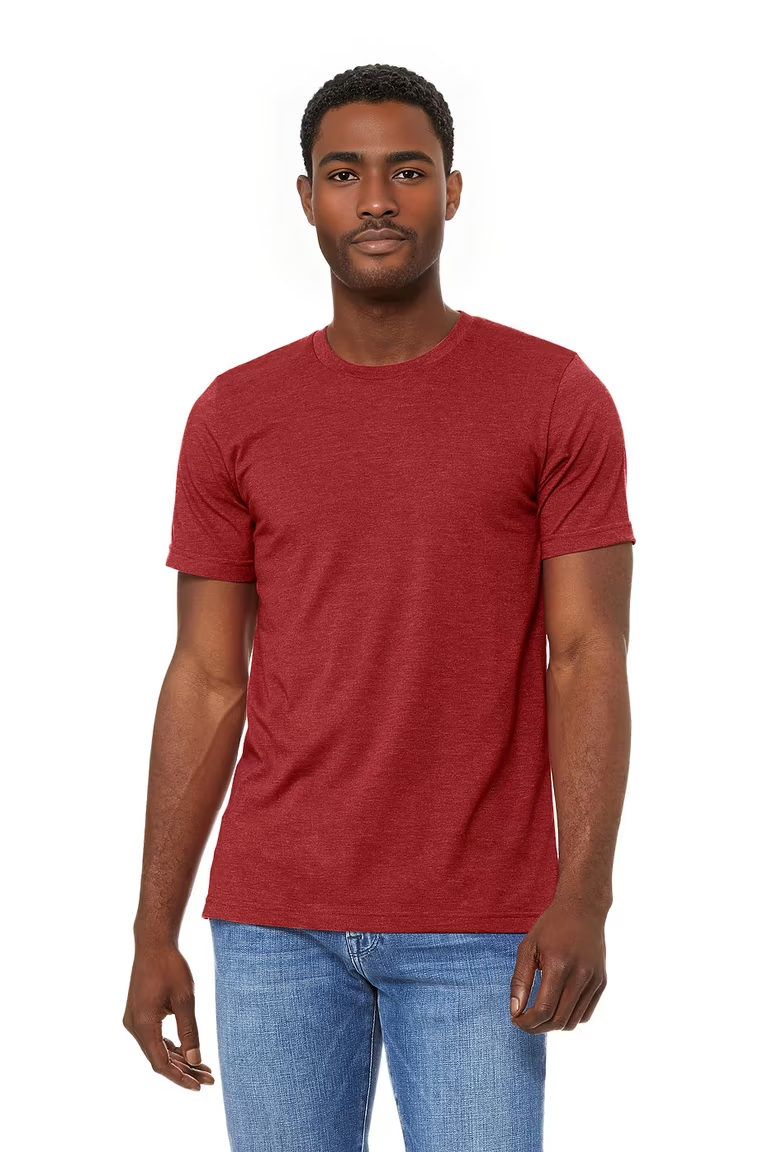
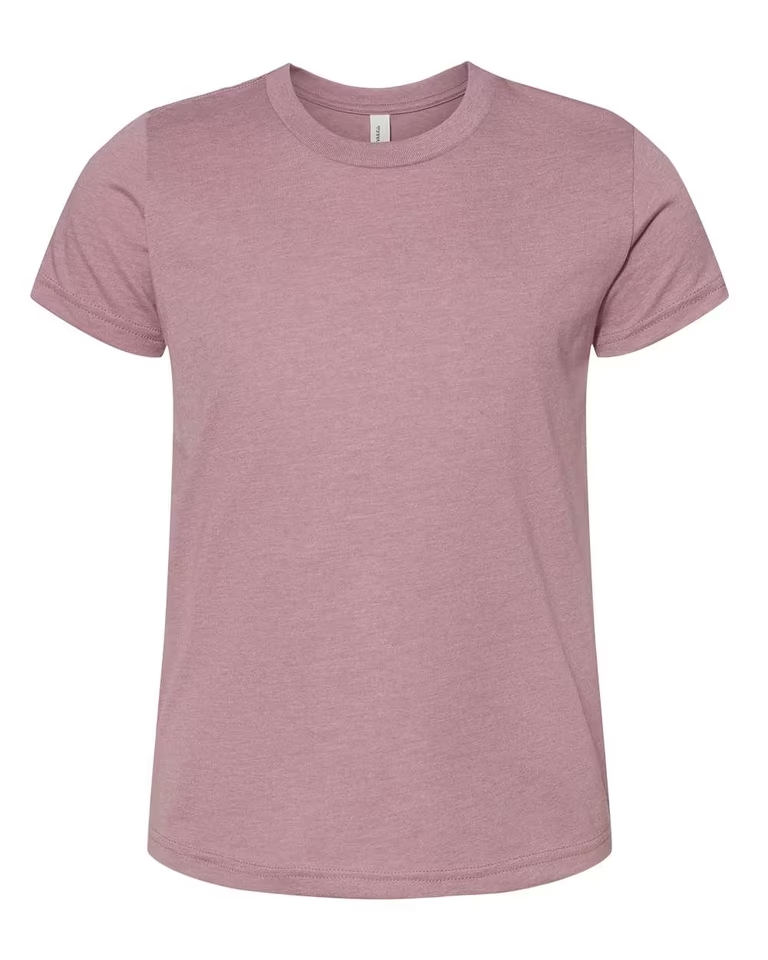
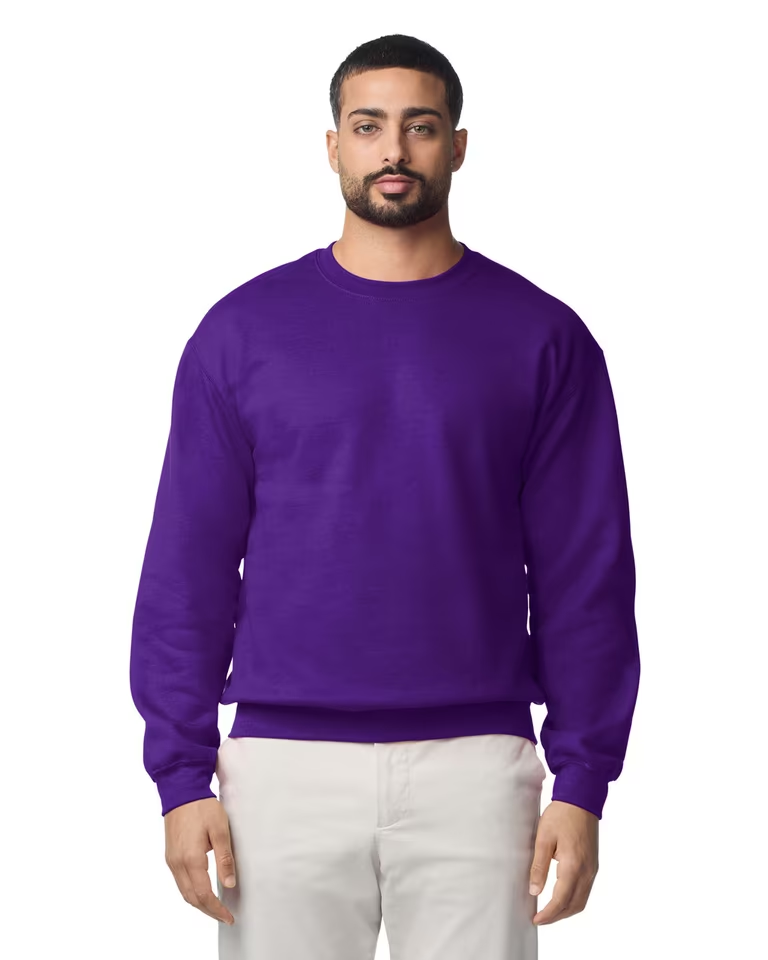
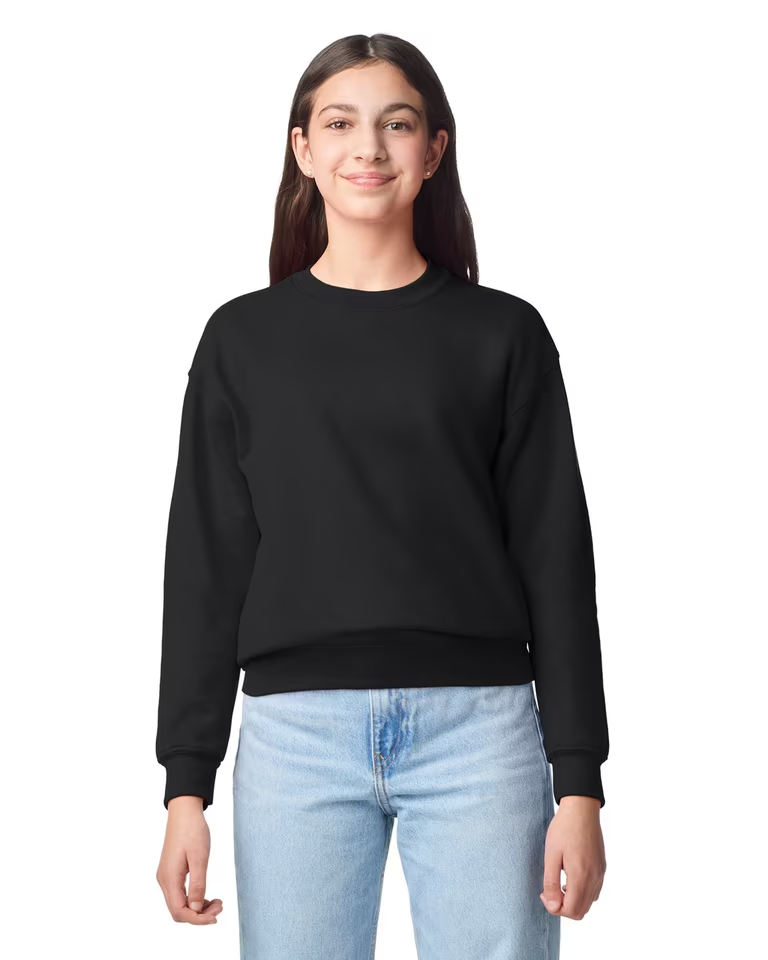
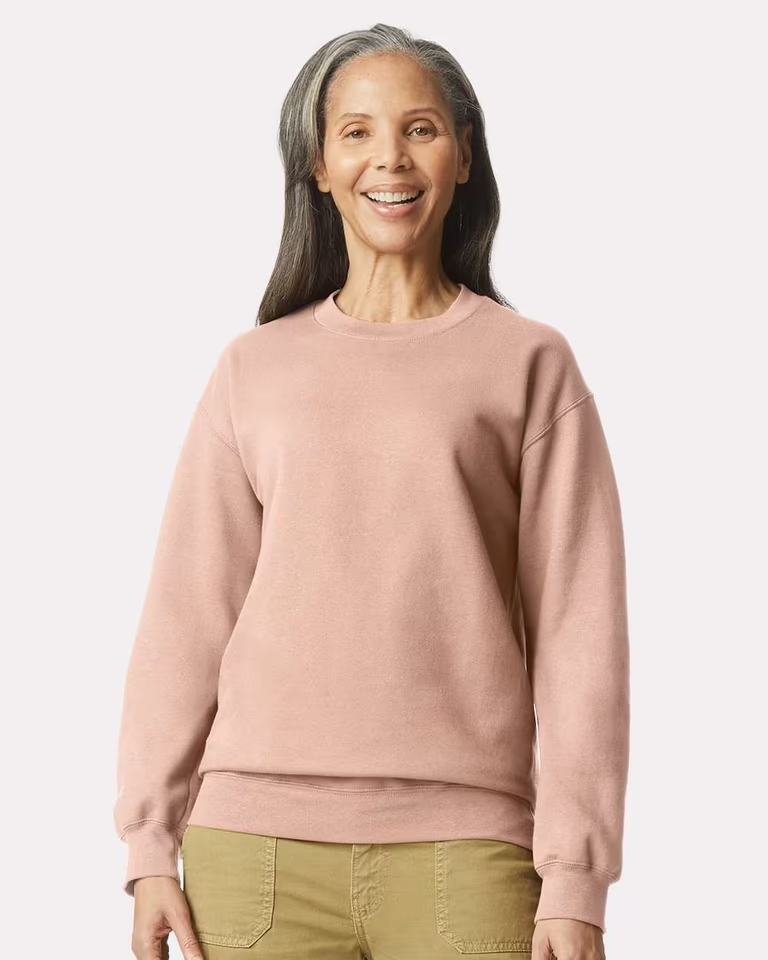
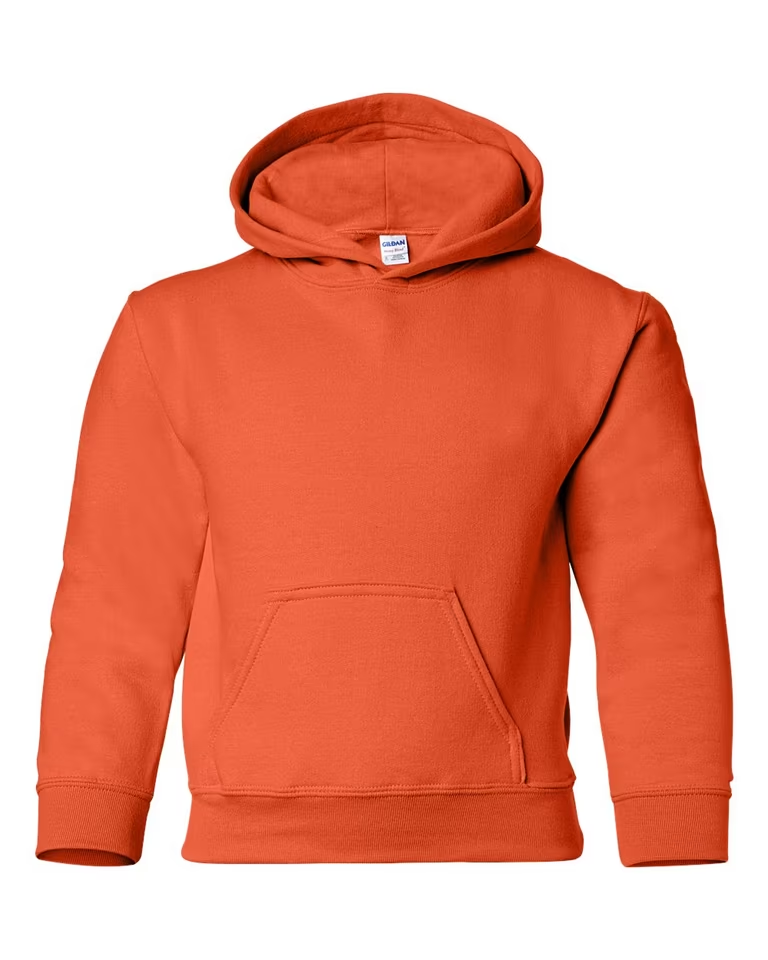
Gildan style number SF000
$14.37
Retail $20.04
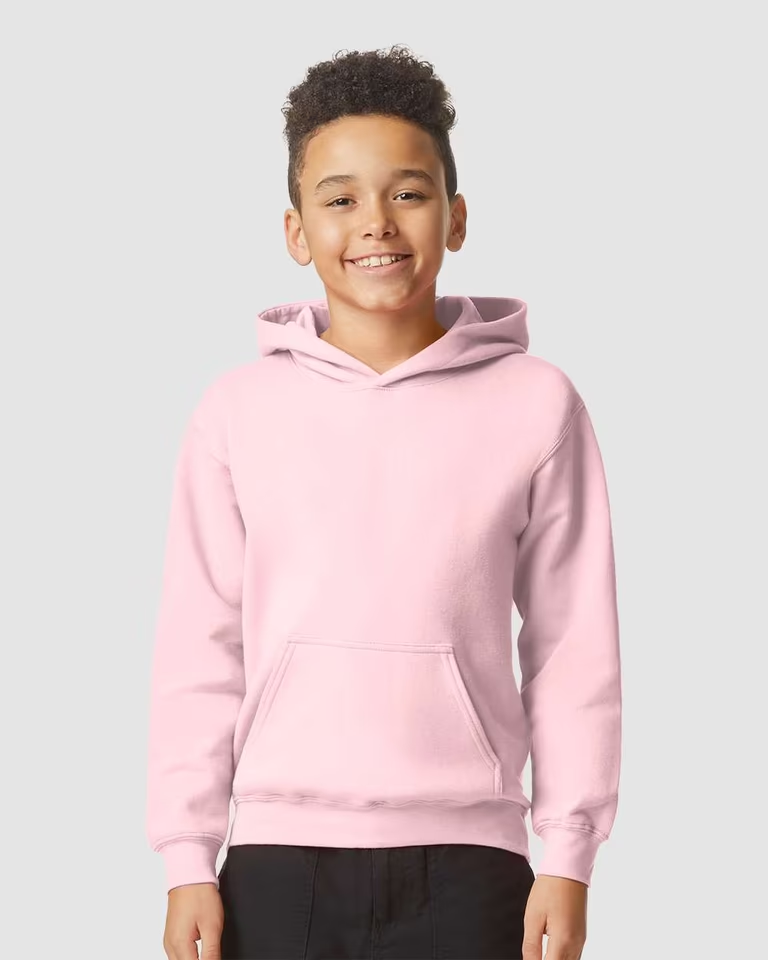
Gildan style number SF500B
$16.71
Retail $22.29
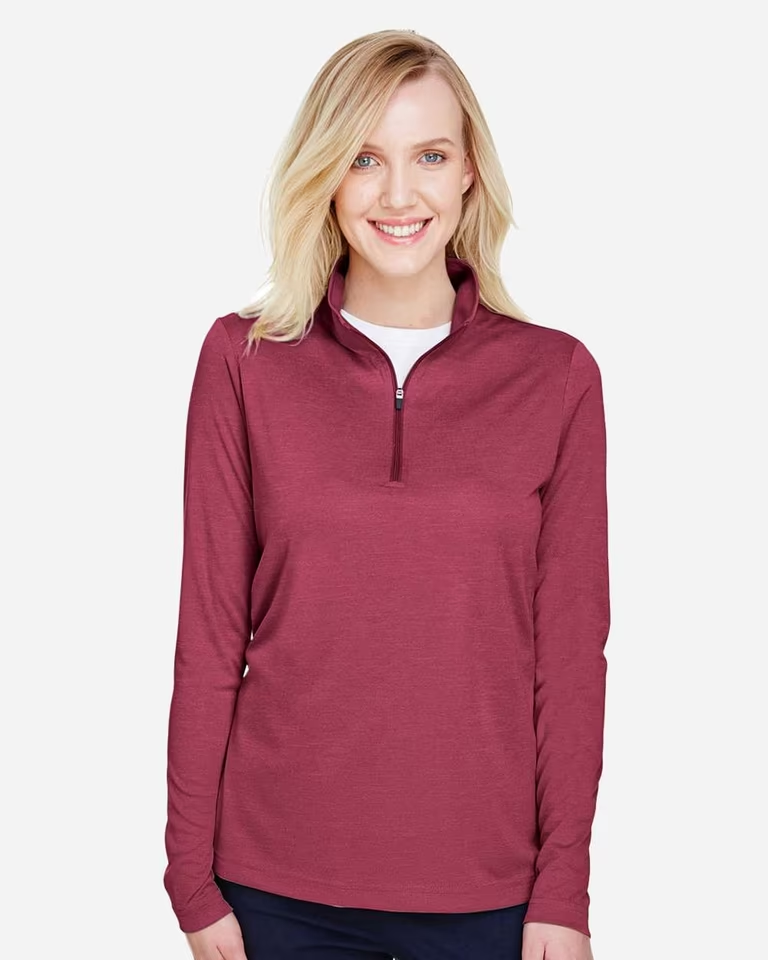
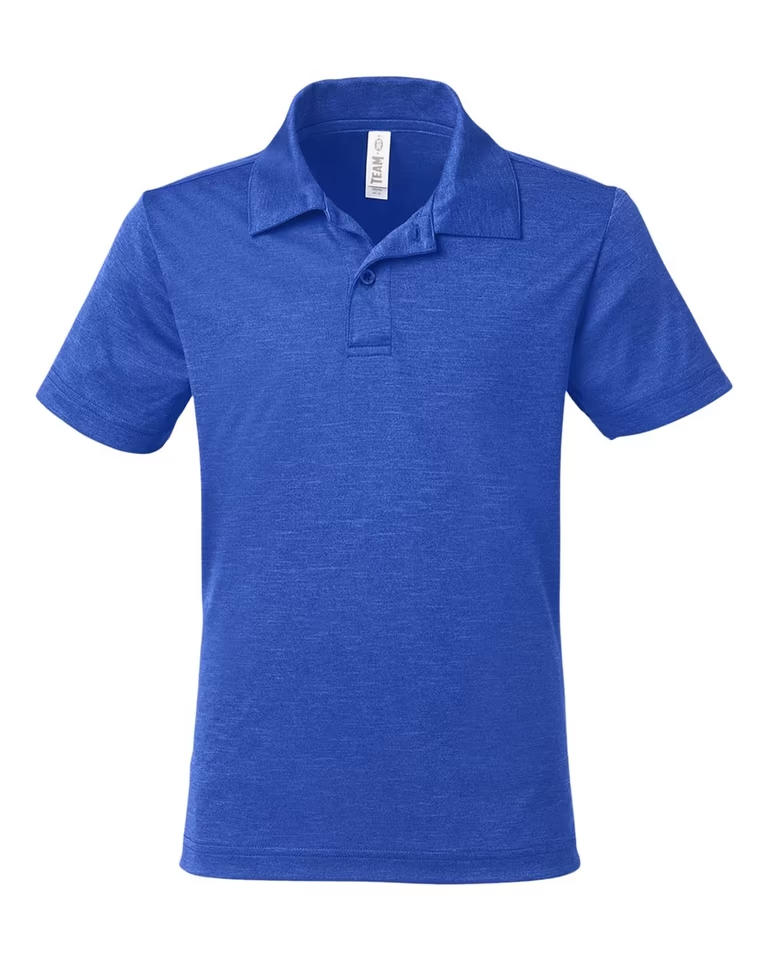
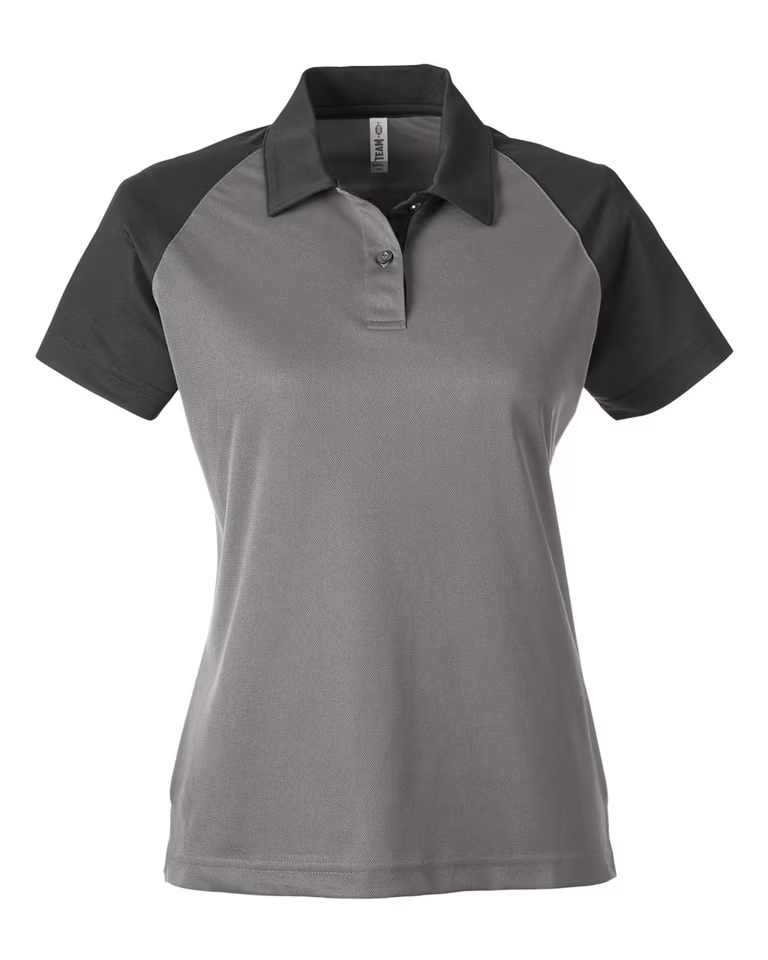
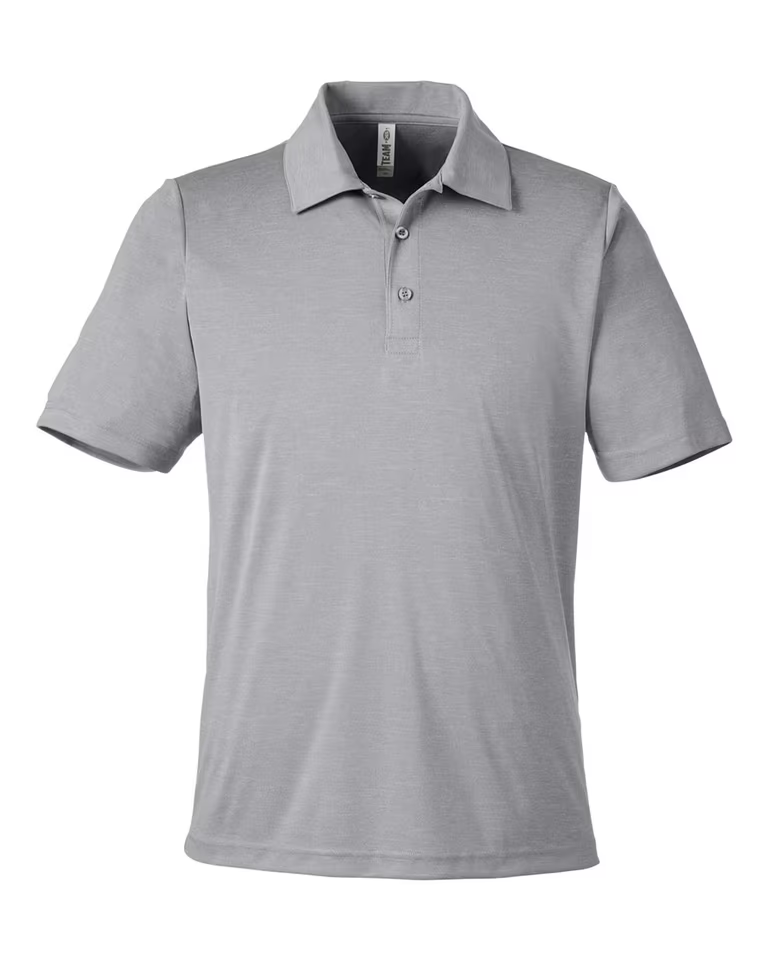
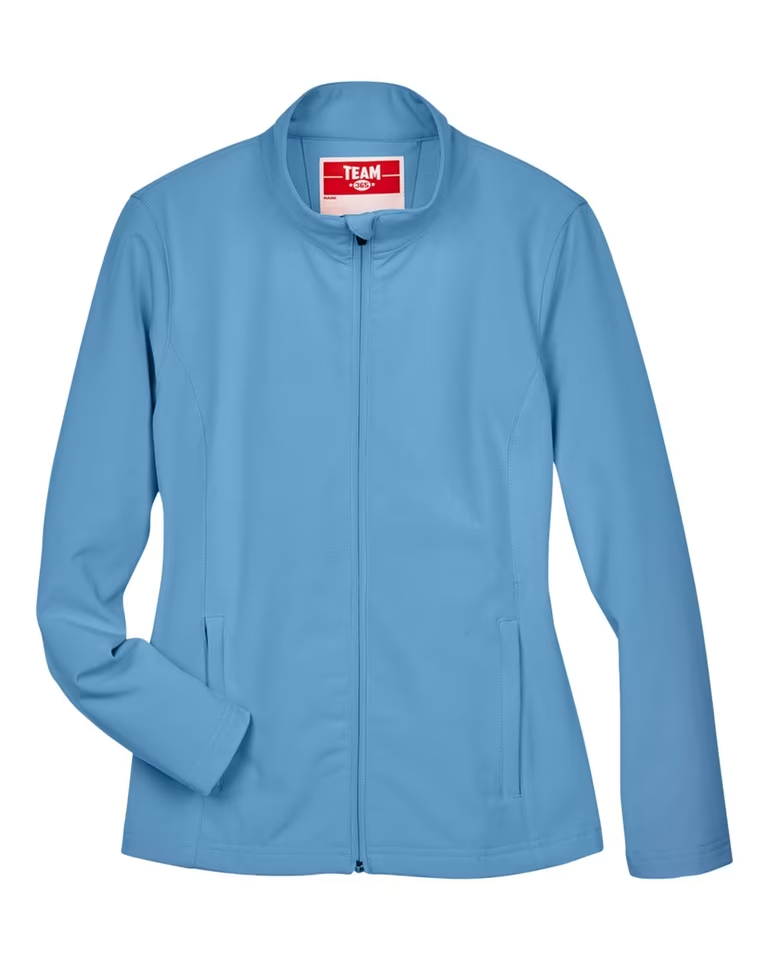
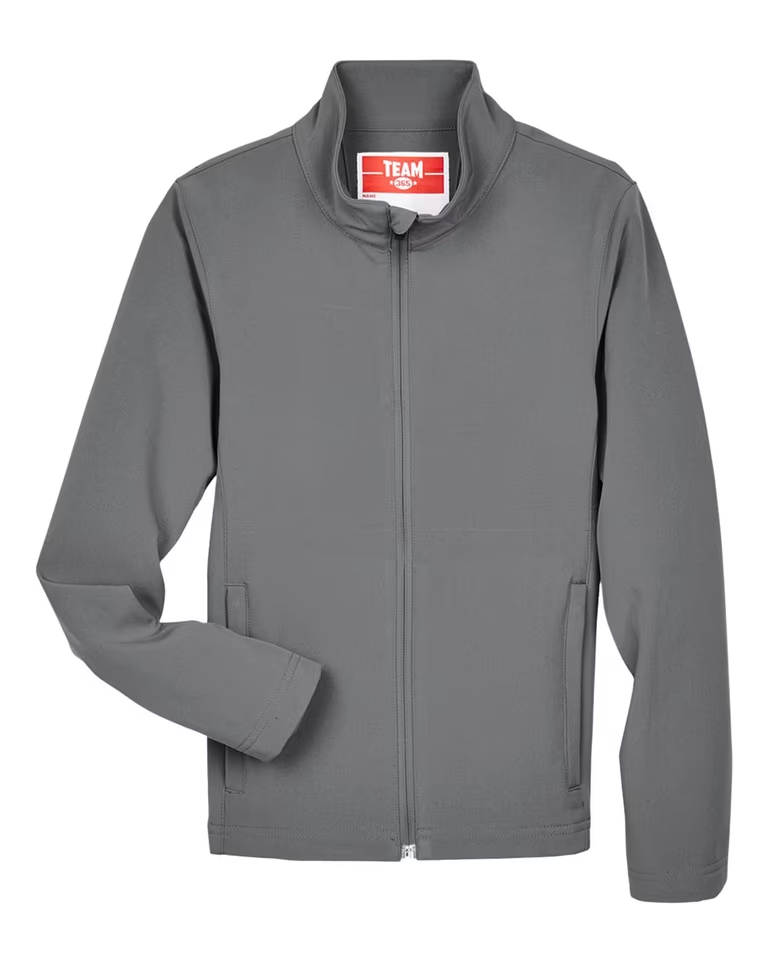
Team 365 style number TT31HW
$21.42
Retail $26.78
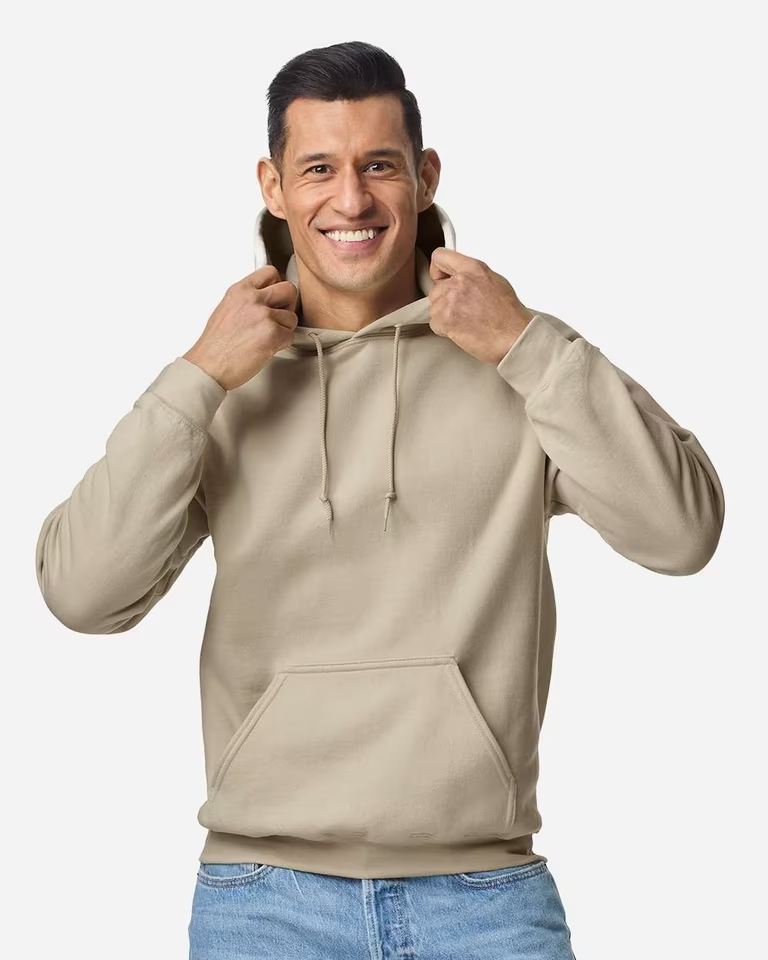
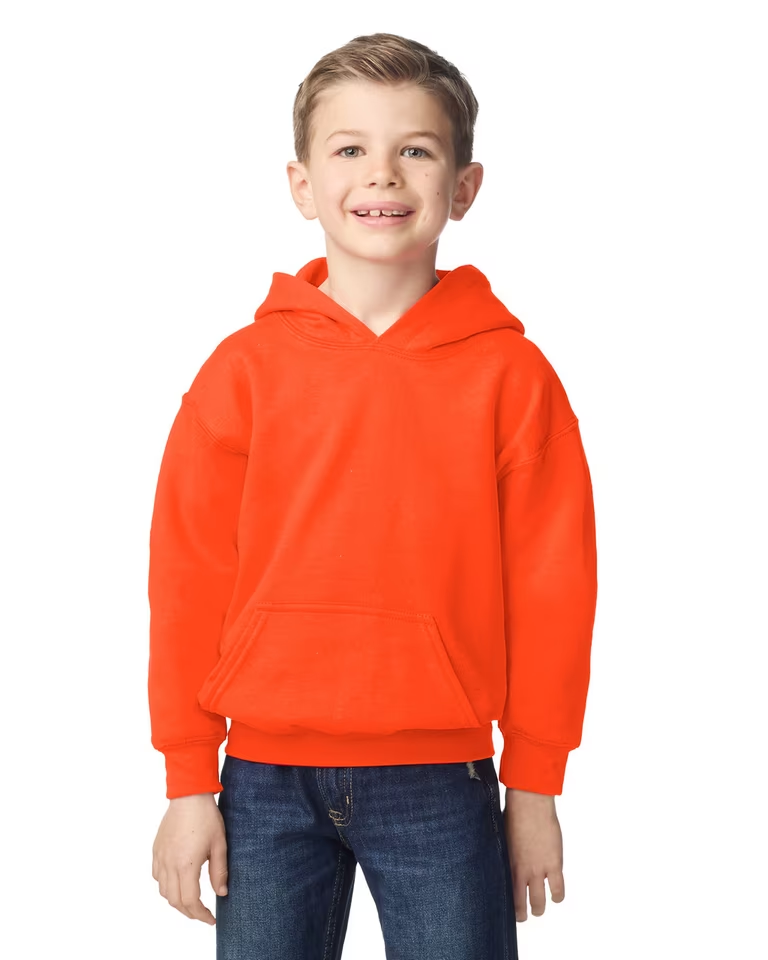
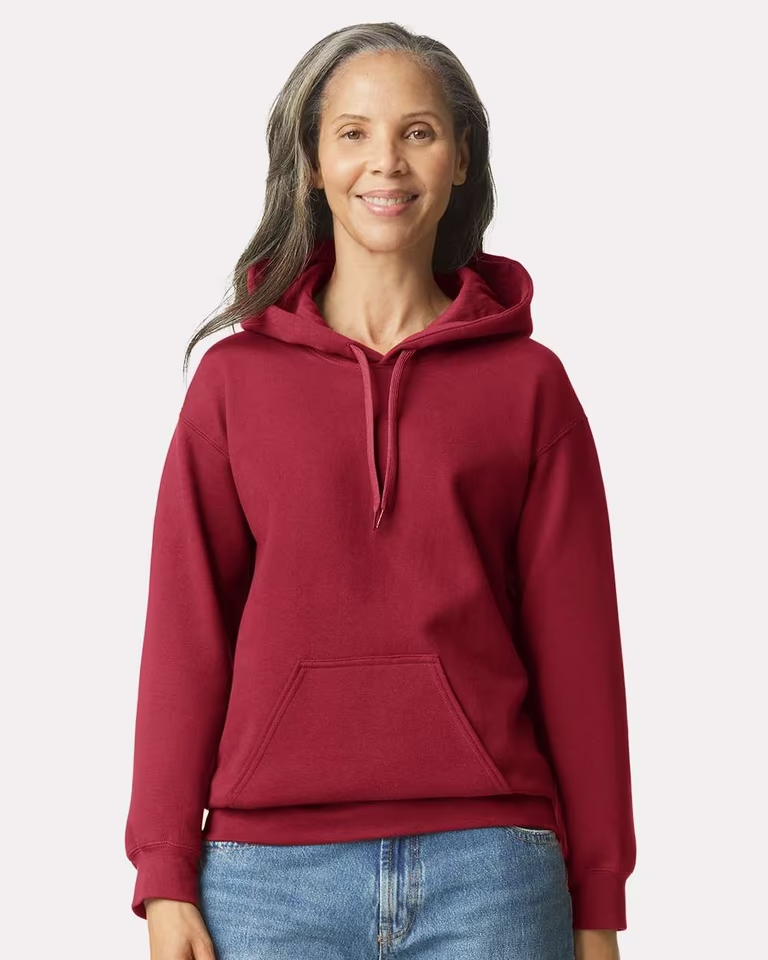
Gildan style number SF500
$18.60
Retail $24.80
Independent Trading style number SS4001Y
$19.05
Retail $25.40
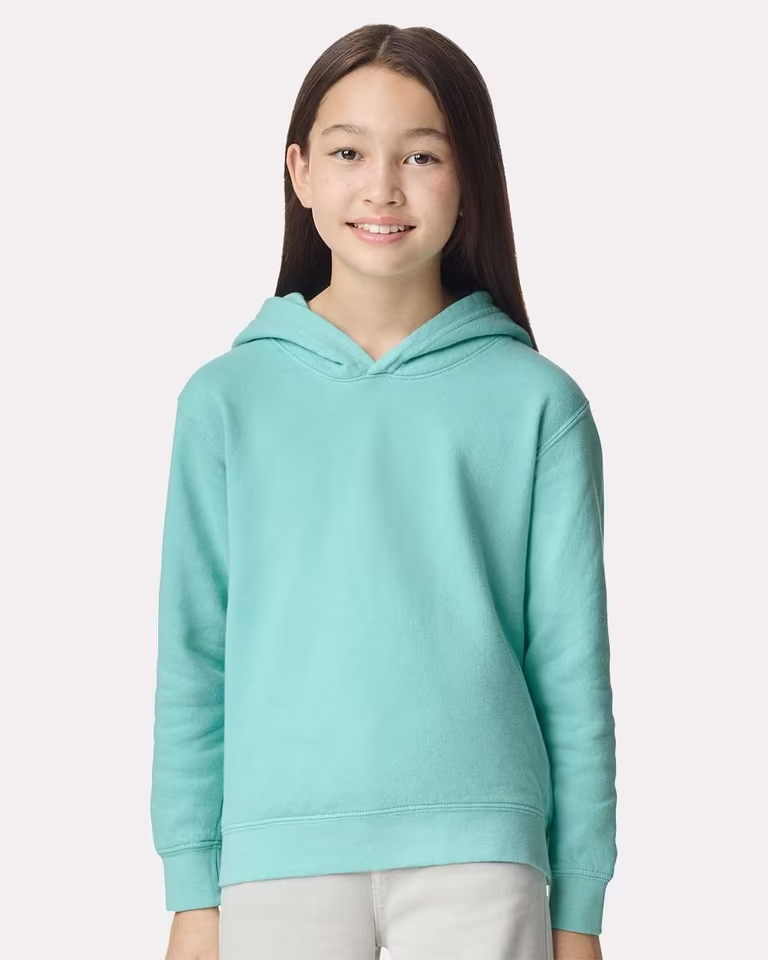
Comfort Colors style number 1467Y
$27.32
Retail $36.42
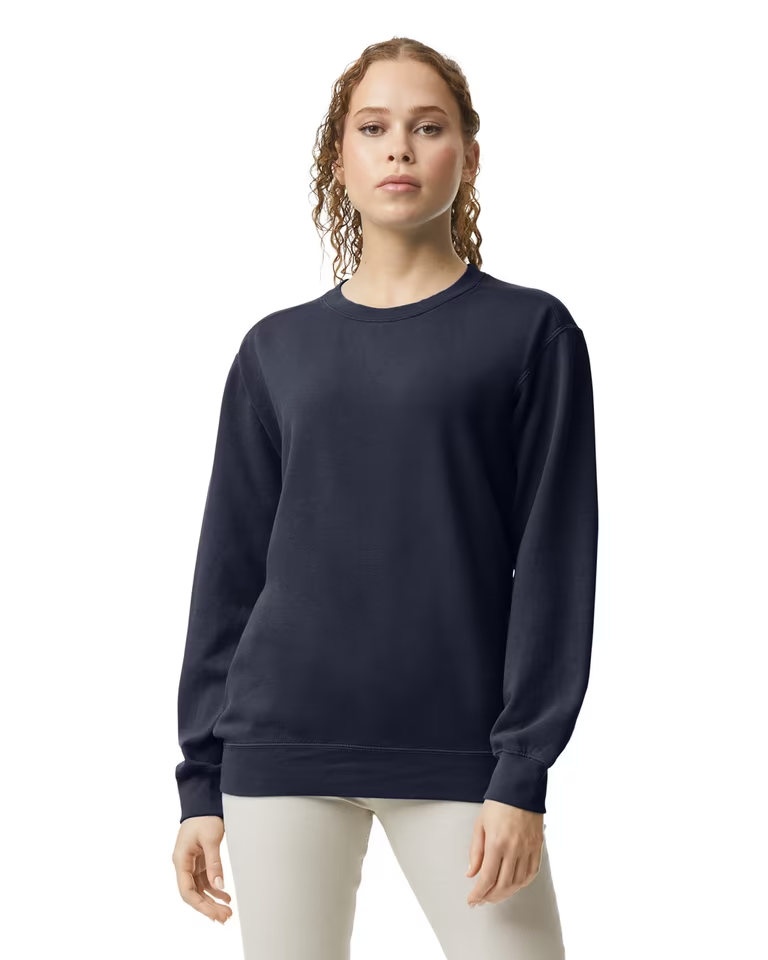
Comfort Colors style number 1566
$32.27
Retail $43.03
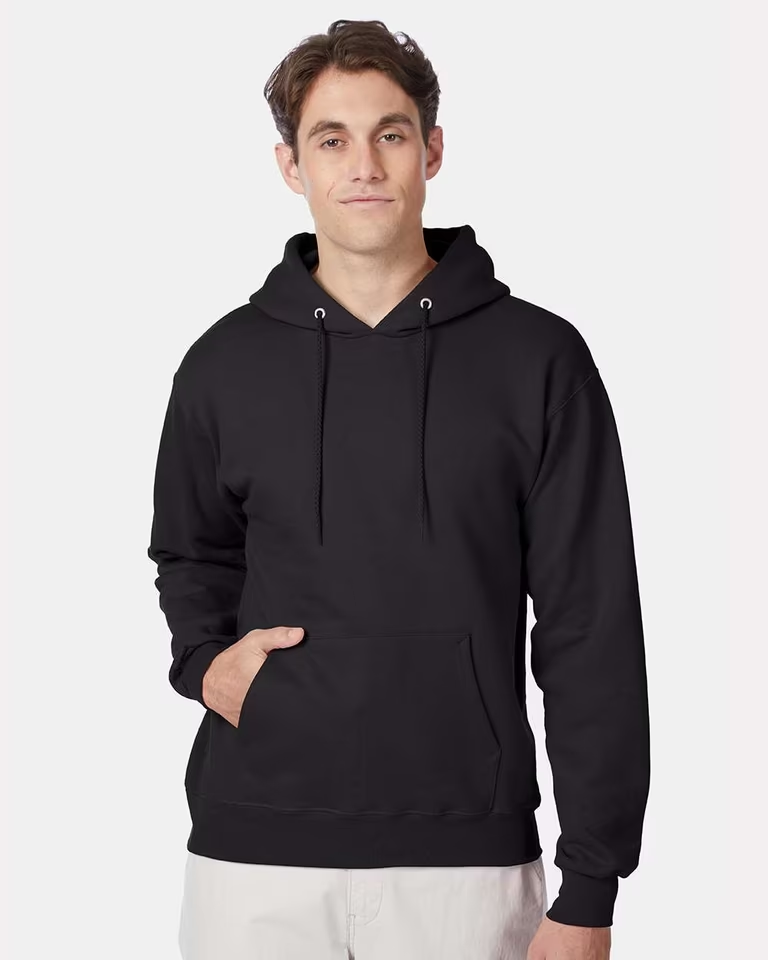
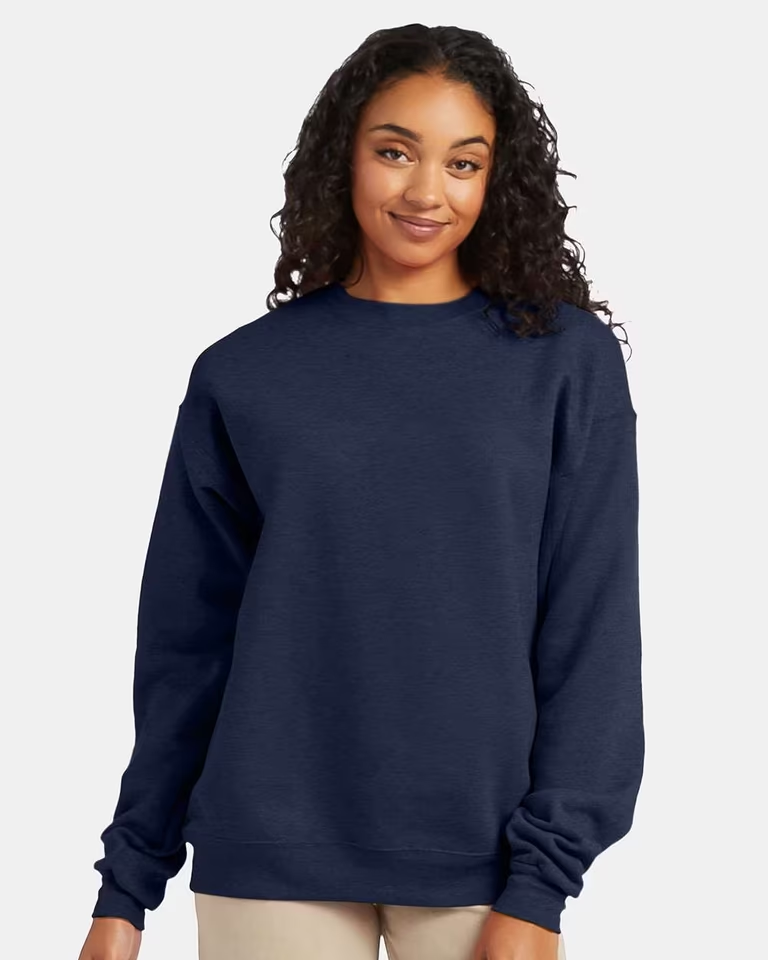
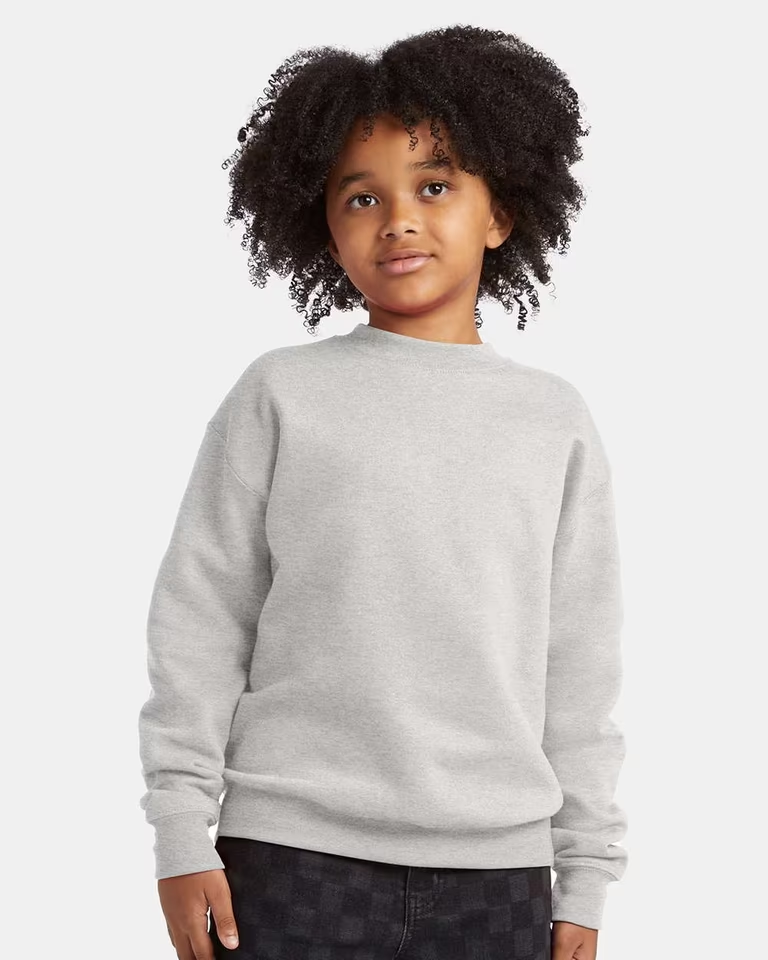
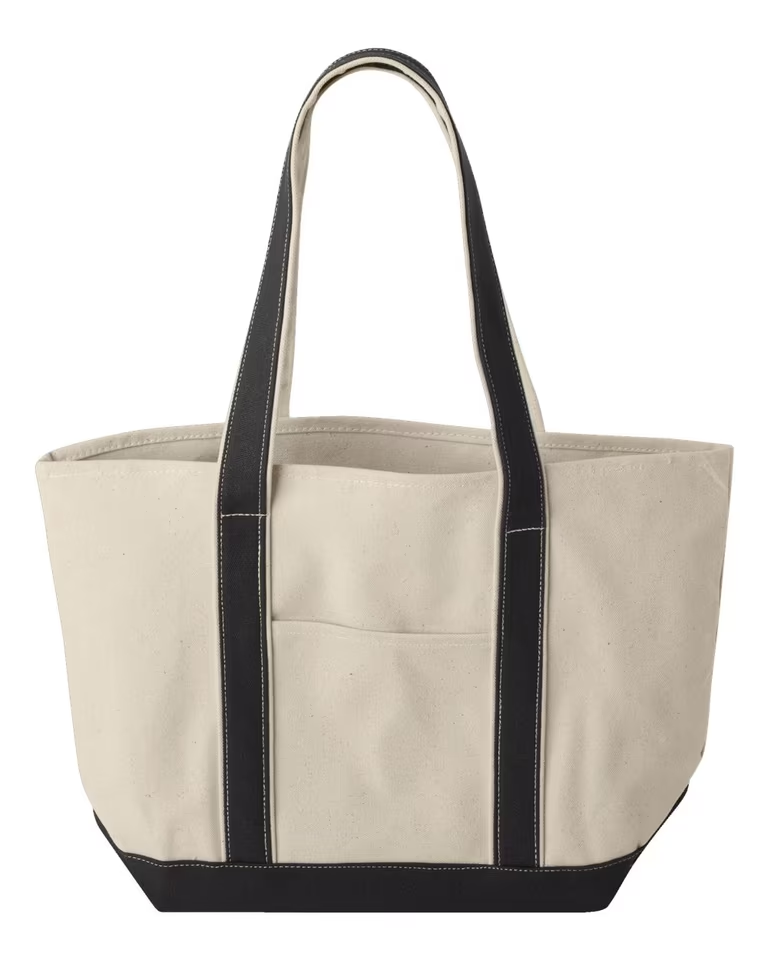
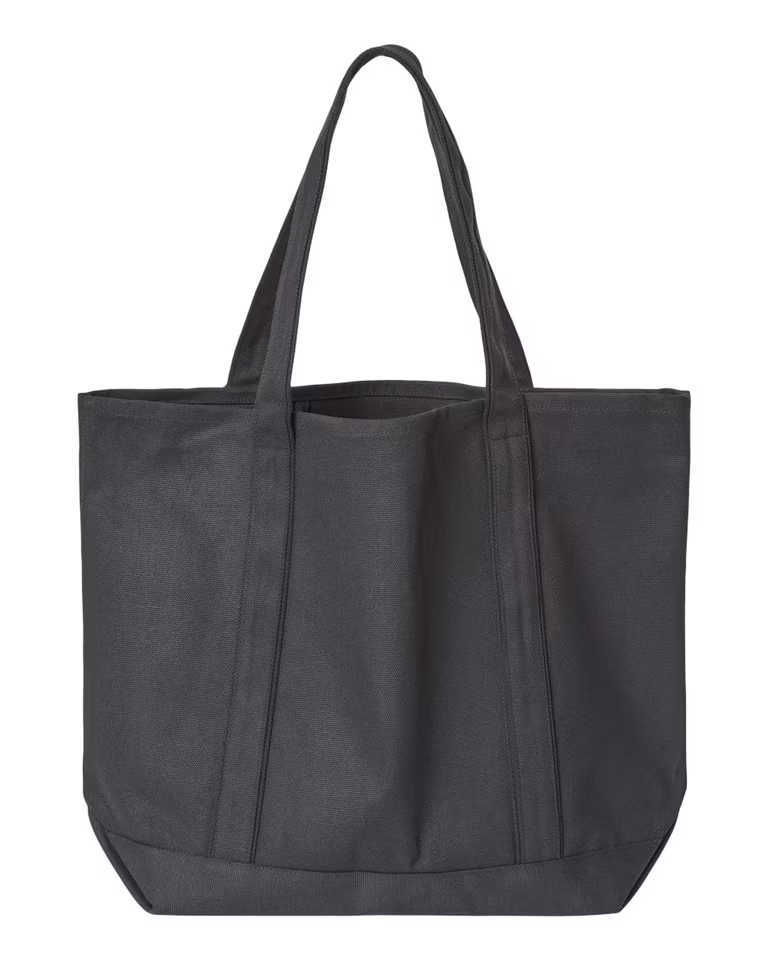
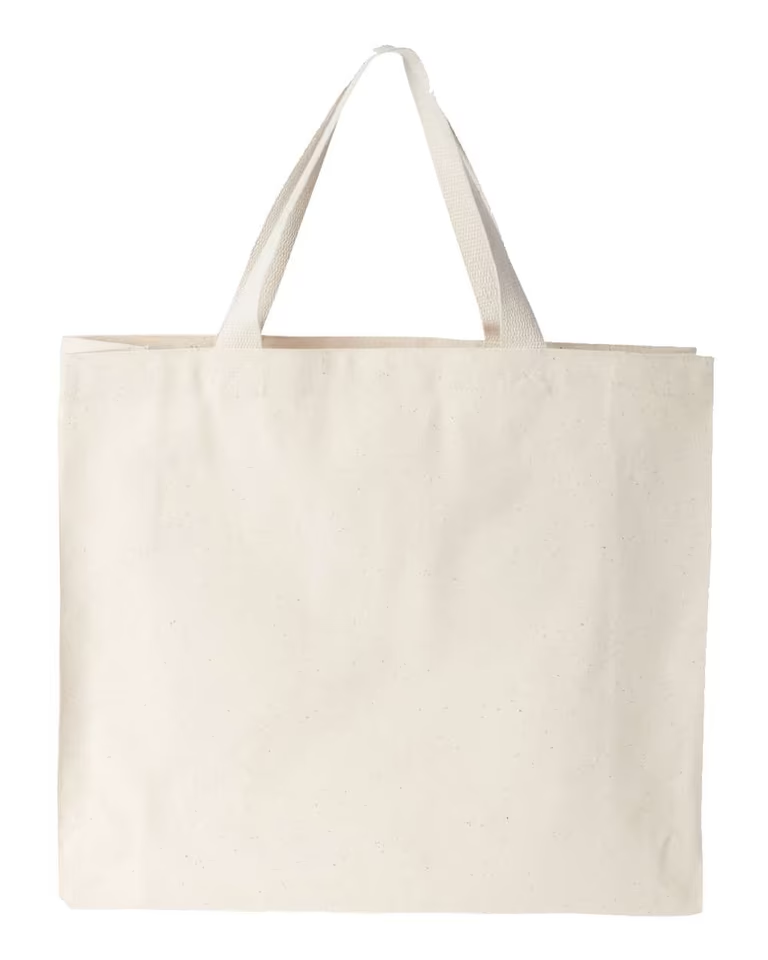
Liberty Bags style number 8871
$24.50
Retail $32.67
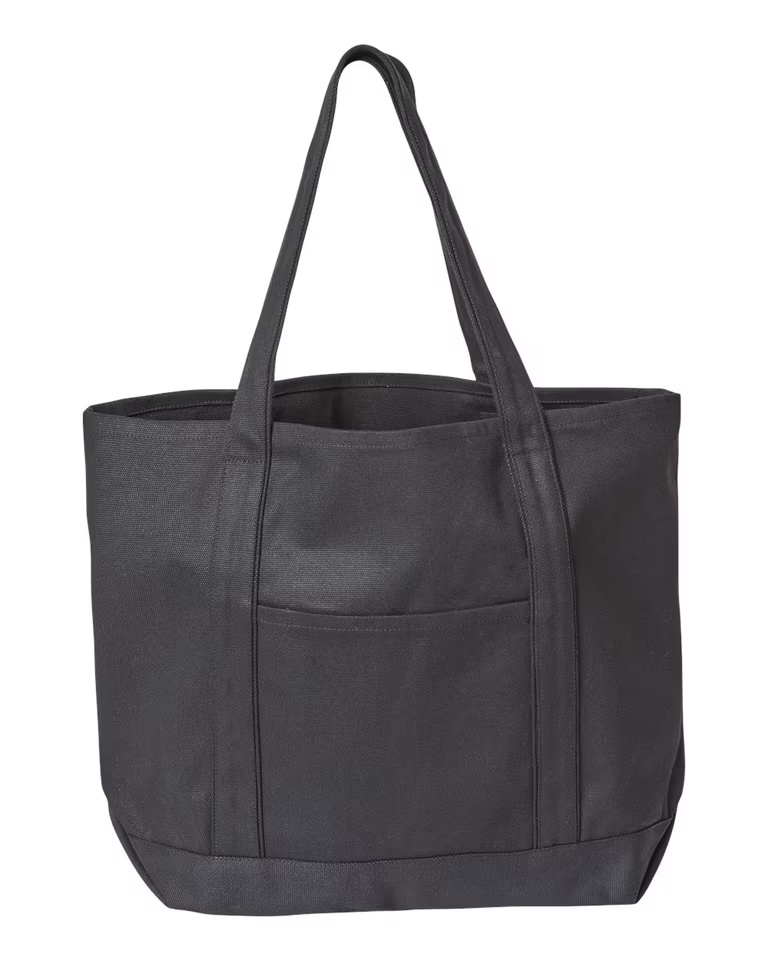
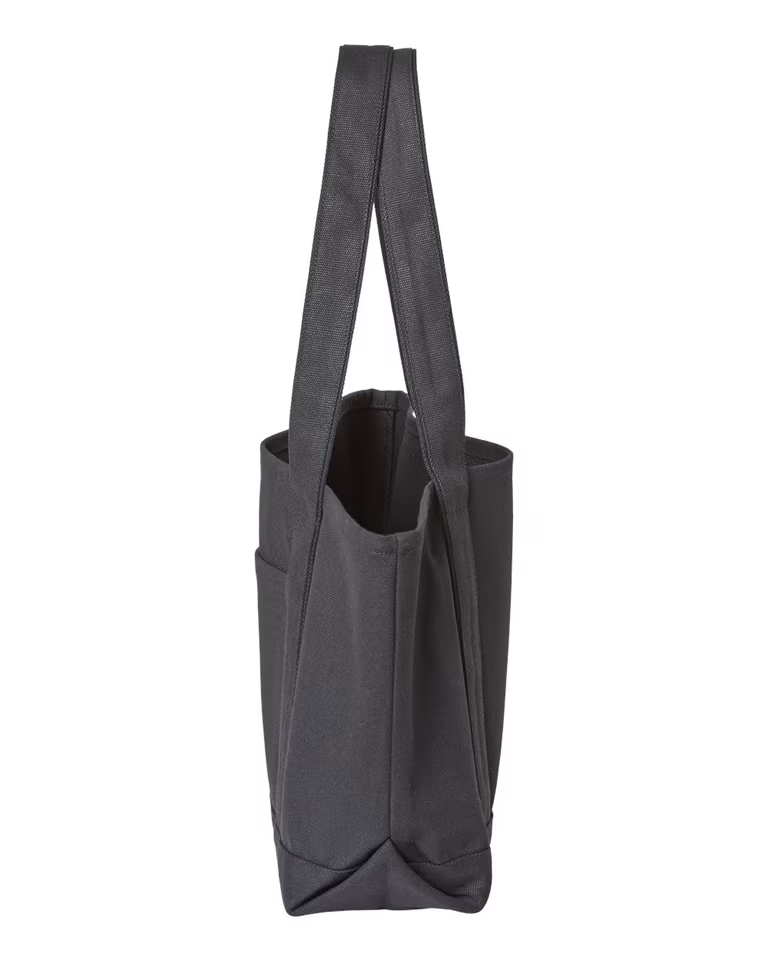
Liberty Bags style number 8872
$27.71
Retail $36.93
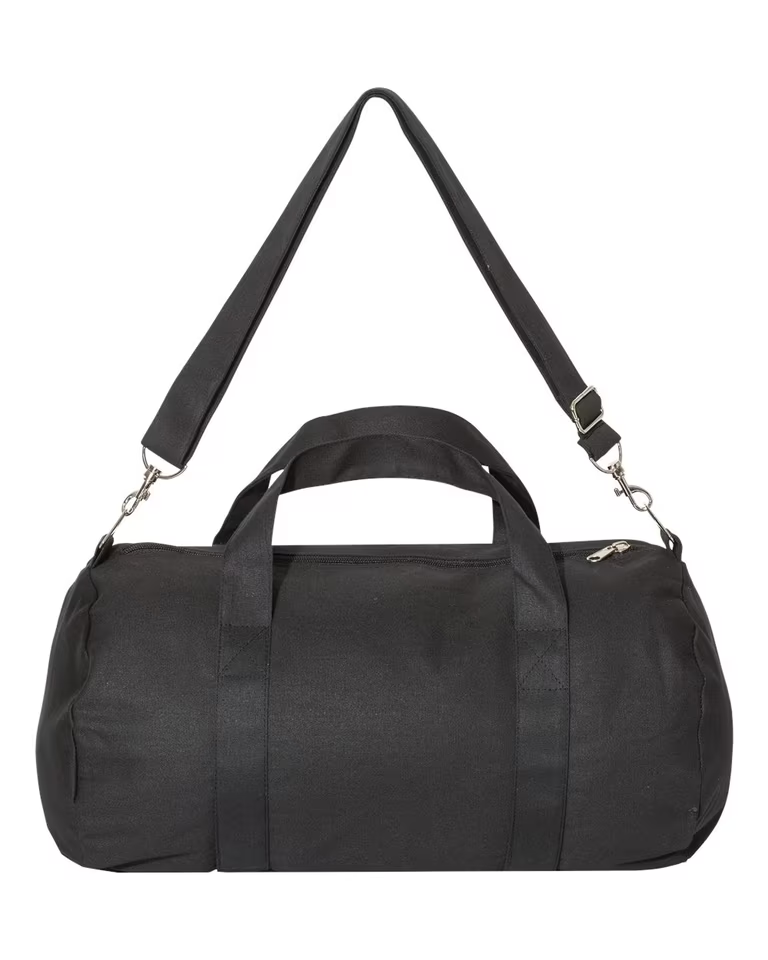
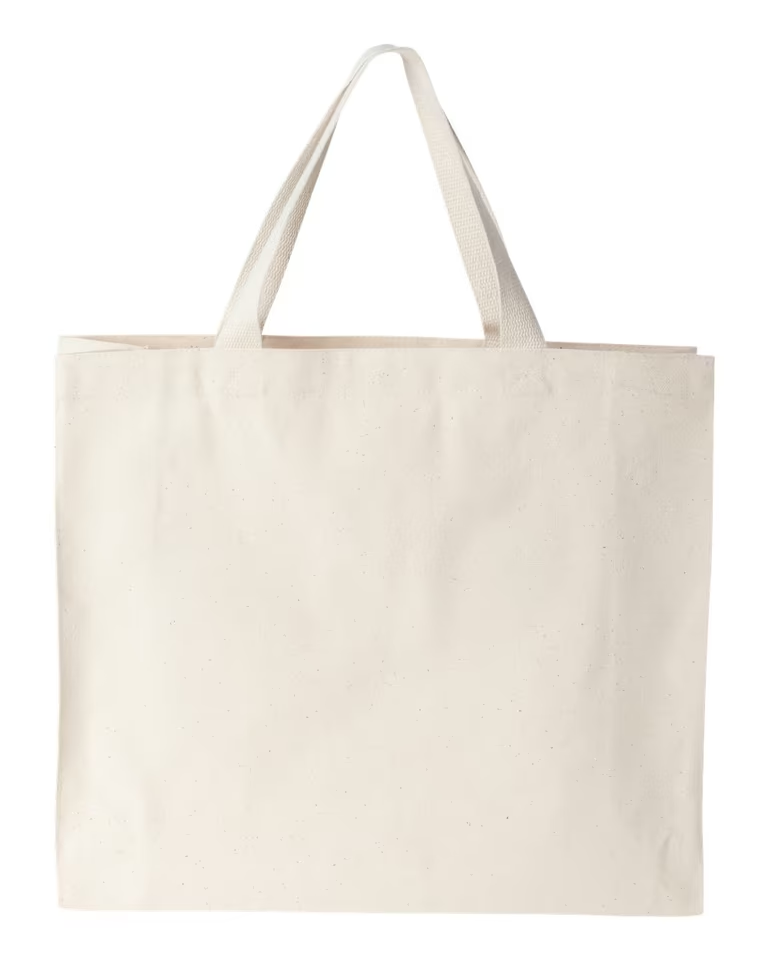
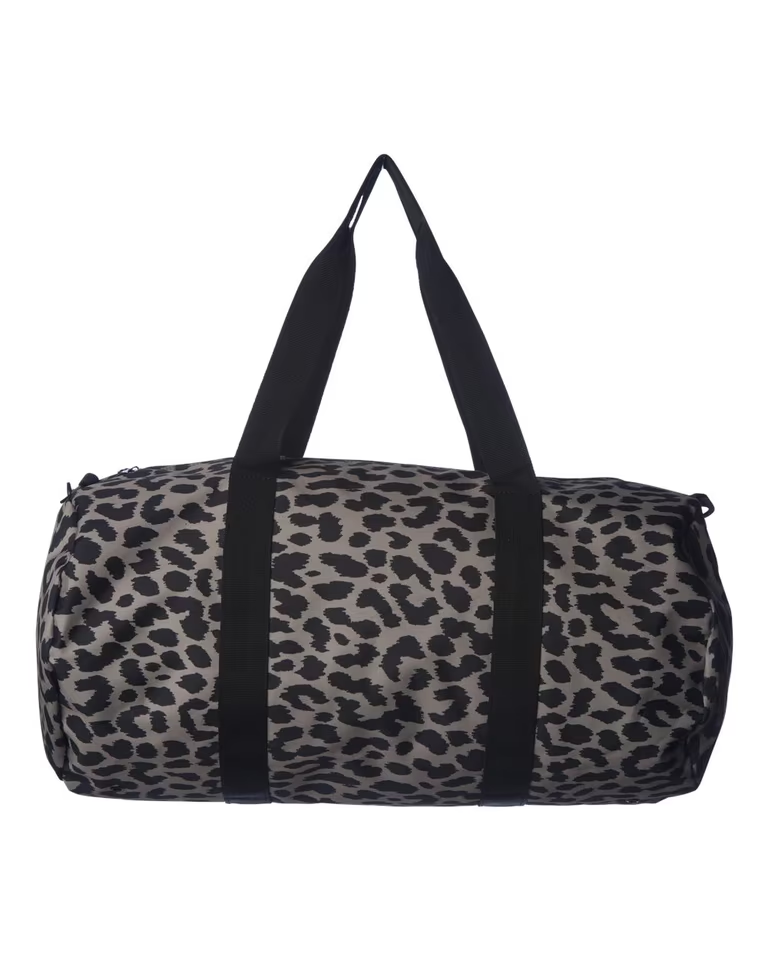
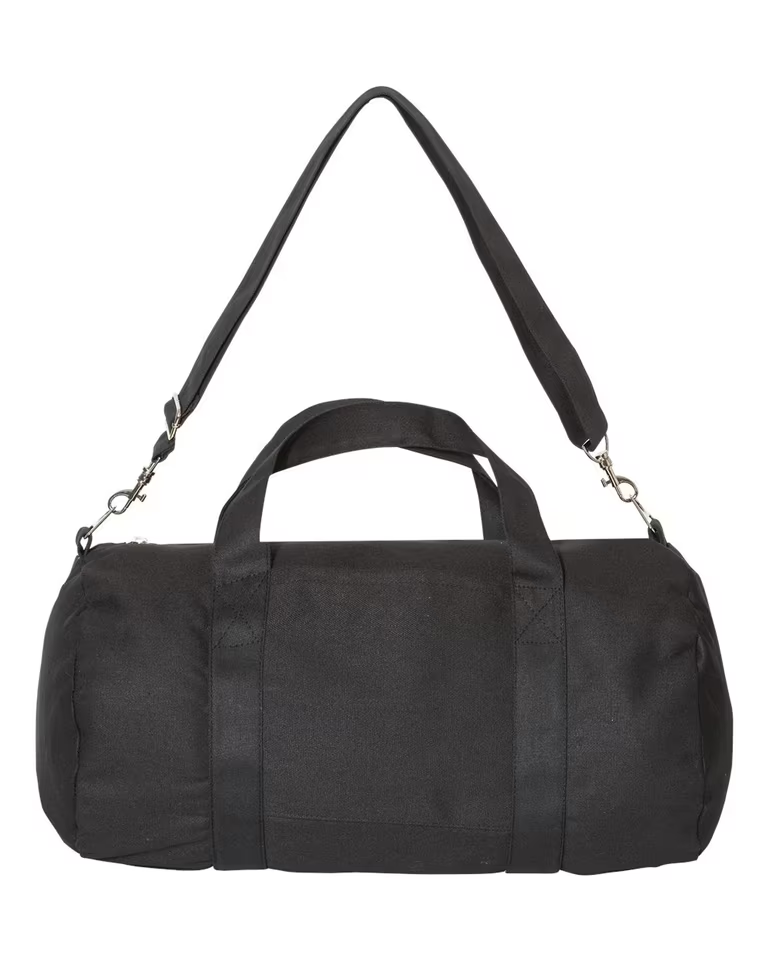
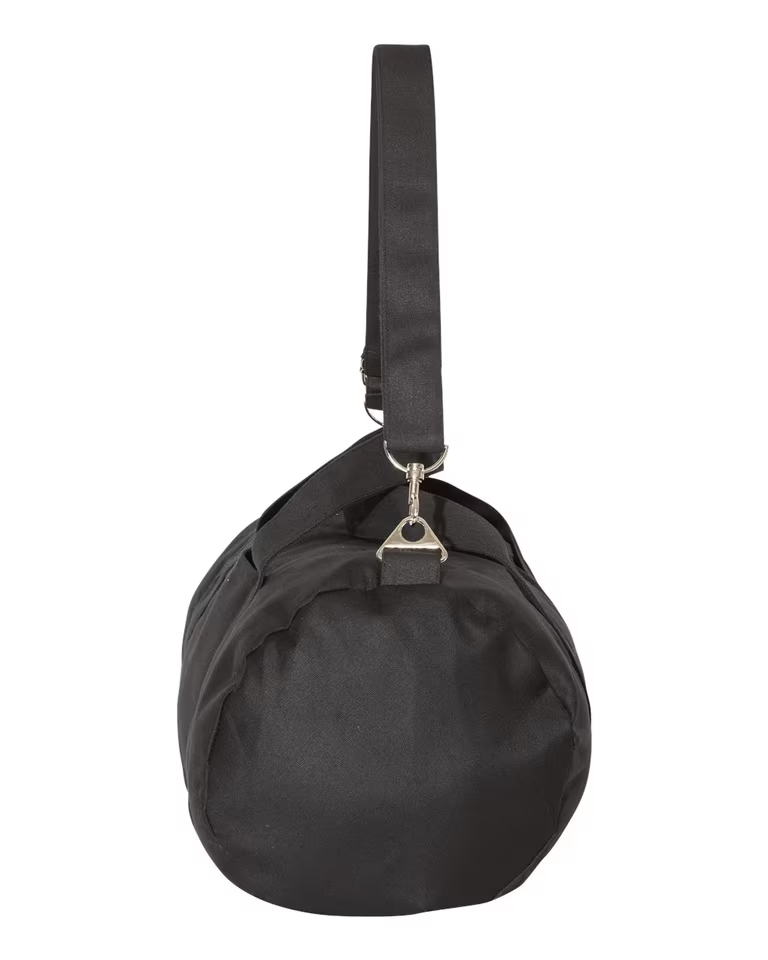
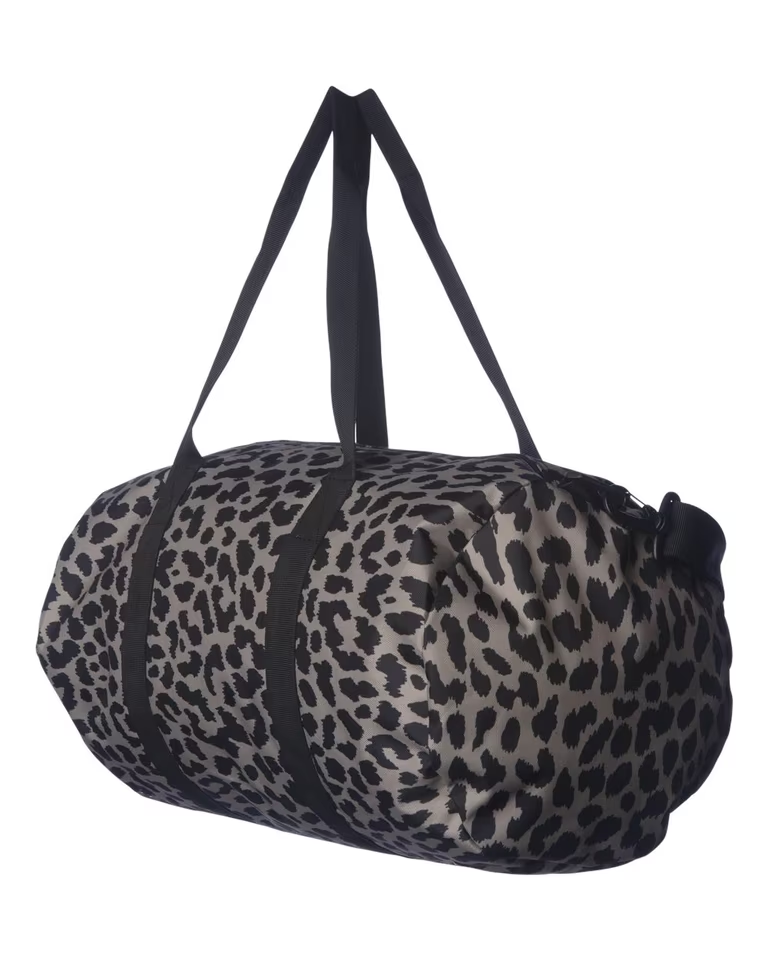
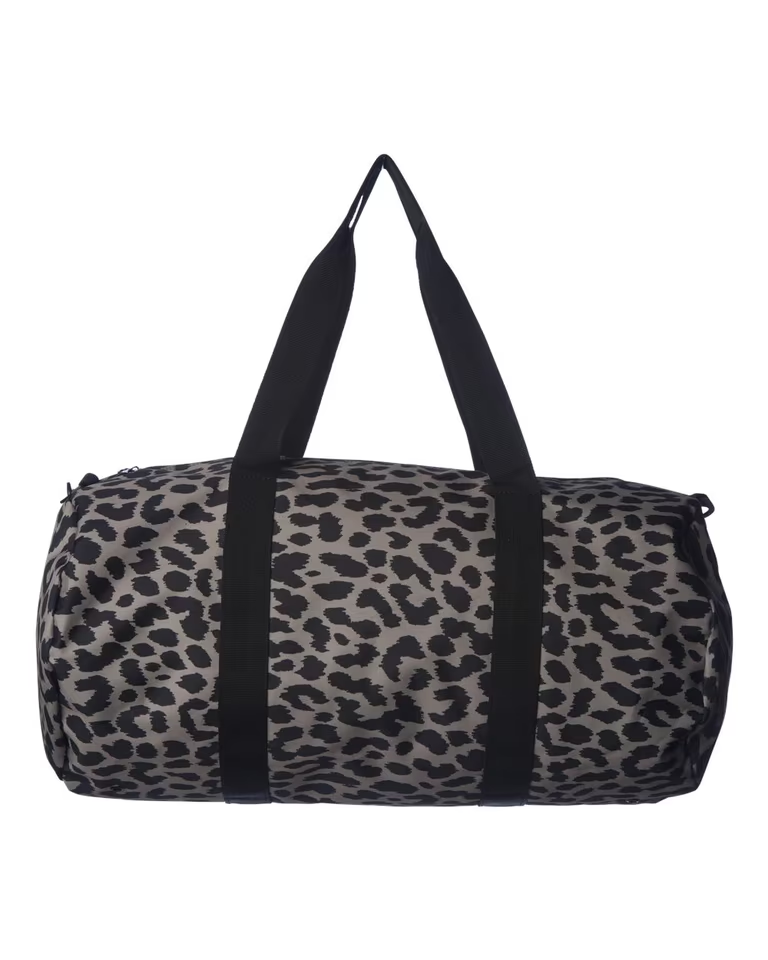
Independent Trading style number INDDUFBAG
$25.56
Retail $34.09
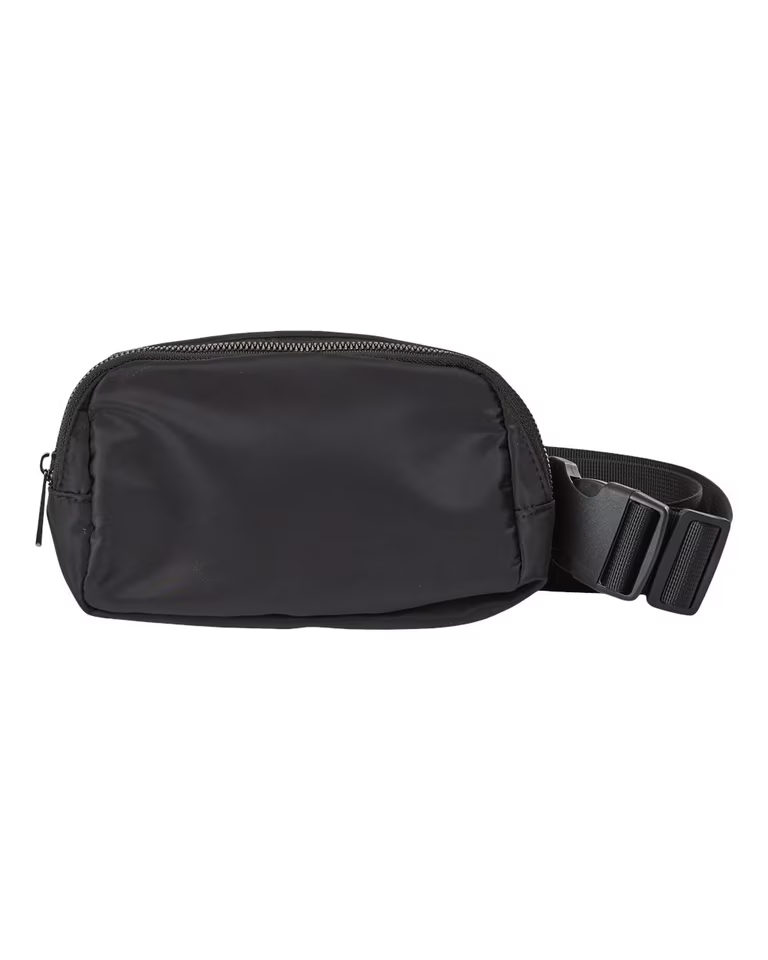
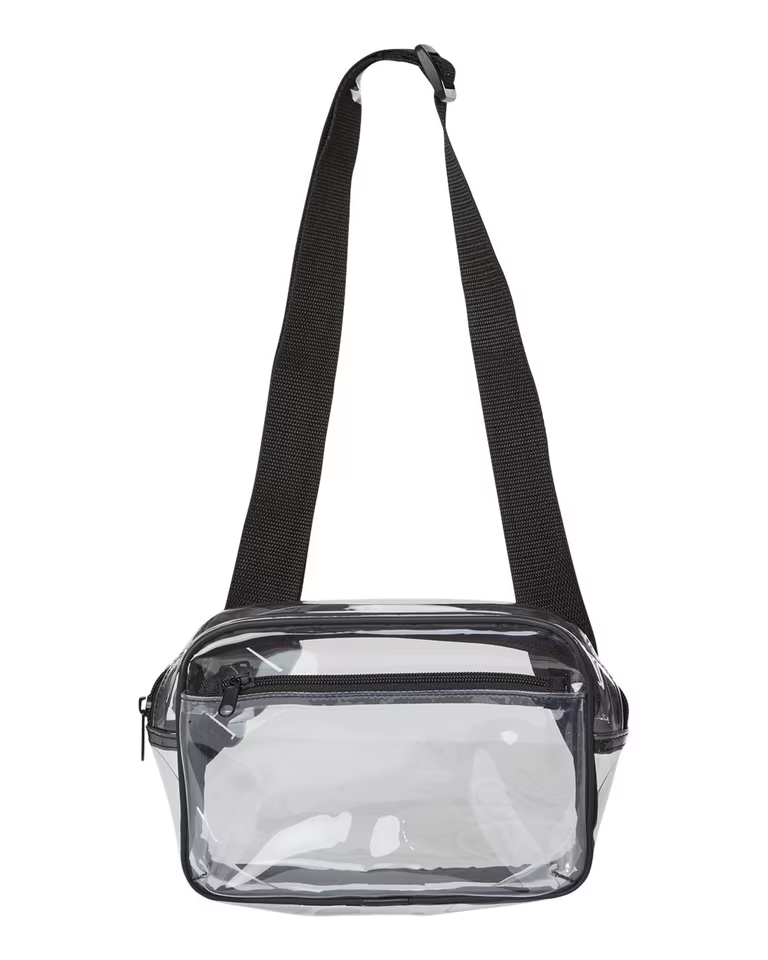
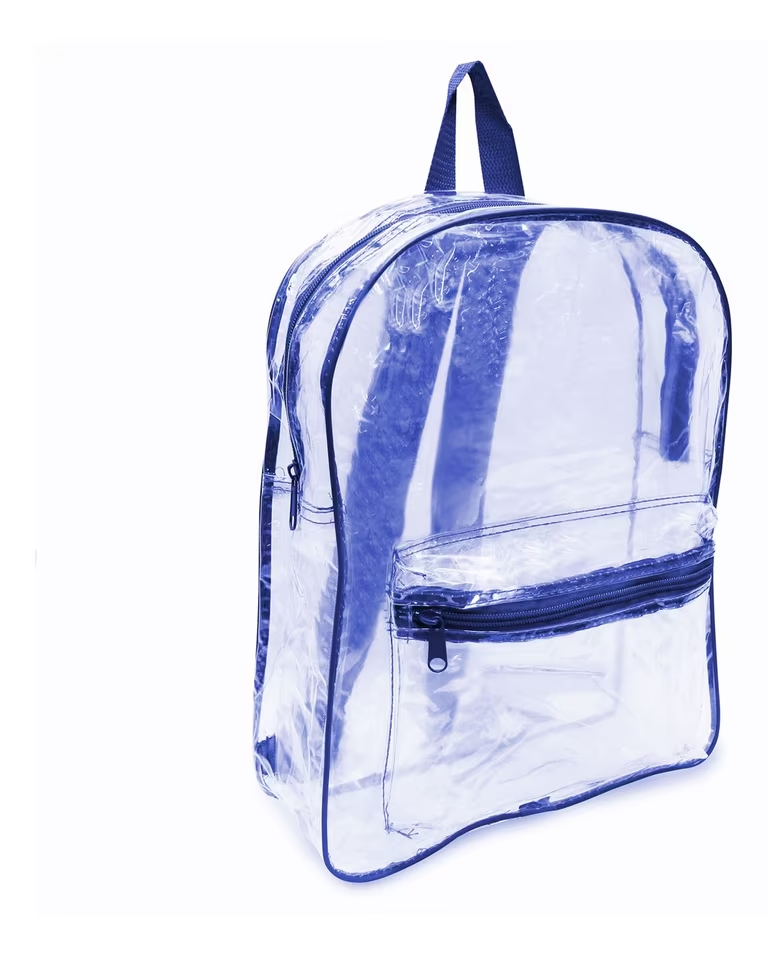
Liberty Bags style number 5778
$15.80
Retail $21.05
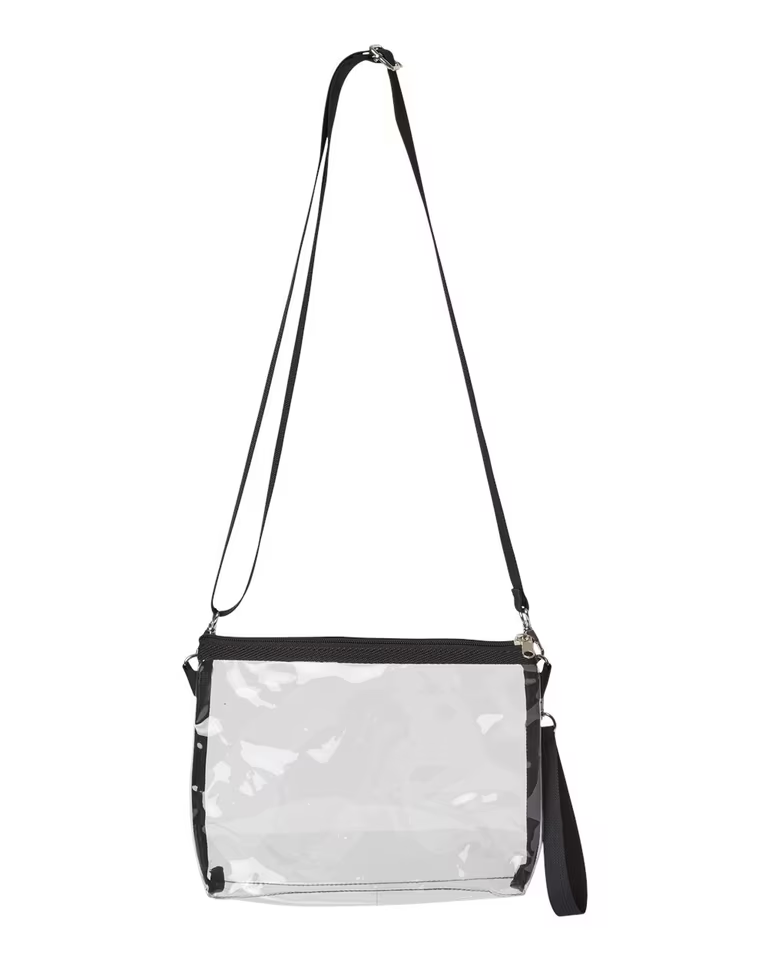
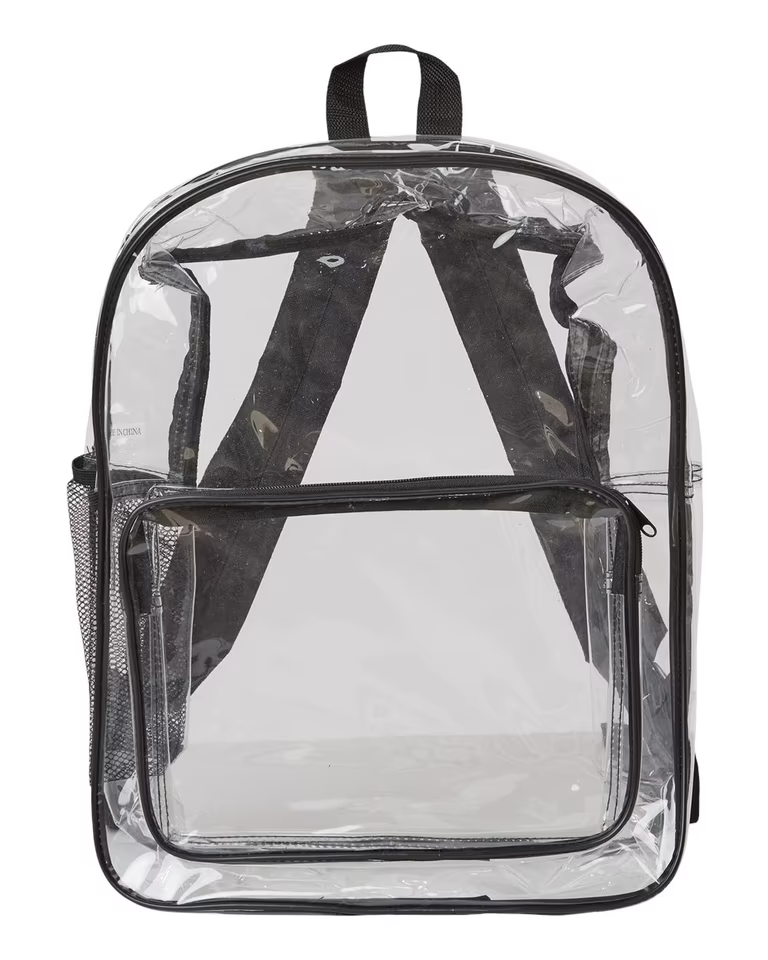
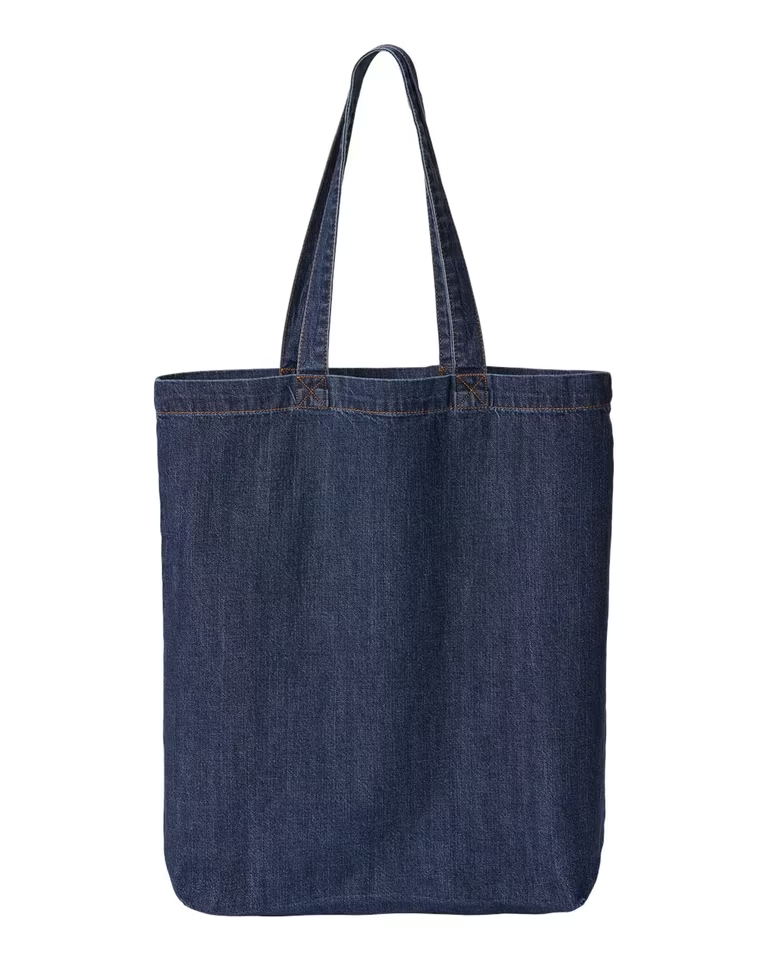
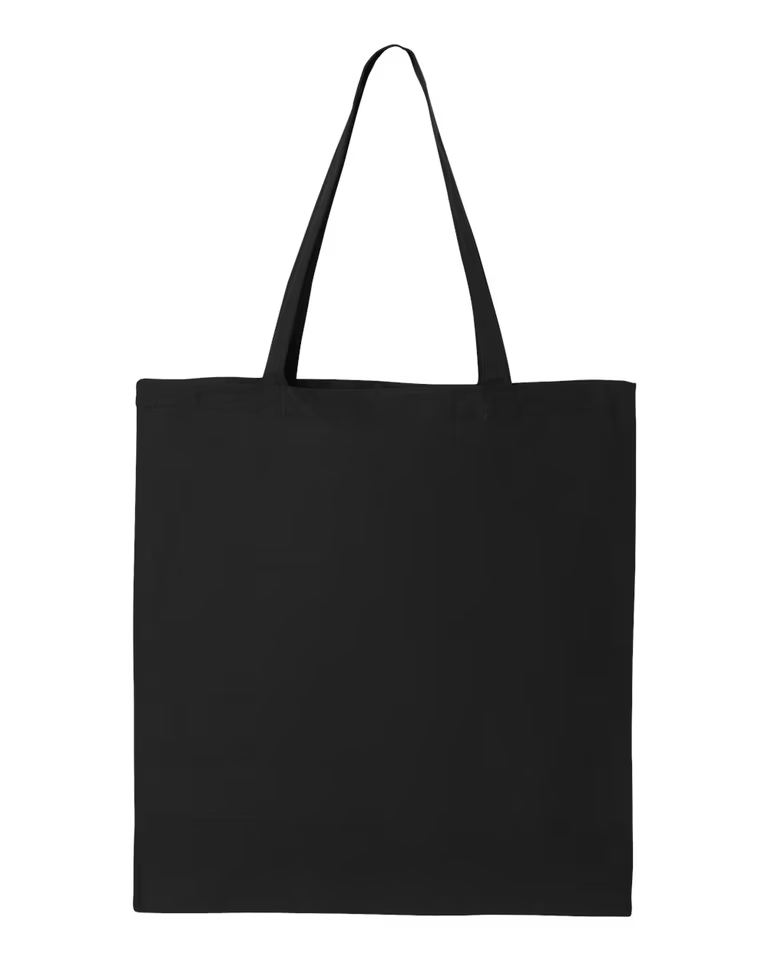
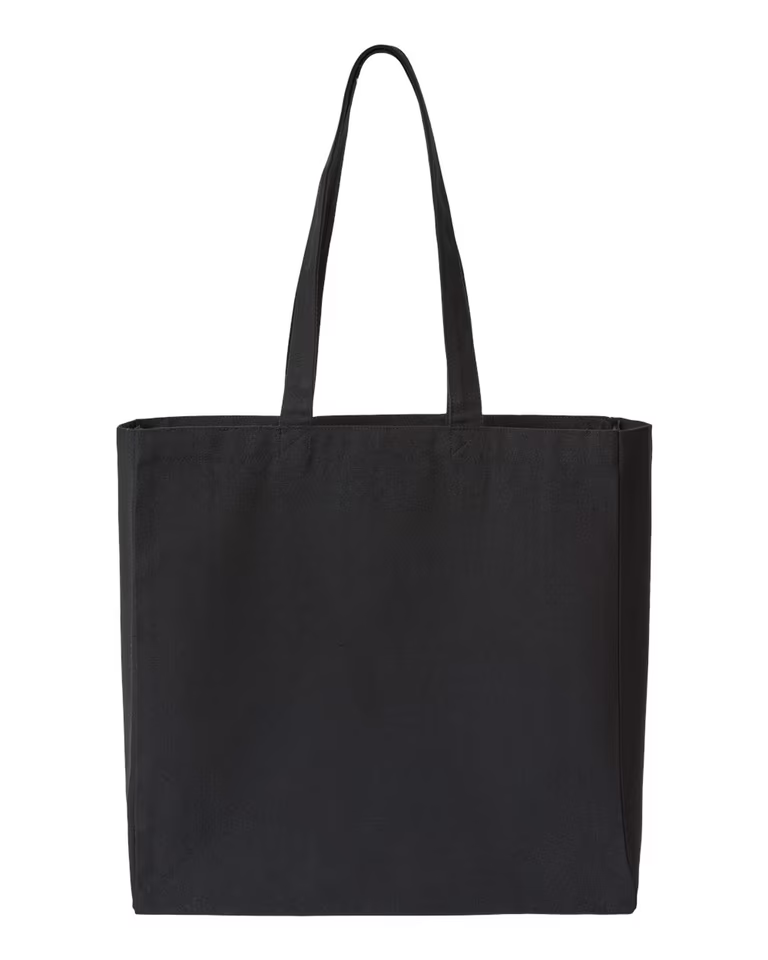
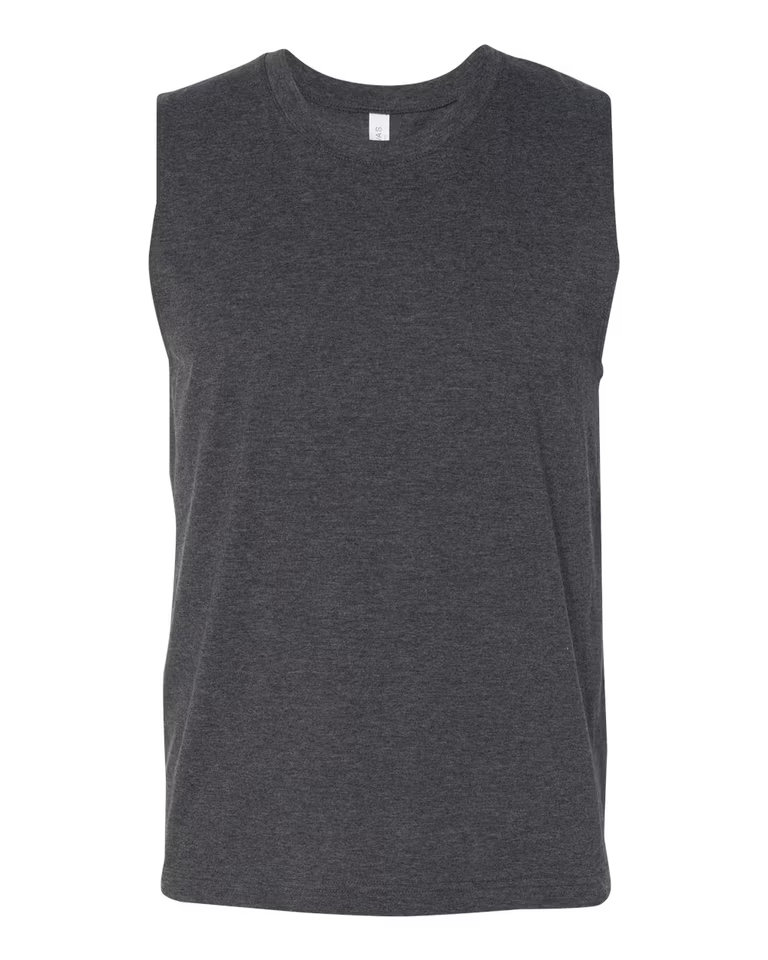
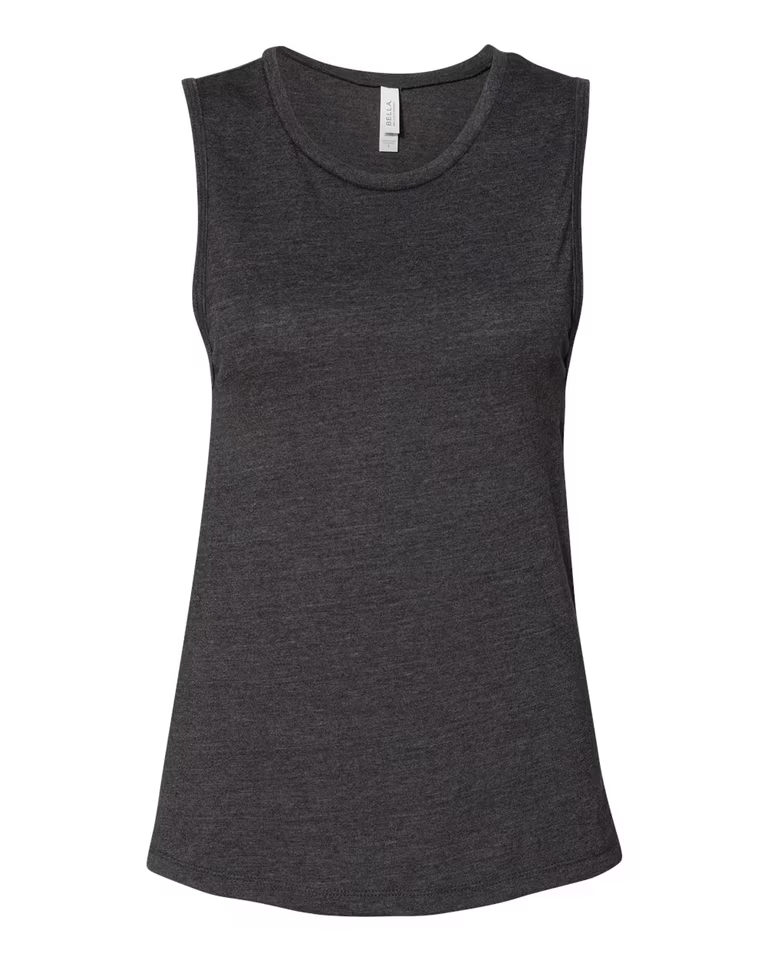
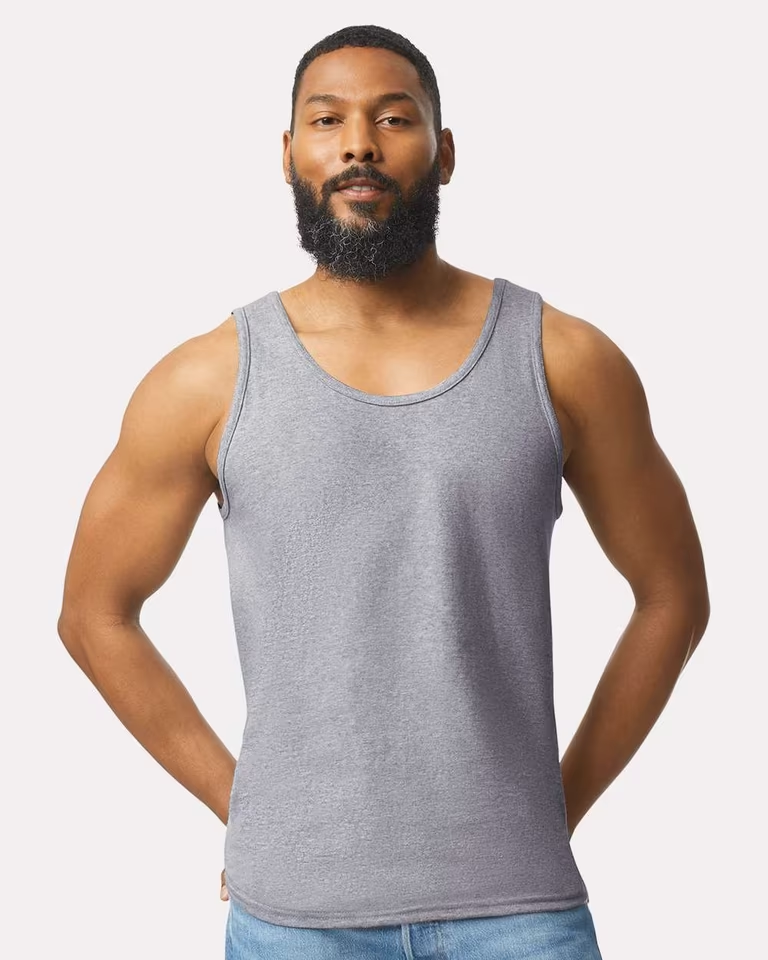
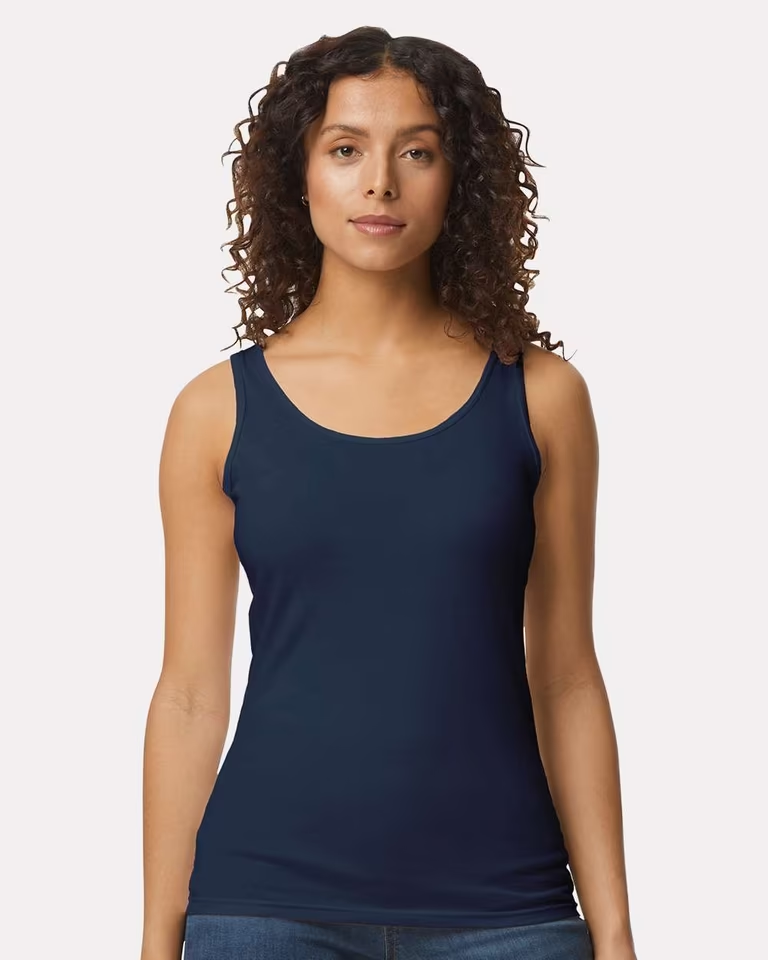
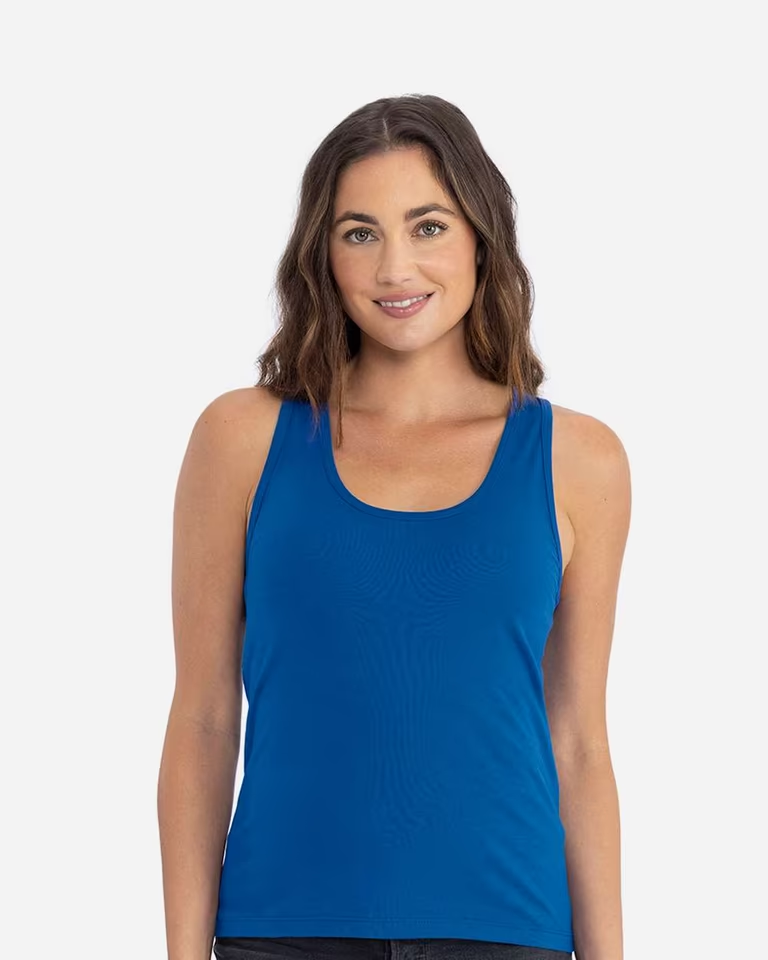
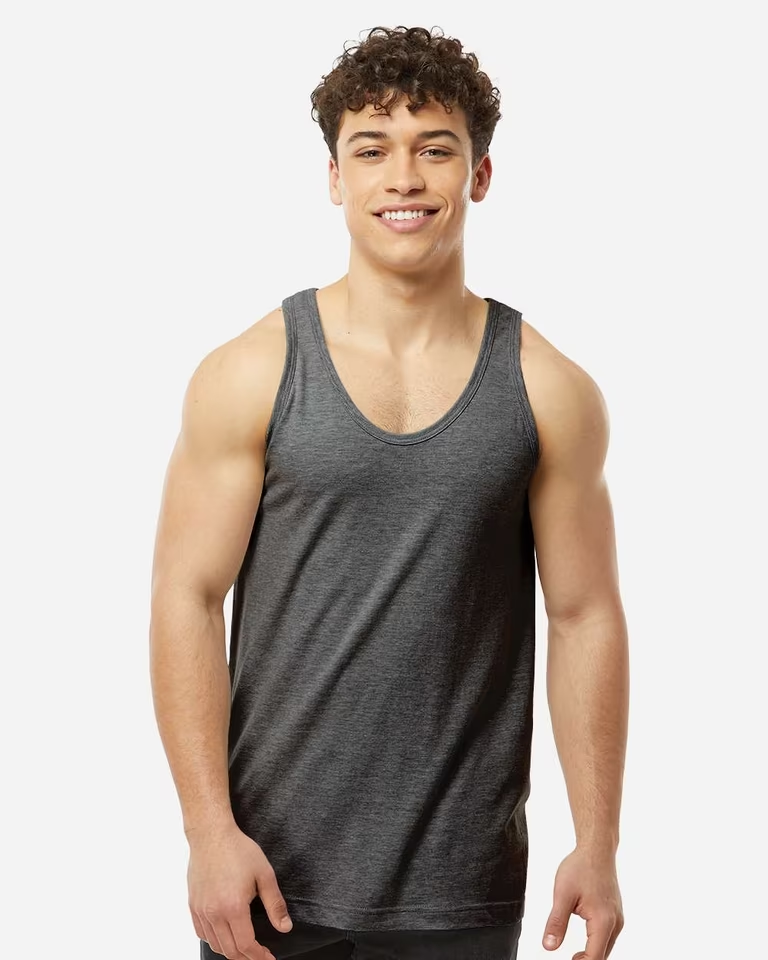
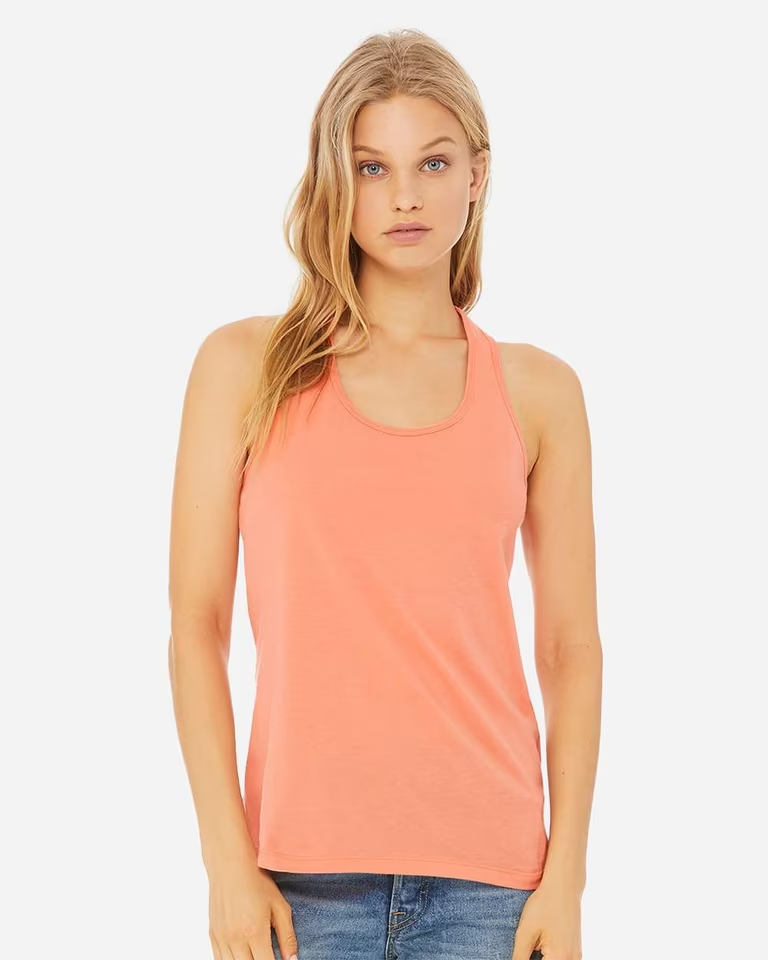
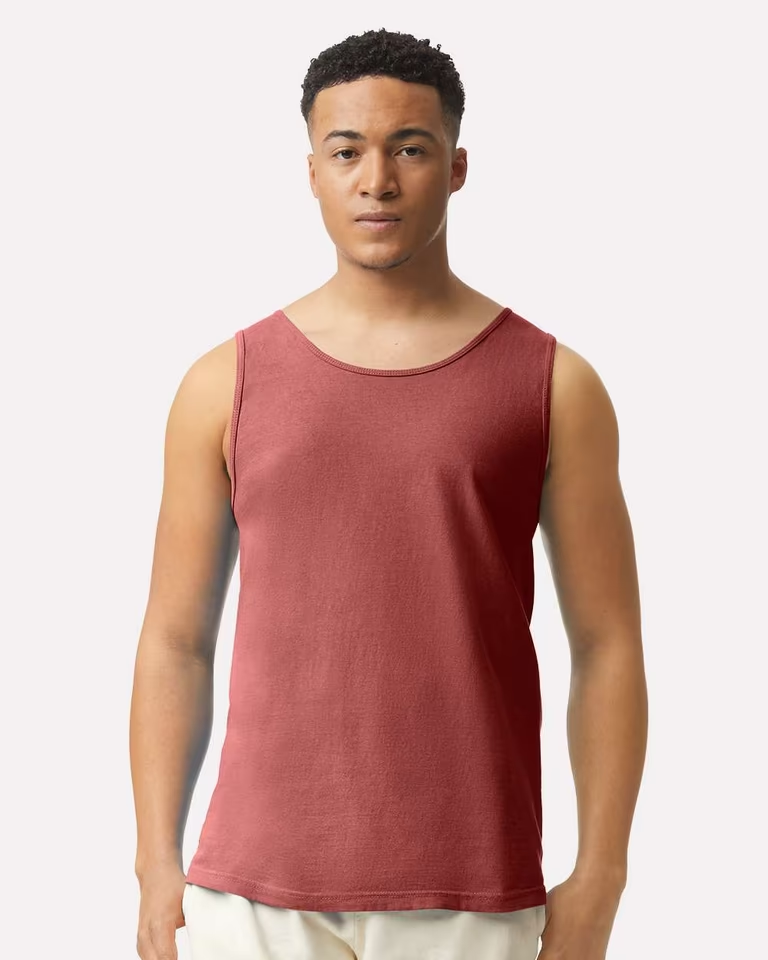
Comfort Colors style number 9360
$10.02
Retail $13.37
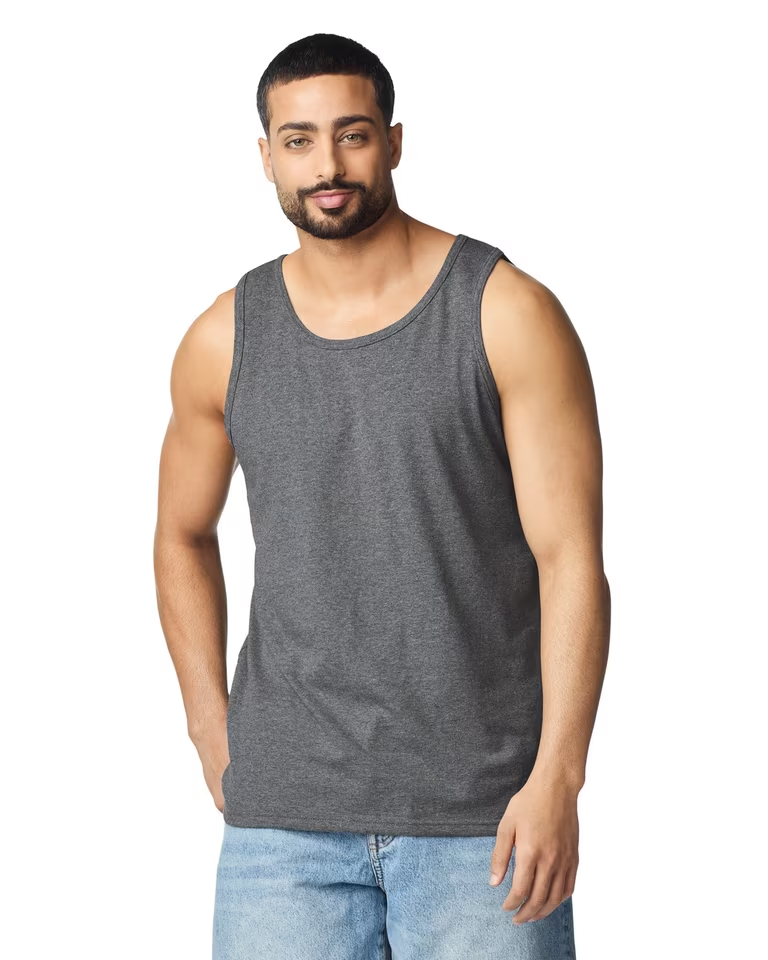
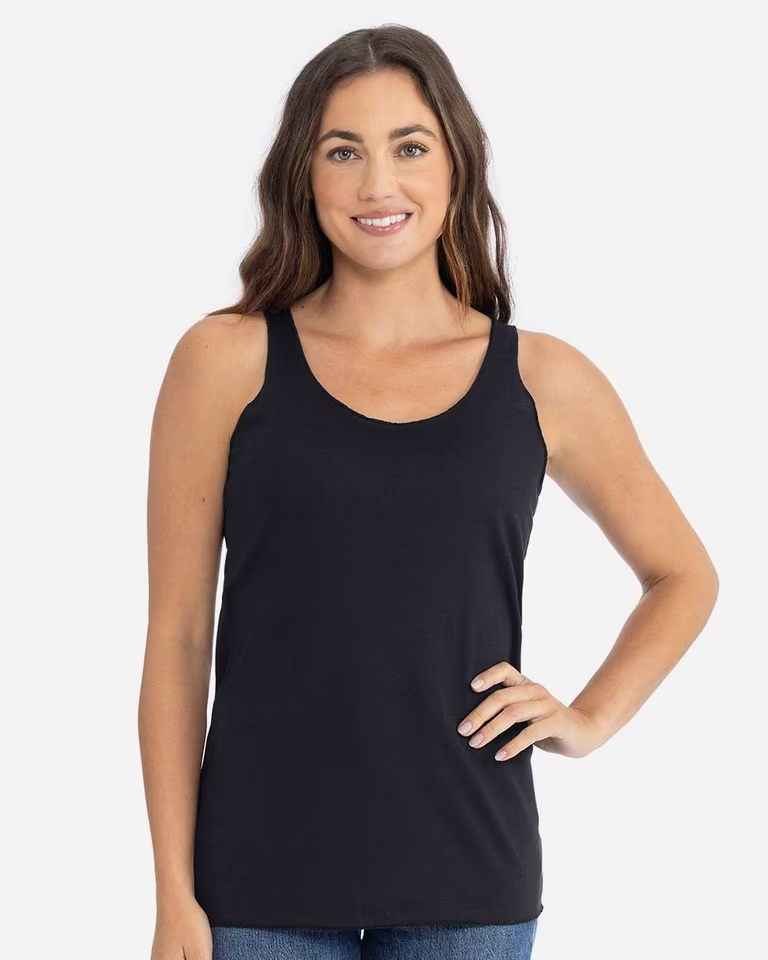
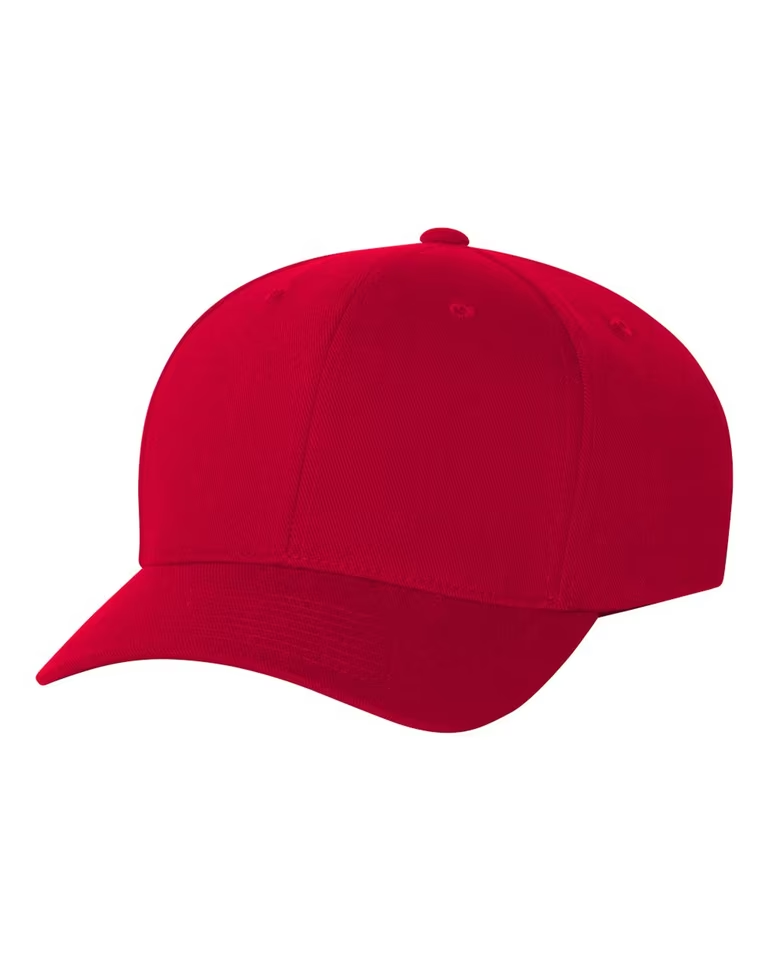
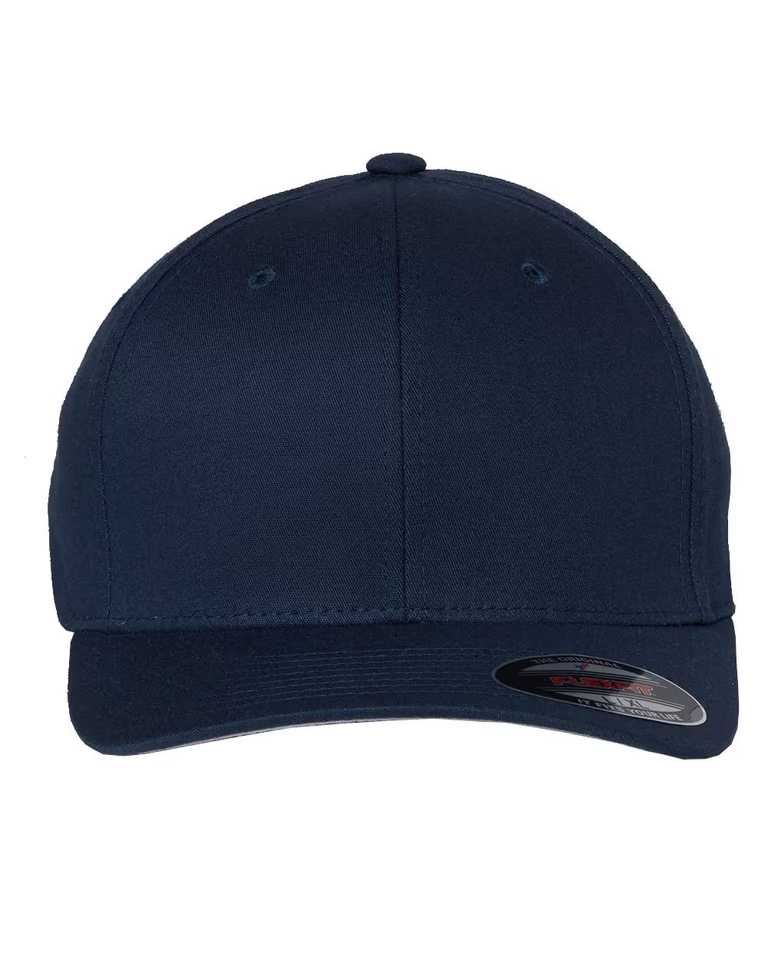
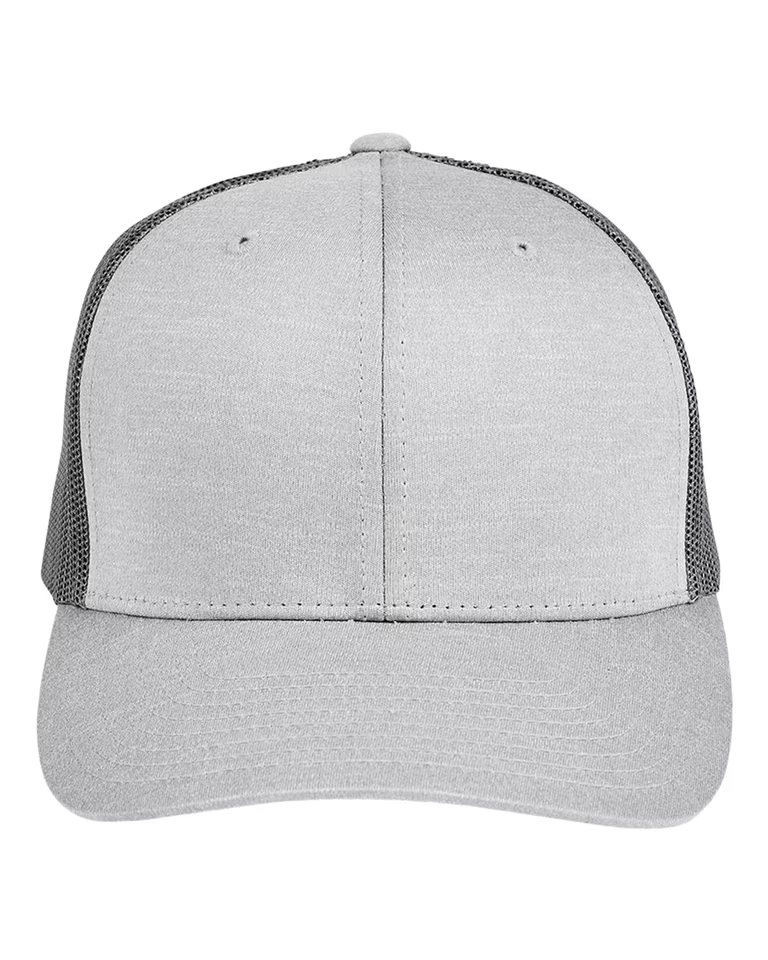
Team 365 style number TT802Y
$11.12
Retail $13.90
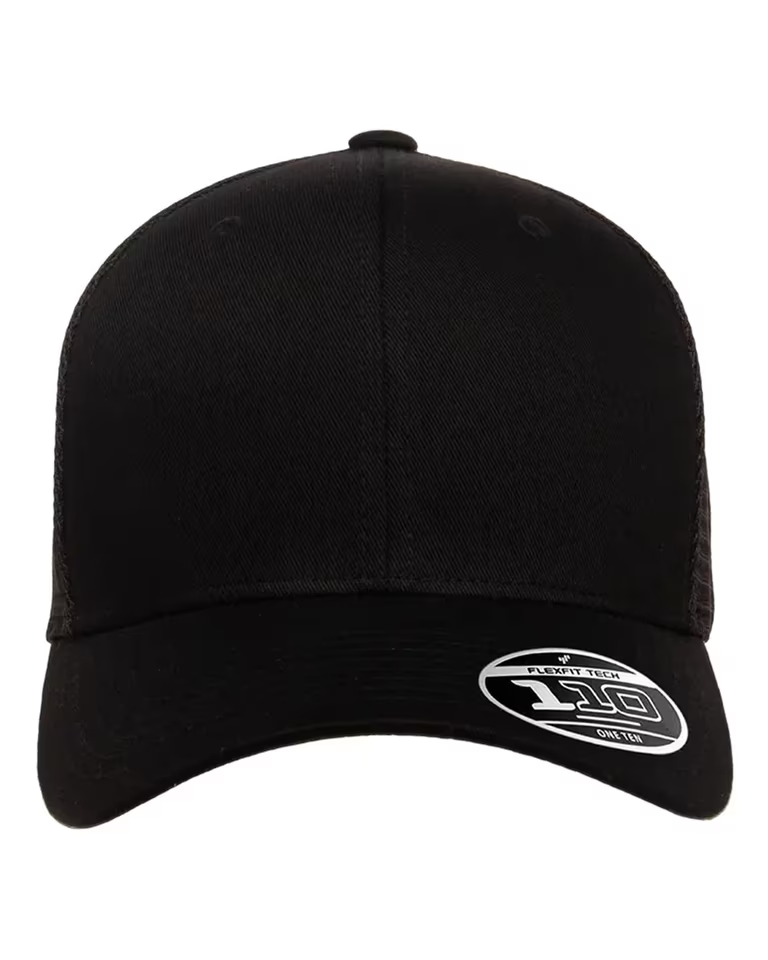
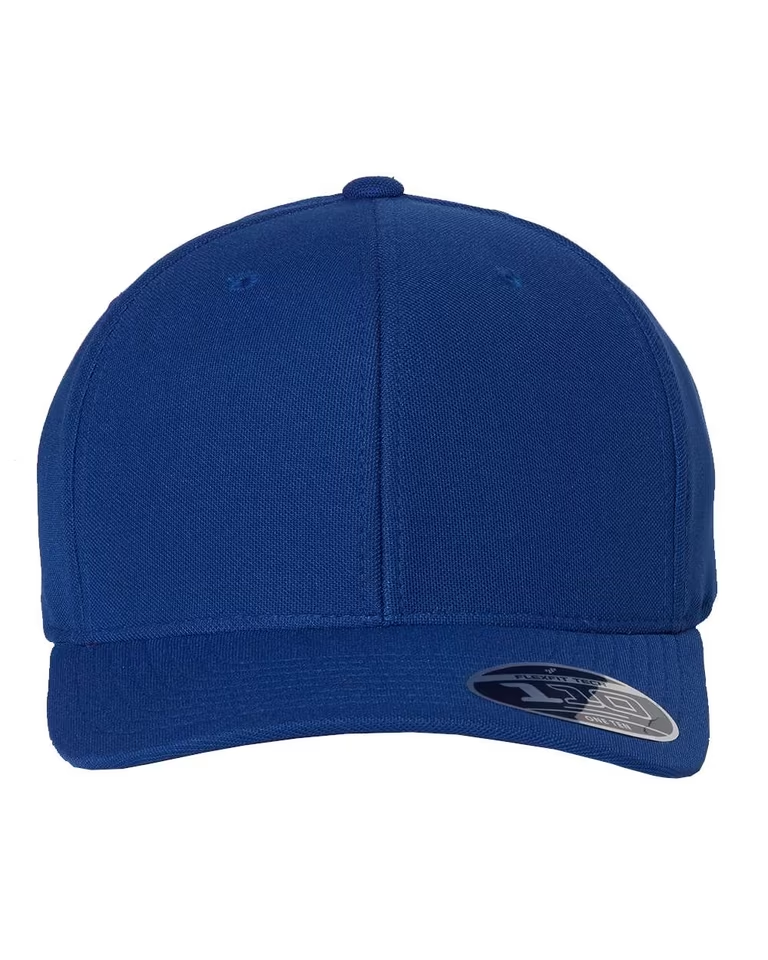
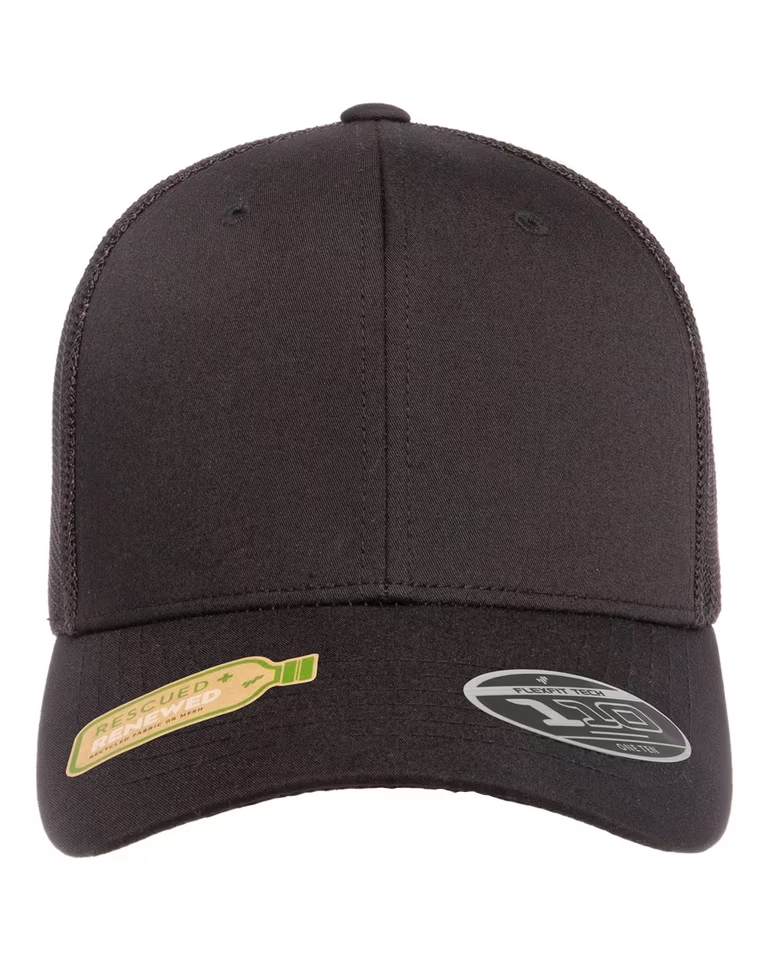
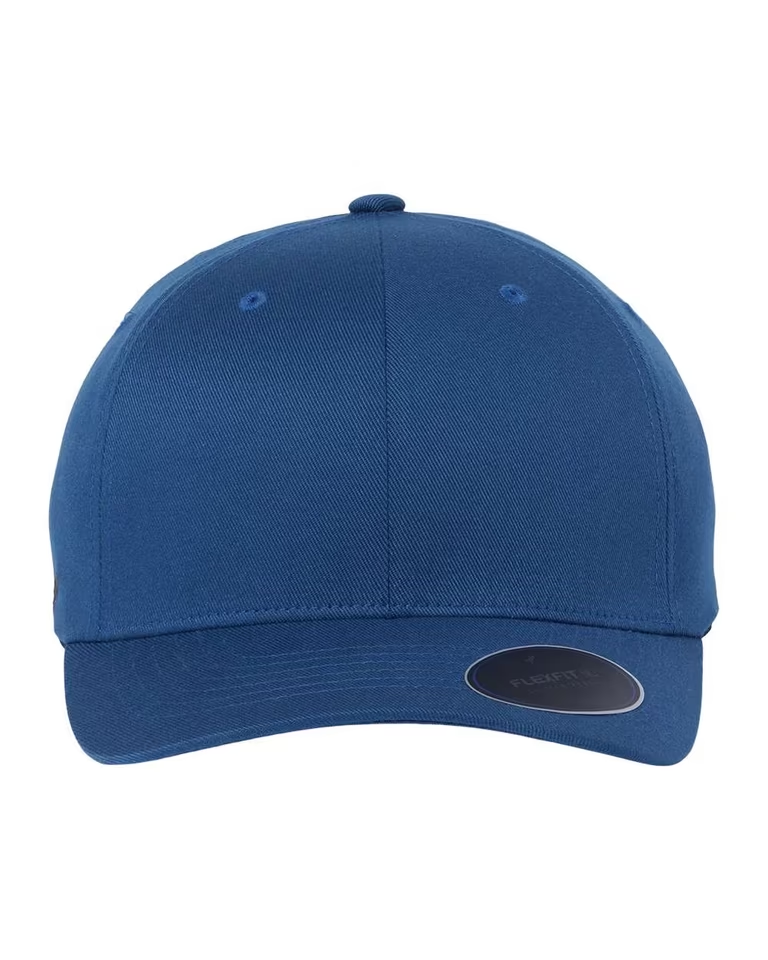
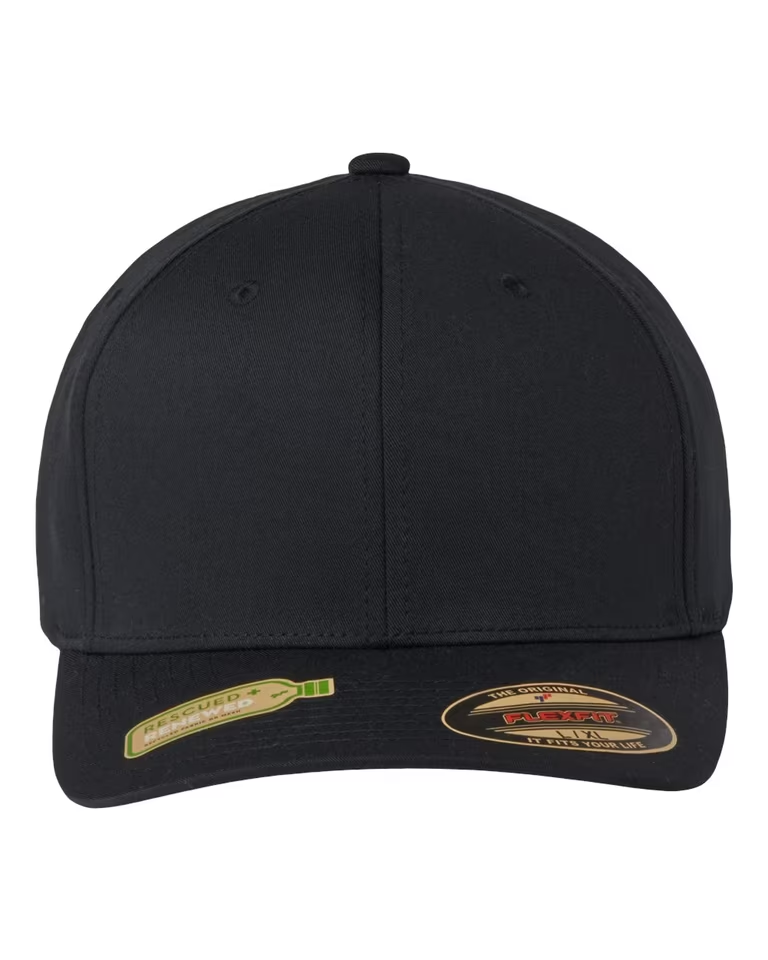
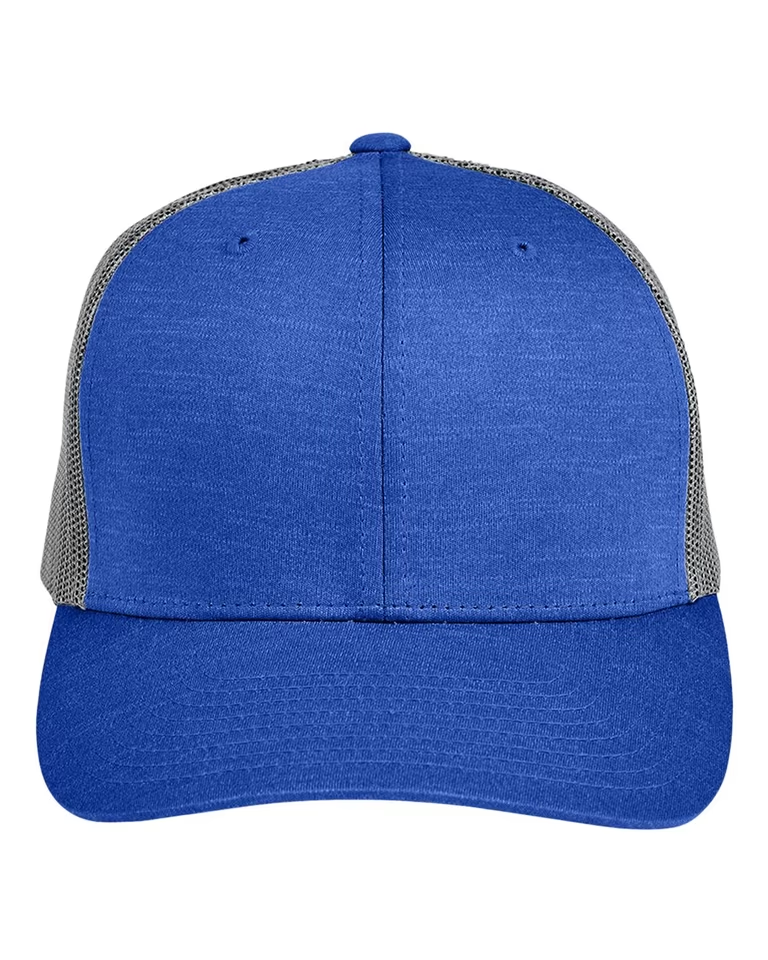
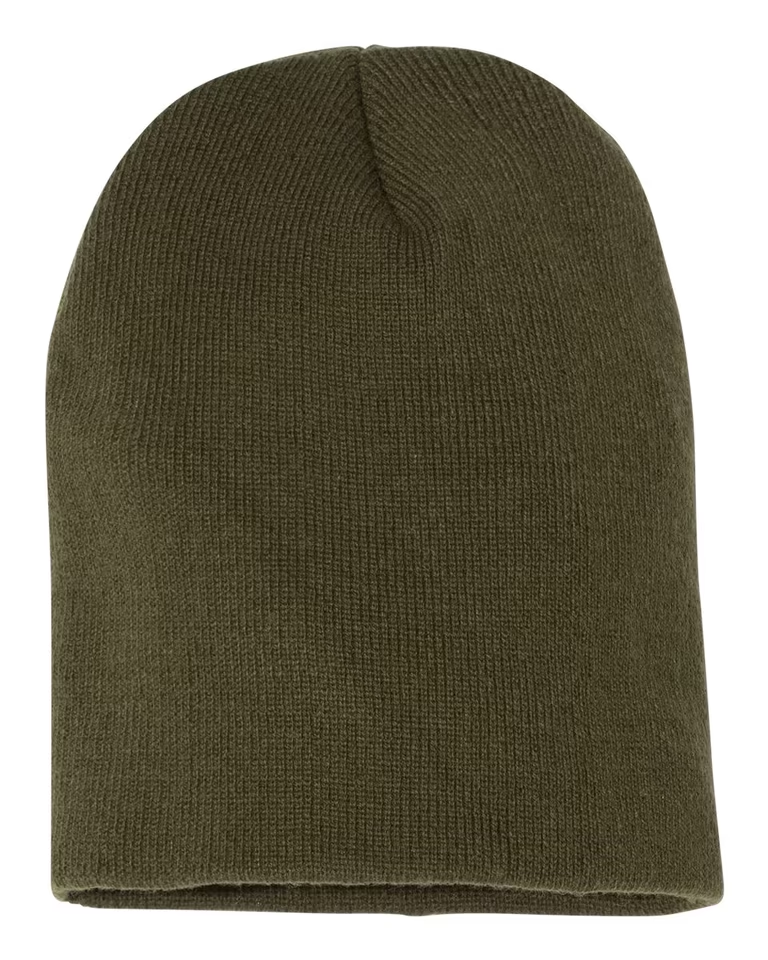
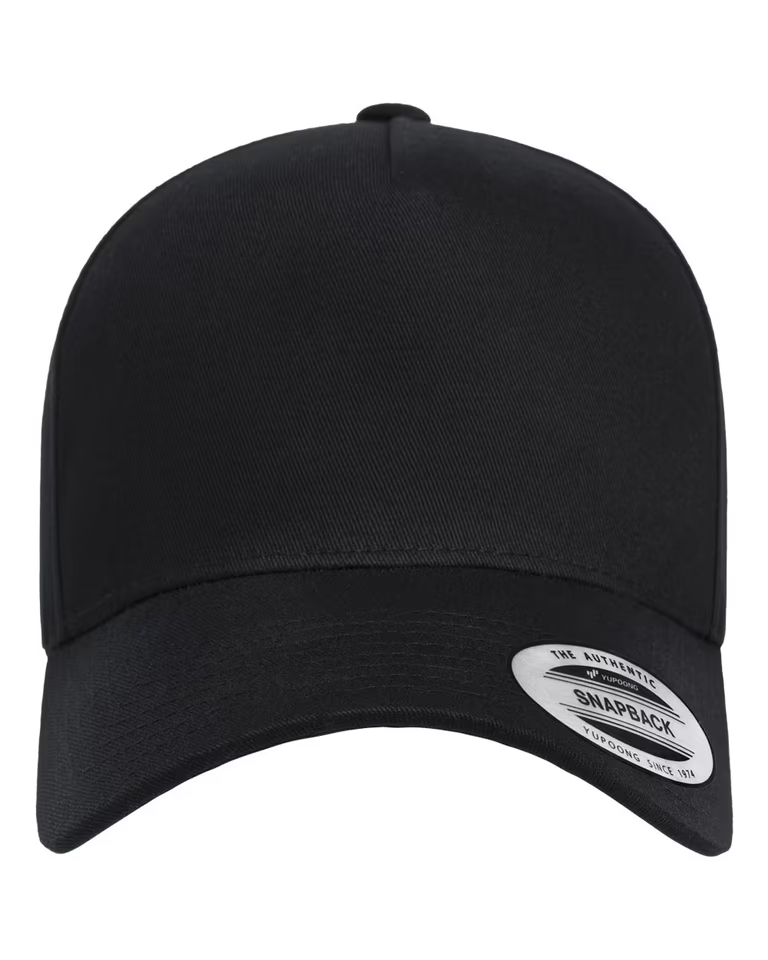
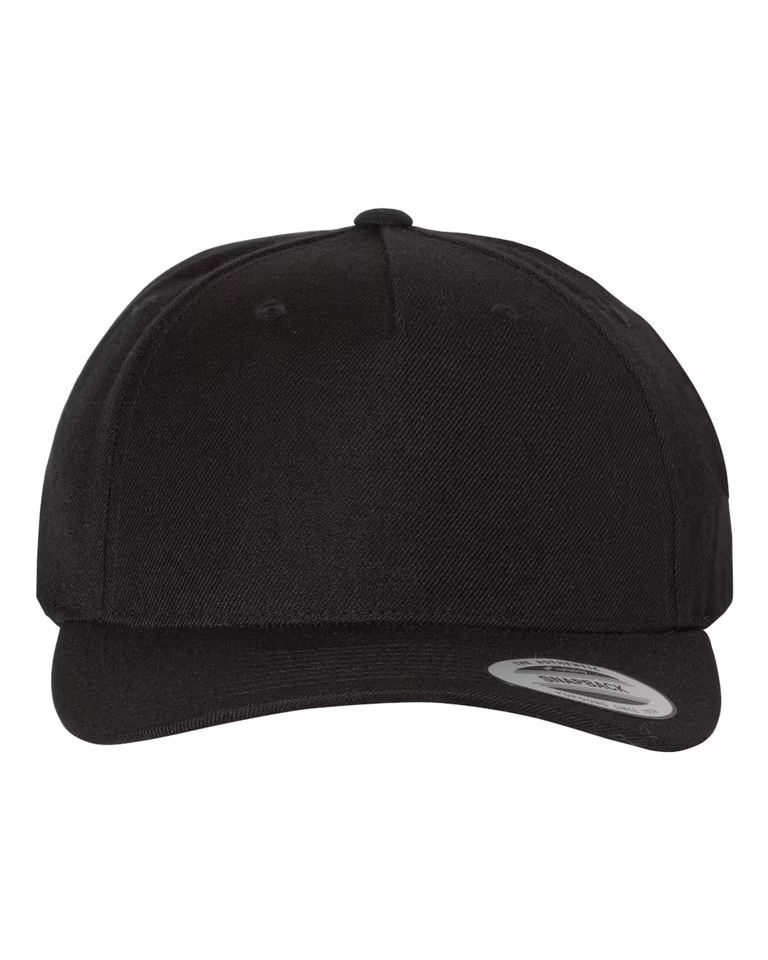
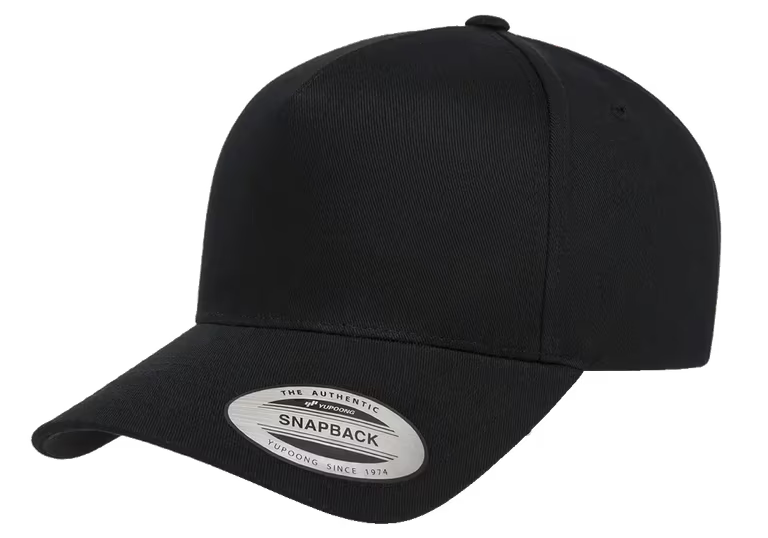
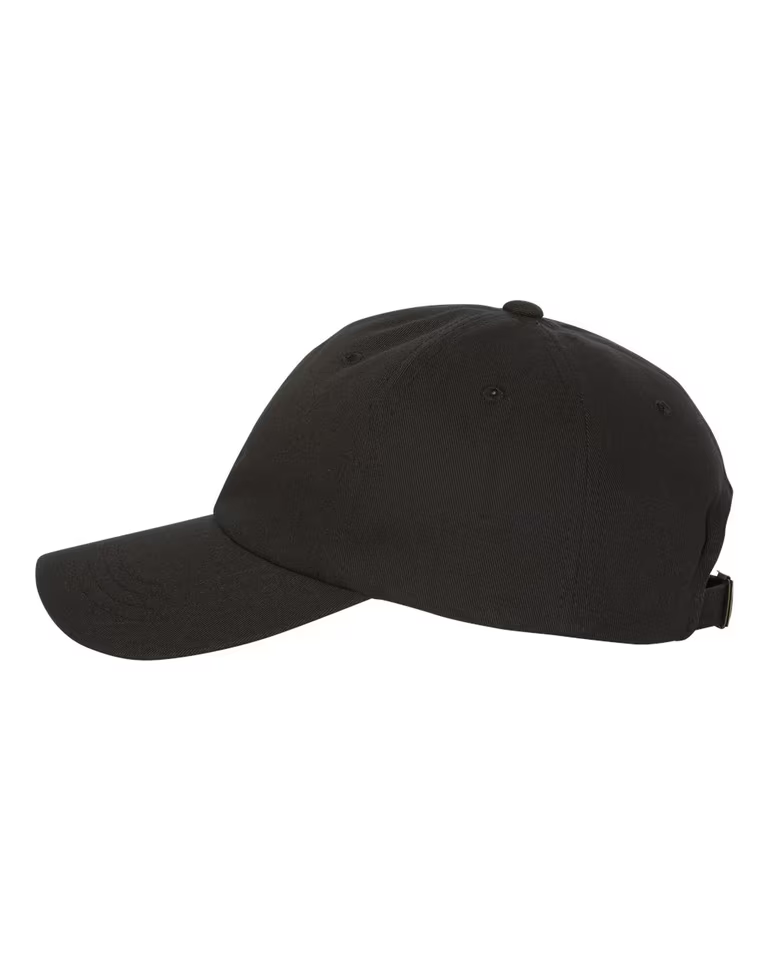
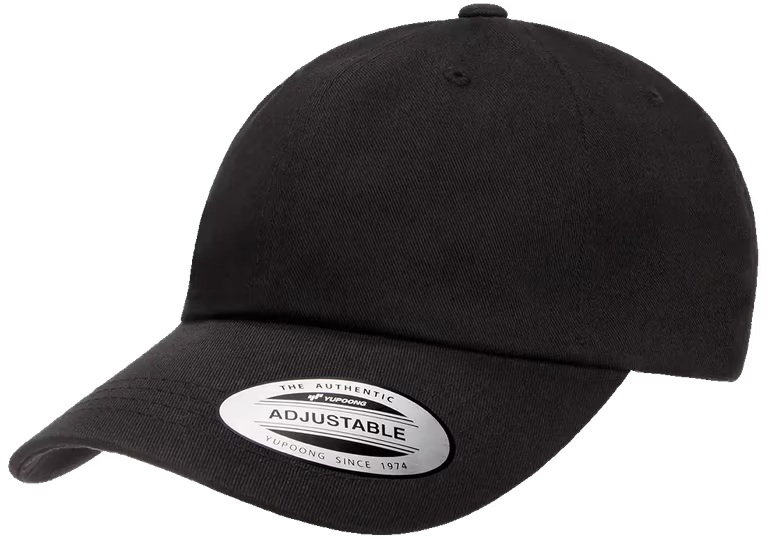
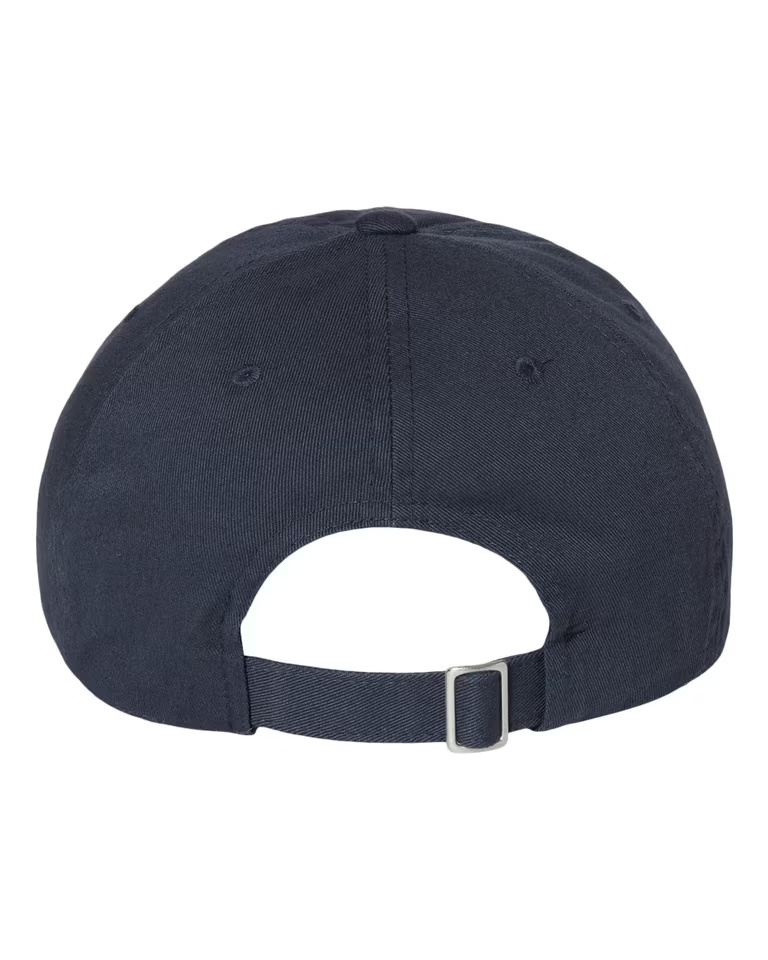
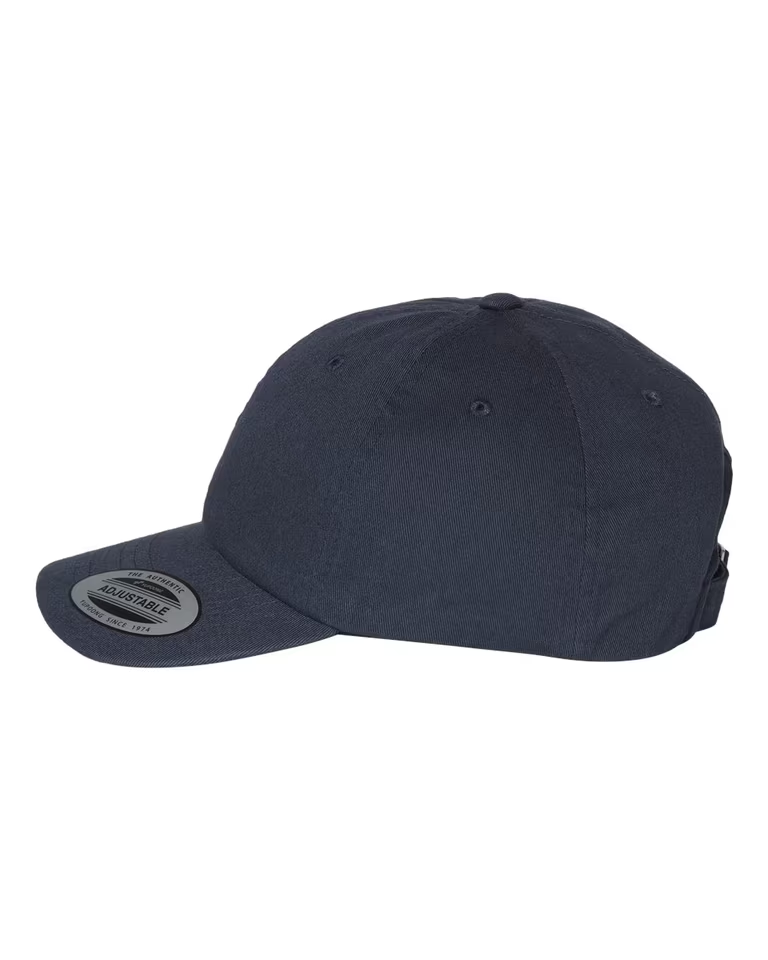
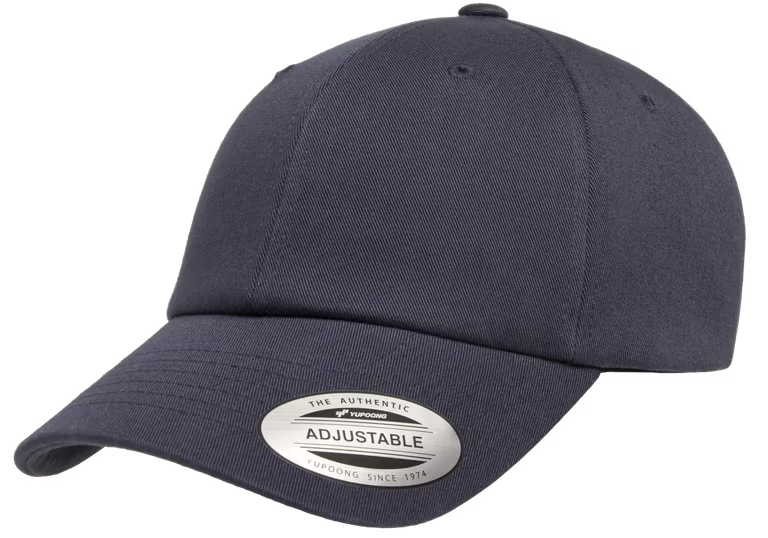
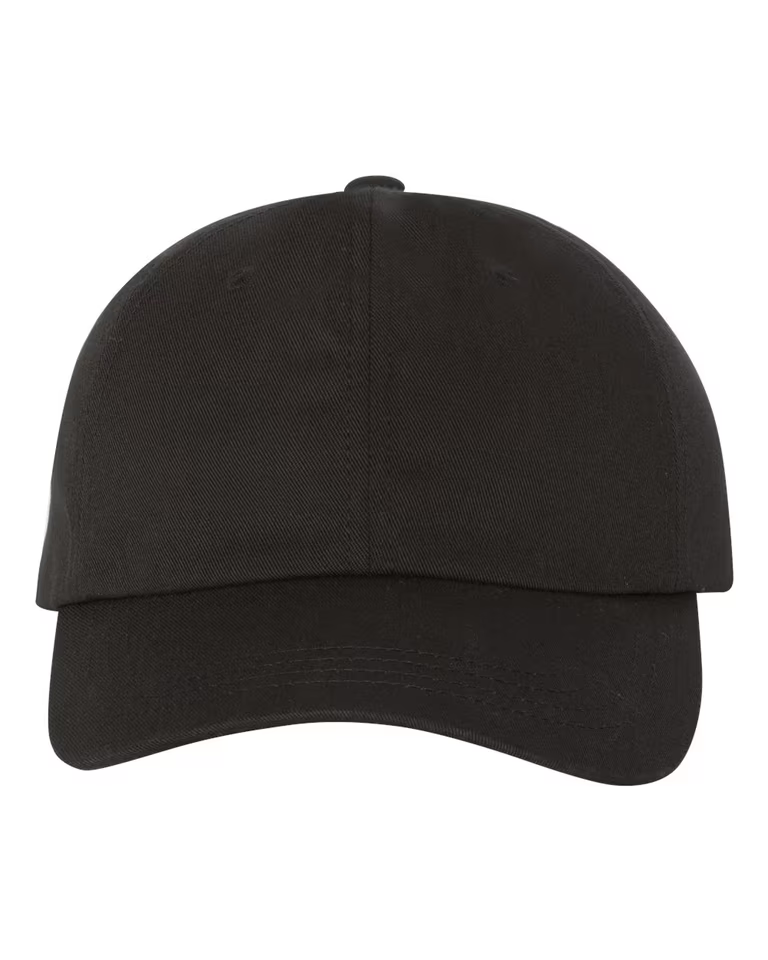
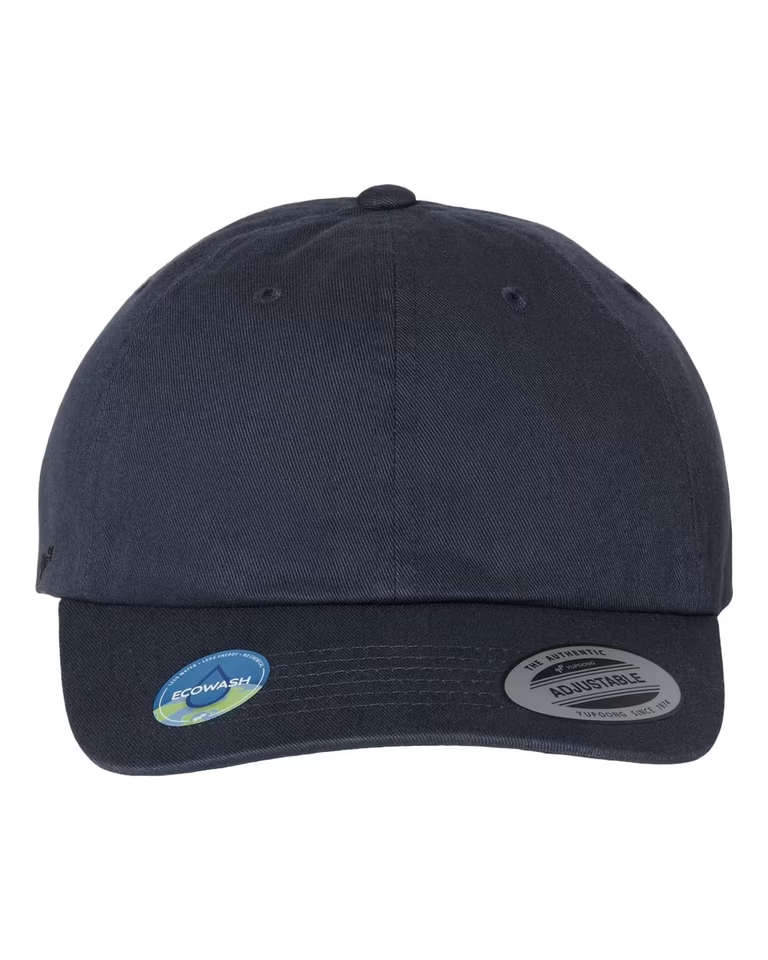
Yupoong style number 5789M
$10.67
Retail $14.21
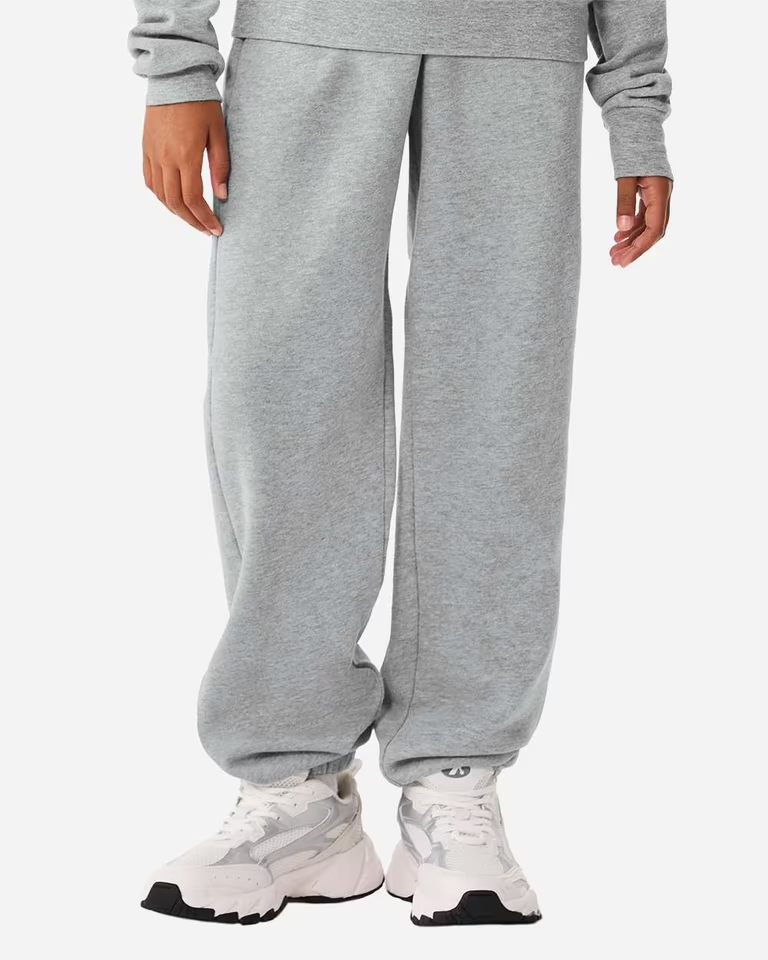
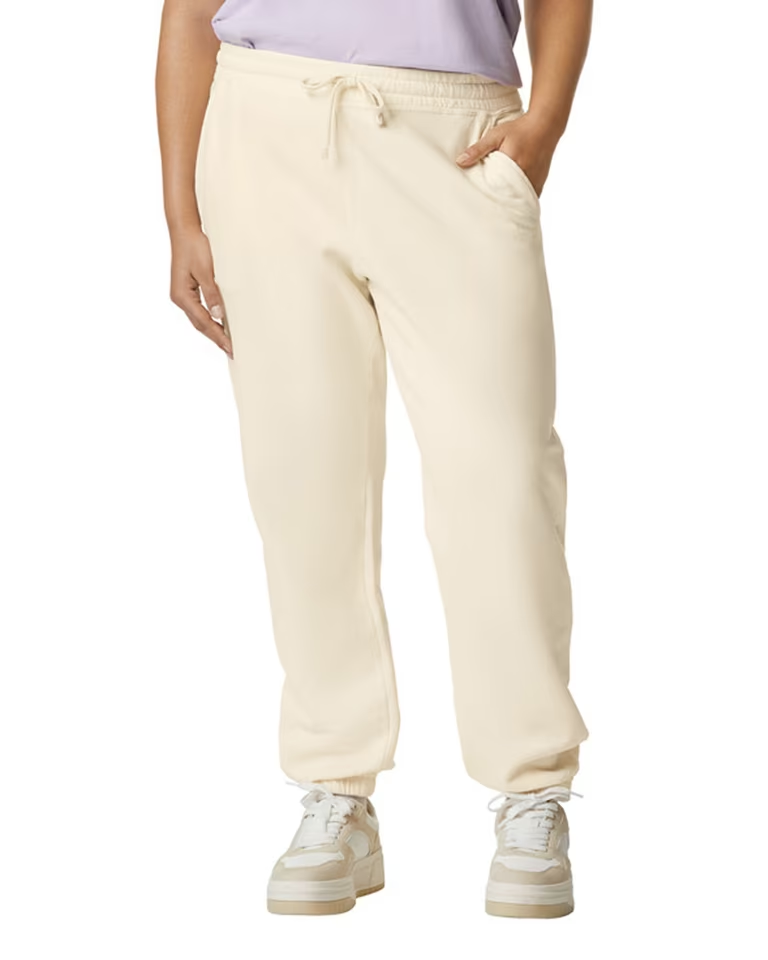
Comfort Colors style number 1469
$28.95
Retail $38.60
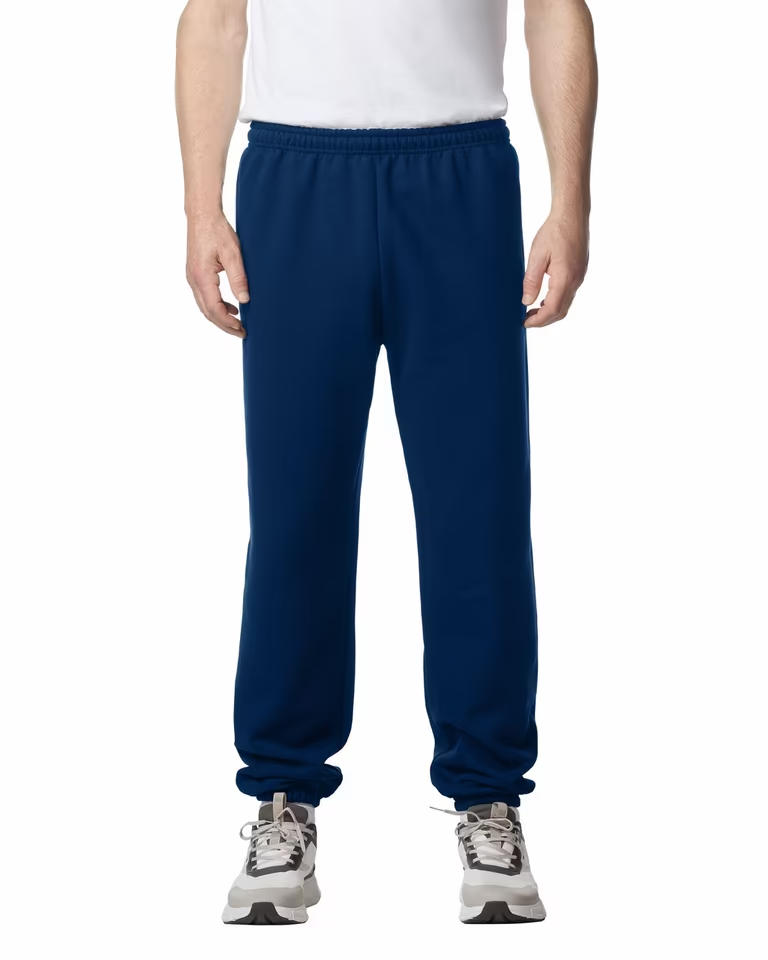
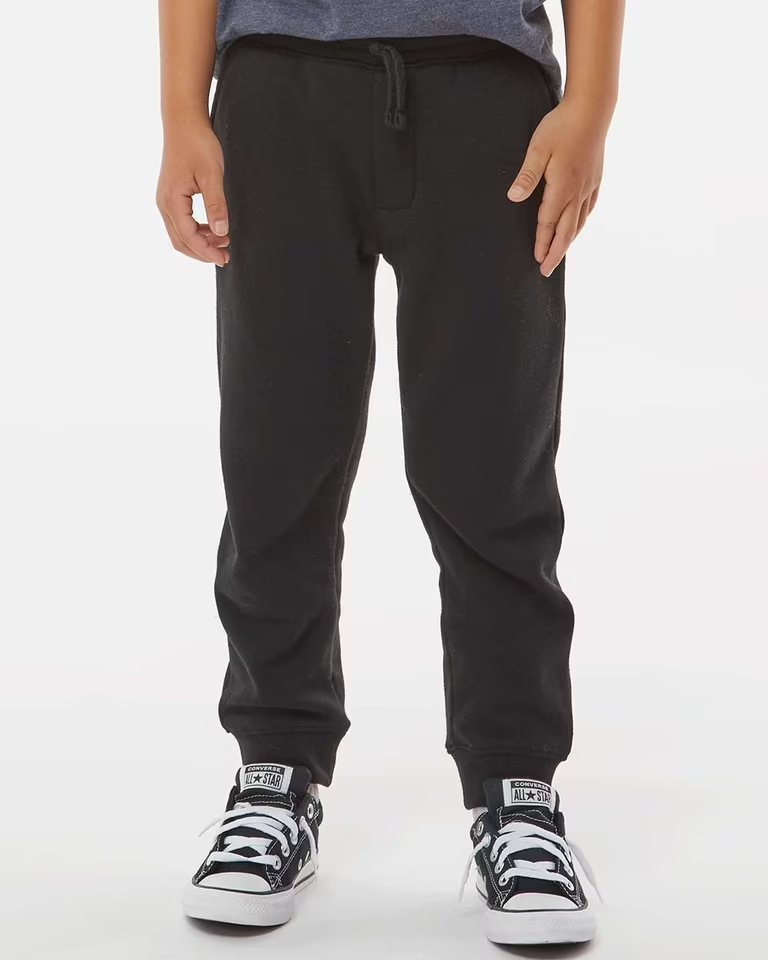
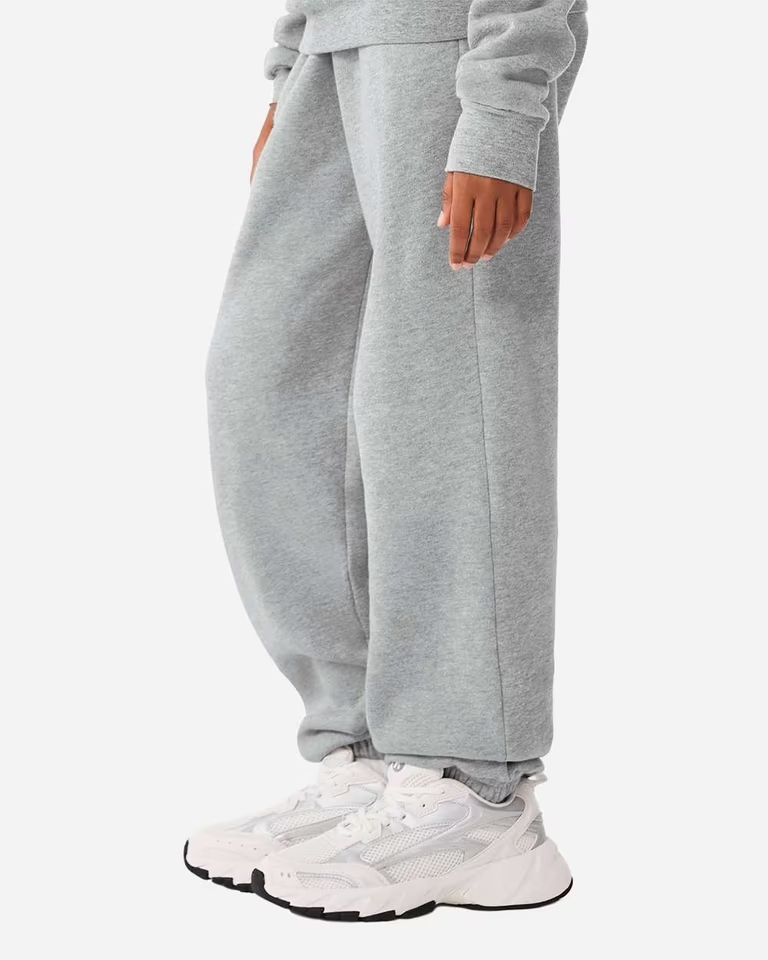
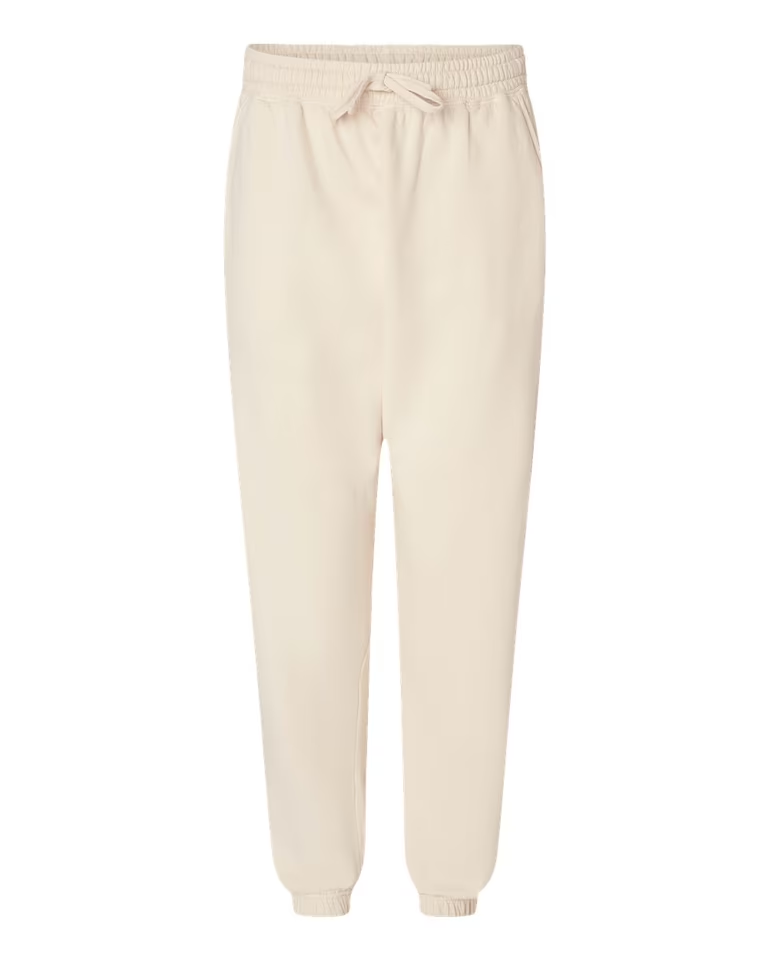
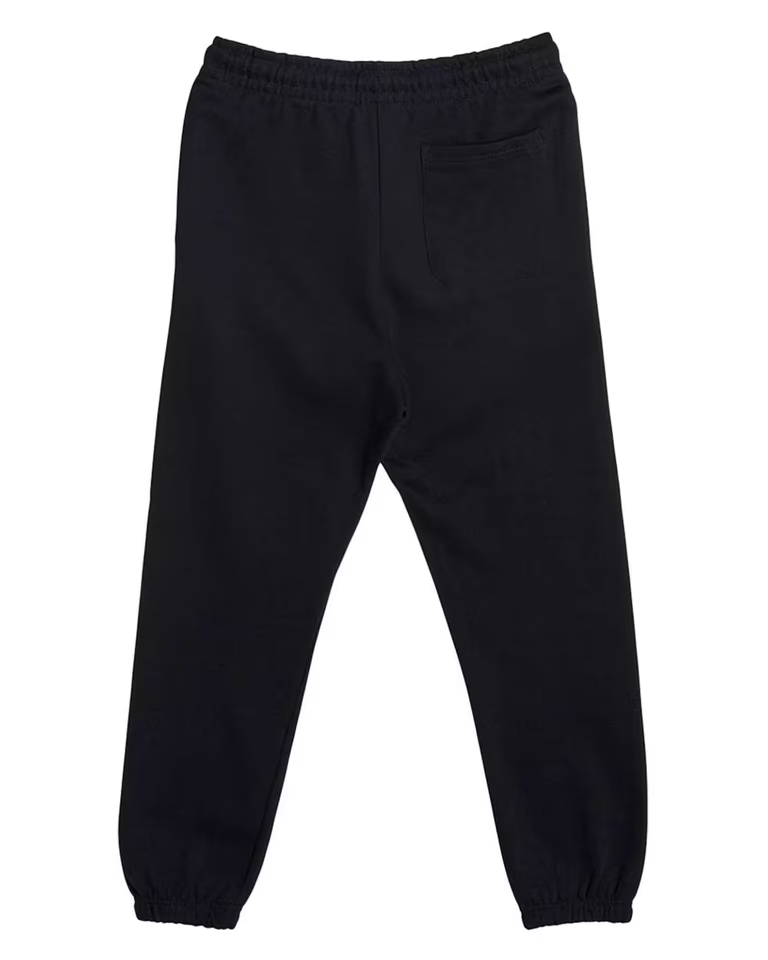
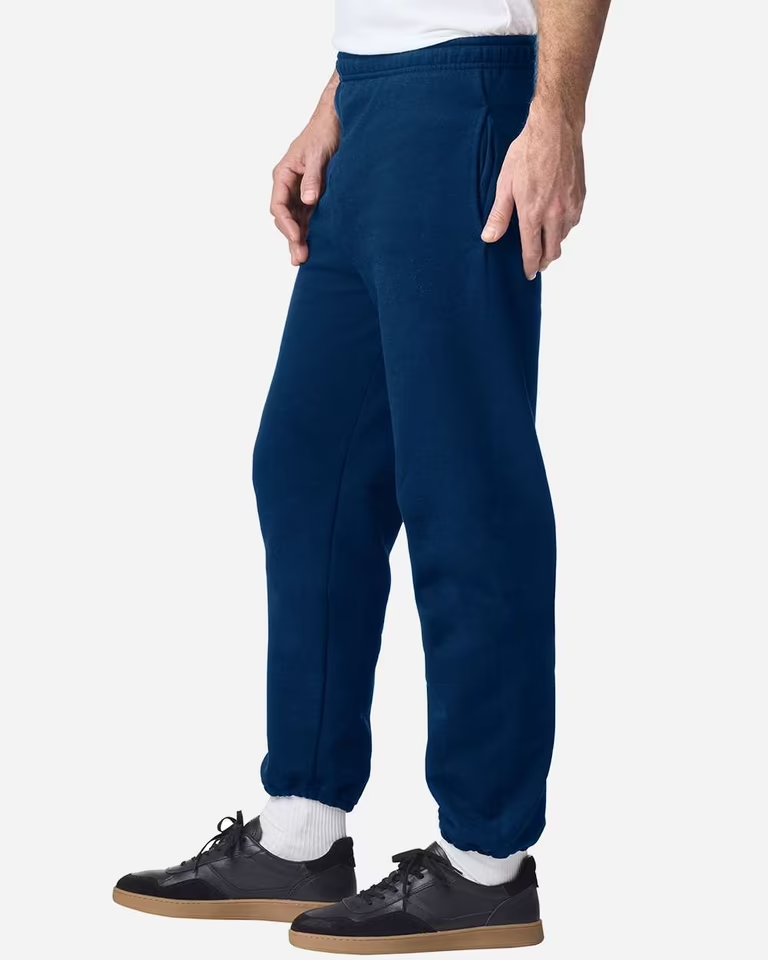
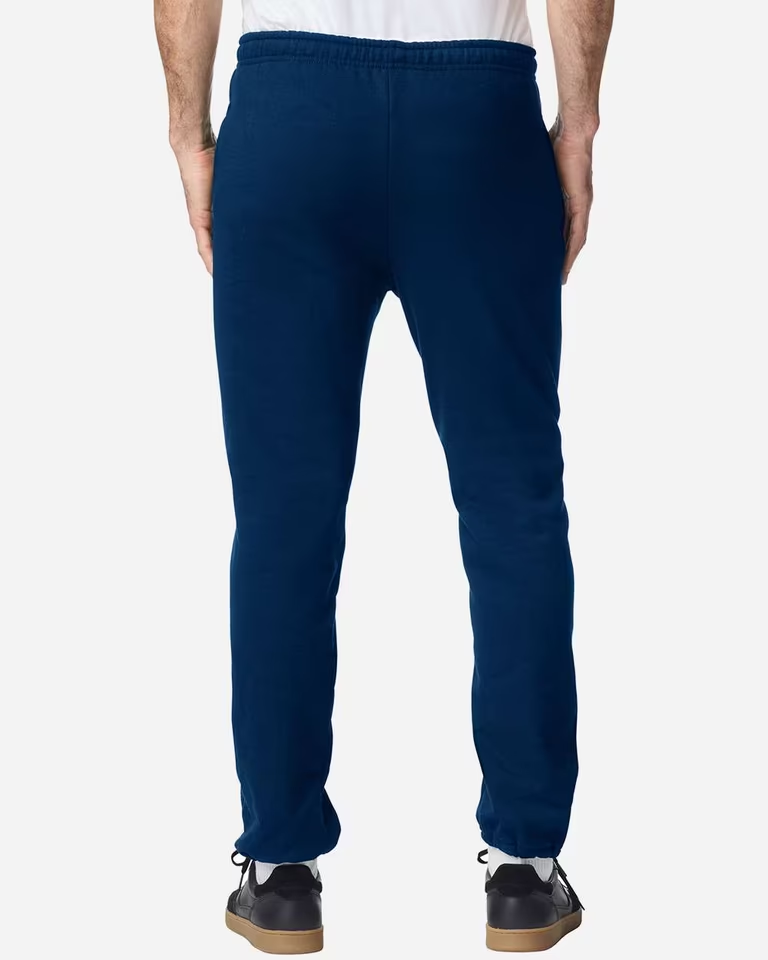
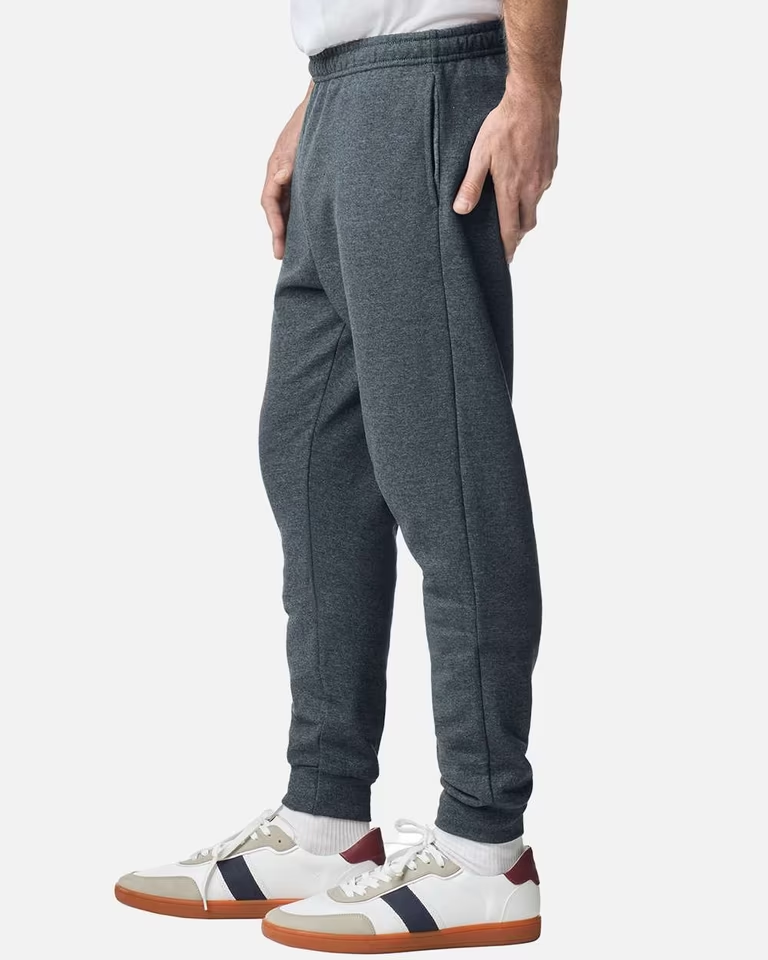
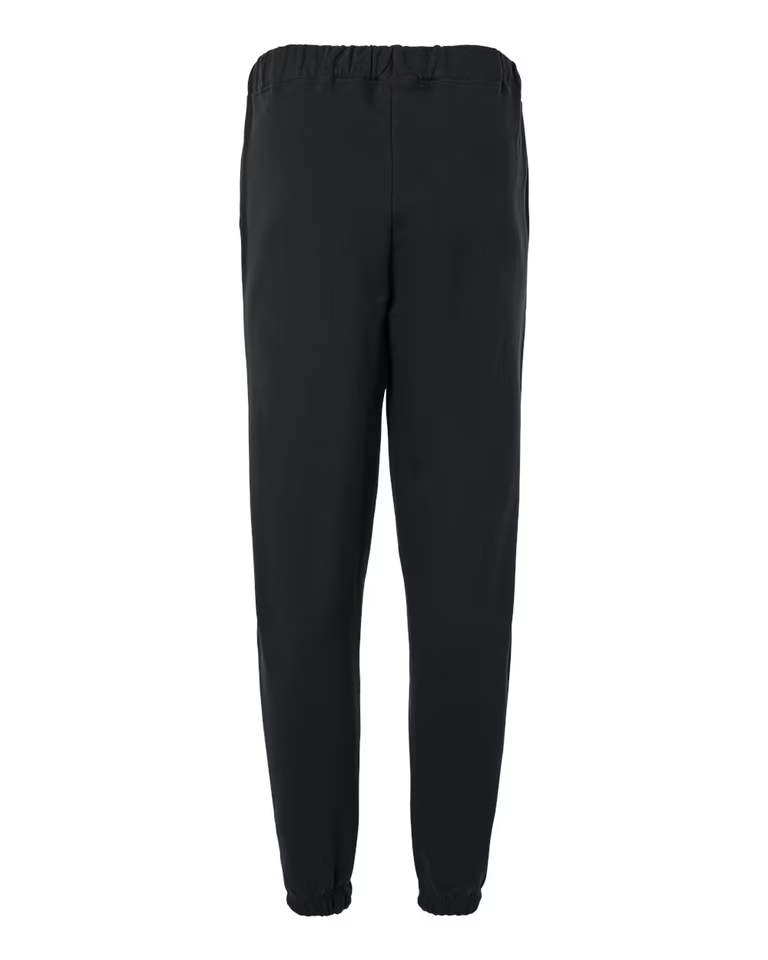
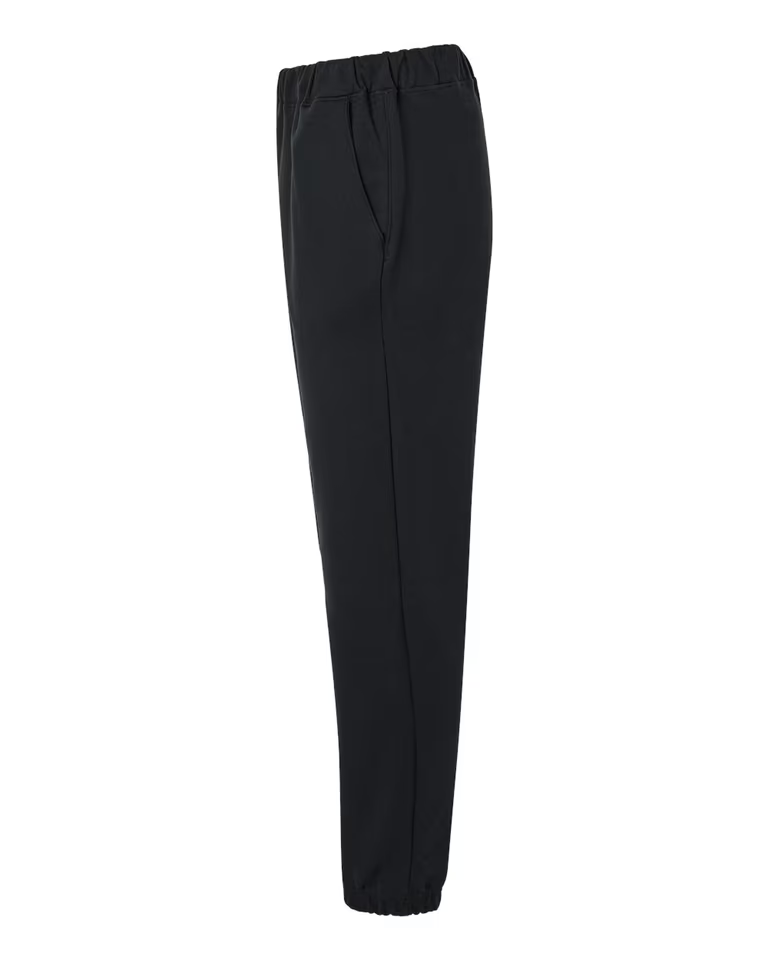
Independent Trading style number PRM16PNT
$18.17
Retail $24.22
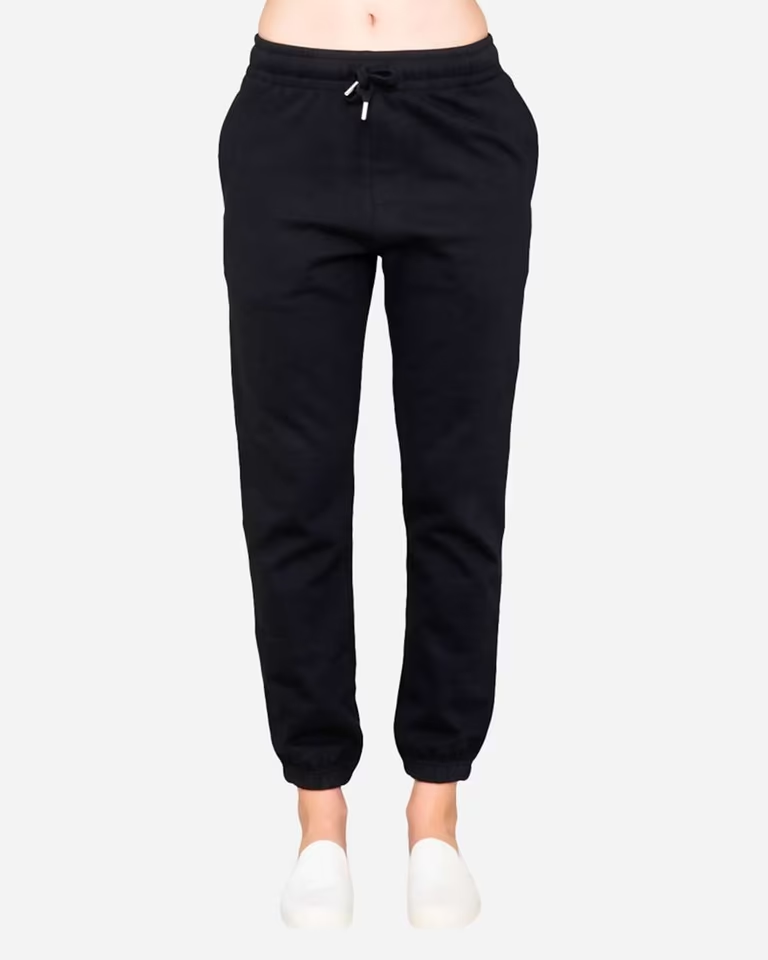
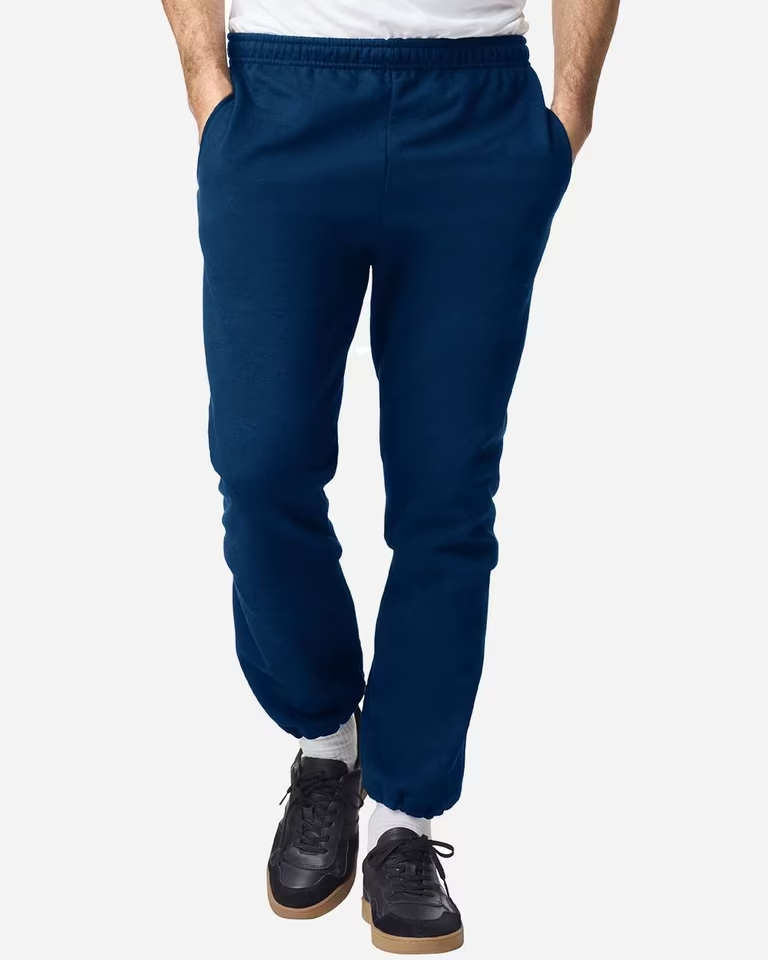
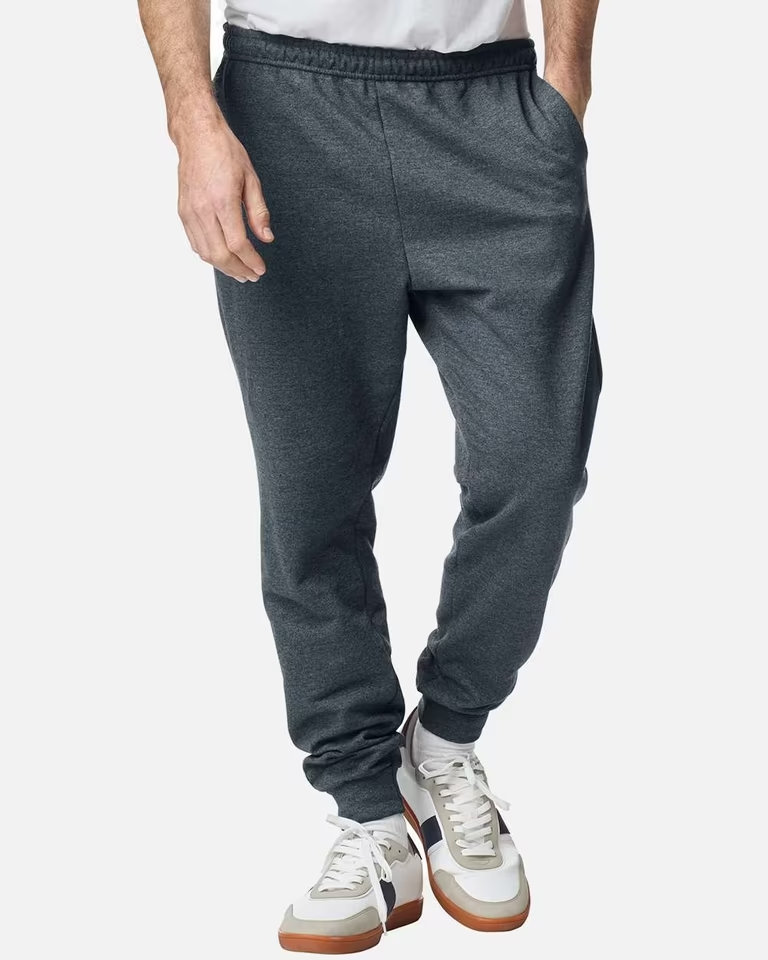
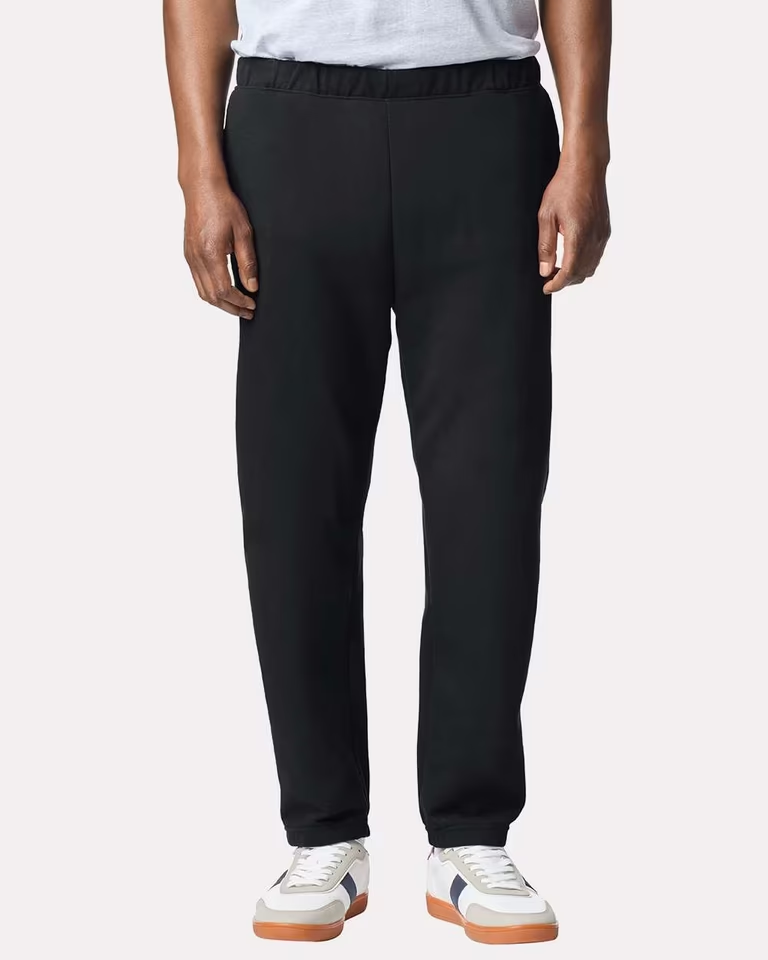
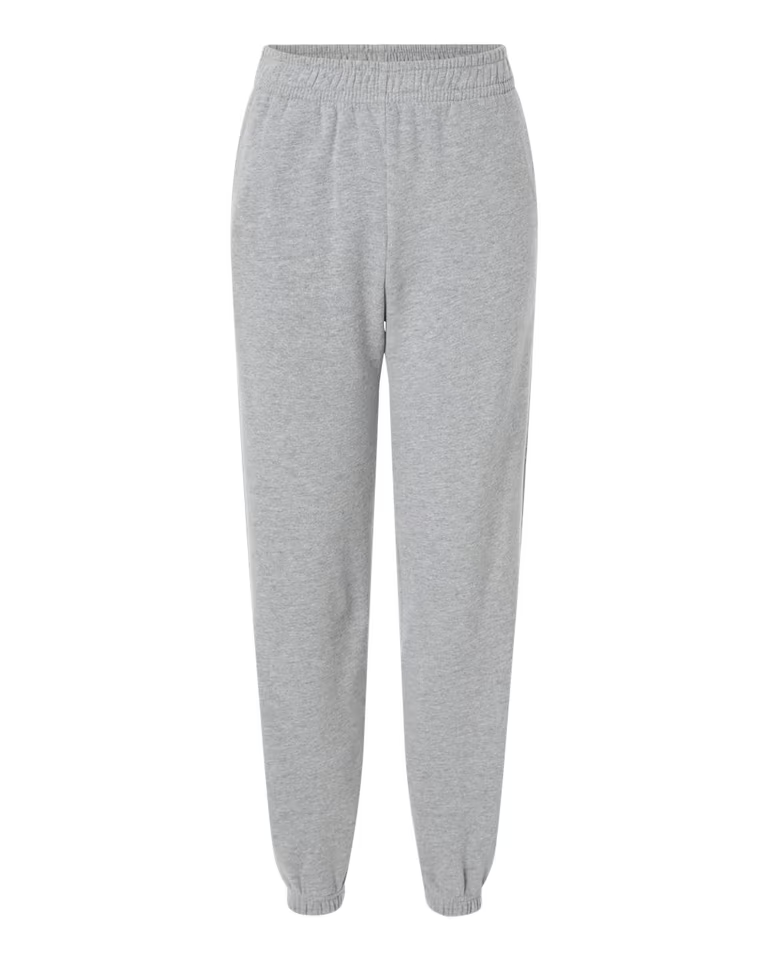
Gildan style number SF100
$23.16
Retail $30.88
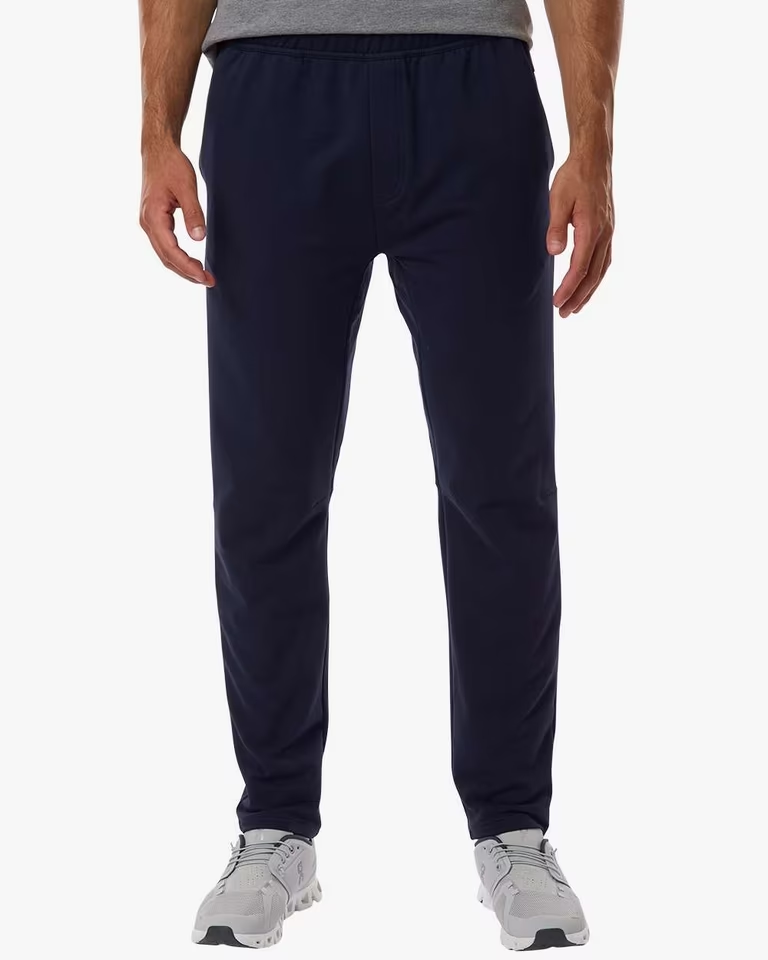
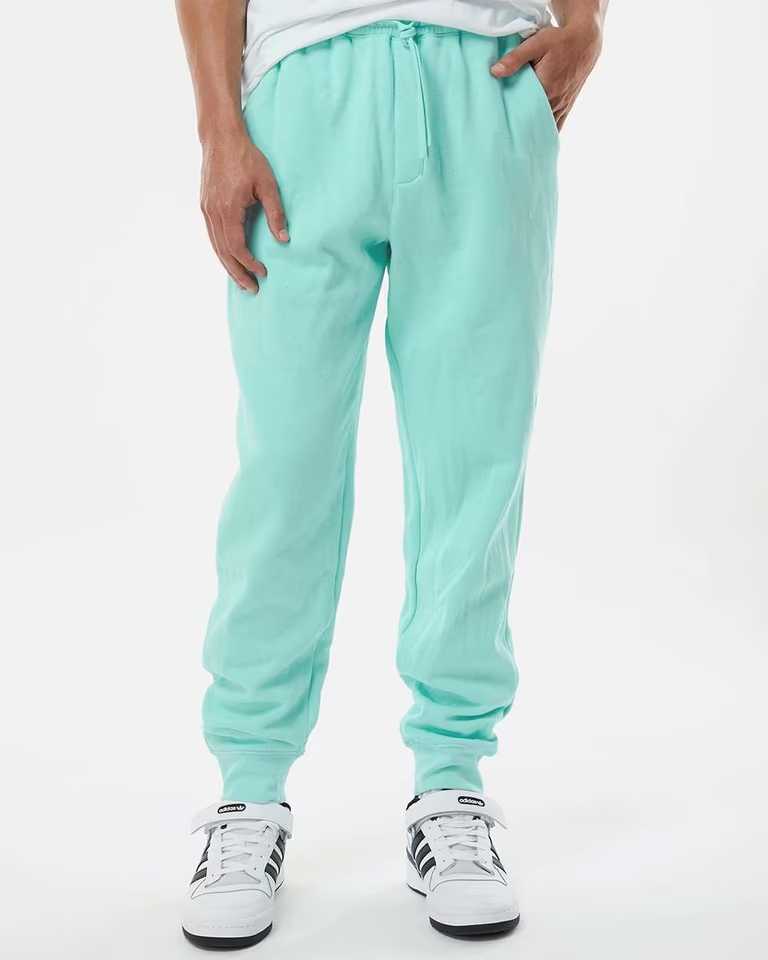
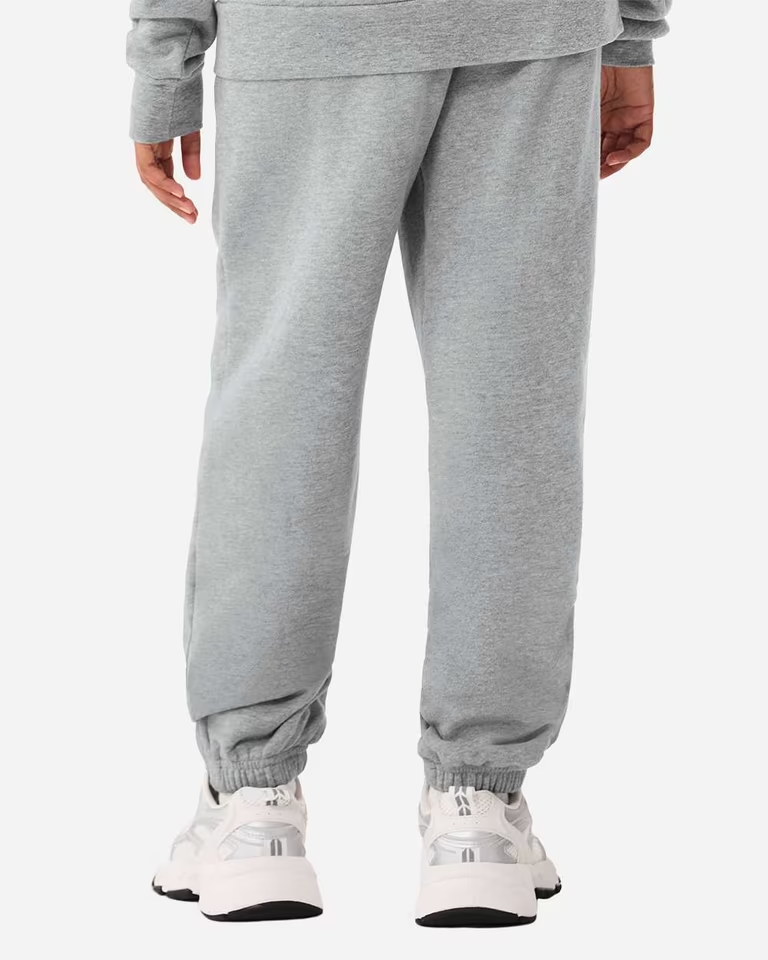
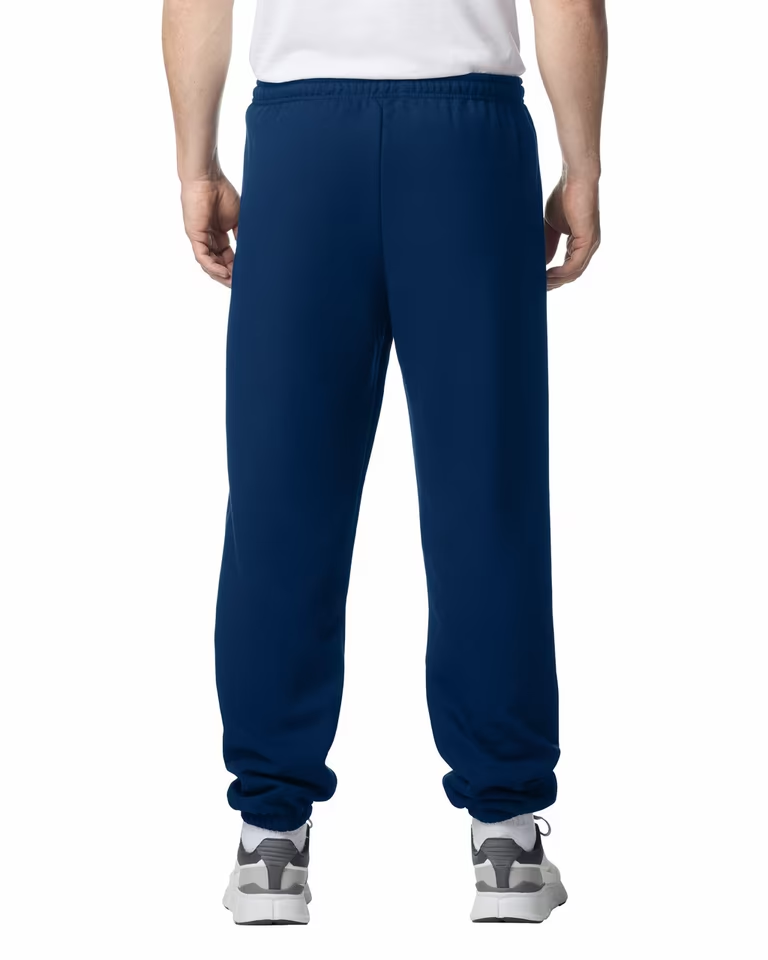
Independent Trading style number IND20PNT
$26.03
Retail $34.71
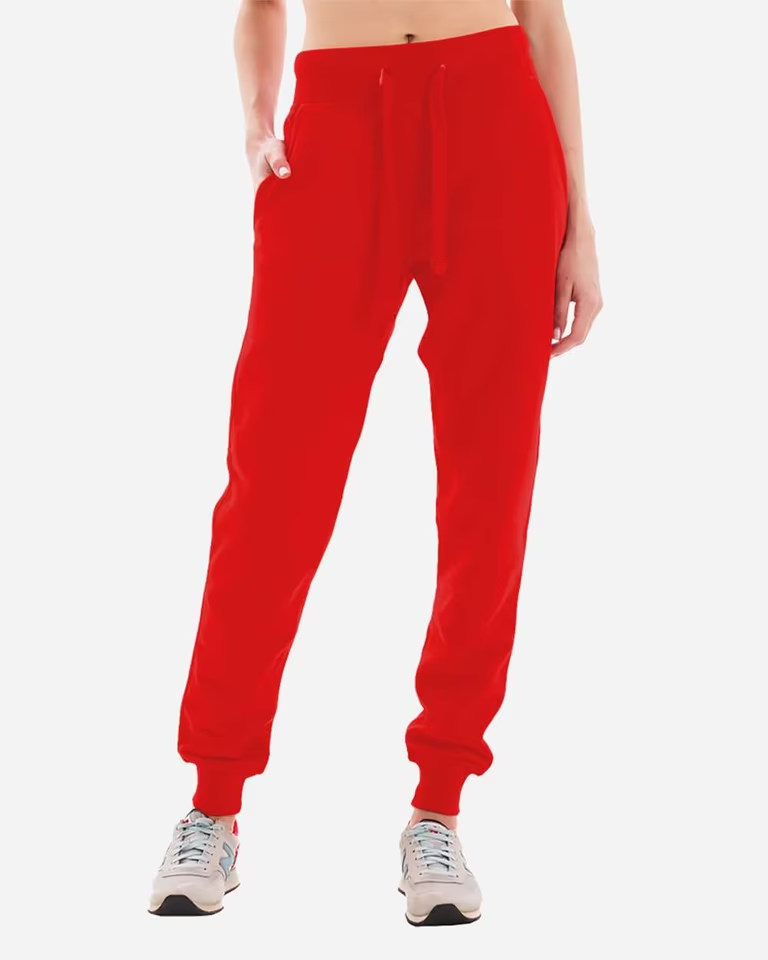
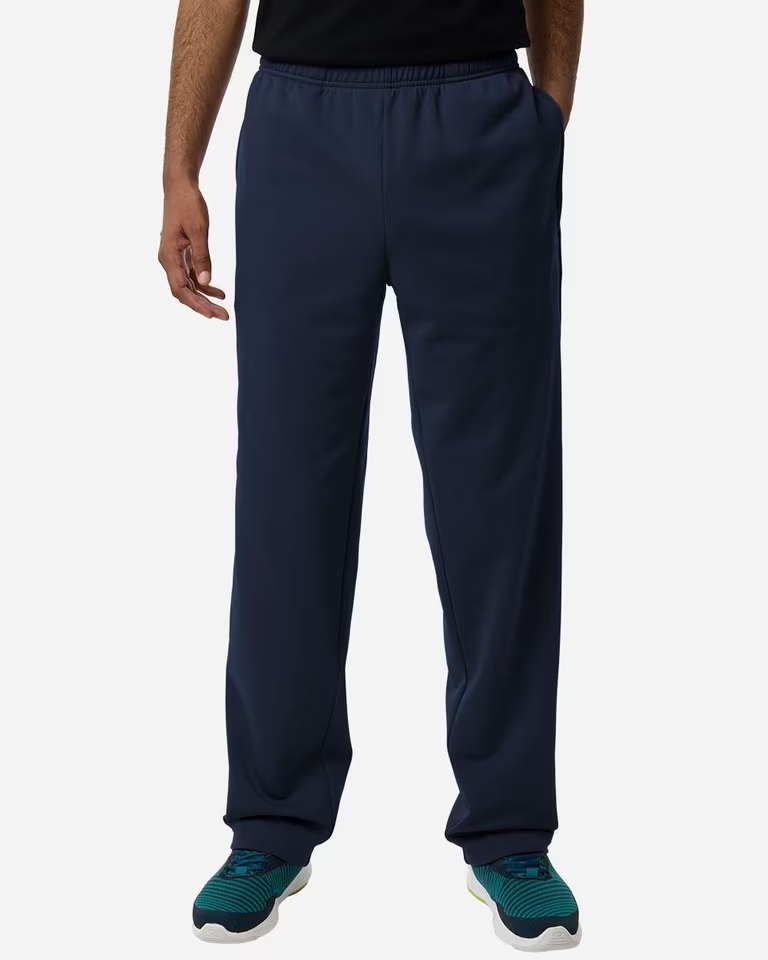
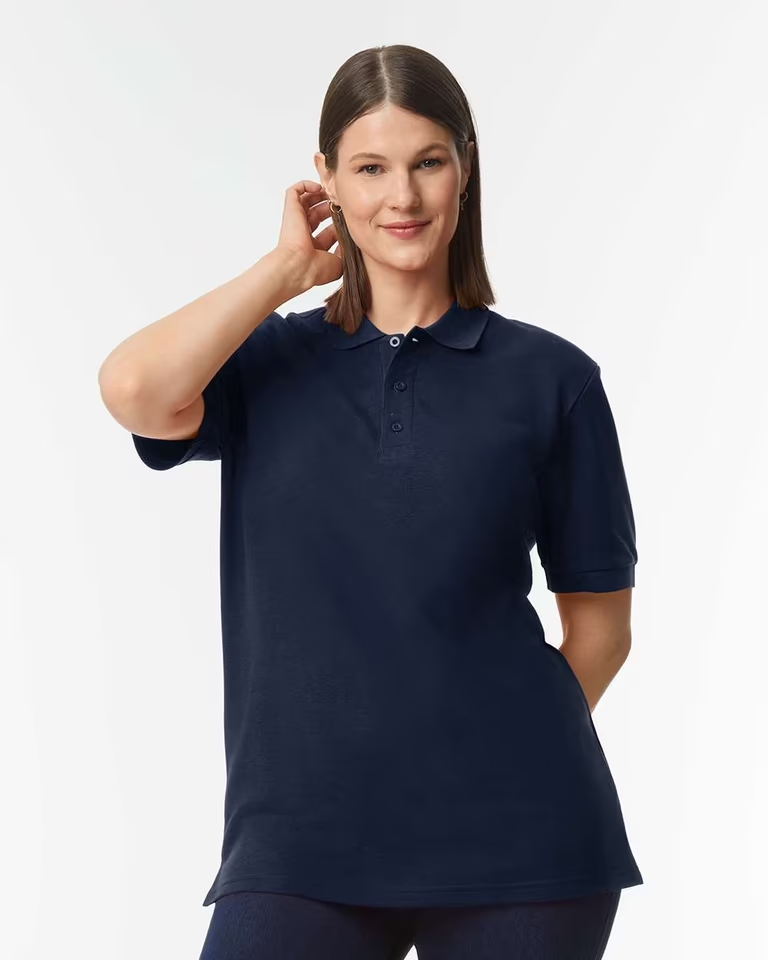
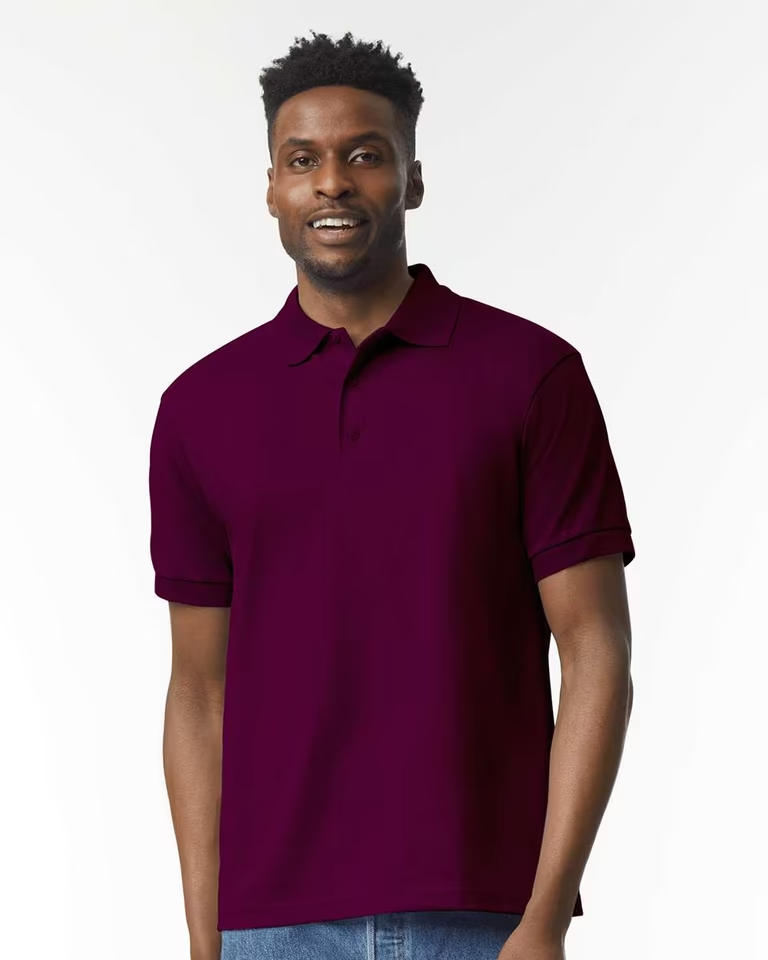
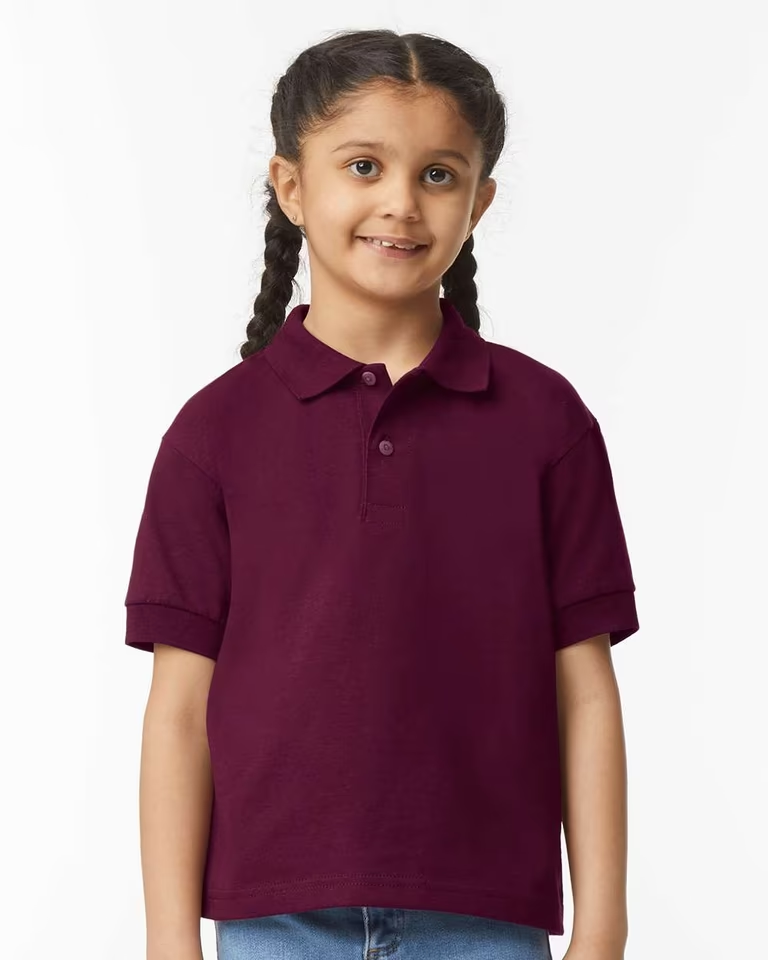
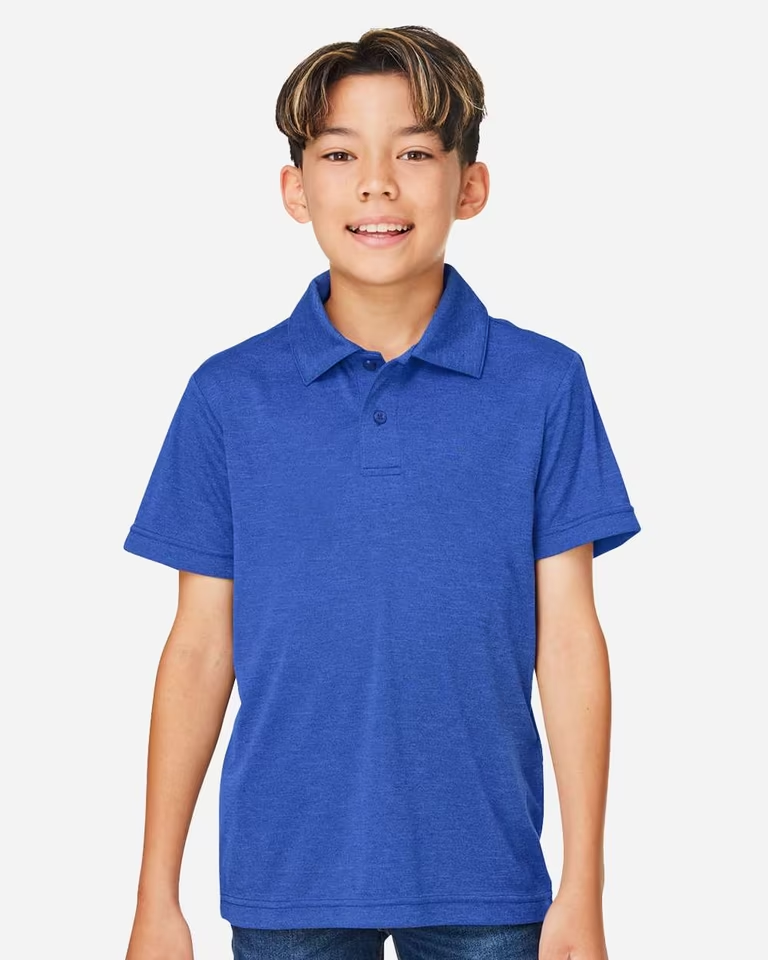
Team 365 style number TT51HY
$16.48
Retail $20.60
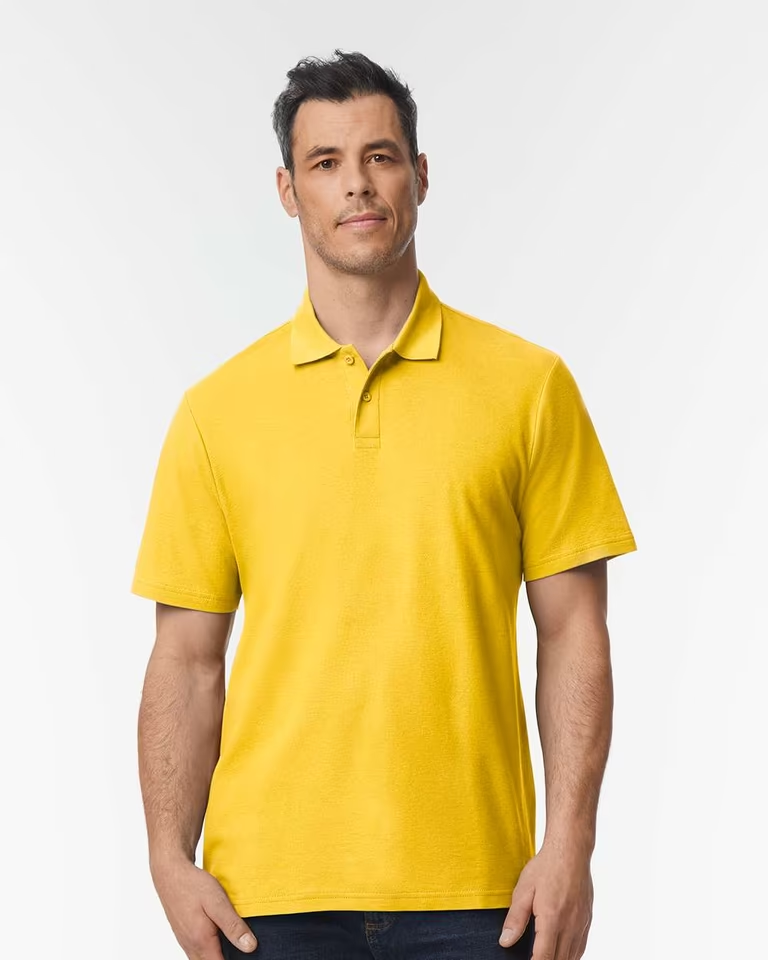
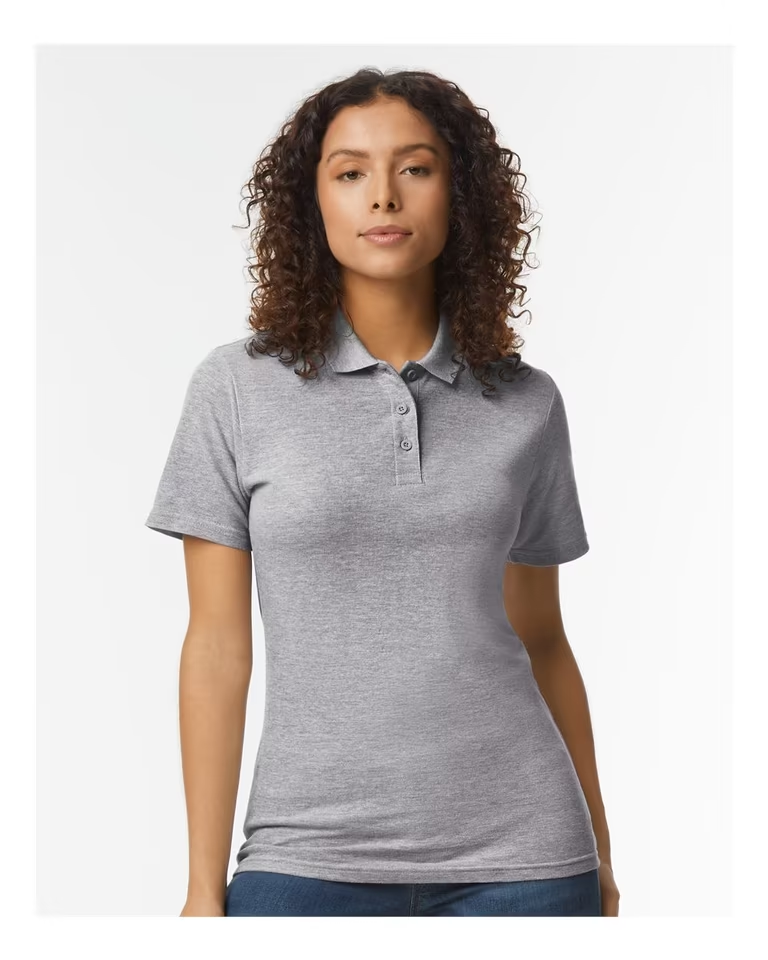
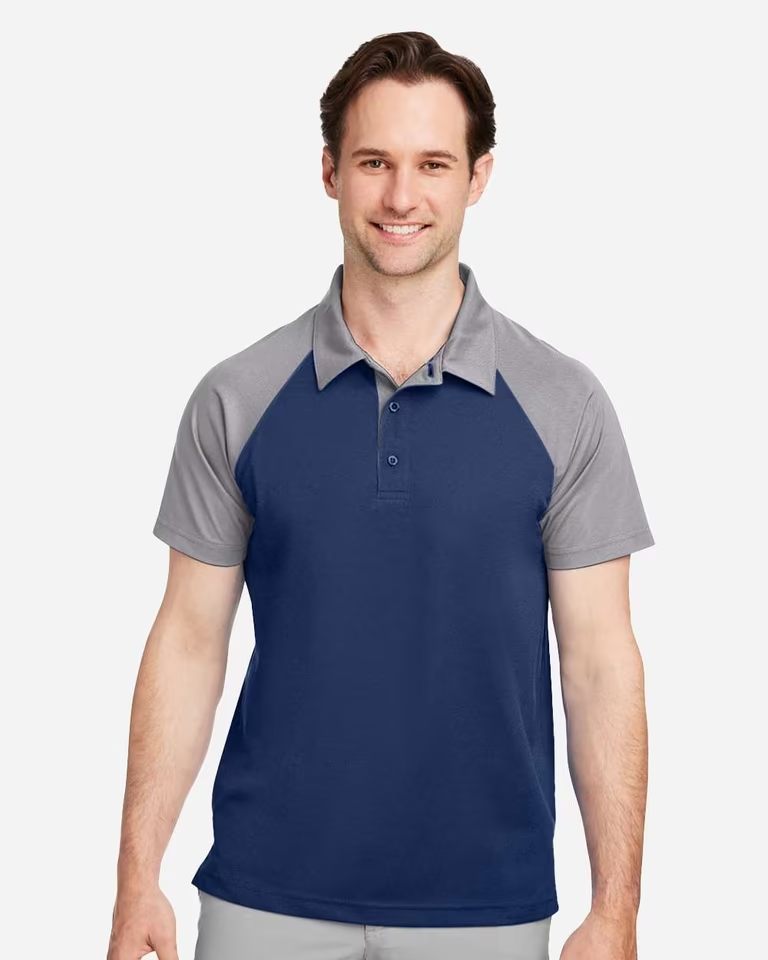
Team 365 style number TT21C
$20.60
Retail $25.75
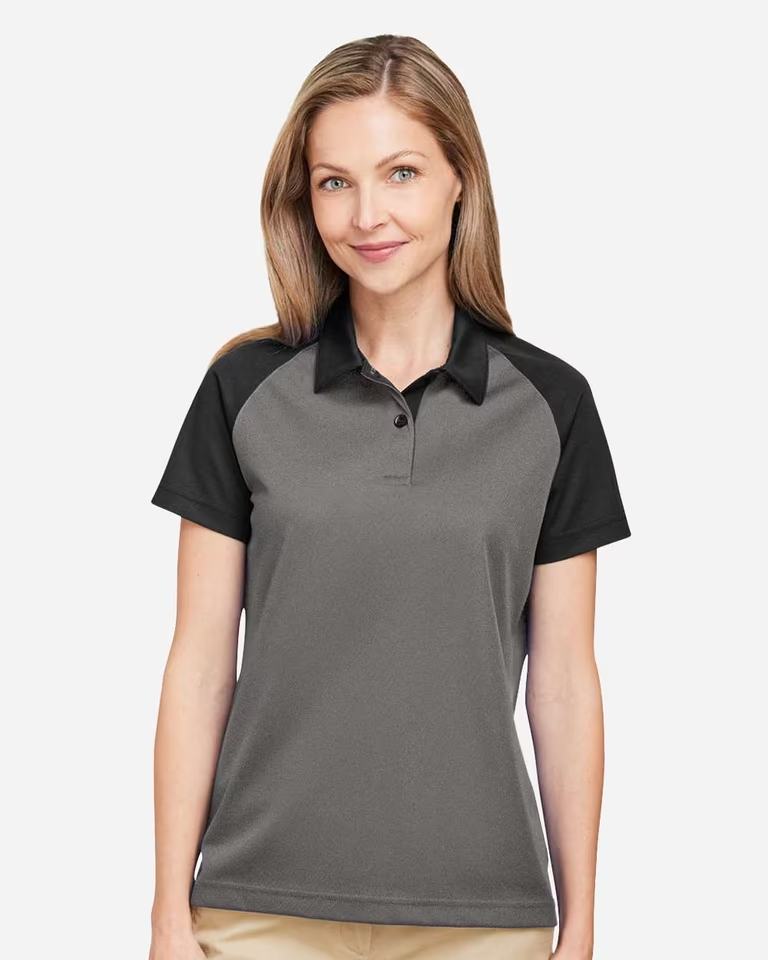
Team 365 style number TT21CW
$20.60
Retail $25.75
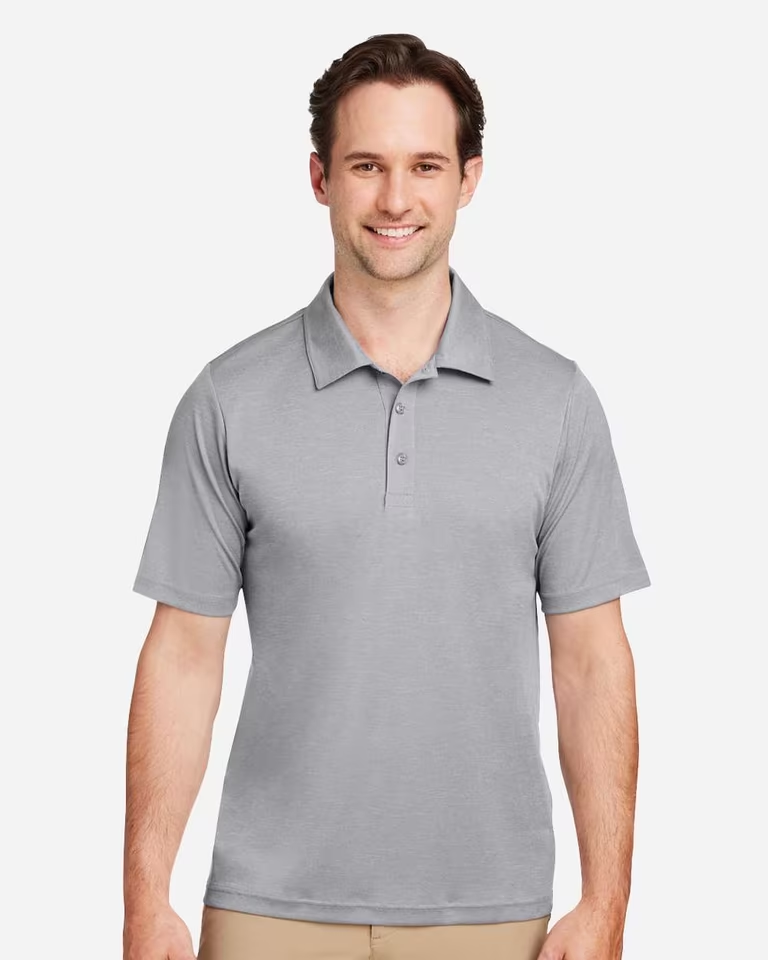
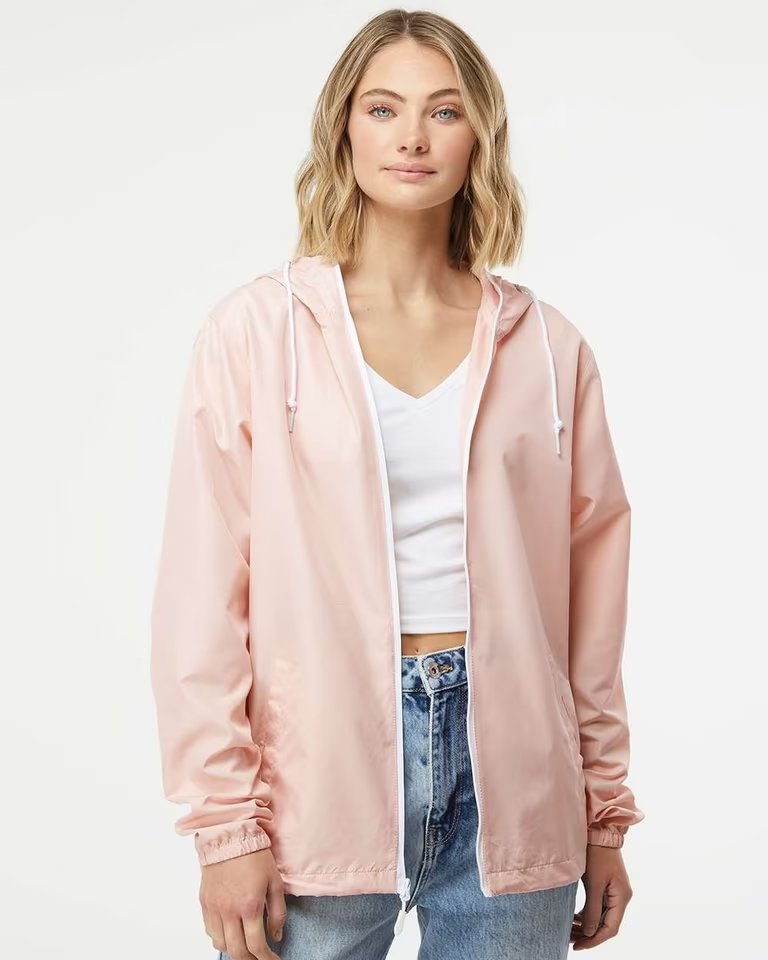
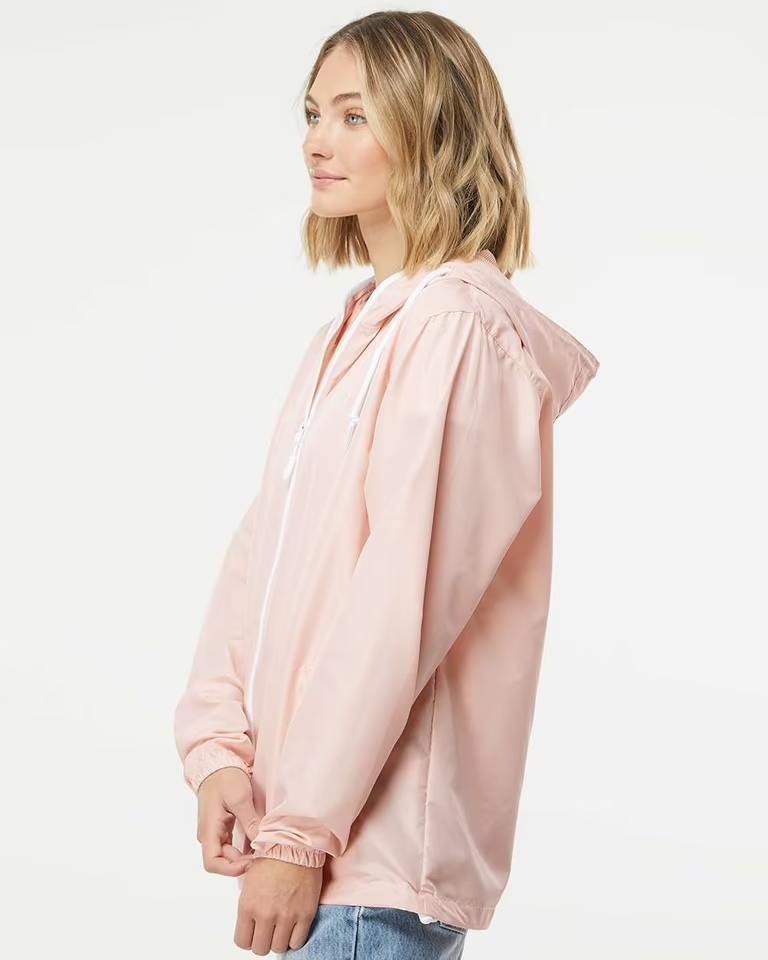
Independent Trading style number EXP54LWZ
$27.11
Retail $36.15
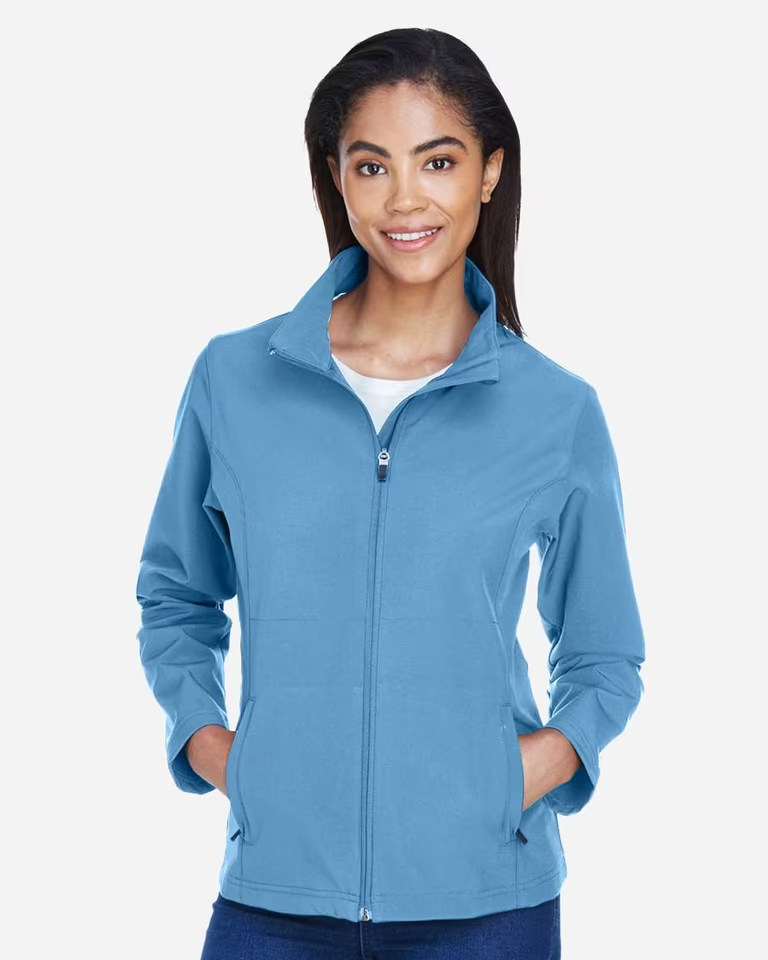
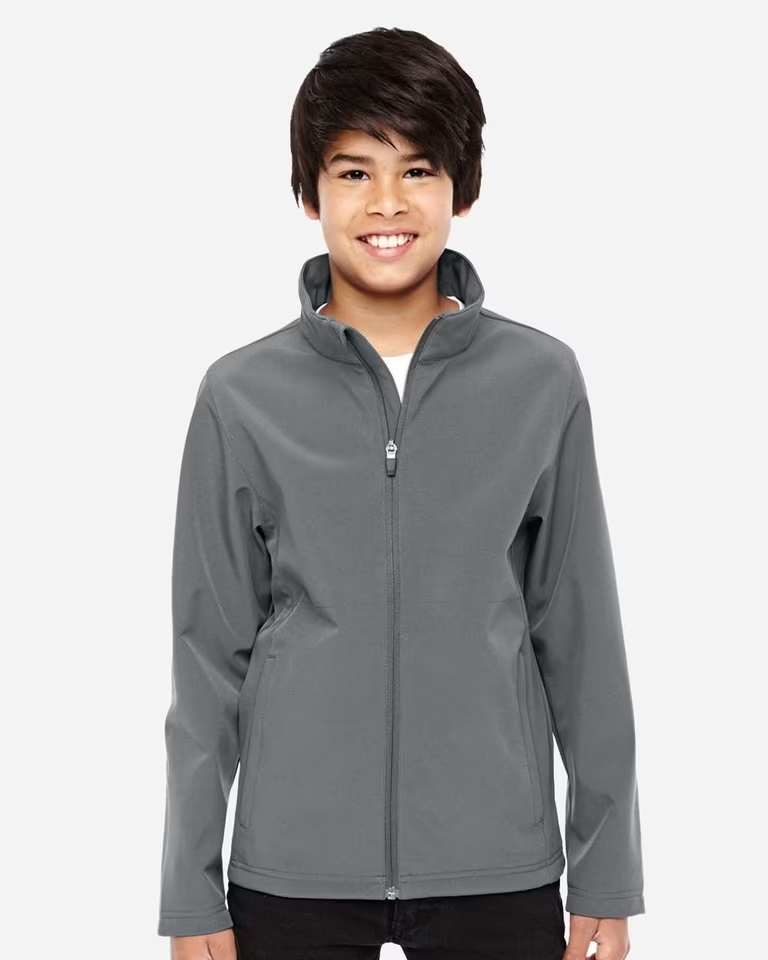
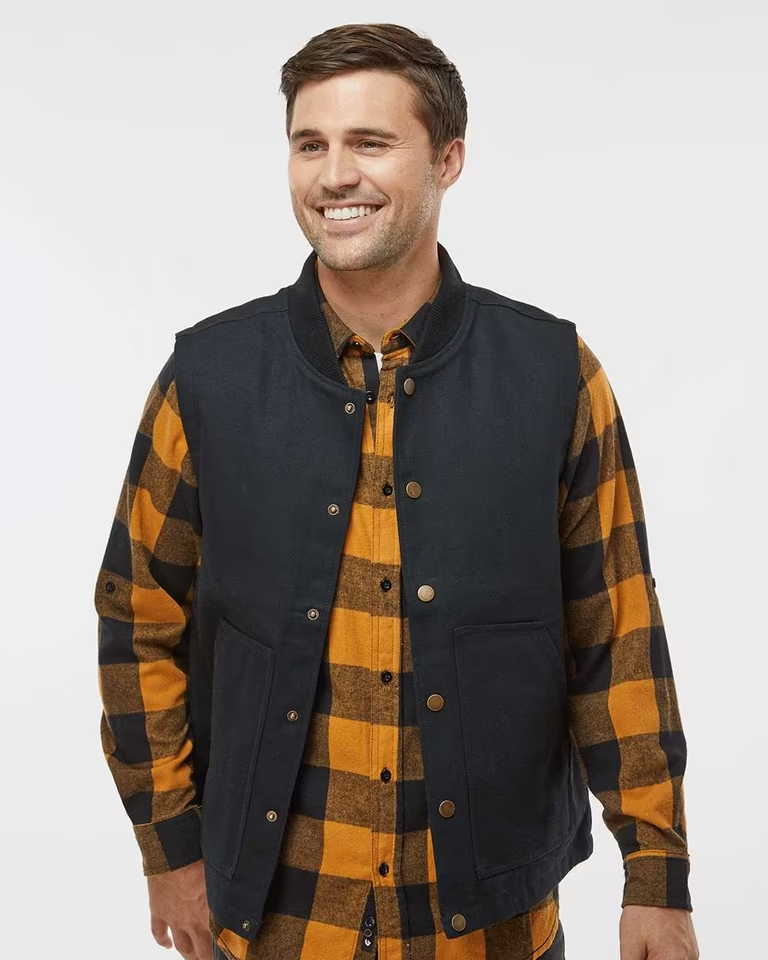
Independent Trading style number EXP560V
$54.59
Retail $72.77
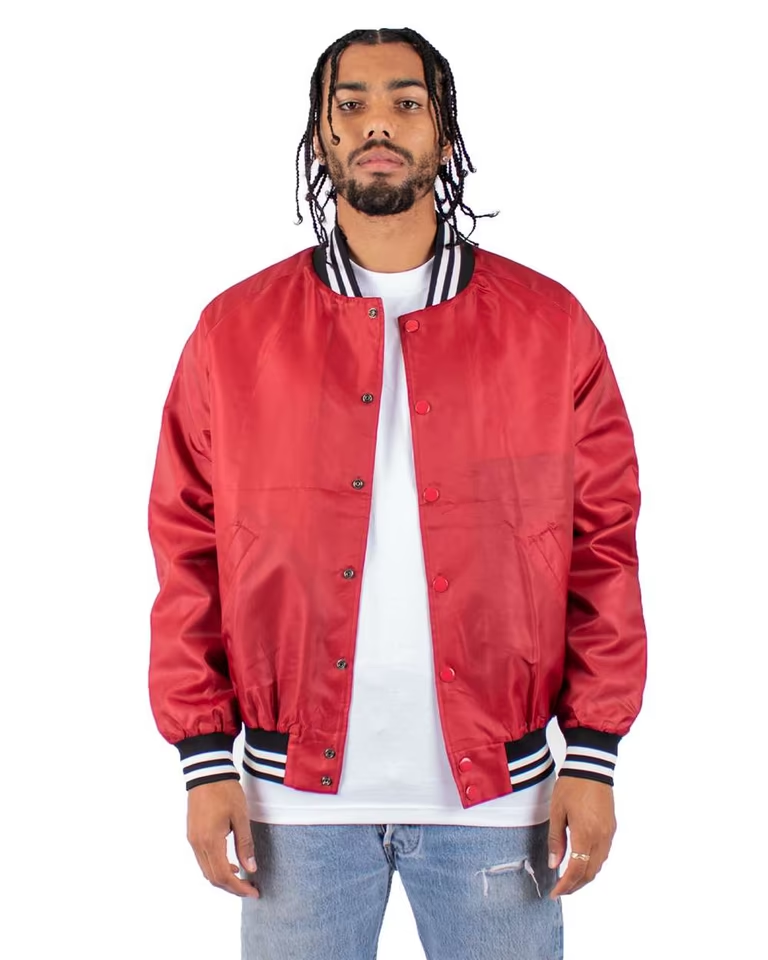
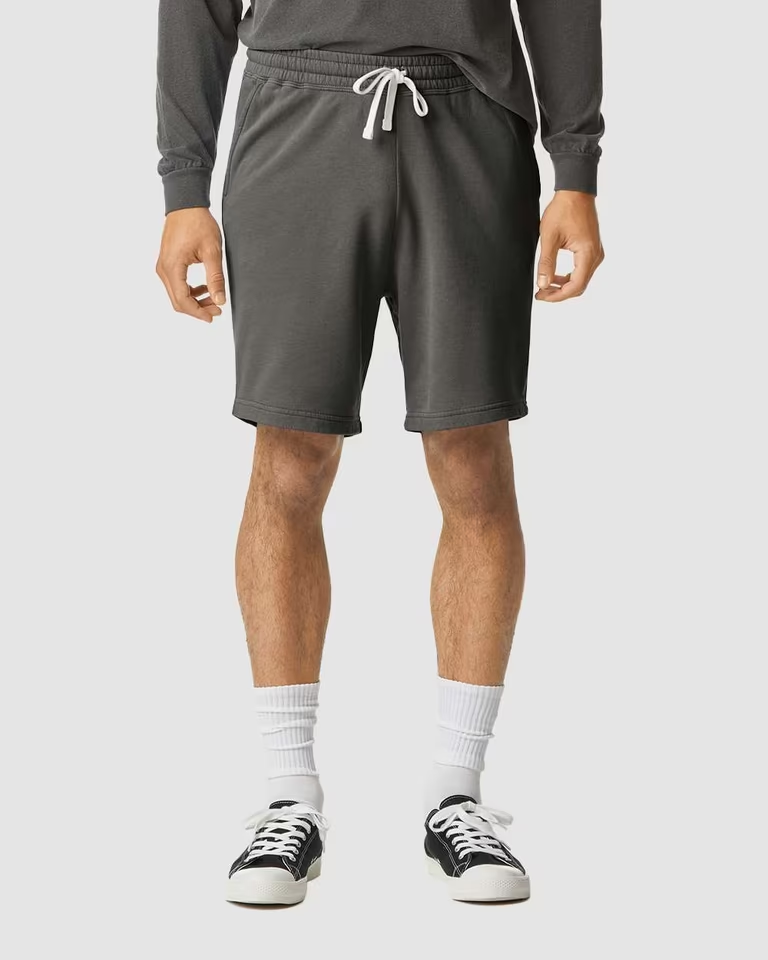
Comfort Colors style number 1468
$22.25
Retail $29.66