Fabric & weight guide
Boxy streetwear standard
Last updated September 14, 2026
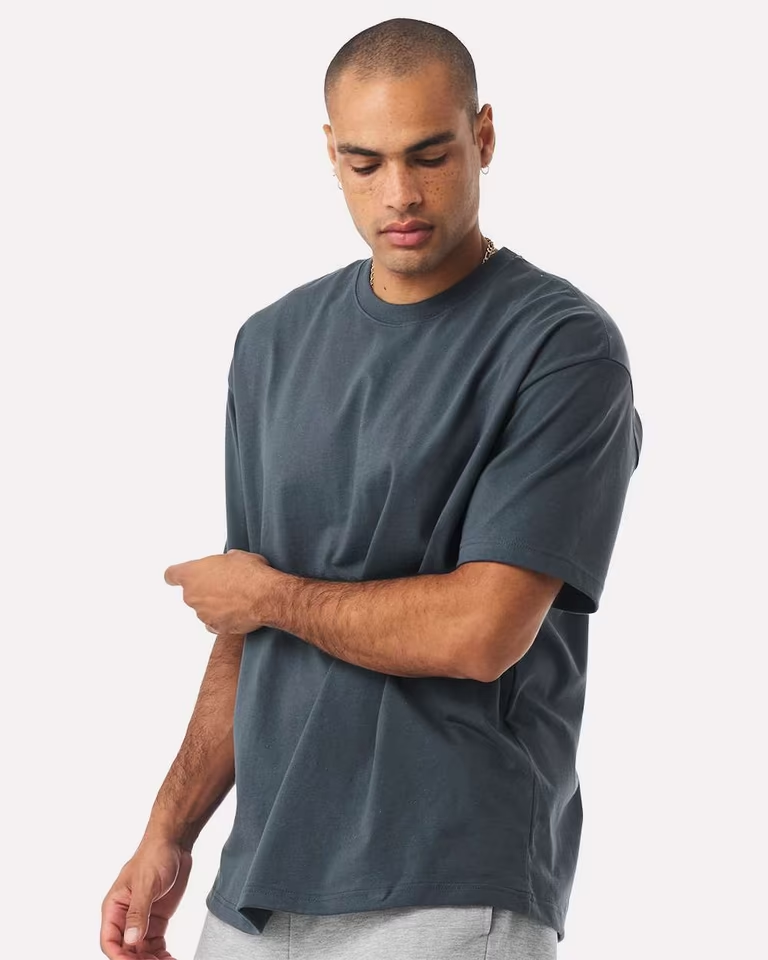
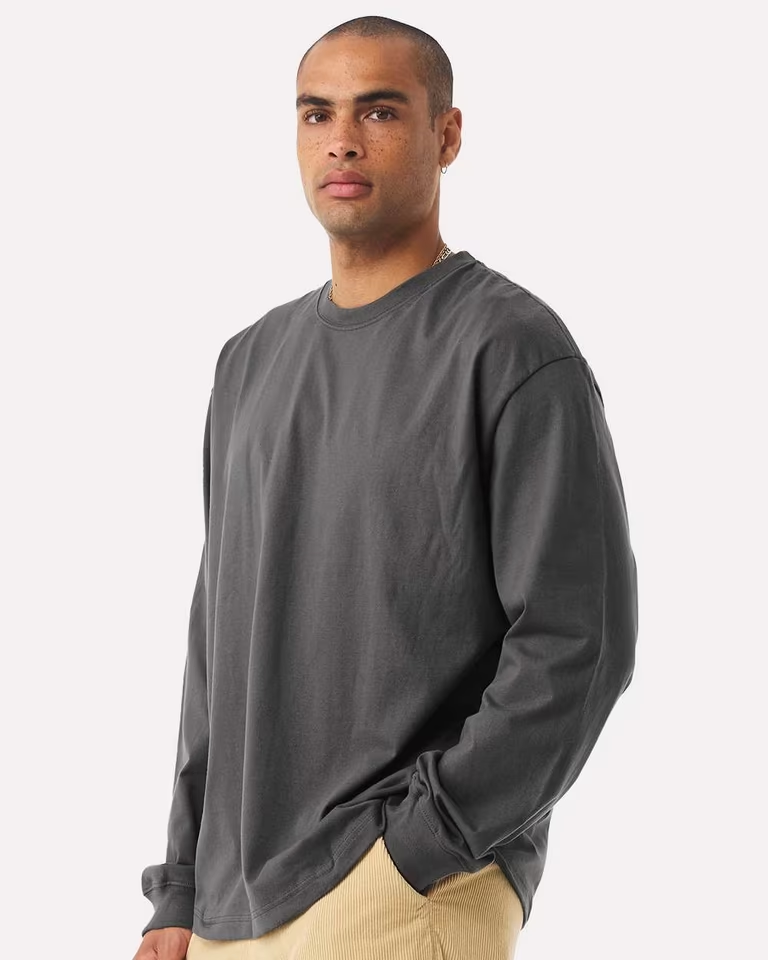
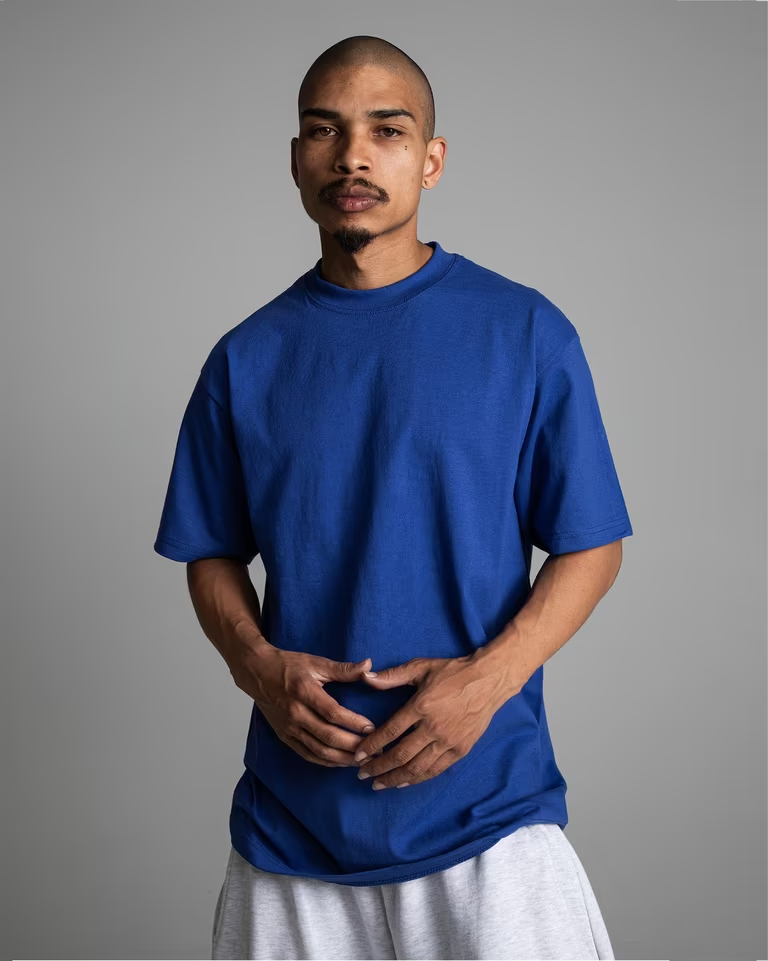
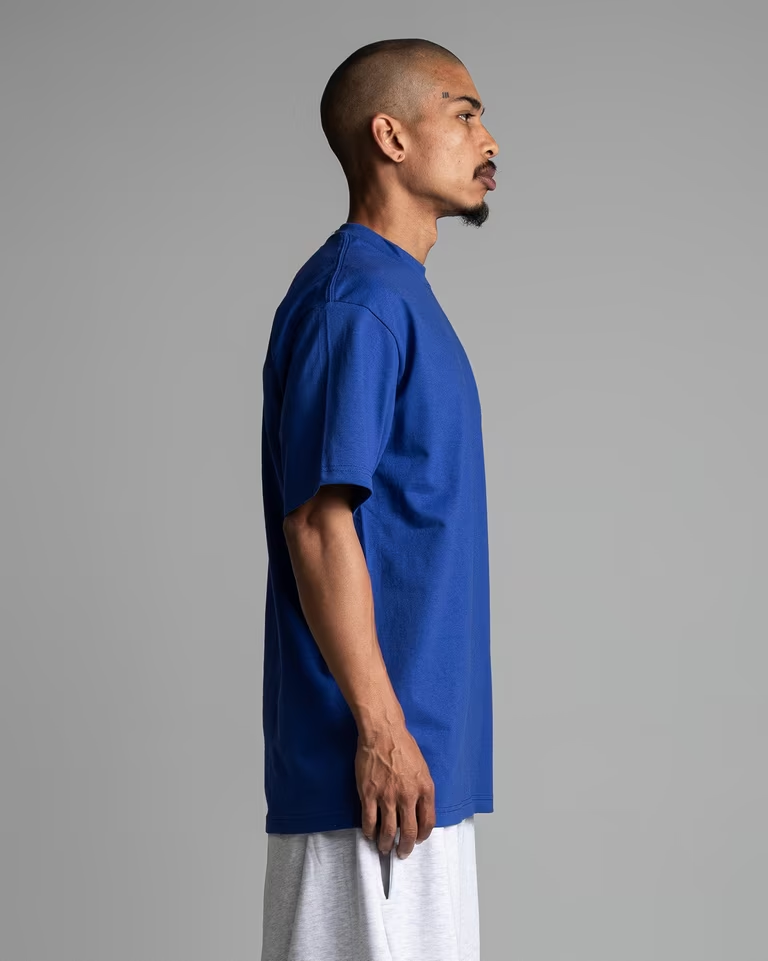
Weight has become the trend axis of the tee wall: heavyweight blanks at How dense a knit fabric is, measured in oz/yd². Typical ranges: under 4.5 oz is lightweight fashion; 4.5–5.5 oz is the midweight band most everyday tees fall into; 5.5–6 oz is heavy everyday and fleece; 6 oz and up is the heavyweight range, with 7 oz and up the streetwear max-weight class. Heavier fabric drapes more substantially, holds prints flatter, and costs more per blank. drape boxy, hold a print flat, and feel substantial straight off the rack. Streetwear made them the default, and the rest of retail followed.
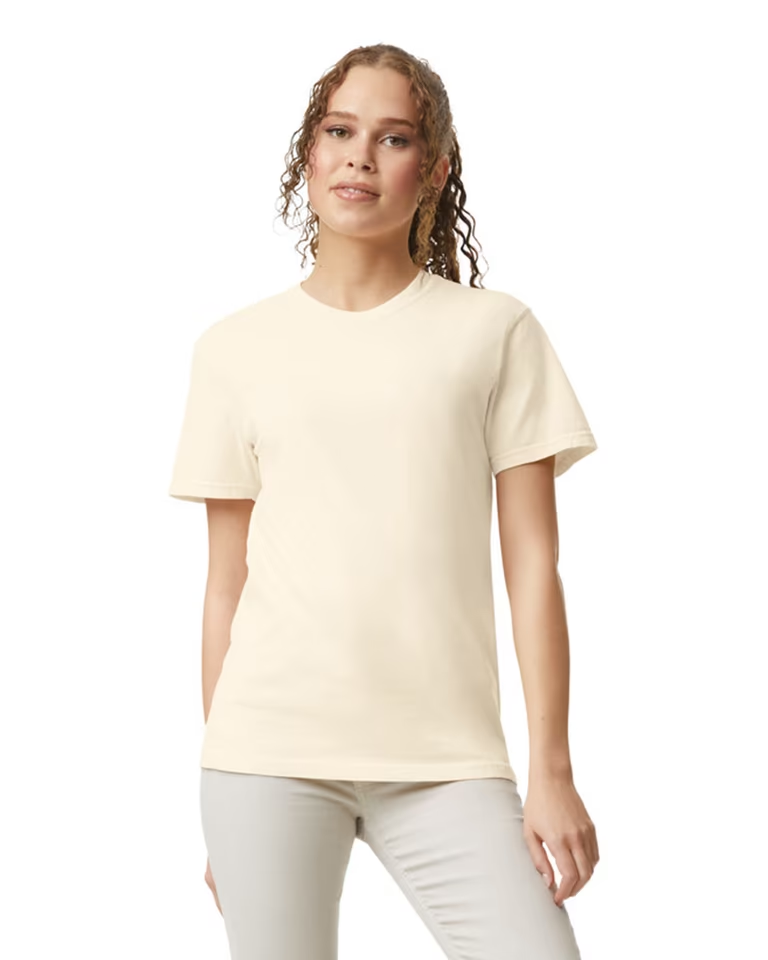
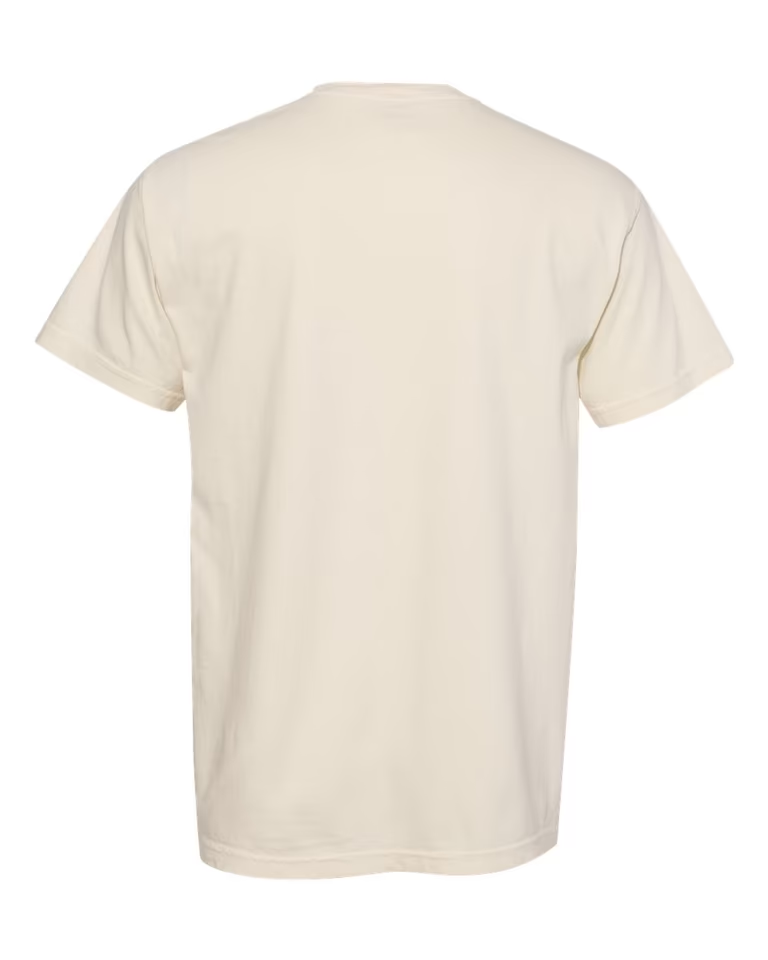
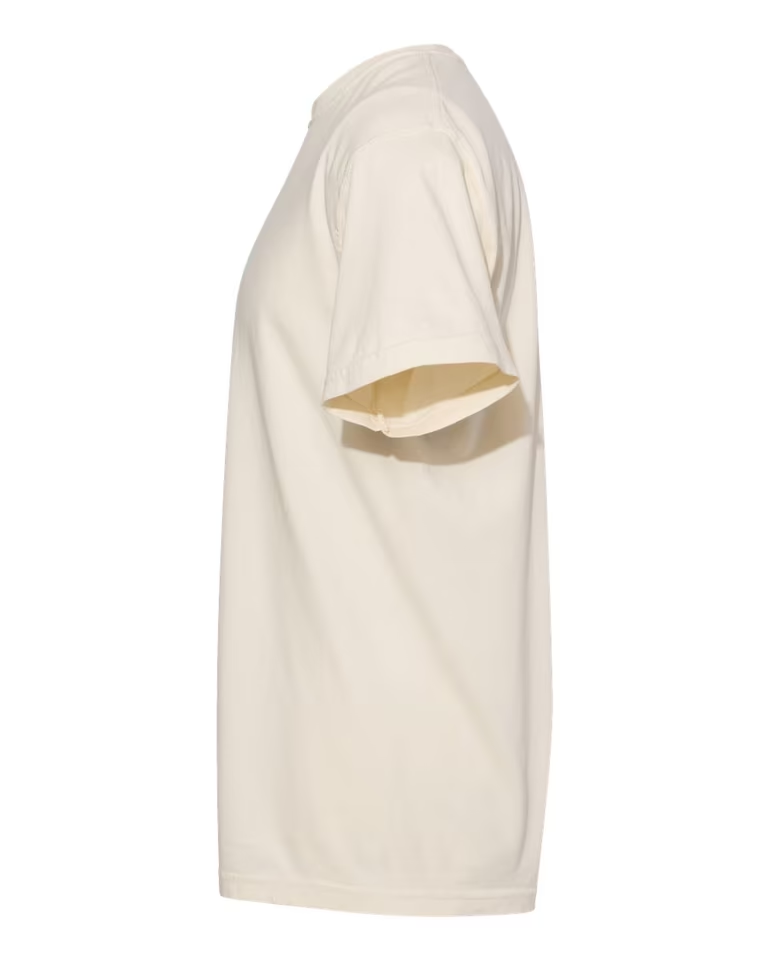
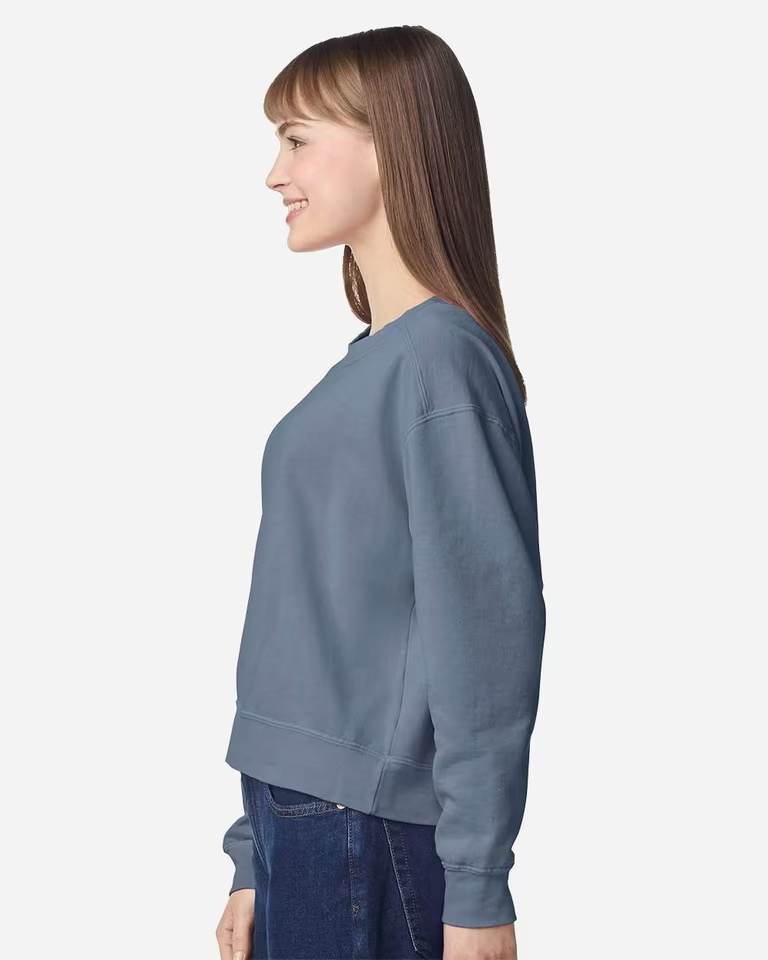
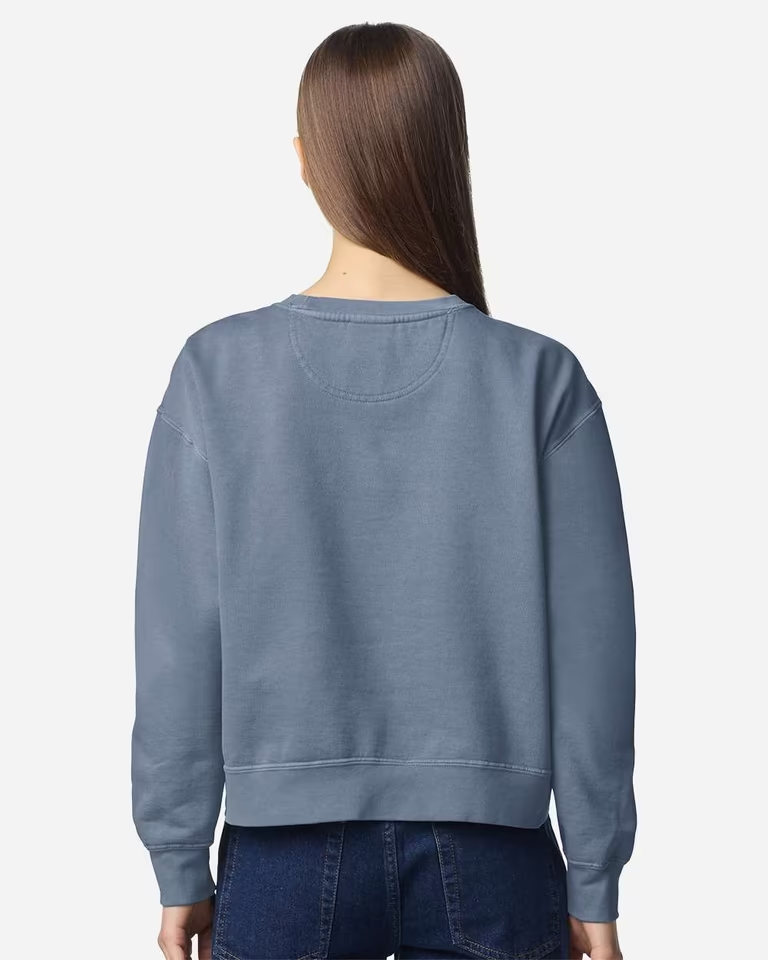
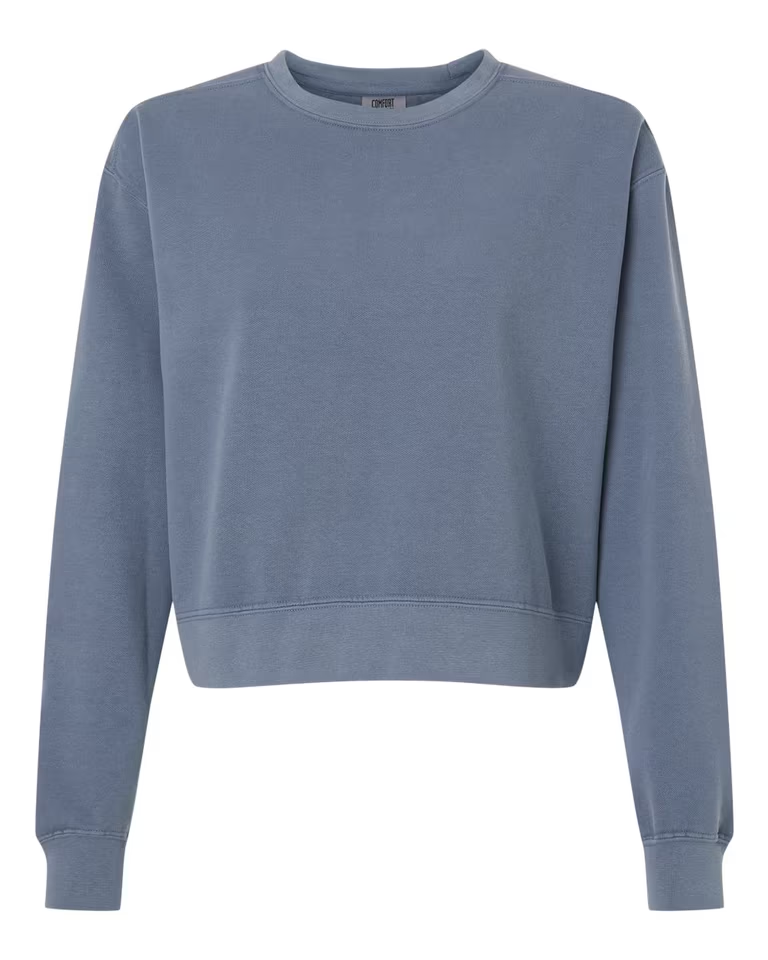
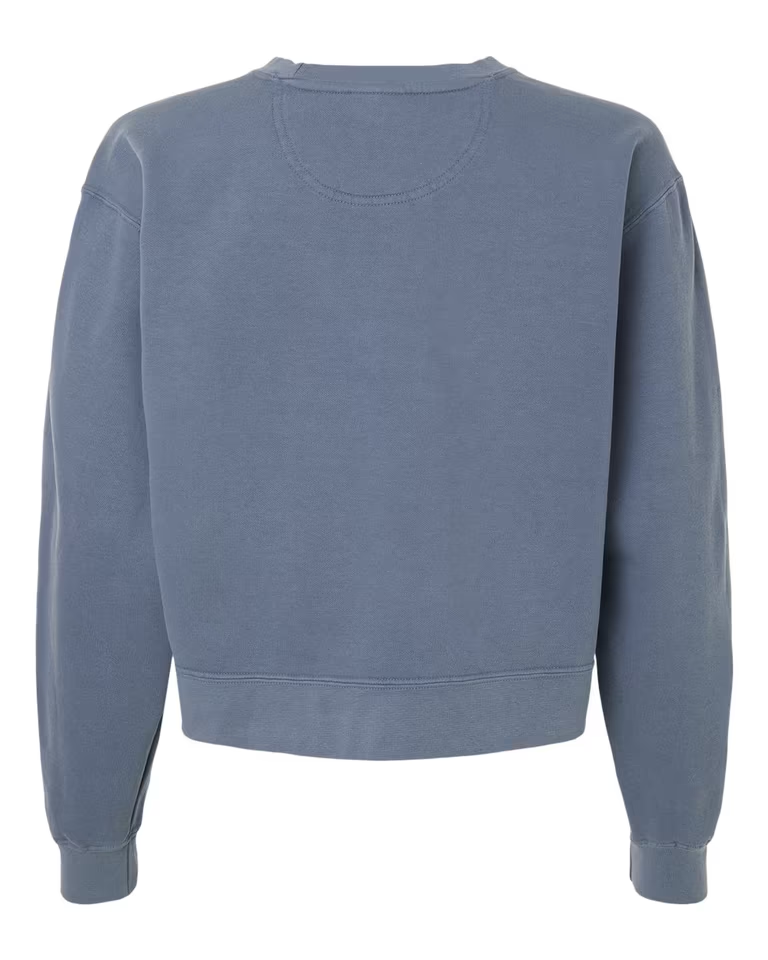
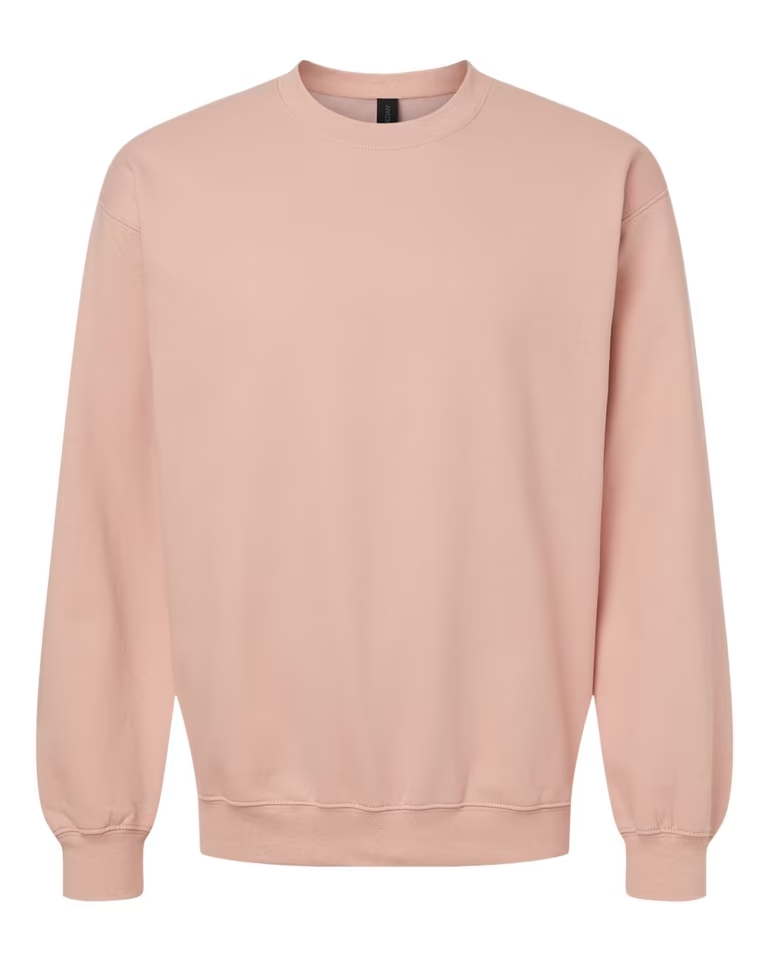
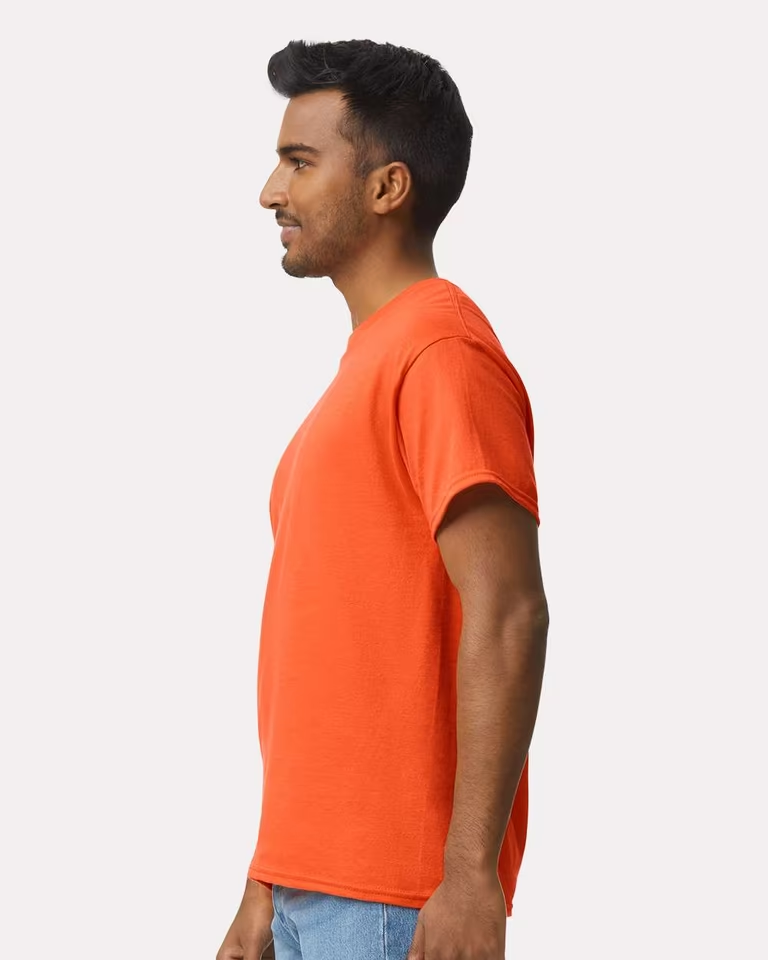
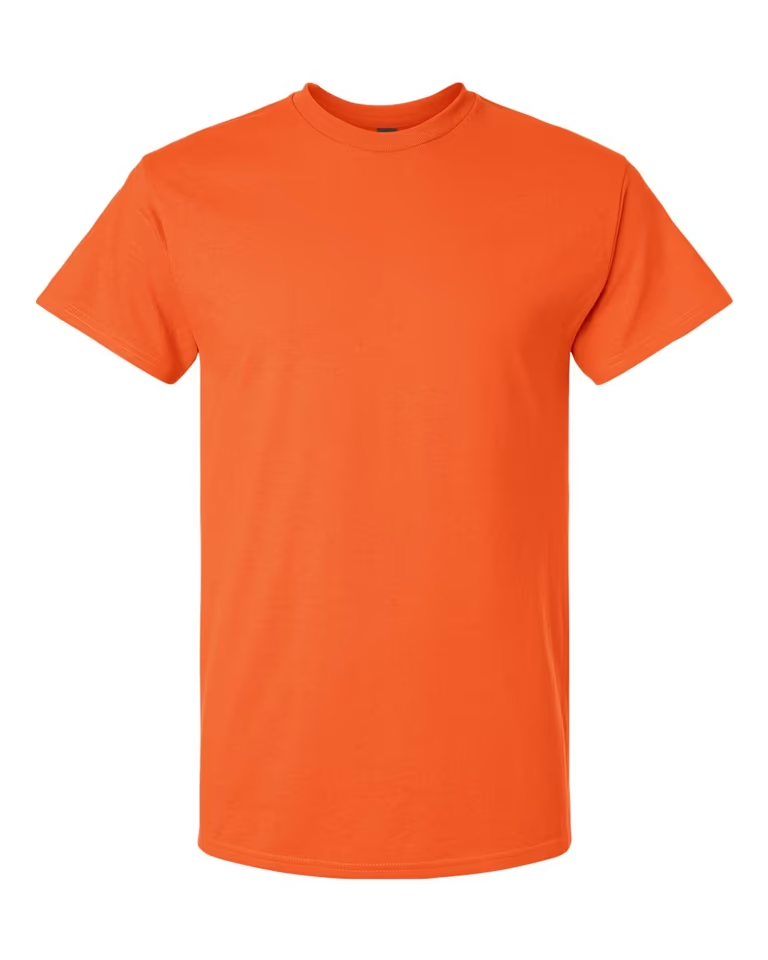
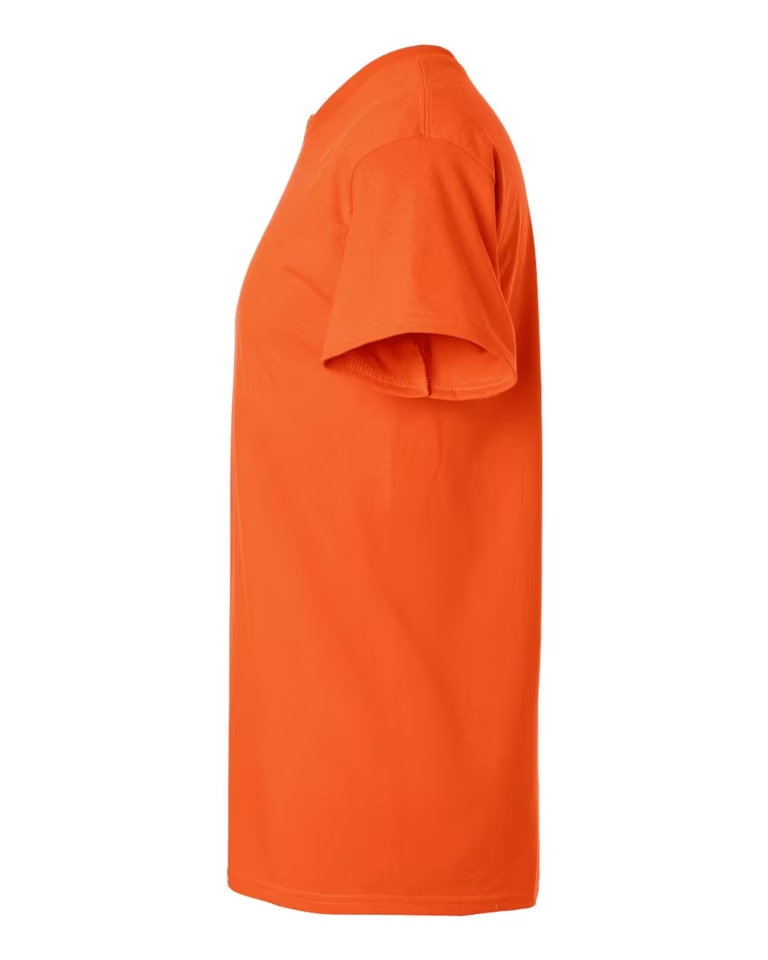
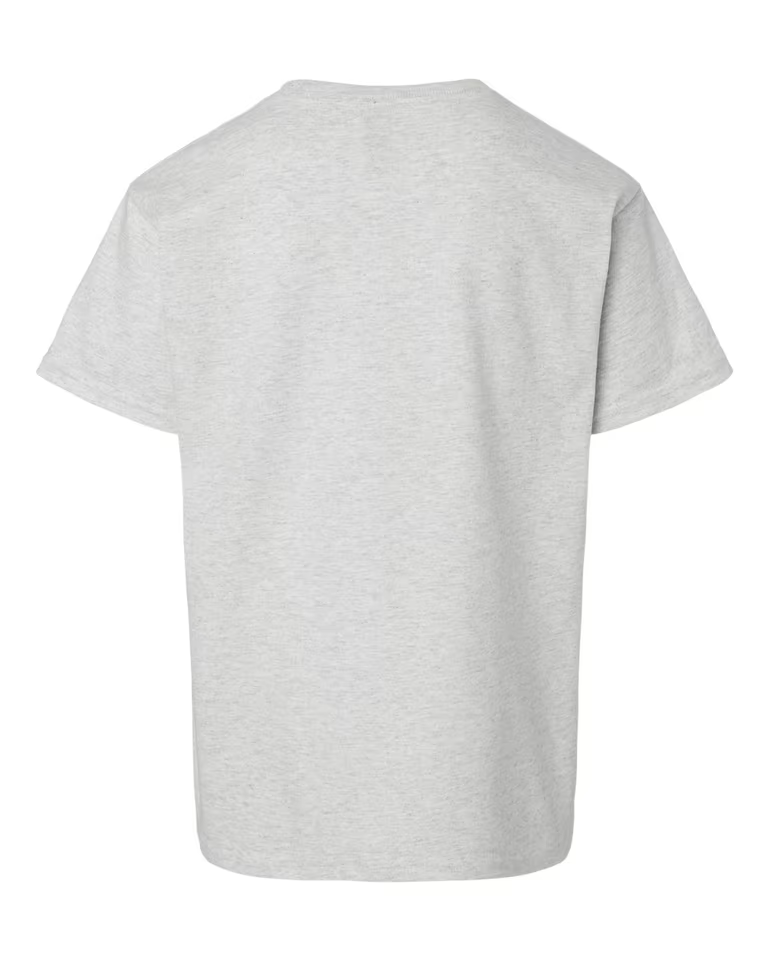
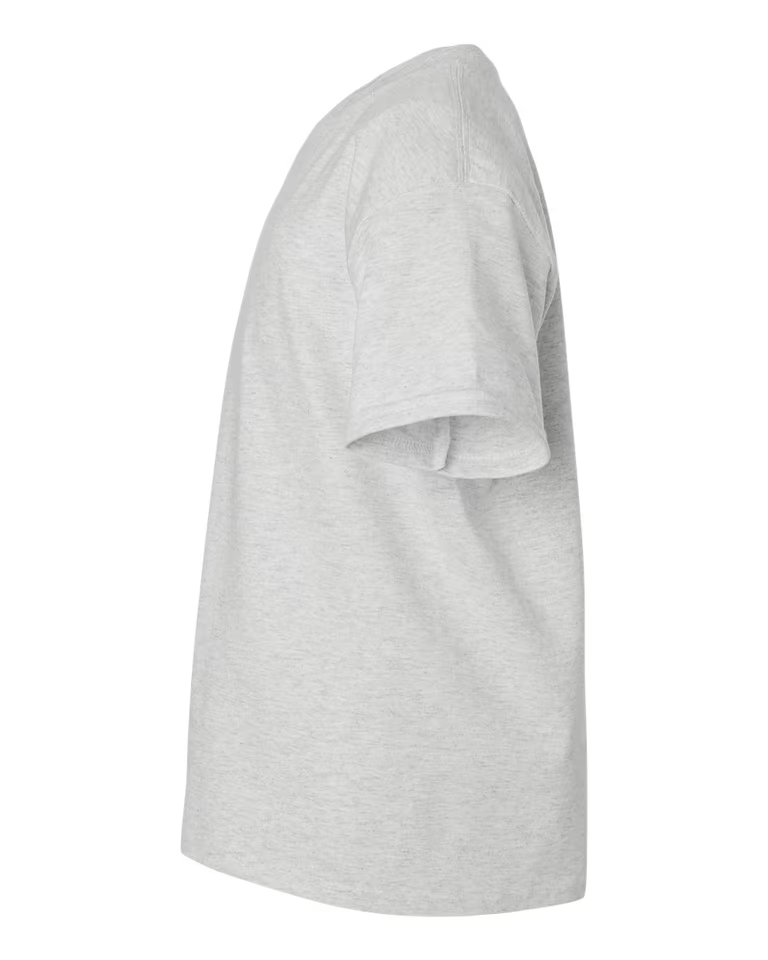
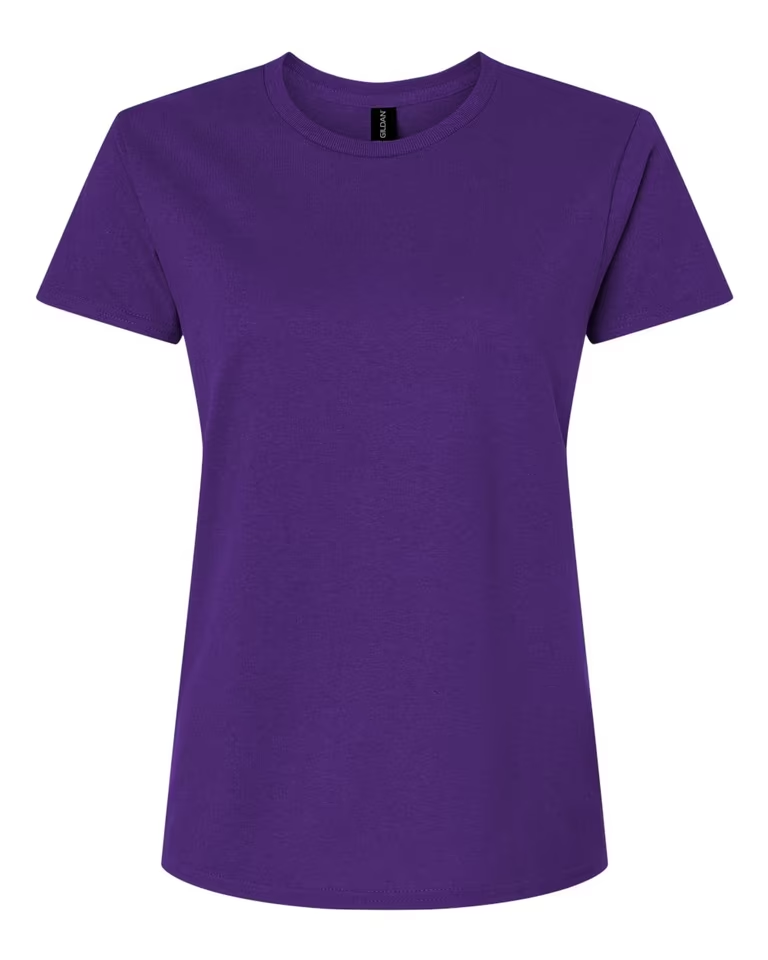
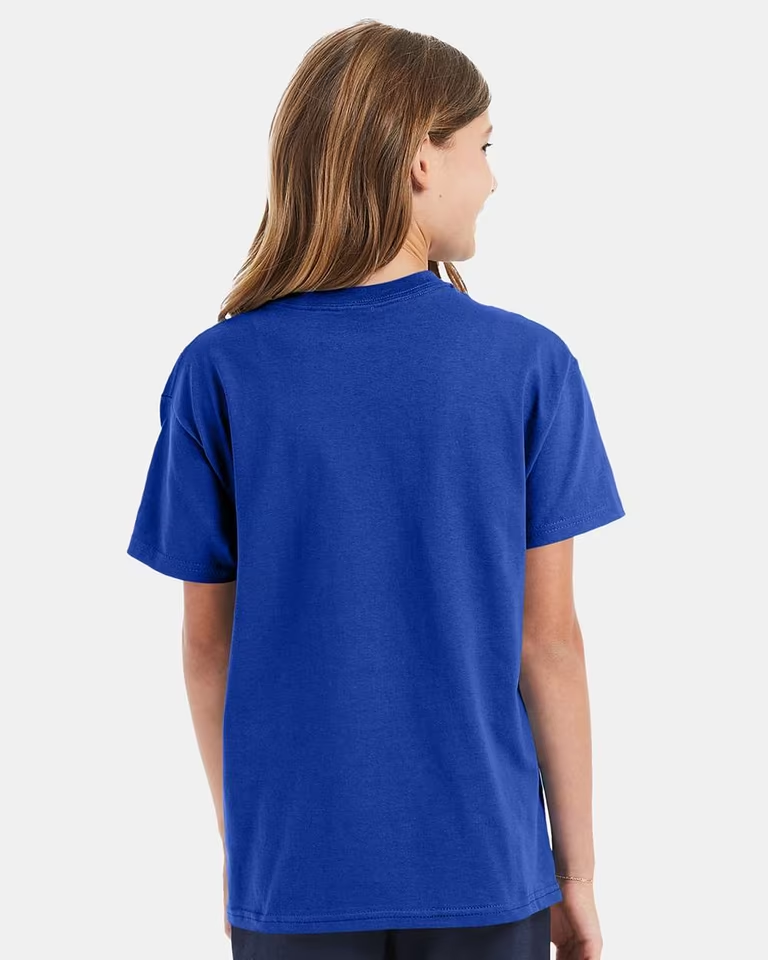
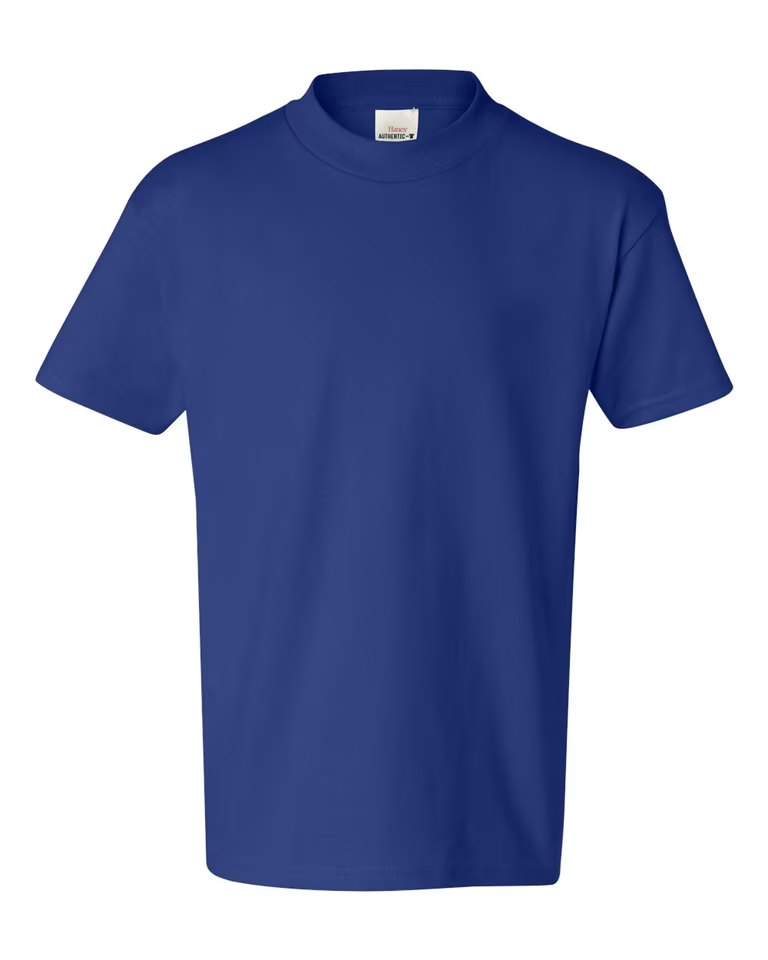
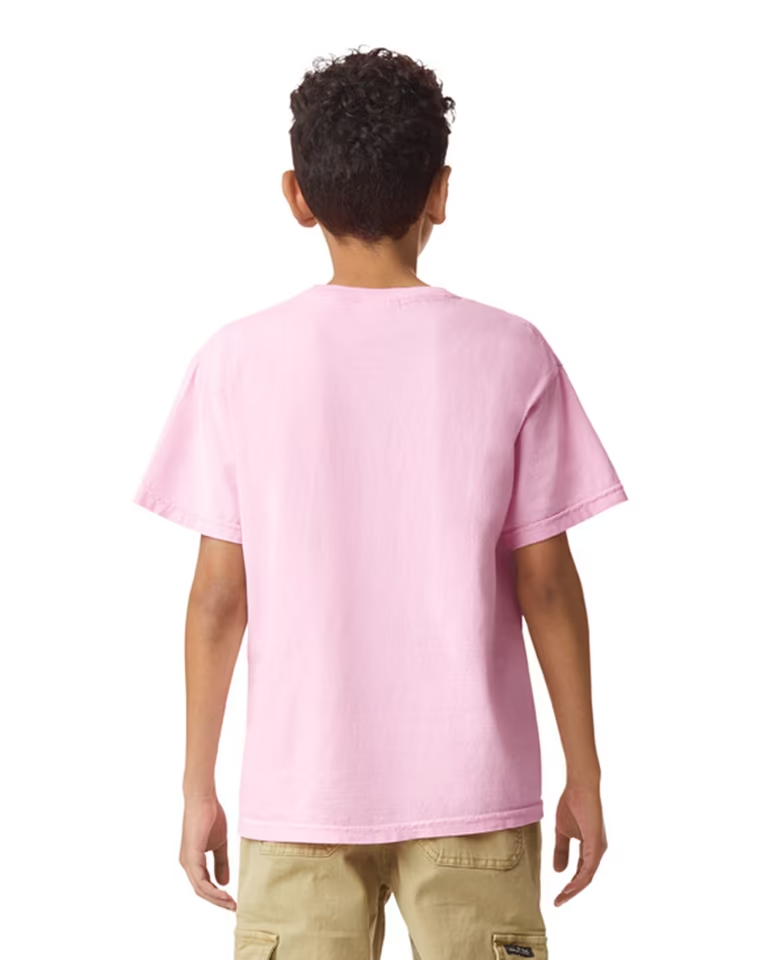
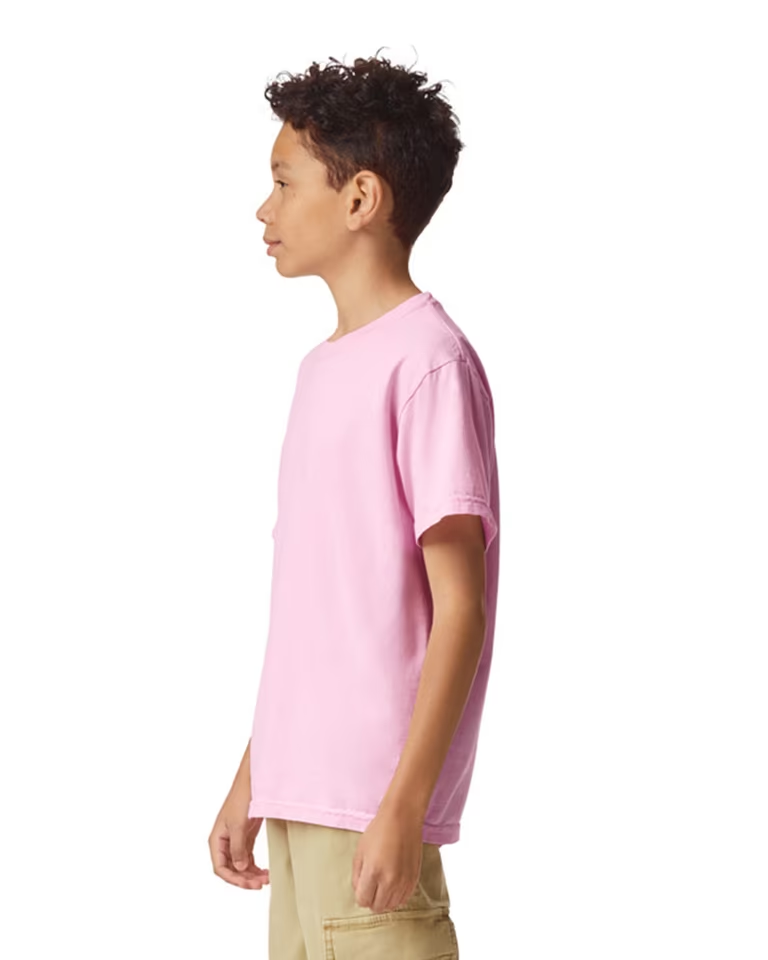
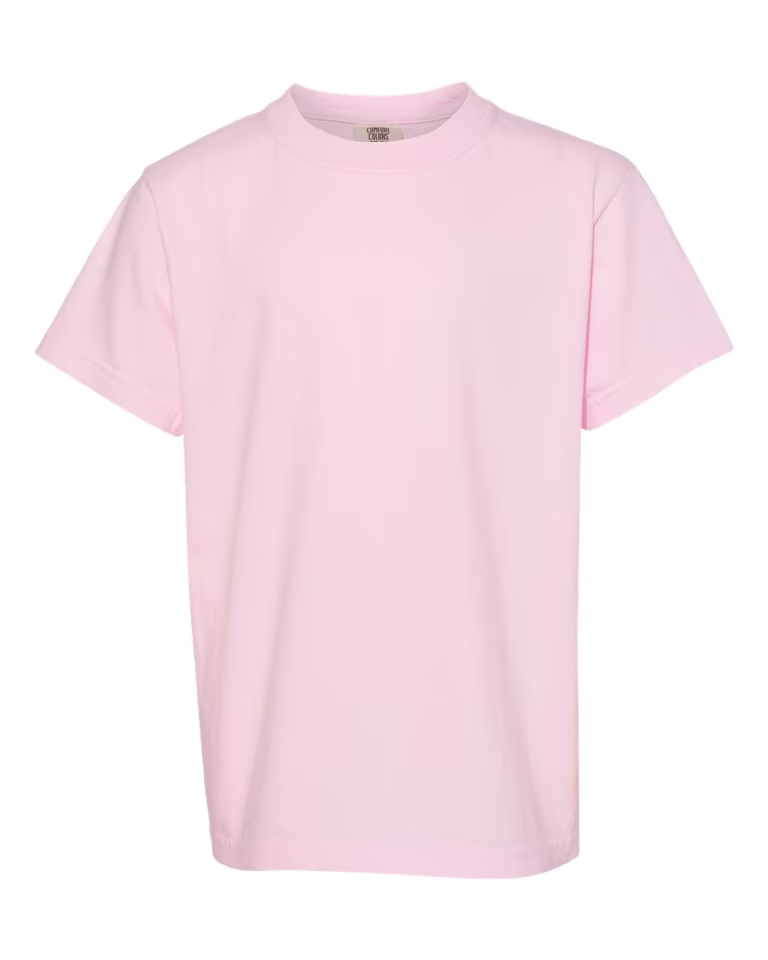
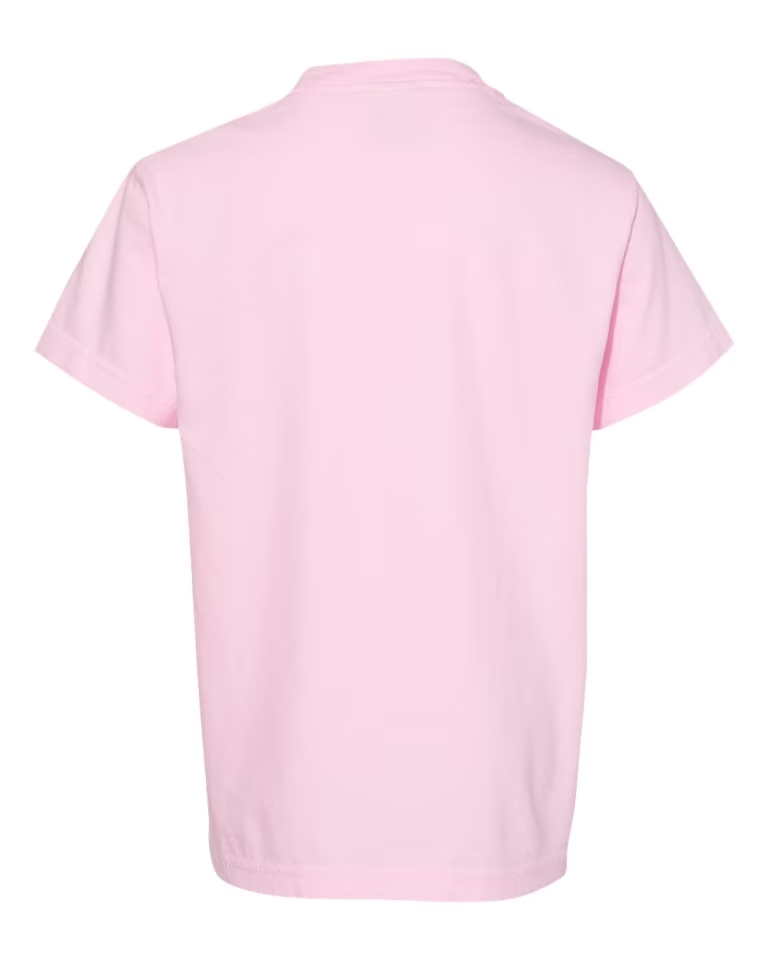
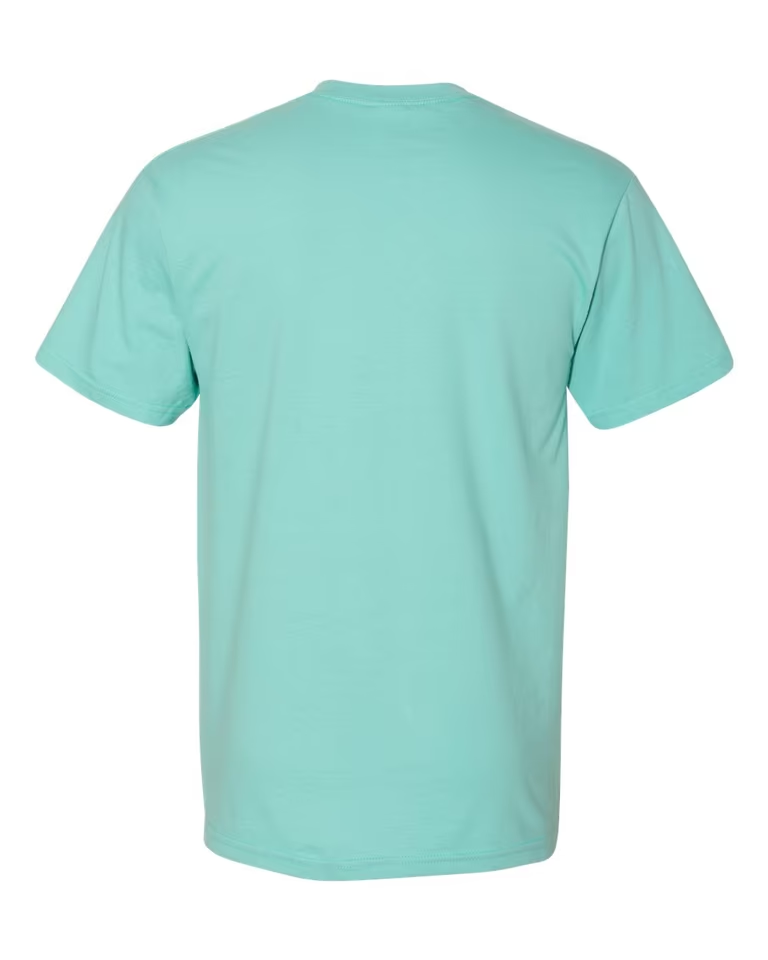
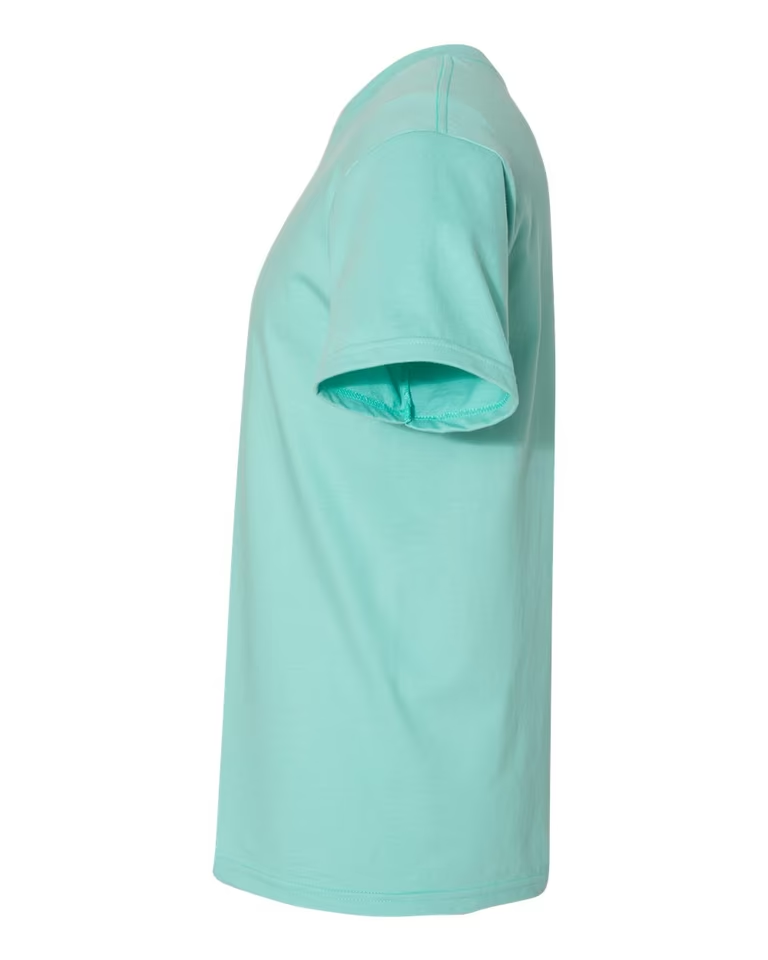
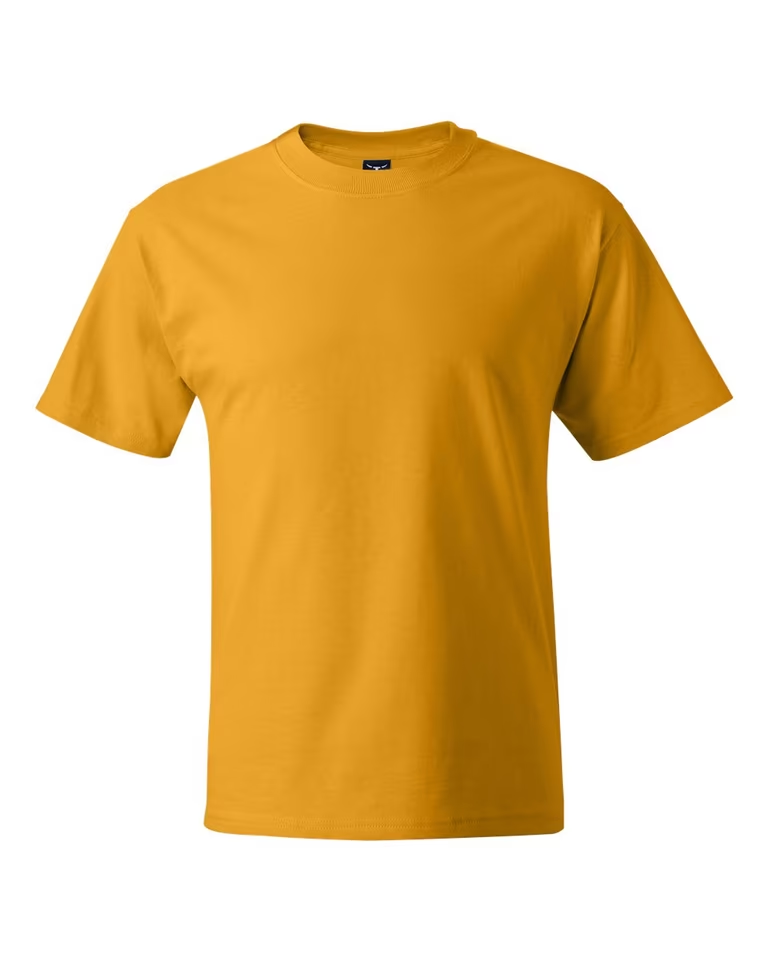
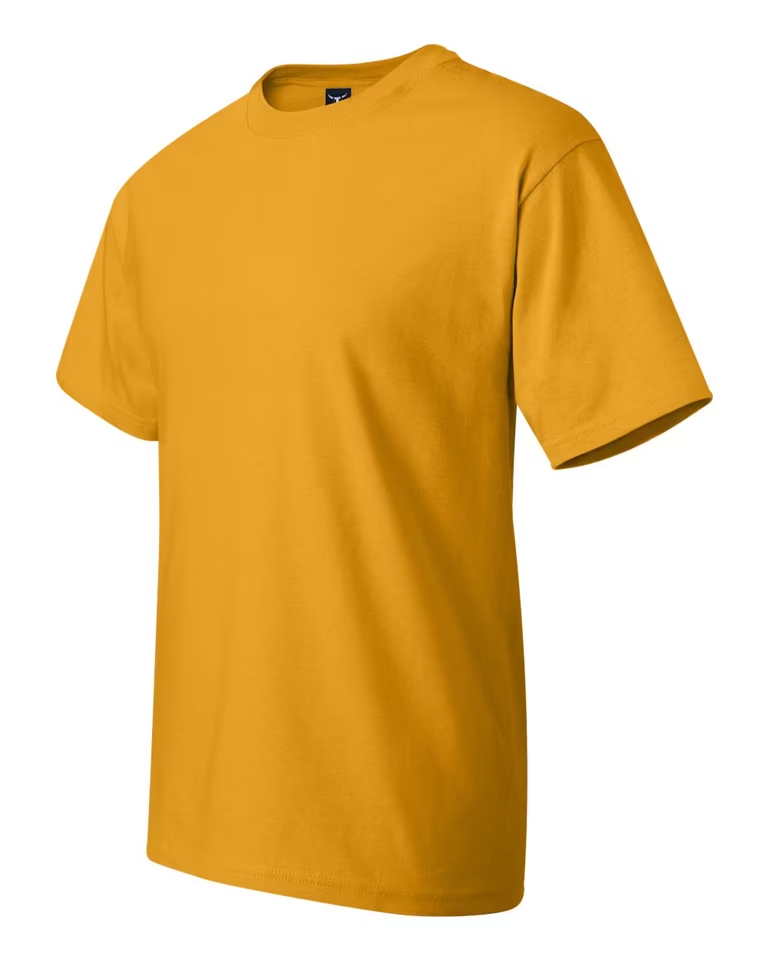
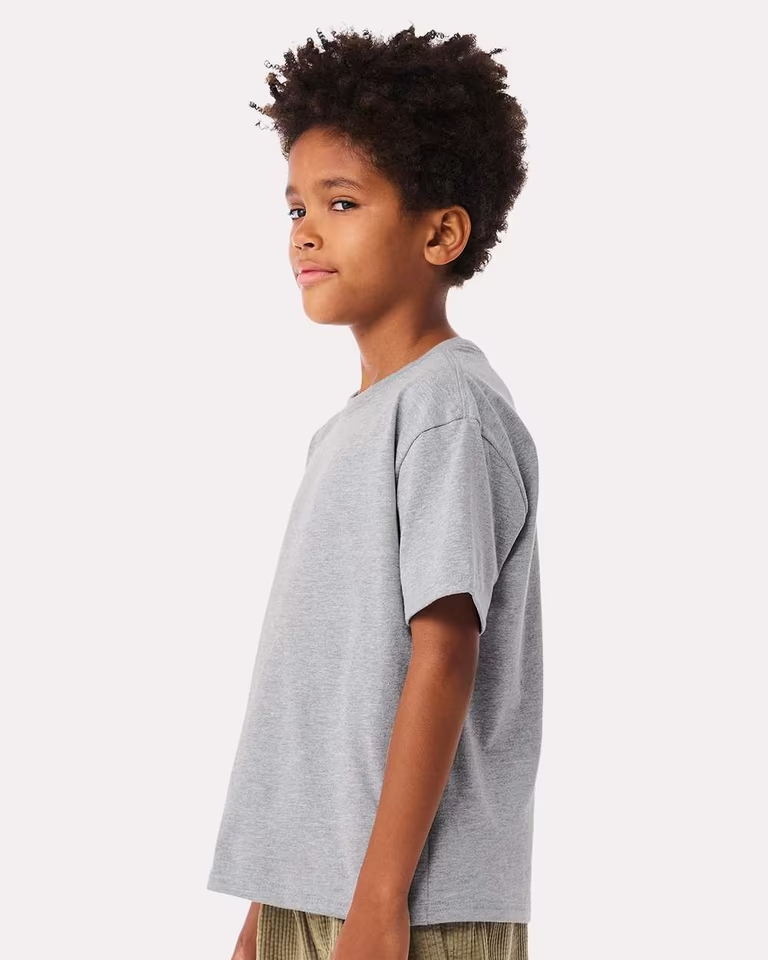
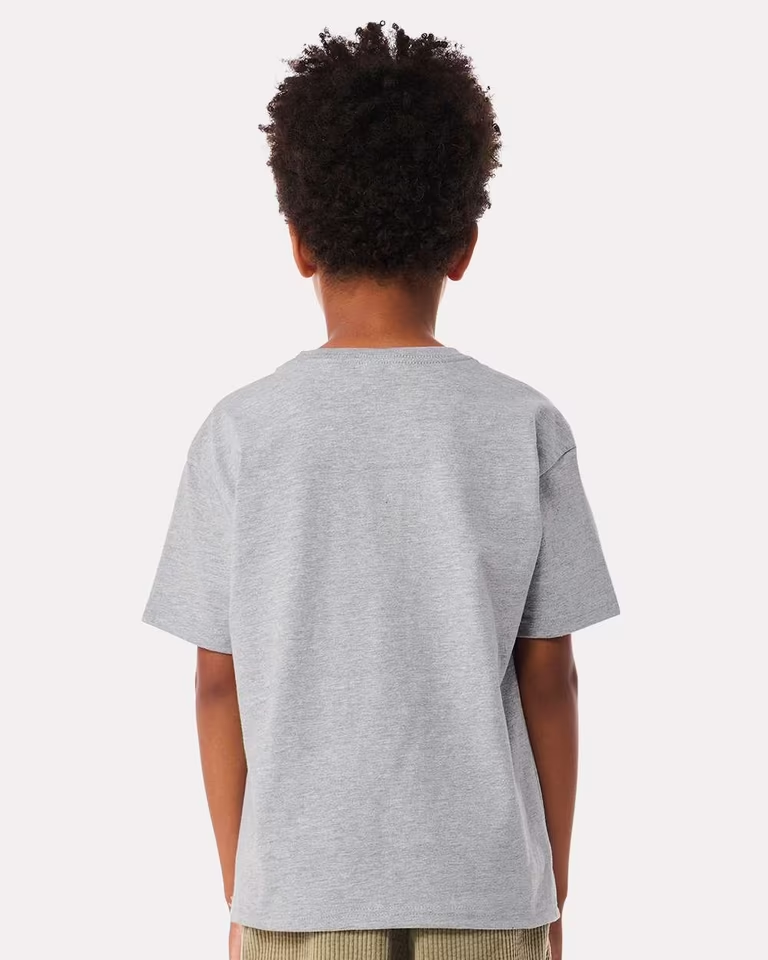
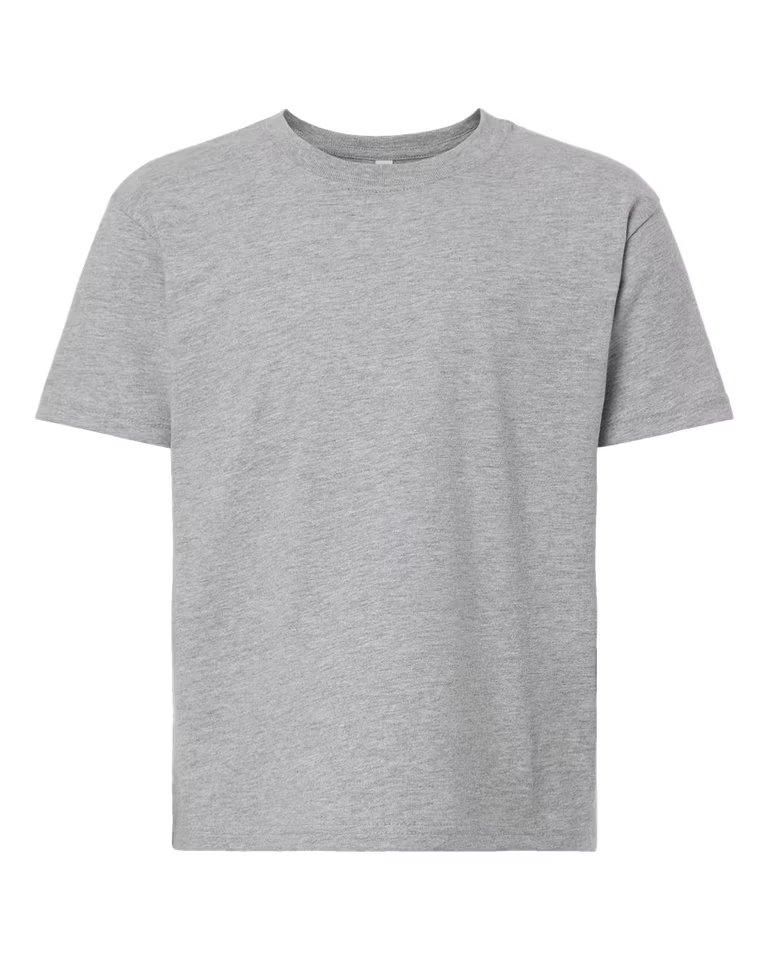
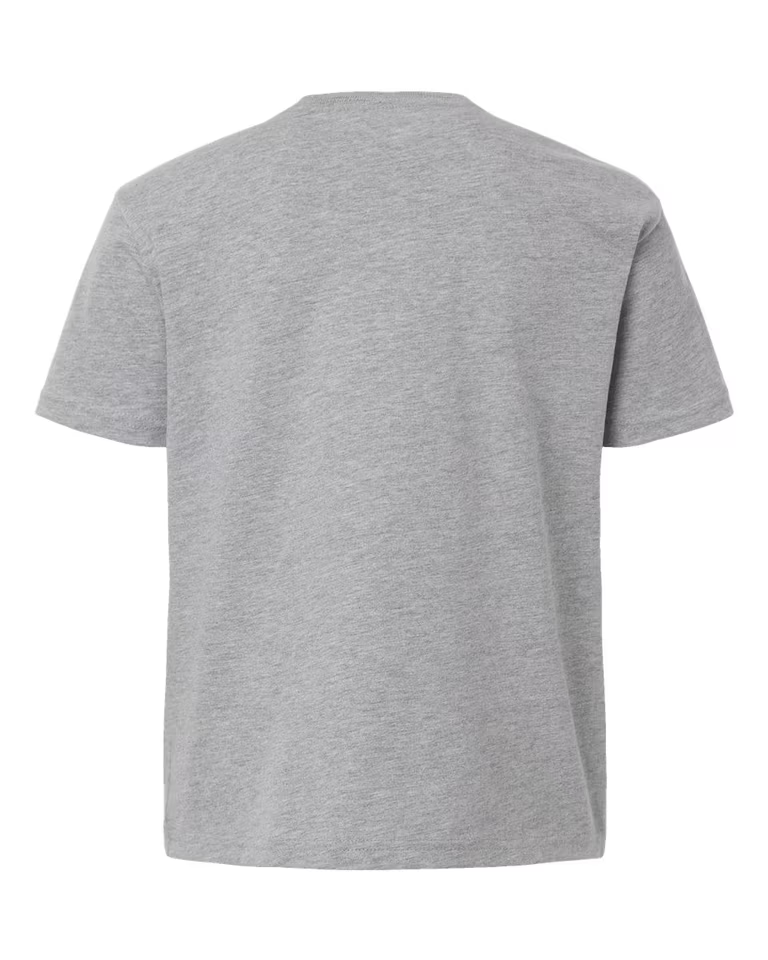
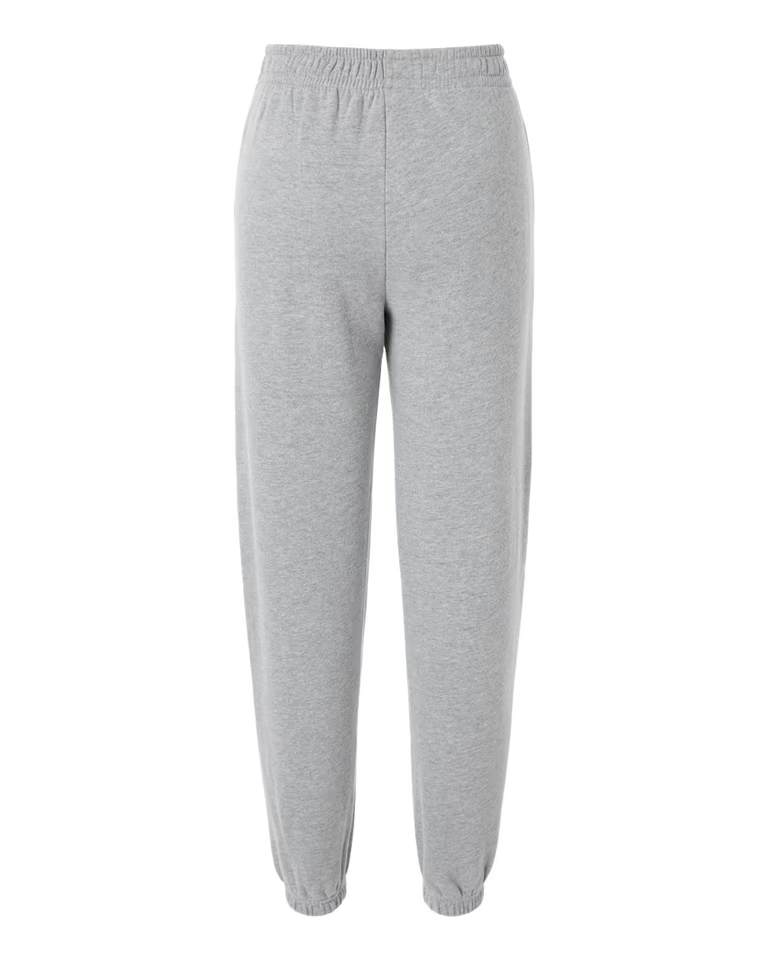
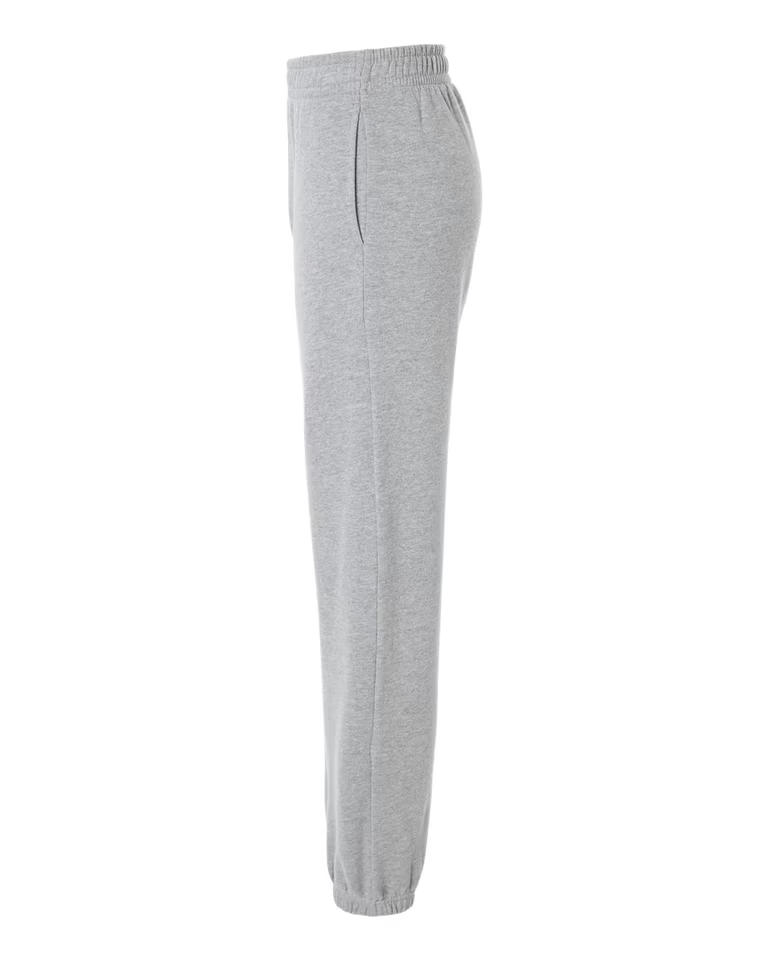
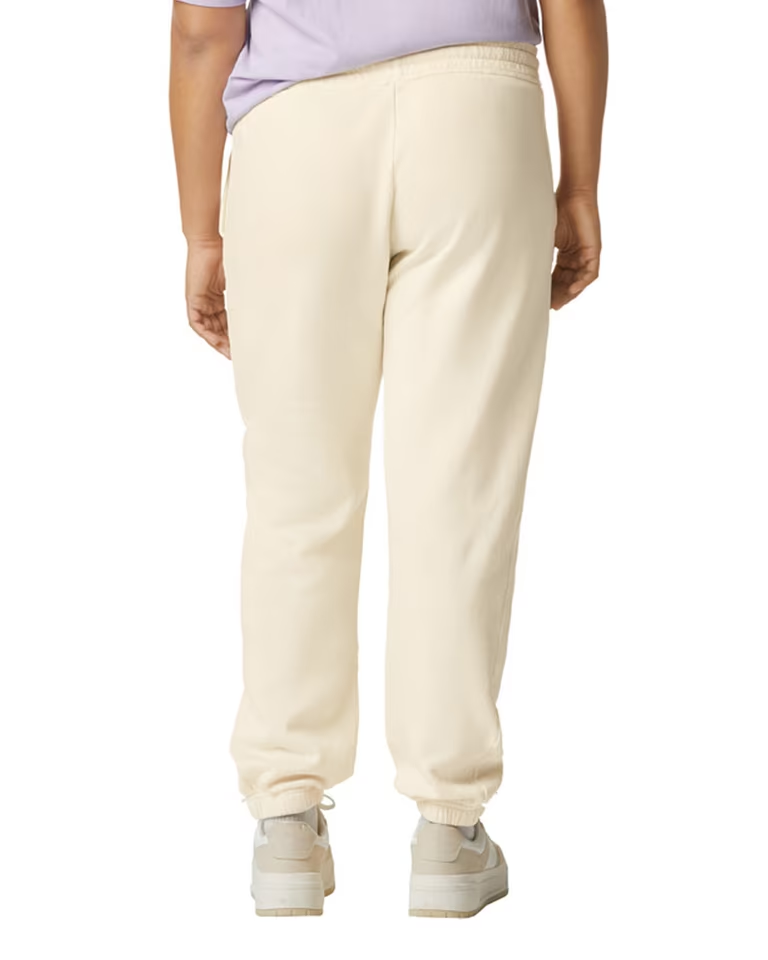
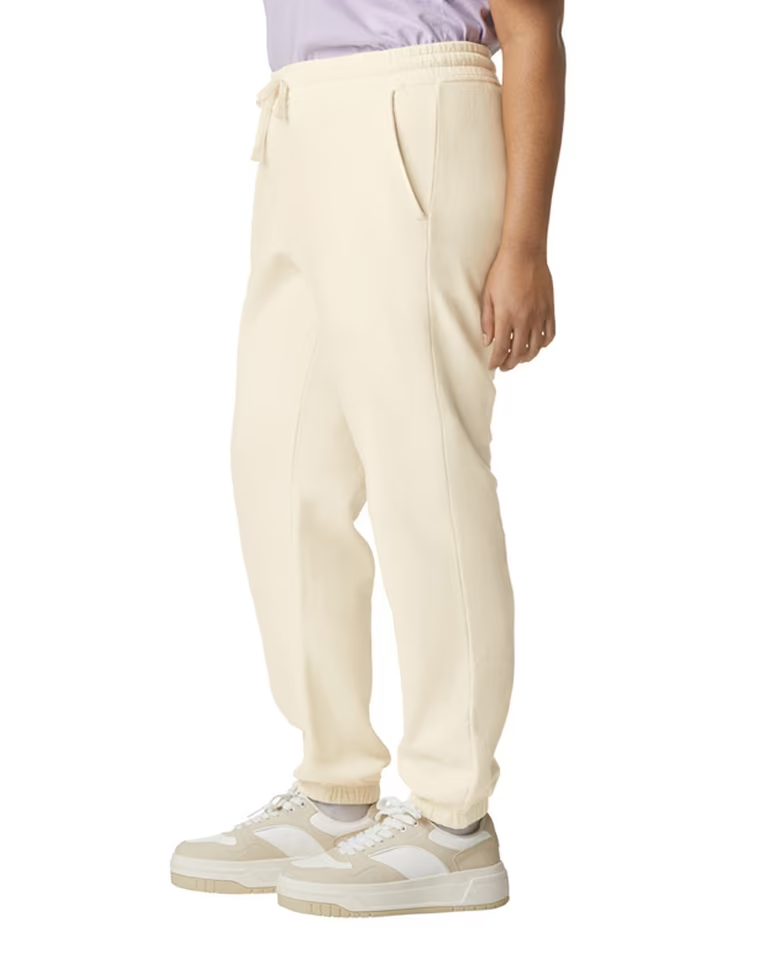
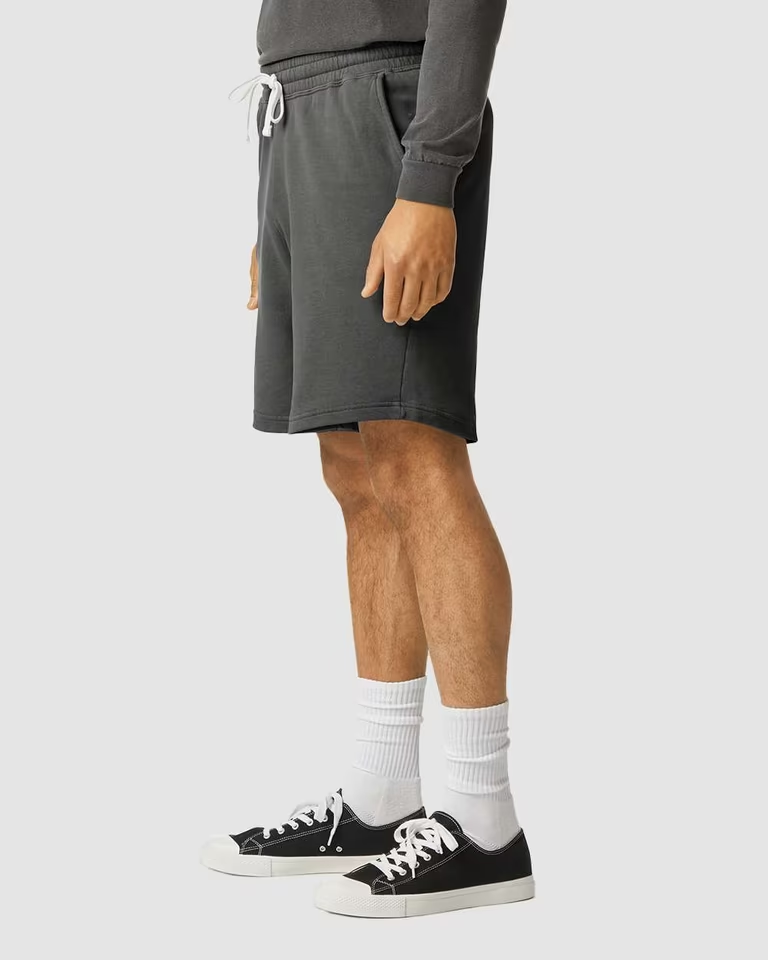
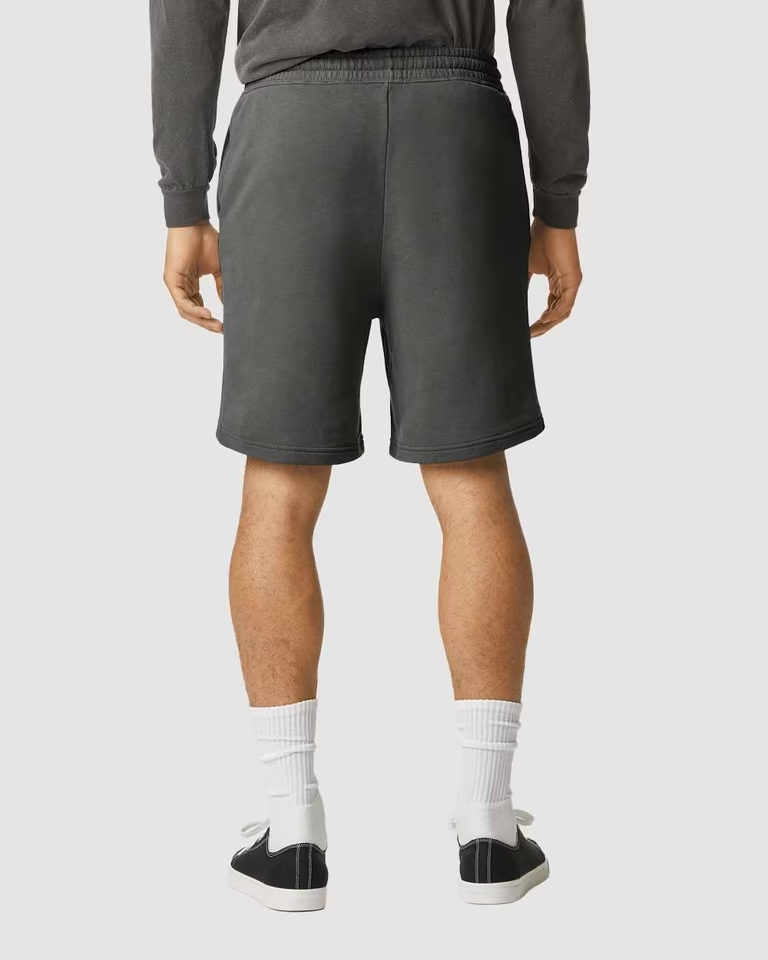
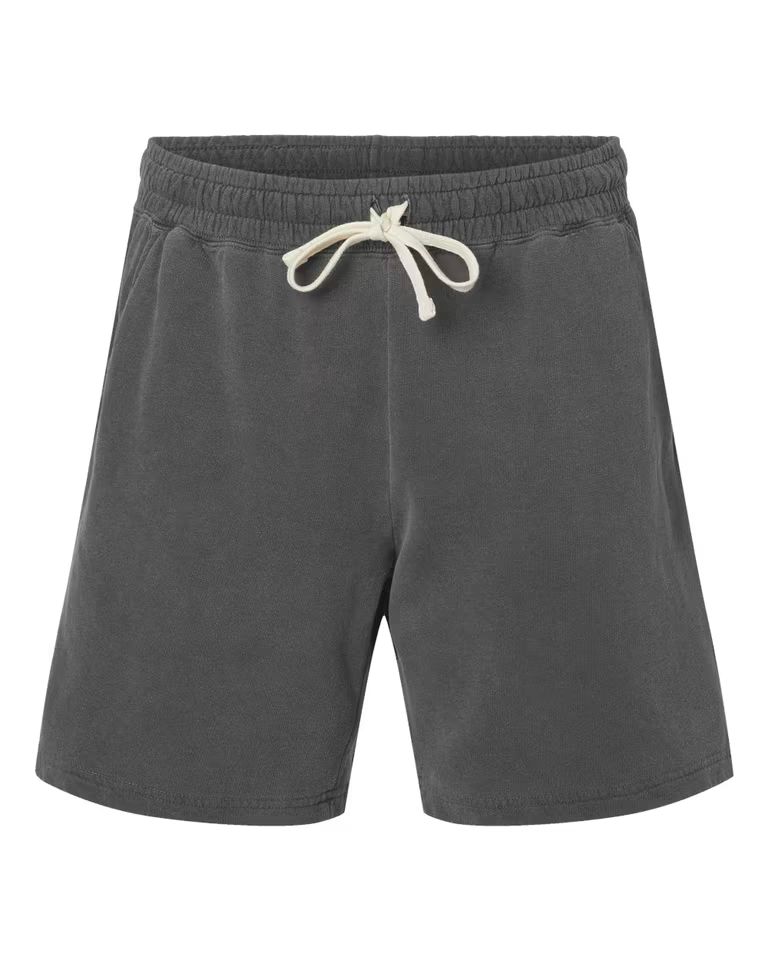
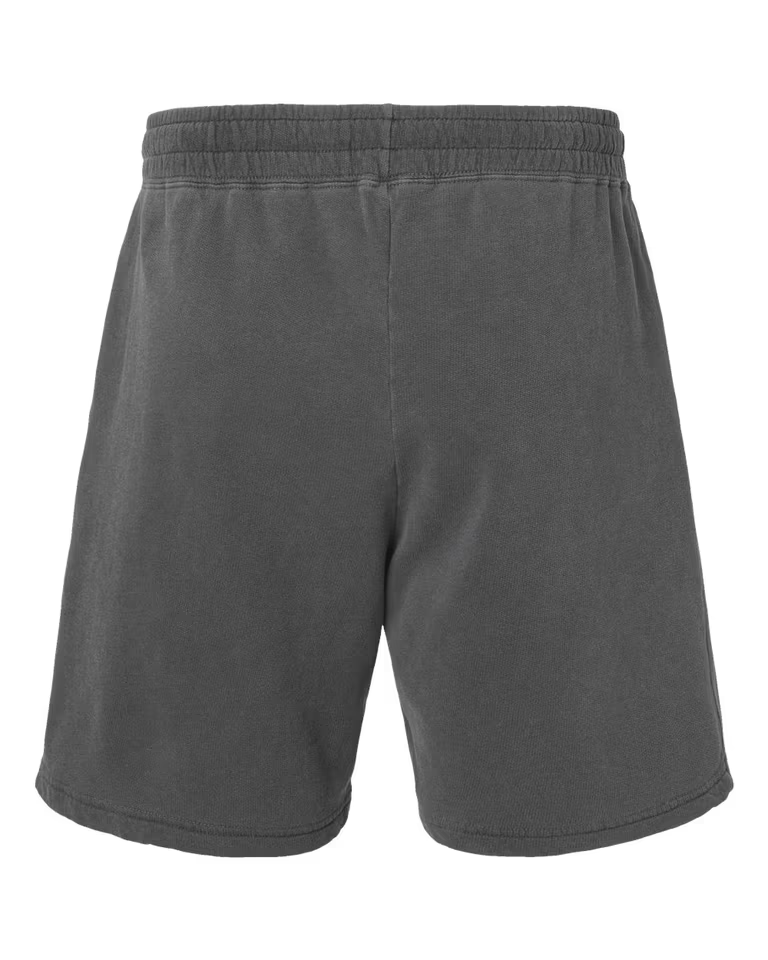
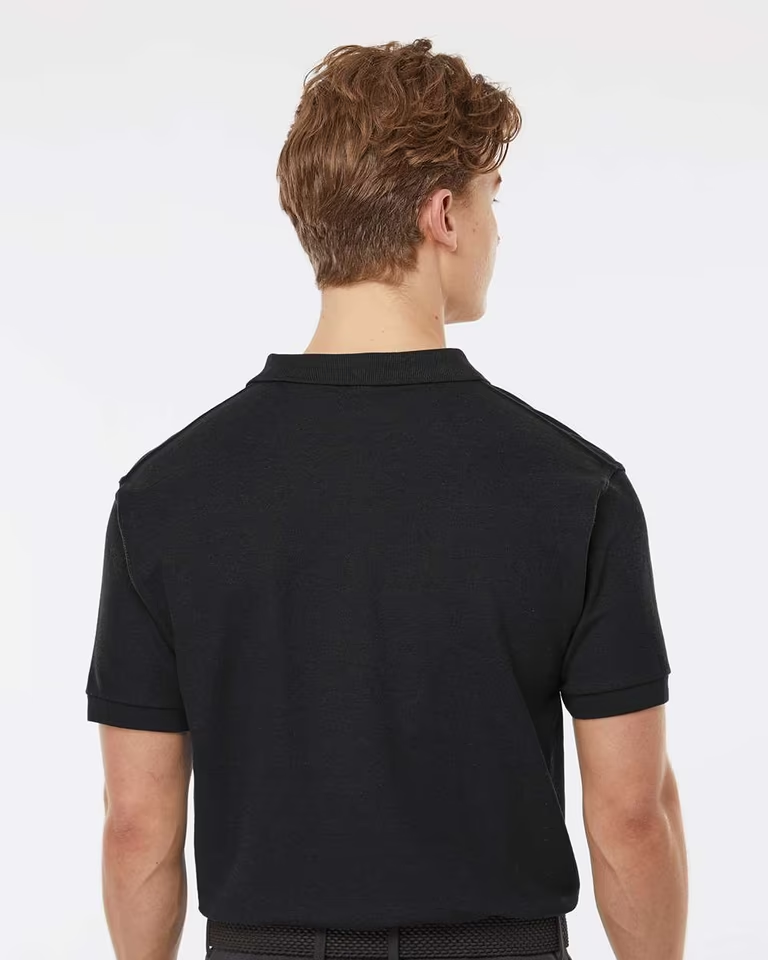
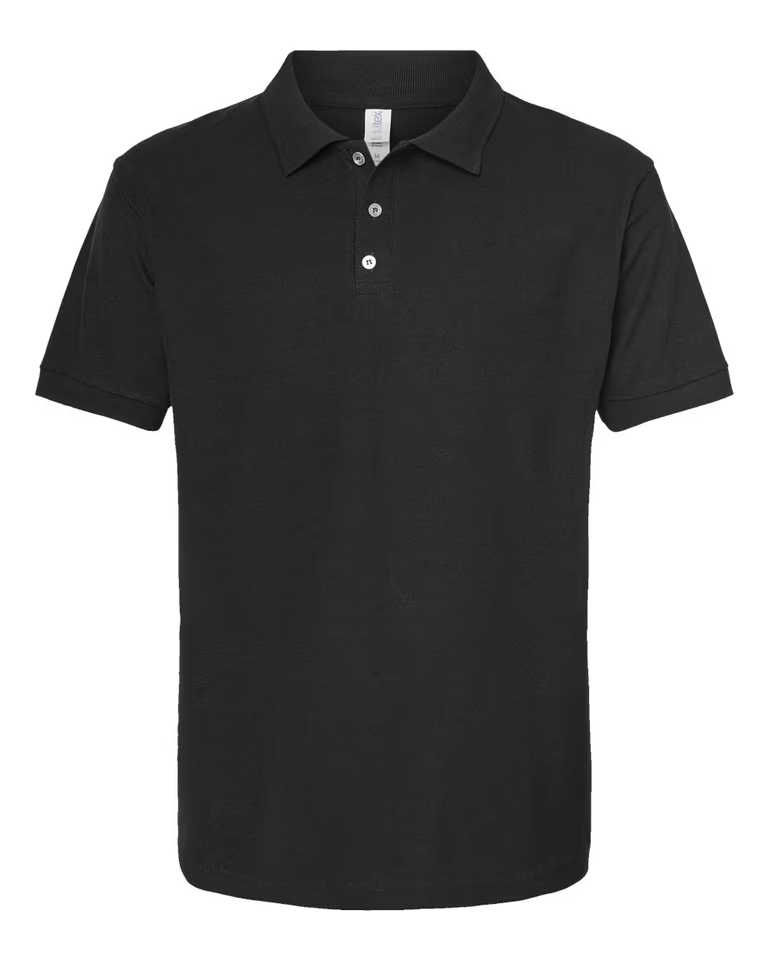
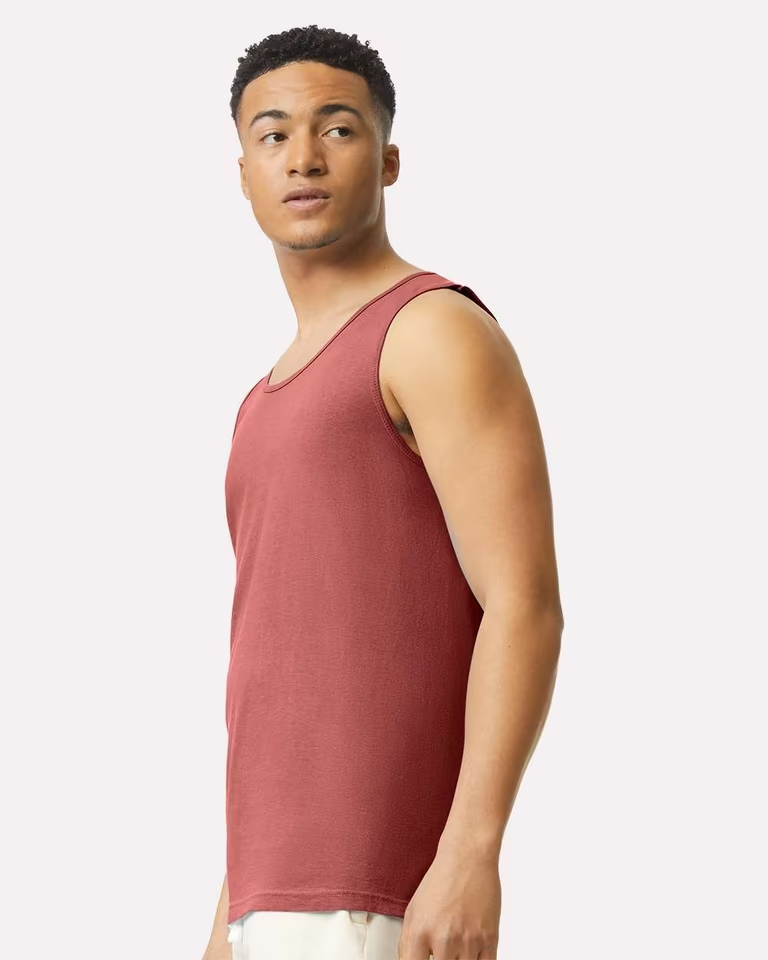
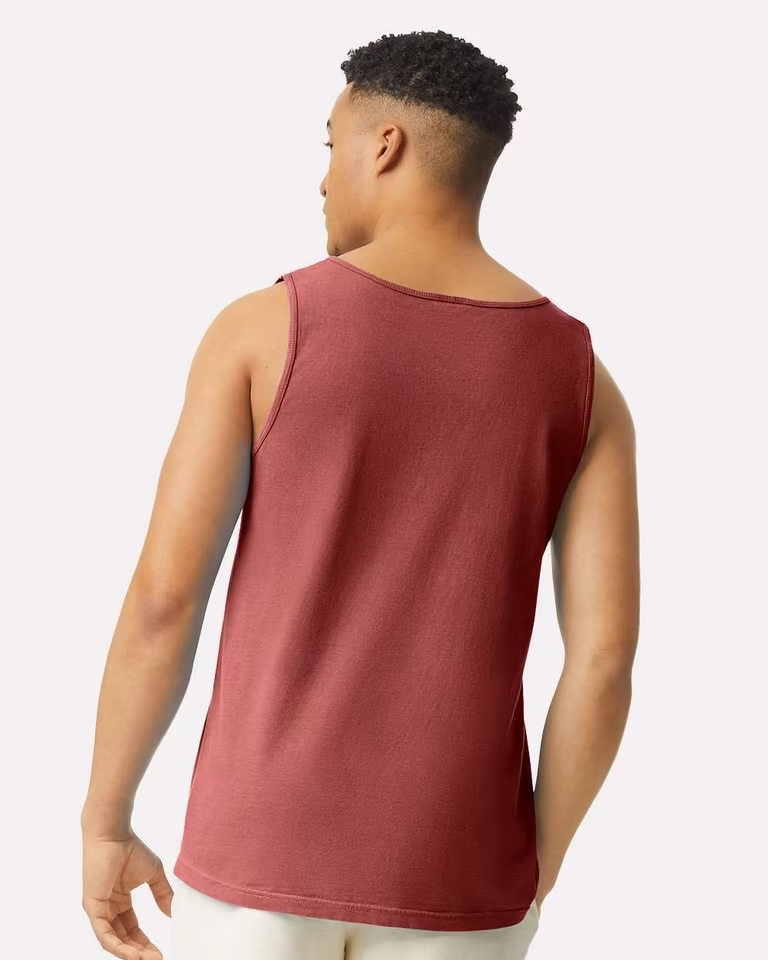
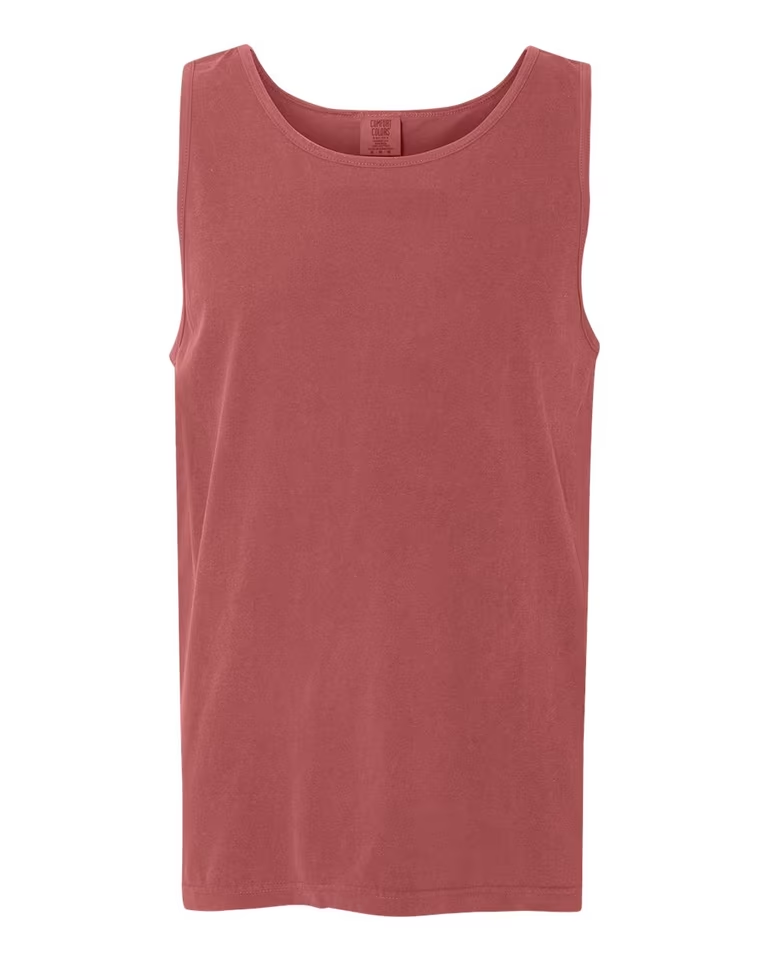
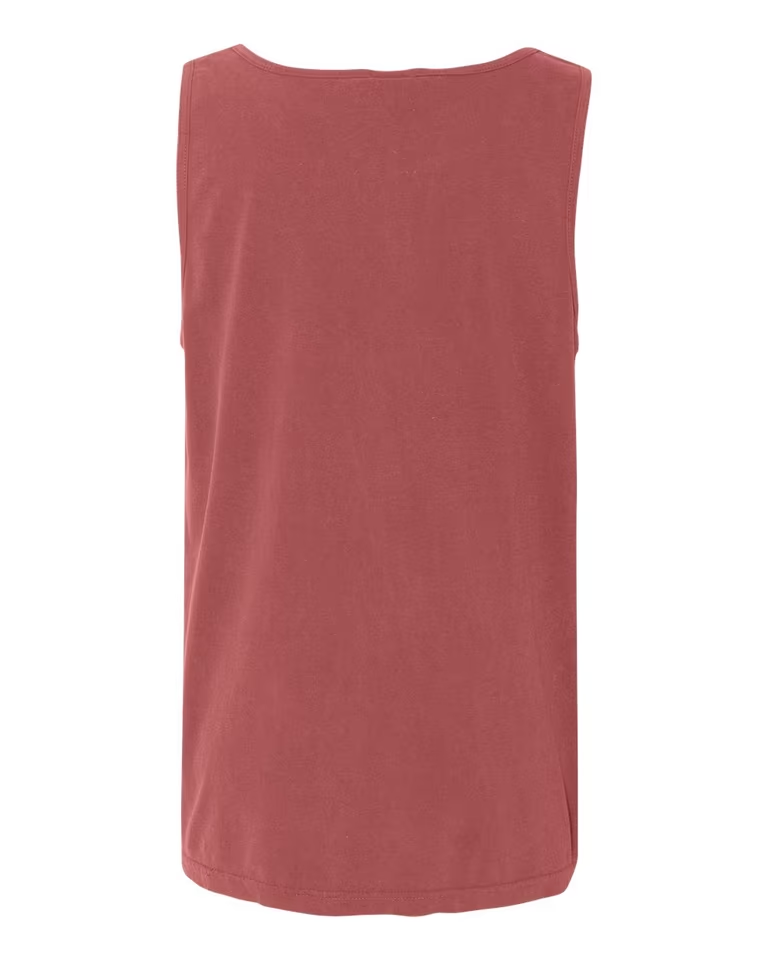
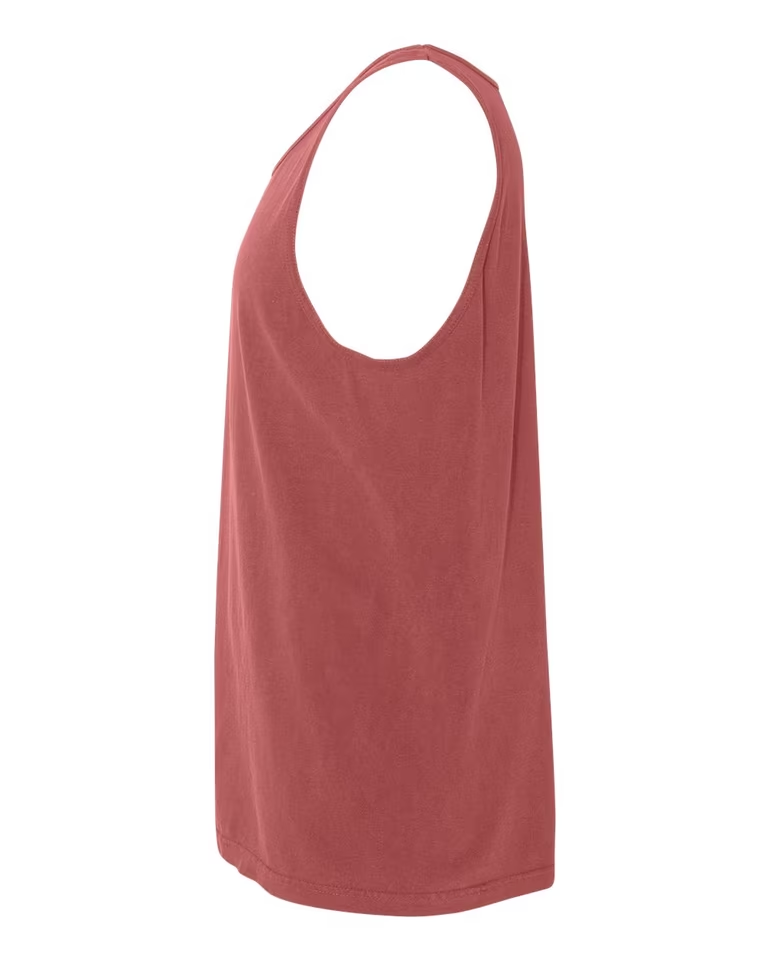
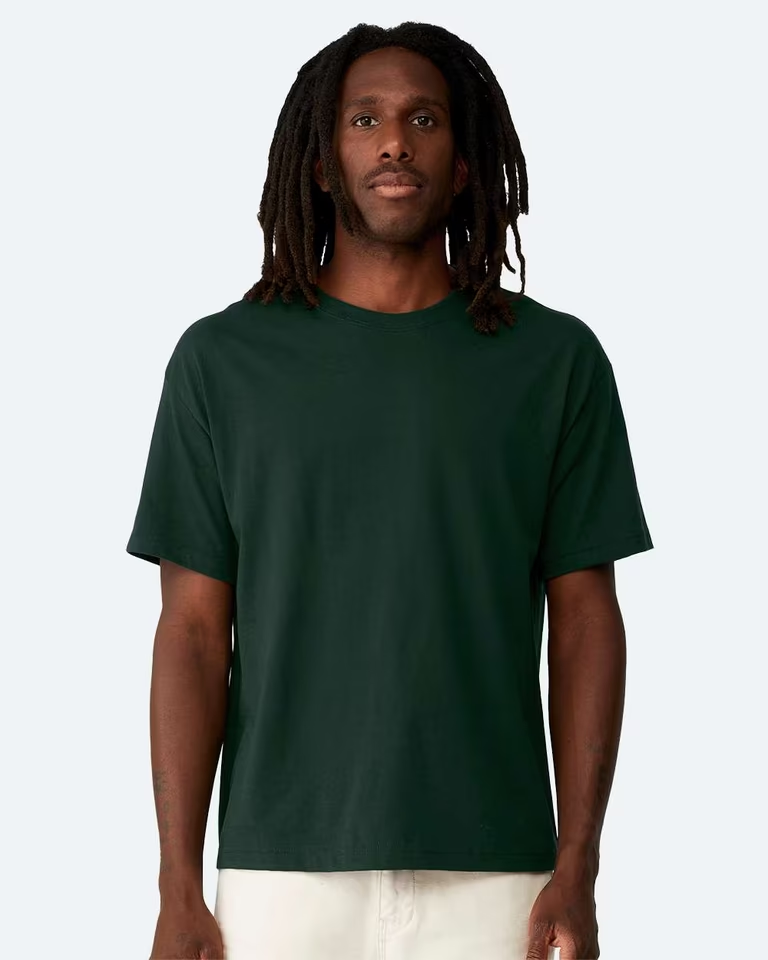
Comfort Colors style number 1717
$7.50
Retail $13.43
How dense a knit fabric is, measured in oz/yd². Typical ranges: under 4.5 oz is lightweight fashion; 4.5–5.5 oz is the midweight band most everyday tees fall into; 5.5–6 oz is heavy everyday and fleece; 6 oz and up is the heavyweight range, with 7 oz and up the streetwear max-weight class. Heavier fabric drapes more substantially, holds prints flatter, and costs more per blank. is measured in oz/yd² (about 34 Grams per square meter: the standard weight unit for woven and knit fabrics. A heavier GSM means a denser, usually more durable fabric. Most tees fall between 145 GSM (4.3 oz) and 207 GSM (6.1 oz). per oz). Lightweight fashion tees run under How dense a knit fabric is, measured in oz/yd². Typical ranges: under 4.5 oz is lightweight fashion; 4.5–5.5 oz is the midweight band most everyday tees fall into; 5.5–6 oz is heavy everyday and fleece; 6 oz and up is the heavyweight range, with 7 oz and up the streetwear max-weight class. Heavier fabric drapes more substantially, holds prints flatter, and costs more per blank. , the classic midweight band is How dense a knit fabric is, measured in oz/yd². Typical ranges: under 4.5 oz is lightweight fashion; 4.5–5.5 oz is the midweight band most everyday tees fall into; 5.5–6 oz is heavy everyday and fleece; 6 oz and up is the heavyweight range, with 7 oz and up the streetwear max-weight class. Heavier fabric drapes more substantially, holds prints flatter, and costs more per blank. , and heavyweight starts around How dense a knit fabric is, measured in oz/yd². Typical ranges: under 4.5 oz is lightweight fashion; 4.5–5.5 oz is the midweight band most everyday tees fall into; 5.5–6 oz is heavy everyday and fleece; 6 oz and up is the heavyweight range, with 7 oz and up the streetwear max-weight class. Heavier fabric drapes more substantially, holds prints flatter, and costs more per blank. , with the max-weight streetwear class at How dense a knit fabric is, measured in oz/yd². Typical ranges: under 4.5 oz is lightweight fashion; 4.5–5.5 oz is the midweight band most everyday tees fall into; 5.5–6 oz is heavy everyday and fleece; 6 oz and up is the heavyweight range, with 7 oz and up the streetwear max-weight class. Heavier fabric drapes more substantially, holds prints flatter, and costs more per blank. and up.
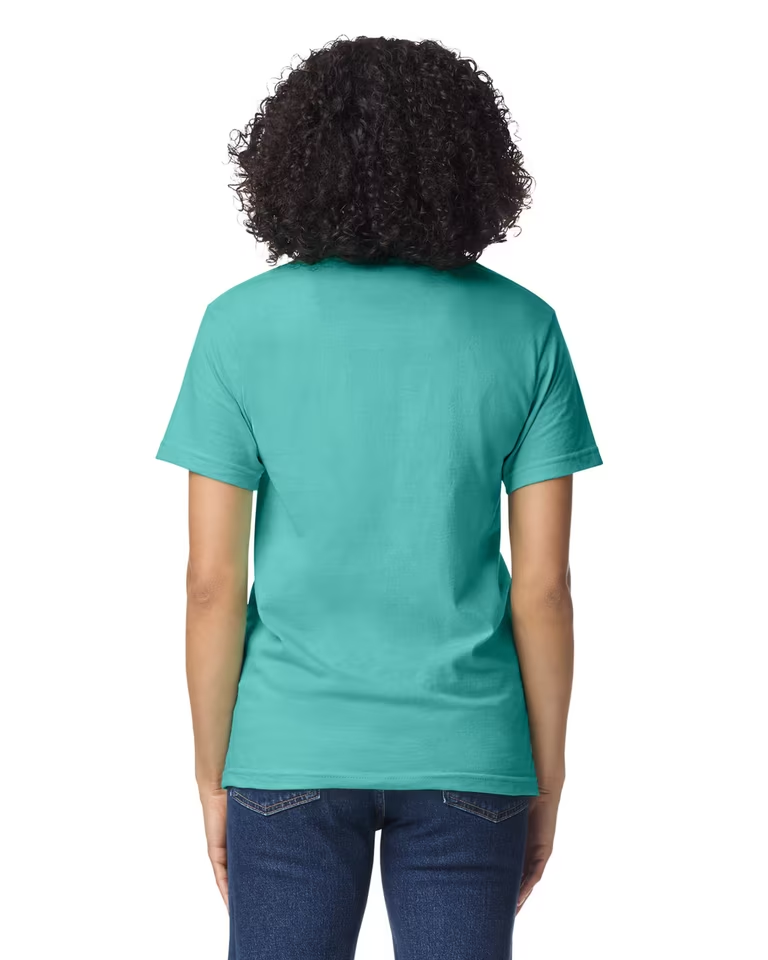
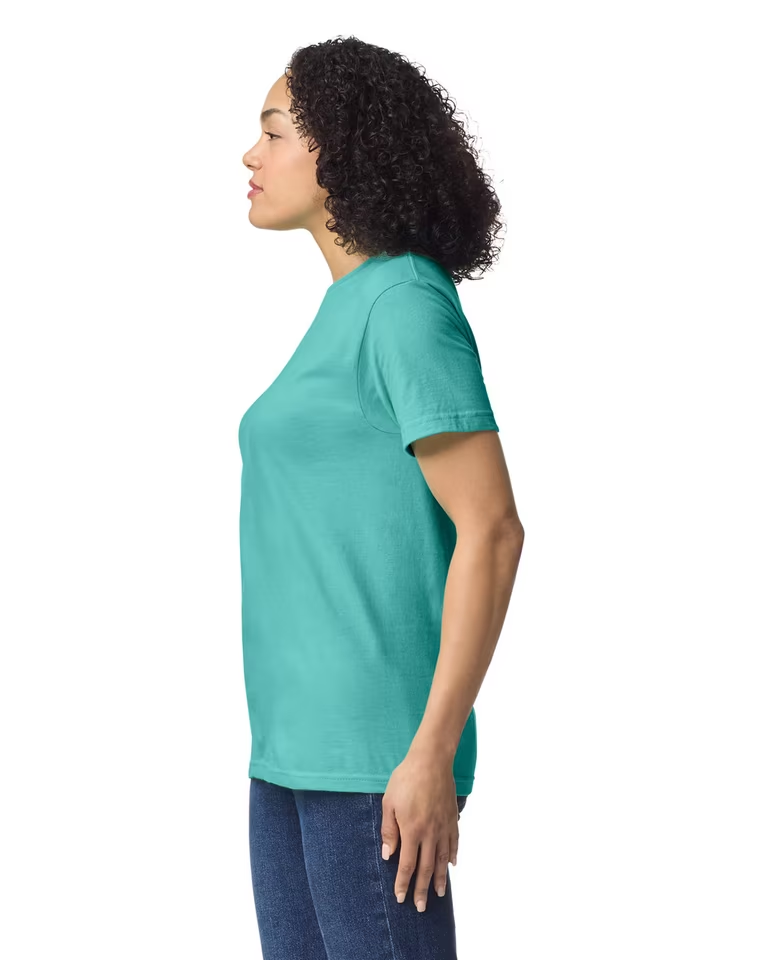
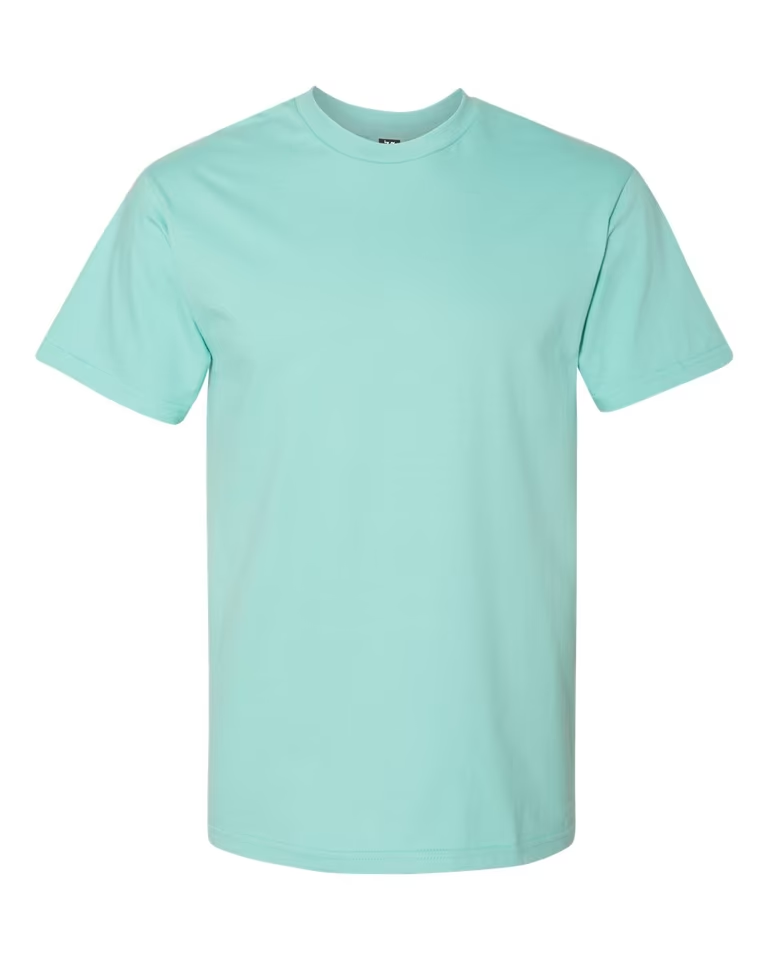
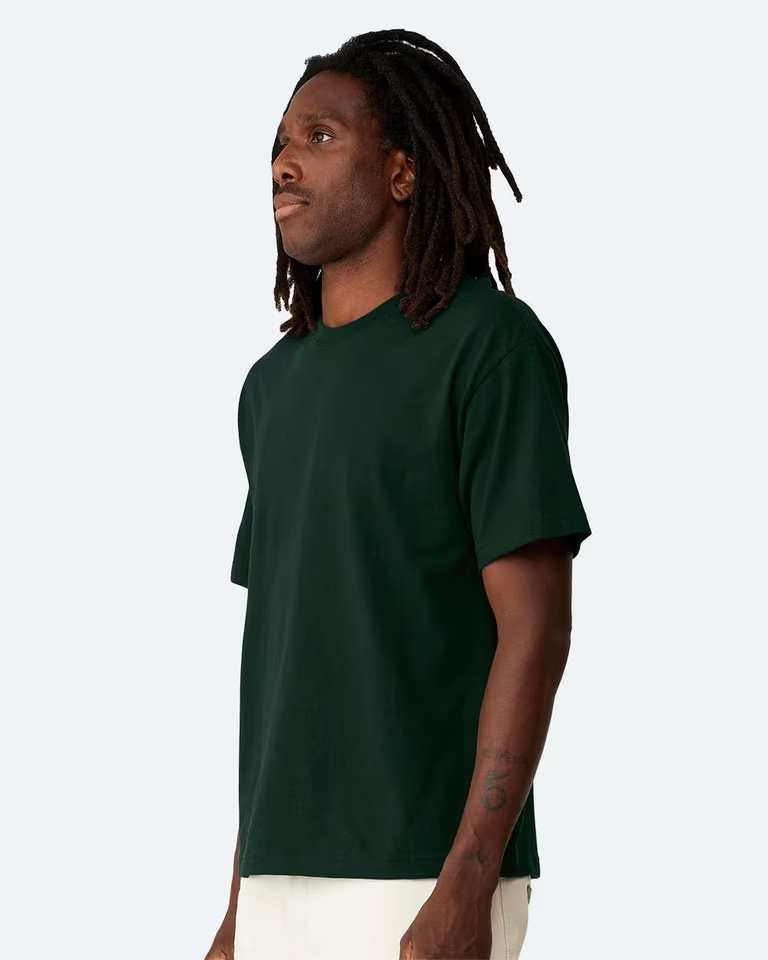
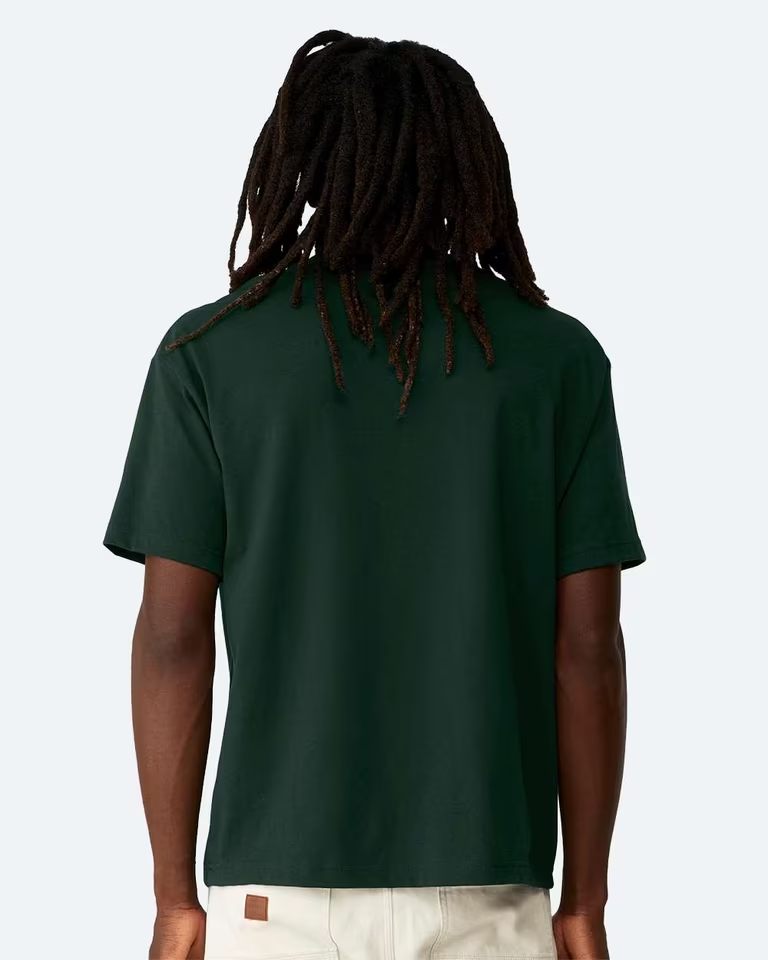
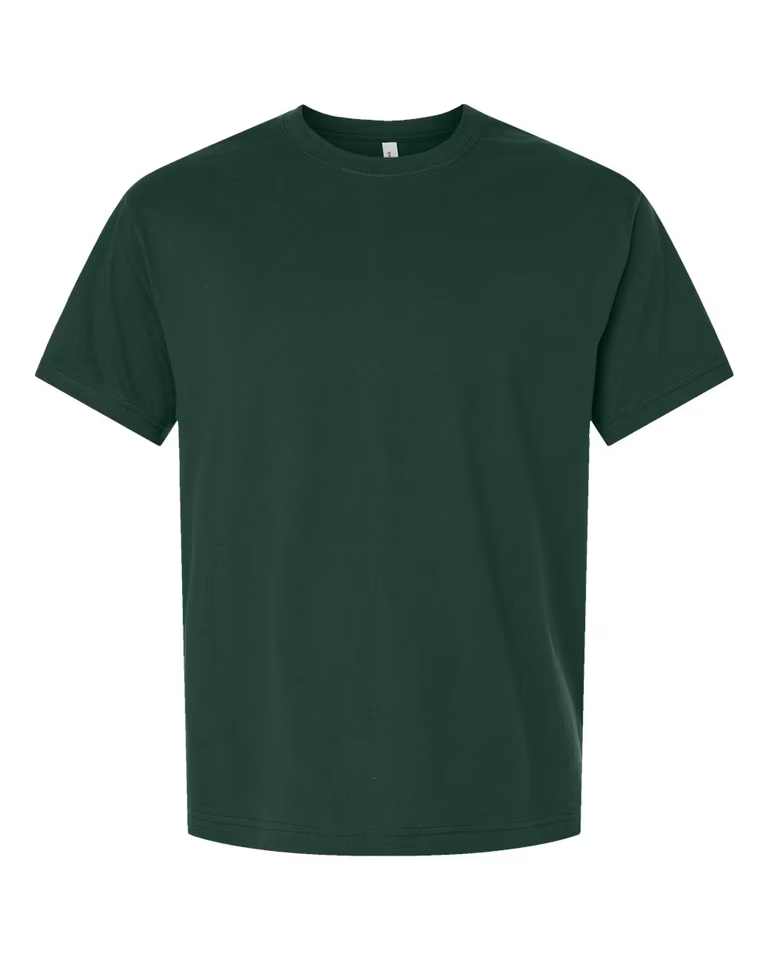
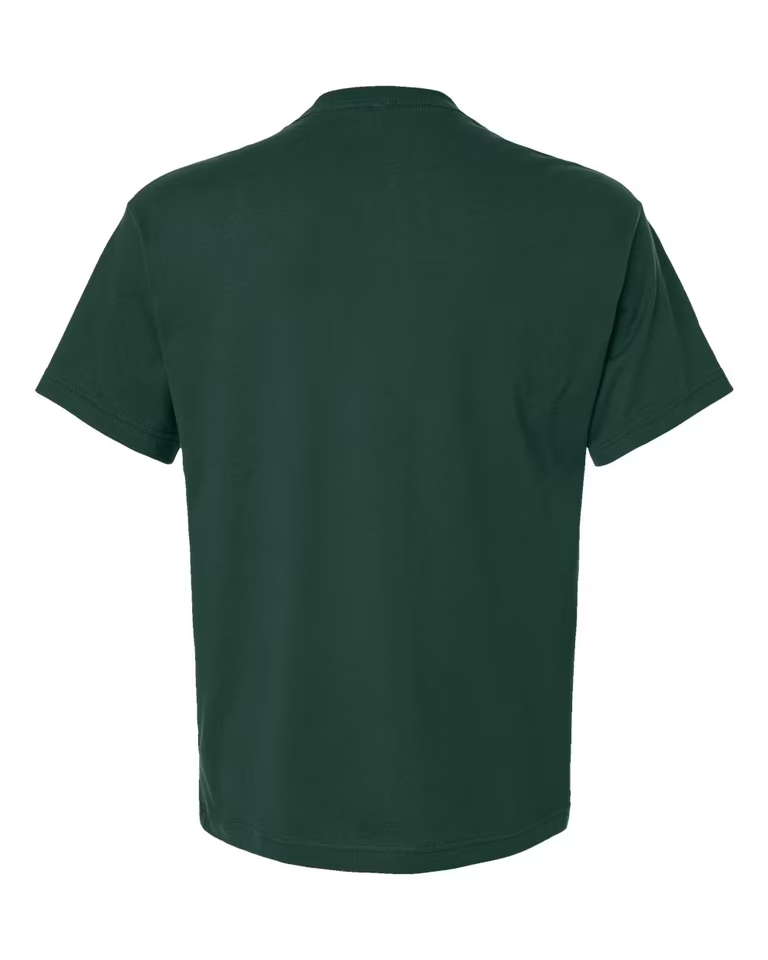
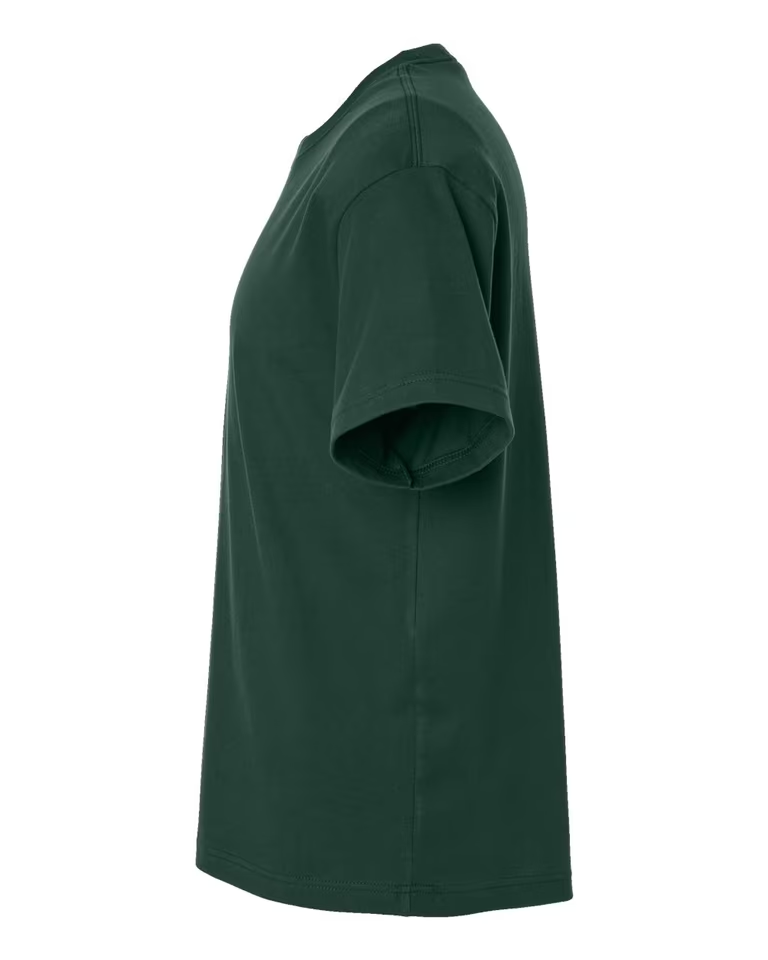
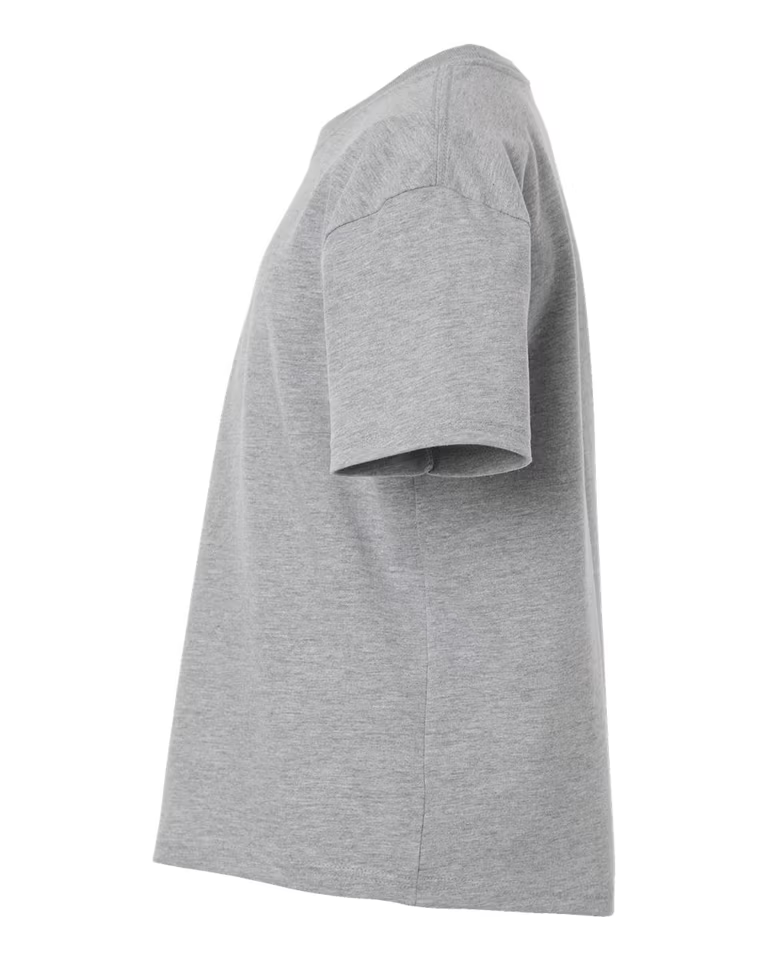
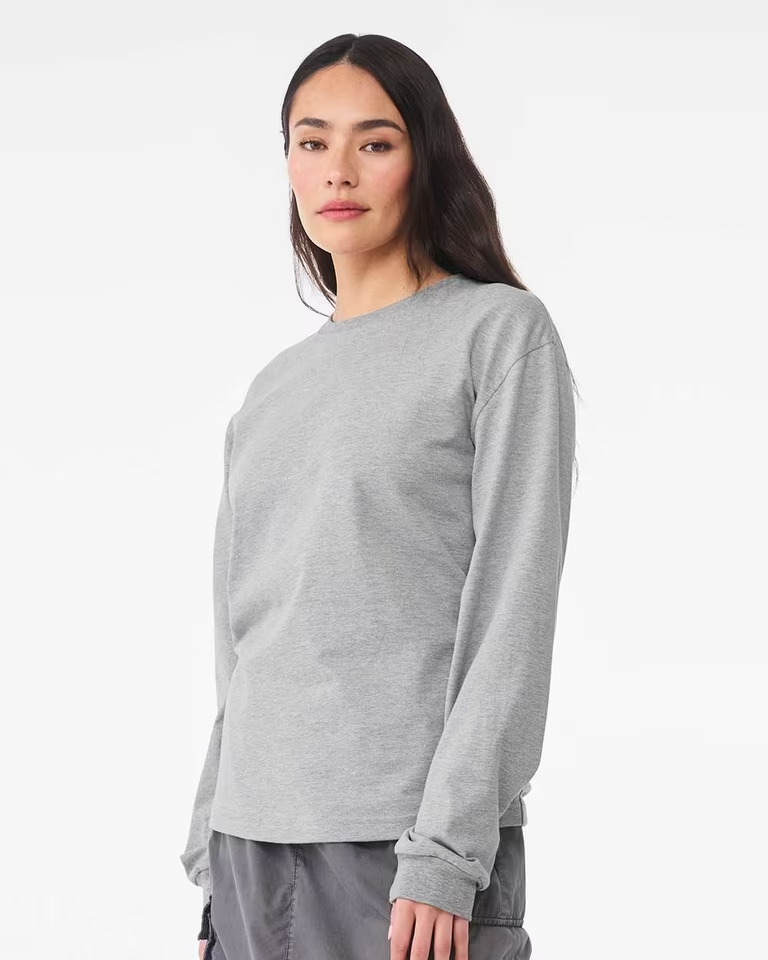
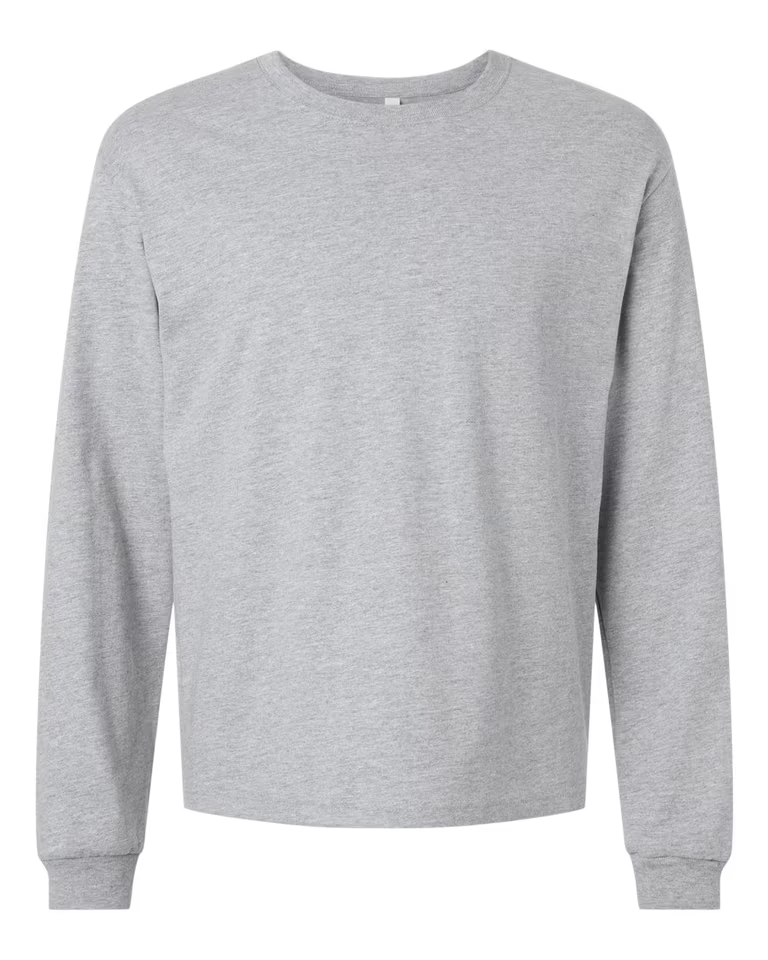
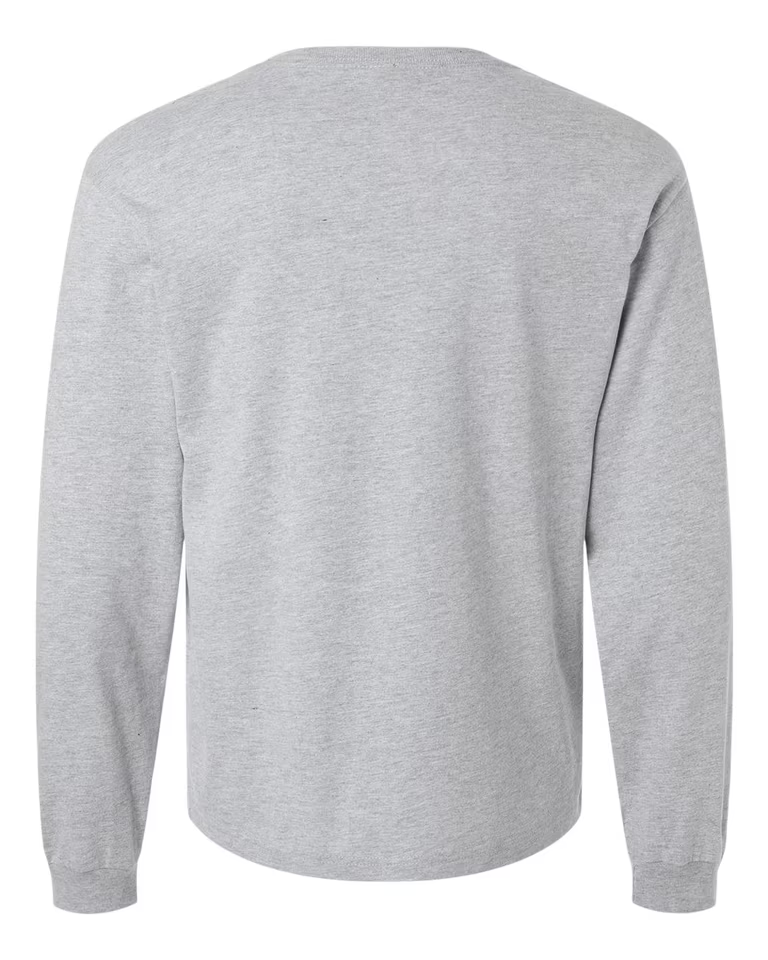
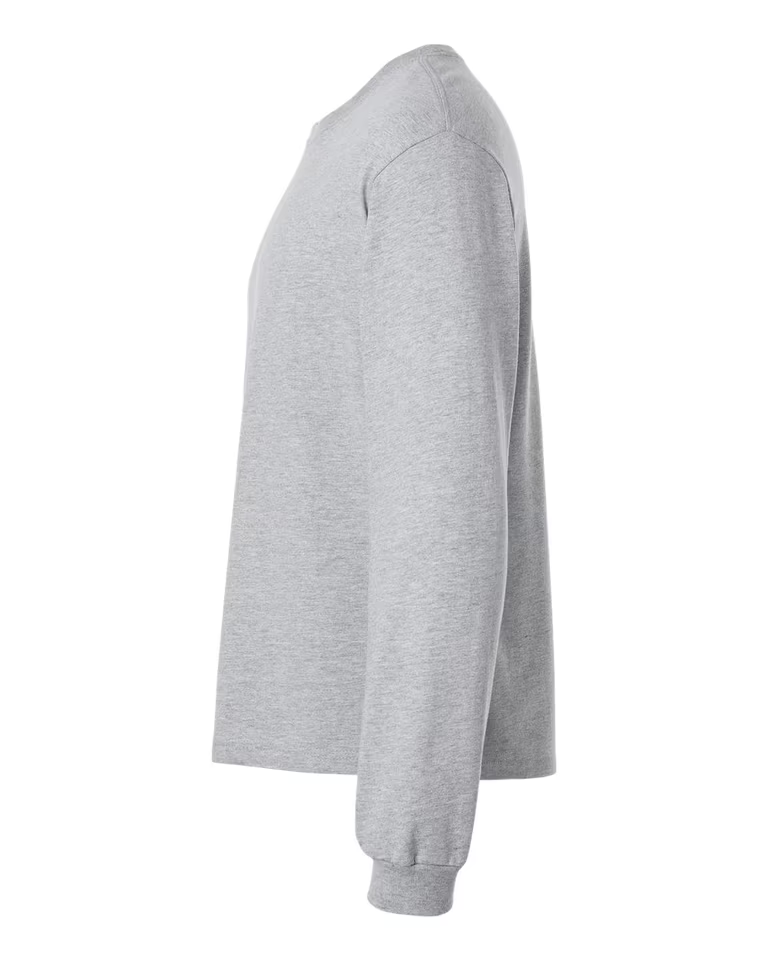
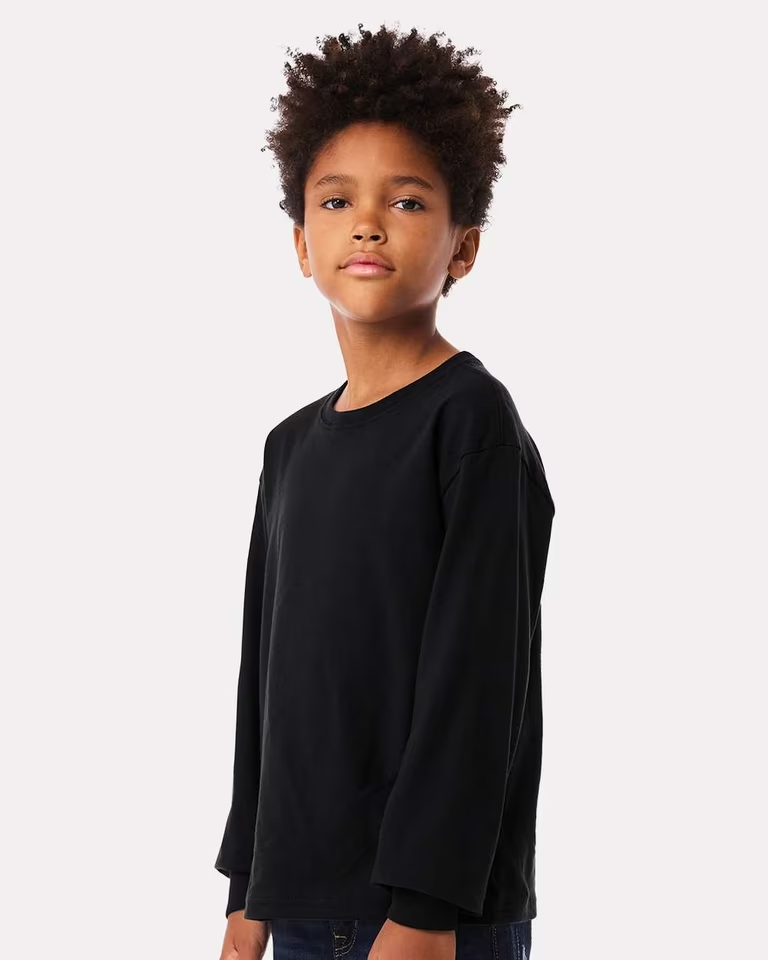
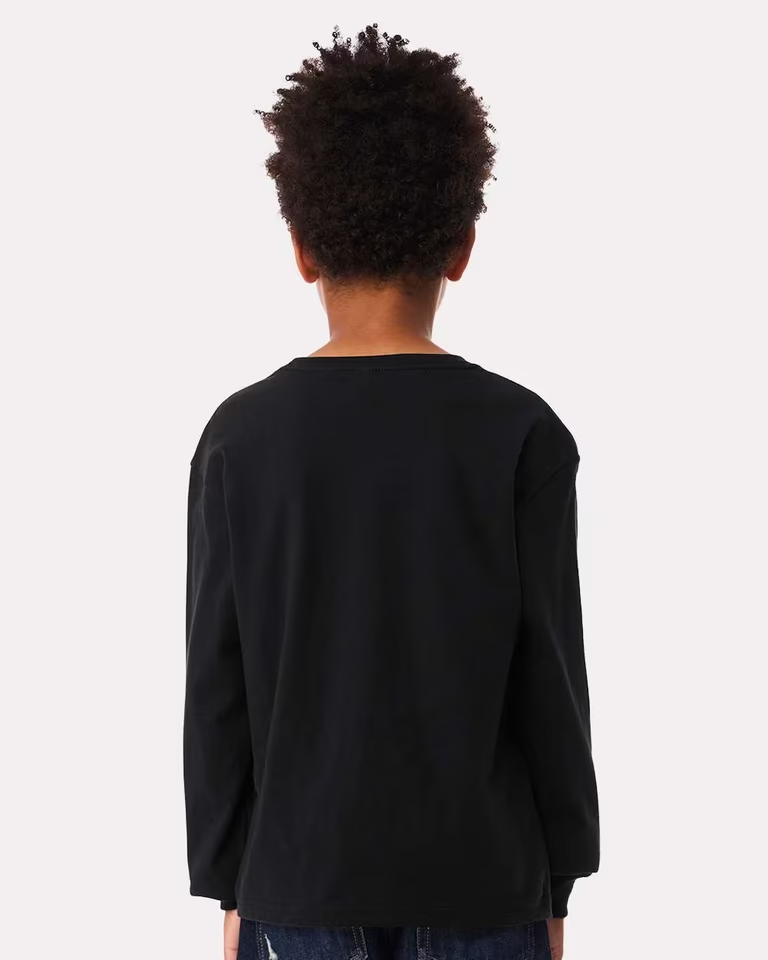
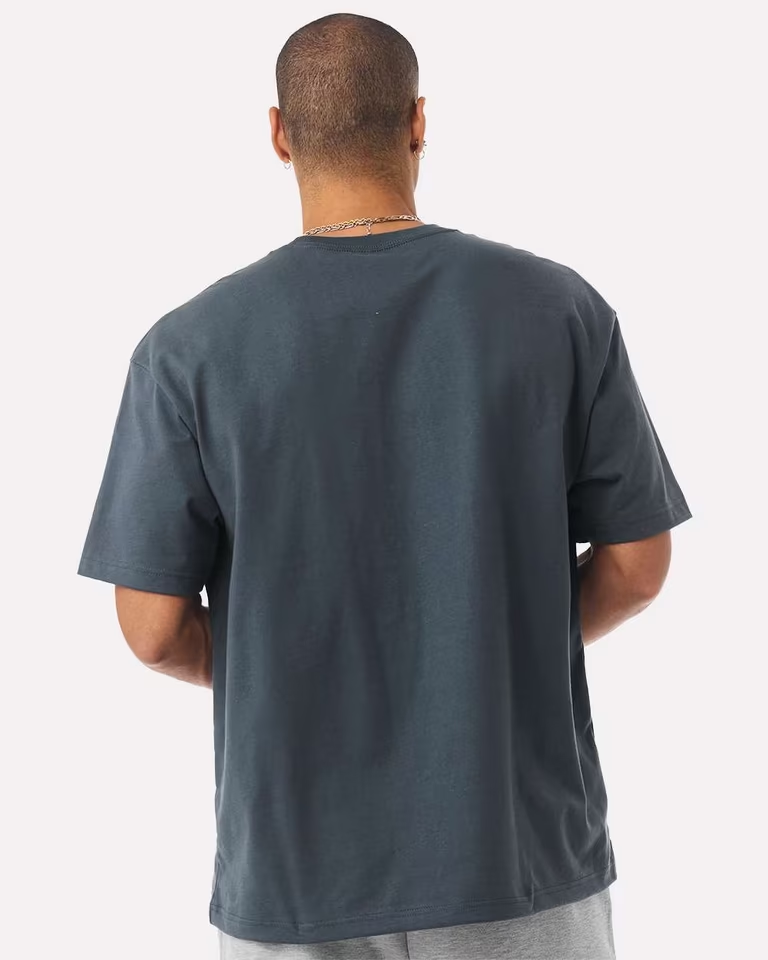
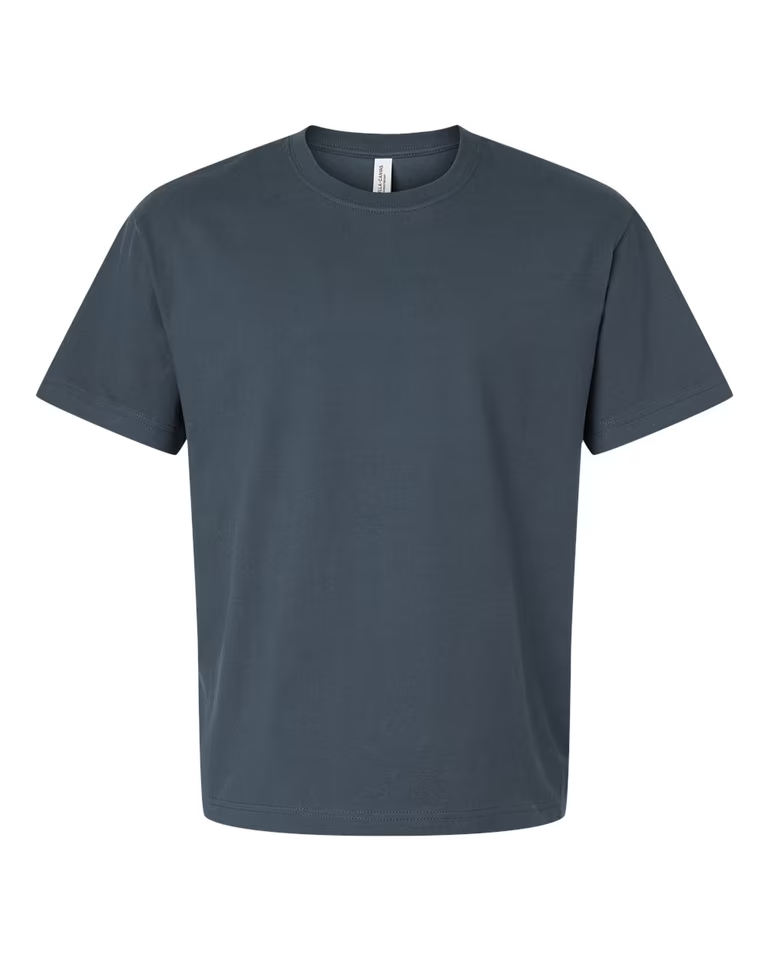
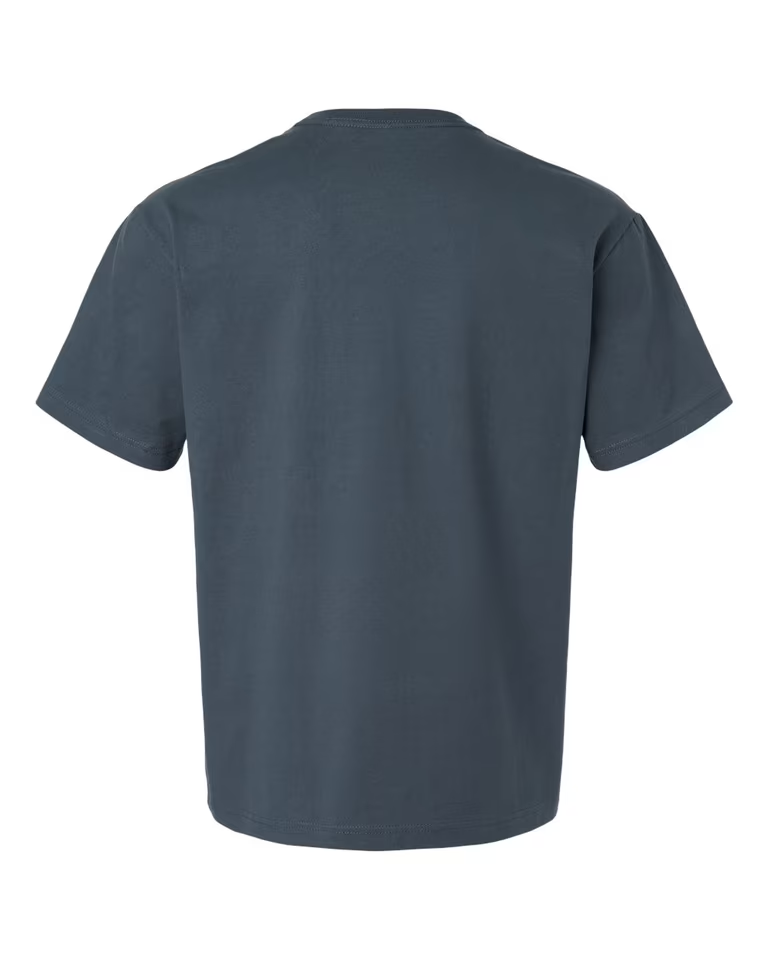
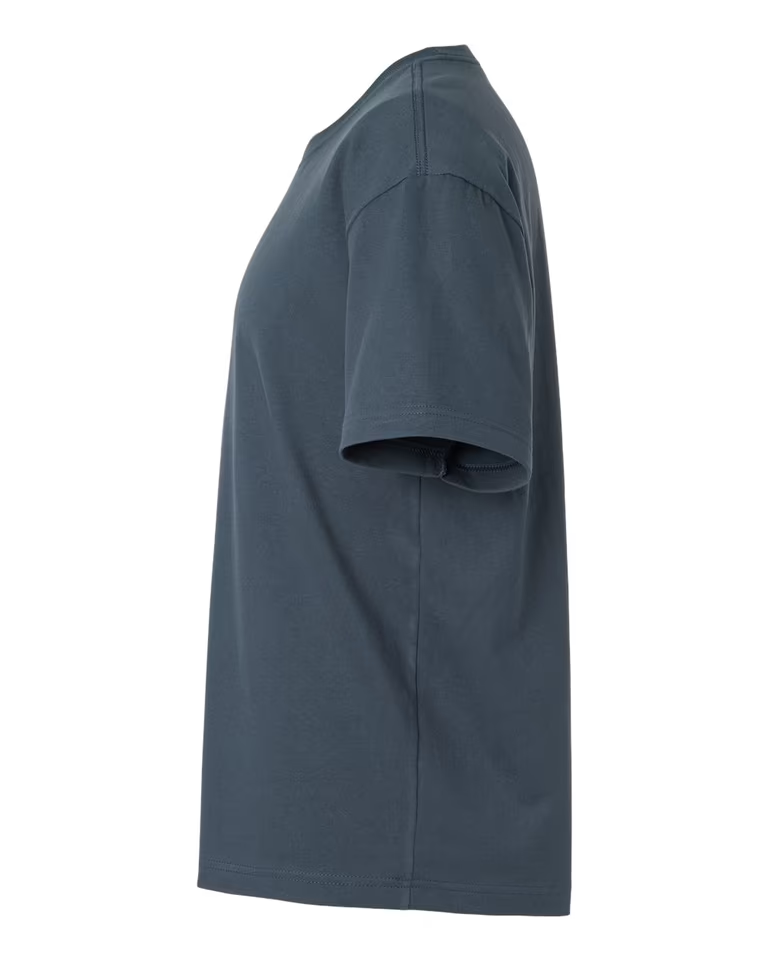
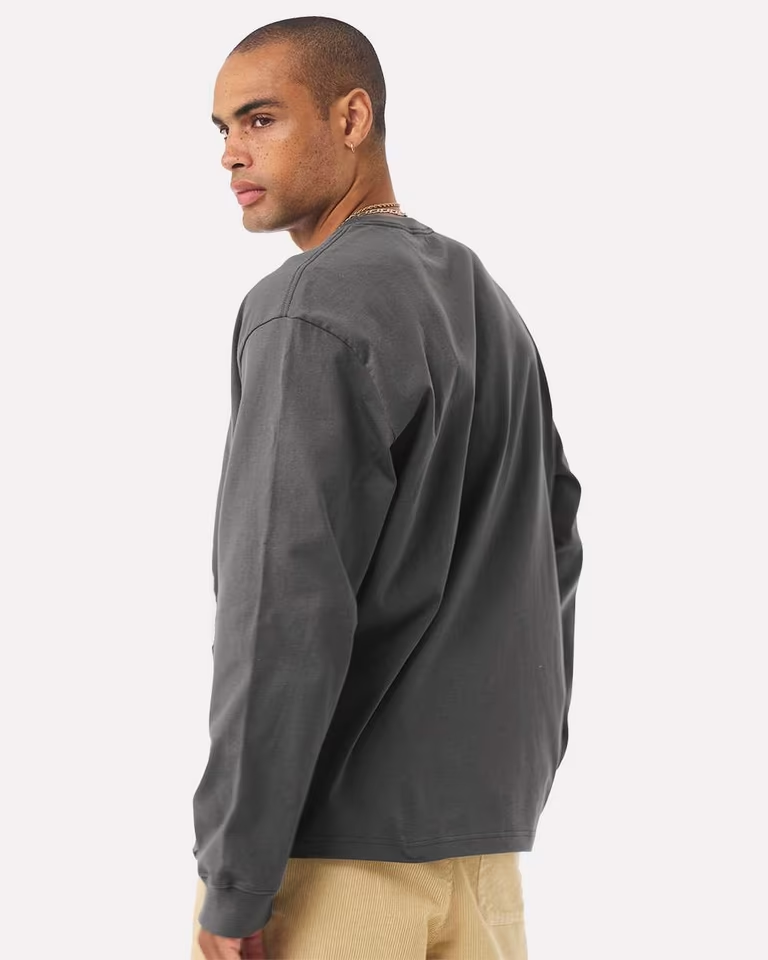
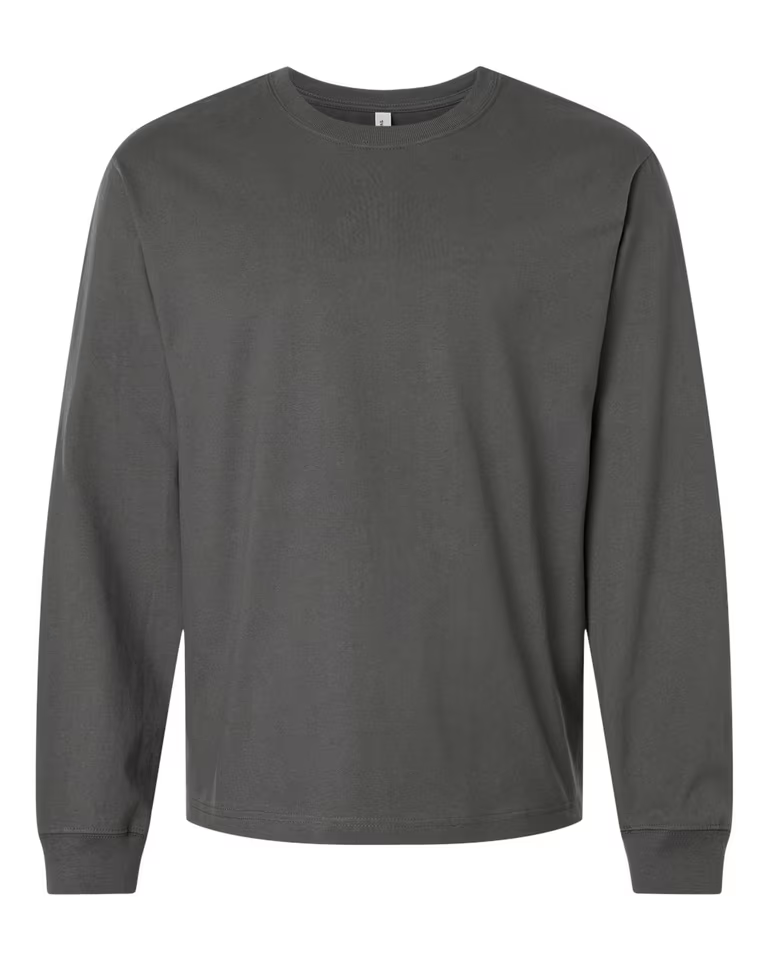
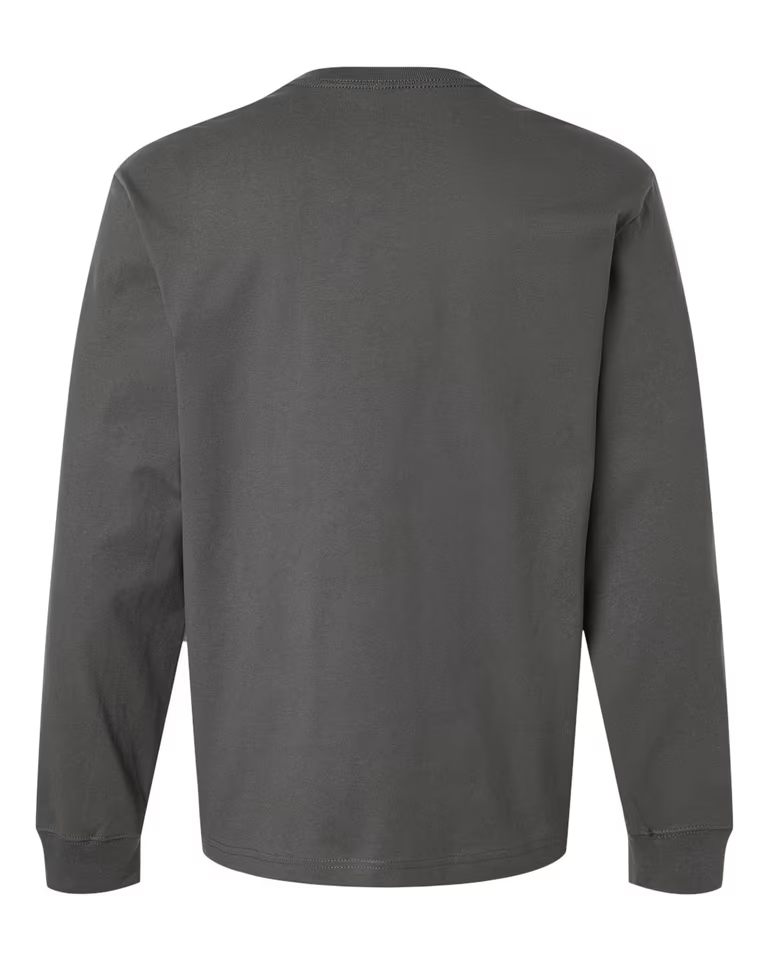
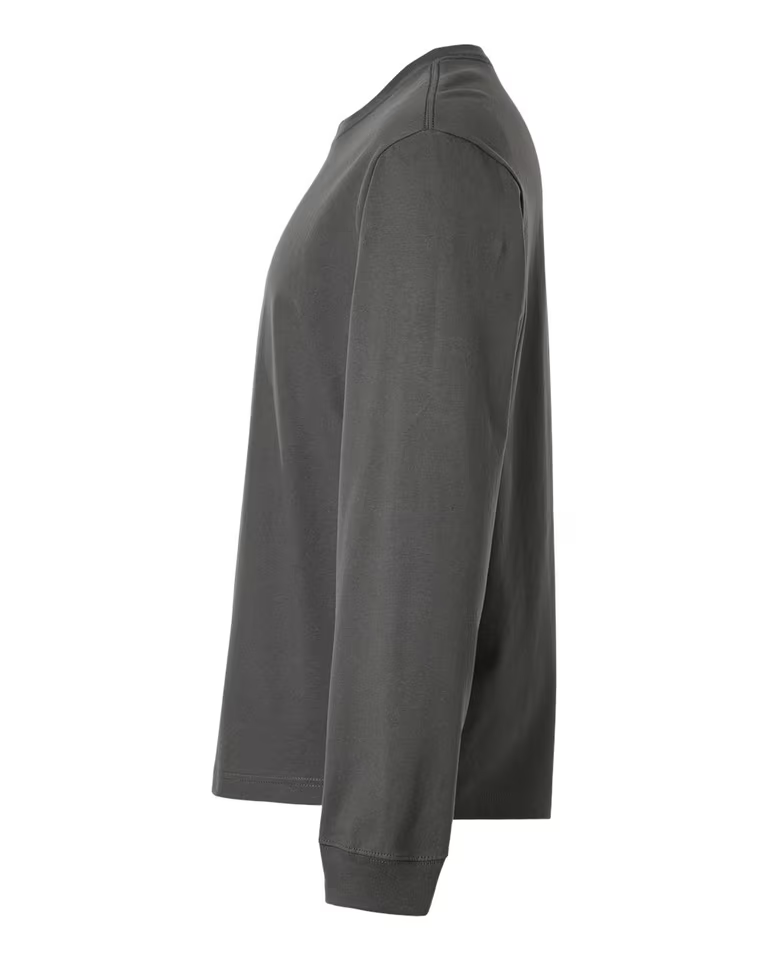
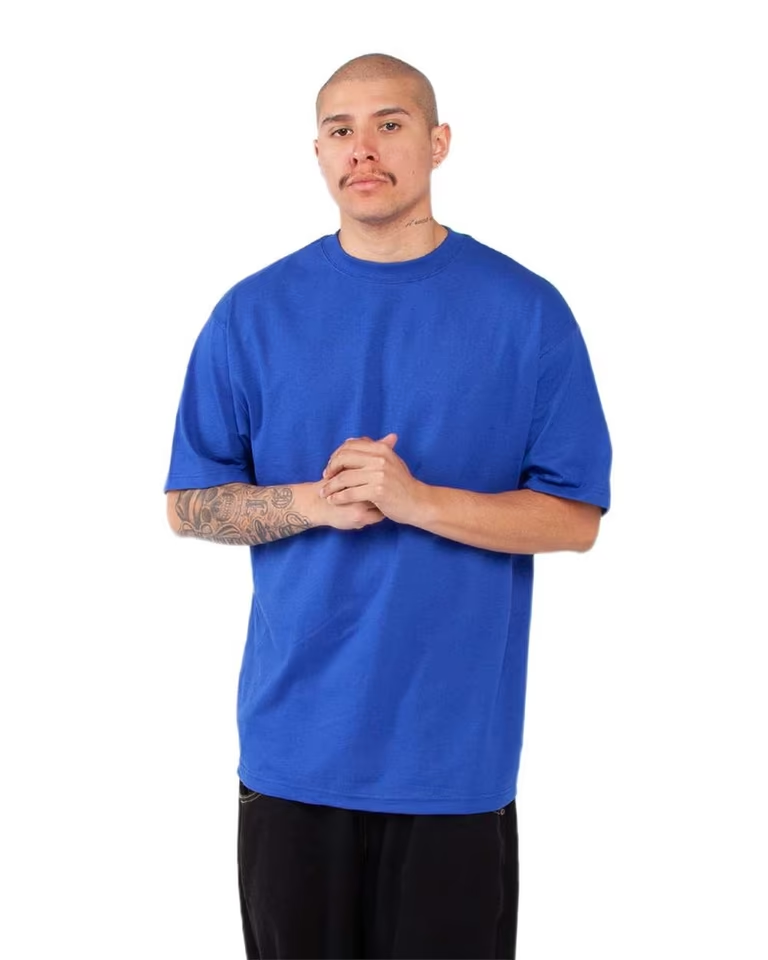
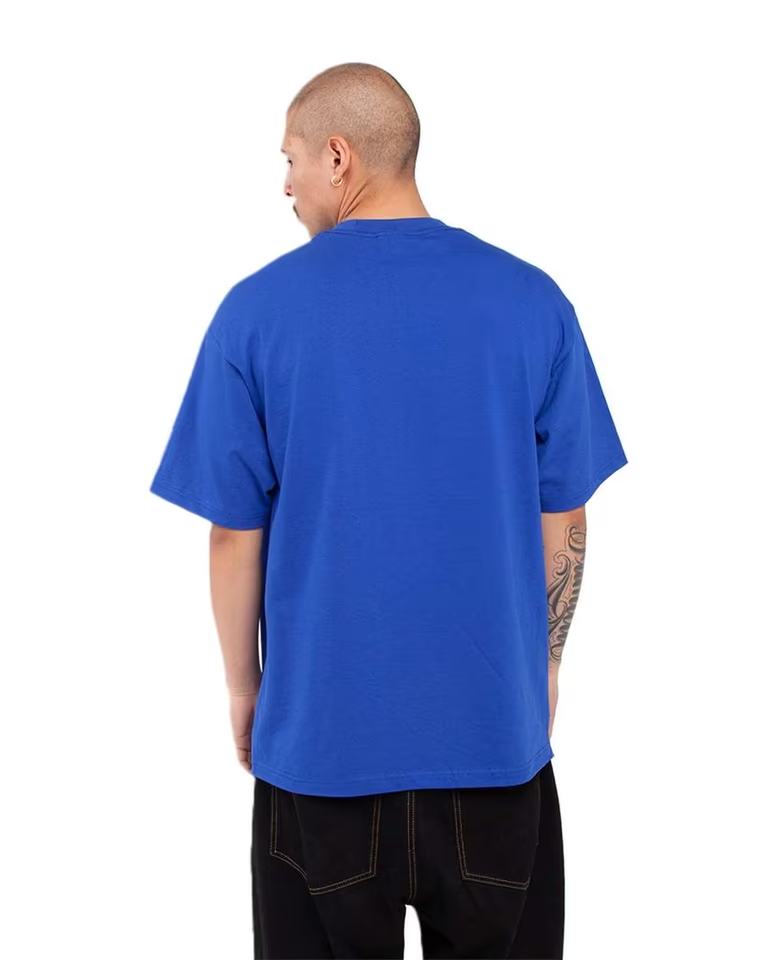
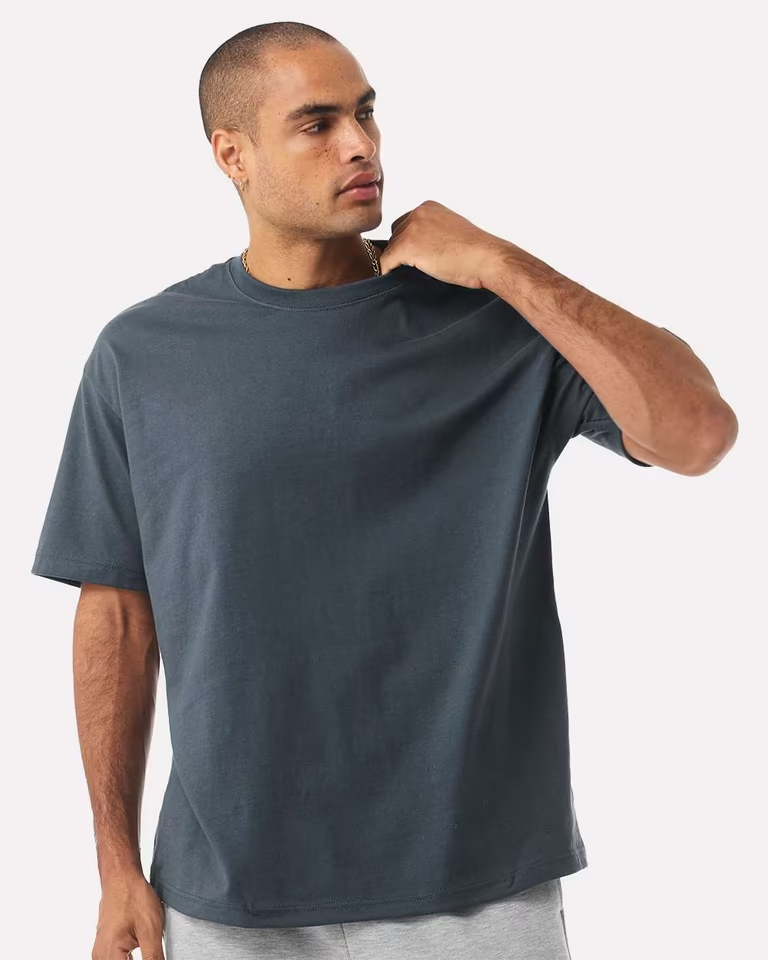
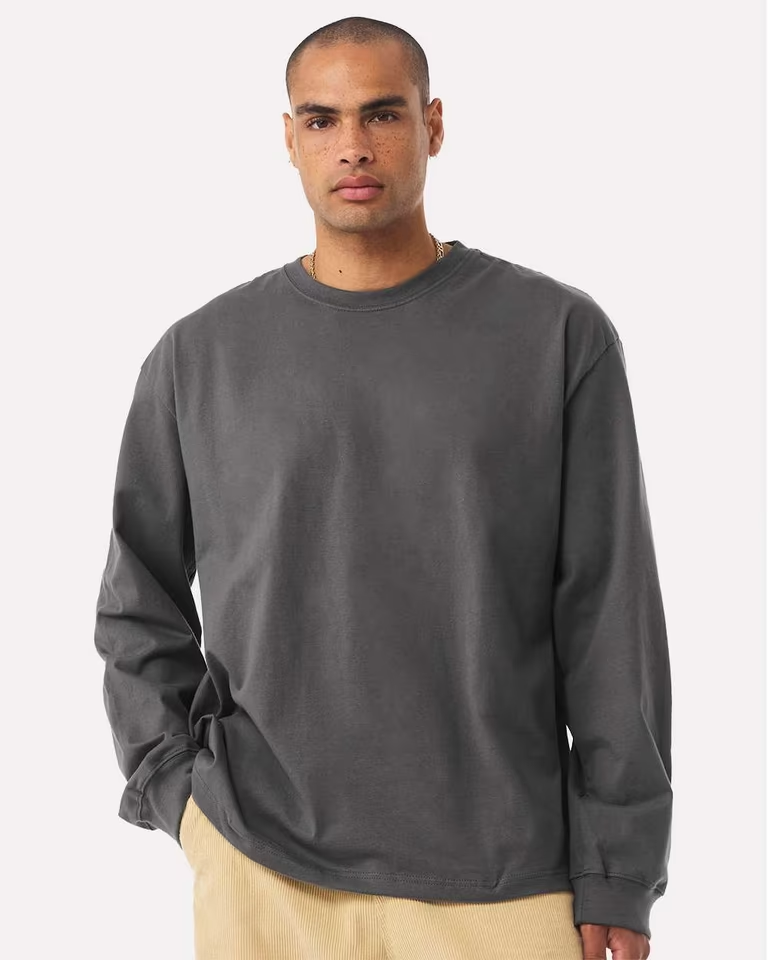
The heft comes from thick, low-gauge yarn: the Shaka Wear SHMHSS is How dense a knit fabric is, measured in oz/yd². Typical ranges: under 4.5 oz is lightweight fashion; 4.5–5.5 oz is the midweight band most everyday tees fall into; 5.5–6 oz is heavy everyday and fleece; 6 oz and up is the heavyweight range, with 7 oz and up the streetwear max-weight class. Heavier fabric drapes more substantially, holds prints flatter, and costs more per blank. , 100% cotton at 16 A yarn made from a single strand (not plied). Most tees use singles. The lower the count number, the thicker the yarn (30s is thicker than 40s). Higher counts produce finer, lighter fabric. . That builds a dense, opaque body that holds its shape instead of clinging, which is what creates the boxy, structured drop-shoulder silhouette.
Heavyweight fabric is a printer's friend: the dense, stable surface loads flat on the The flat board a garment is stretched over during printing. In screen printing it holds the shirt in place; in DTG it positions the shirt under the print head. and doesn't stretch or distort under the squeegee. It carries heavy ink deposits, puff, and high-density effects that would overwhelm a How dense a knit fabric is, measured in oz/yd². Typical ranges: under 4.5 oz is lightweight fashion; 4.5–5.5 oz is the midweight band most everyday tees fall into; 5.5–6 oz is heavy everyday and fleece; 6 oz and up is the heavyweight range, with 7 oz and up the streetwear max-weight class. Heavier fabric drapes more substantially, holds prints flatter, and costs more per blank. tee. ( A first layer of (usually white) ink printed under the design on dark garments. It stops the dark fabric from showing through and keeps colors bright. still tracks garment color, not fabric weight: a black heavyweight needs the same white base as any black tee.)
Quarter-turned bodies (no center crease; the SHMHSS is built this way) print cleaner, and the firm fabric carries dense embroidery with less puckering than a thin knit, though it still wants proper stabilizer. The one watch-out is heathers and 50/50 colorways in heavyweight collections, which carry the usual poly migration rules.
Choose heavyweight when the garment has to feel substantial: streetwear drops, brand merch, anything sold at a $40+ retail price. Customers equate weight with quality the moment they pick the shirt up.
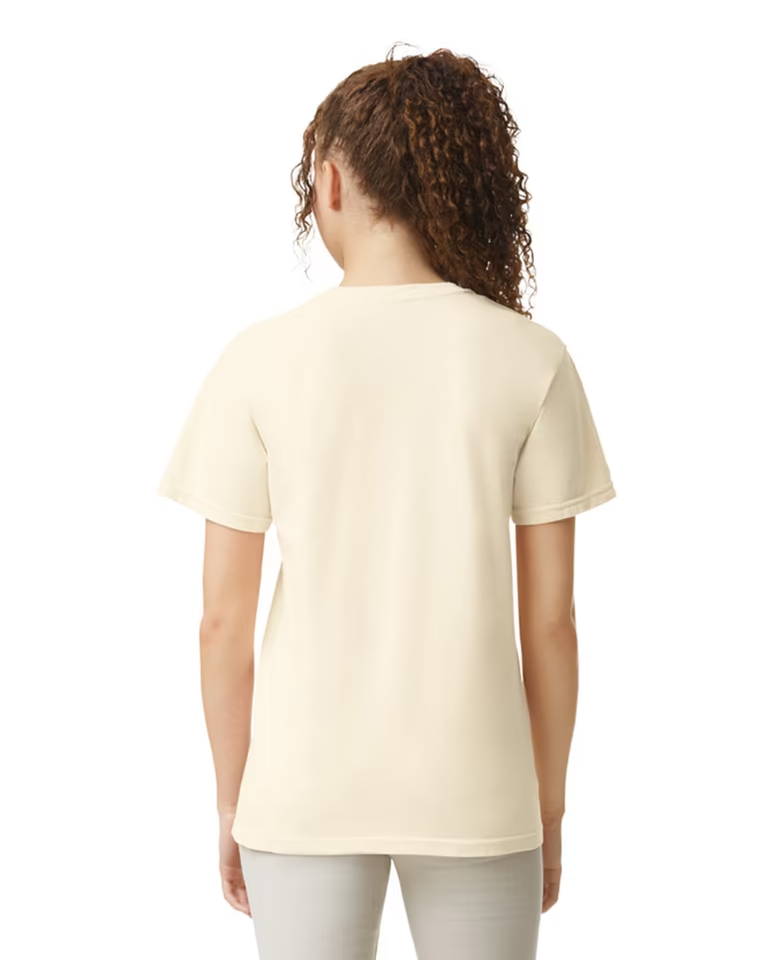
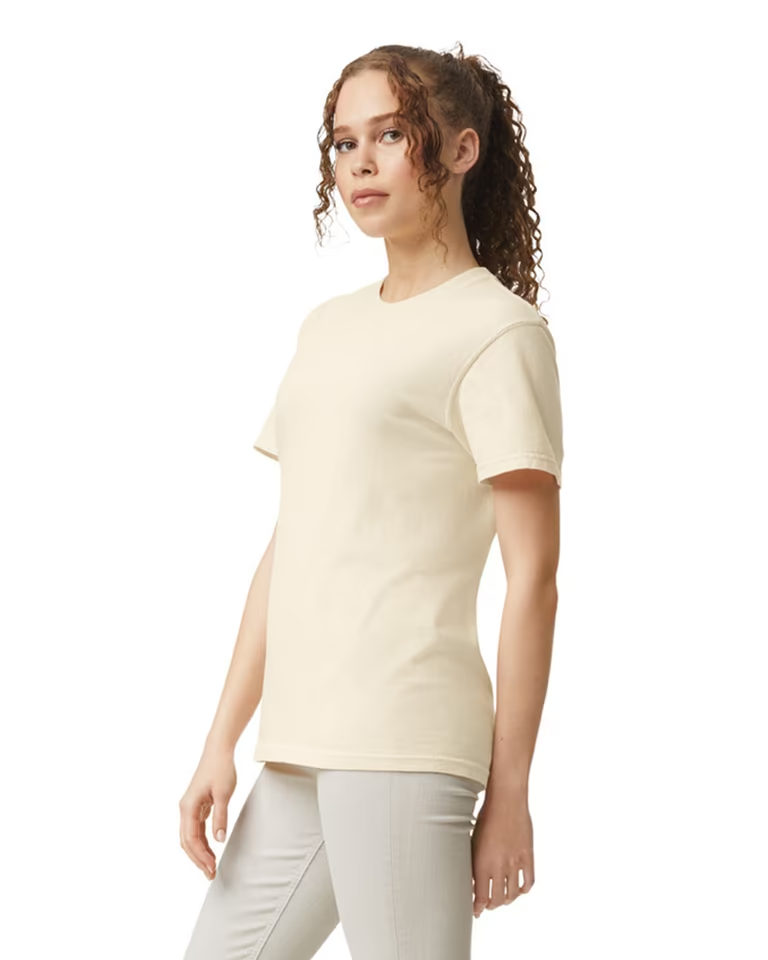
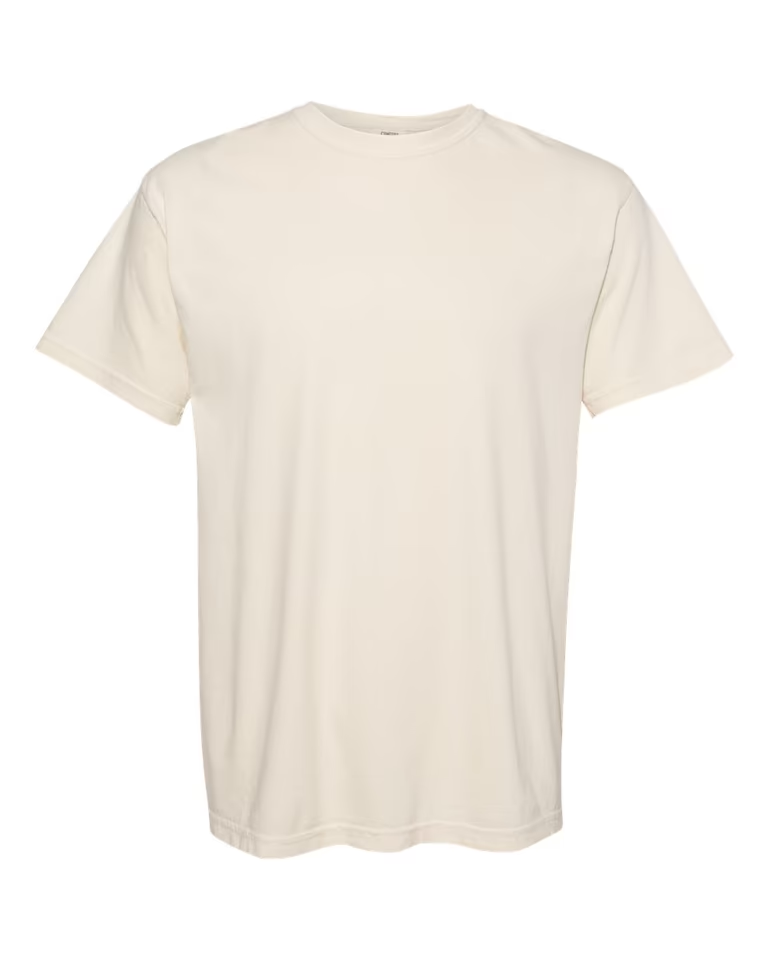
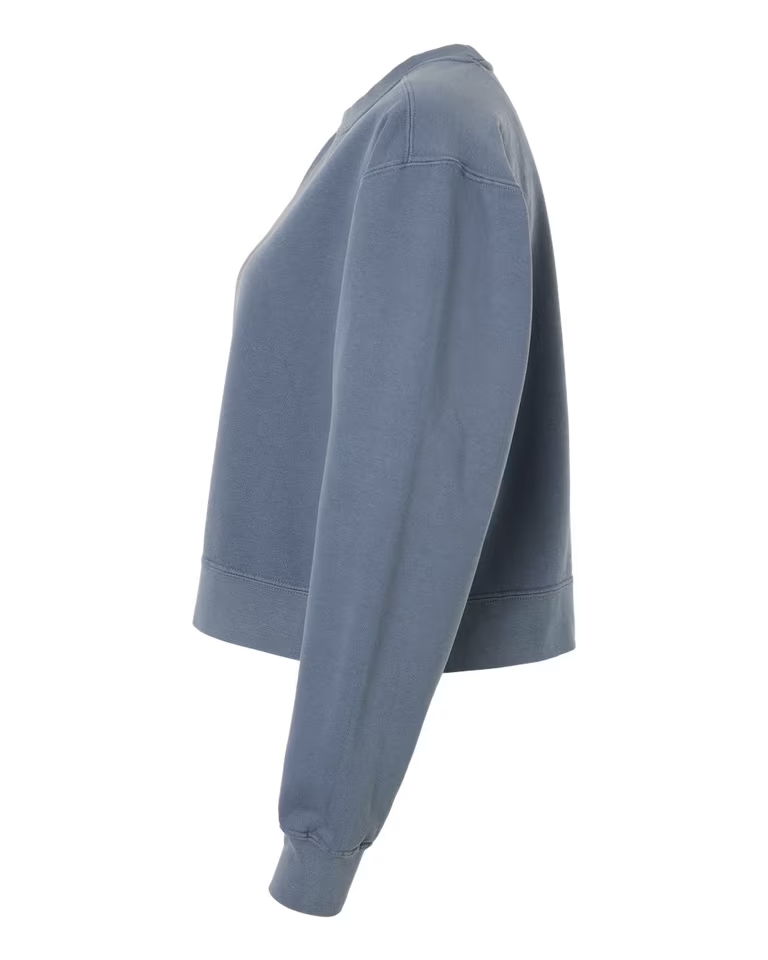
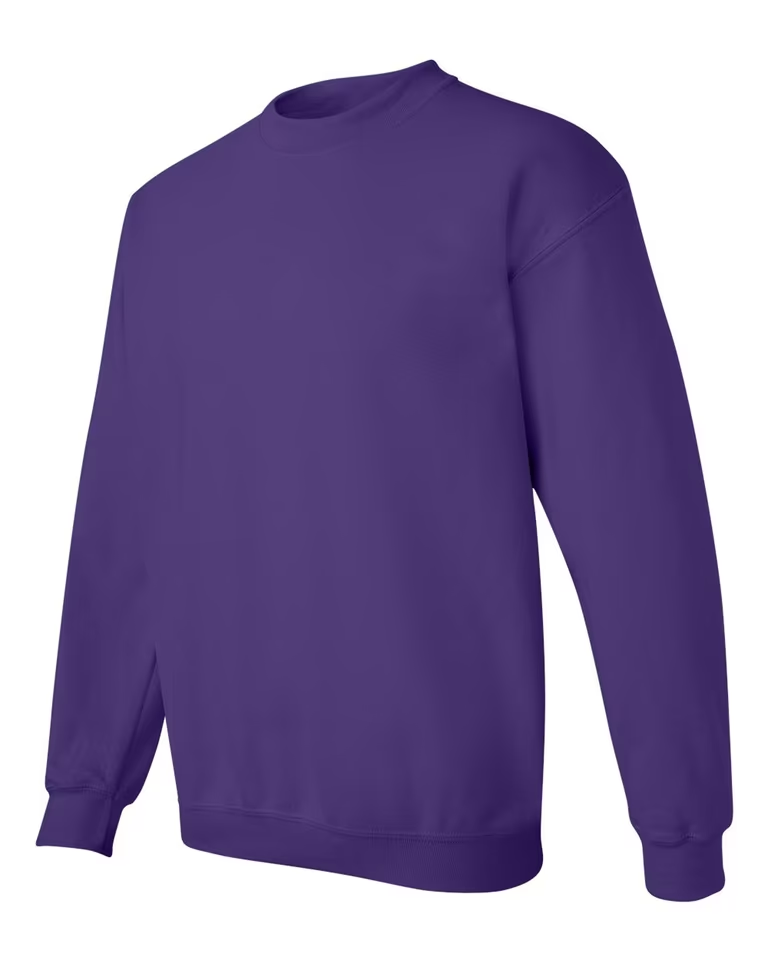
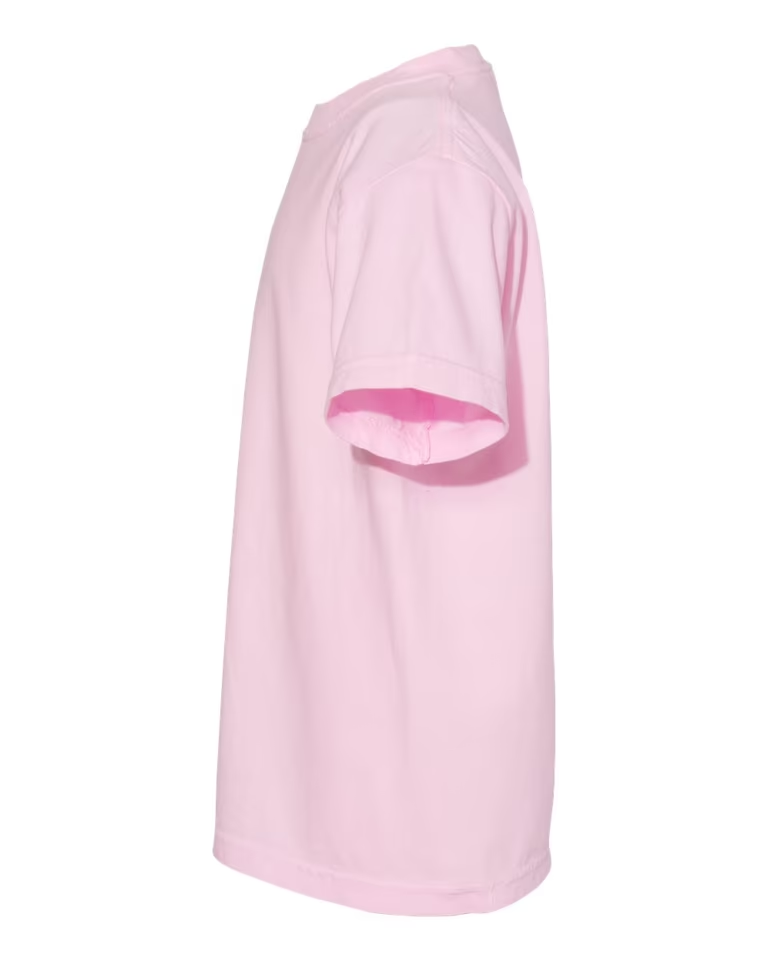
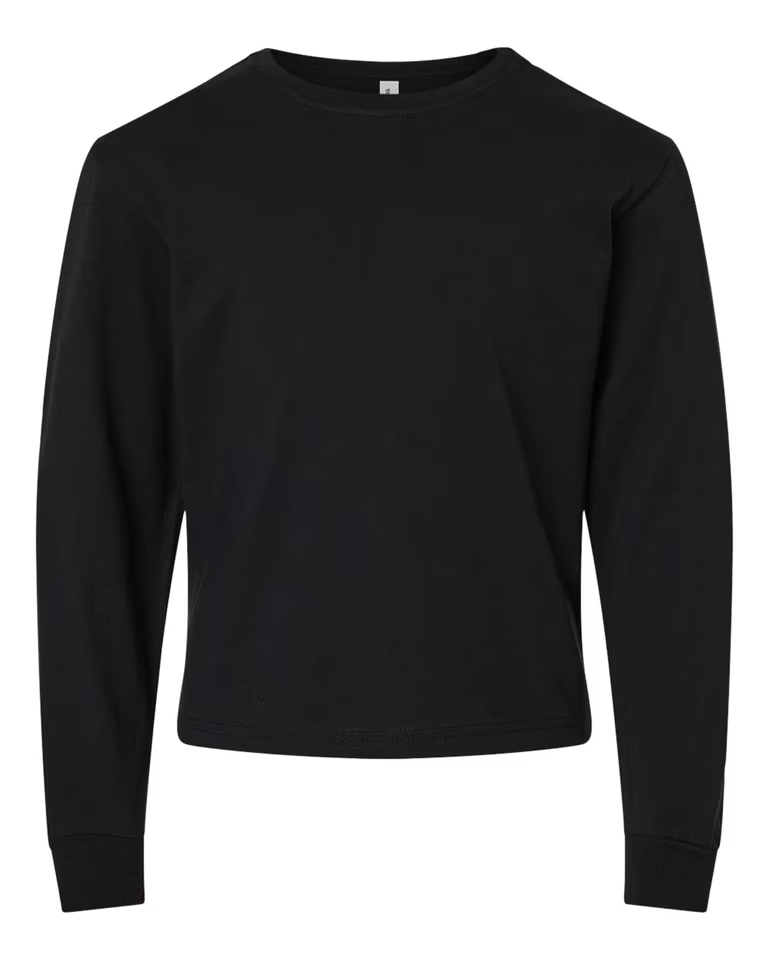
The Shaka Wear SHMHSS ( How dense a knit fabric is, measured in oz/yd². Typical ranges: under 4.5 oz is lightweight fashion; 4.5–5.5 oz is the midweight band most everyday tees fall into; 5.5–6 oz is heavy everyday and fleece; 6 oz and up is the heavyweight range, with 7 oz and up the streetwear max-weight class. Heavier fabric drapes more substantially, holds prints flatter, and costs more per blank. , boxy drop-shoulder) is the max-weight streetwear anchor; the Comfort Colors 1717 ( How dense a knit fabric is, measured in oz/yd². Typical ranges: under 4.5 oz is lightweight fashion; 4.5–5.5 oz is the midweight band most everyday tees fall into; 5.5–6 oz is heavy everyday and fleece; 6 oz and up is the heavyweight range, with 7 oz and up the streetwear max-weight class. Heavier fabric drapes more substantially, holds prints flatter, and costs more per blank. , 100% ring-spun cotton, garment-dyed) holds down the lighter end of the class with the washed vintage palette. Blank cost runs well above a midweight tee, and the retail markup runs further.
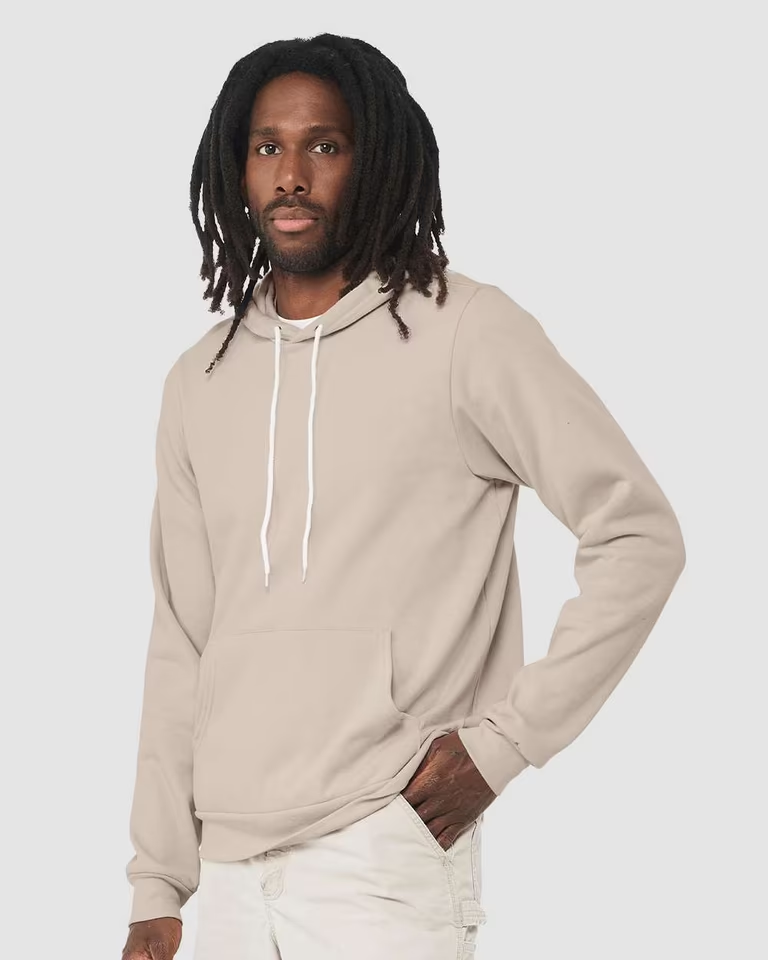
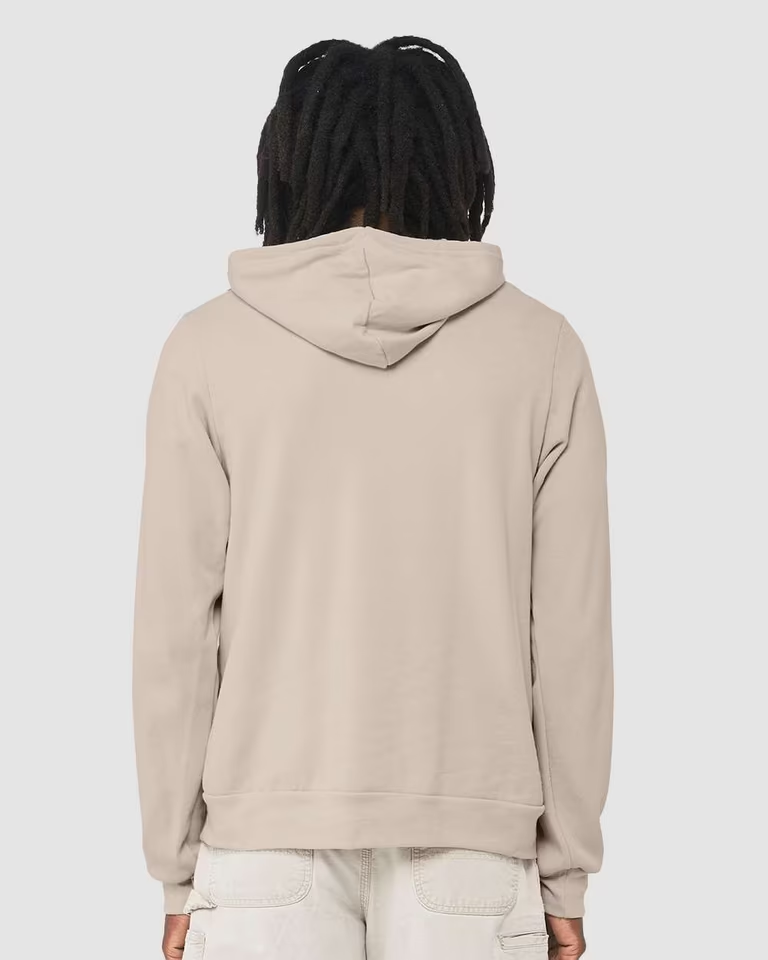
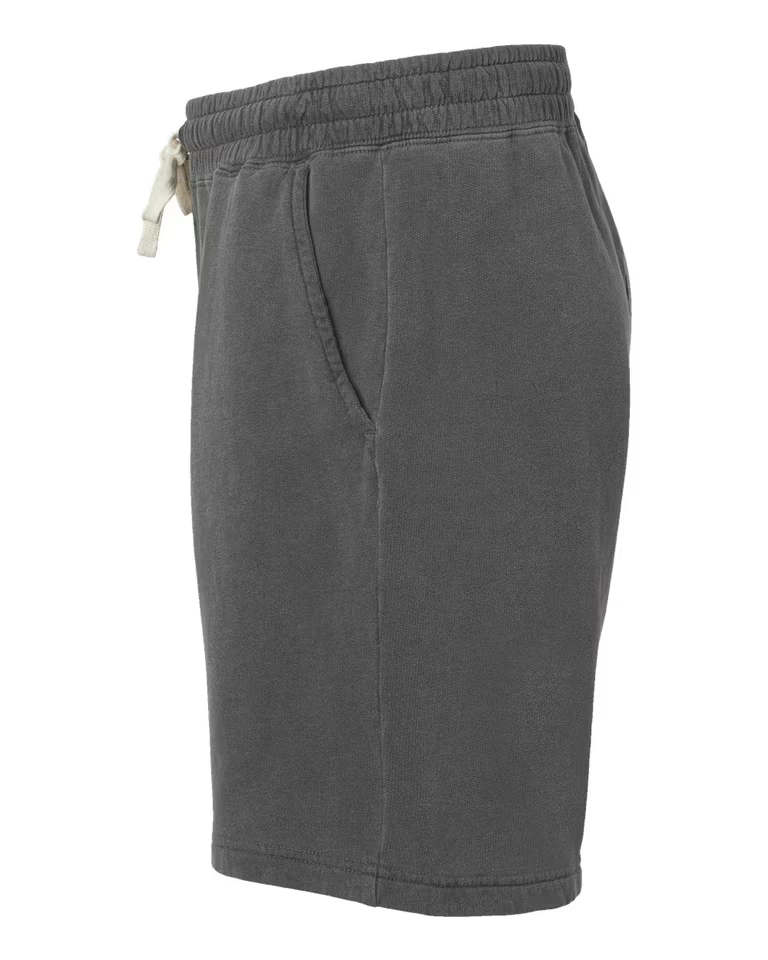
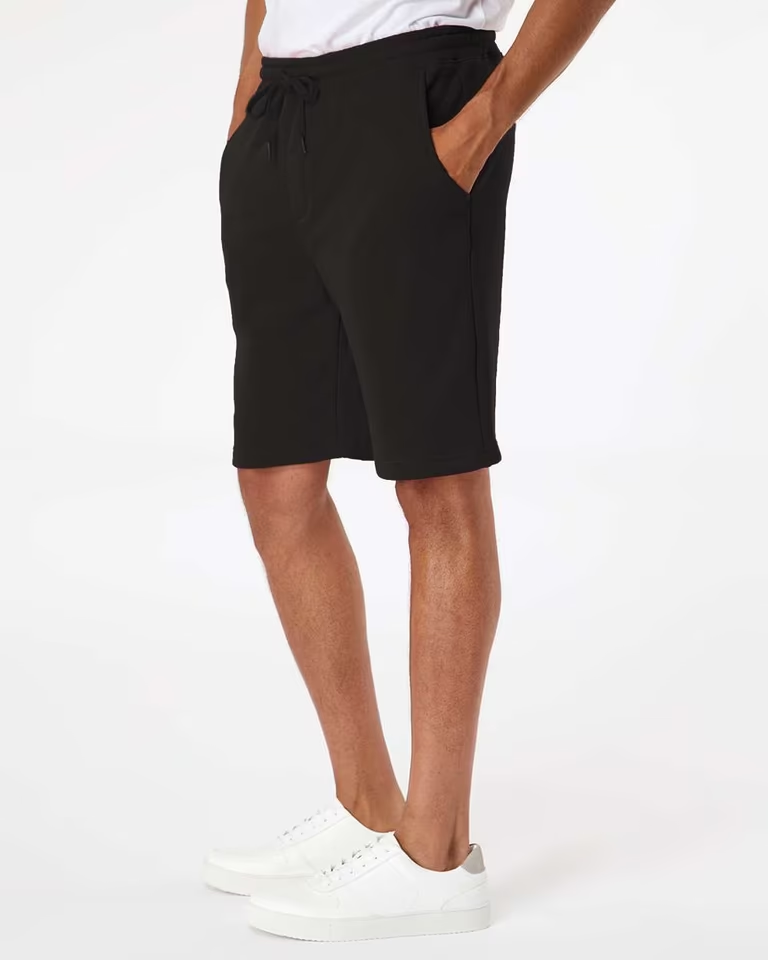
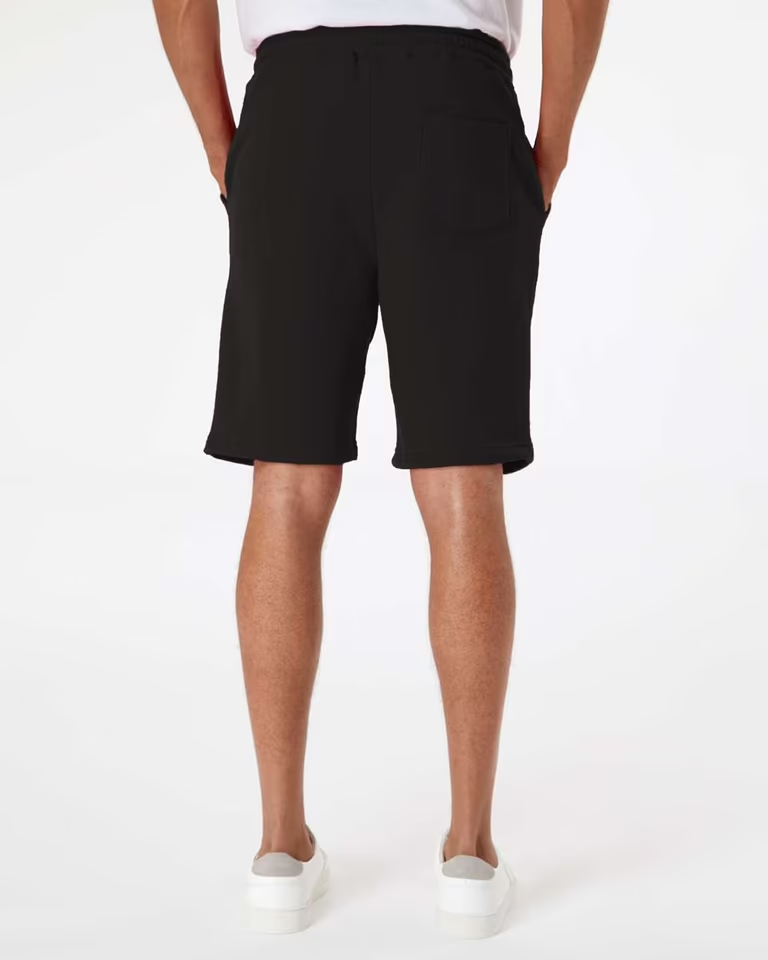
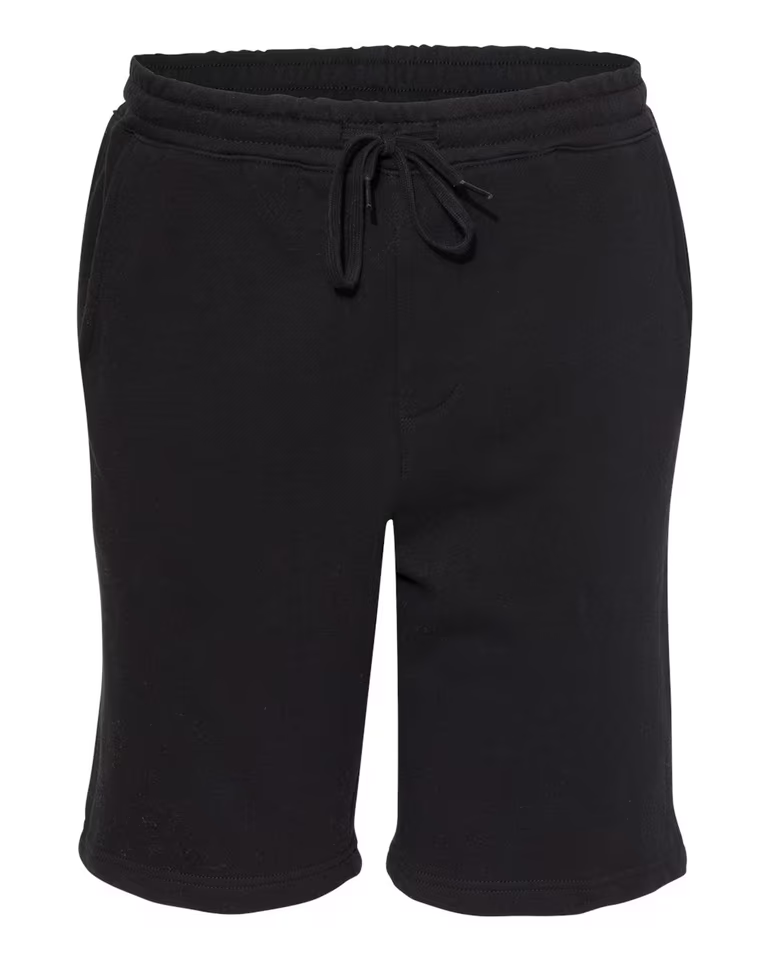
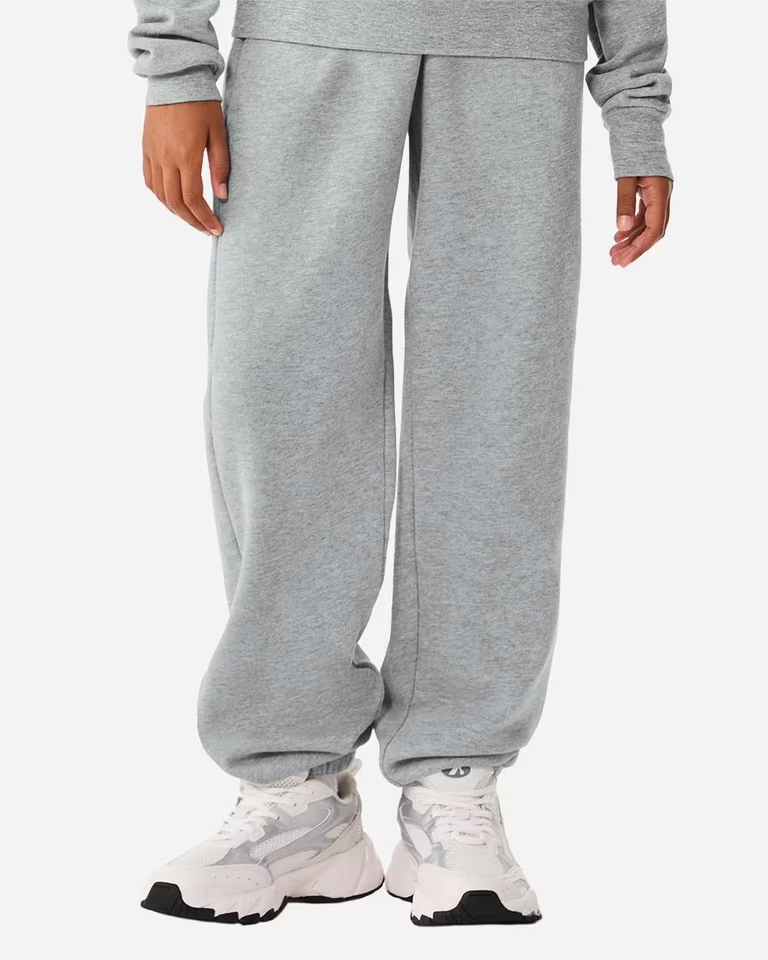
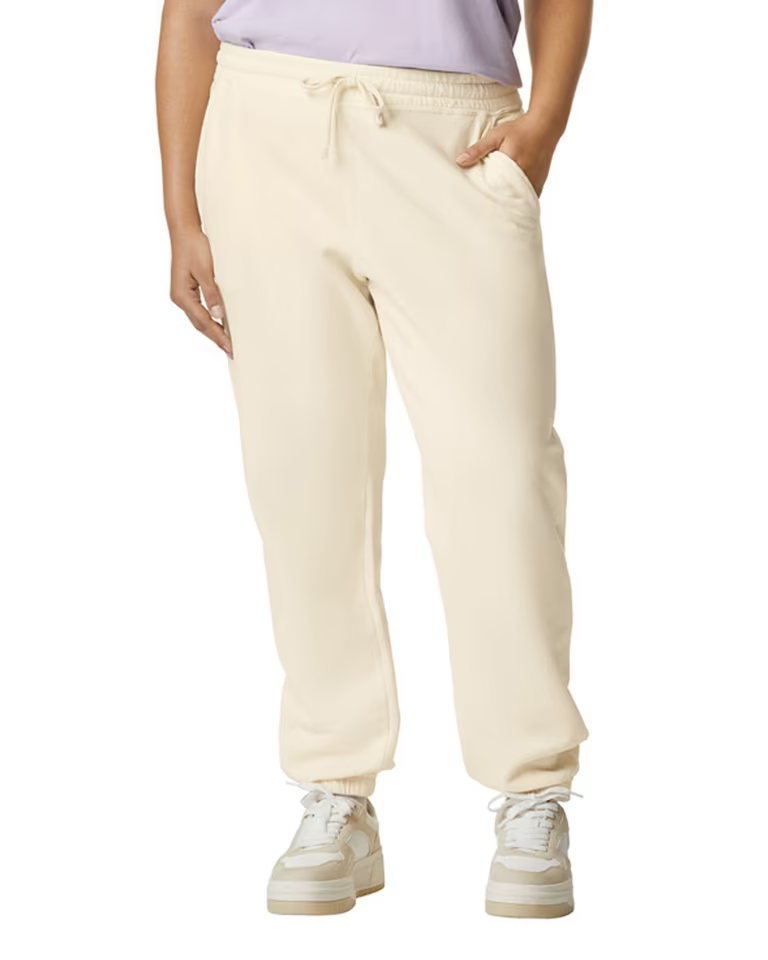
Heavyweight concentrates in fleece and tees, where the 6 oz-and-up bodies earn their keep. Each row previews a category's best, and the Shop all link opens the rest.
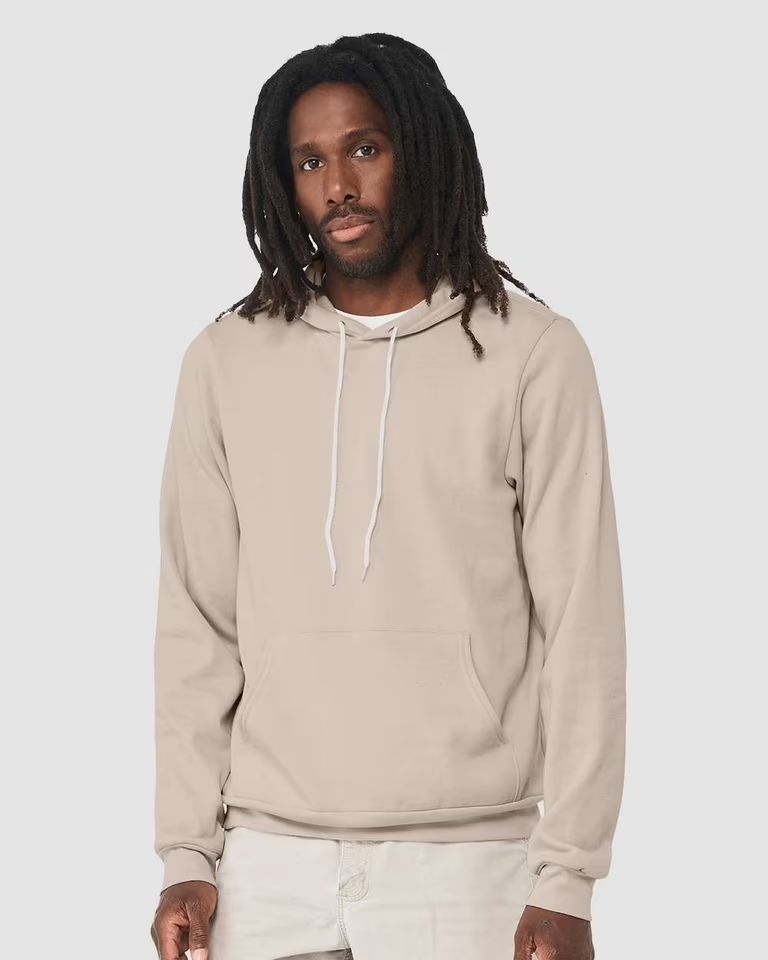
Bella + Canvas style number 3719
$27.18
Retail $36.23
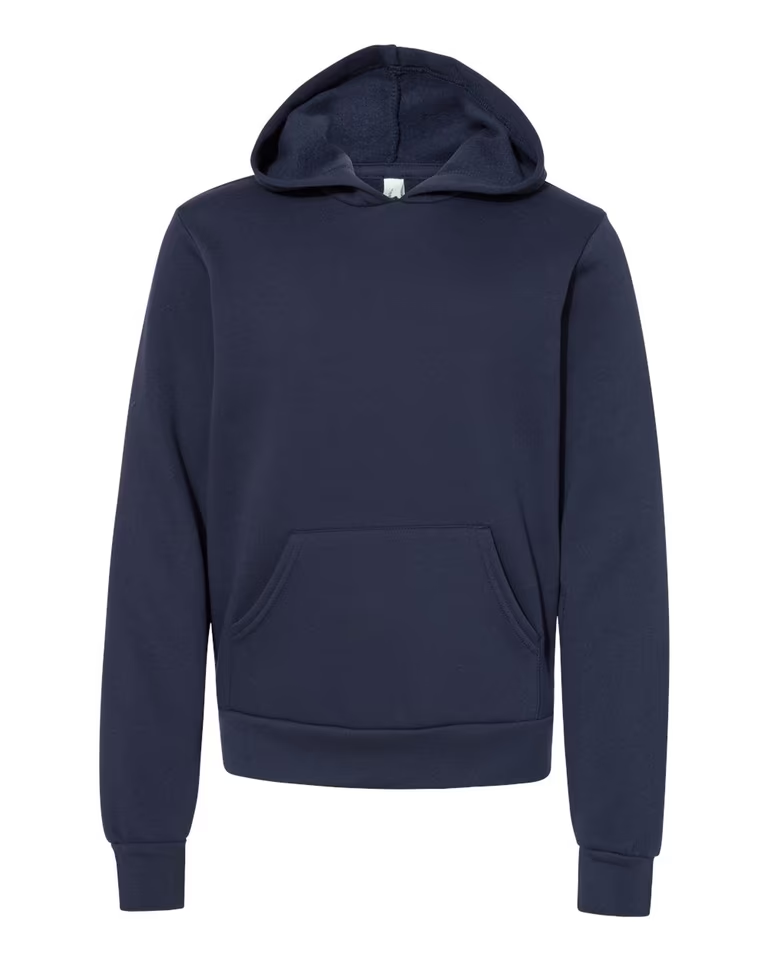
Bella + Canvas style number 3719Y
$23.66
Retail $31.54
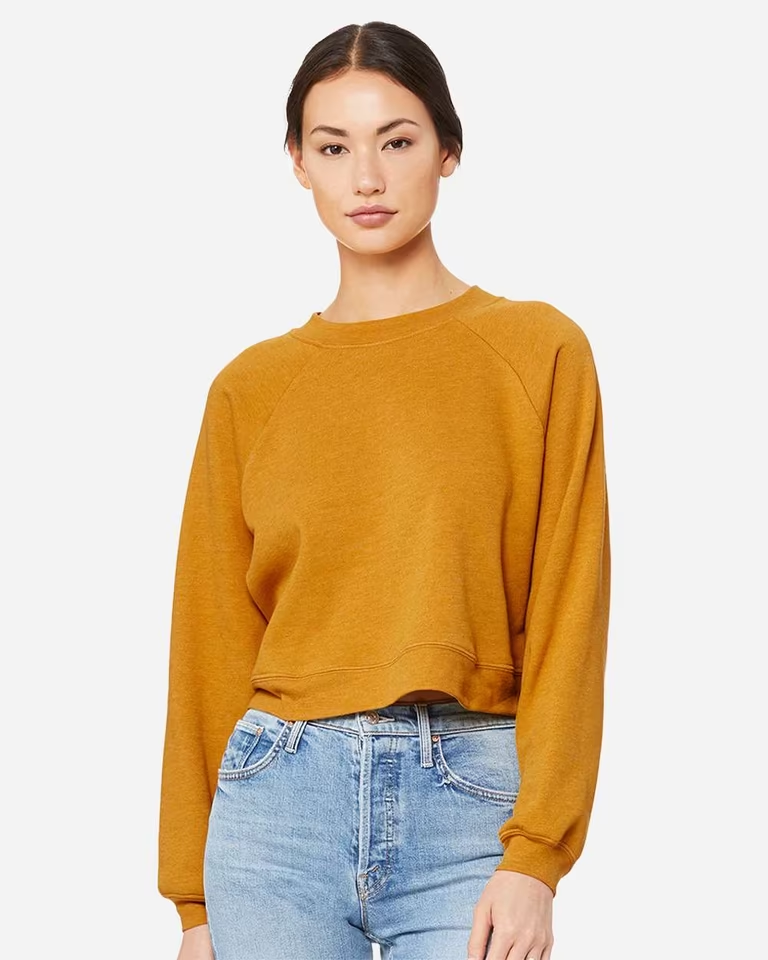
Bella + Canvas style number 7505
$29.37
Retail $39.16
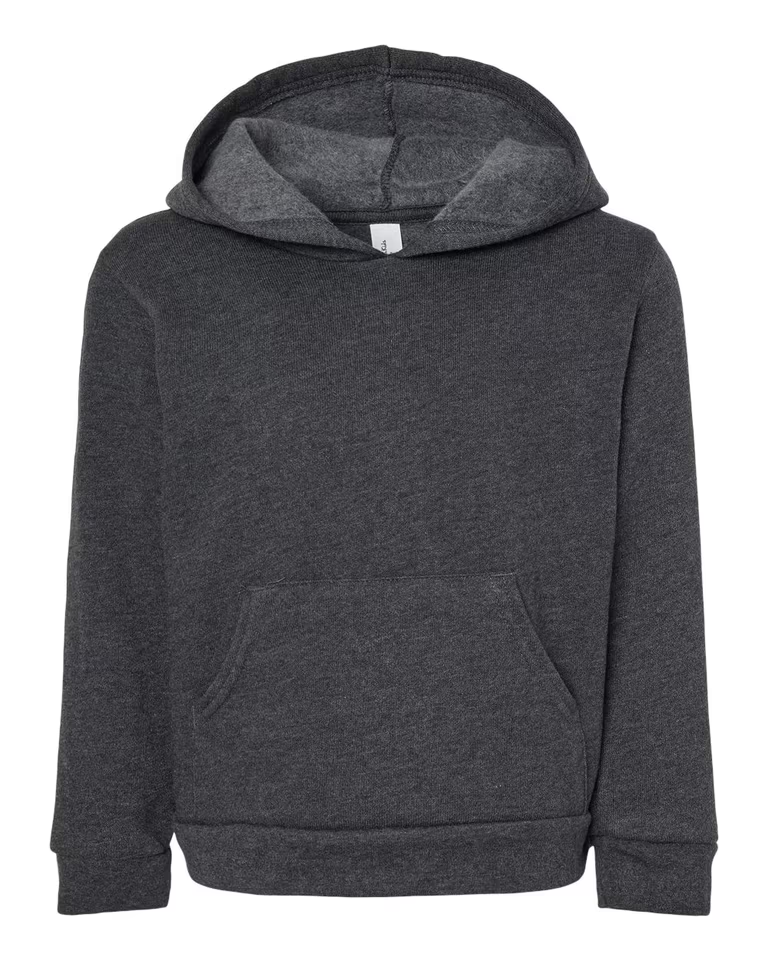
Bella + Canvas style number 3719T
$21.57
Retail $28.75
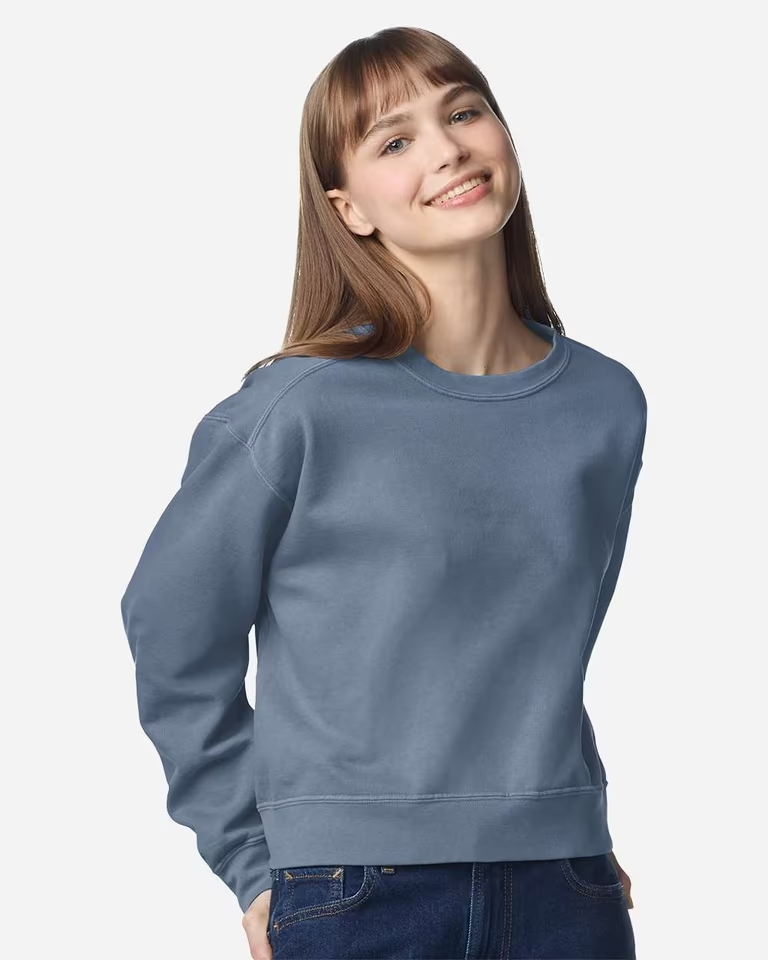
Comfort Colors style number 1566L
$25.88
Retail $34.50
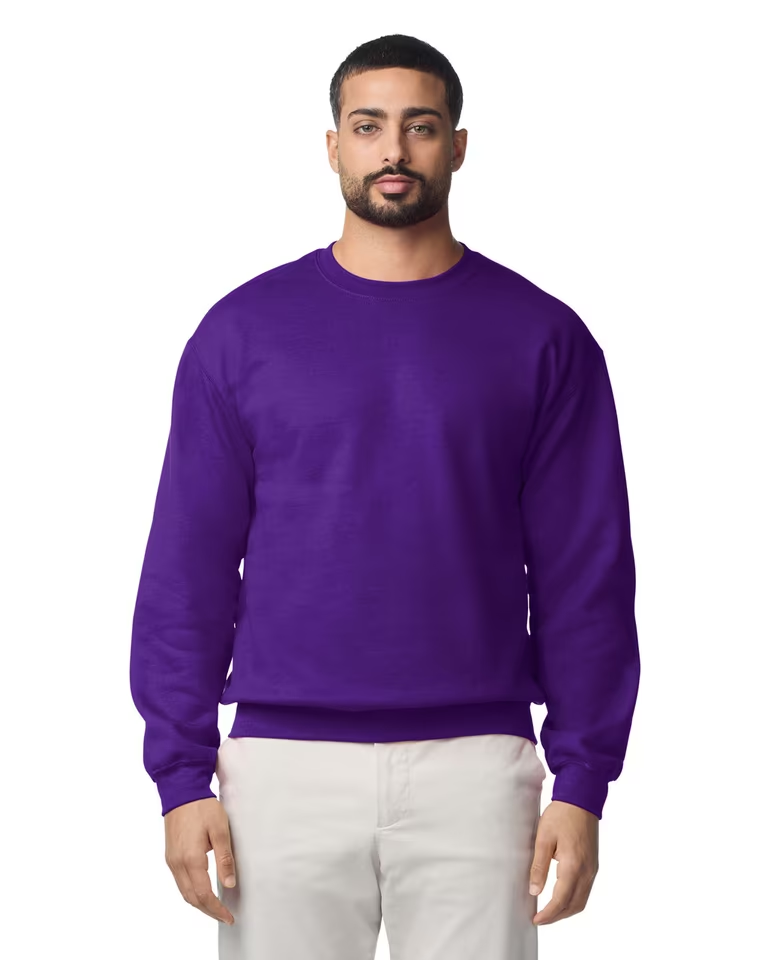
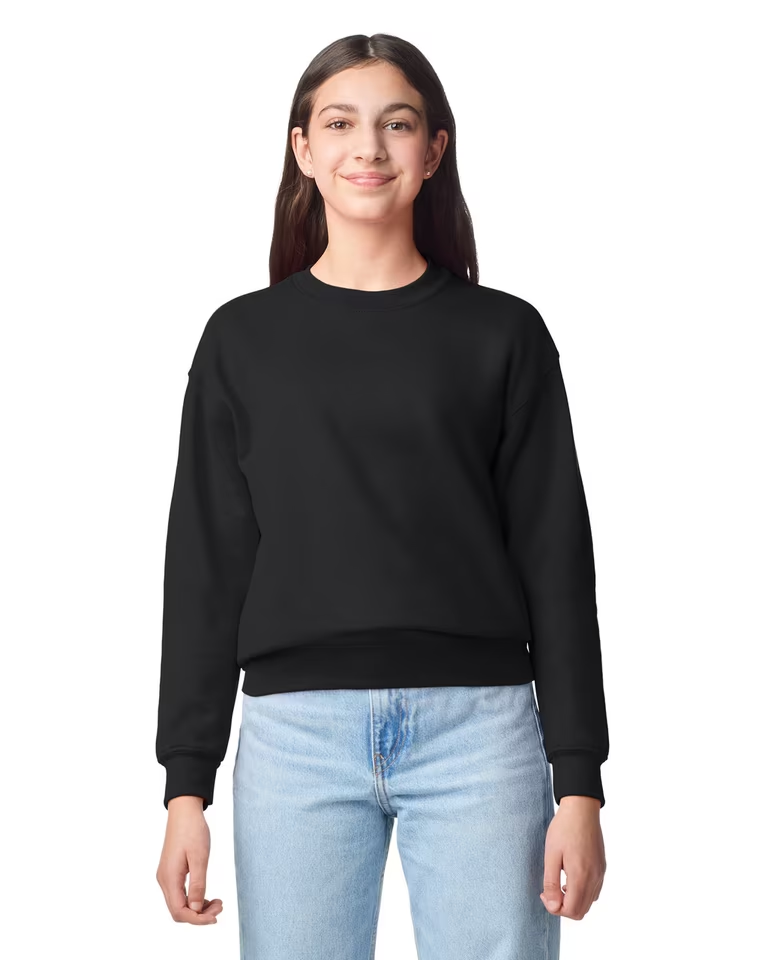
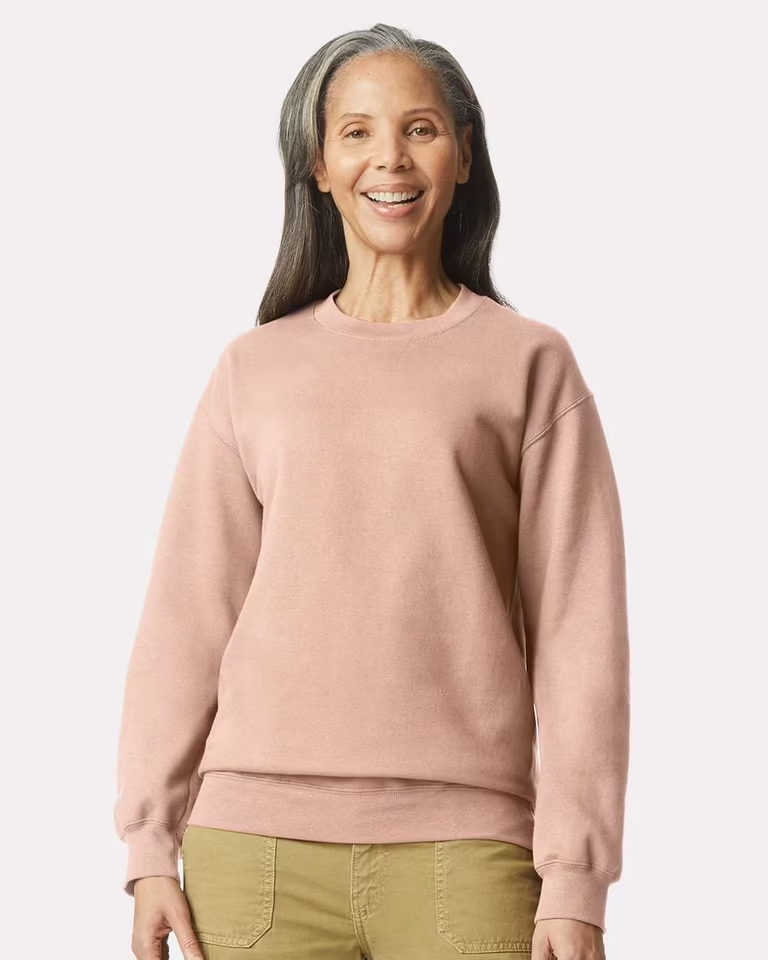
Gildan style number SF000
$14.37
Retail $20.04
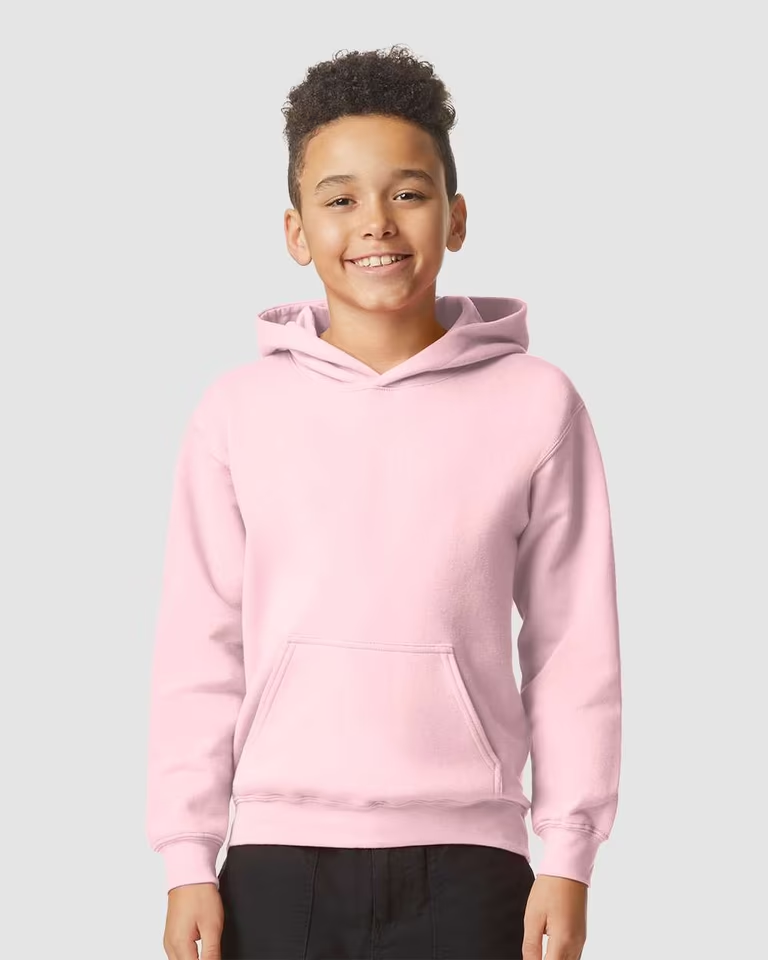
Gildan style number SF500B
$16.71
Retail $22.29
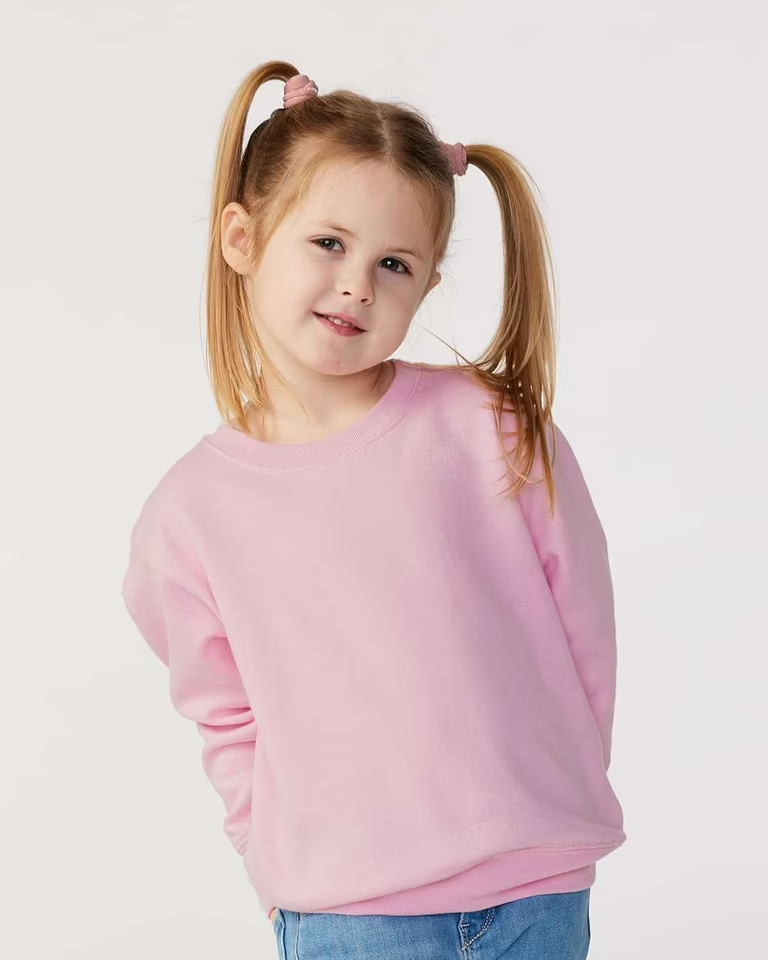
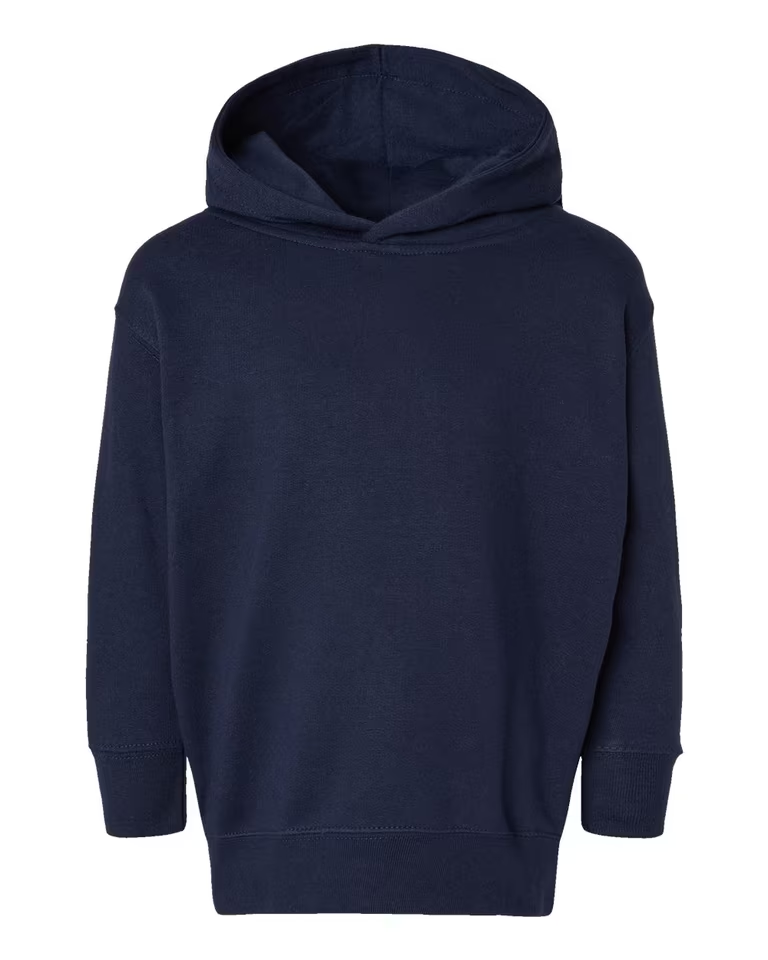
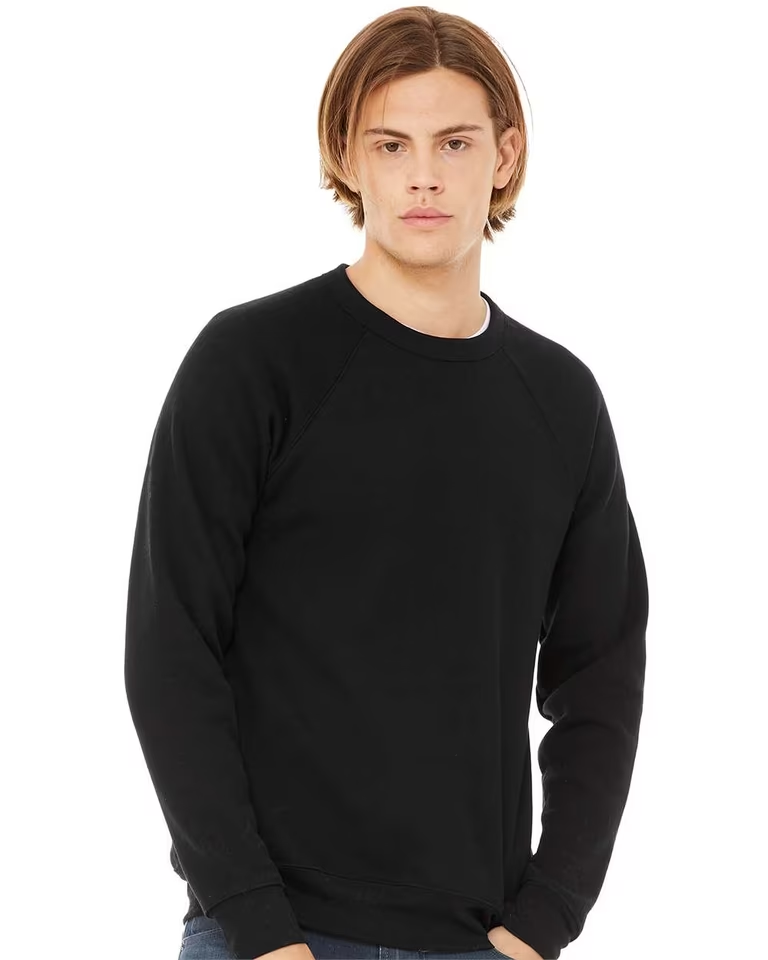
Bella + Canvas style number 3901
$25.64
Retail $34.17
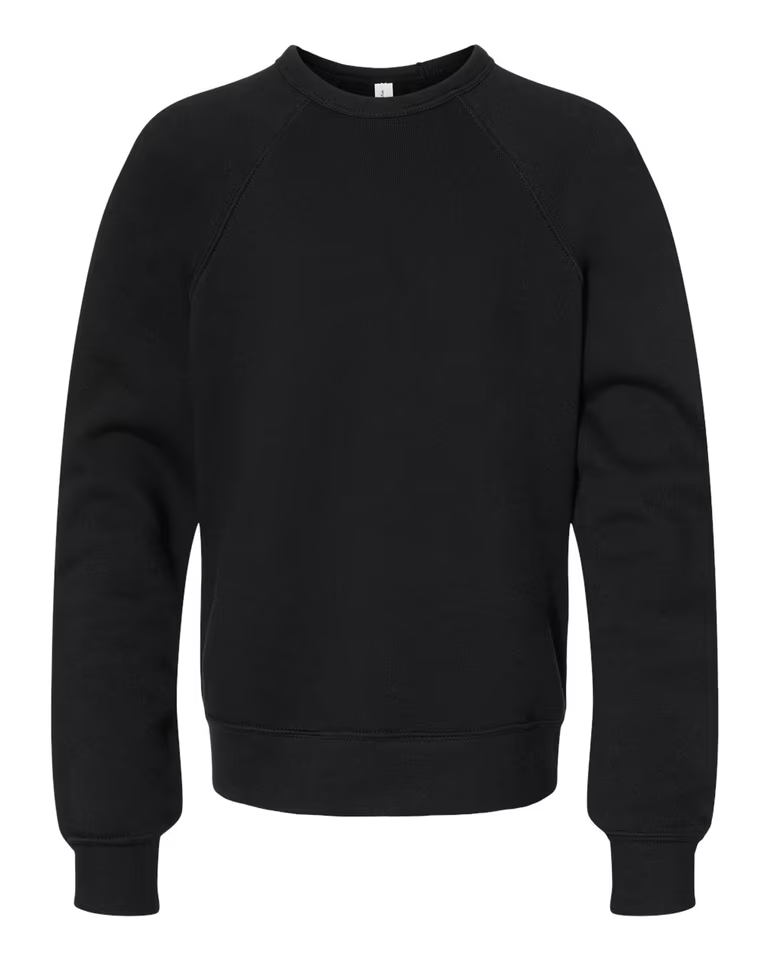
Bella + Canvas style number 3901Y
$18.68
Retail $24.90
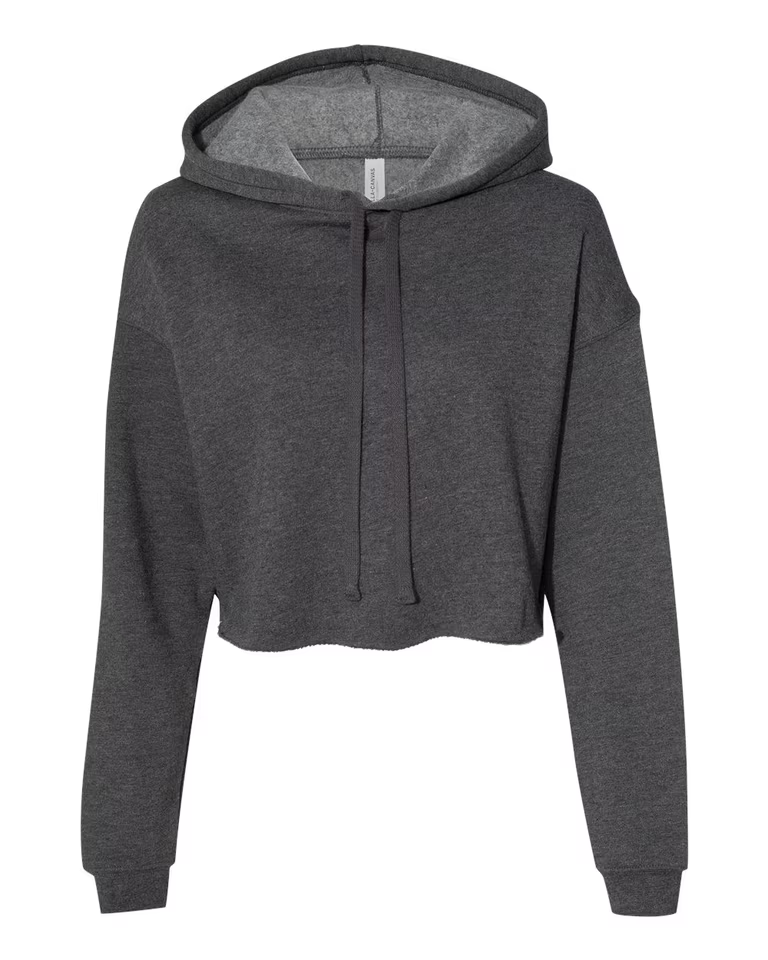
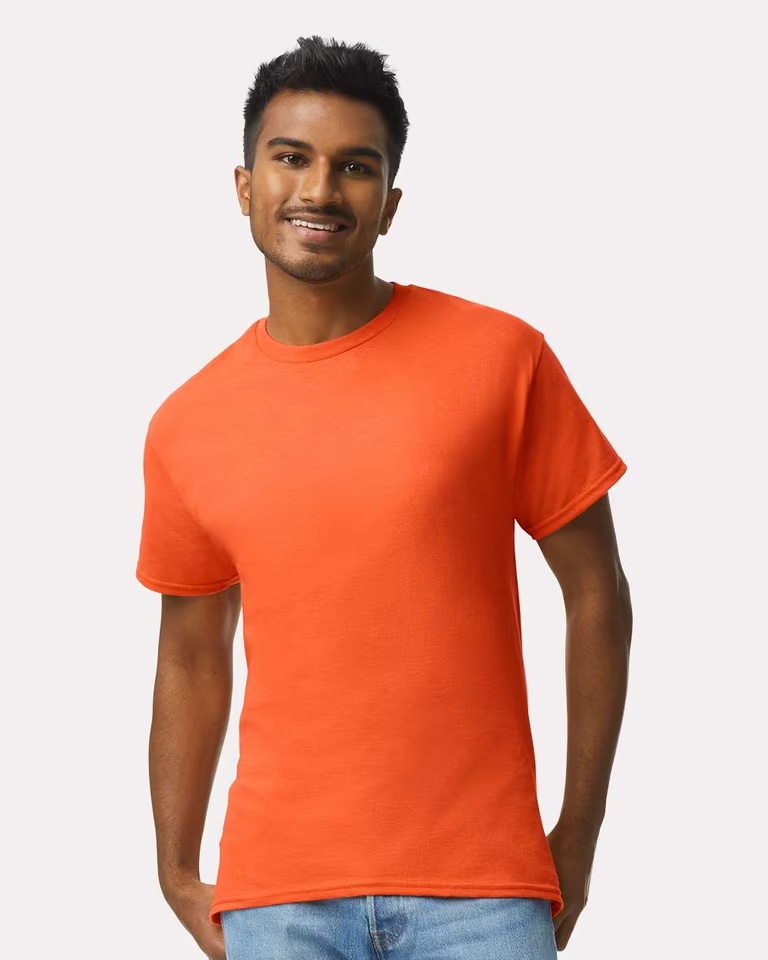
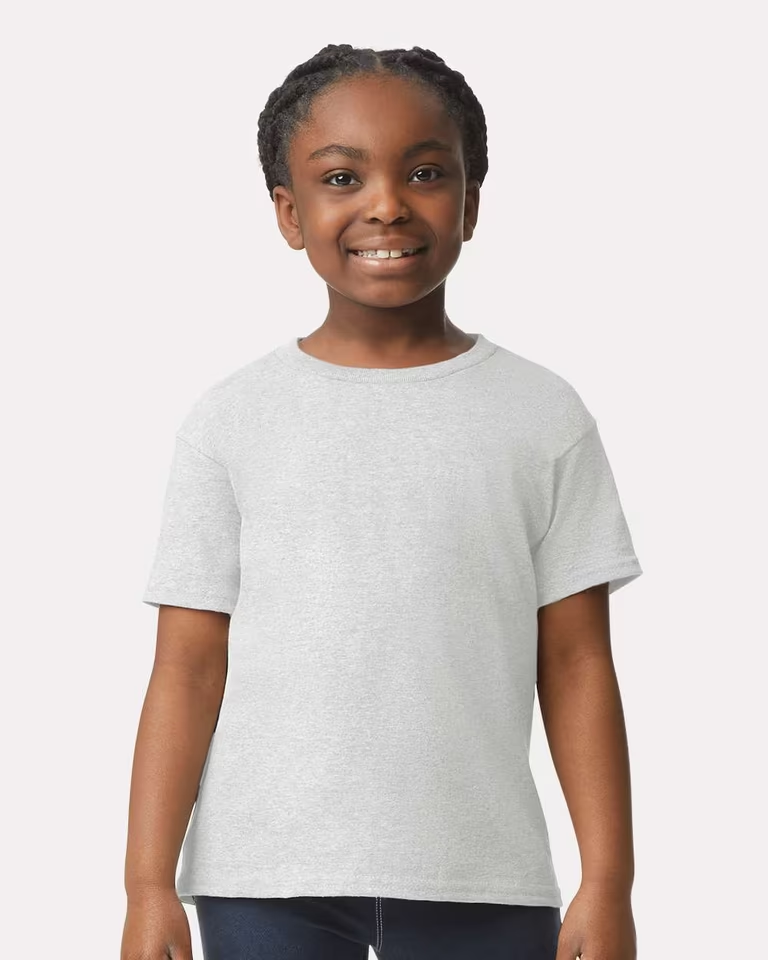
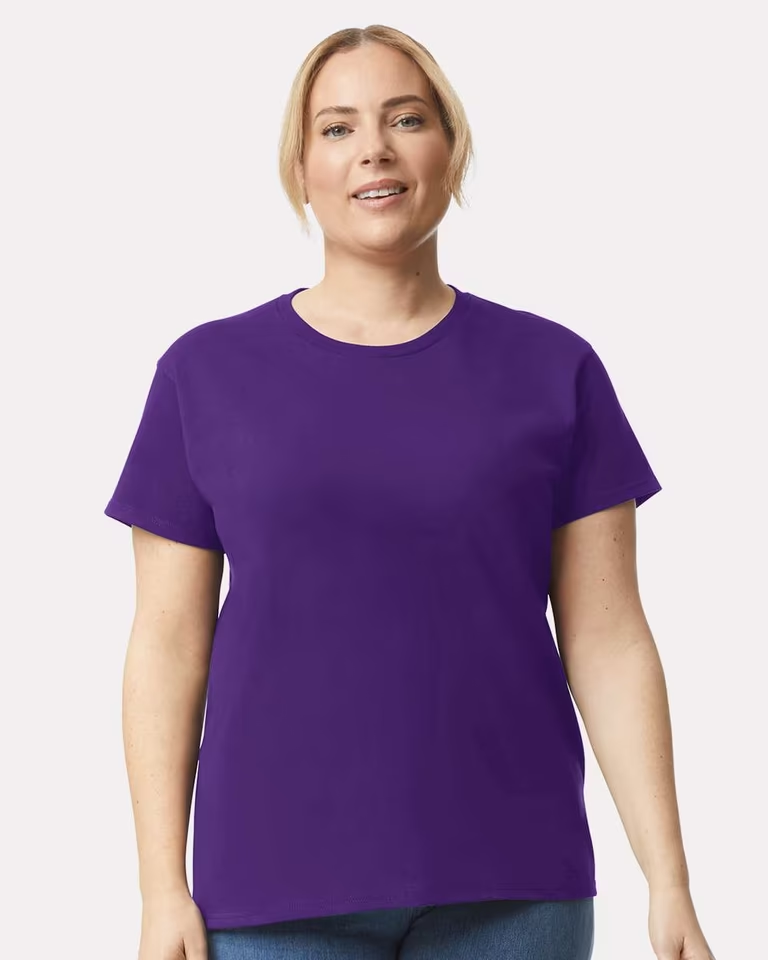
Comfort Colors style number 1717
$7.50
Retail $13.43
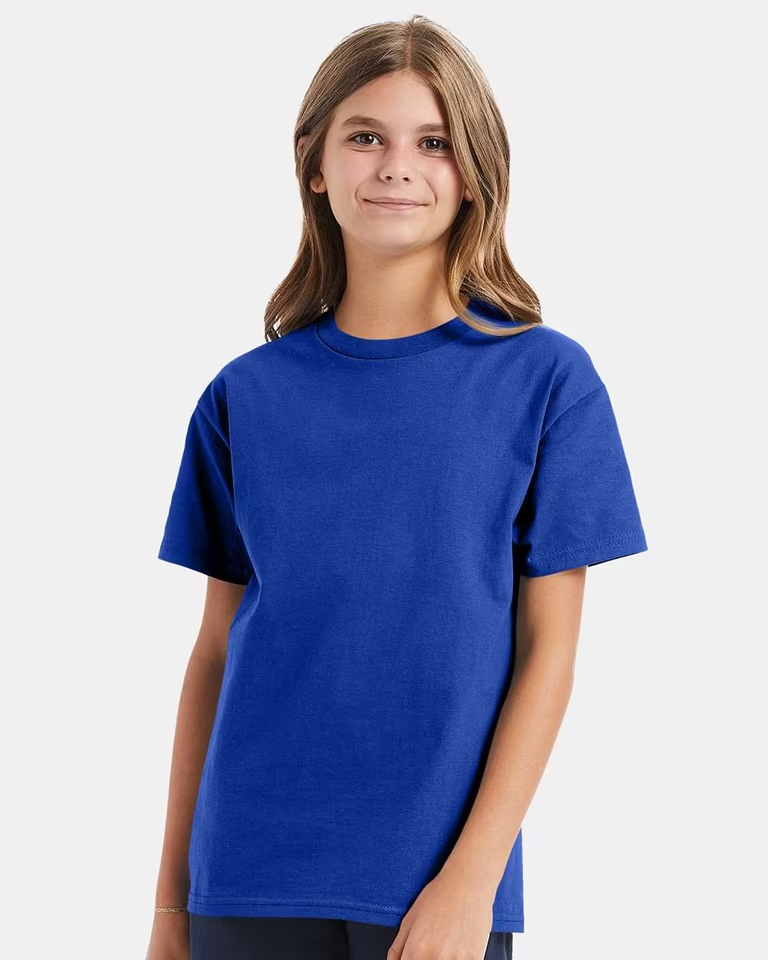
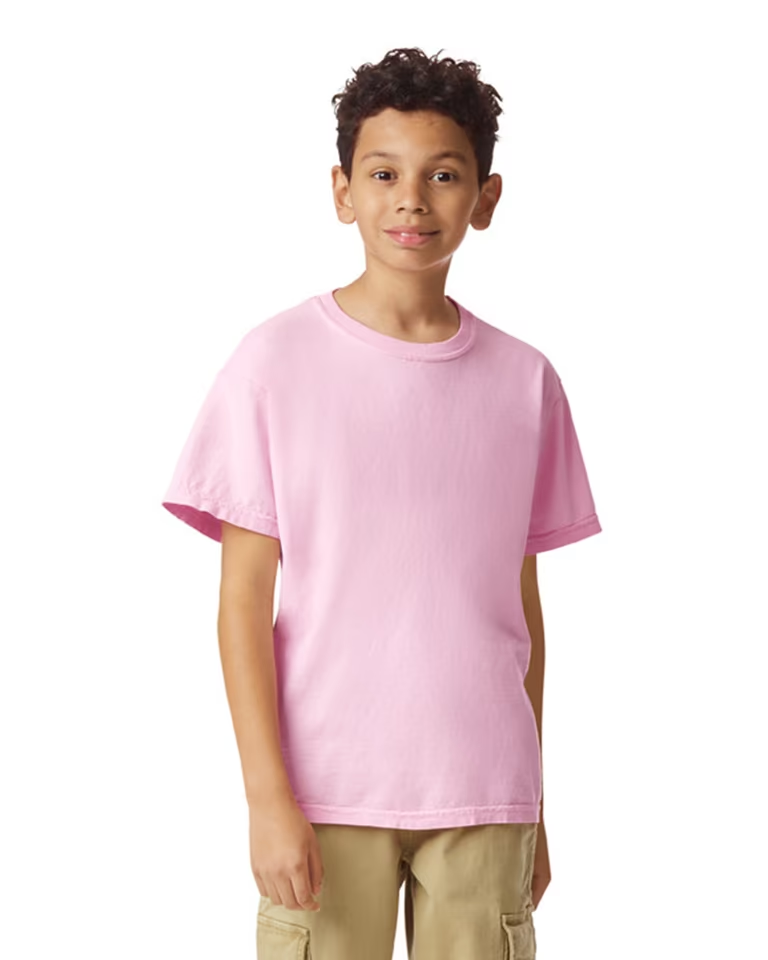
Comfort Colors style number 9018
$8.88
Retail $11.84
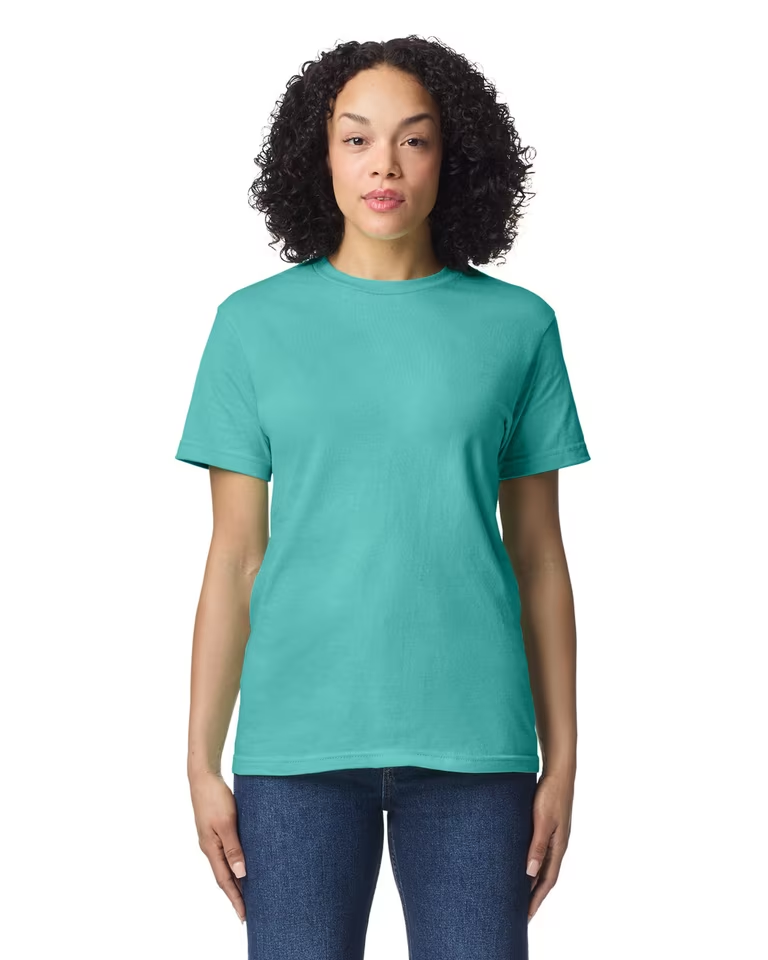
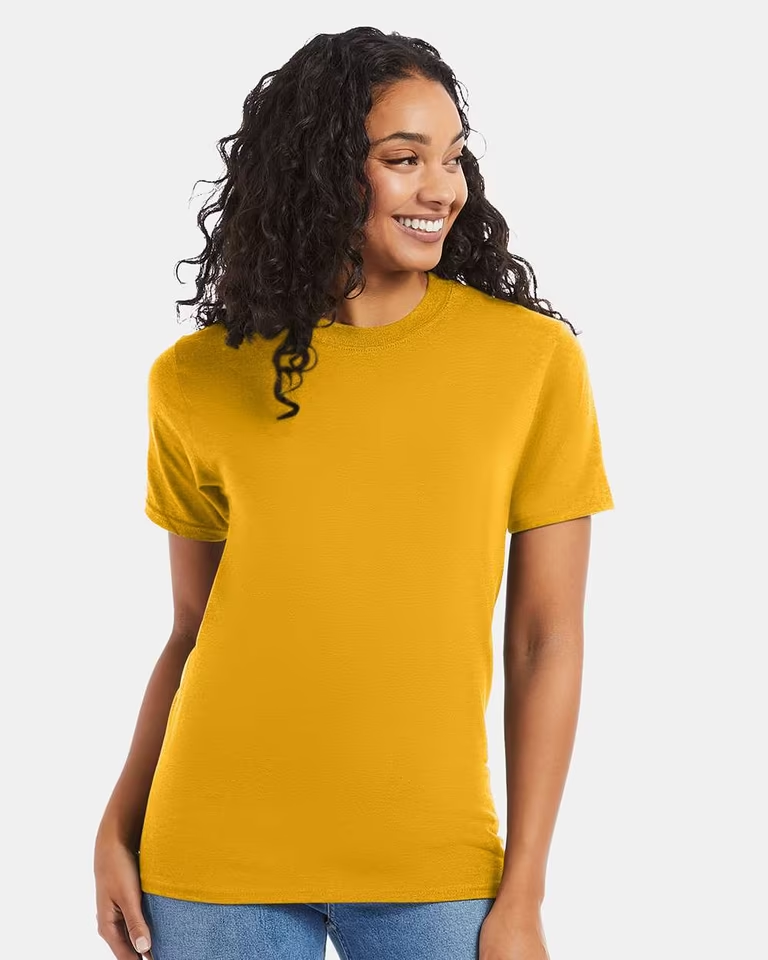
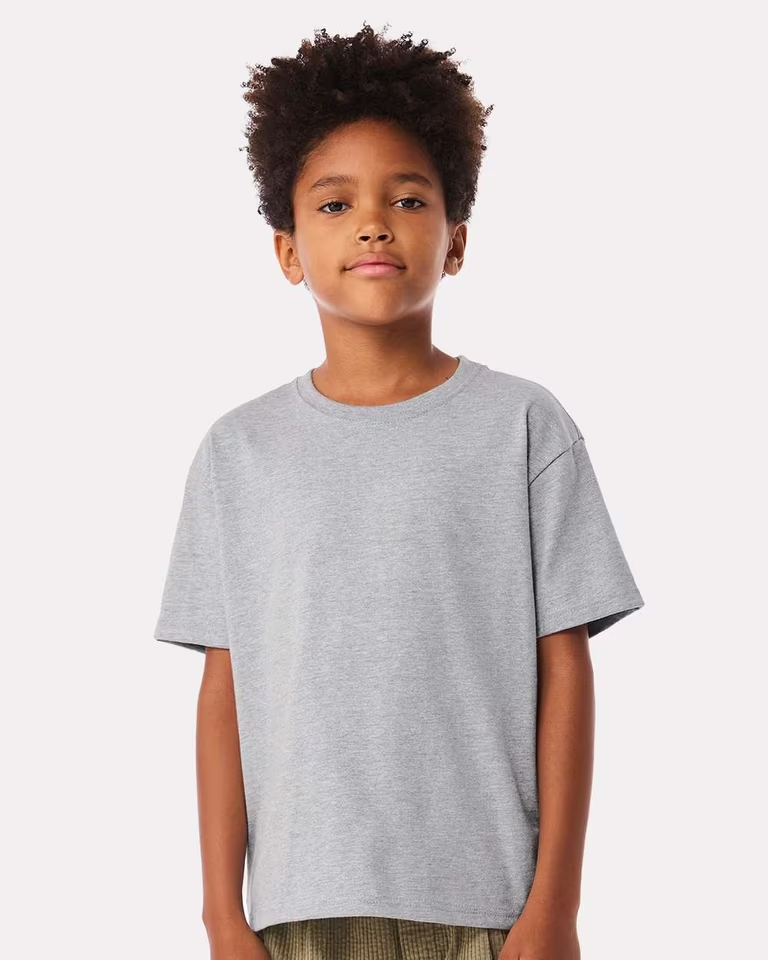
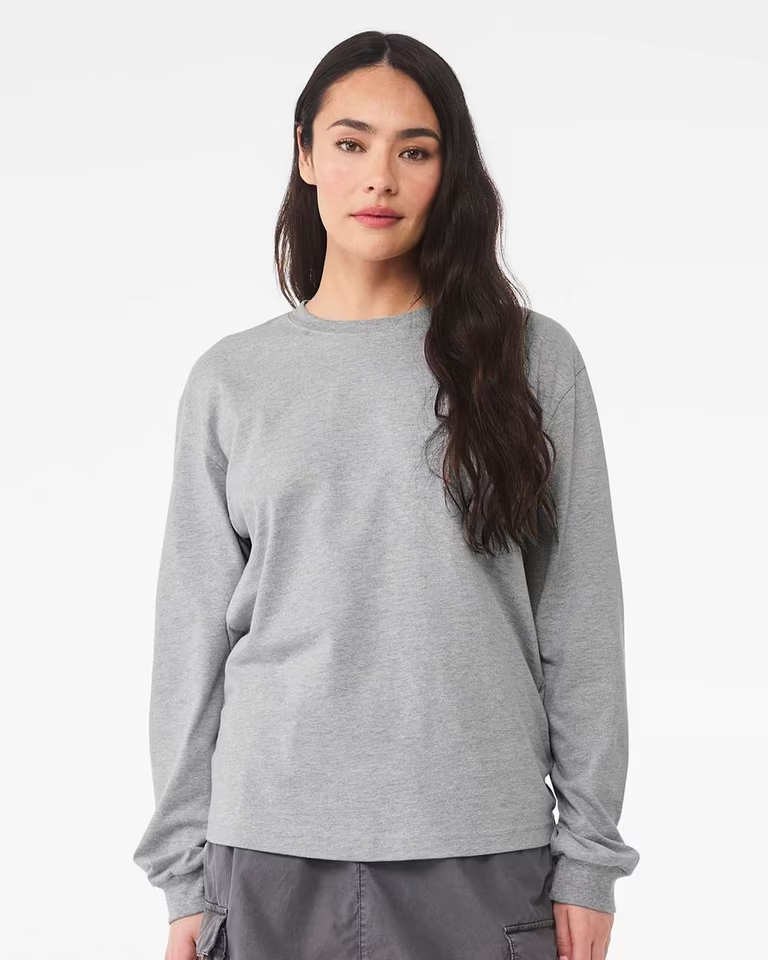
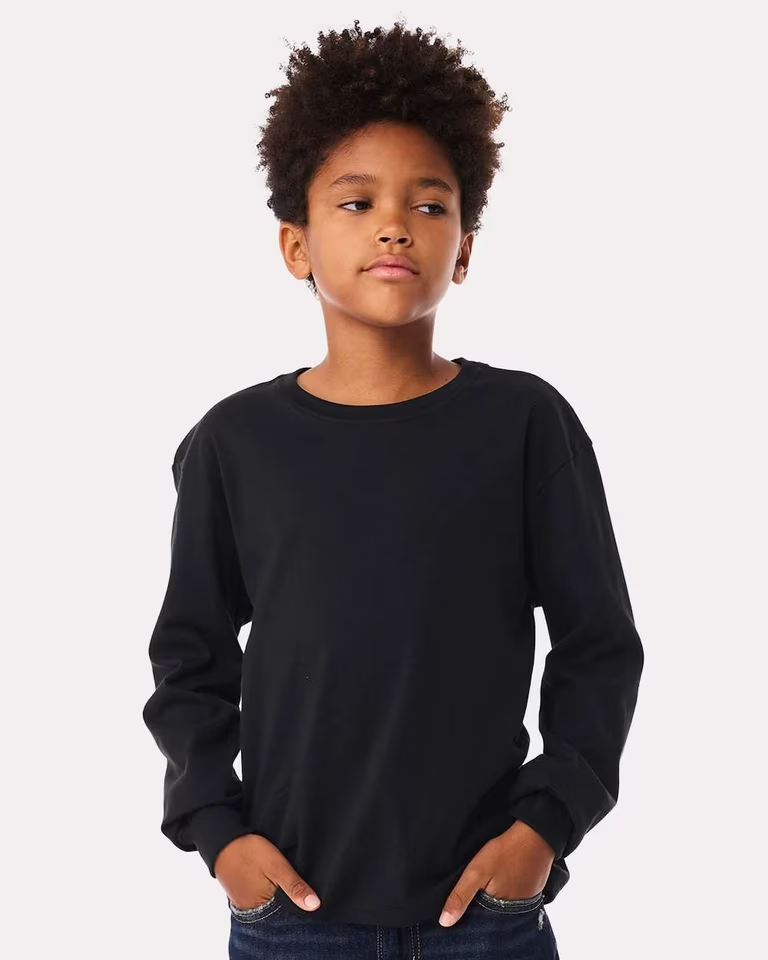
Bella + Canvas style number 3511Y
$10.23
Retail $13.64
Bella + Canvas style number 4651
$14.66
Retail $19.55
Comfort Colors style number 1469
$28.95
Retail $38.60
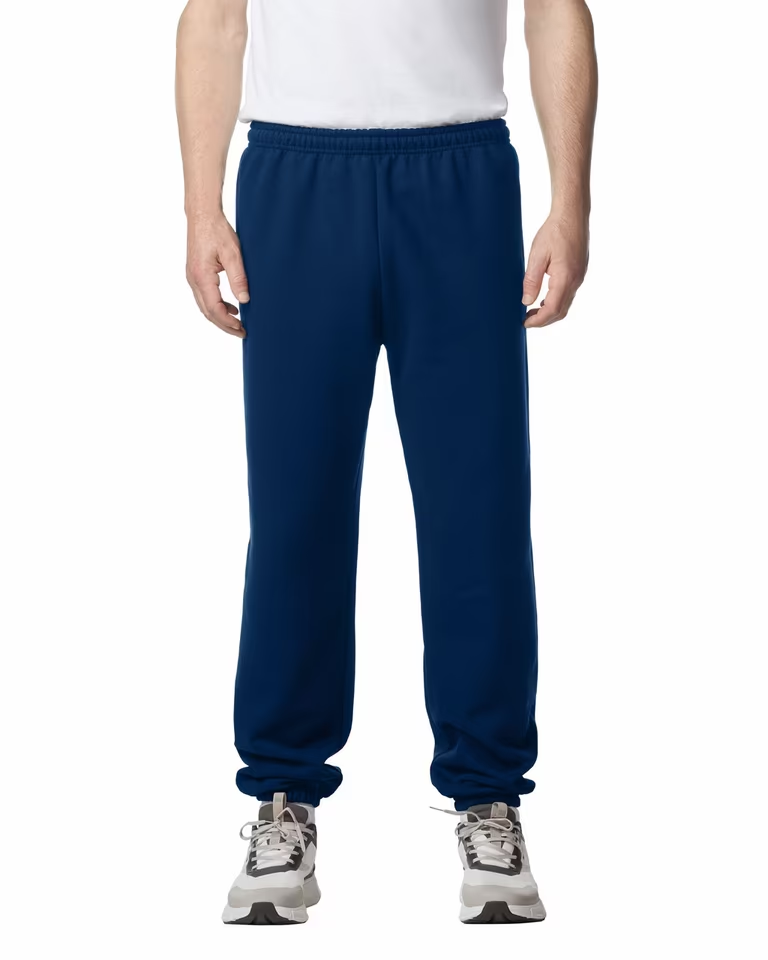
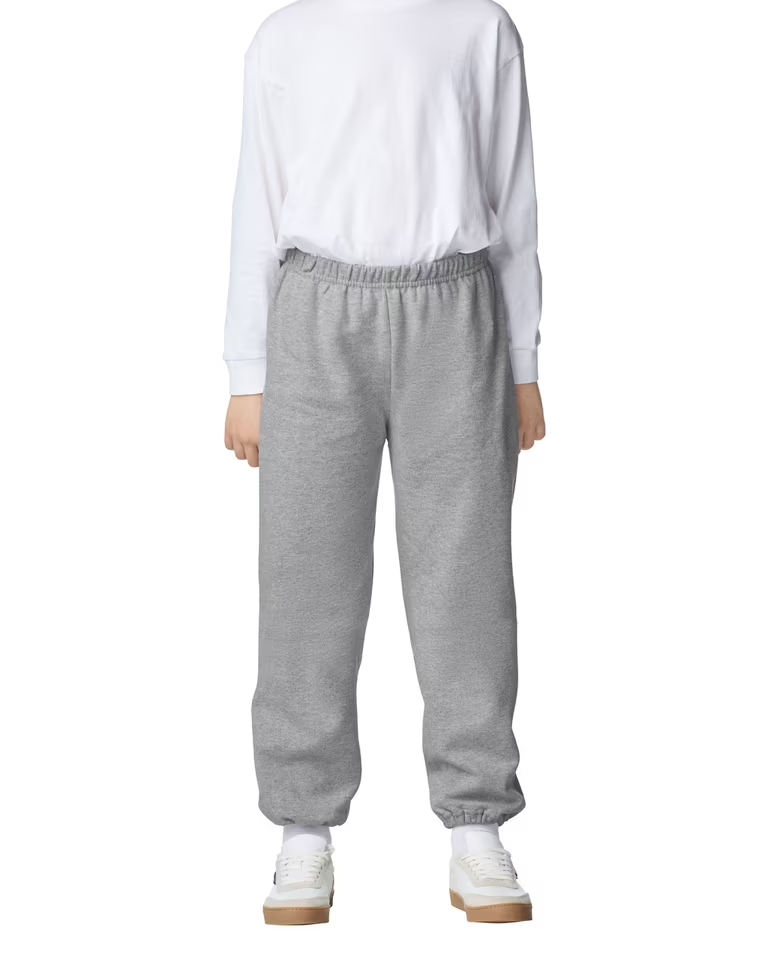
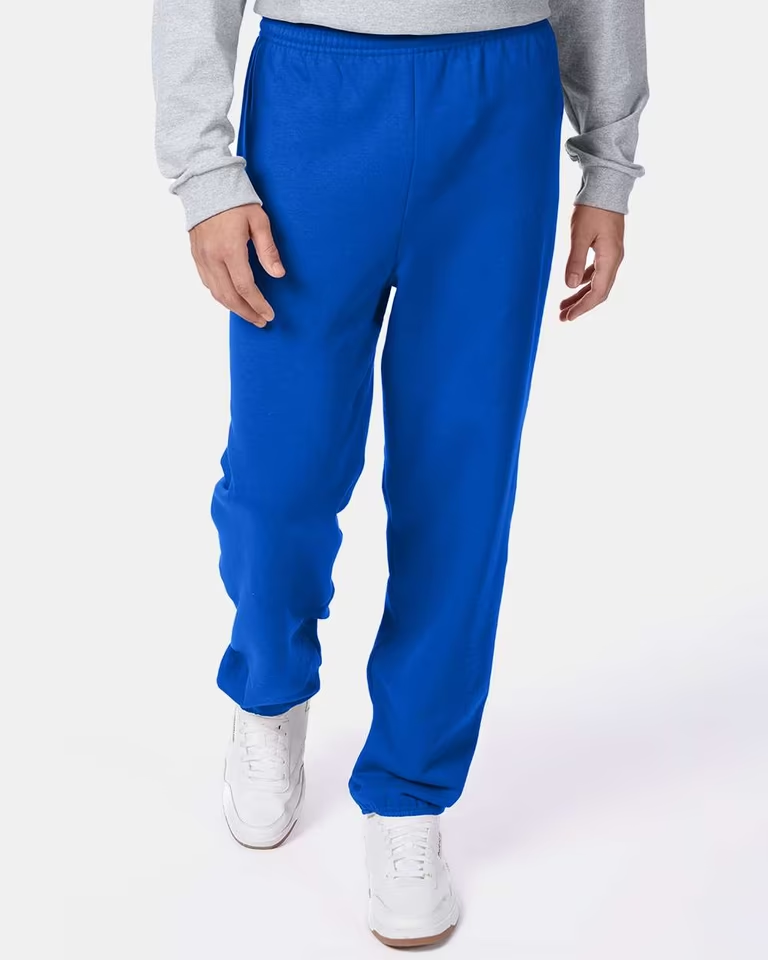
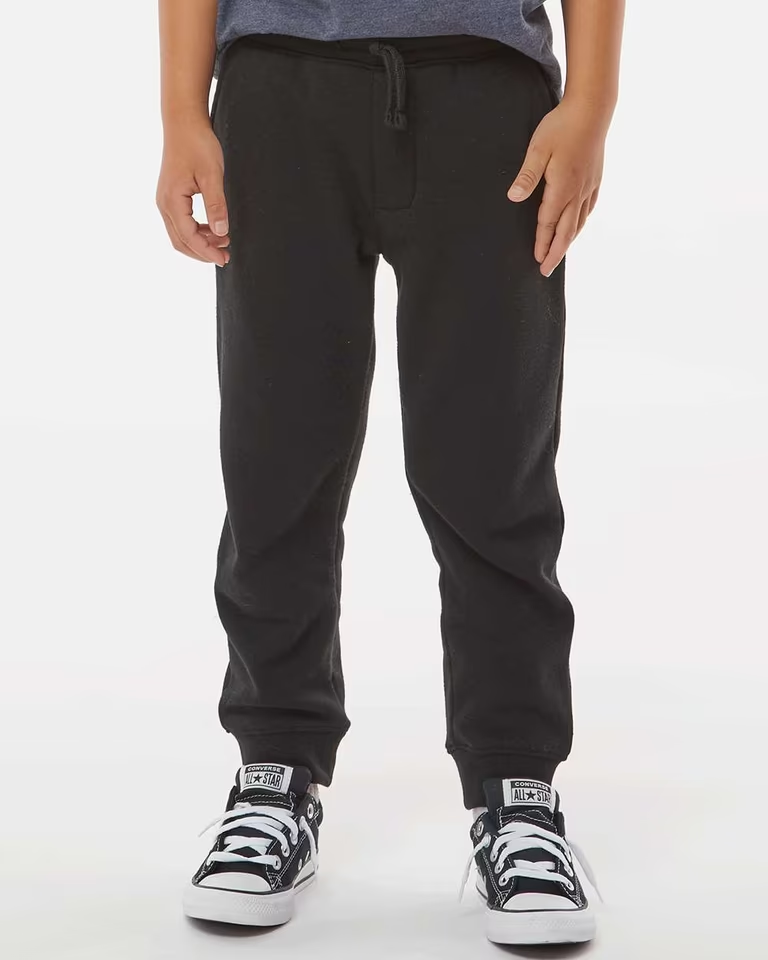
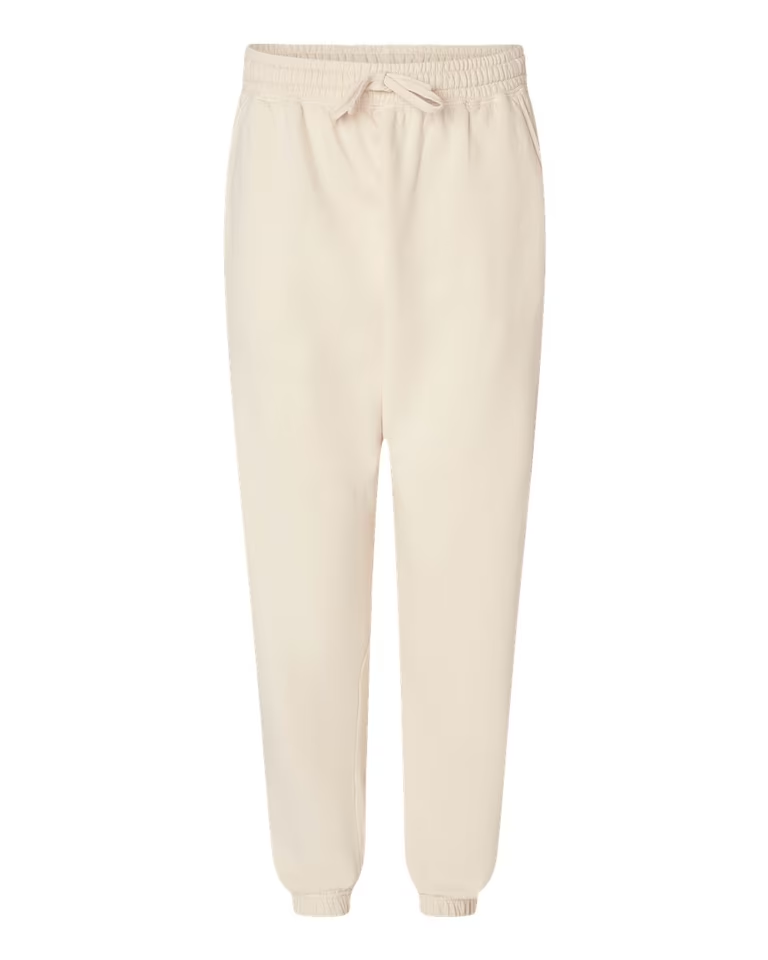
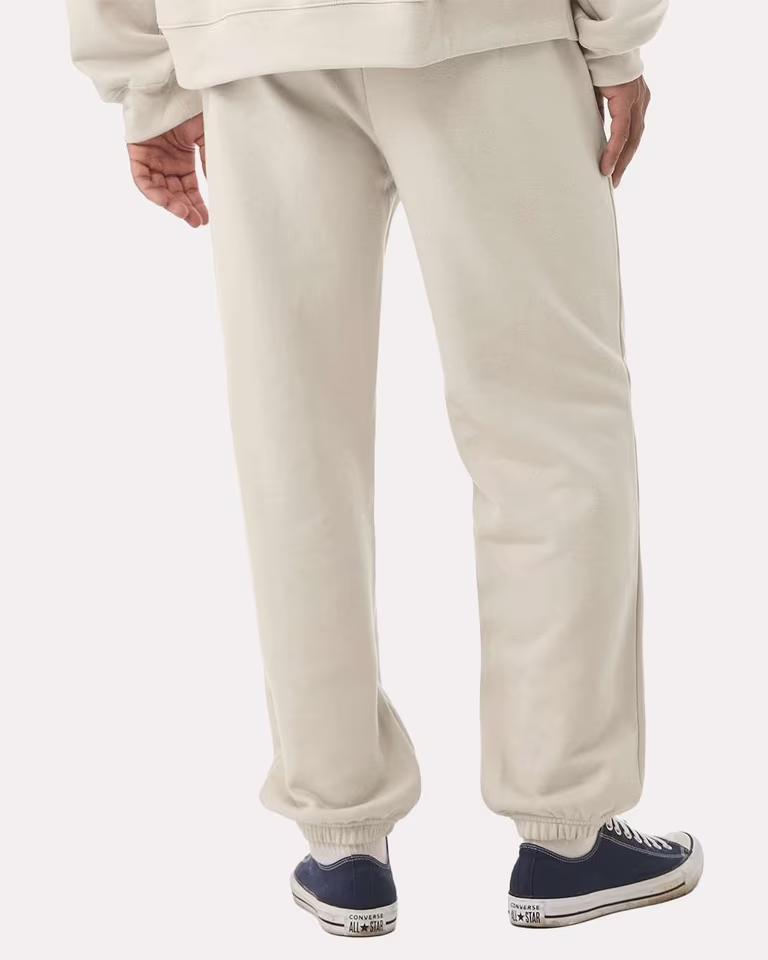
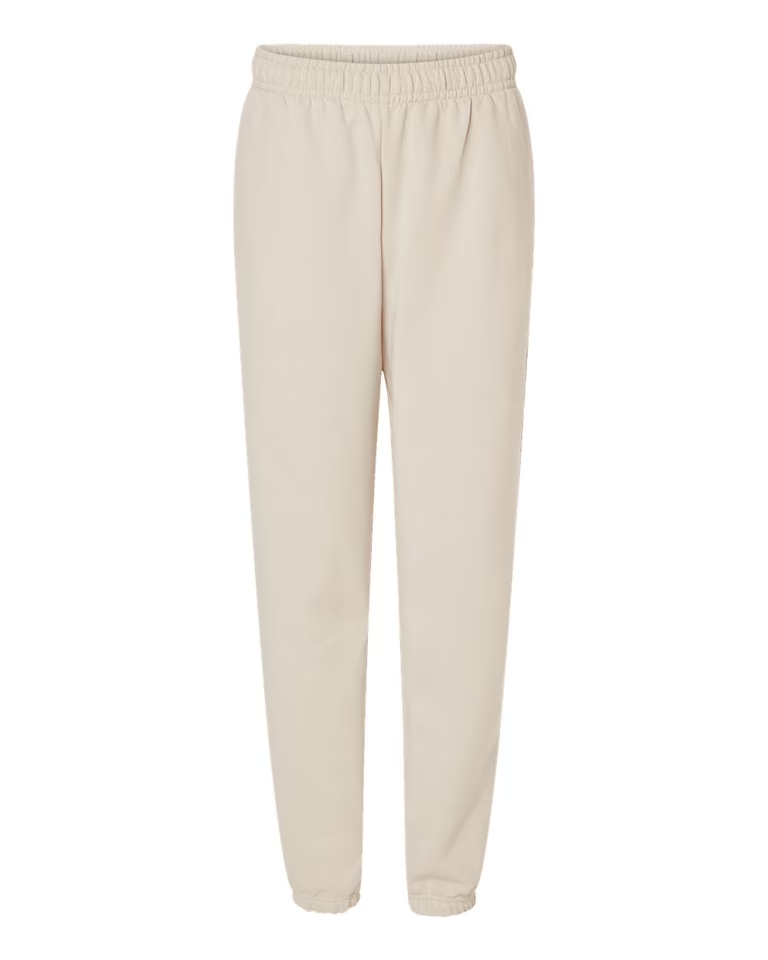
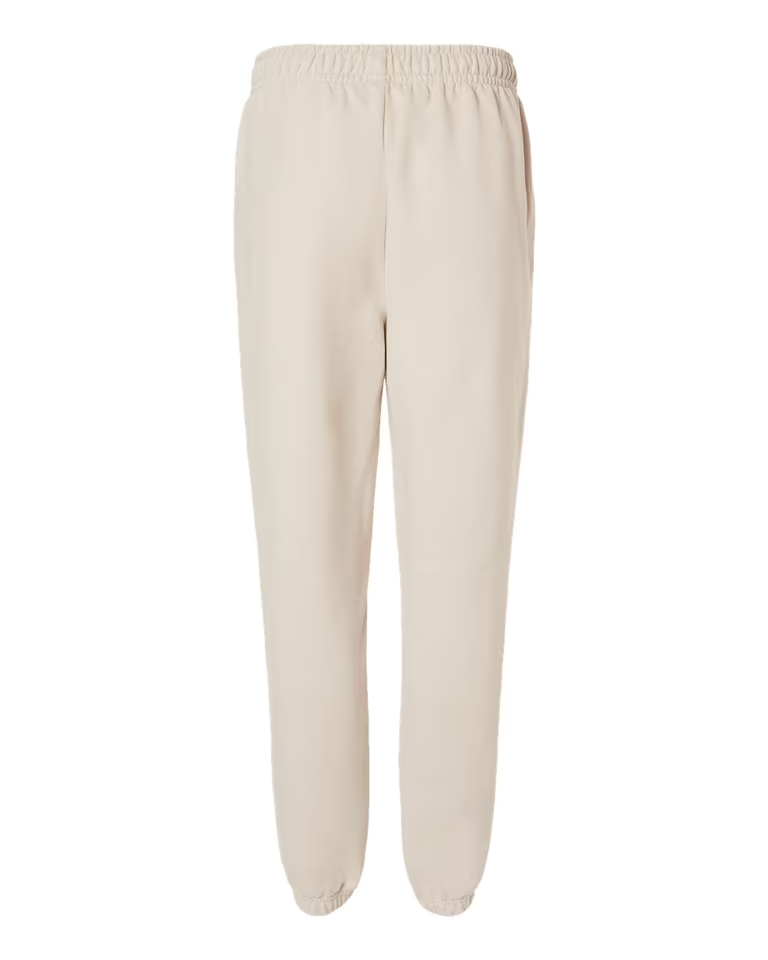
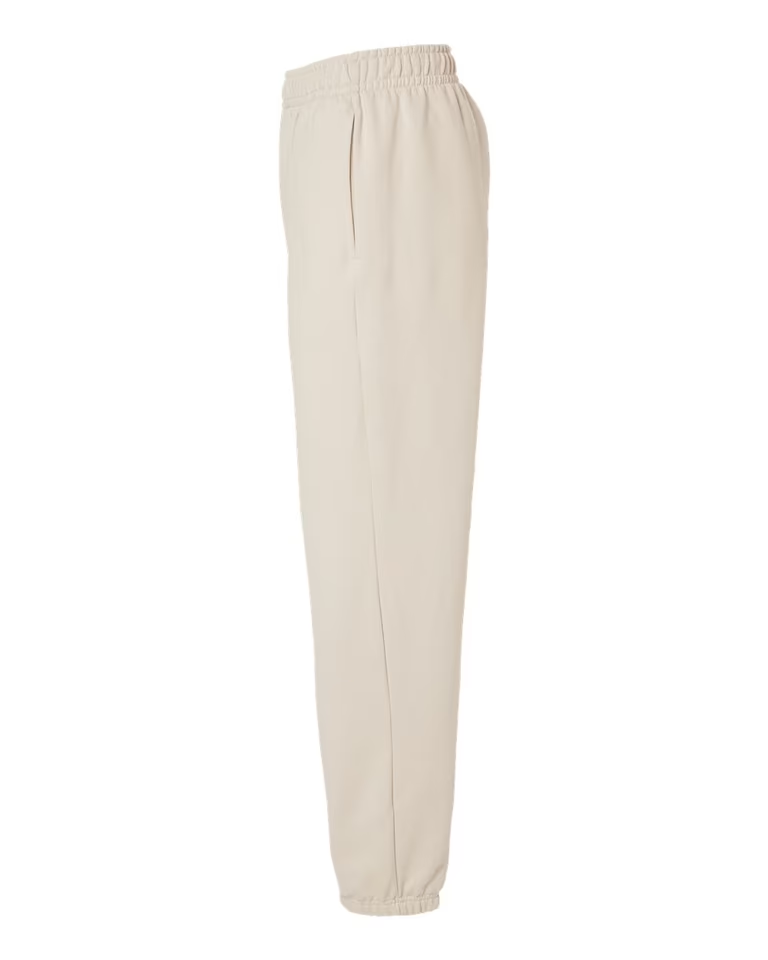
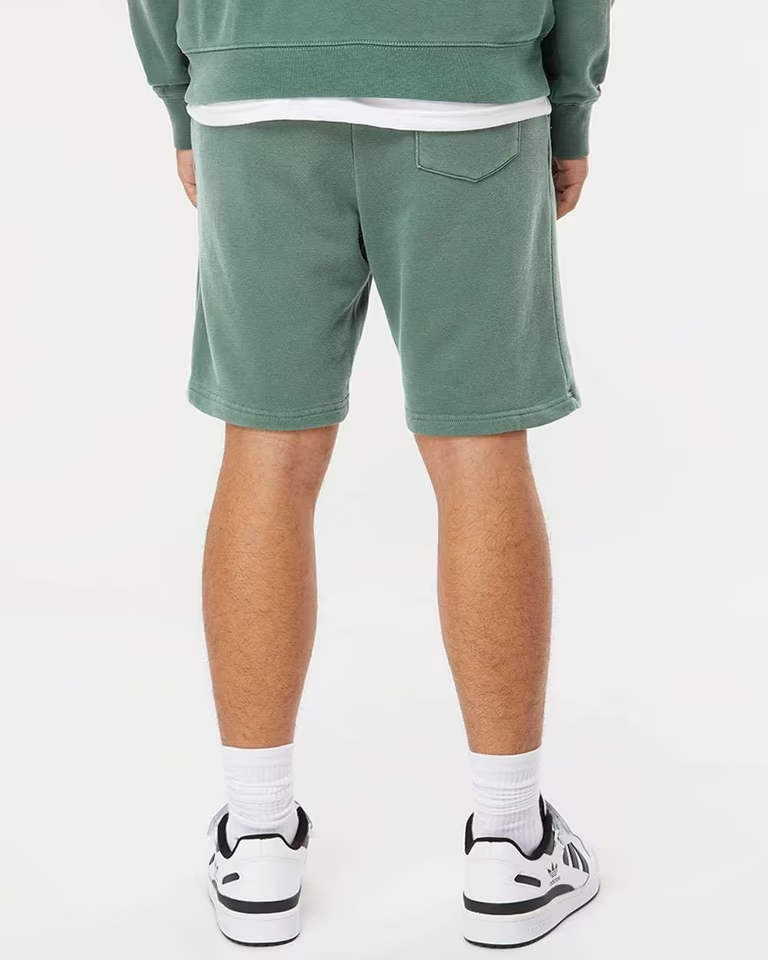
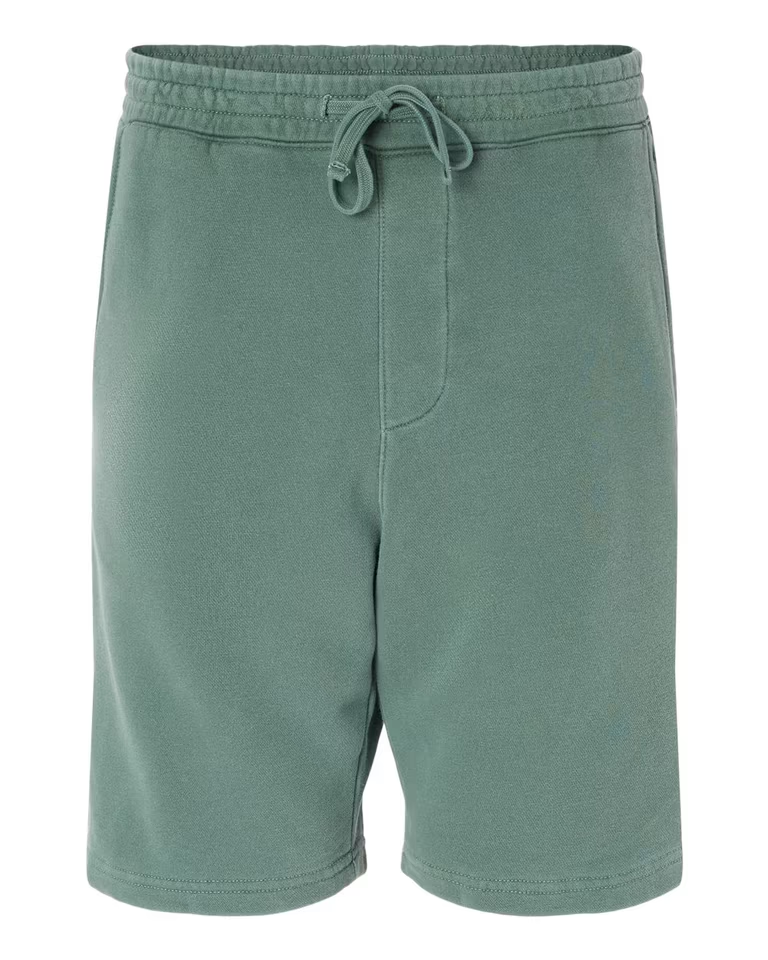
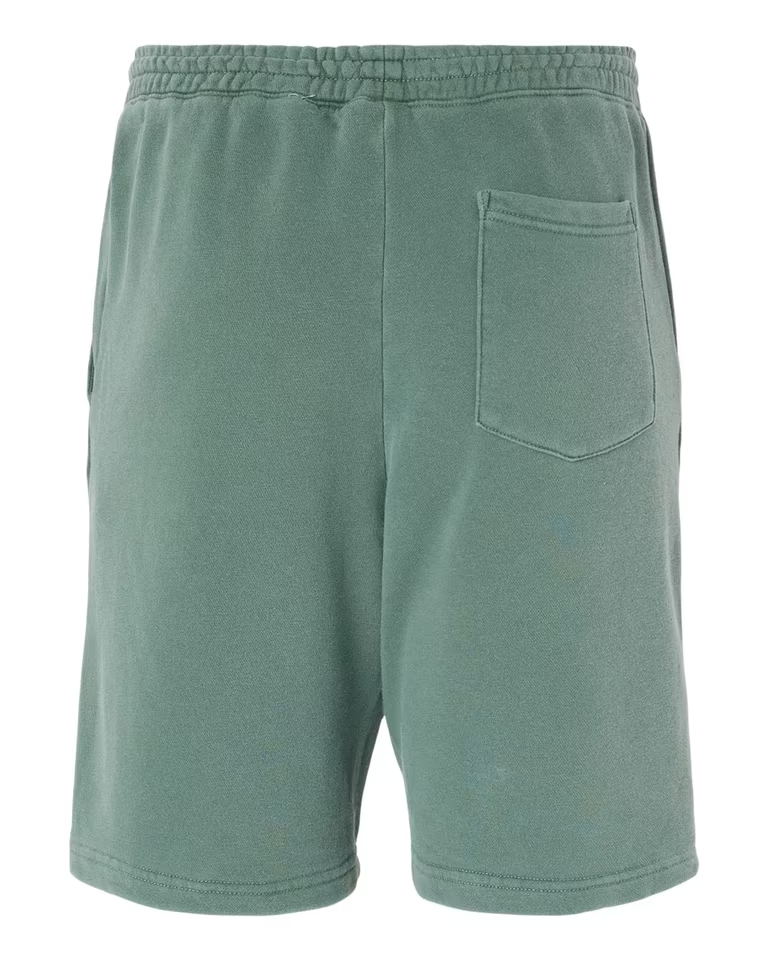
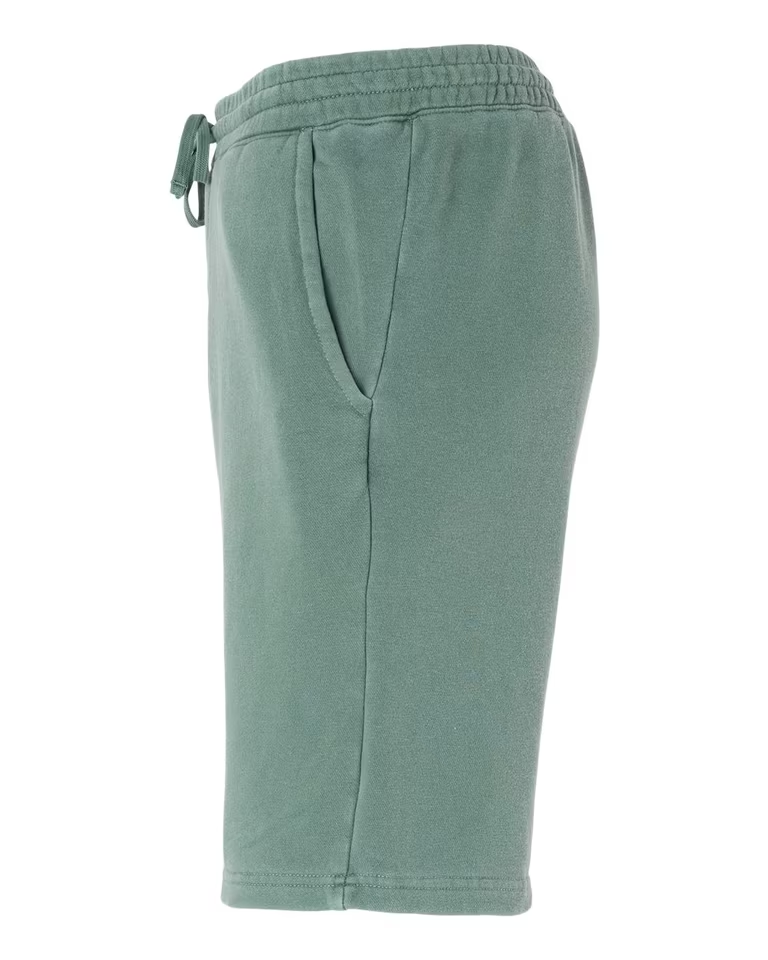
Independent Trading style number PRM16PNT
$18.17
Retail $24.22
Bella + Canvas style number 3725
$29.70
Retail $39.61
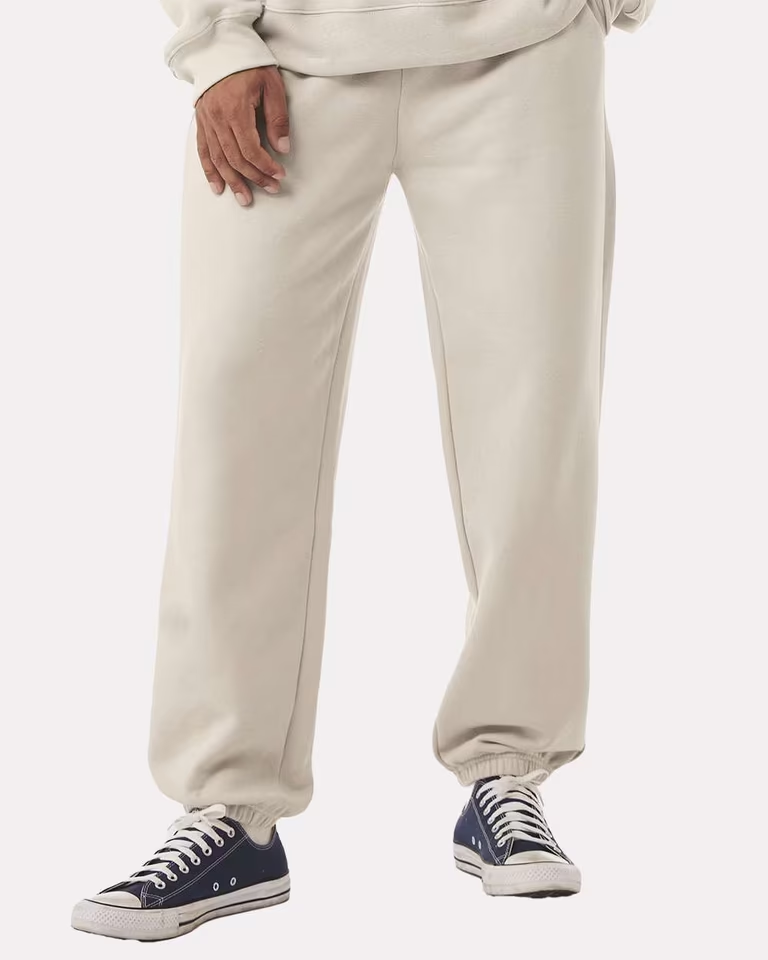
Bella + Canvas style number 4737
$33.23
Retail $44.31
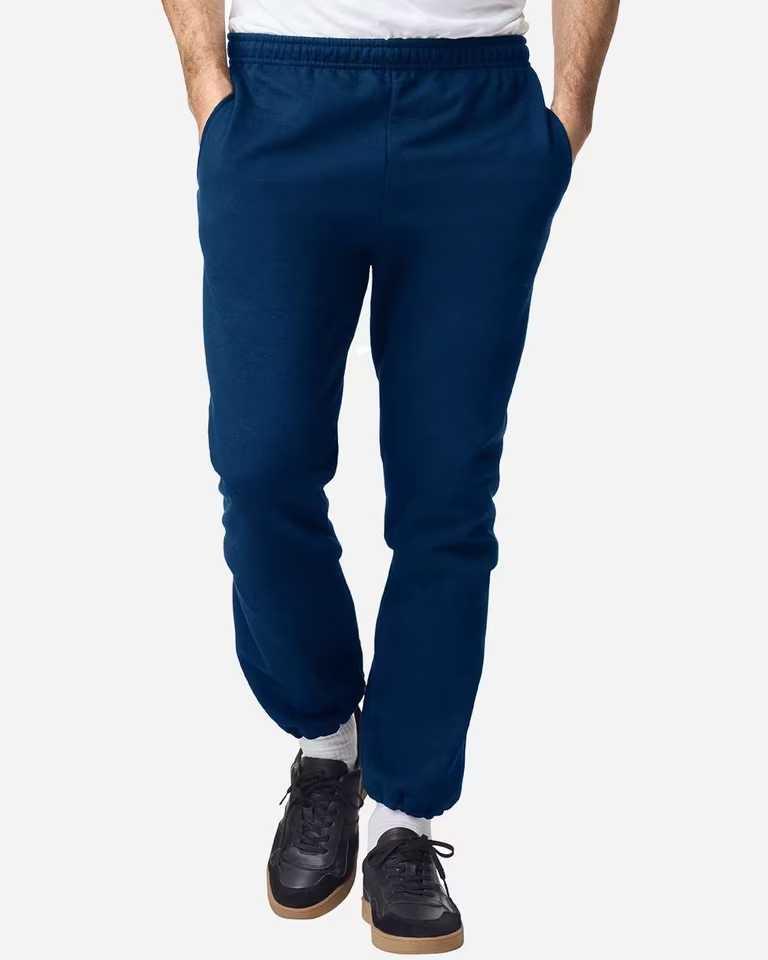
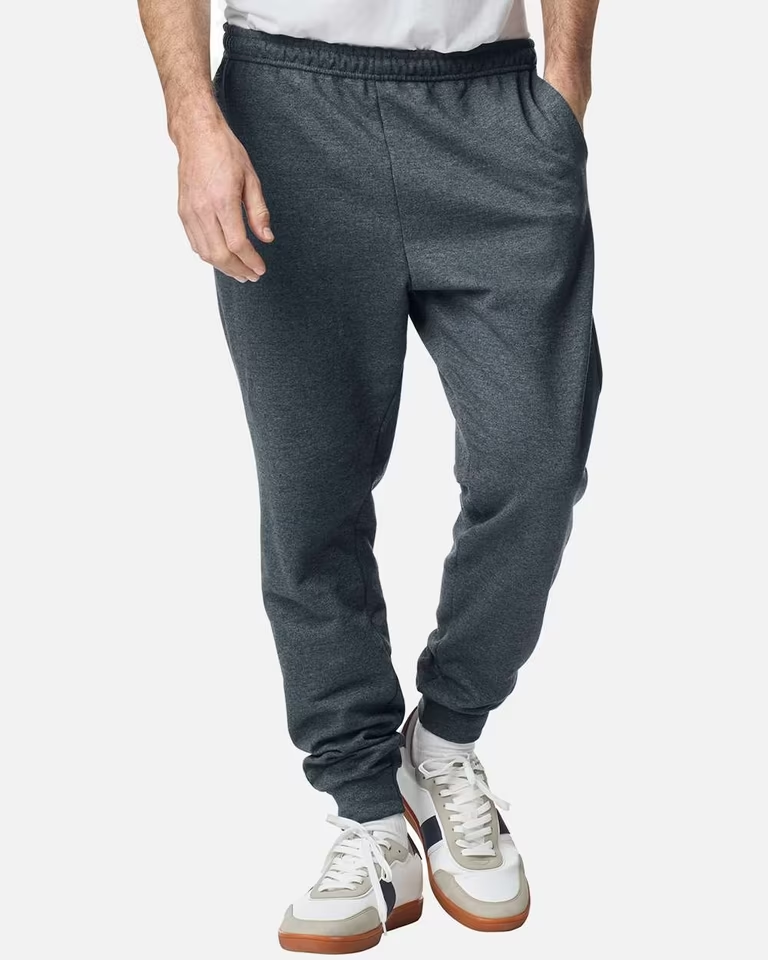
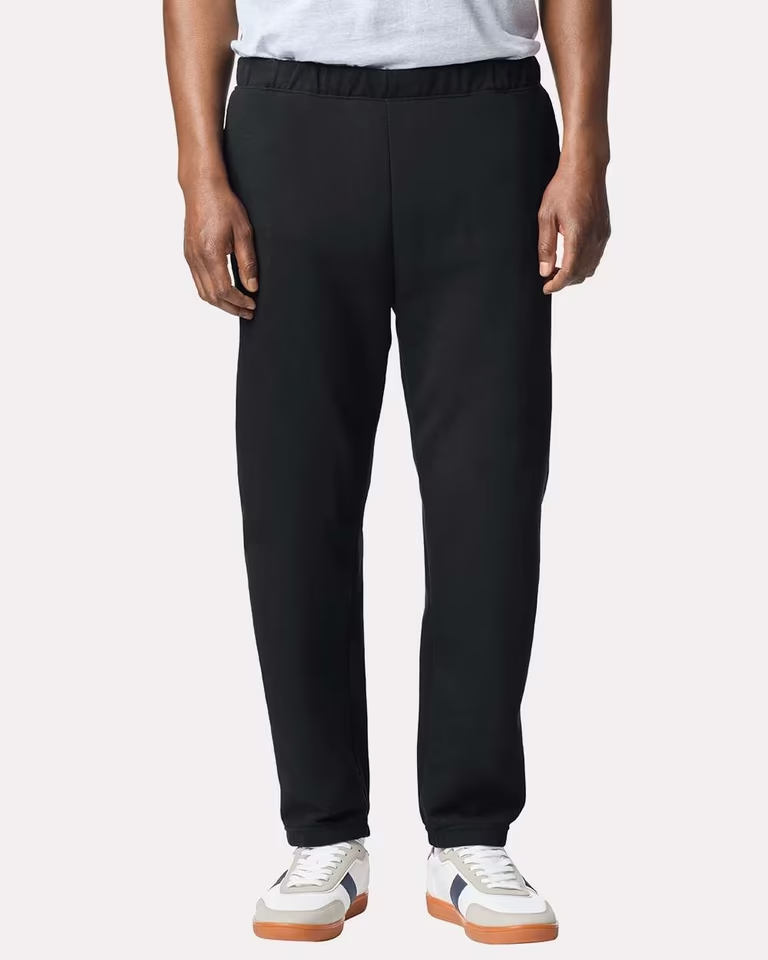
Gildan style number SF100
$23.16
Retail $30.88
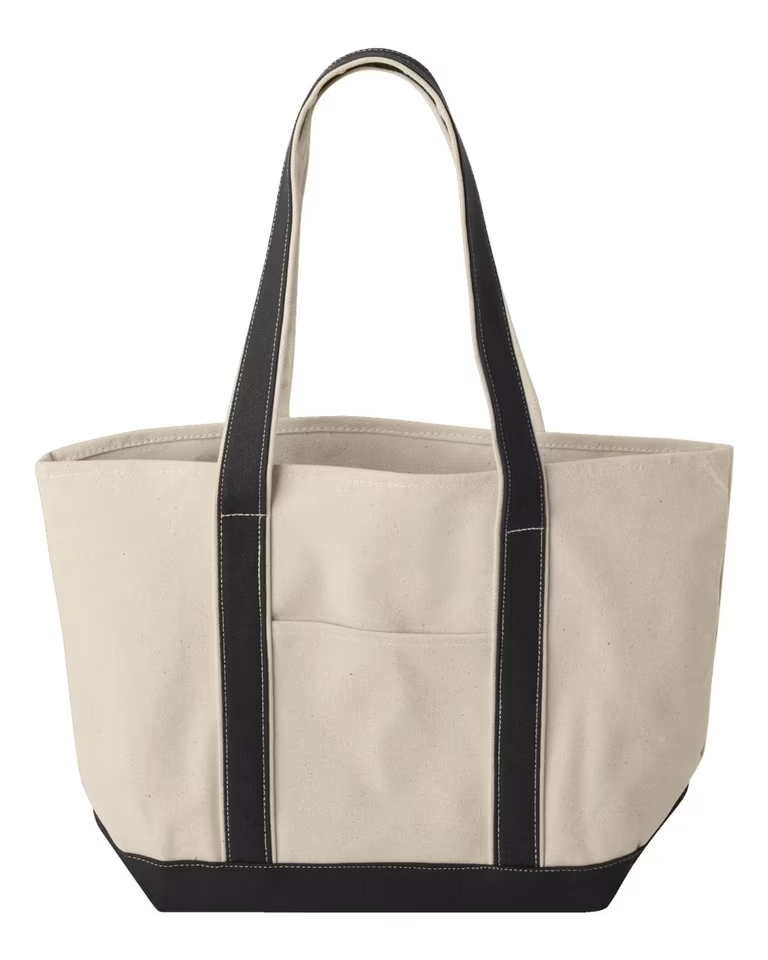
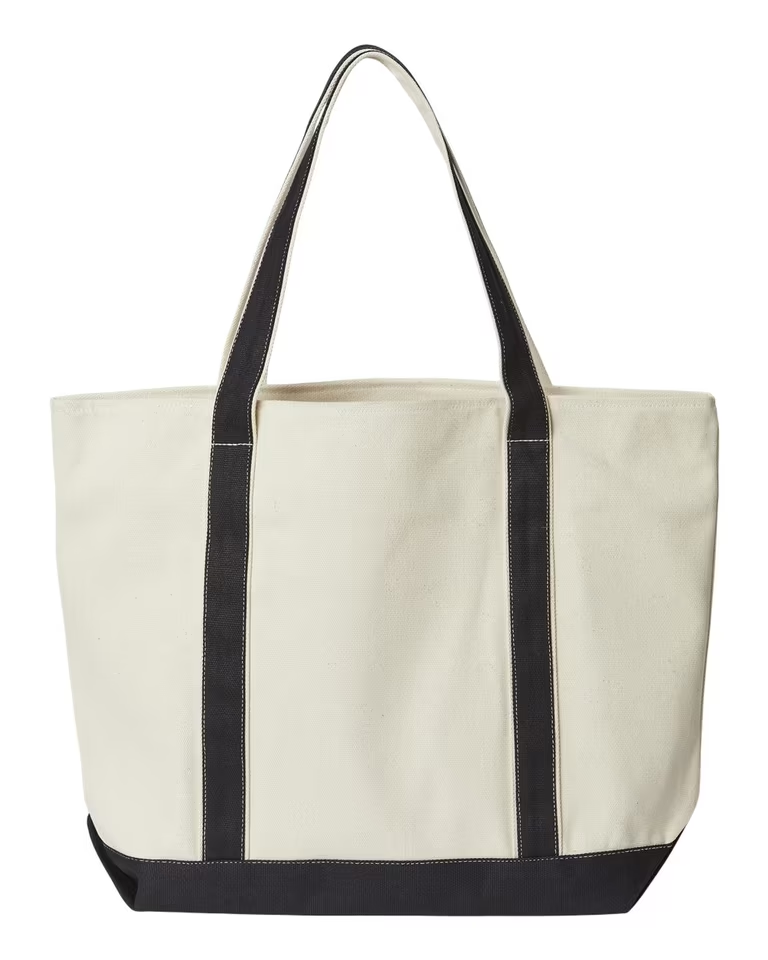
Liberty Bags style number 8871
$24.50
Retail $32.67
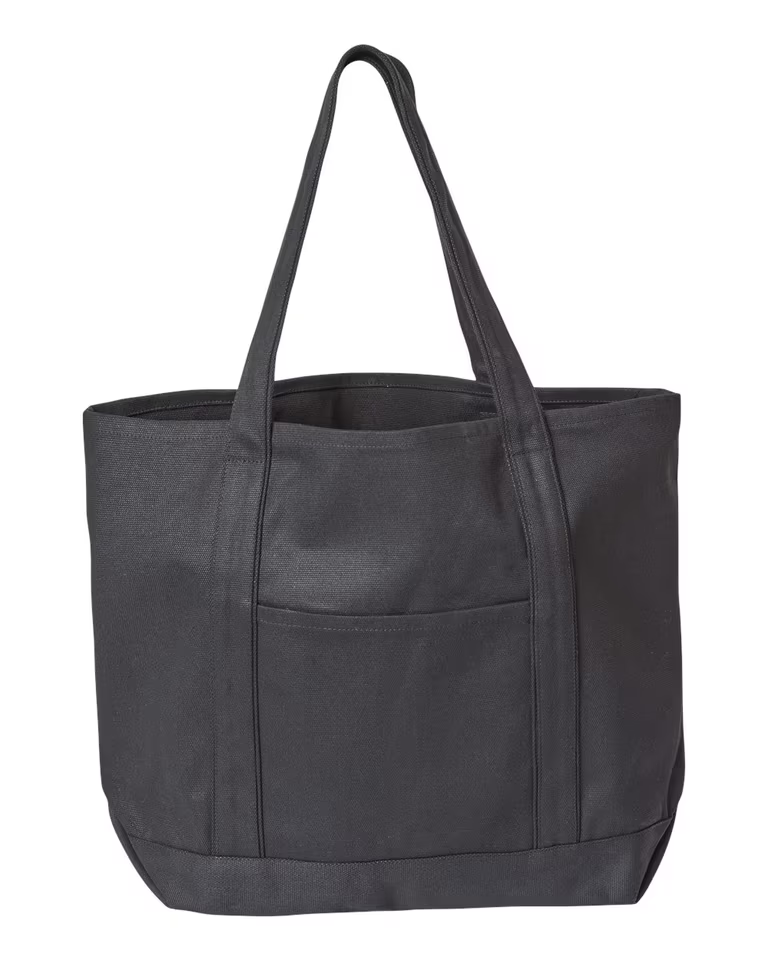
Liberty Bags style number 8872
$27.71
Retail $36.93
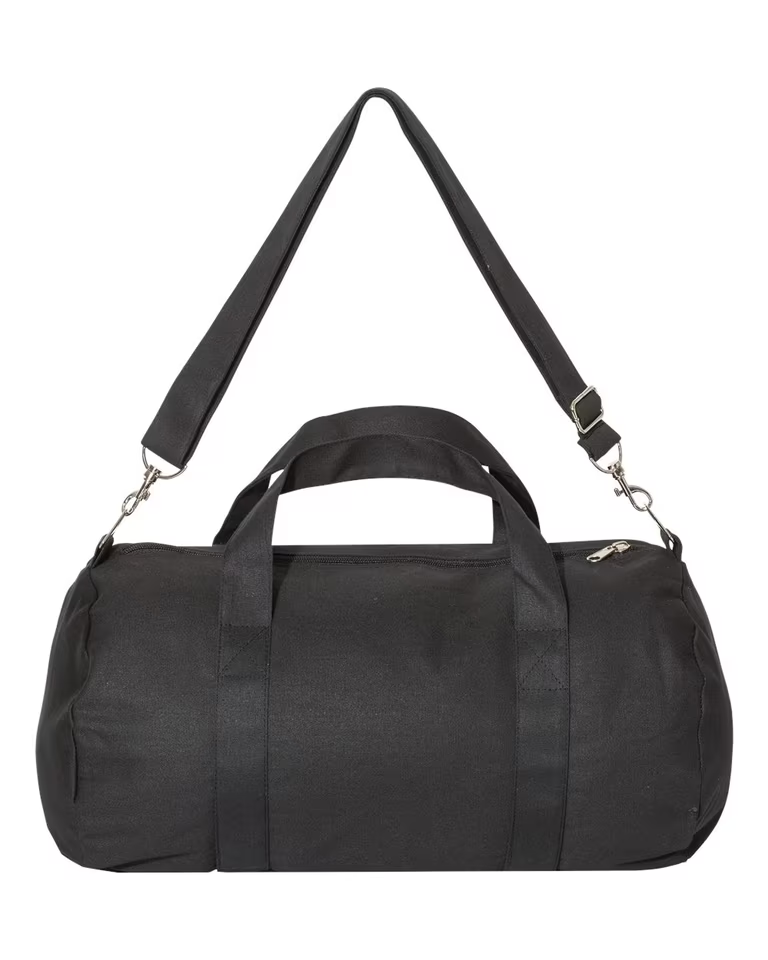
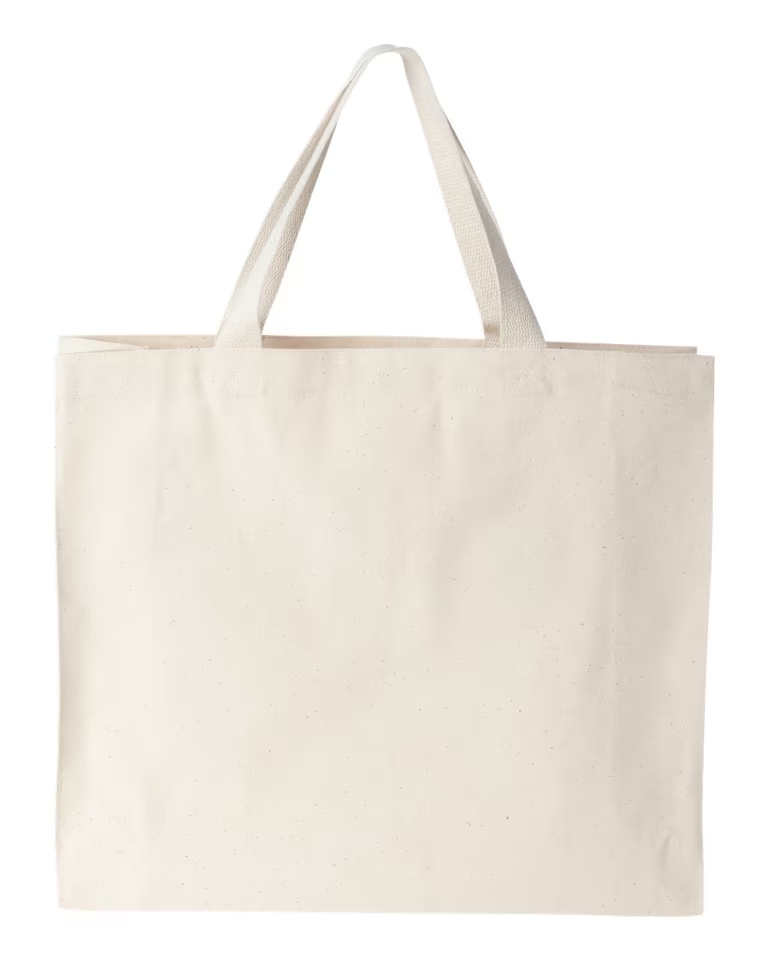
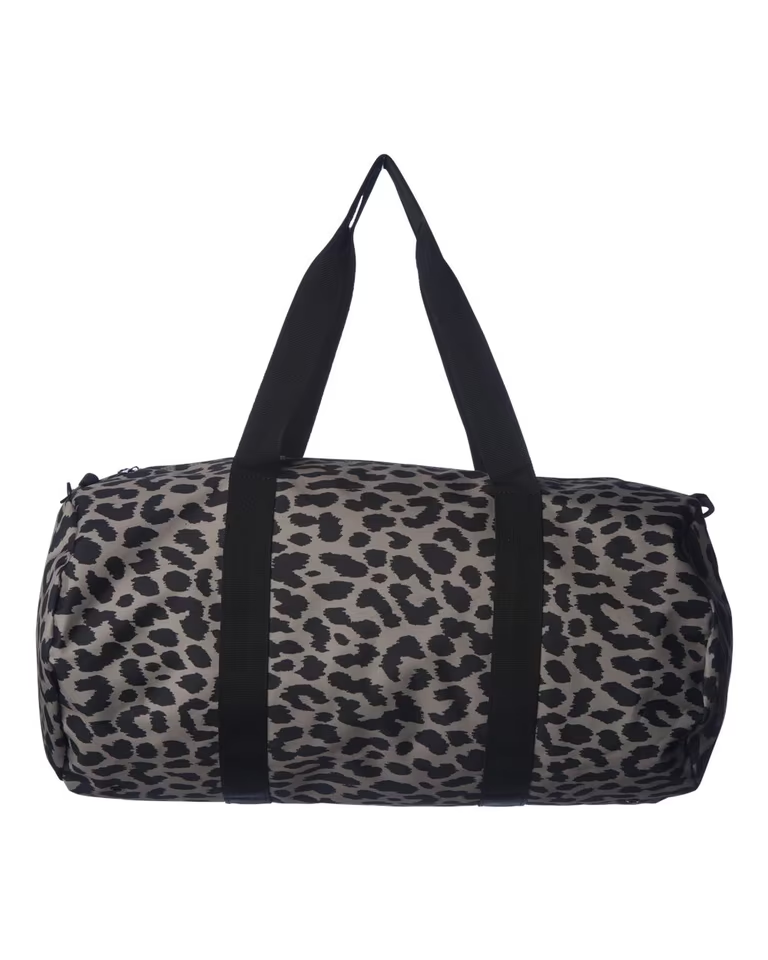
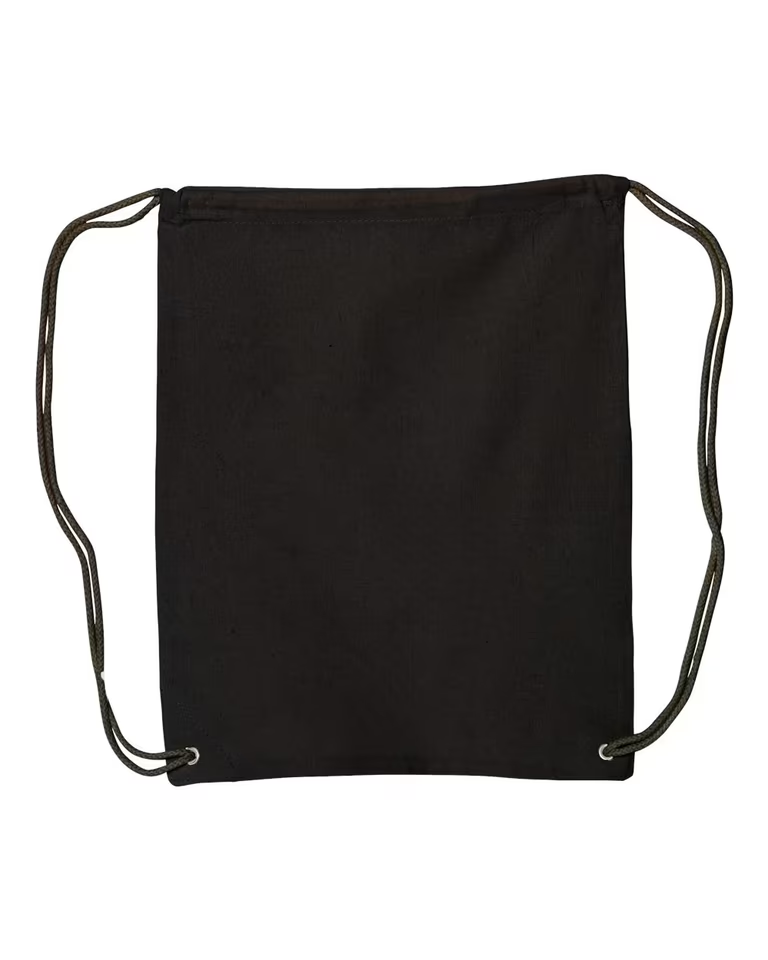
Independent Trading style number INDDUFBAG
$25.56
Retail $34.09
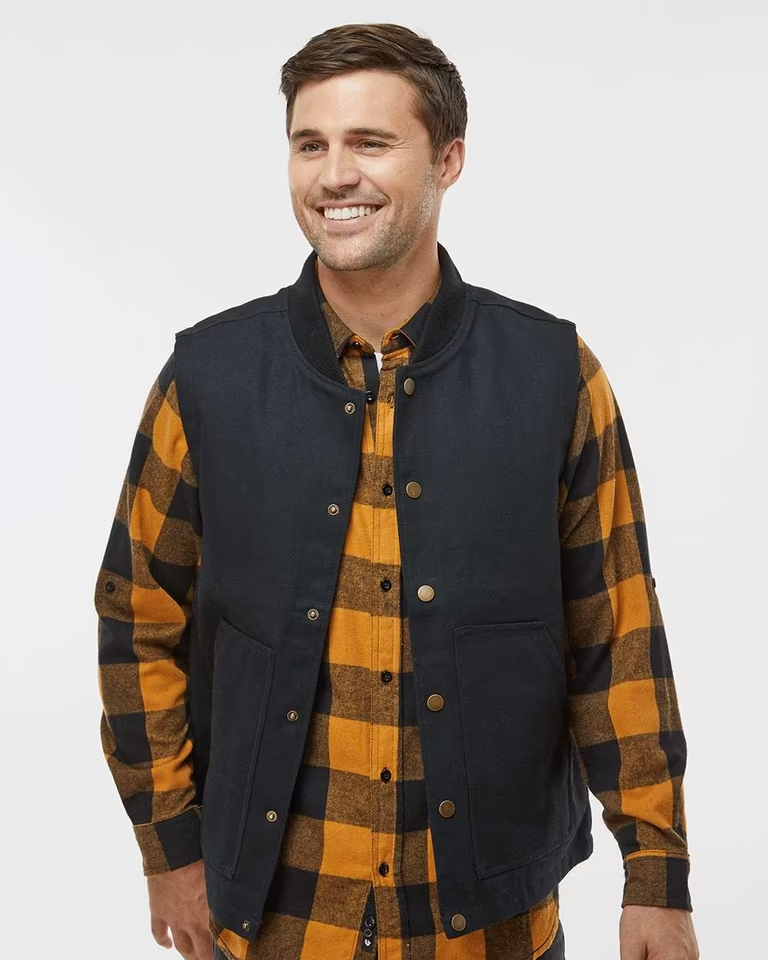
Independent Trading style number EXP35SSZ
$62.15
Retail $82.87
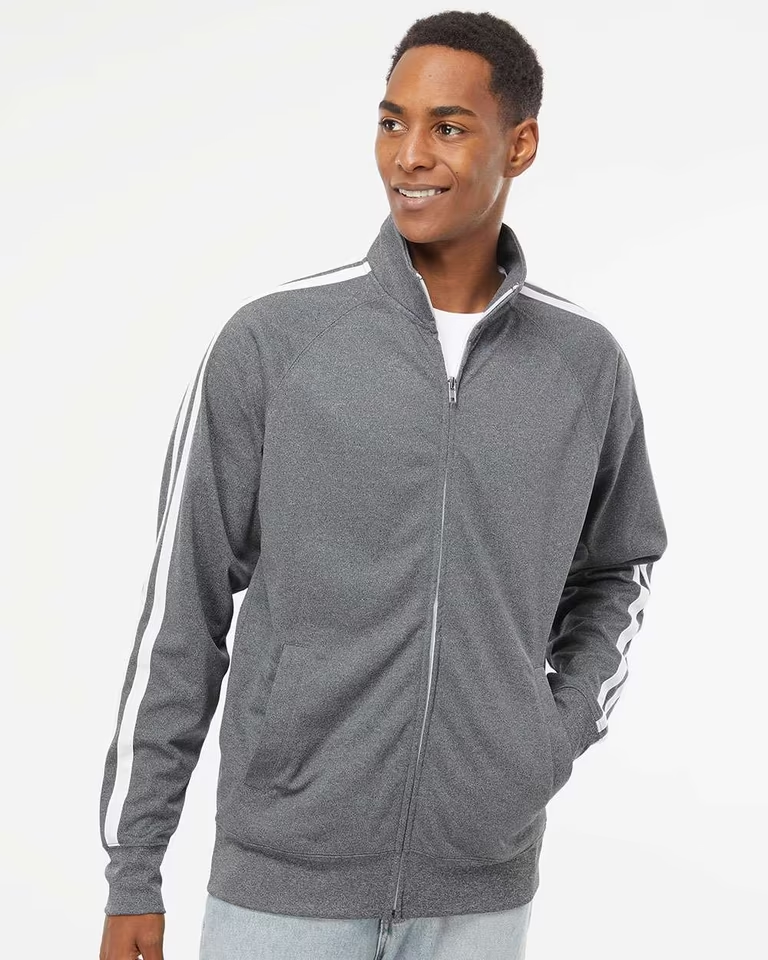
Independent Trading style number EXP560V
$54.59
Retail $72.77
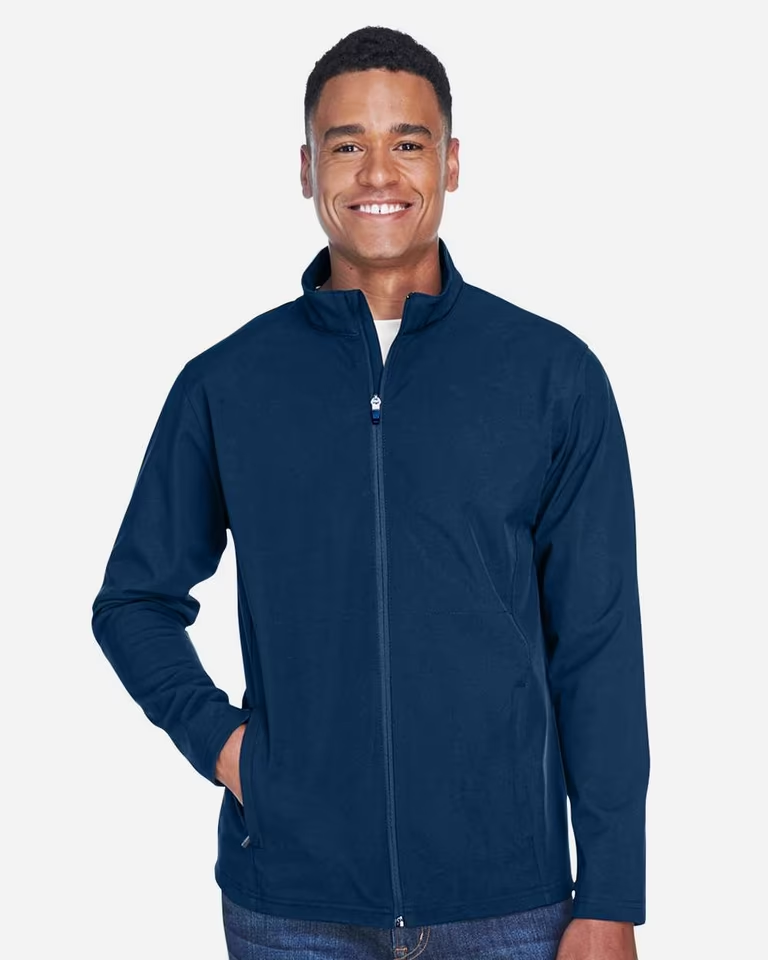
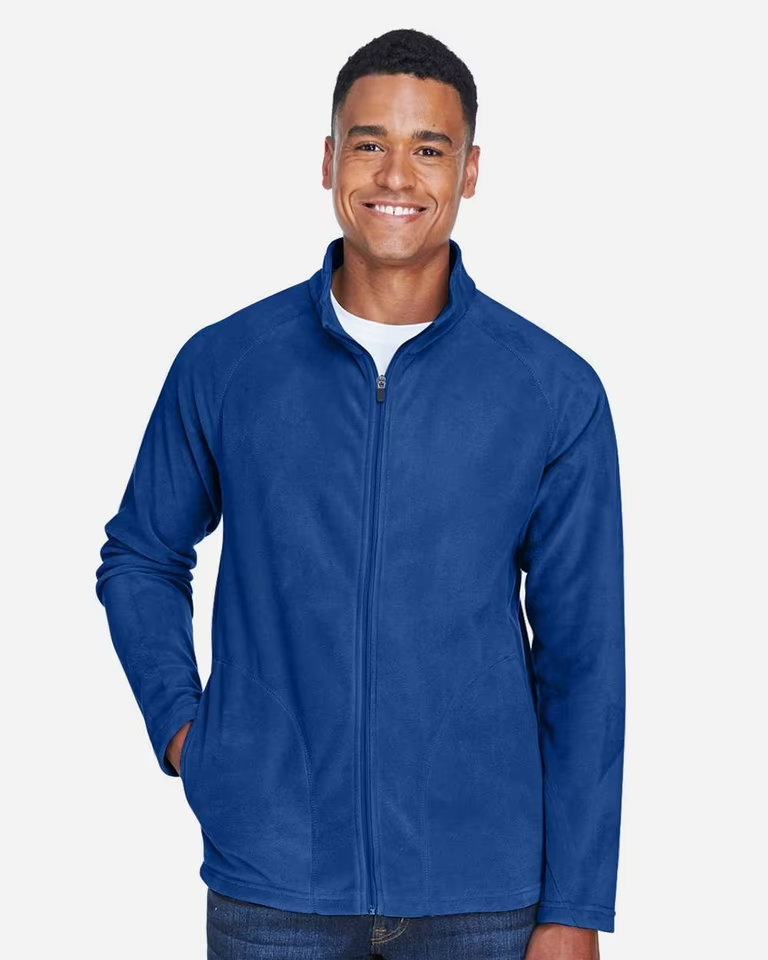
Independent Trading style number EXP70PTZ
$32.91
Retail $43.87
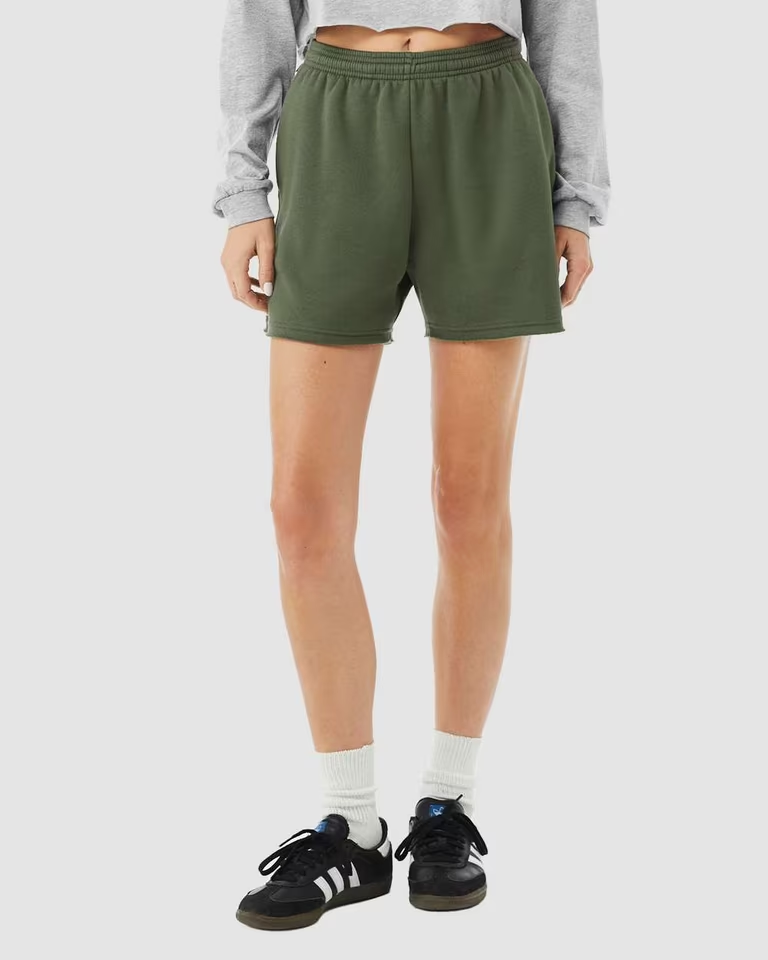
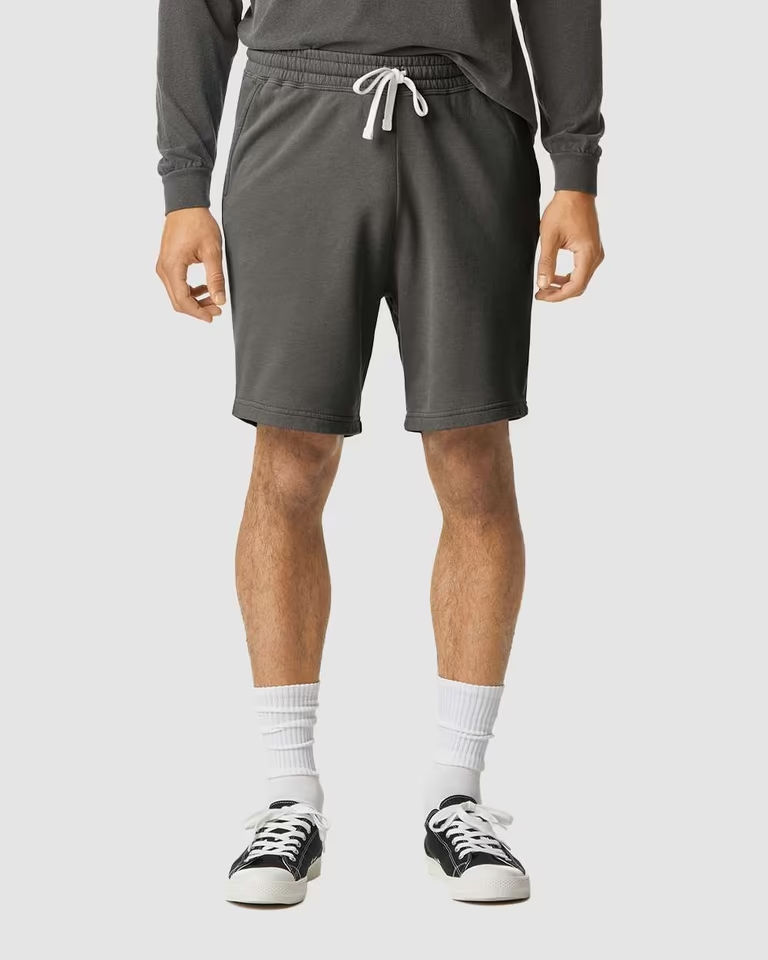
Comfort Colors style number 1468
$22.25
Retail $29.66
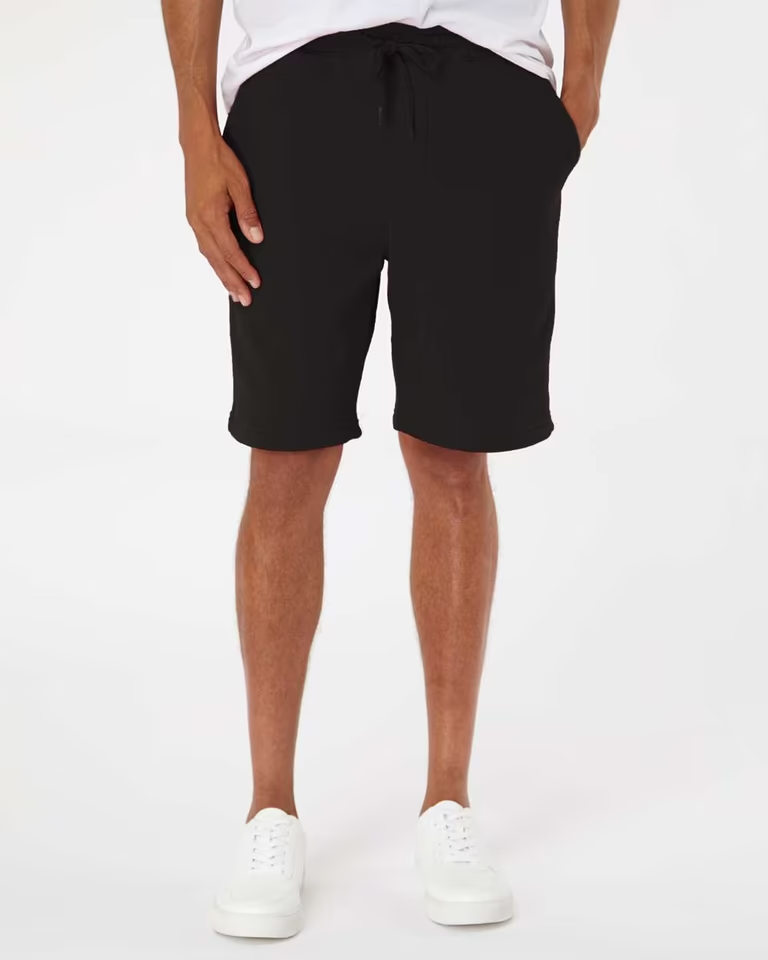
Independent Trading style number IND20SRT
$19.92
Retail $26.55
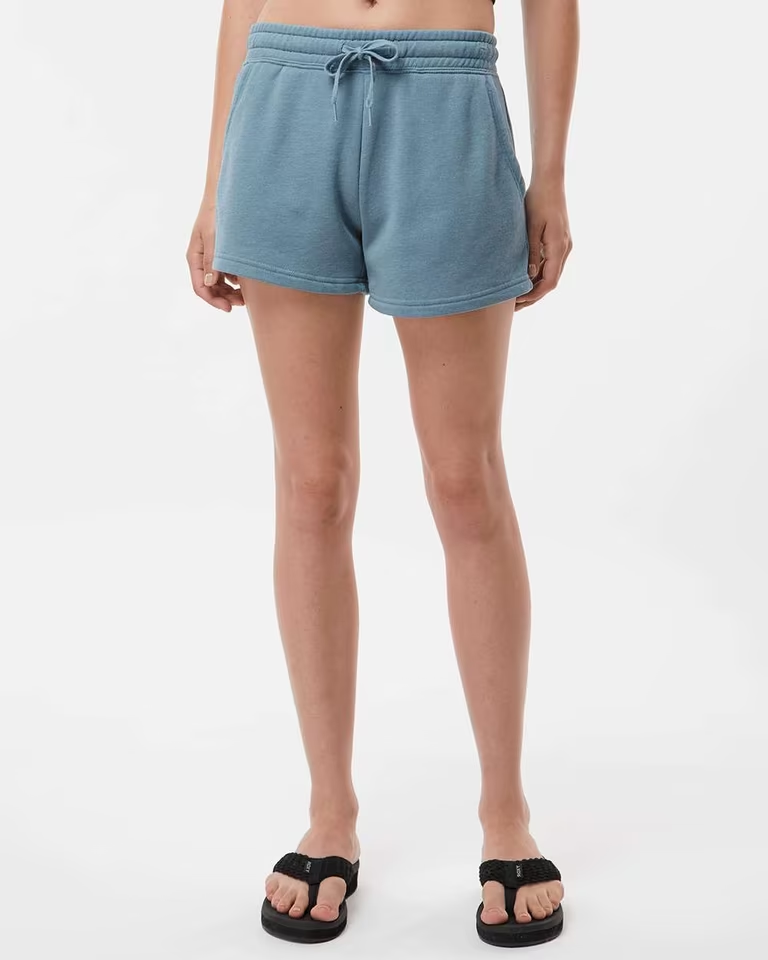
Independent Trading style number PRM20SRT
$18.12
Retail $24.16
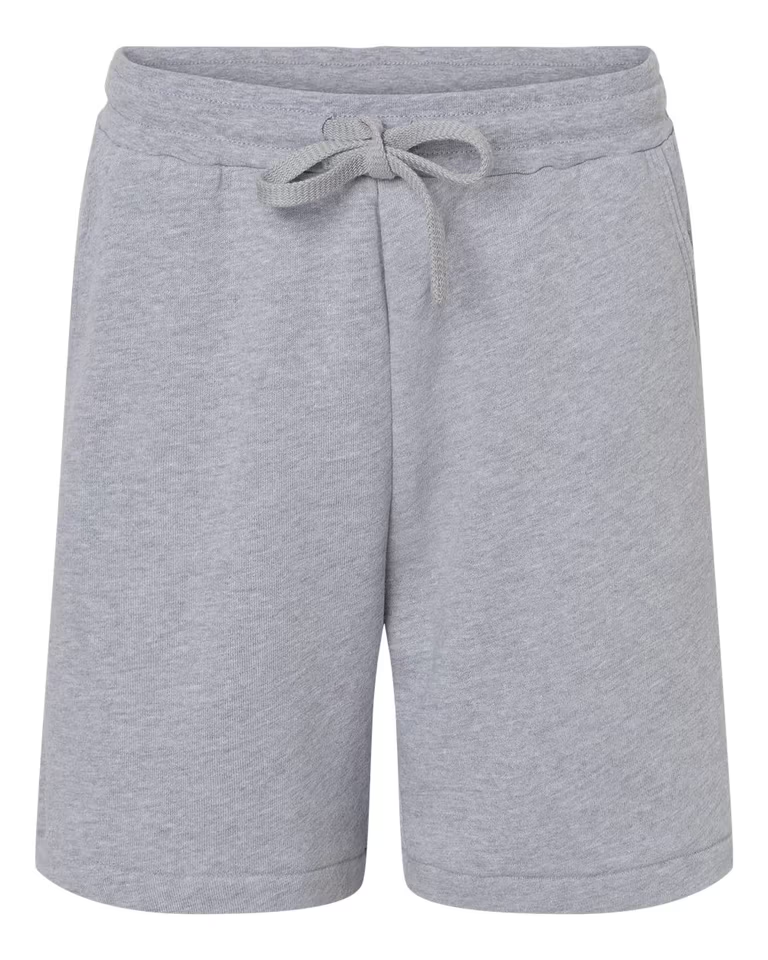
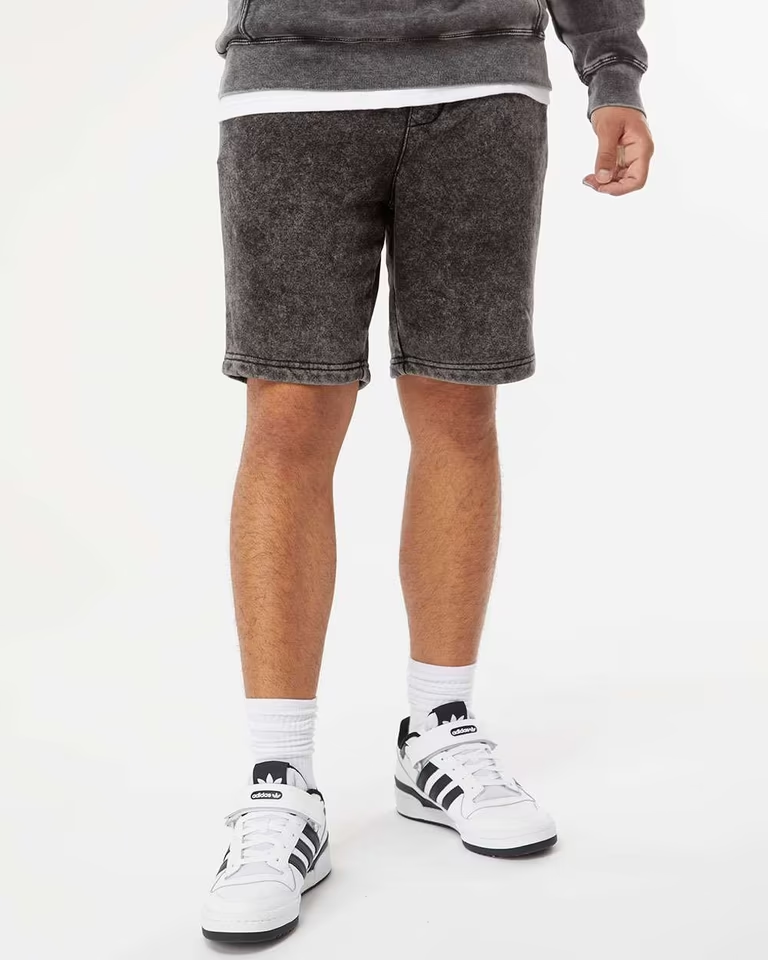
Independent Trading style number PRM50STMW
$24.56
Retail $32.73
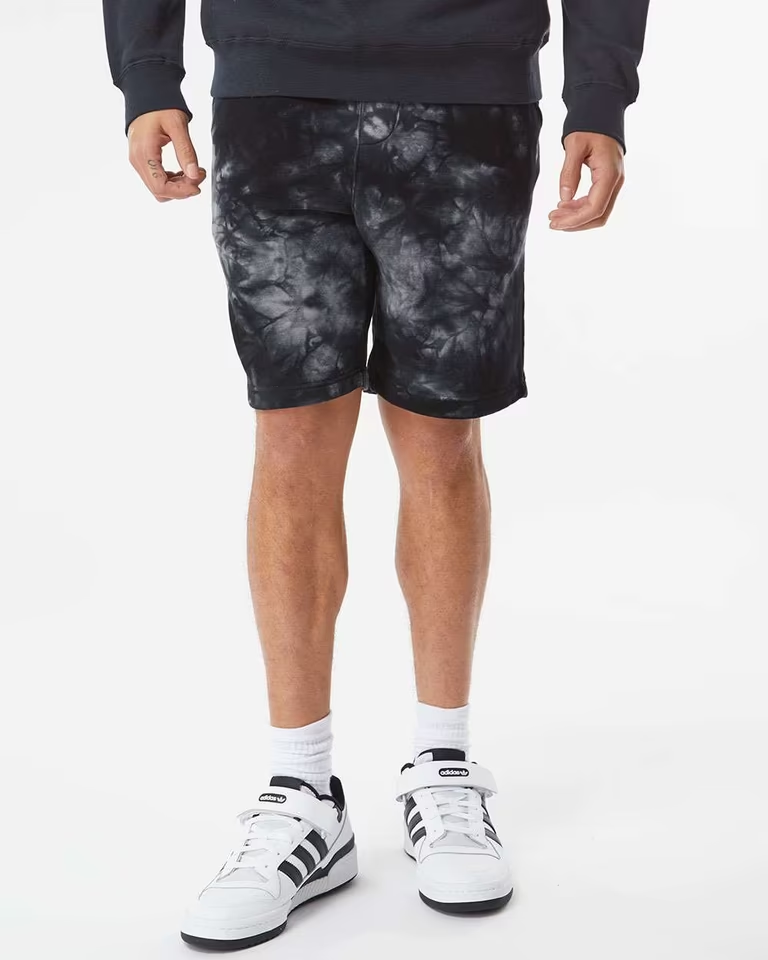
Independent Trading style number PRM50STTD
$24.56
Retail $32.73
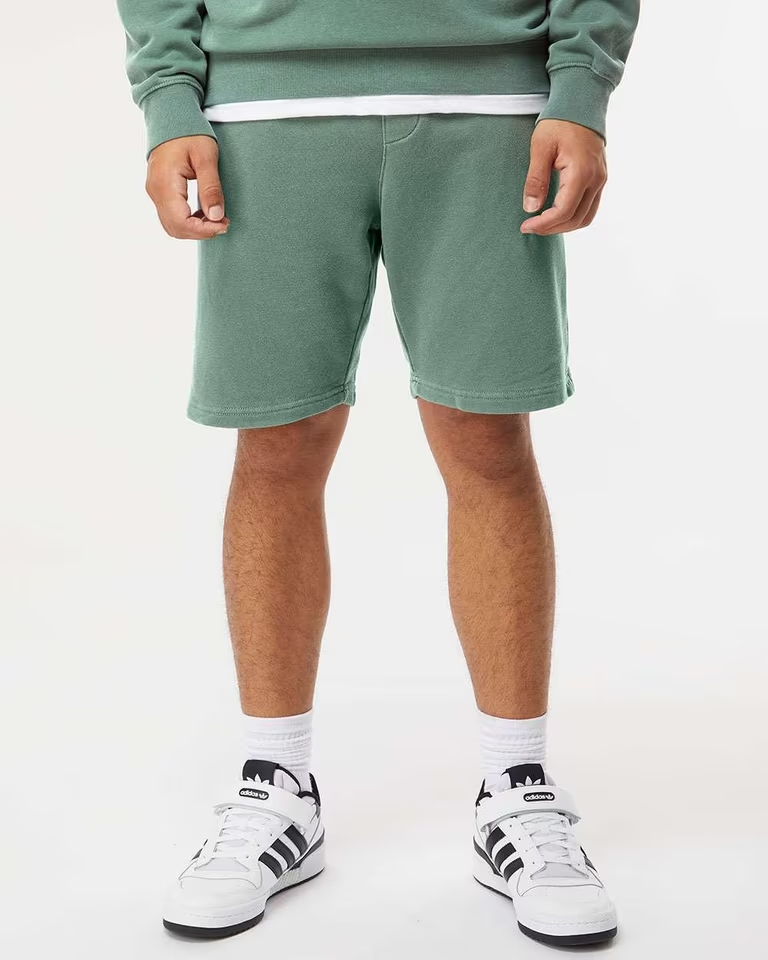
Independent Trading style number PRM50STPD
$23.58
Retail $31.43
Comfort Colors style number 9360
$10.02
Retail $13.37