
Brand guide
Soft ring-spun jersey
Last updated September 14, 2026
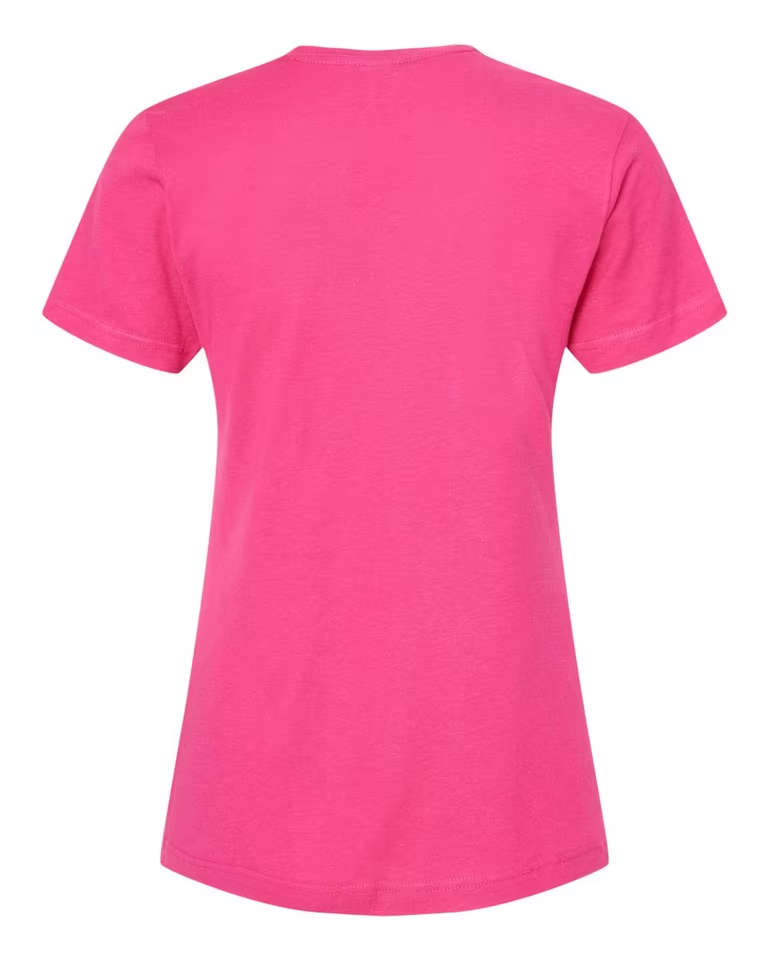
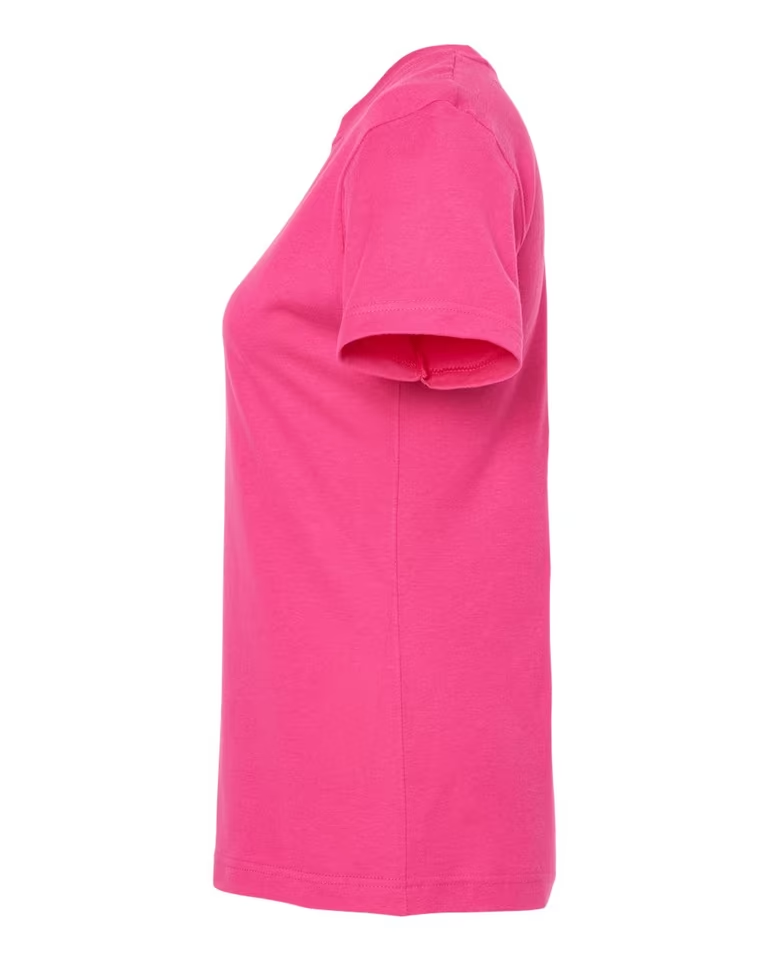
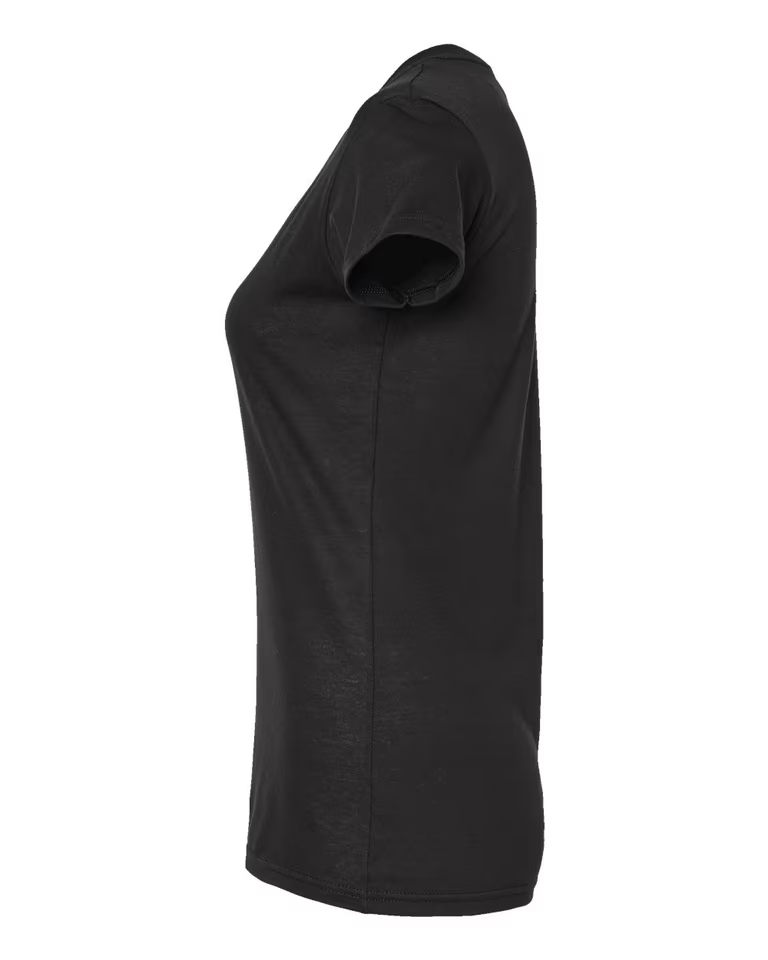
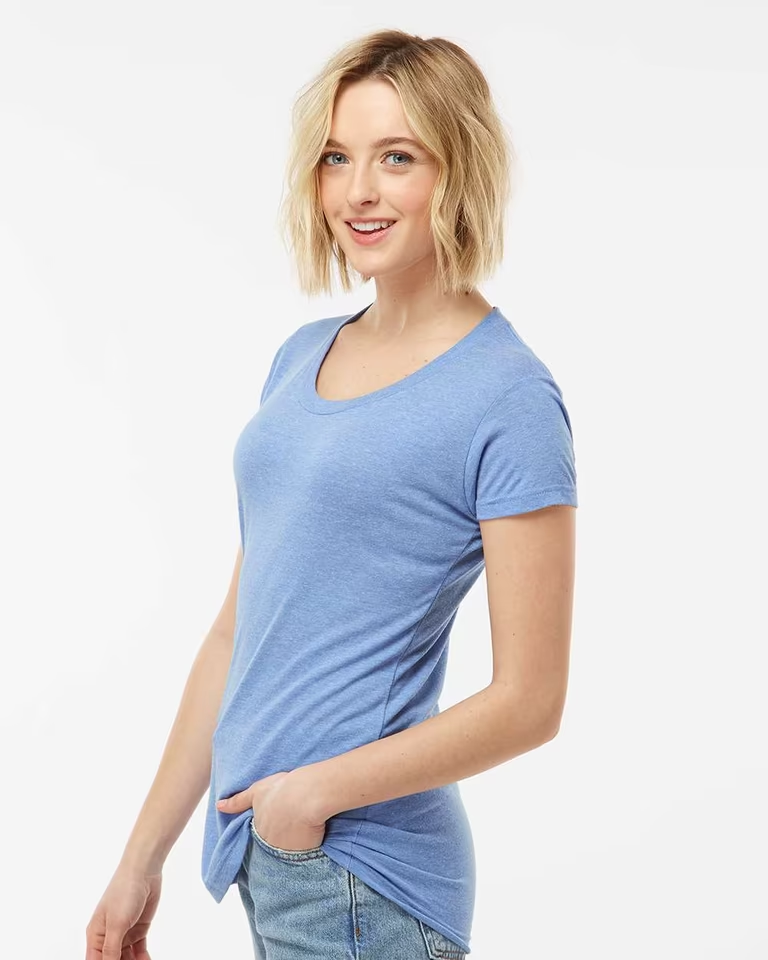
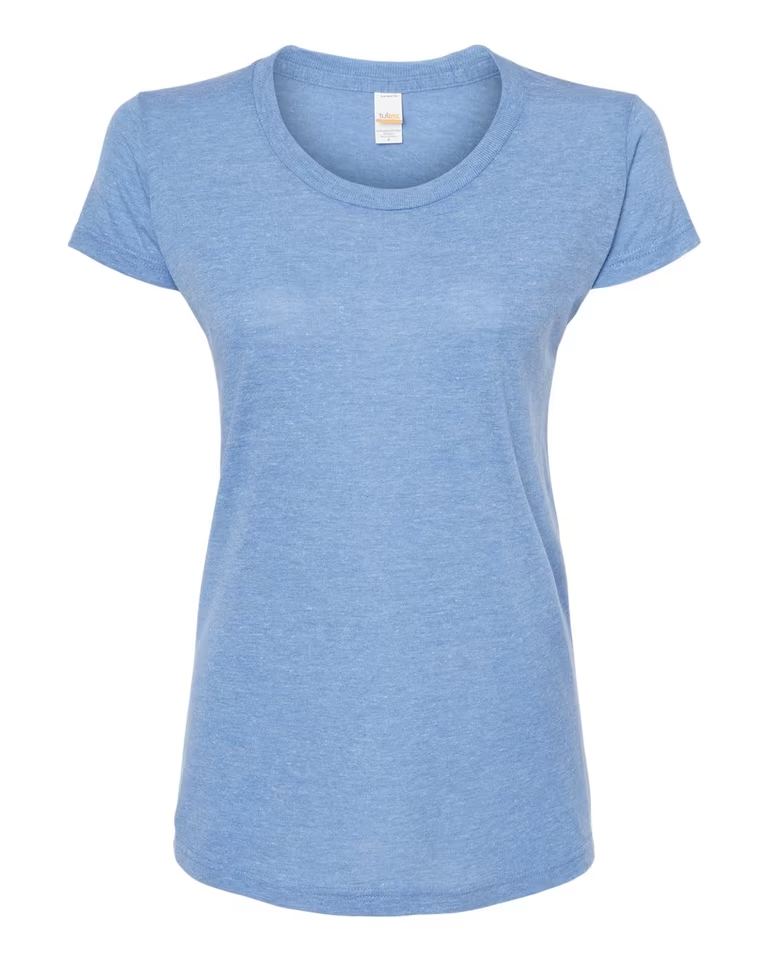
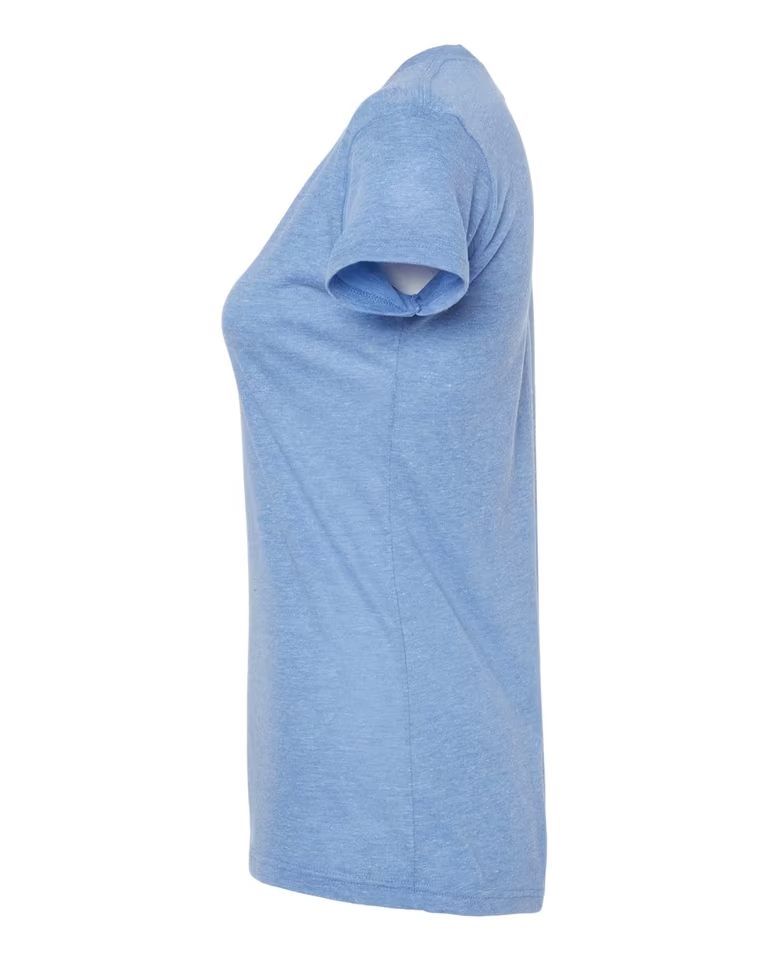
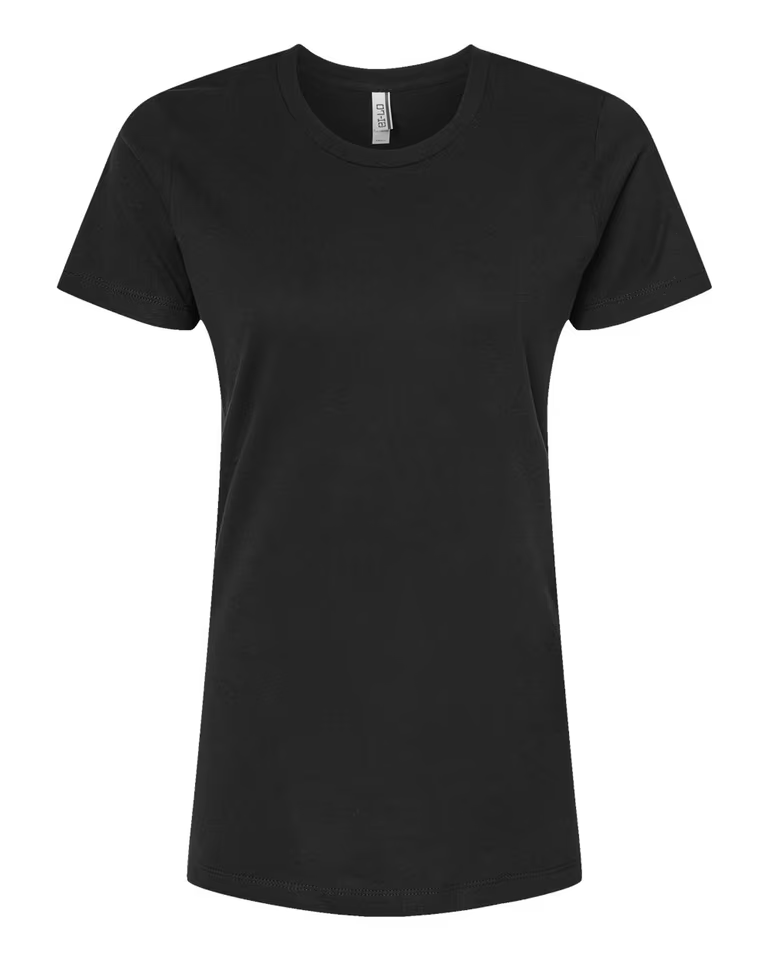
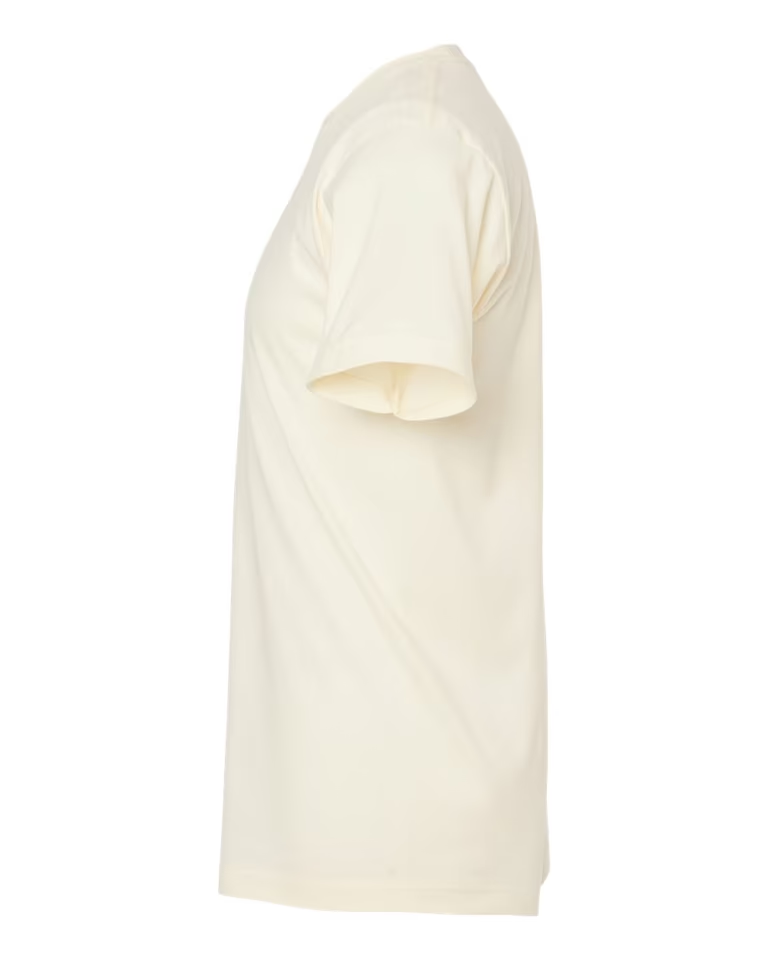
Tultex makes soft ring-spun tees: retail-weight fabric and a A printed neck label attached with a perforated seam so the wearer can tear it out without scissors. Common on retail-fit and private-label blanks. label at a price closer to open-end basics. When a quote on Bella+Canvas or Next Level runs over, it's usually the first substitution to check.
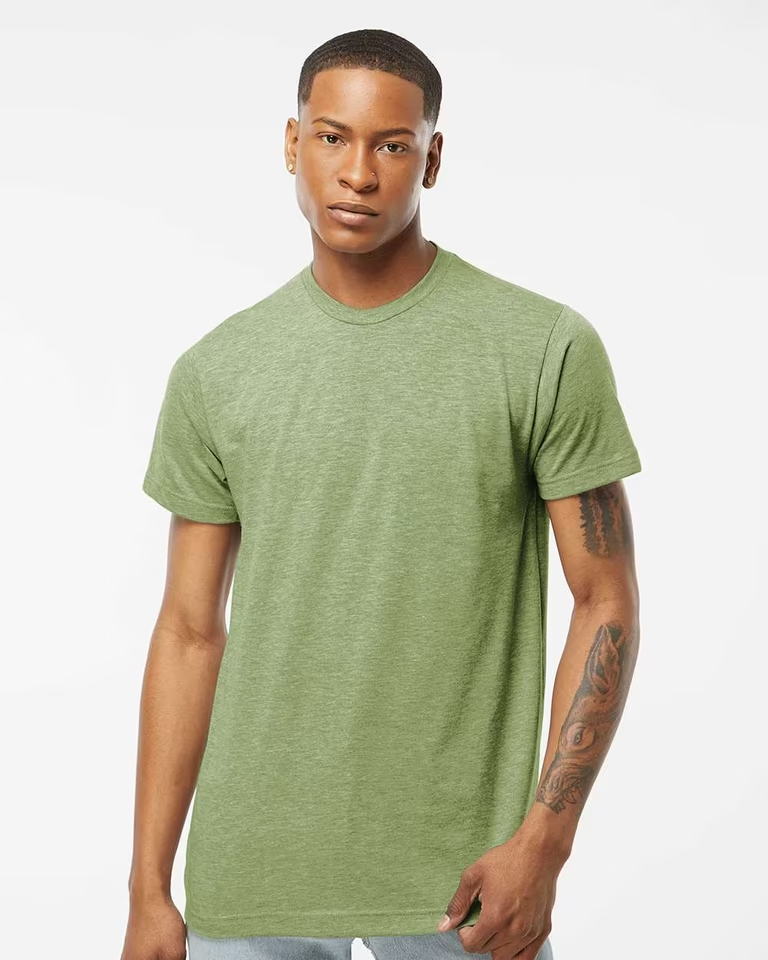
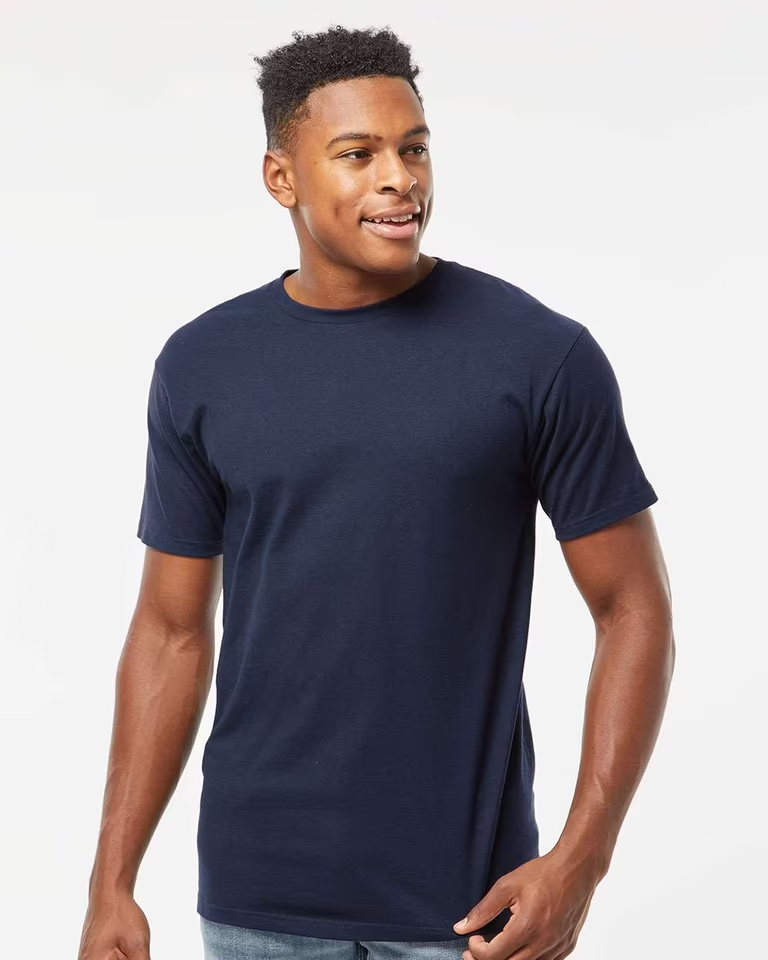
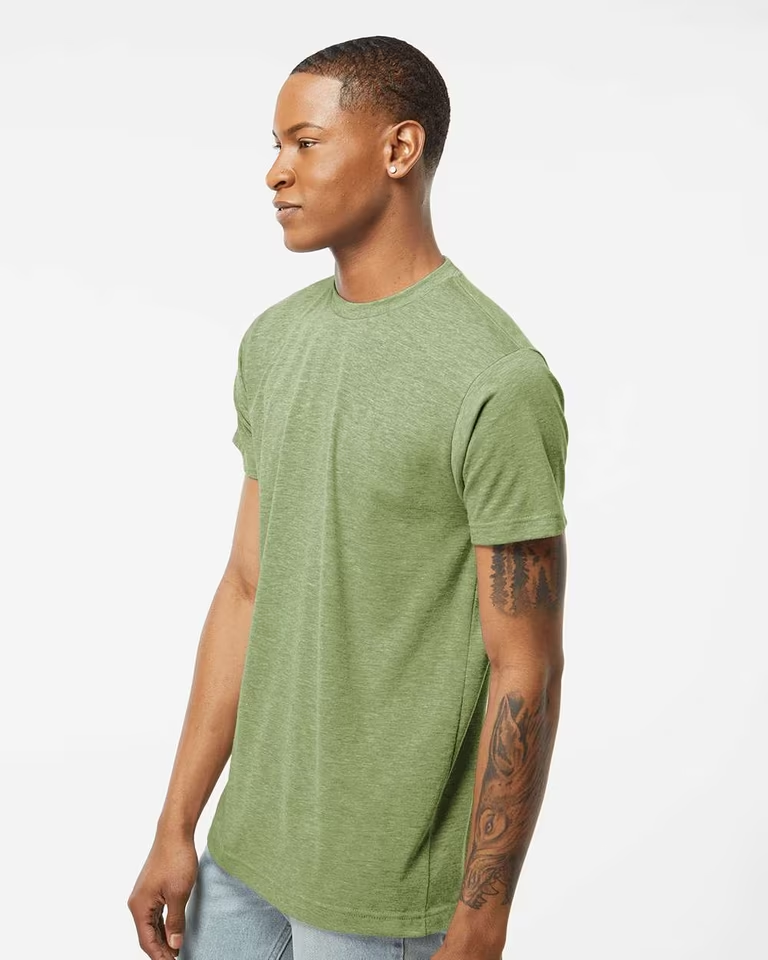
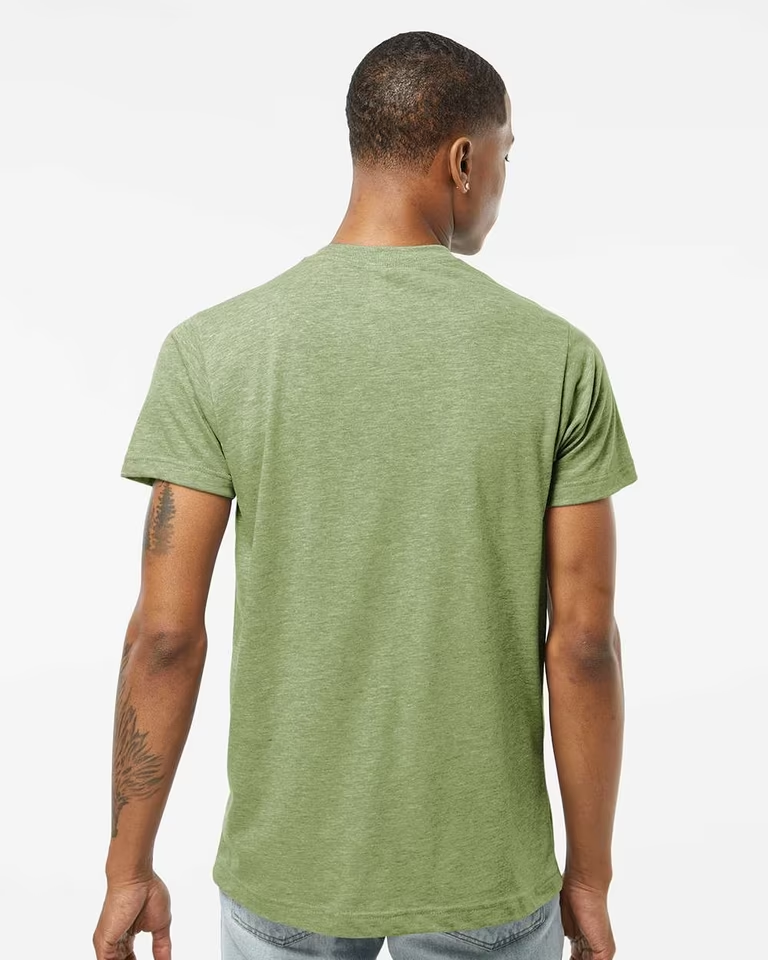
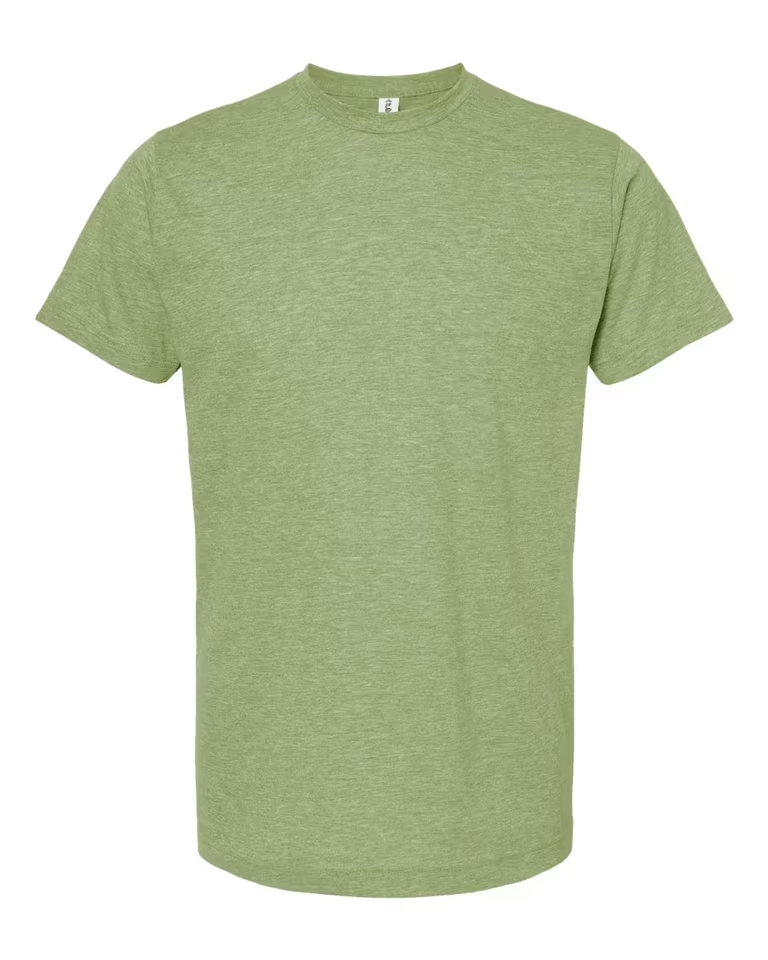
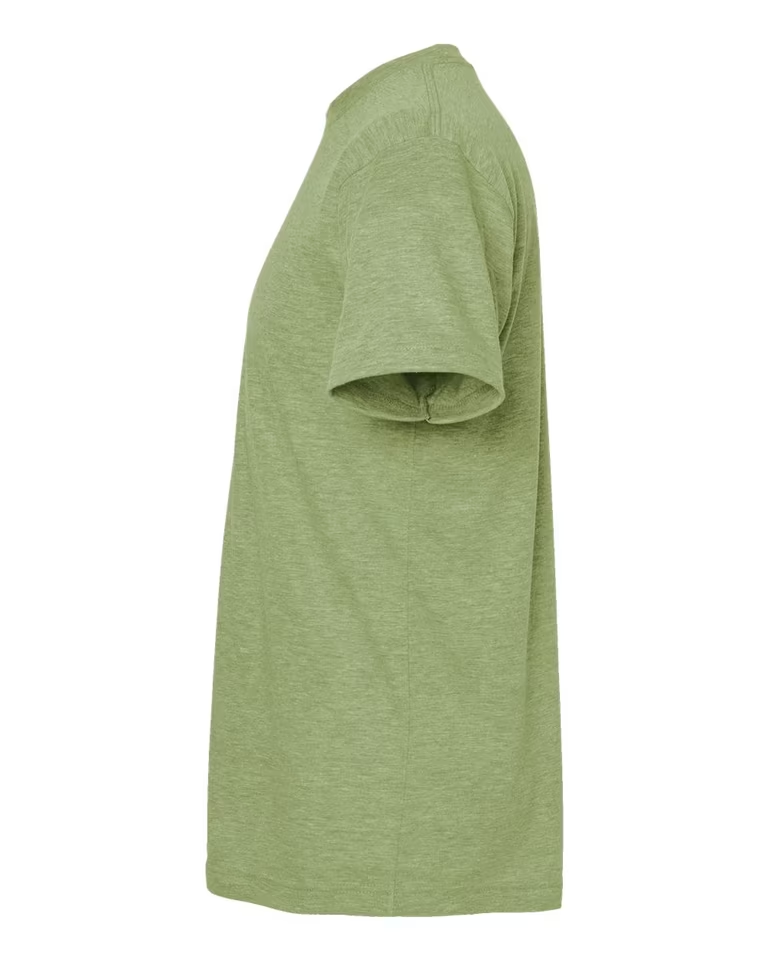
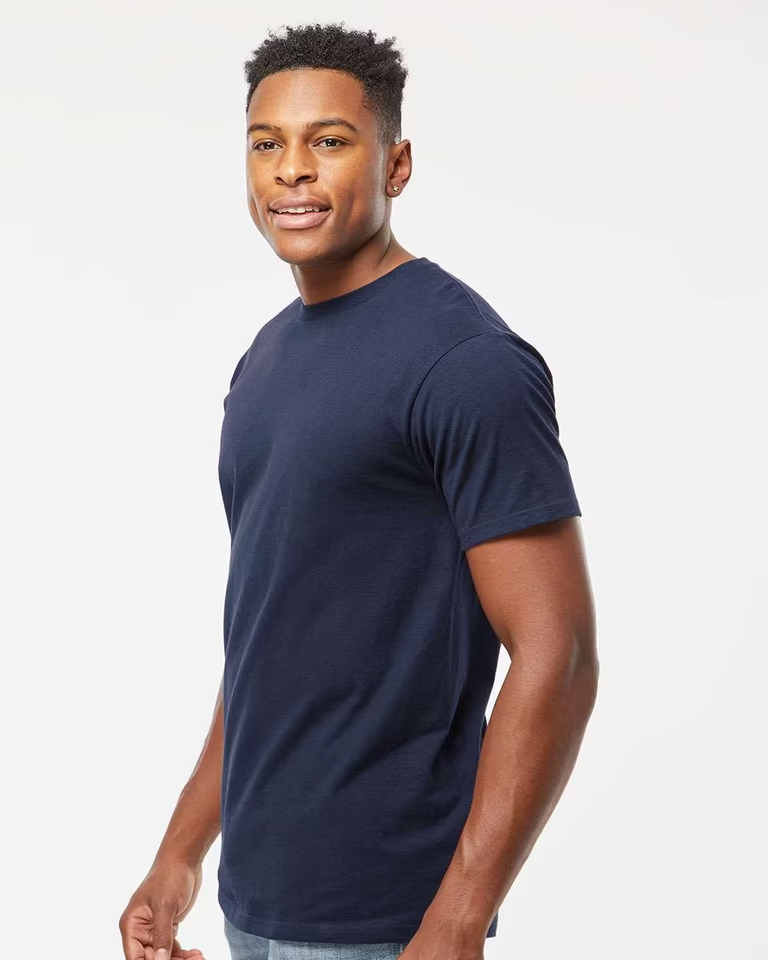
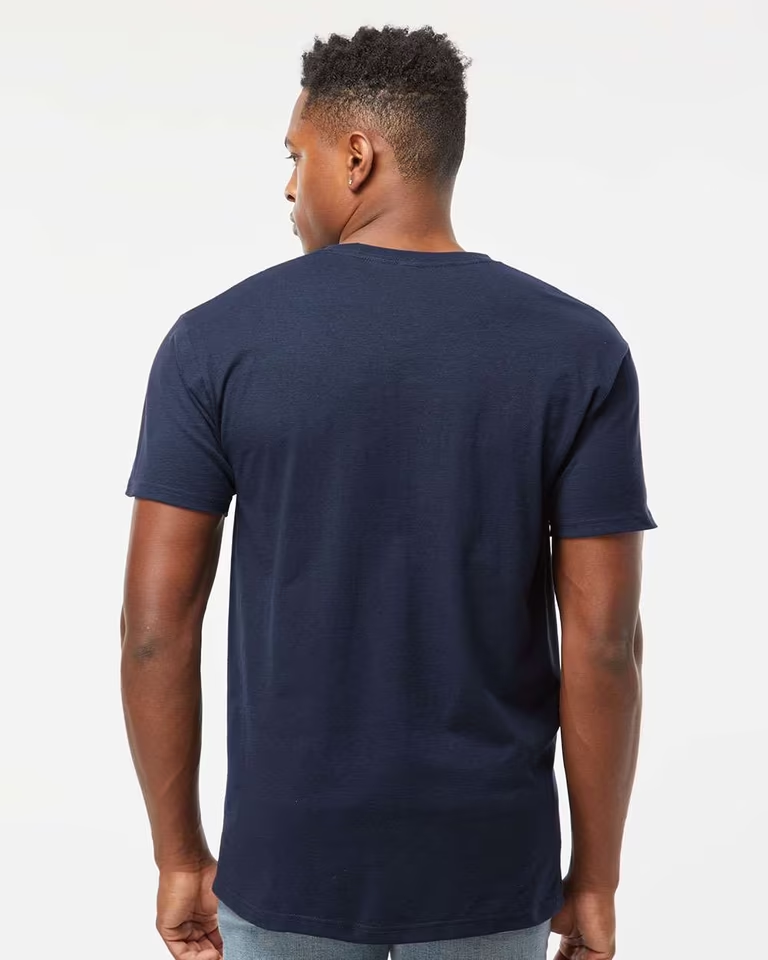
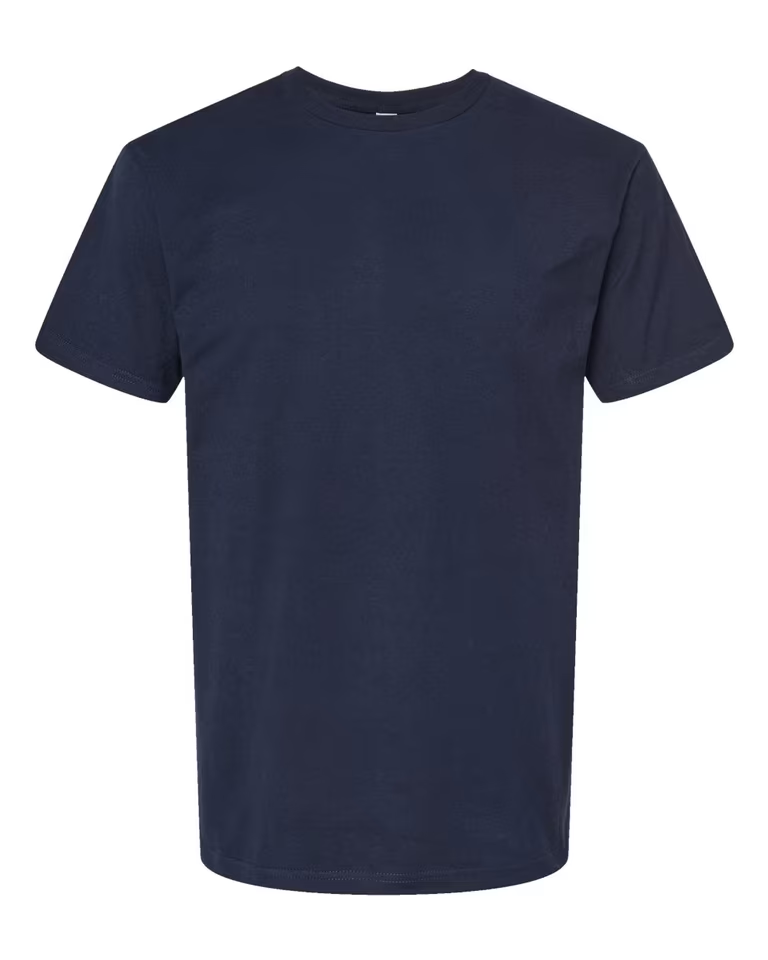
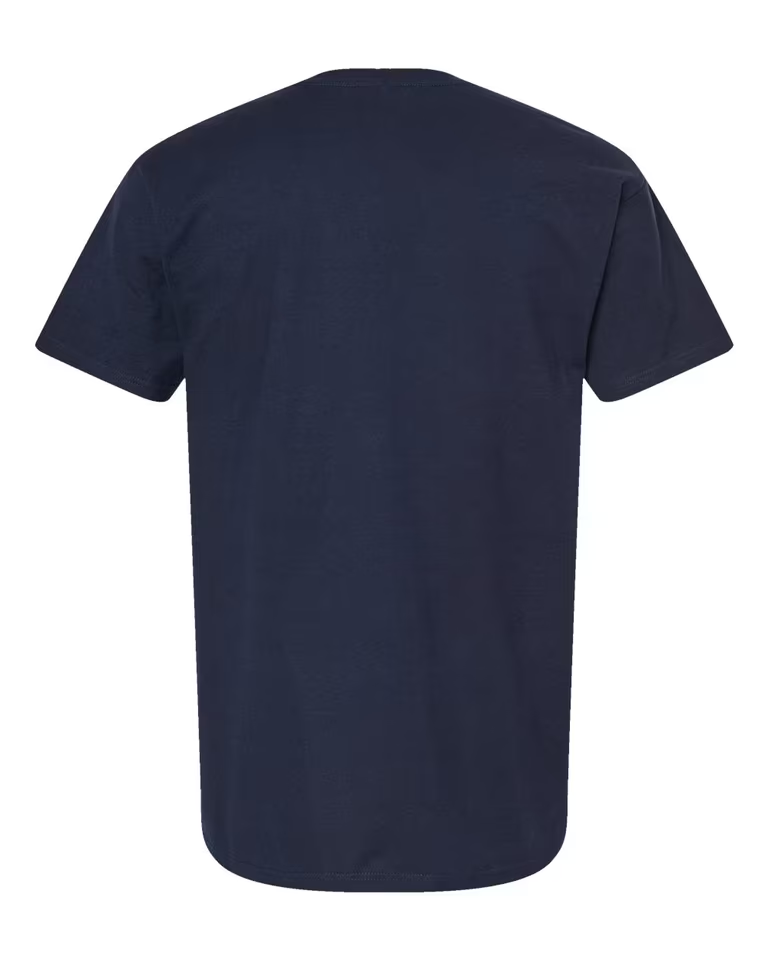
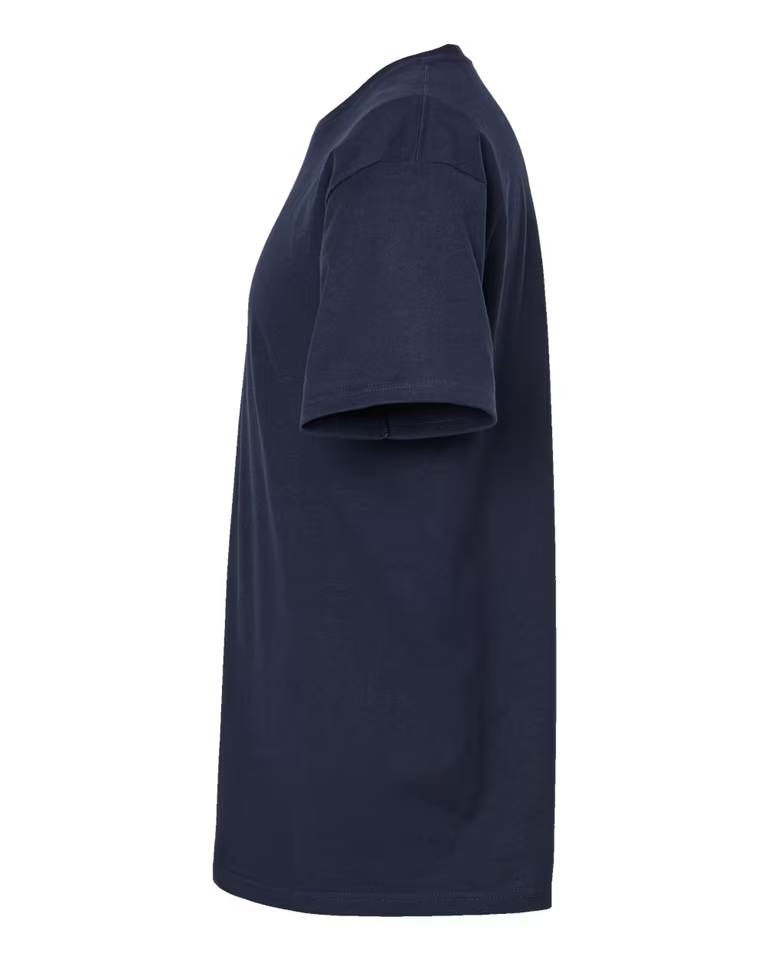
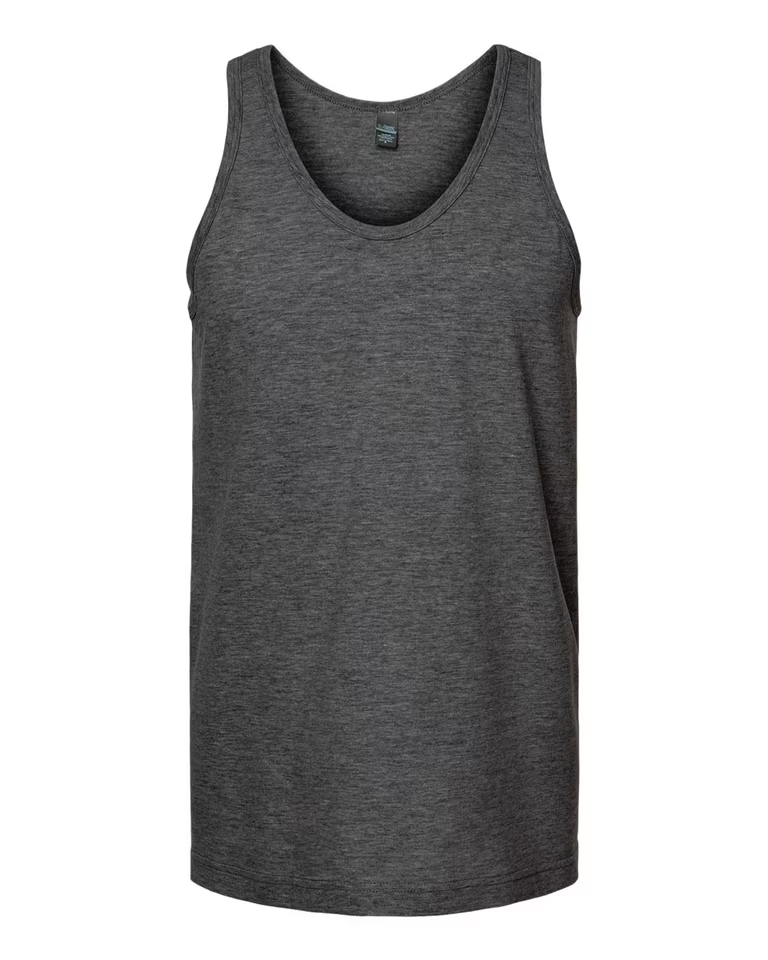
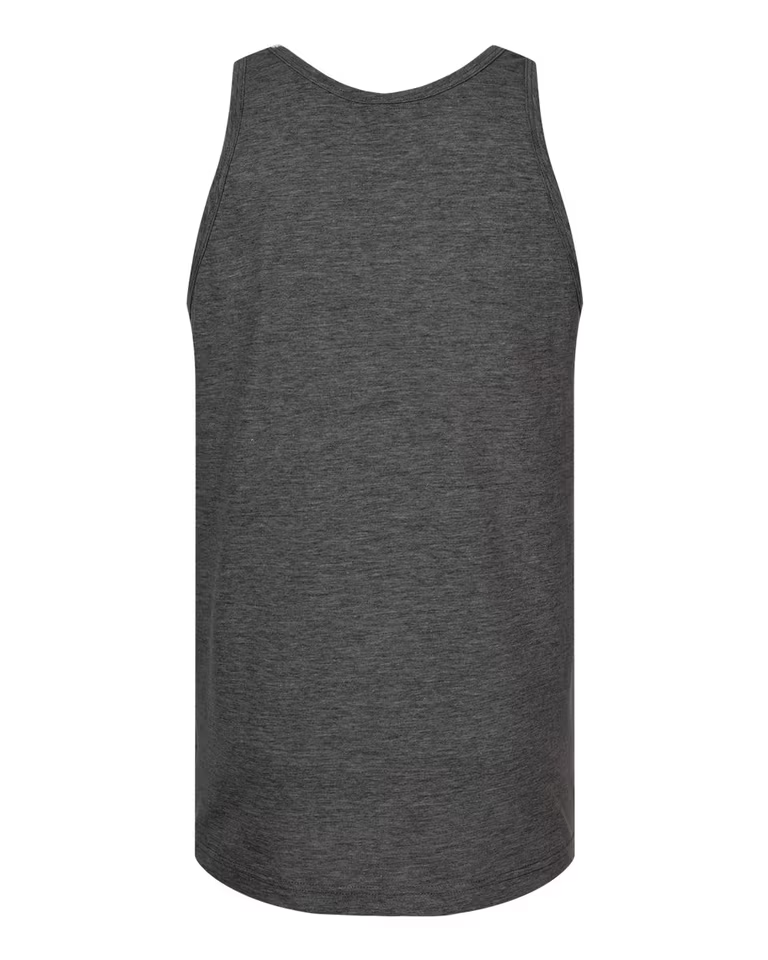
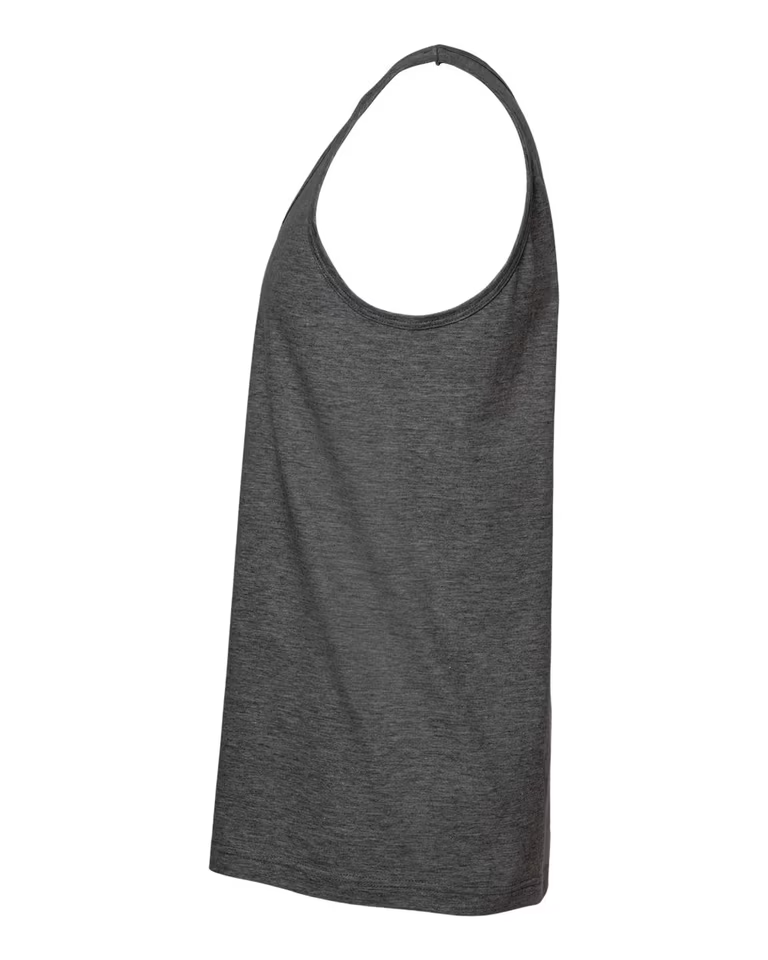
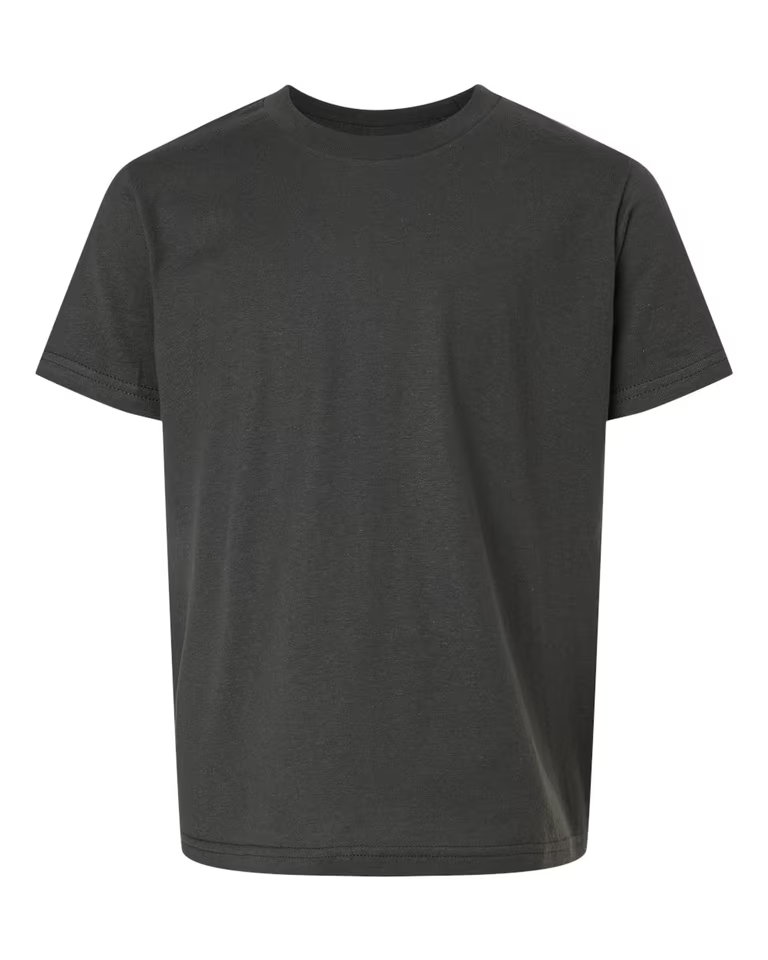
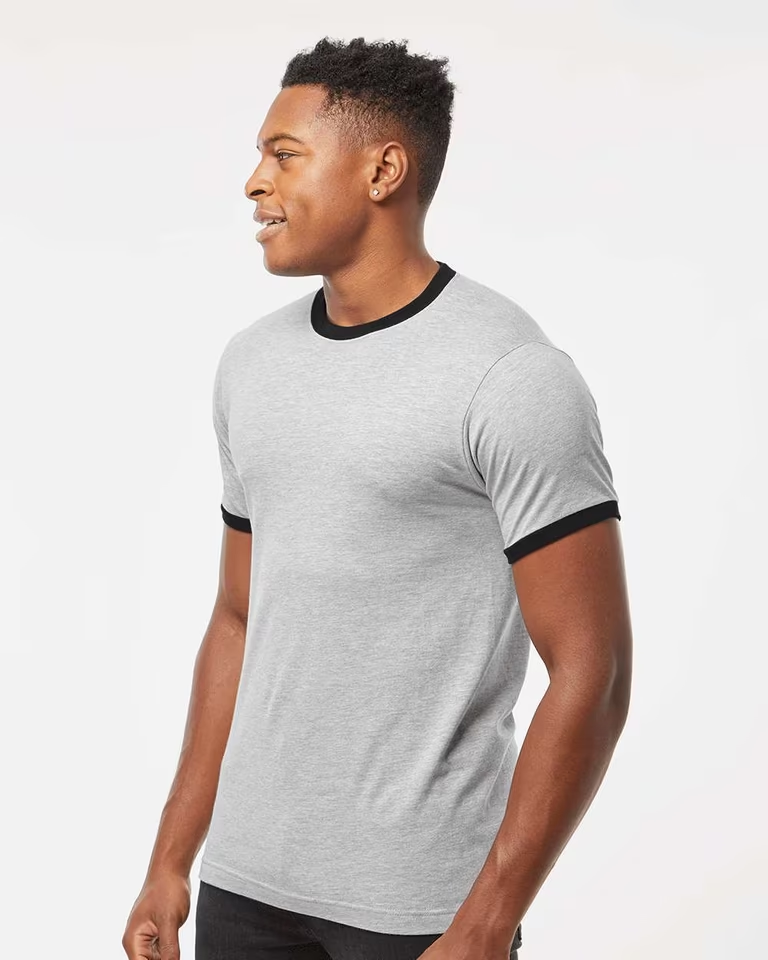
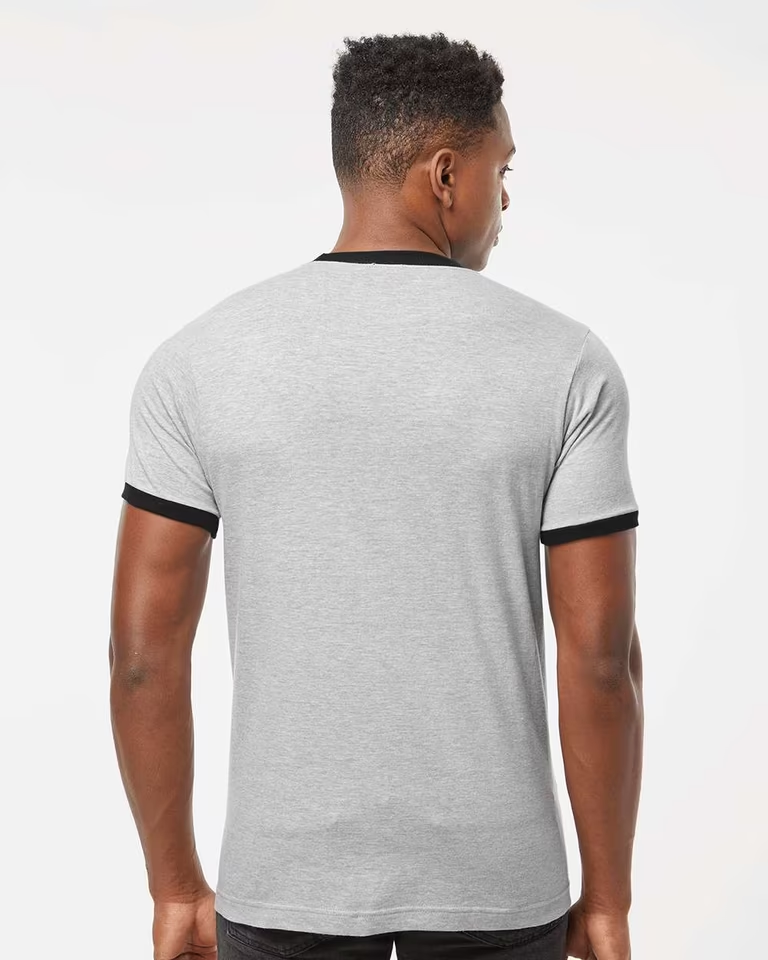
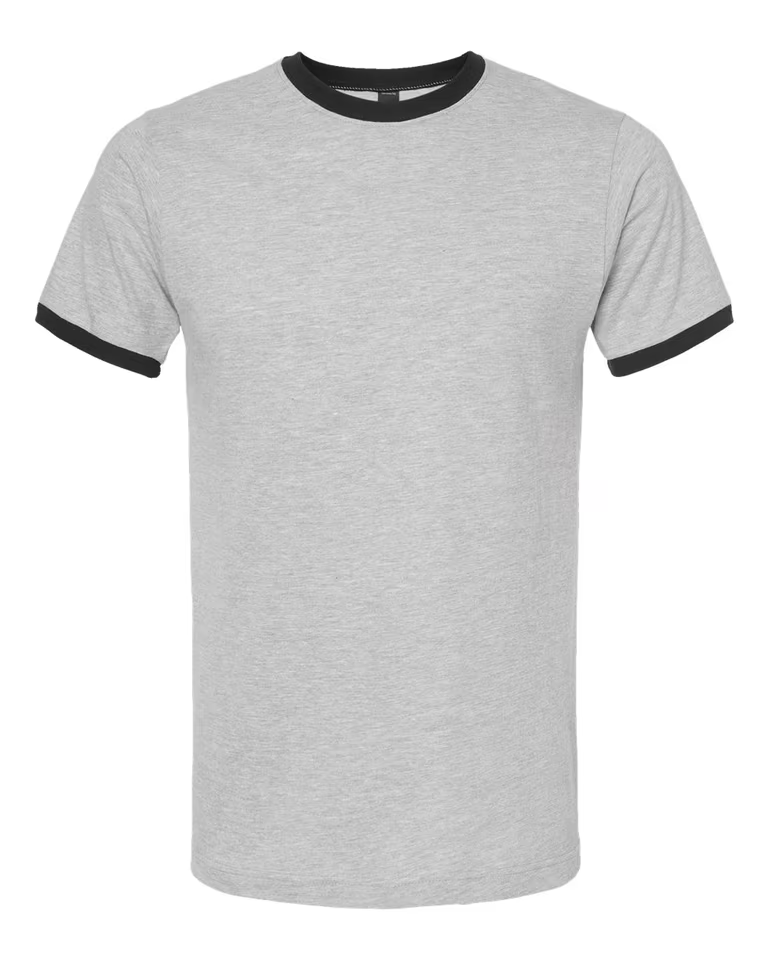
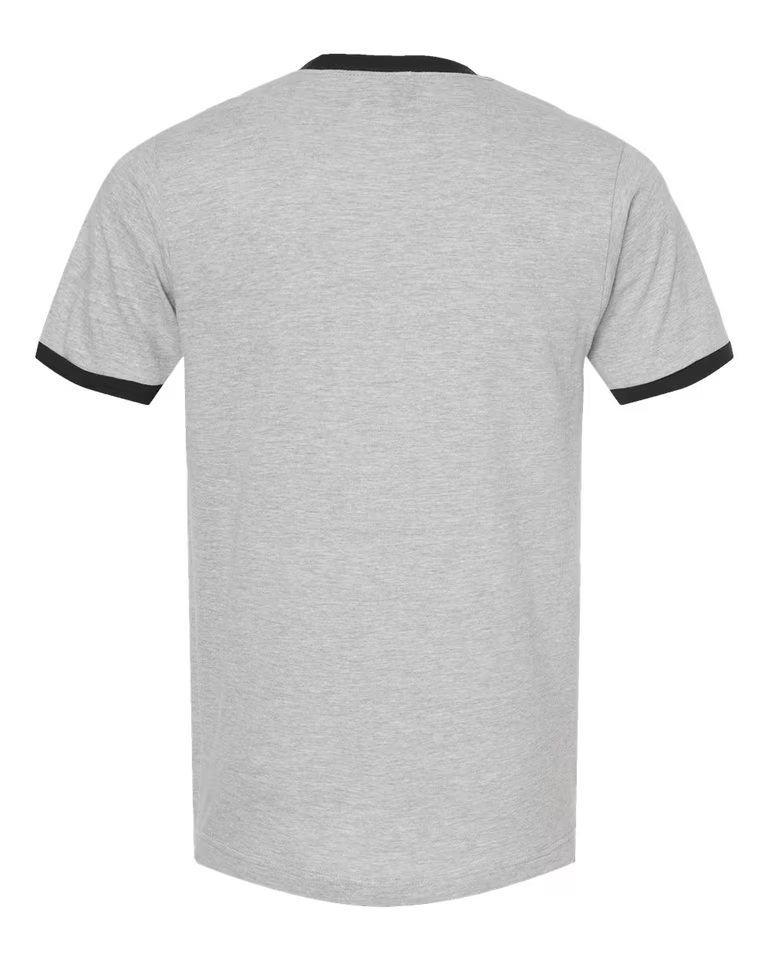
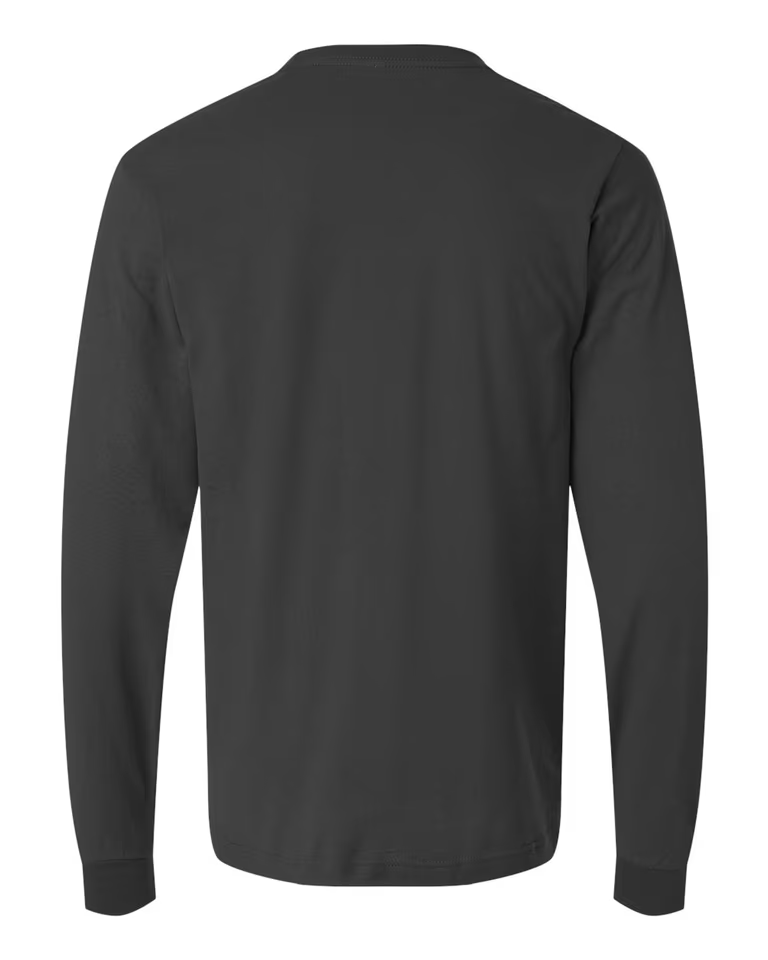
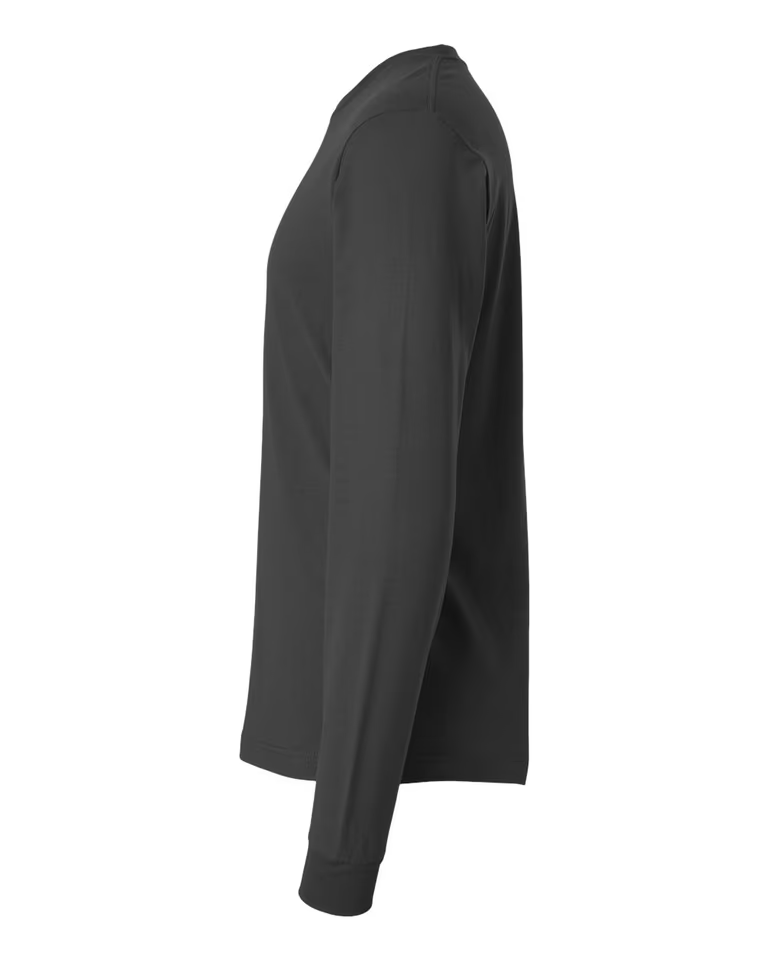
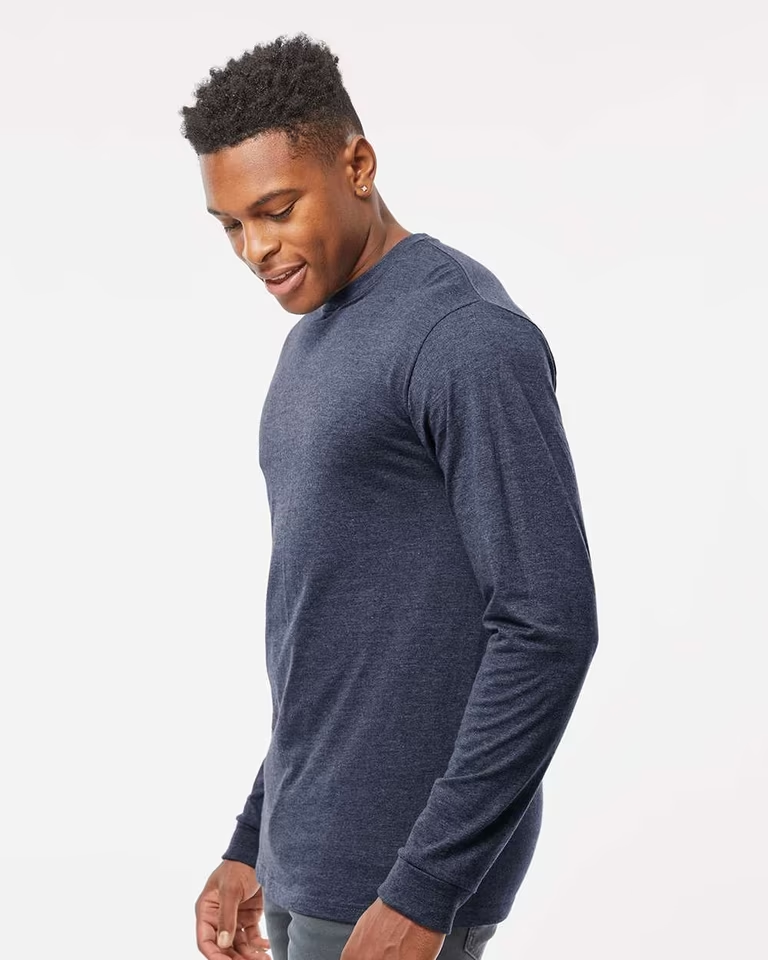
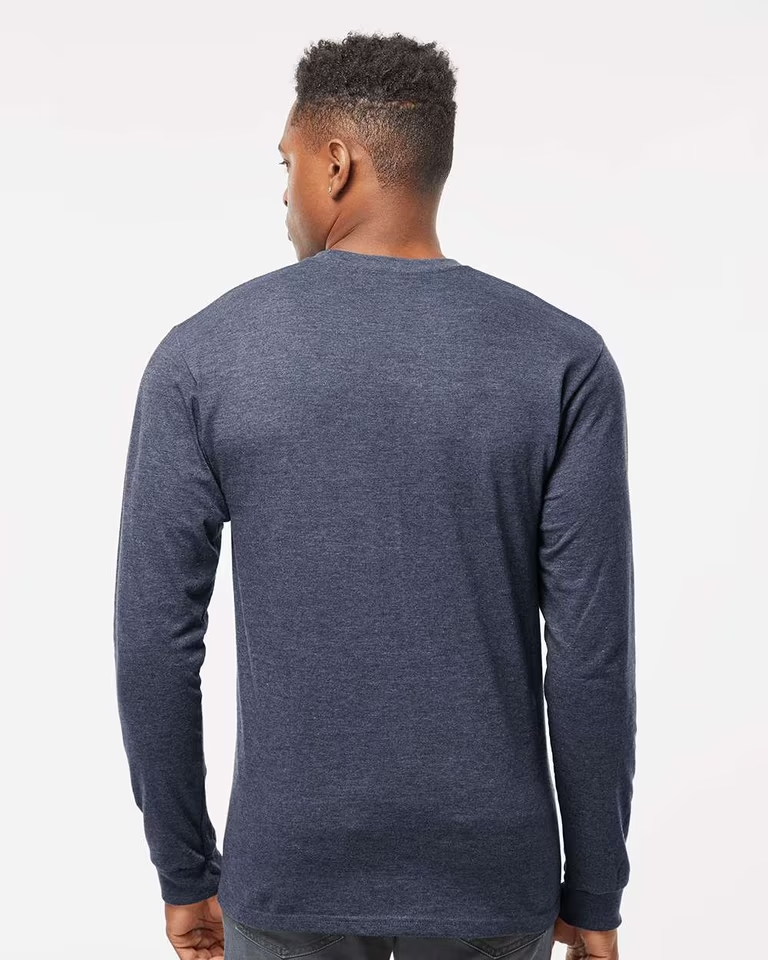
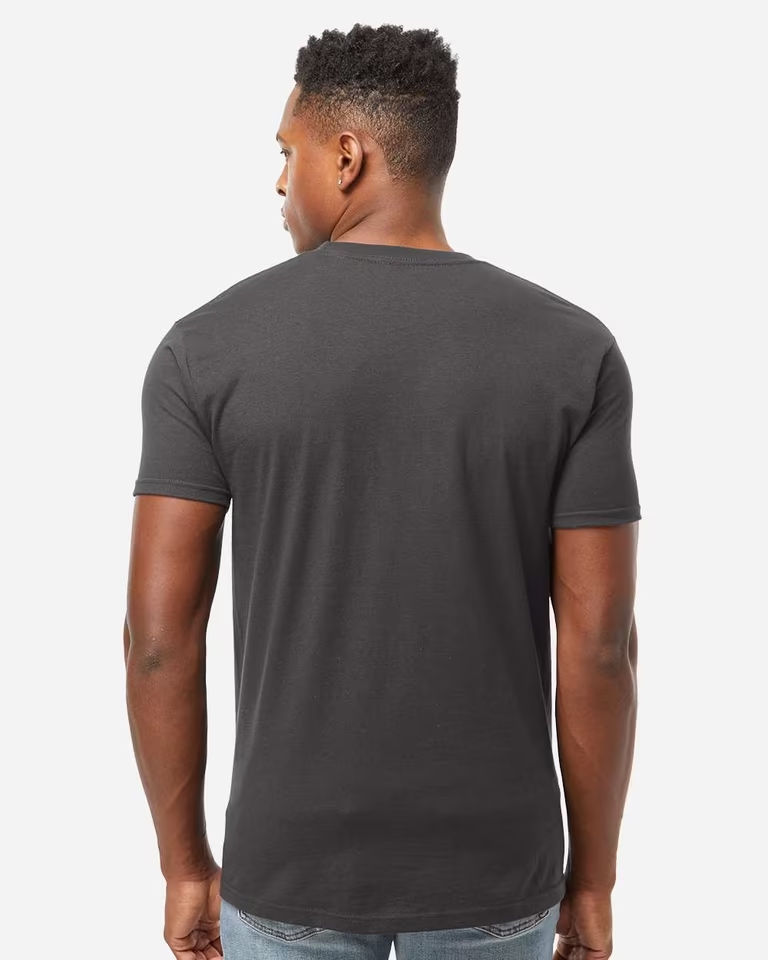
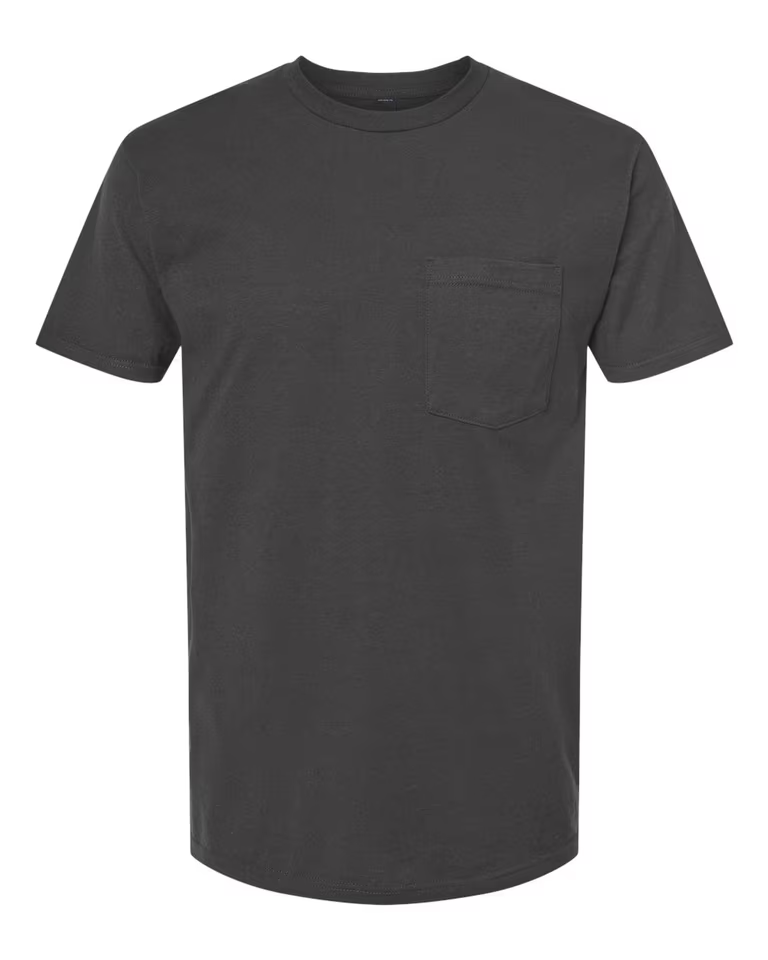
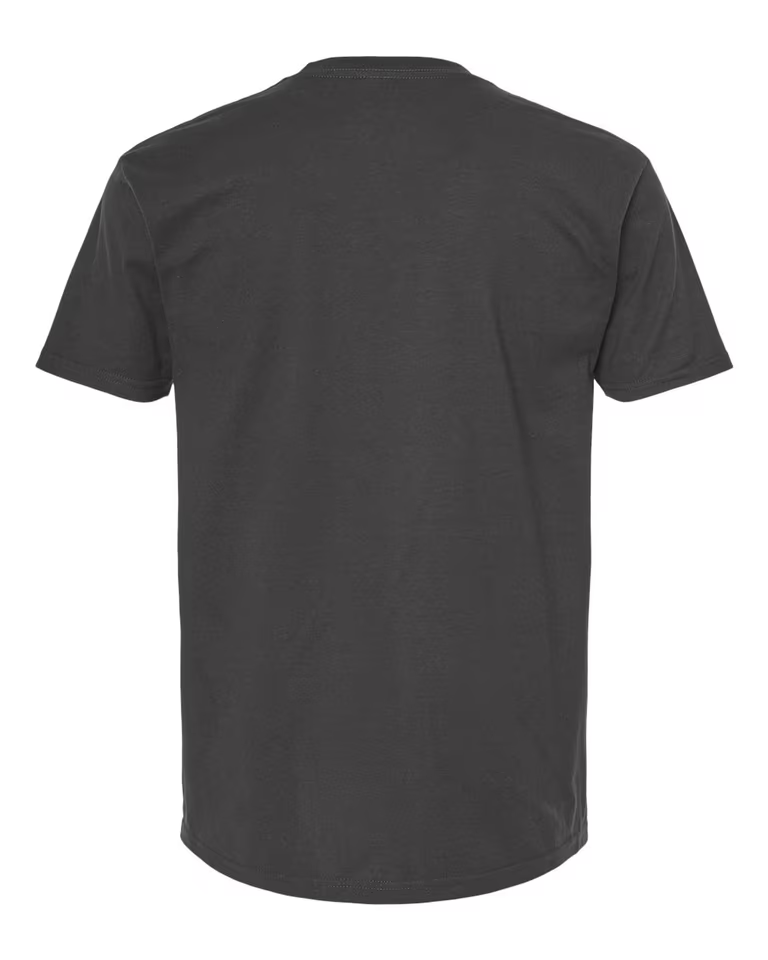
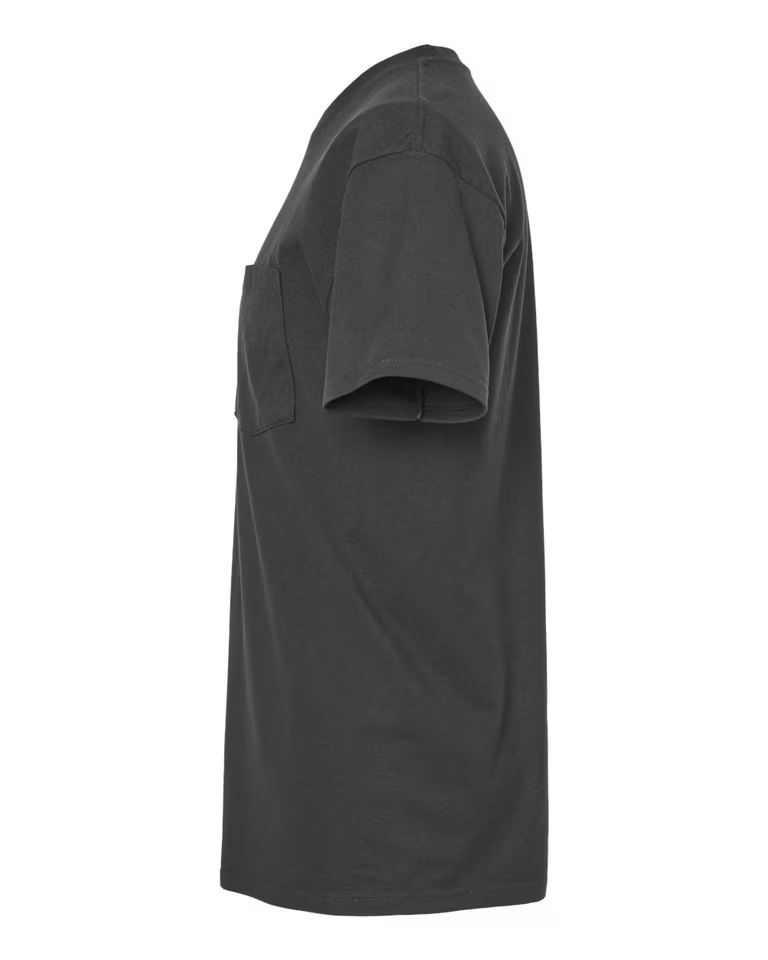
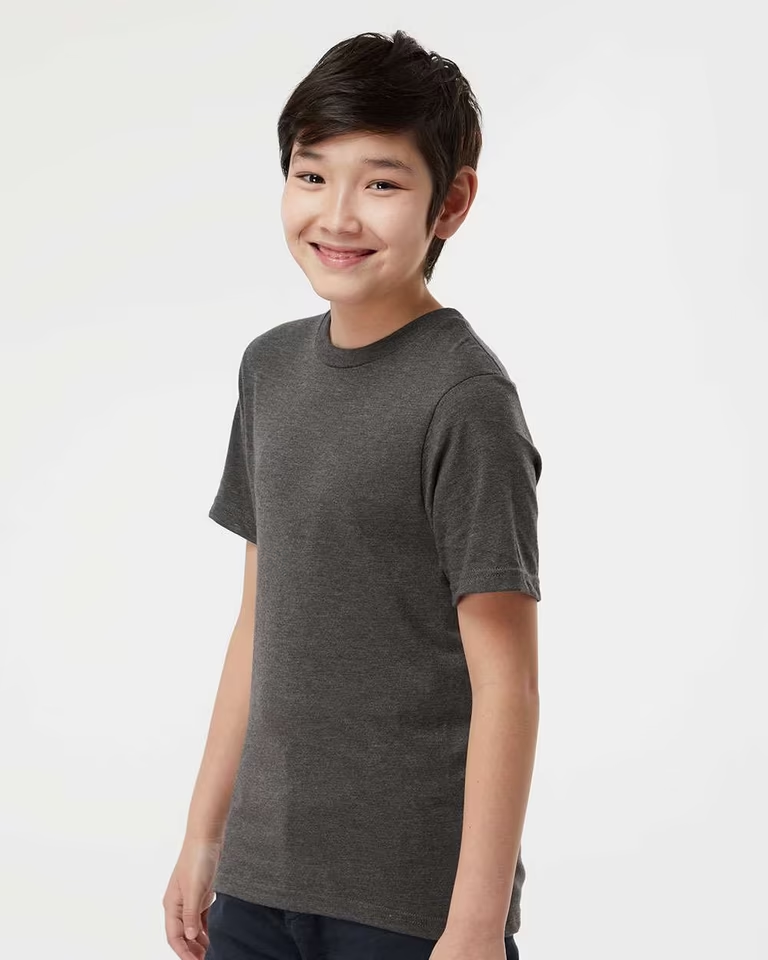
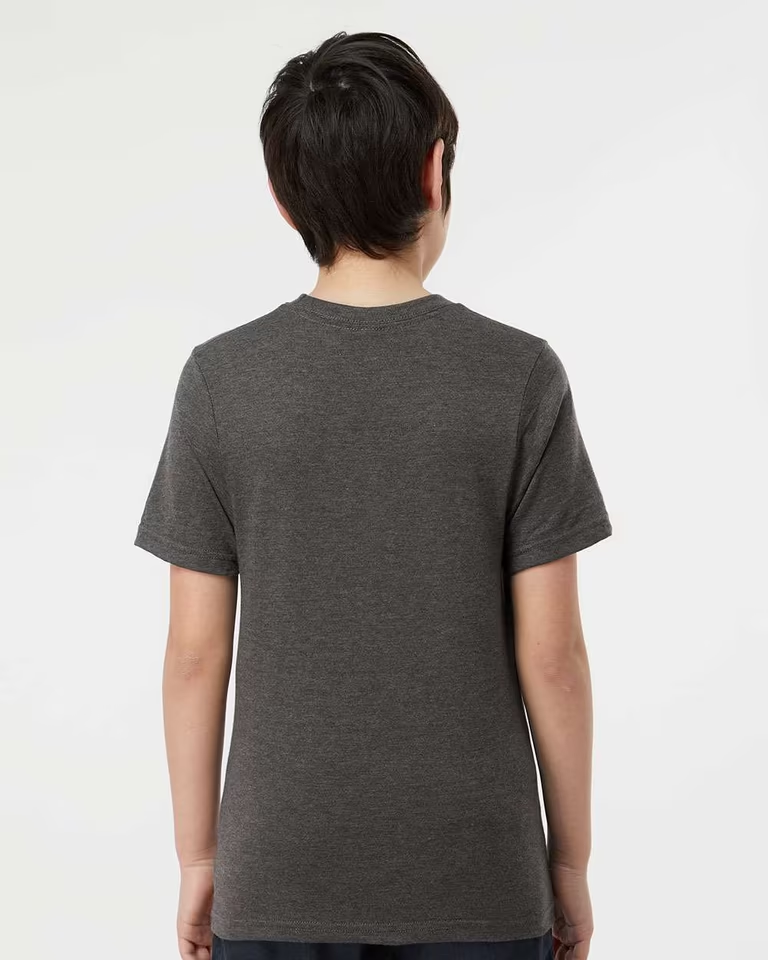
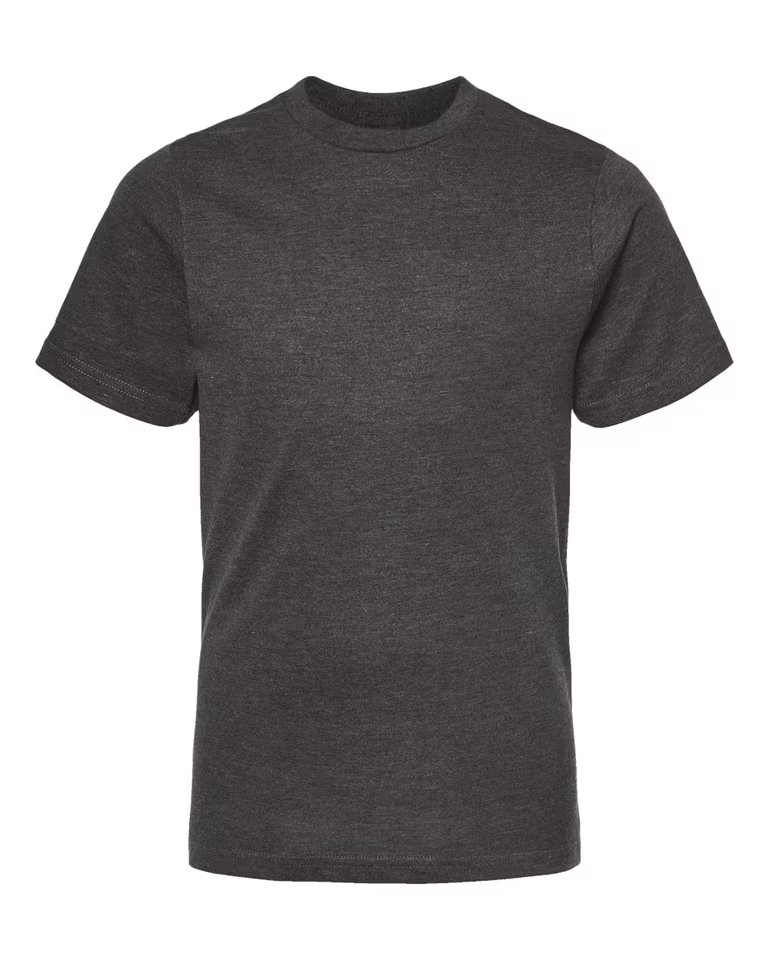
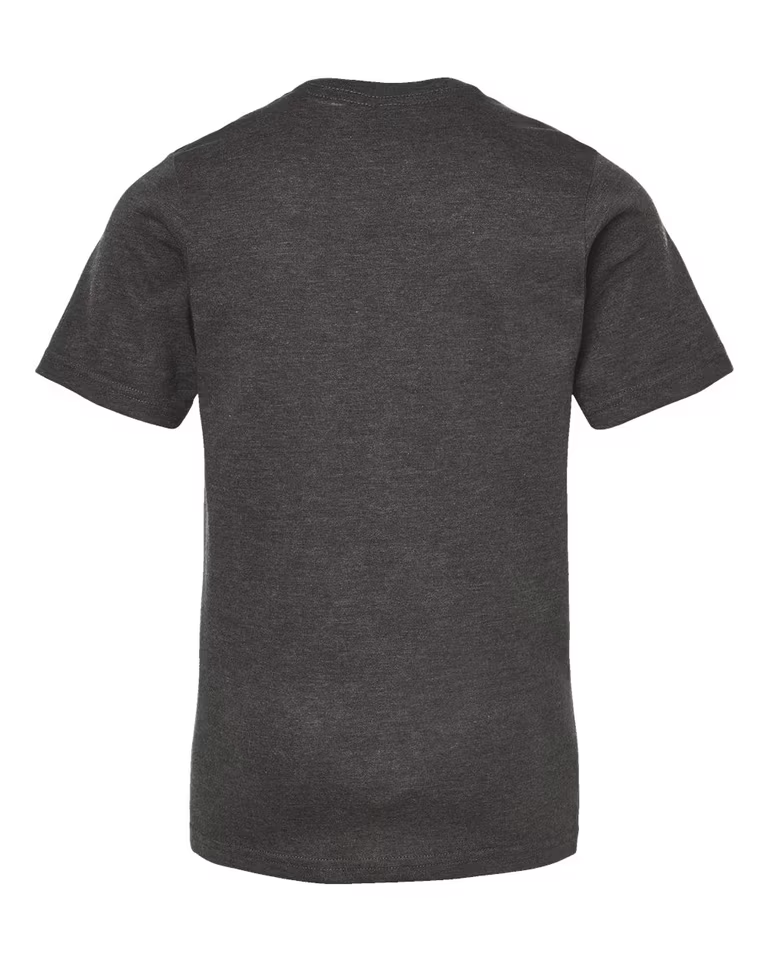
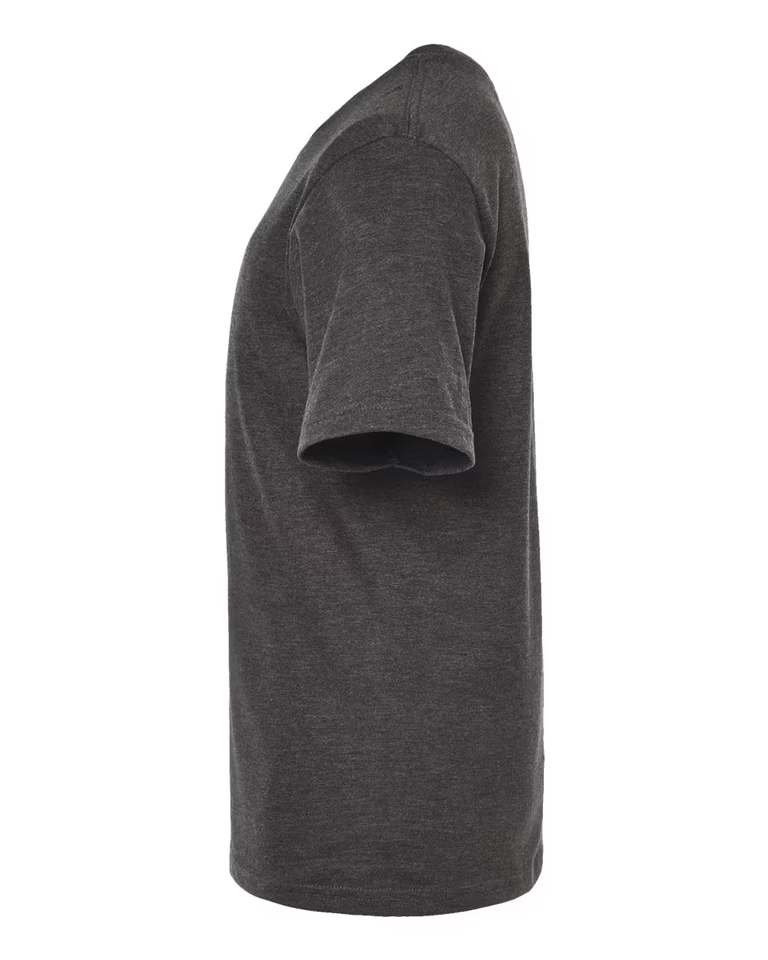
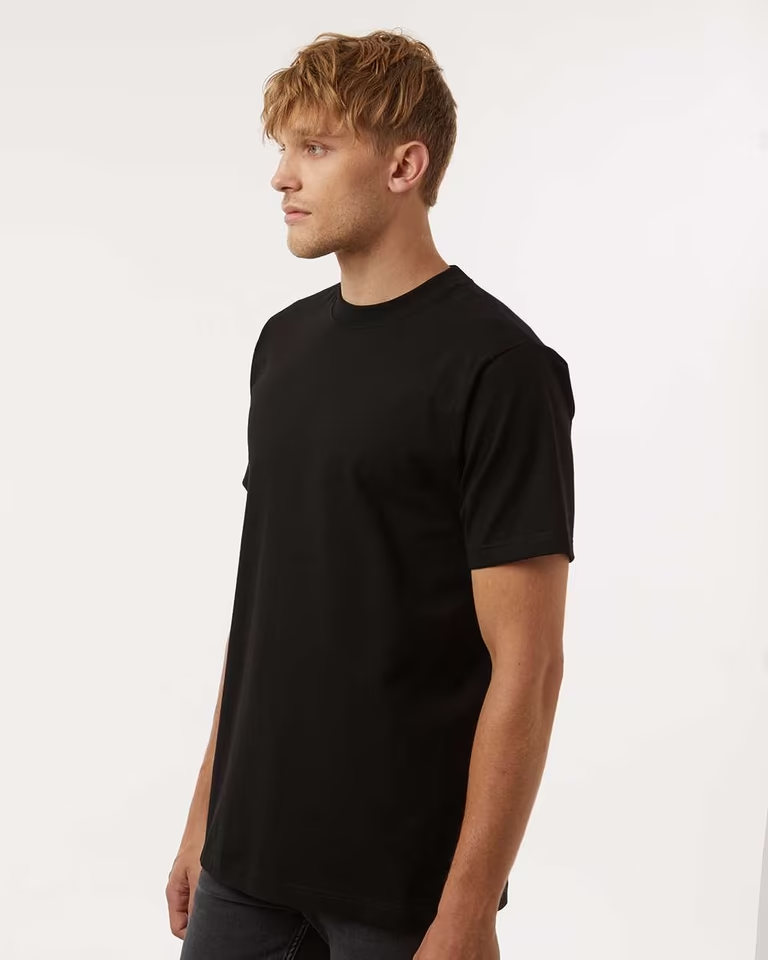
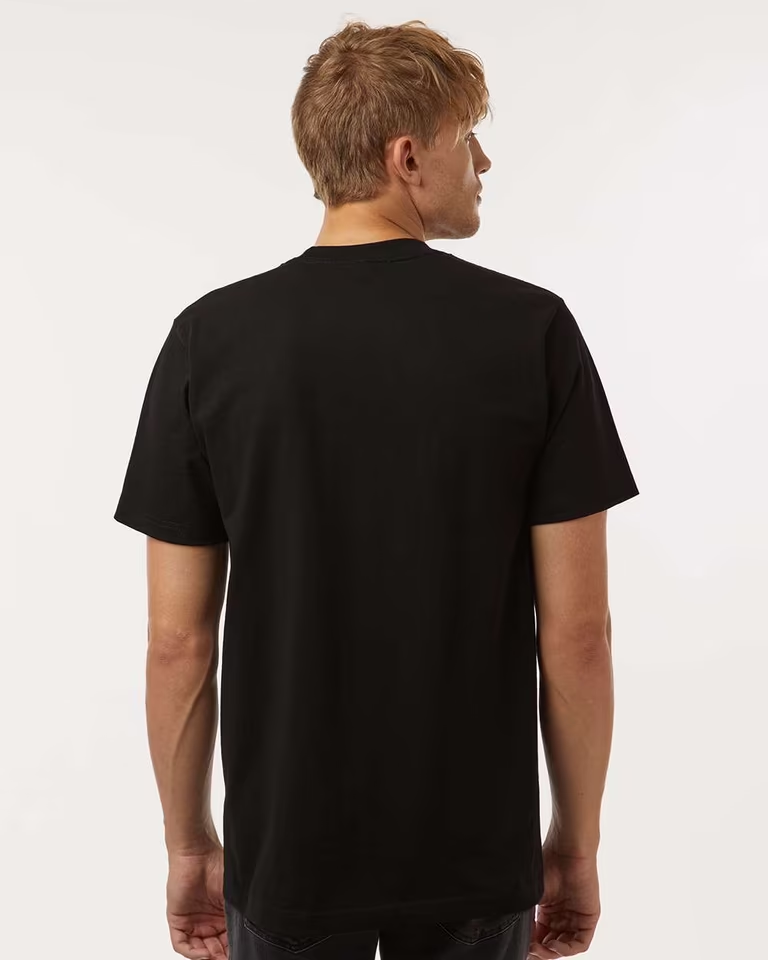
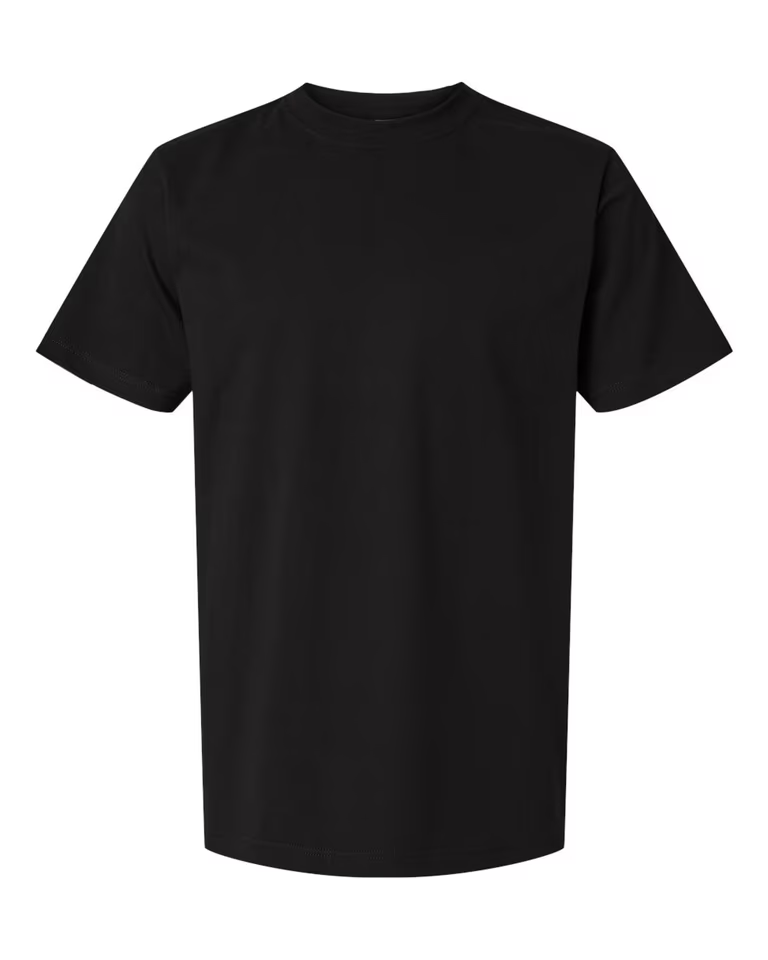
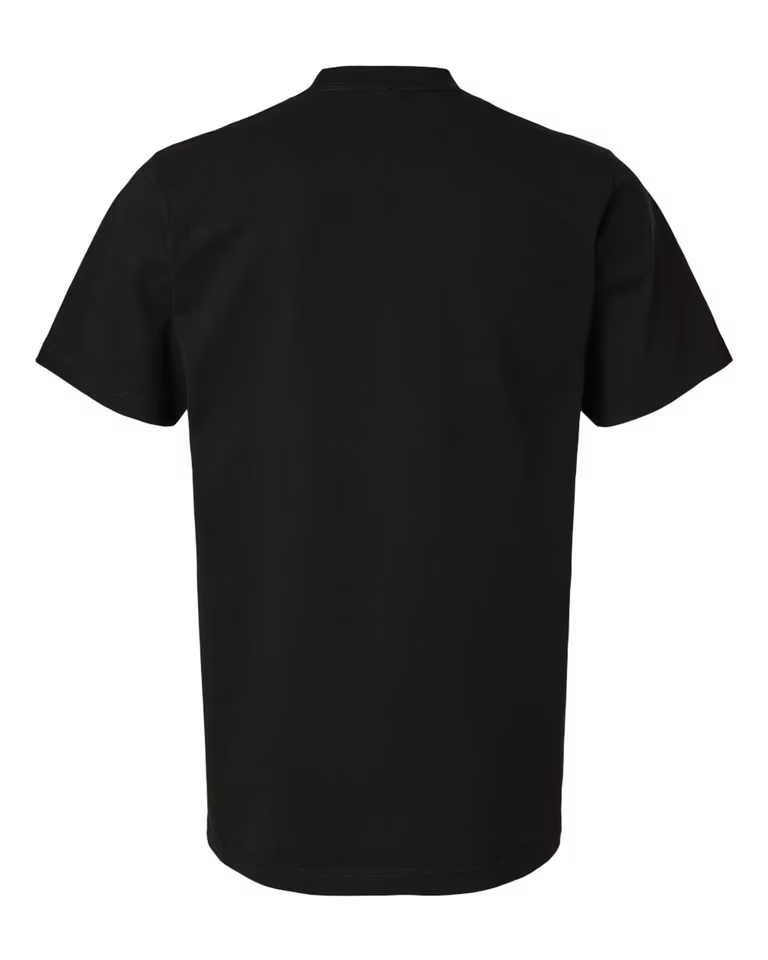
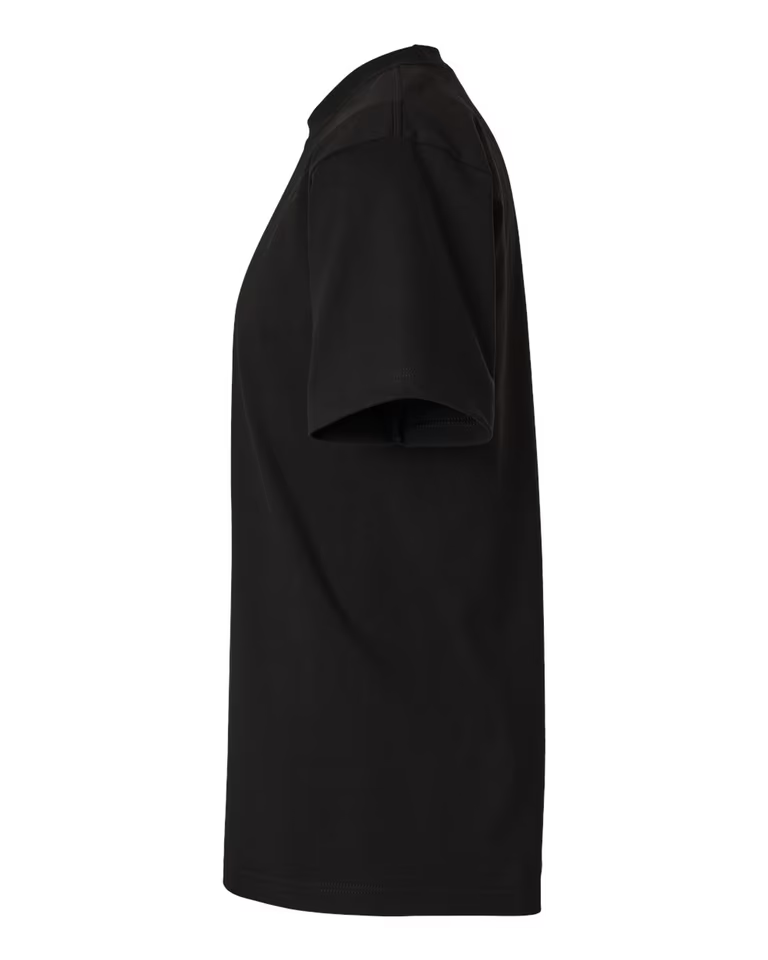
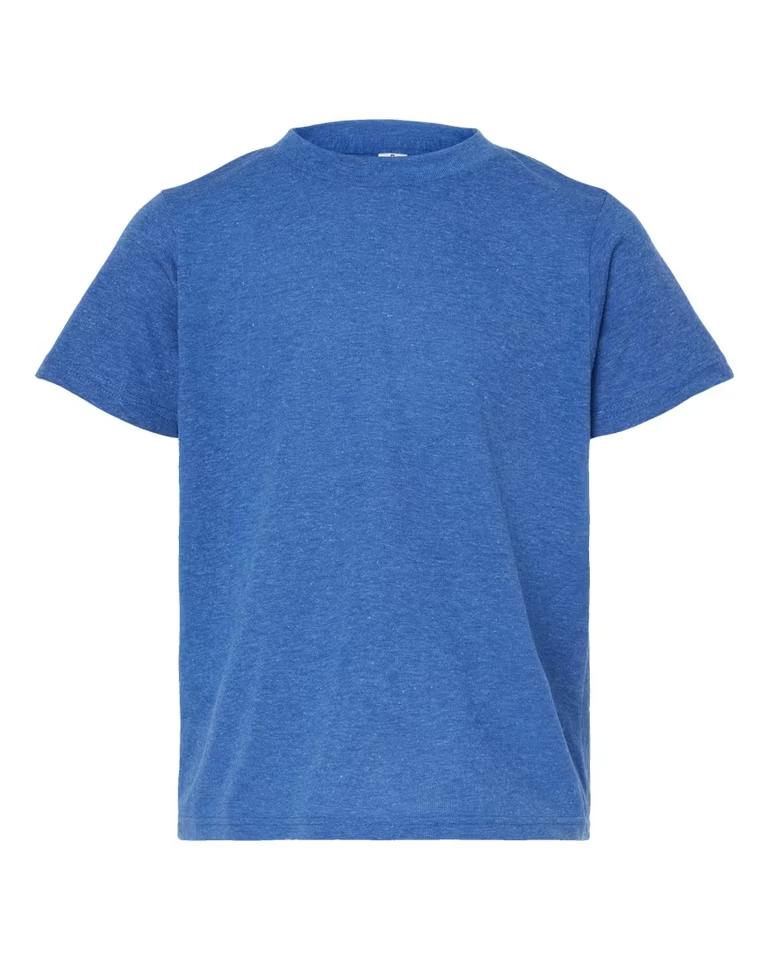
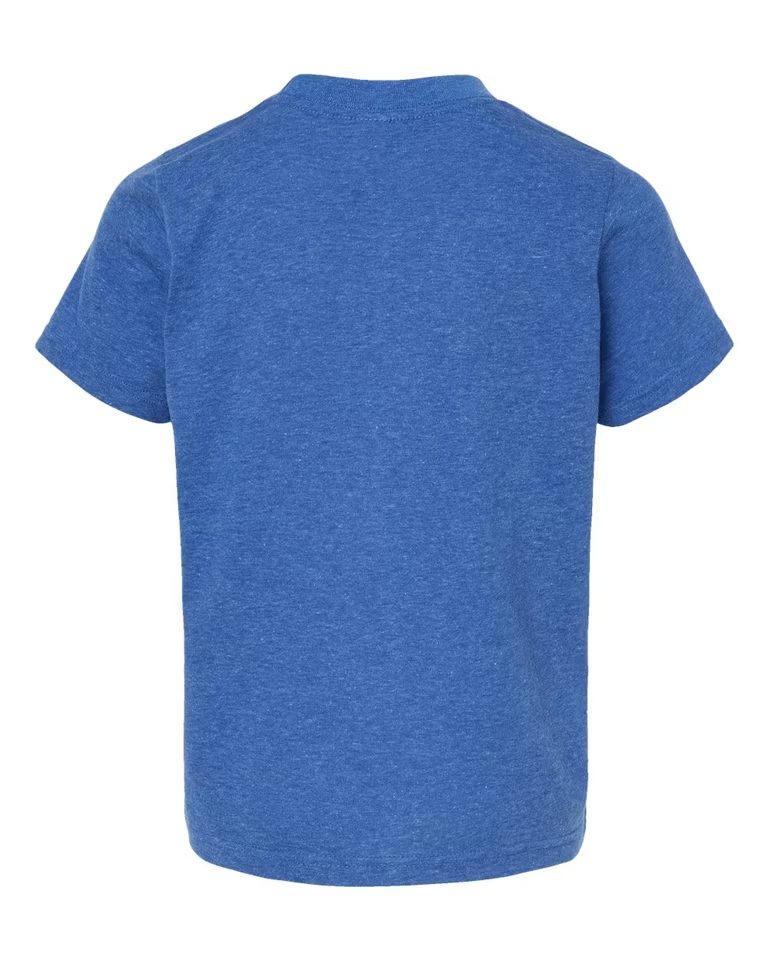
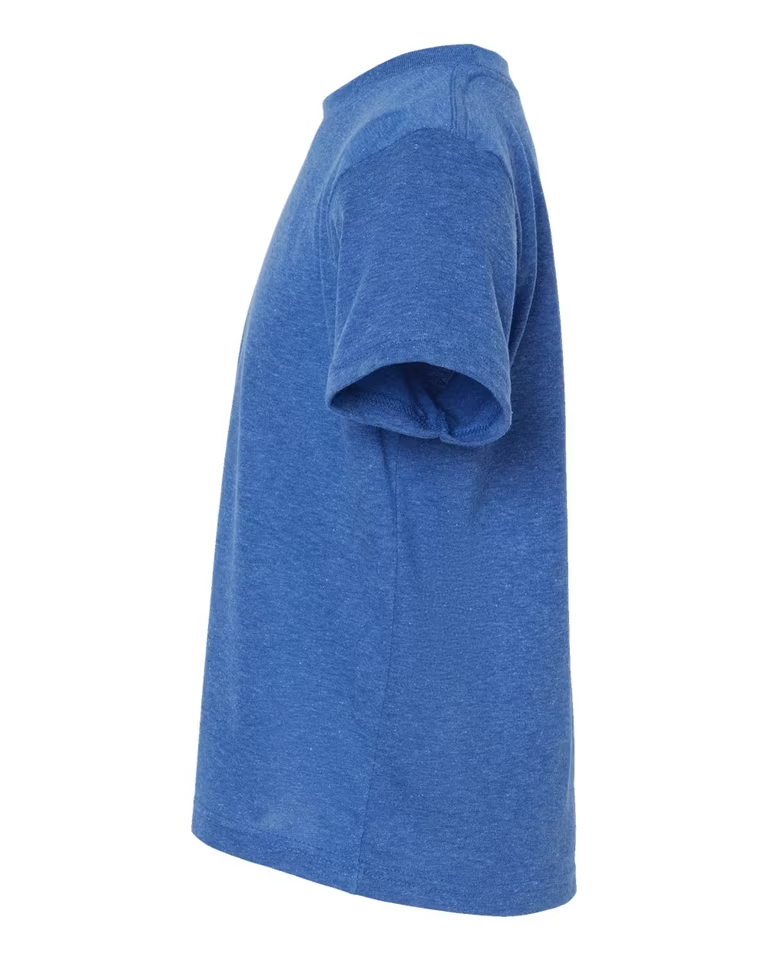
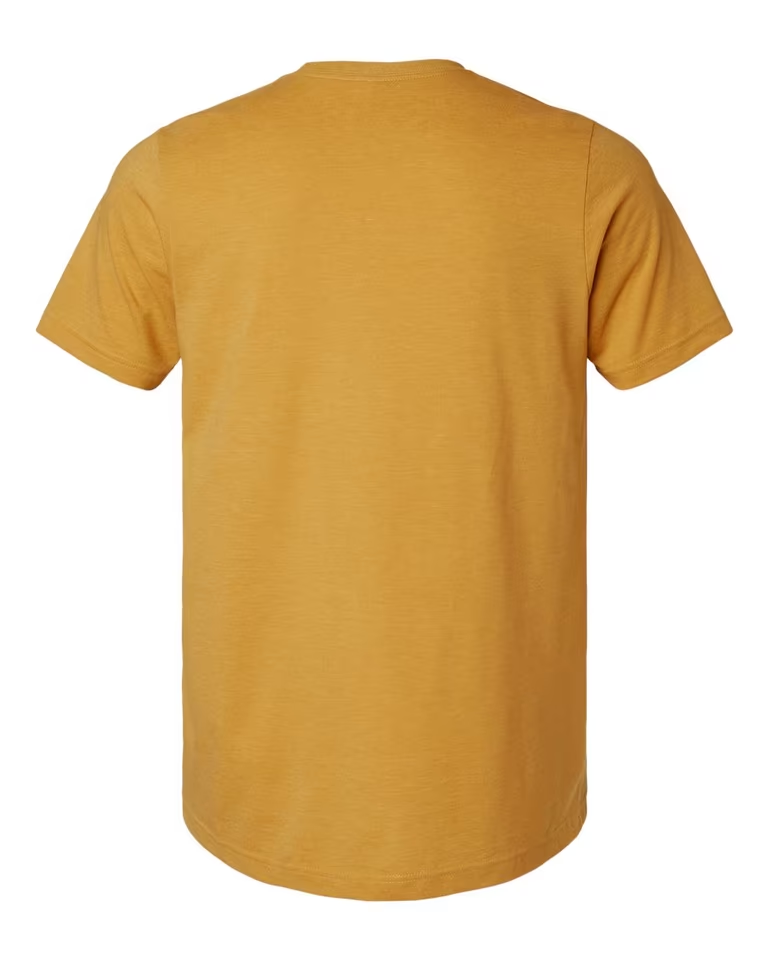
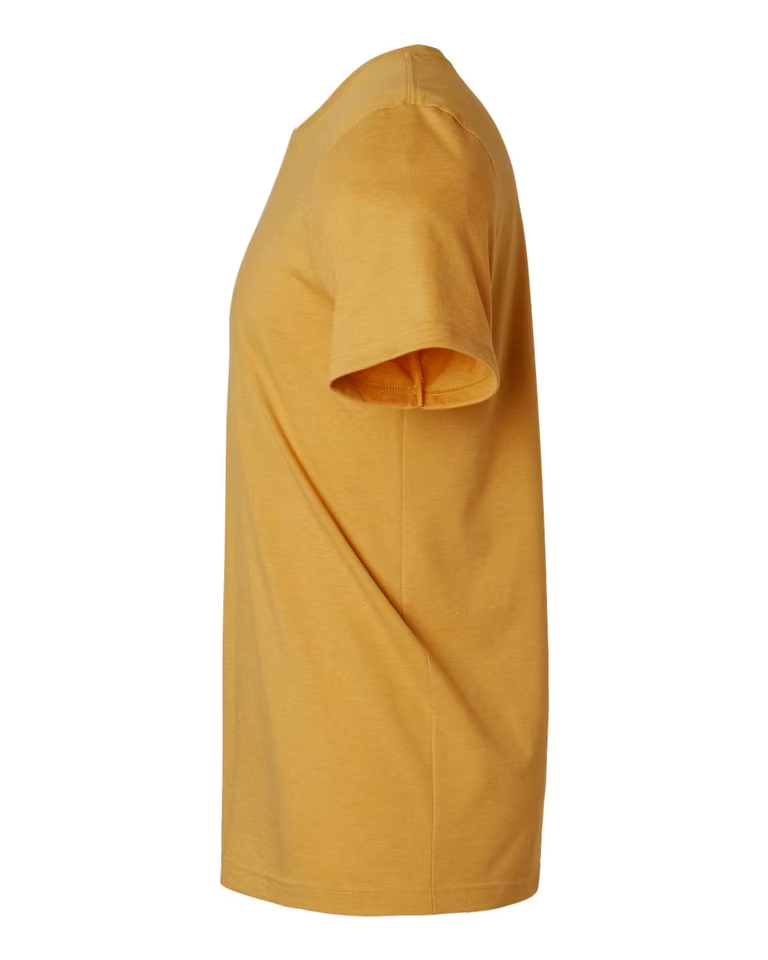
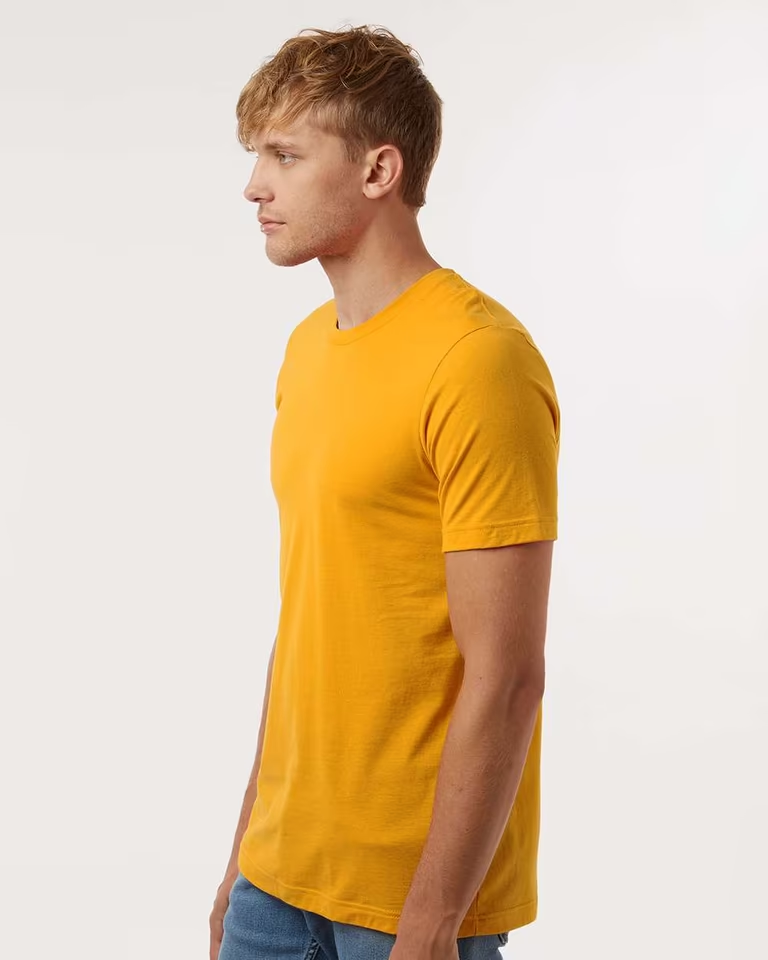
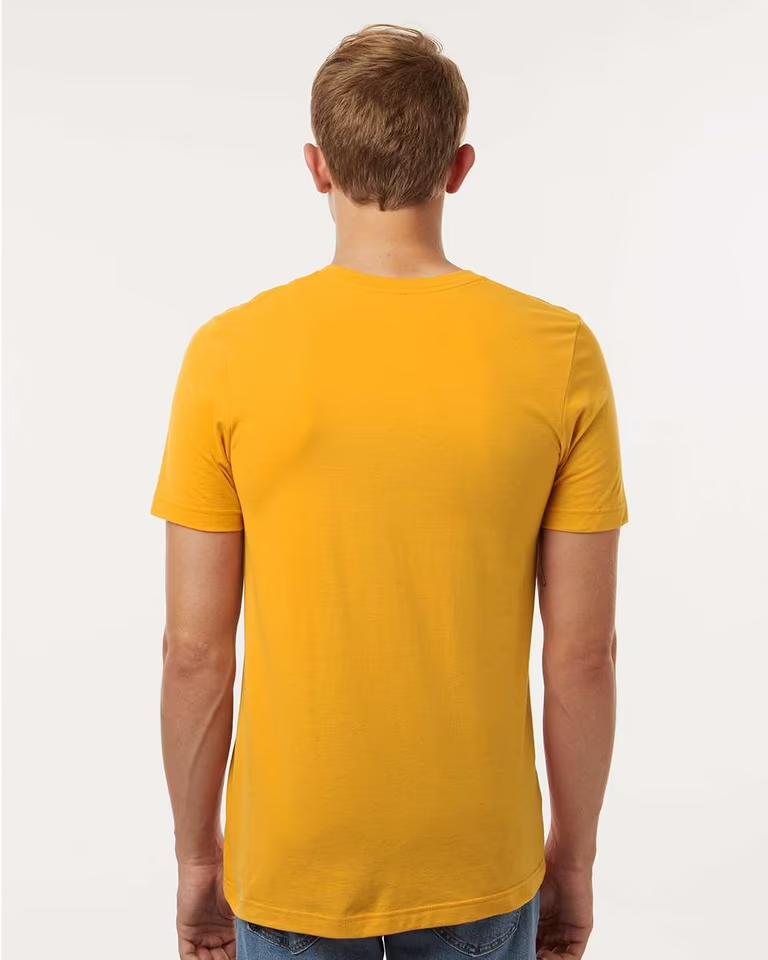
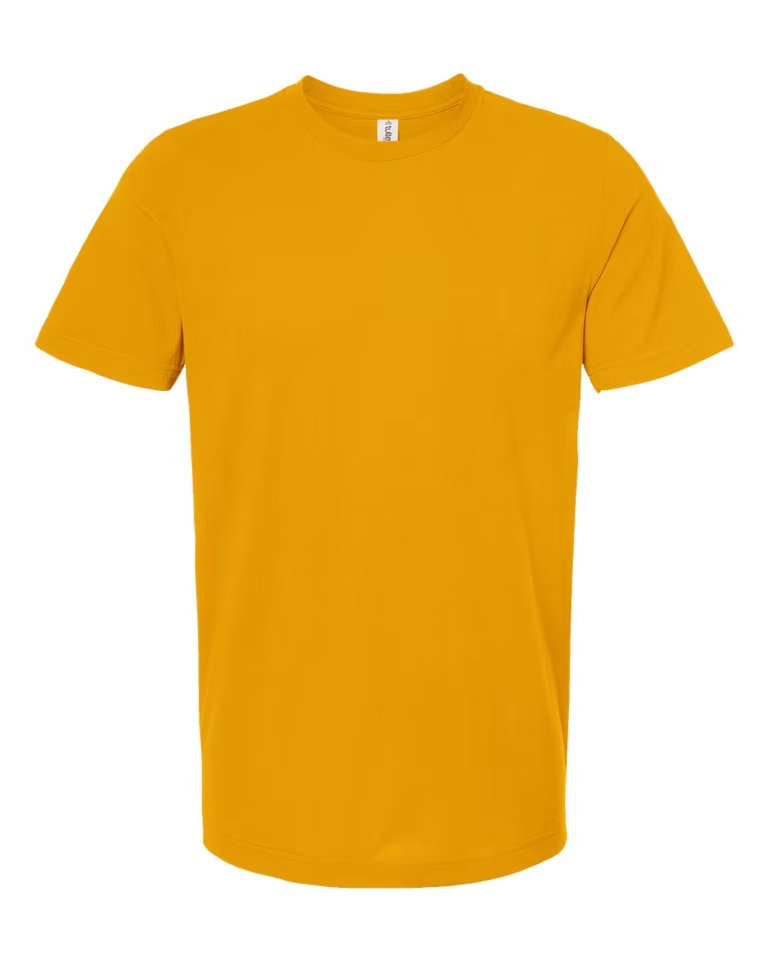
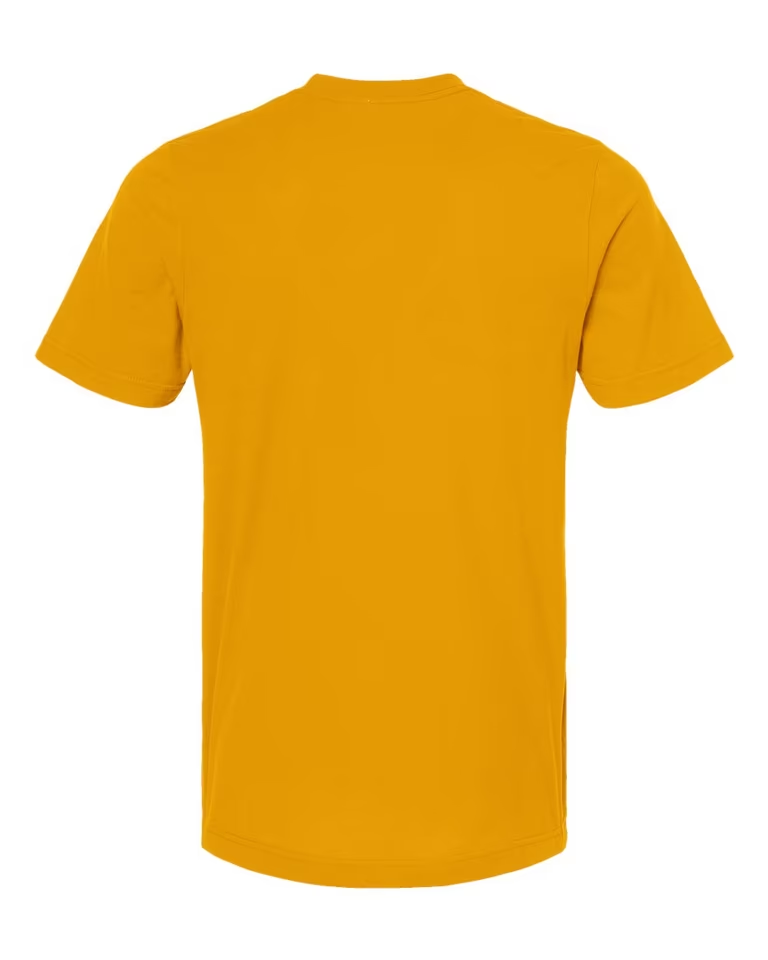
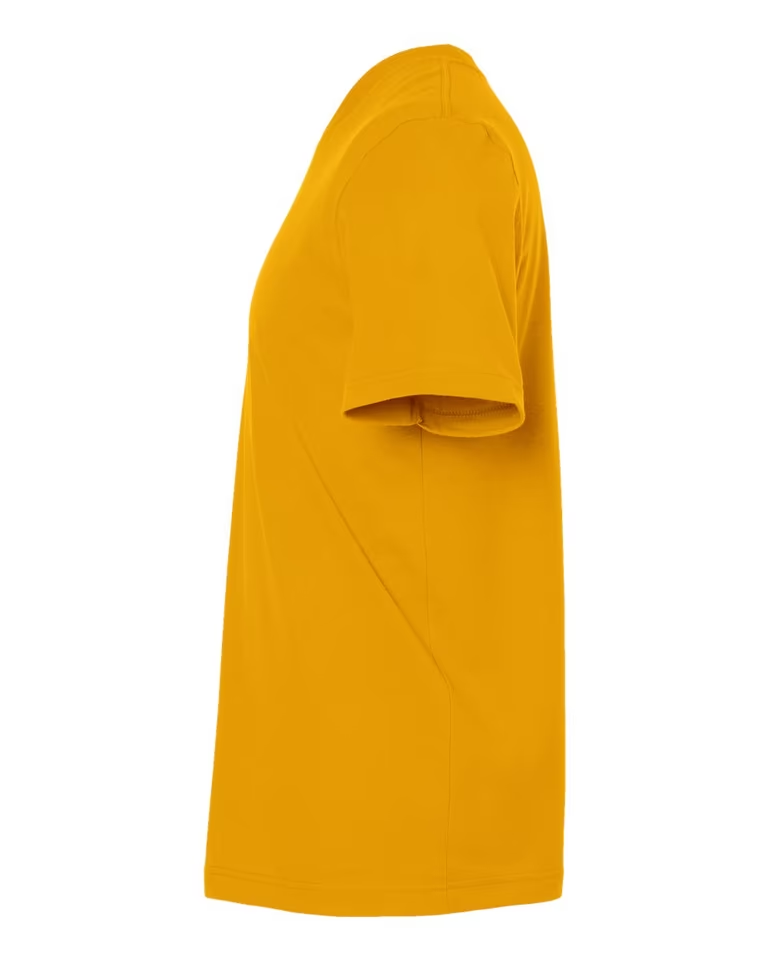
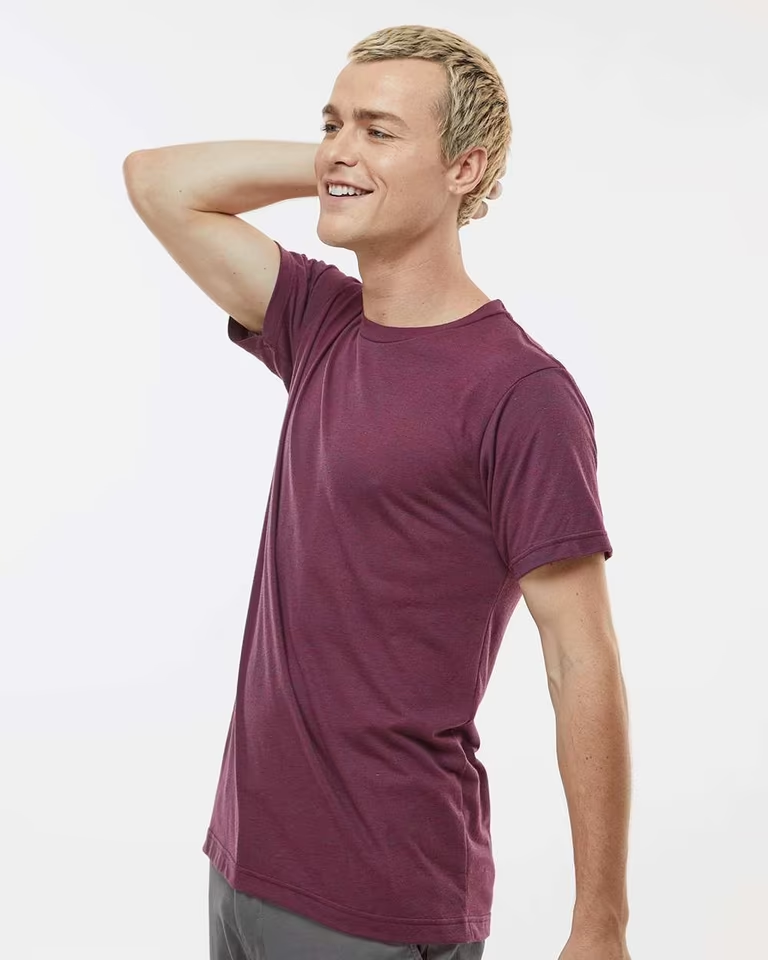
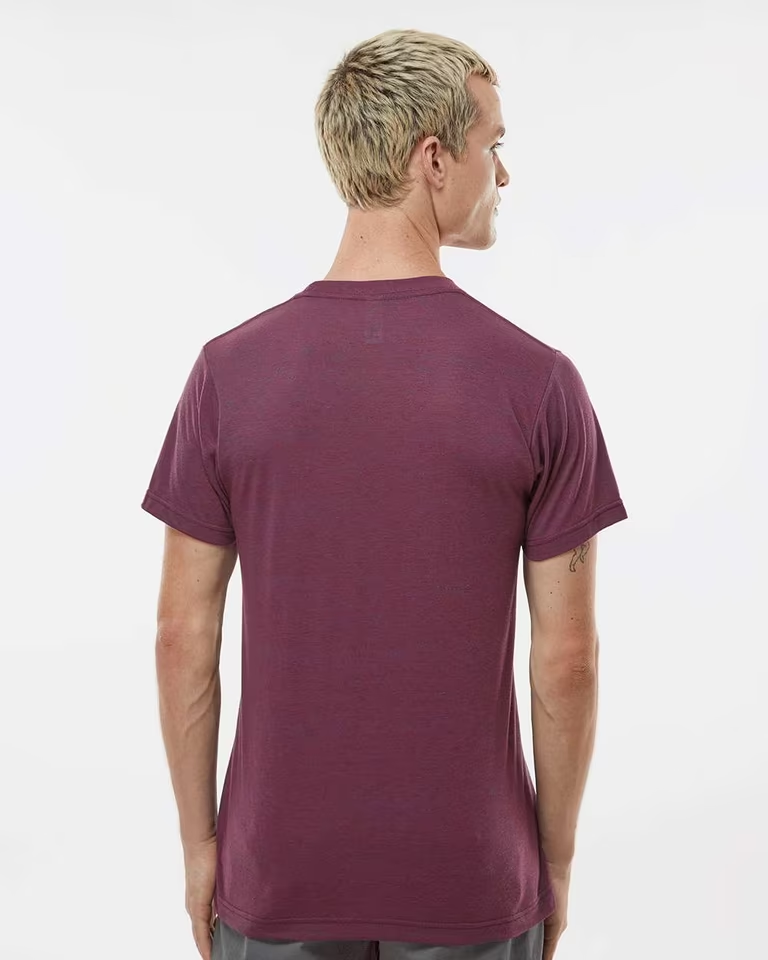
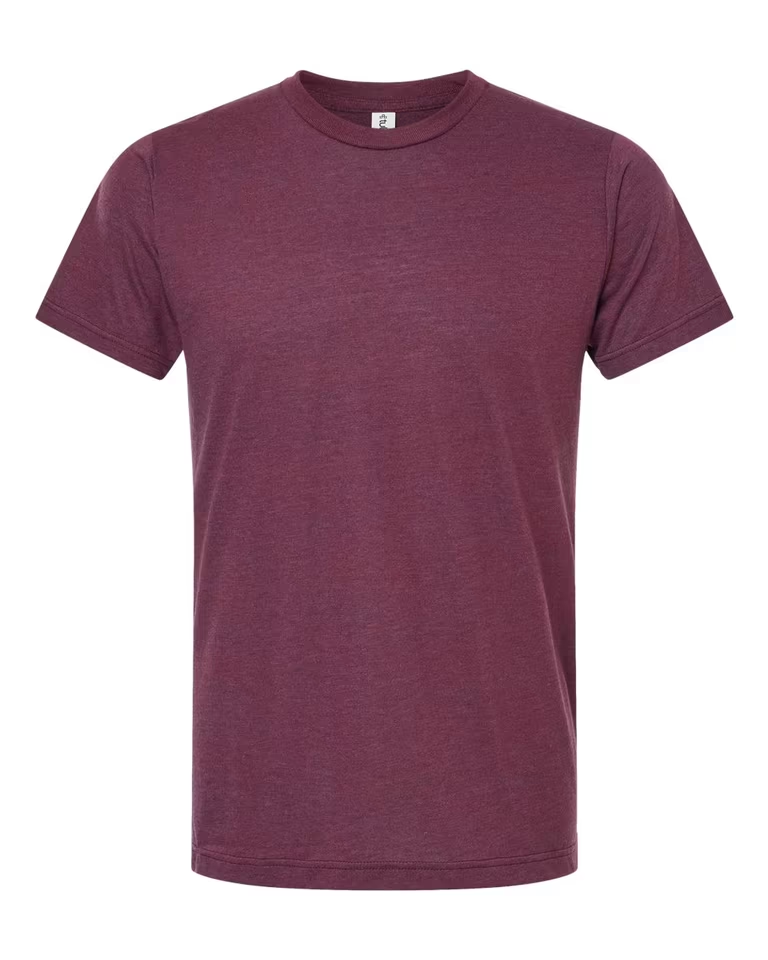
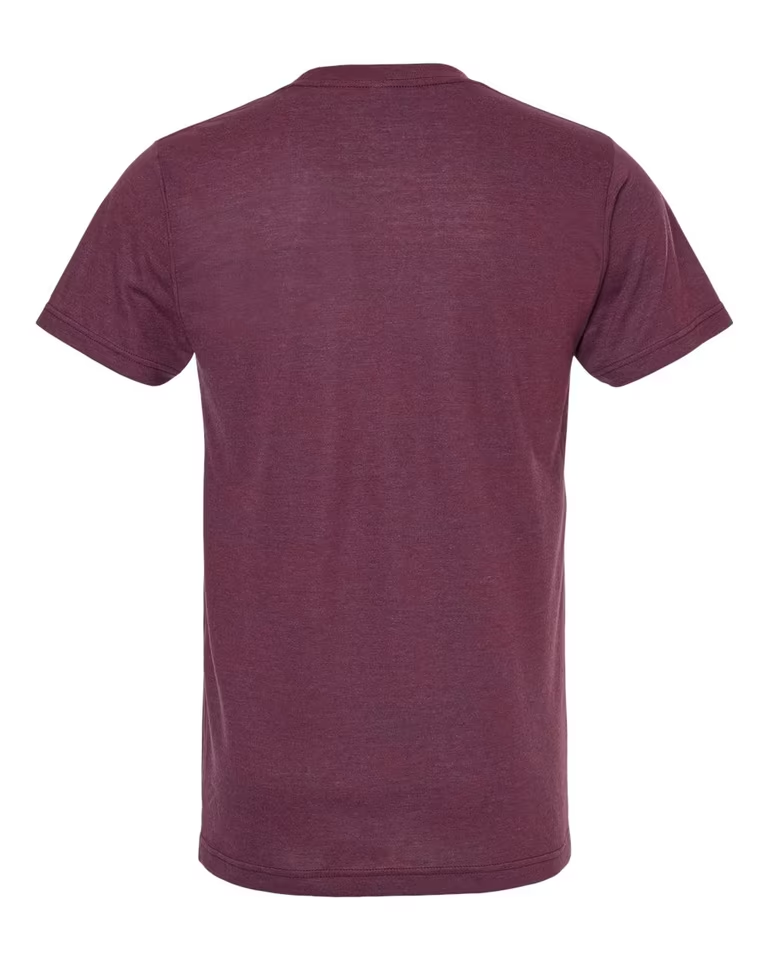
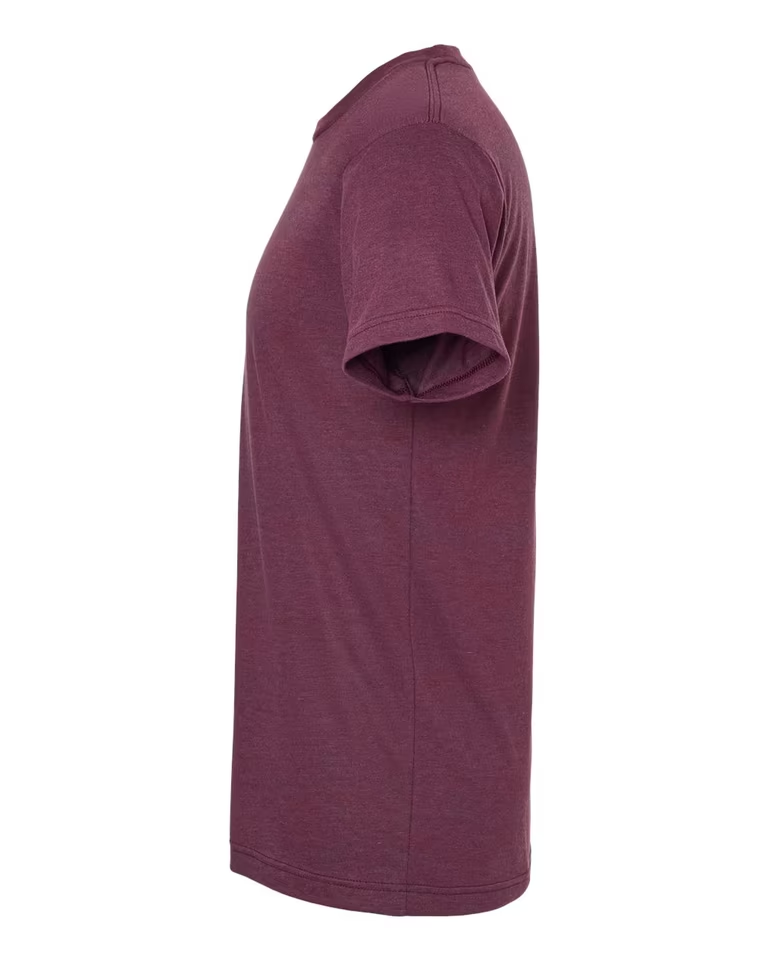
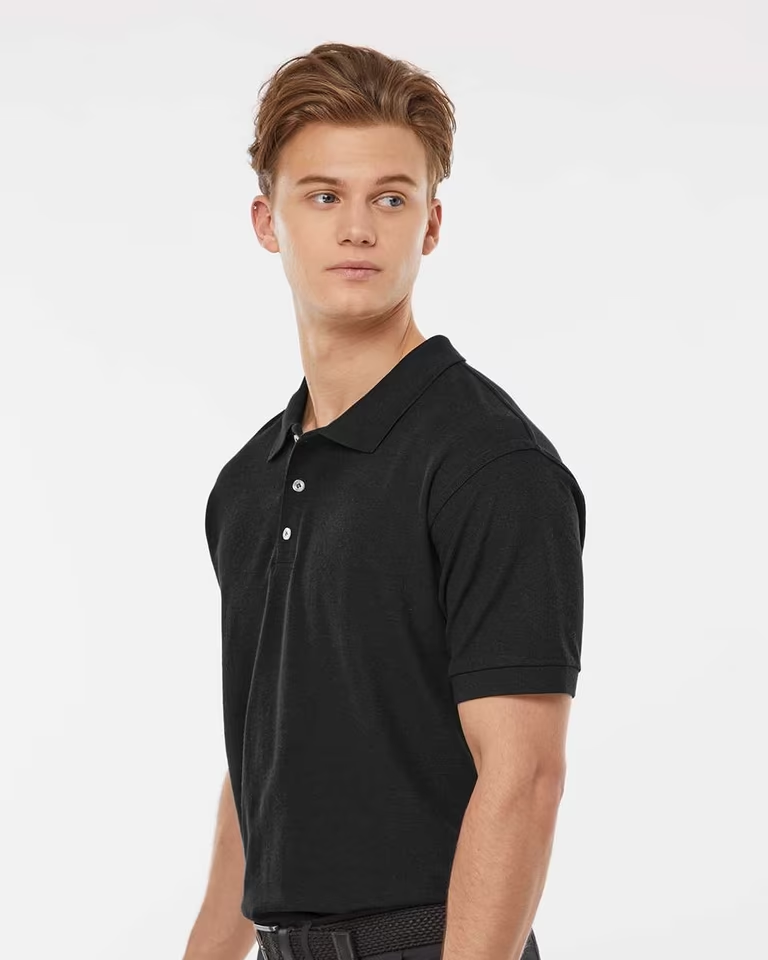
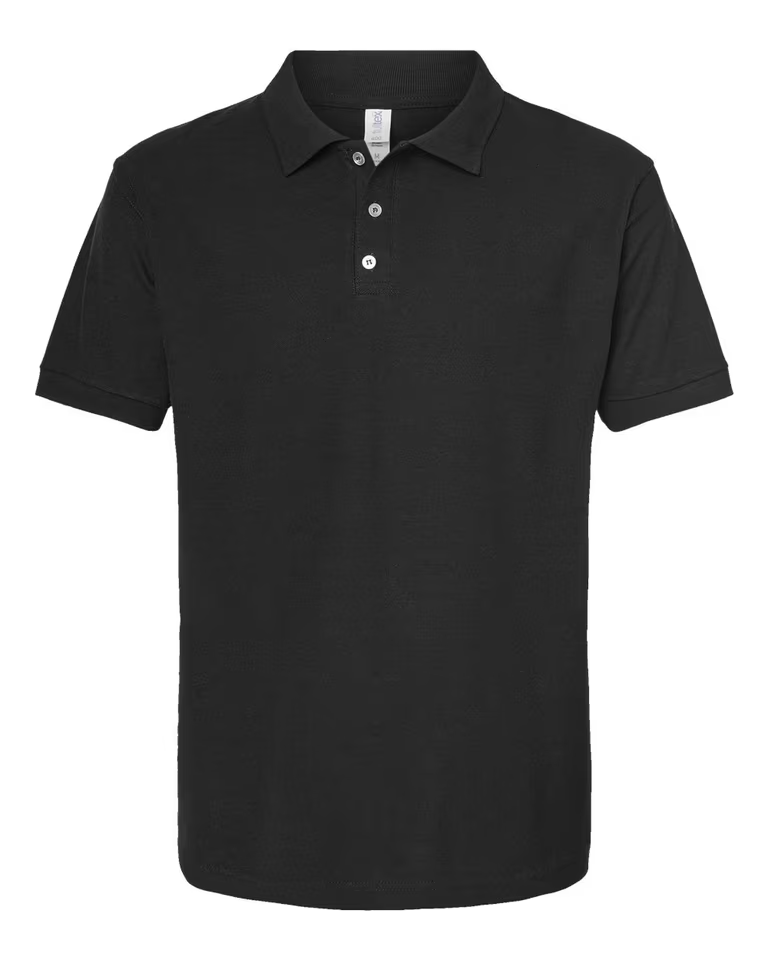
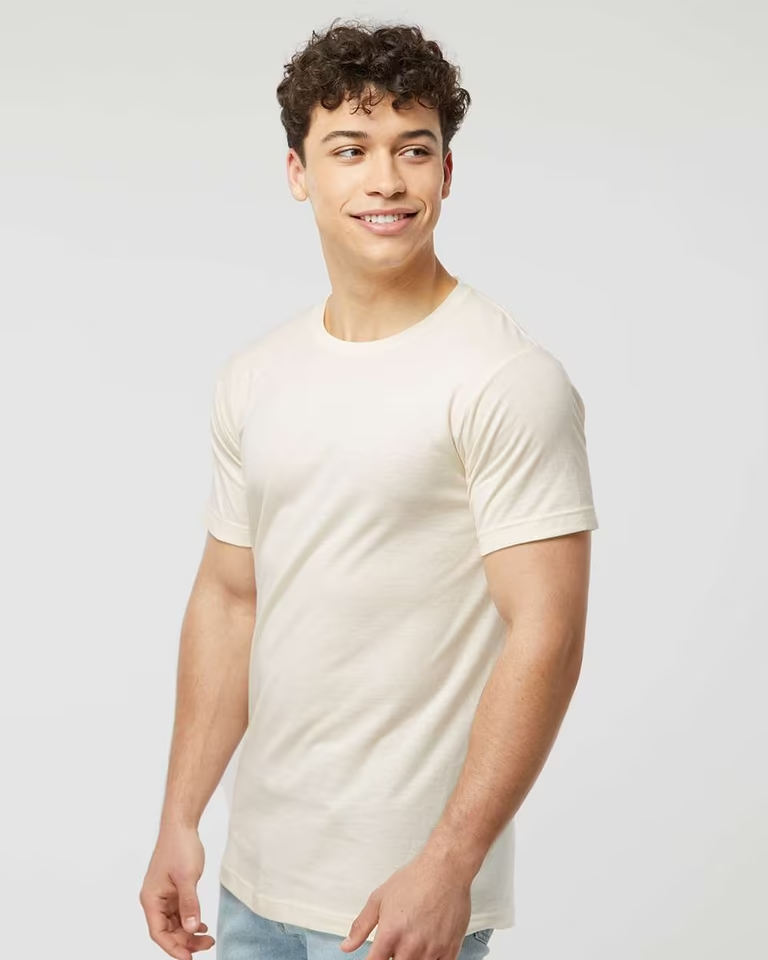
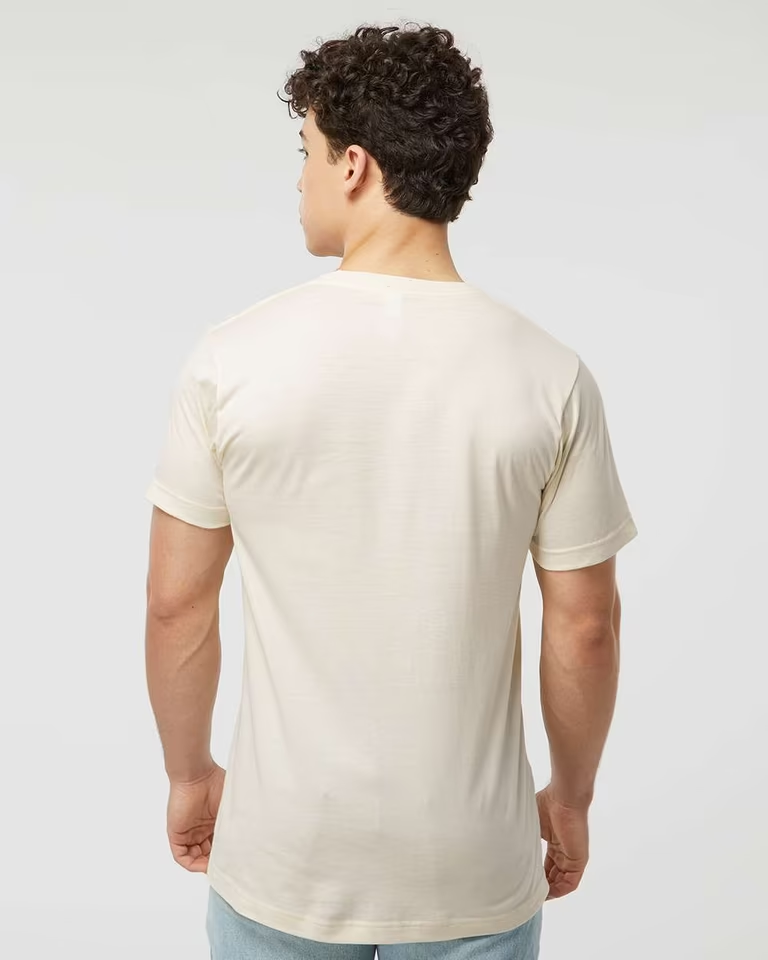
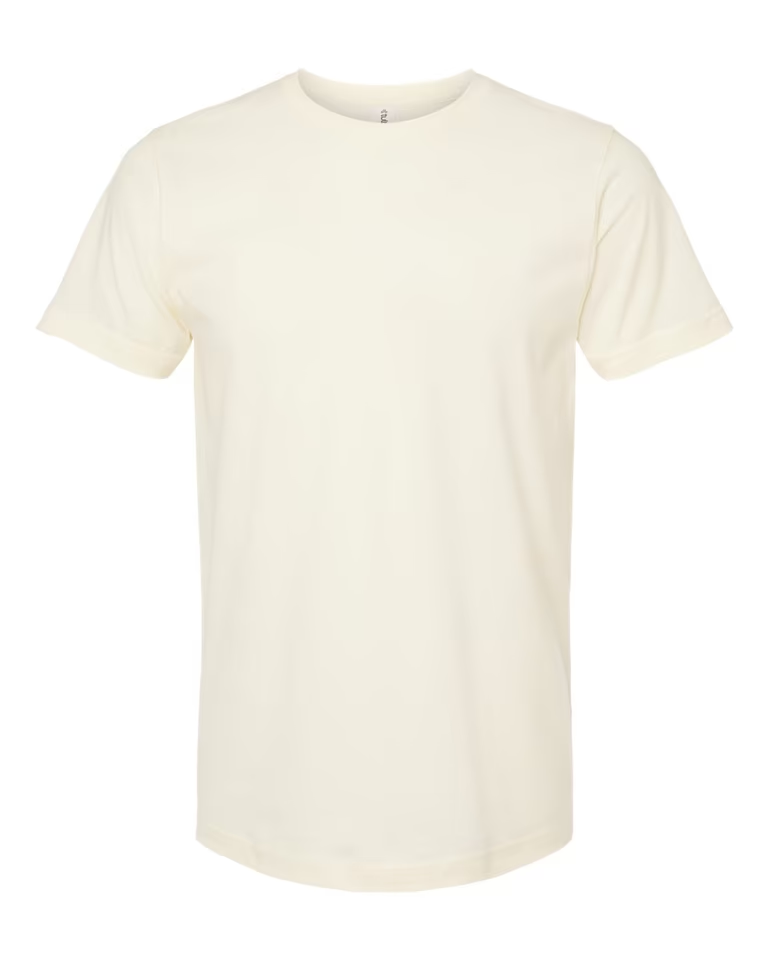
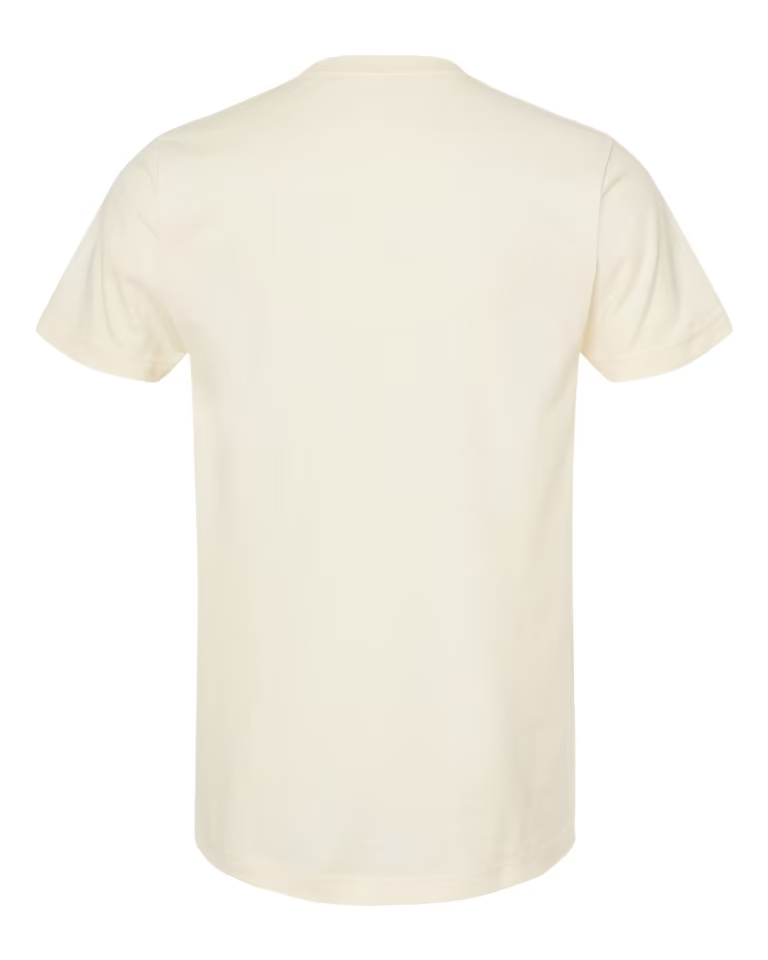
Tultex style number 290
$5.60
Retail $7.46
Save up to 25%
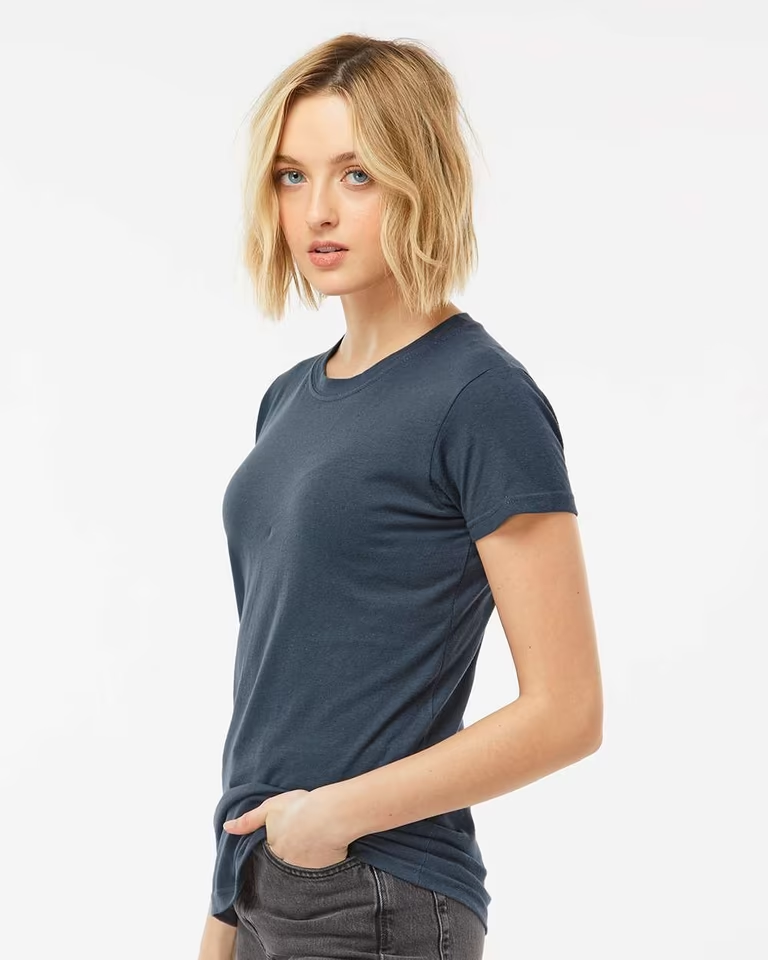
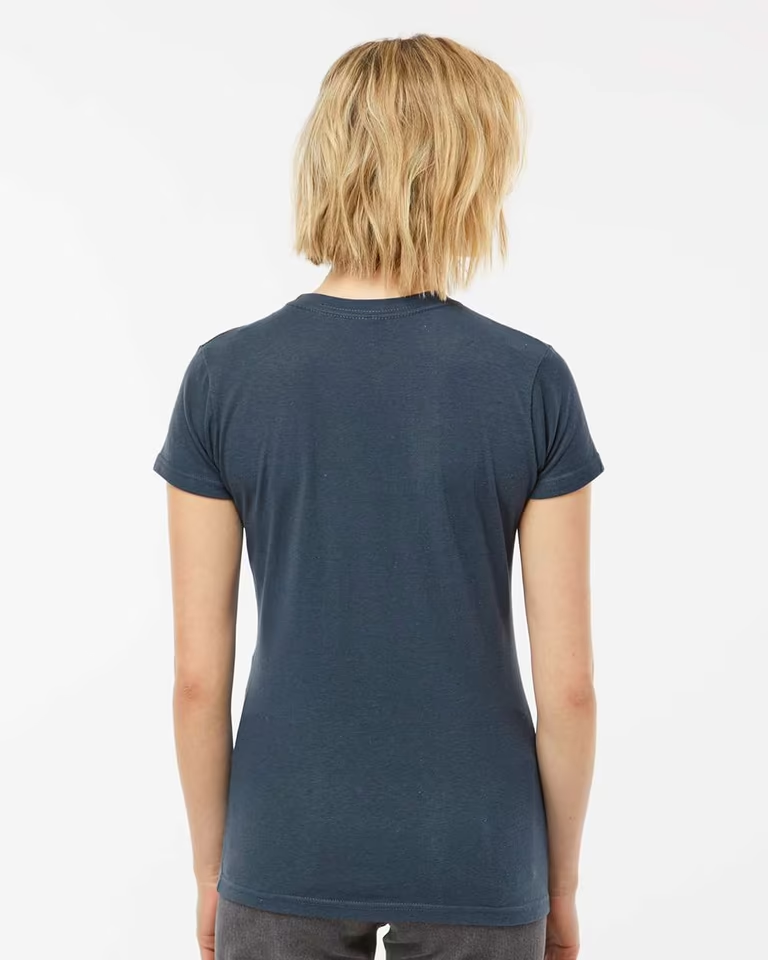
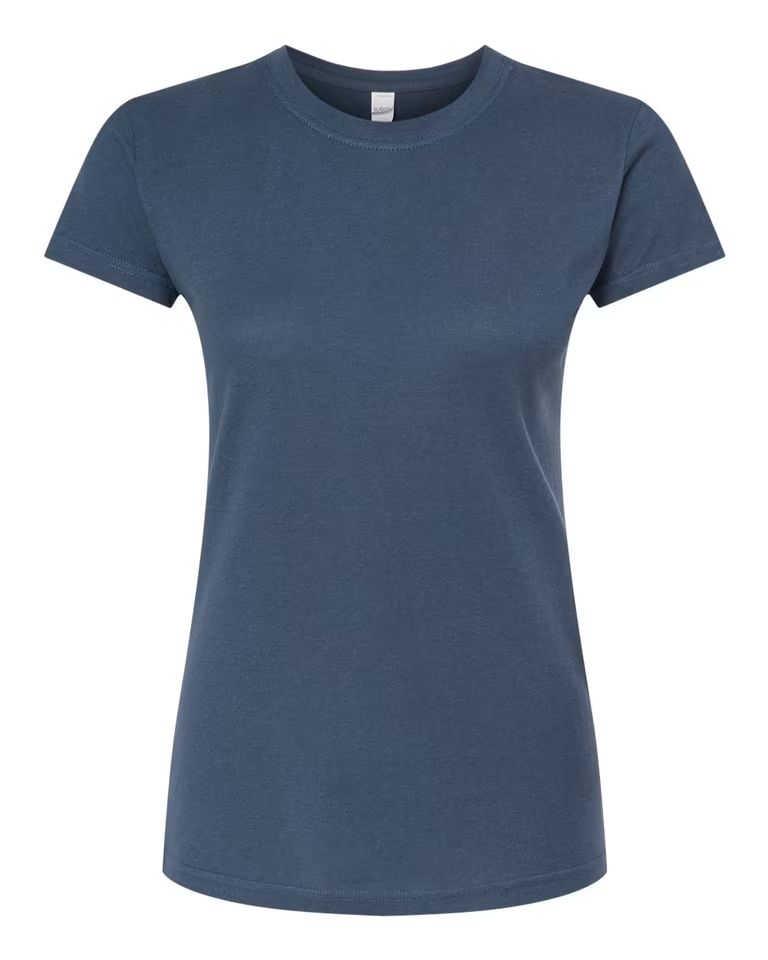
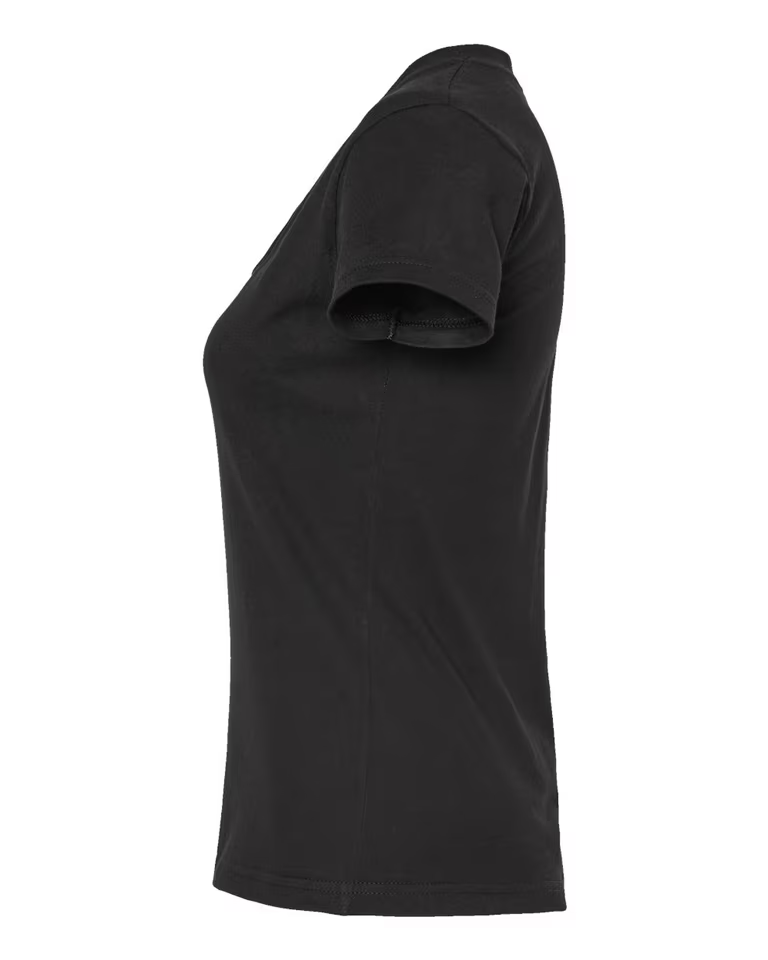
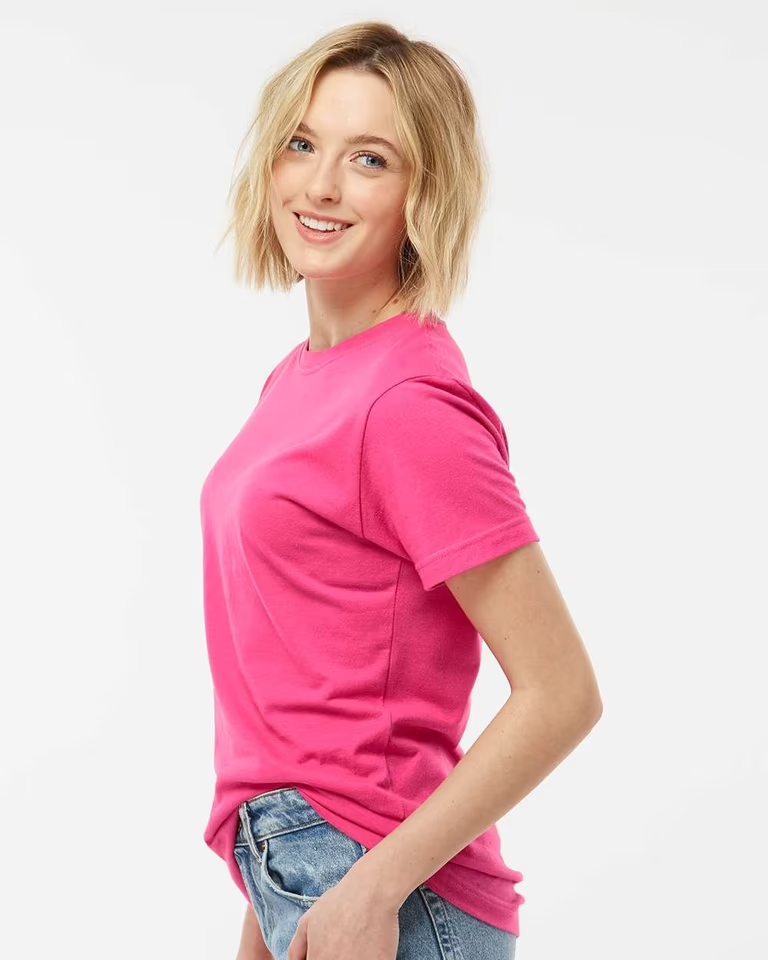
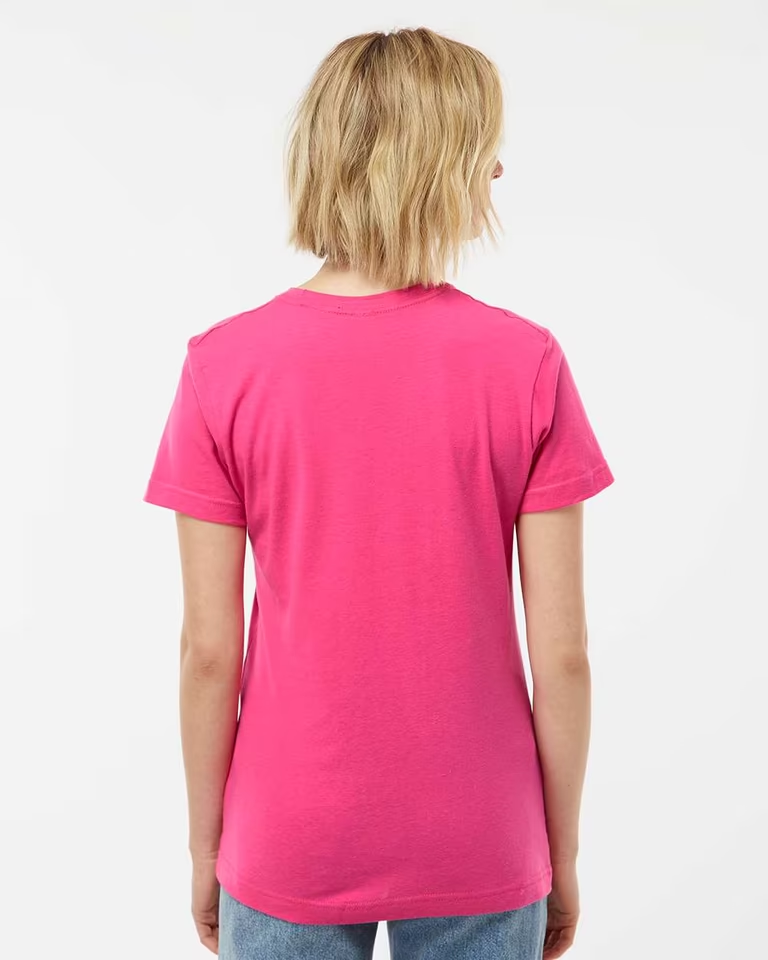
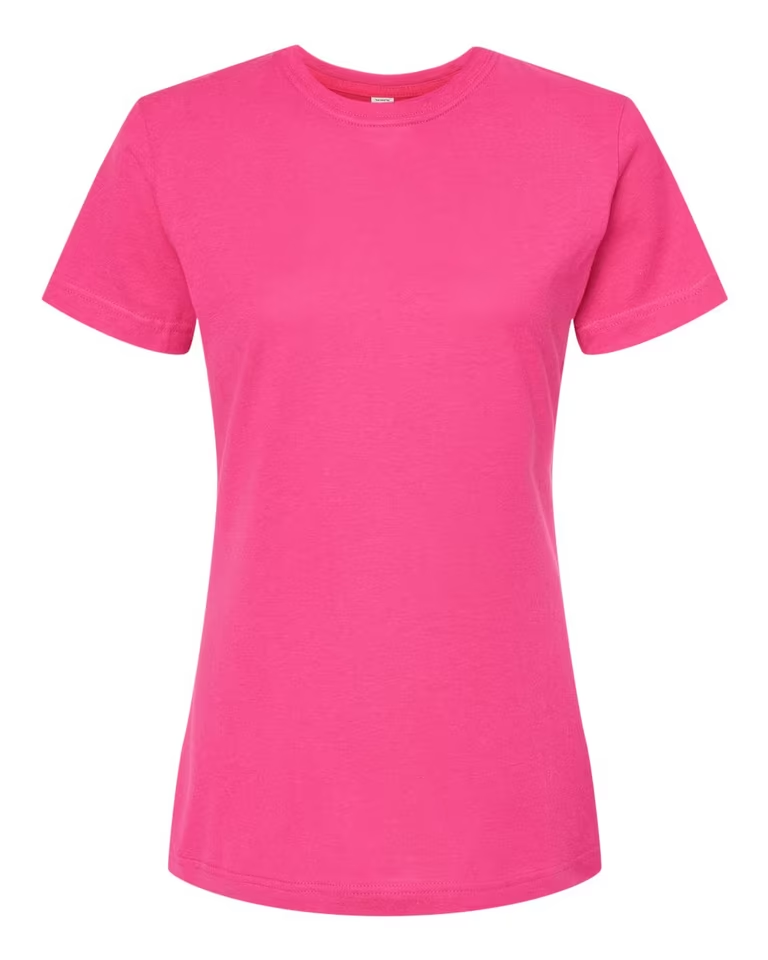
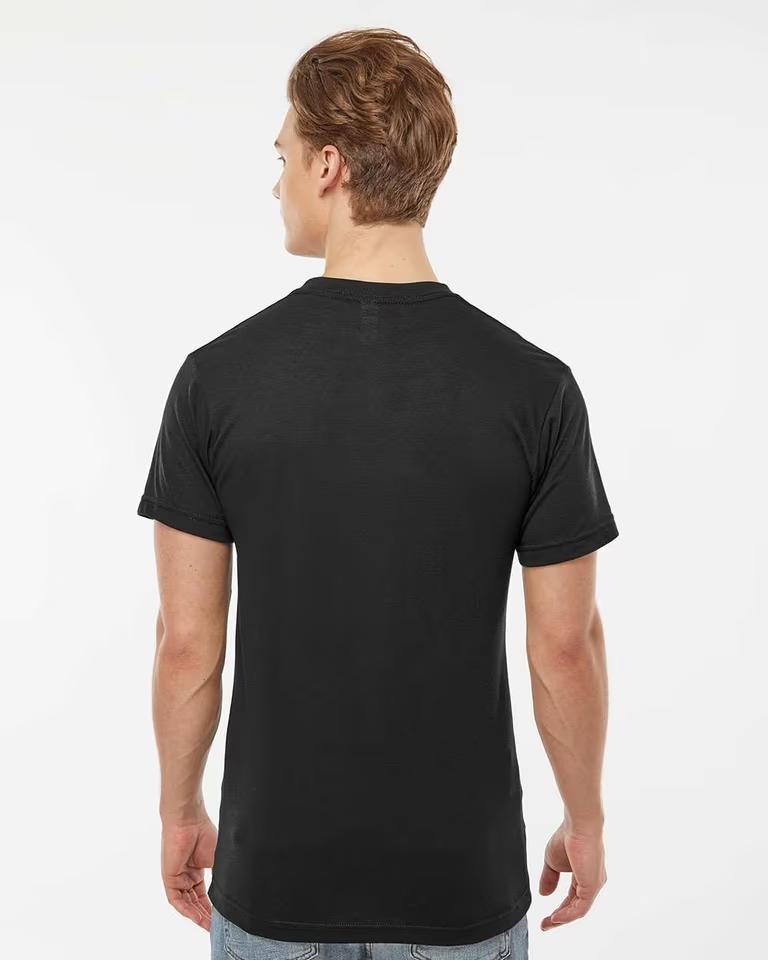
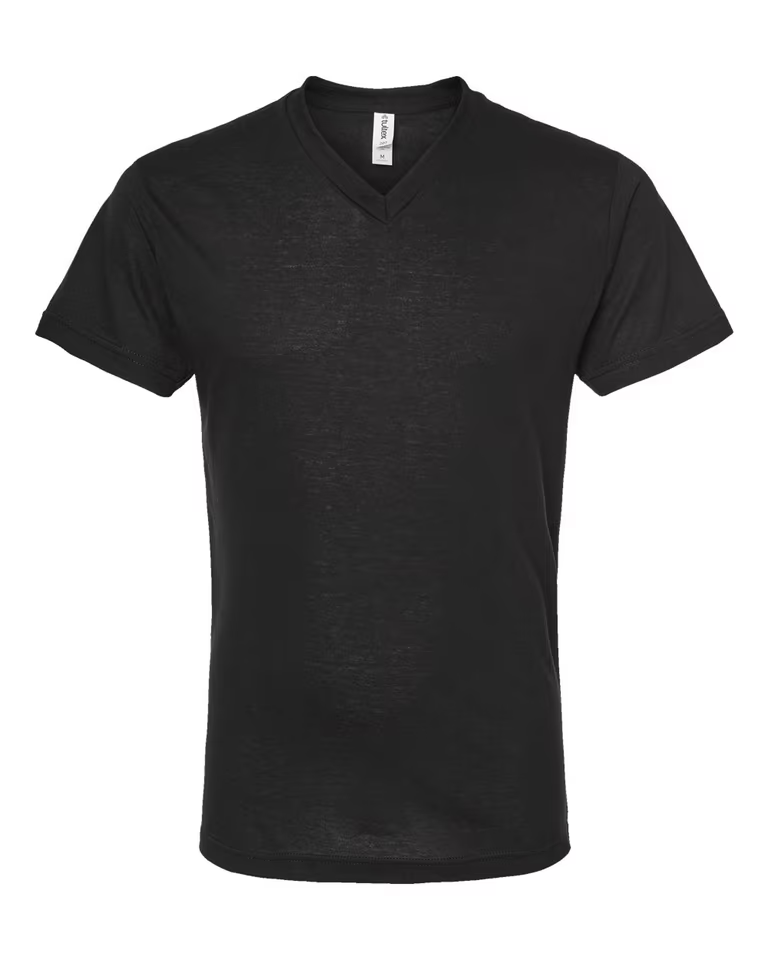
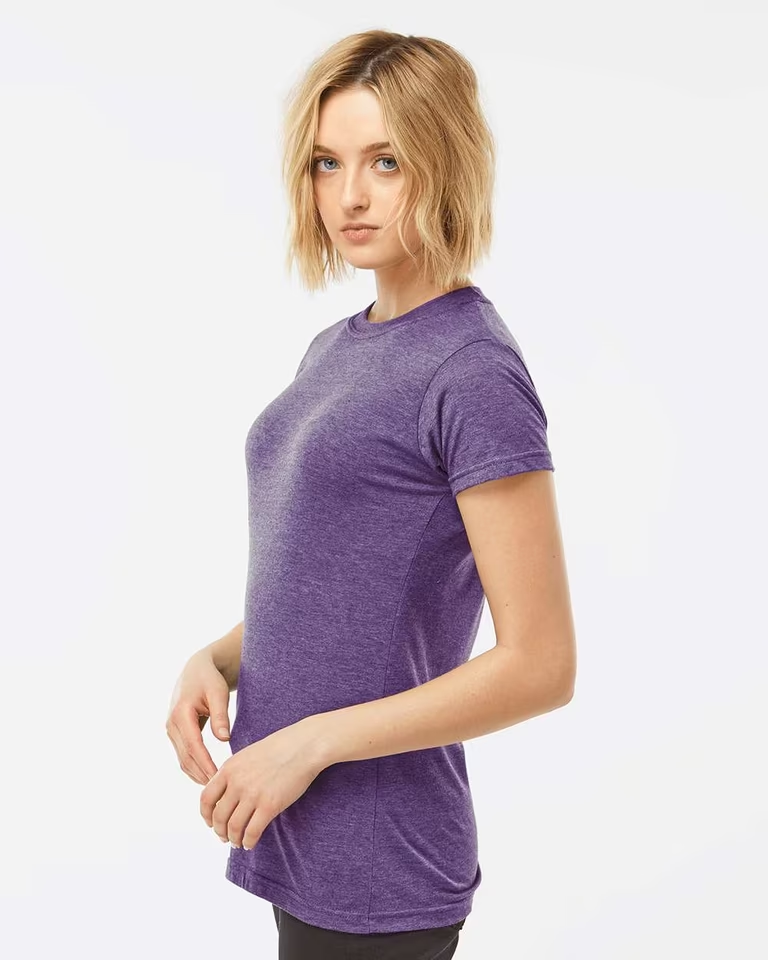
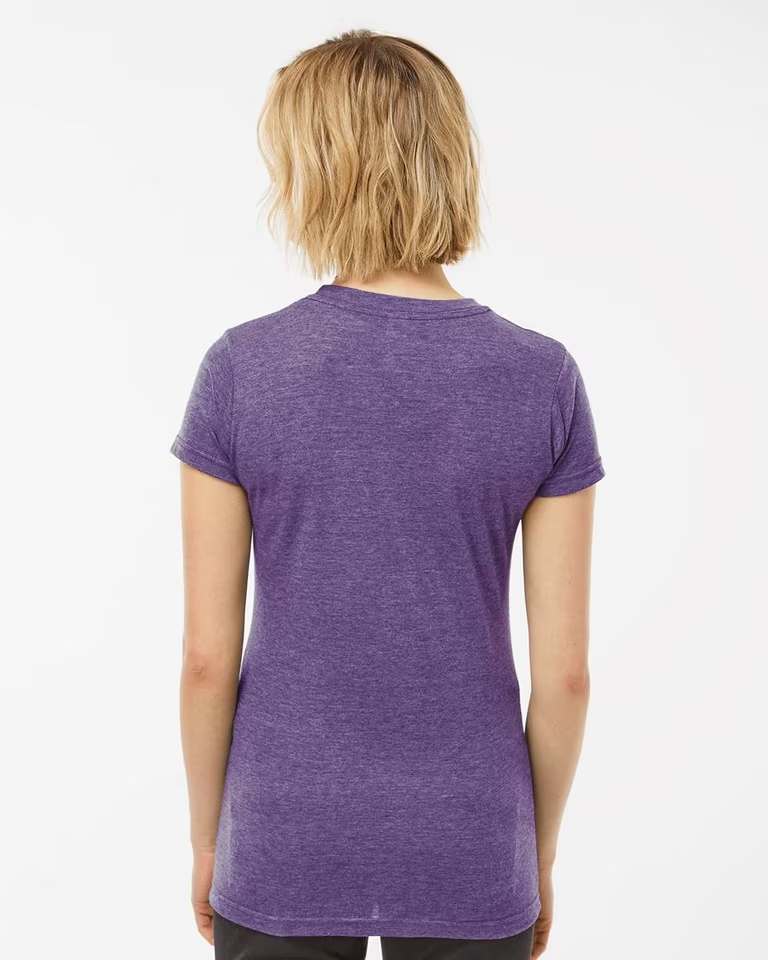
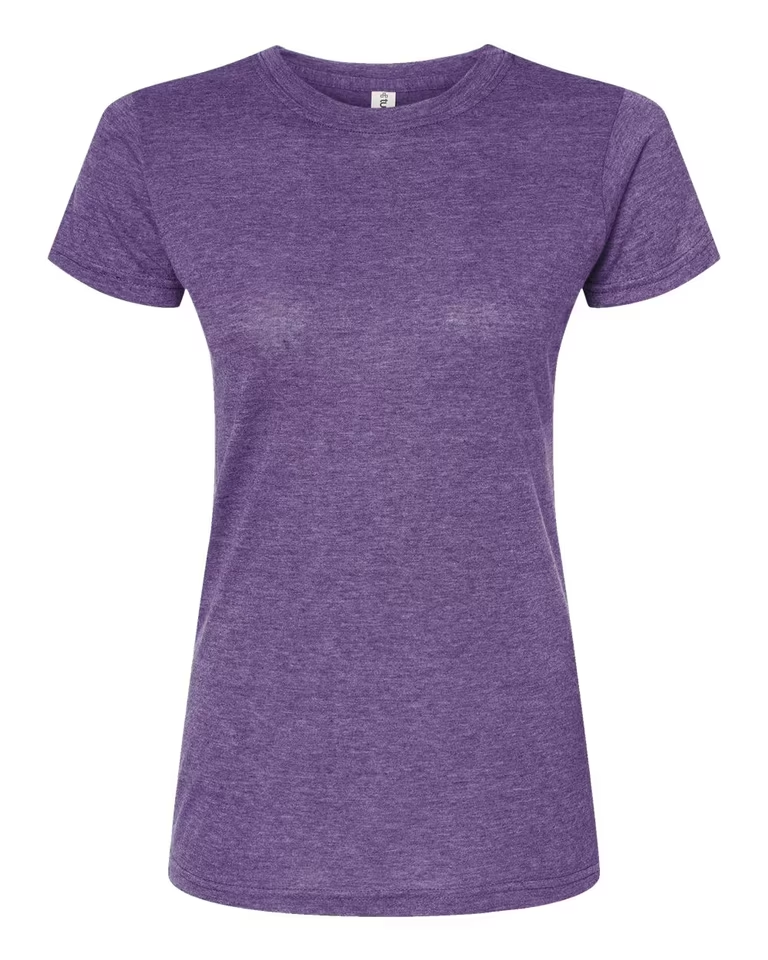
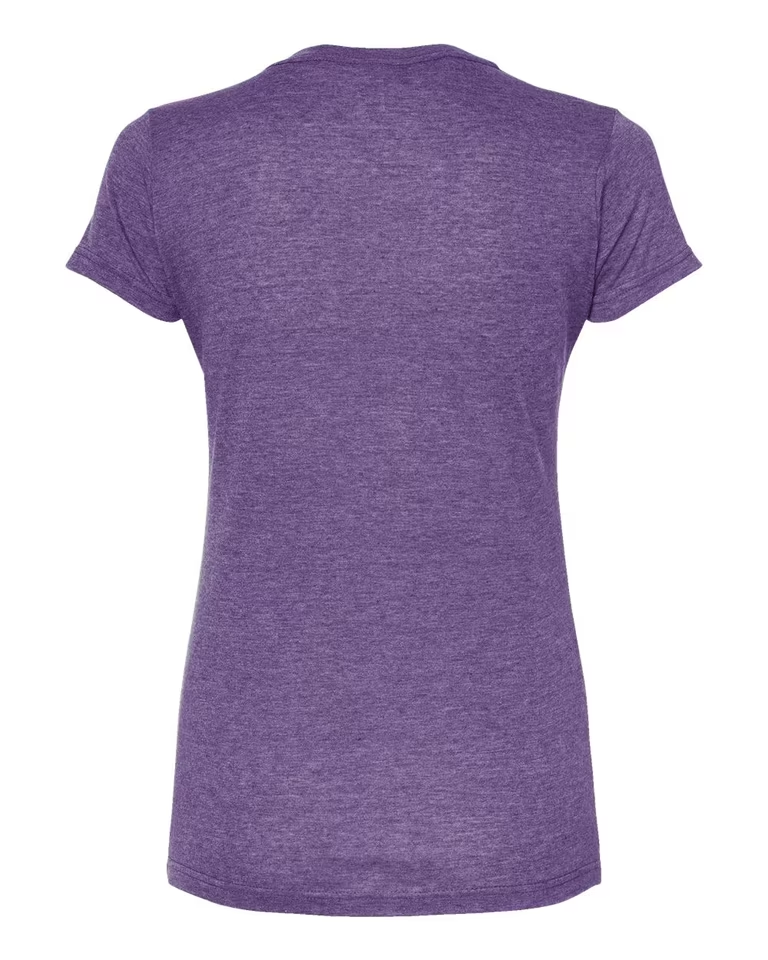
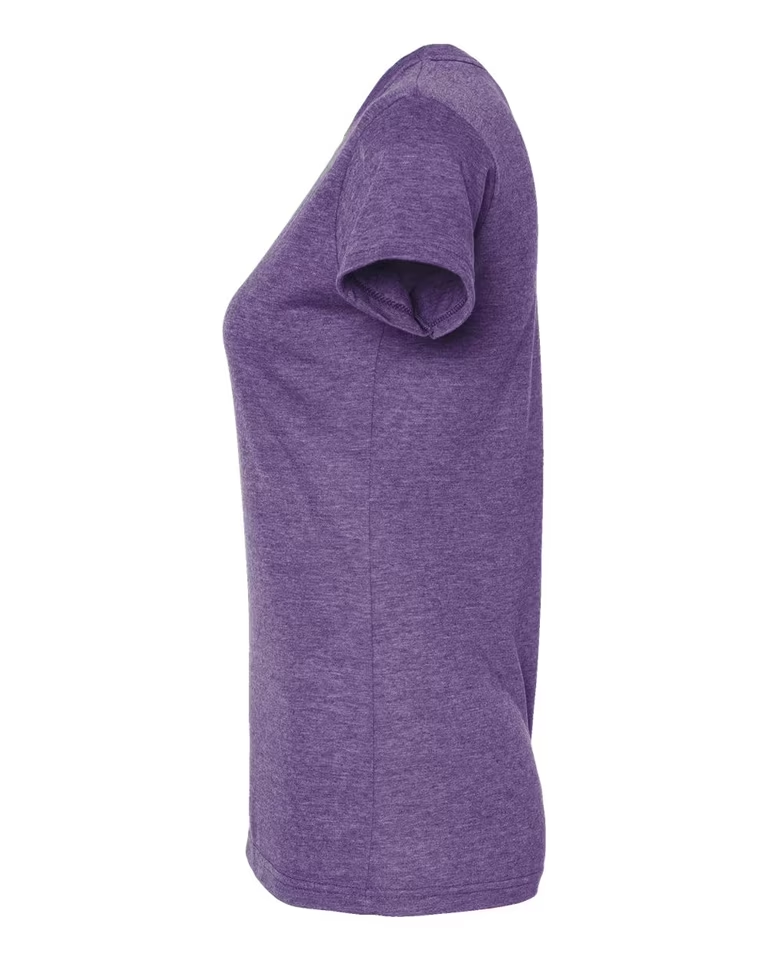
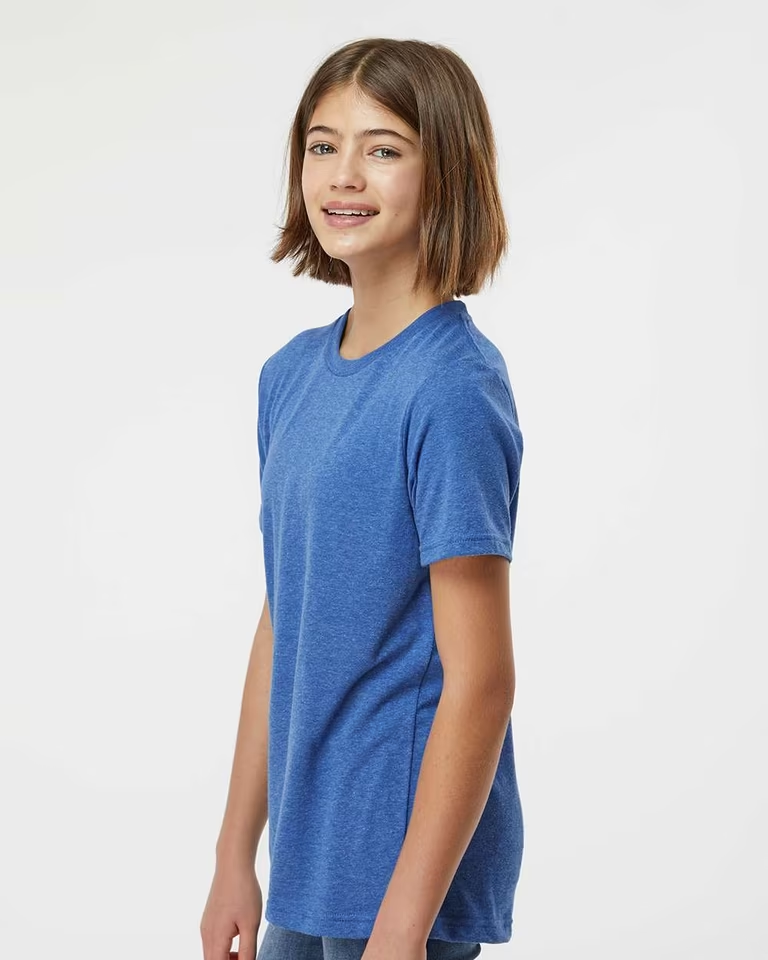
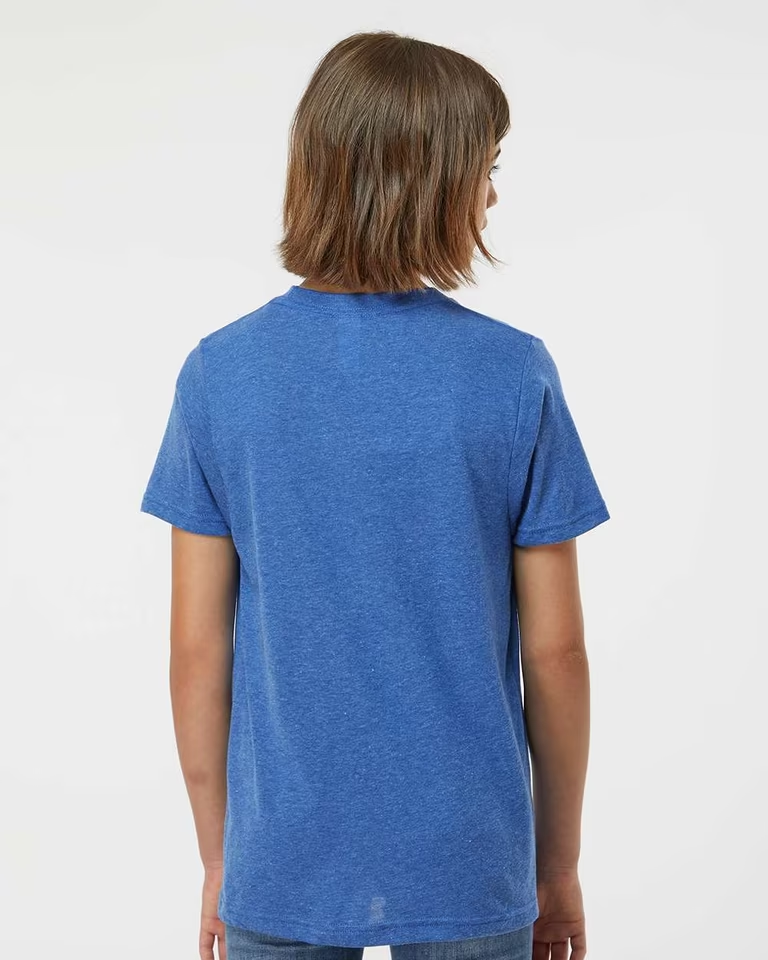
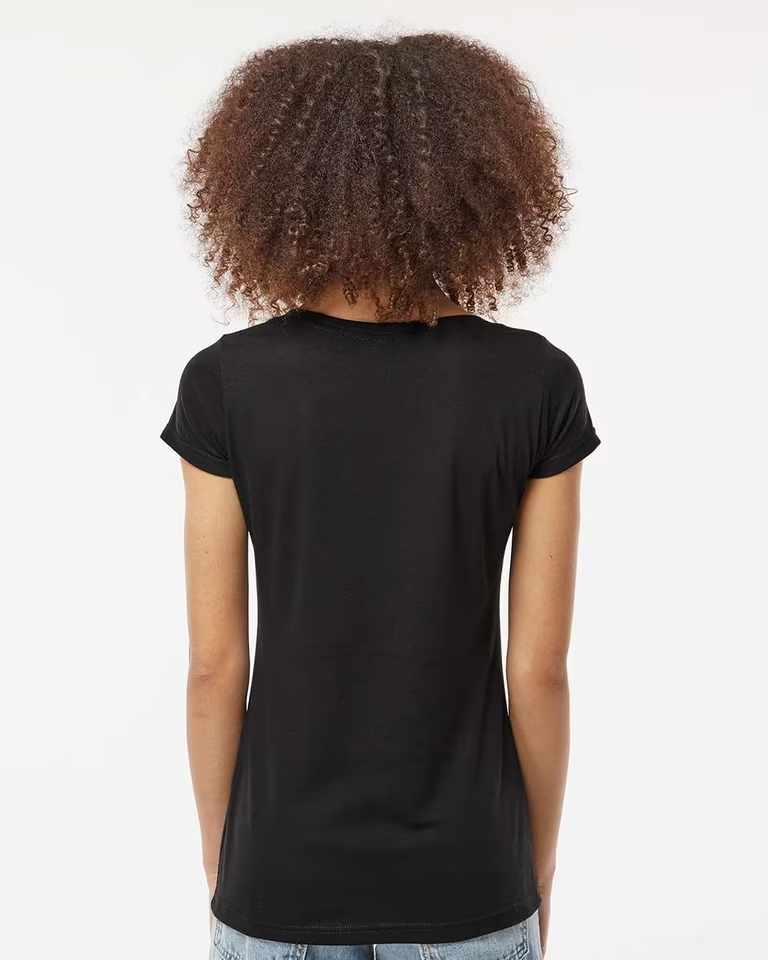
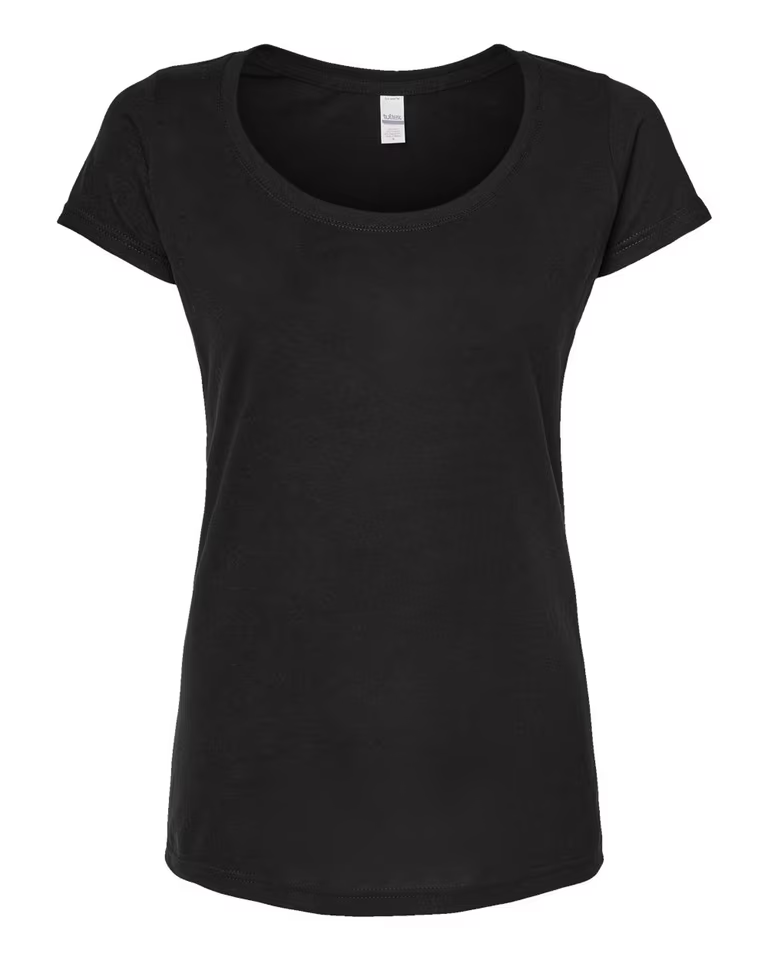
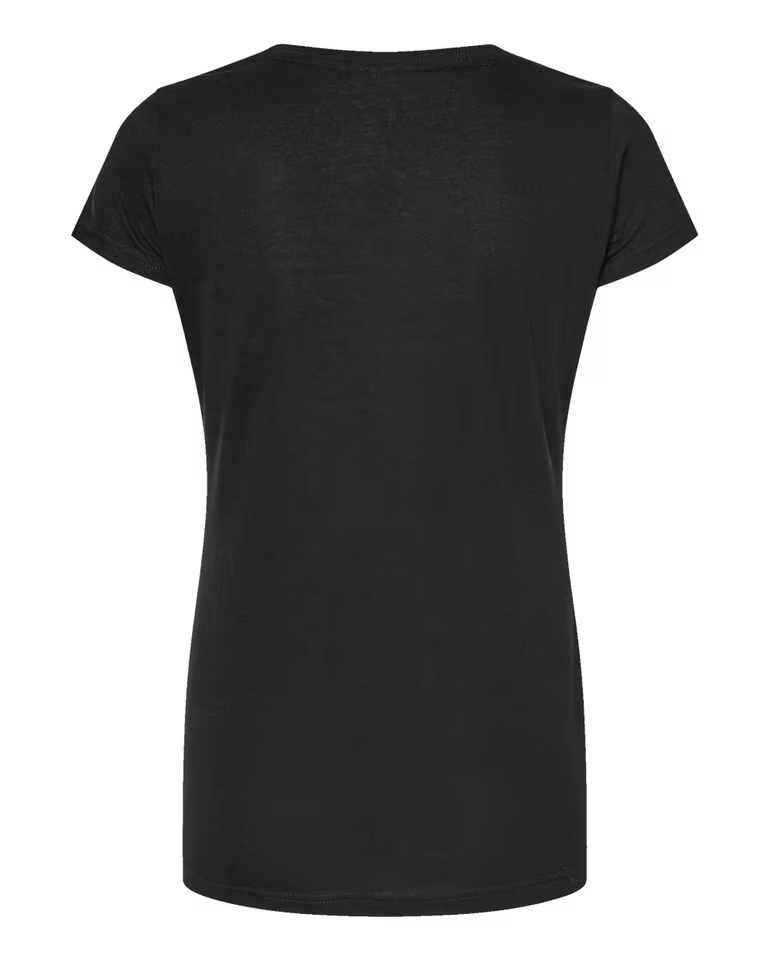
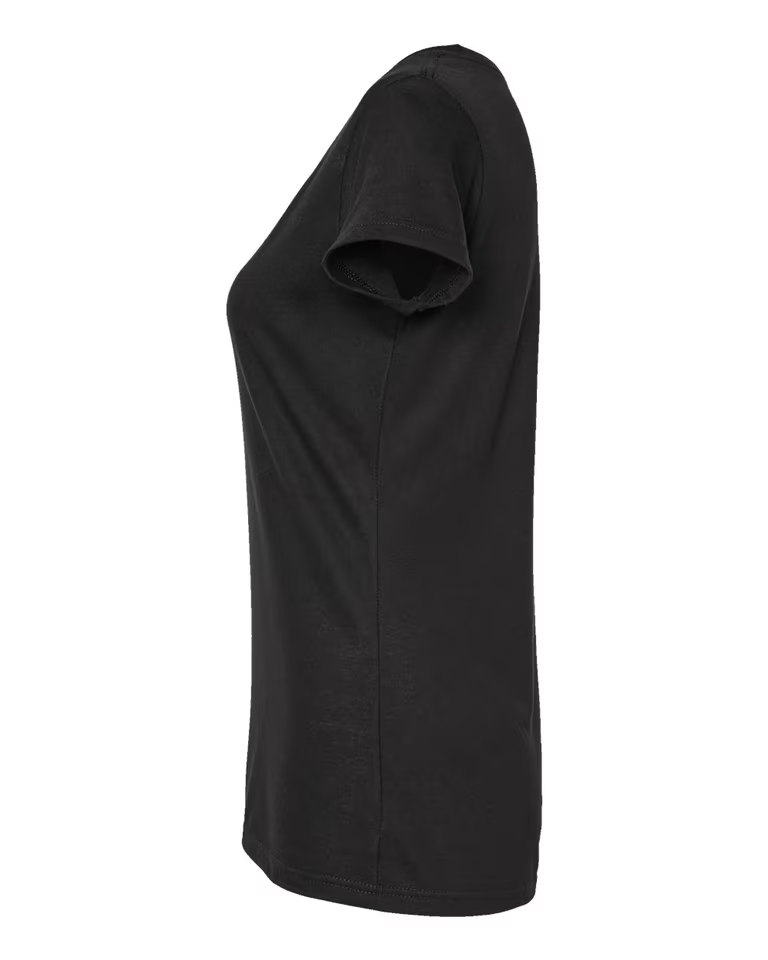
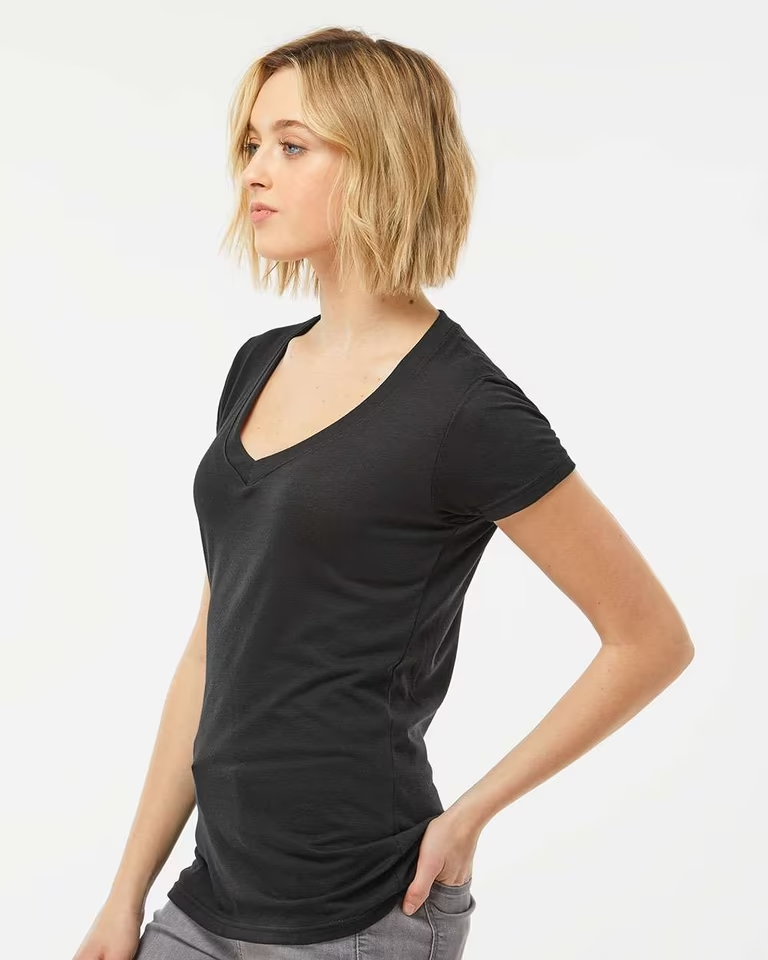
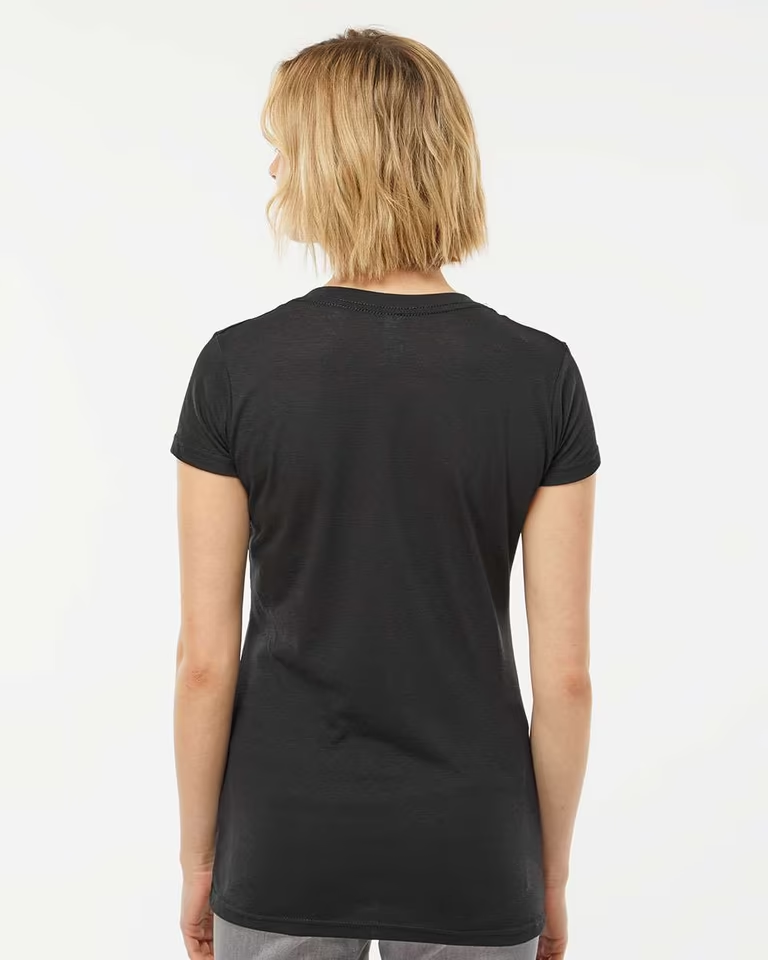
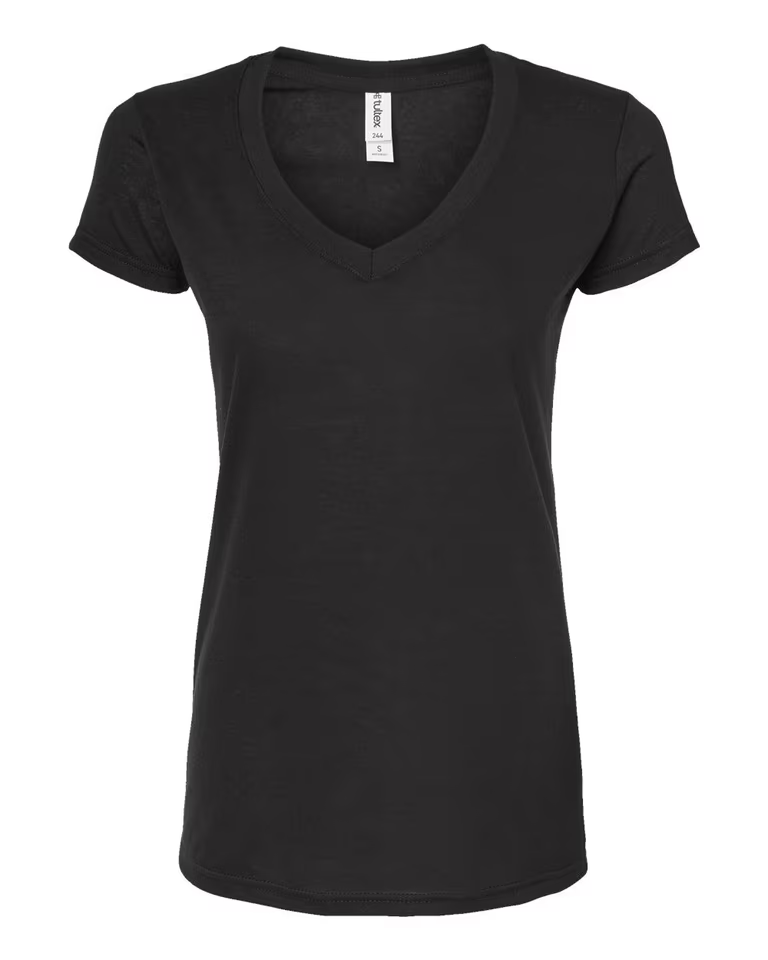
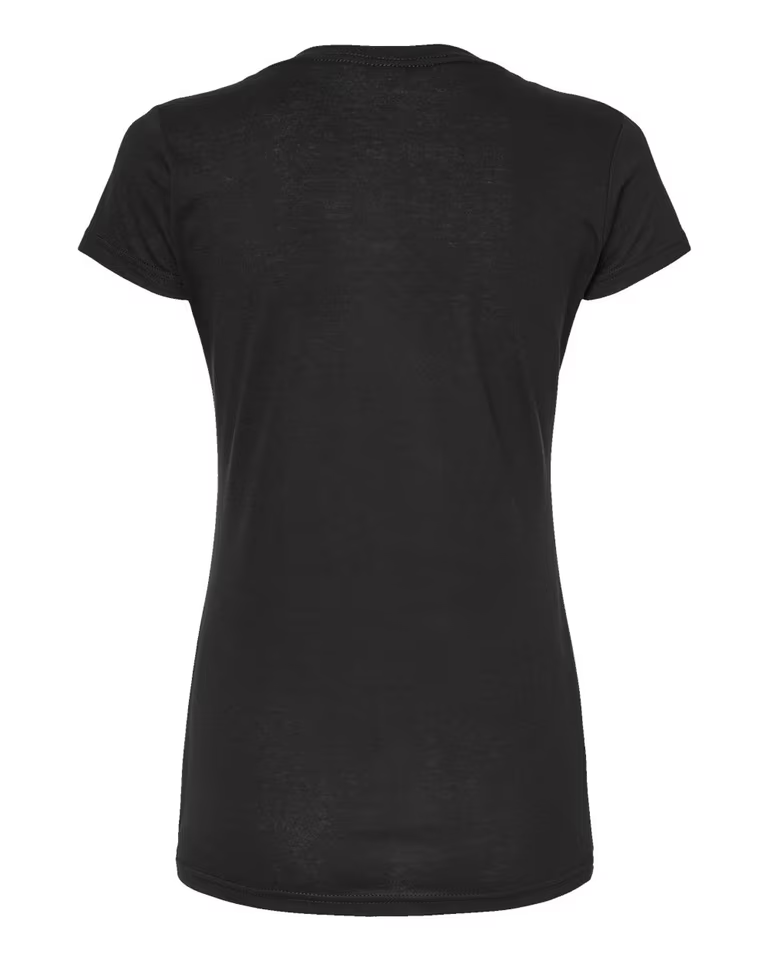
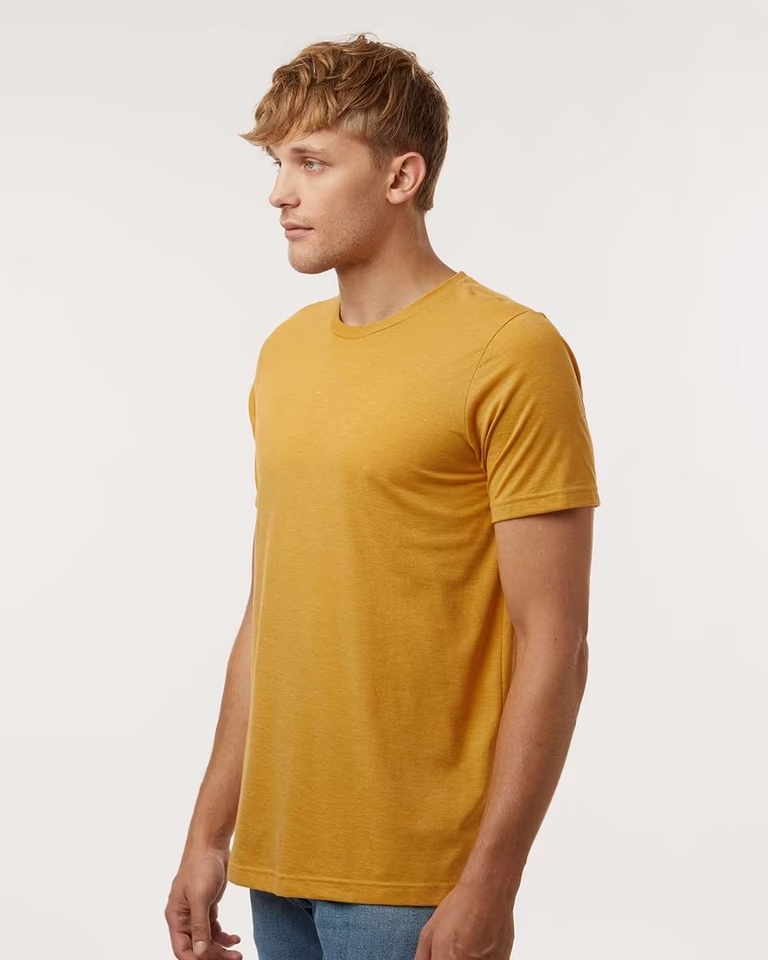
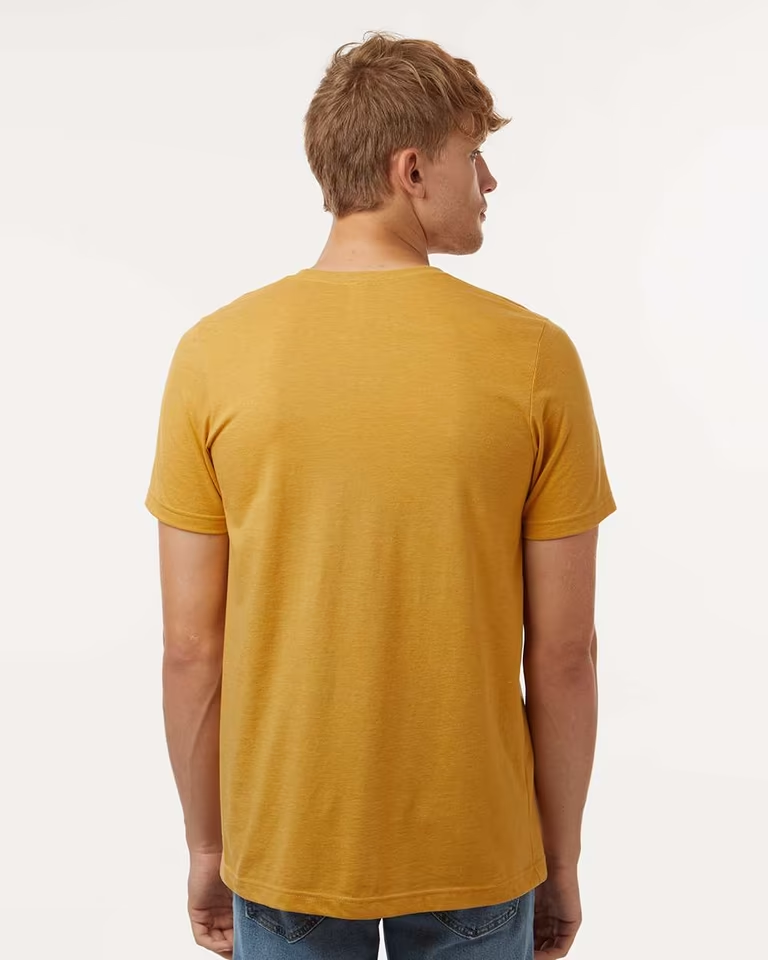
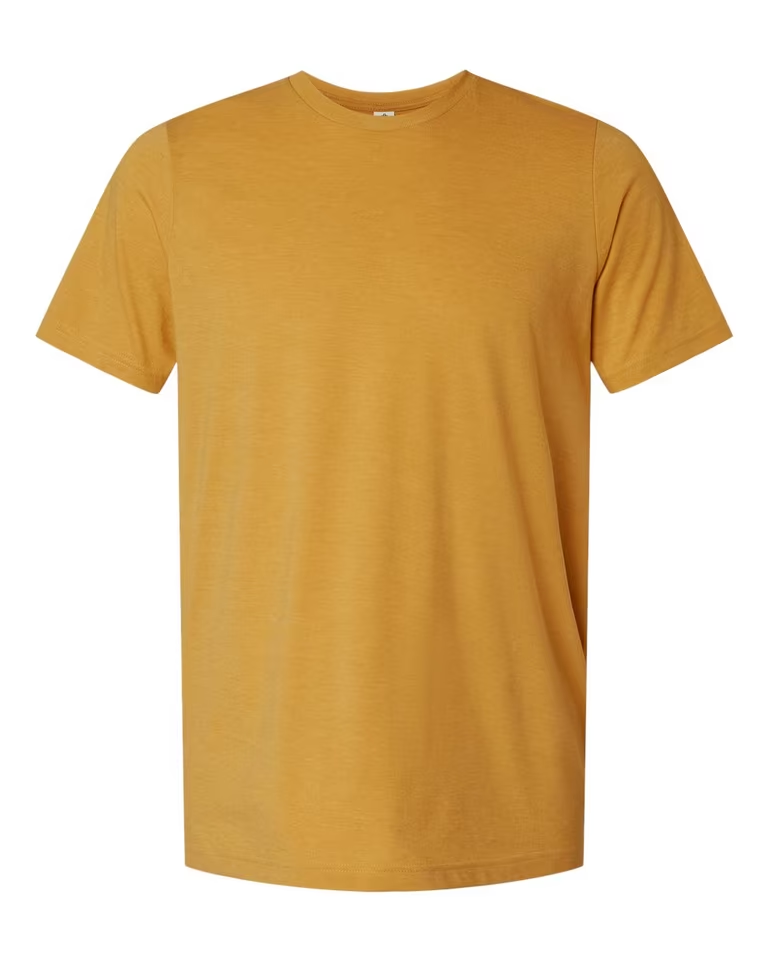
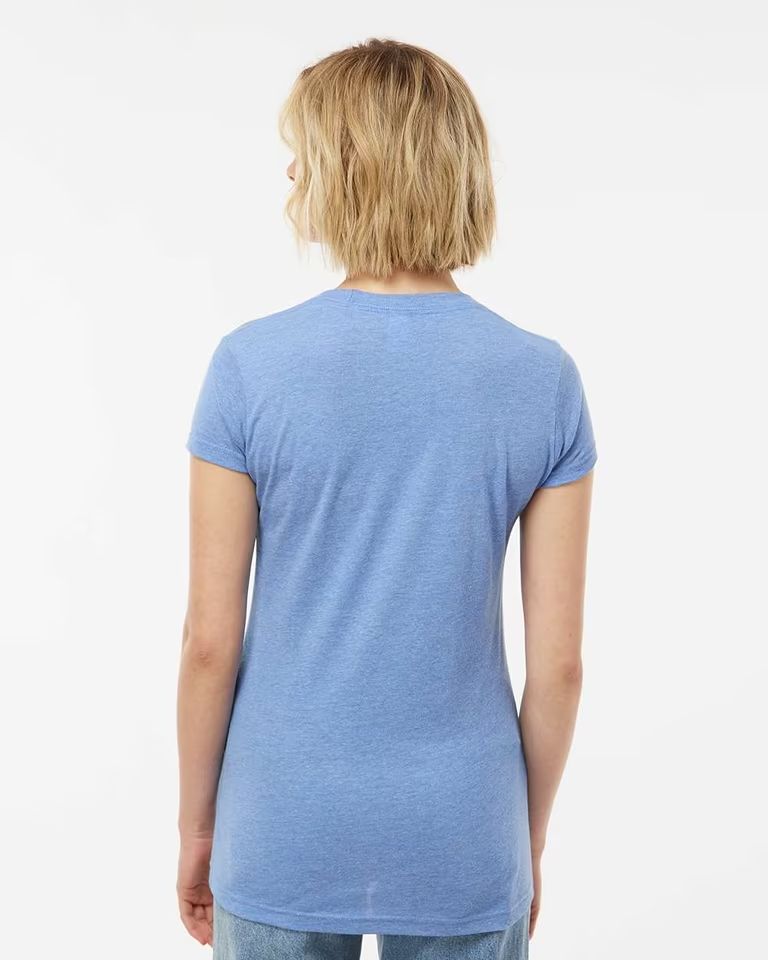
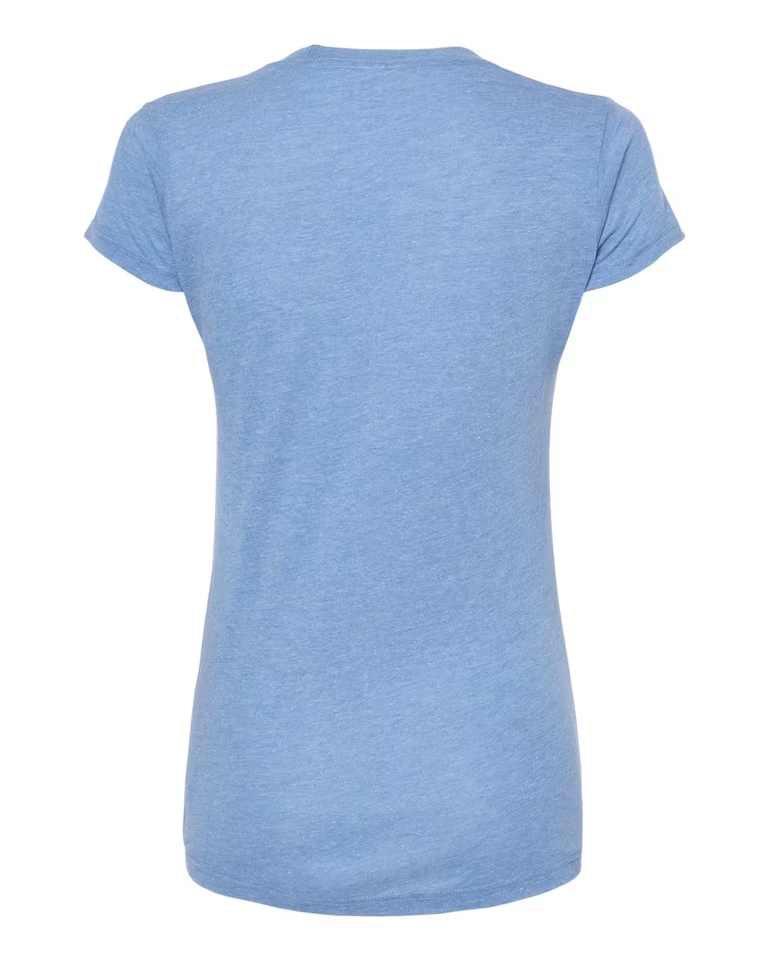
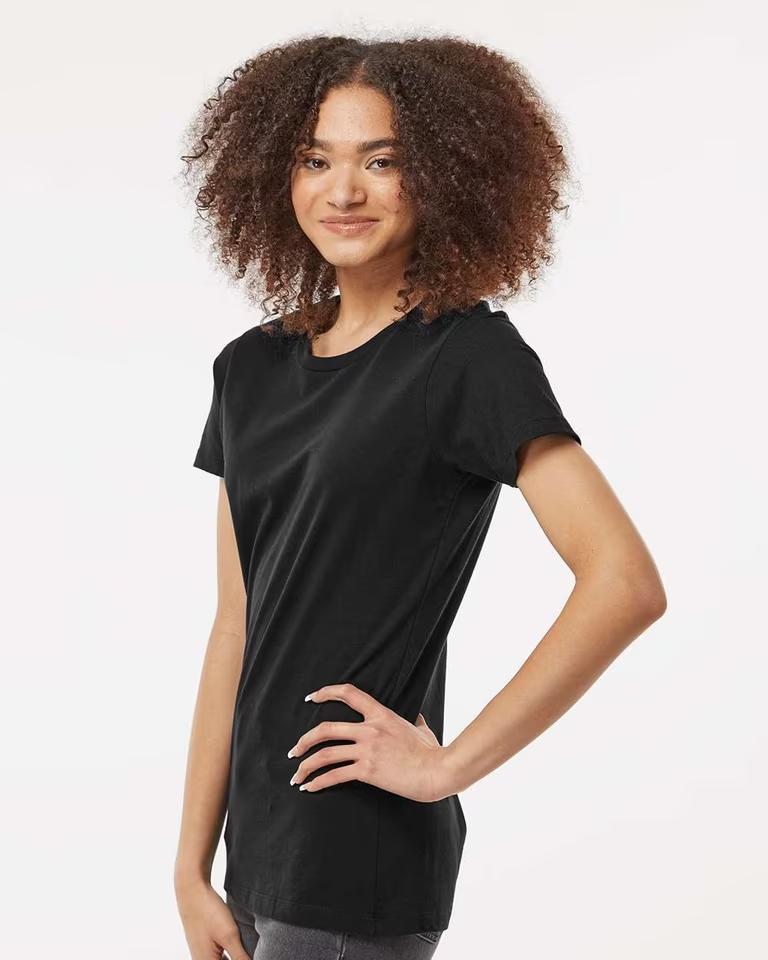
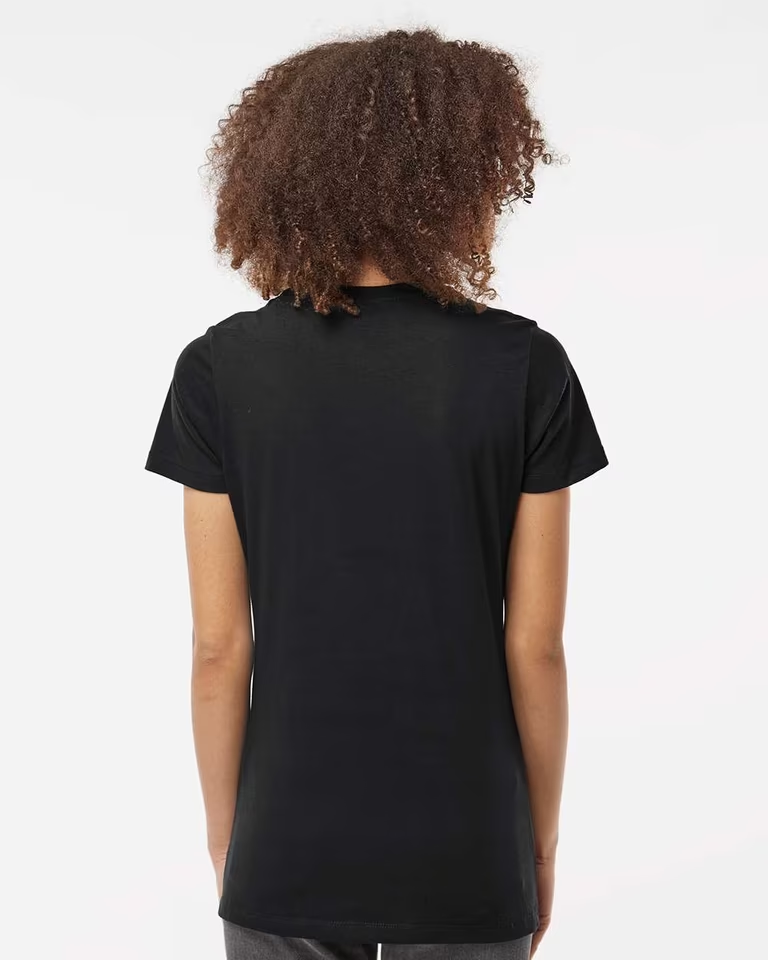
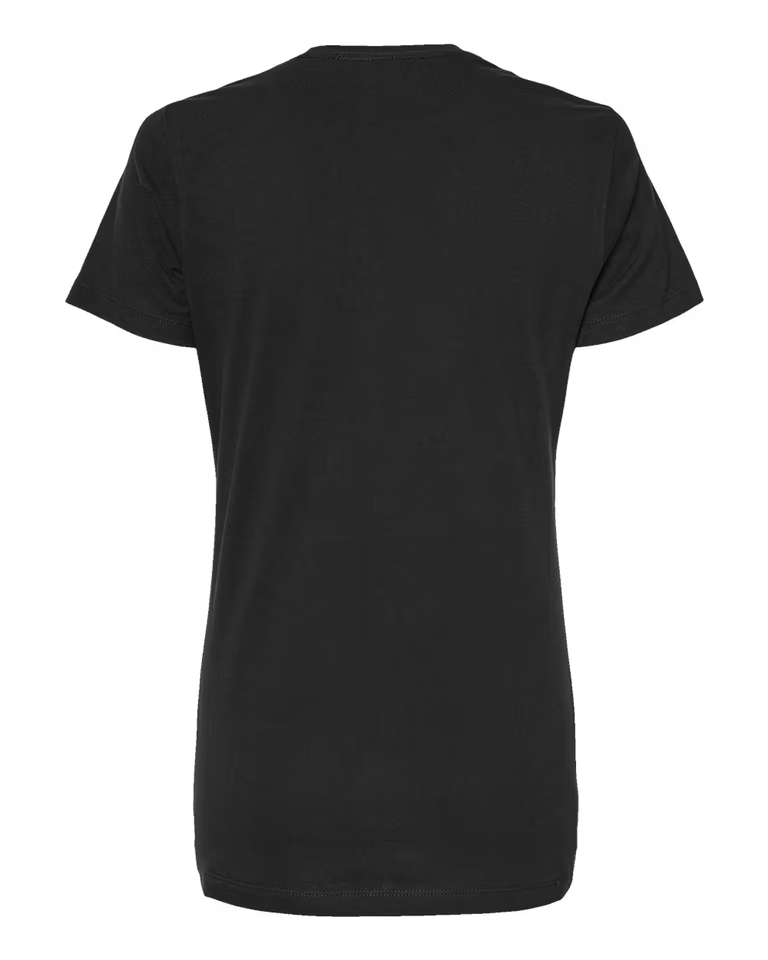
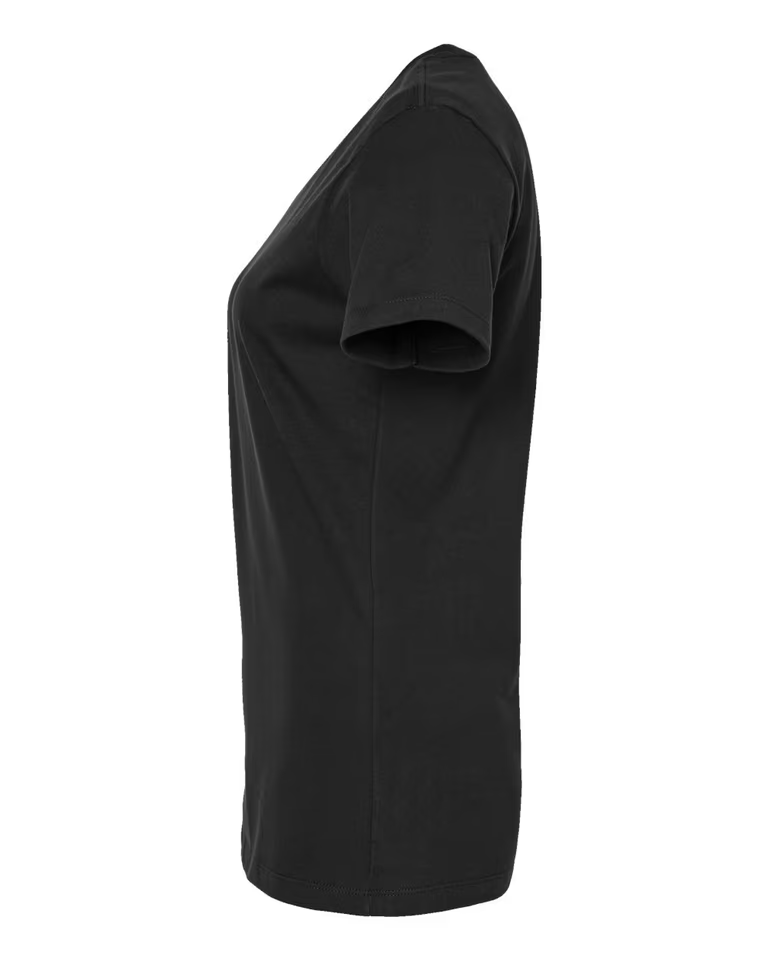
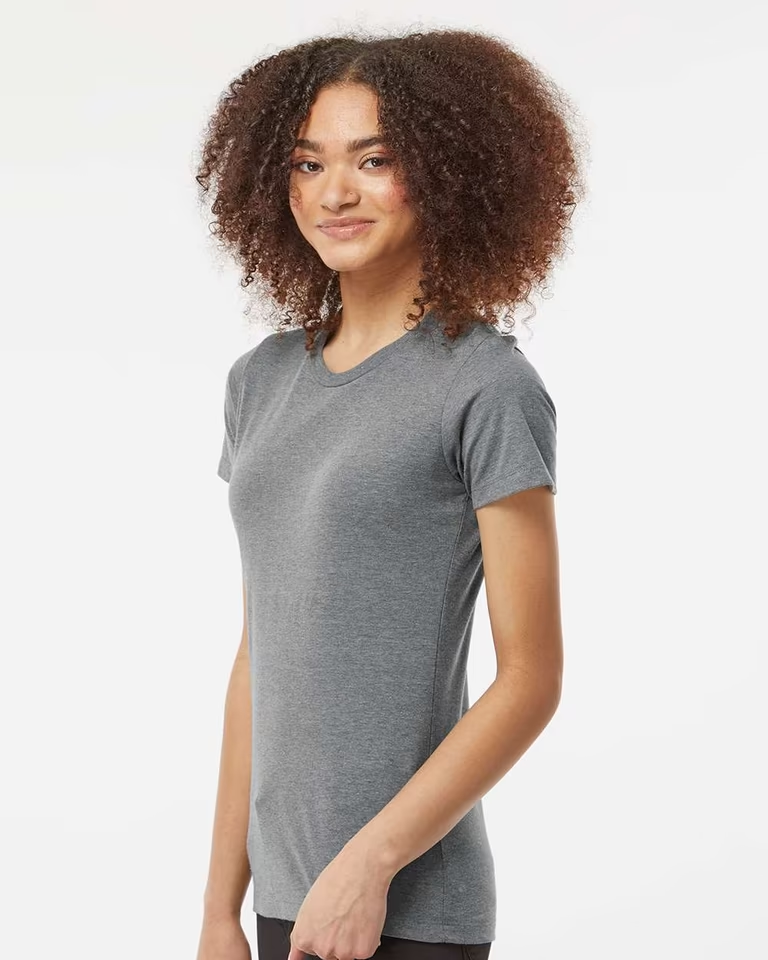
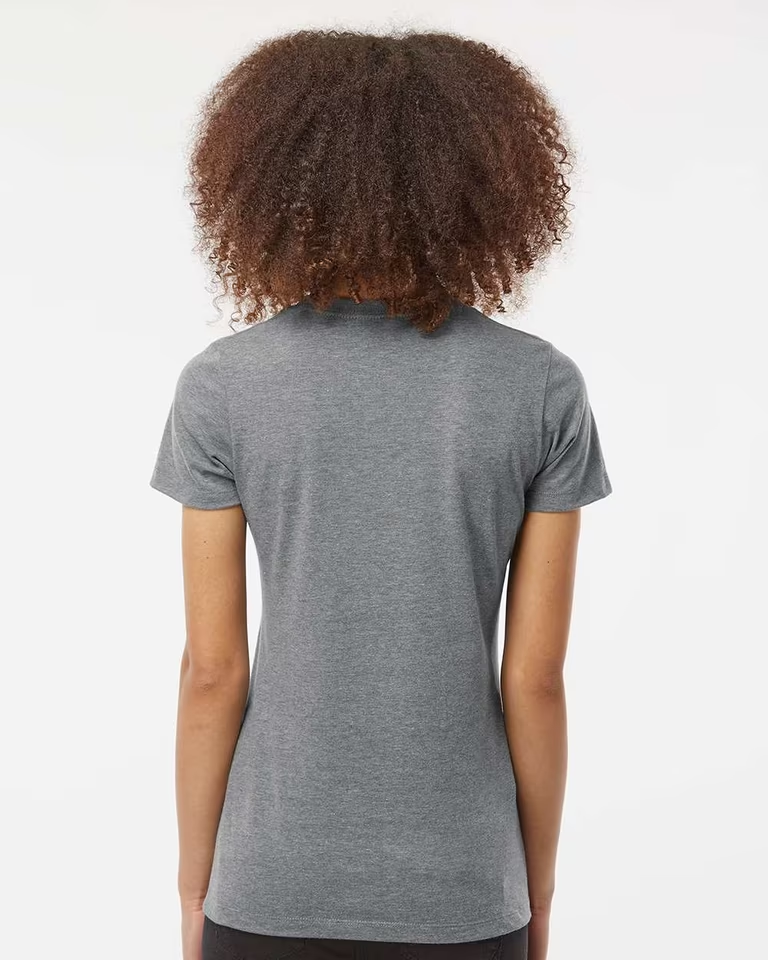
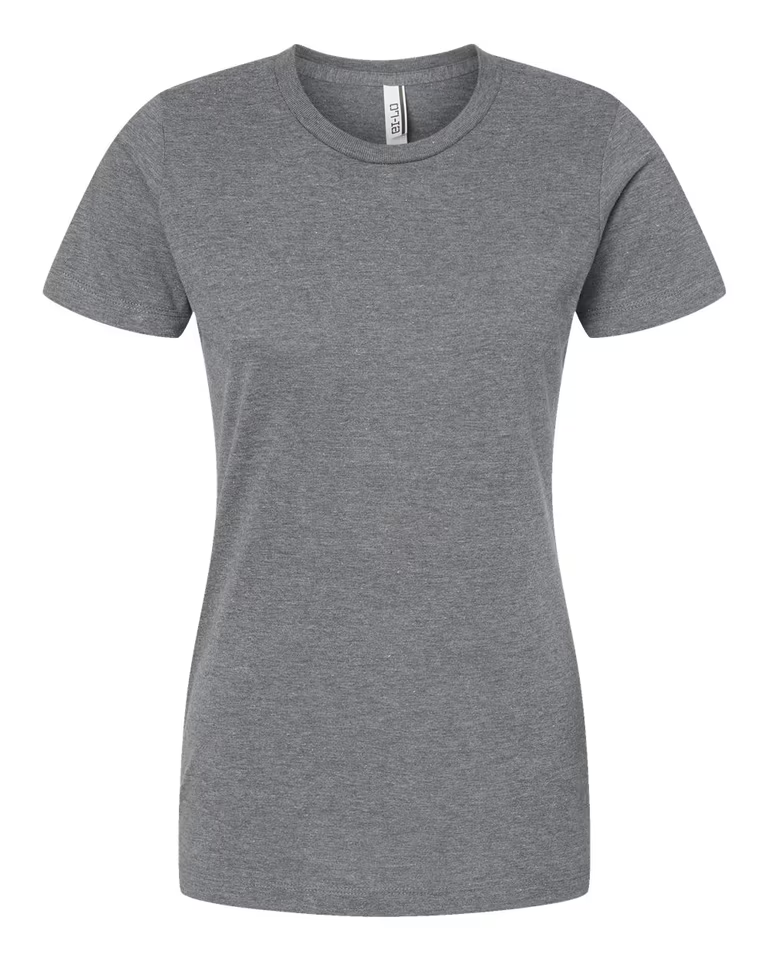
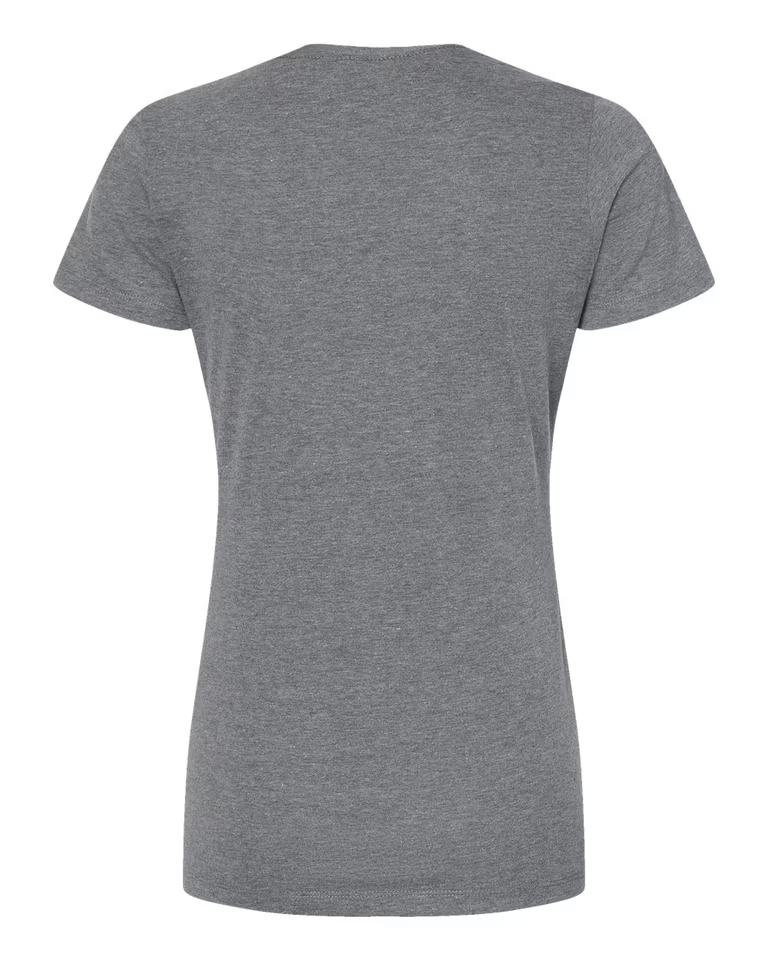
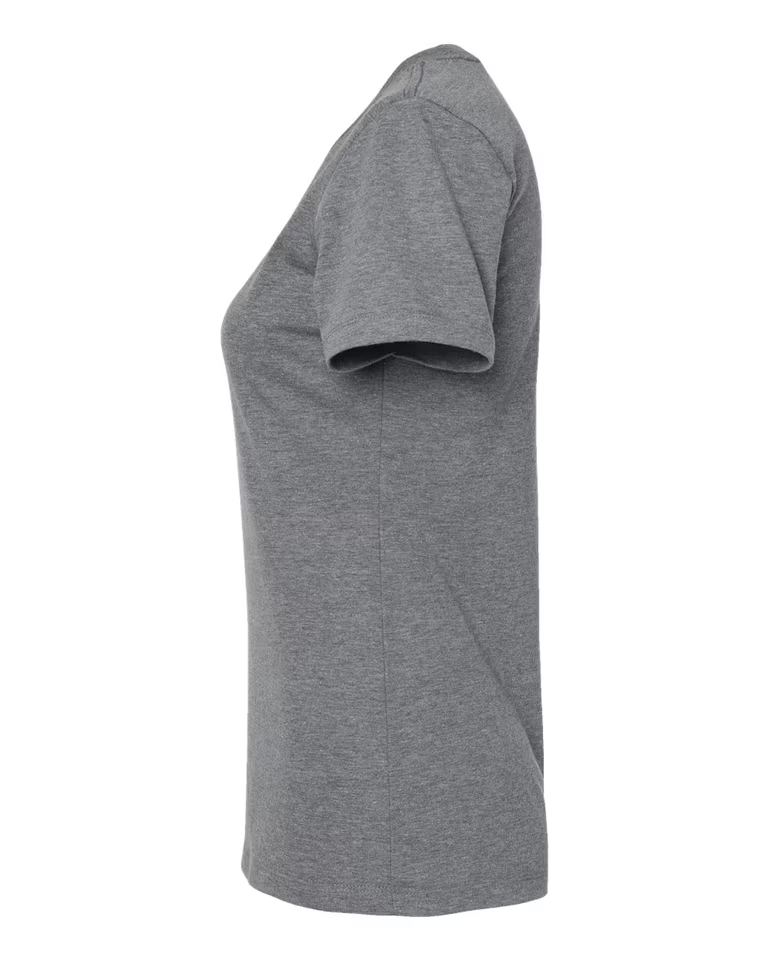
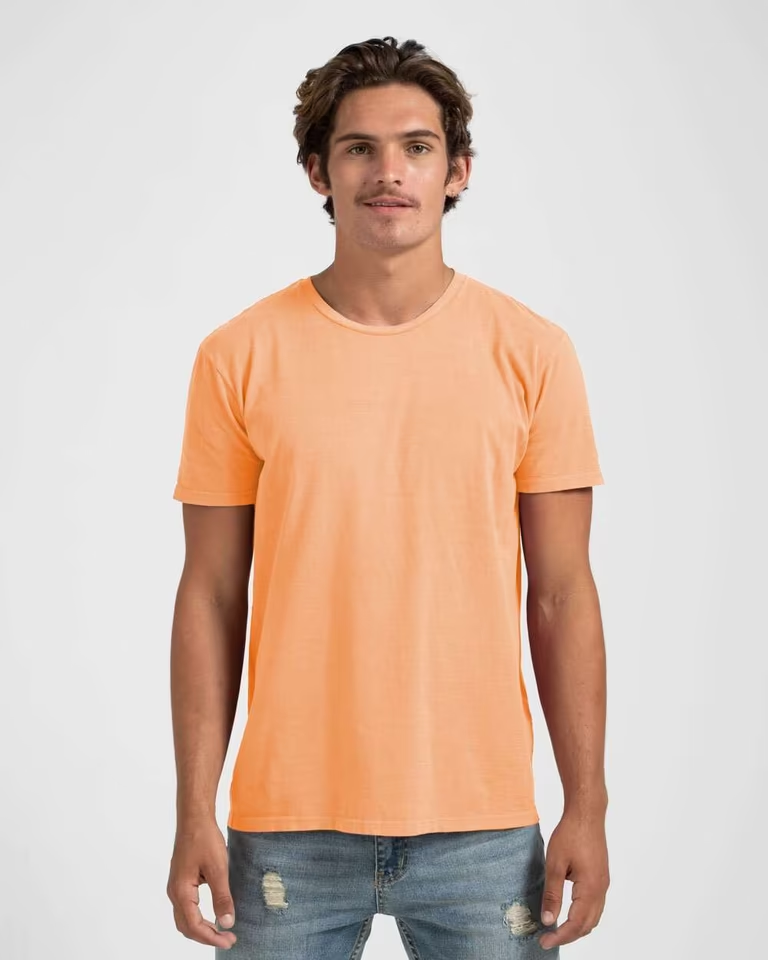
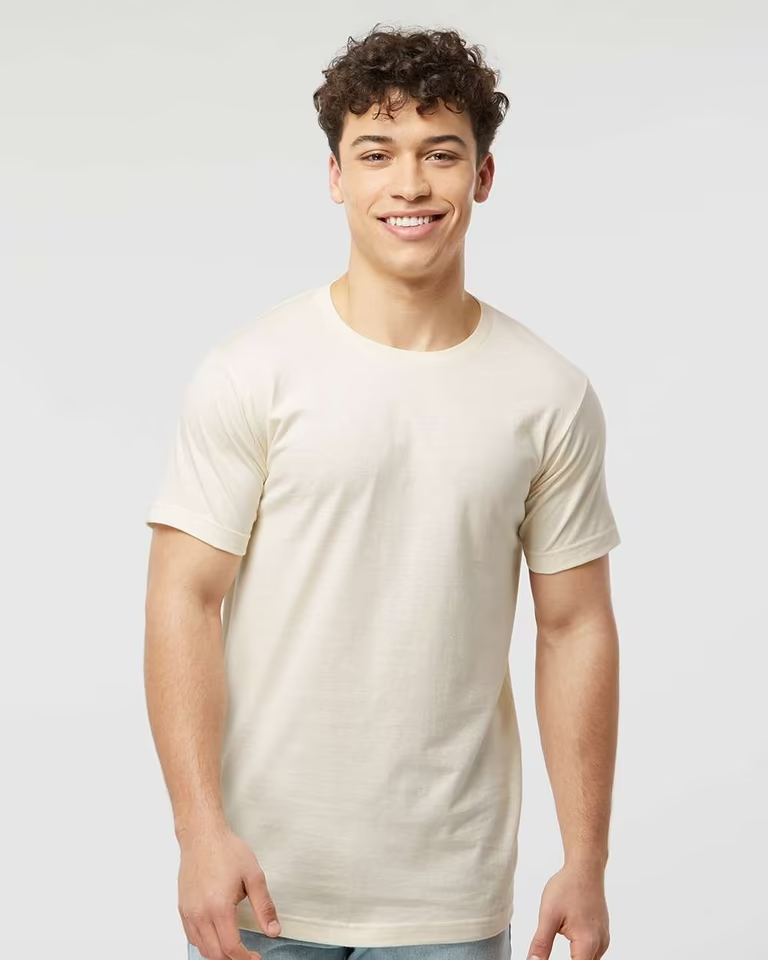
The Tultex 202 Fine Jersey Tee is the workhorse: How dense a knit fabric is, measured in oz/yd². Typical ranges: under 4.5 oz is lightweight fashion; 4.5–5.5 oz is the midweight band most everyday tees fall into; 5.5–6 oz is heavy everyday and fleece; 6 oz and up is the heavyweight range, with 7 oz and up the streetwear max-weight class. Heavier fabric drapes more substantially, holds prints flatter, and costs more per blank. , 100% ring-spun cotton, 30 A yarn made from a single strand (not plied). Most tees use singles. The lower the count number, the thicker the yarn (30s is thicker than 40s). Higher counts produce finer, lighter fabric. , with a ribbed crewneck and double-needle hems. Heather Grey runs 90/10 ring-spun cotton/poly and the other heathers are 50/50, so confirm the blend before you promise a print method.
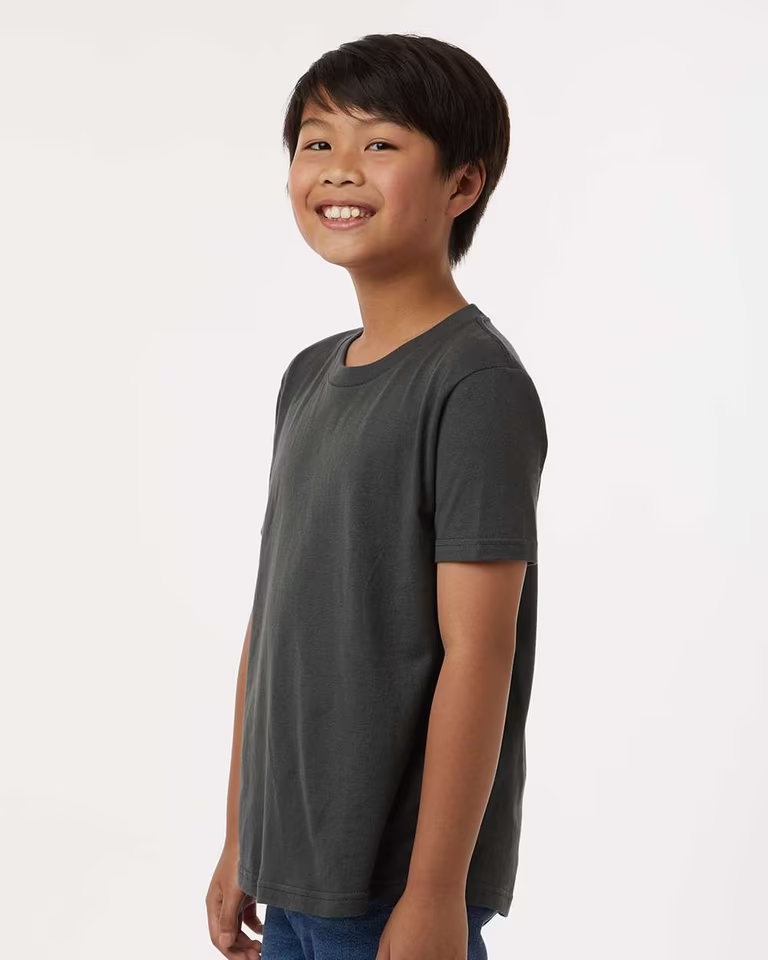
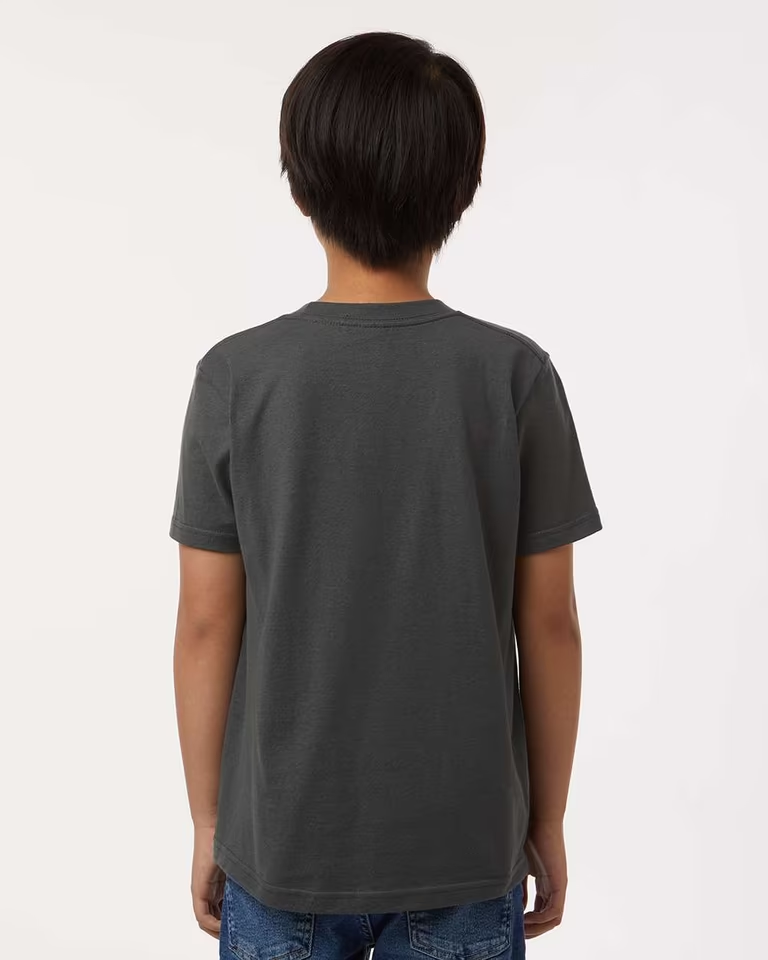
Two other numbers worth knowing: the 241 Poly-Rich (65/35 poly/ring-spun cotton, a soft heathered blank that prints with a lived-in look) and the 290 Heavyweight, a How dense a knit fabric is, measured in oz/yd². Typical ranges: under 4.5 oz is lightweight fashion; 4.5–5.5 oz is the midweight band most everyday tees fall into; 5.5–6 oz is heavy everyday and fleece; 6 oz and up is the heavyweight range, with 7 oz and up the streetwear max-weight class. Heavier fabric drapes more substantially, holds prints flatter, and costs more per blank. ring-spun tee for clients who want more substance than the 202.
The 202's solid colors are reactive-dyed and dischargeable, which makes it a dependable blank for A printing technique that chemically removes the dye from a dyed fabric rather than laying ink on top. The result feels like the shirt itself, with no hand feel. and Screen-printing ink where the carrier is water rather than PVC. It soaks into the fabric fibers instead of sitting on top, so the print feels like the shirt itself. Less opaque on dark garments than plastisol. printing. The 30-singles face is smooth enough for fine A technique that simulates gradients and shading by printing tiny dots of solid color. The dots vary in size or spacing. Closer together they look darker; farther apart, lighter. and DTG without the texture problems of carded open-end cotton.
A printed neck label attached with a perforated seam so the wearer can tear it out without scissors. Common on retail-fit and private-label blanks. across the collection make private relabeling fast, a real advantage for merch and Amazon sellers. On the 50/50 heathers and the 241, treat the poly content seriously: use low-bleed inks and watch cure temperatures.
Tultex is the pick when the customer wants a soft, retail-feeling tee at a lower per-piece cost. It's a strong default for band merch, events, and resale lines where margin per piece matters more than the name on the neck label.
Our 40 Tultex blanks look like a lot, but they're 8 collections. Each collection is one fabric, sold in companion cuts of the same garment, plus a few one-offs.
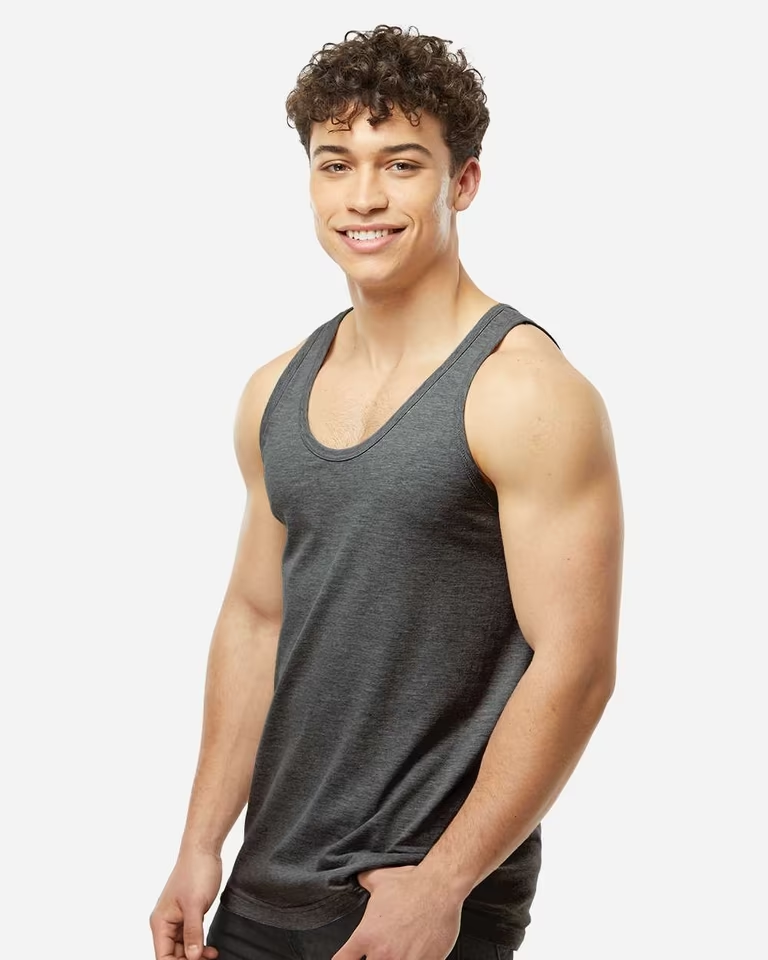
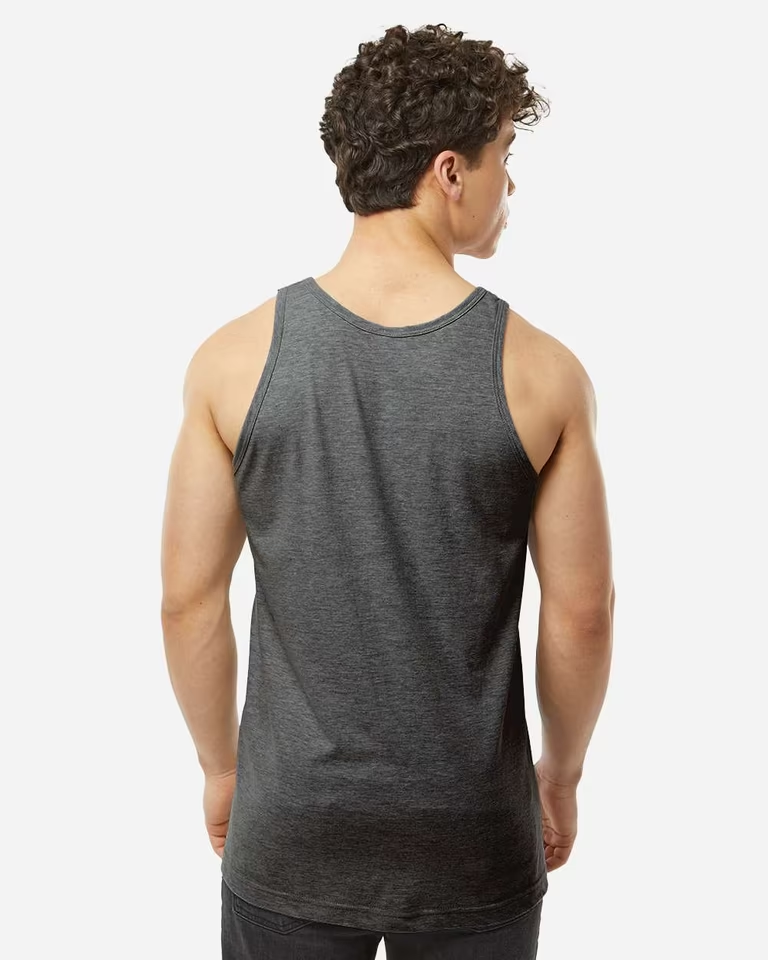
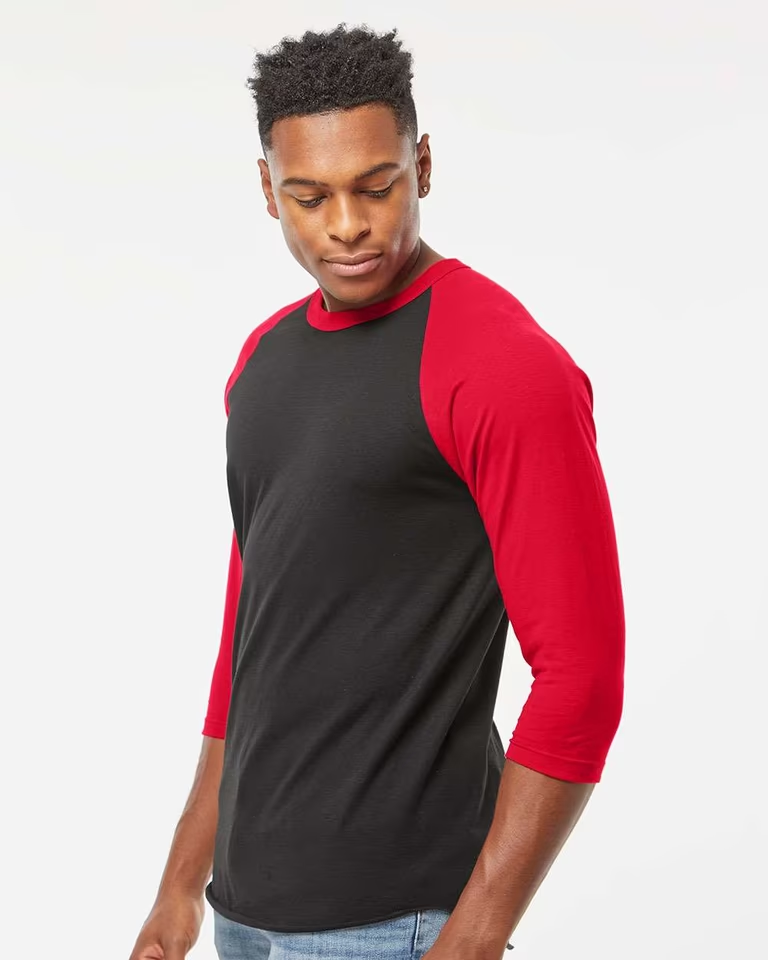
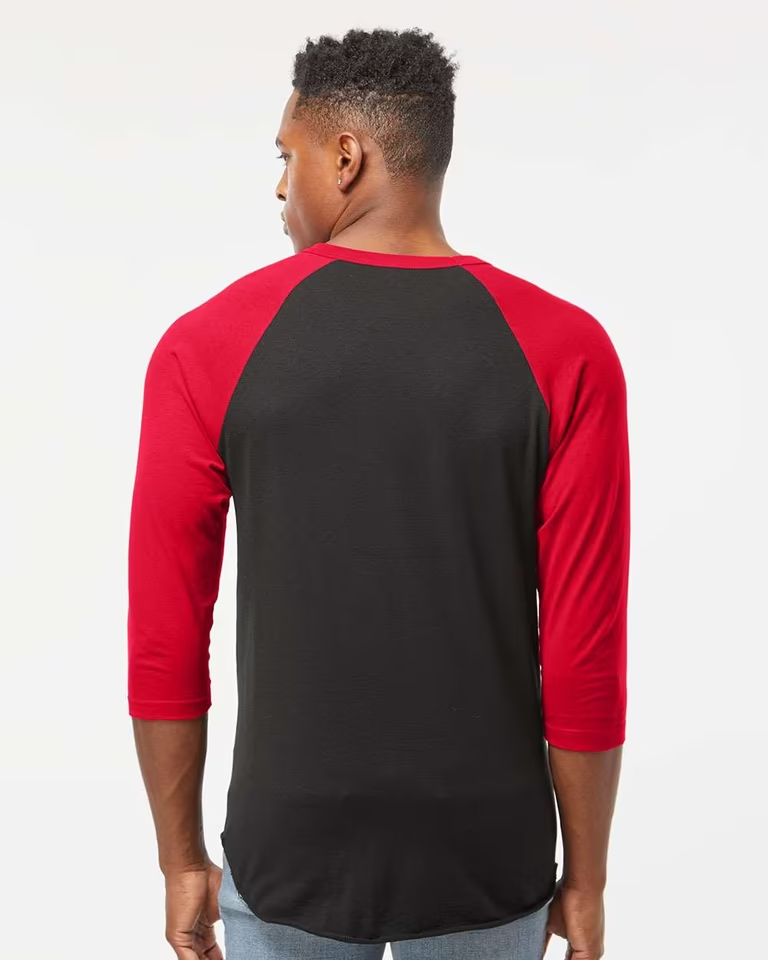
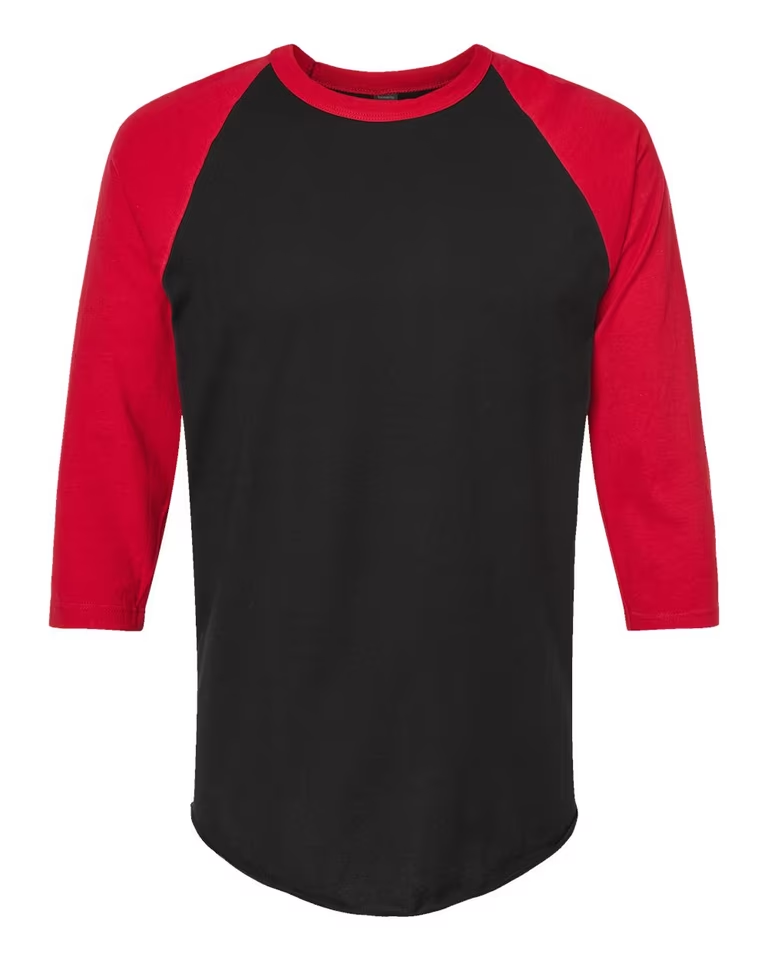
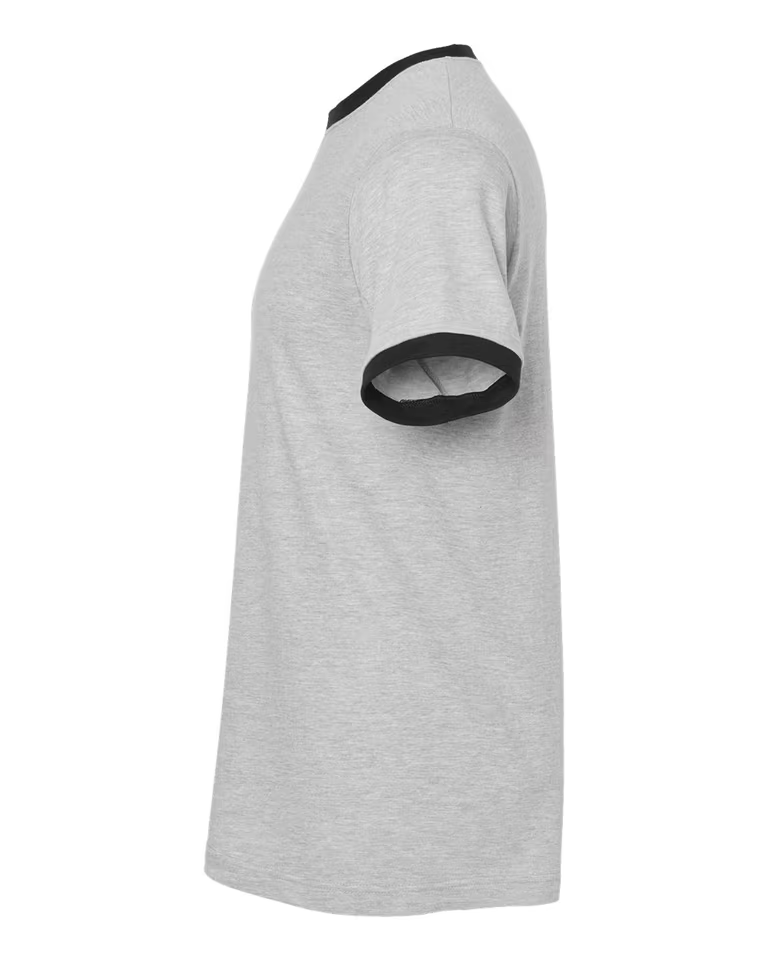
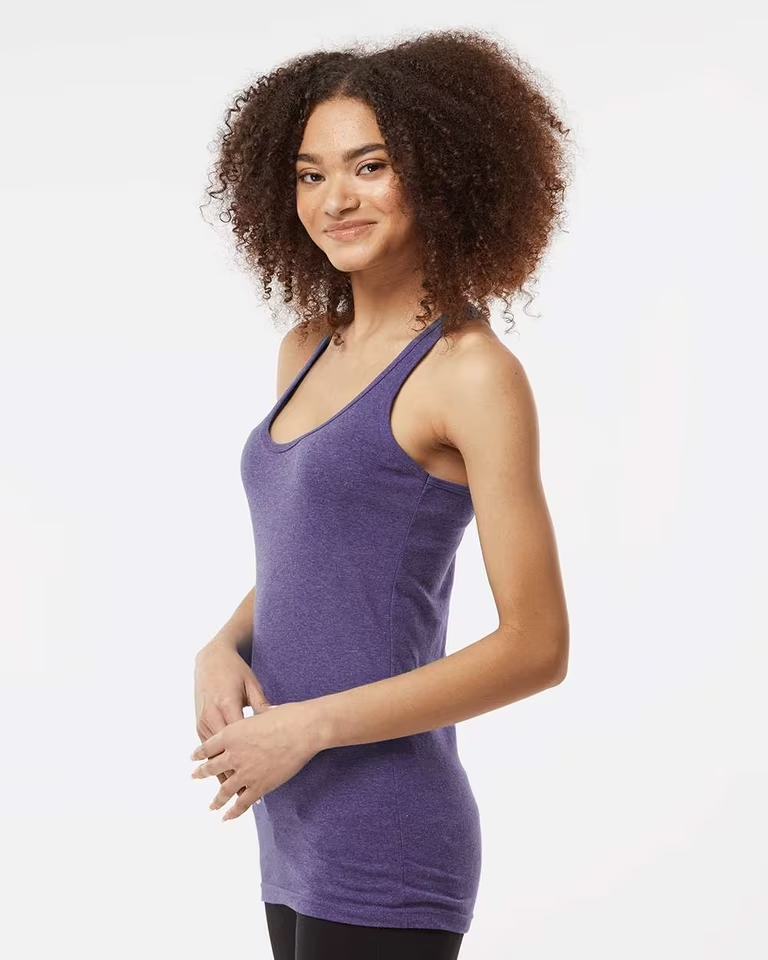
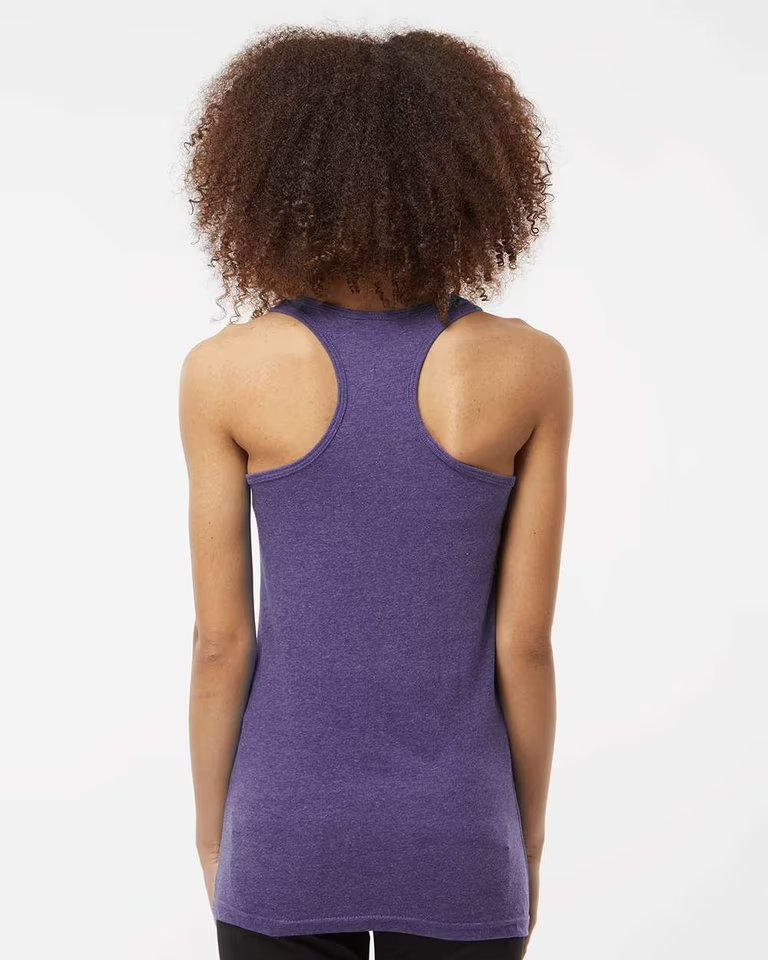
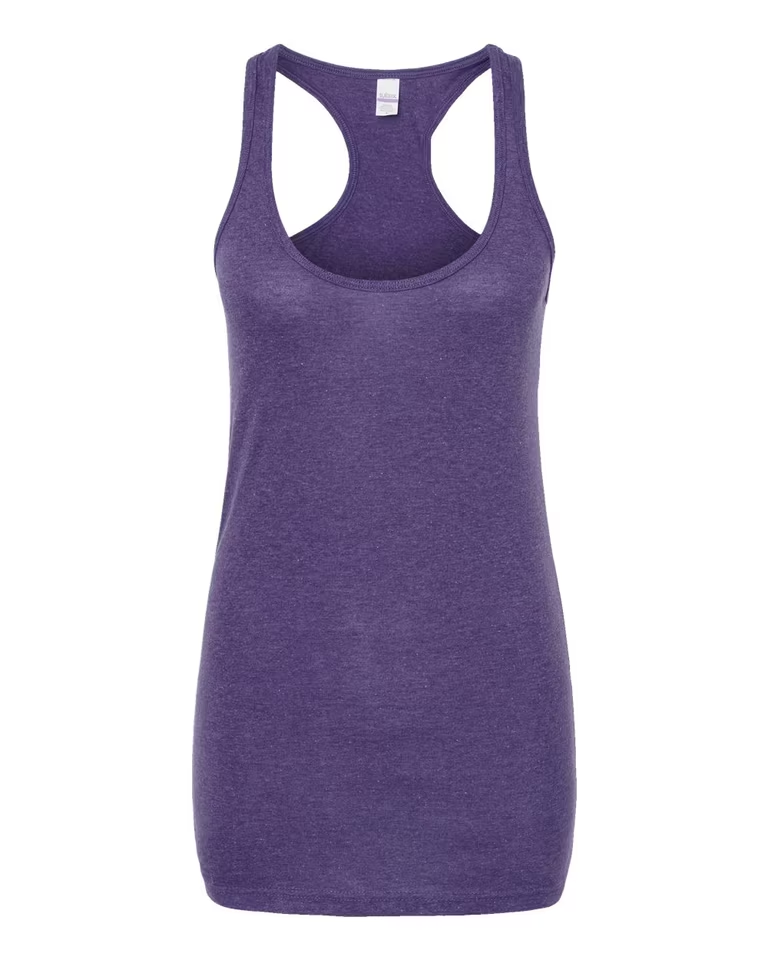
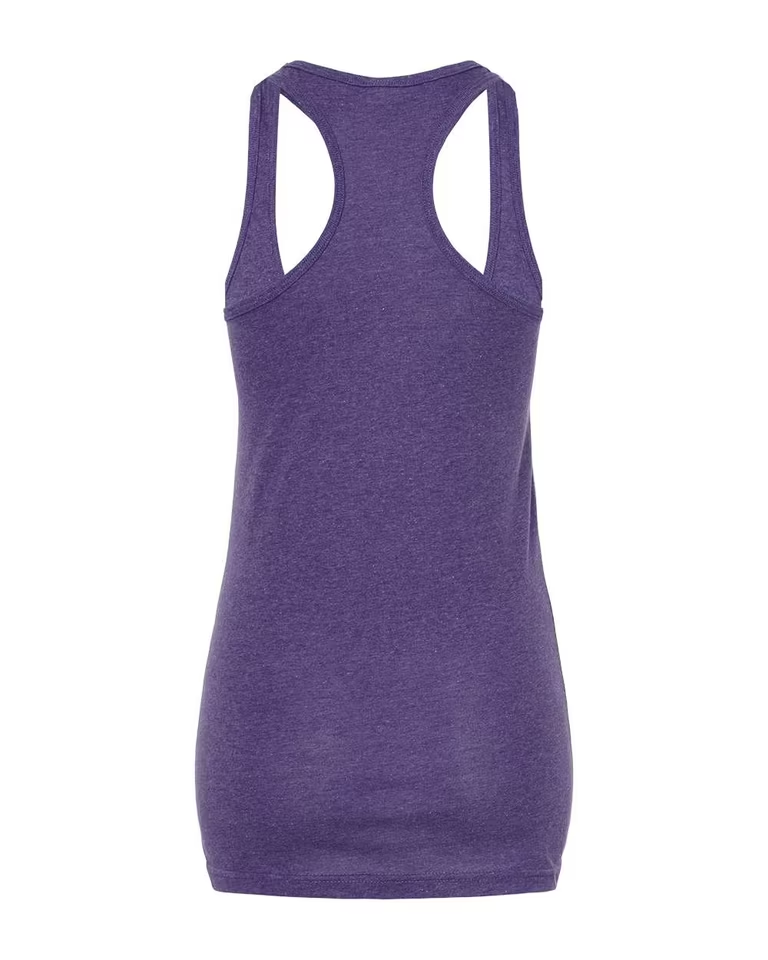
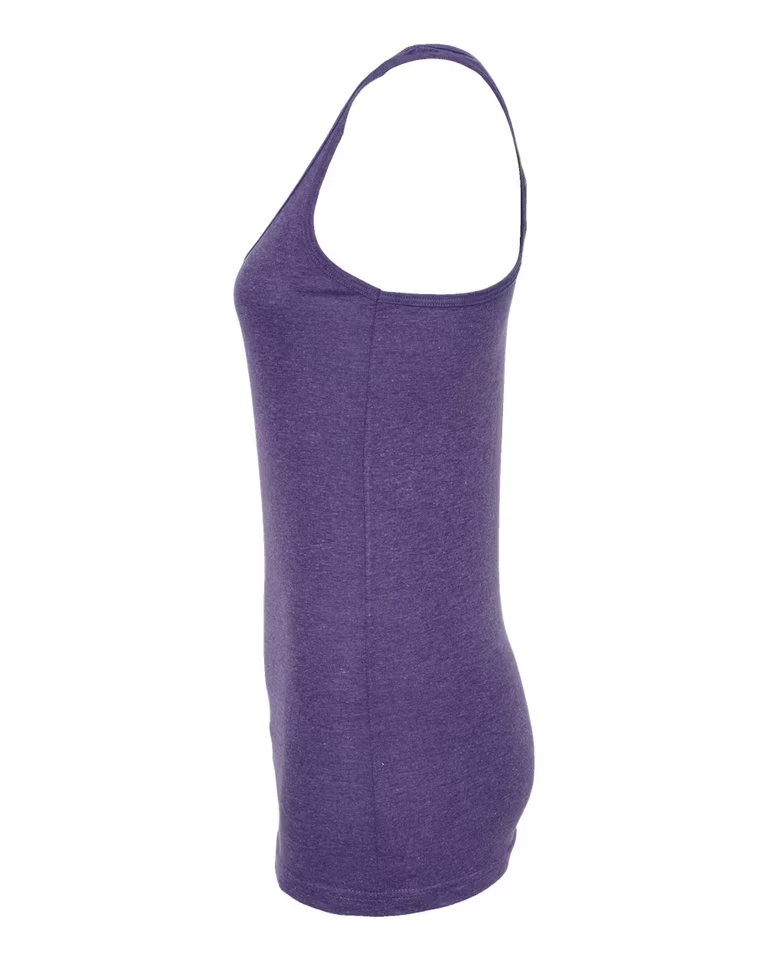
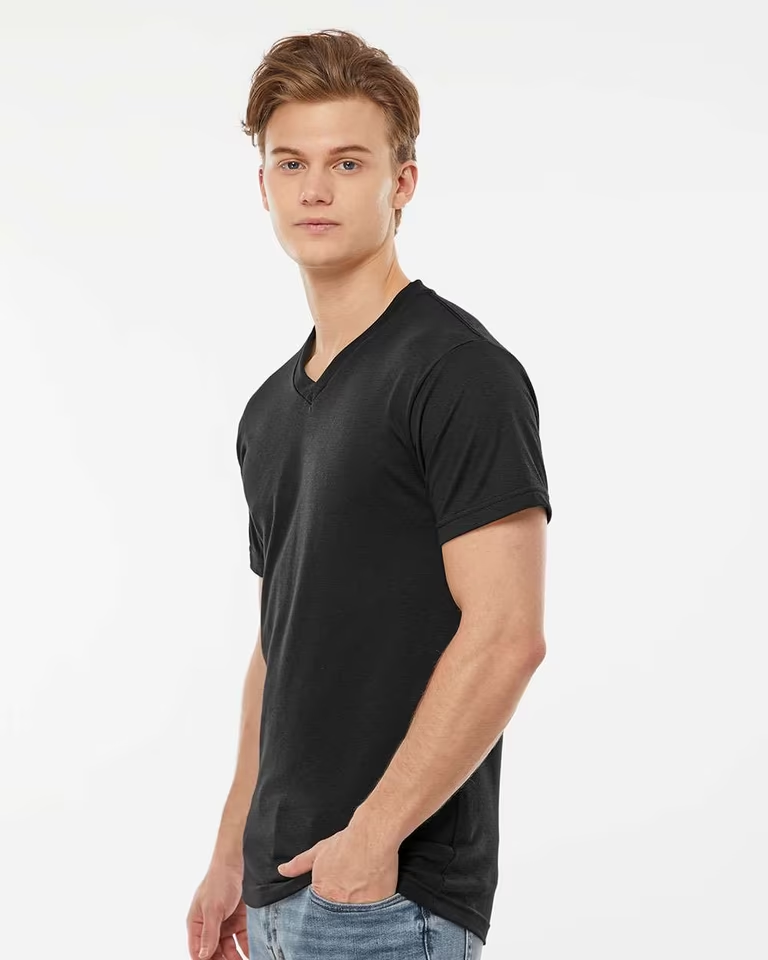
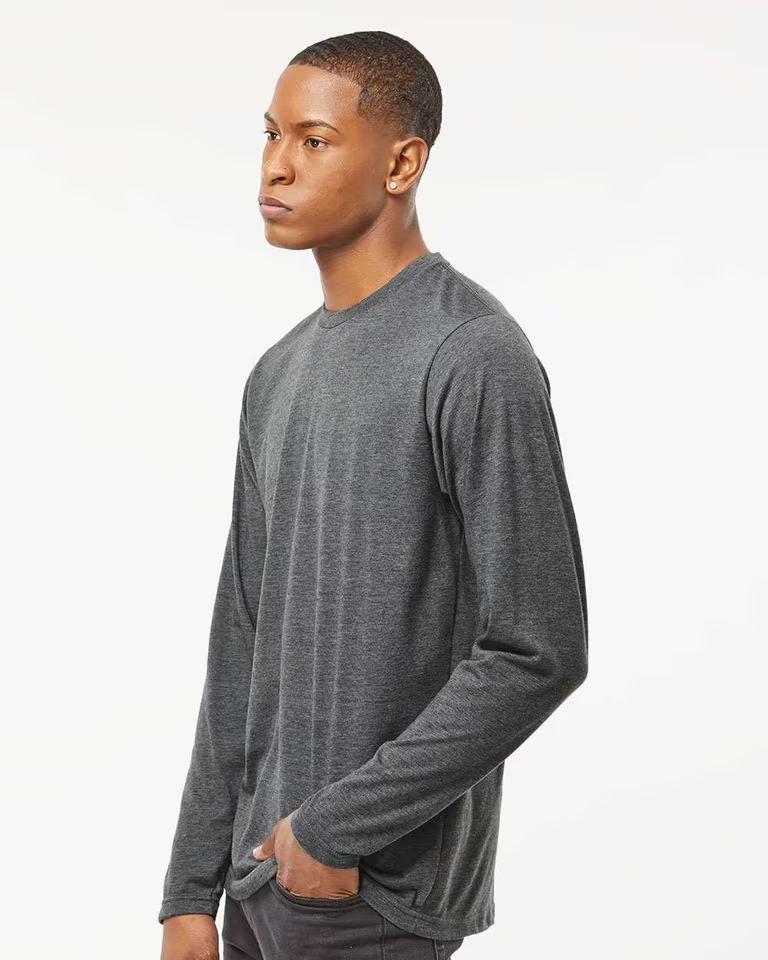
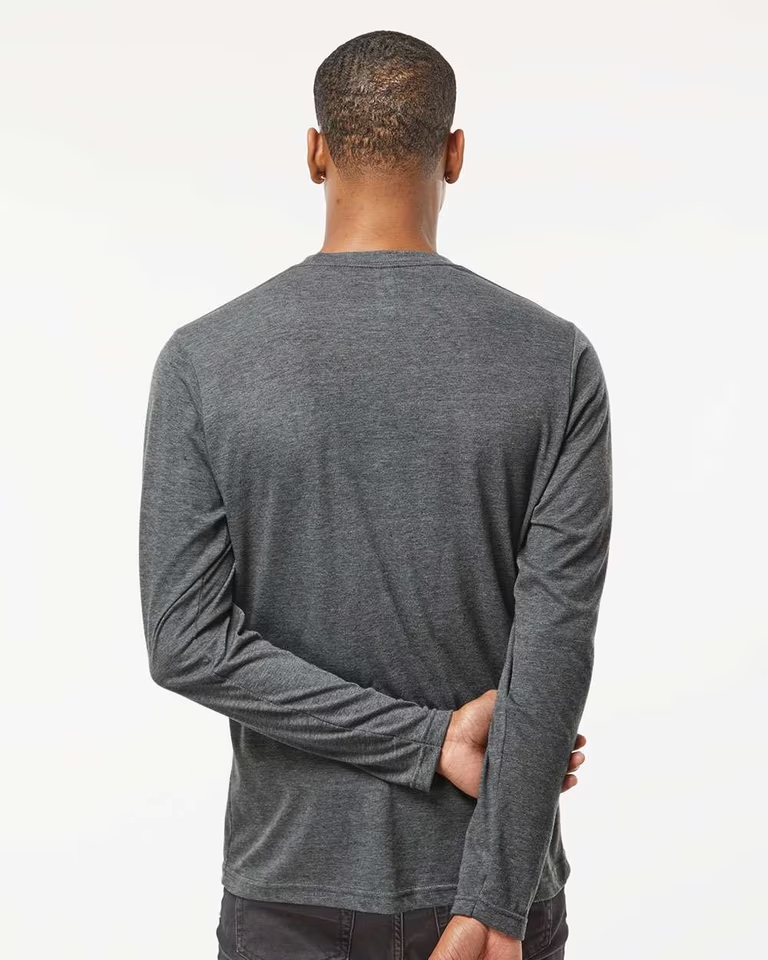
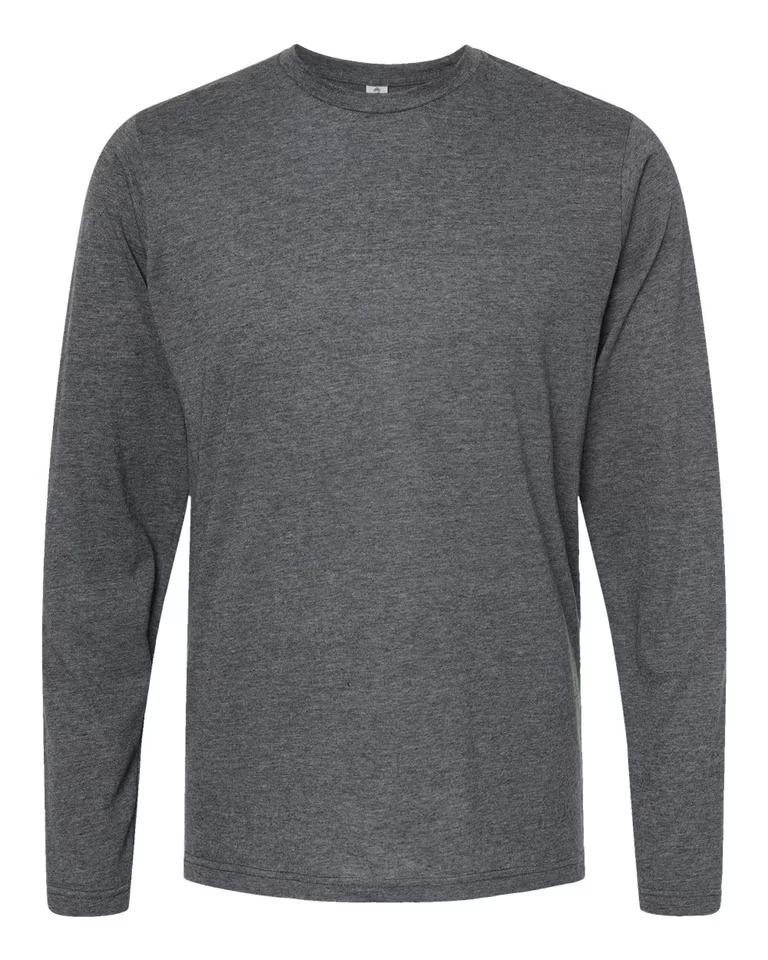
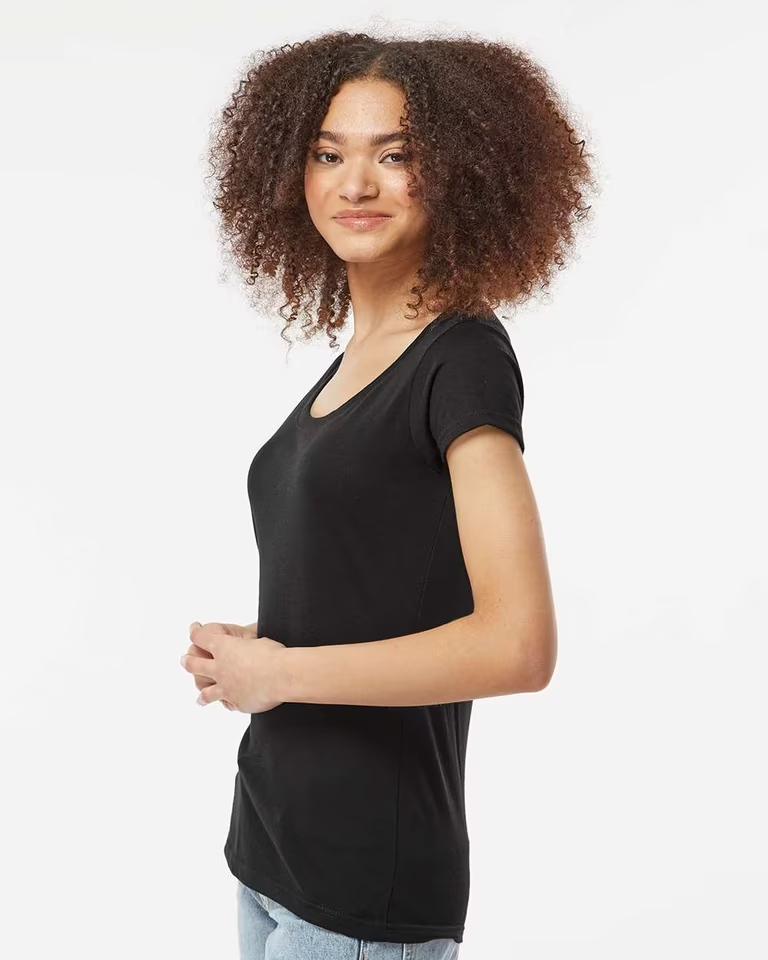
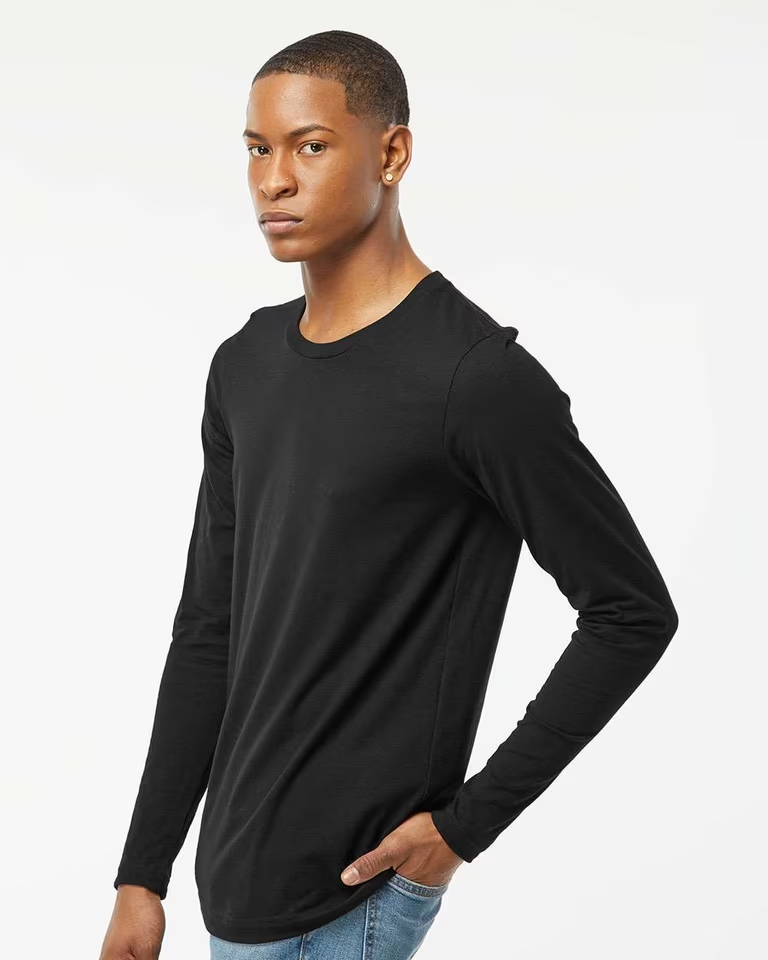
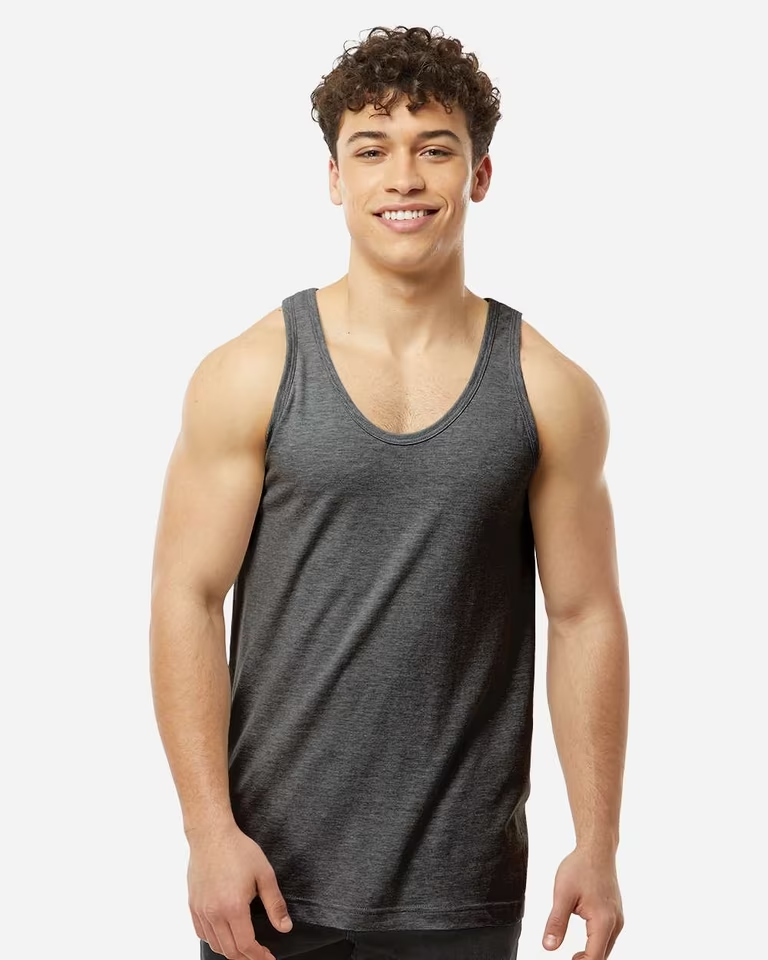
The 202 workhorse ( How dense a knit fabric is, measured in oz/yd². Typical ranges: under 4.5 oz is lightweight fashion; 4.5–5.5 oz is the midweight band most everyday tees fall into; 5.5–6 oz is heavy everyday and fleece; 6 oz and up is the heavyweight range, with 7 oz and up the streetwear max-weight class. Heavier fabric drapes more substantially, holds prints flatter, and costs more per blank. ring-spun 30- A yarn made from a single strand (not plied). Most tees use singles. The lower the count number, the thicker the yarn (30s is thicker than 40s). Higher counts produce finer, lighter fabric. ) in unisex, women's slim and classic fits, V-necks, tanks, raglans, ringers, youth, and long-sleeve cuts.
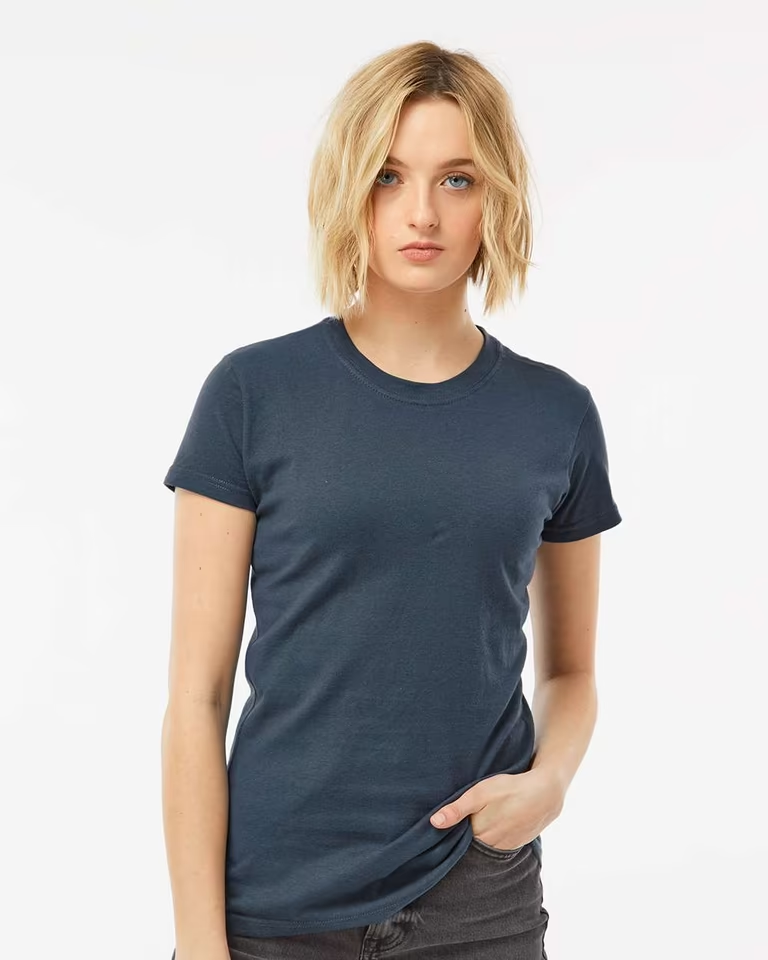
Tultex style number 213
$4.44
Retail $5.91
Save up to 25%
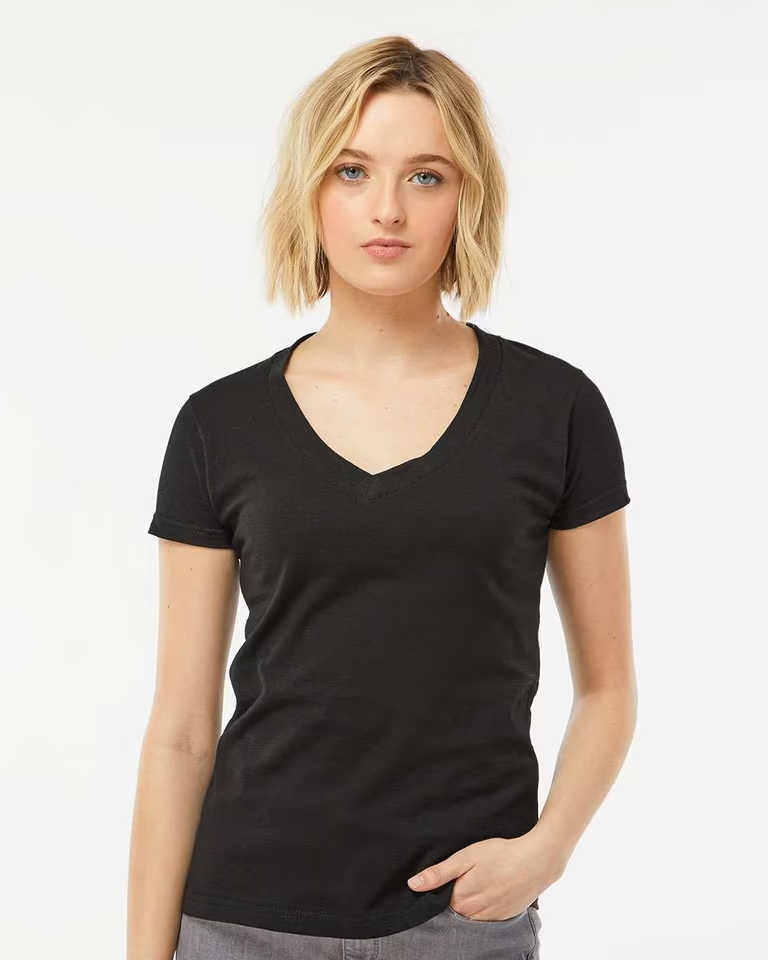
Tultex style number 214
$4.83
Retail $7.00
Save up to 31%
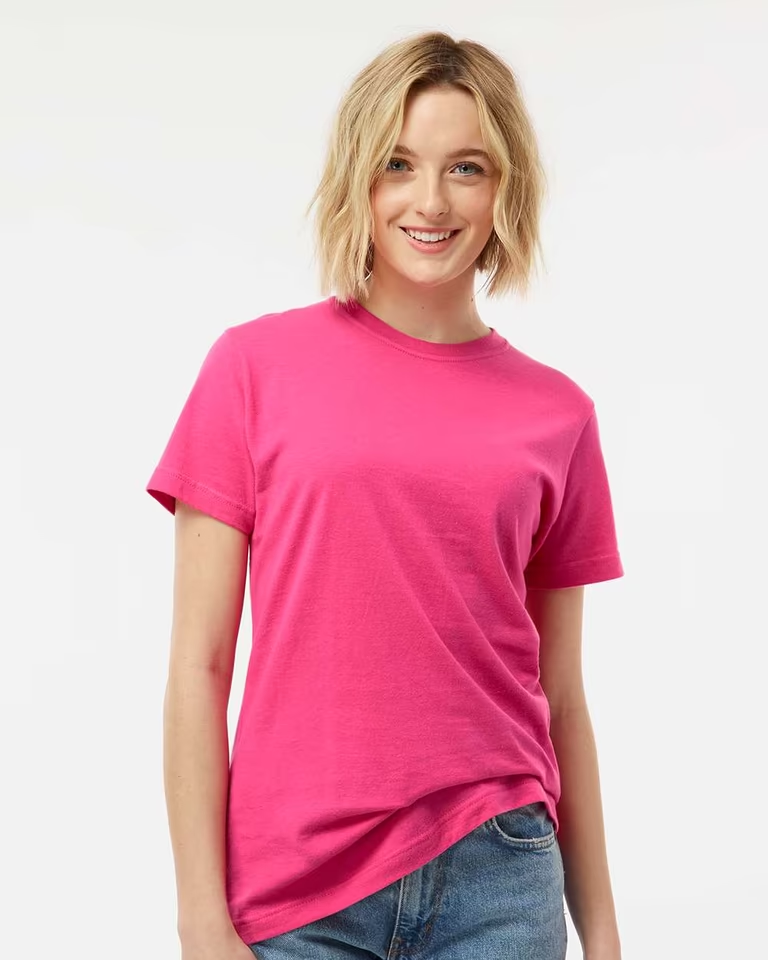
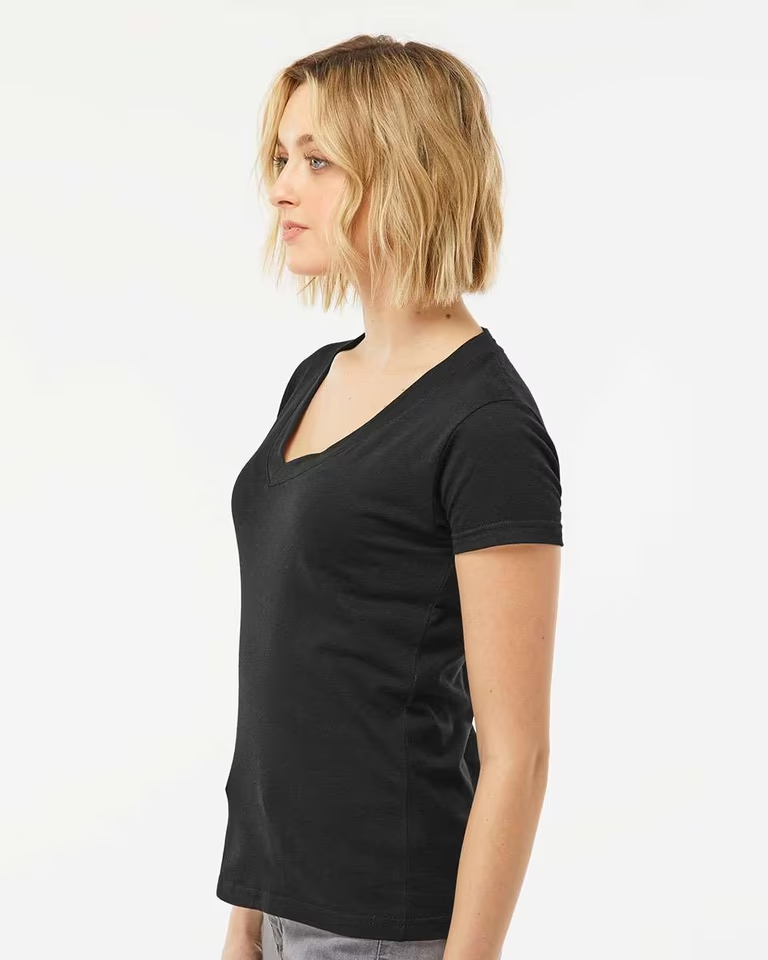
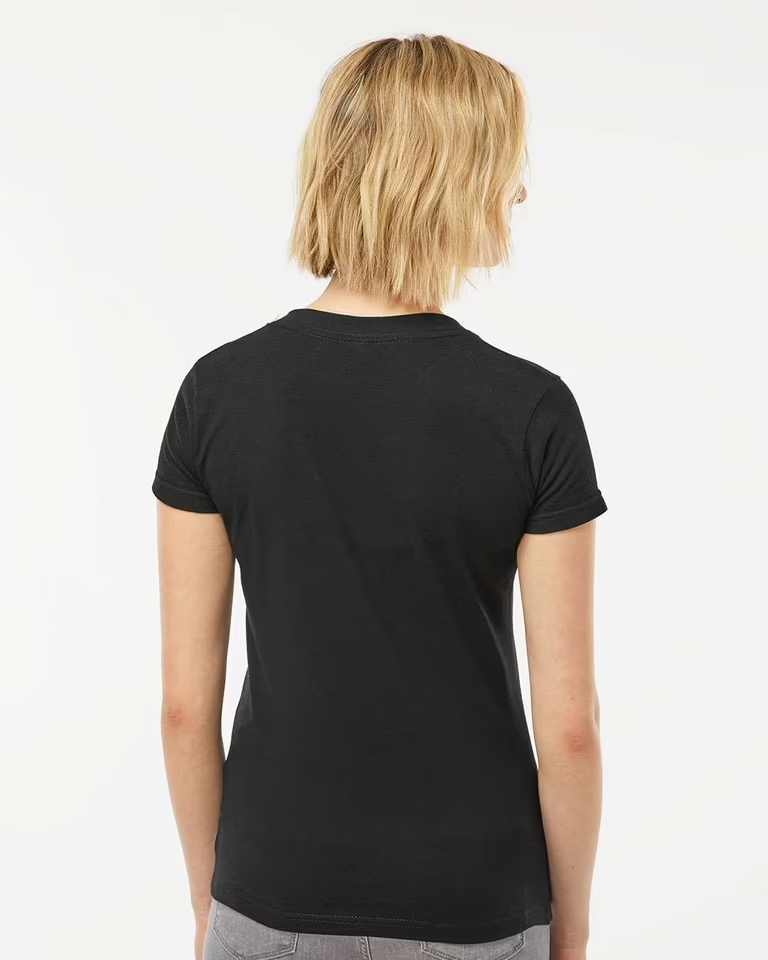
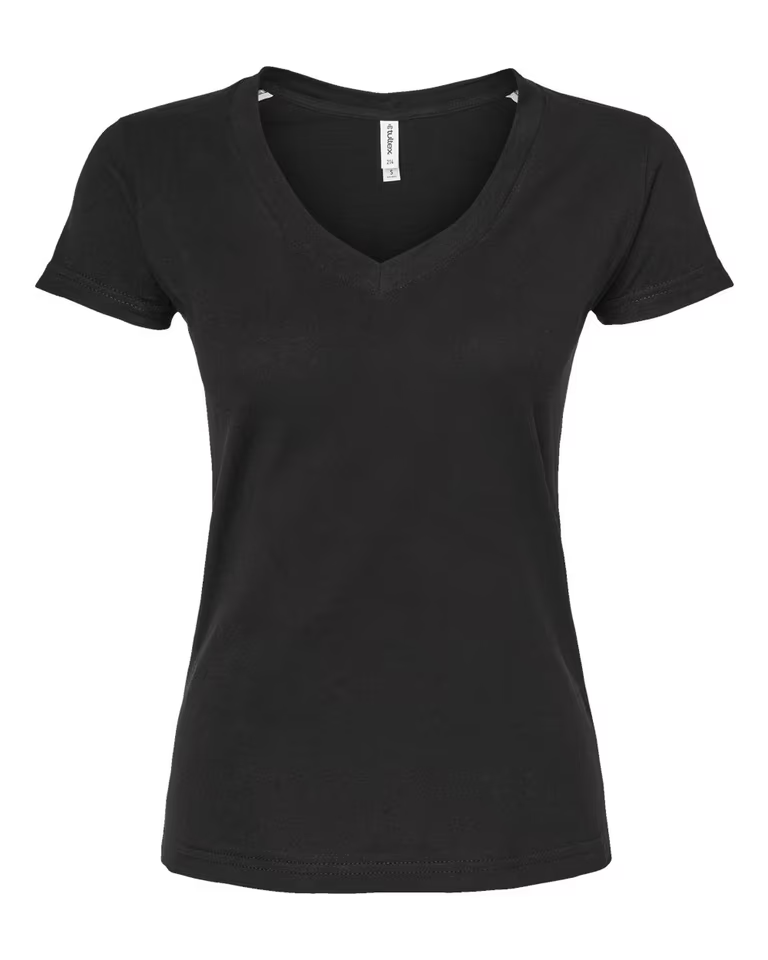
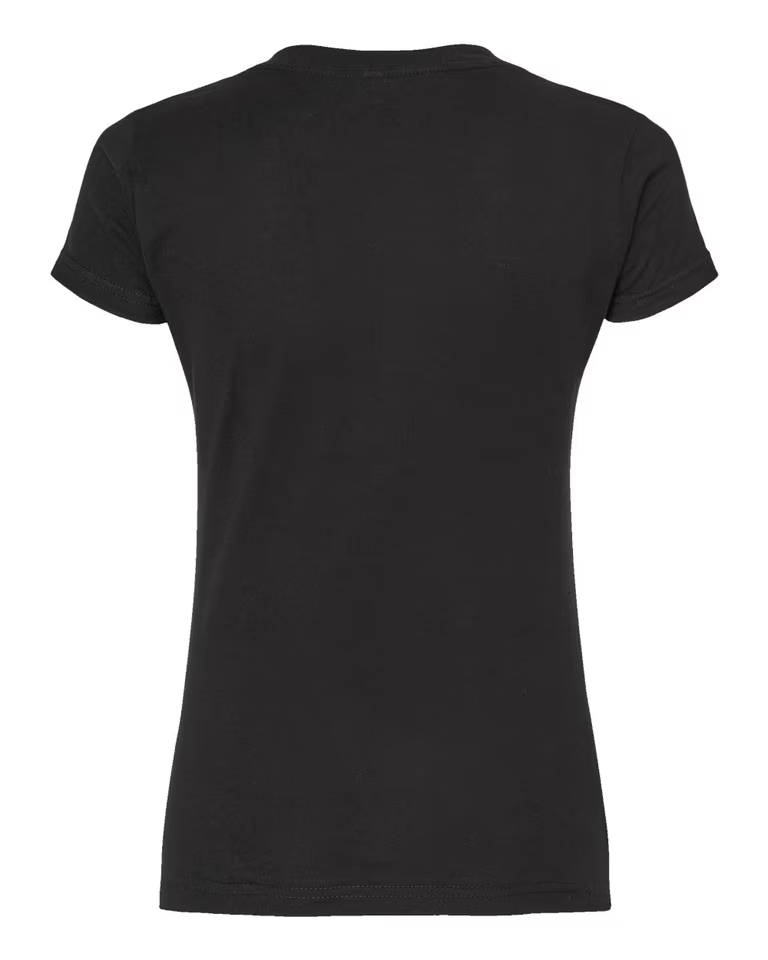
Tultex style number 216
$5.55
Retail $7.11
Save up to 22%
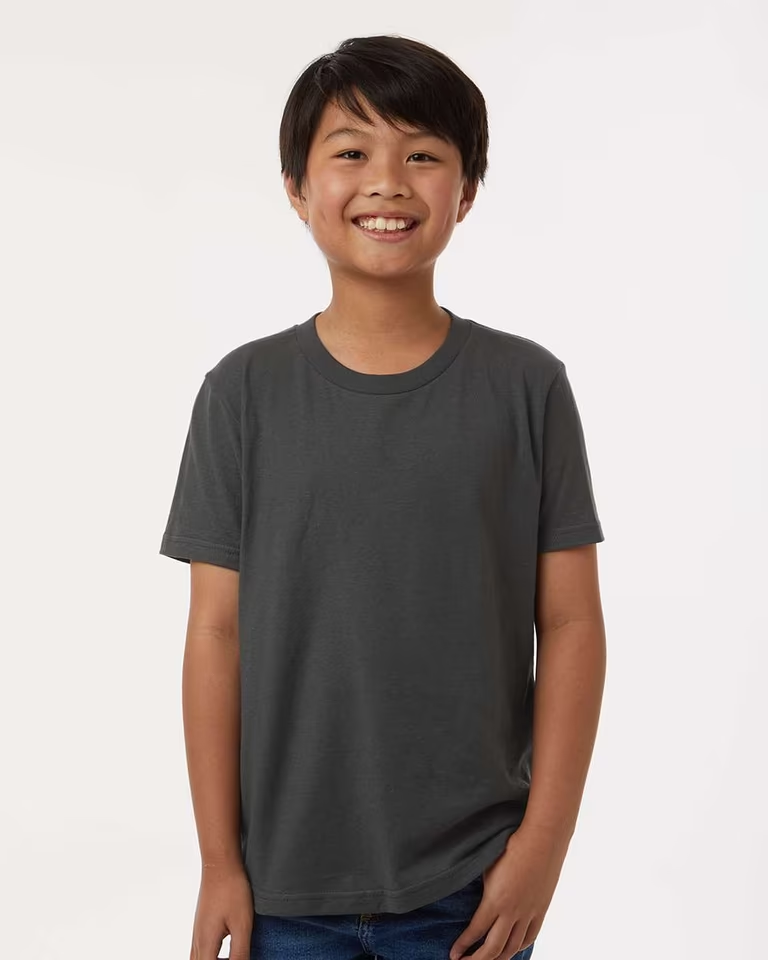
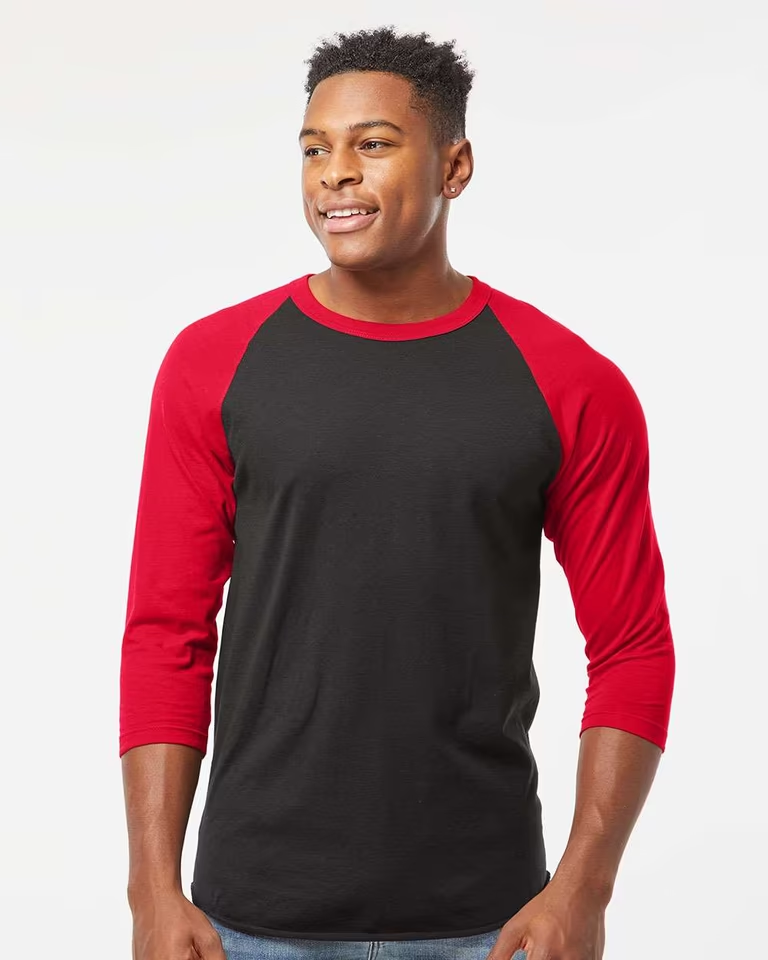
Tultex style number 245
$6.11
Retail $8.71
Save up to 30%
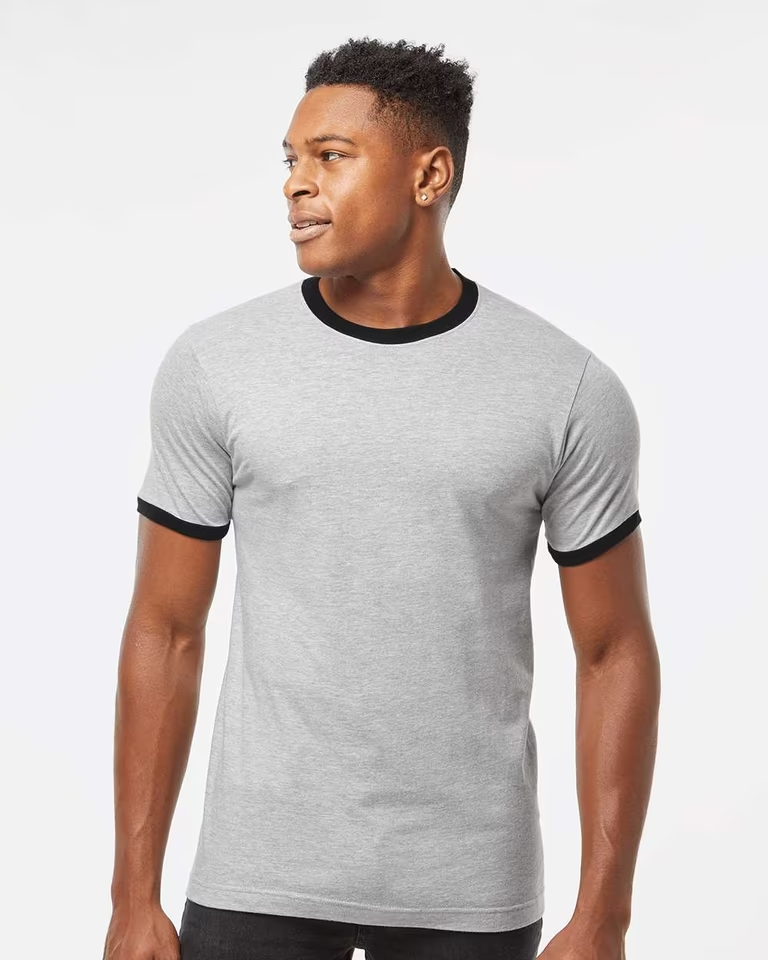
Tultex style number 246
$6.68
Retail $8.90
Save up to 25%
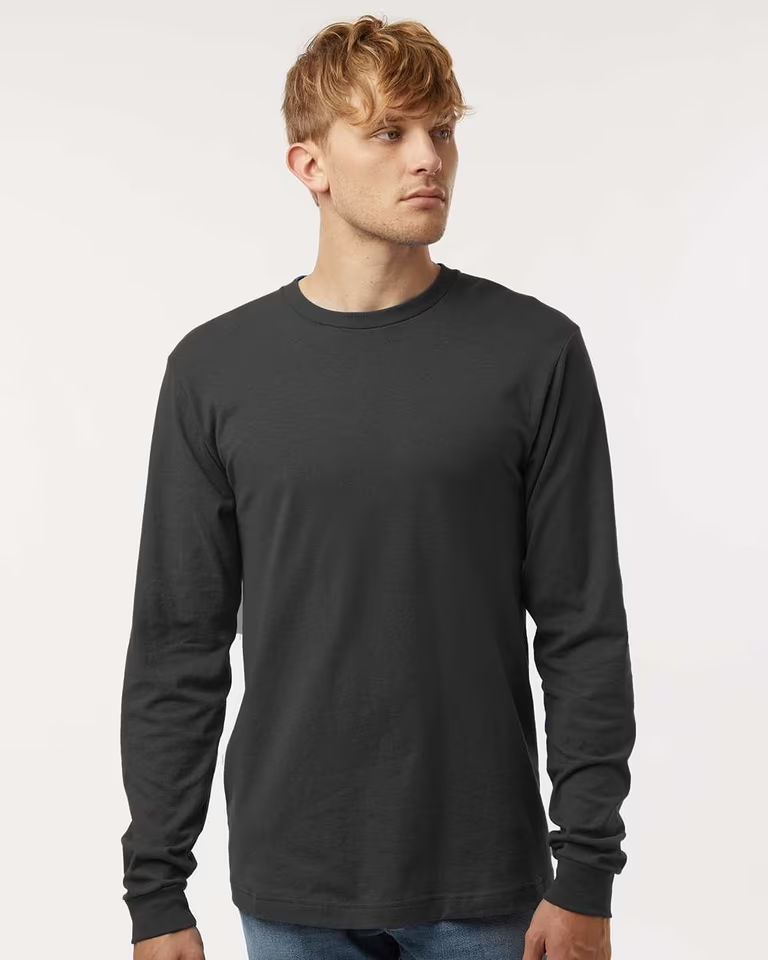
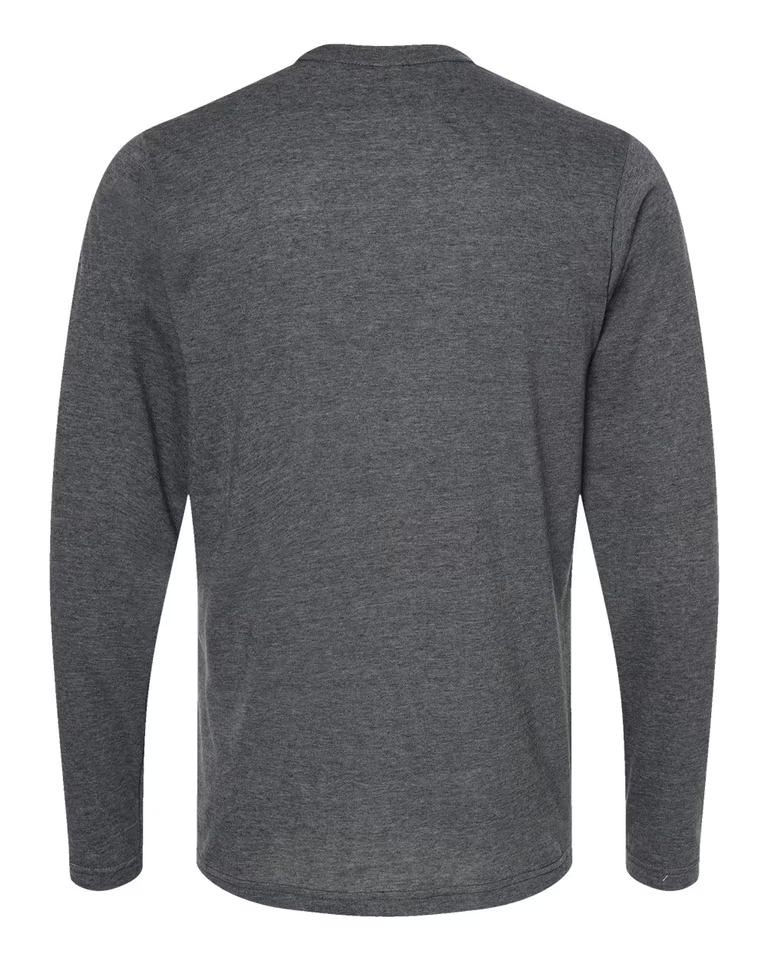
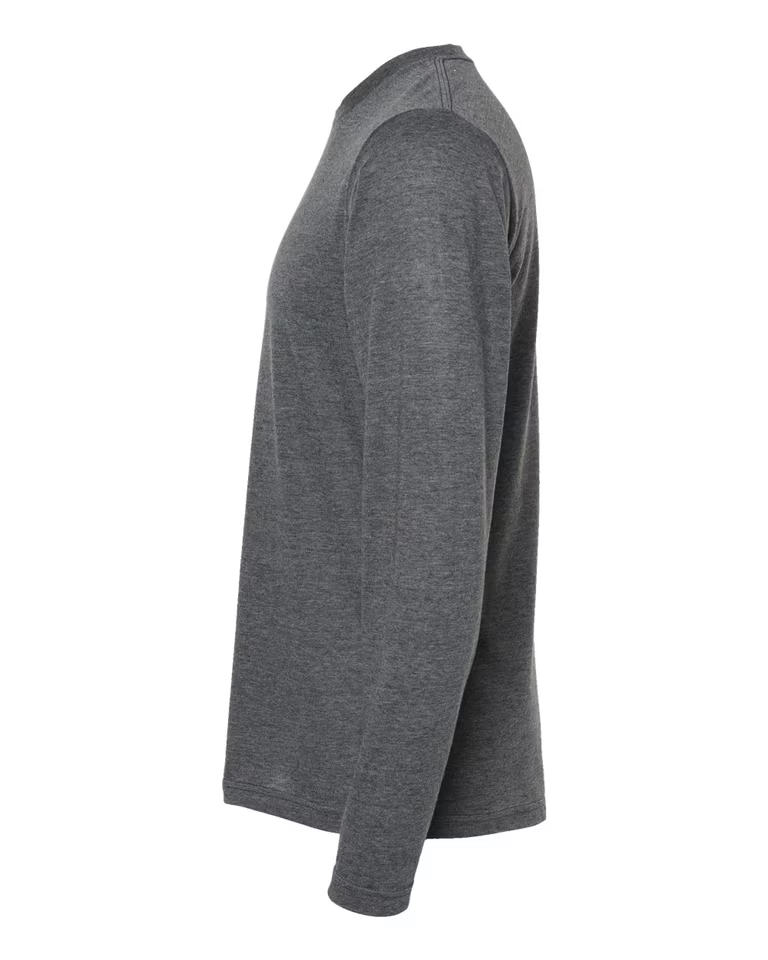
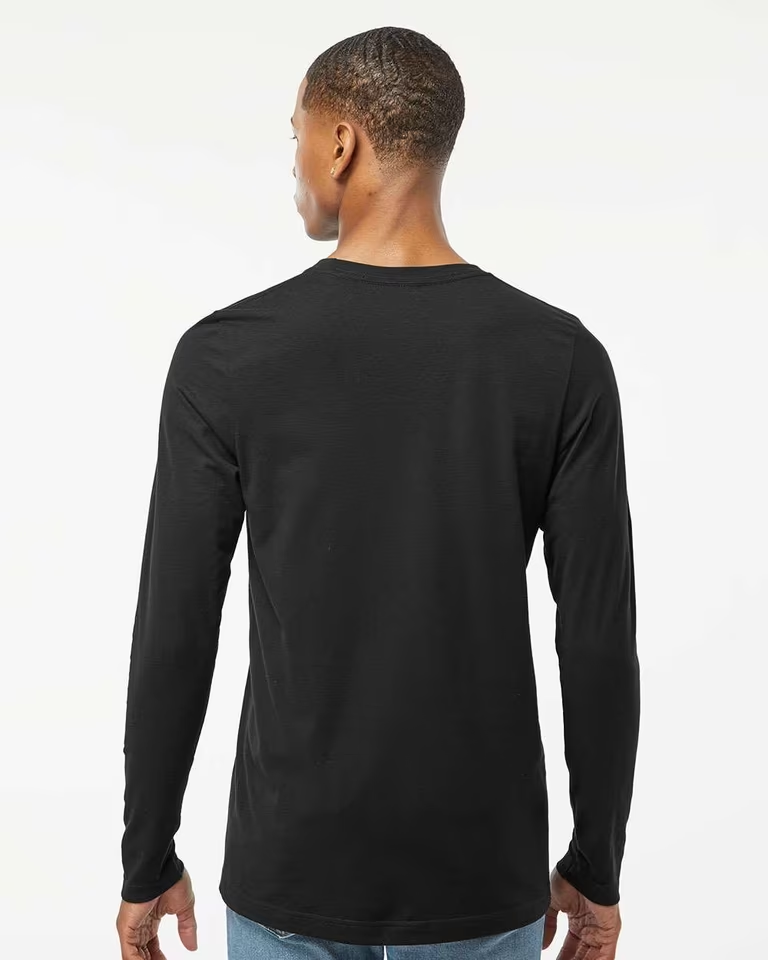
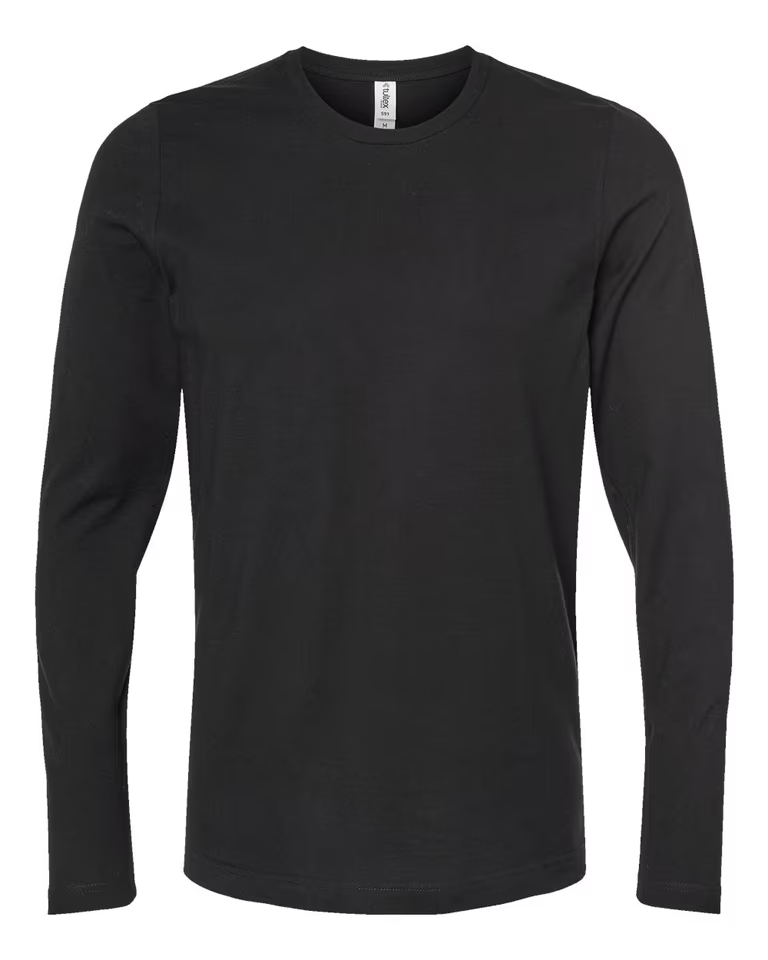
Tultex style number 202LS
$8.37
Retail $10.38
Save up to 19%
Tultex style number 214LS
$8.37
Retail $11.16
Save up to 25%
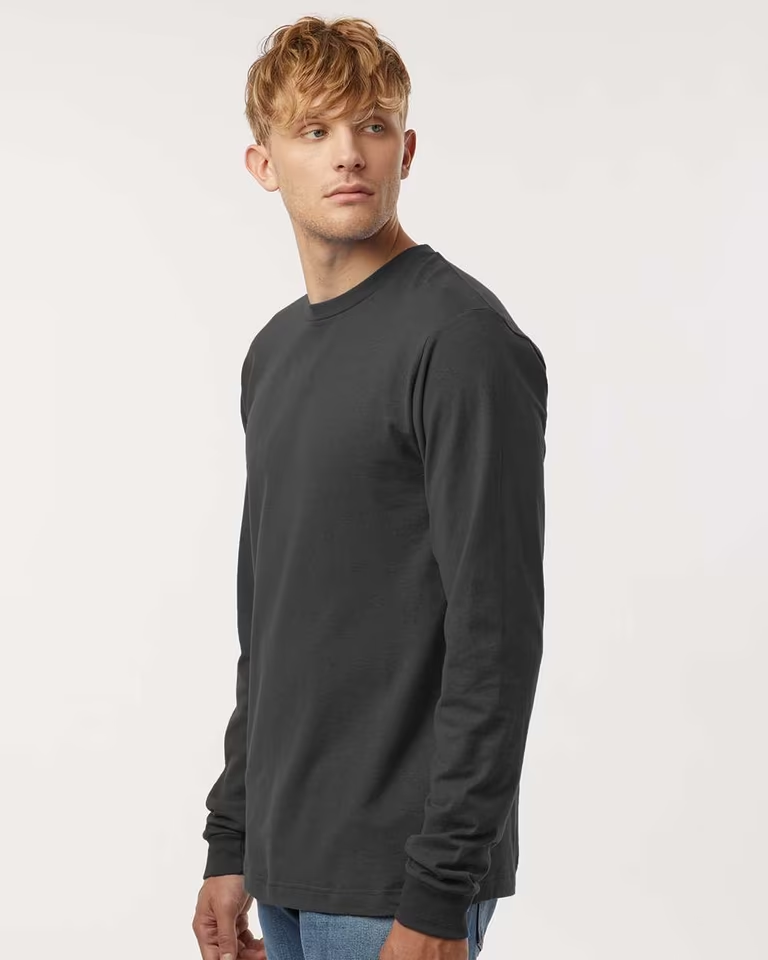
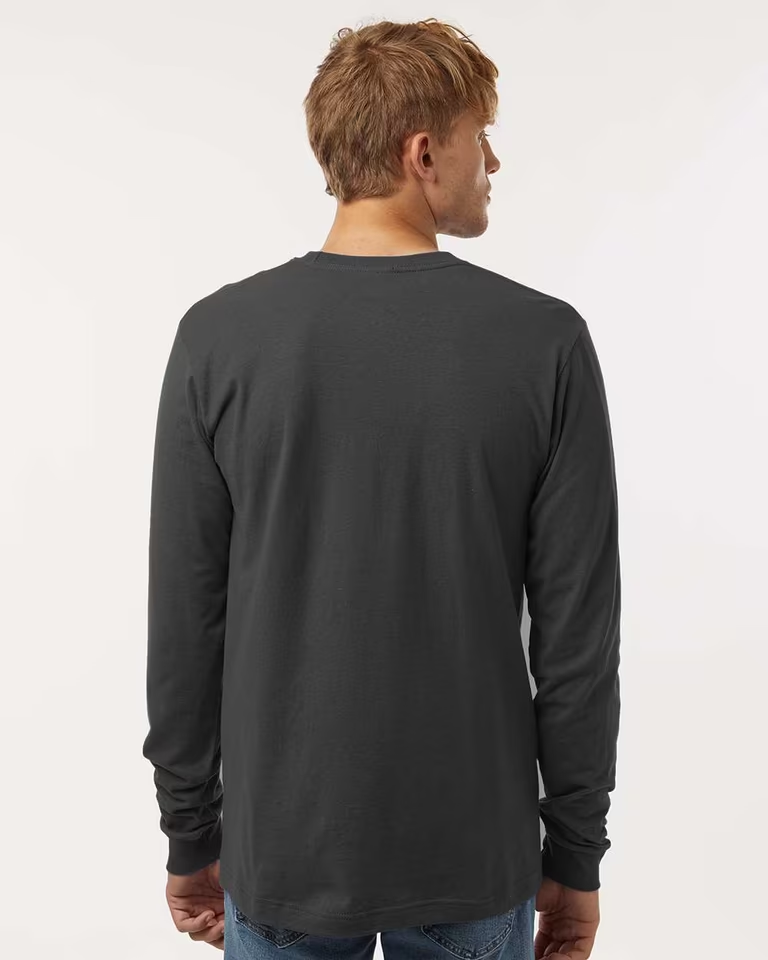
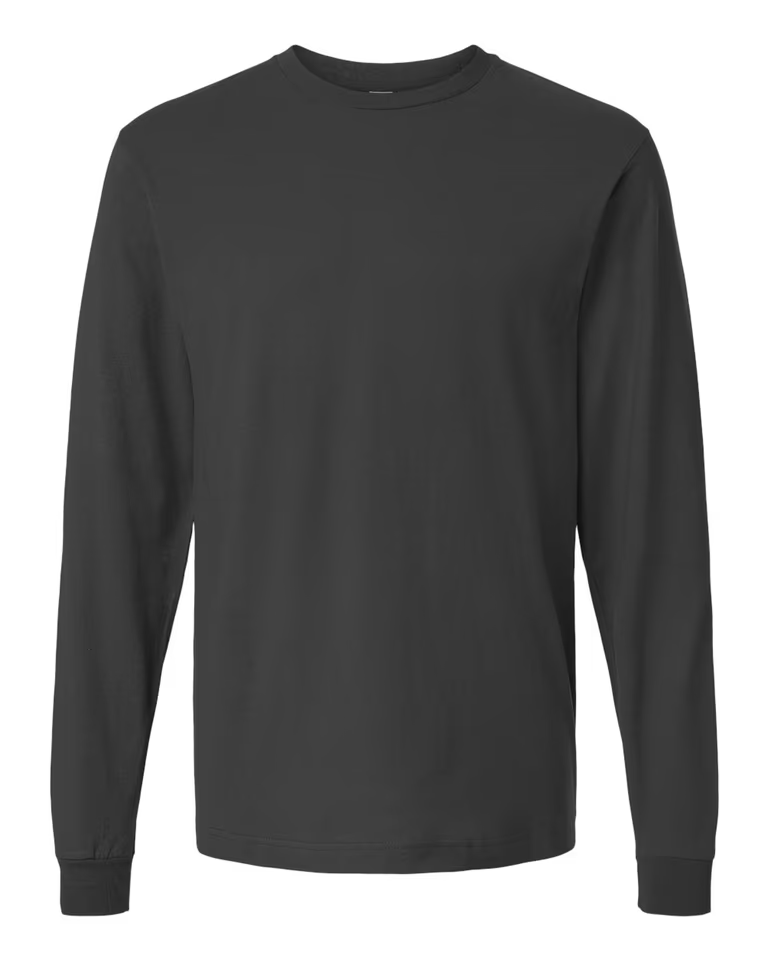
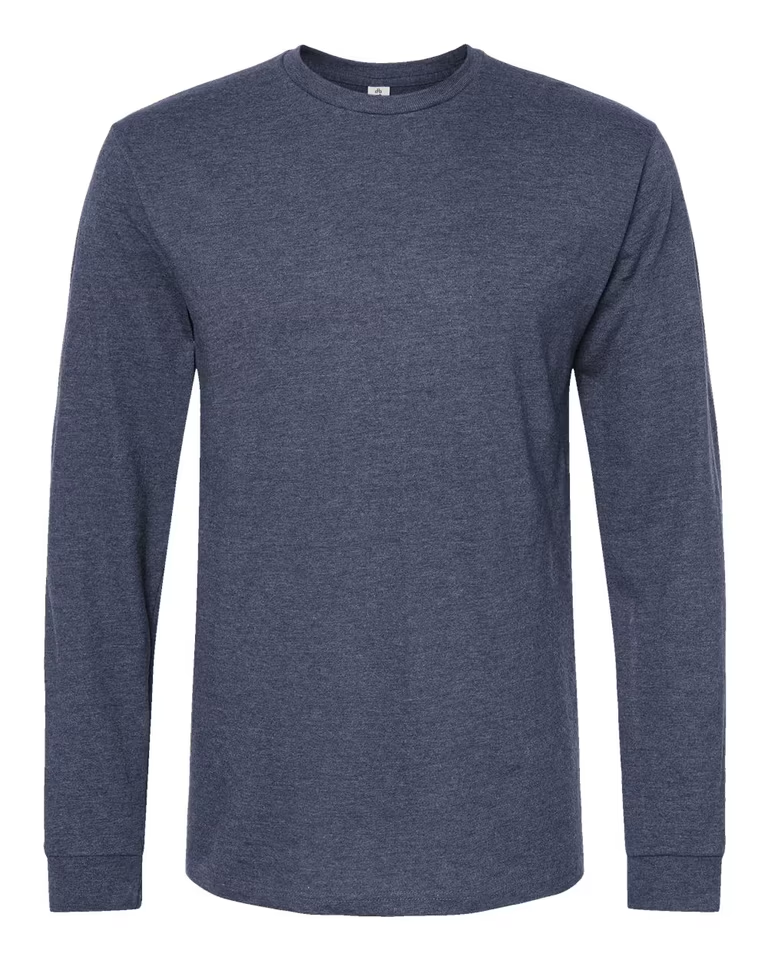
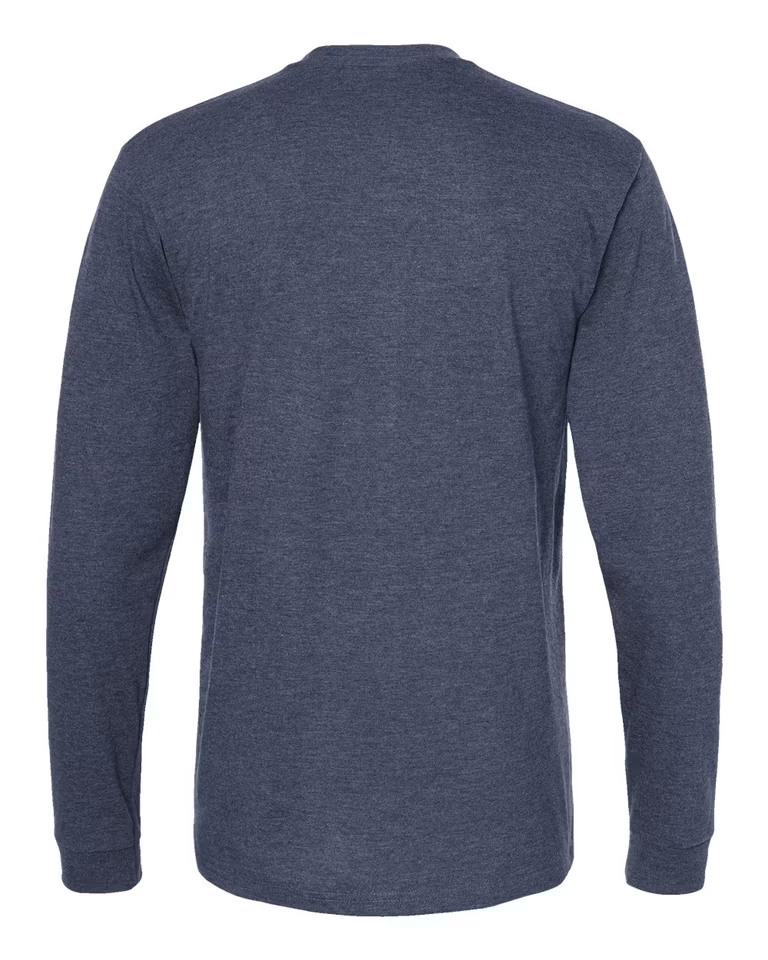
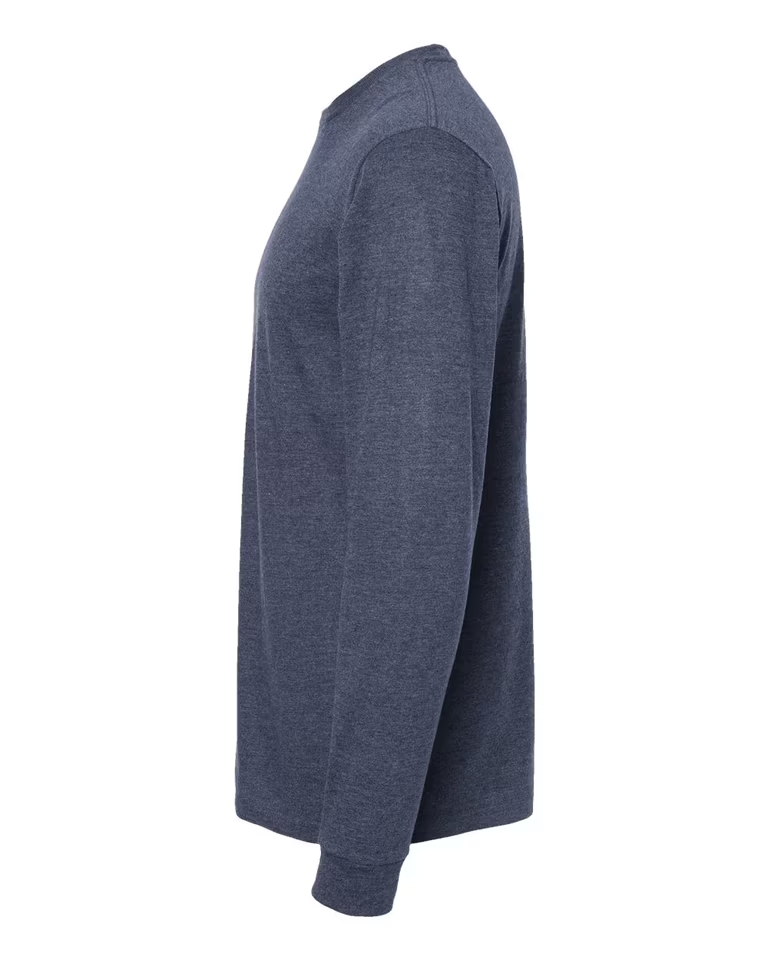
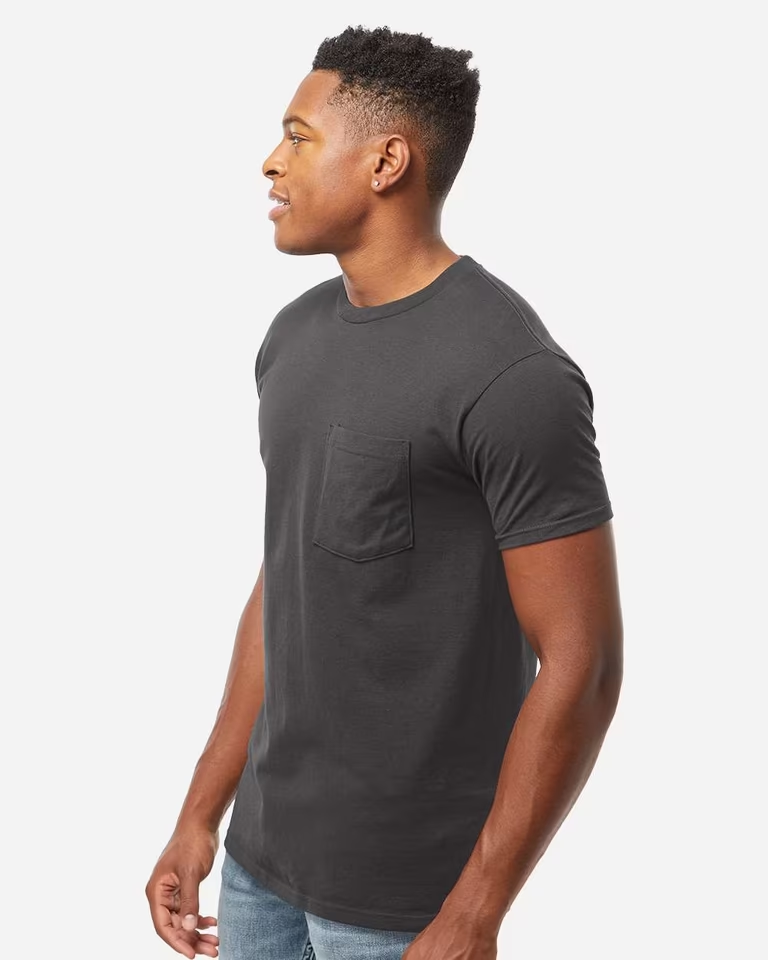
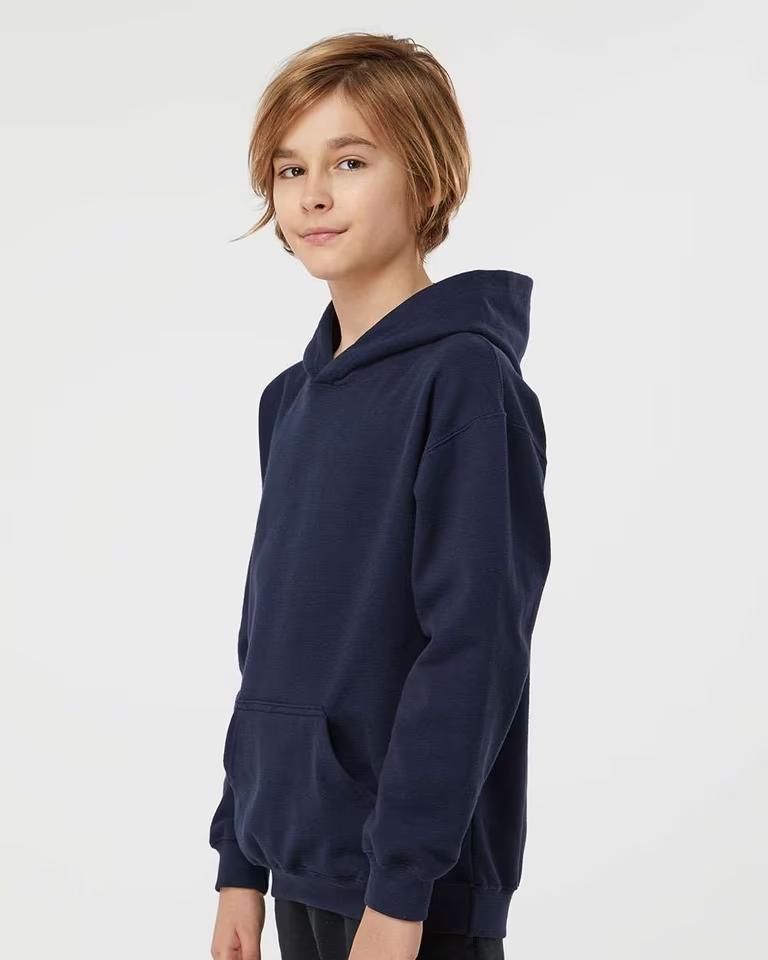
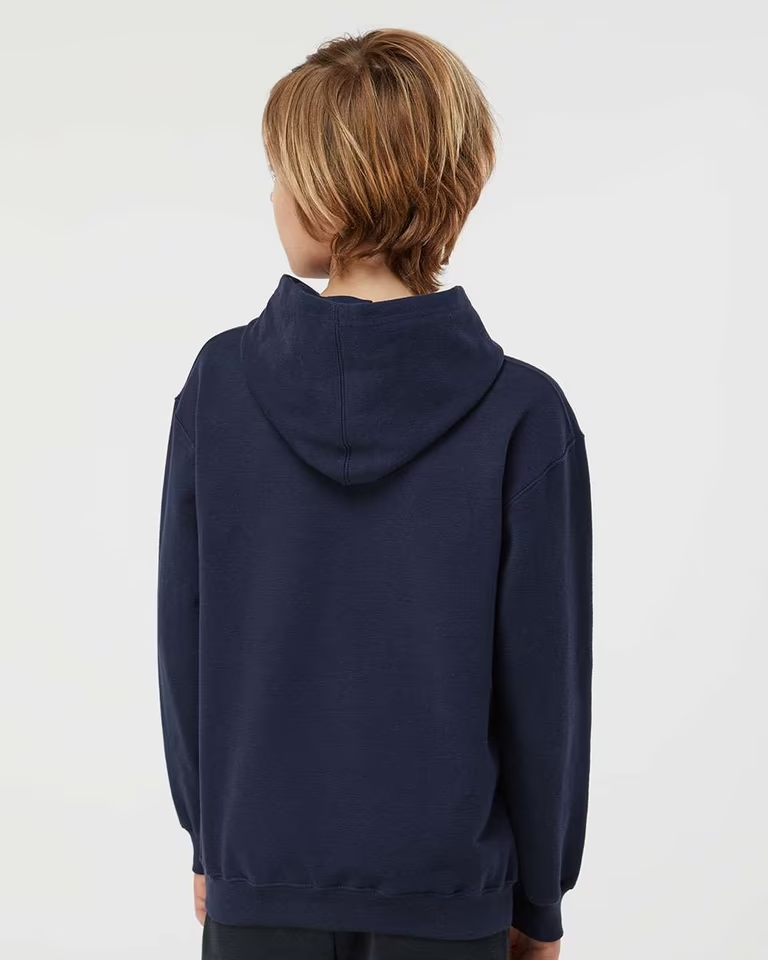
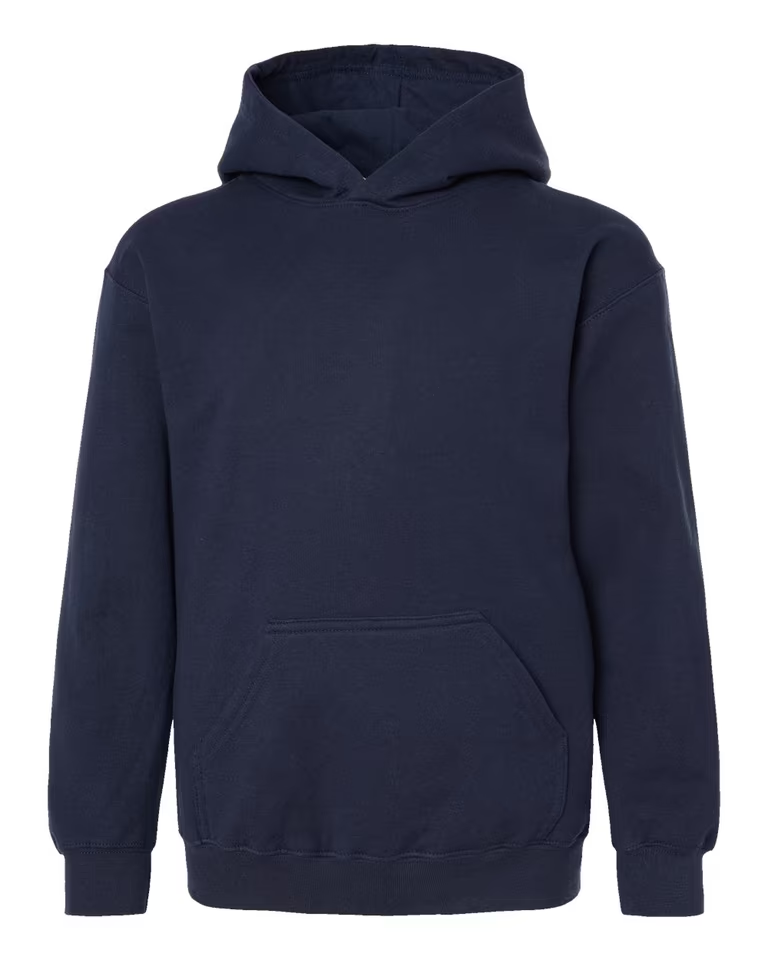
The 290 collection: How dense a knit fabric is, measured in oz/yd². Typical ranges: under 4.5 oz is lightweight fashion; 4.5–5.5 oz is the midweight band most everyday tees fall into; 5.5–6 oz is heavy everyday and fleece; 6 oz and up is the heavyweight range, with 7 oz and up the streetwear max-weight class. Heavier fabric drapes more substantially, holds prints flatter, and costs more per blank. ring-spun with more substance, in long-sleeve, pocket, street, and youth cuts.
Tultex style number 290
$5.60
Retail $7.46
Save up to 25%
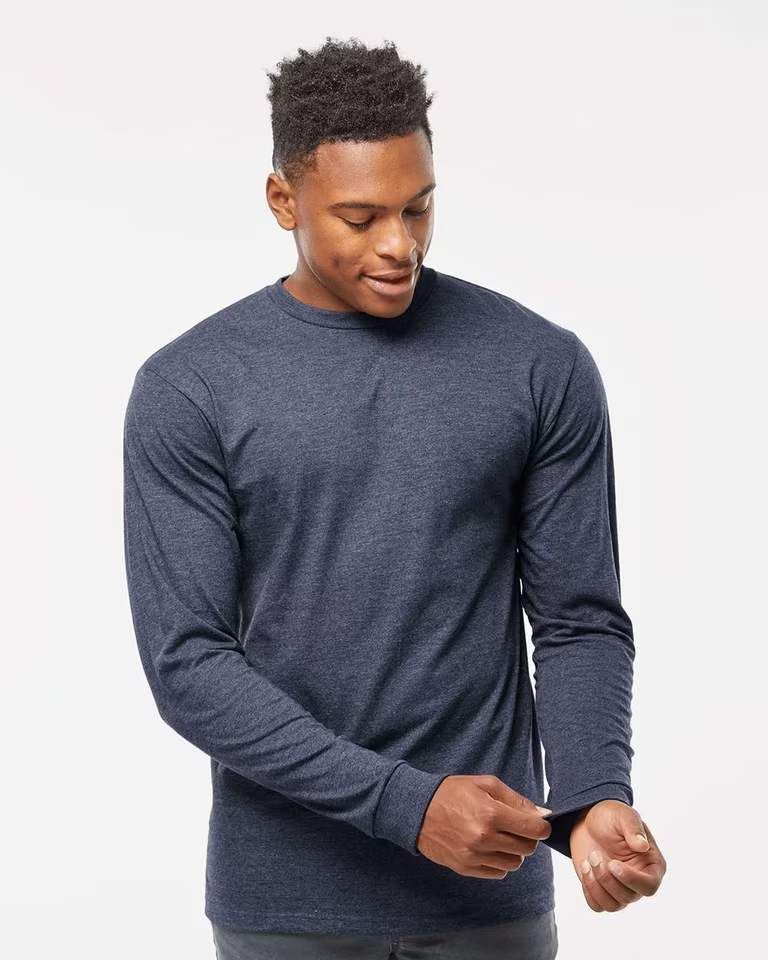
Tultex style number 291
$7.82
Retail $10.42
Save up to 25%
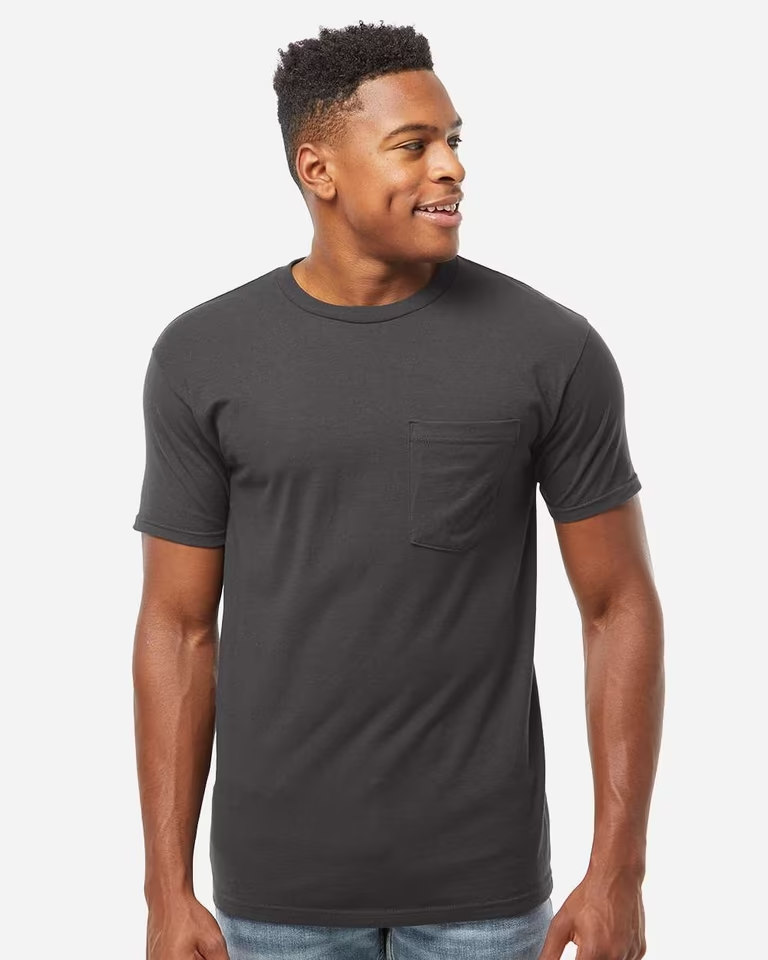
Tultex style number 293
$6.77
Retail $9.02
Save up to 25%
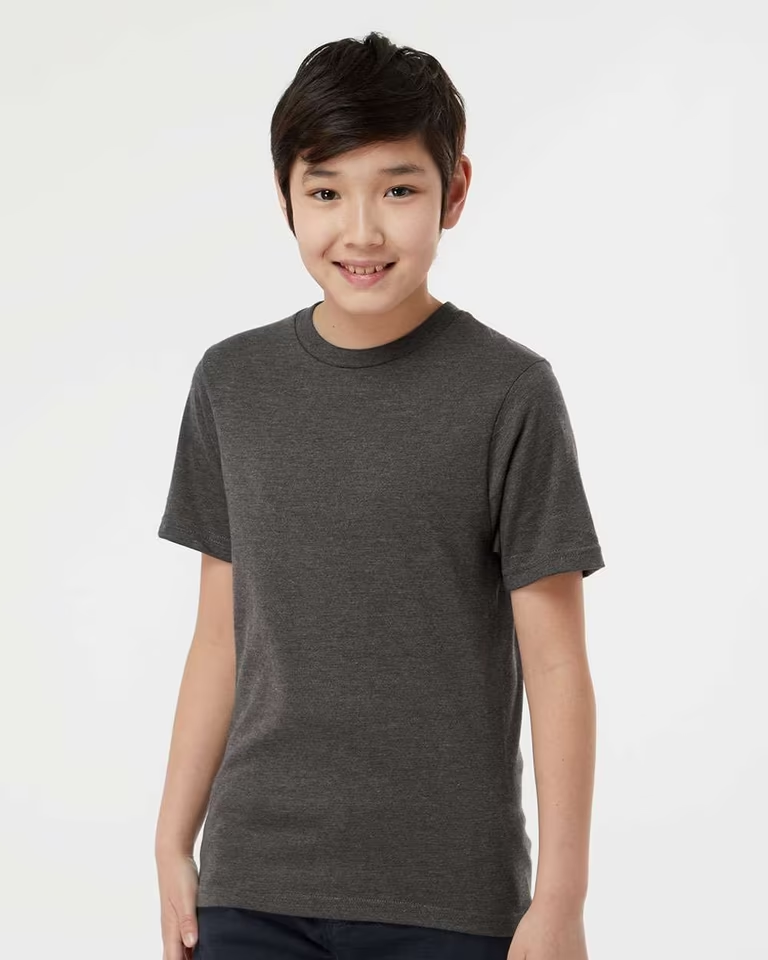
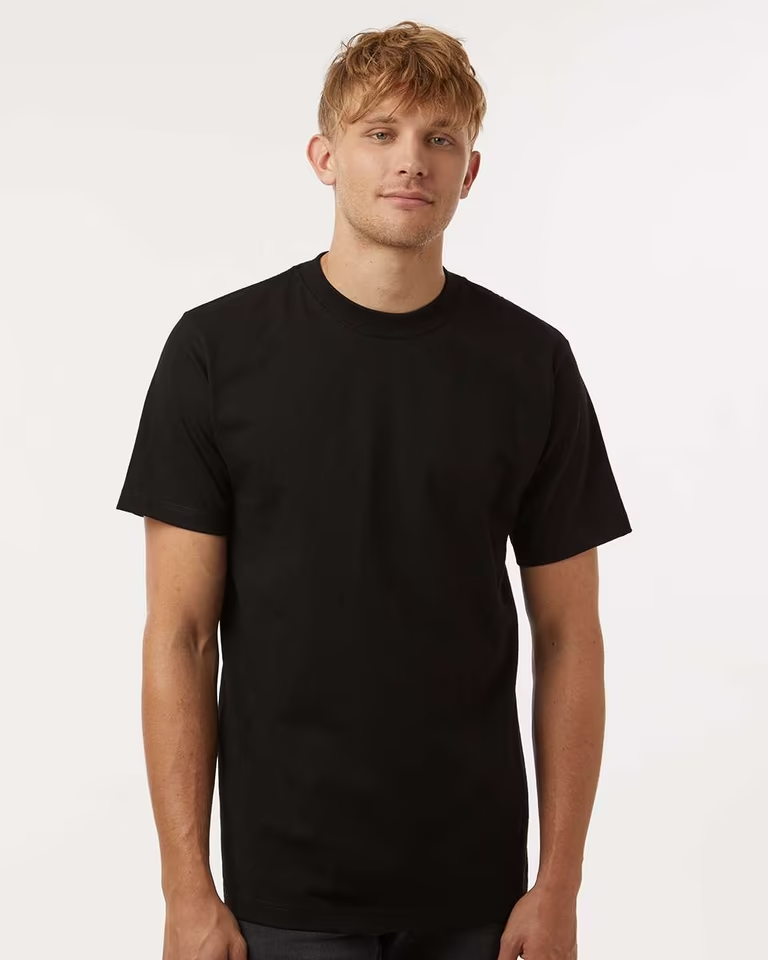
Tultex style number 299
$8.34
Retail $11.12
Save up to 25%
The 241 collection: 65/35 poly/ring-spun with a soft heathered, lived-in print surface.
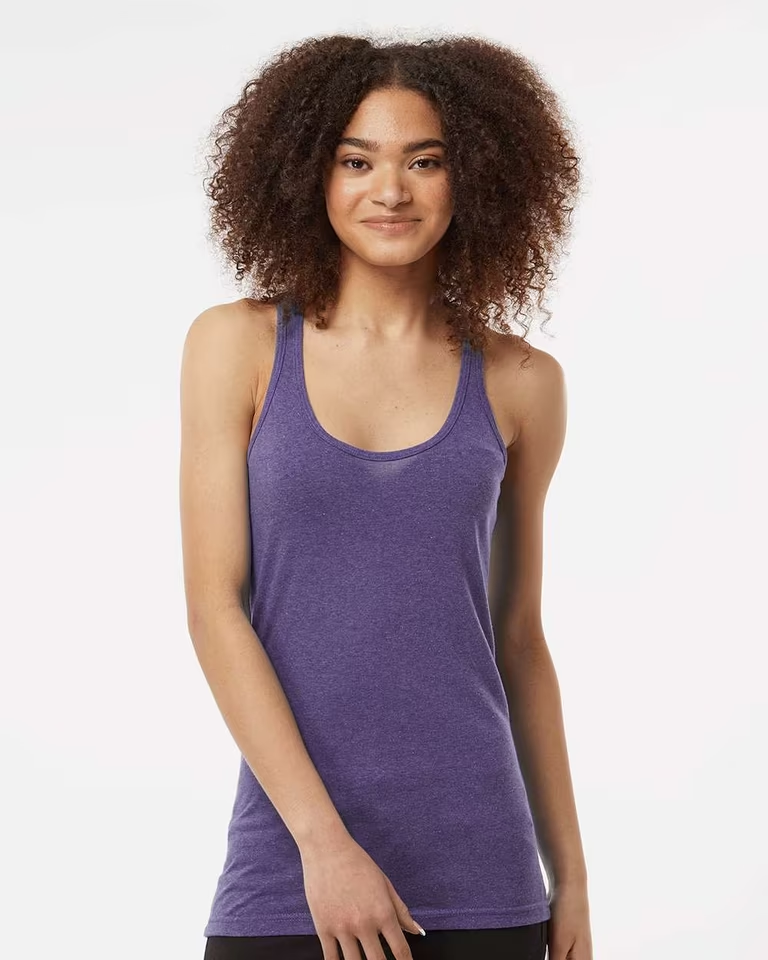
Tultex style number 190
$4.31
Retail $5.75
Save up to 25%
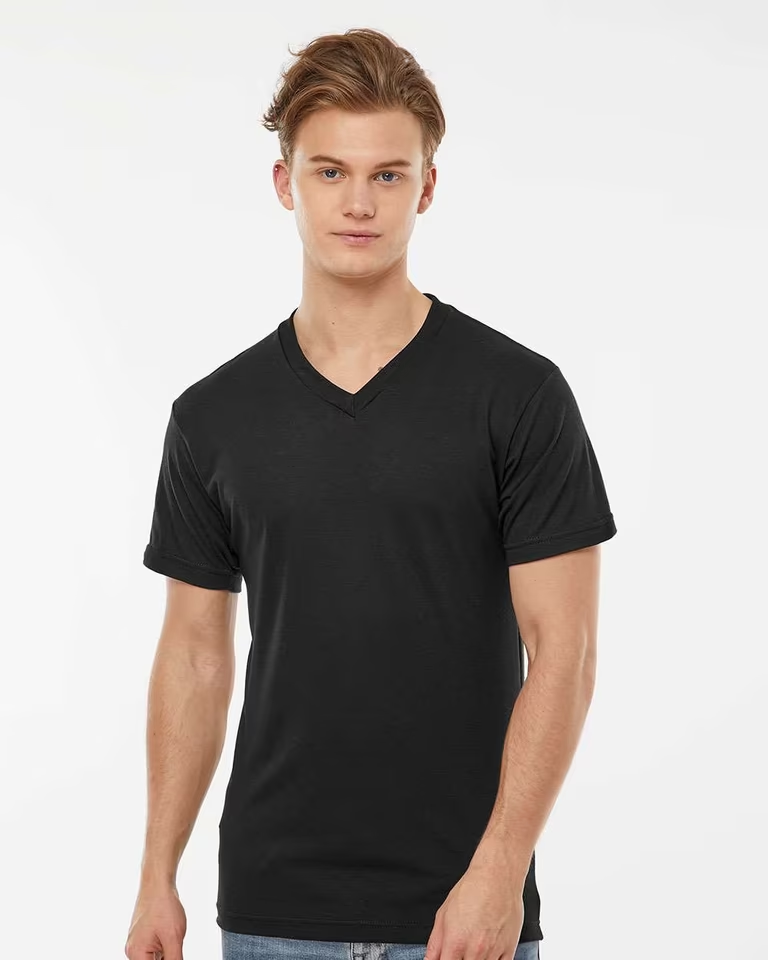
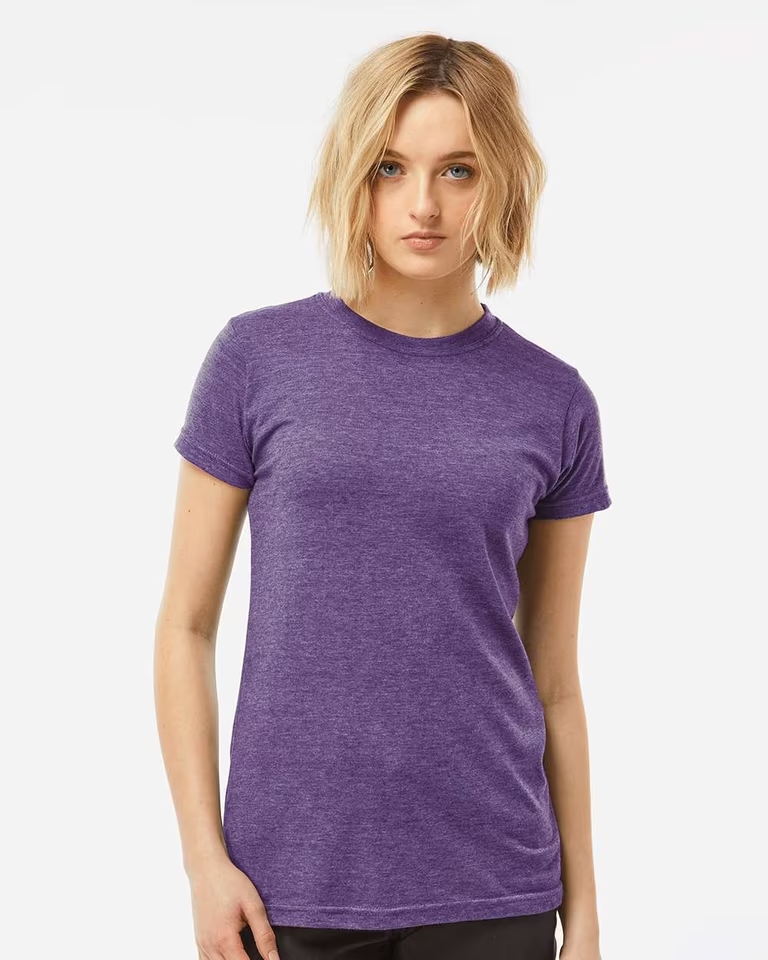
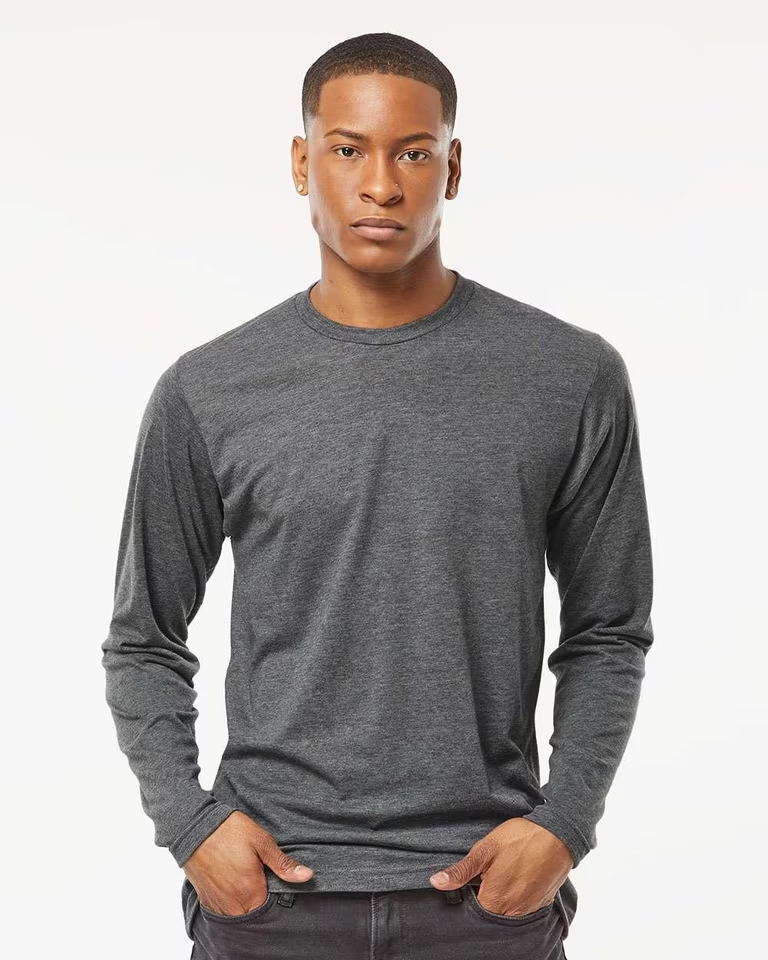
Tultex style number 242
$8.93
Retail $11.49
Save up to 22%
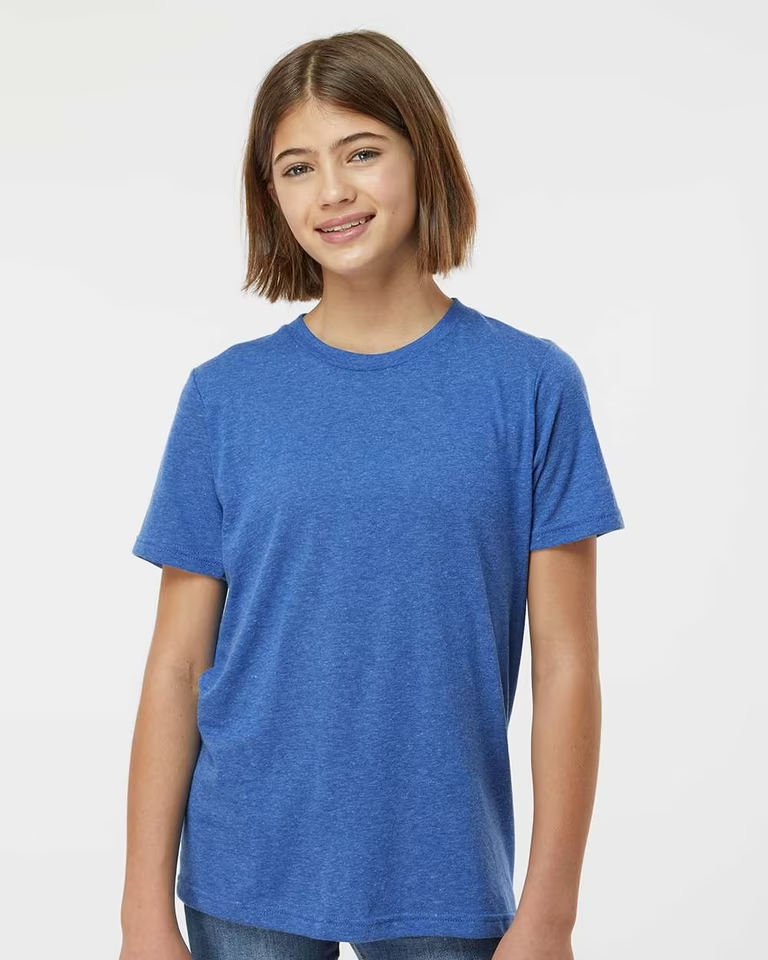
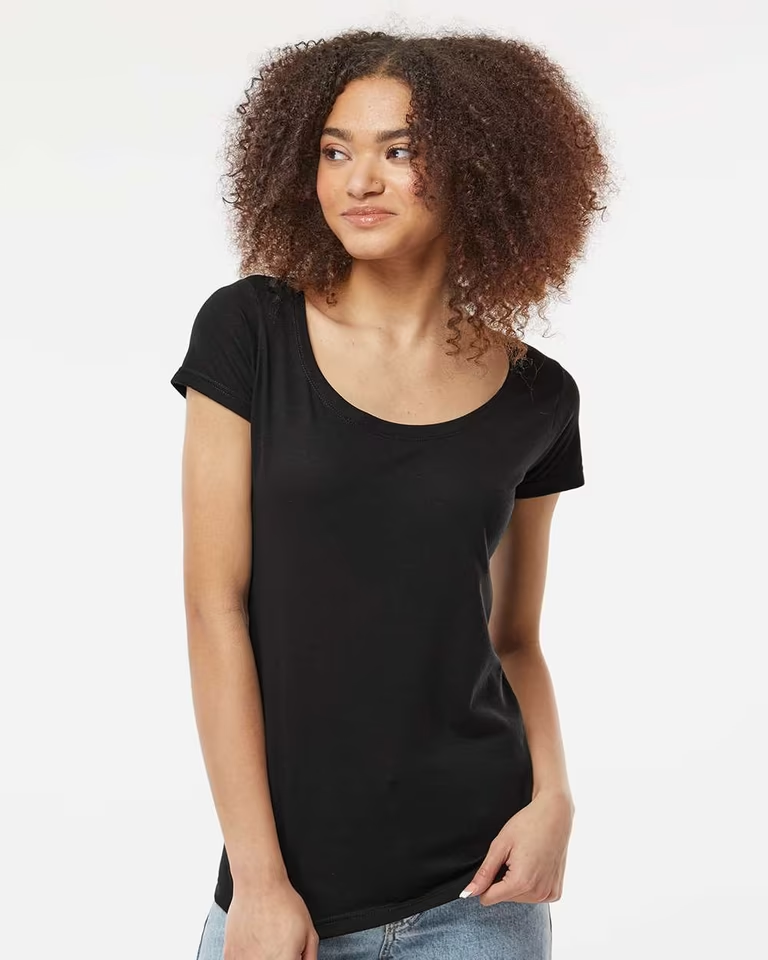
Tultex style number 243
$5.16
Retail $6.88
Save up to 25%
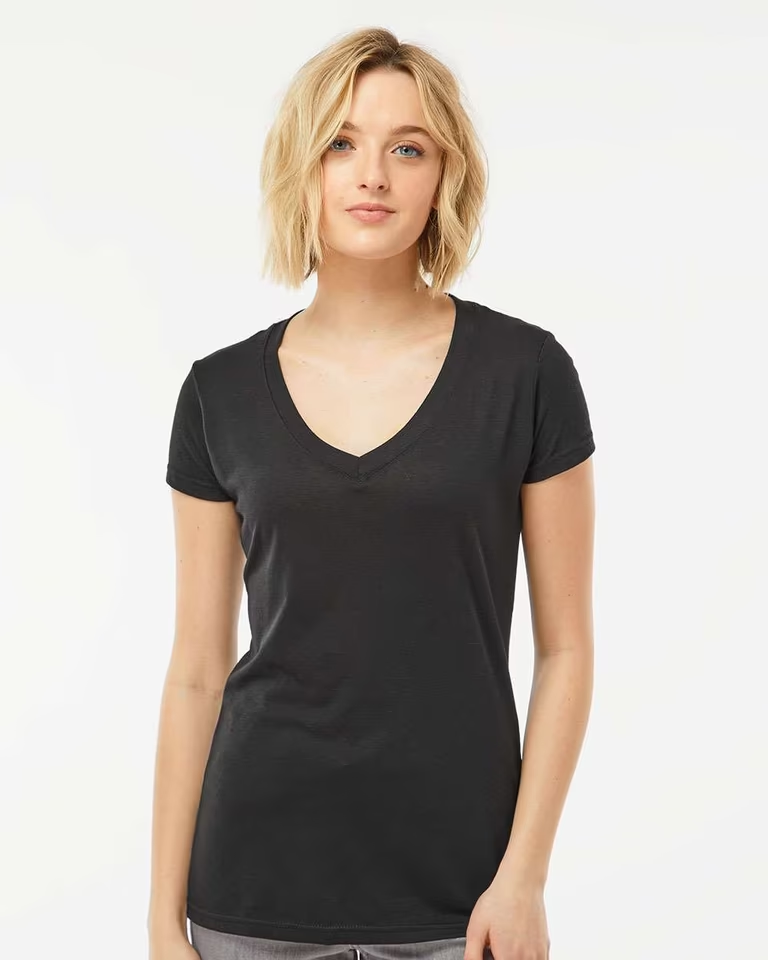
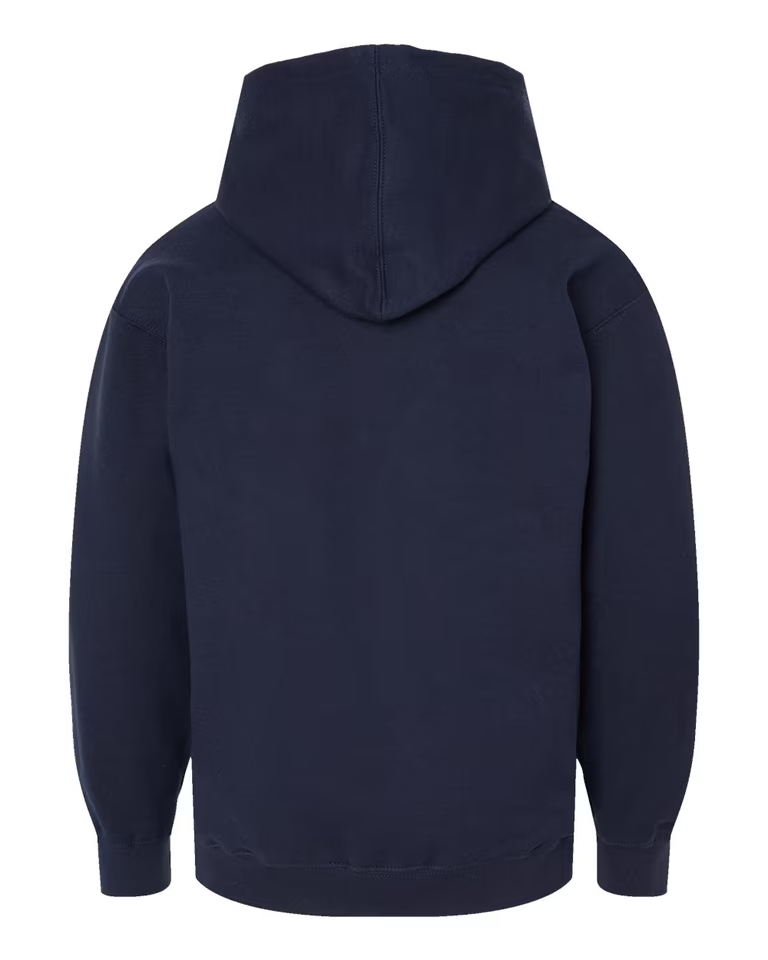
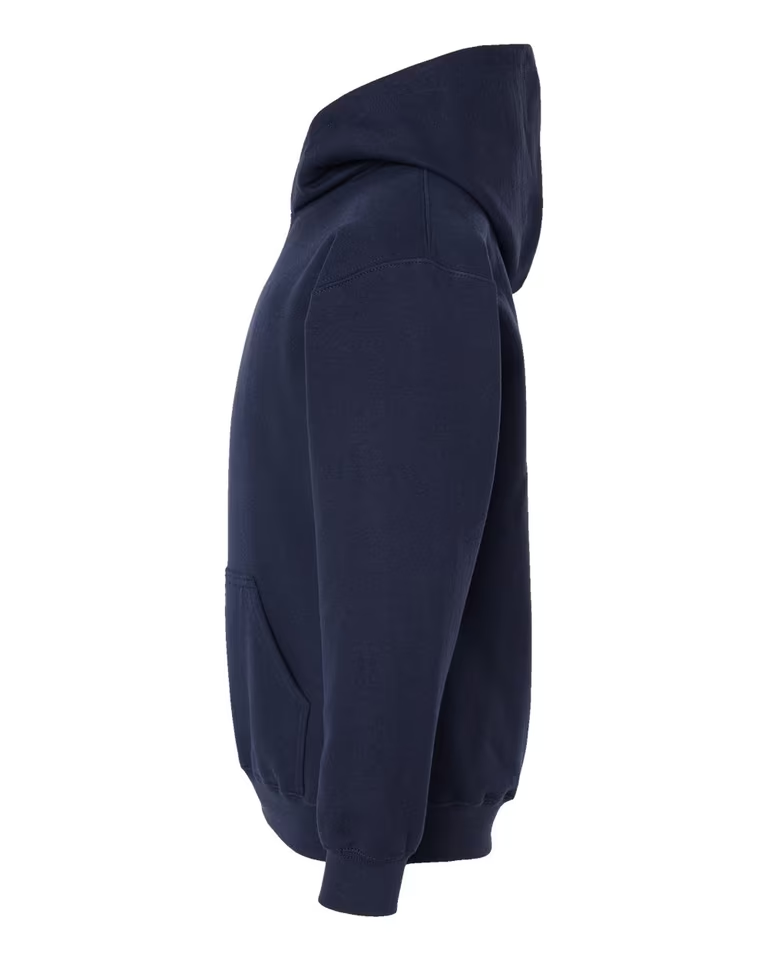
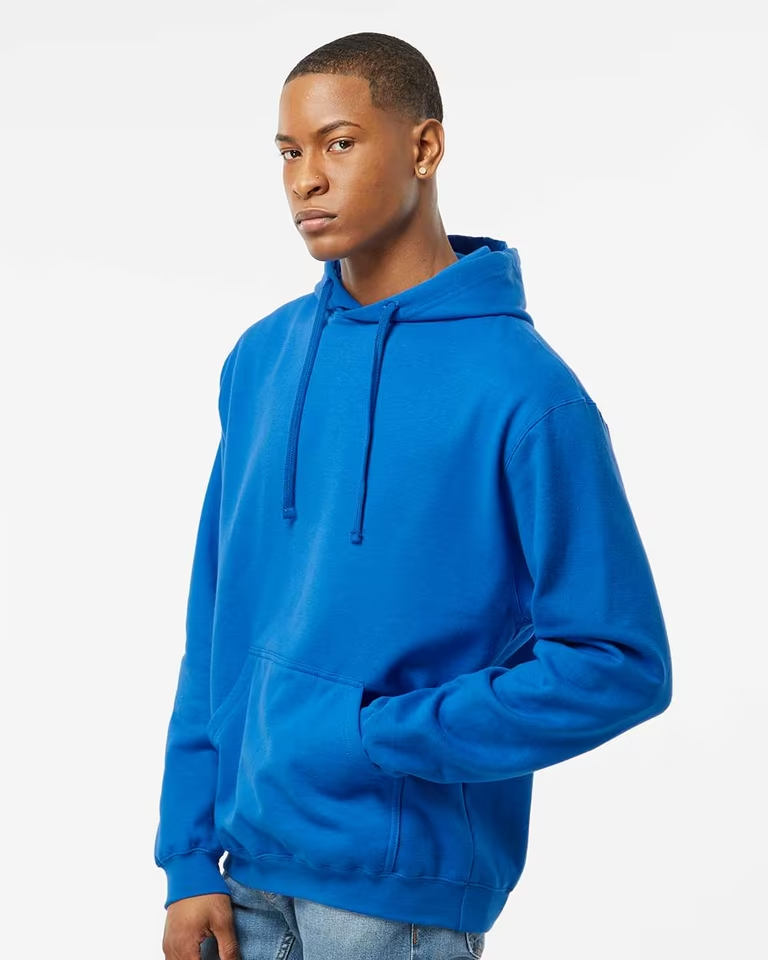
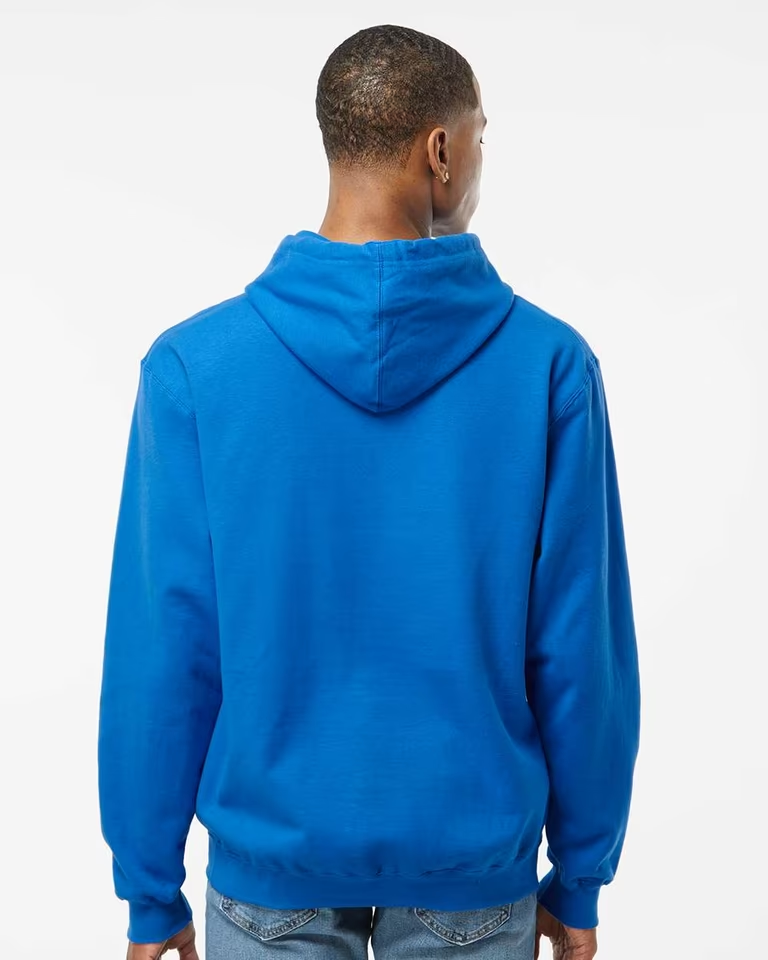
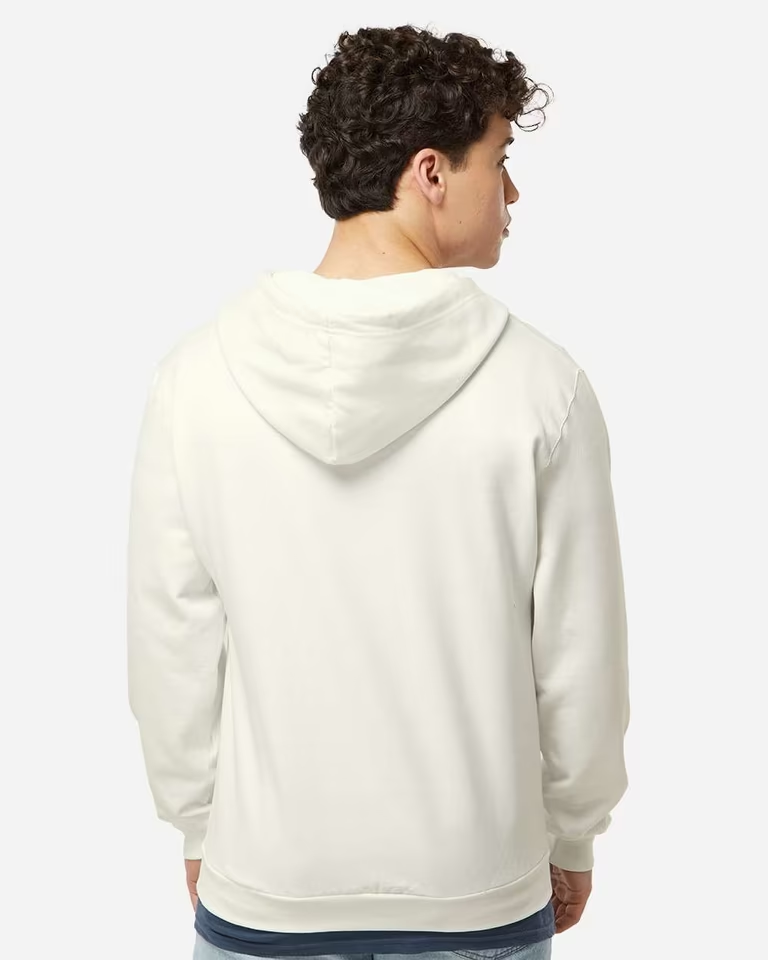
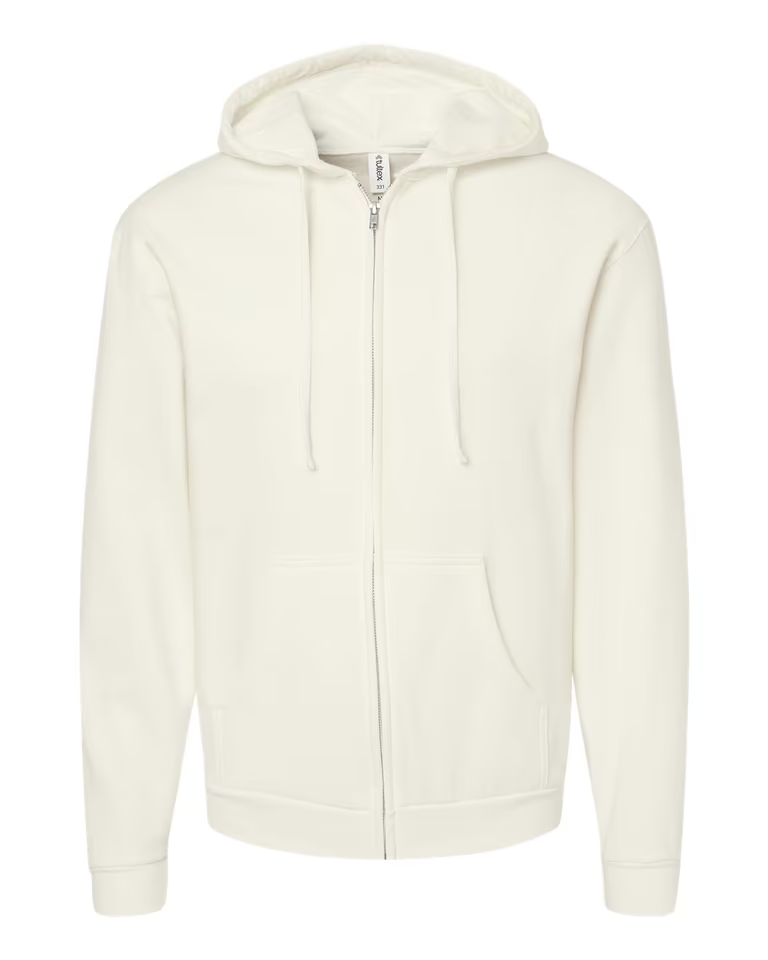
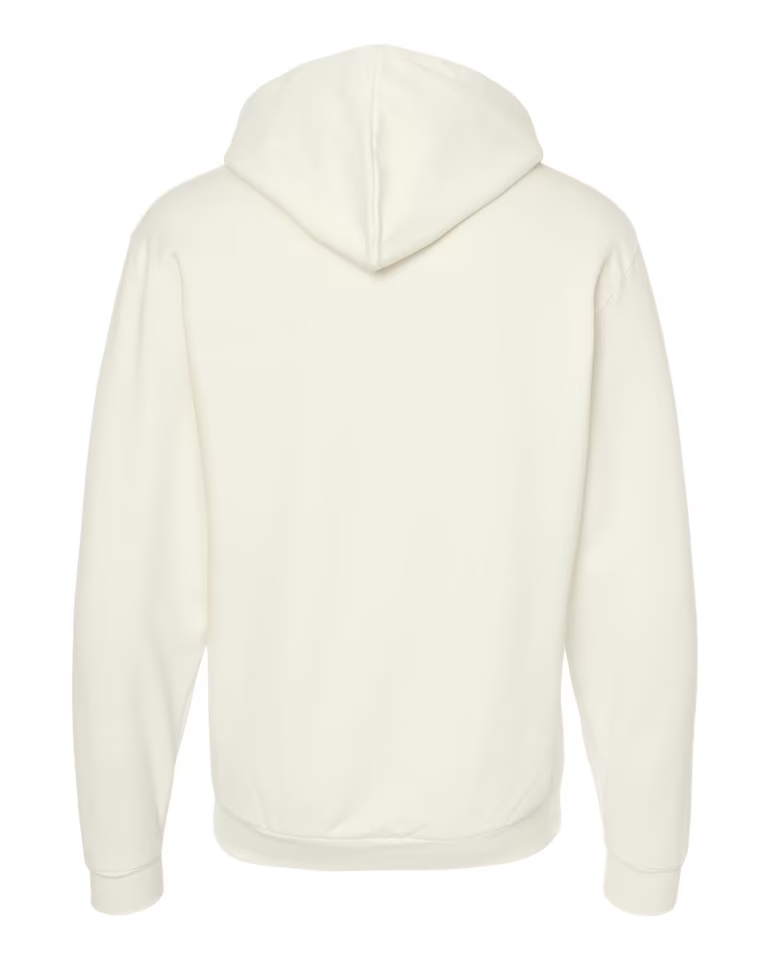
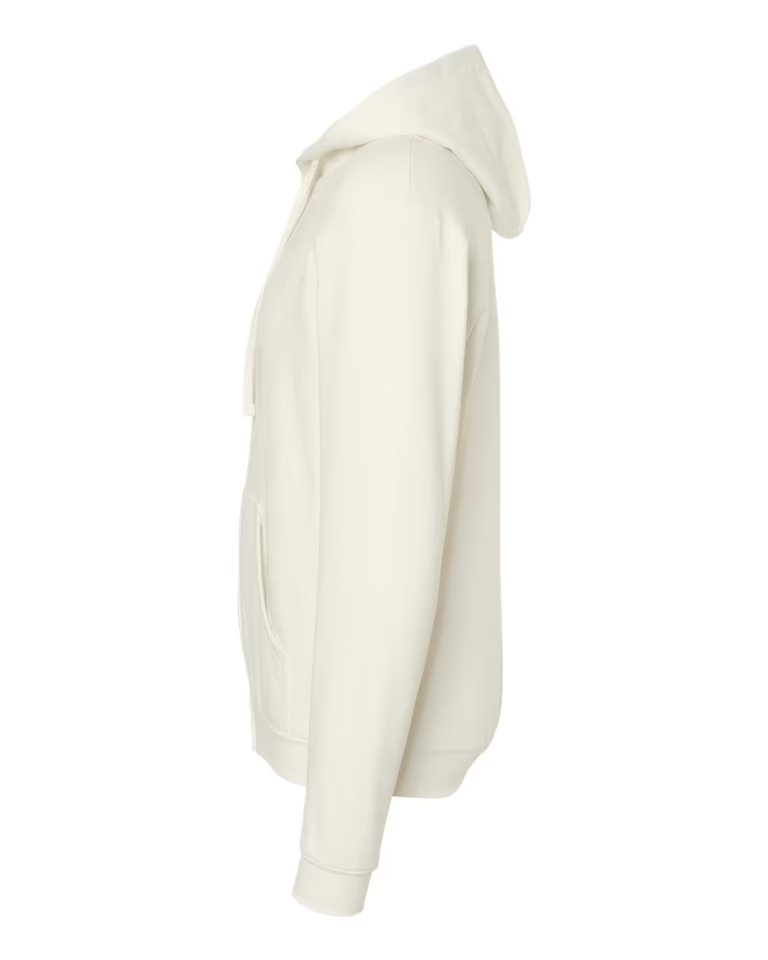
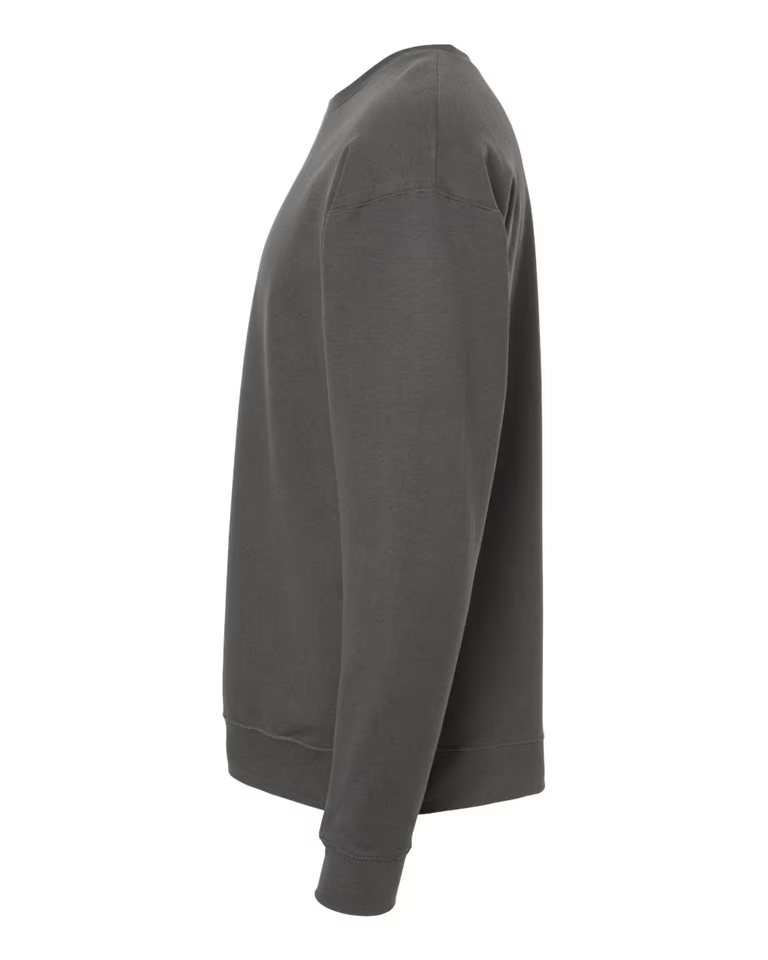
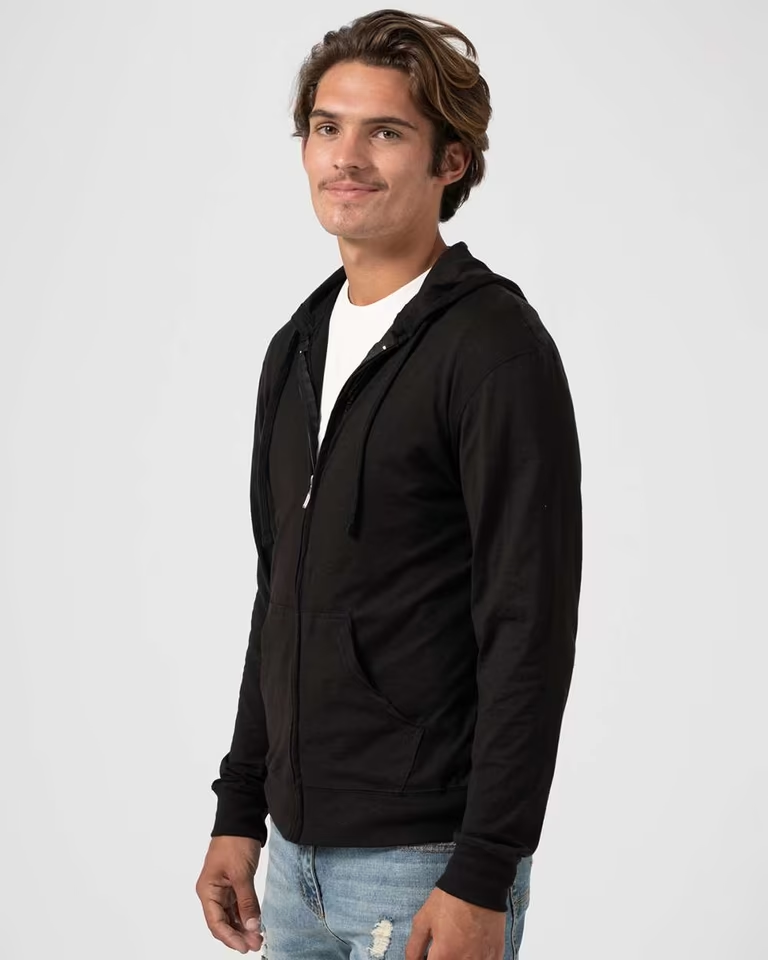
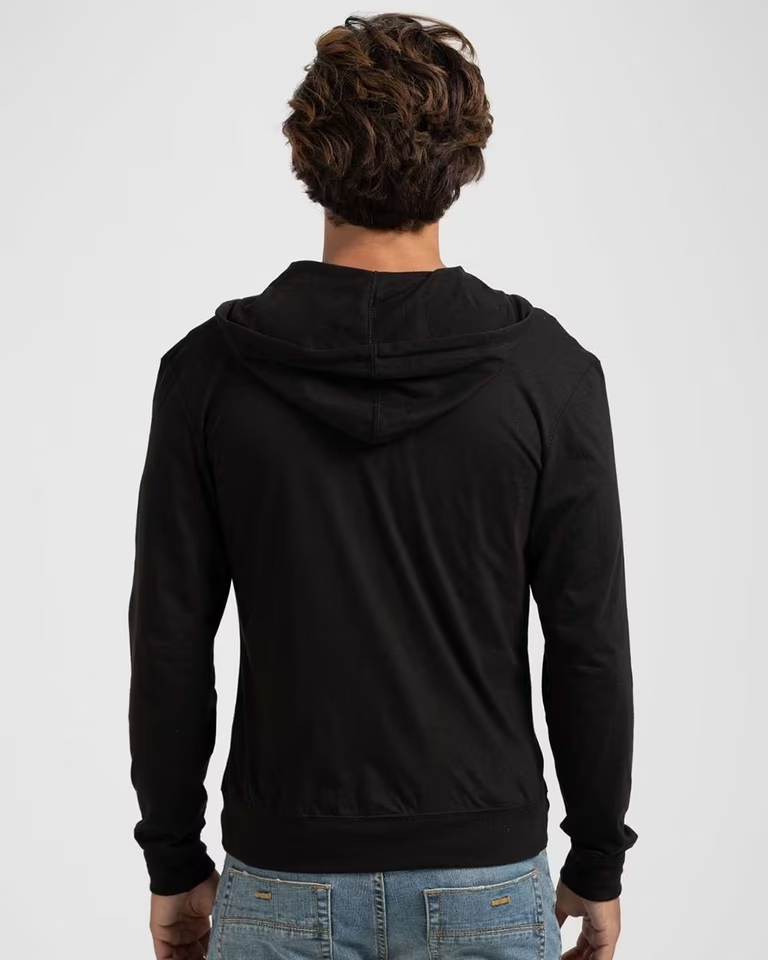
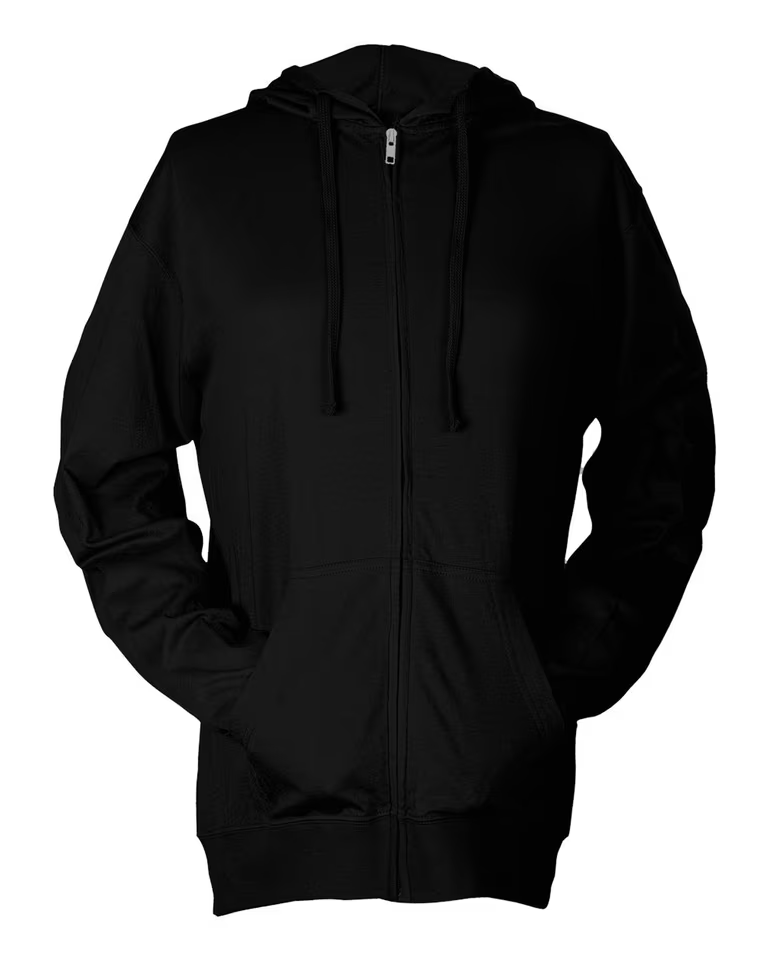
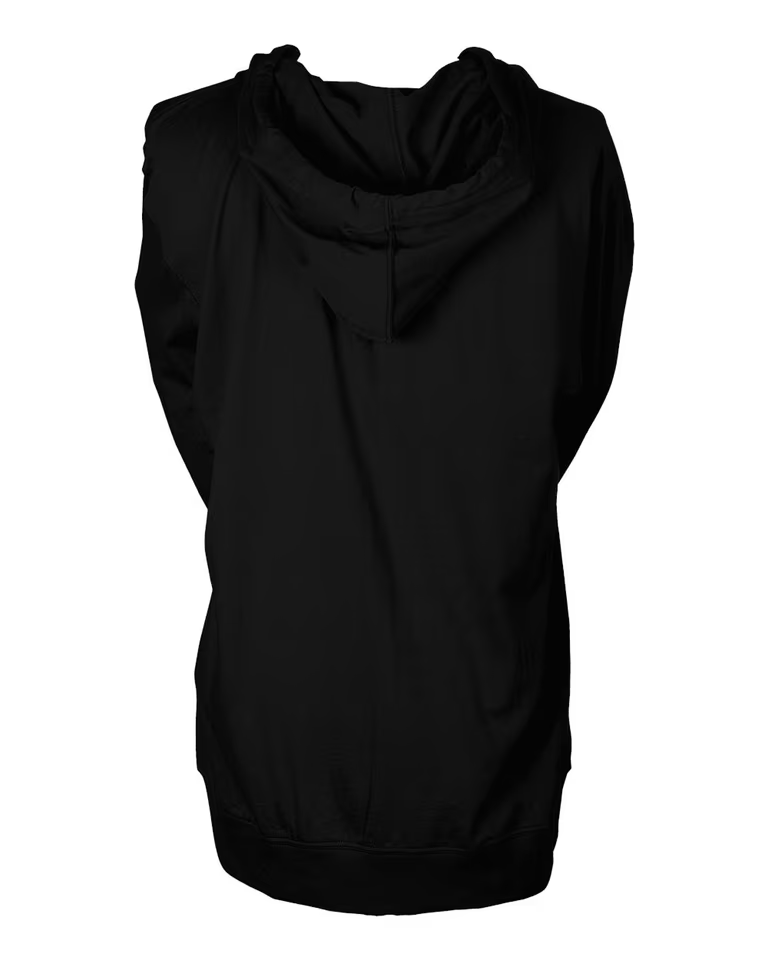
Crews, pullover and zip hoodies rounding out the collection.
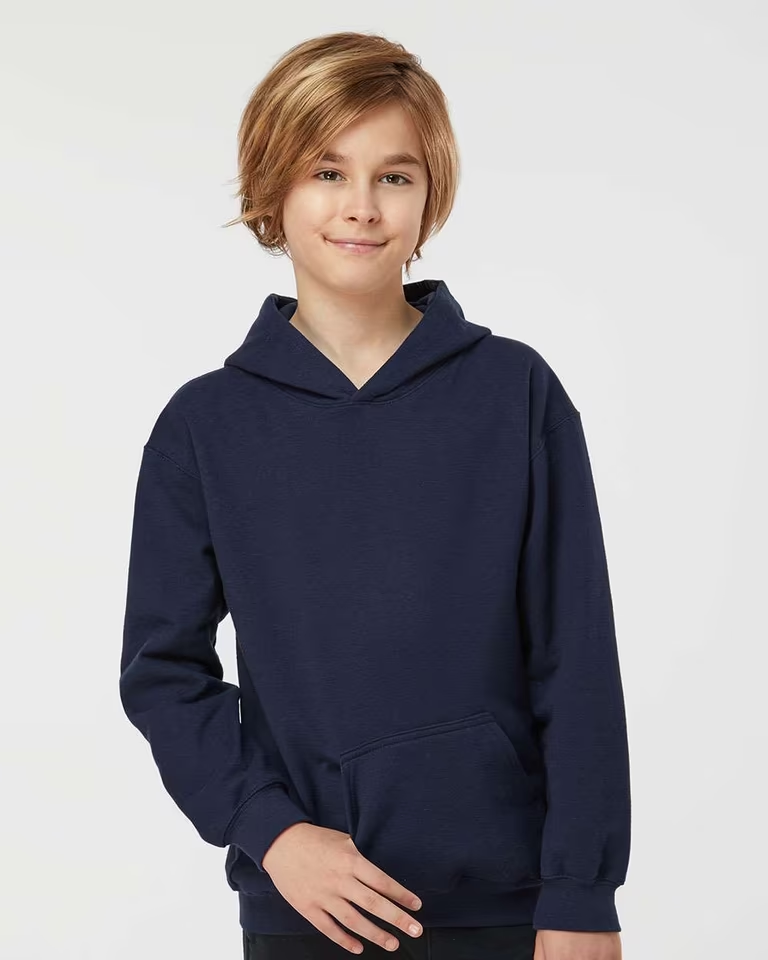
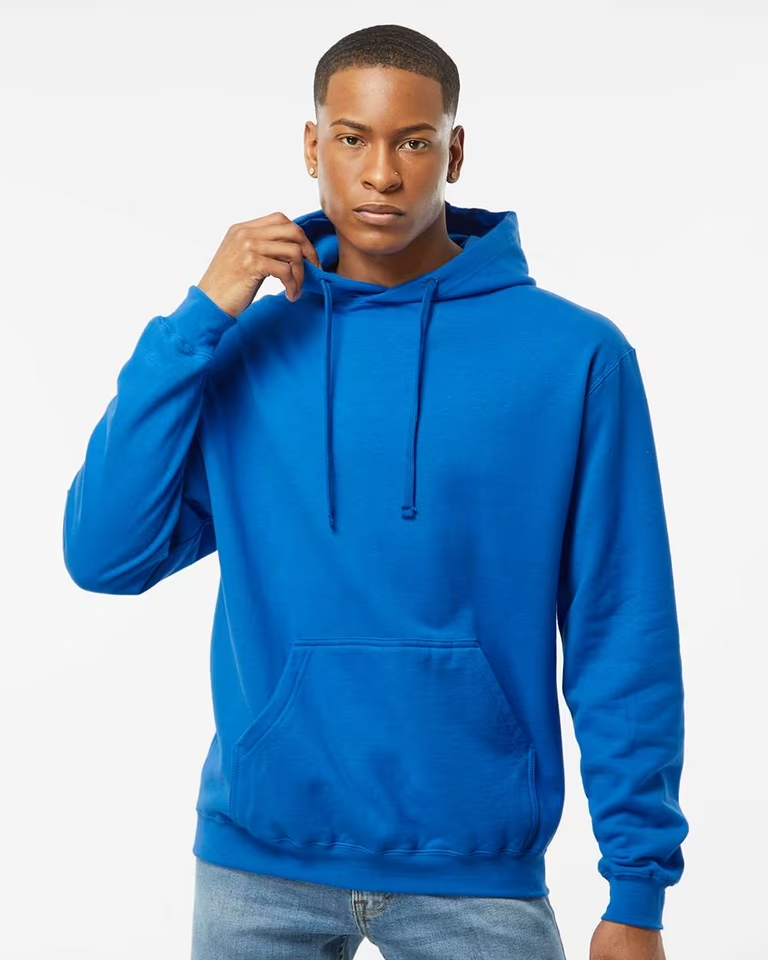
Tultex style number 320
$15.49
Retail $25.60
Save up to 39%
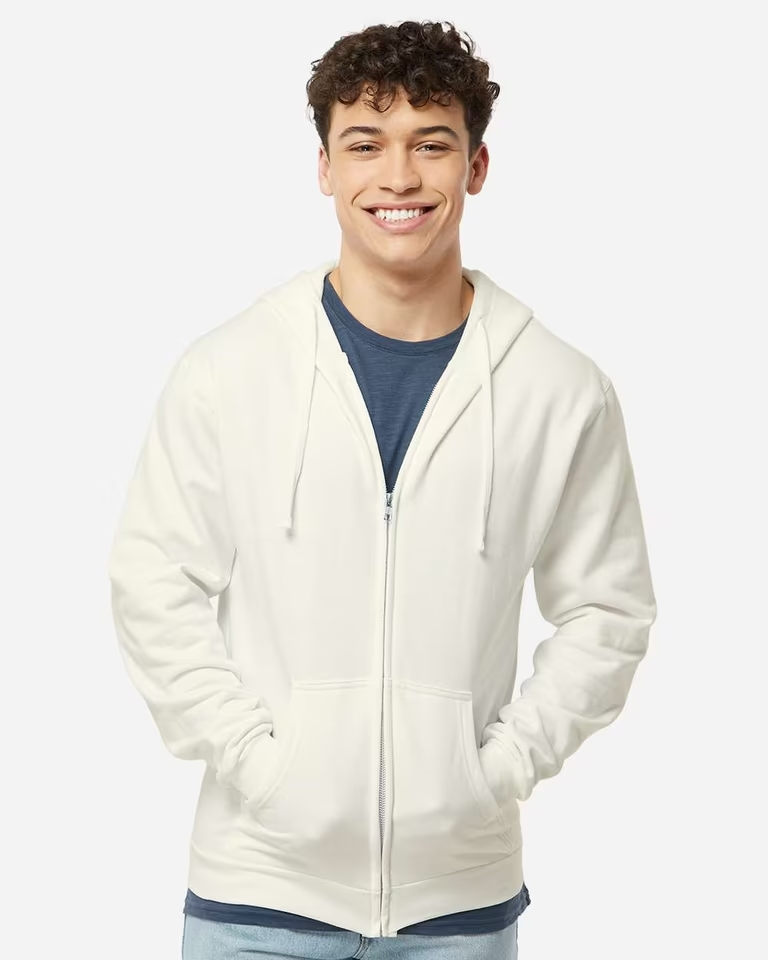
Tultex style number 331
$22.62
Retail $30.16
Save up to 25%
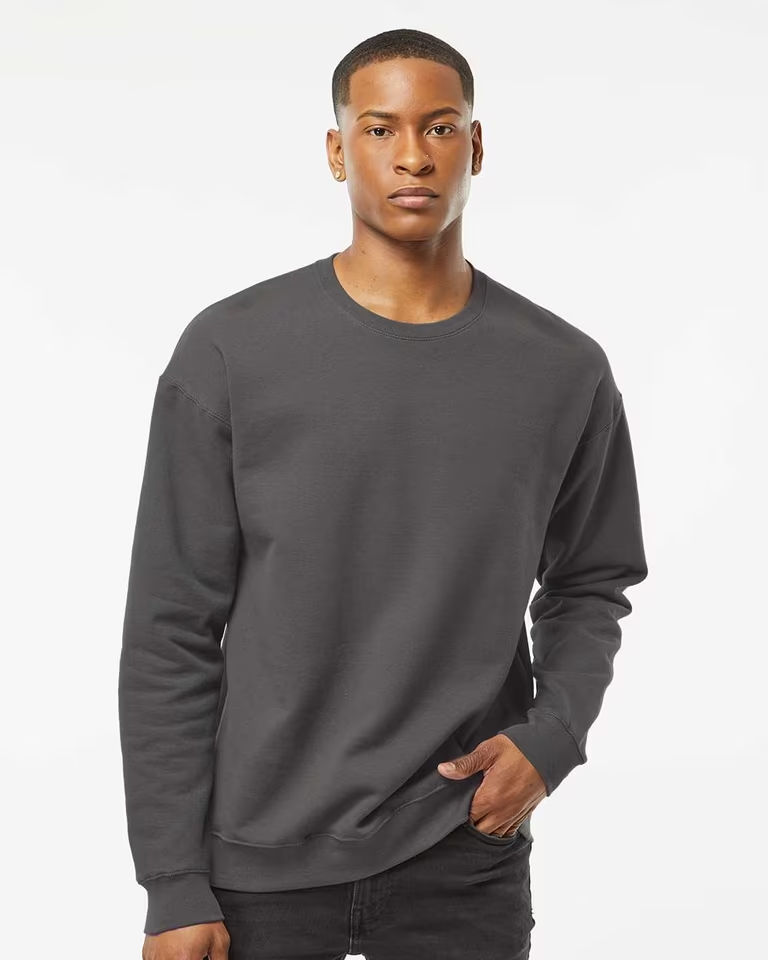
Tultex style number 340
$13.94
Retail $18.58
Save up to 25%
A step after carding where short fibers are combed out. Combed yarn is smoother, stronger, and pills less than straight-carded yarn. -cotton and CVC tees in a retail cut.
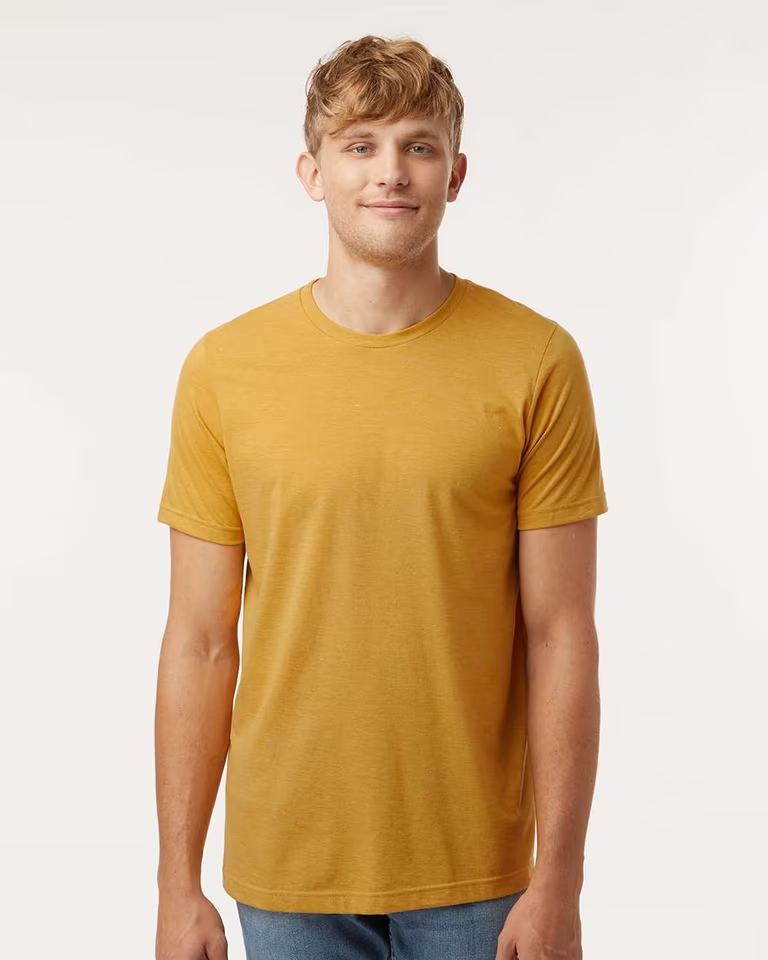
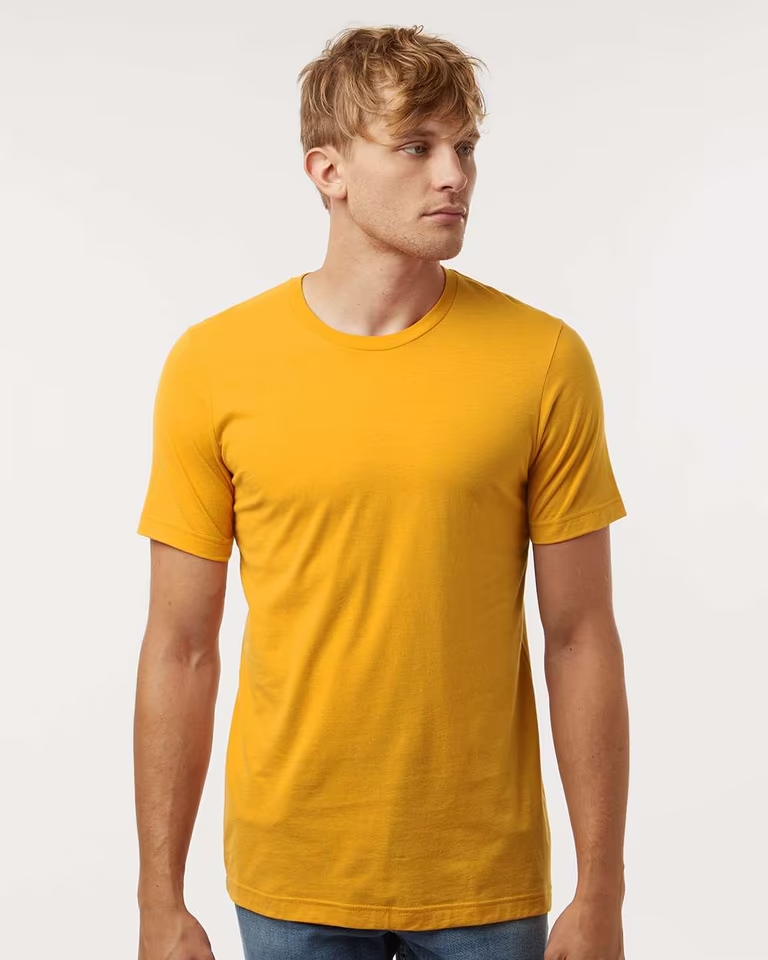
The vintage-drape tee.
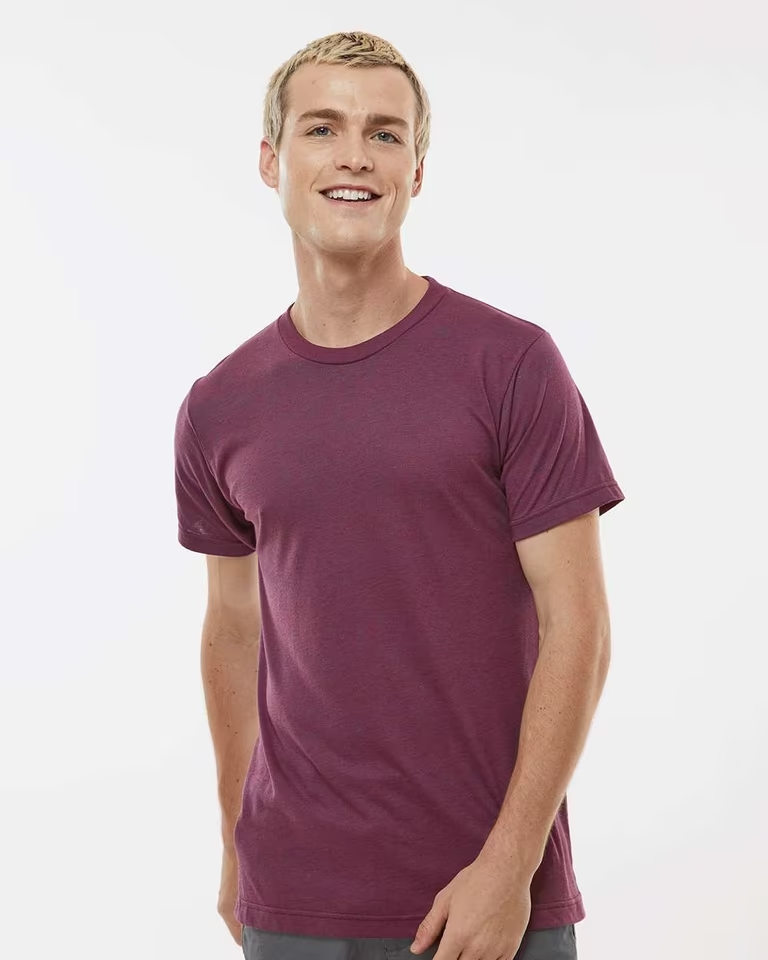
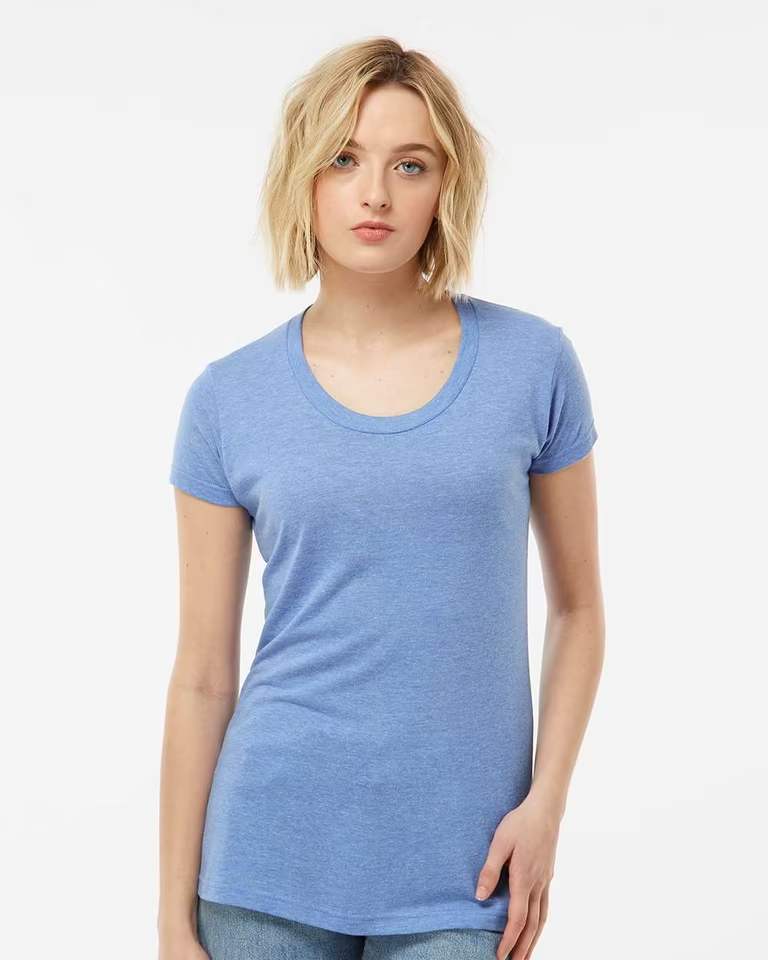
The 502/516 collection: heavier ring-spun cotton and a poly-blend companion (541/542), in men's, women's, and long-sleeve cuts, for shops that want more structure than the 202.
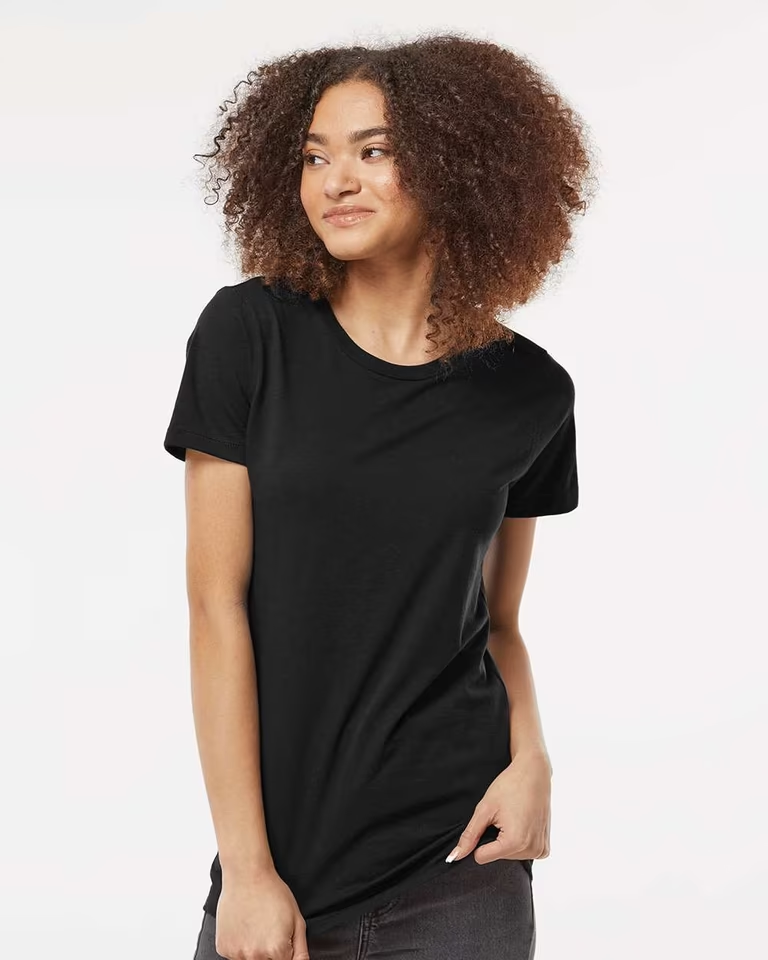
Tultex style number 541
$6.21
Retail $8.28
Save up to 25%
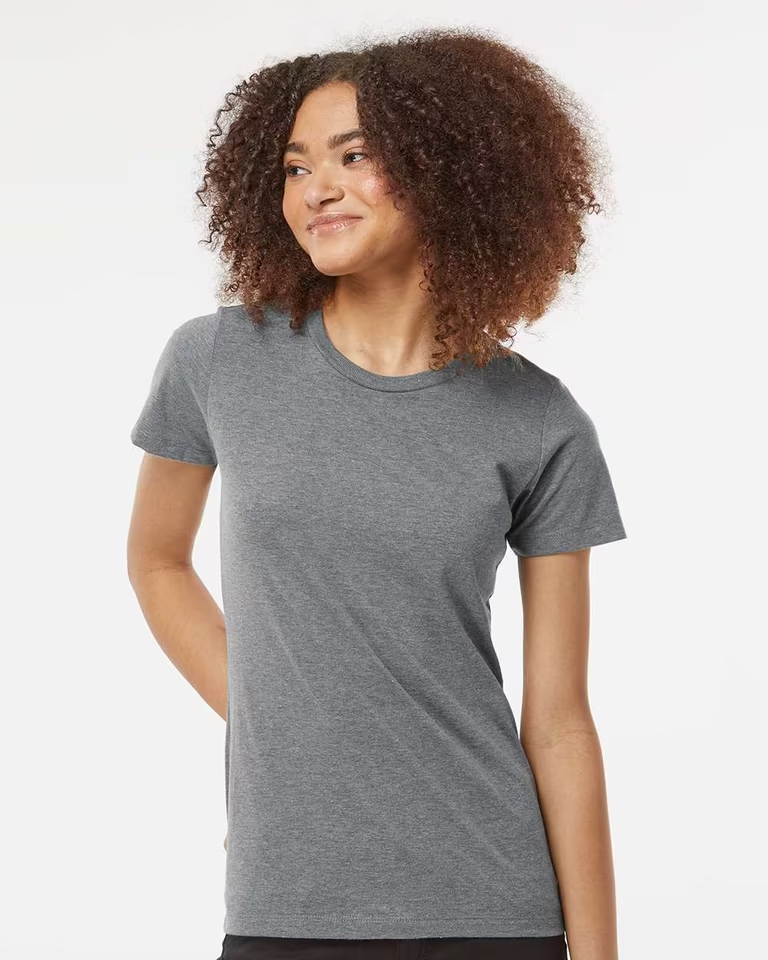
Tultex style number 542
$5.36
Retail $7.15
Save up to 25%
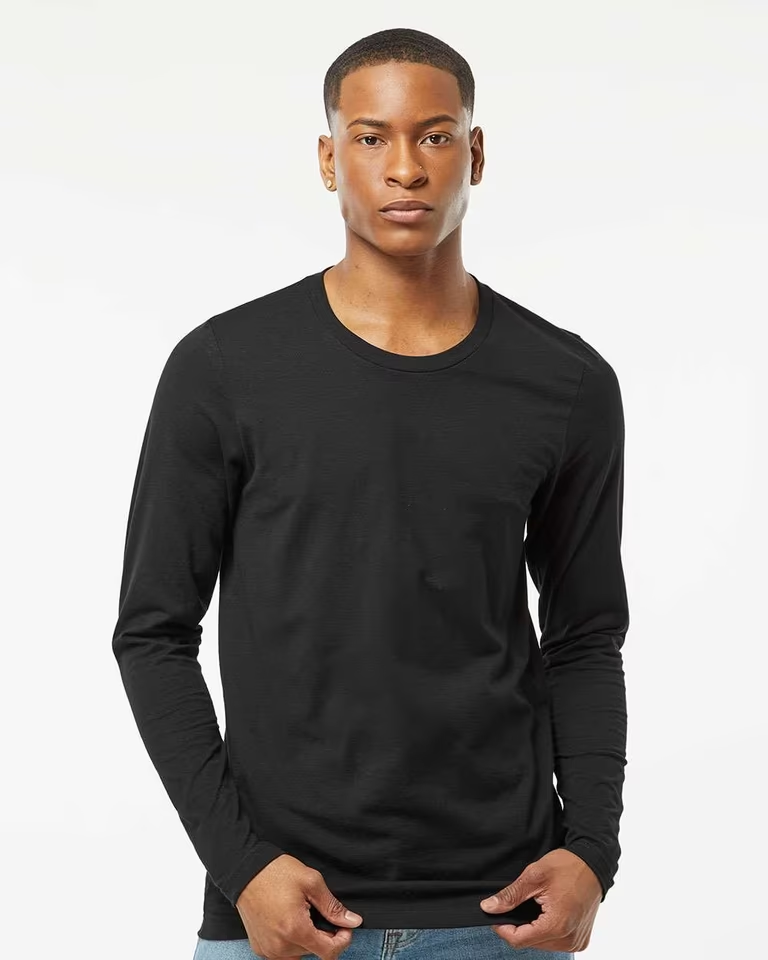
Tultex style number 591
$9.03
Retail $10.83
Save up to 17%
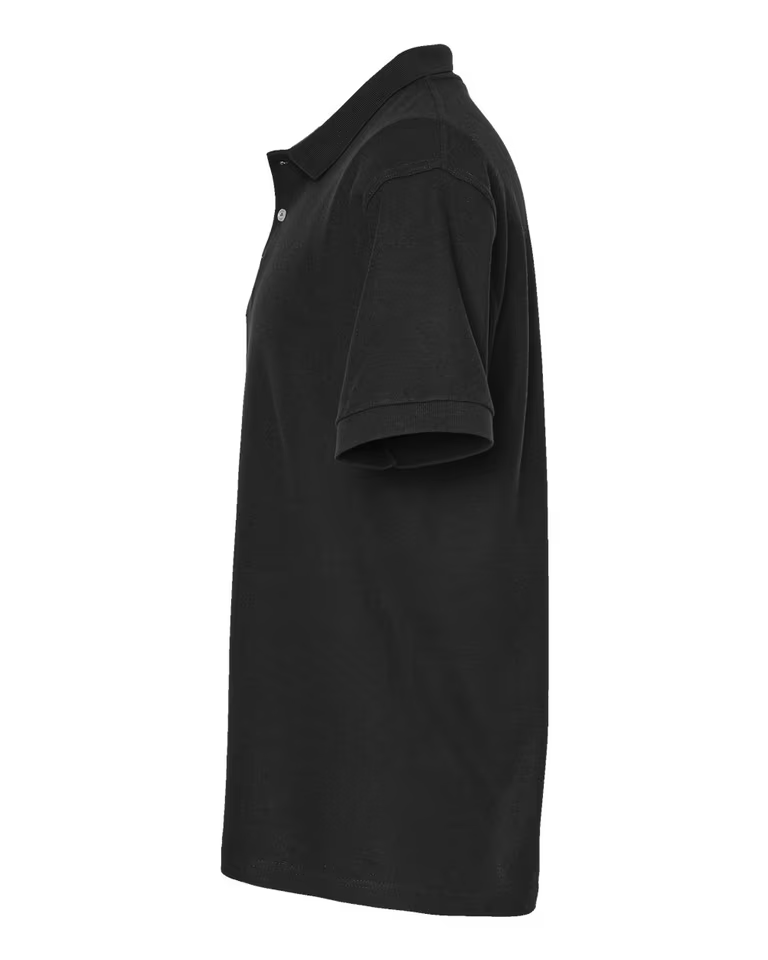
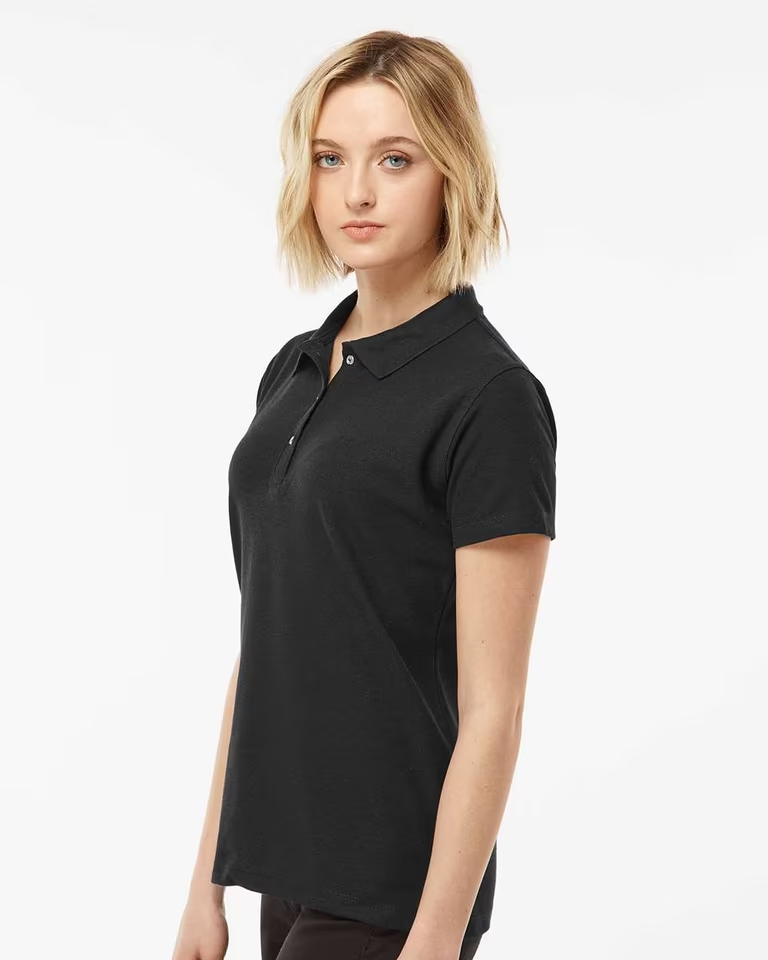
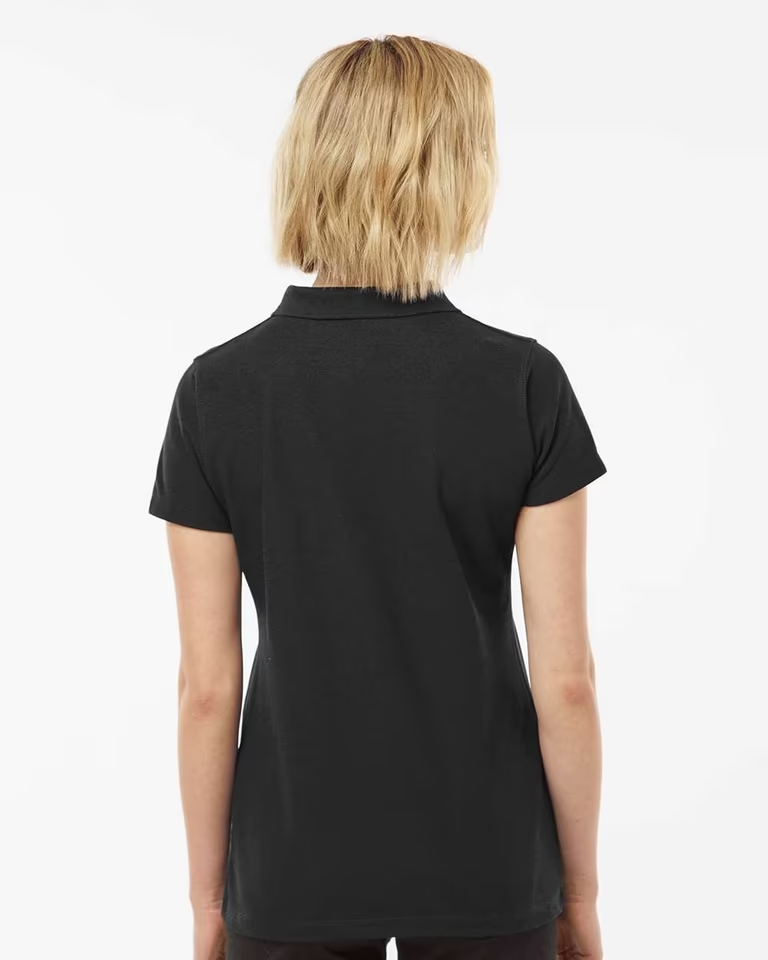
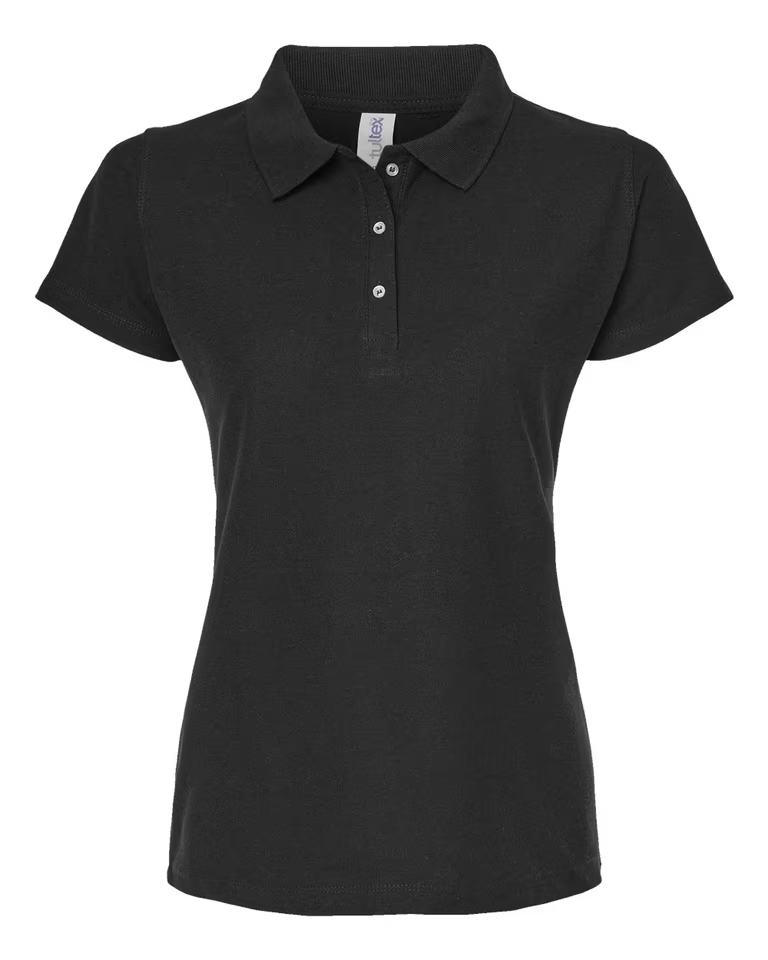
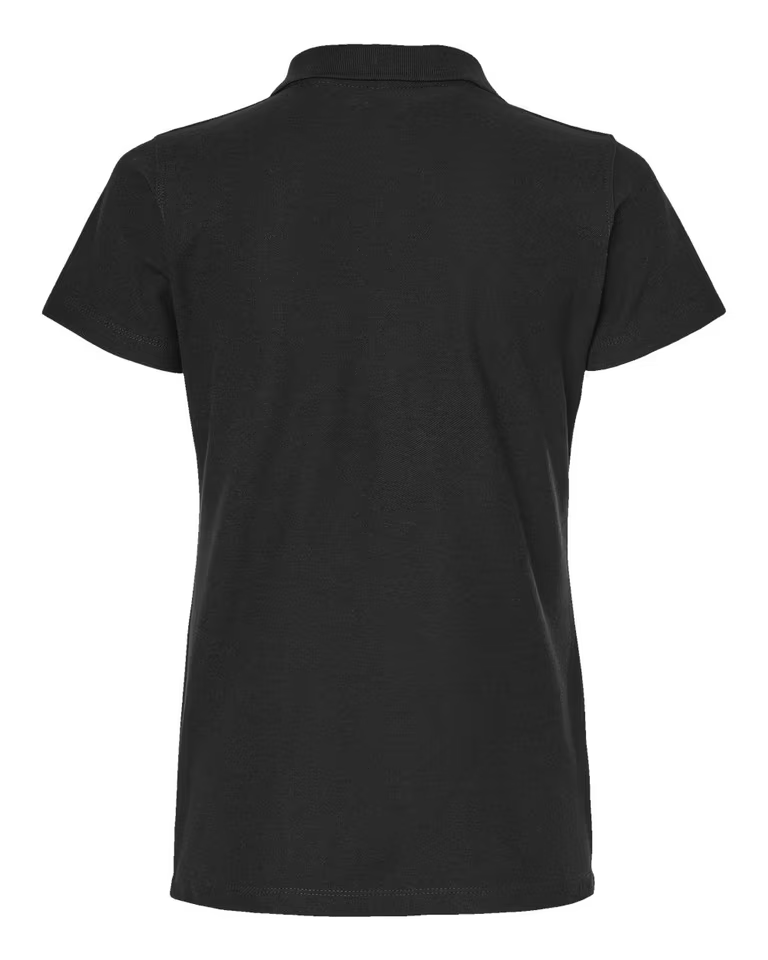
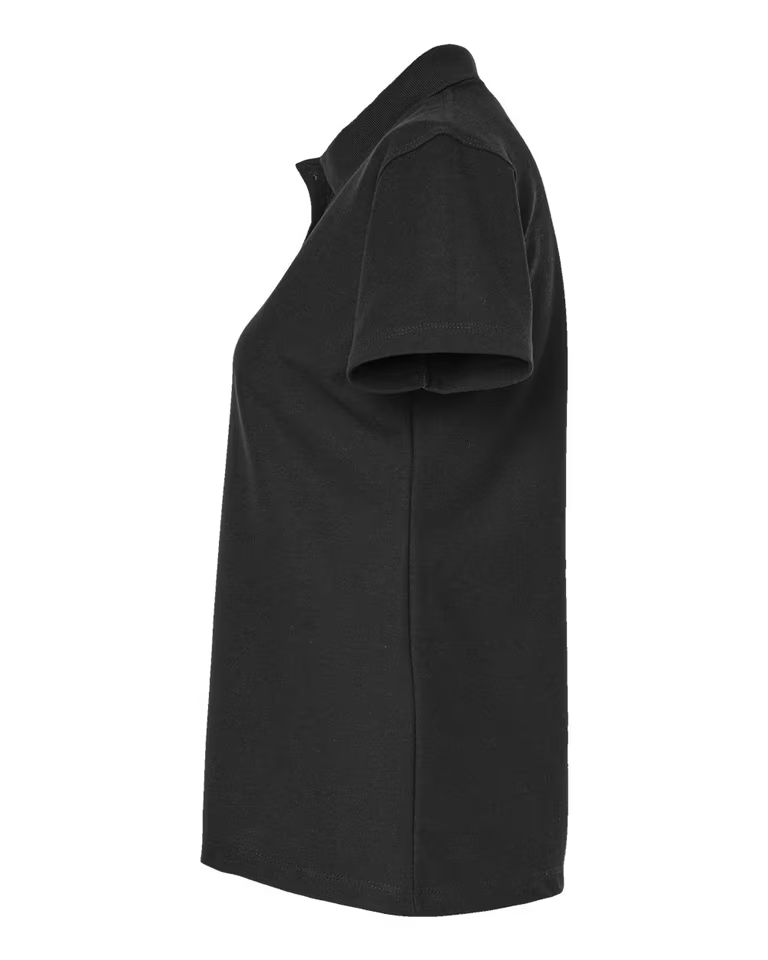
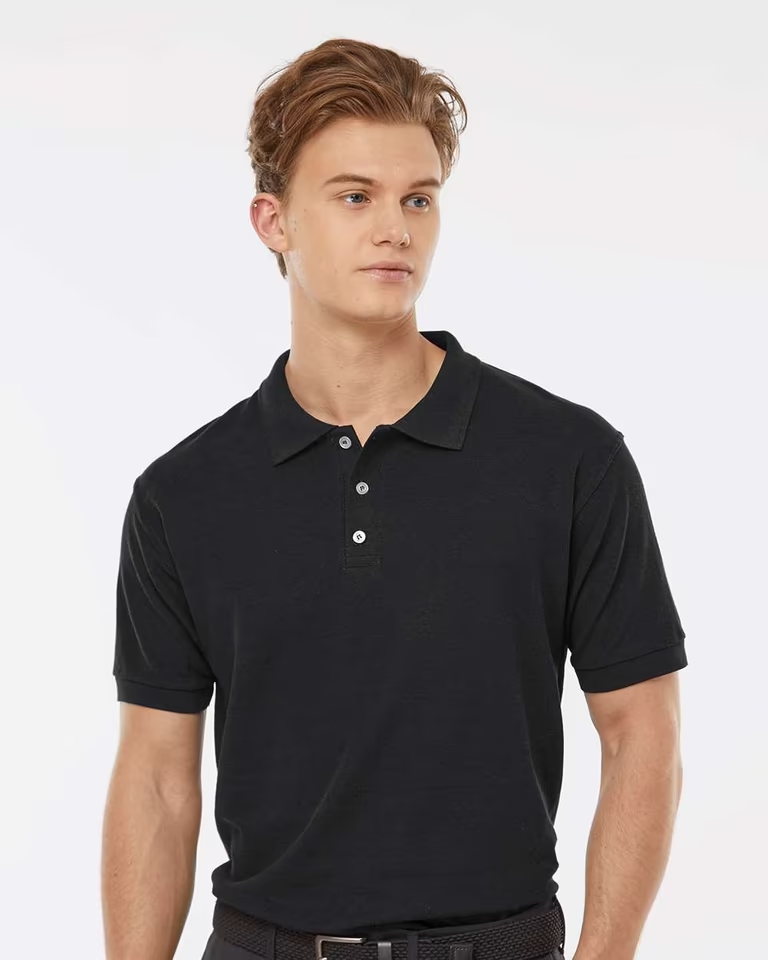
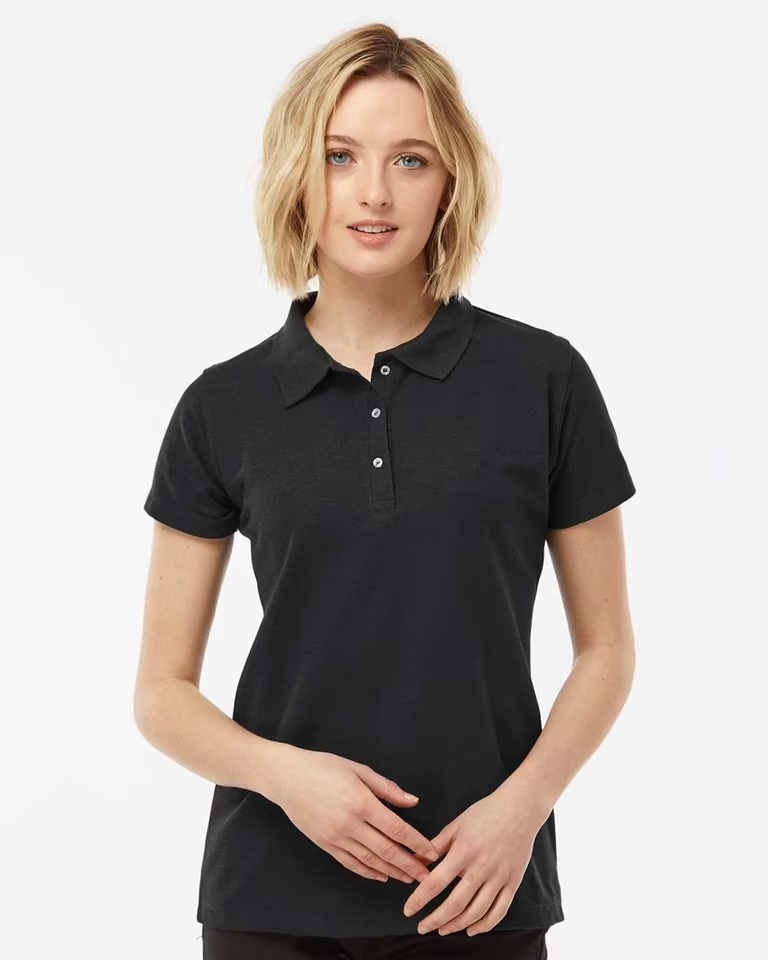
The 400/401 50/50 sport piqué polo, men's and women's.
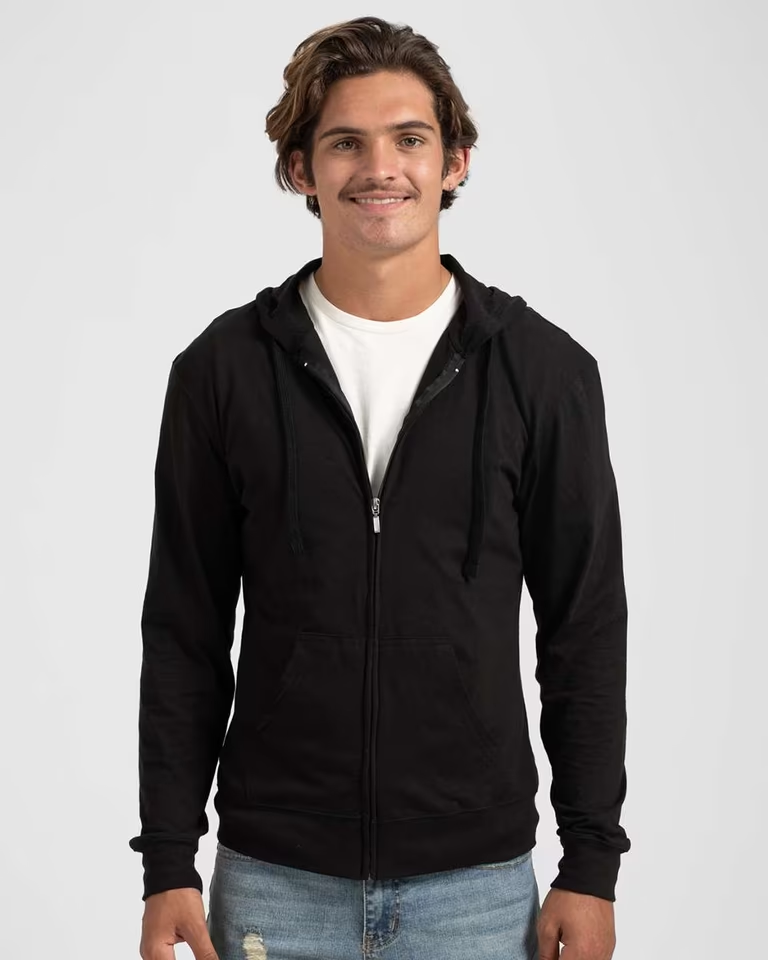
Tultex style number 260
$15.48
Retail $20.64
Save up to 25%
Or browse by category: