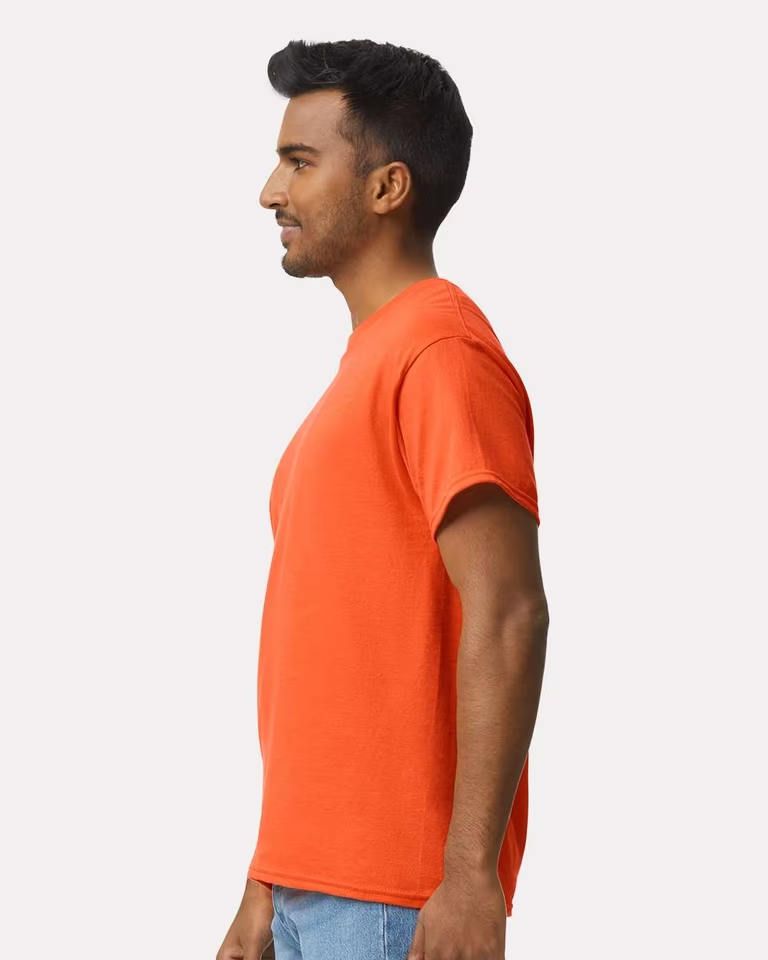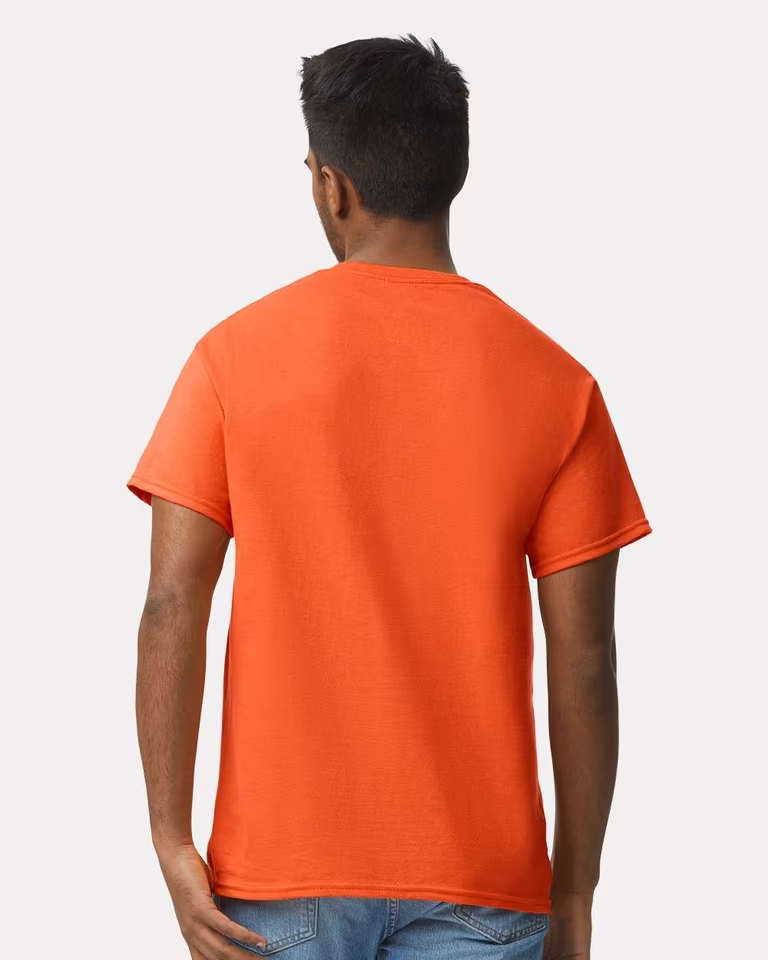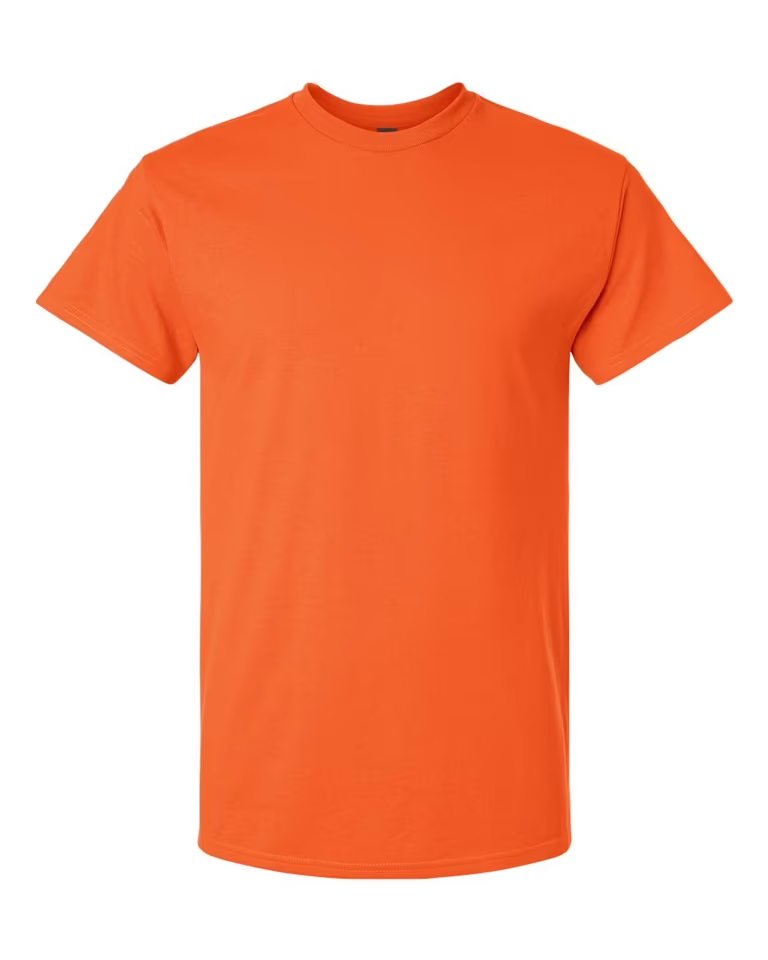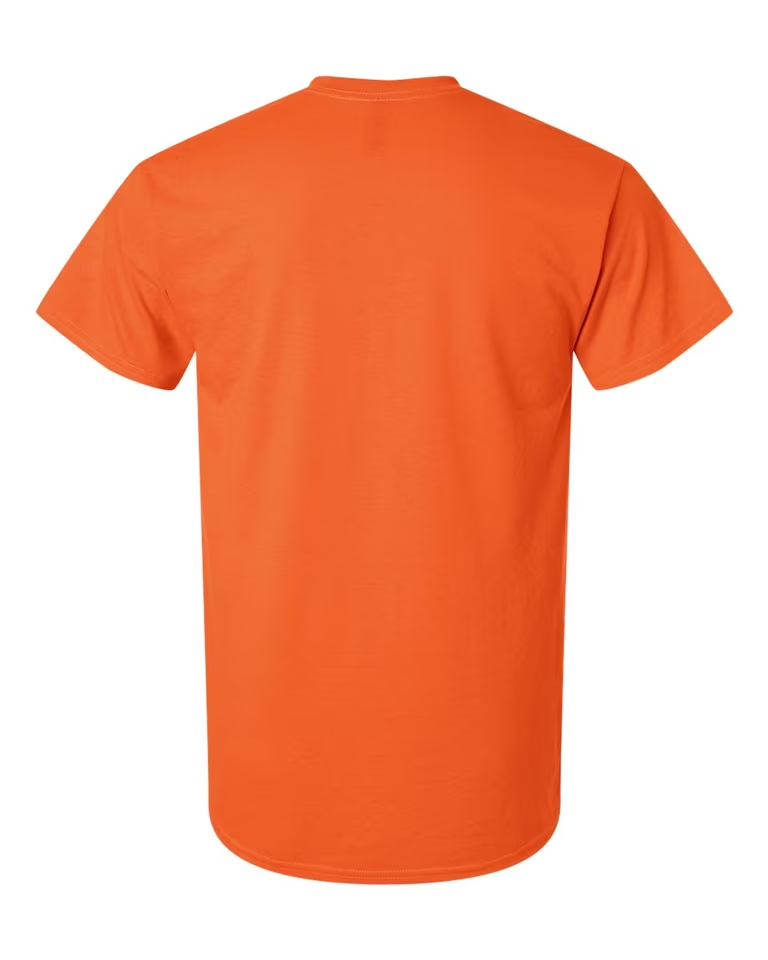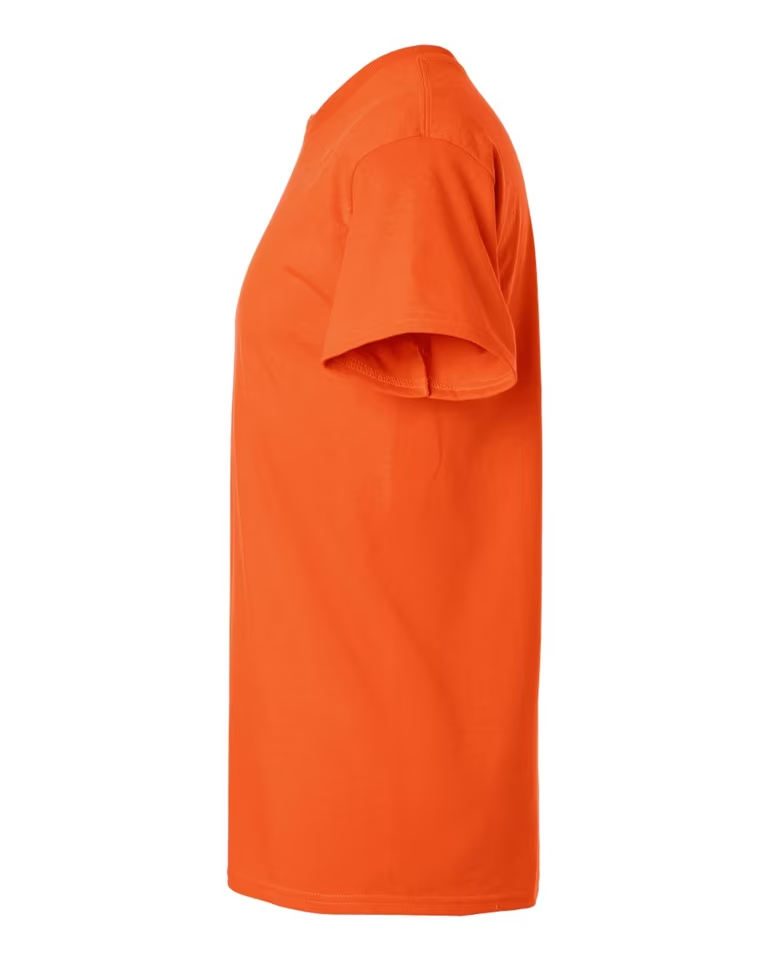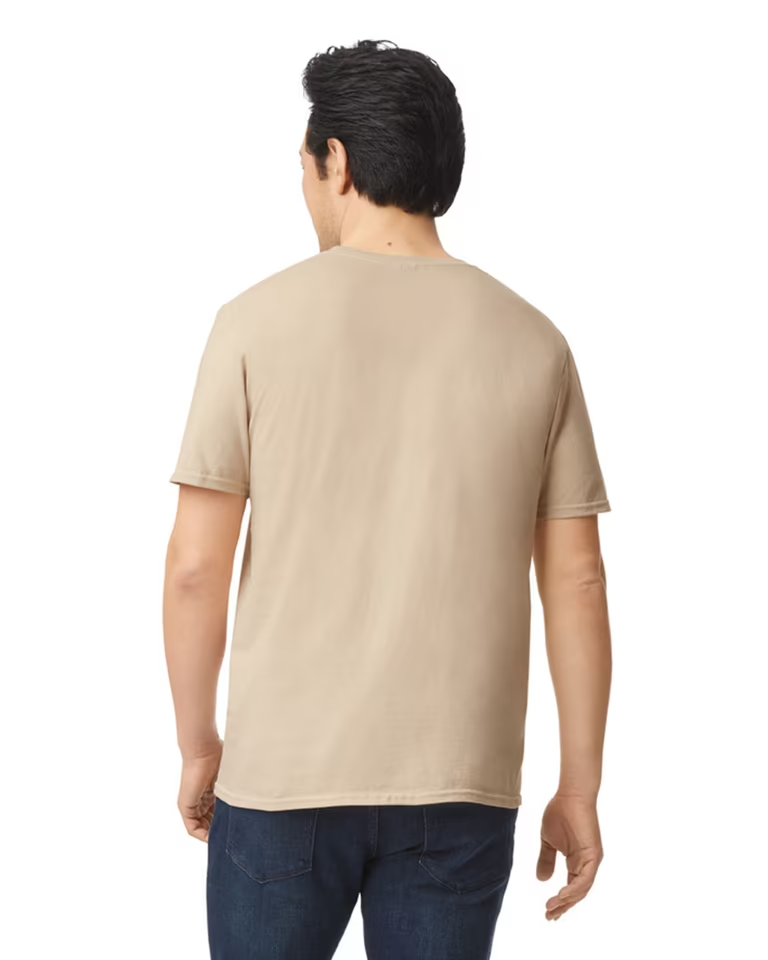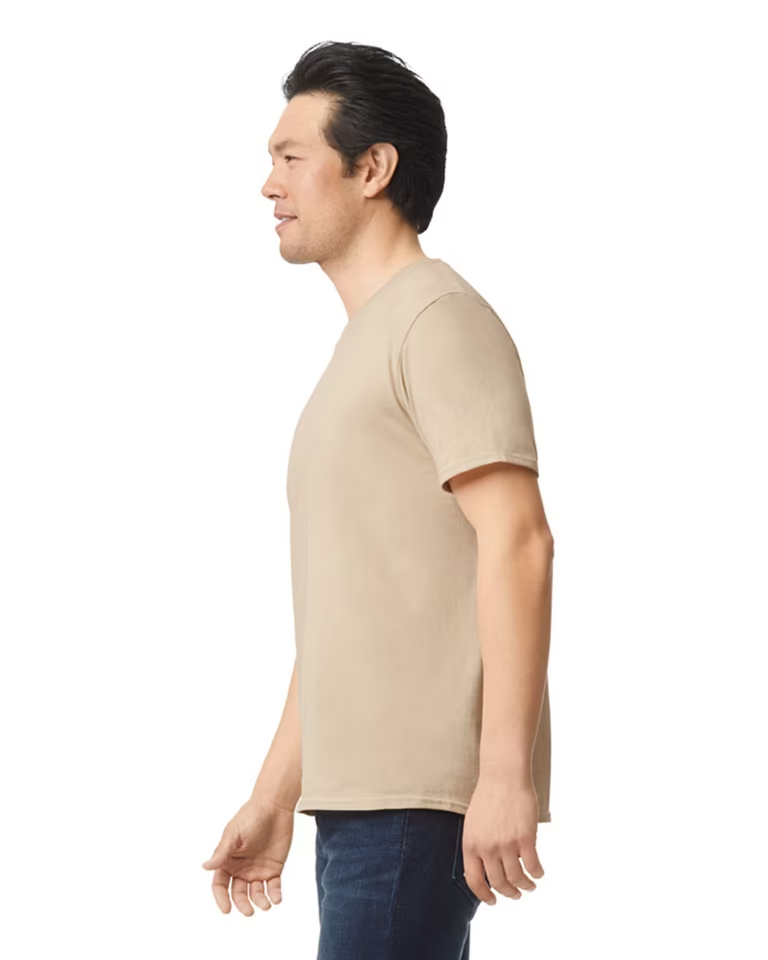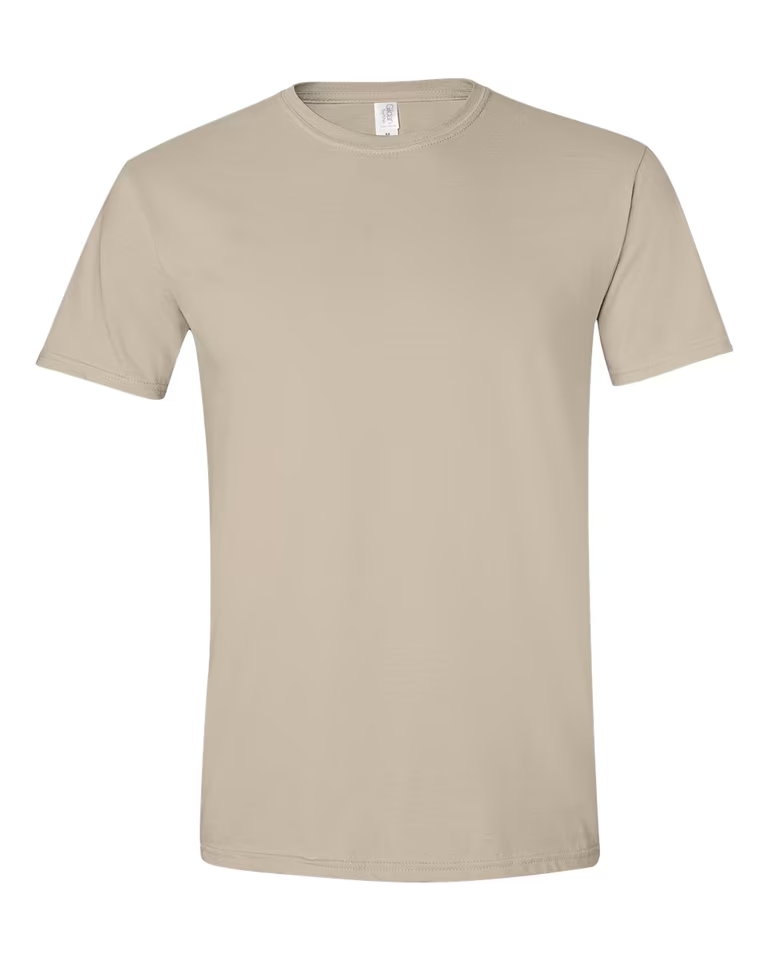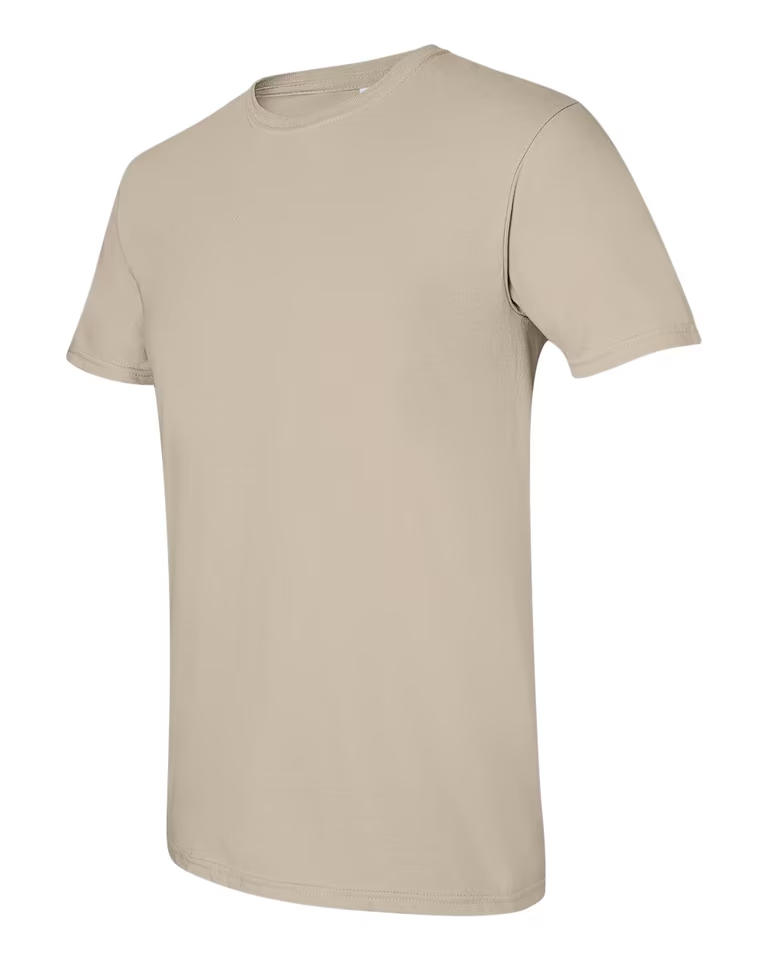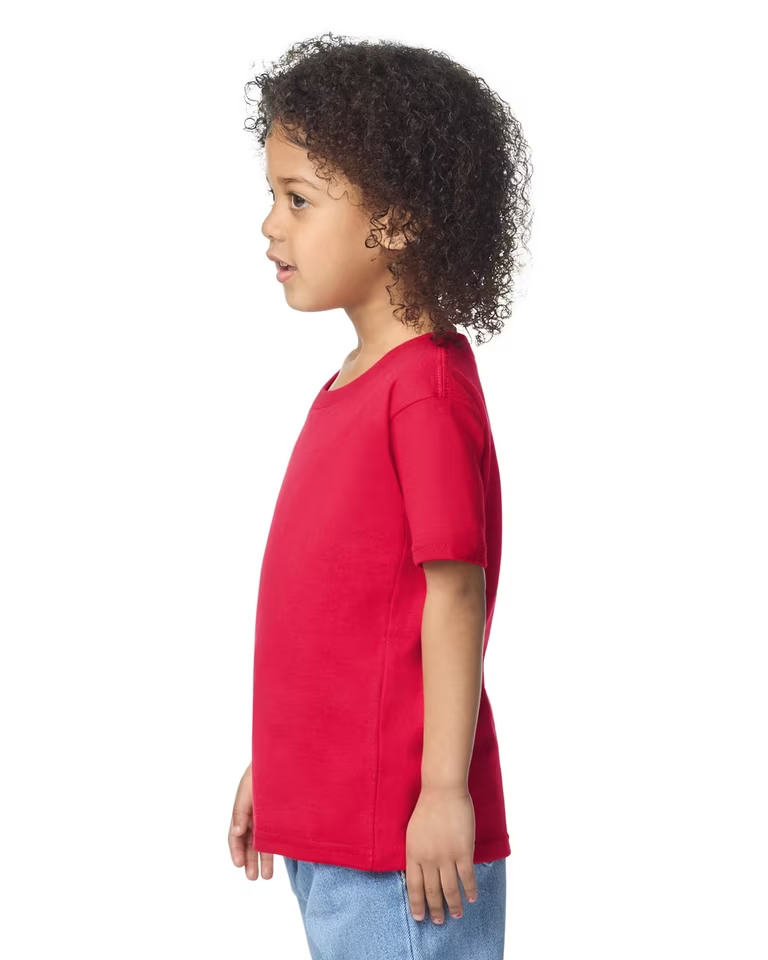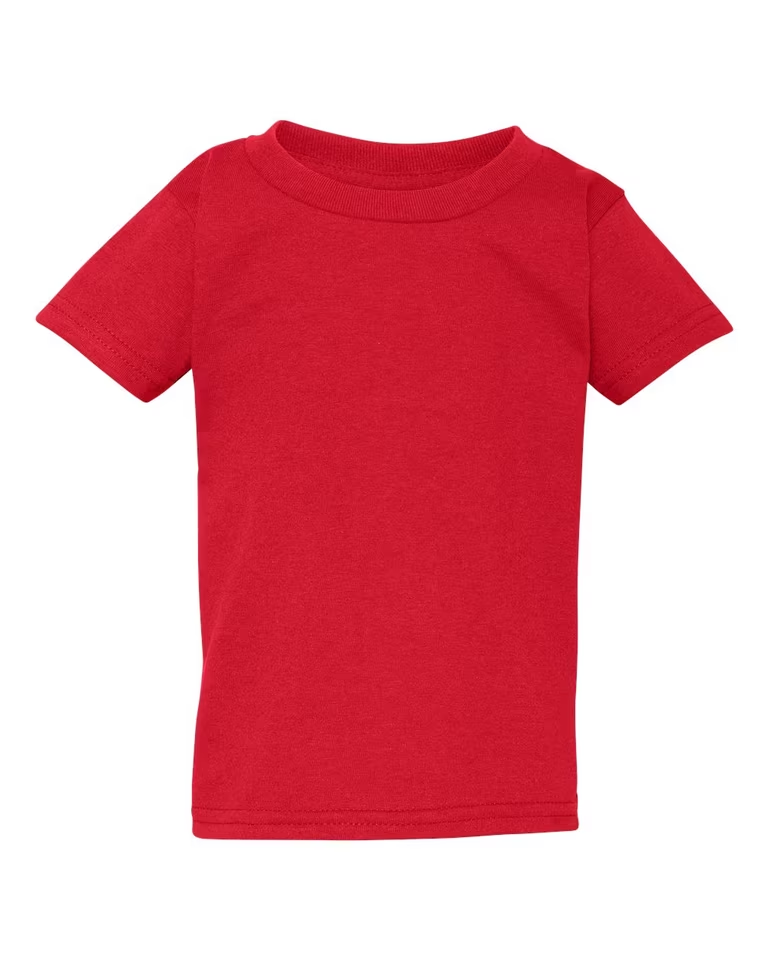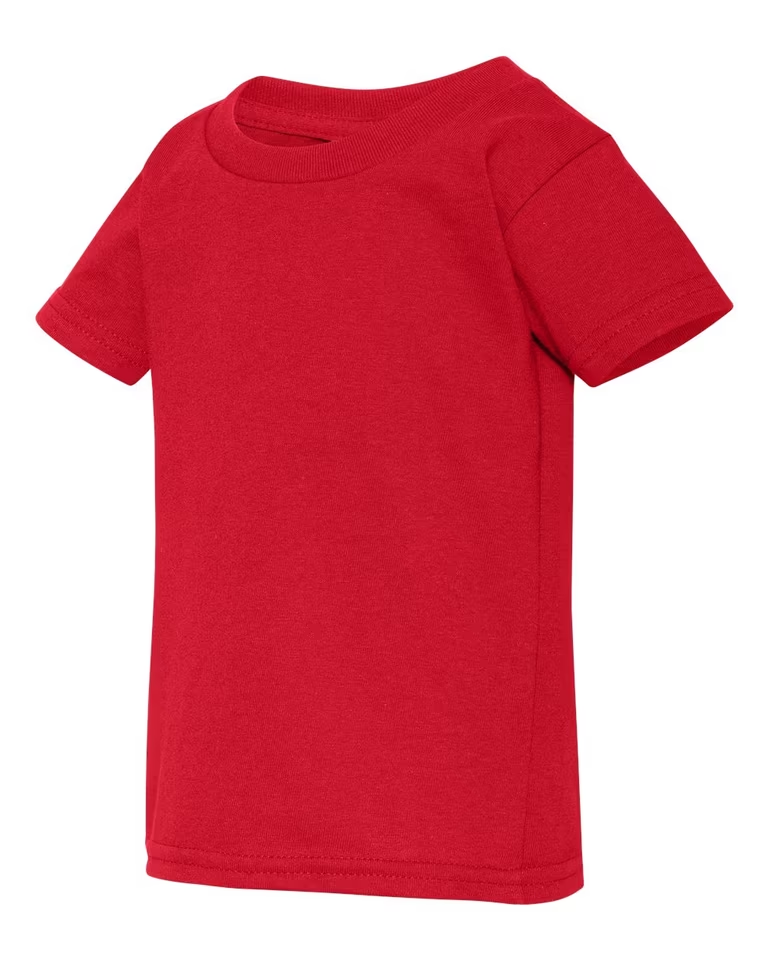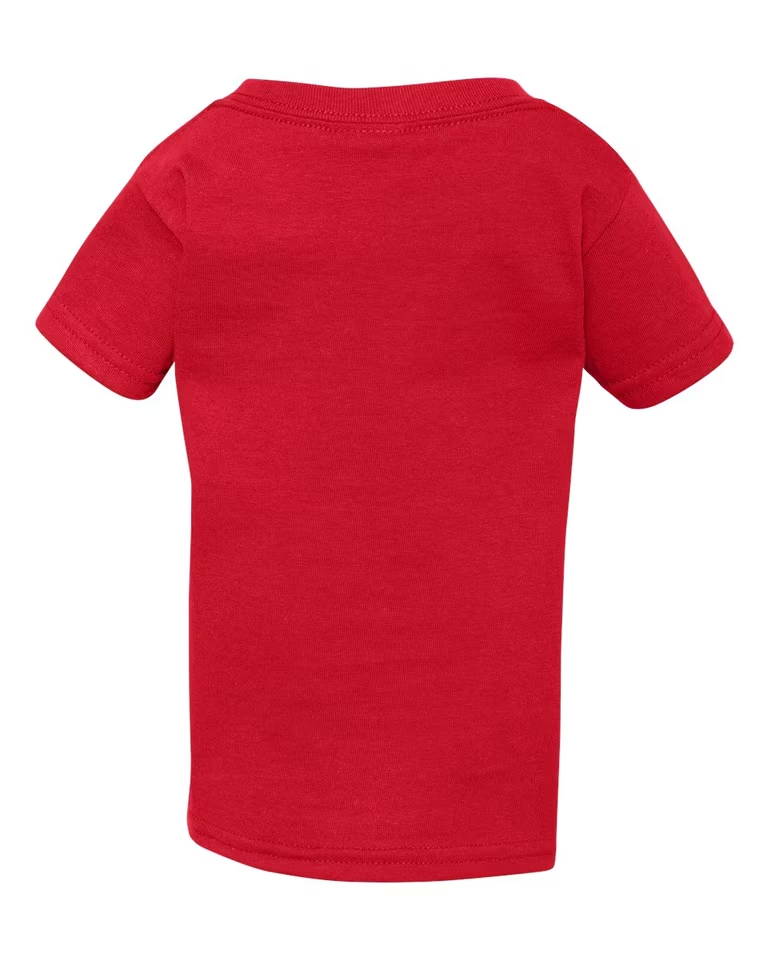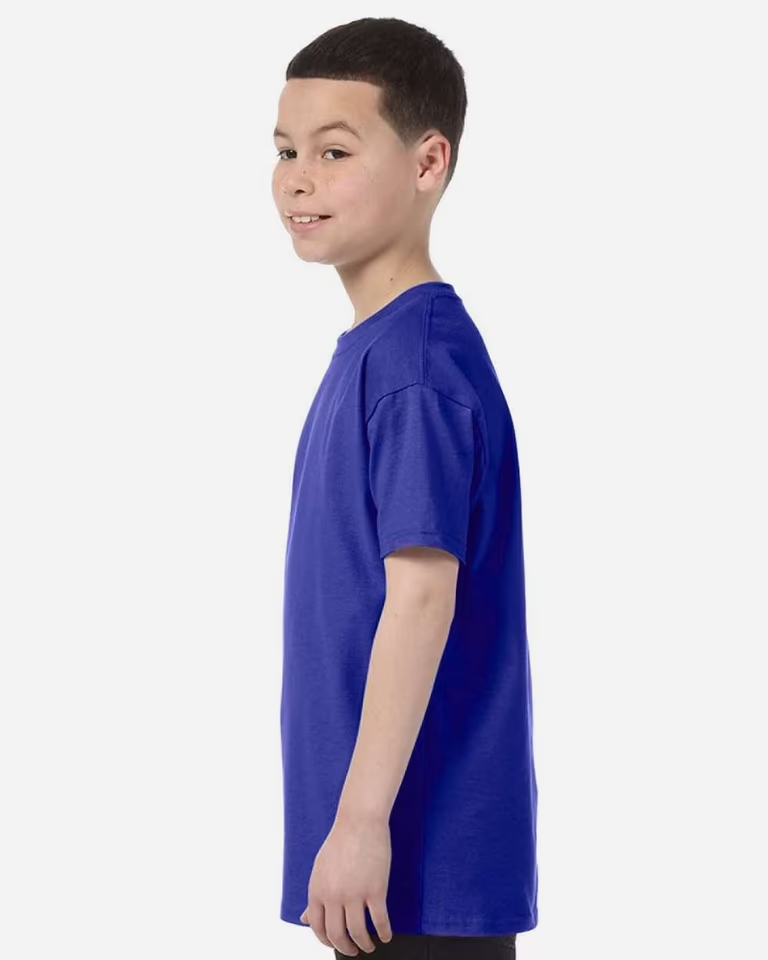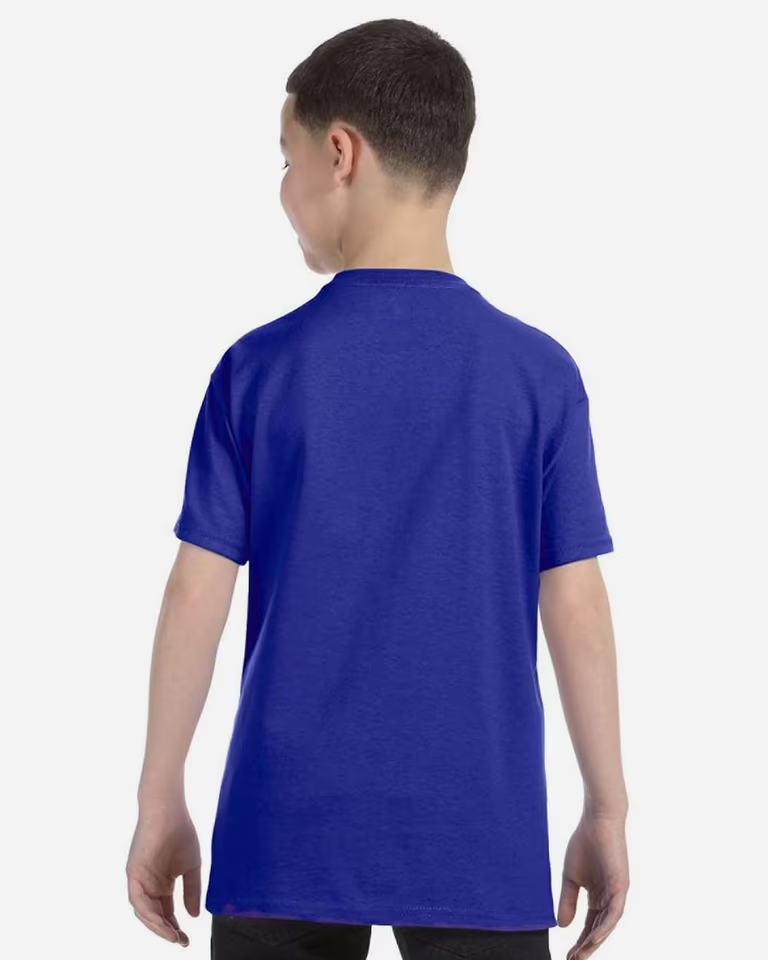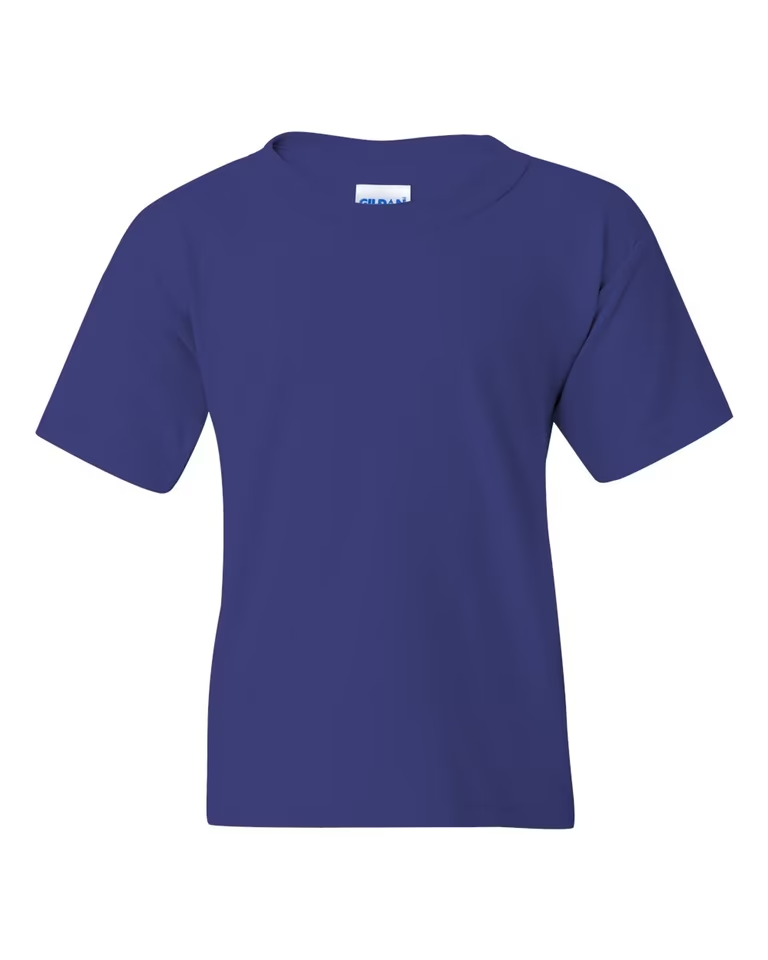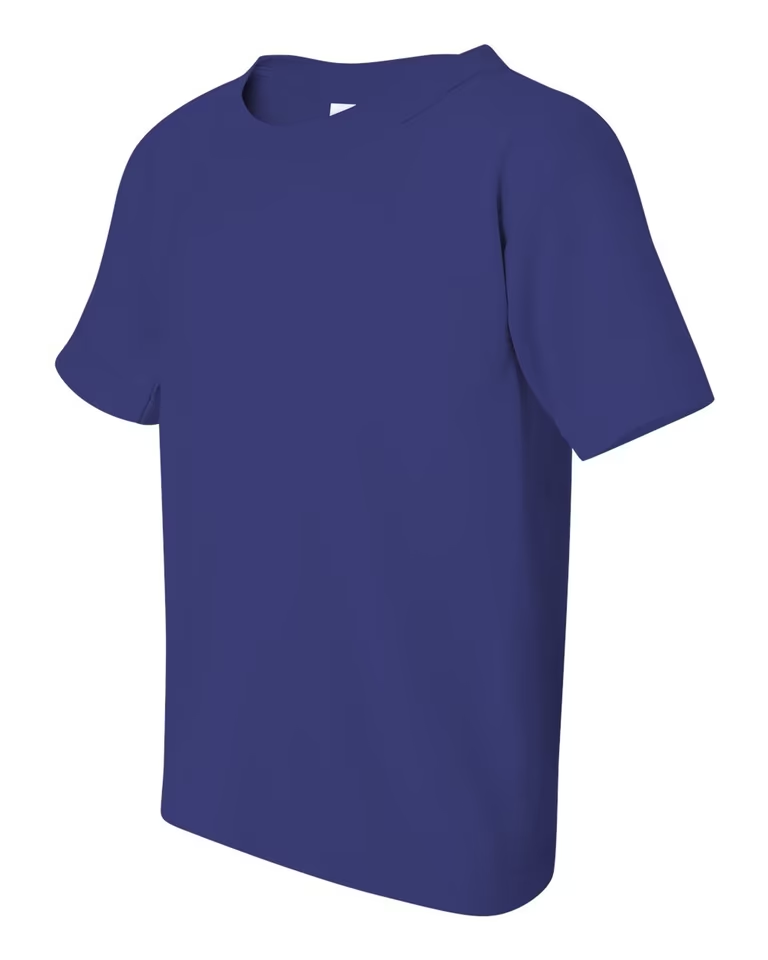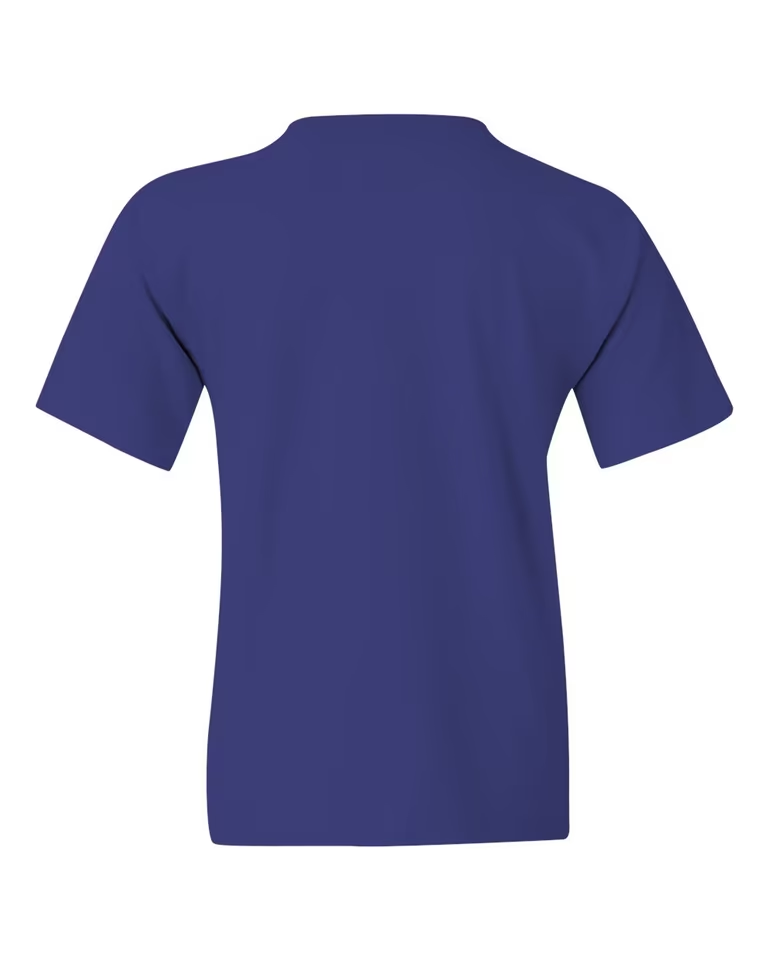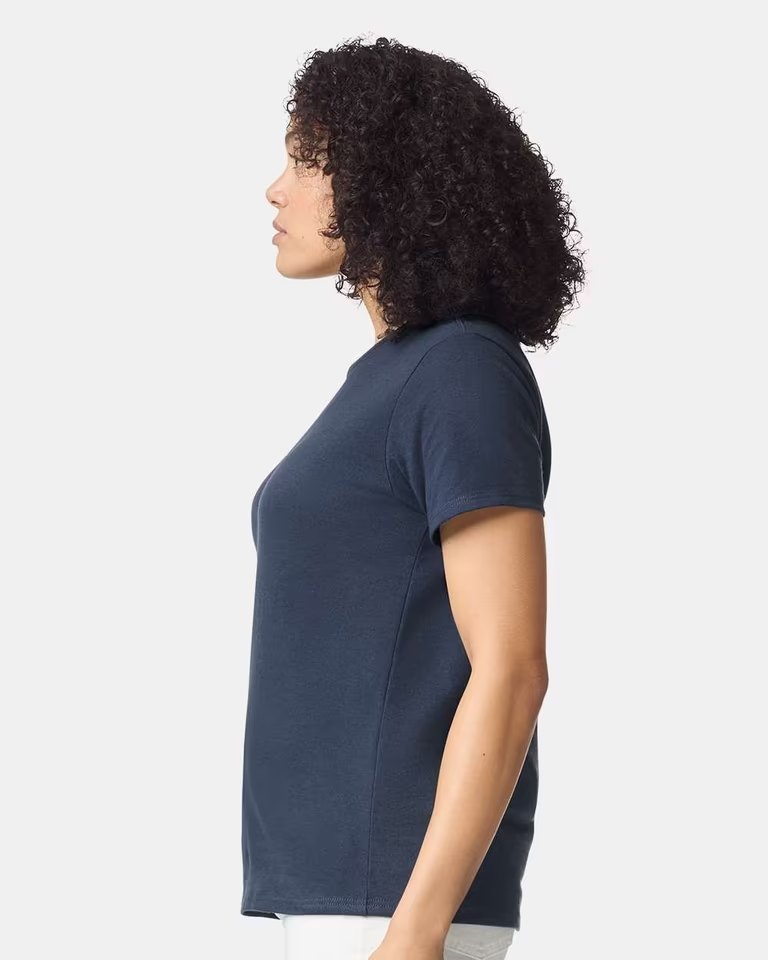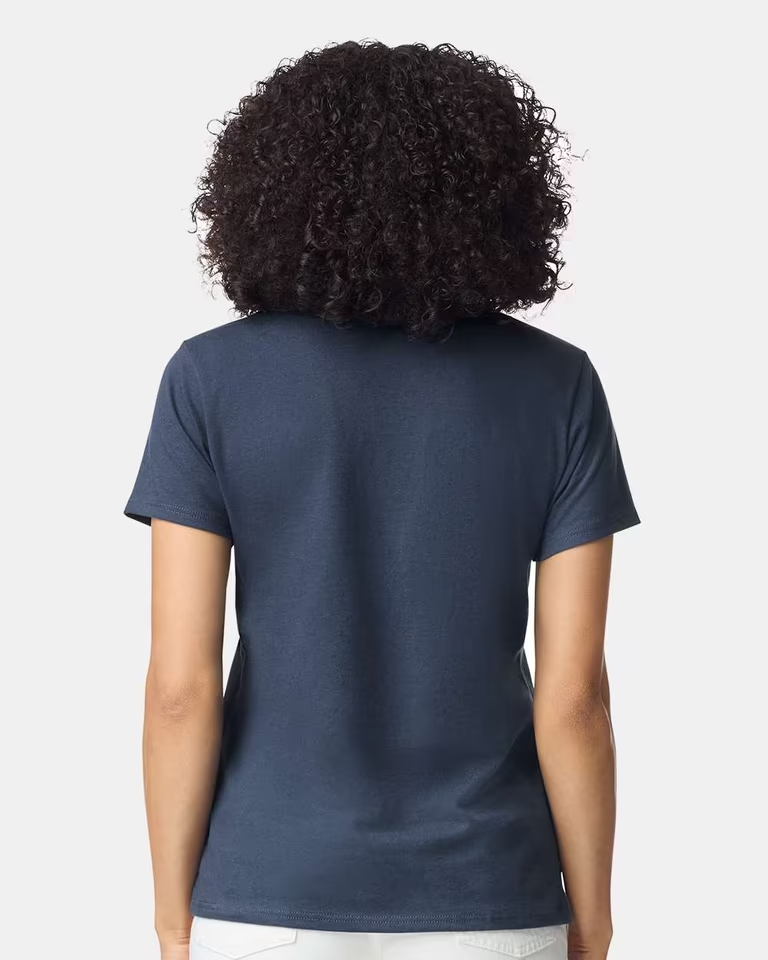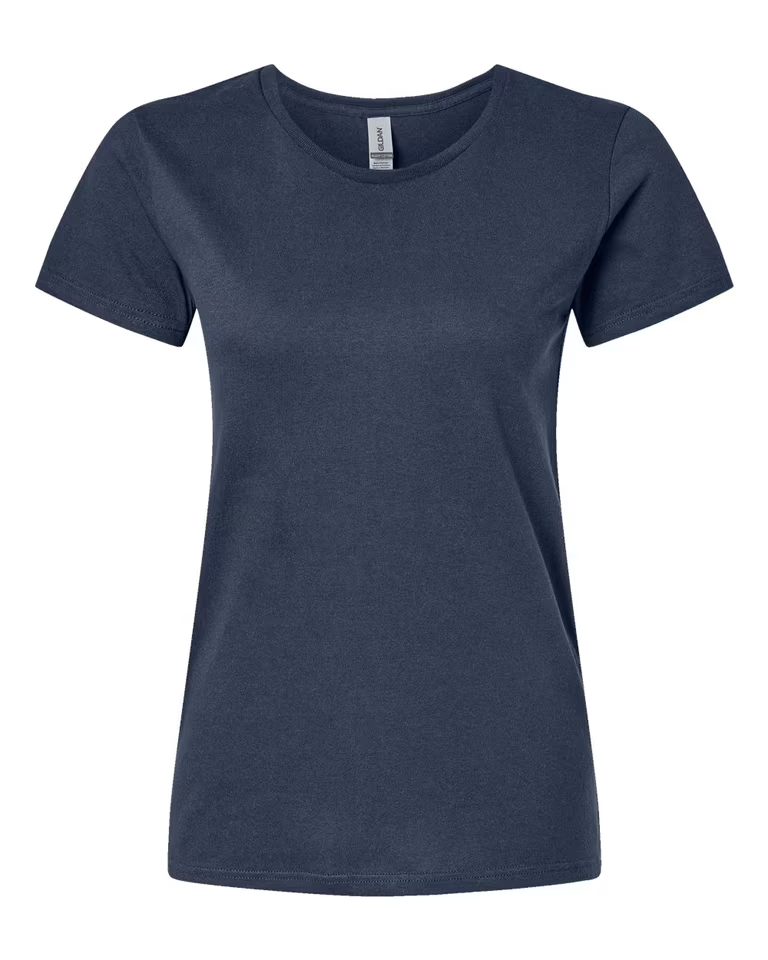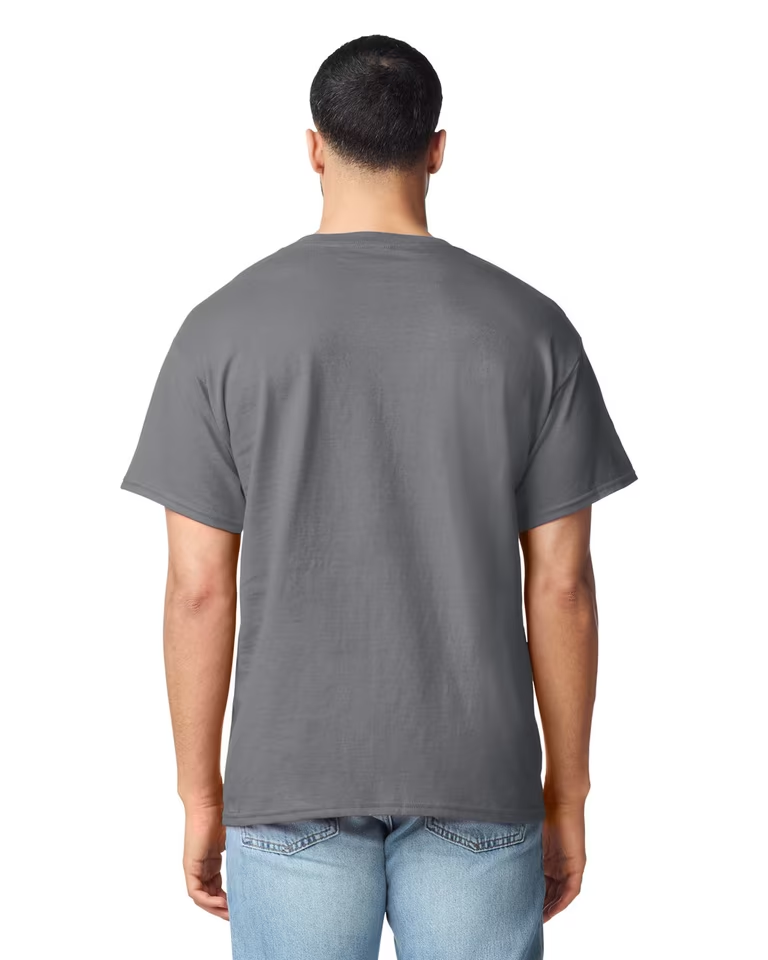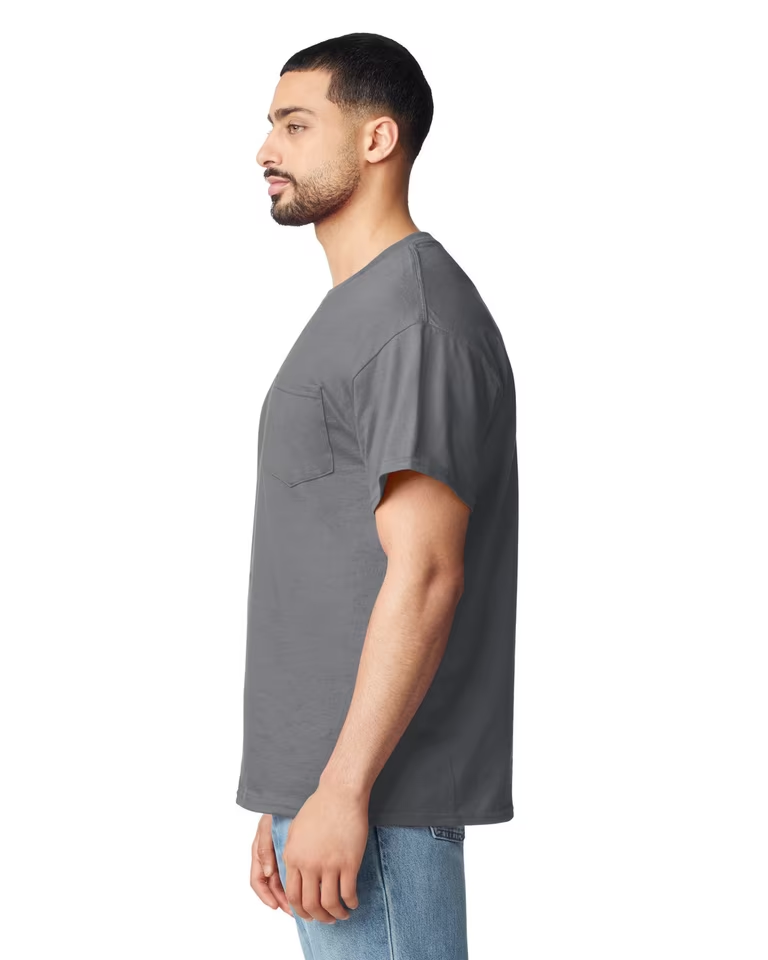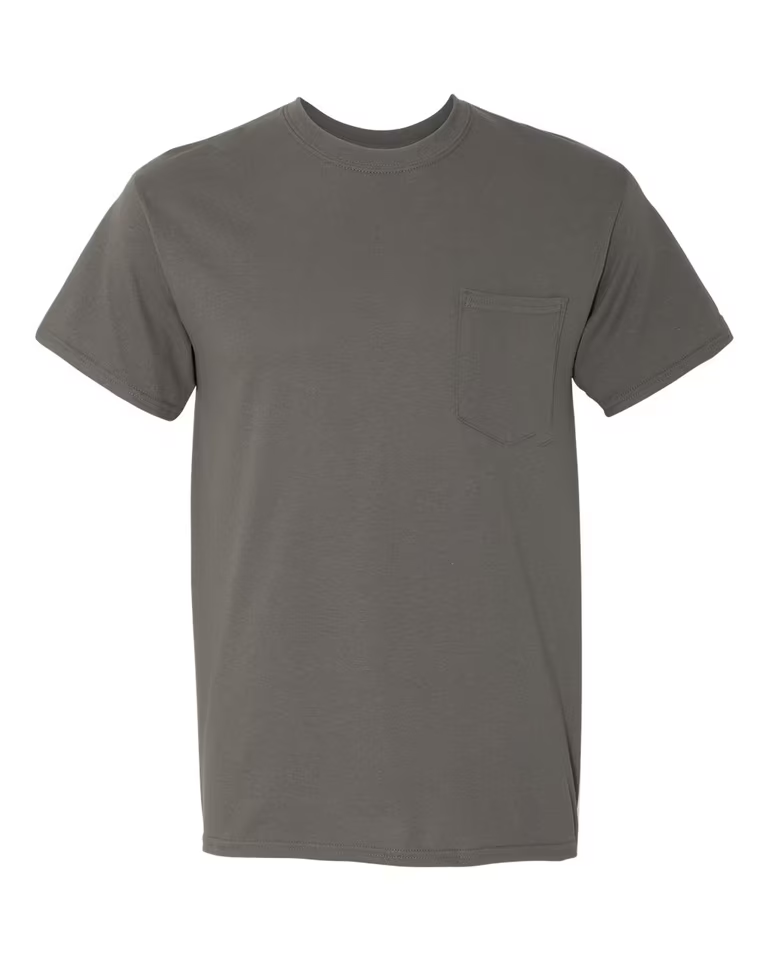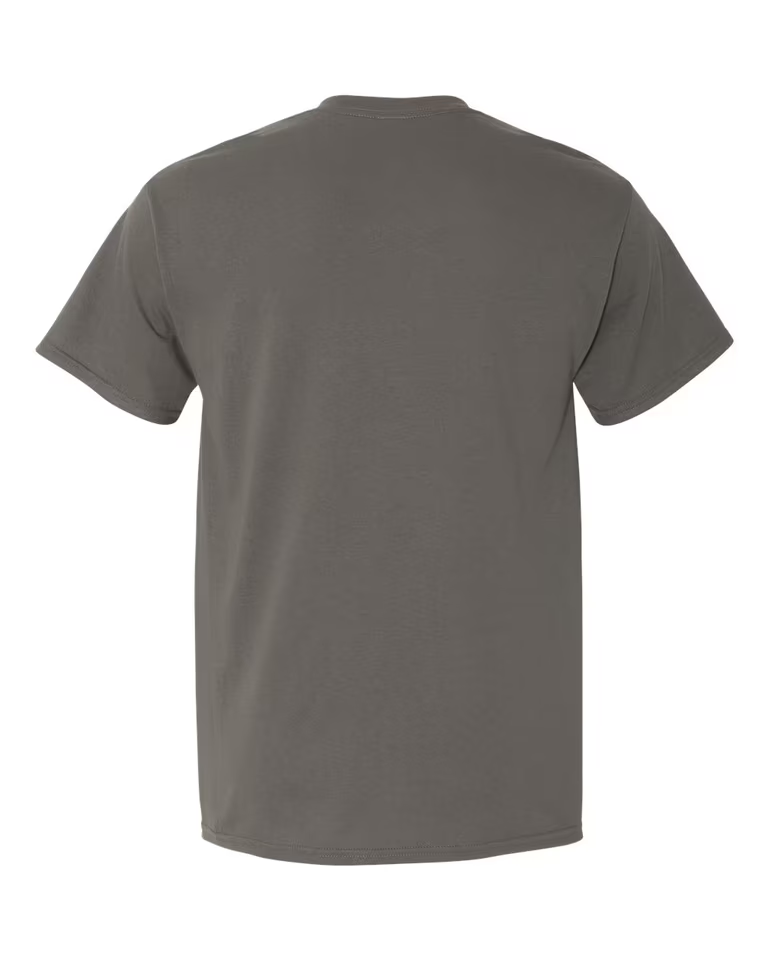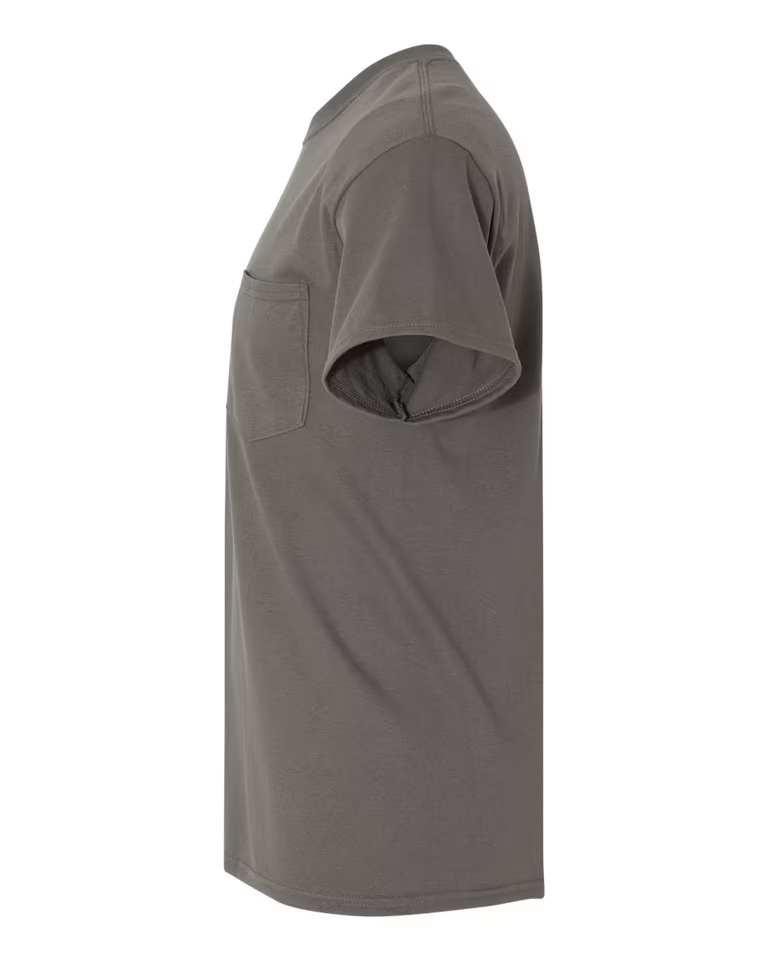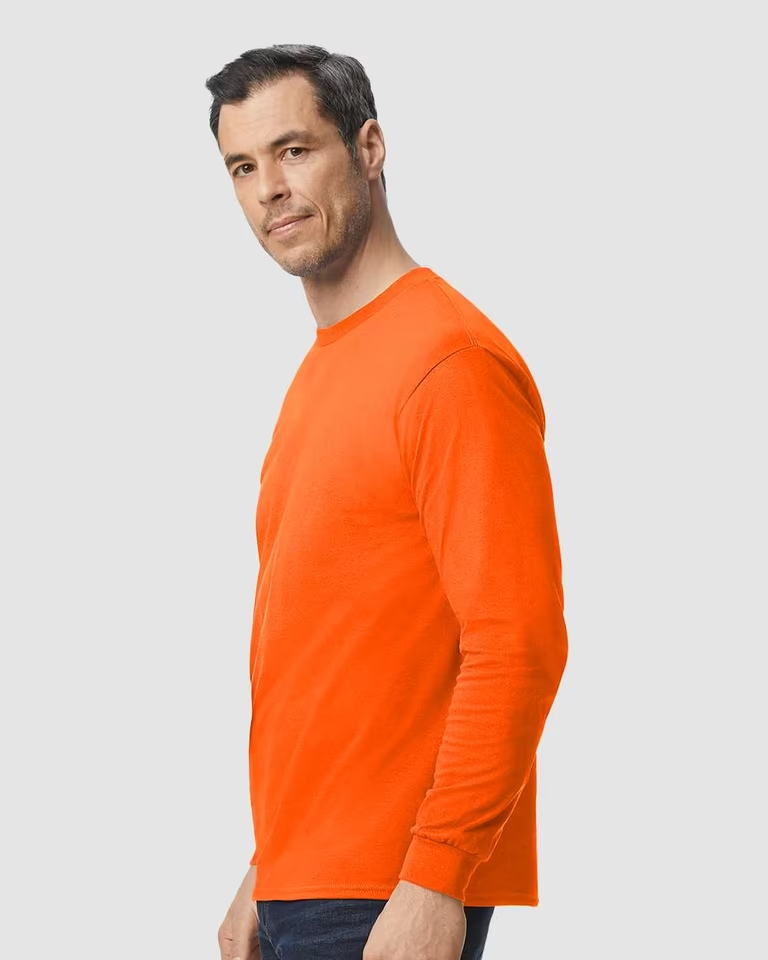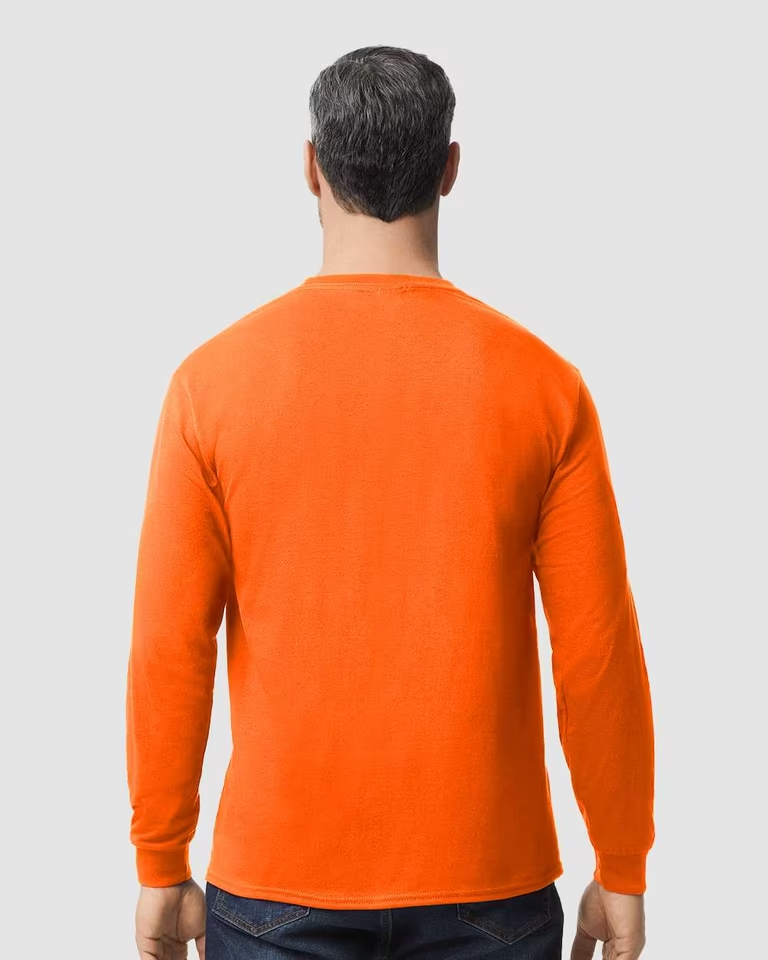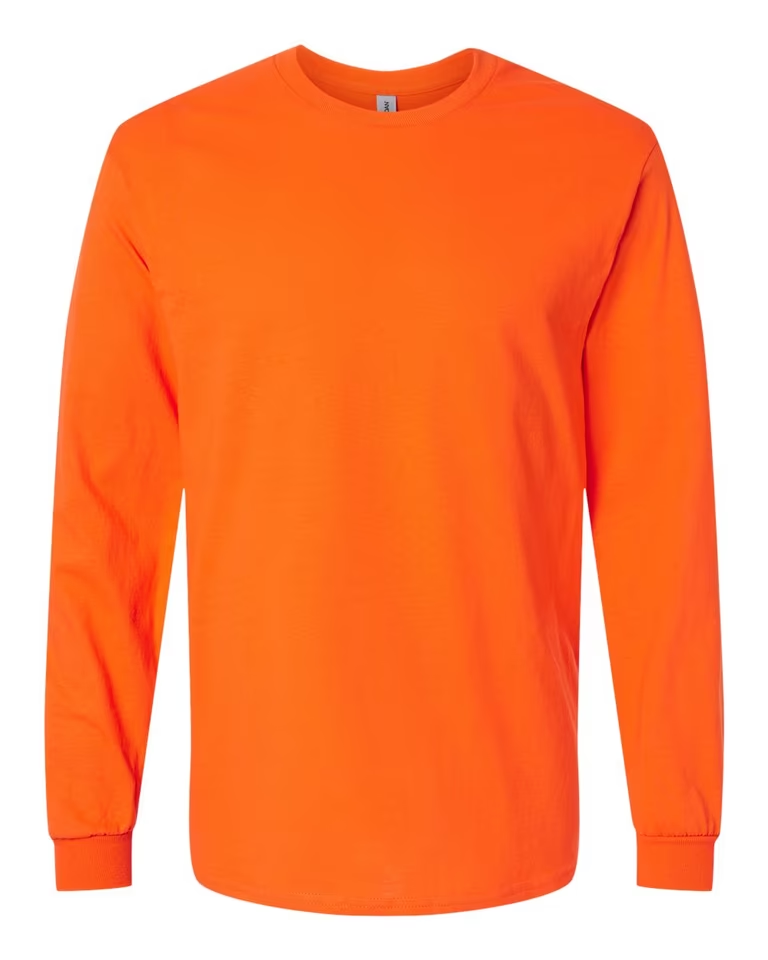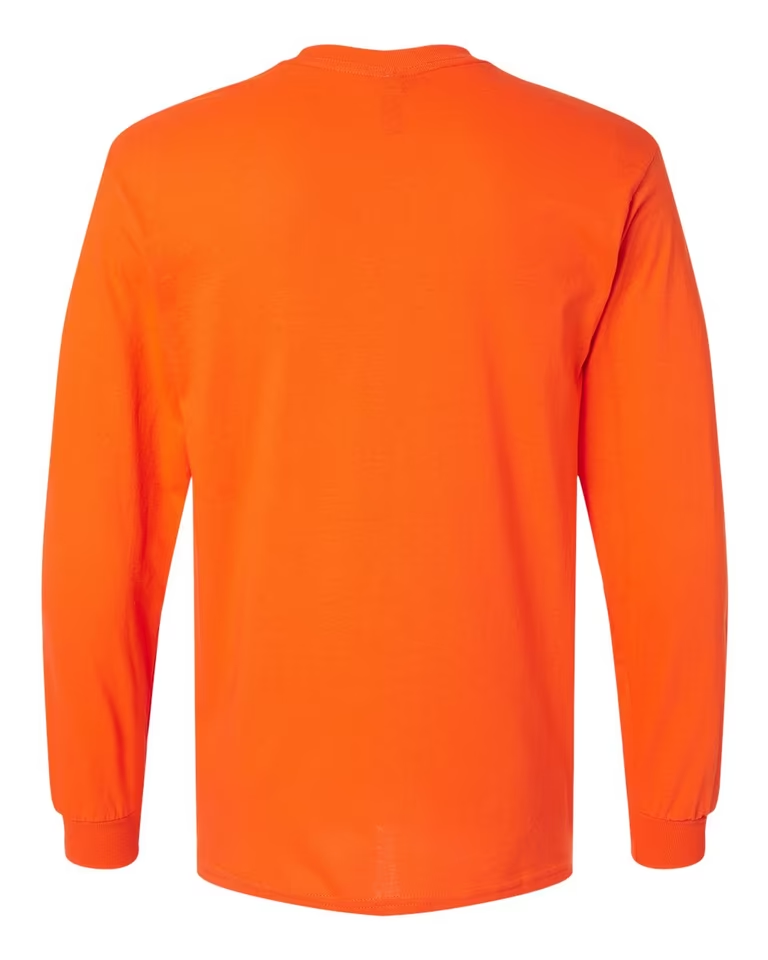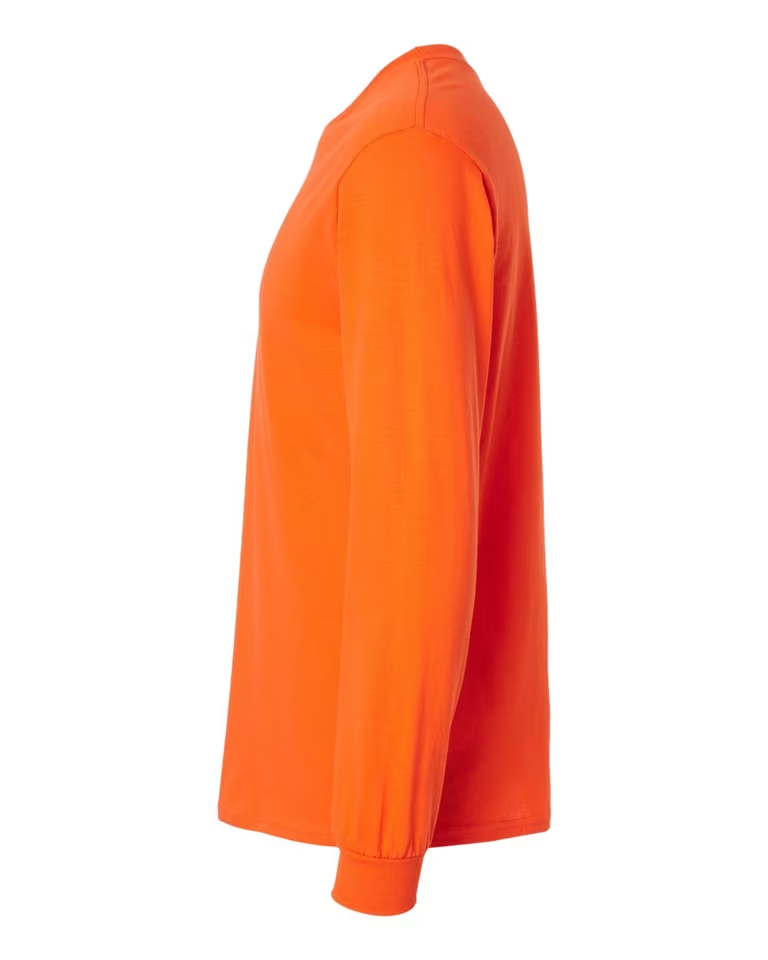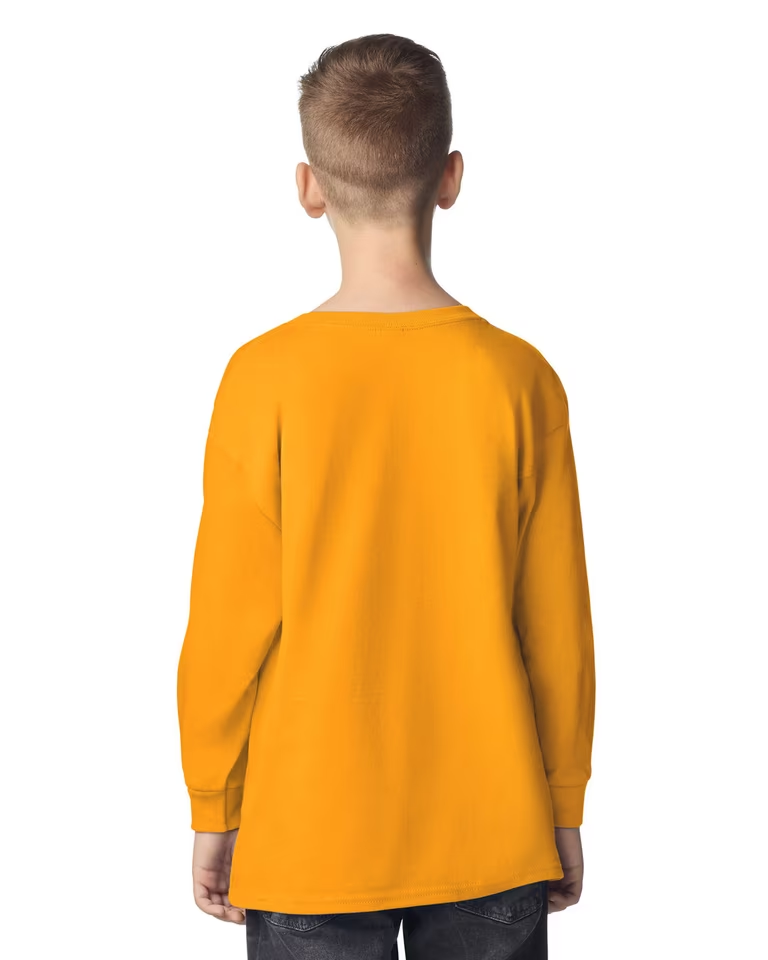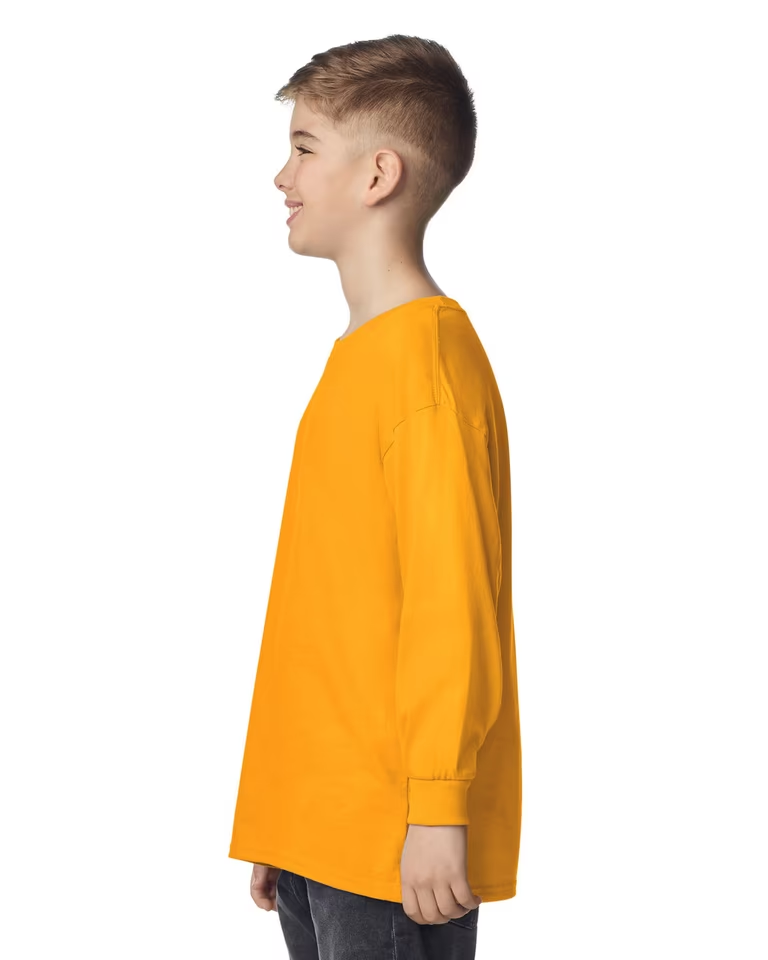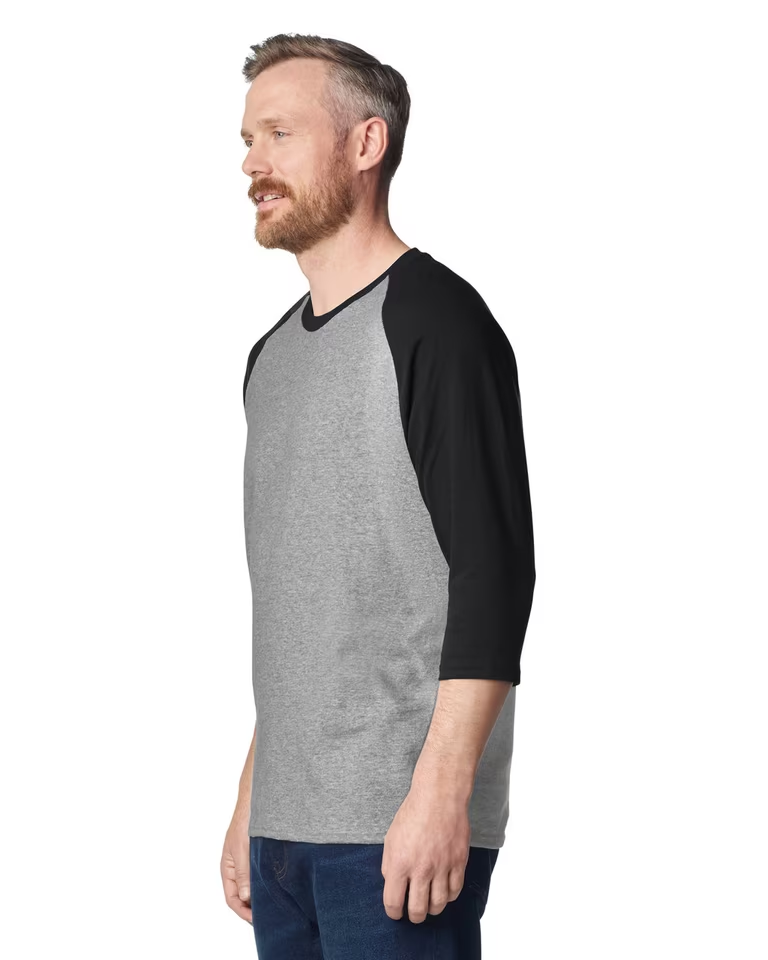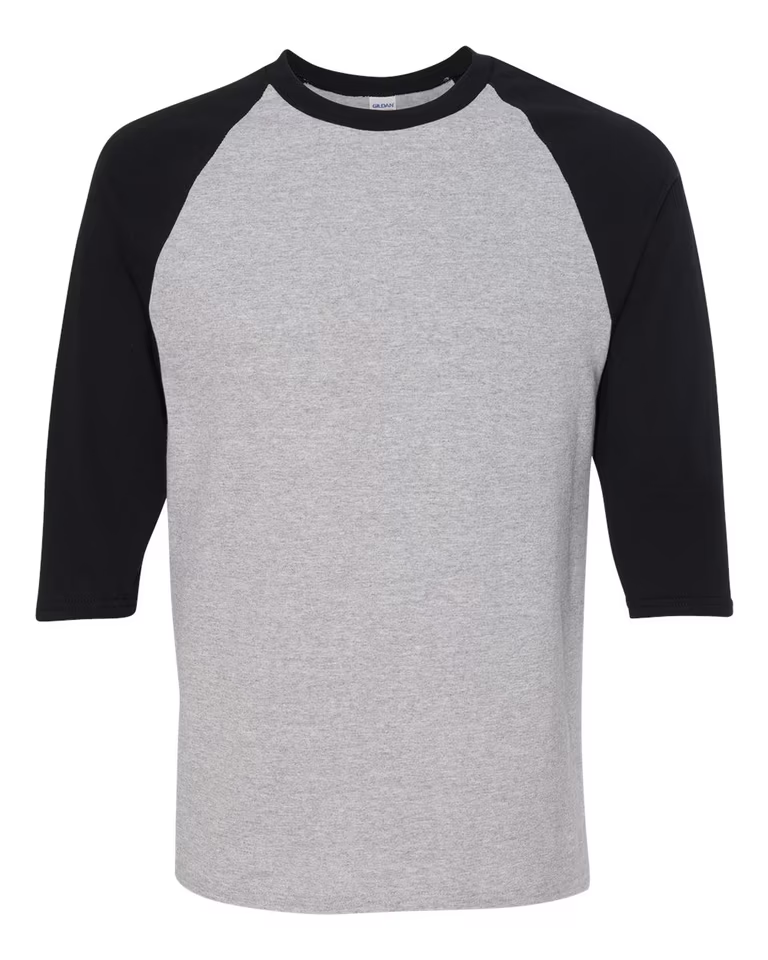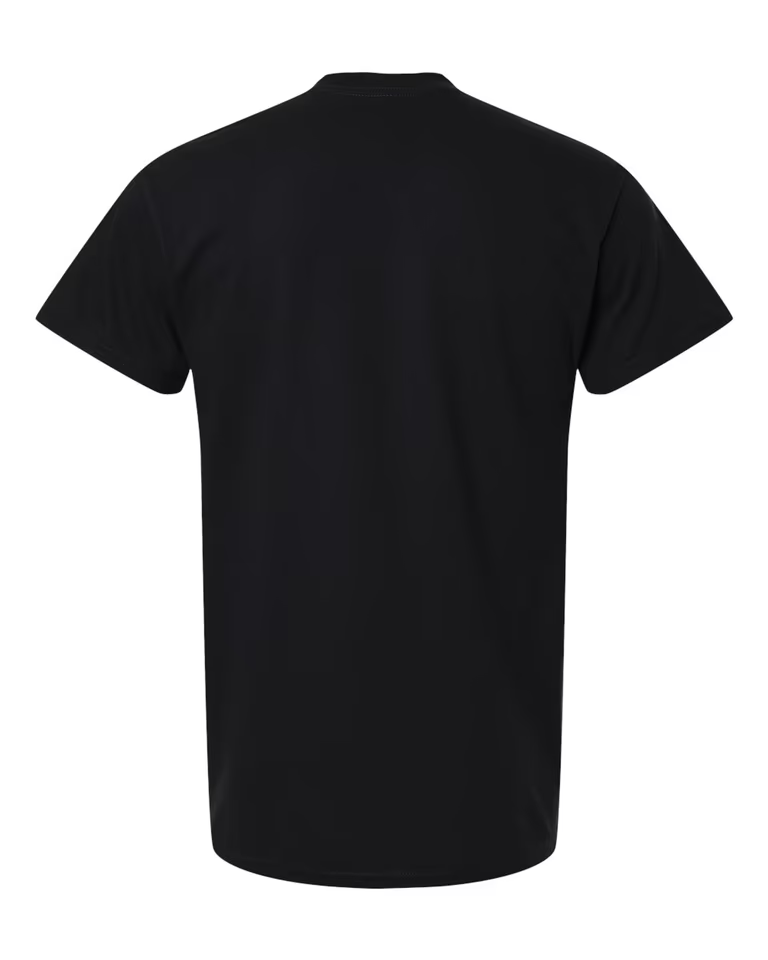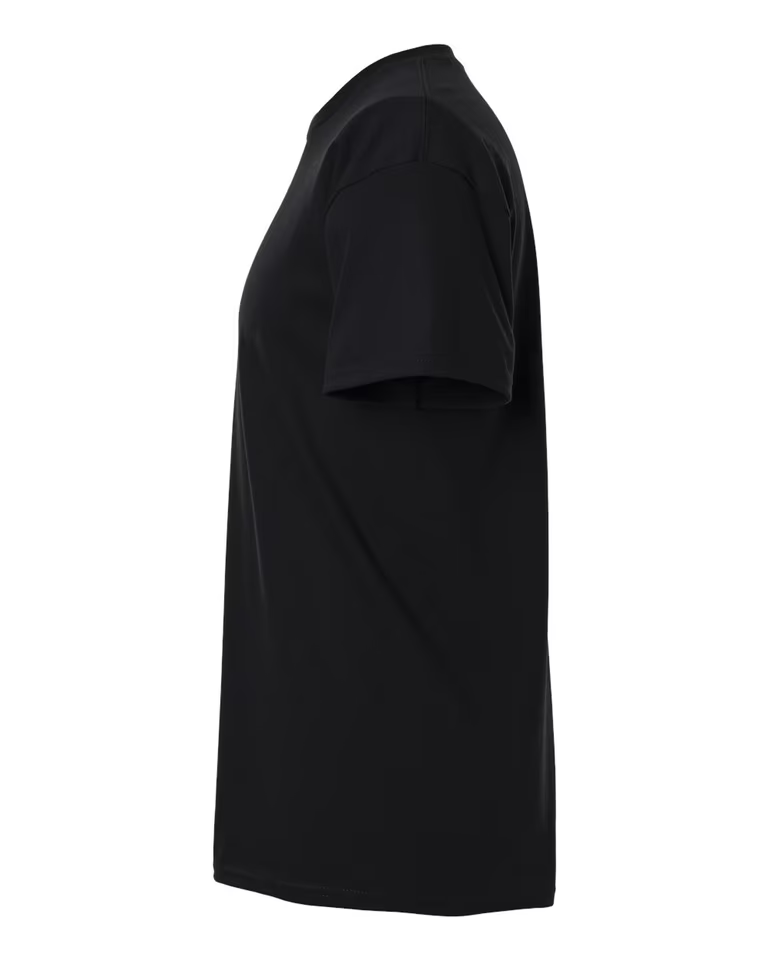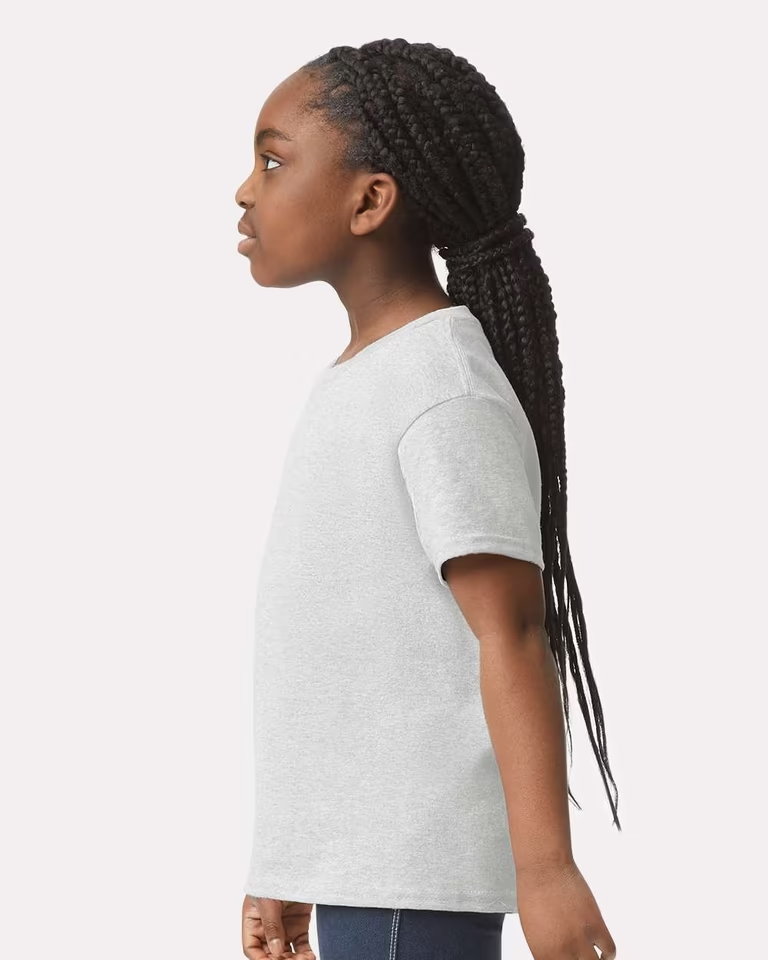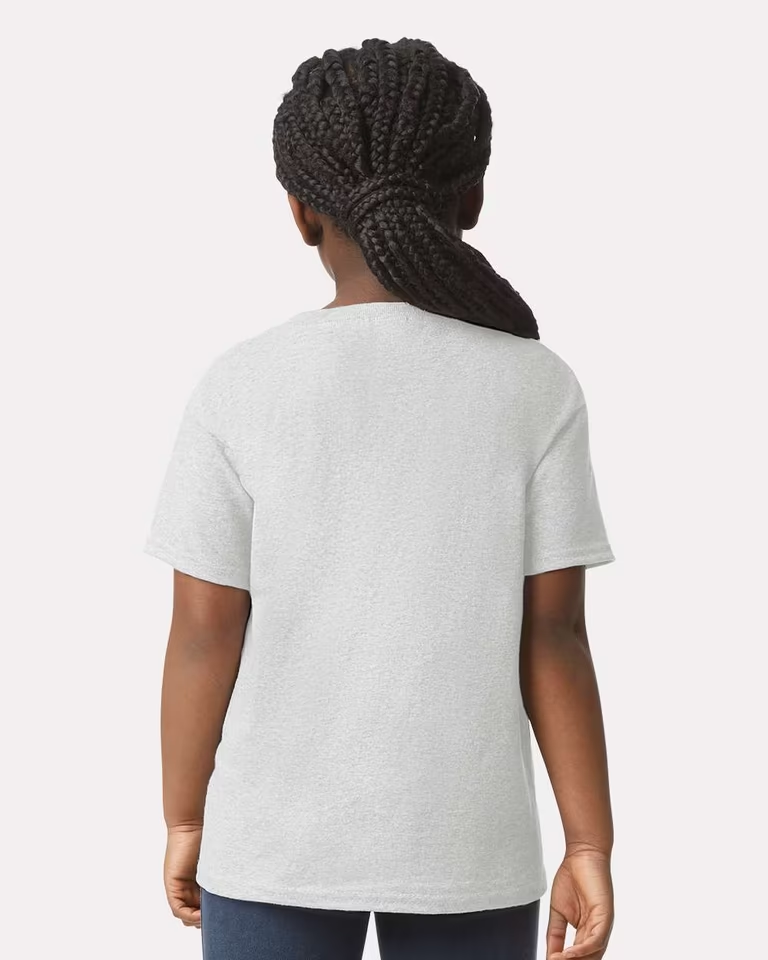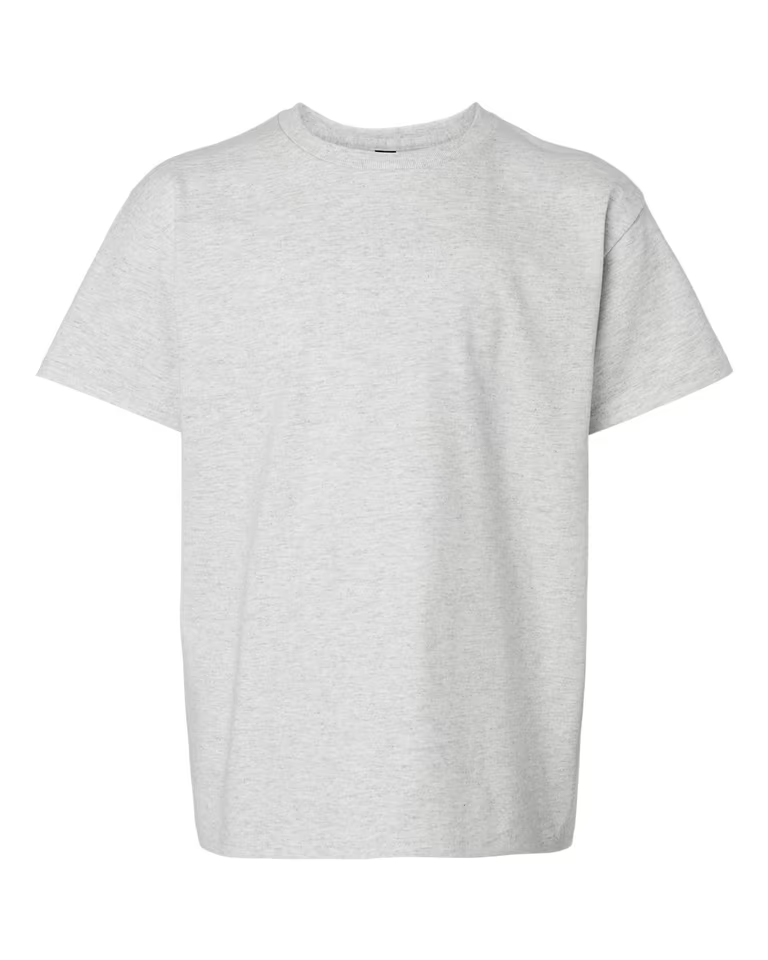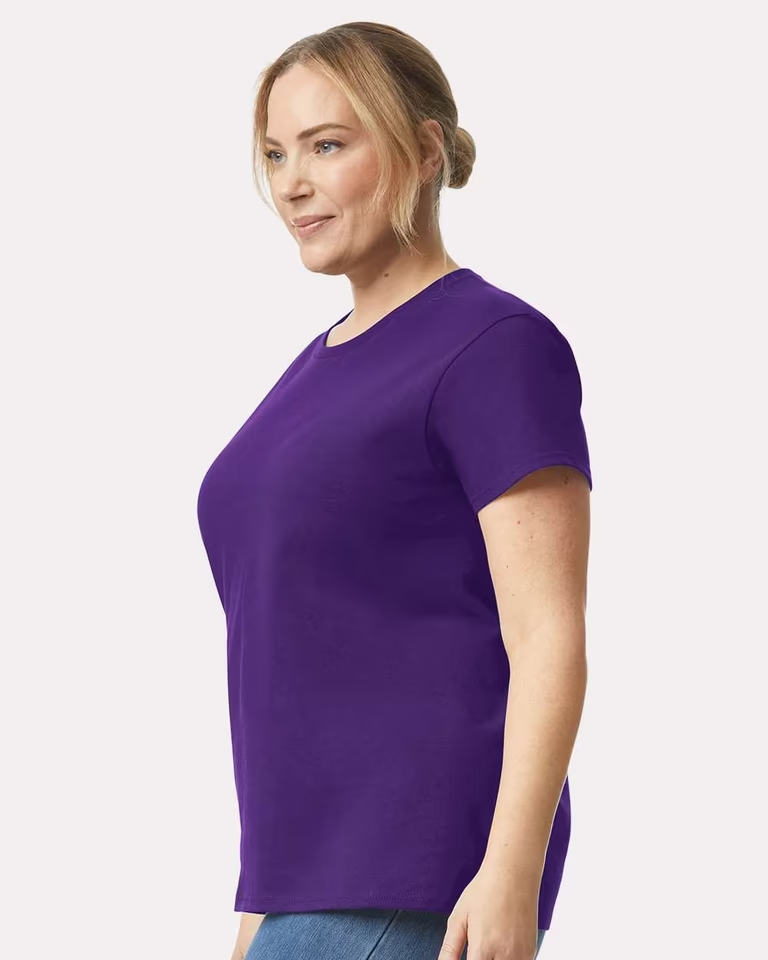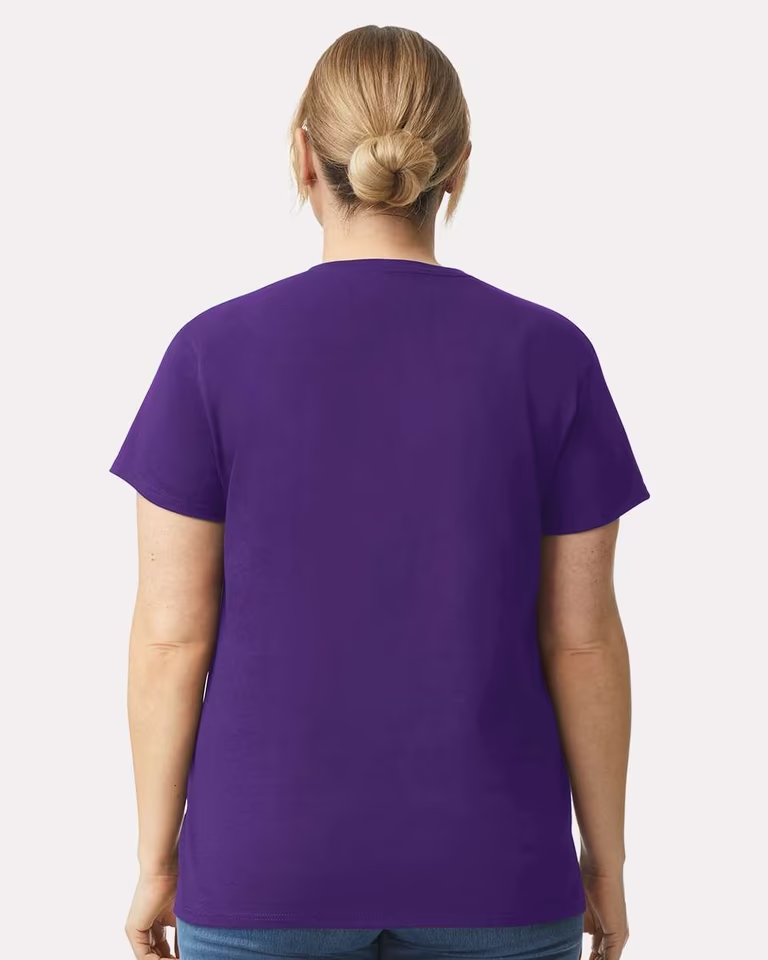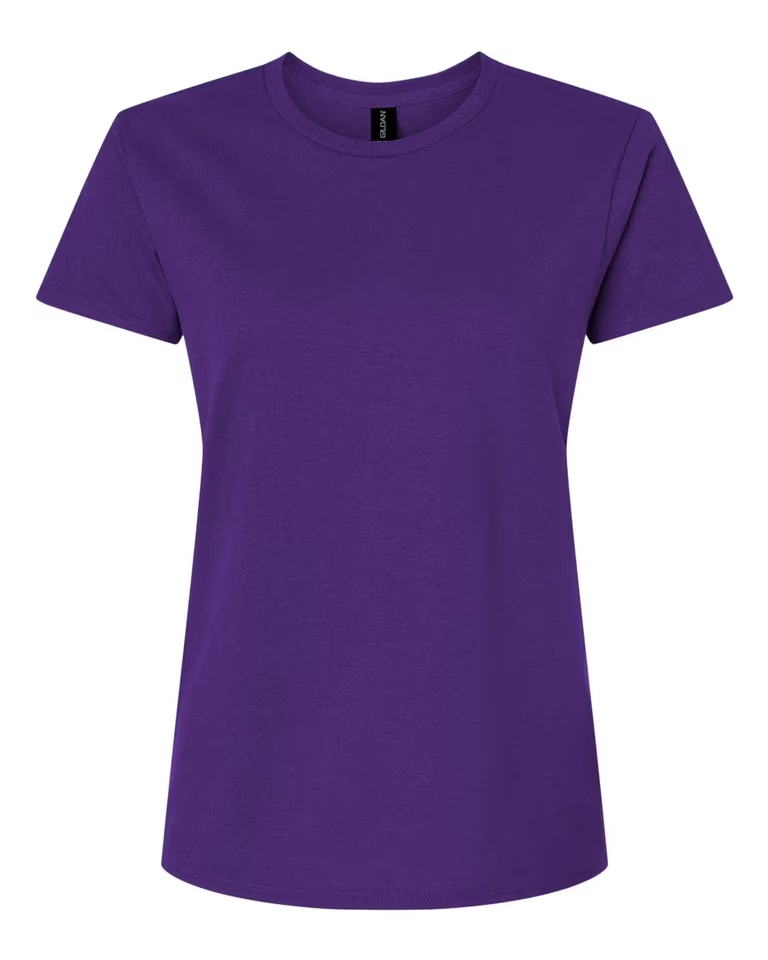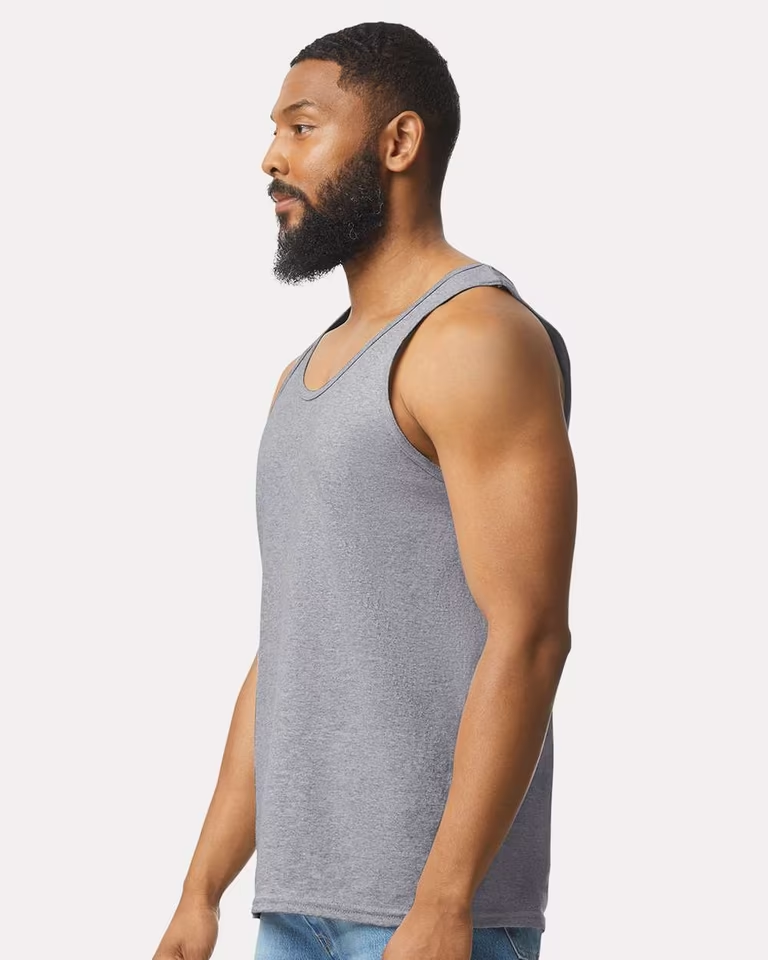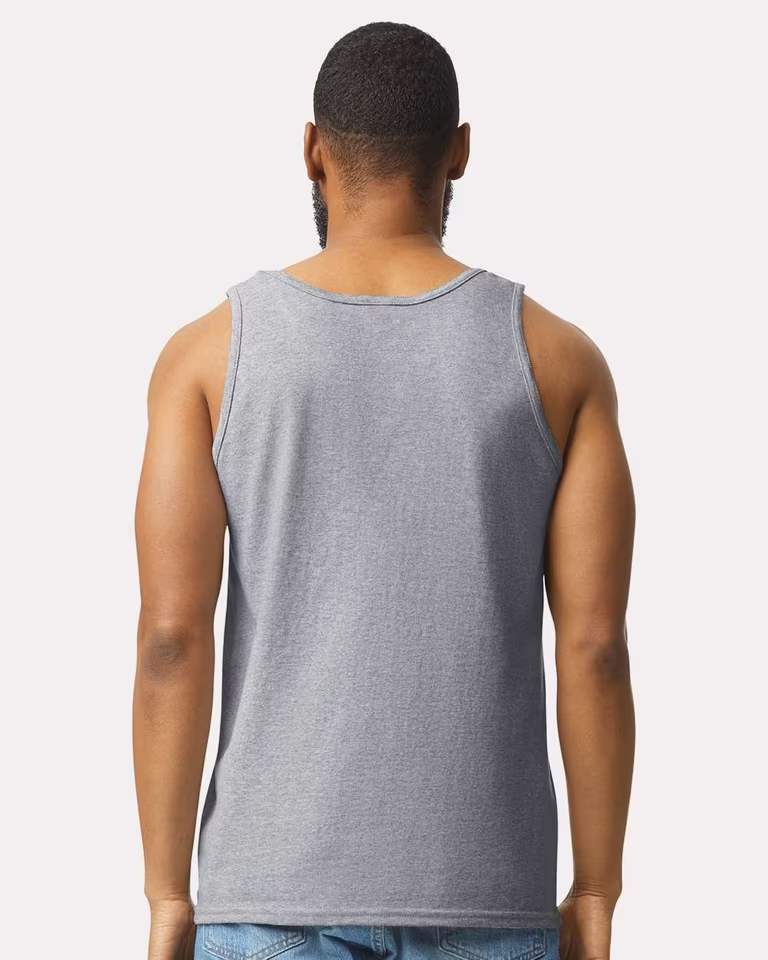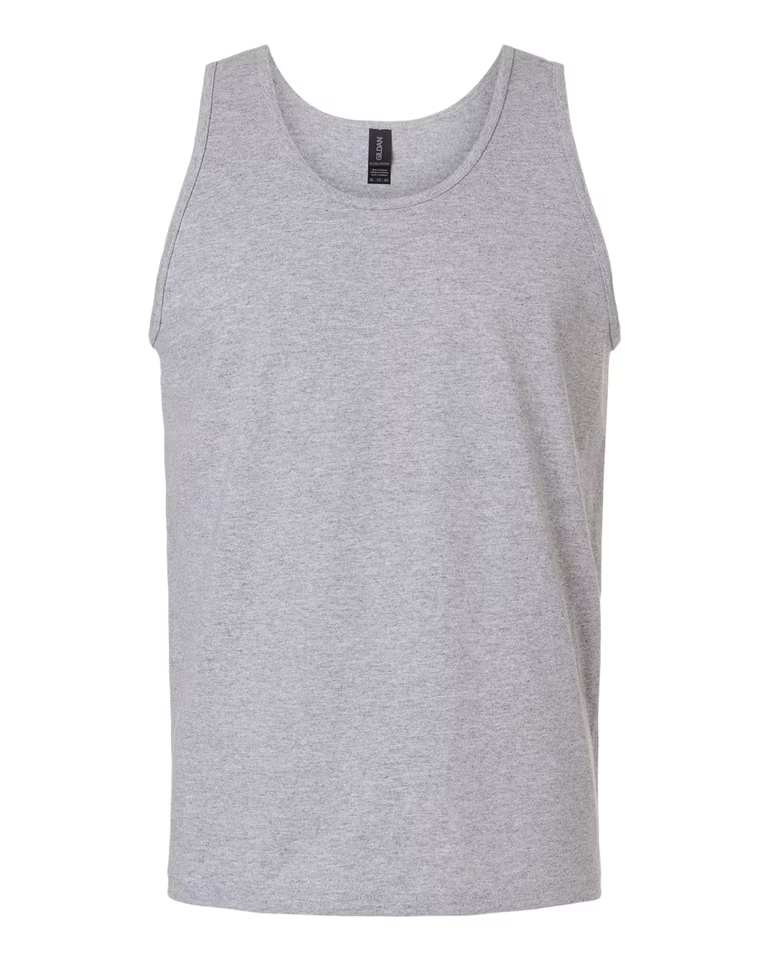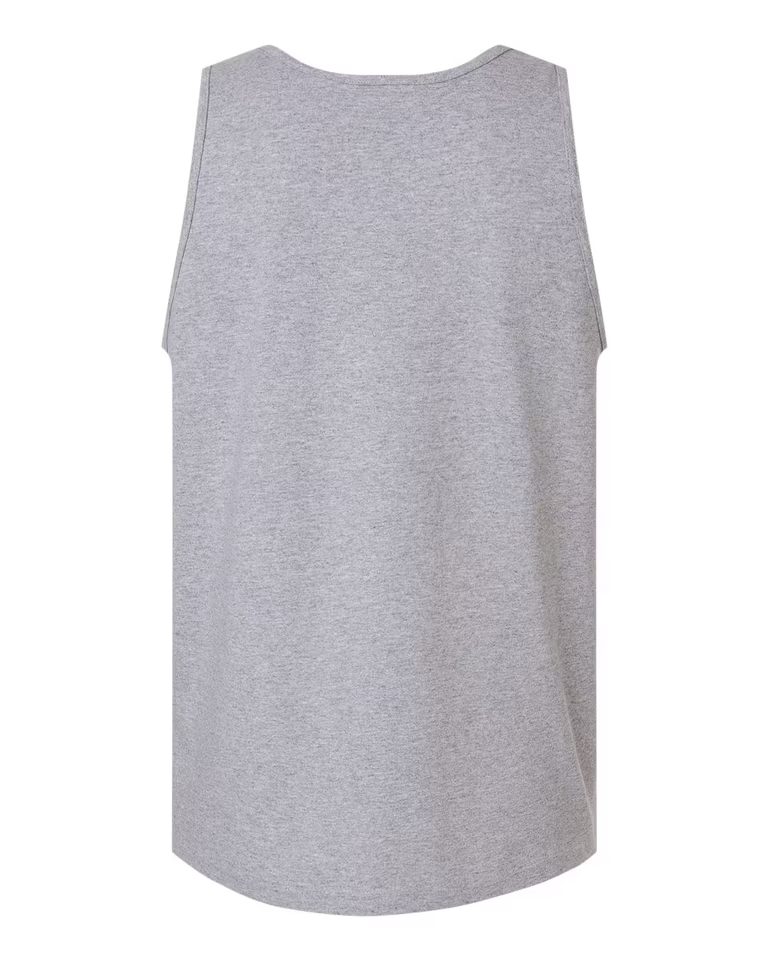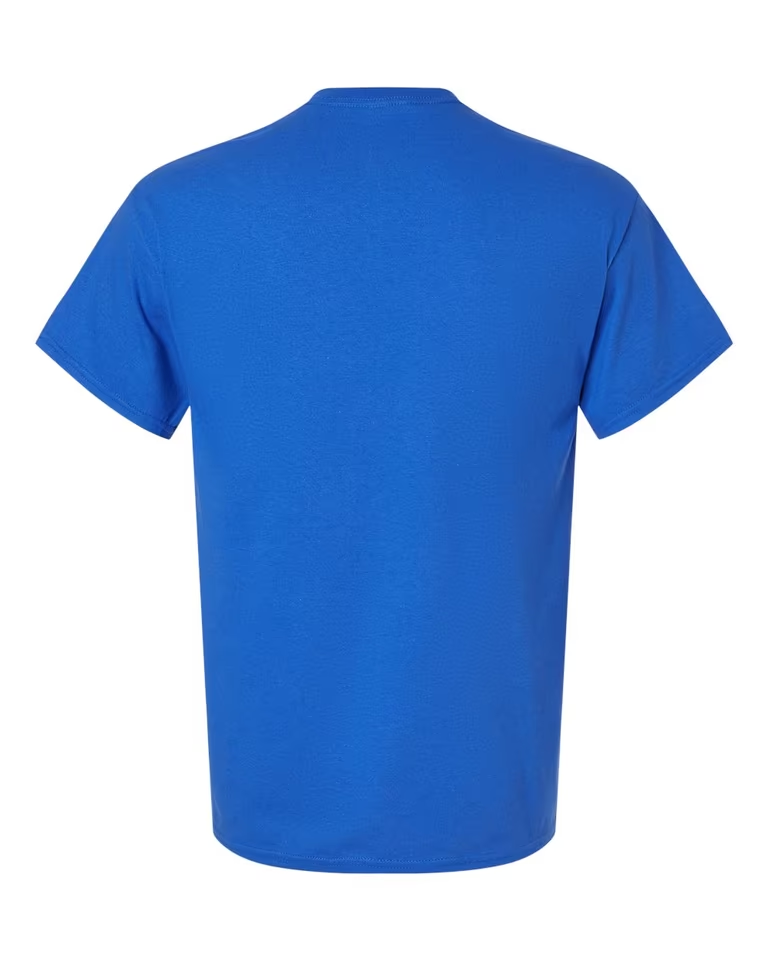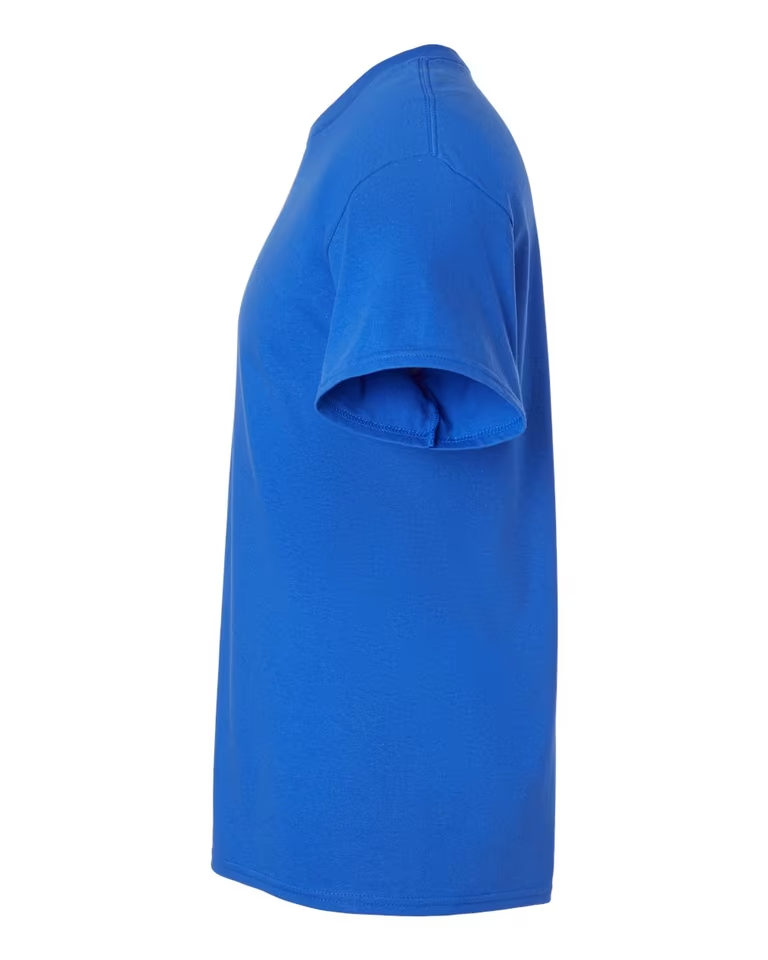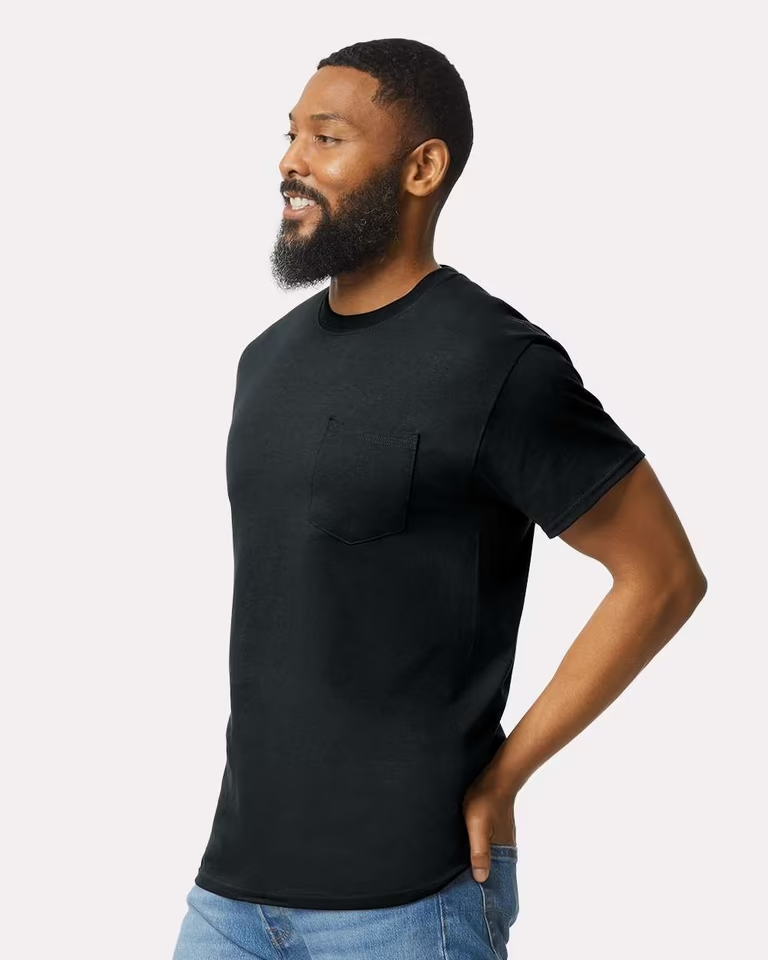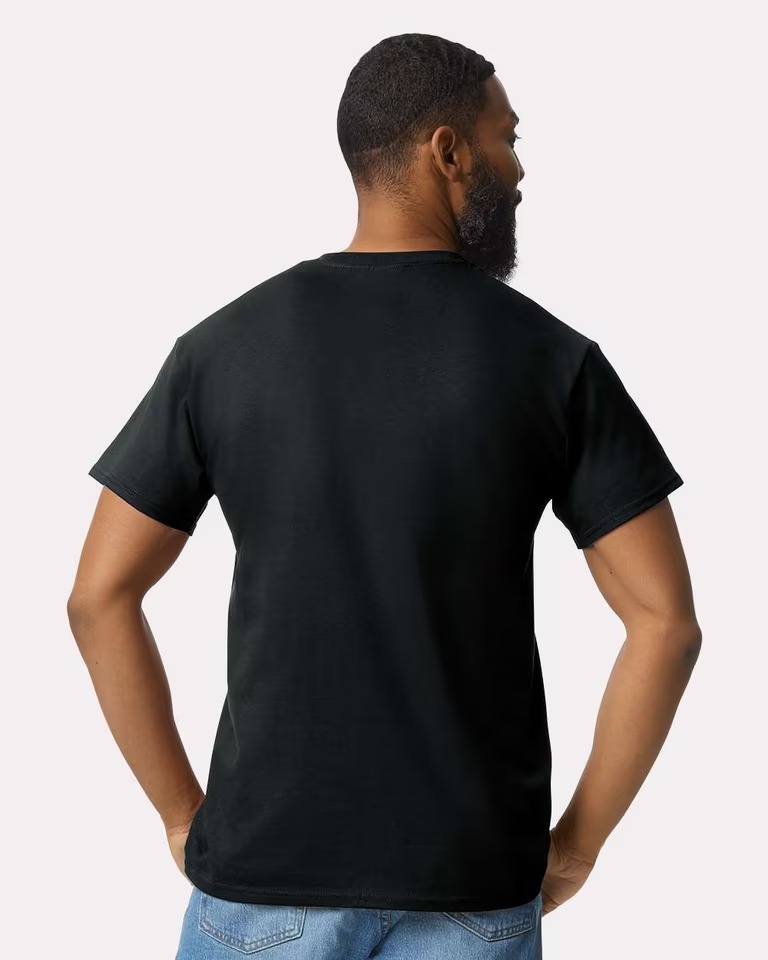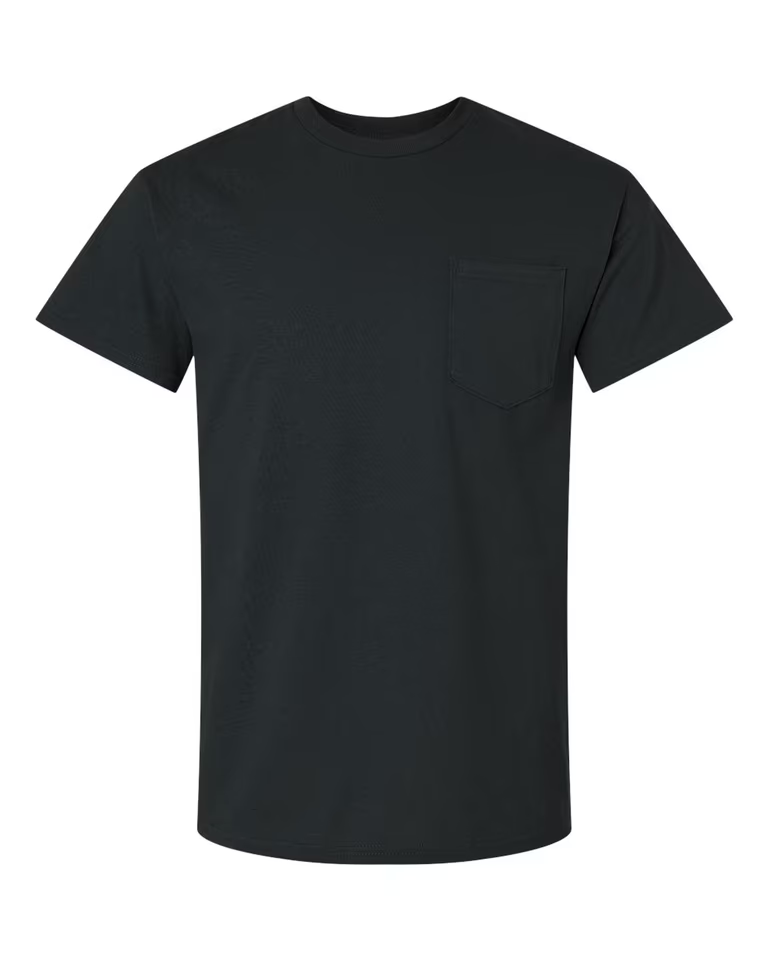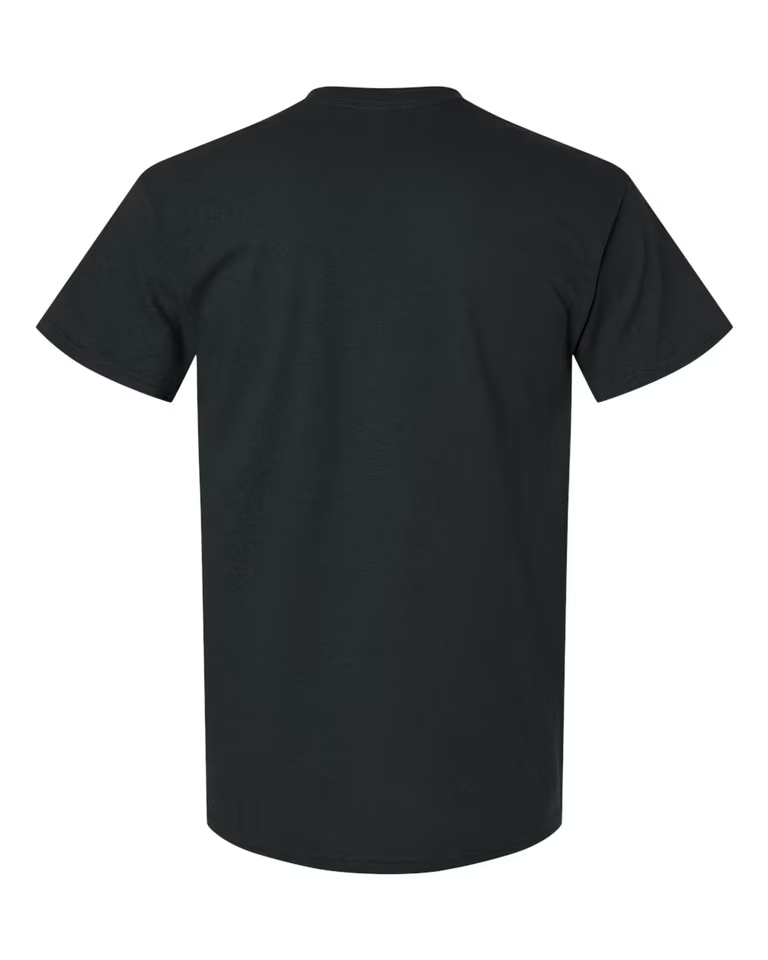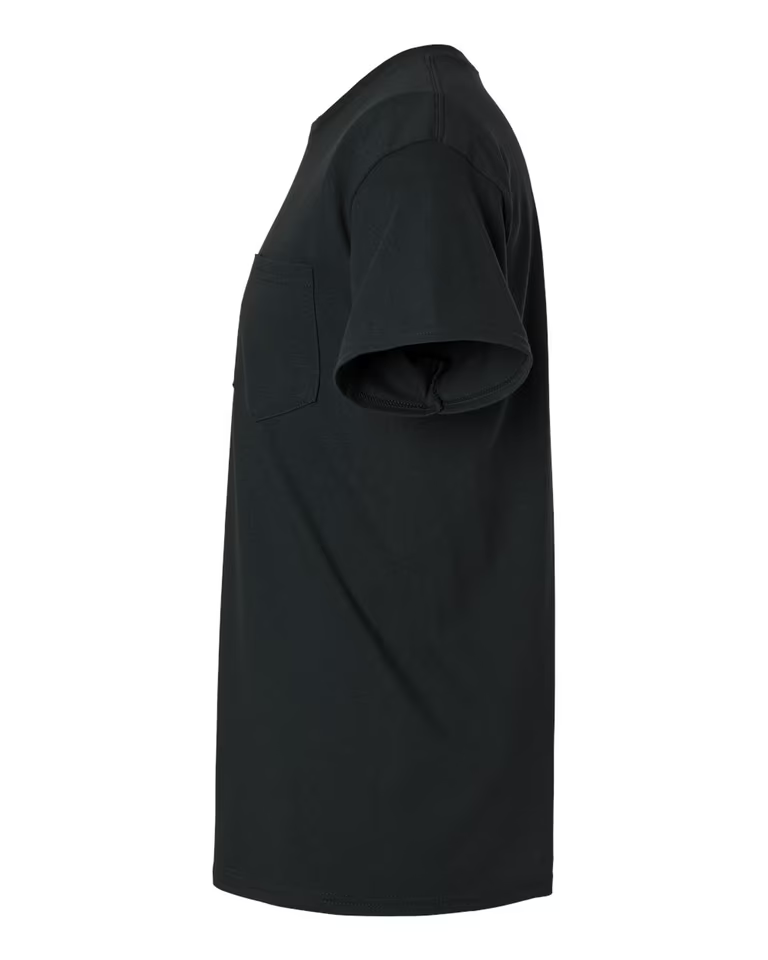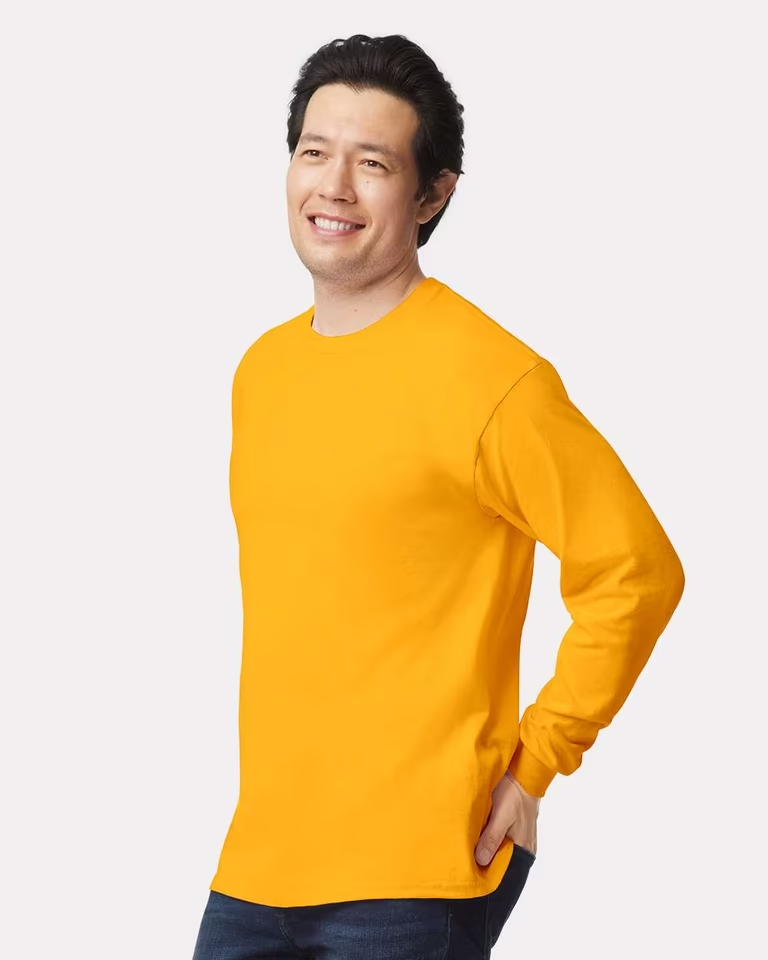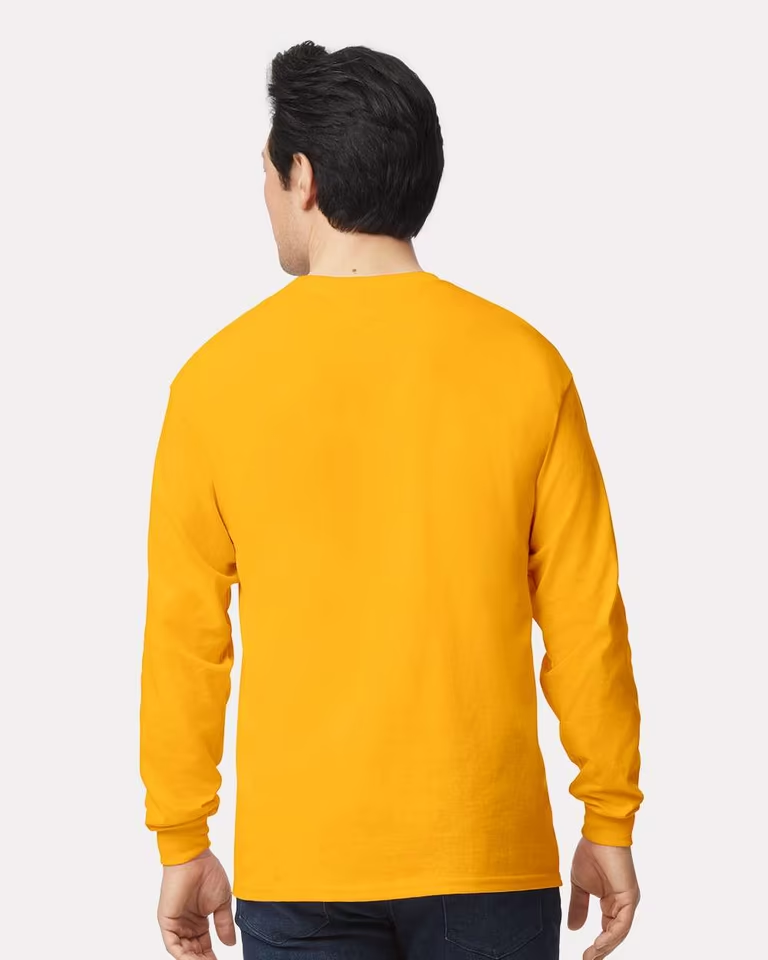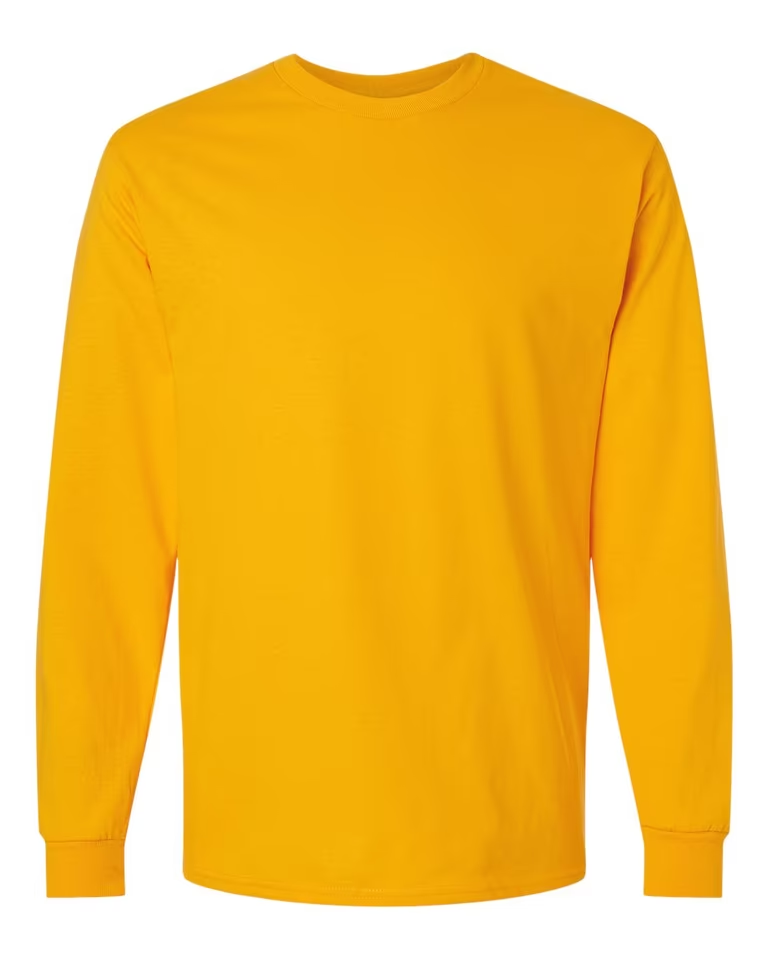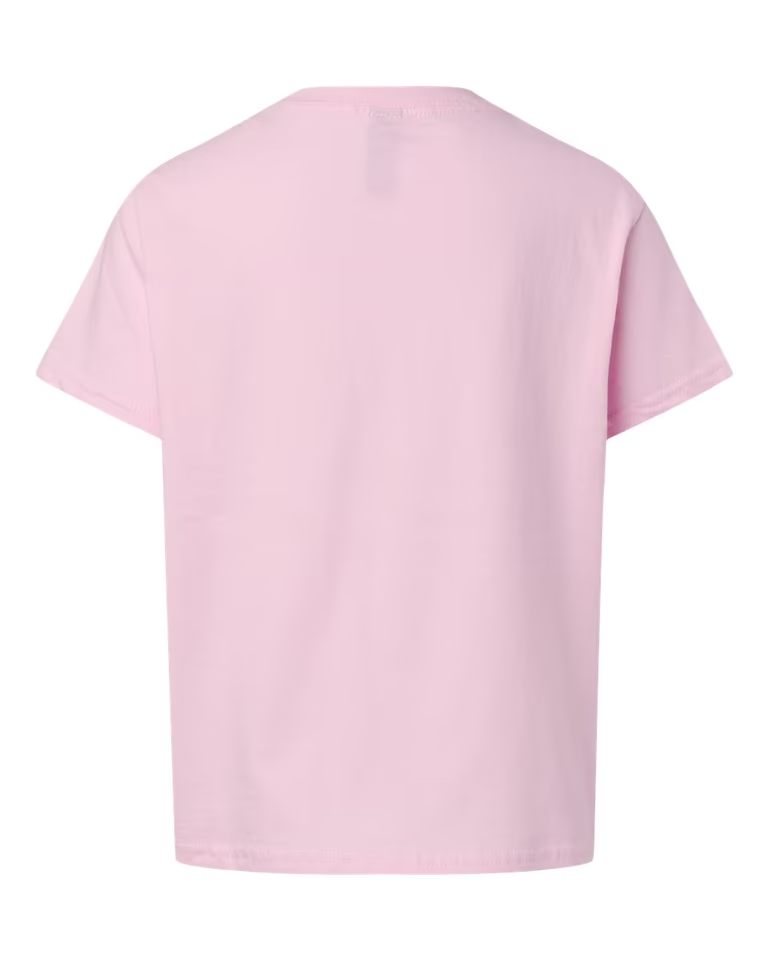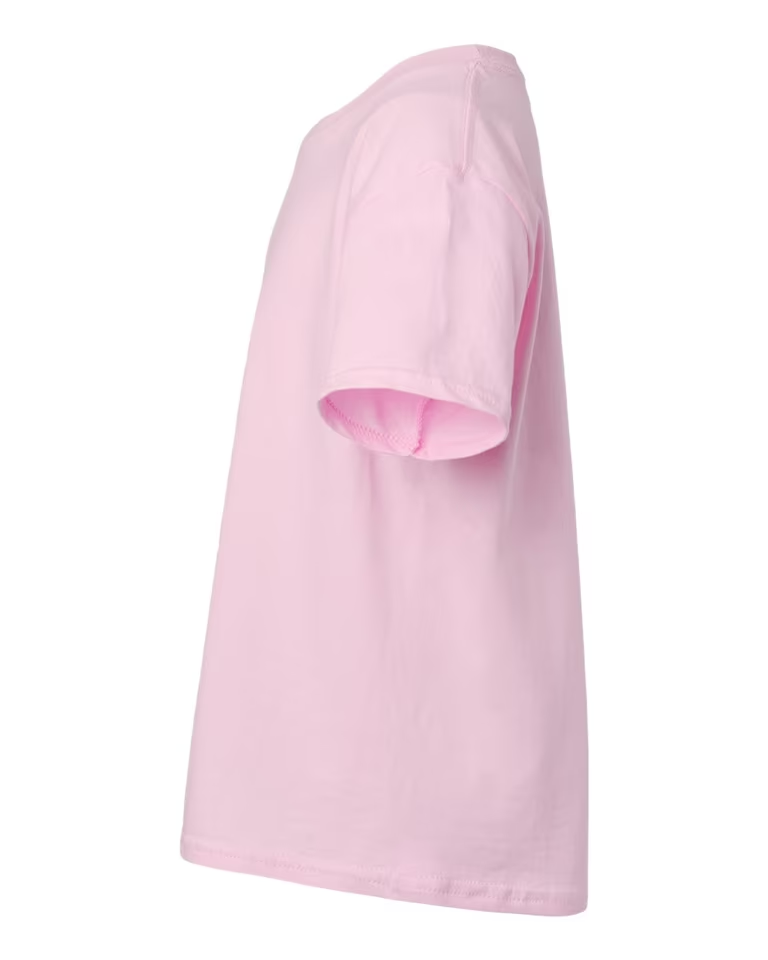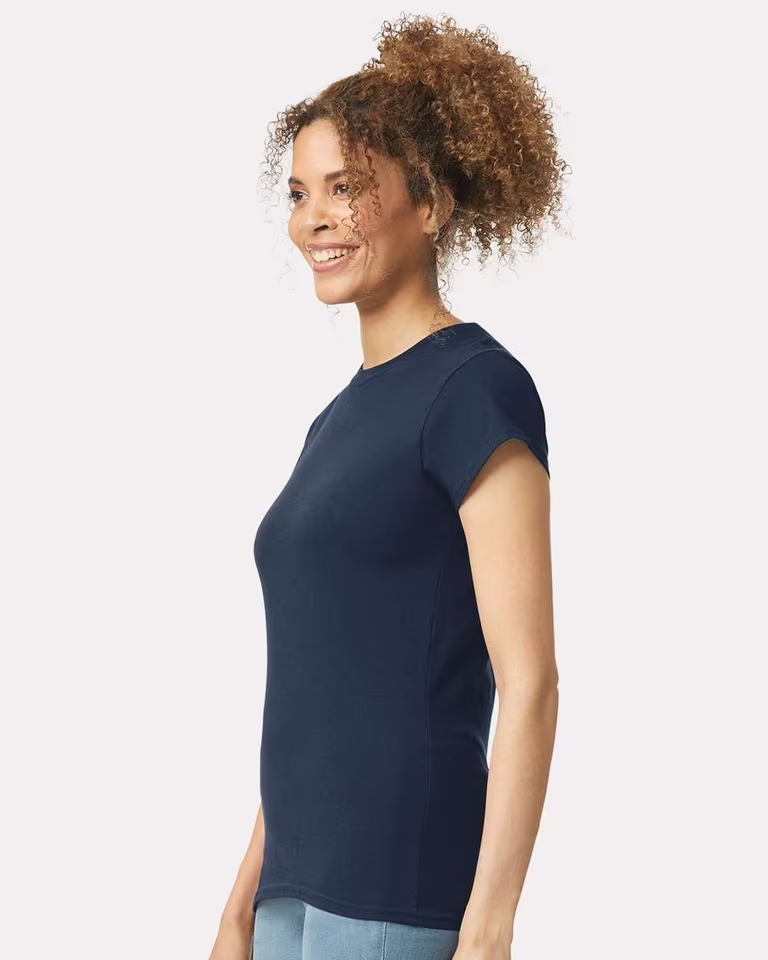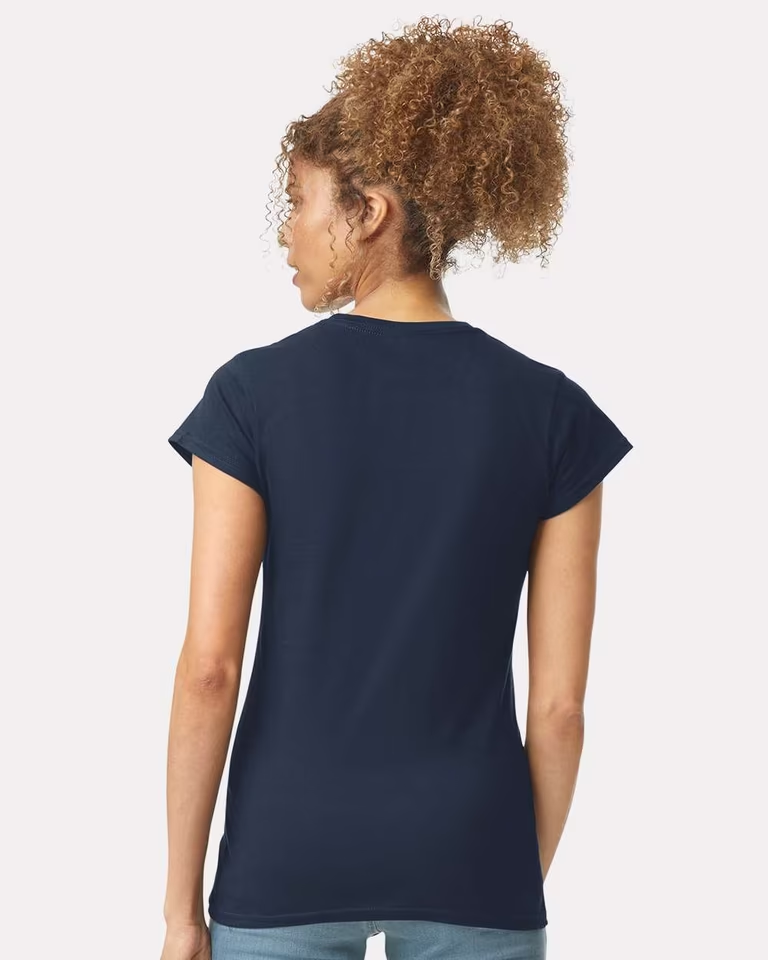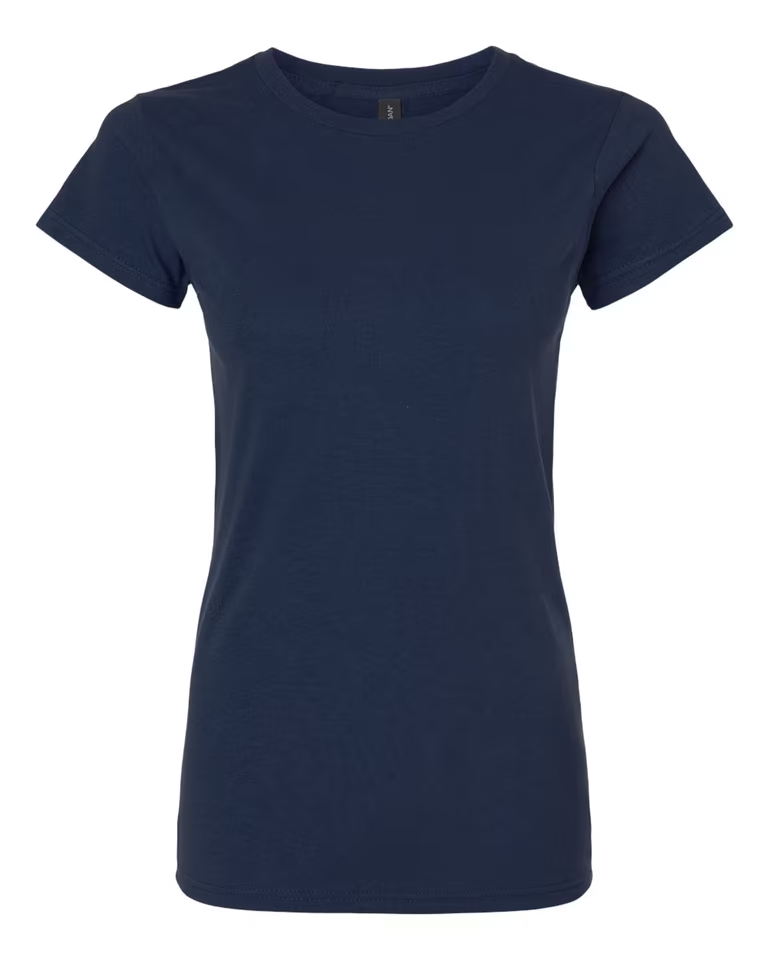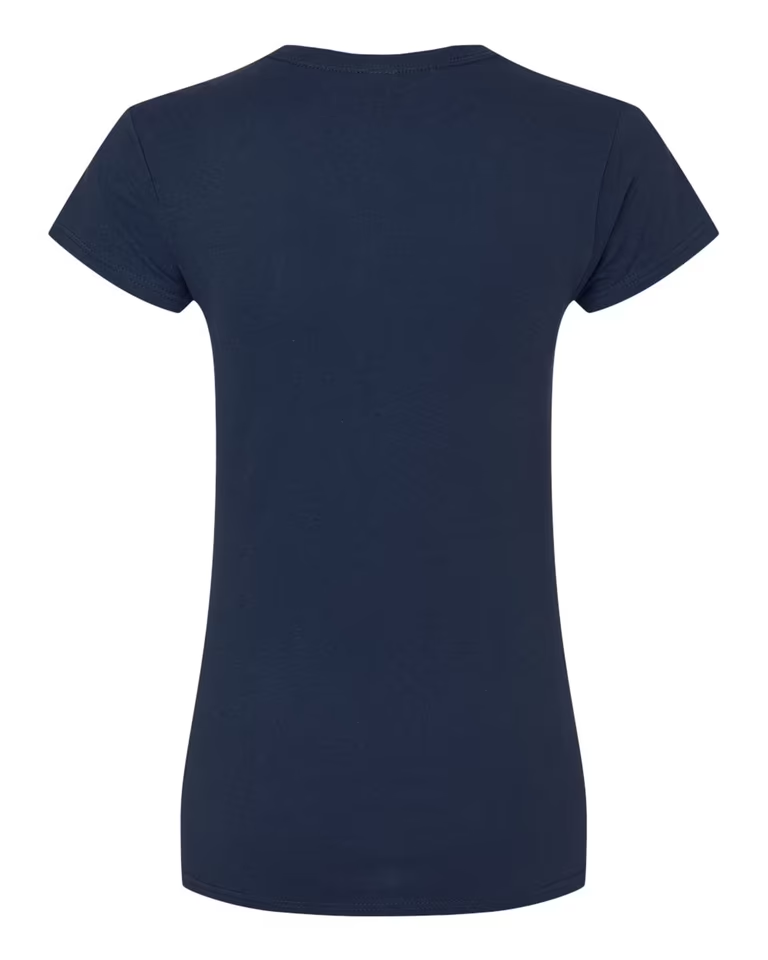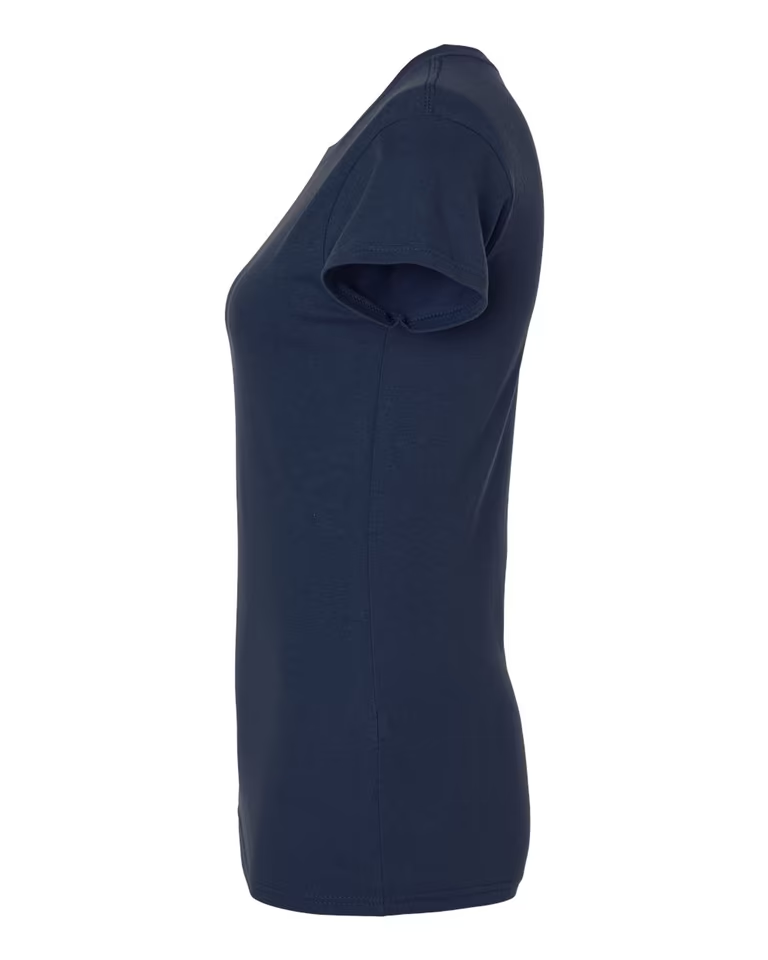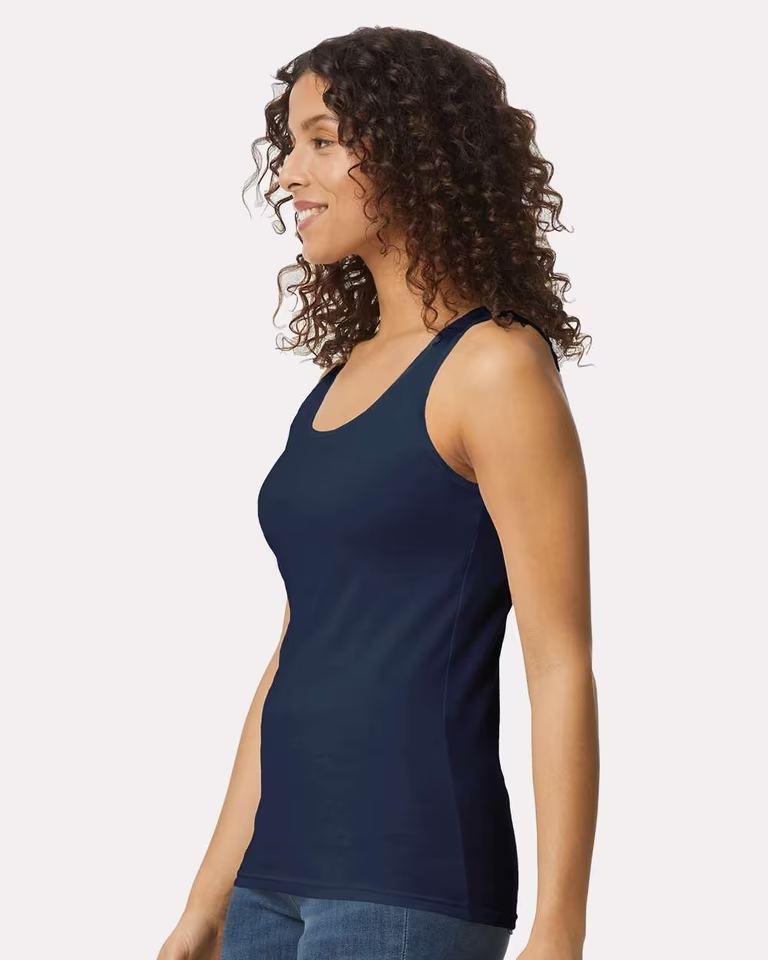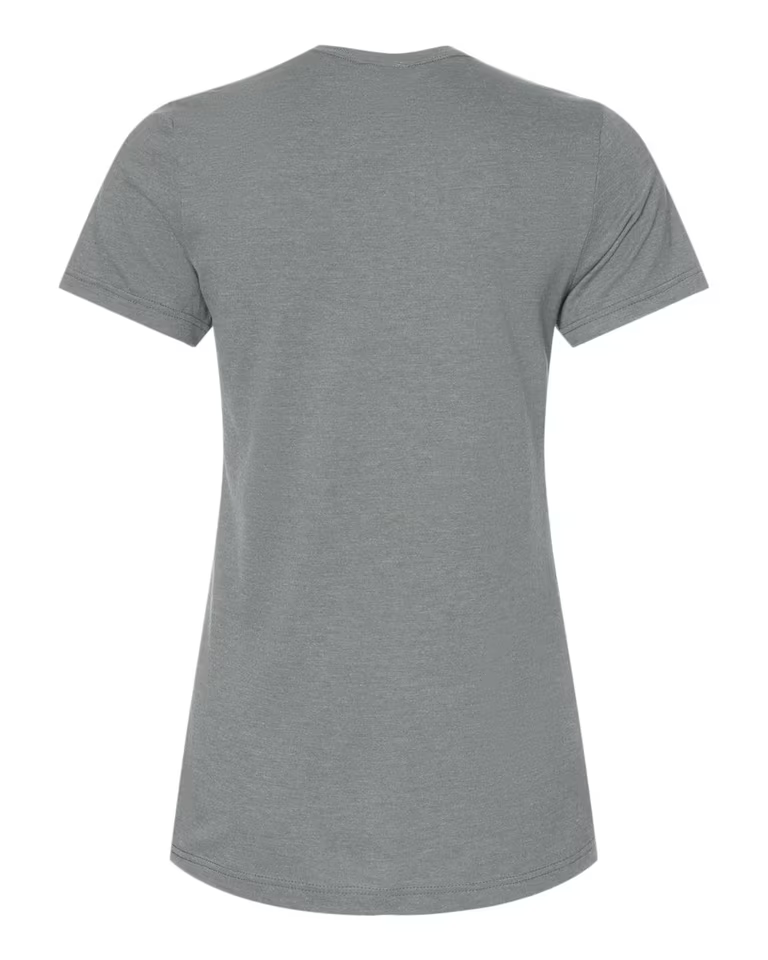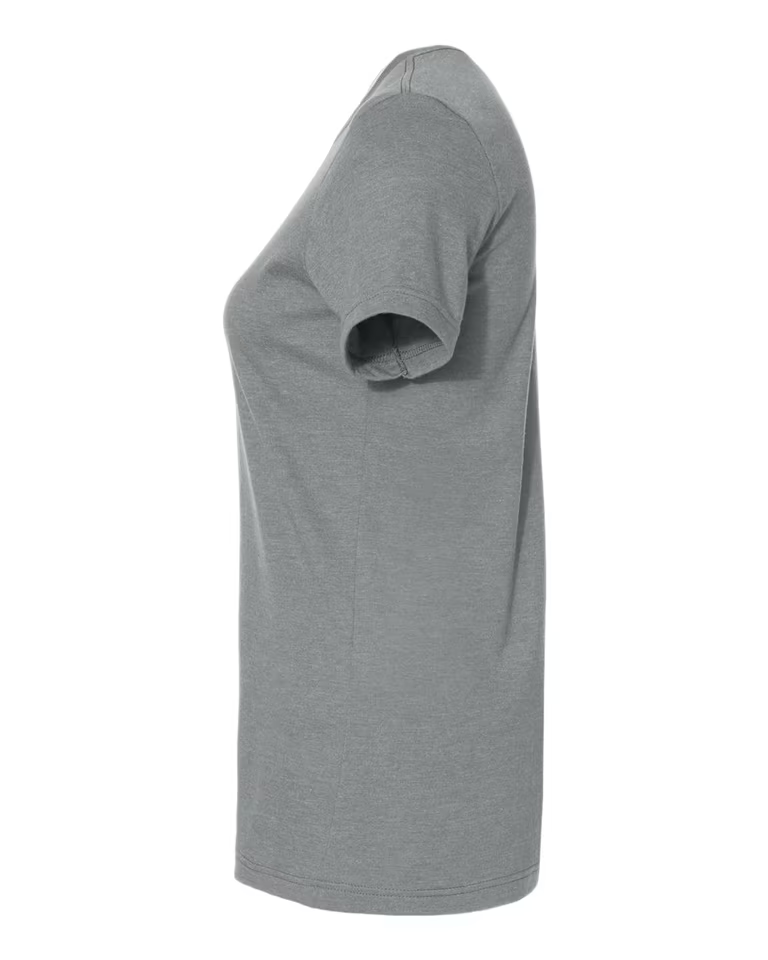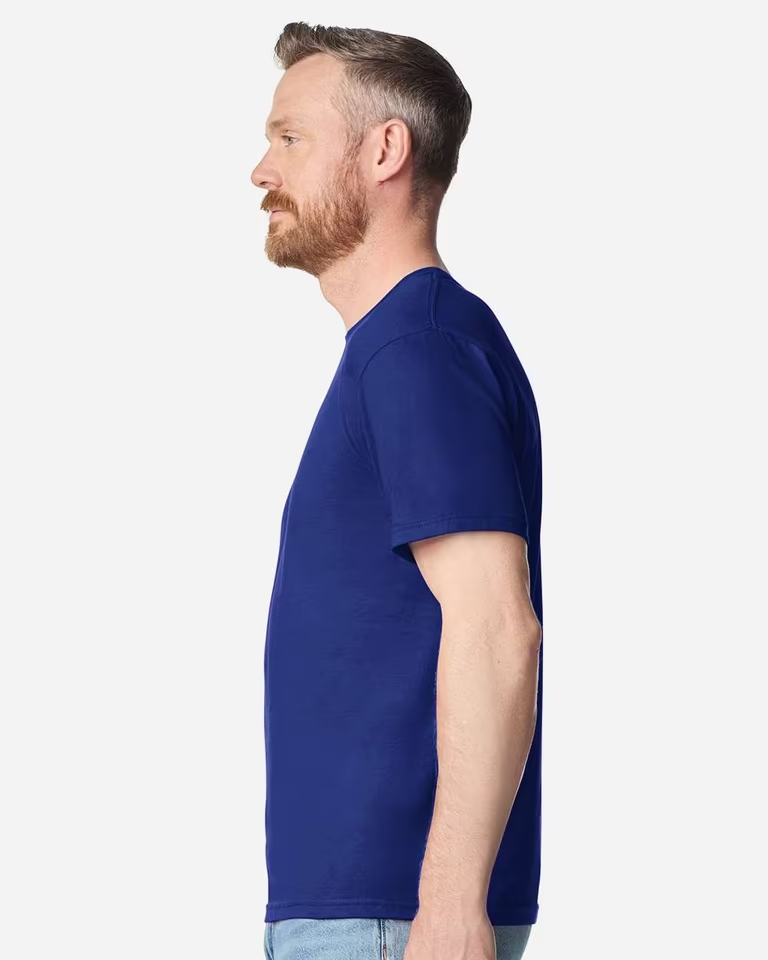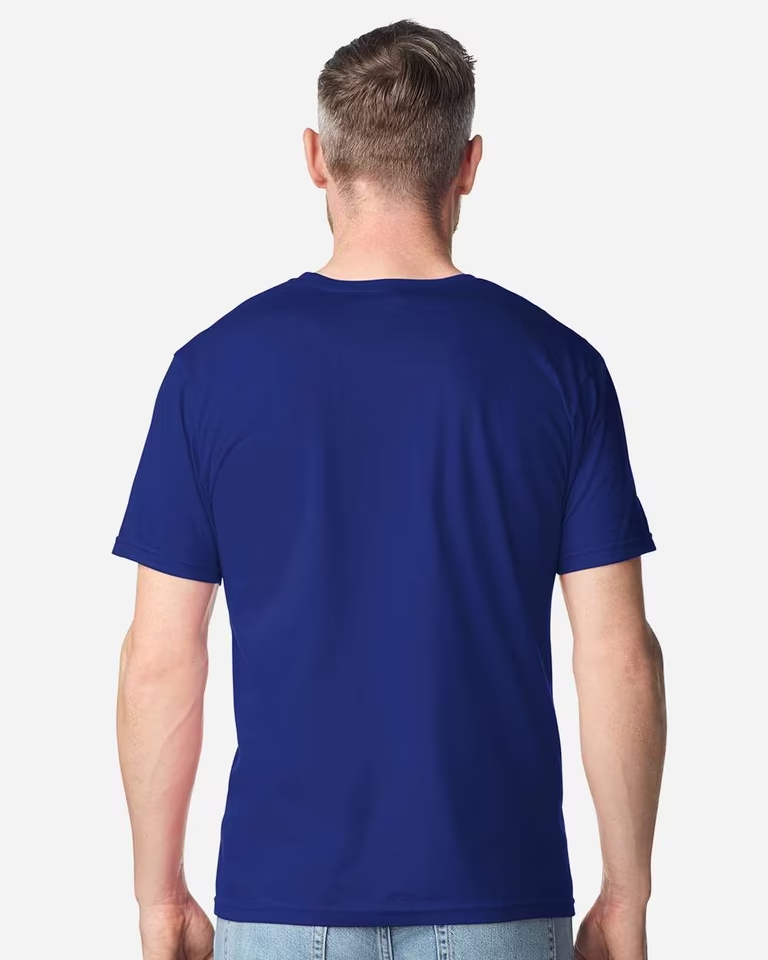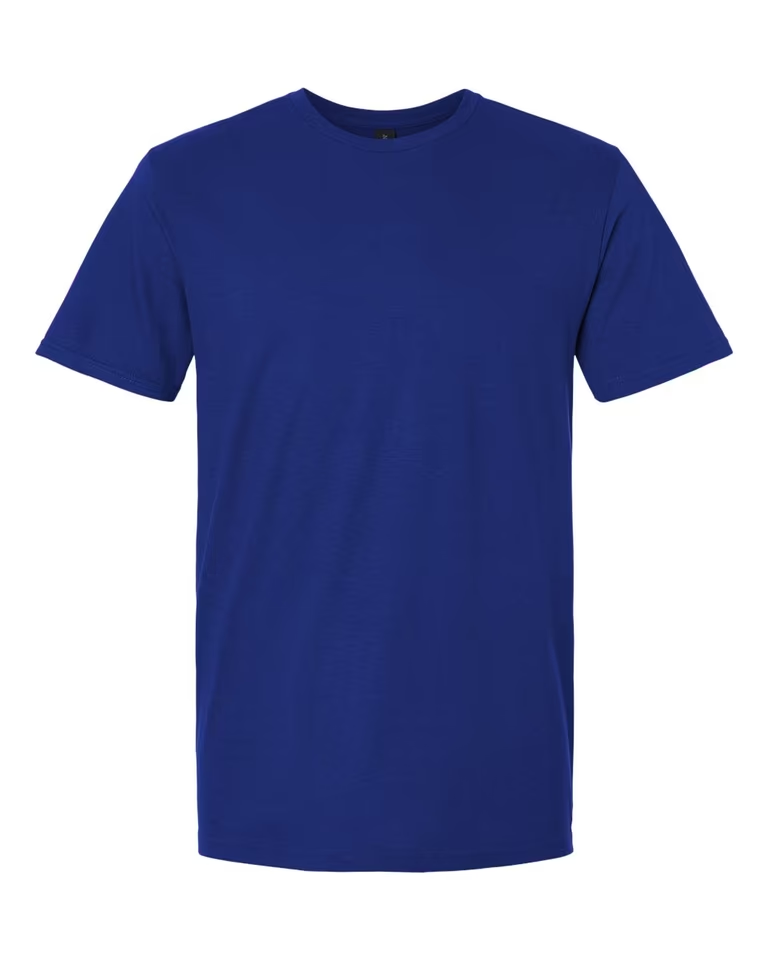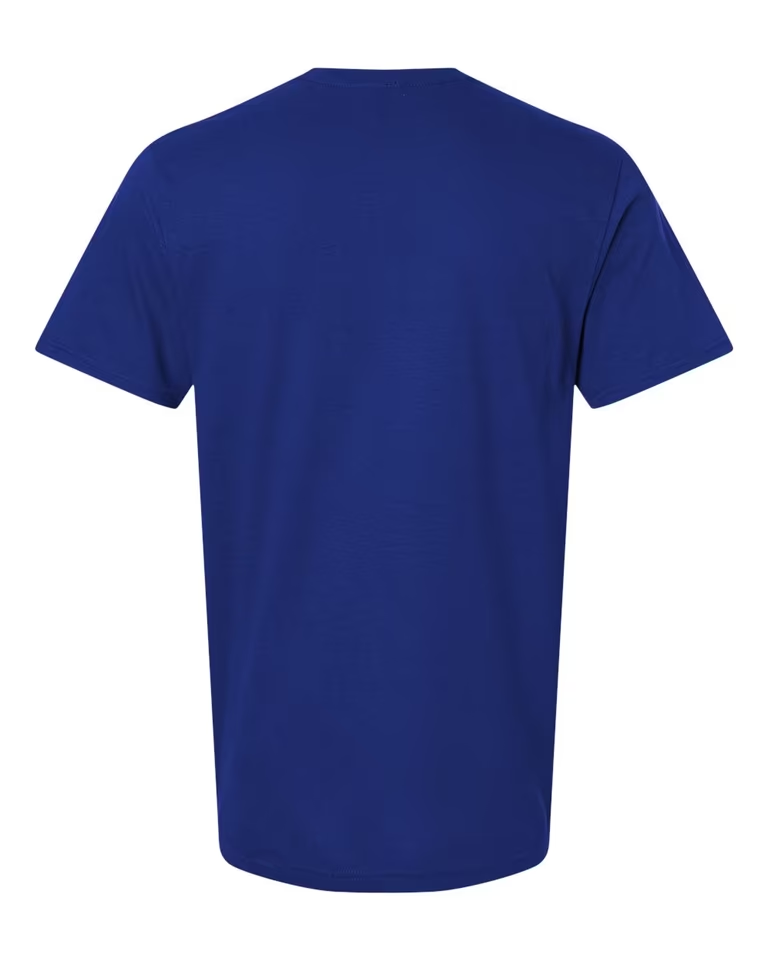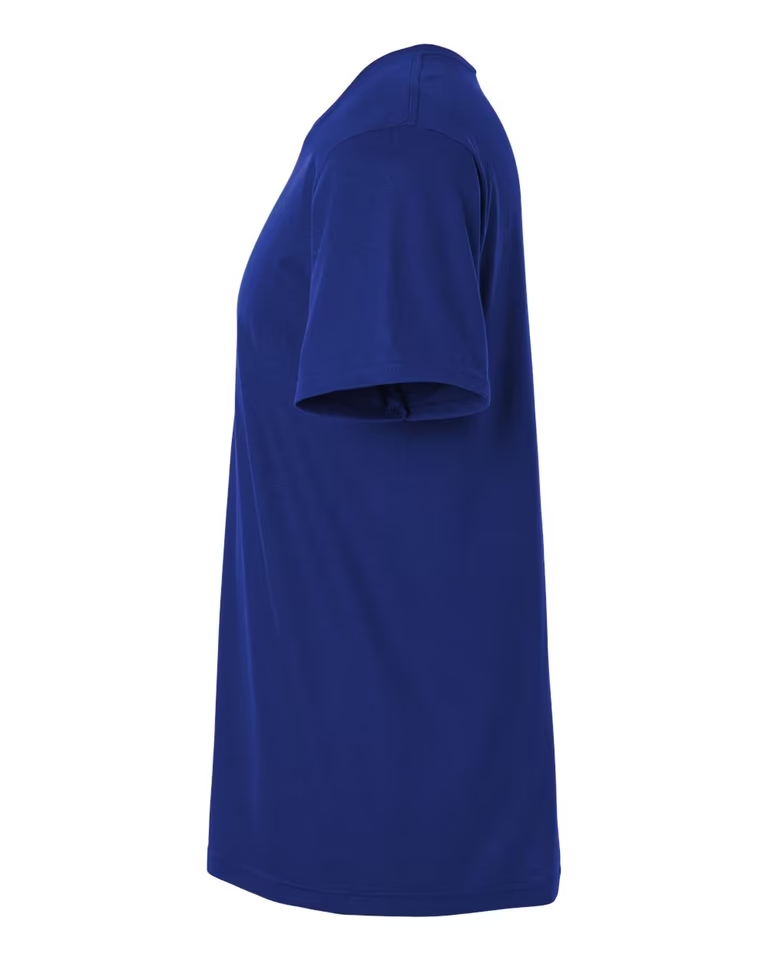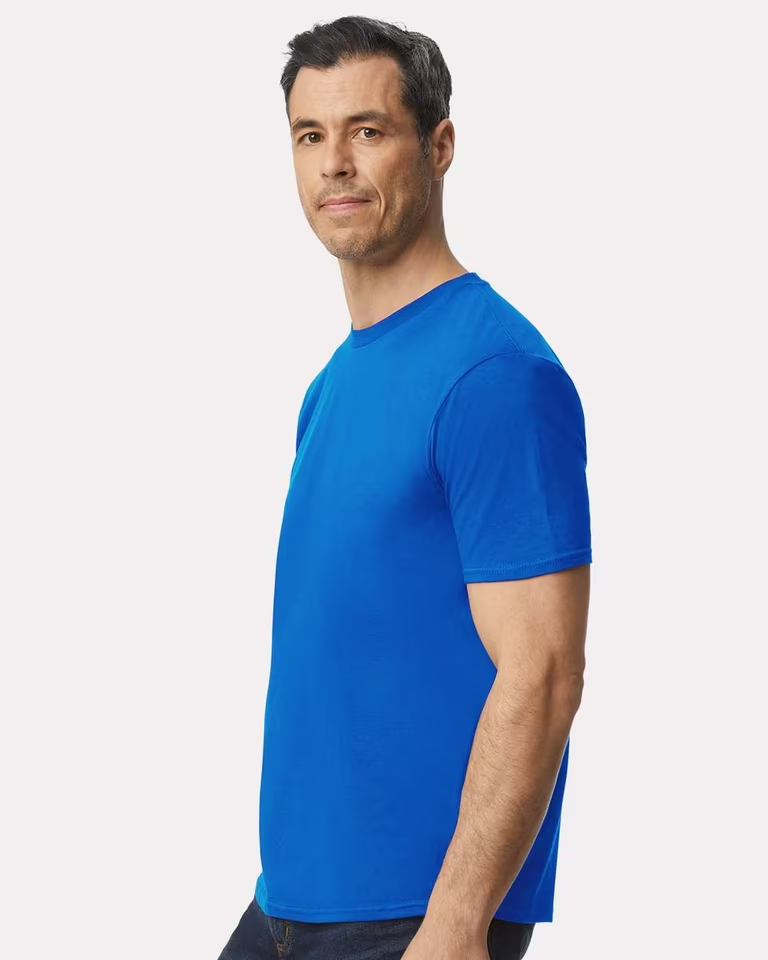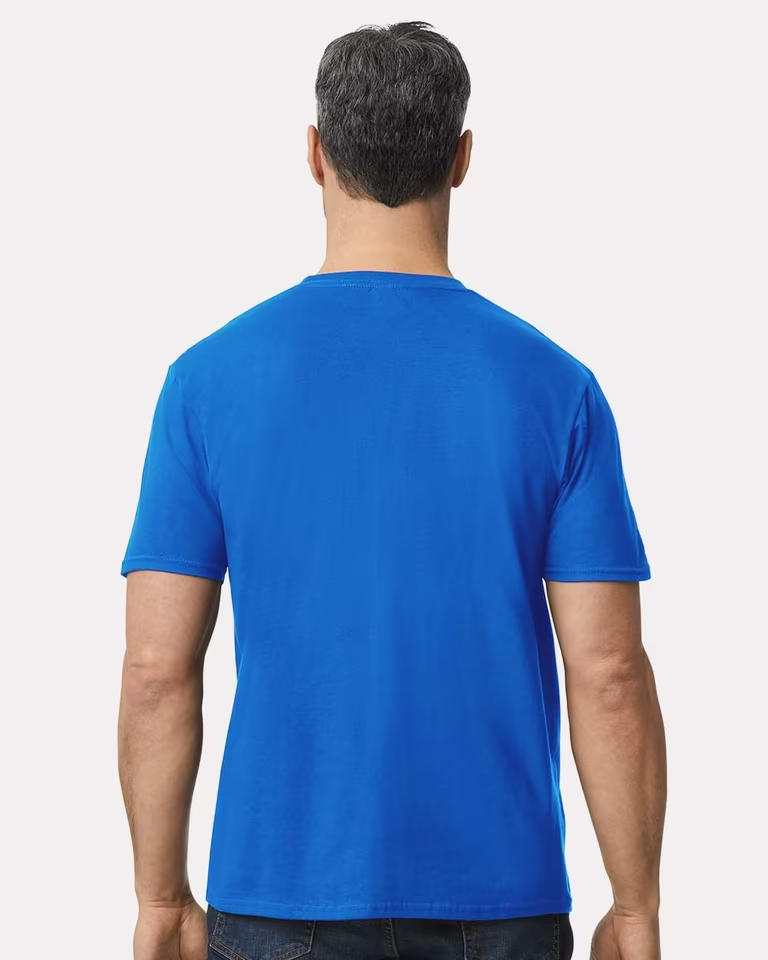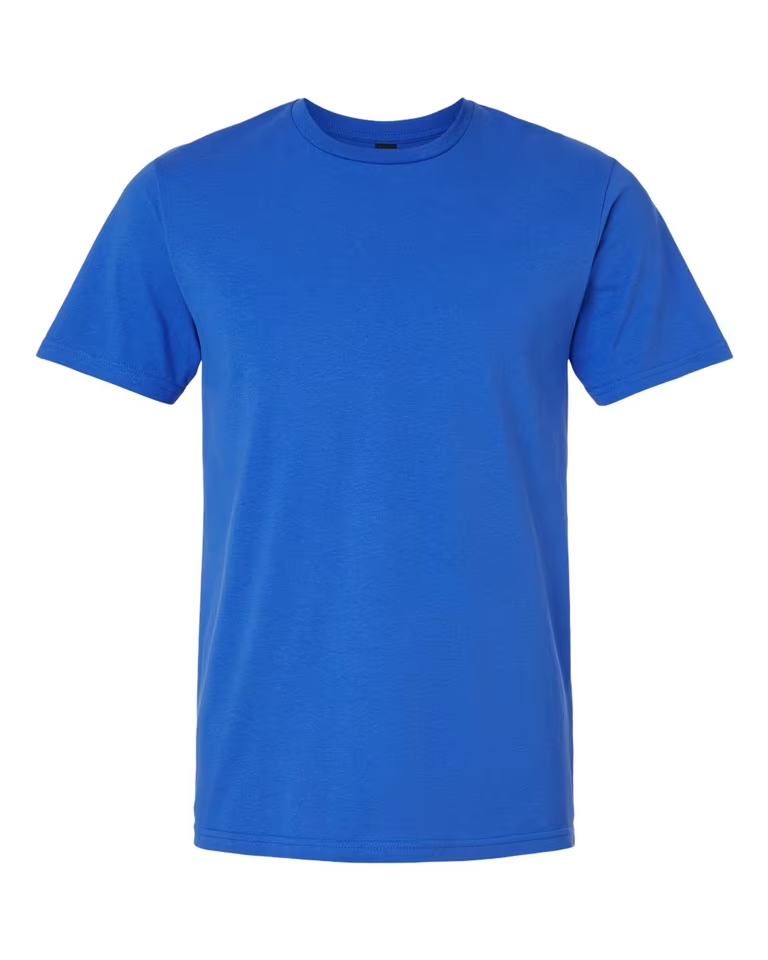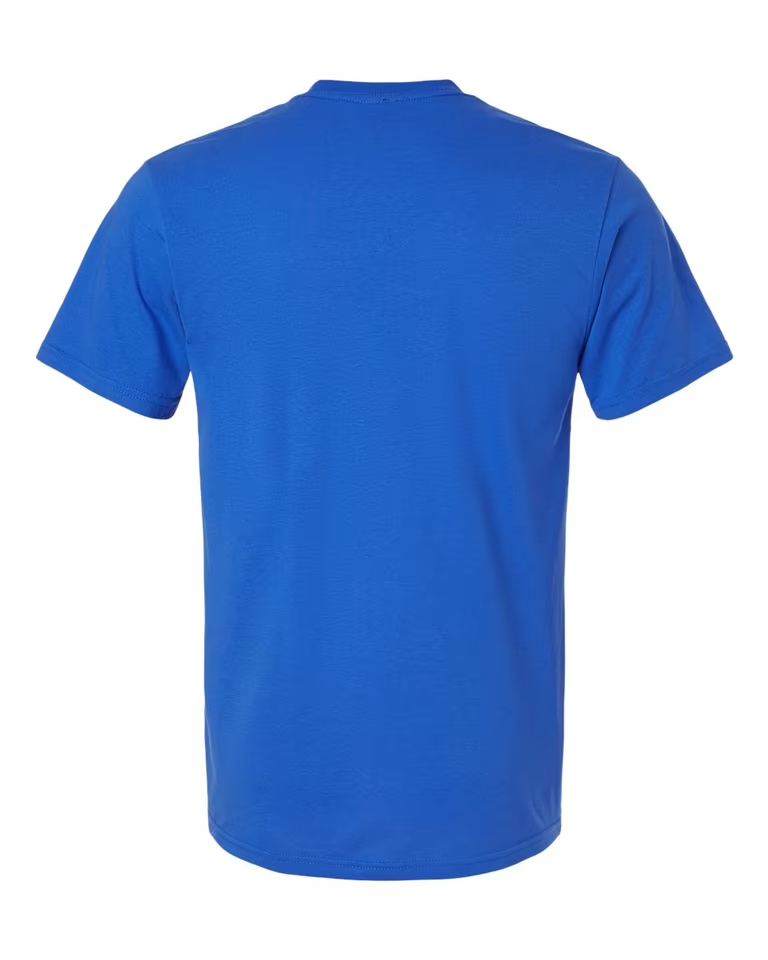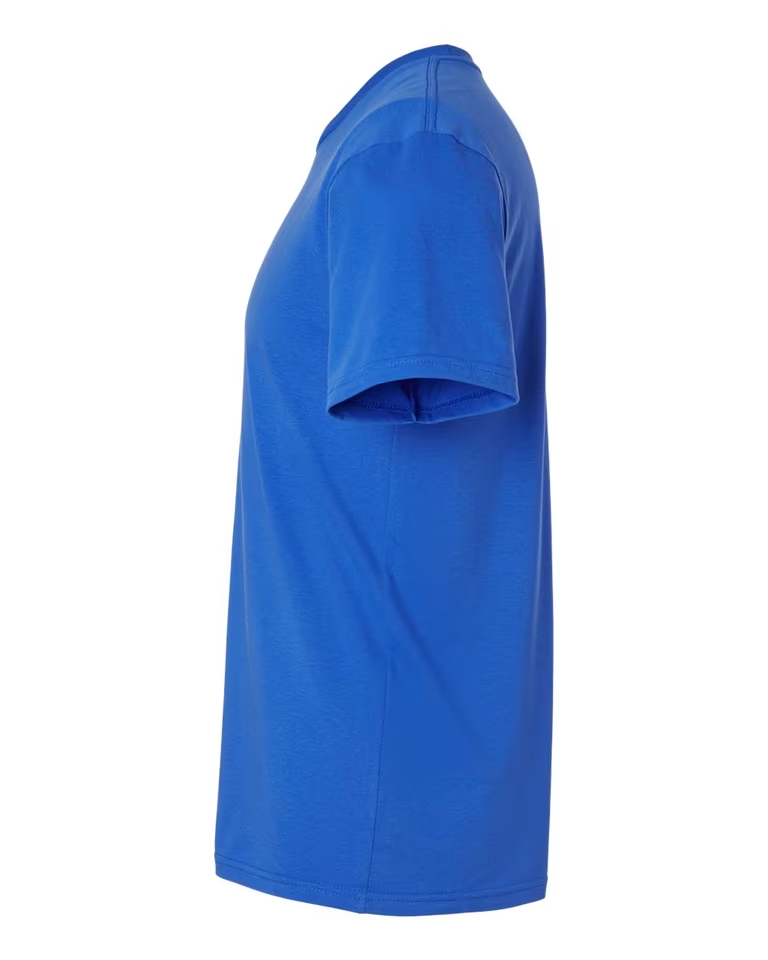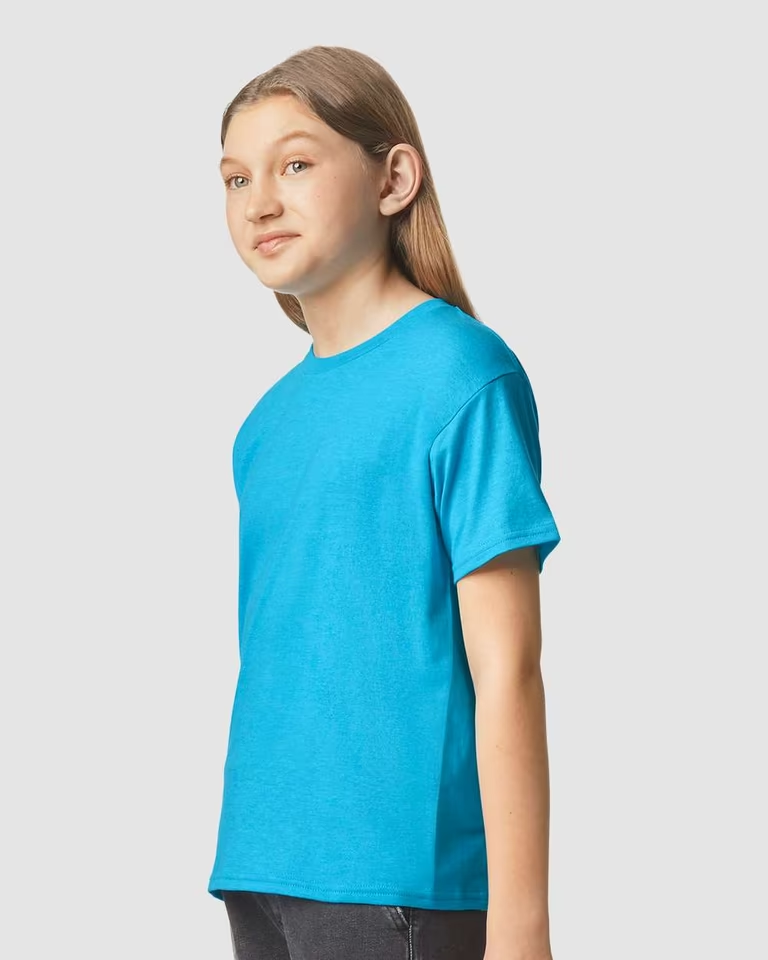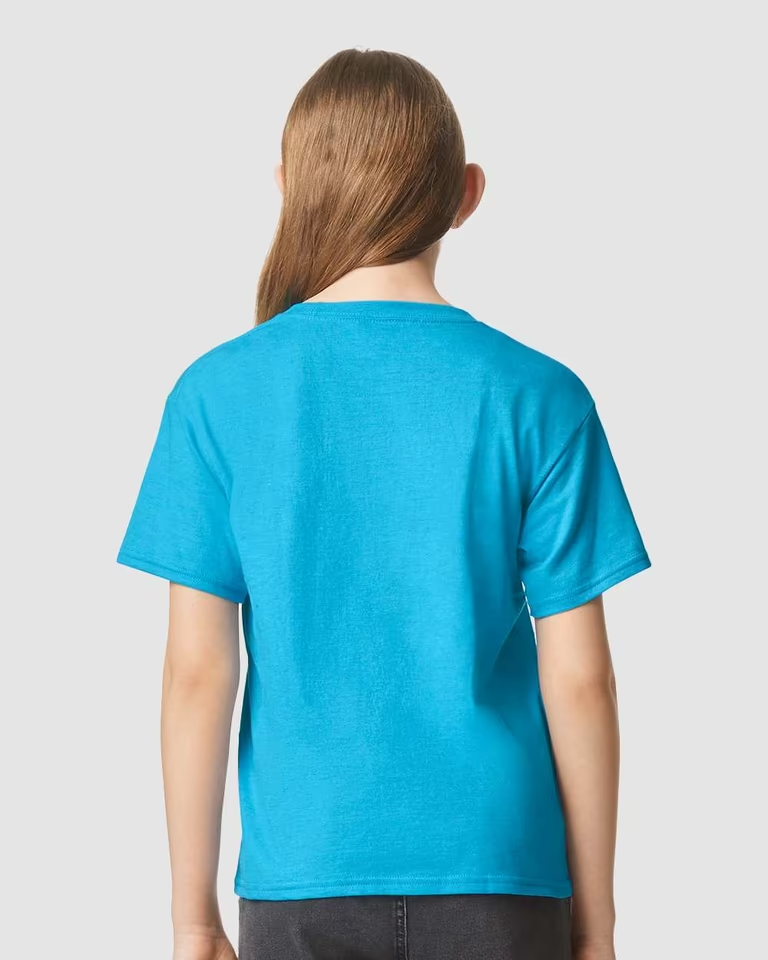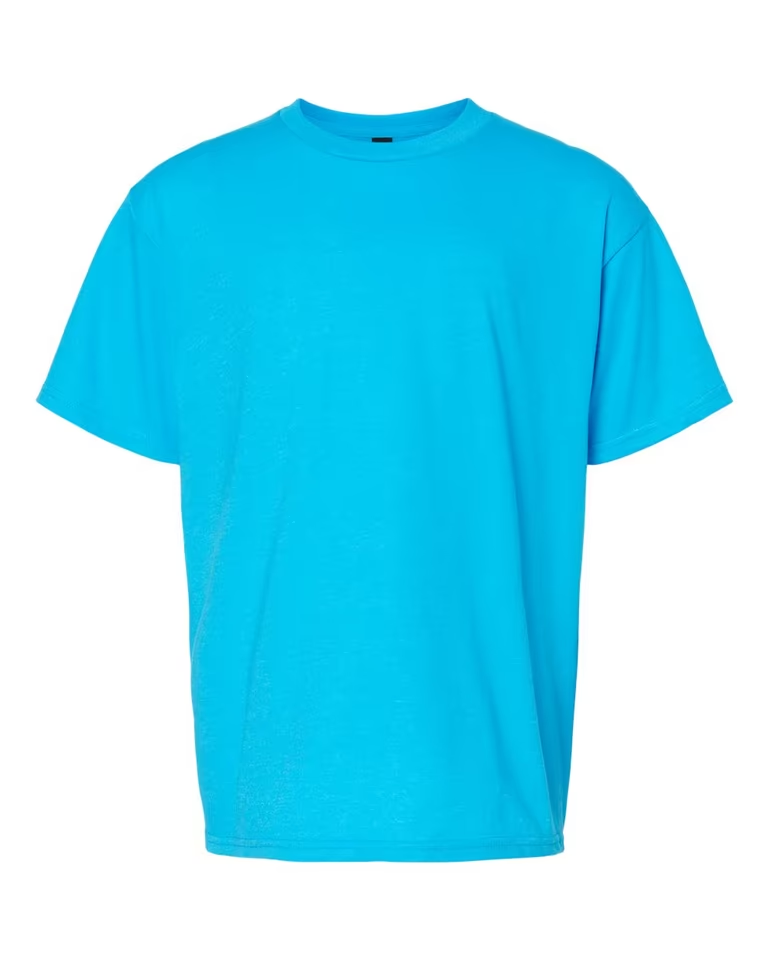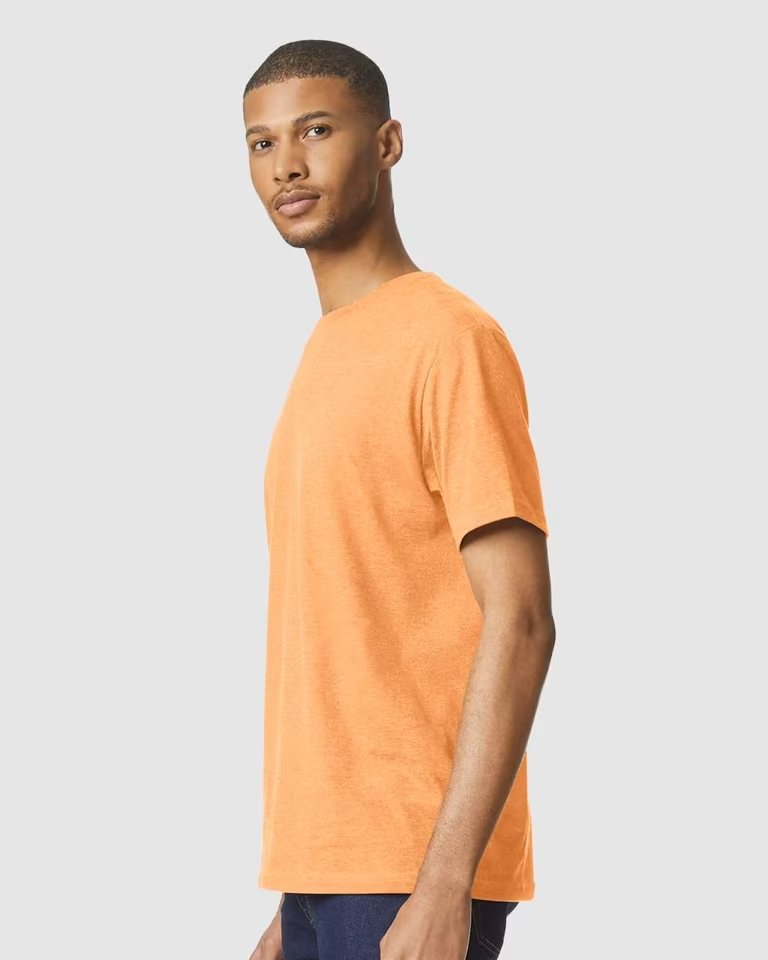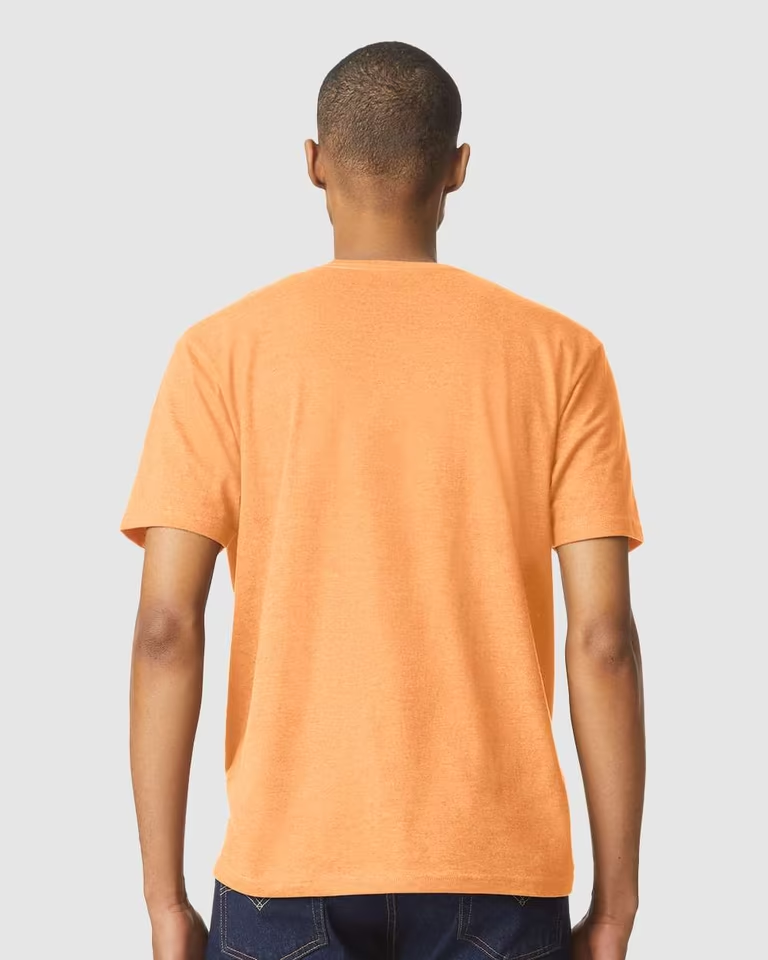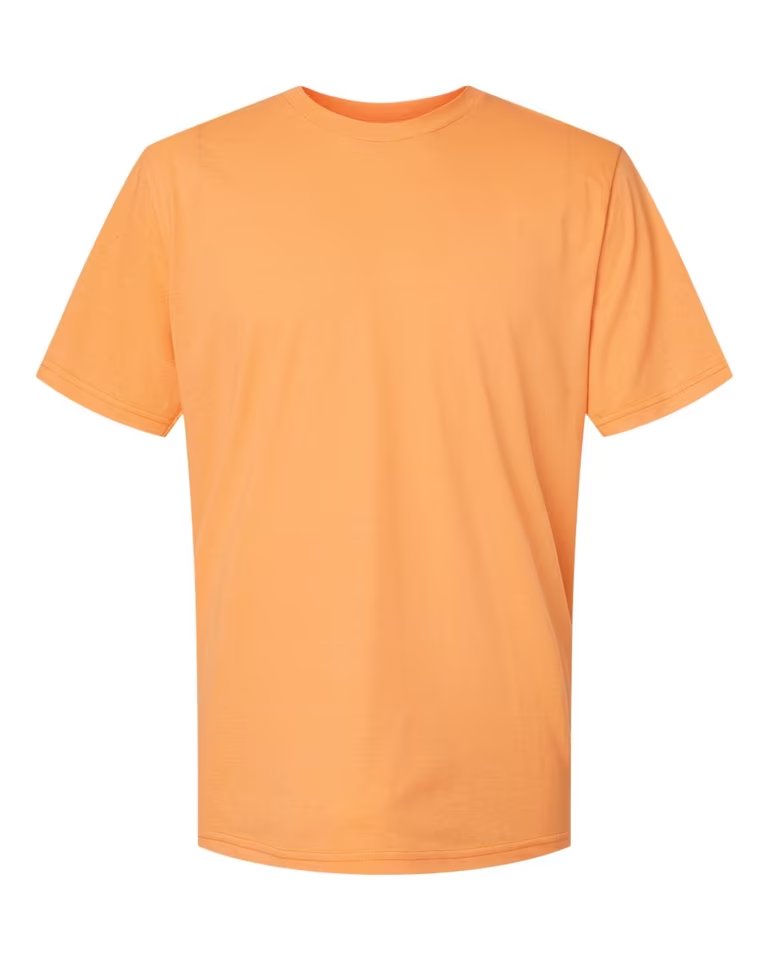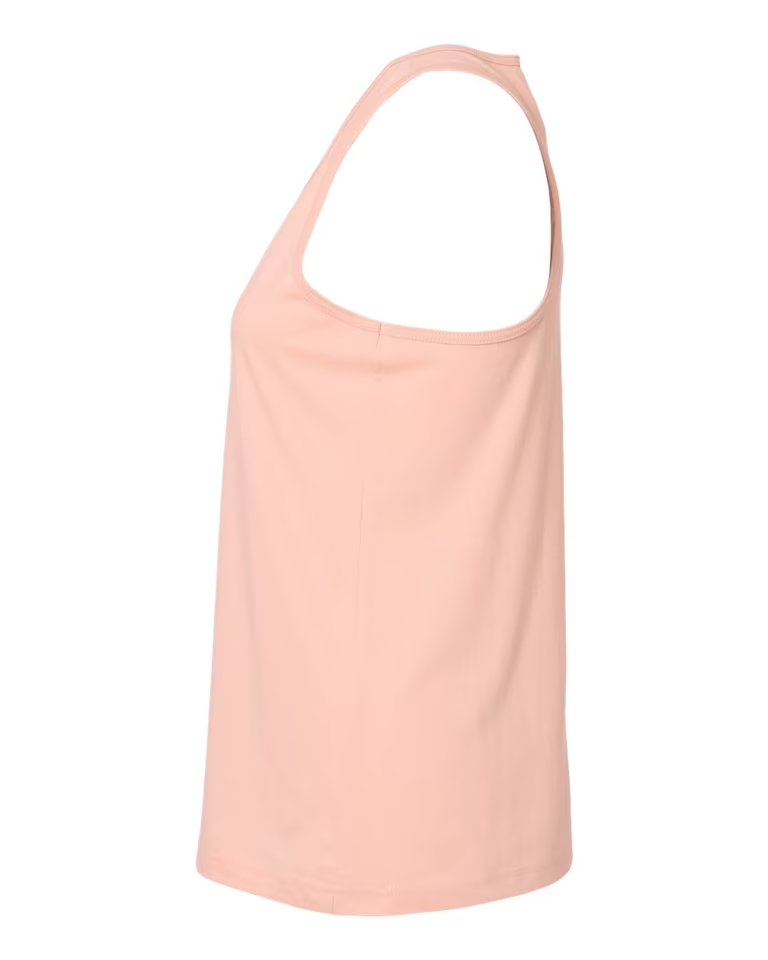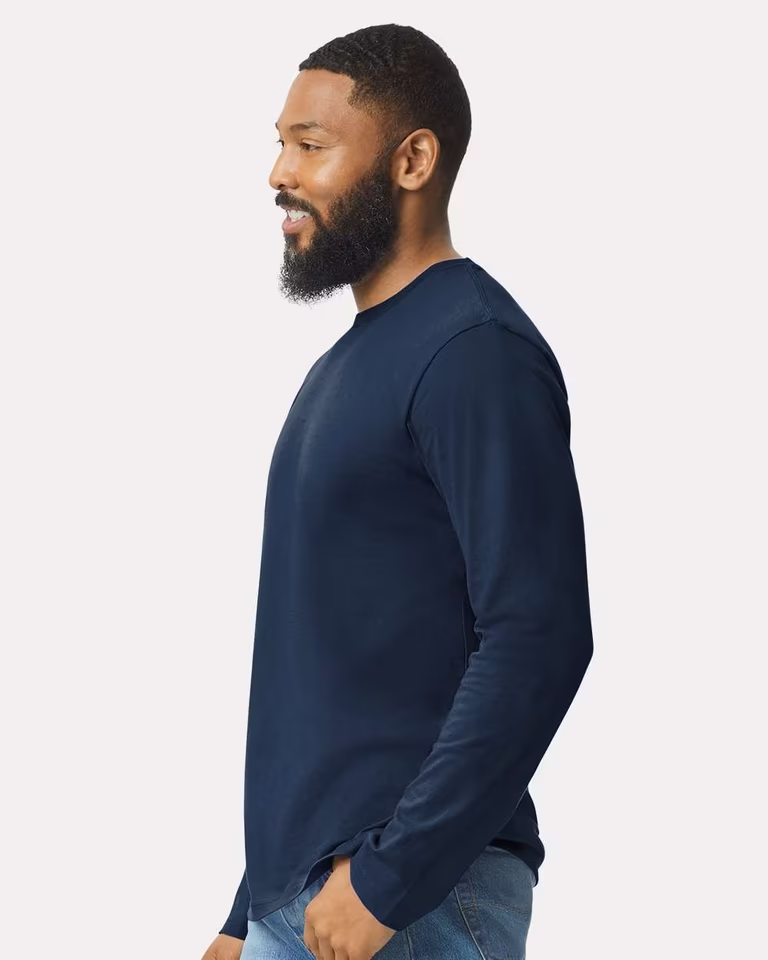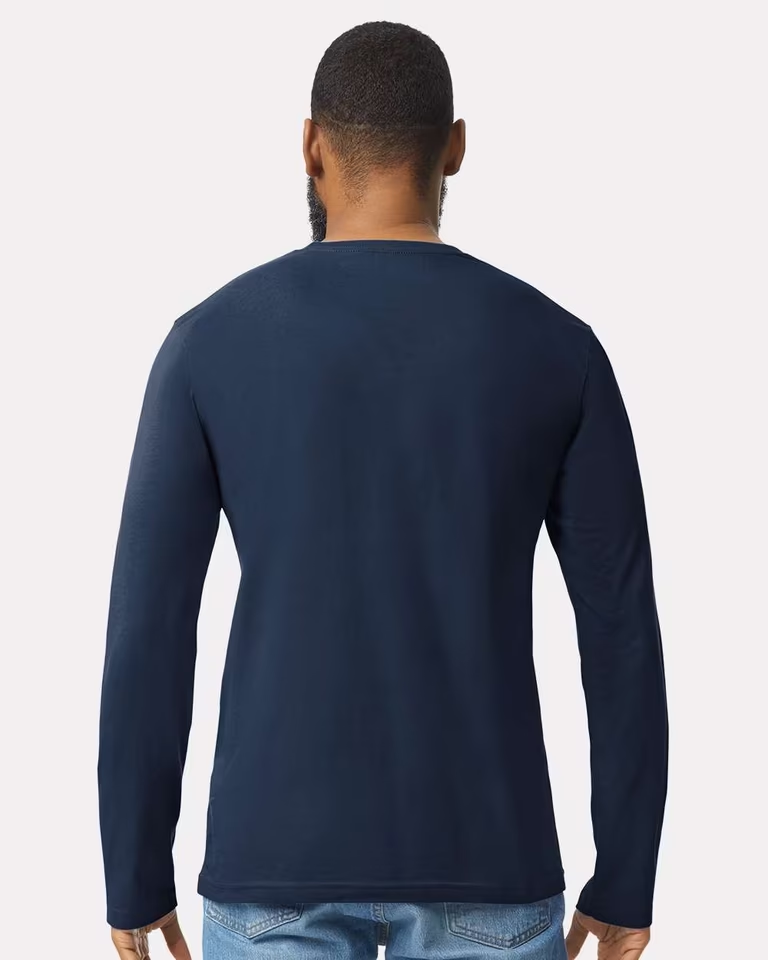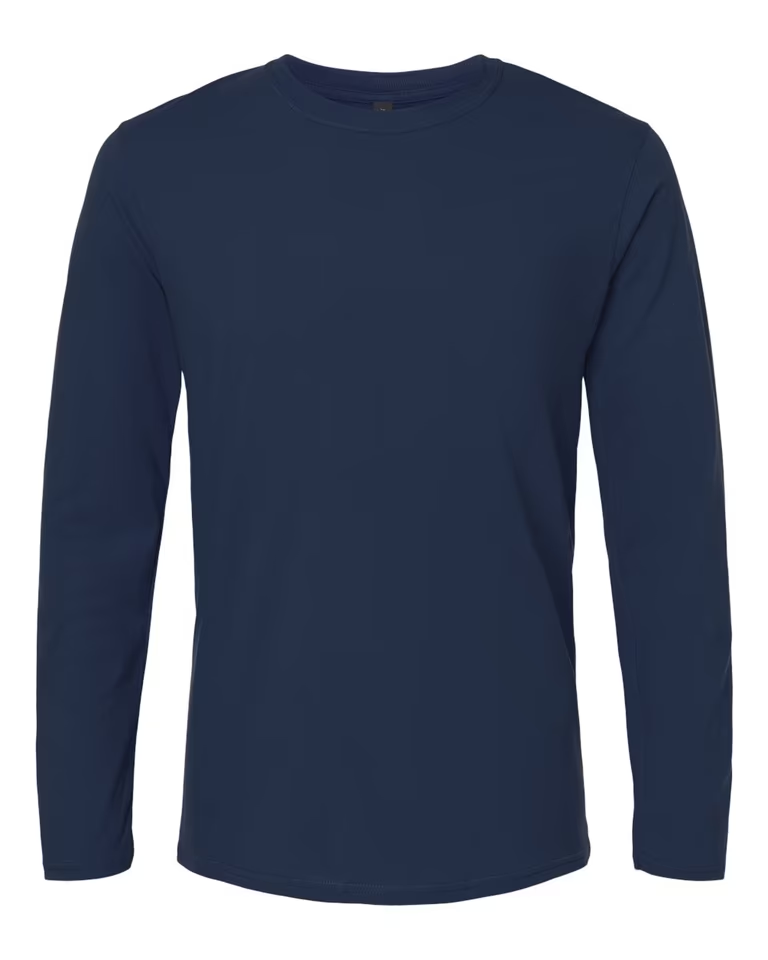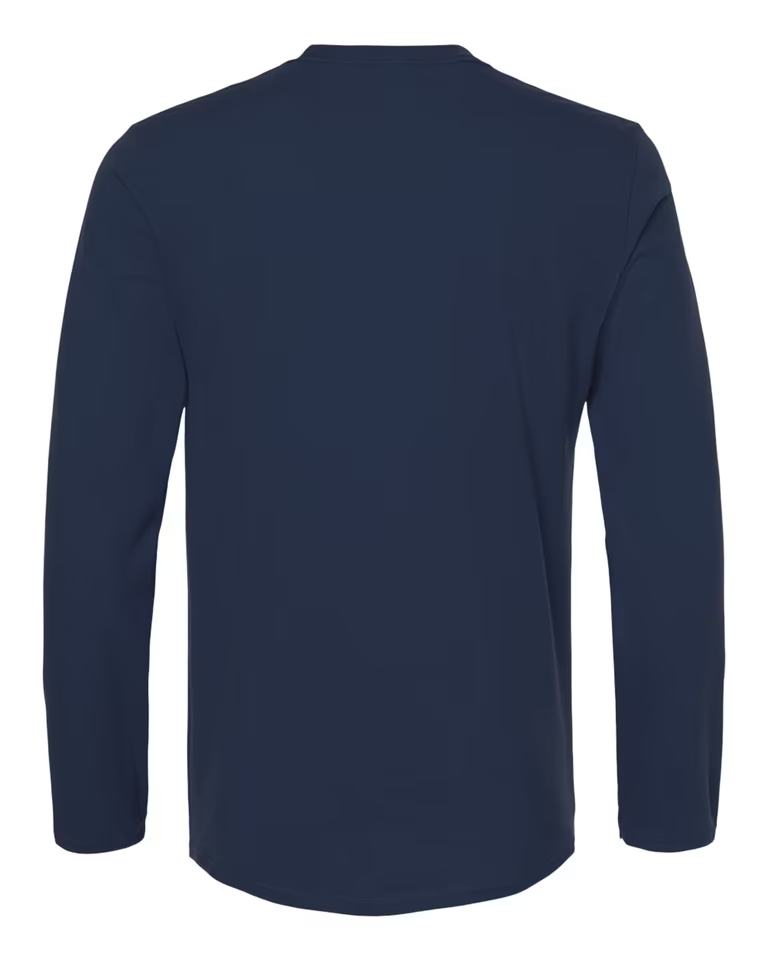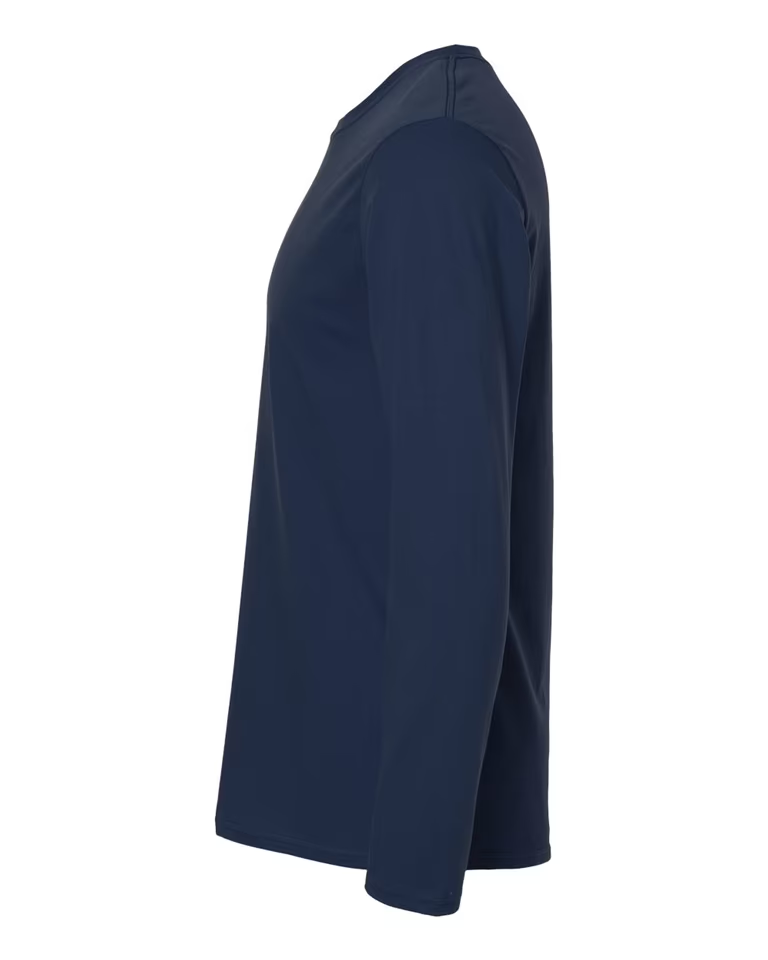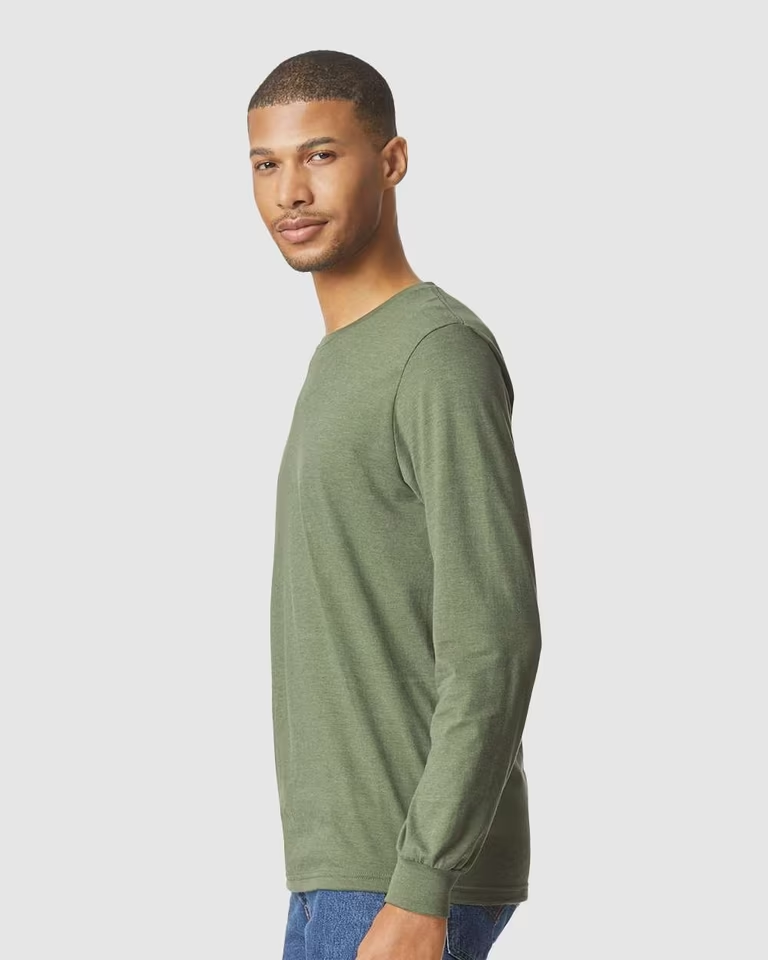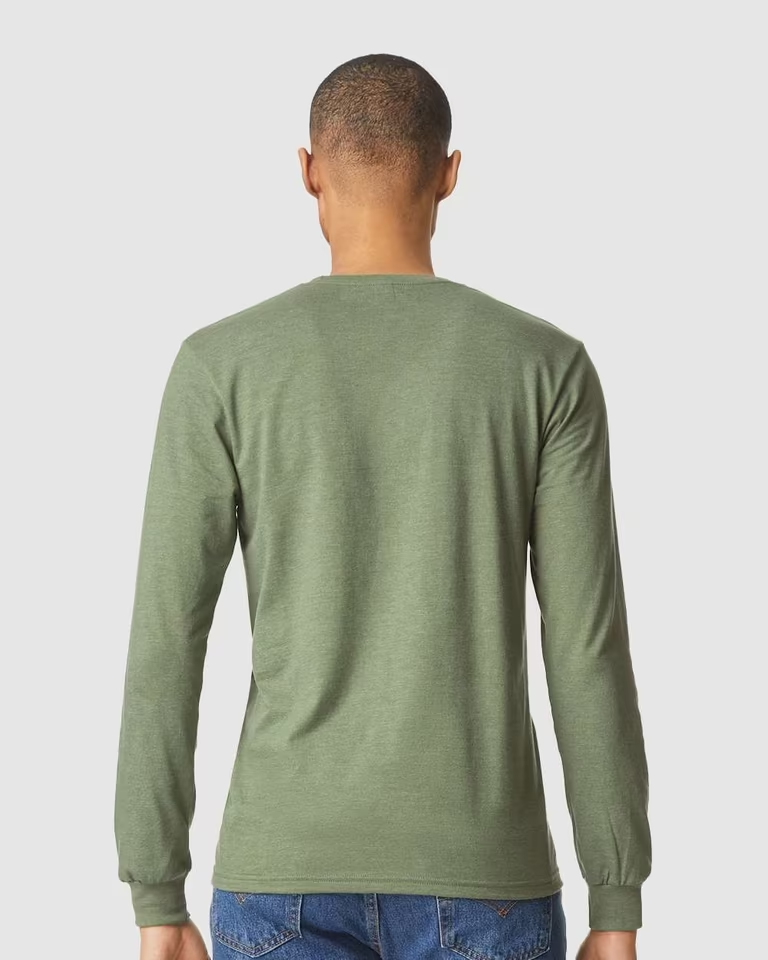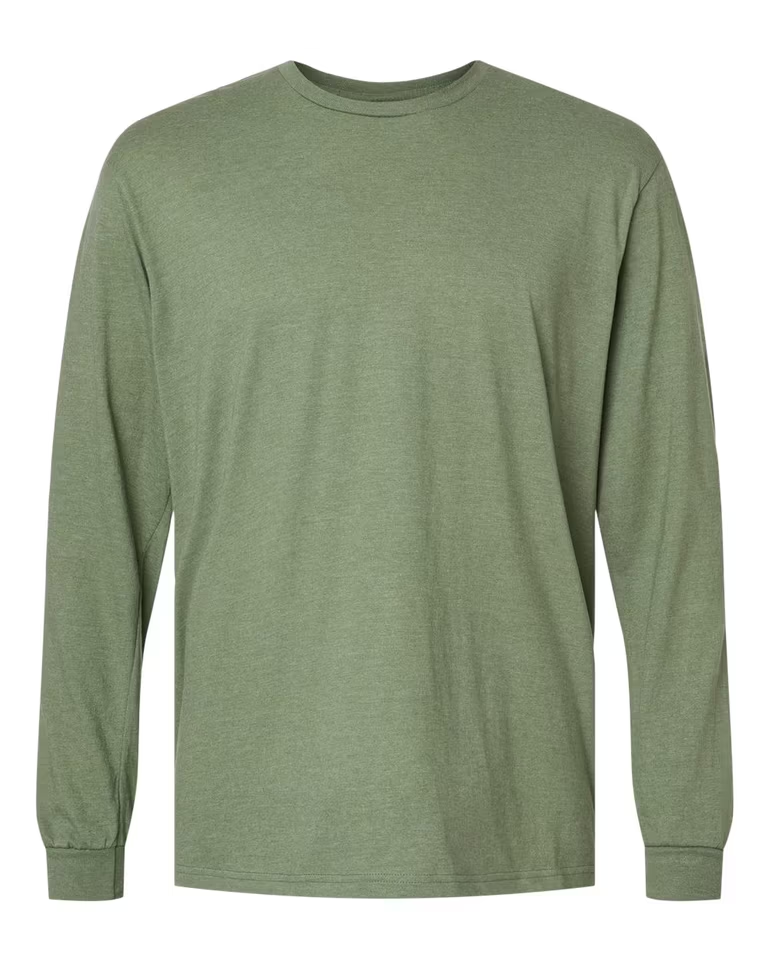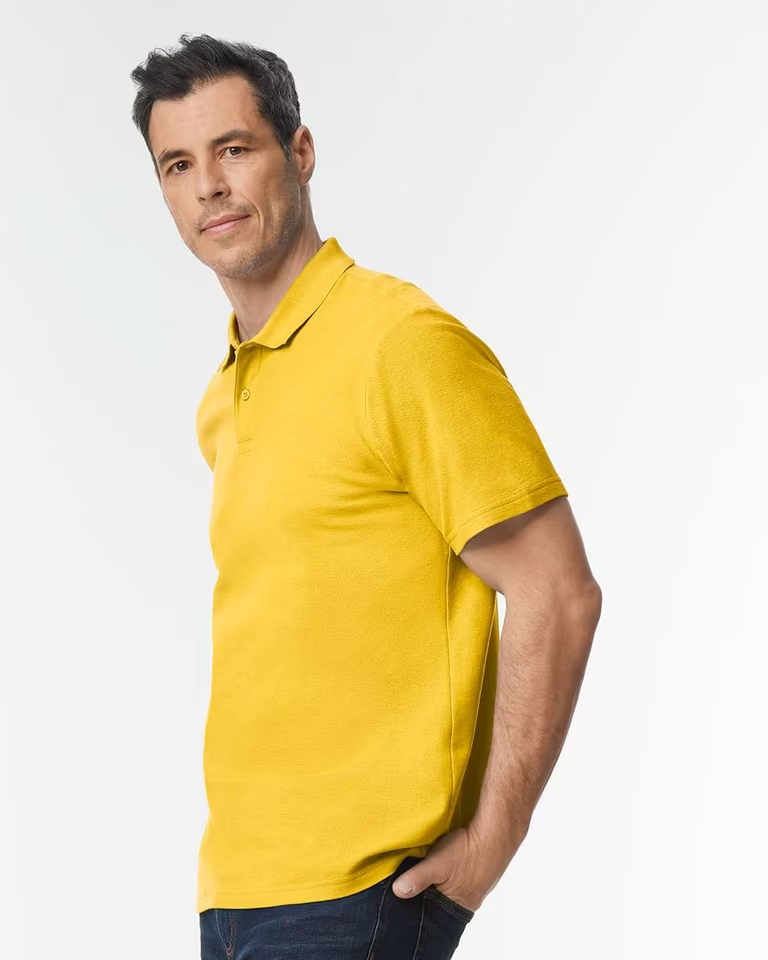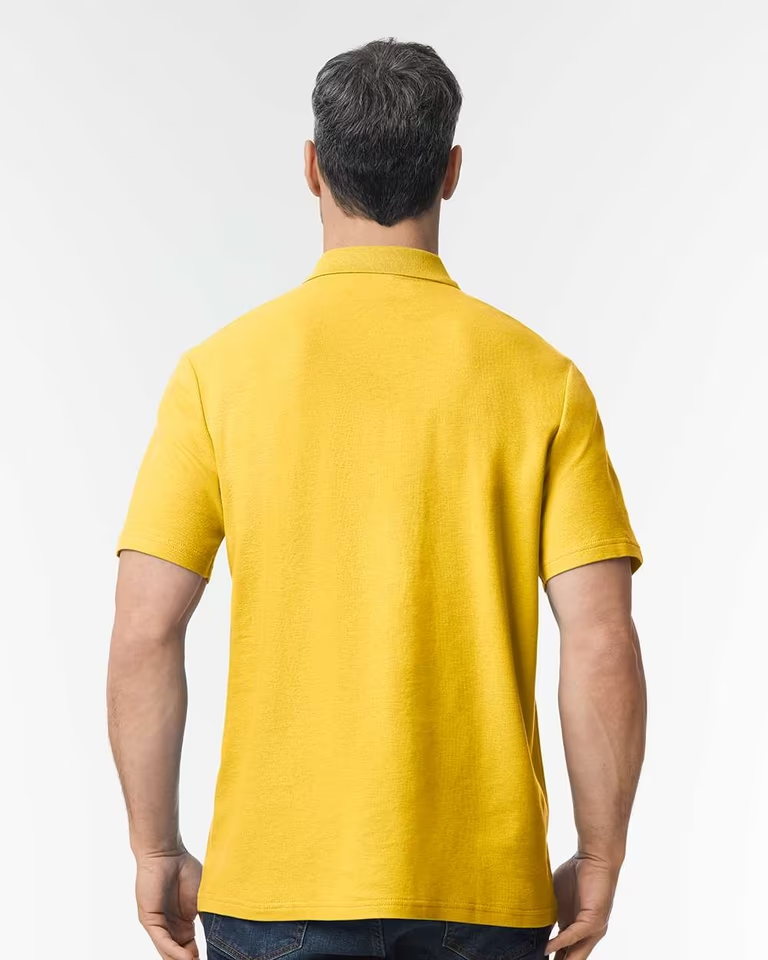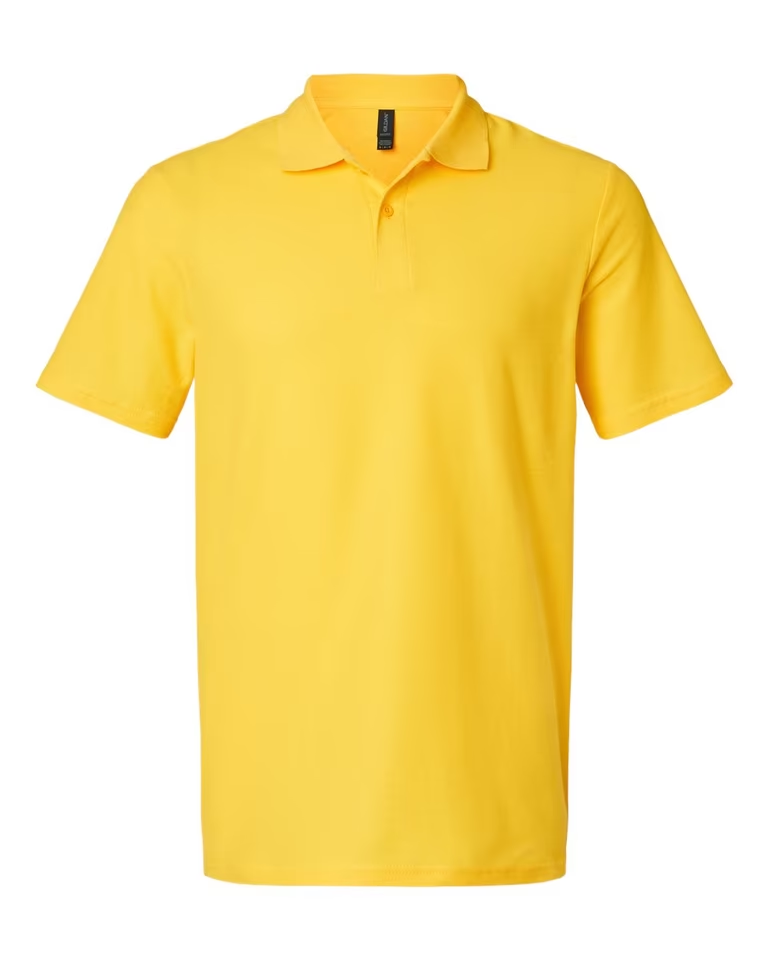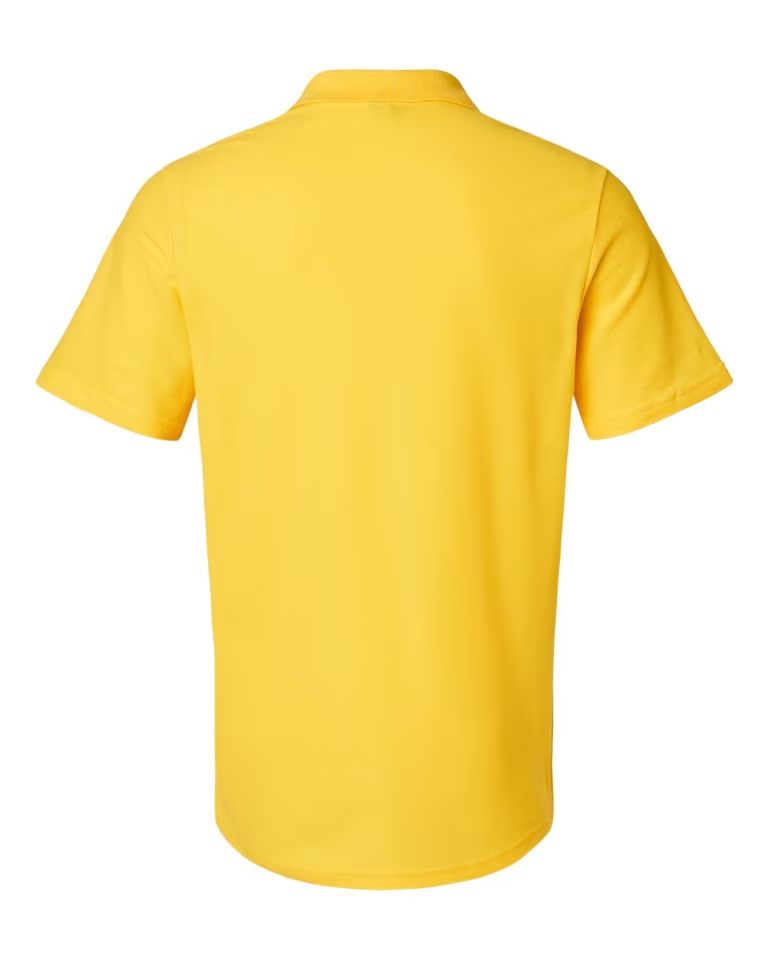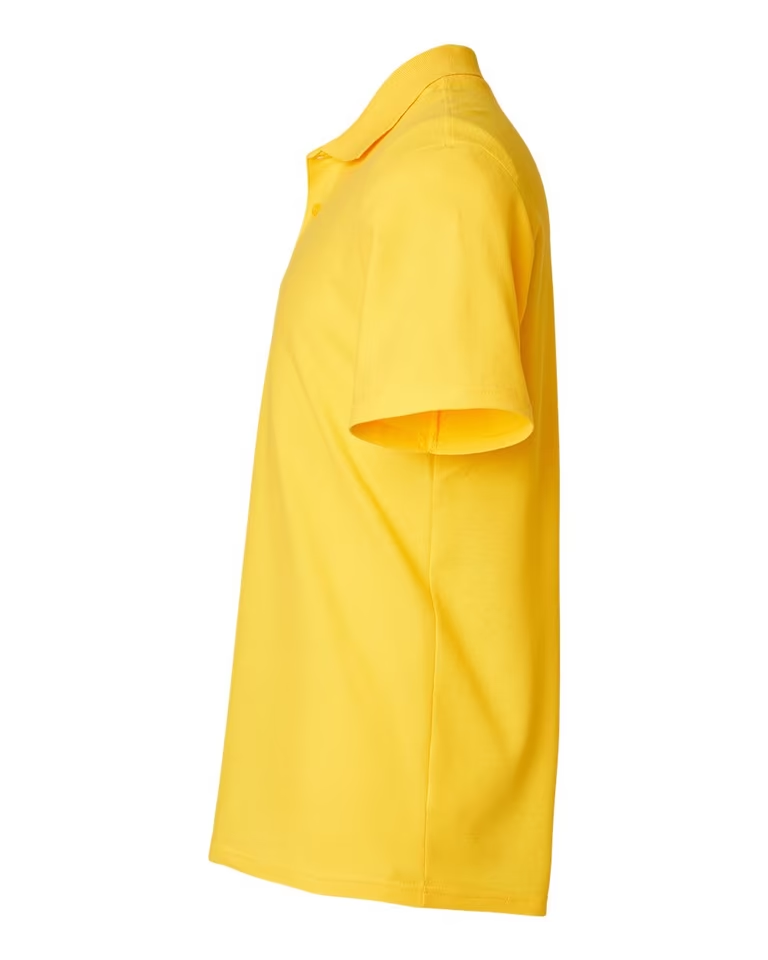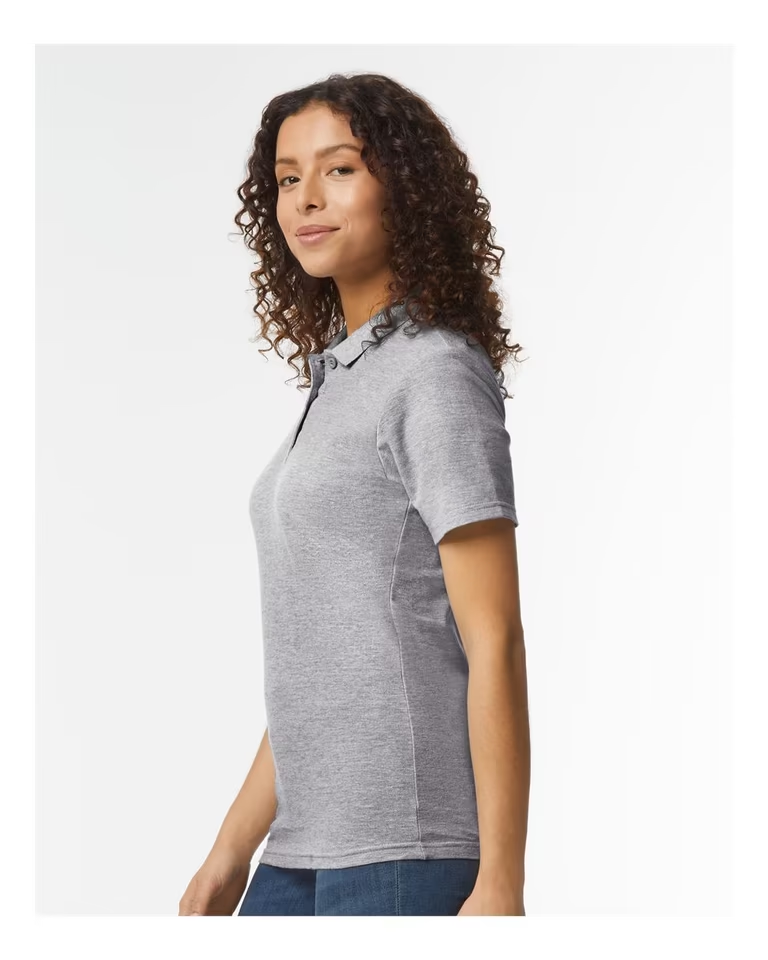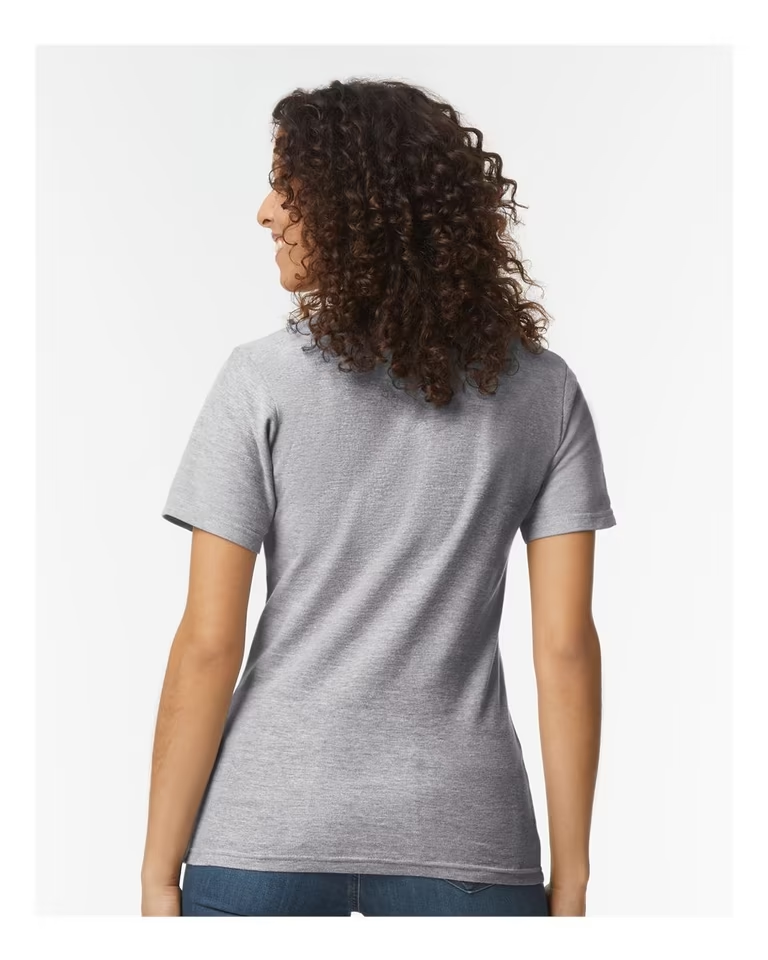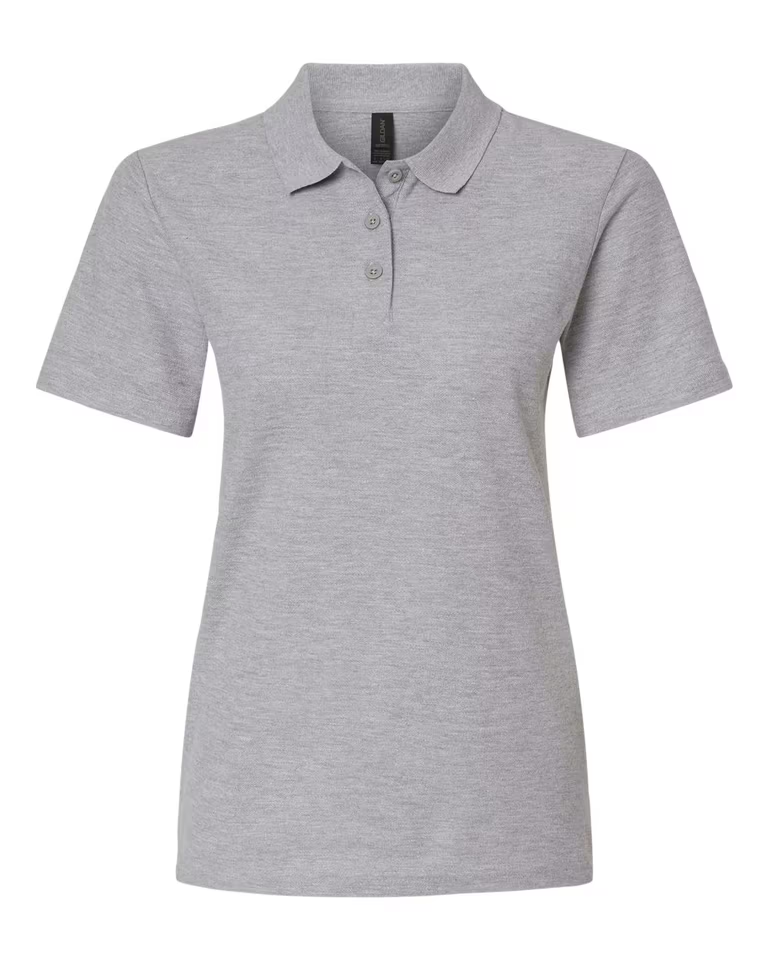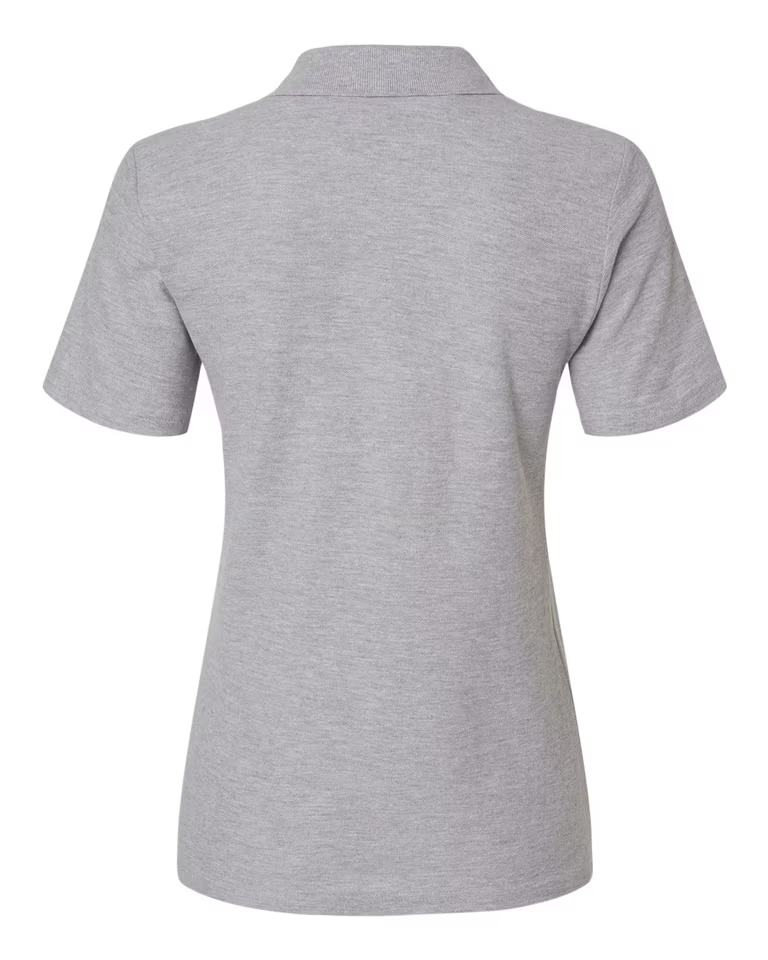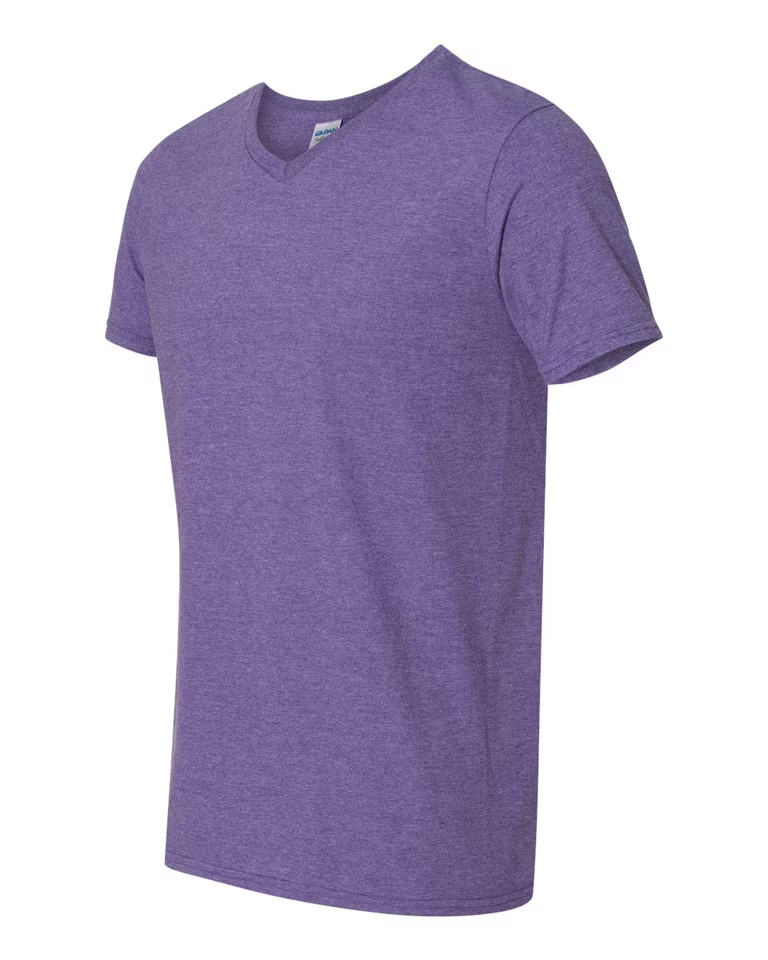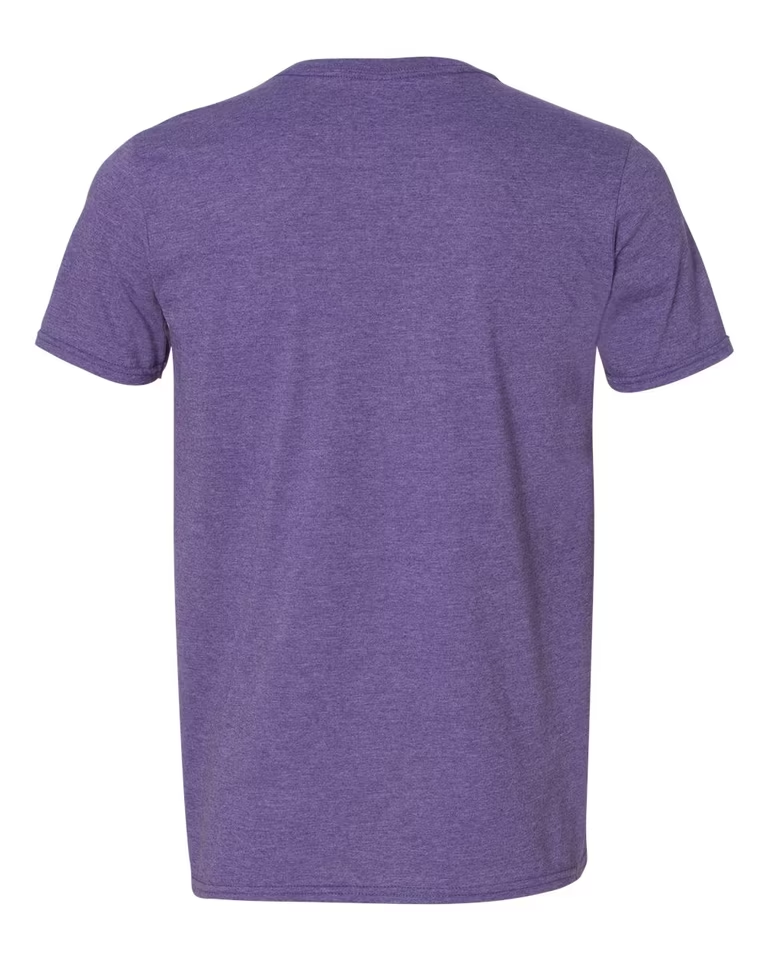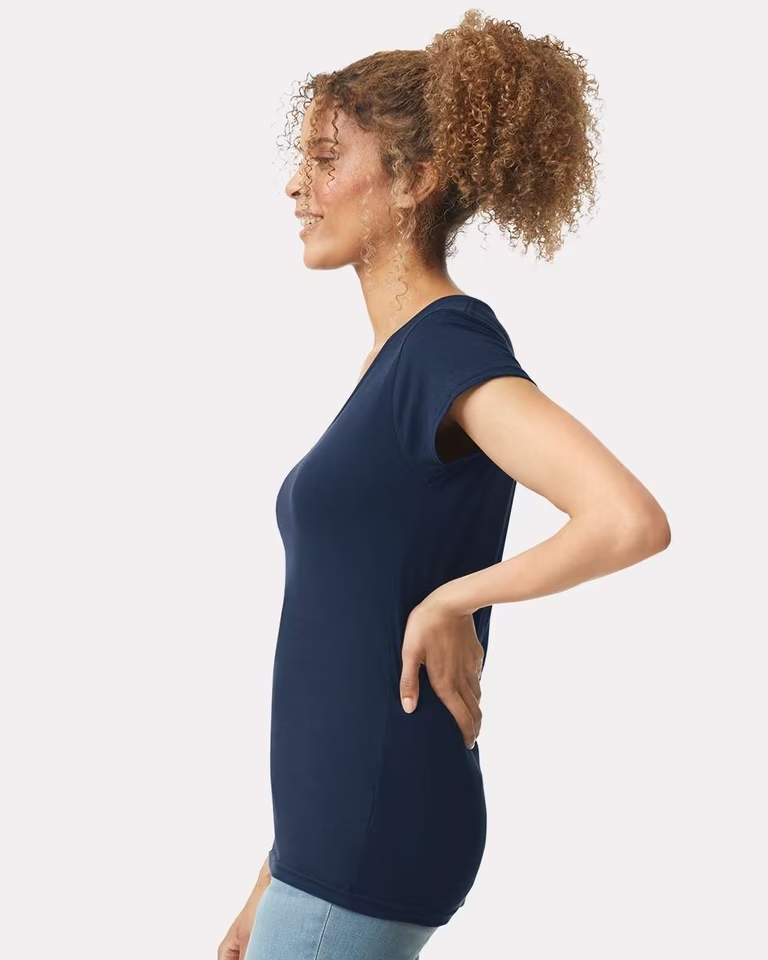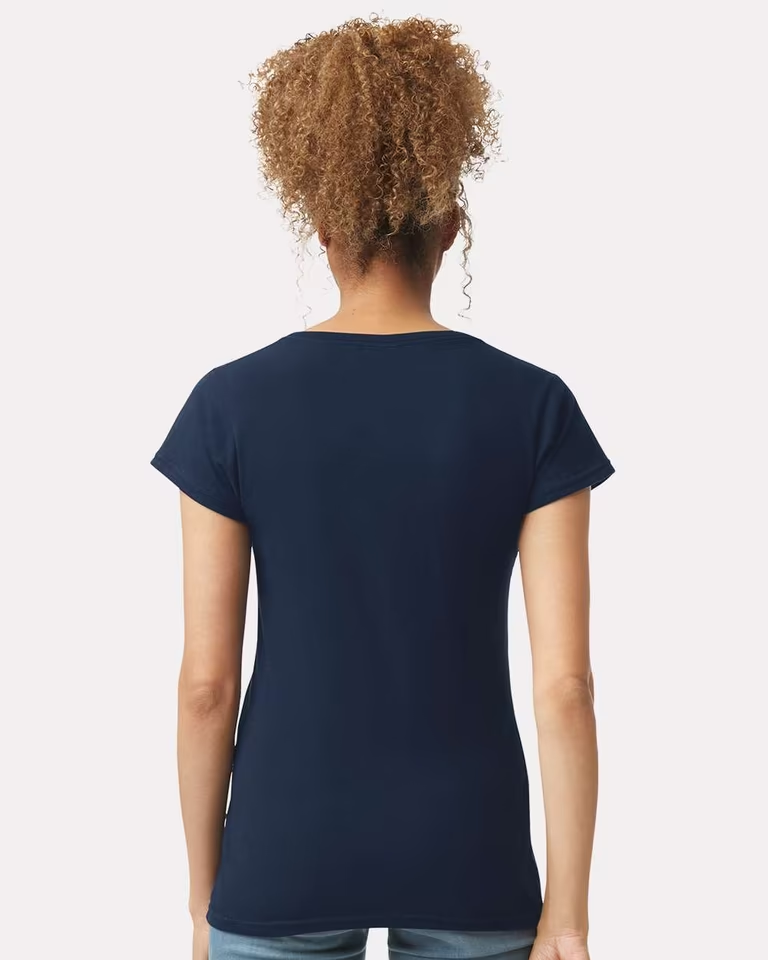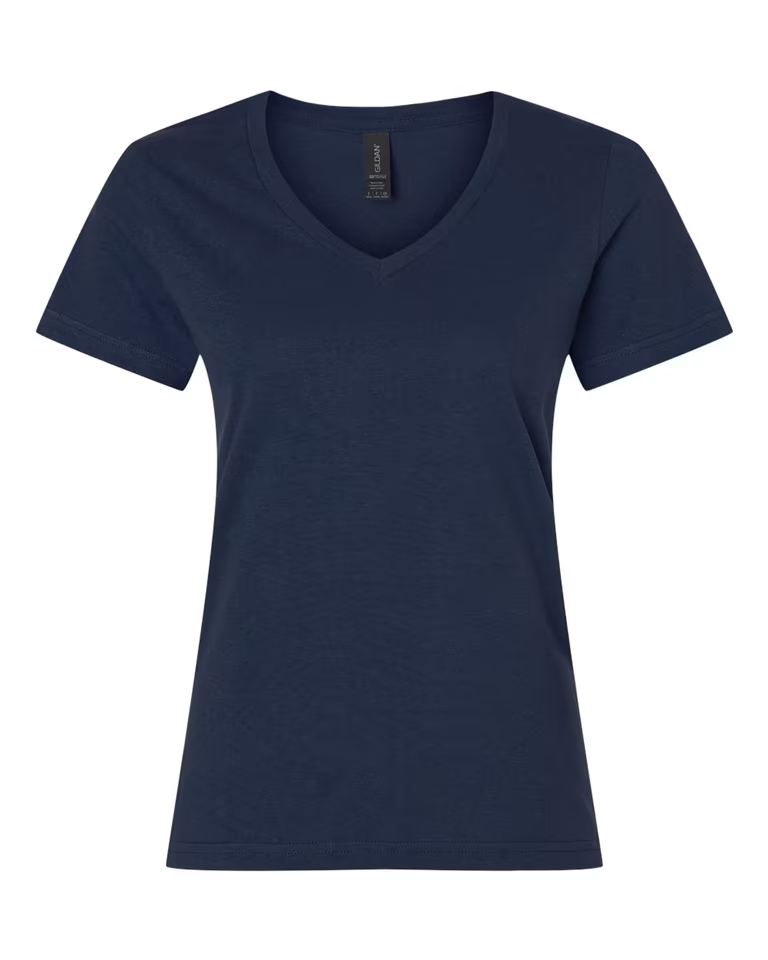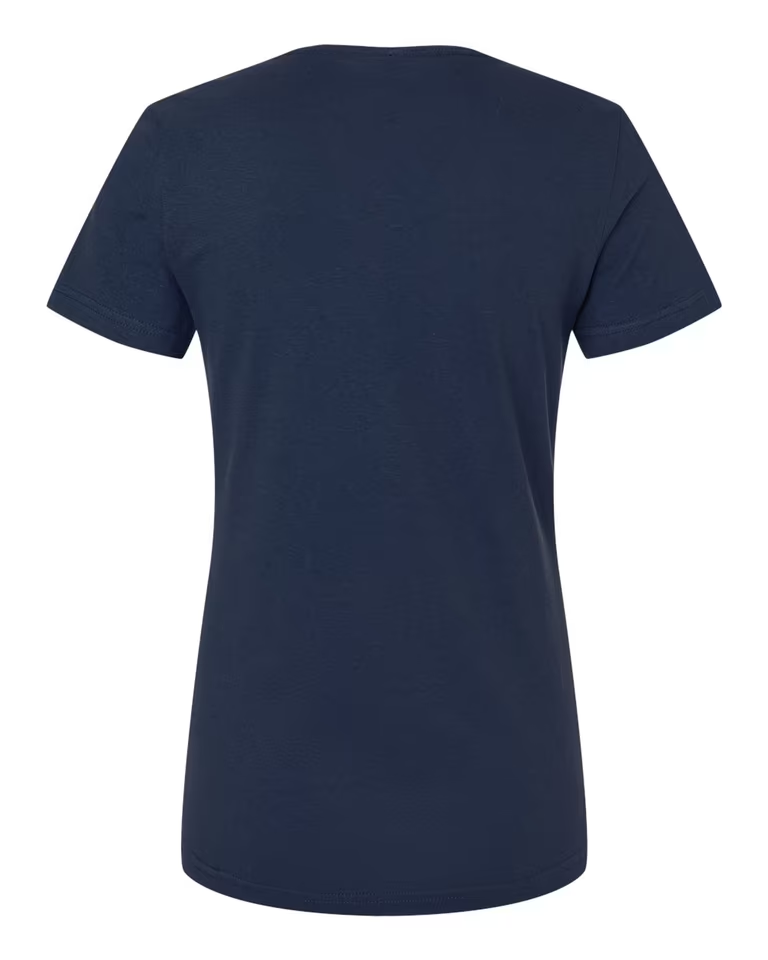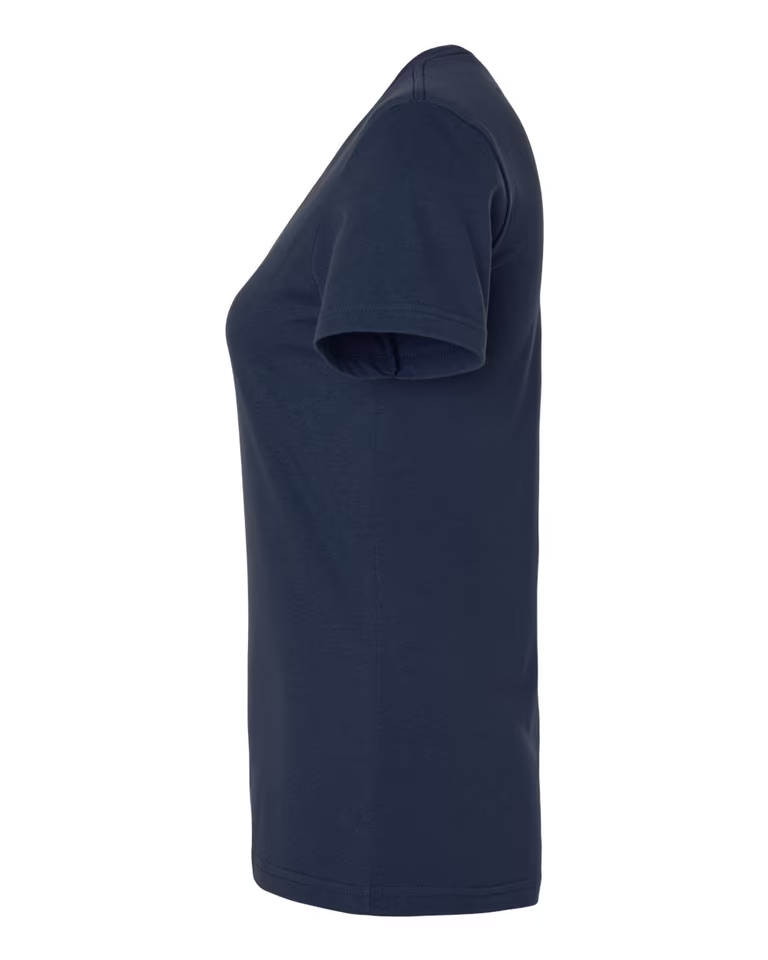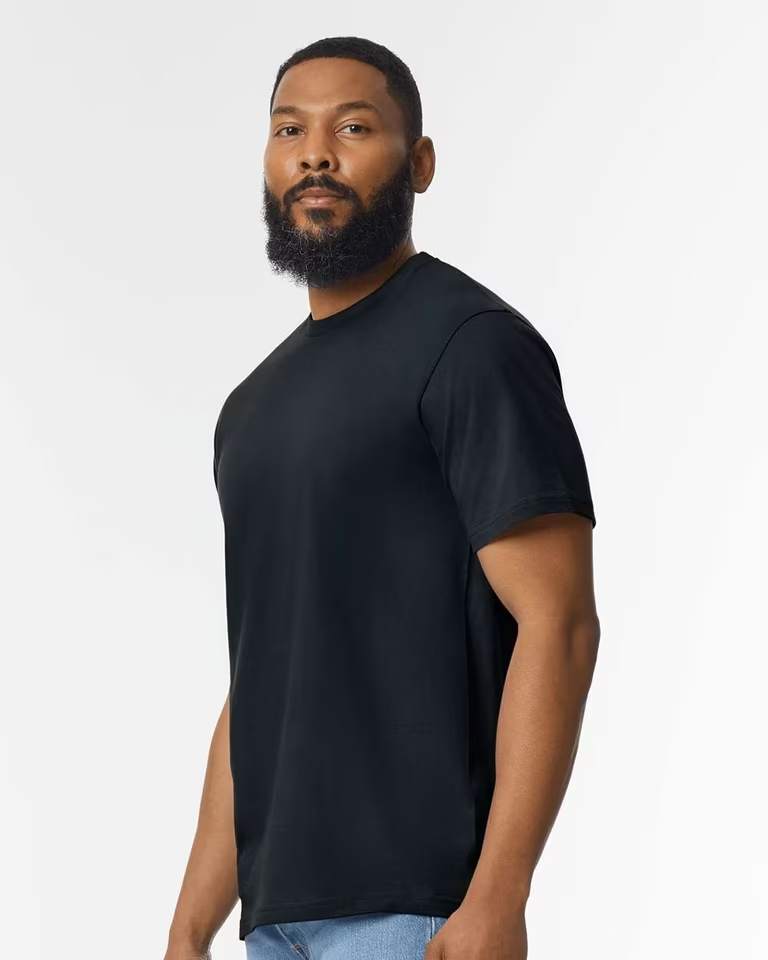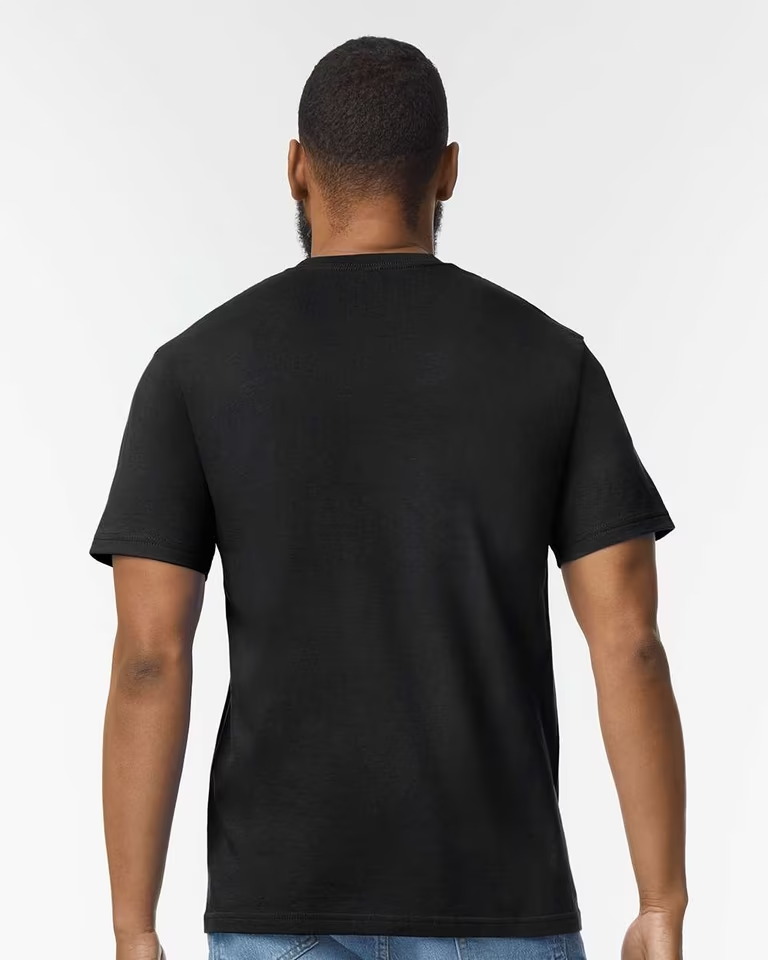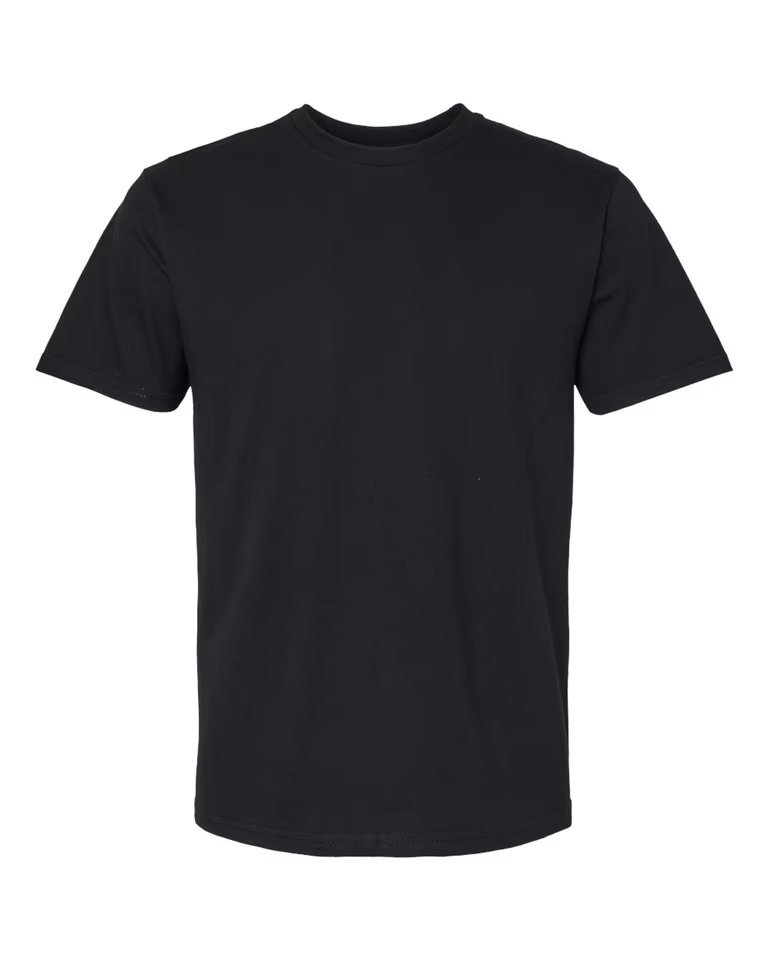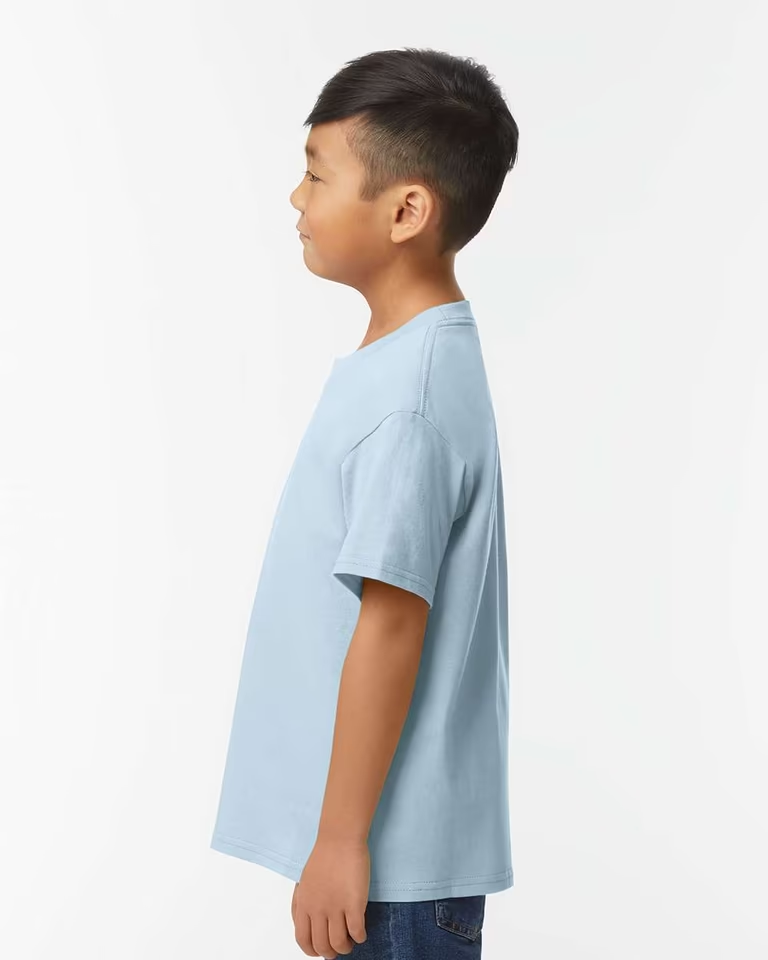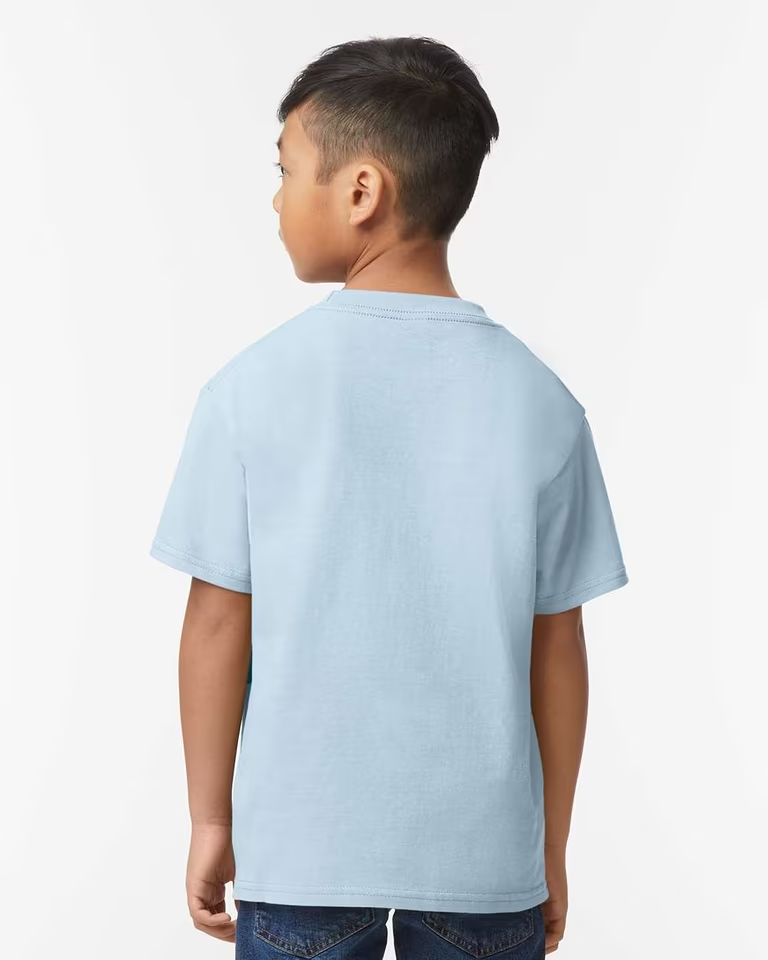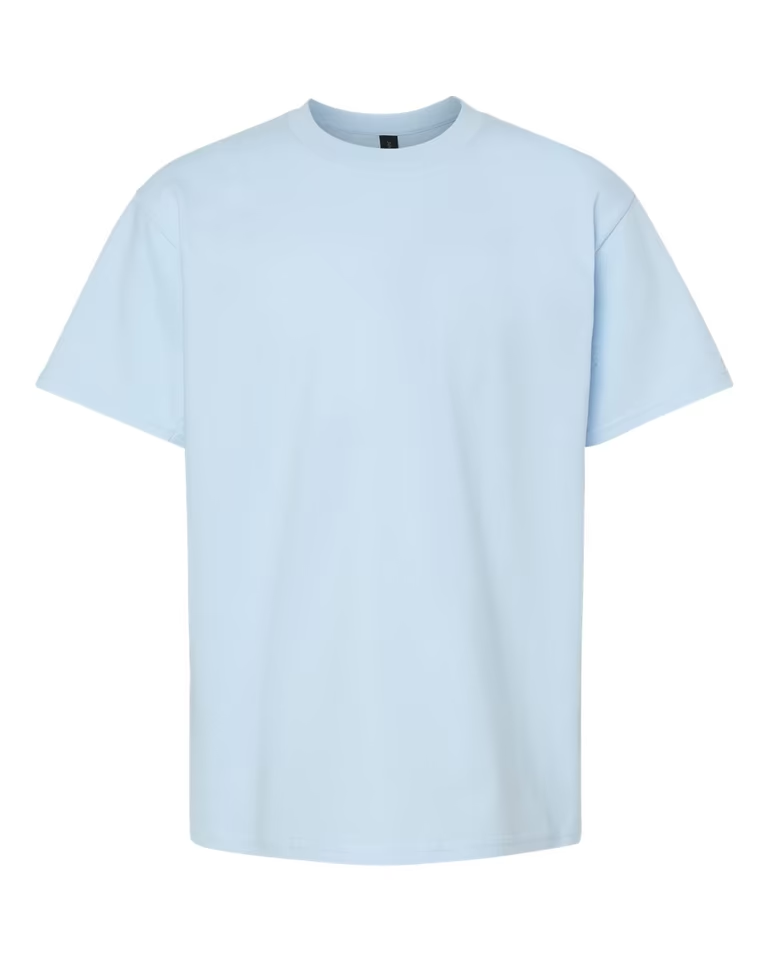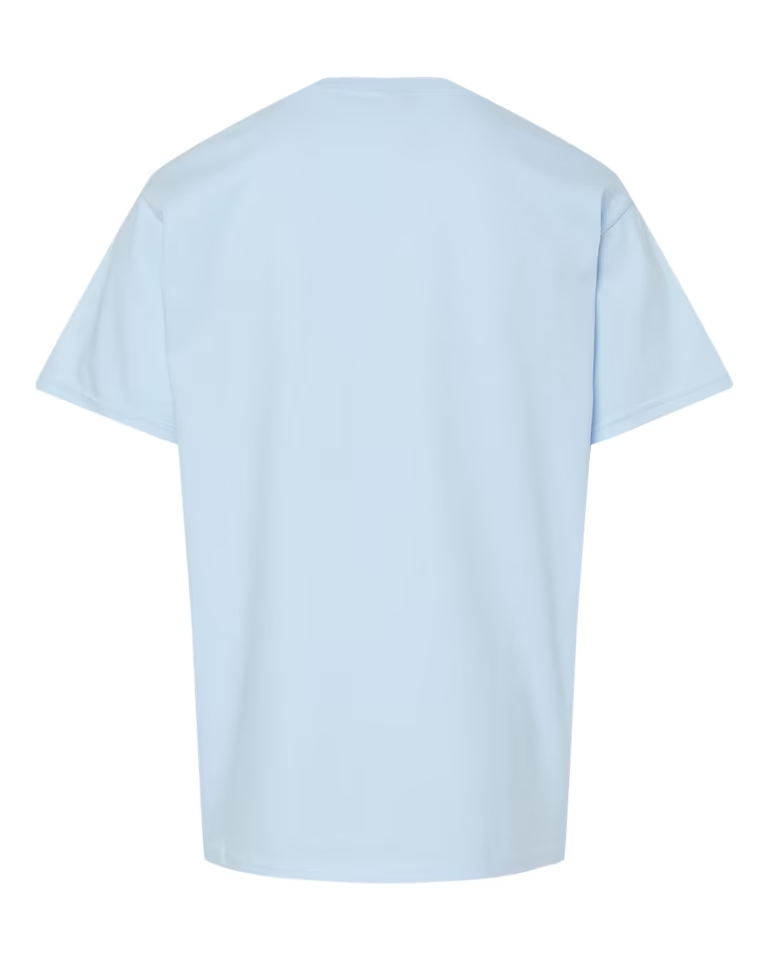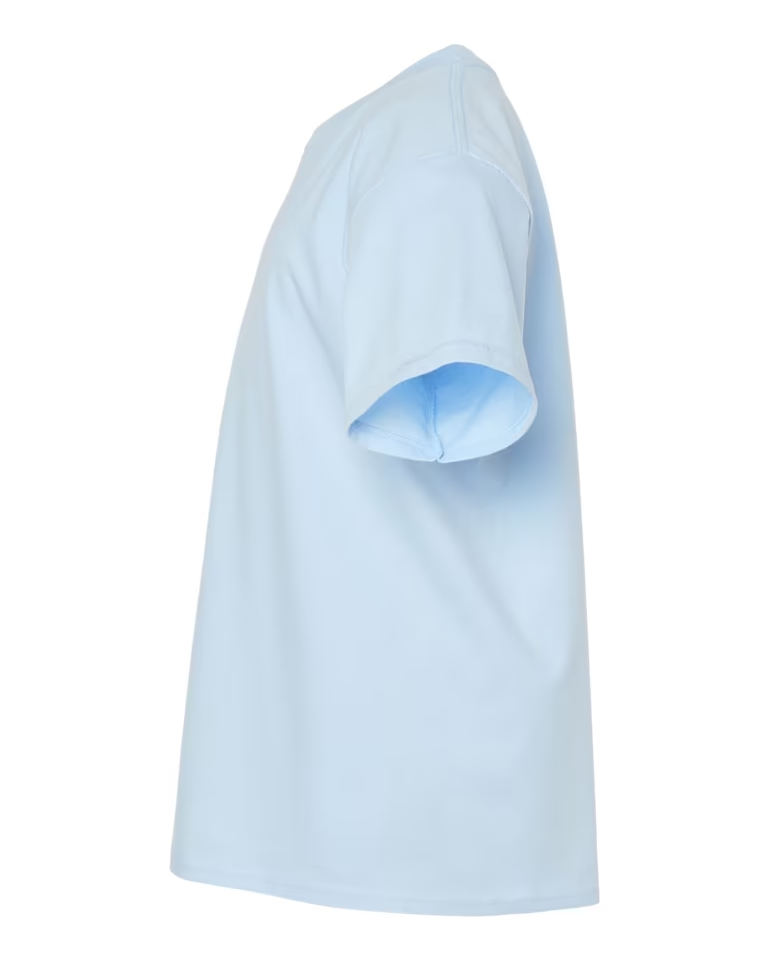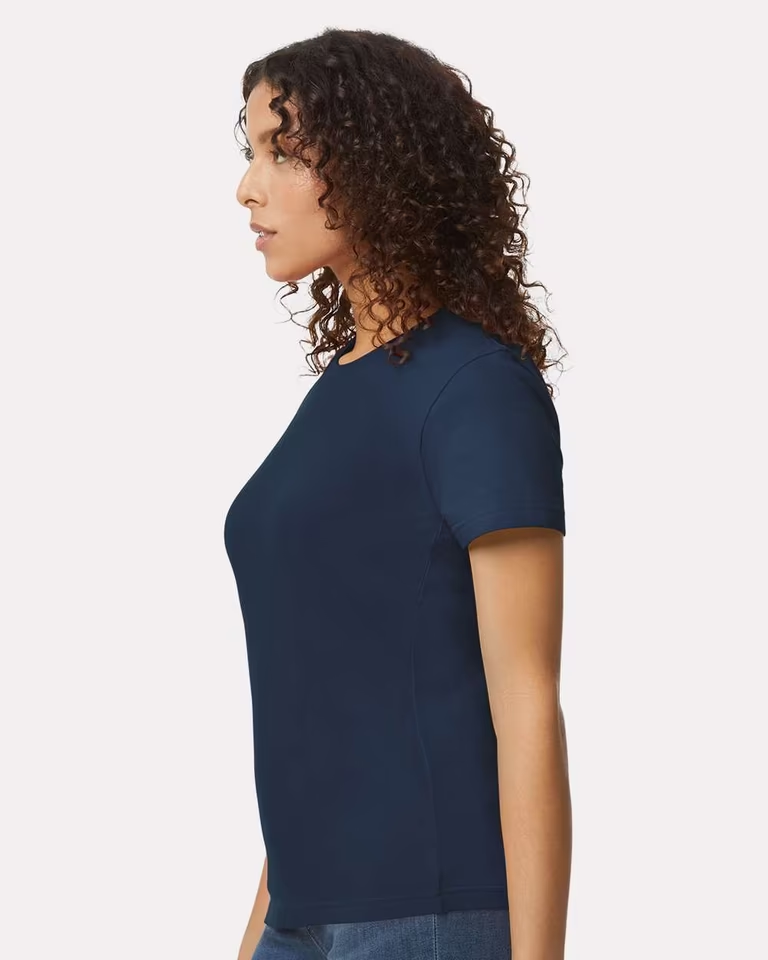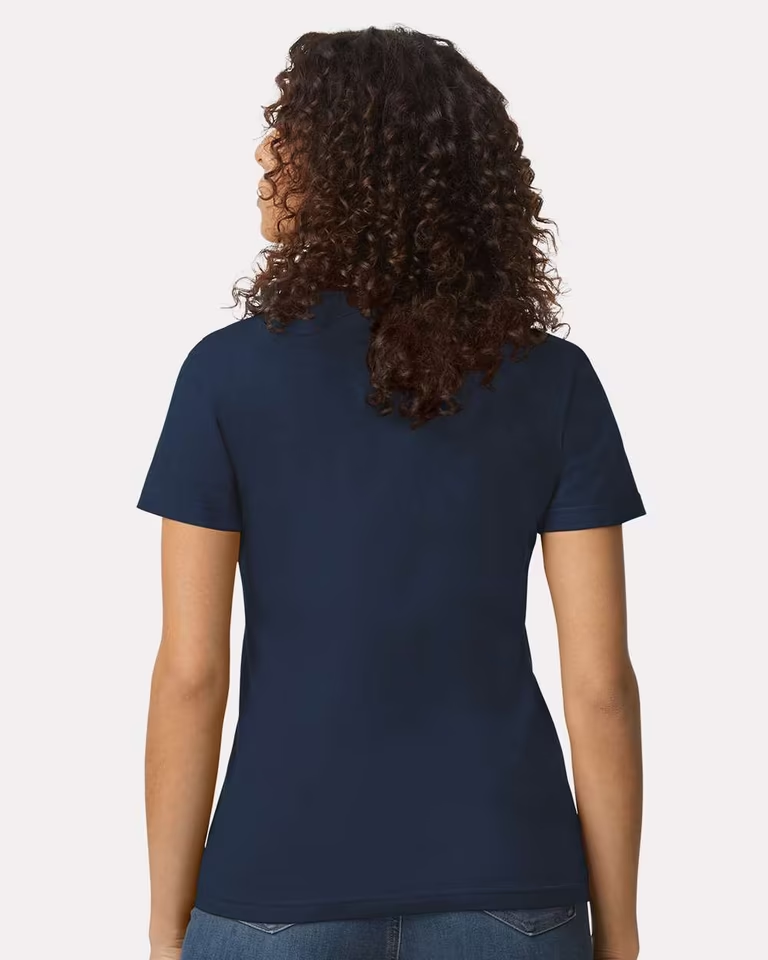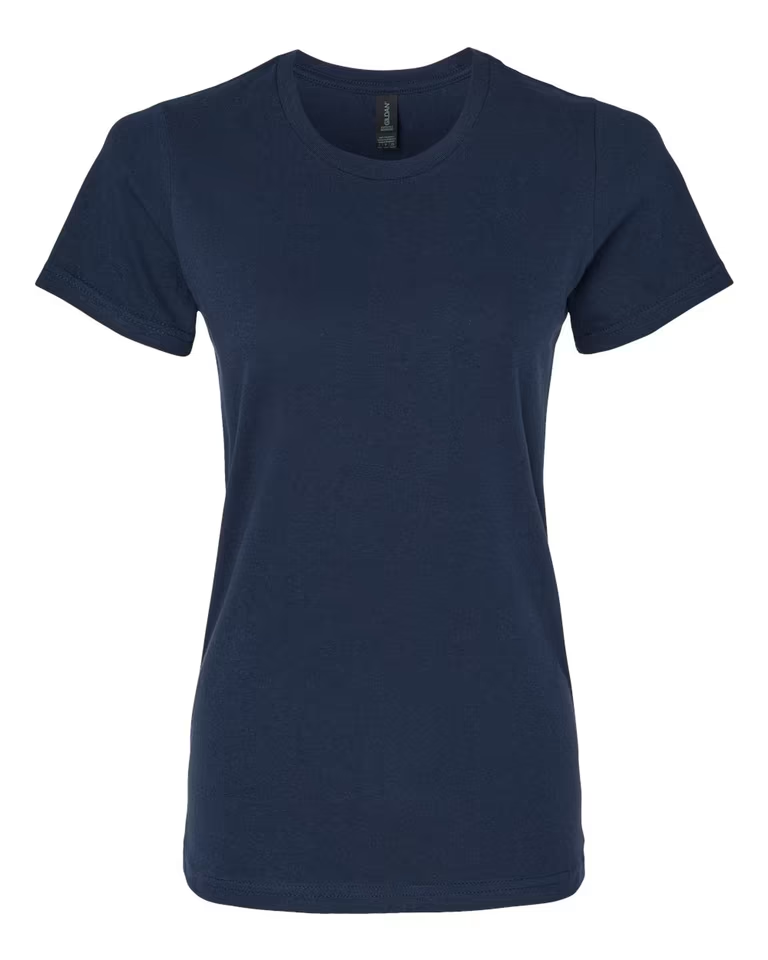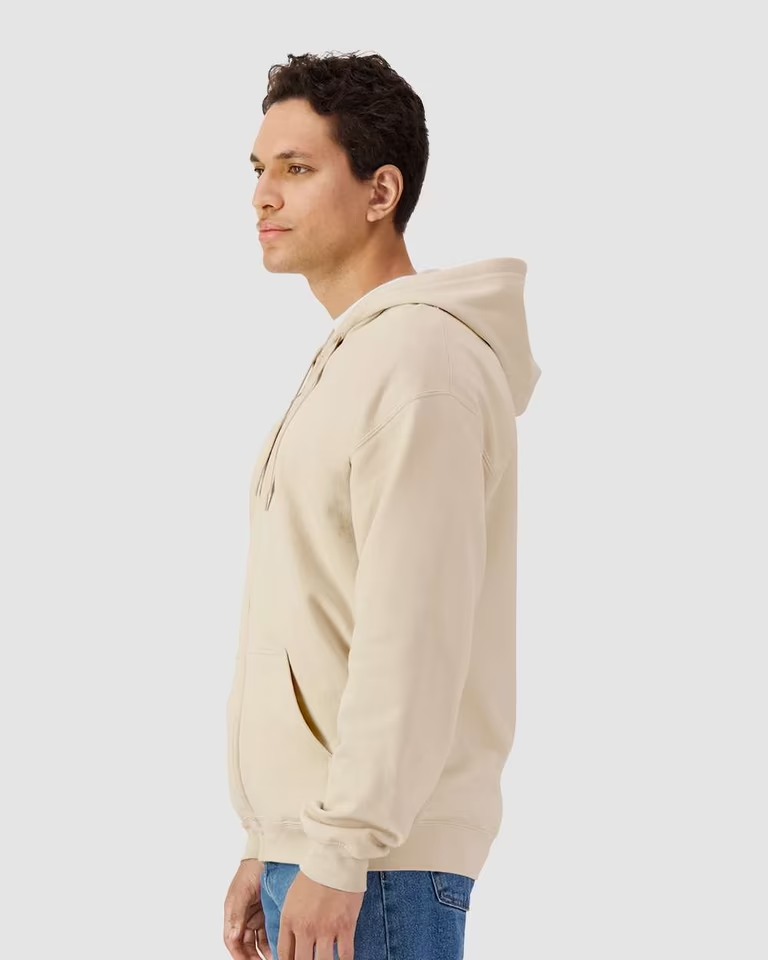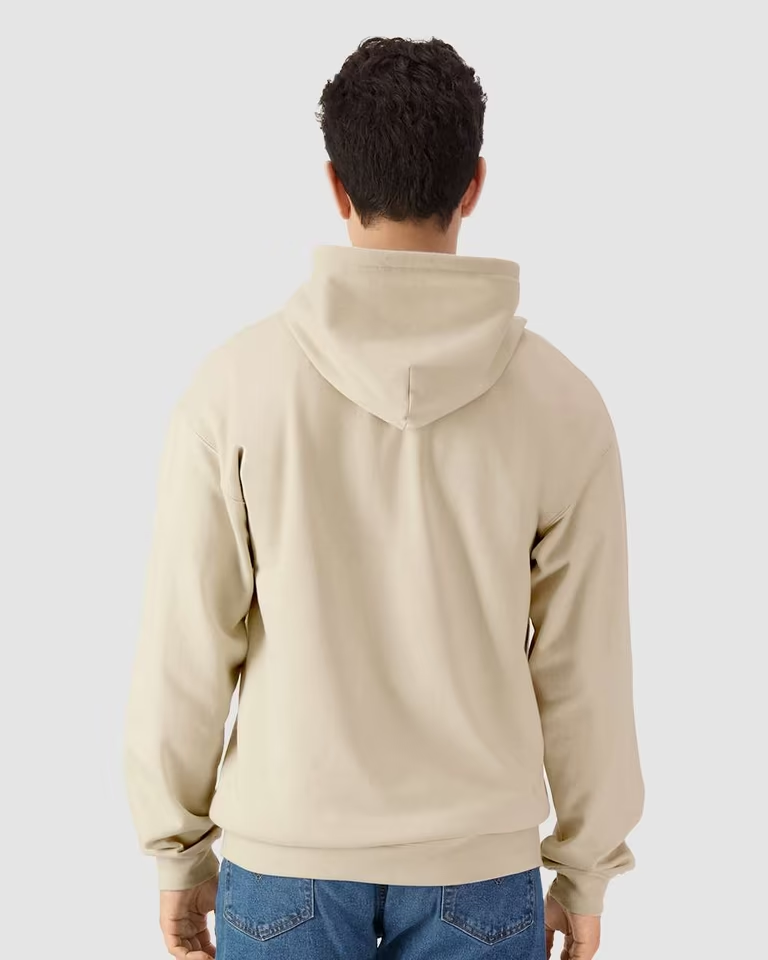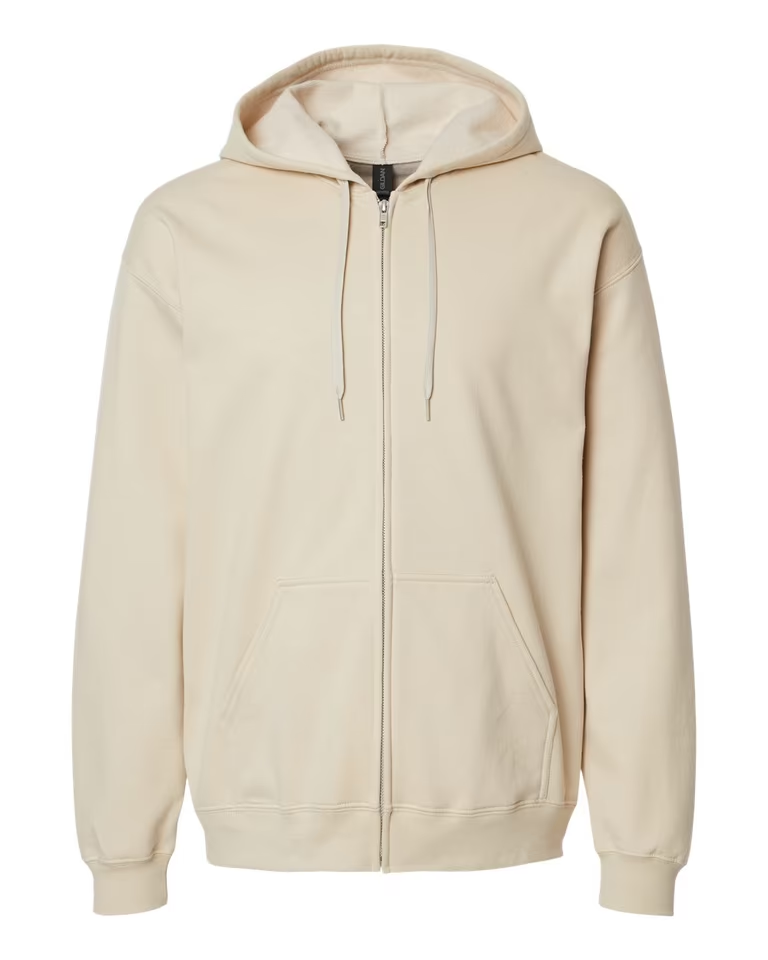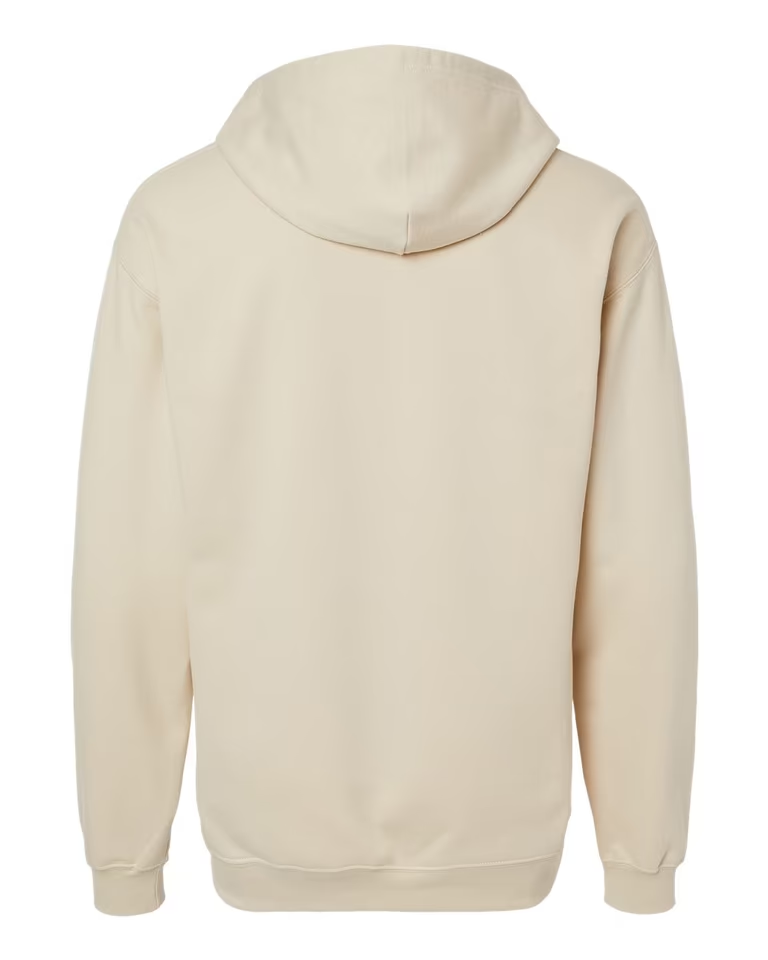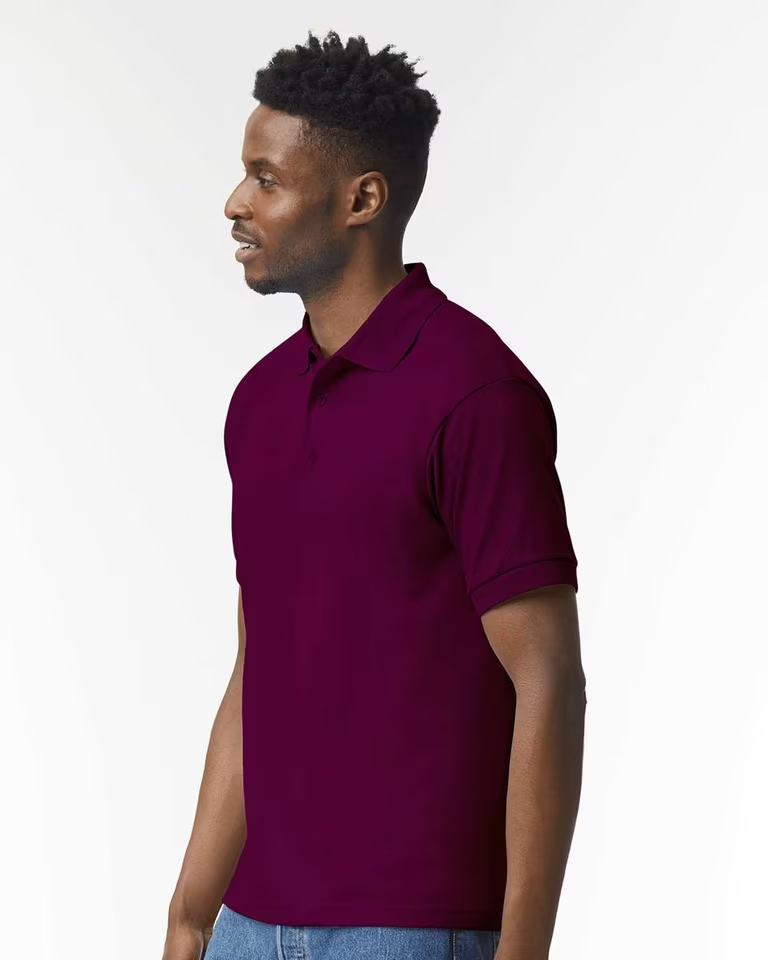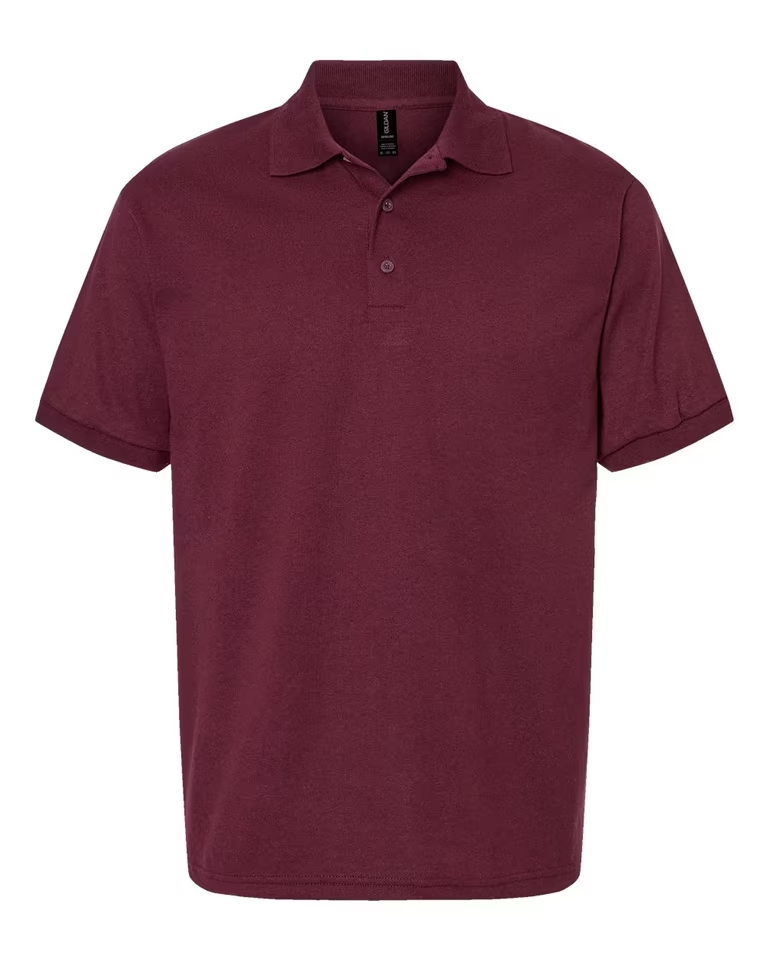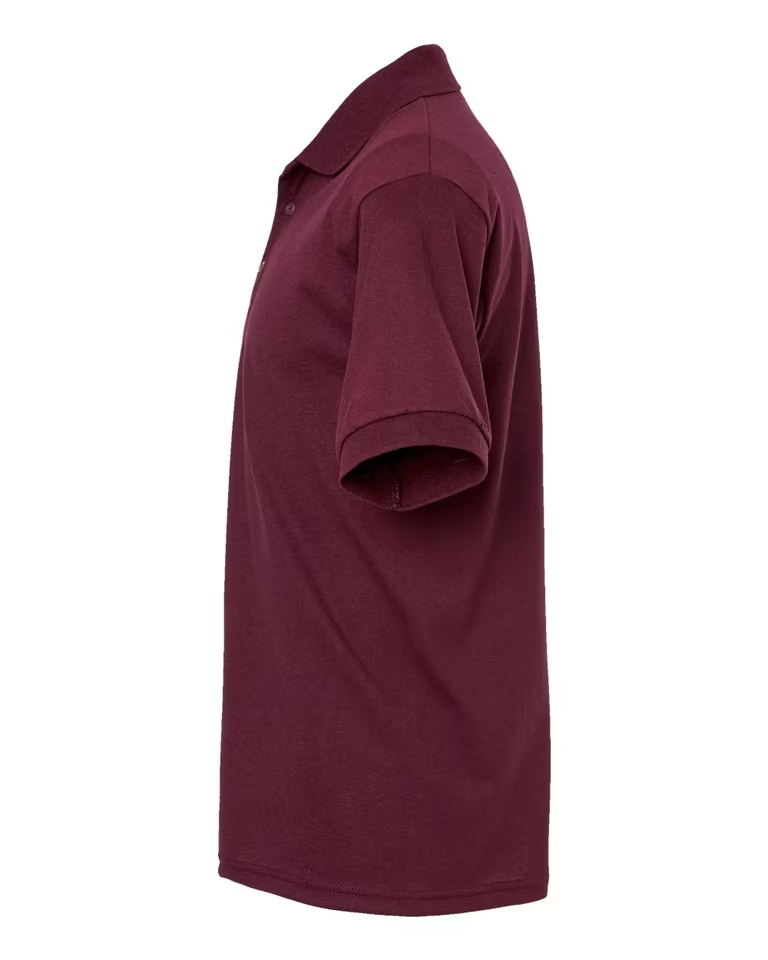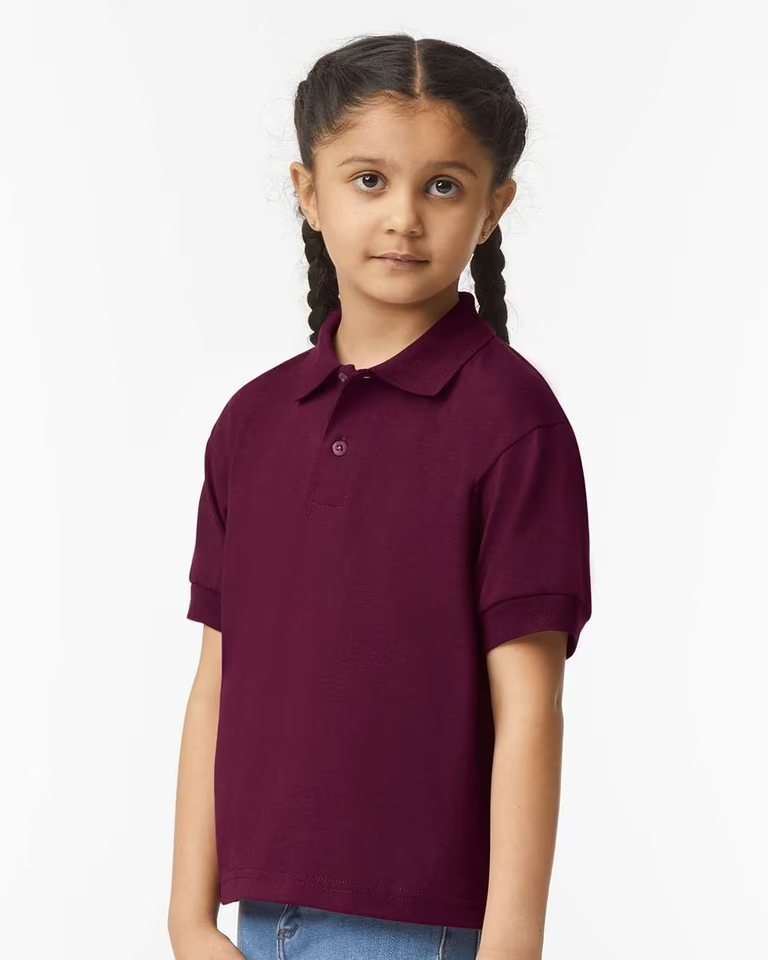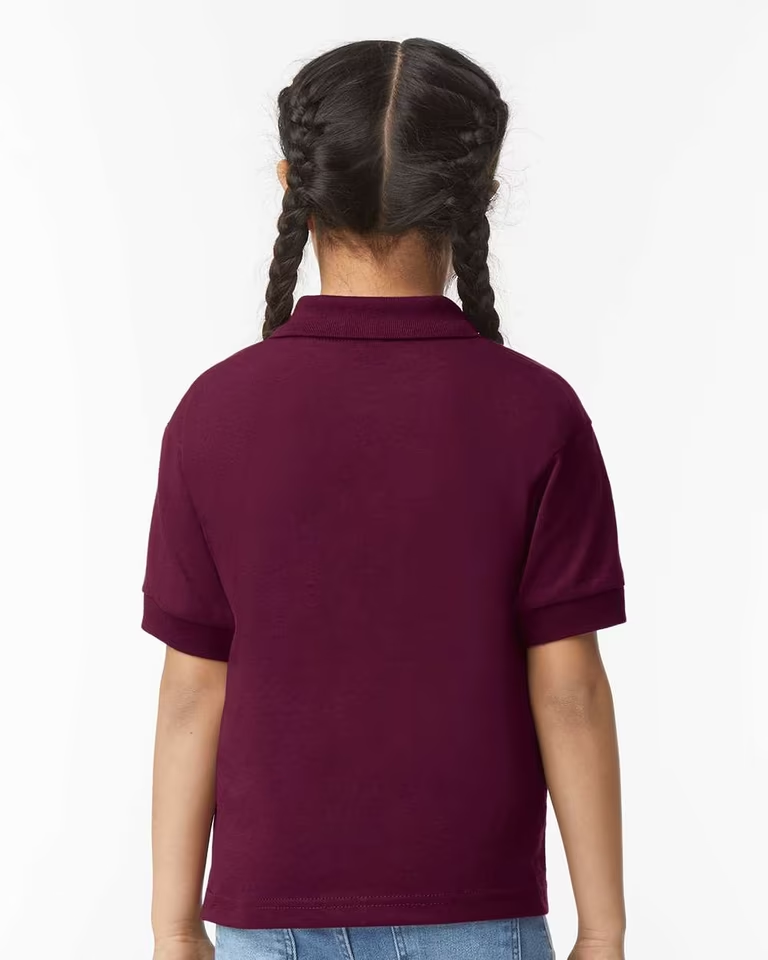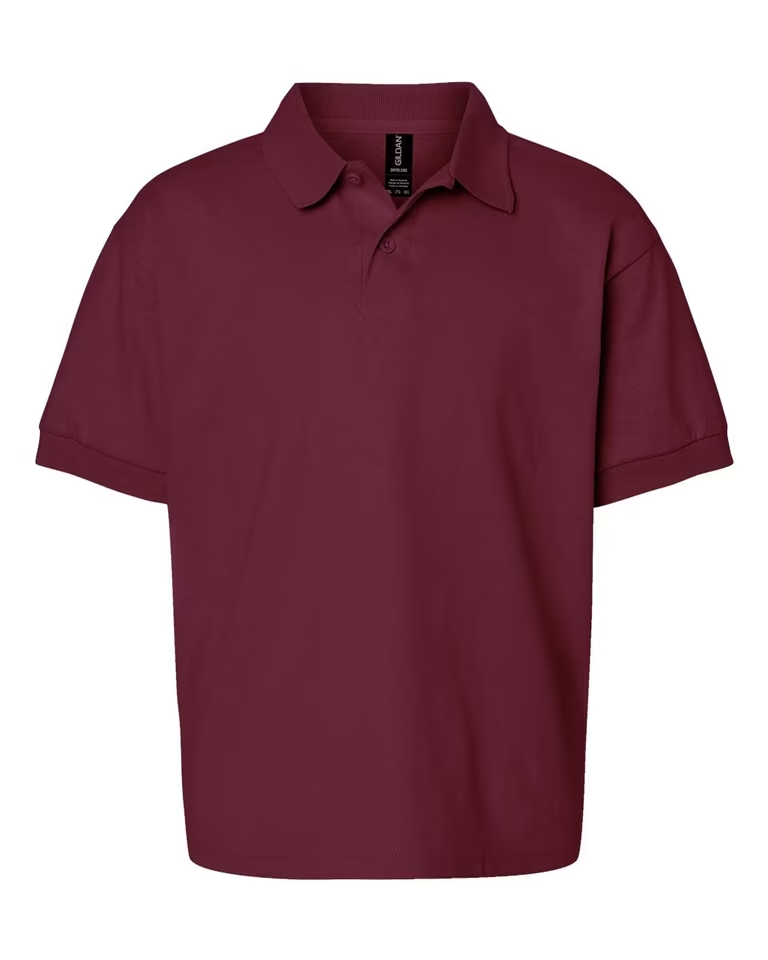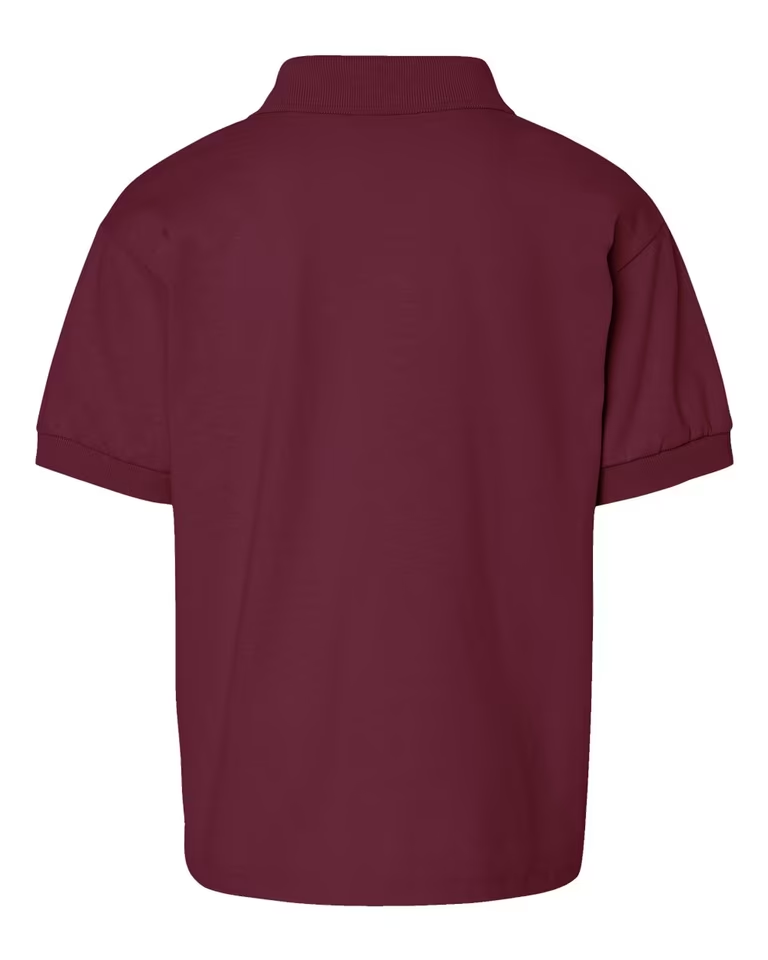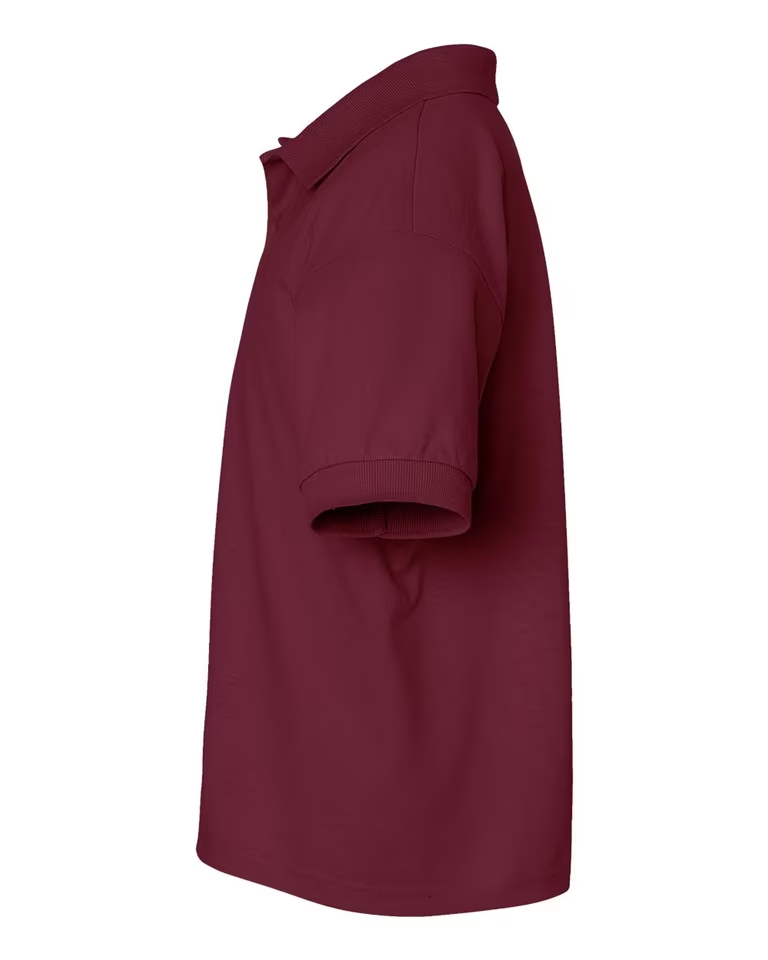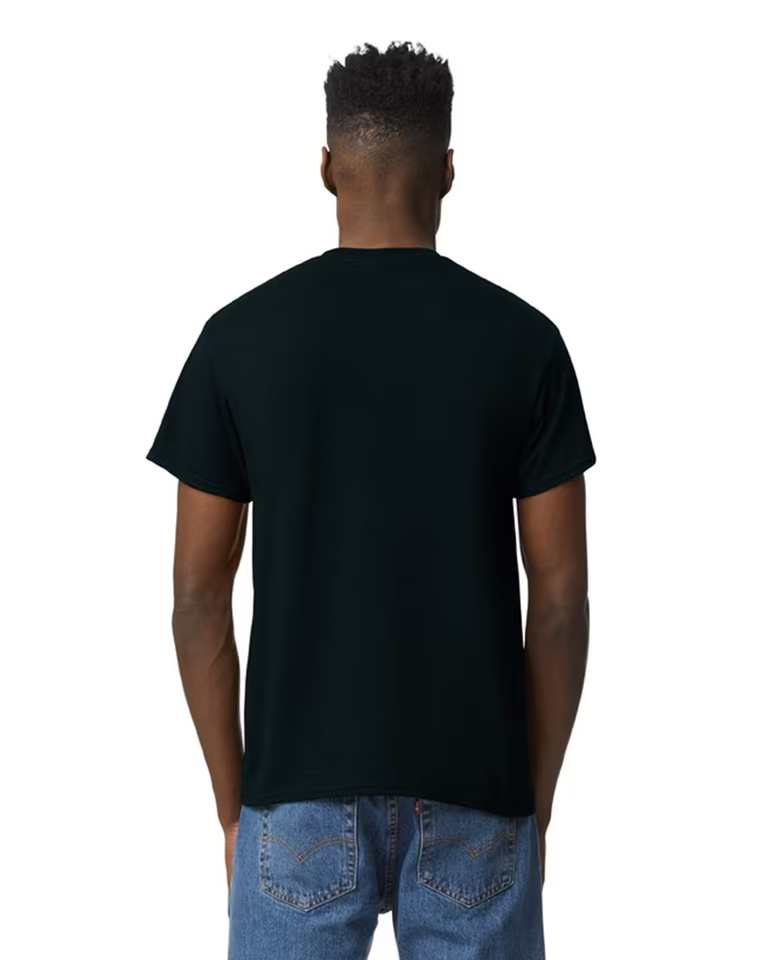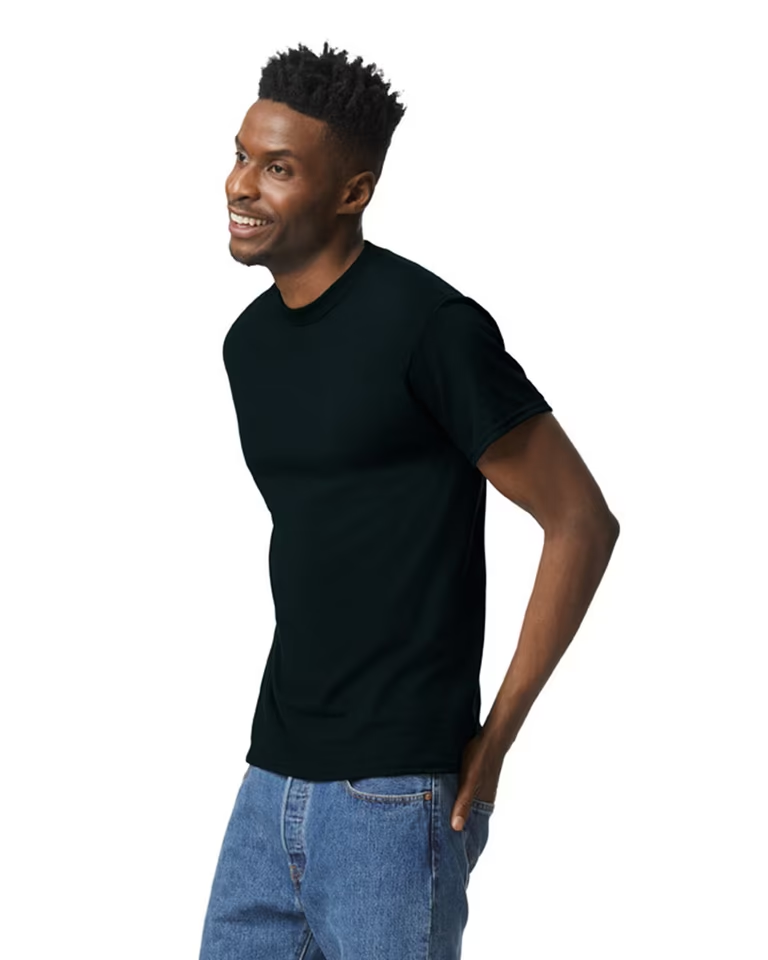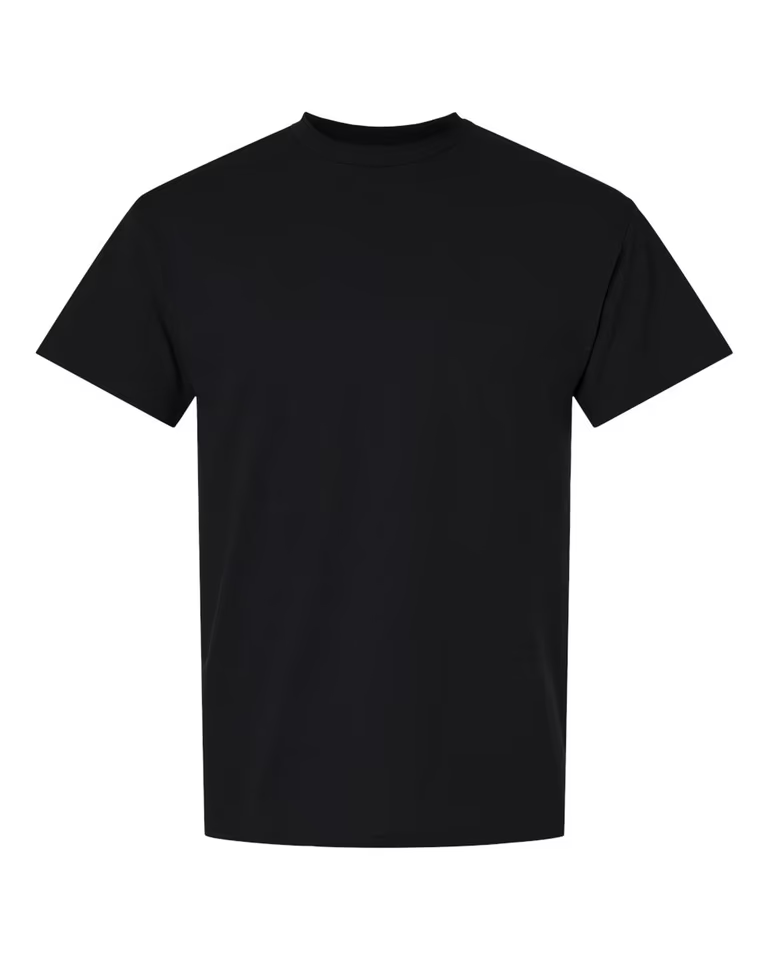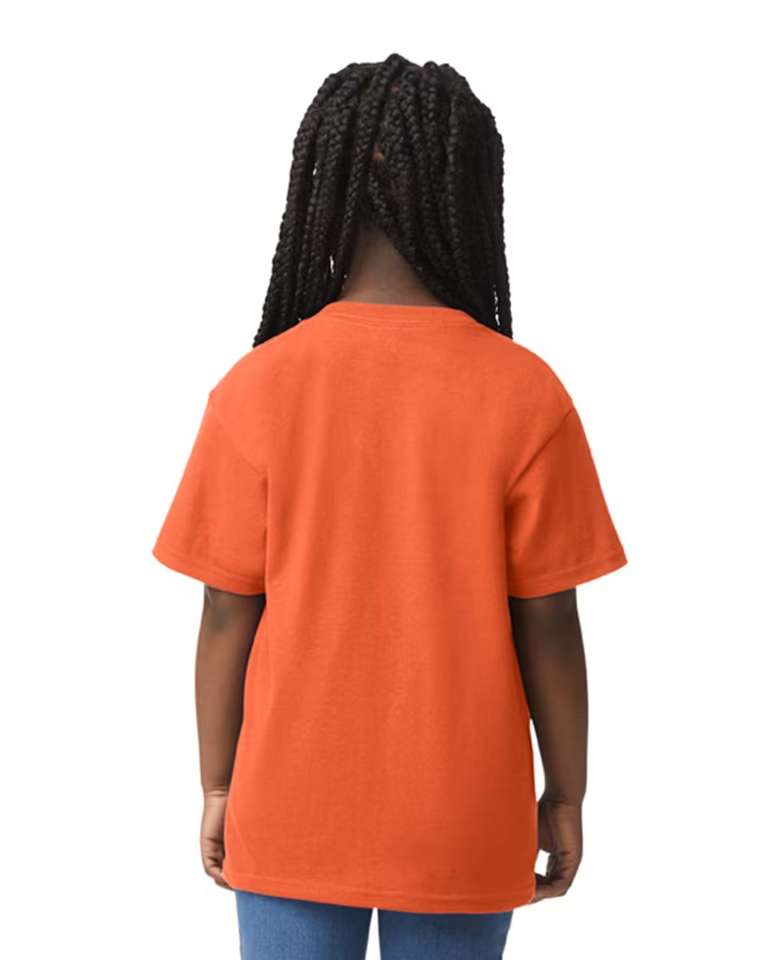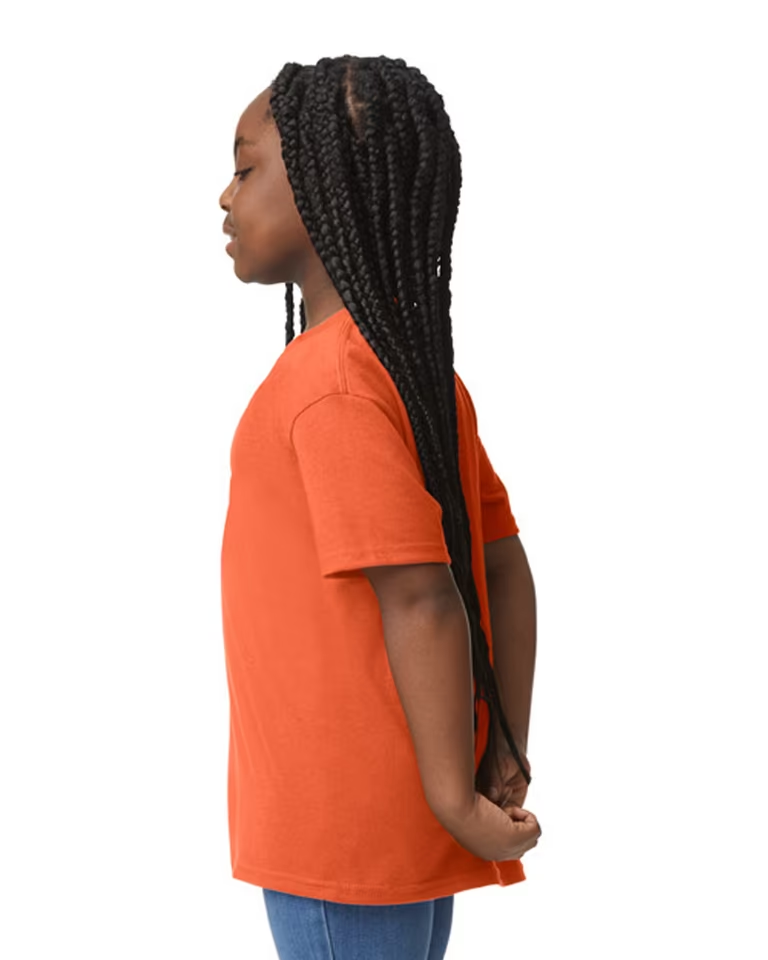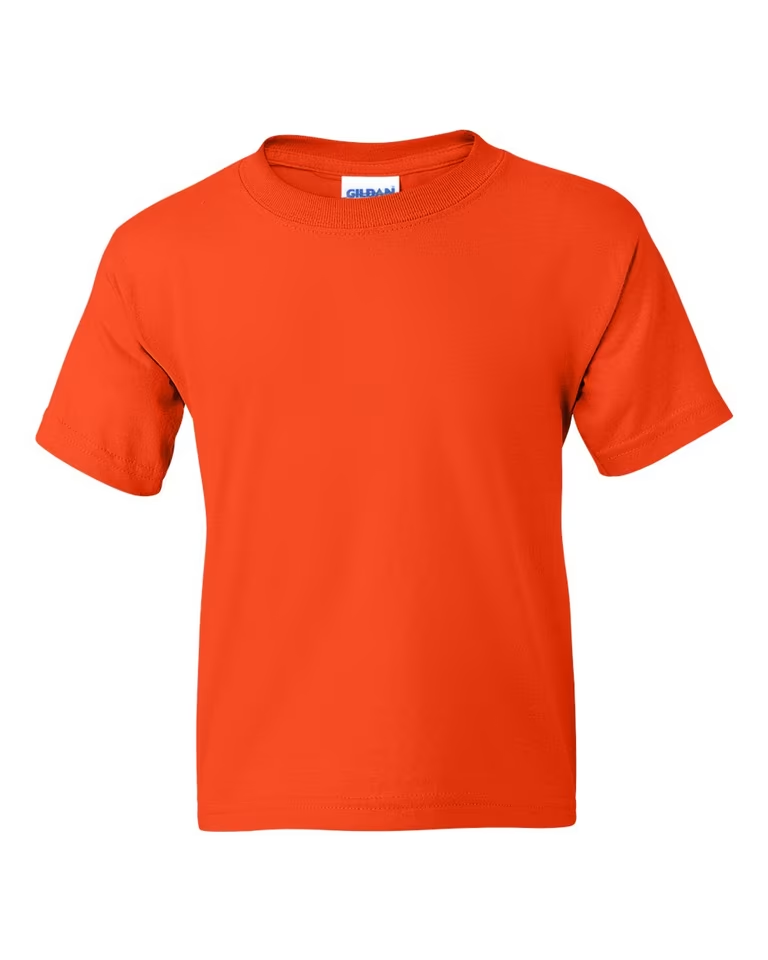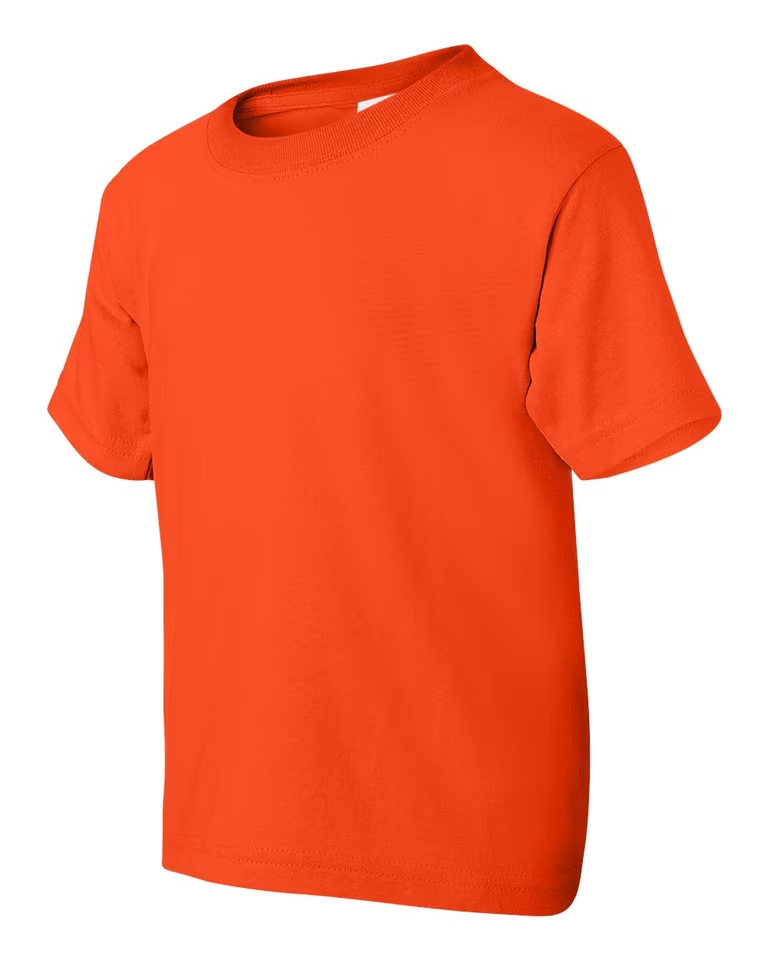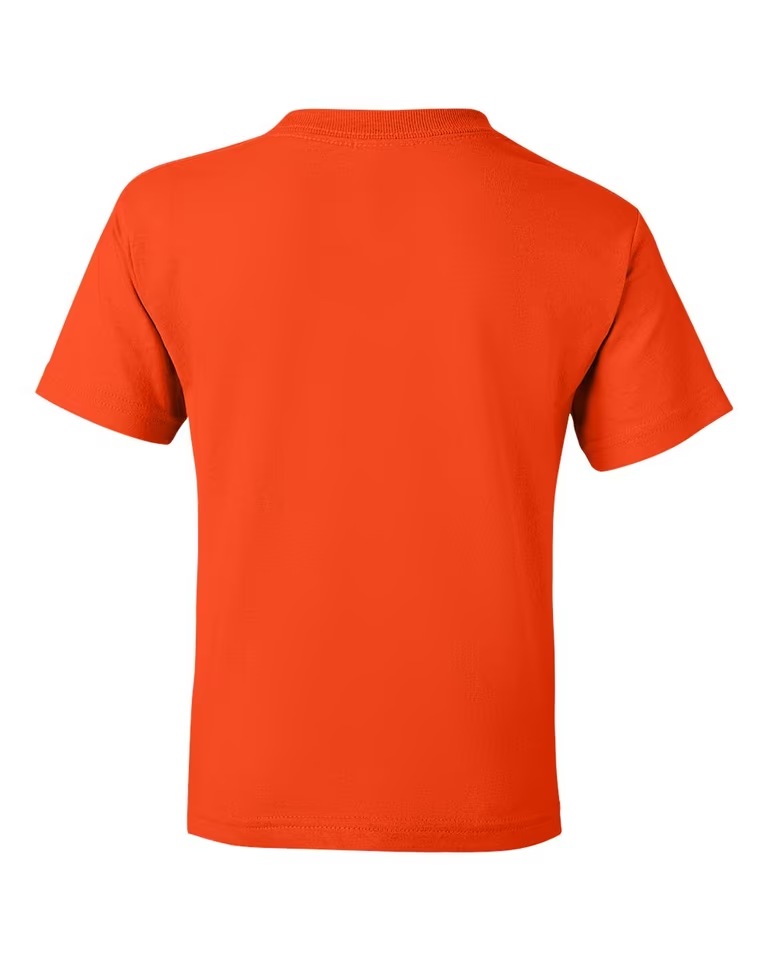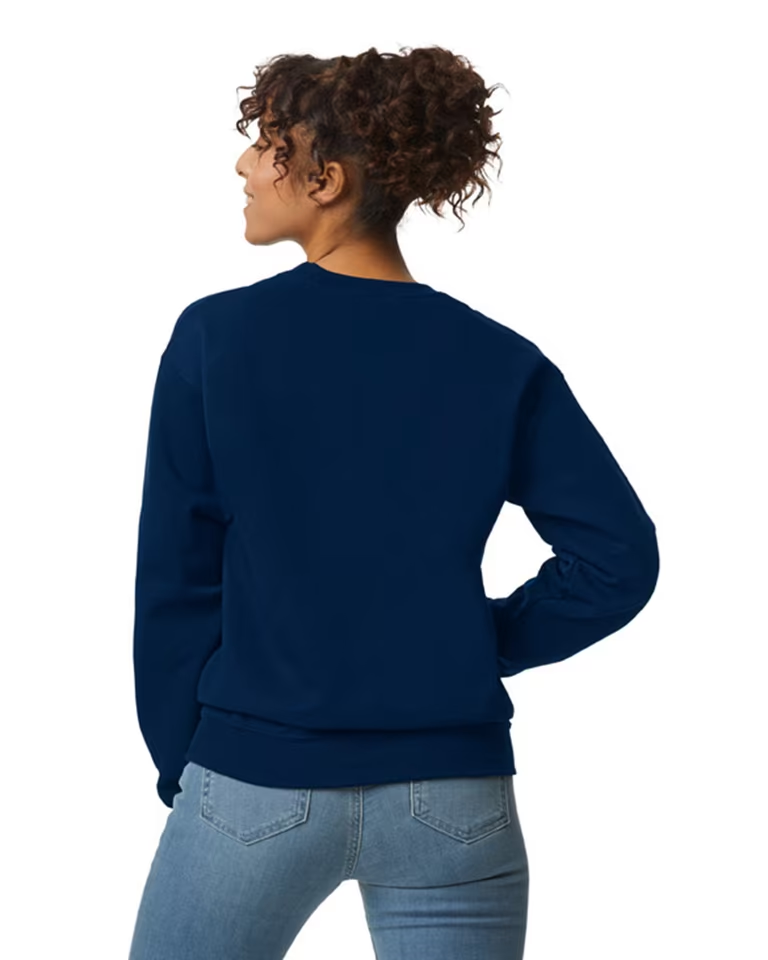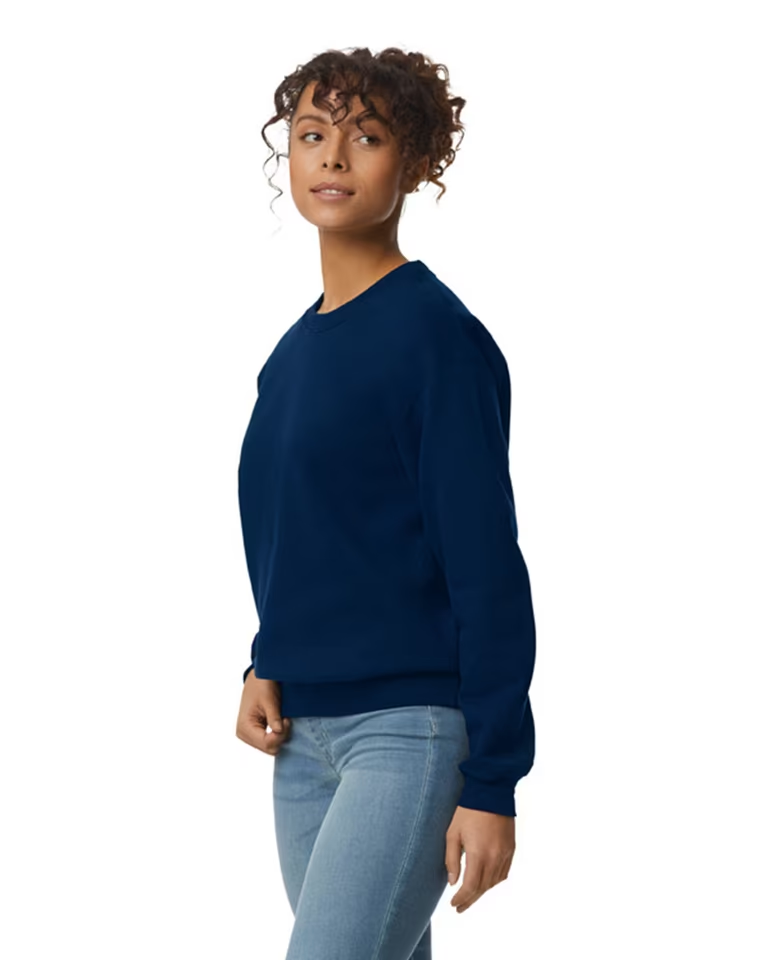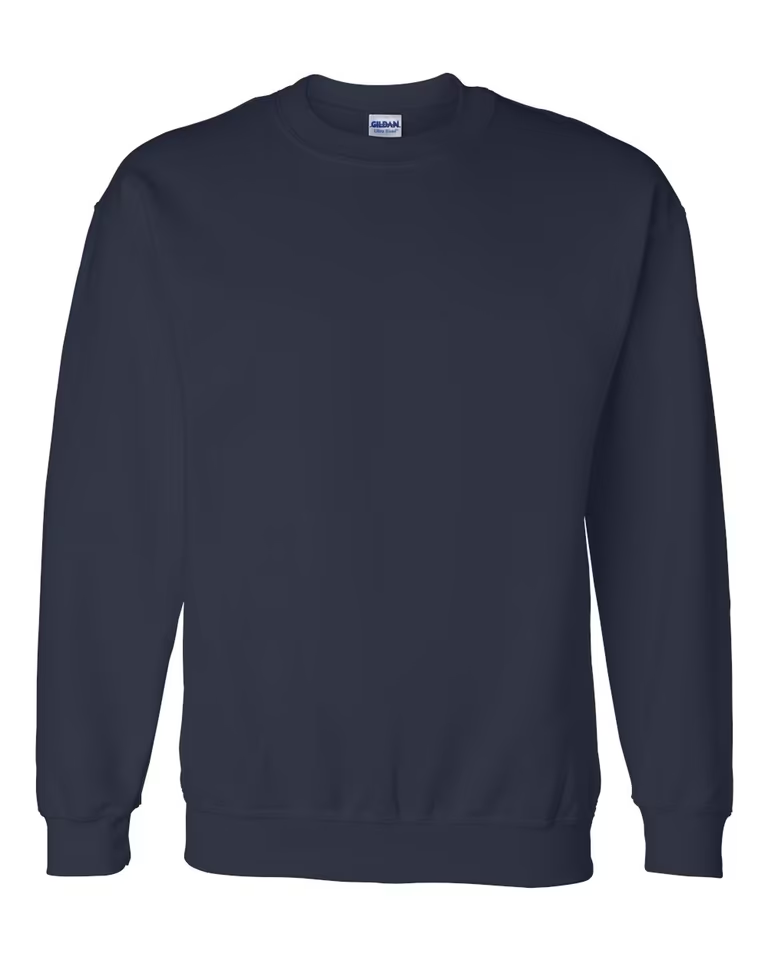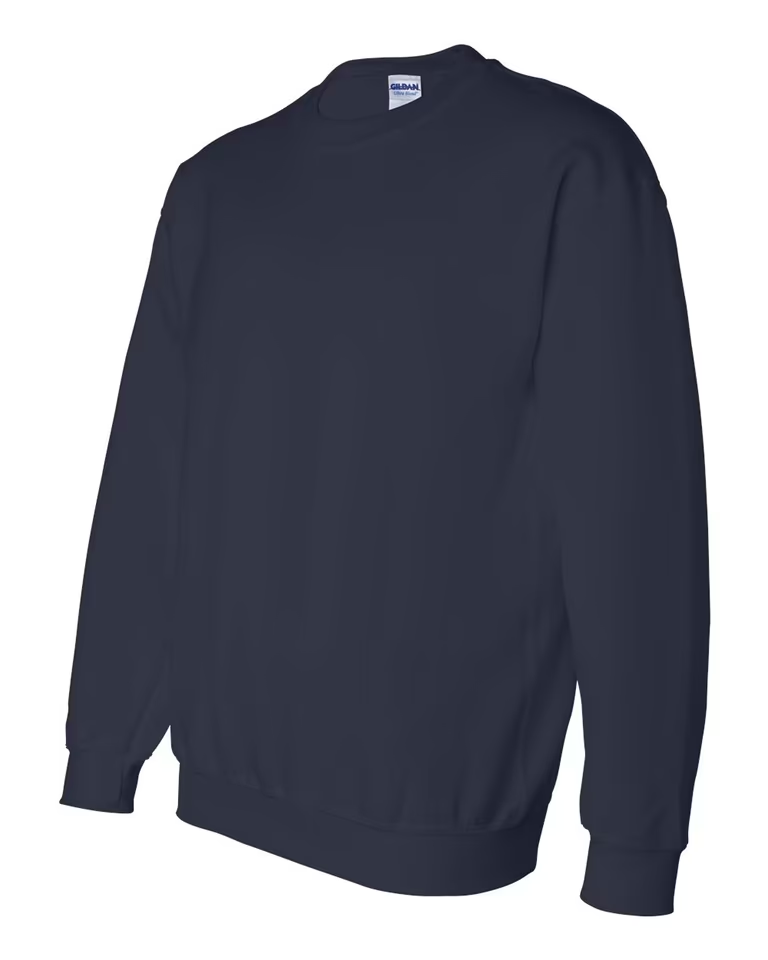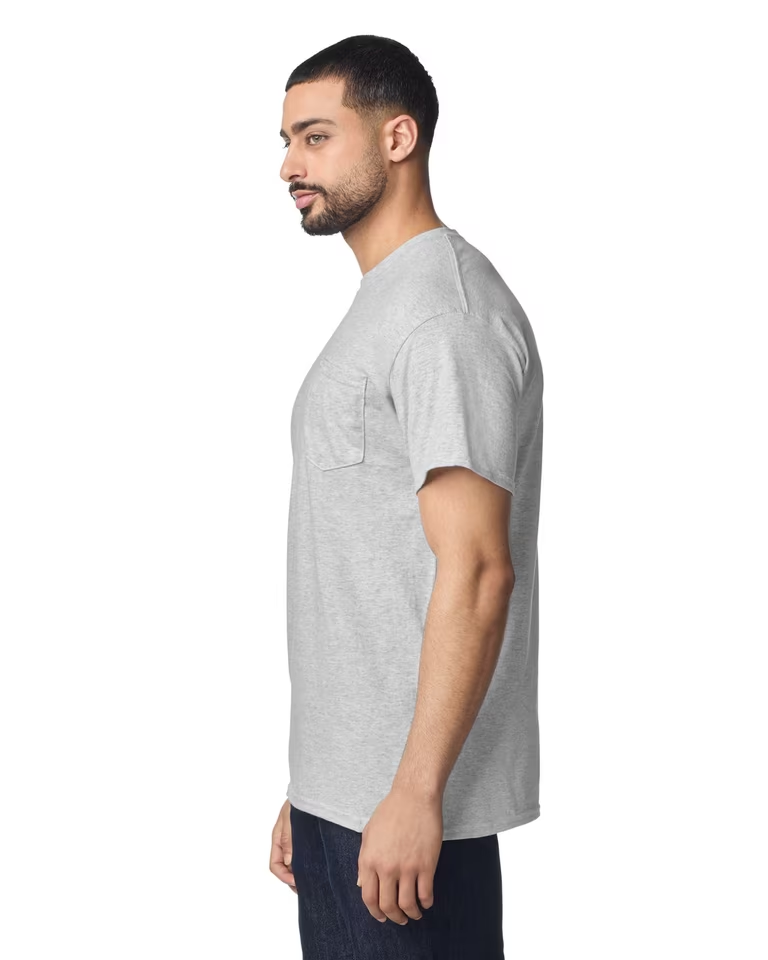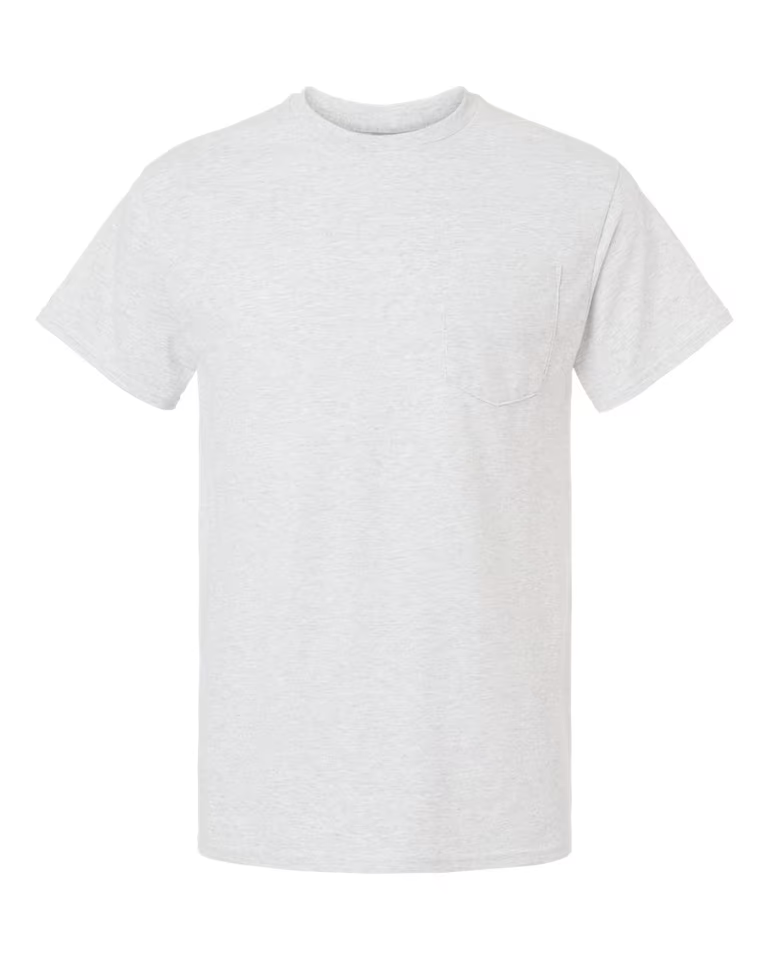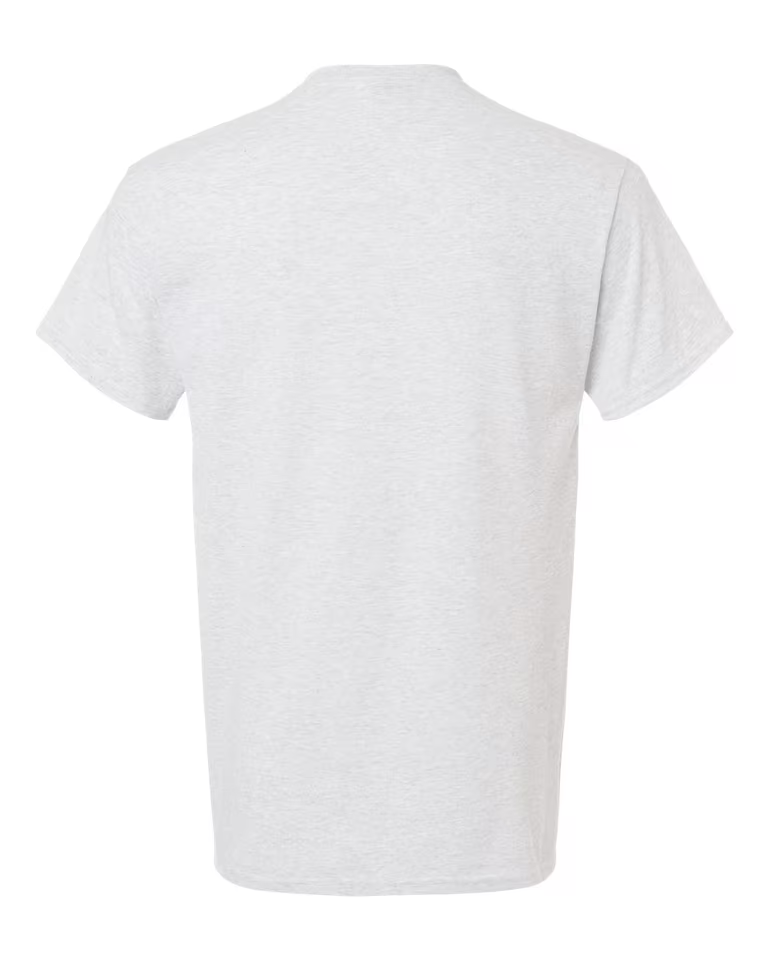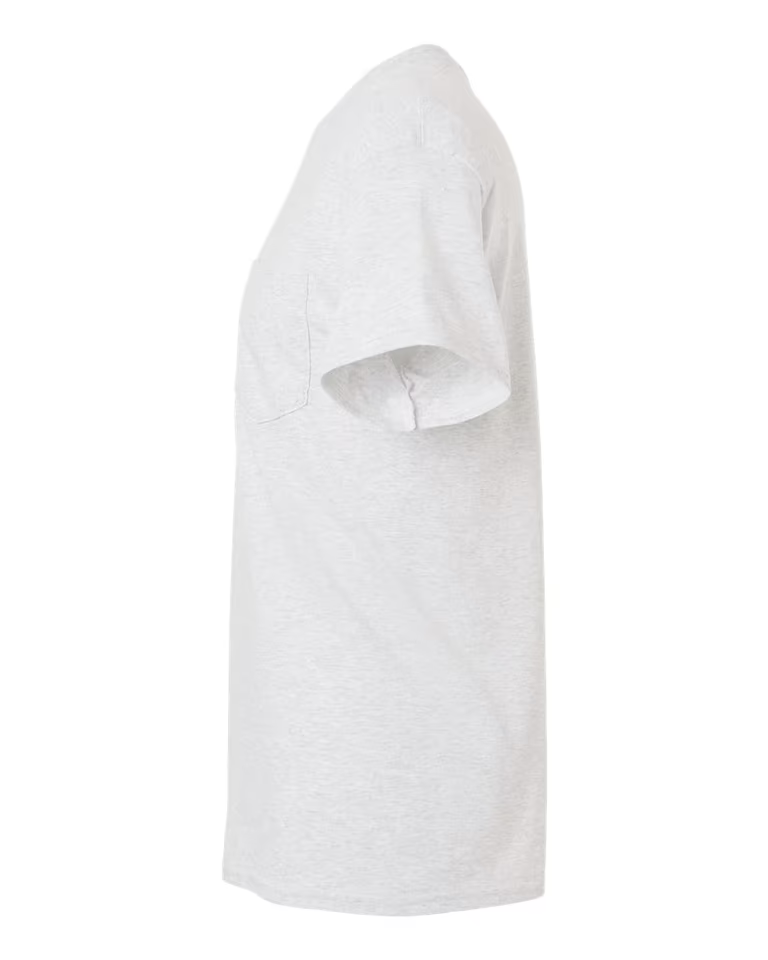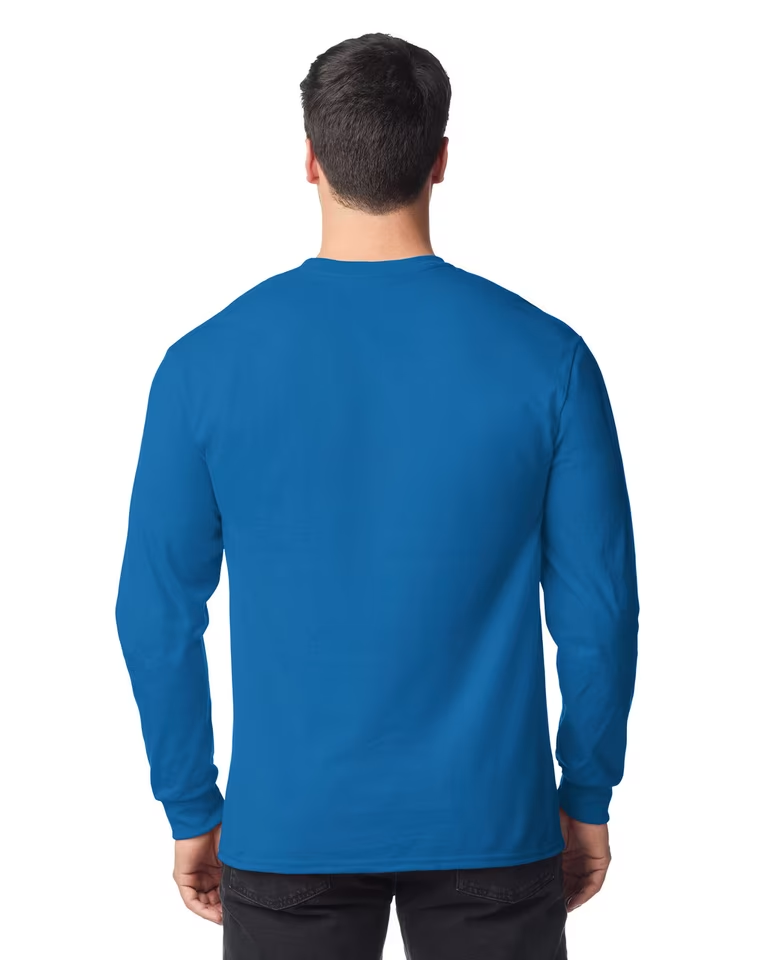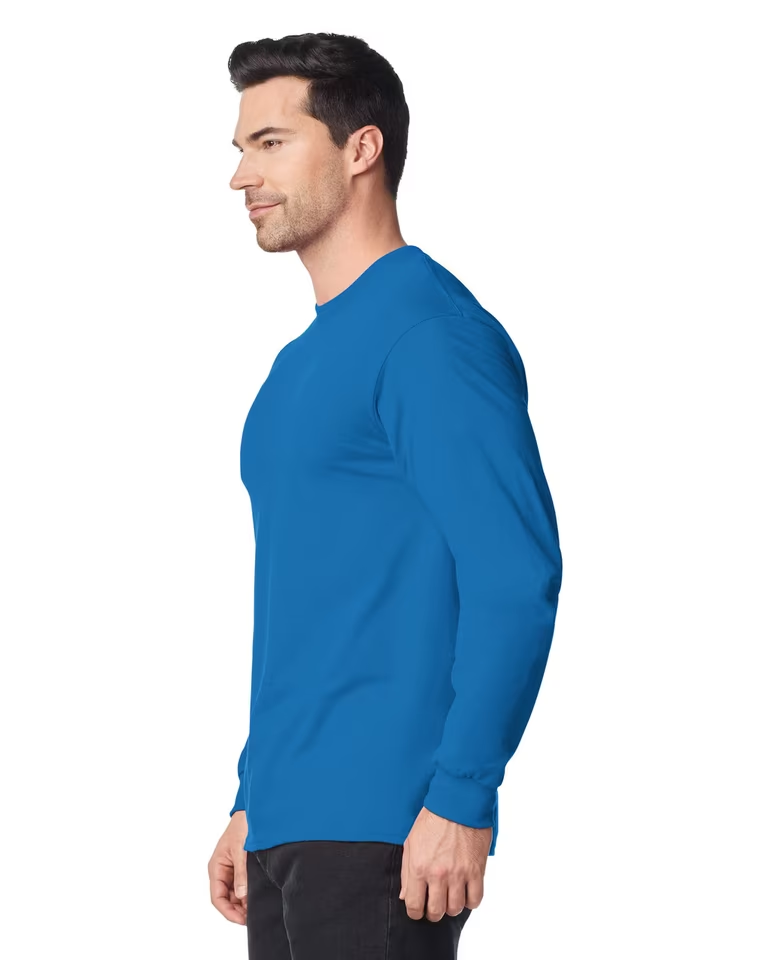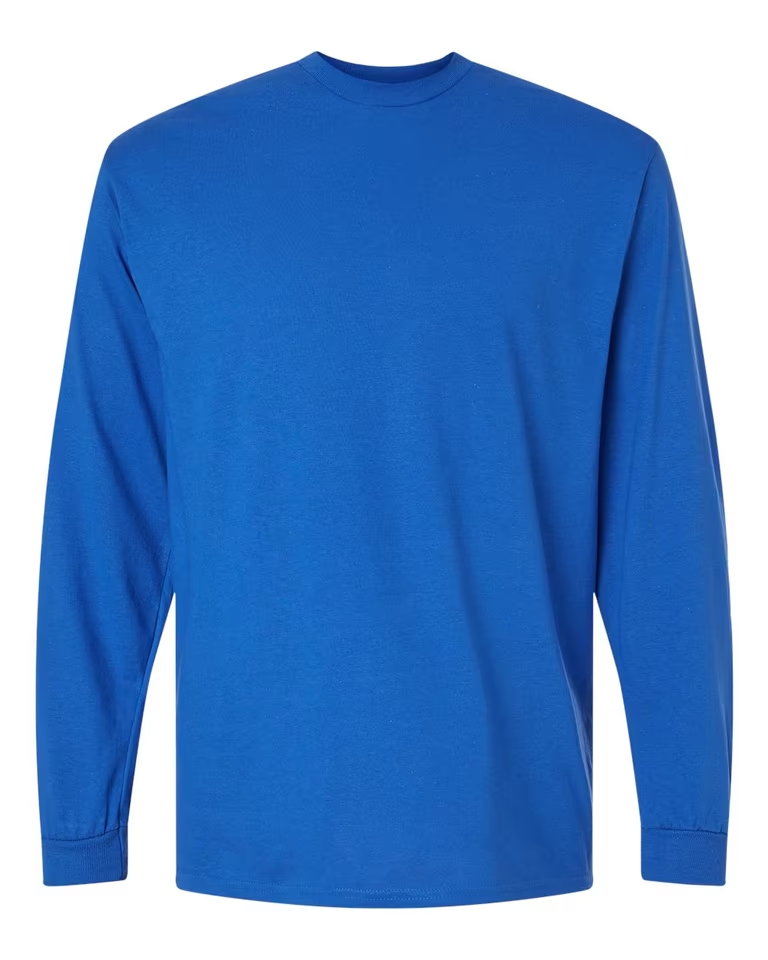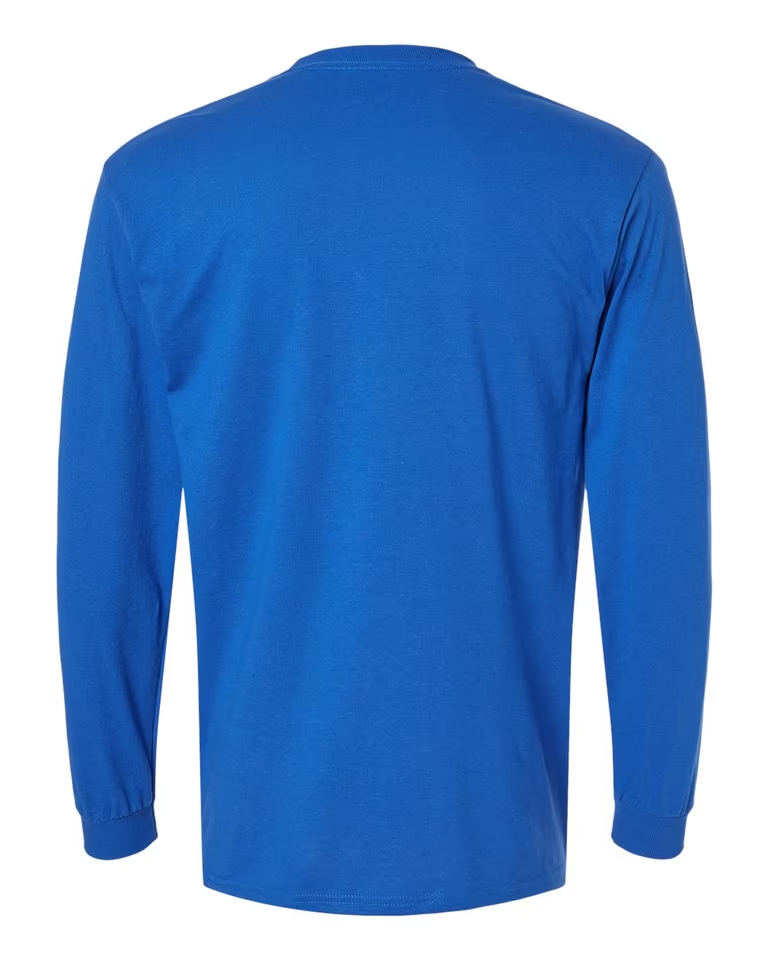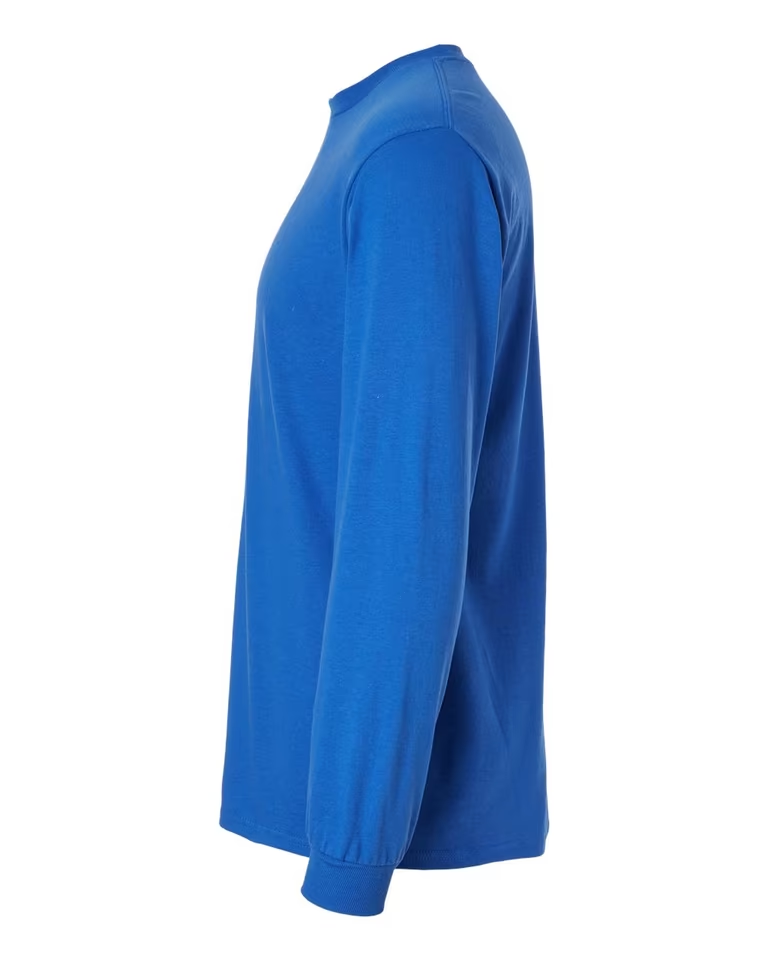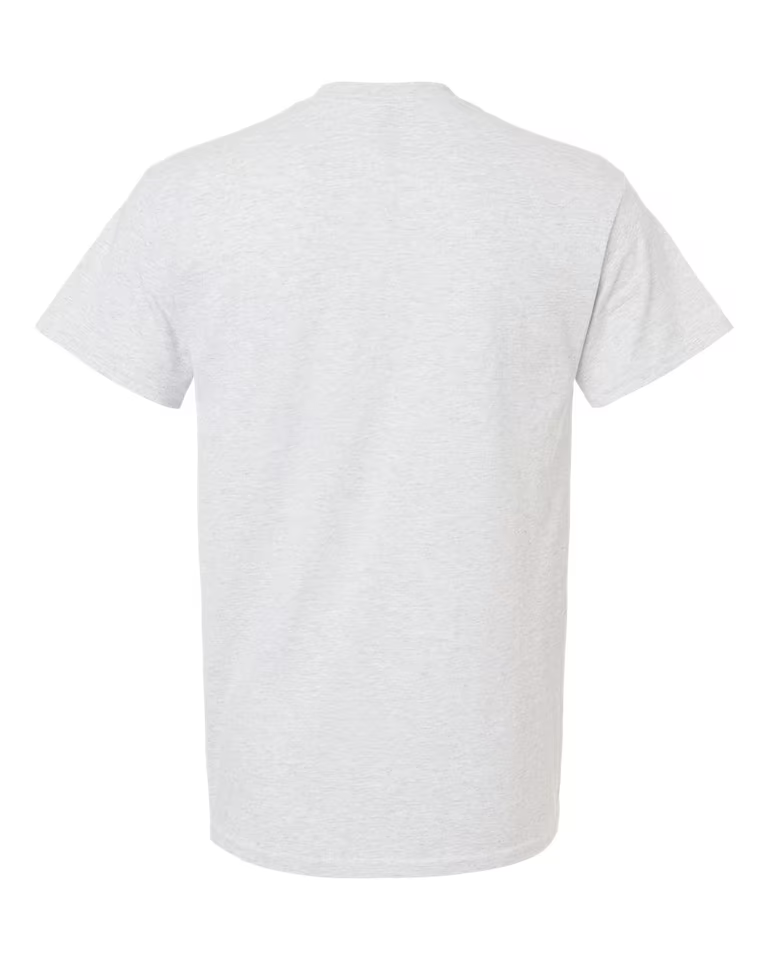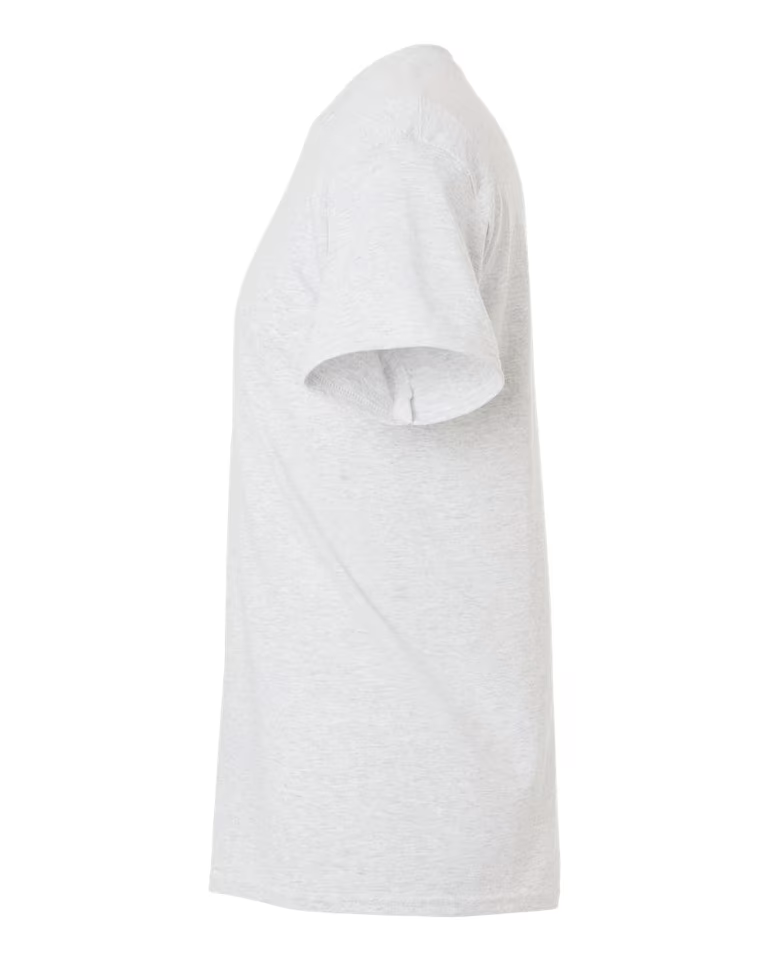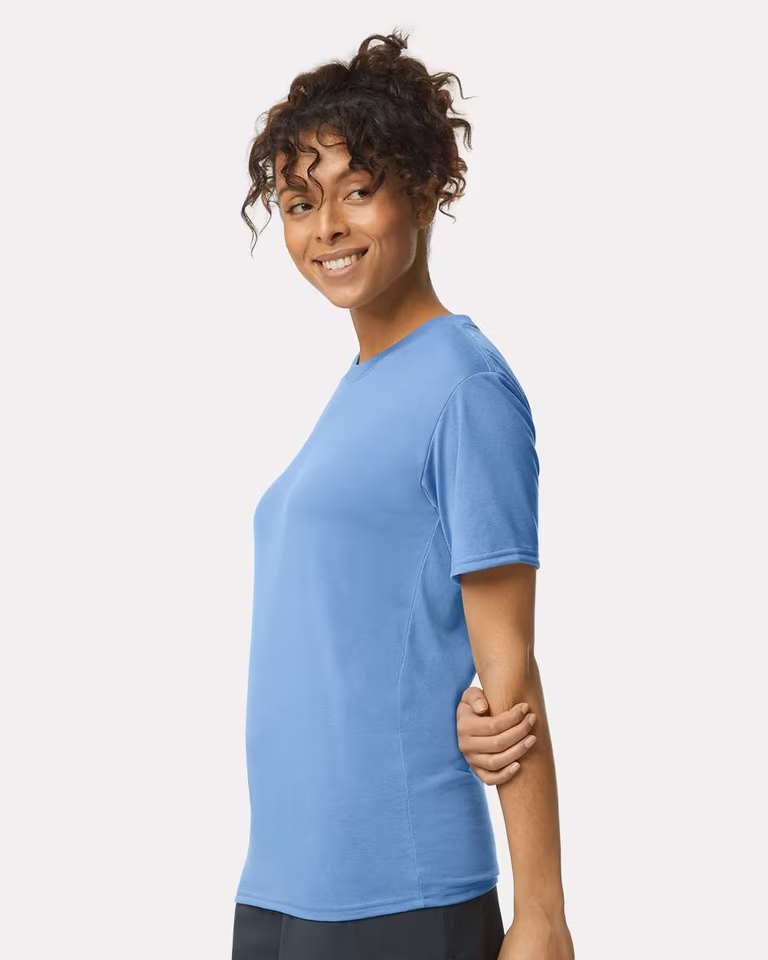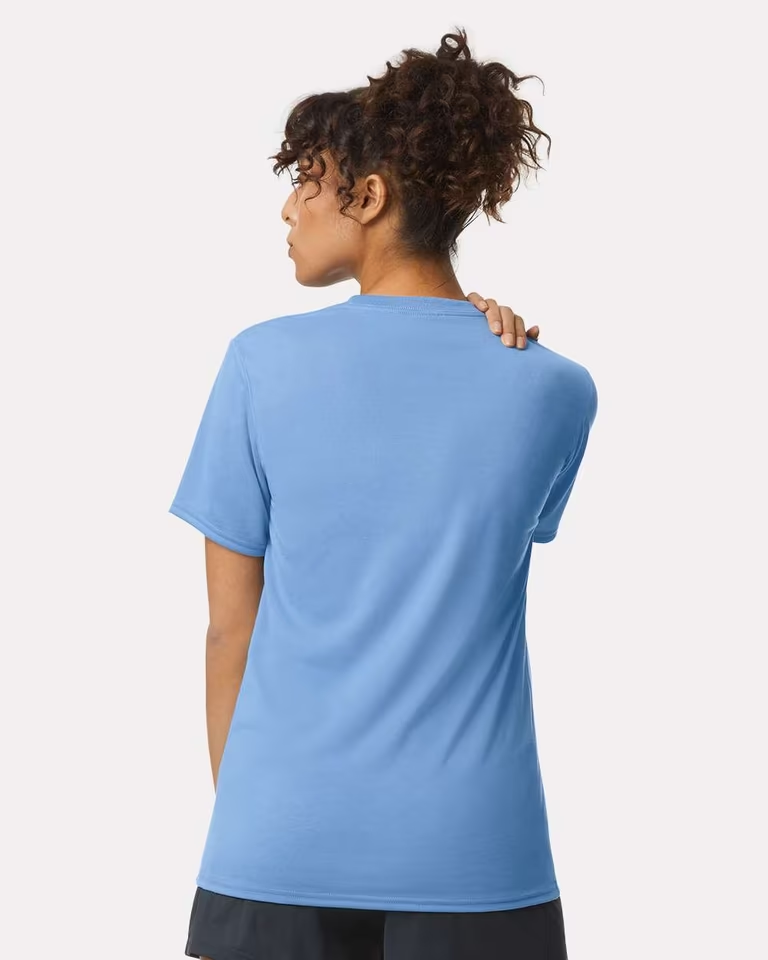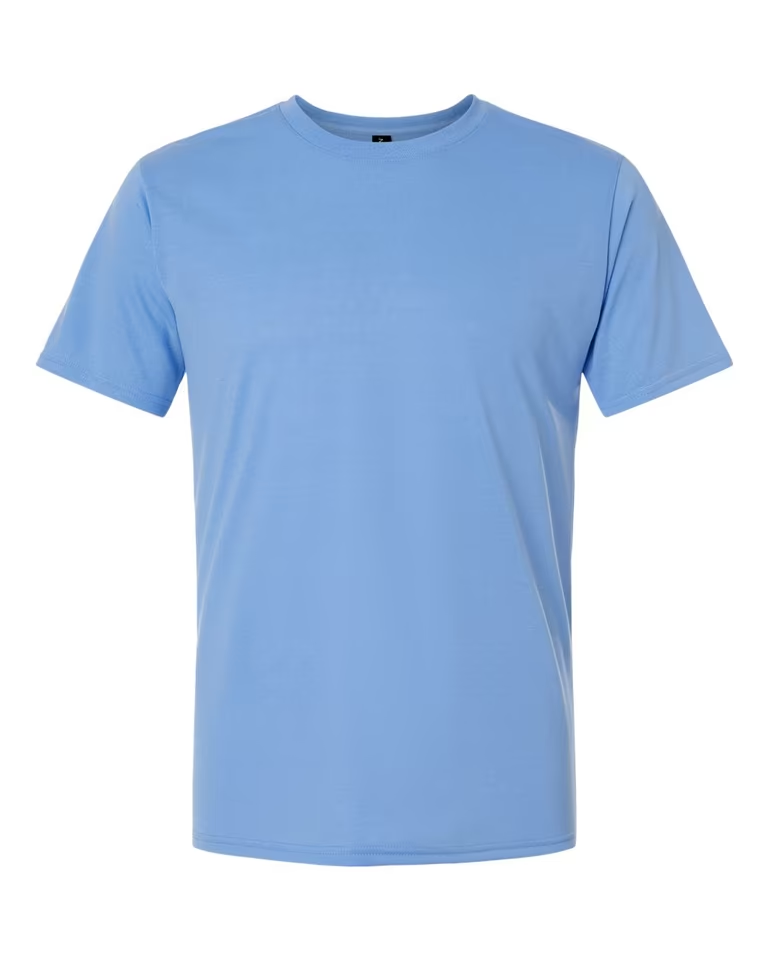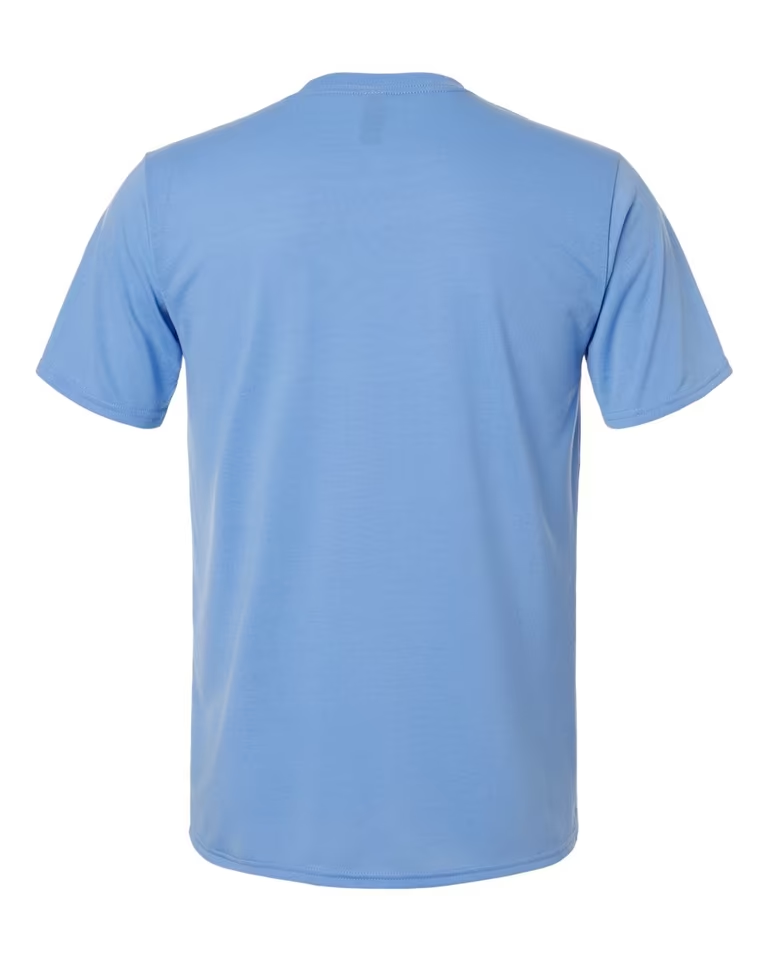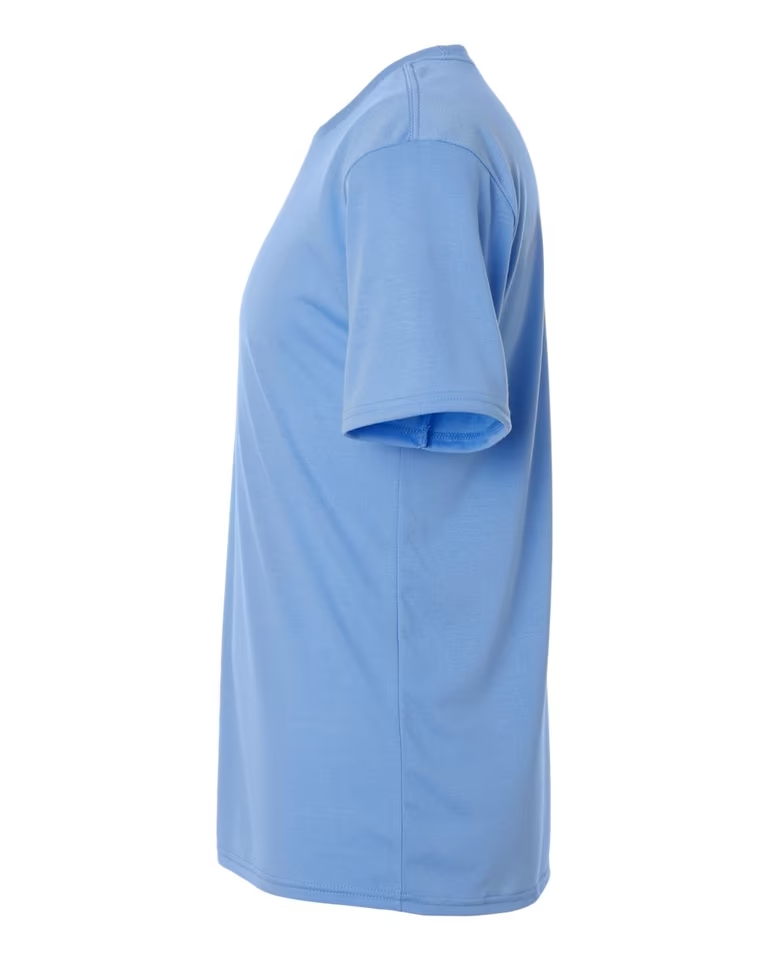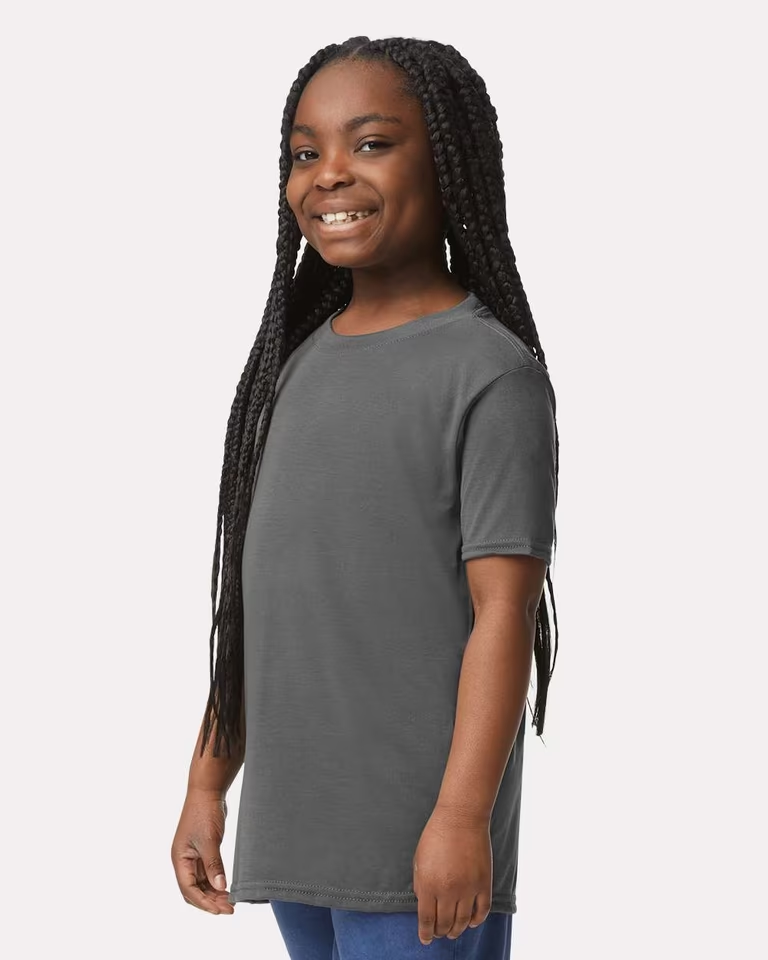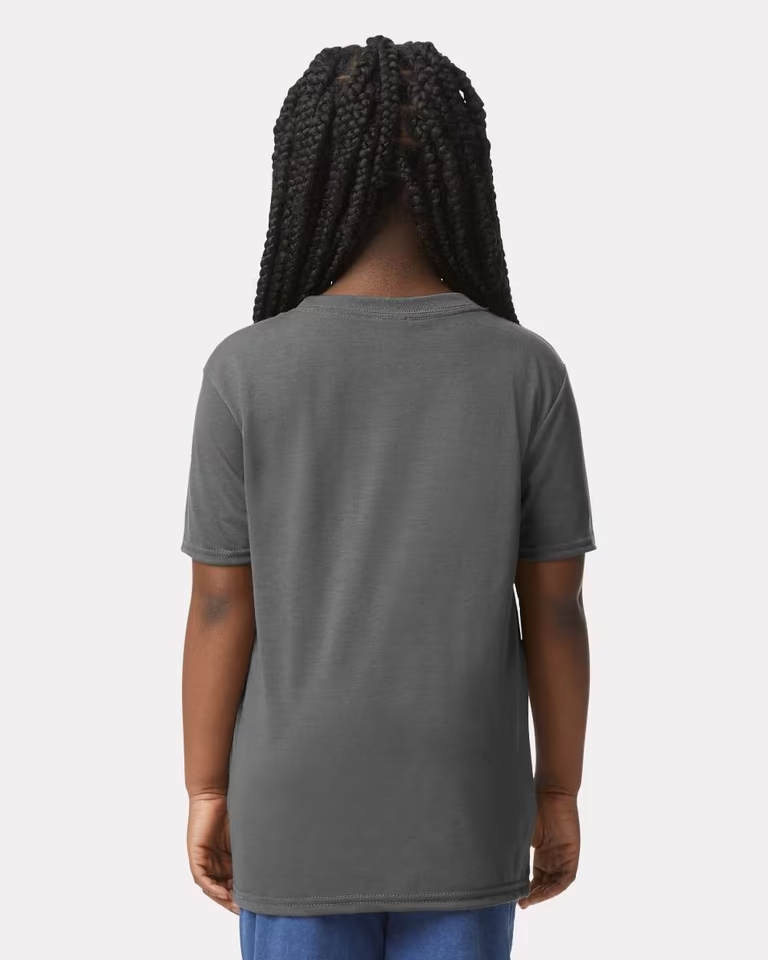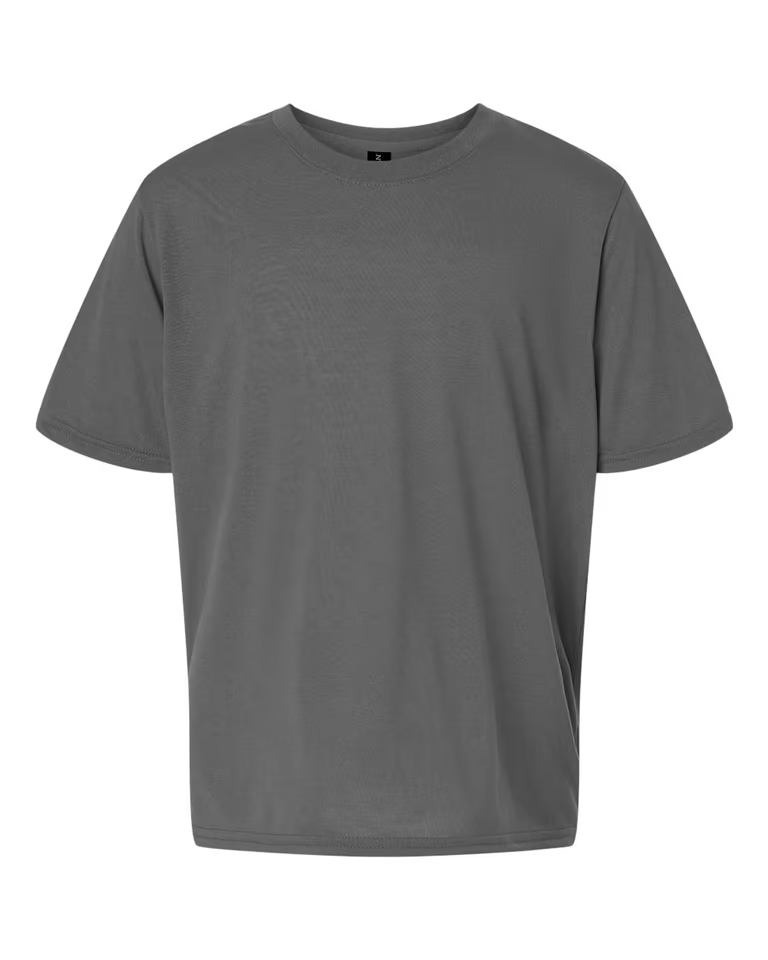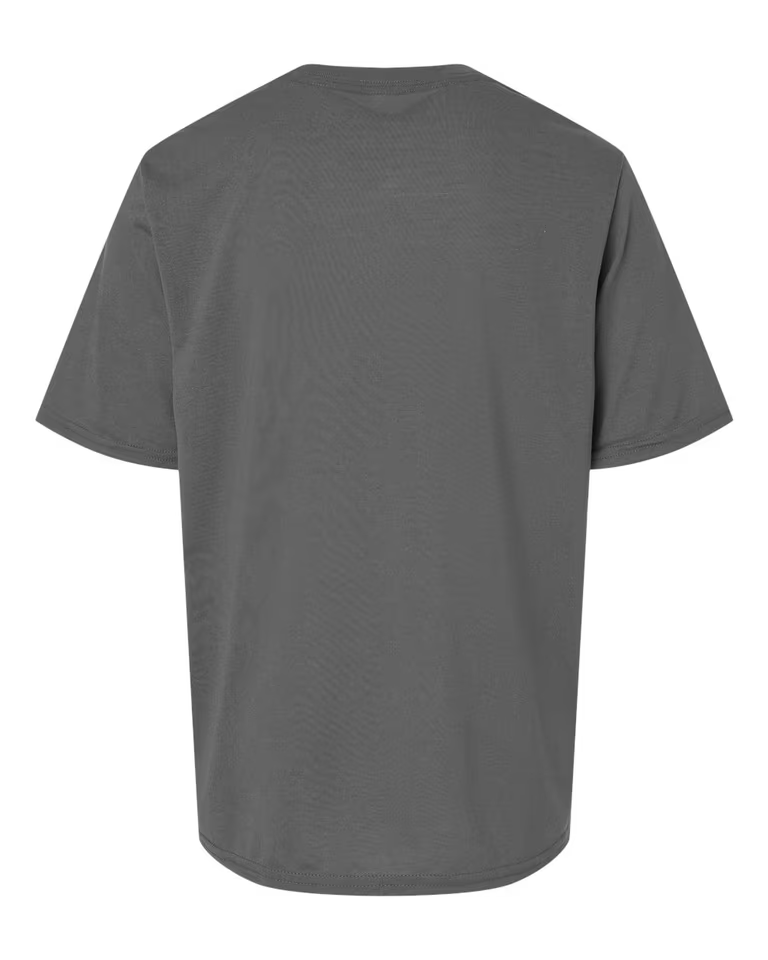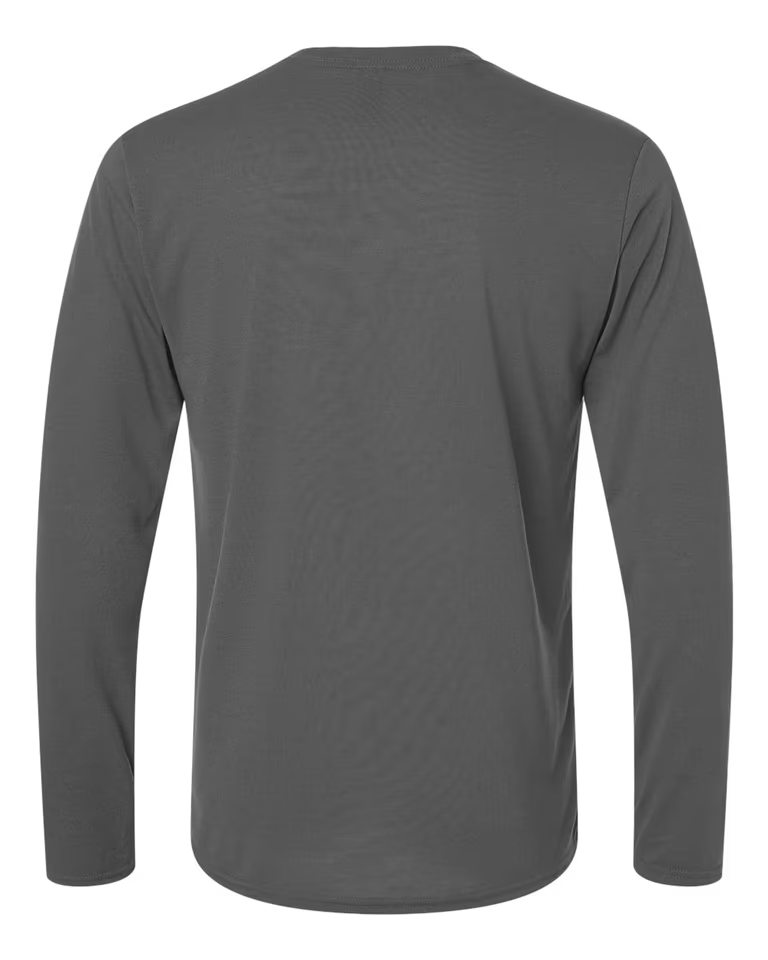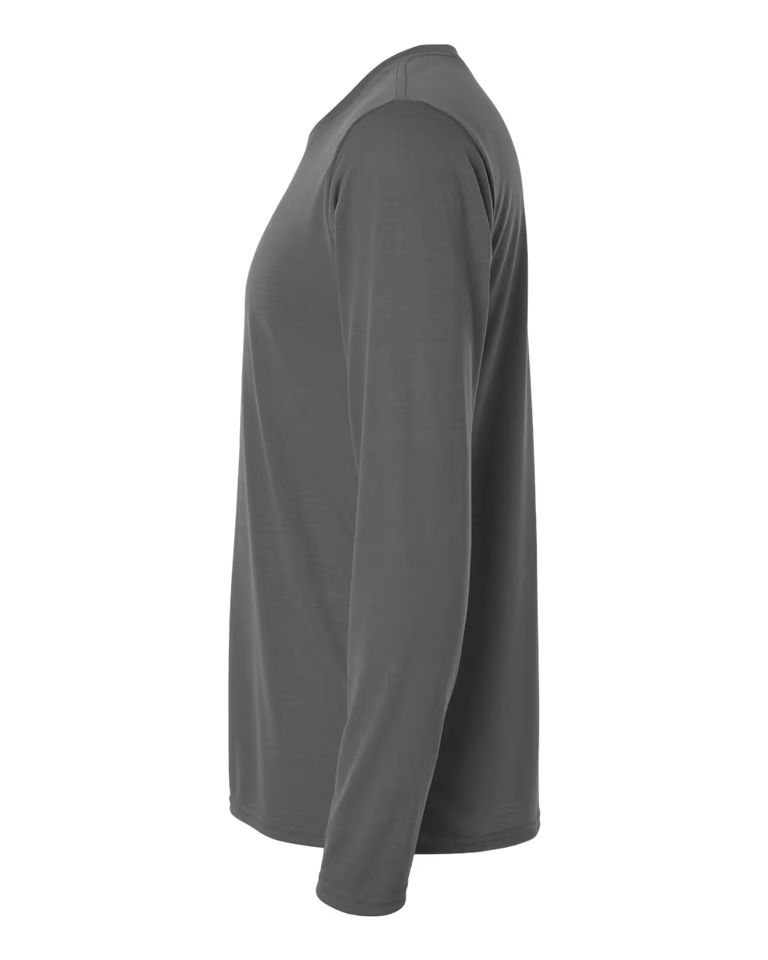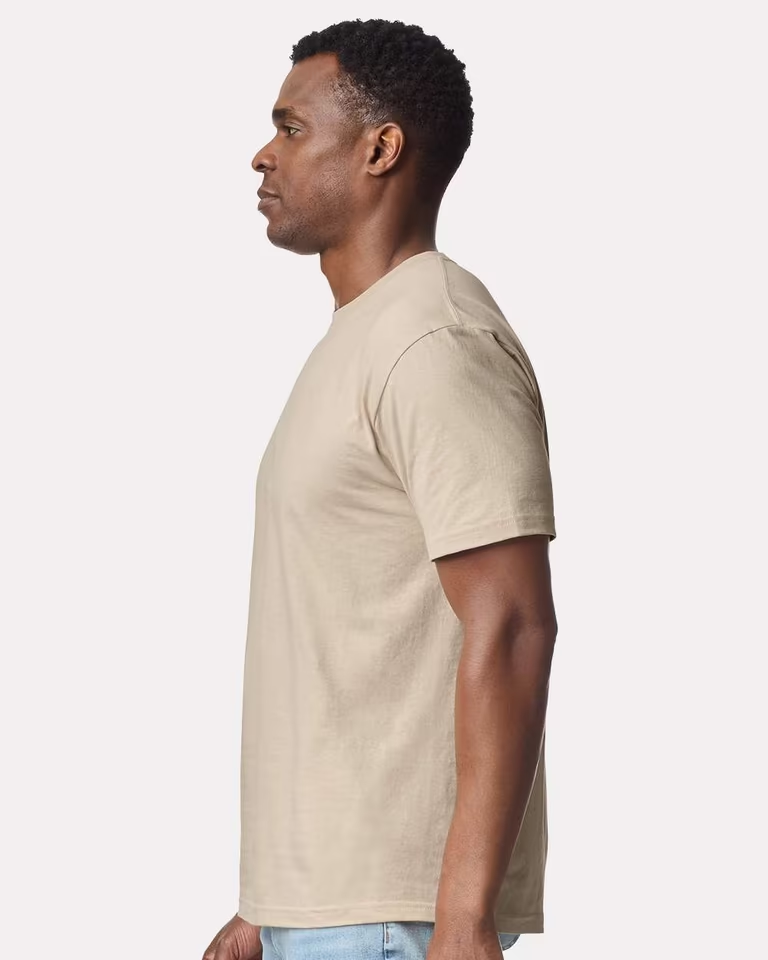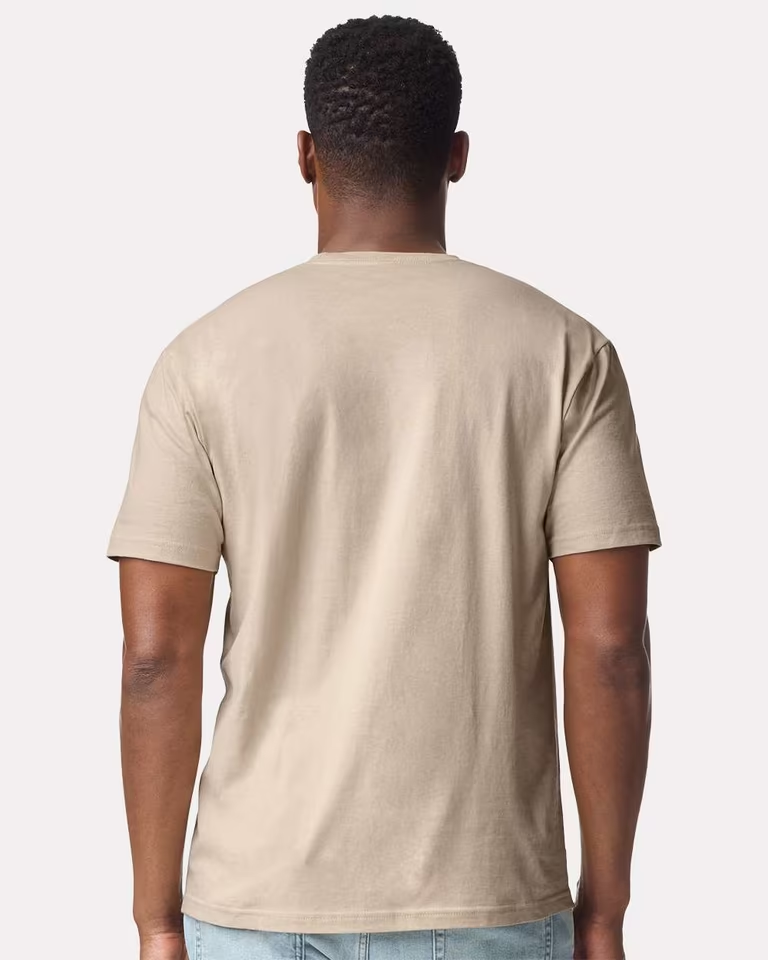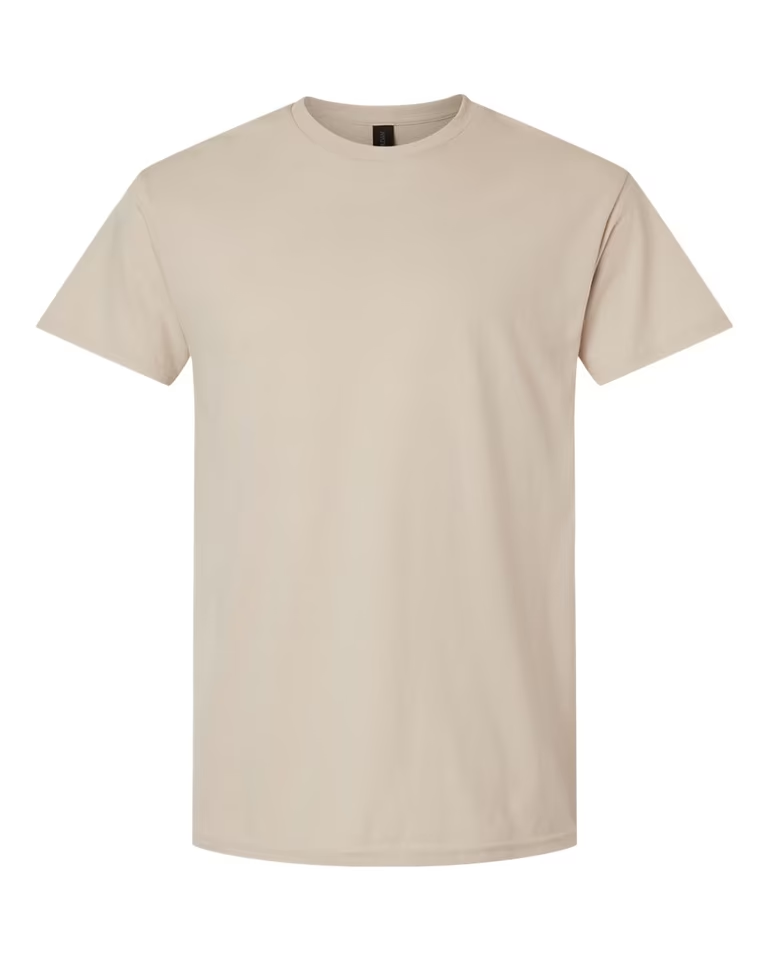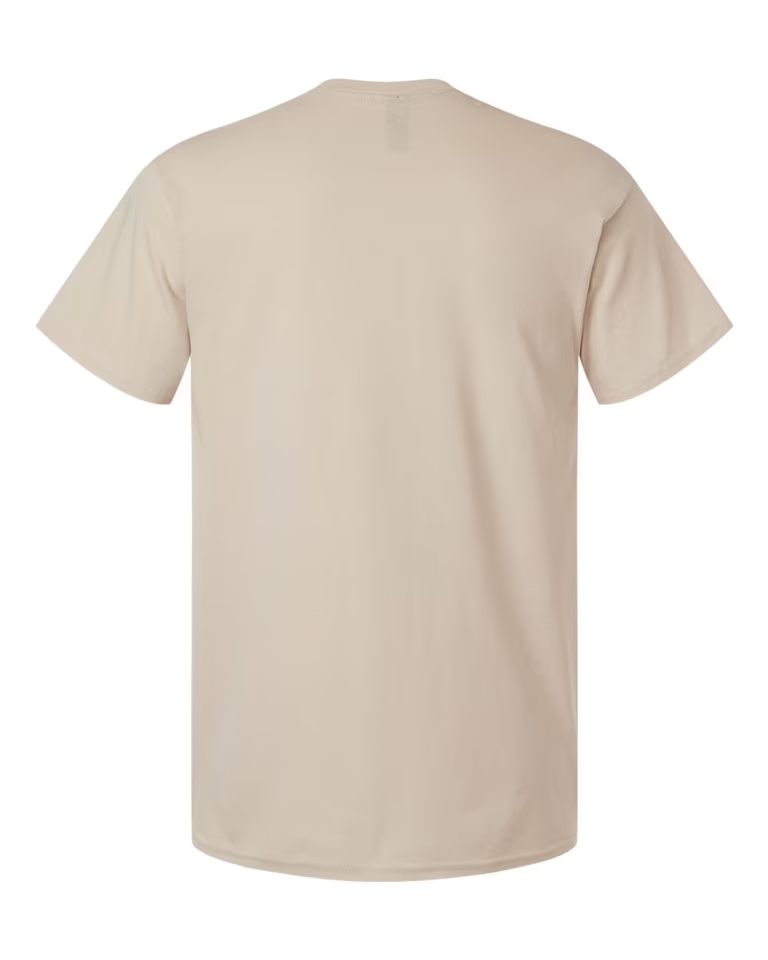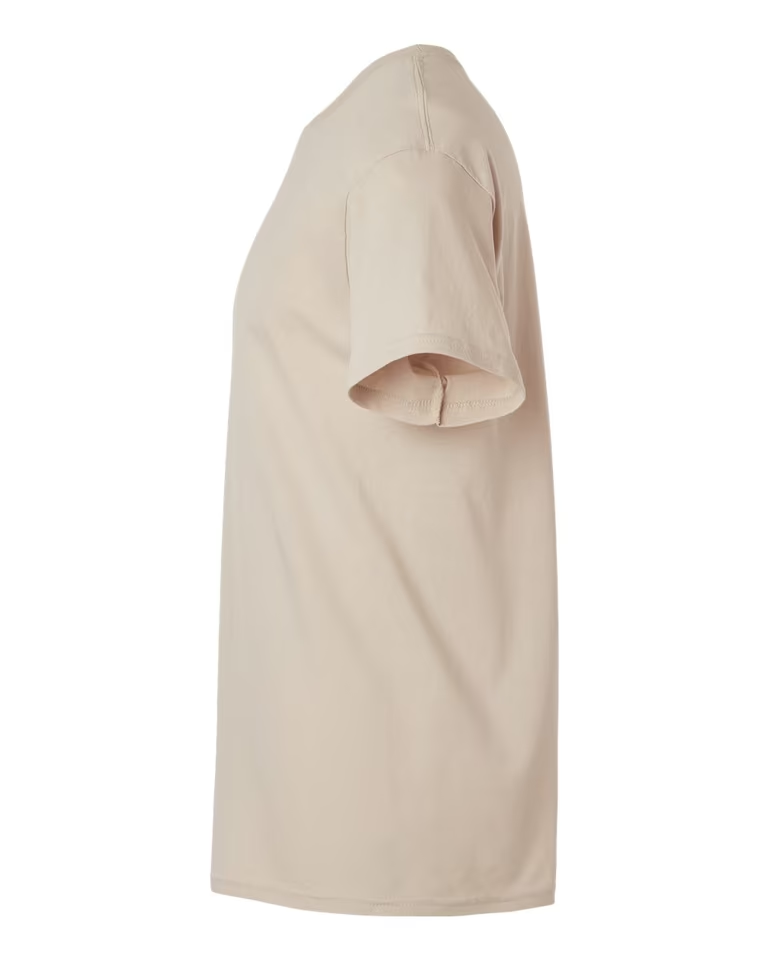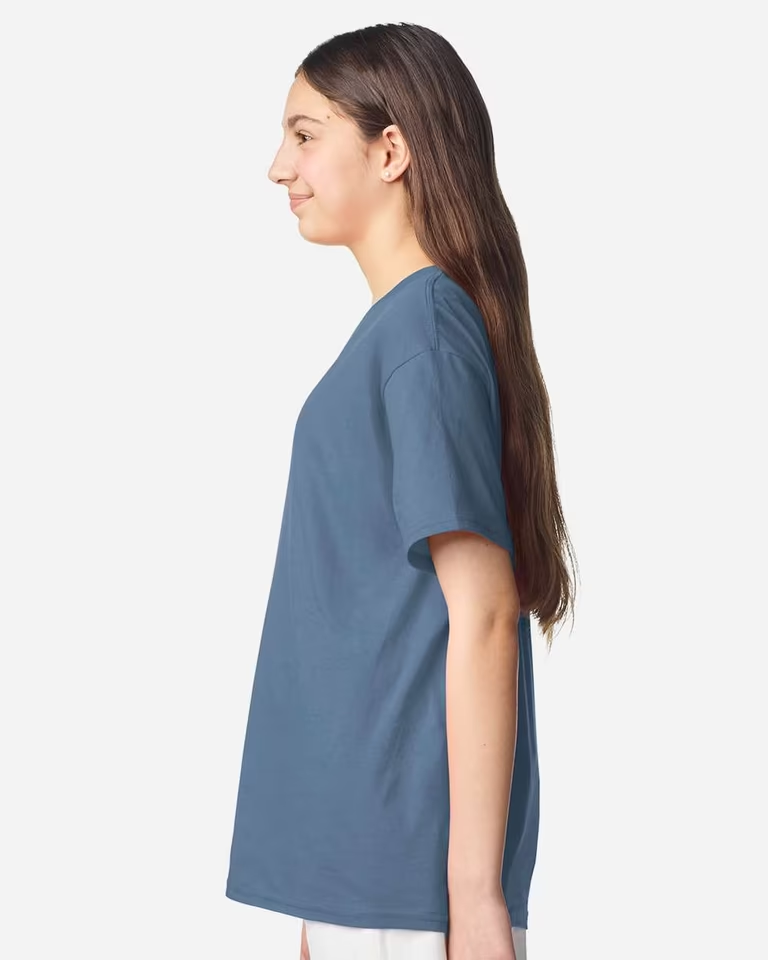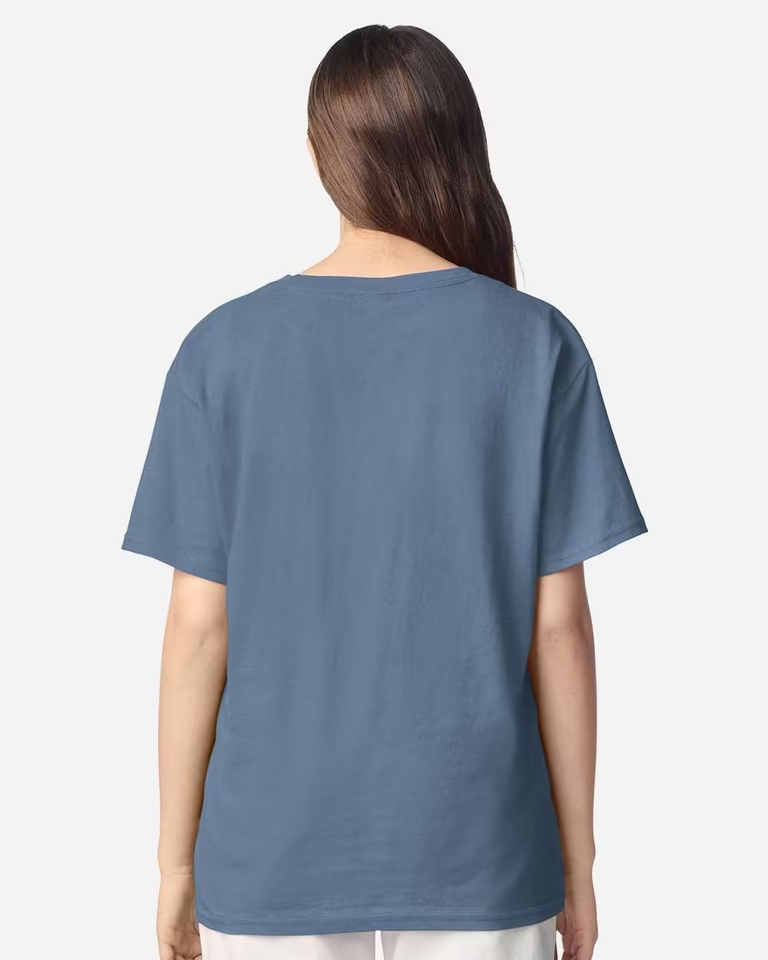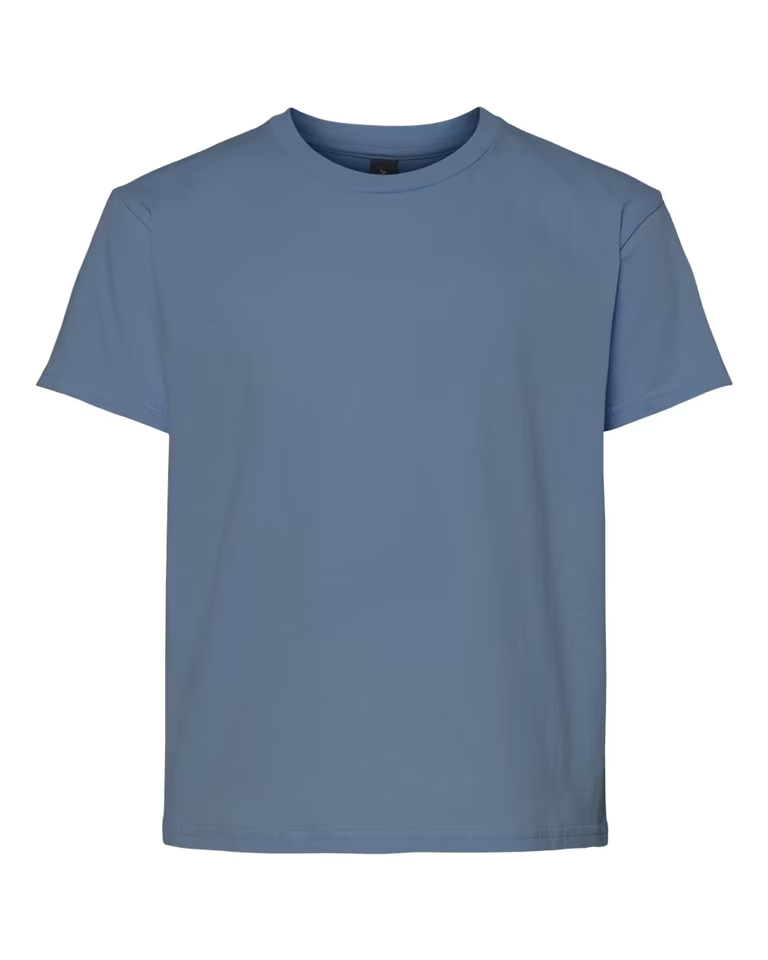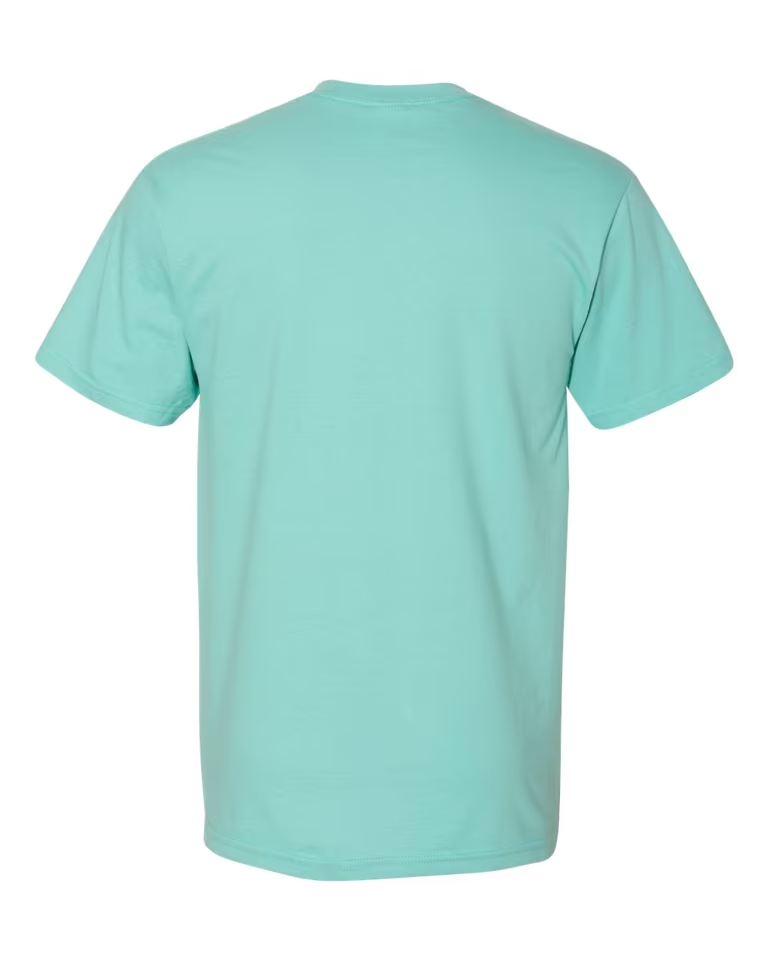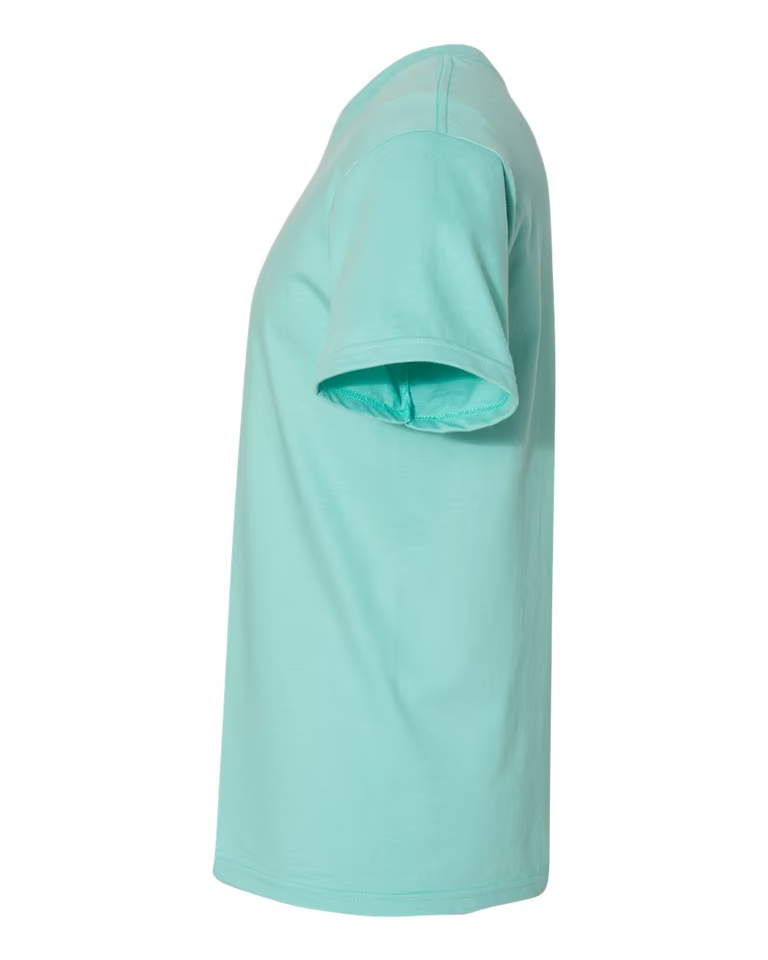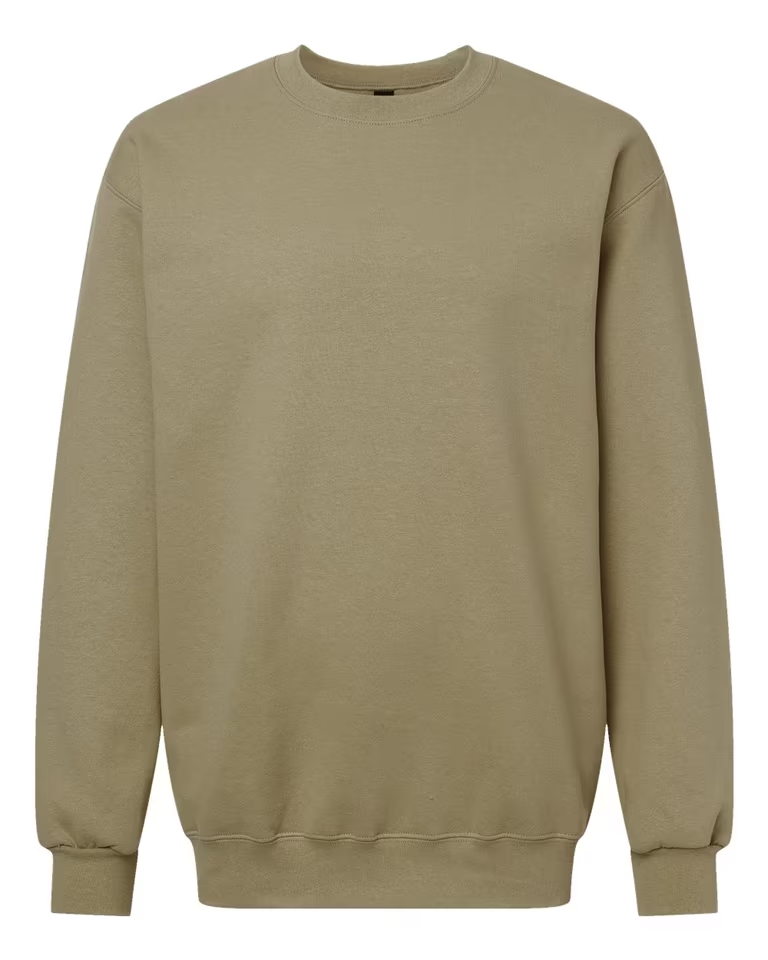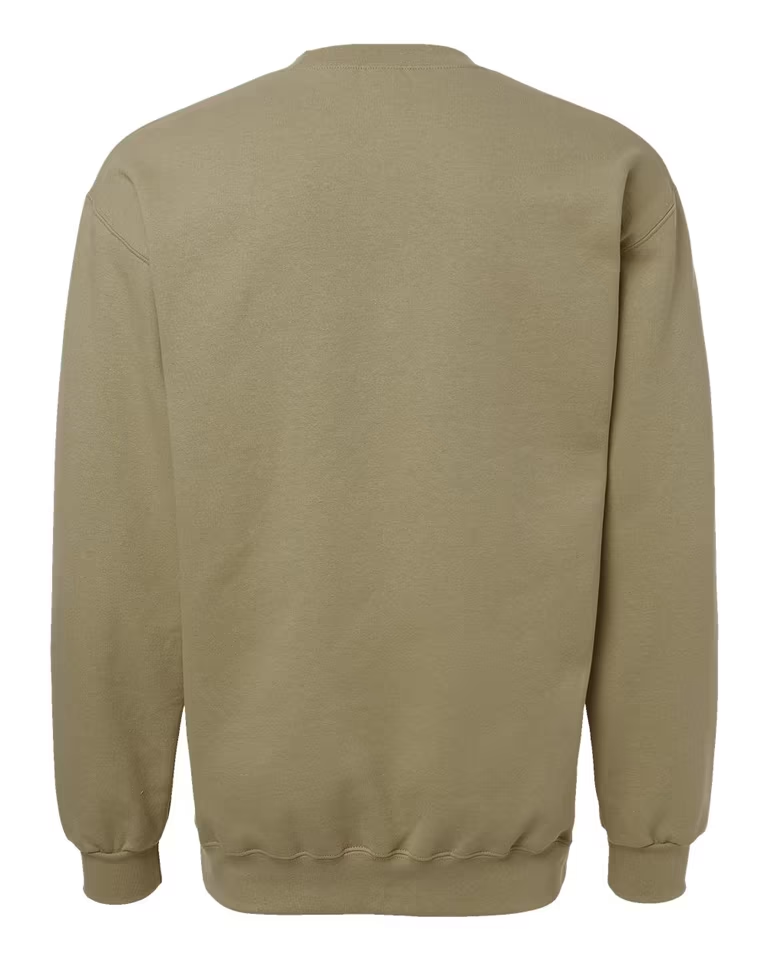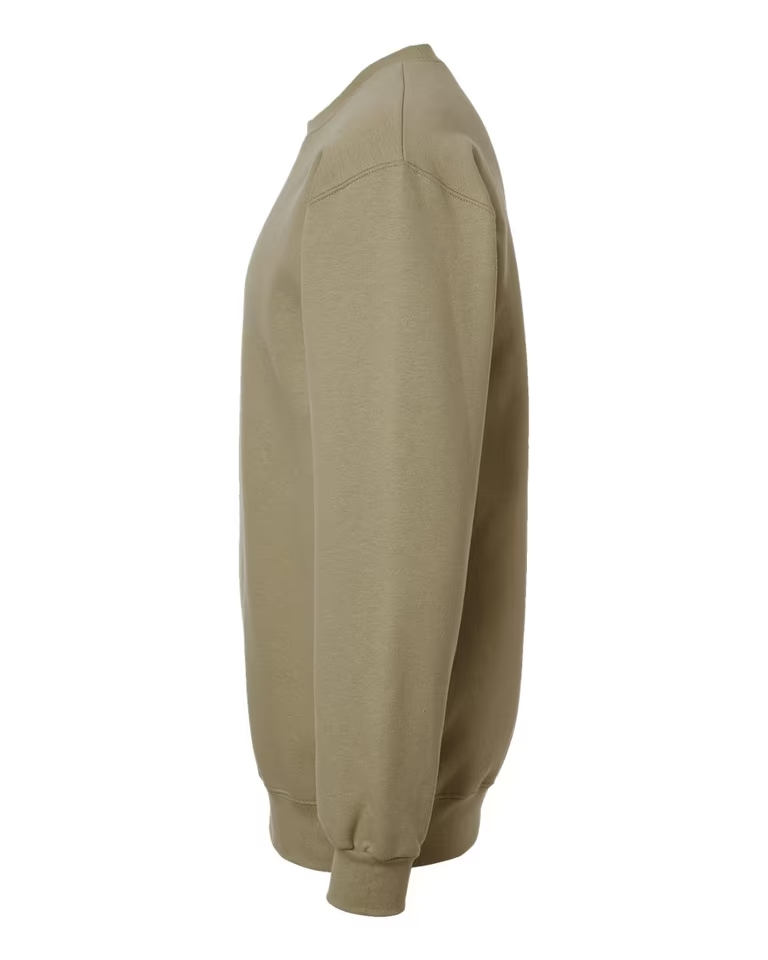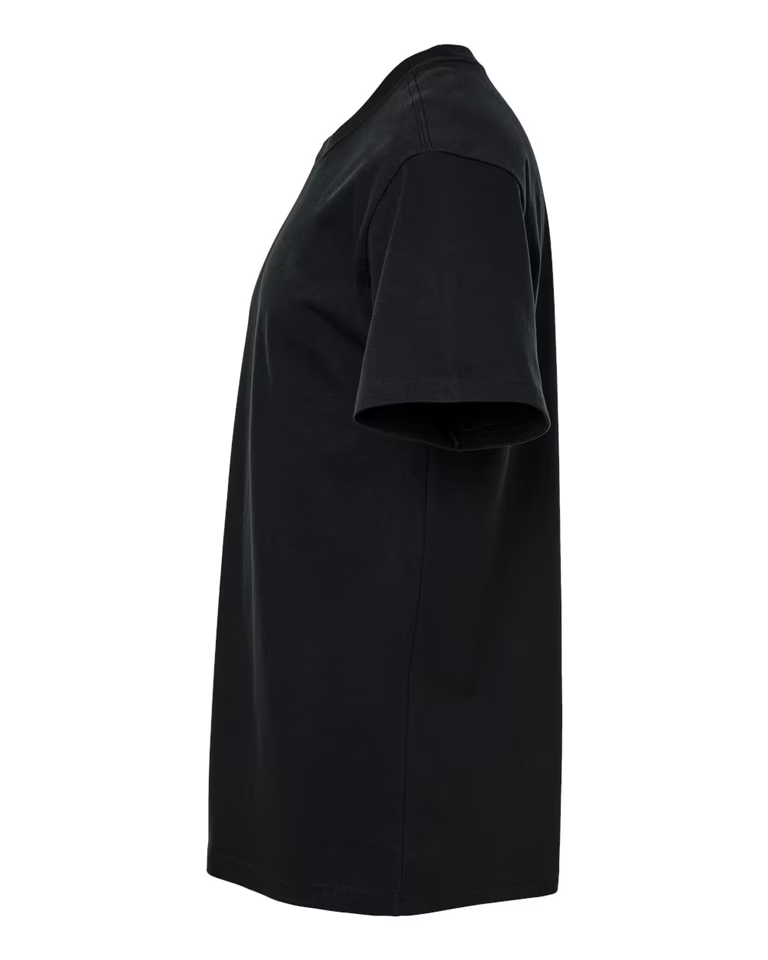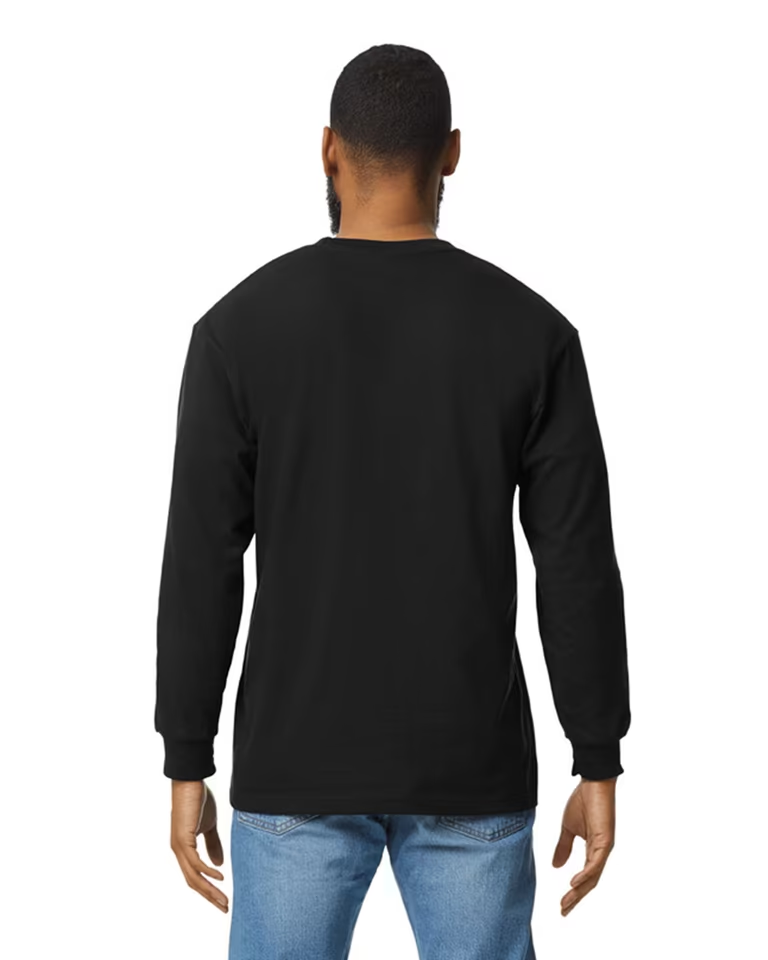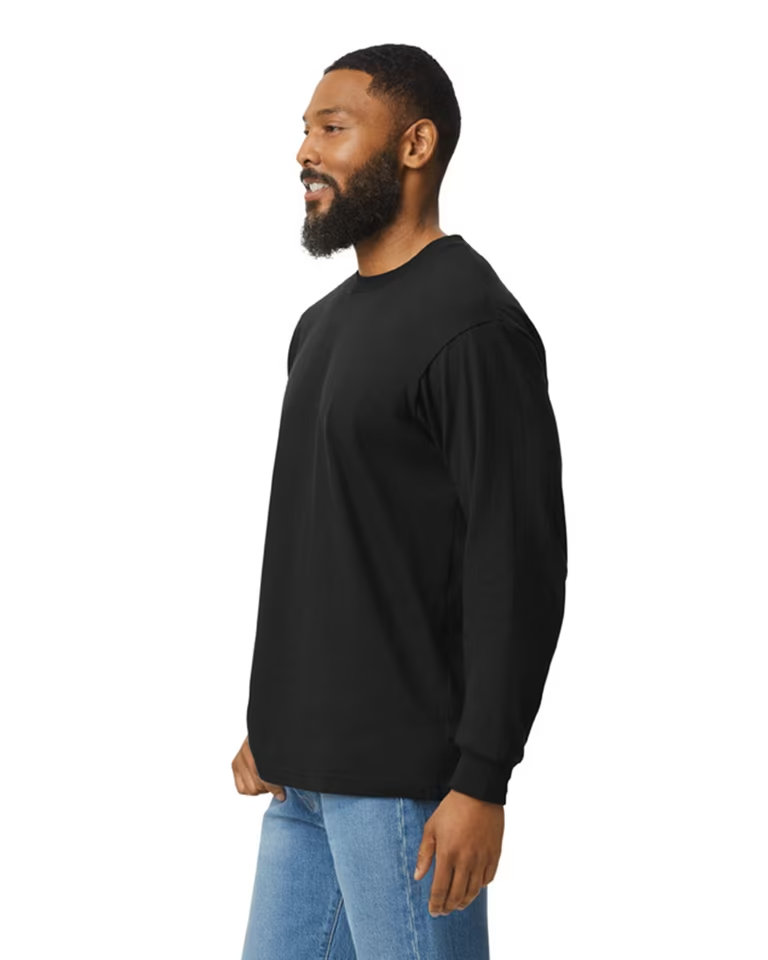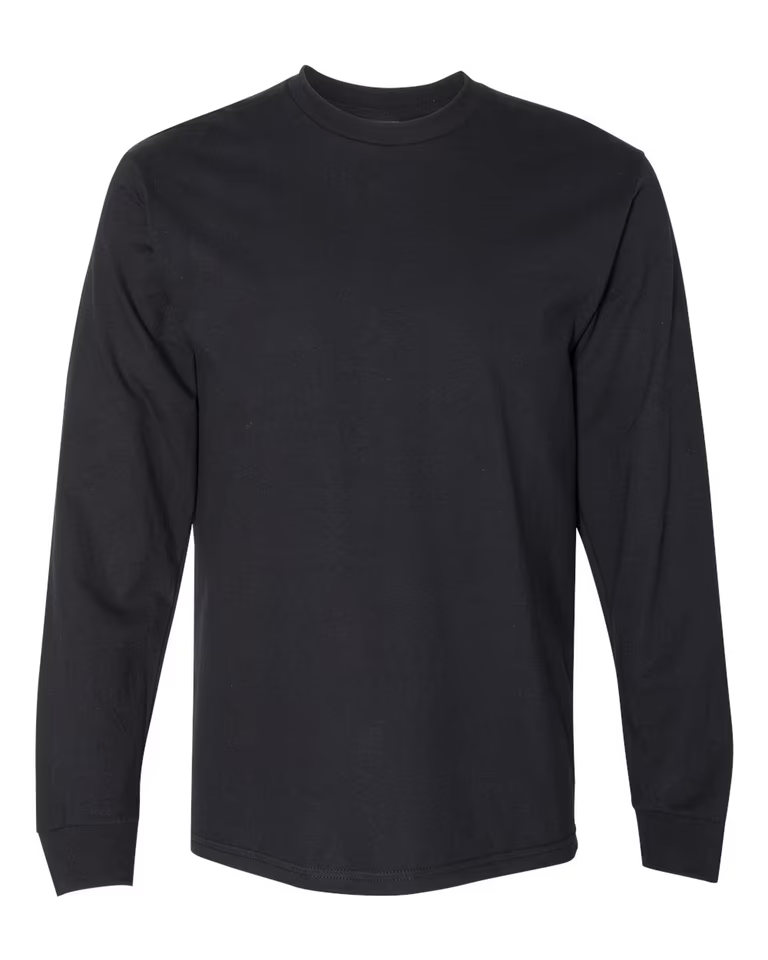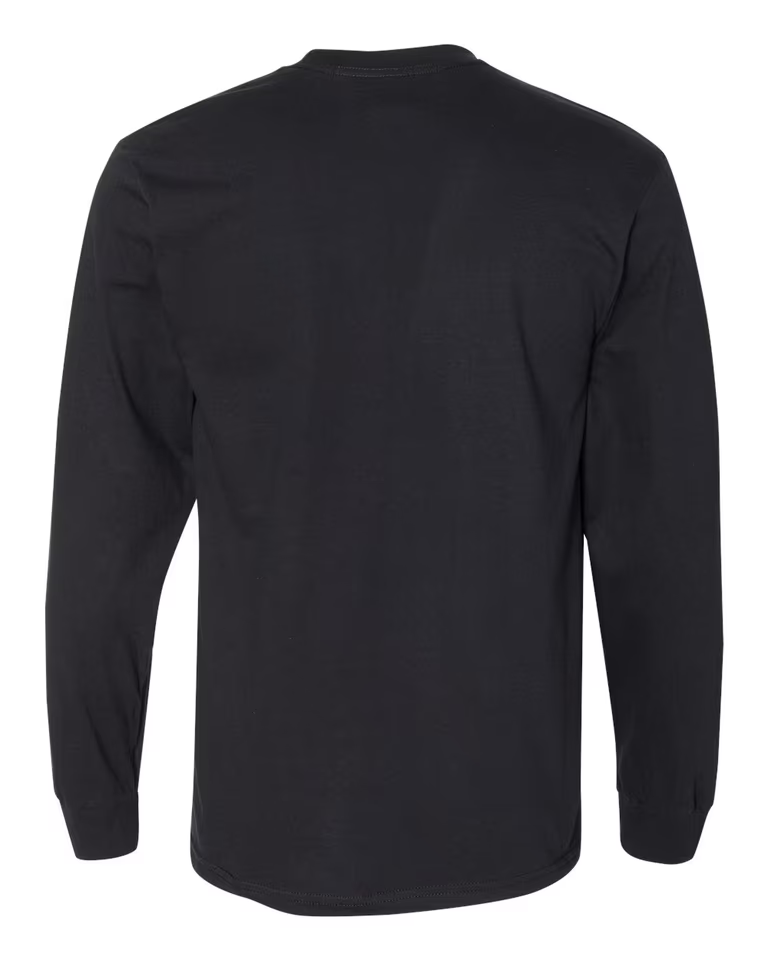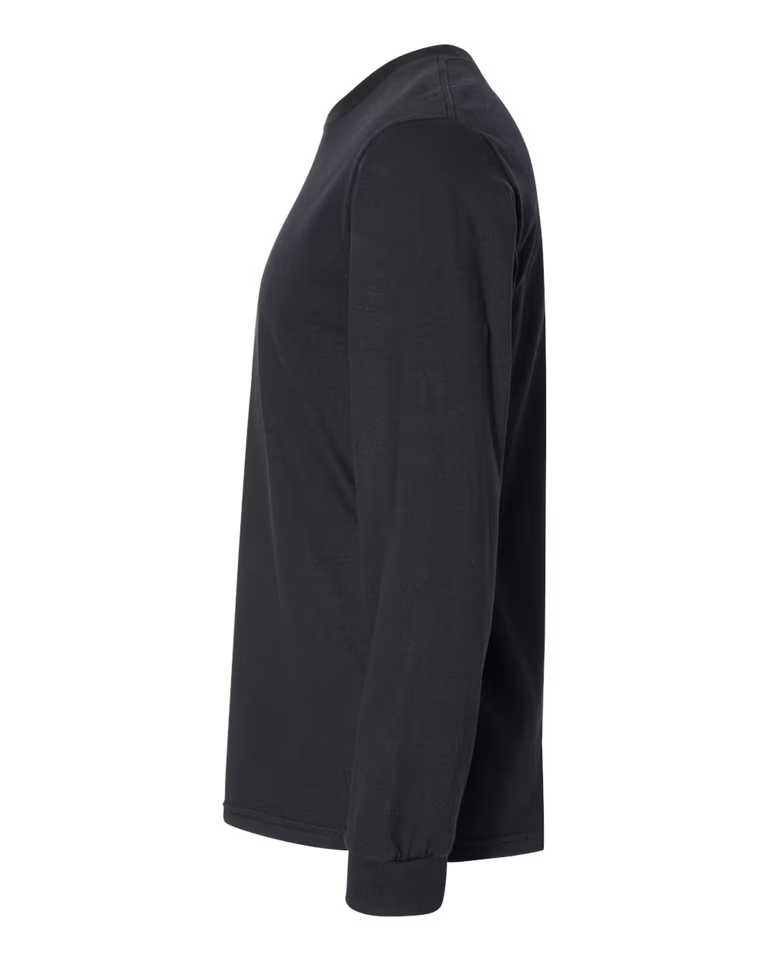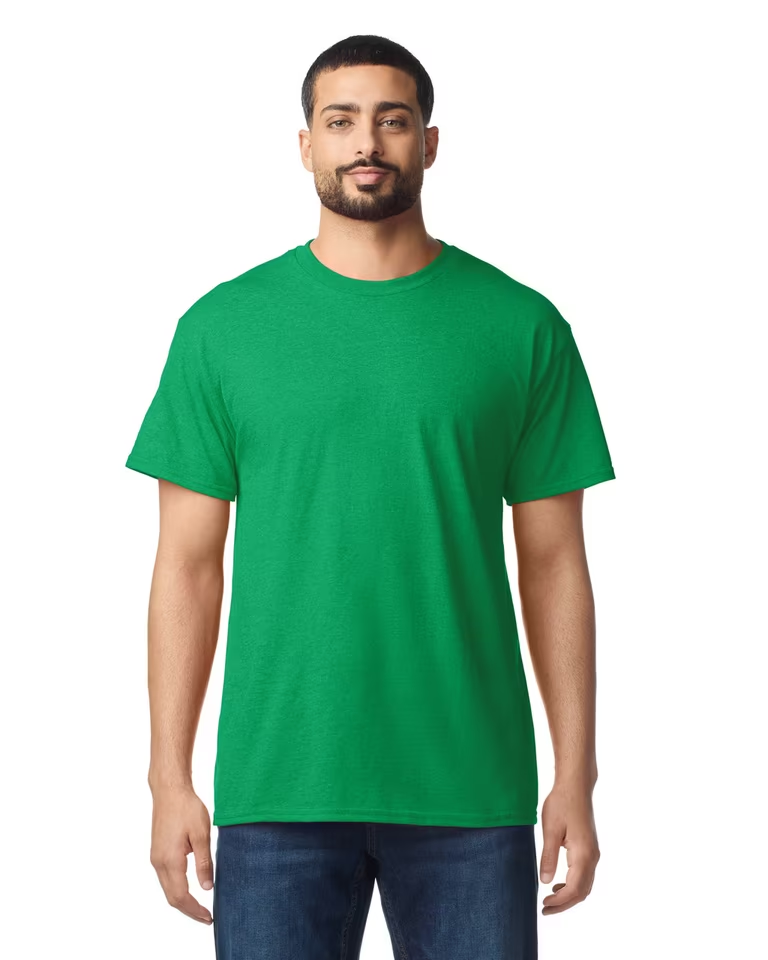
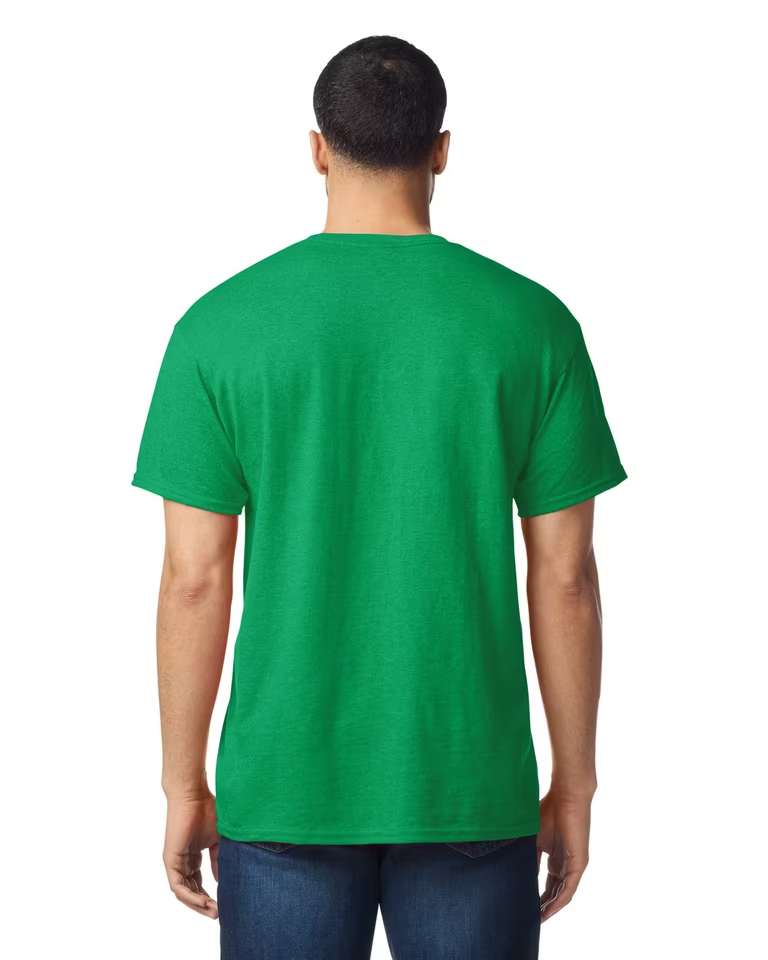
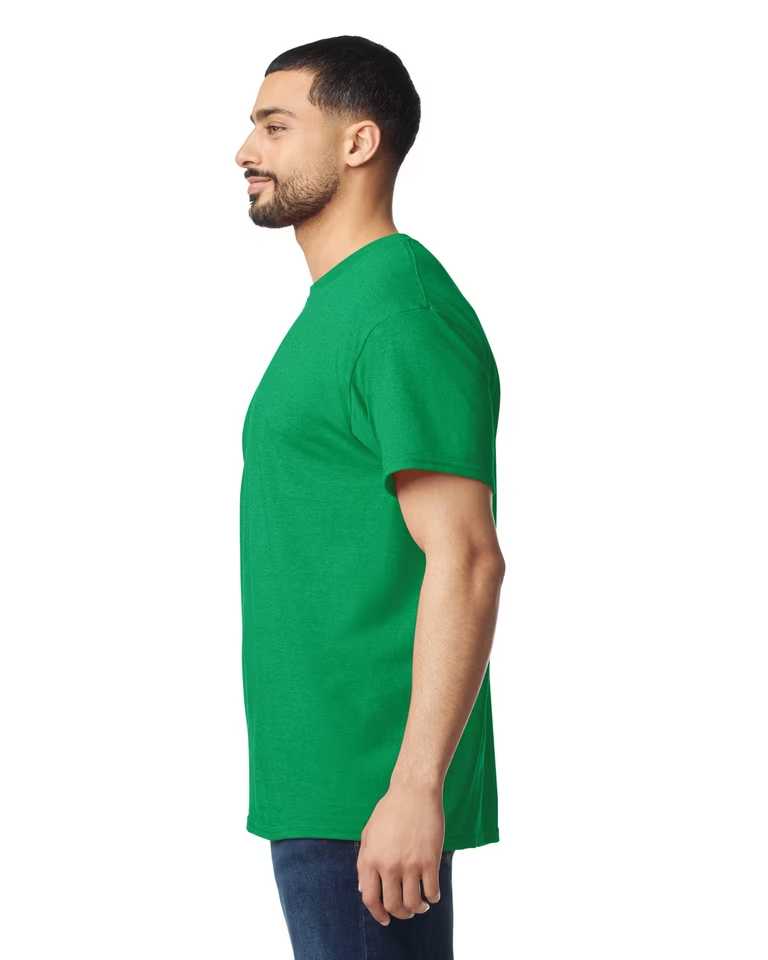
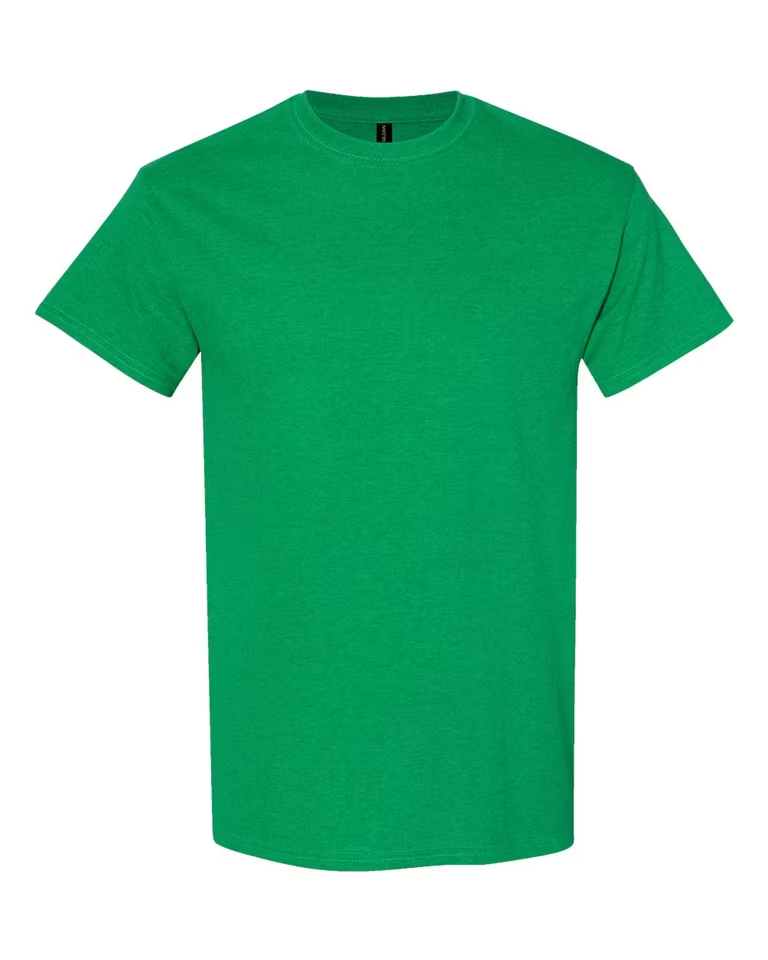

Gildan is the volume backbone of the US printwear trade: the largest blank-apparel manufacturer, and the benchmark other blanks get compared to. Every major distributor stocks it deep, in every size, in dozens of colors. It also owns Comfort Colors, so the two brands share a supply chain even though they serve different jobs.
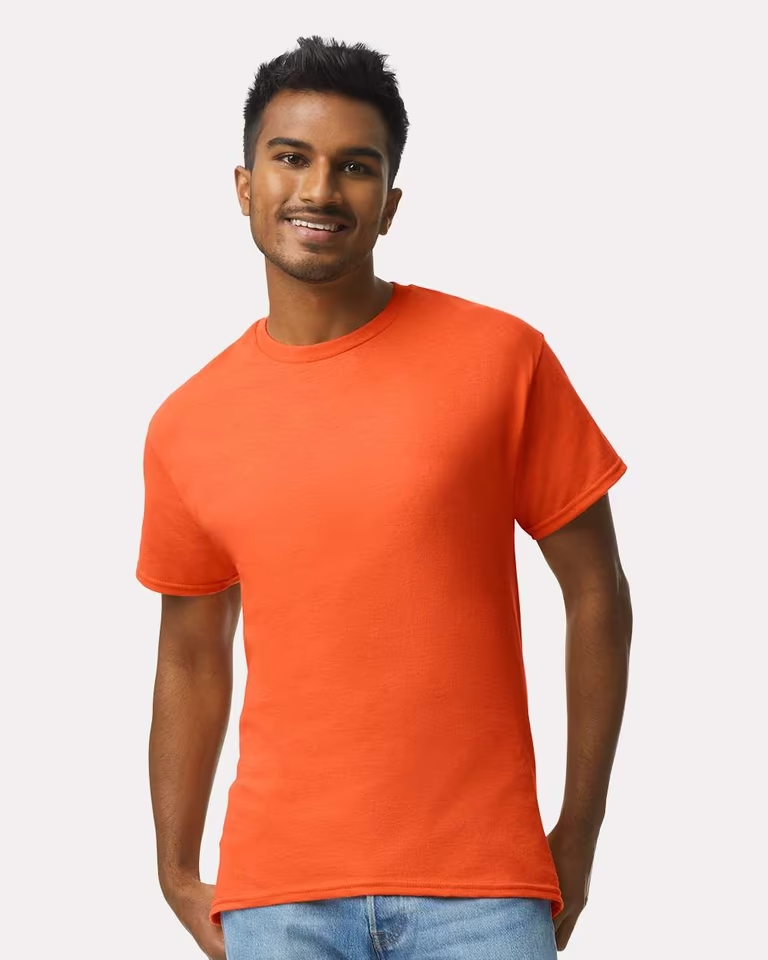
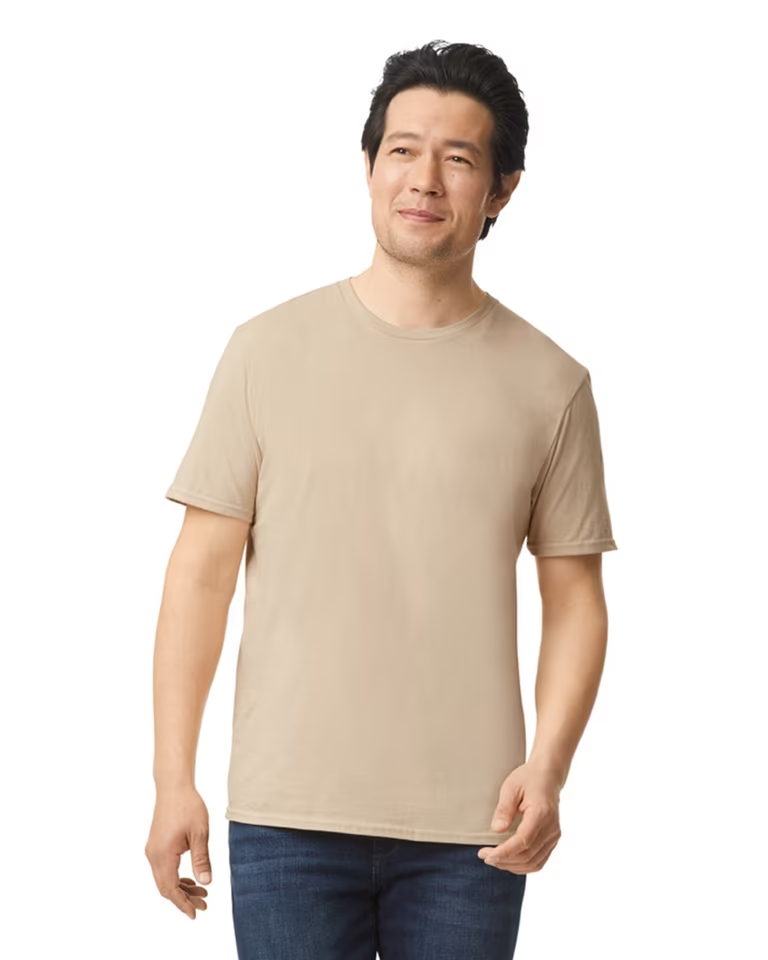
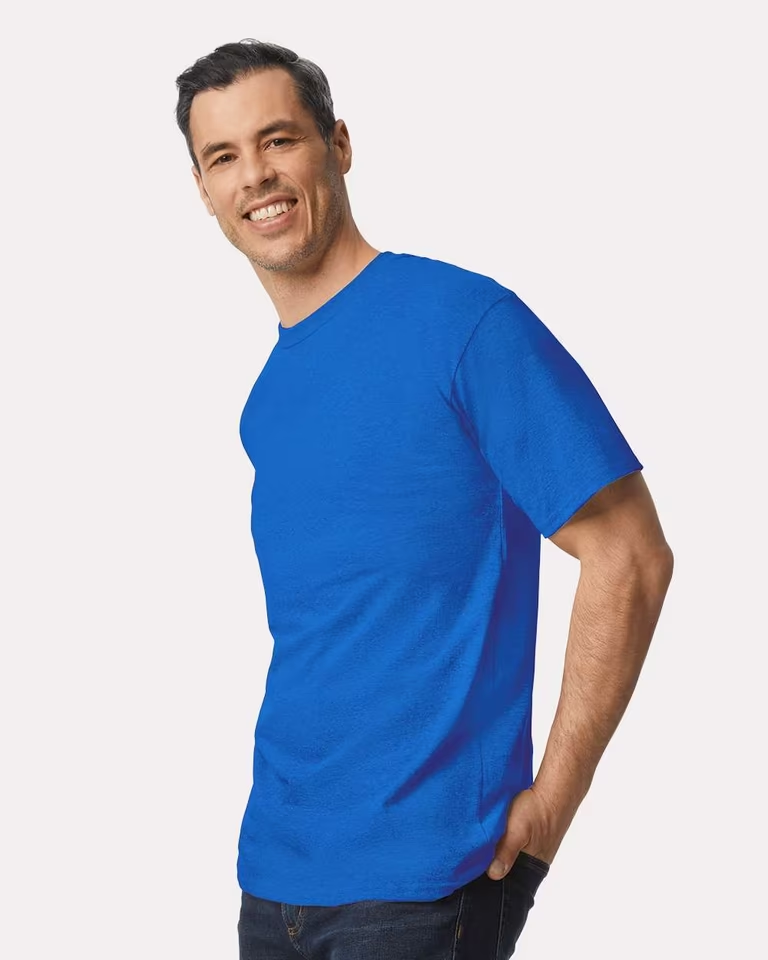
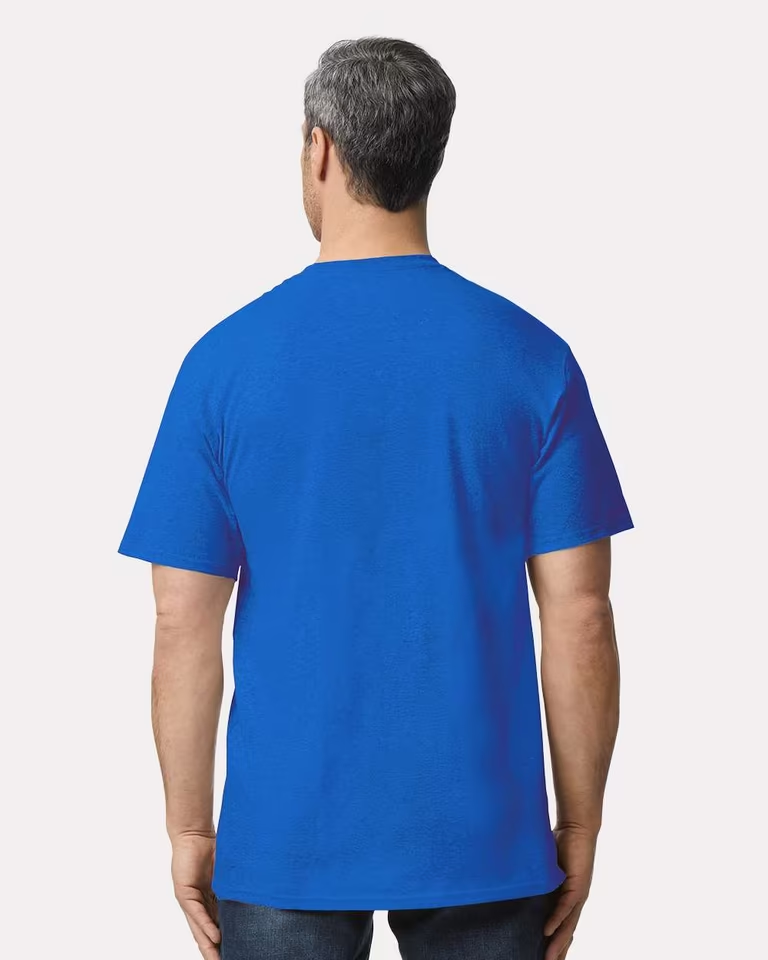
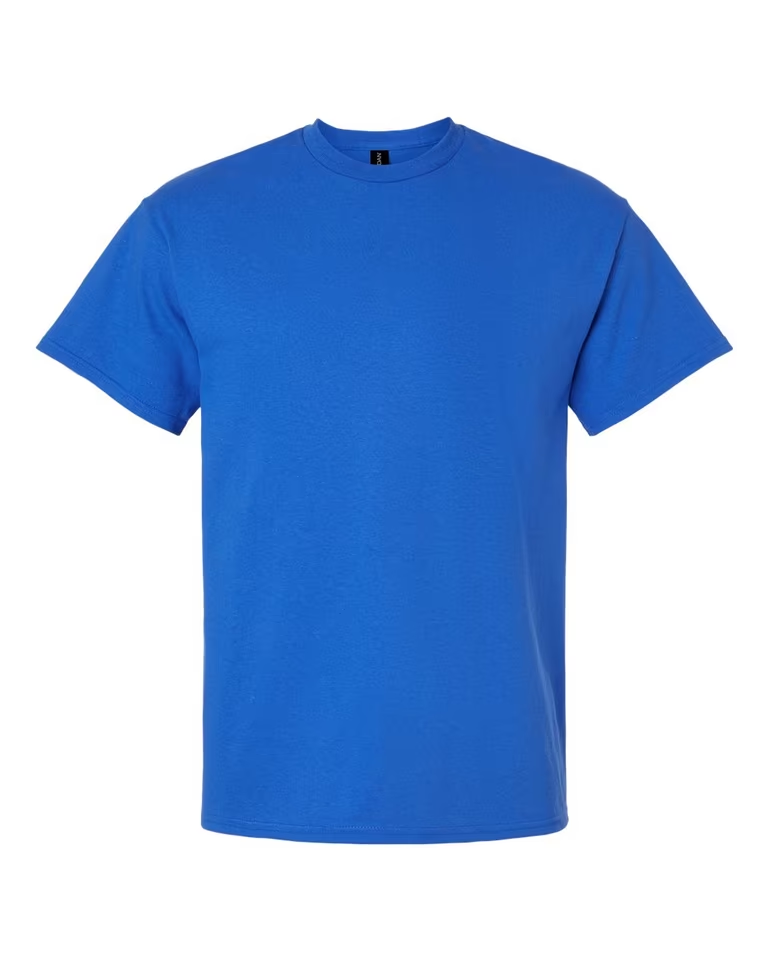
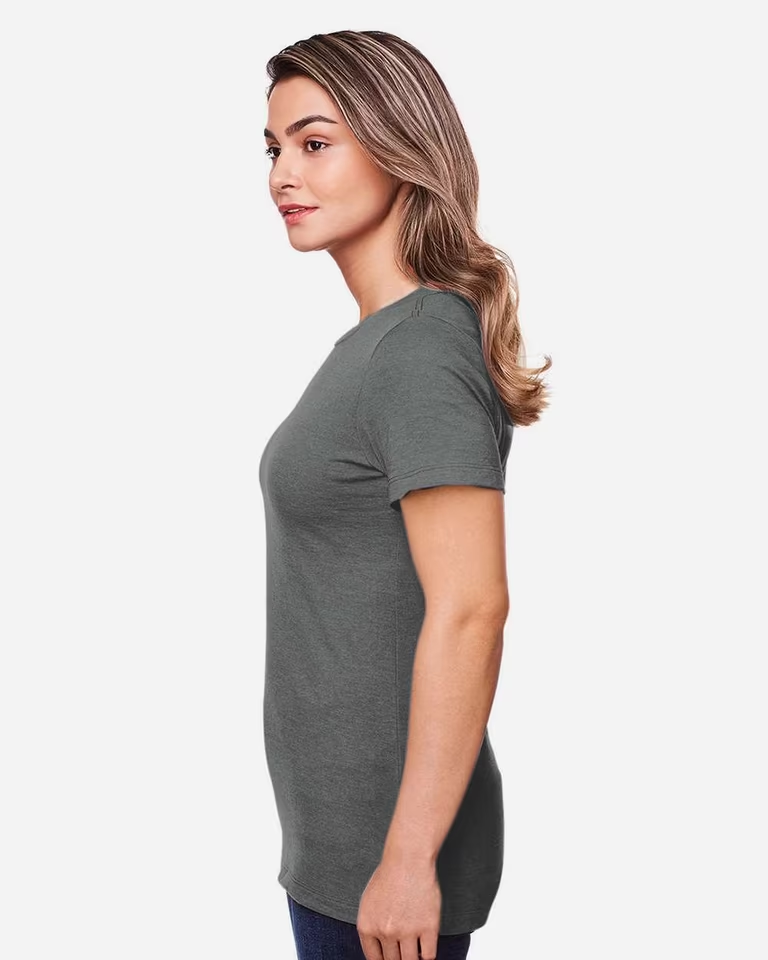
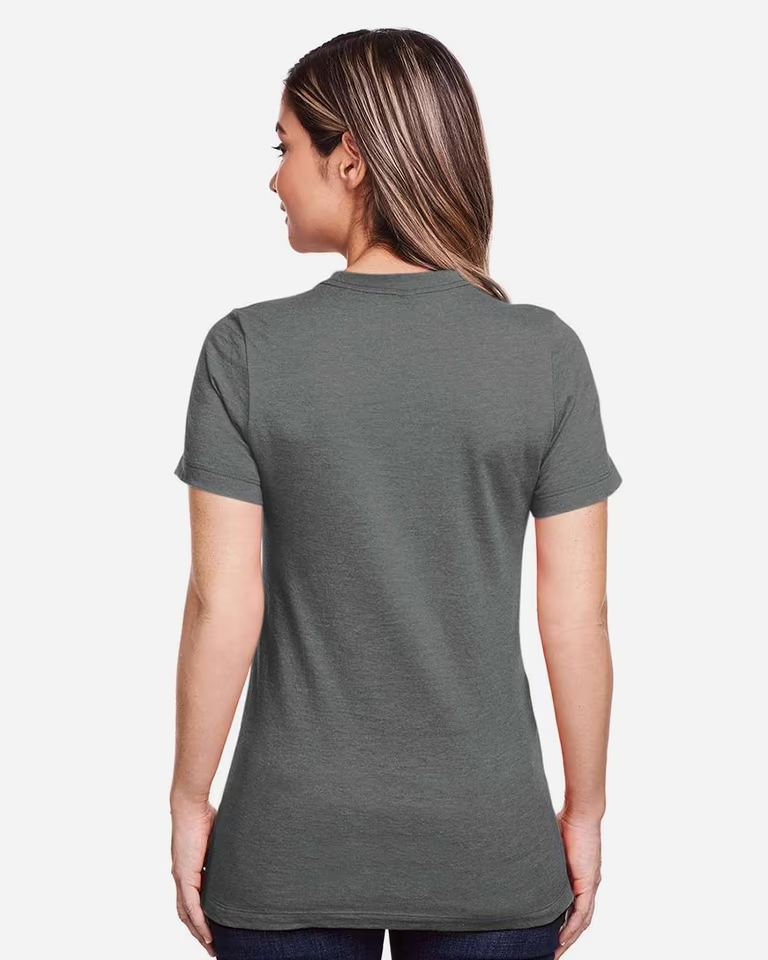
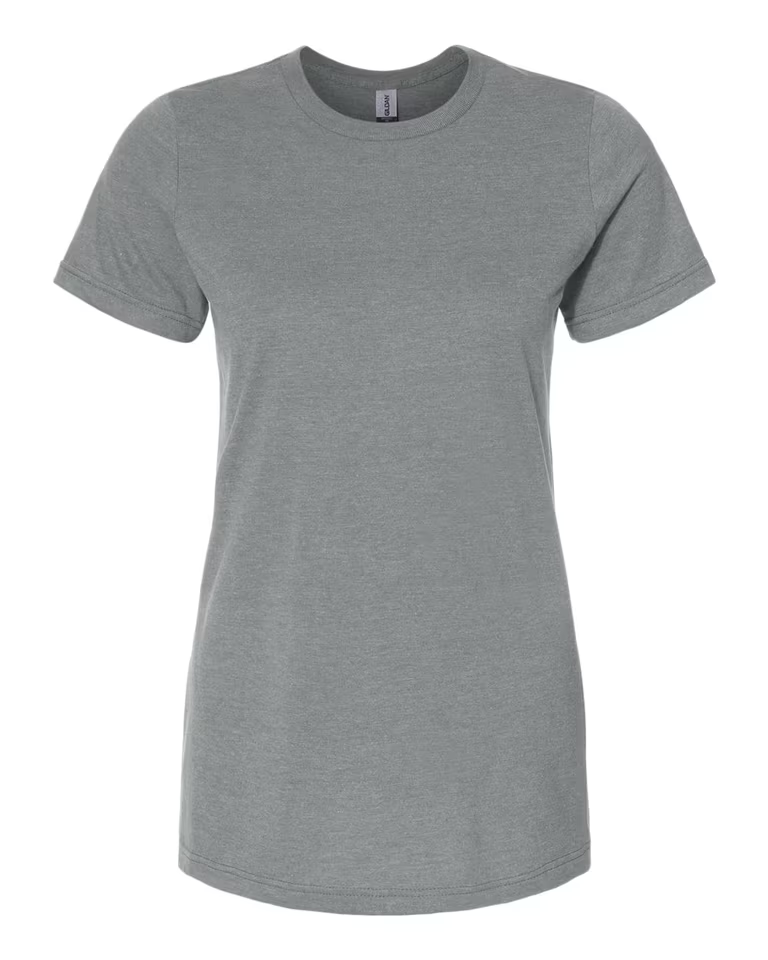
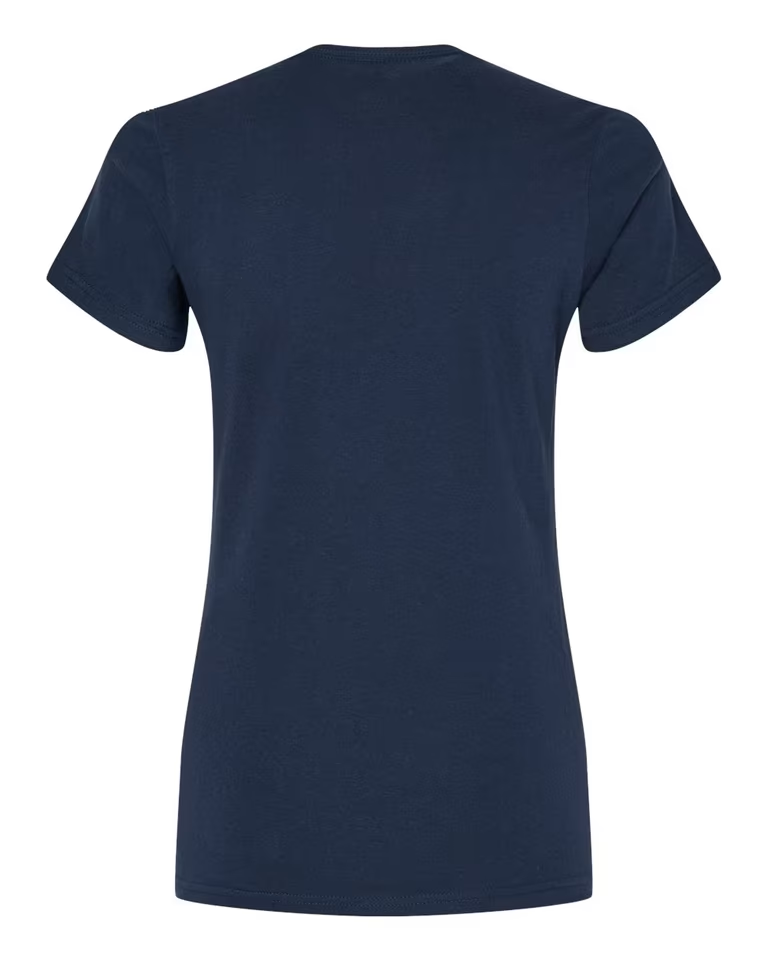
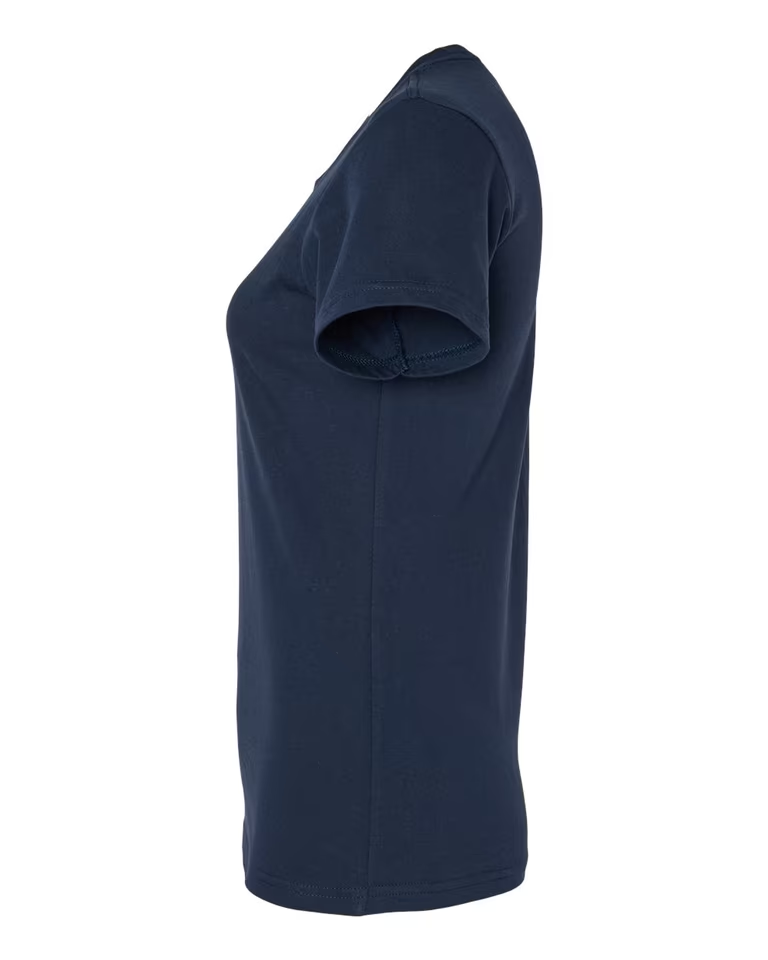
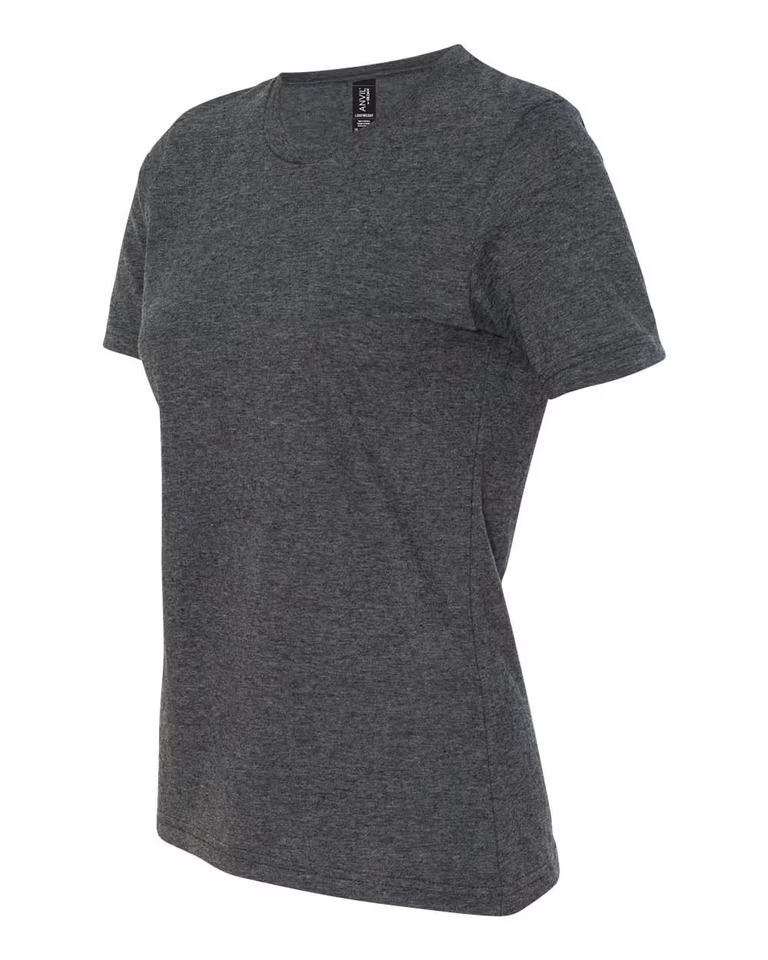
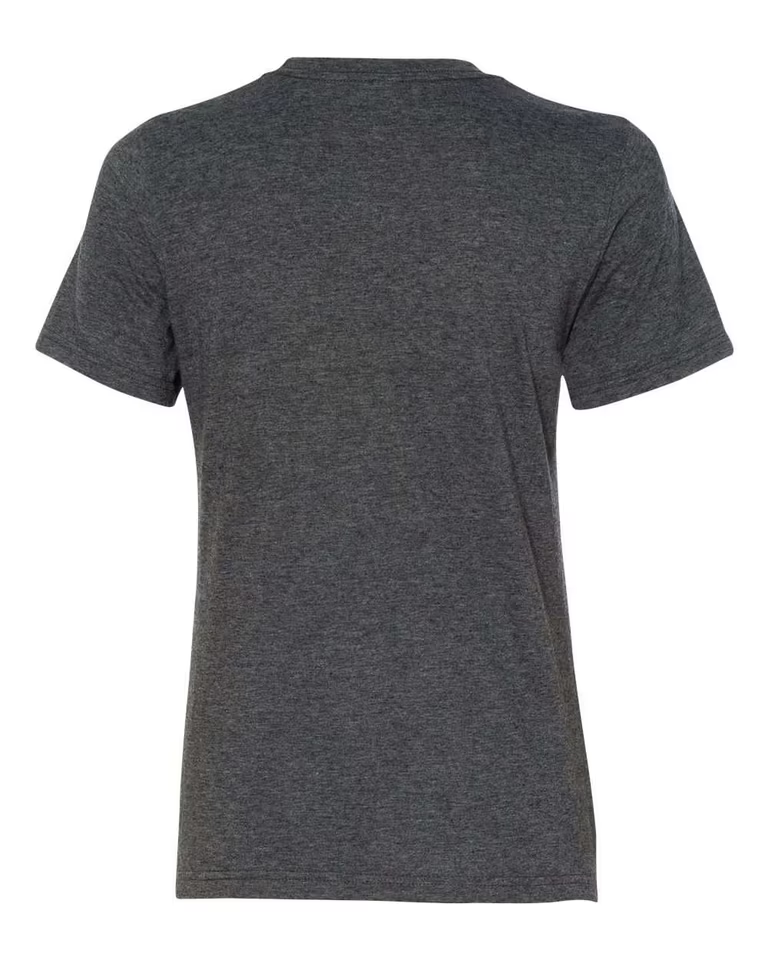
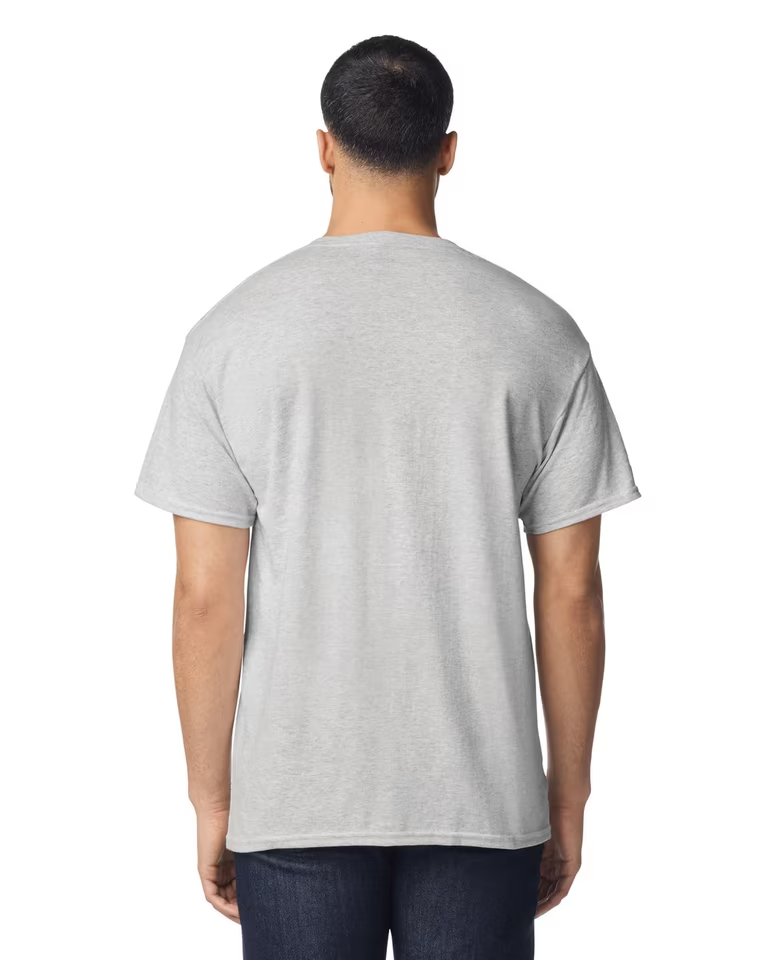
The 5000 Heavy Cotton ( How dense a knit fabric is, measured in oz/yd². Typical ranges: under 4.5 oz is lightweight fashion; 4.5–5.5 oz is the midweight band most everyday tees fall into; 5.5–6 oz is heavy everyday and fleece; 6 oz and up is the heavyweight range, with 7 oz and up the streetwear max-weight class. Heavier fabric drapes more substantially, holds prints flatter, and costs more per blank. , open-end cotton, boxy tubular fit) is the default promo tee in America. The 2000 Ultra Cotton steps up to How dense a knit fabric is, measured in oz/yd². Typical ranges: under 4.5 oz is lightweight fashion; 4.5–5.5 oz is the midweight band most everyday tees fall into; 5.5–6 oz is heavy everyday and fleece; 6 oz and up is the heavyweight range, with 7 oz and up the streetwear max-weight class. Heavier fabric drapes more substantially, holds prints flatter, and costs more per blank. when a job calls for a heavier, more durable blank, and the 64000 Softstyle ( How dense a knit fabric is, measured in oz/yd². Typical ranges: under 4.5 oz is lightweight fashion; 4.5–5.5 oz is the midweight band most everyday tees fall into; 5.5–6 oz is heavy everyday and fleece; 6 oz and up is the heavyweight range, with 7 oz and up the streetwear max-weight class. Heavier fabric drapes more substantially, holds prints flatter, and costs more per blank. , ring-spun, semi-fitted) is Gildan's answer when the customer wants a softer, retail-leaning How a fabric feels against the skin. Printers also use it to describe the tactile thickness of an ink deposit (a thick plastisol print has "high hand"). .
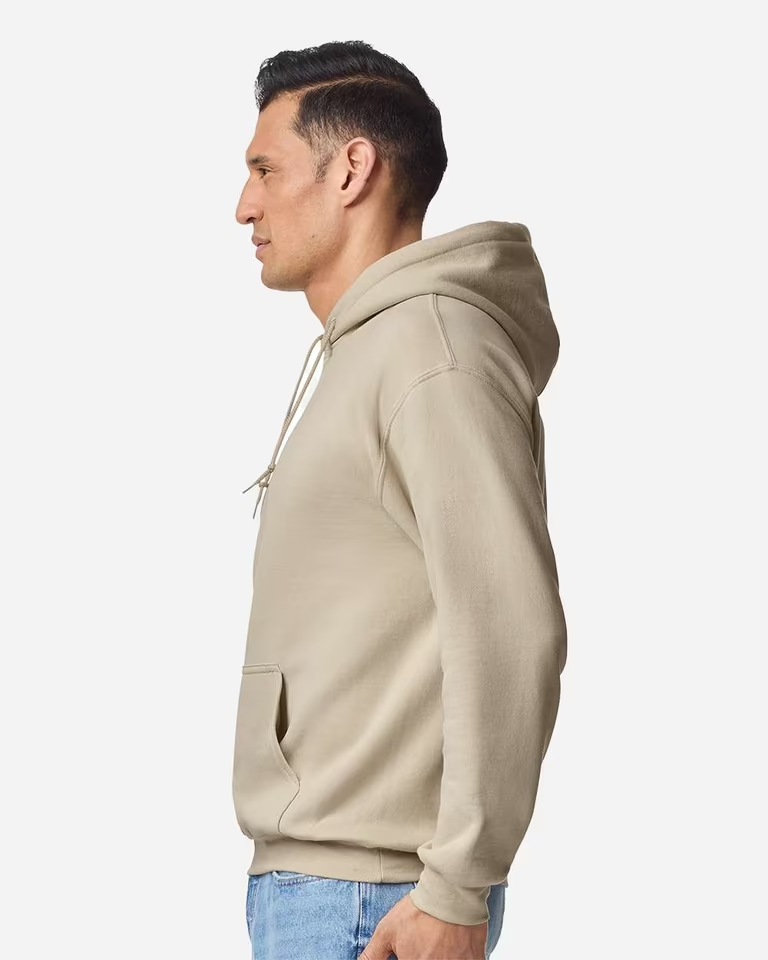
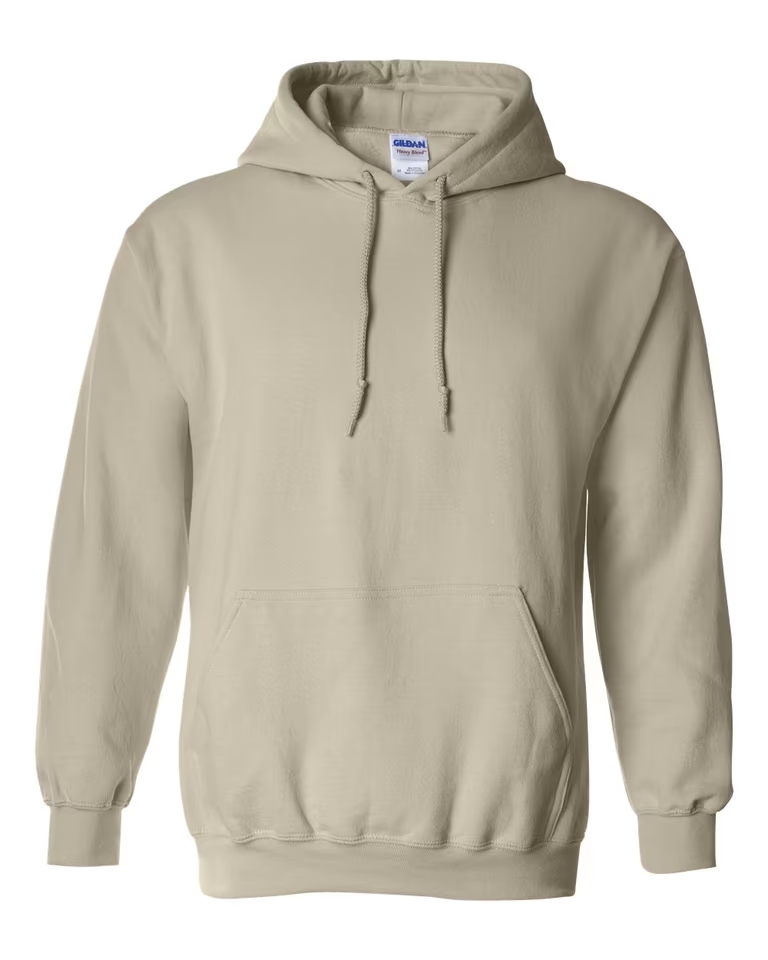
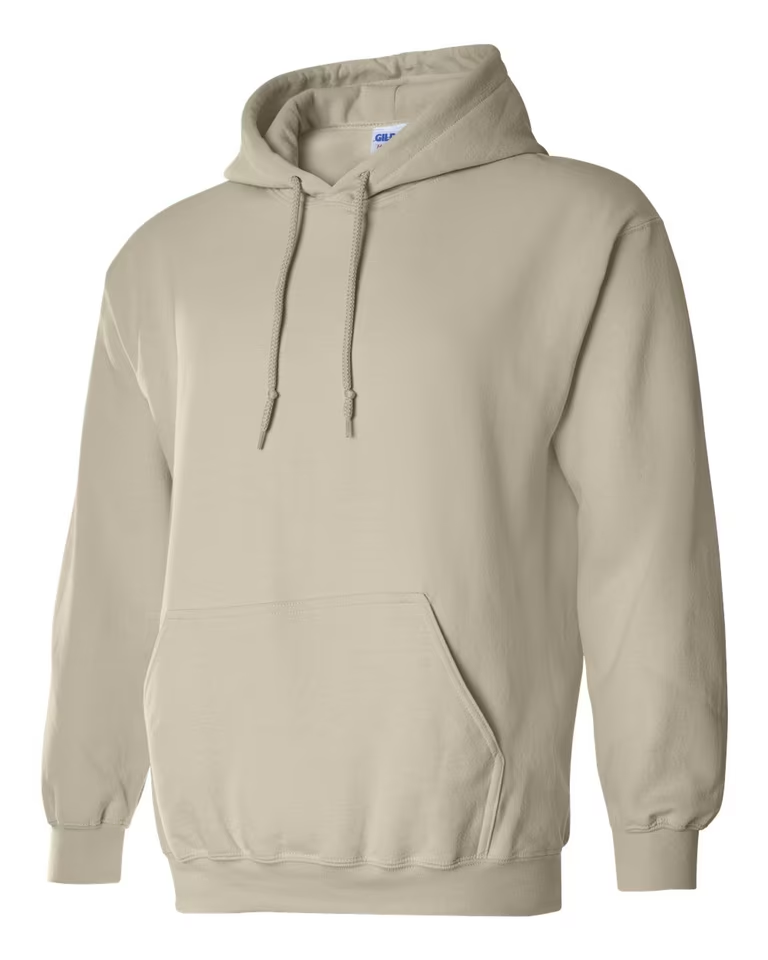
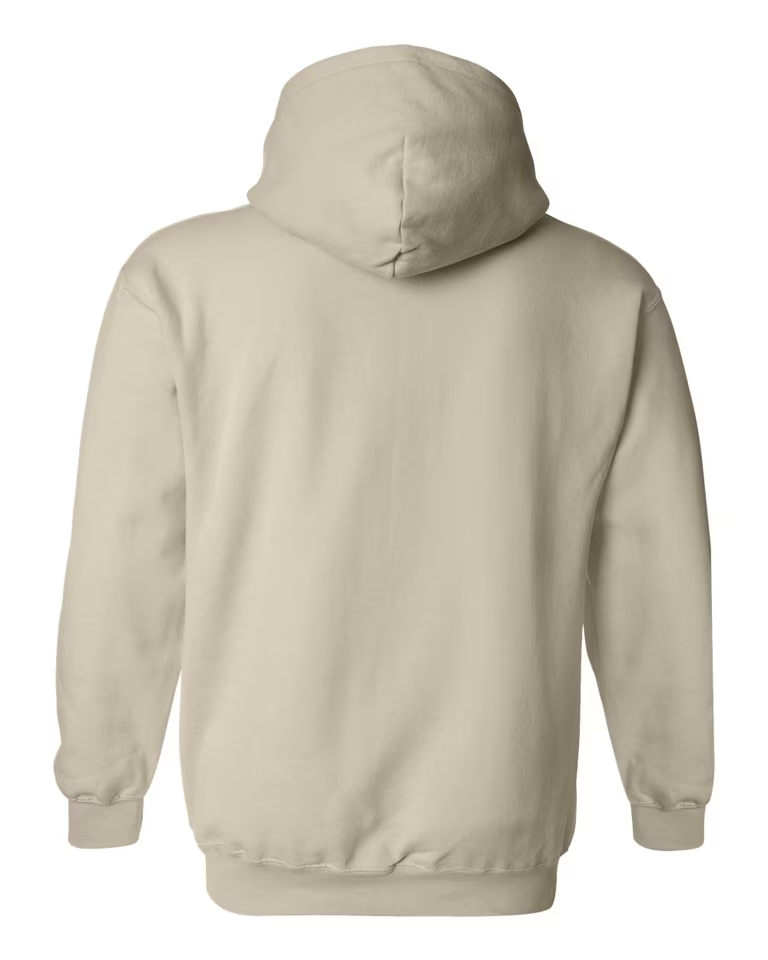
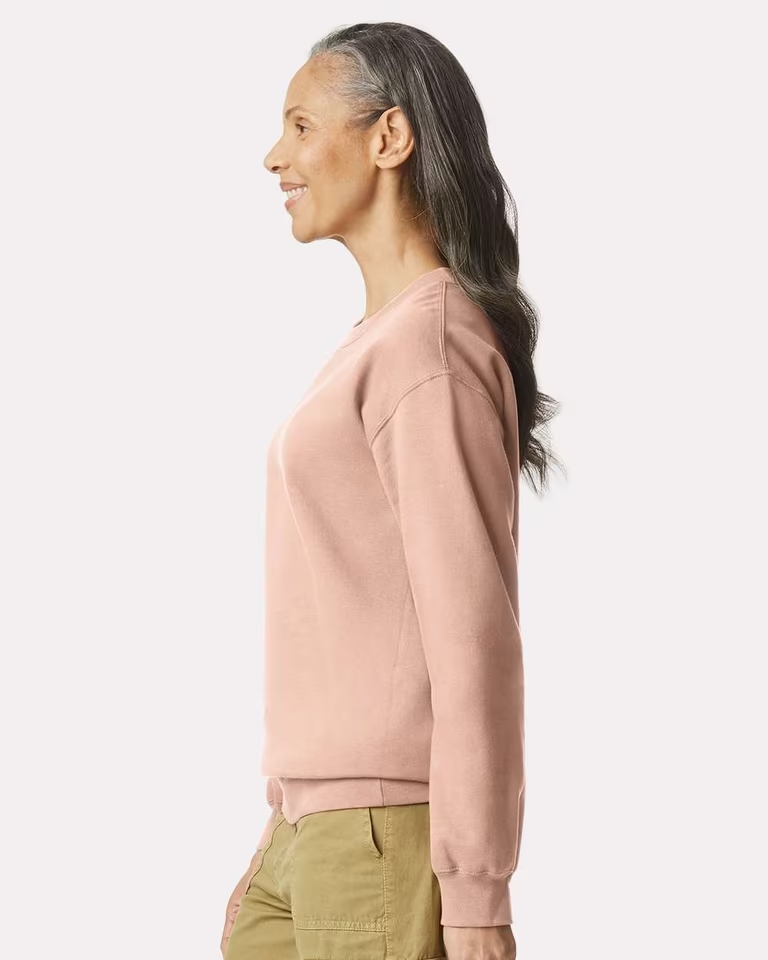
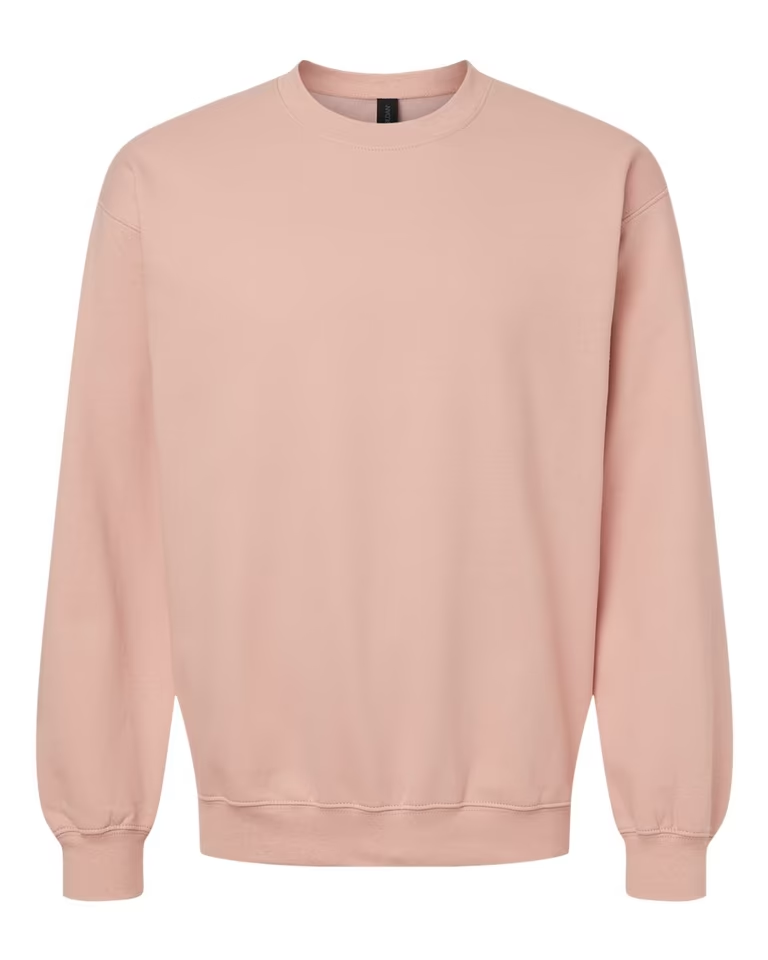
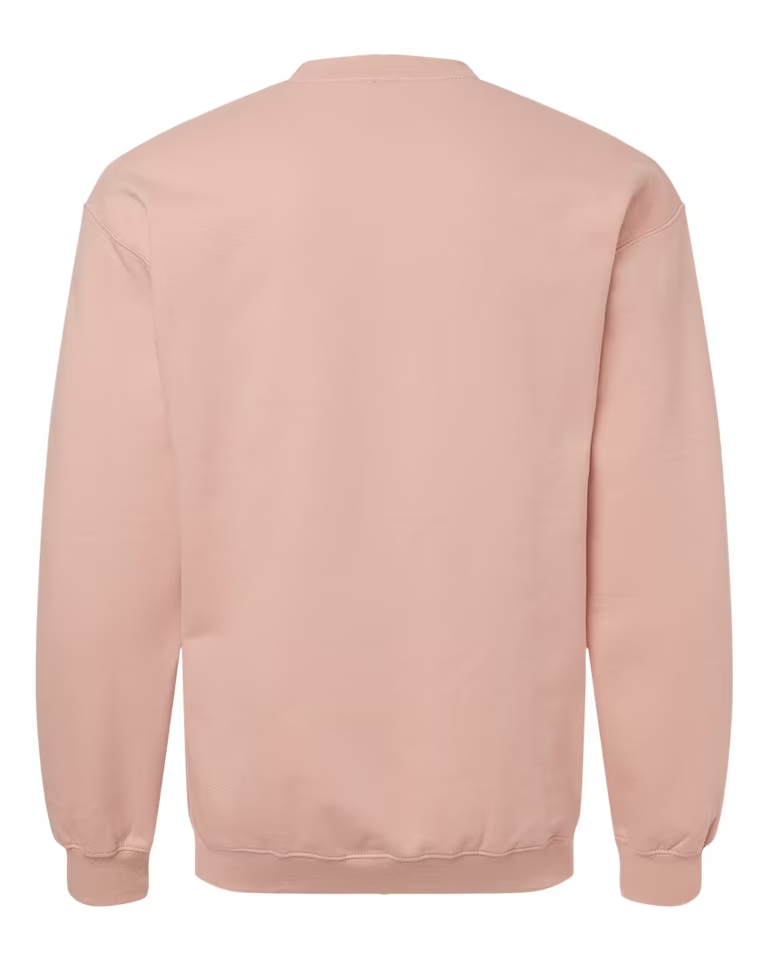
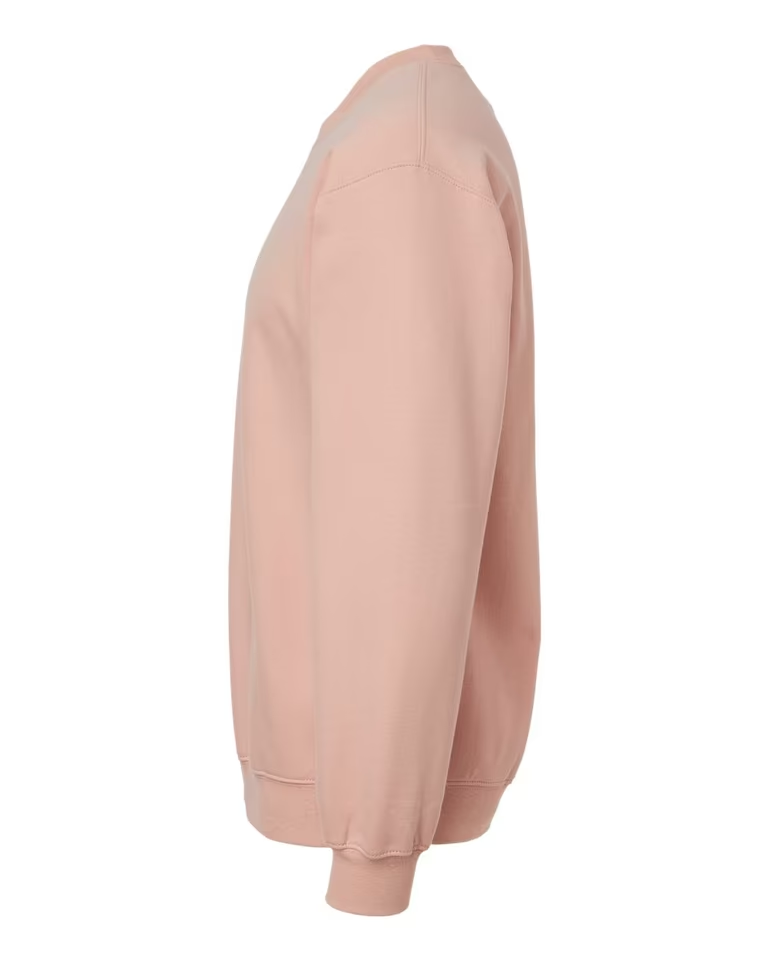
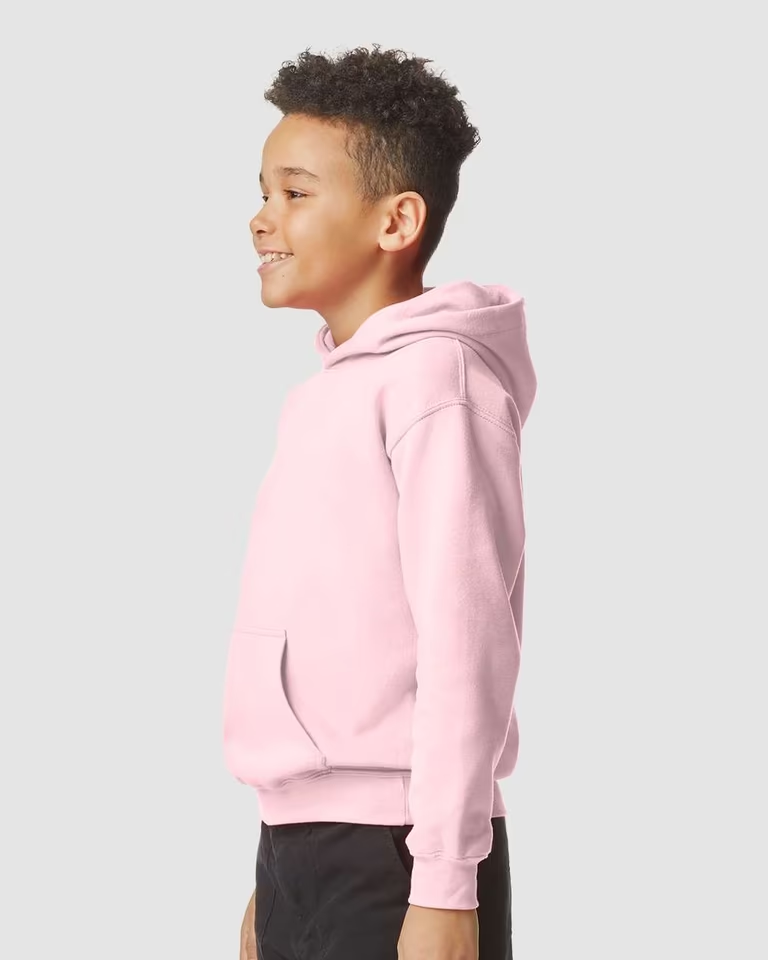
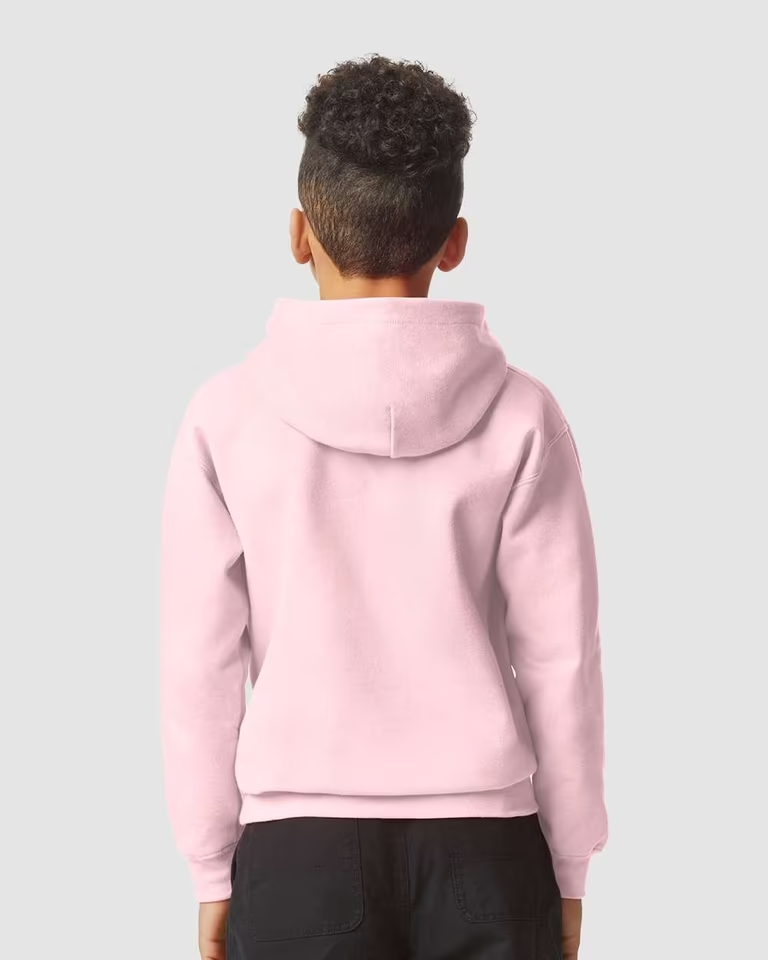
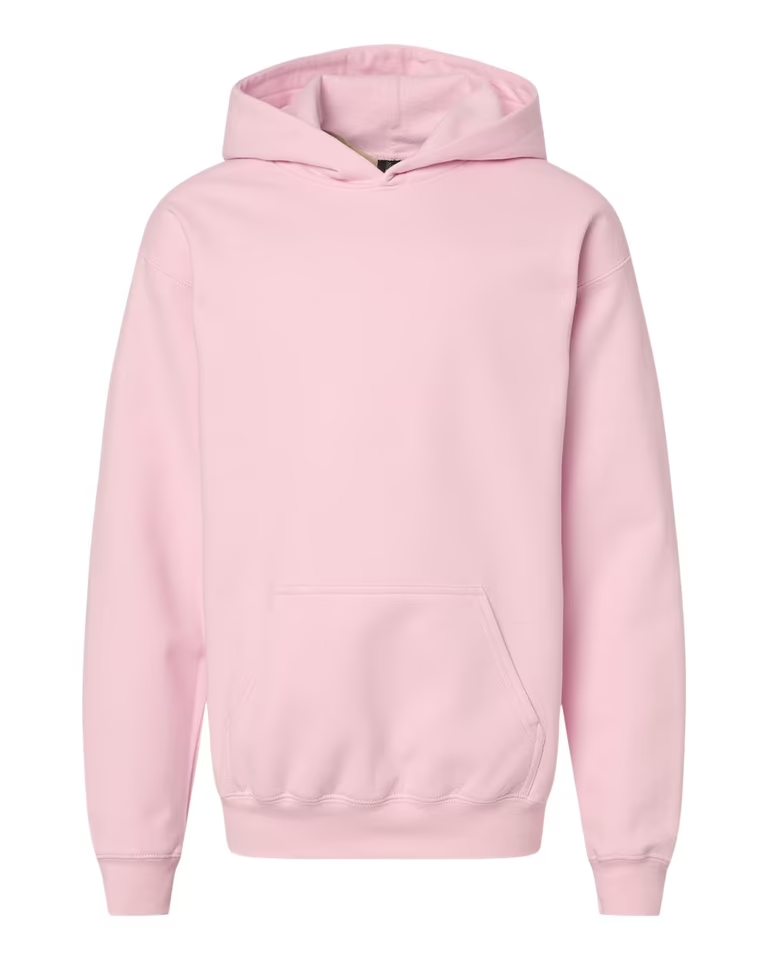
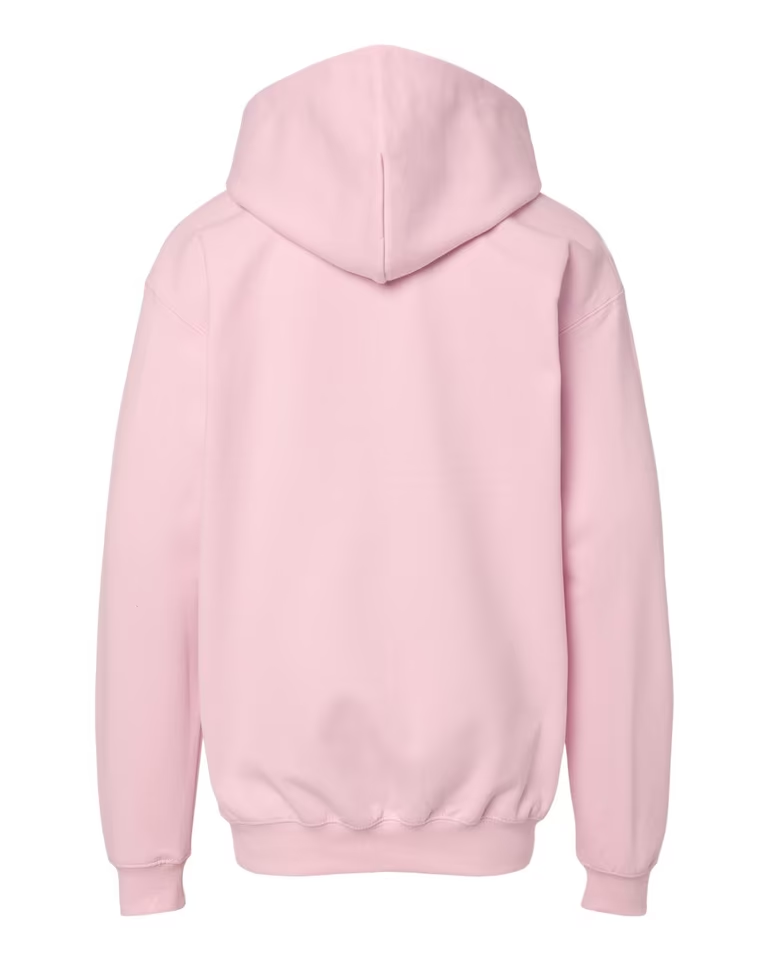
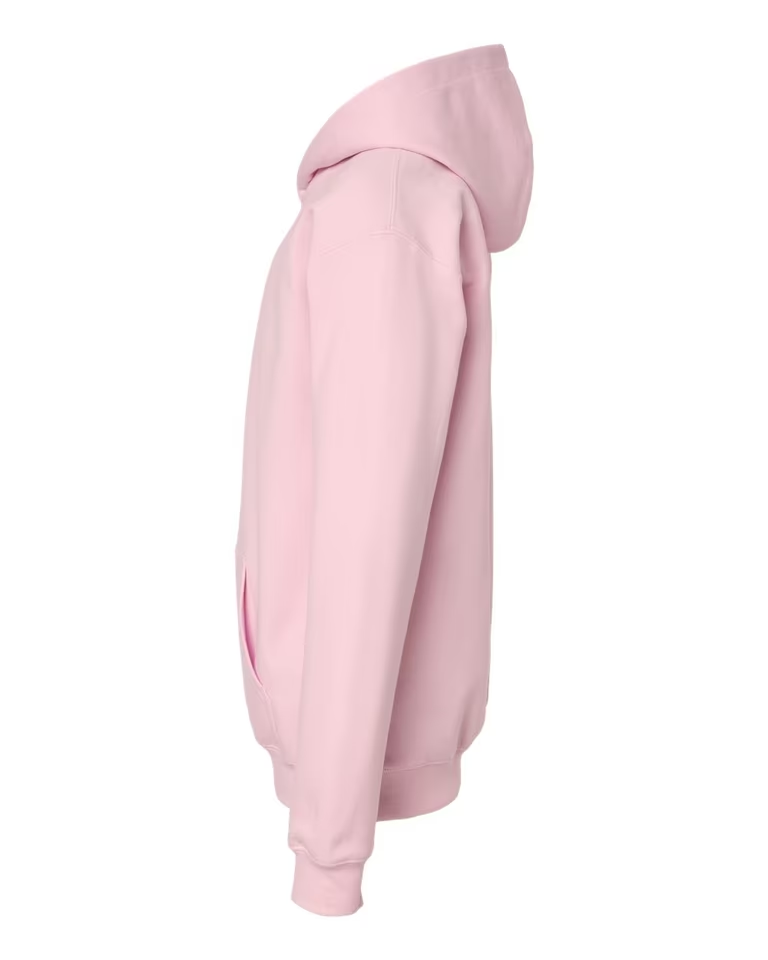
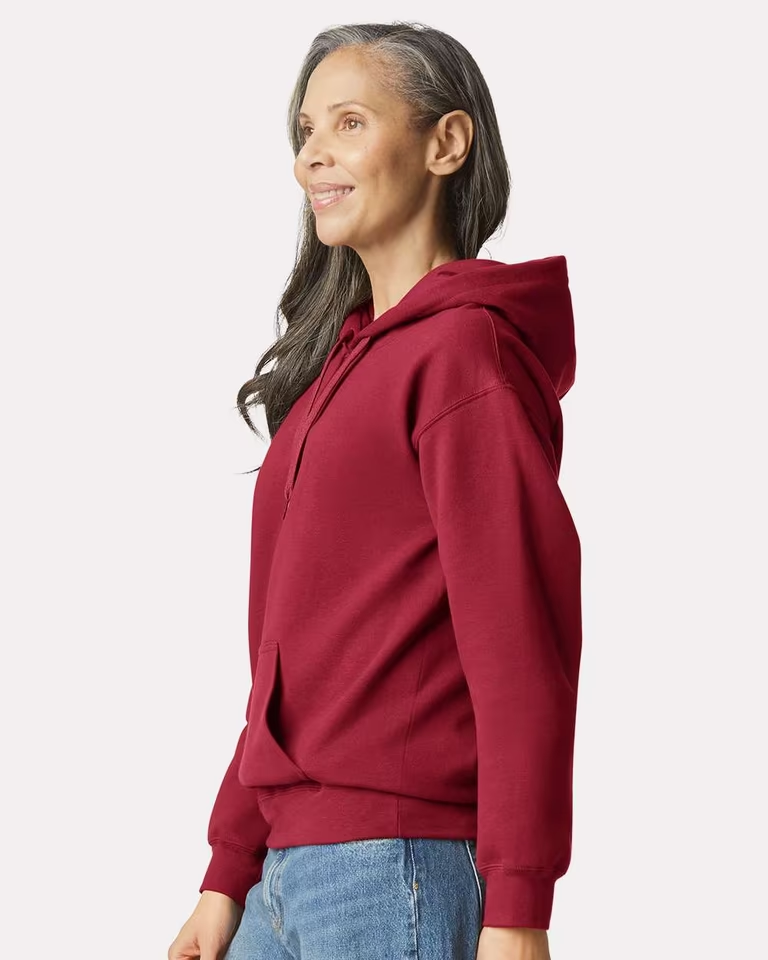
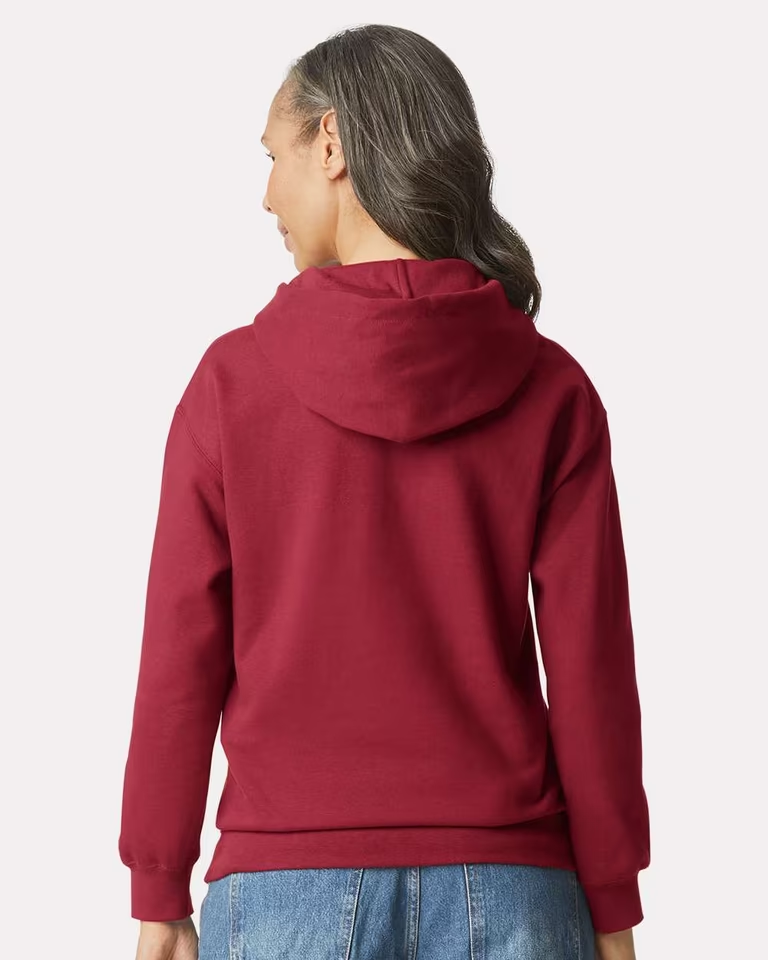
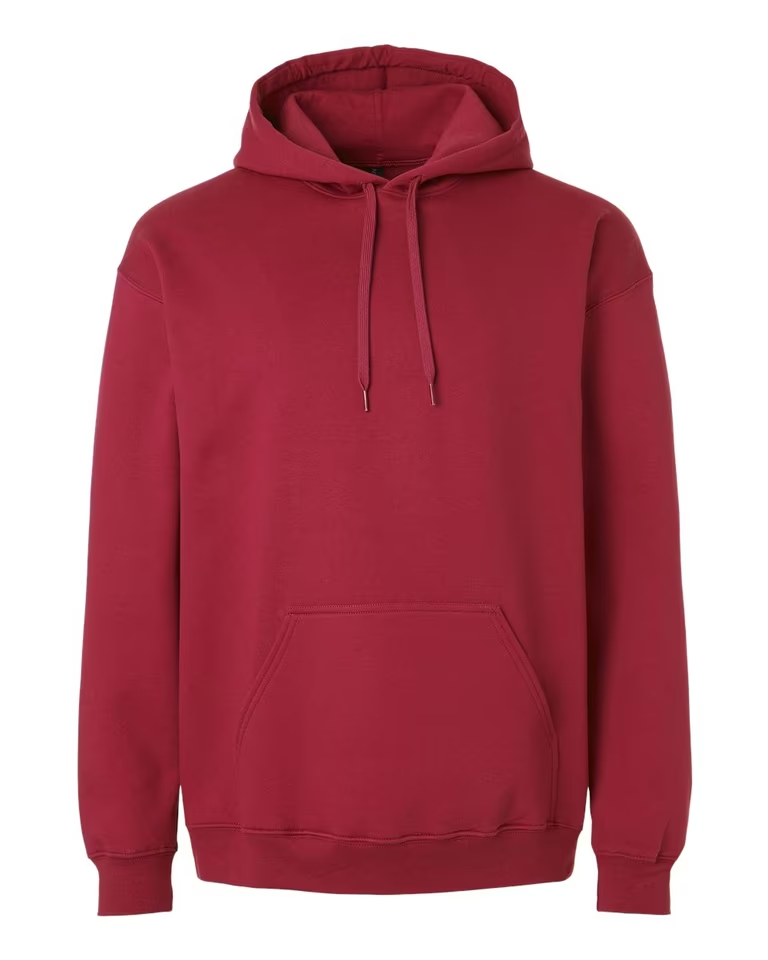
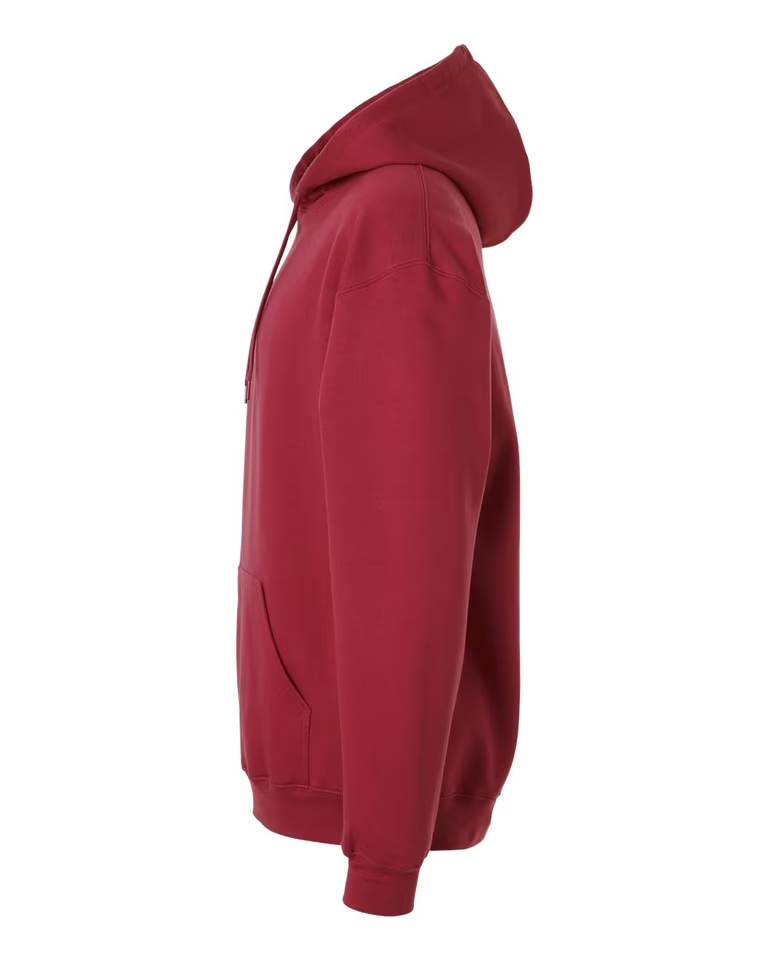
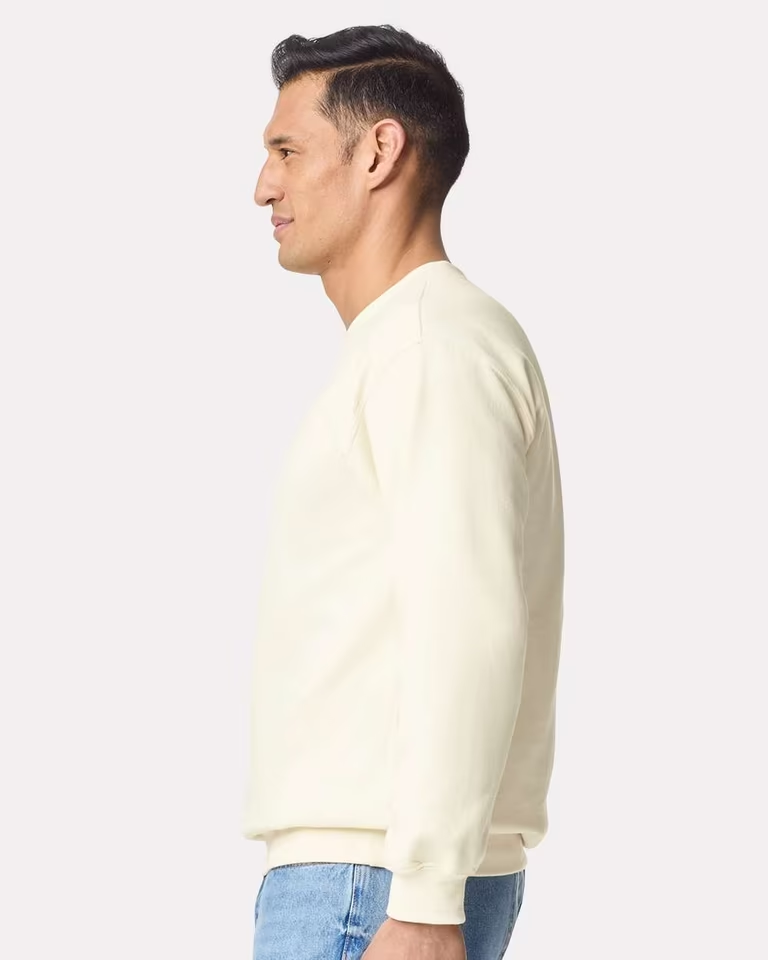
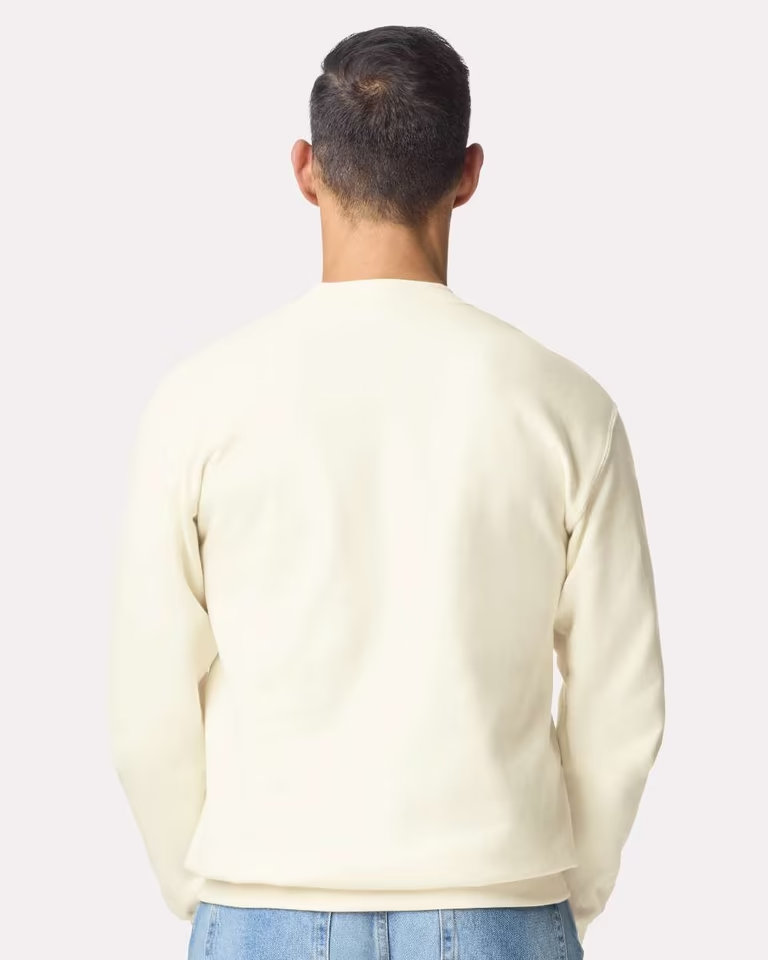
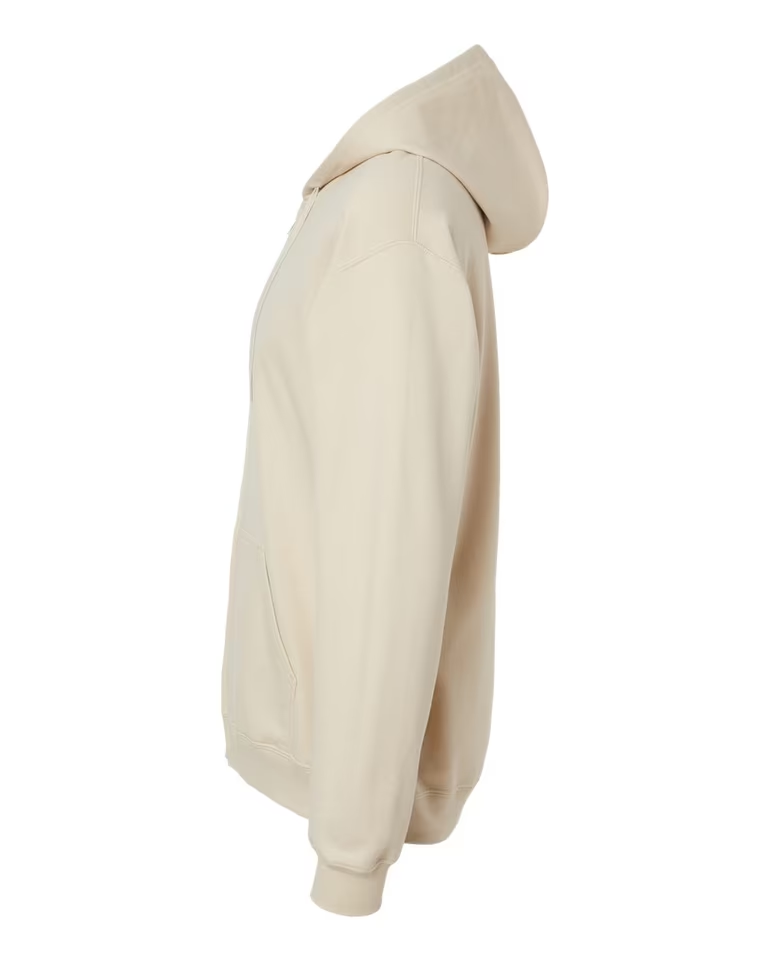
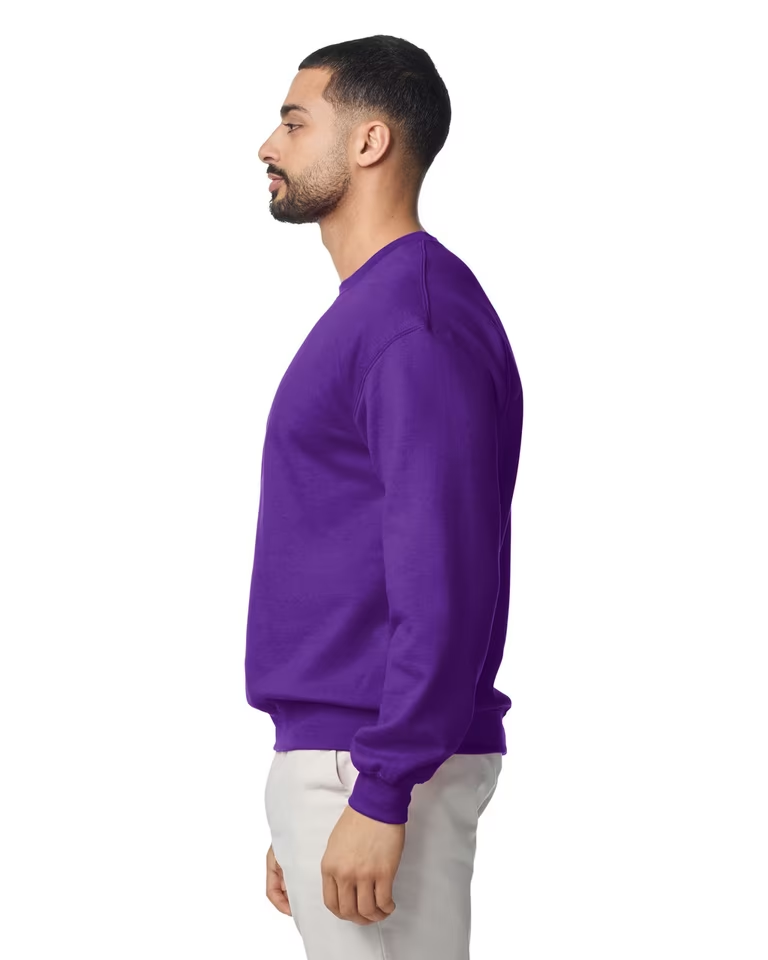
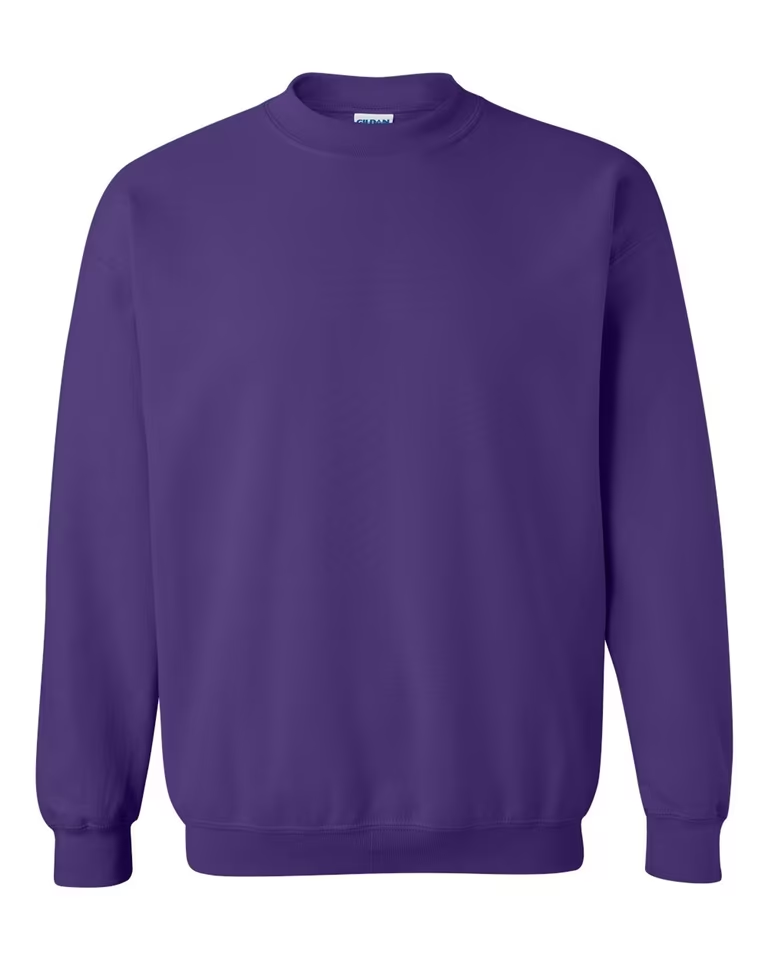
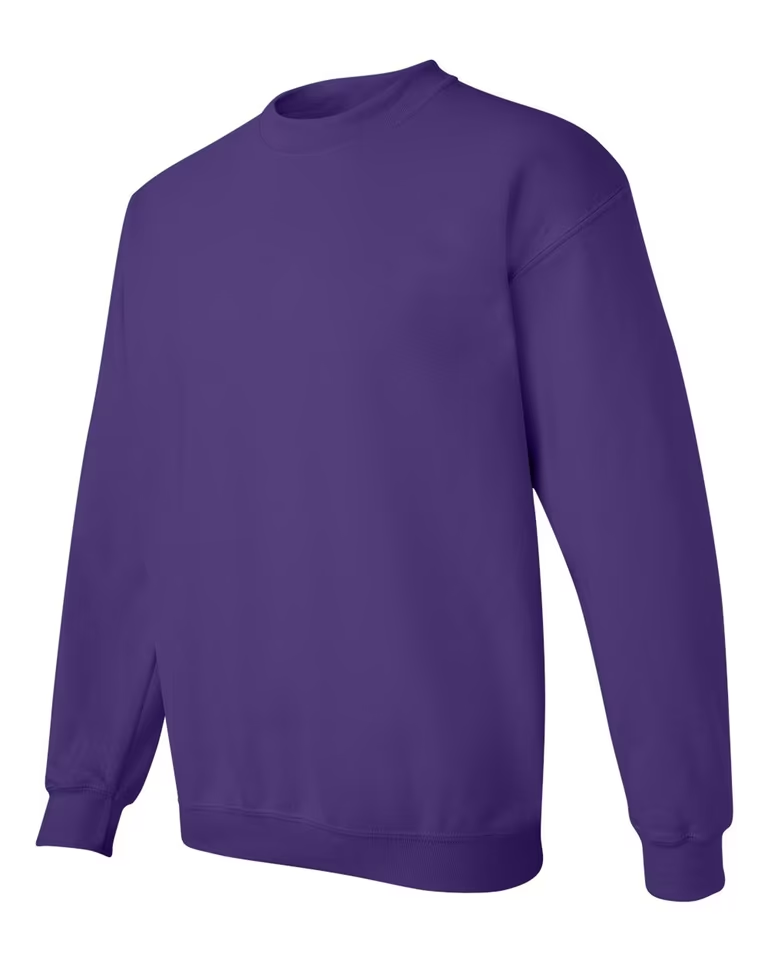
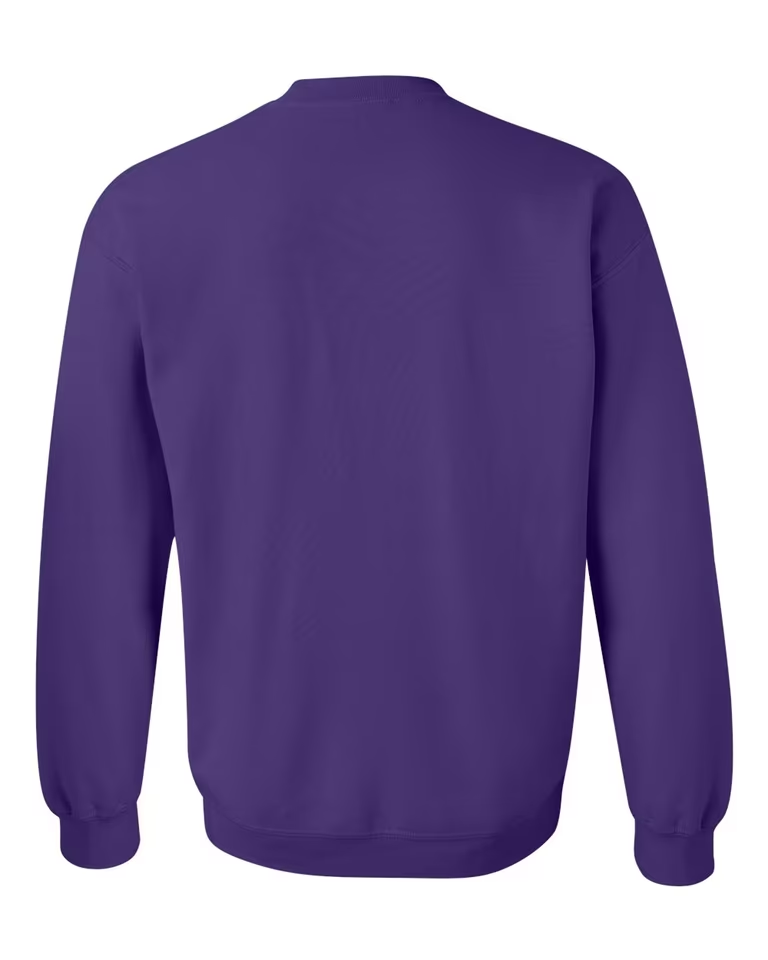
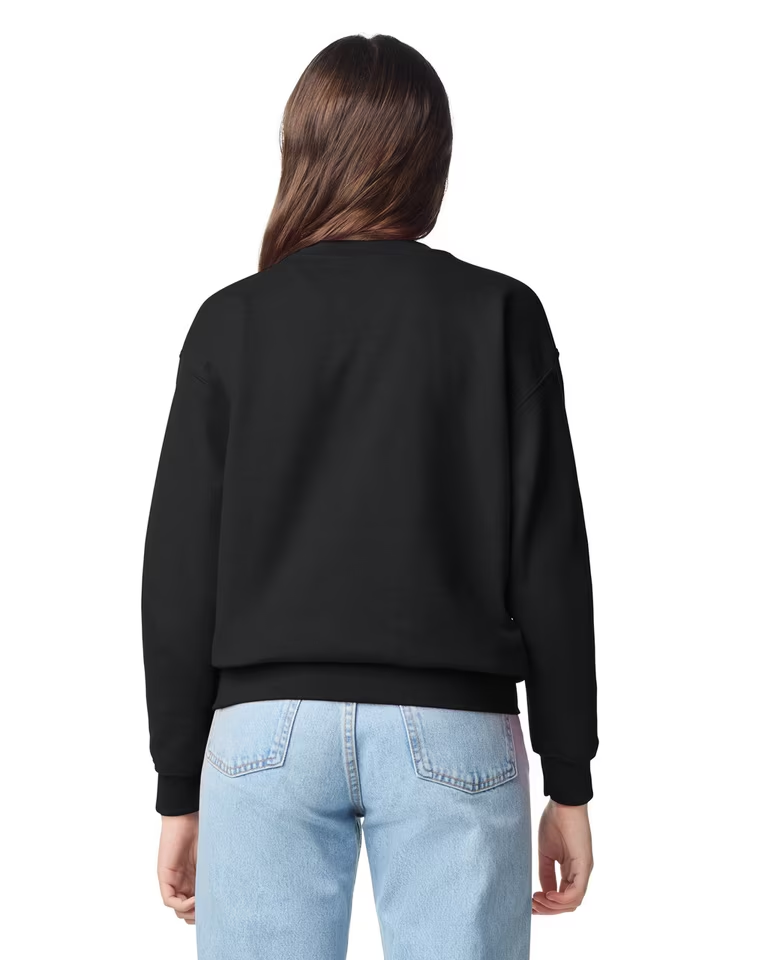
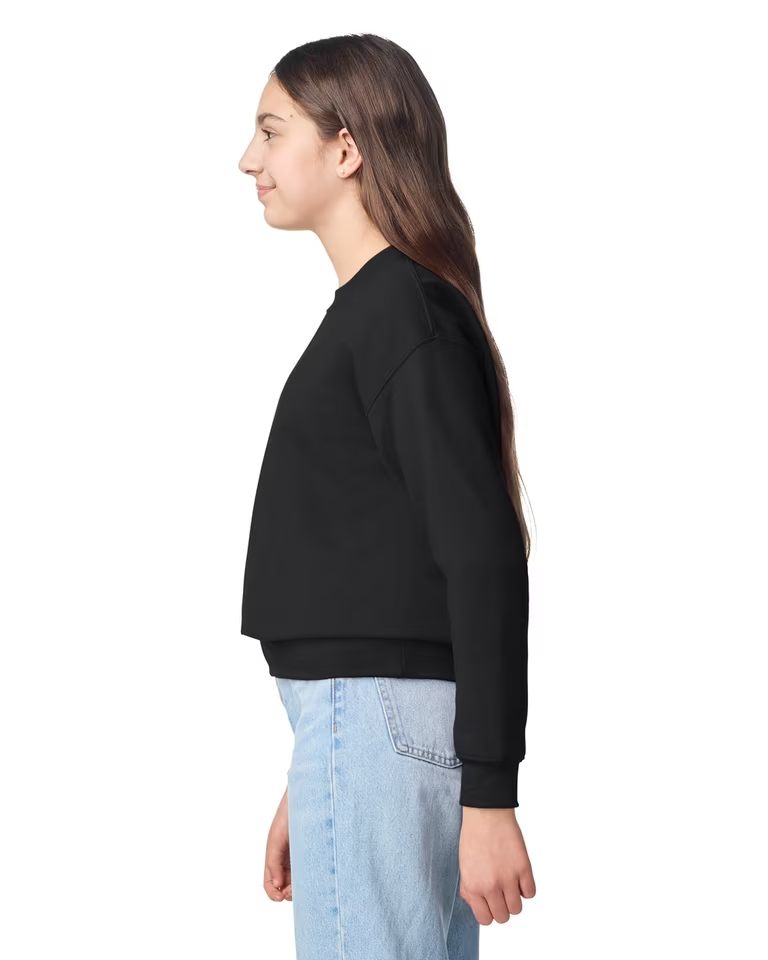
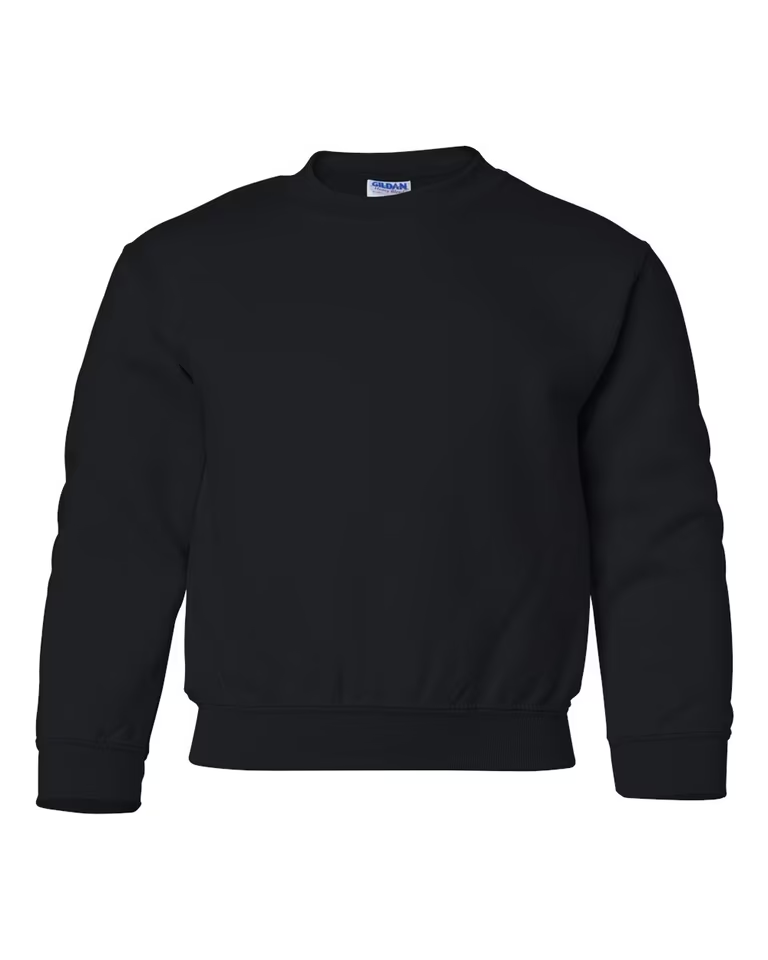
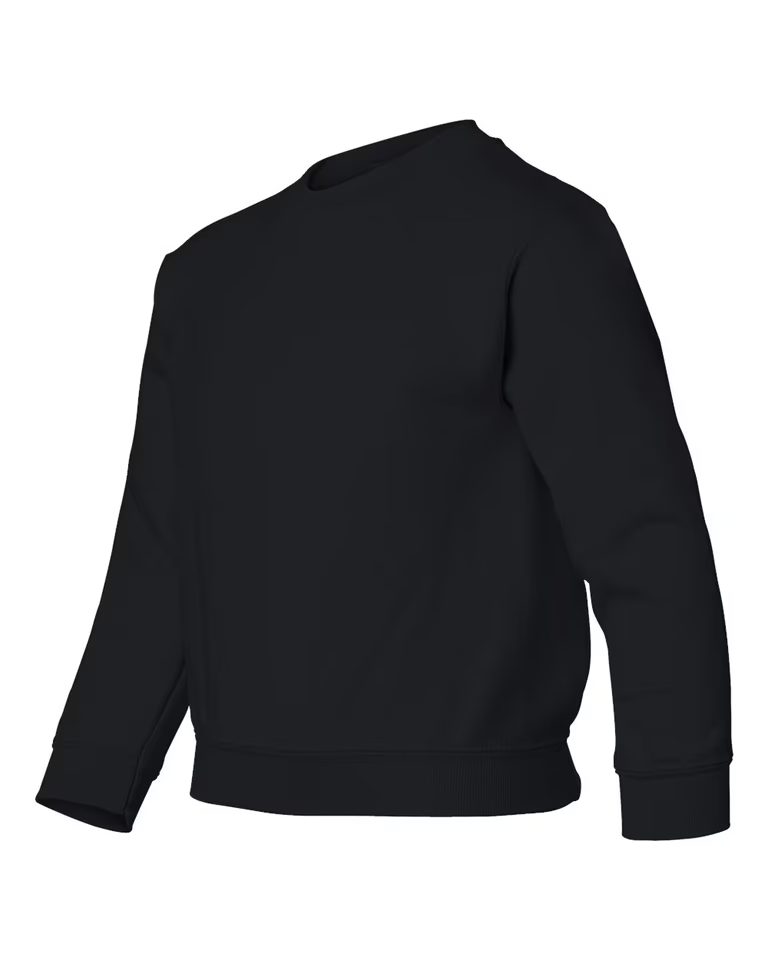
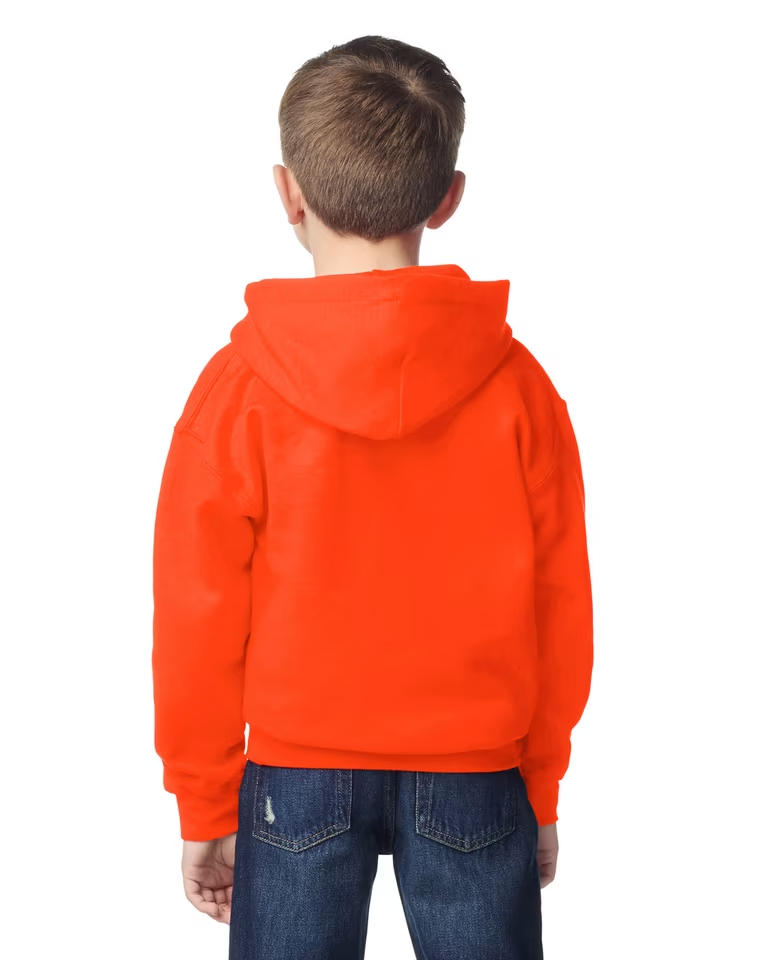
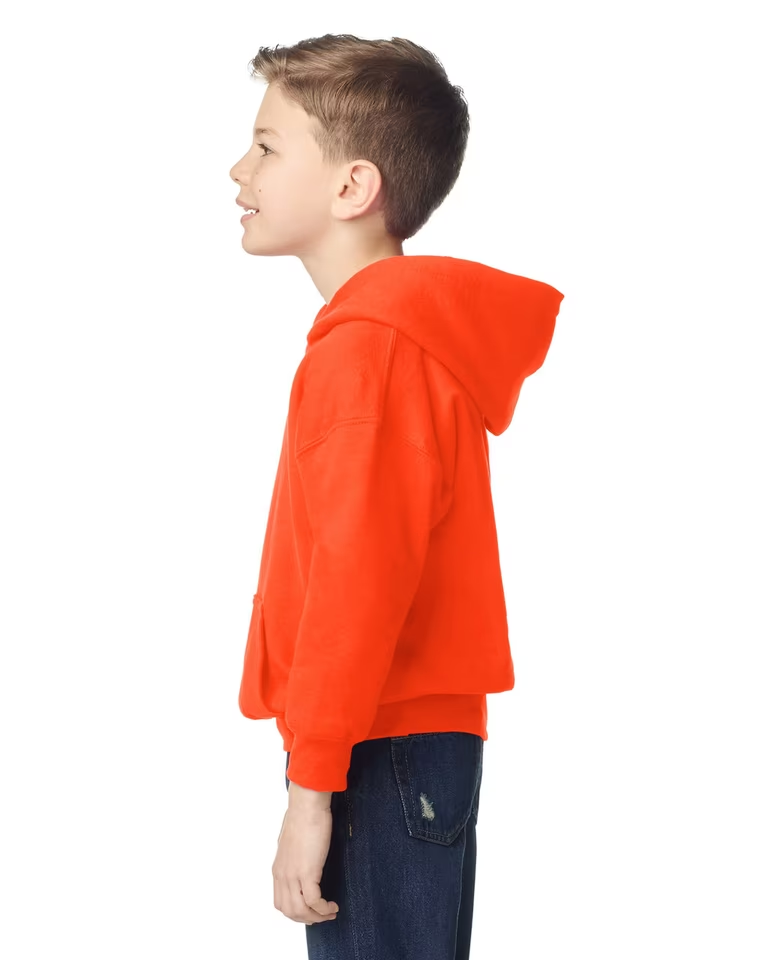
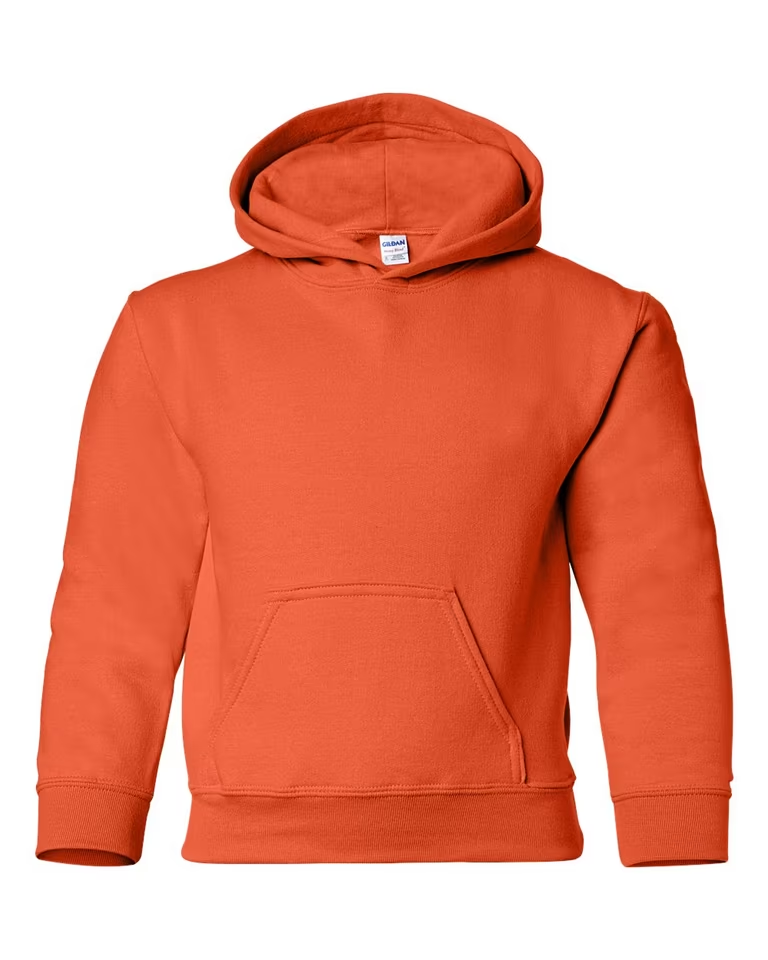
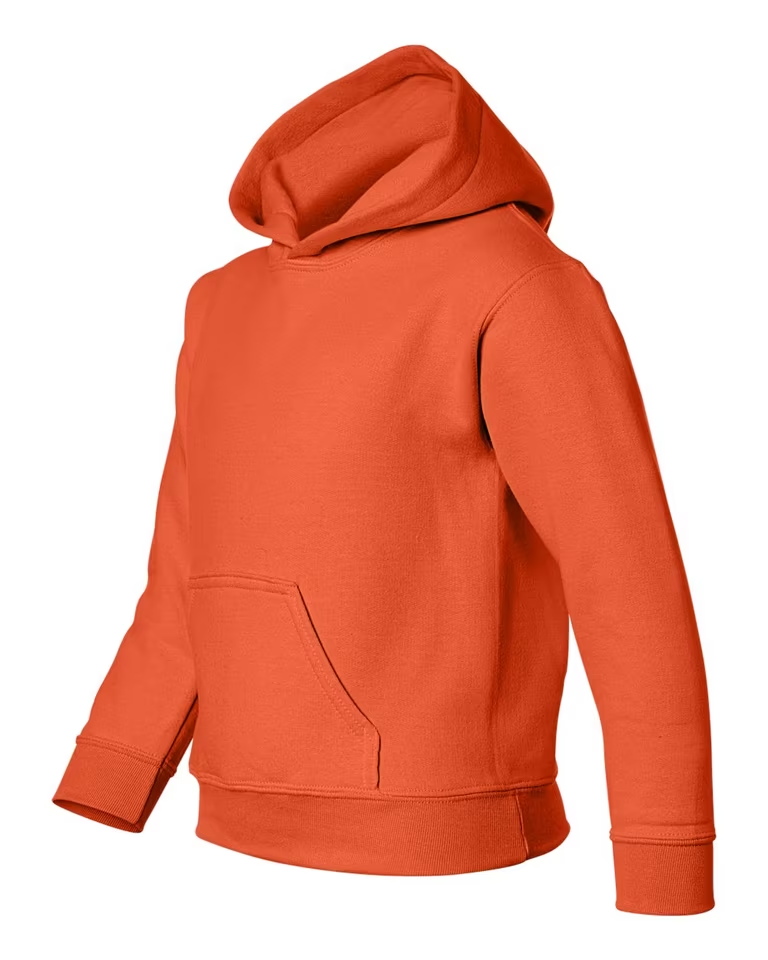
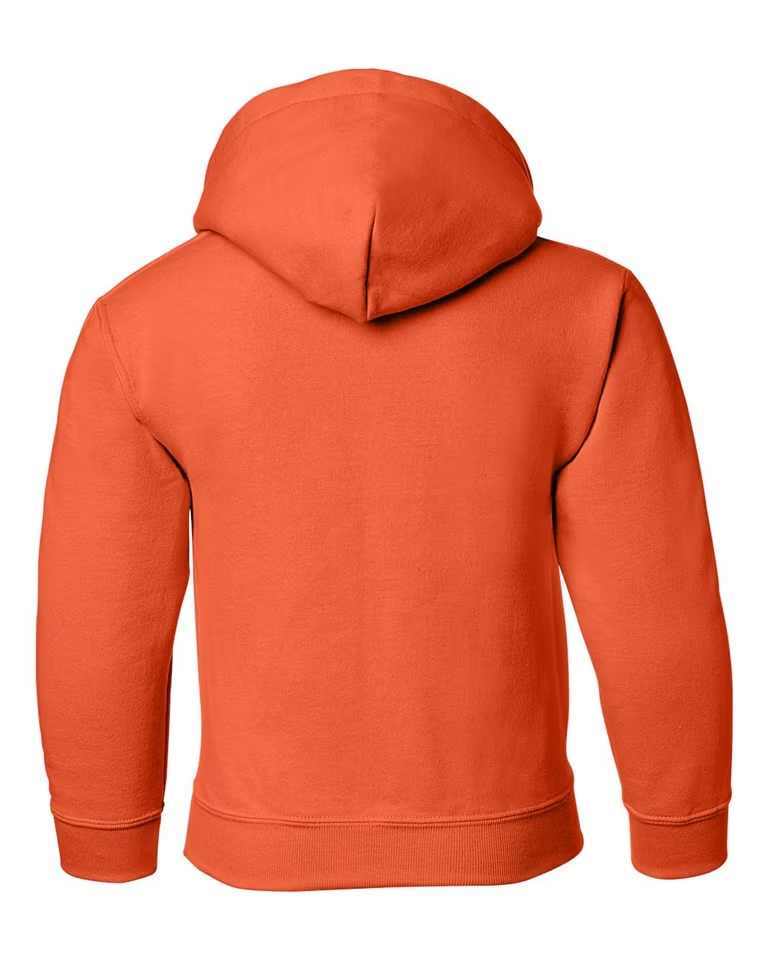
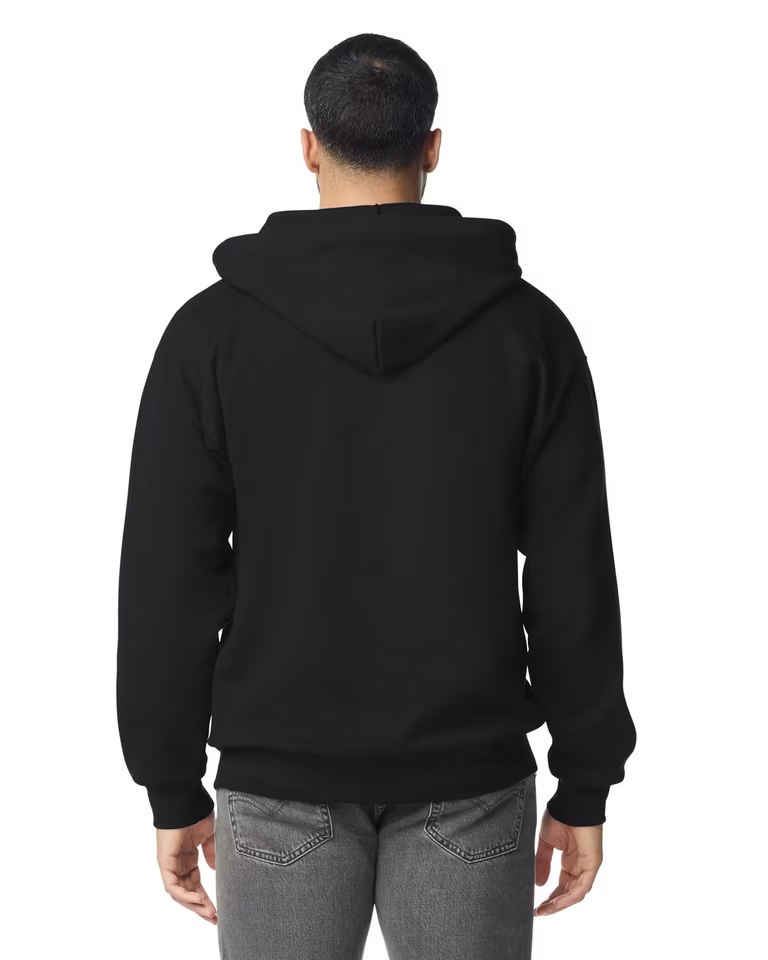
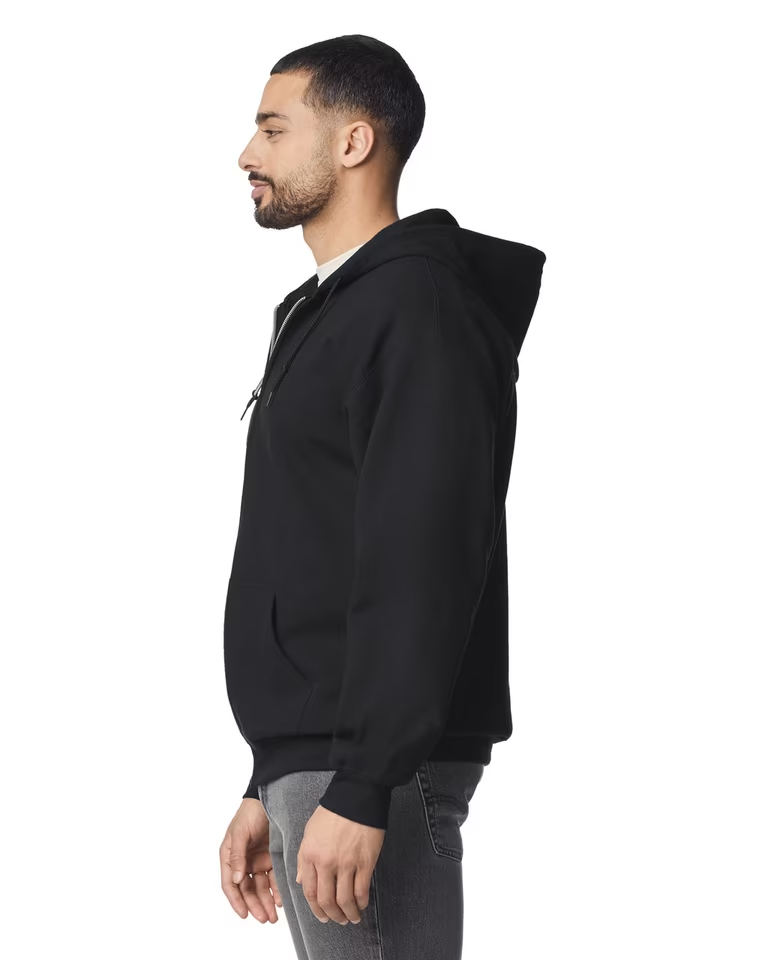
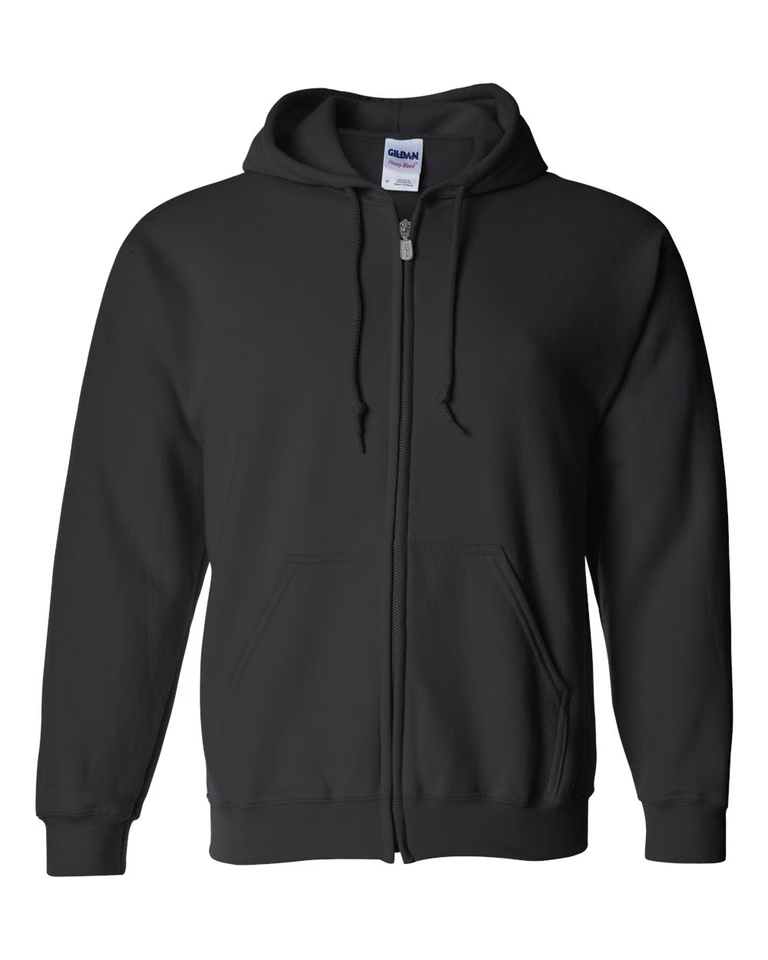
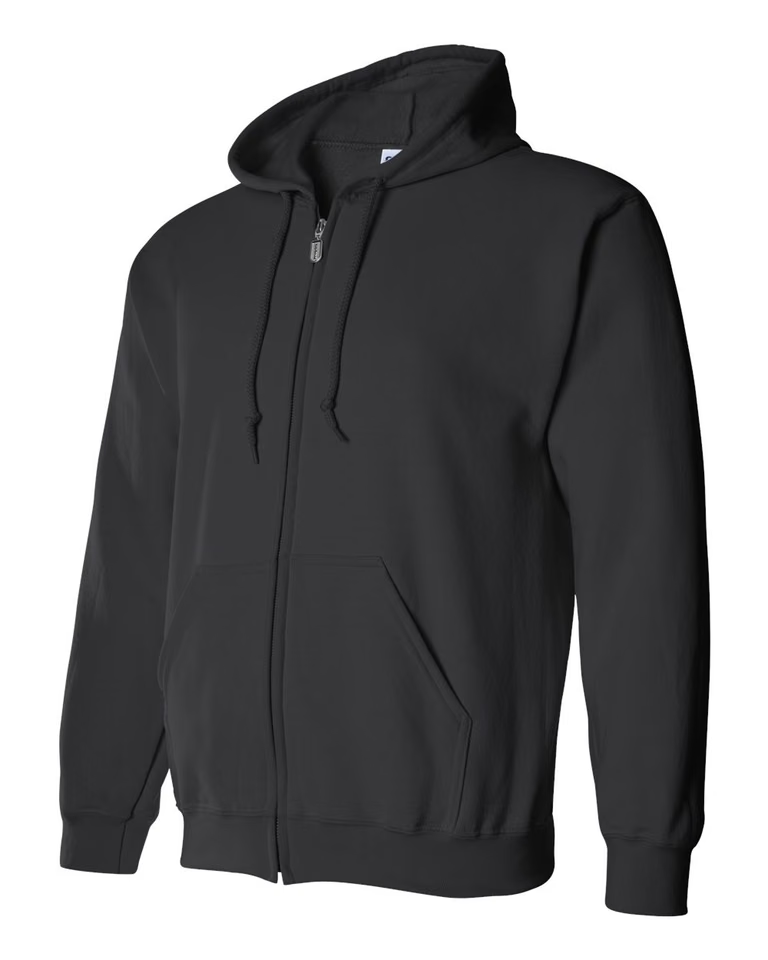
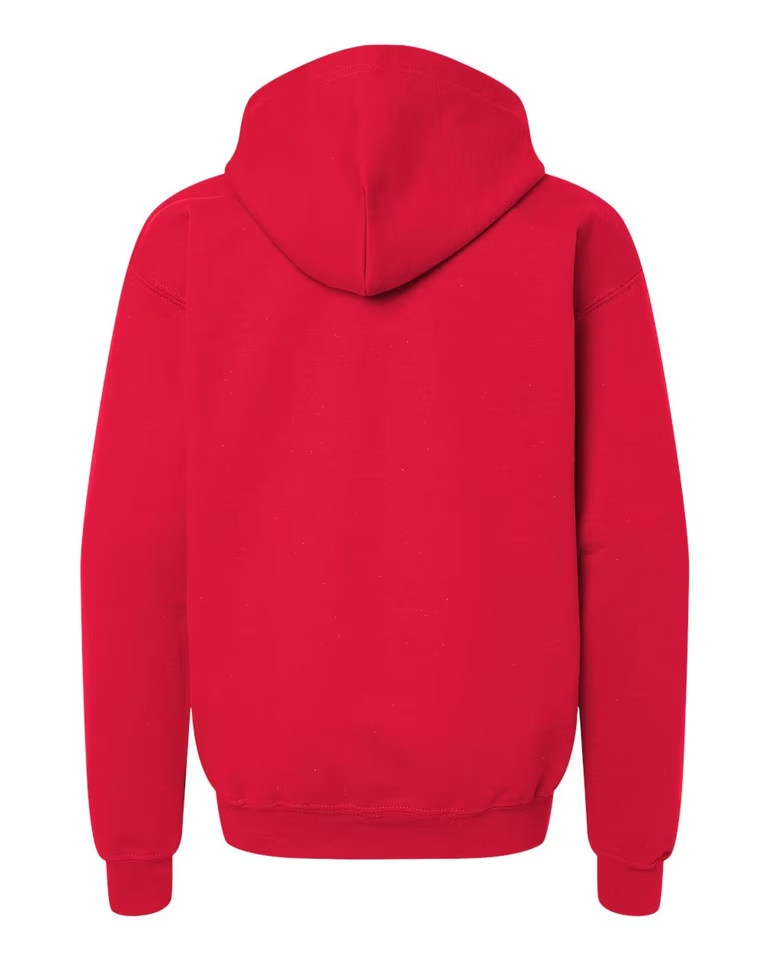
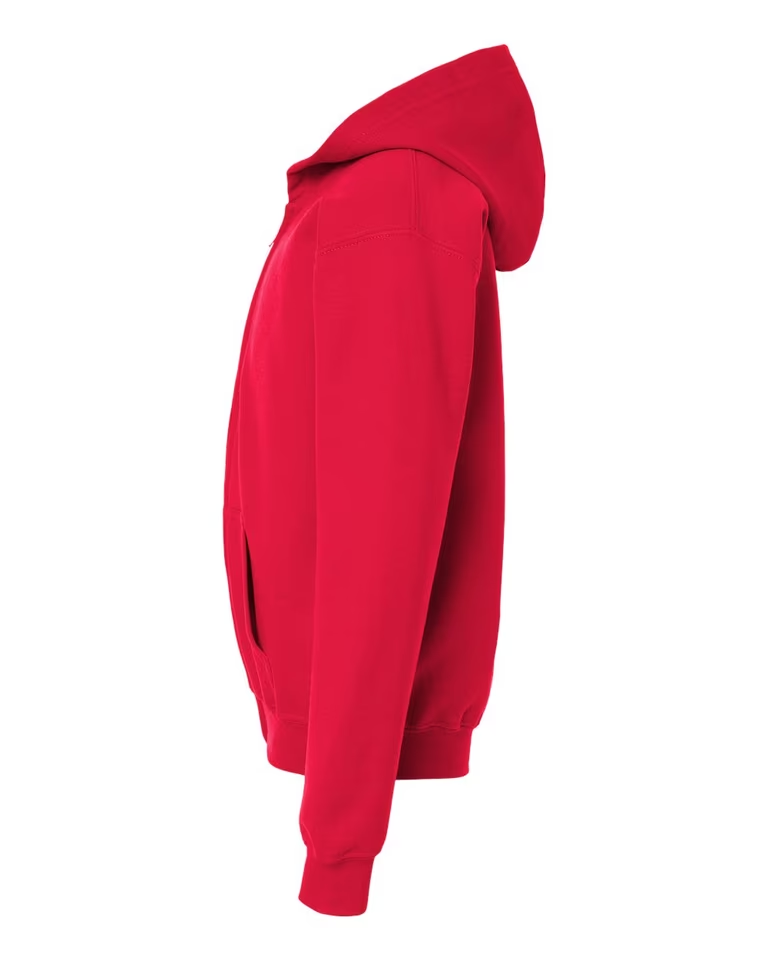
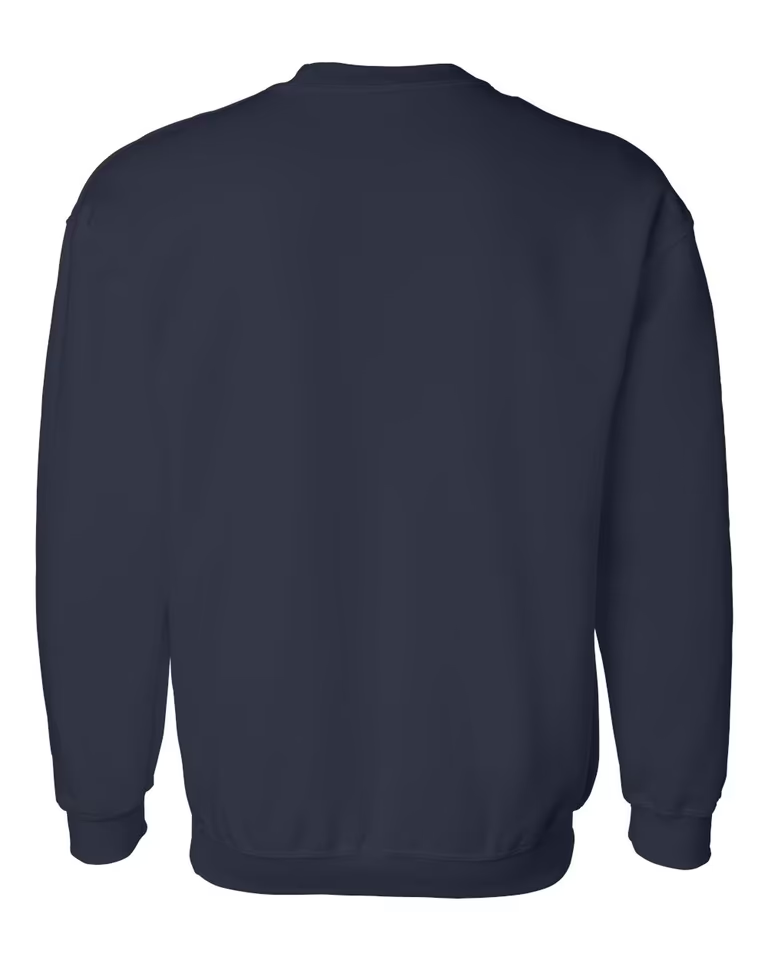
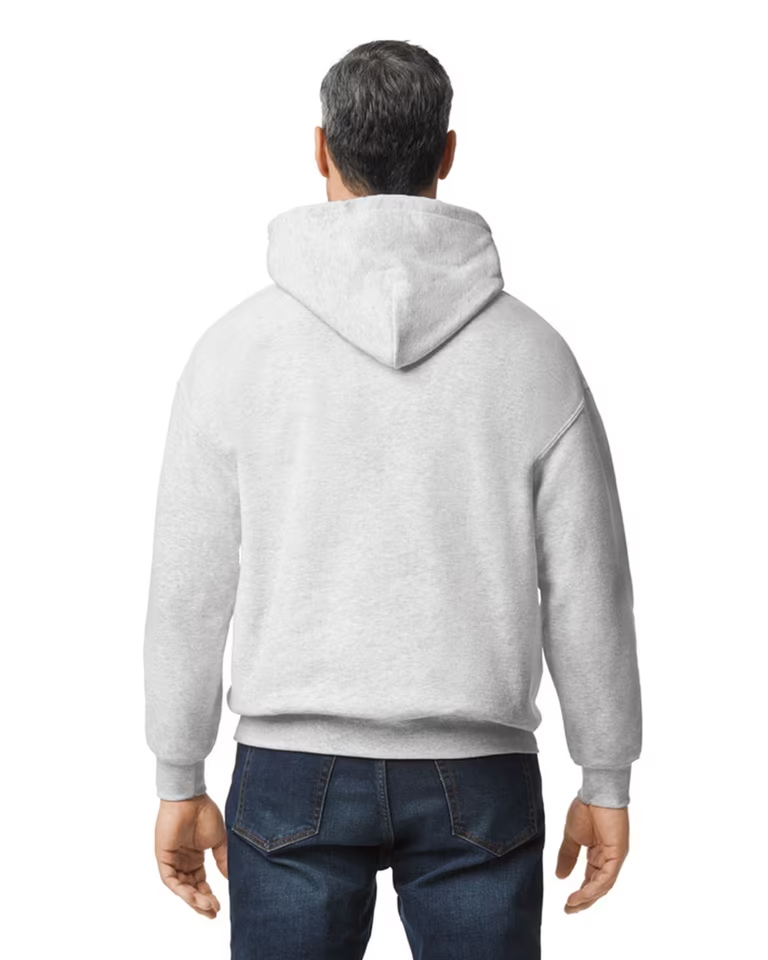
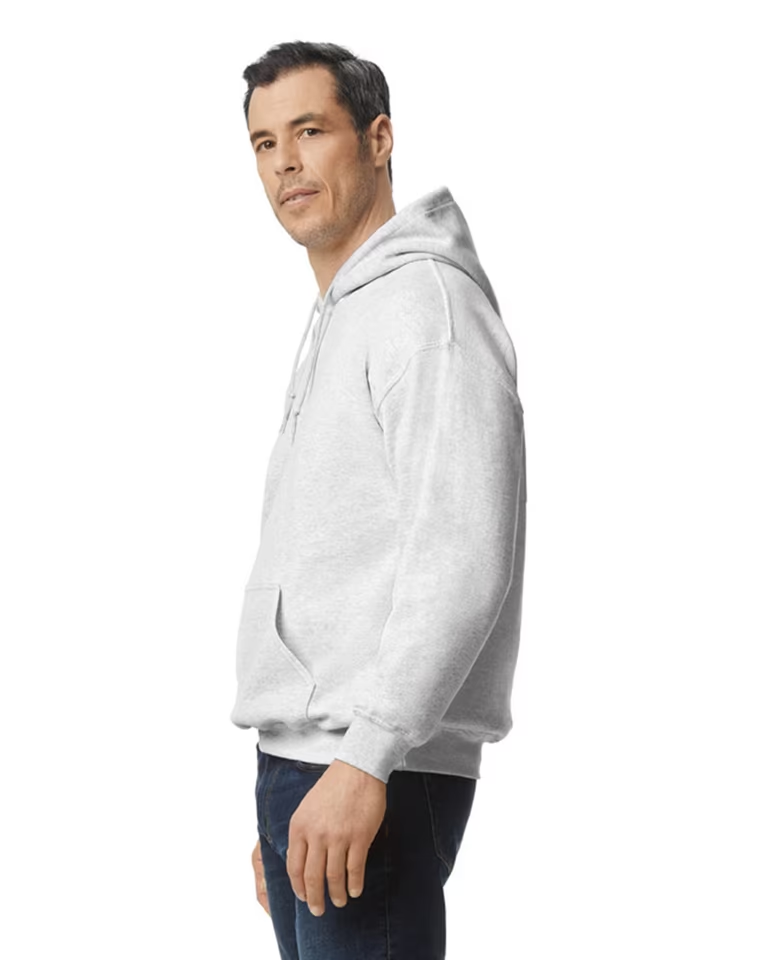
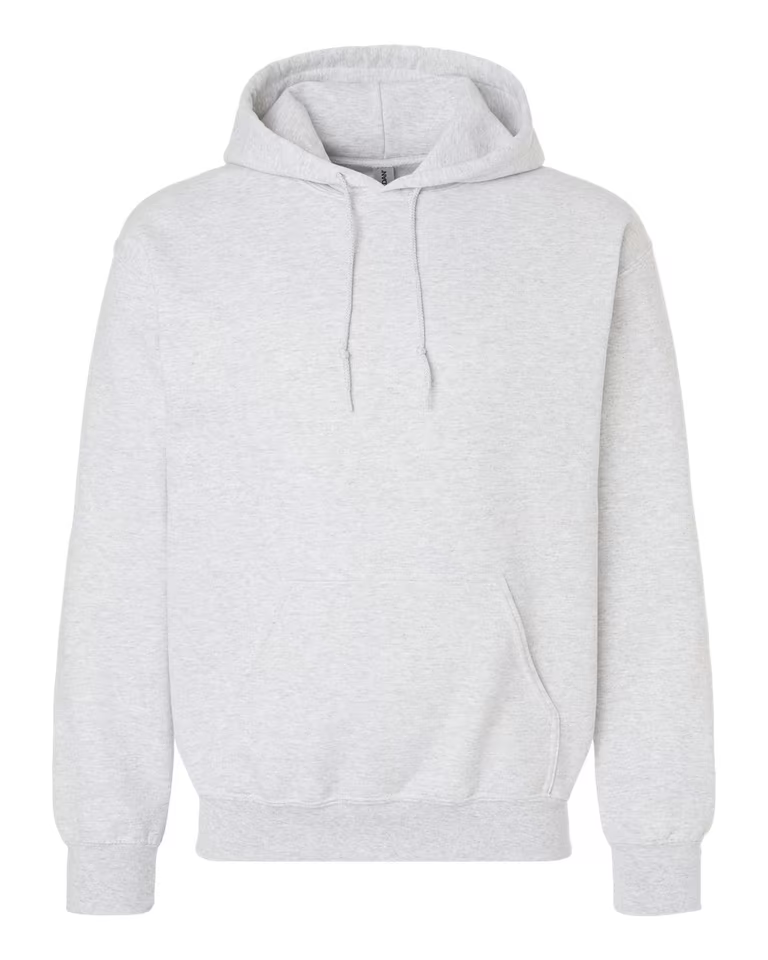
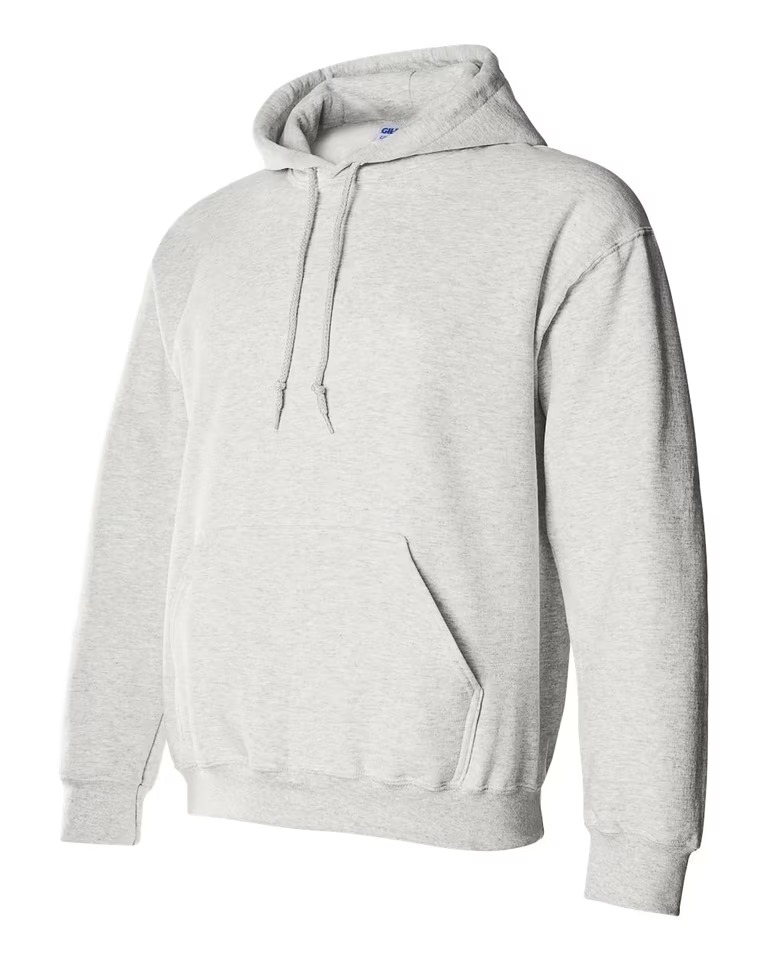
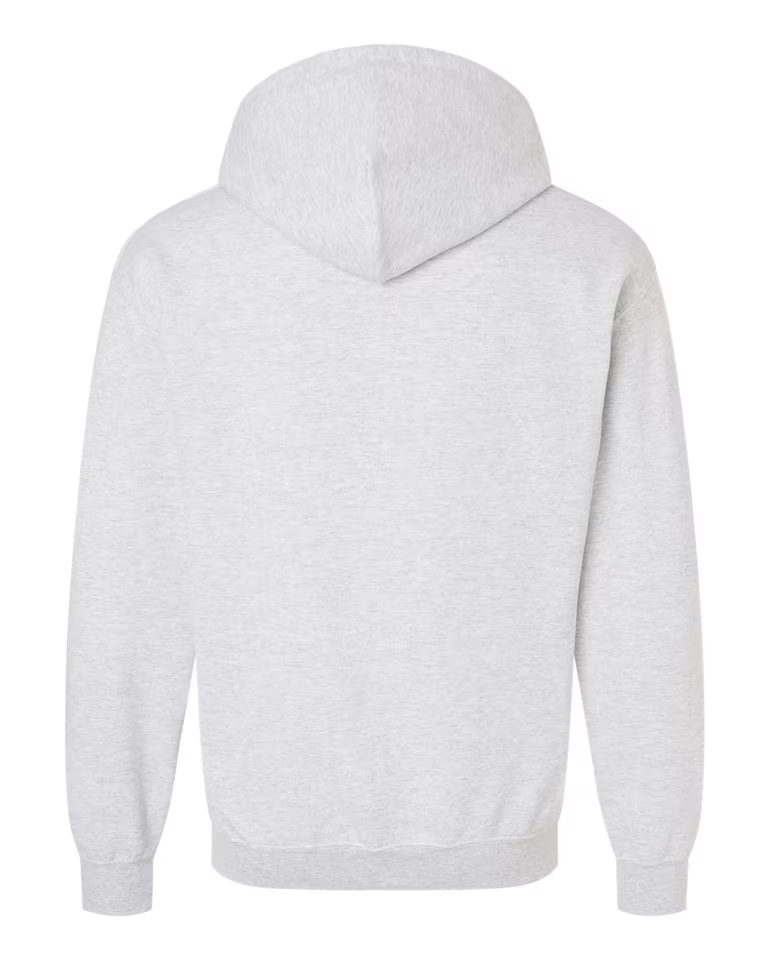
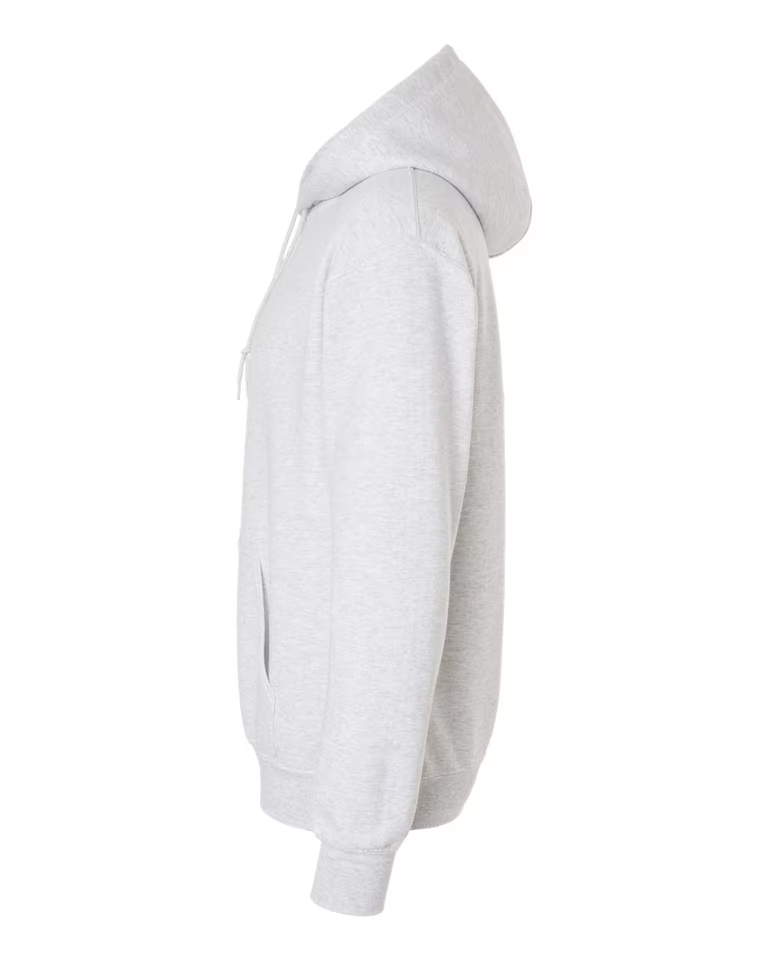
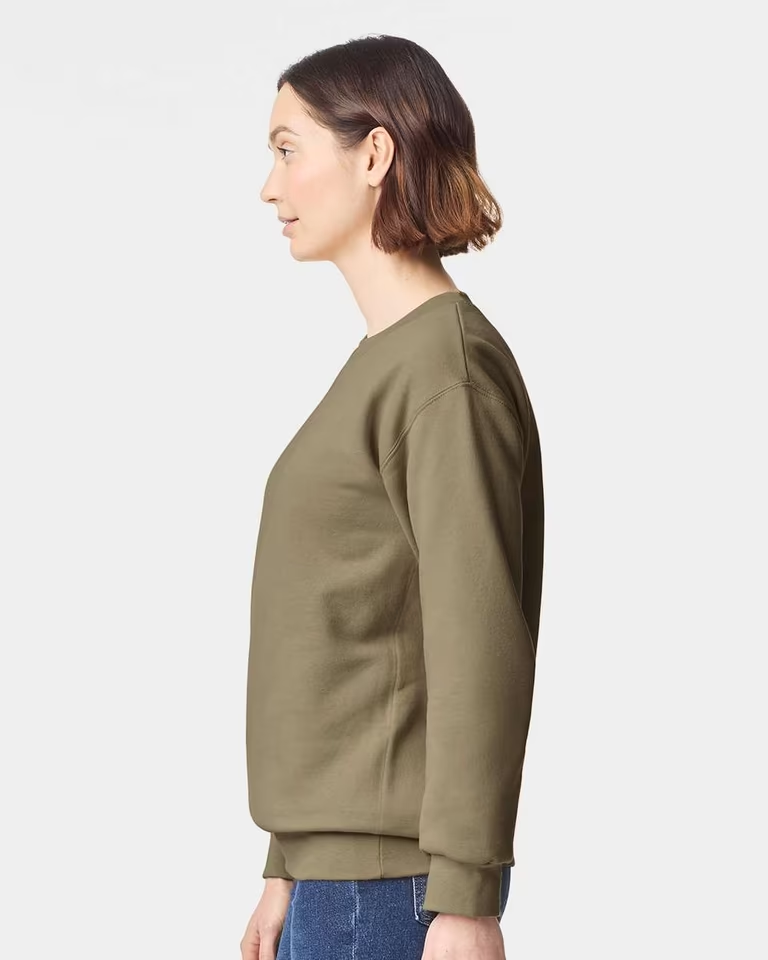
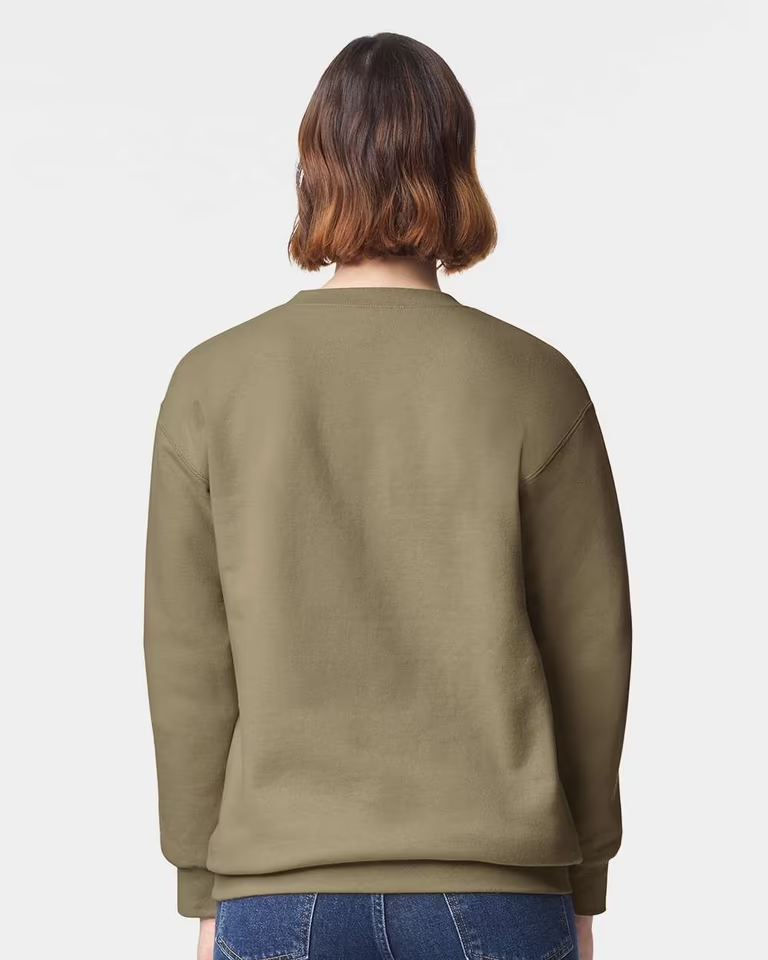
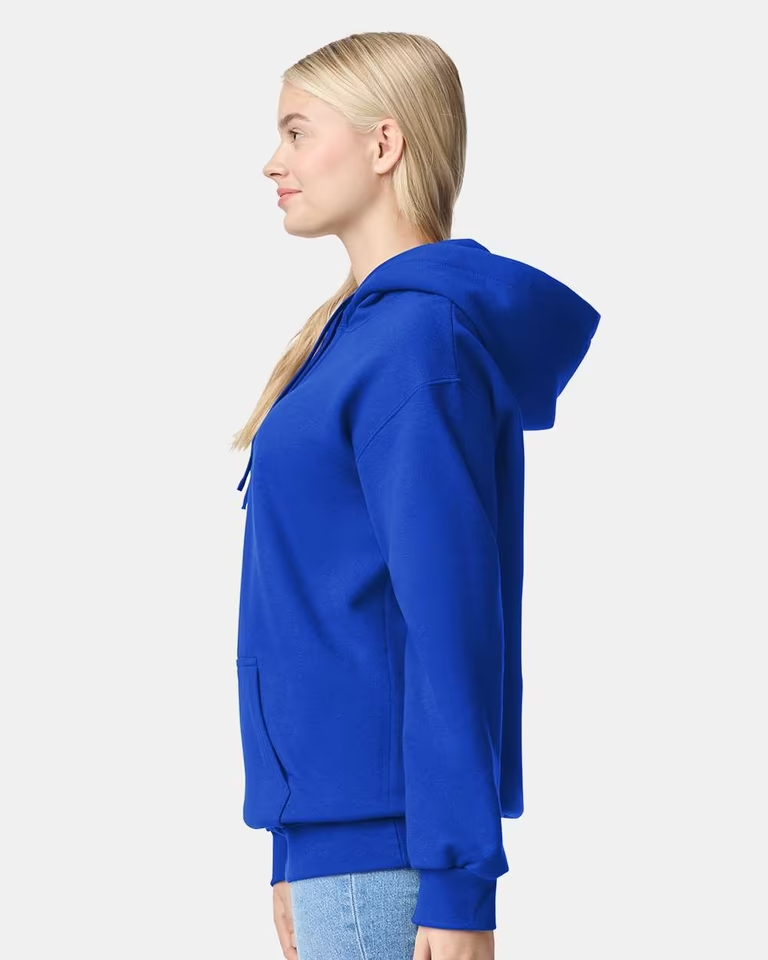
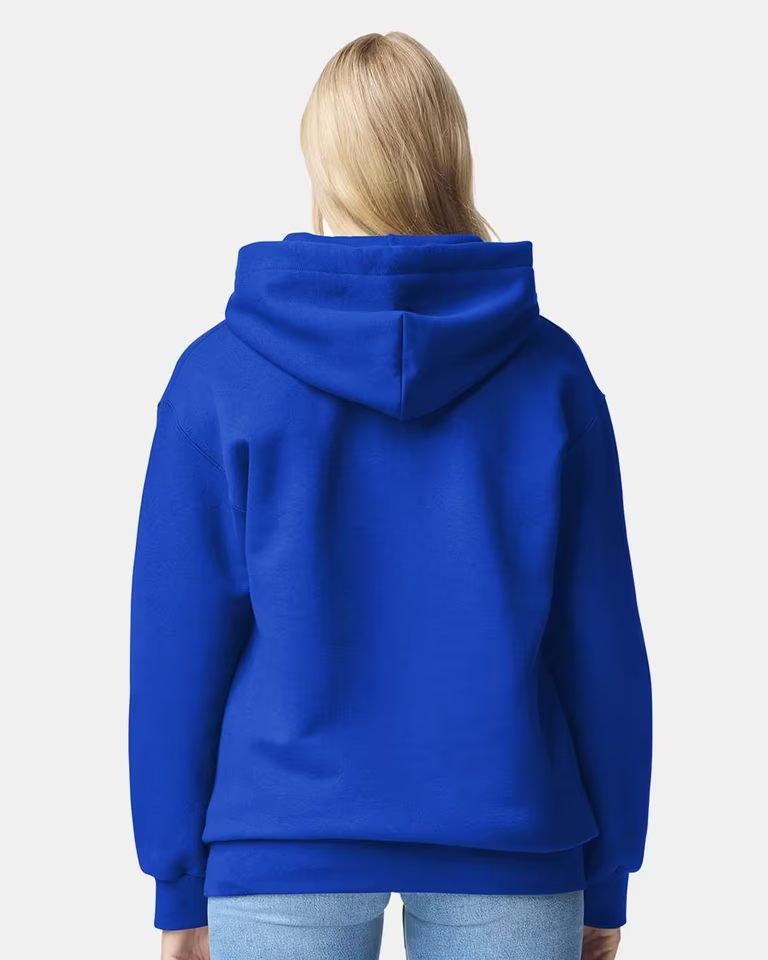
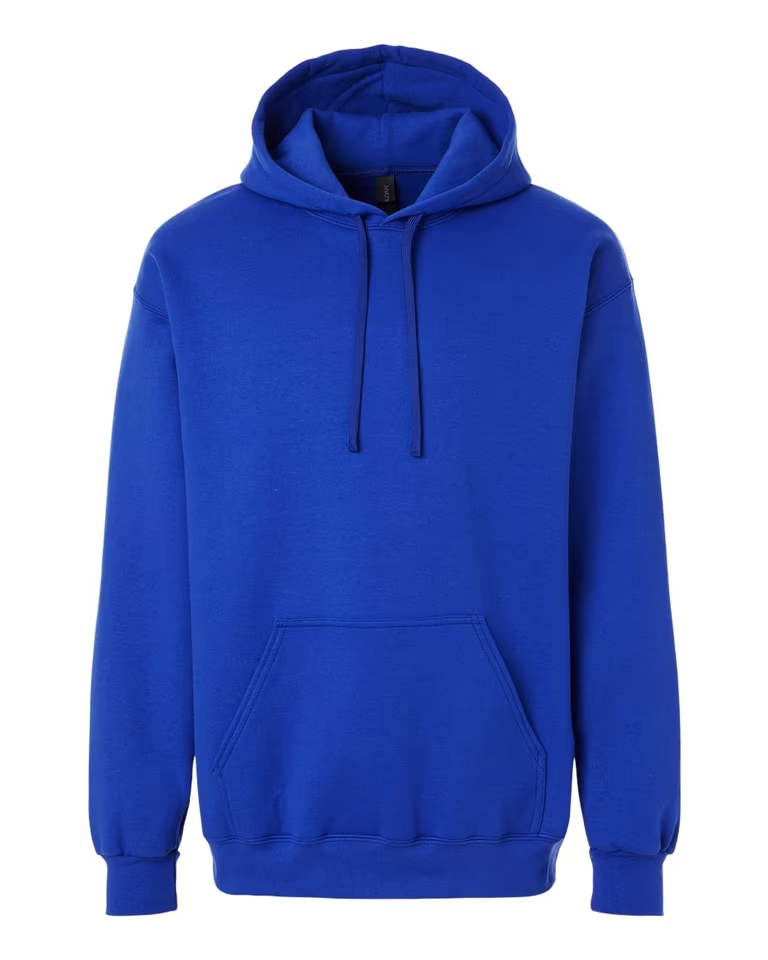
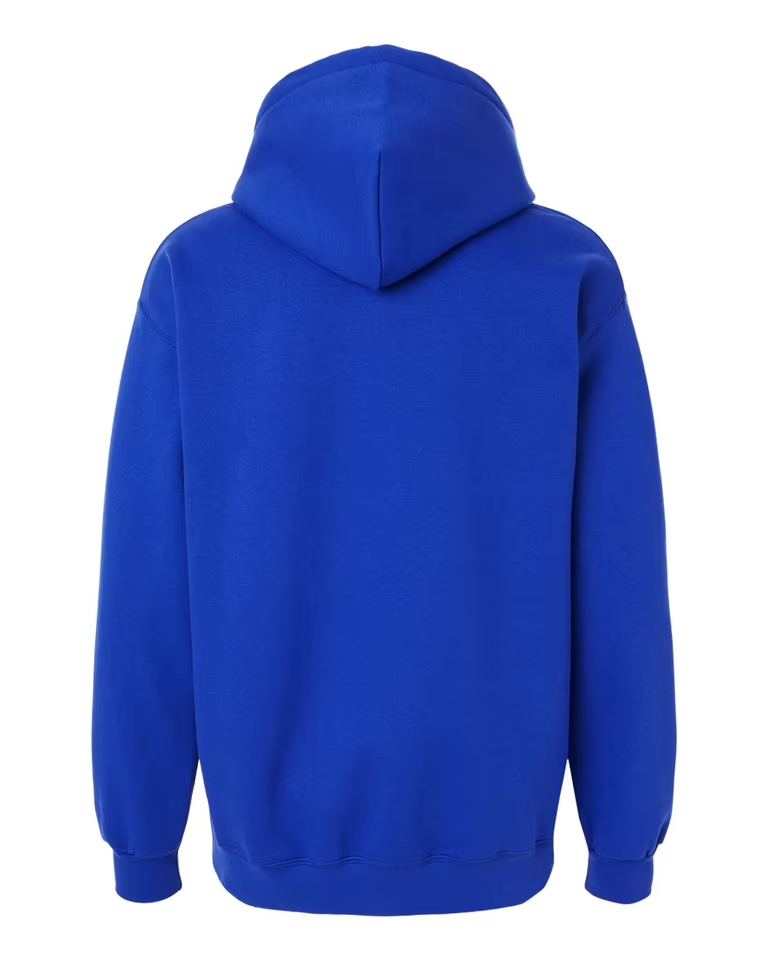
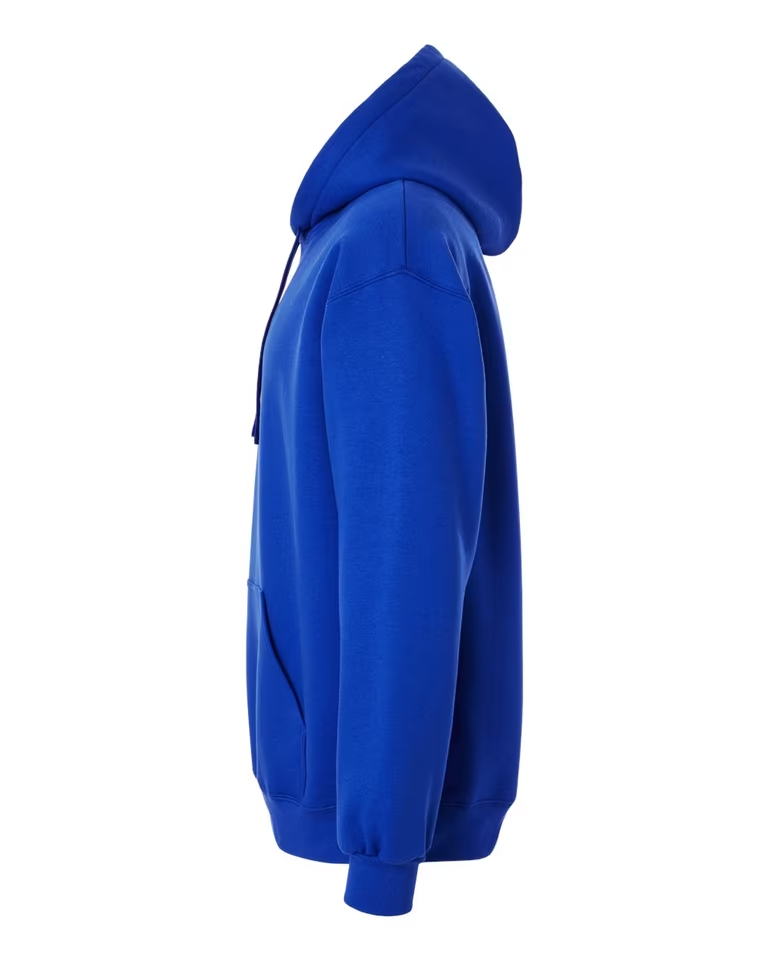
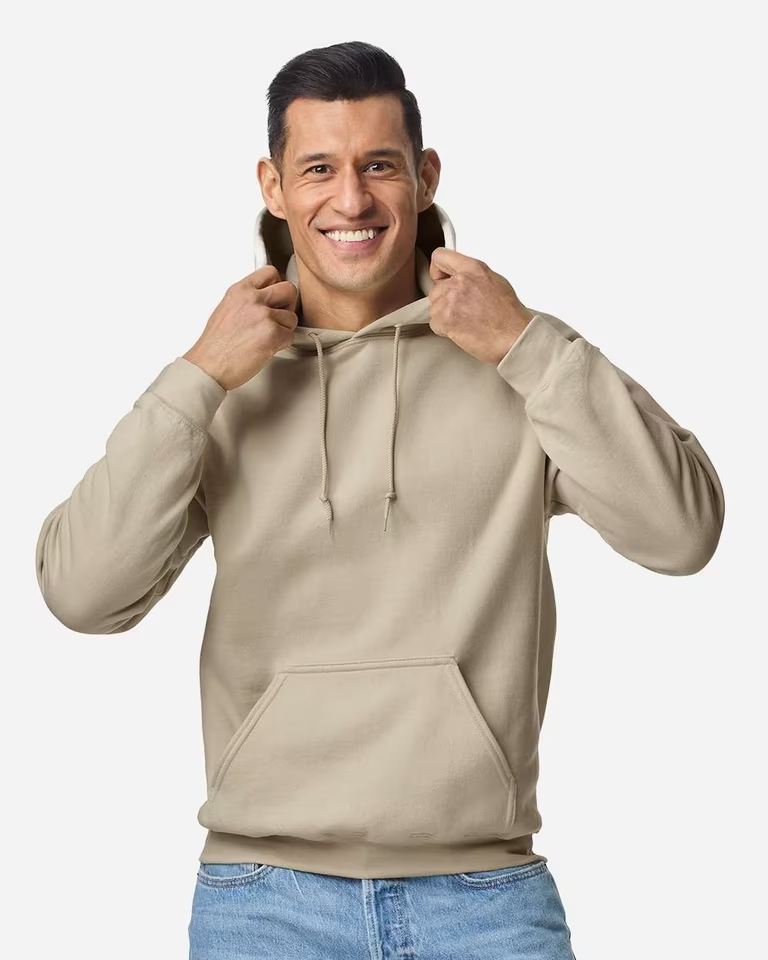
For fleece, the 18500 Heavy Blend hoodie ( How dense a knit fabric is, measured in oz/yd². Typical ranges: under 4.5 oz is lightweight fashion; 4.5–5.5 oz is the midweight band most everyday tees fall into; 5.5–6 oz is heavy everyday and fleece; 6 oz and up is the heavyweight range, with 7 oz and up the streetwear max-weight class. Heavier fabric drapes more substantially, holds prints flatter, and costs more per blank. , 50/50 cotton/poly, double-lined hood) is the standard pullover for teams, schools, and events.
The open-end carded cotton on the 5000 and 2000 is a coarser surface than ring-spun: it takes The most common screen-printing ink. PVC particles suspended in a plasticizer. It sits on top of the fabric rather than soaking in, which gives a slightly raised feel and very opaque coverage. screen print fine, but DTG fibrillates more and needs a heavier A first layer of (usually white) ink printed under the design on dark garments. It stops the dark fabric from showing through and keeps colors bright. , so push DTG and DTF jobs toward the ring-spun 64000. The heavier 2000 absorbs thick The most common screen-printing ink. PVC particles suspended in a plasticizer. It sits on top of the fabric rather than soaking in, which gives a slightly raised feel and very opaque coverage. deposits without distortion, which is why old-school shops still default to it.
On the 18500, mind the polyester: solids are 50/50 but heathers run 40/60 cotton/poly, so use low-bleed inks and watch cure temps to avoid On polyester, fabric dye can bleed up into an ink layer after heat is applied, especially with light inks on dark poly. Results in a washed-out or discolored print over time. on darks.
Reach for Gildan when unit cost and availability decide the job: giveaways, events, uniforms, fundraisers, any order where the shirt is a vehicle for the print. When the garment itself is the product (retail merch, brand drops), look at Bella+Canvas, Next Level, or Comfort Colors. The honest pitch: it prints predictably and restocks reliably.
Our 79 Gildan blanks look like a lot, but they're 8 collections. Each collection is one fabric, sold in companion cuts of the same garment.
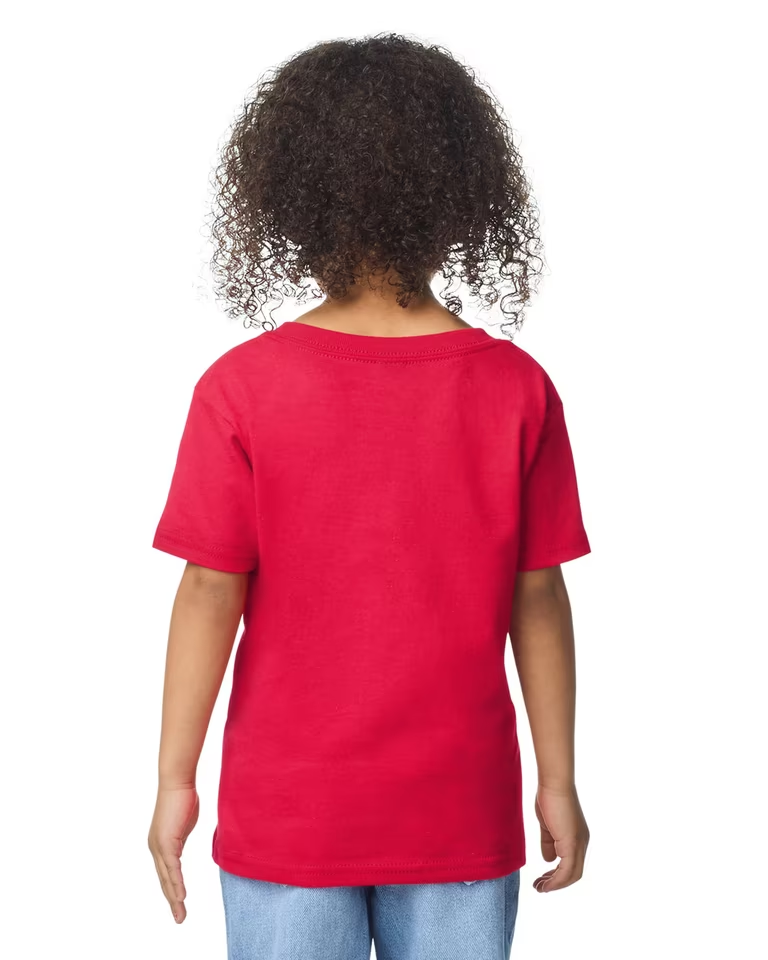
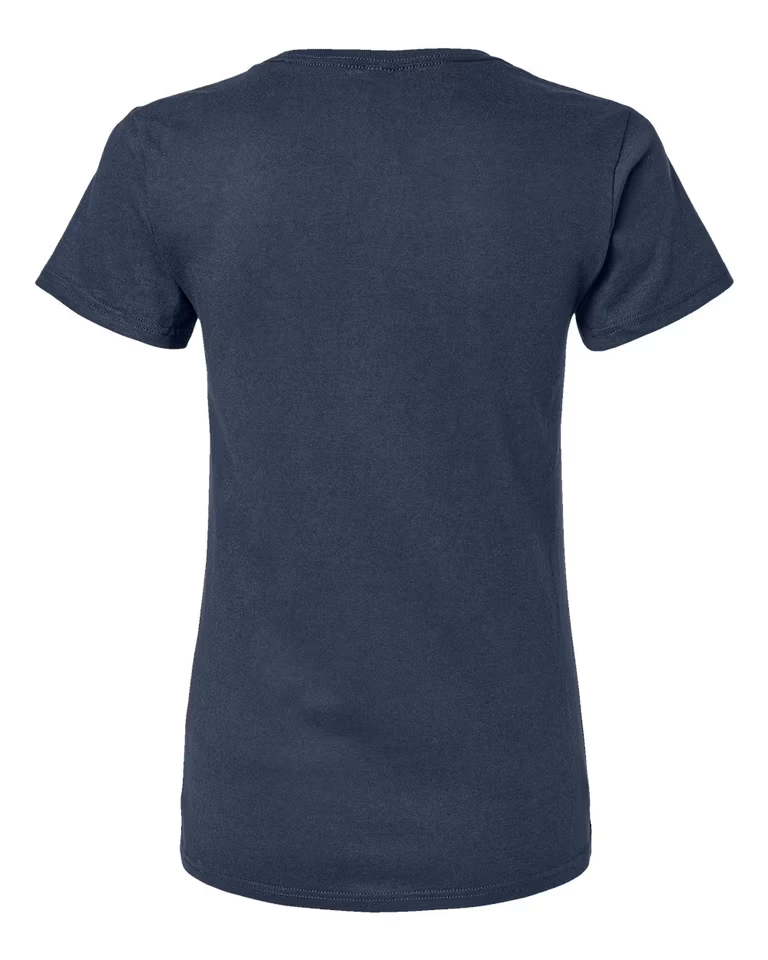
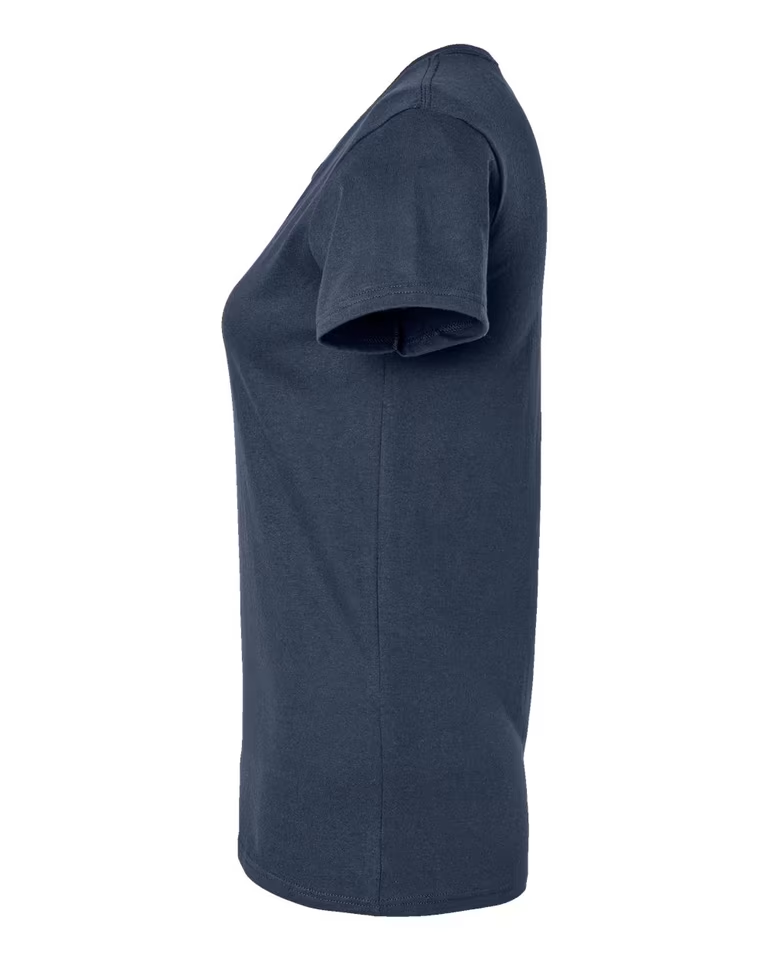
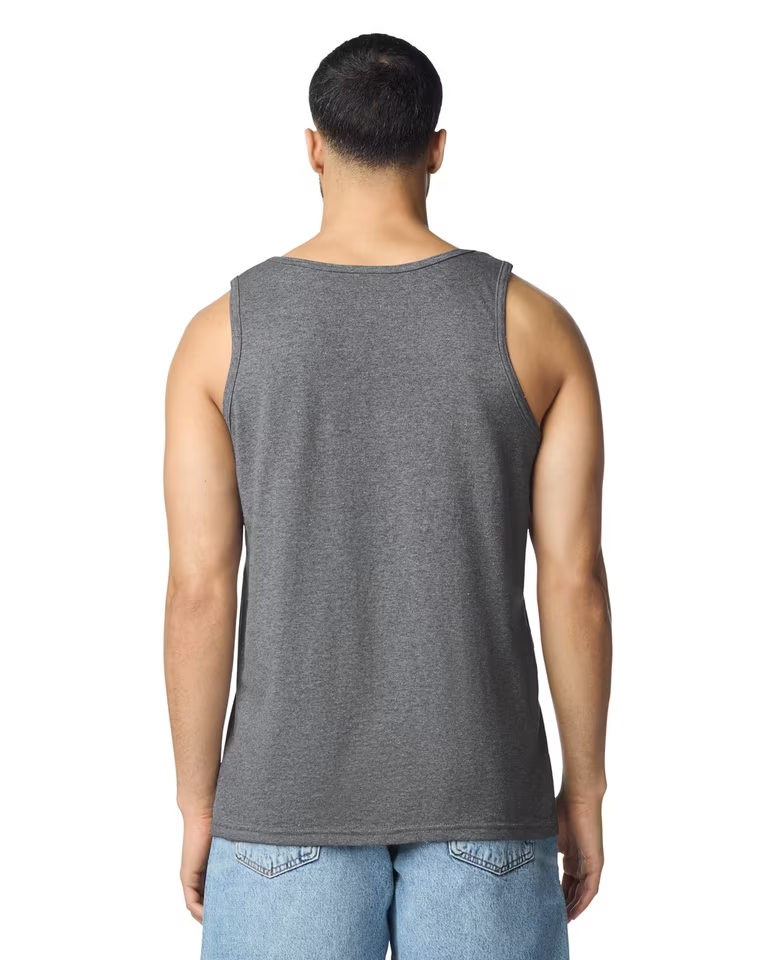
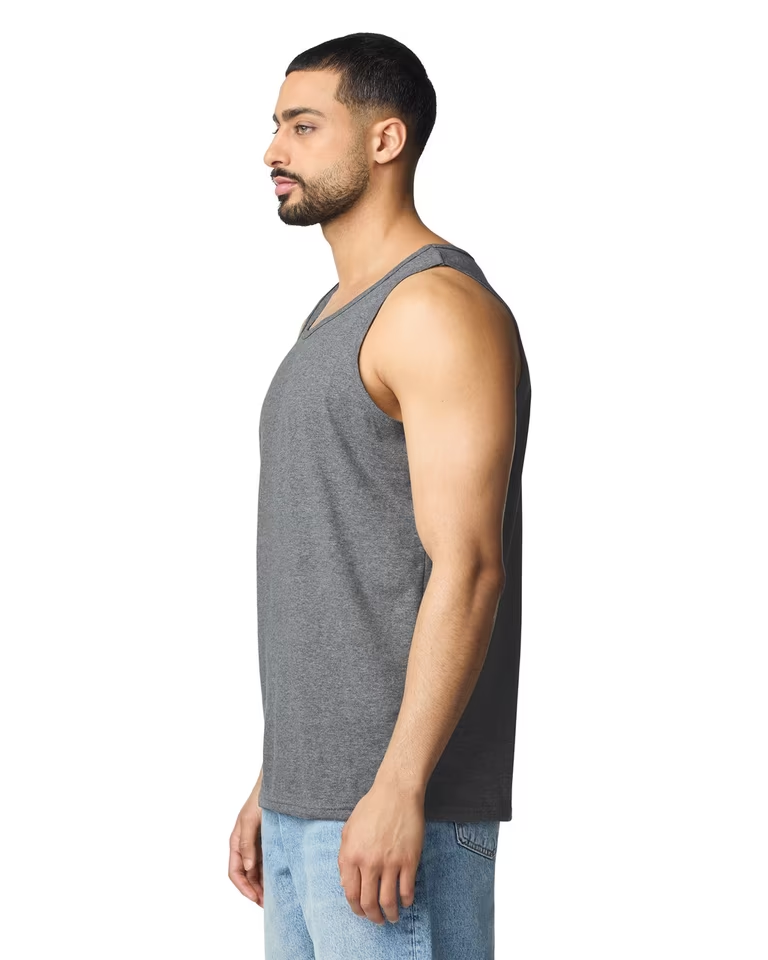
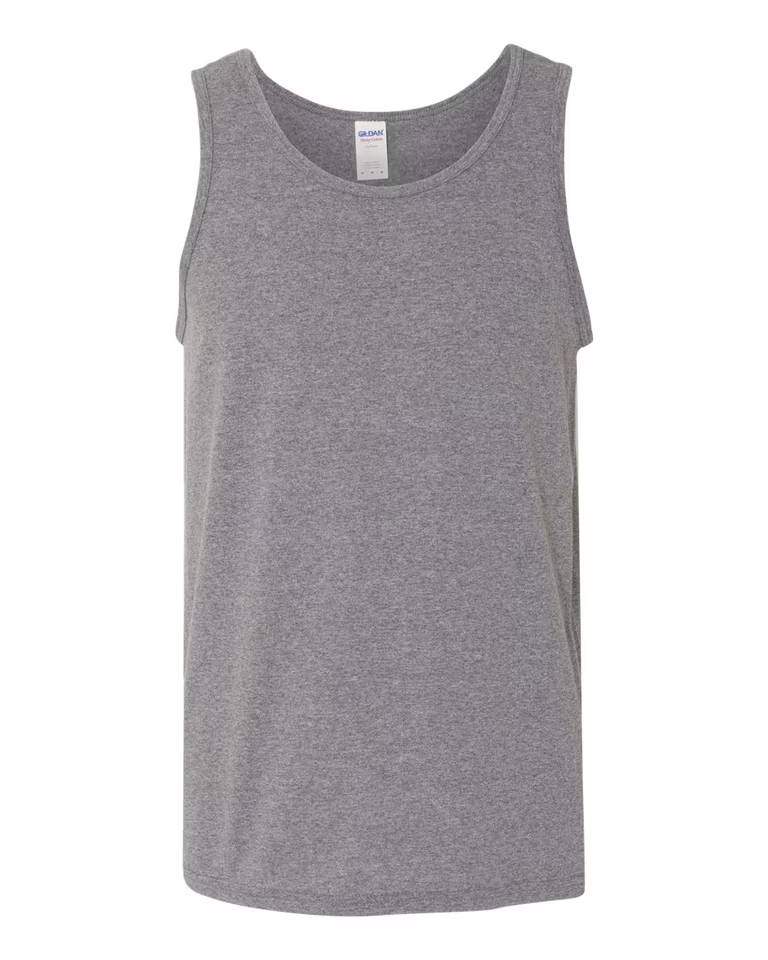
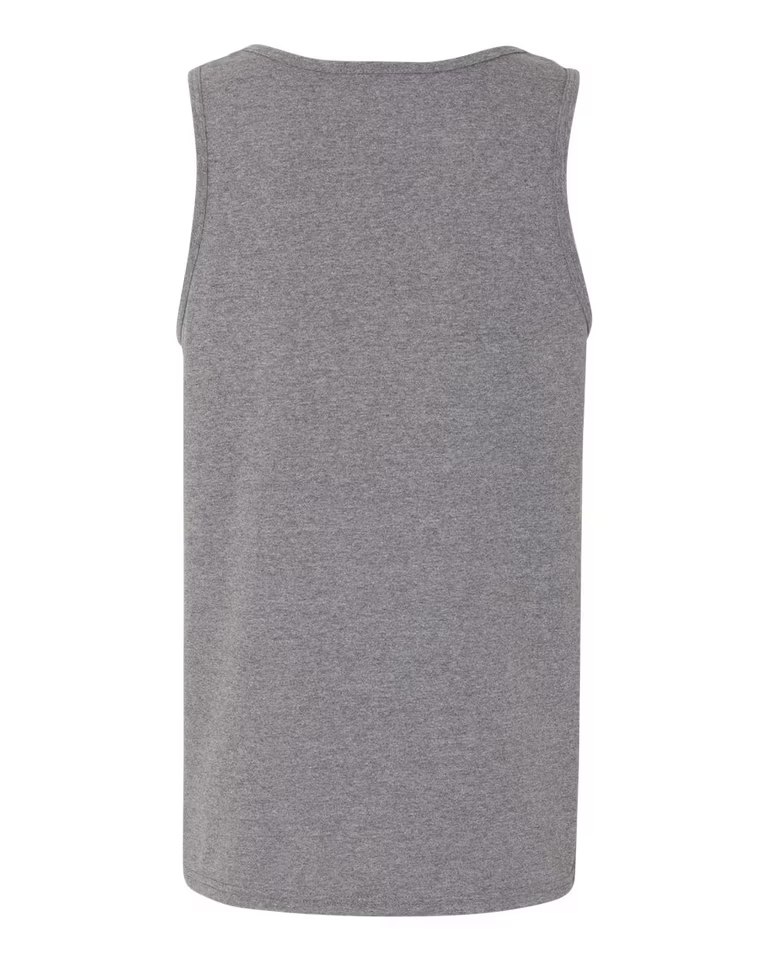
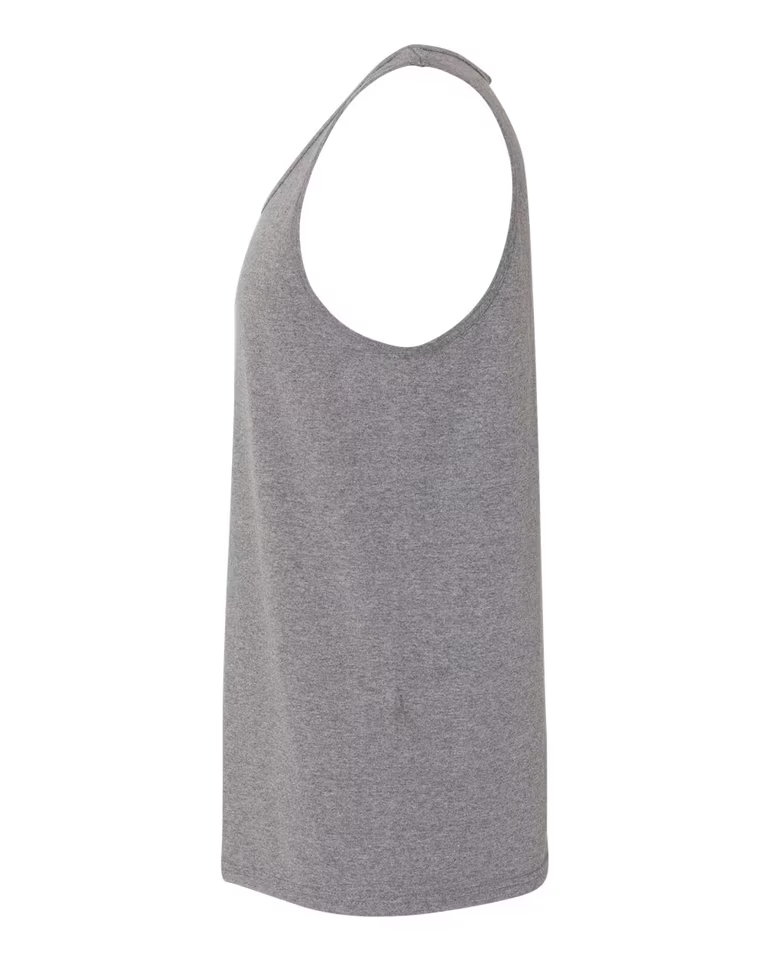
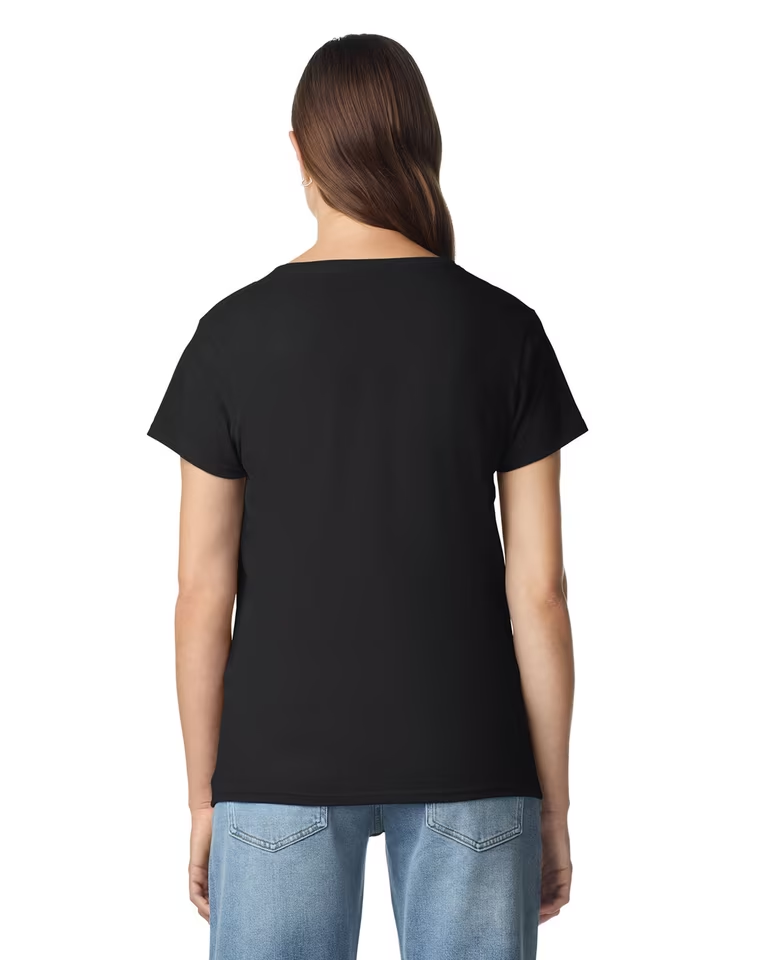
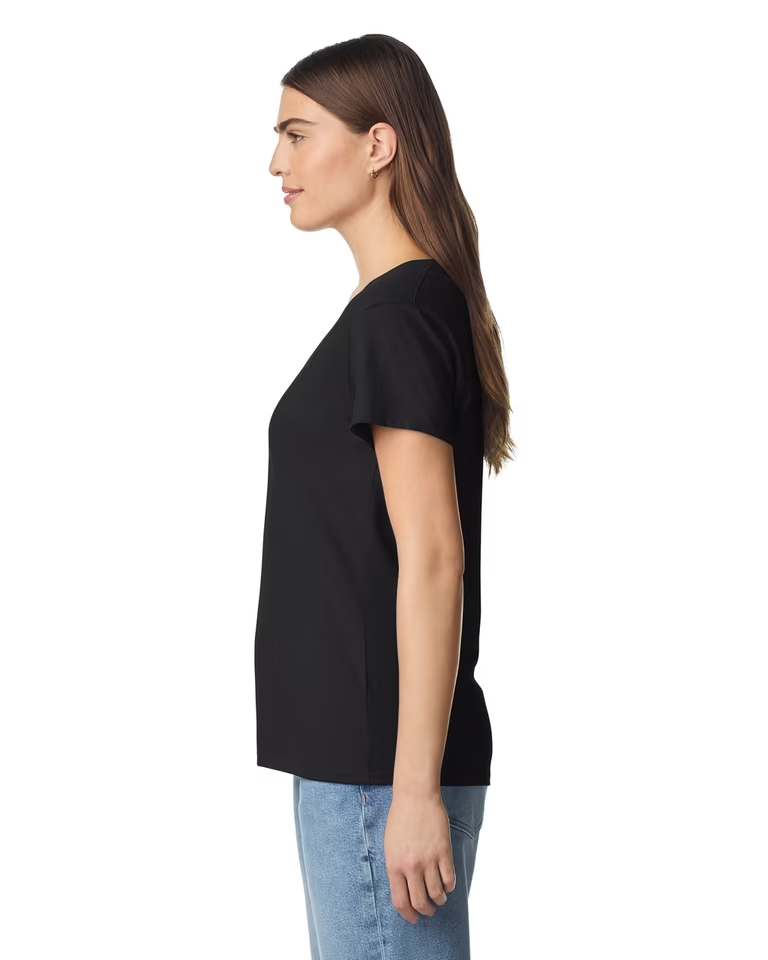
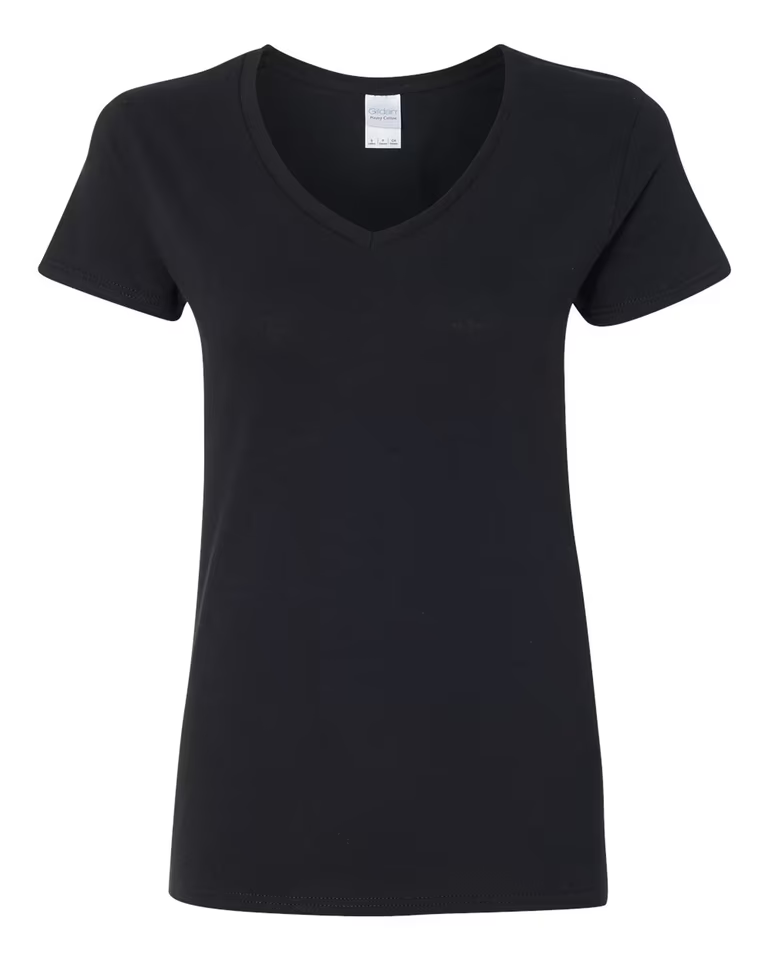
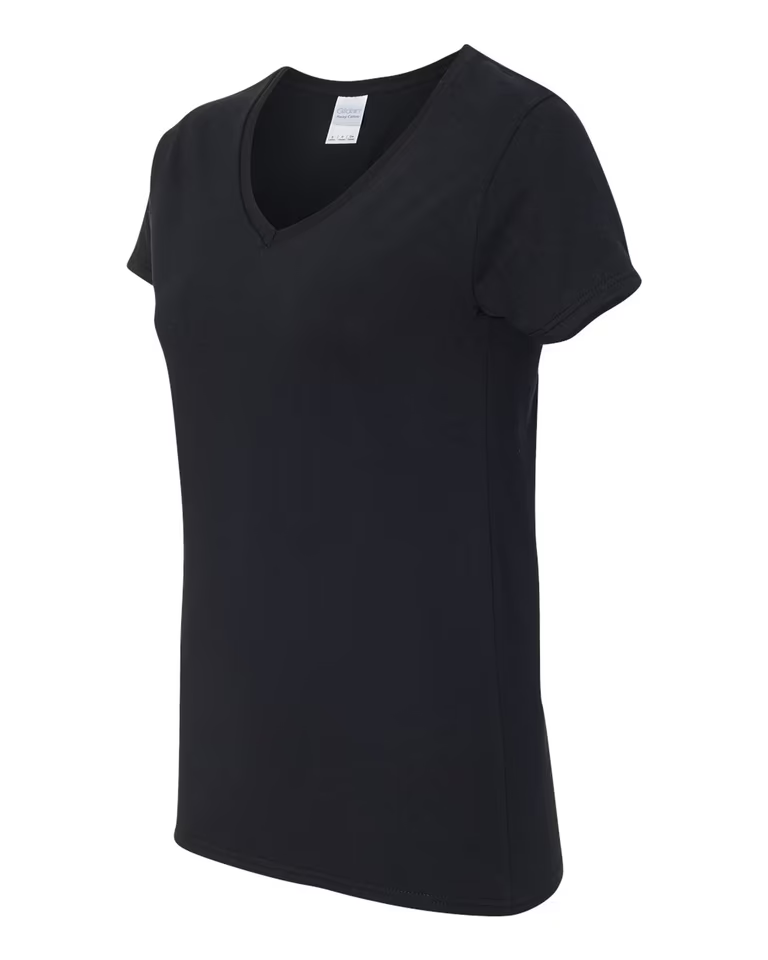
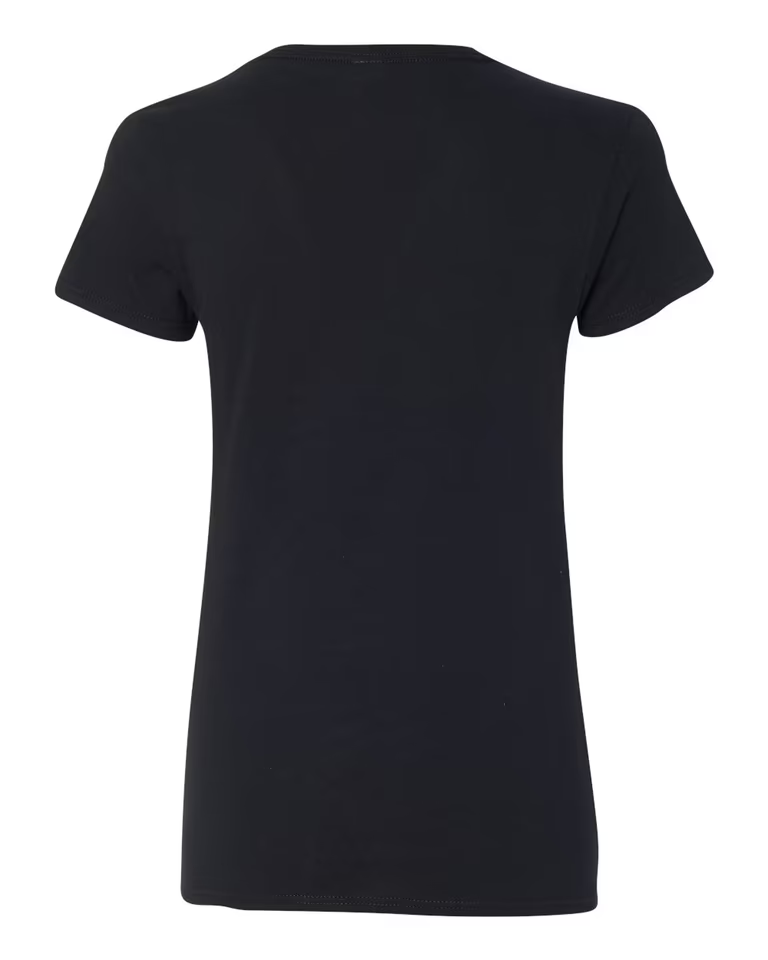
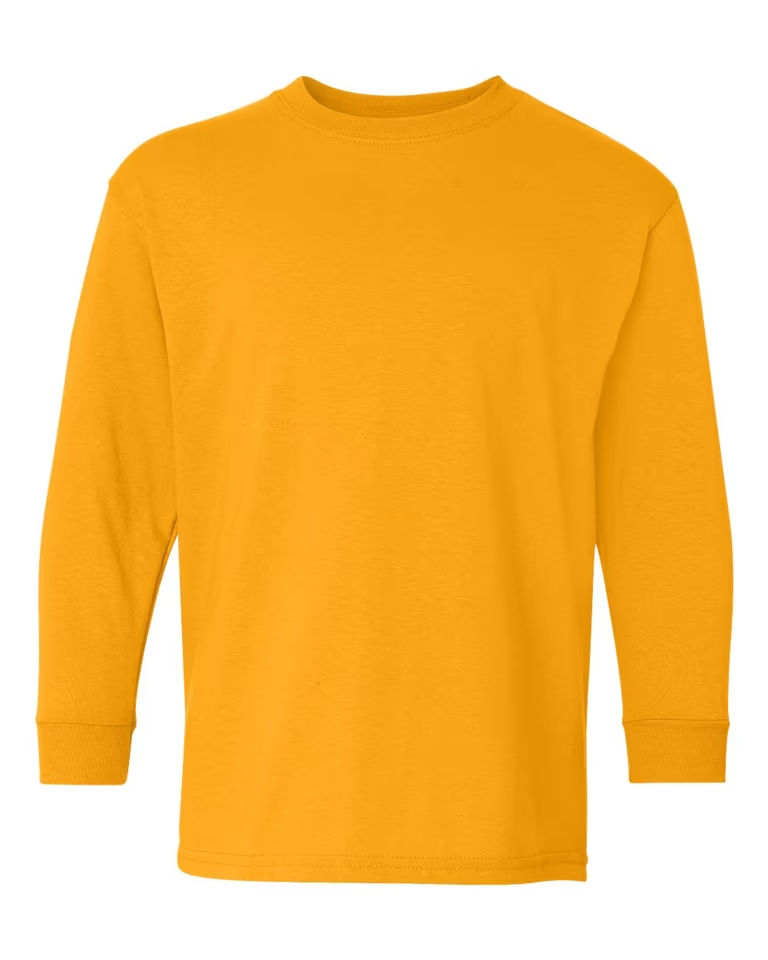
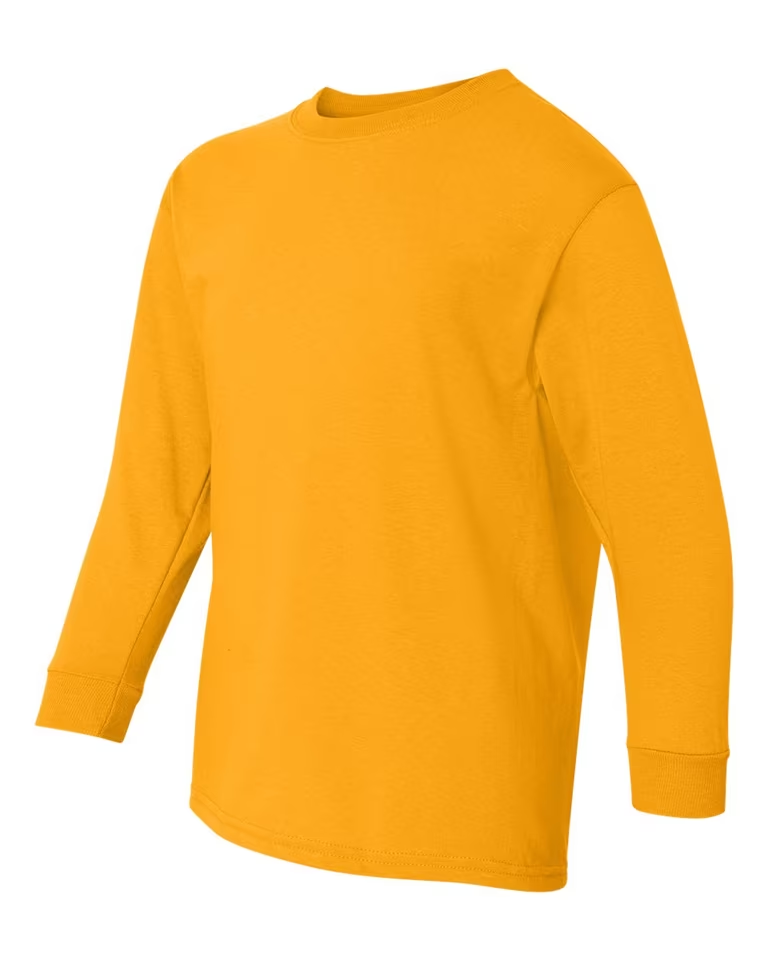
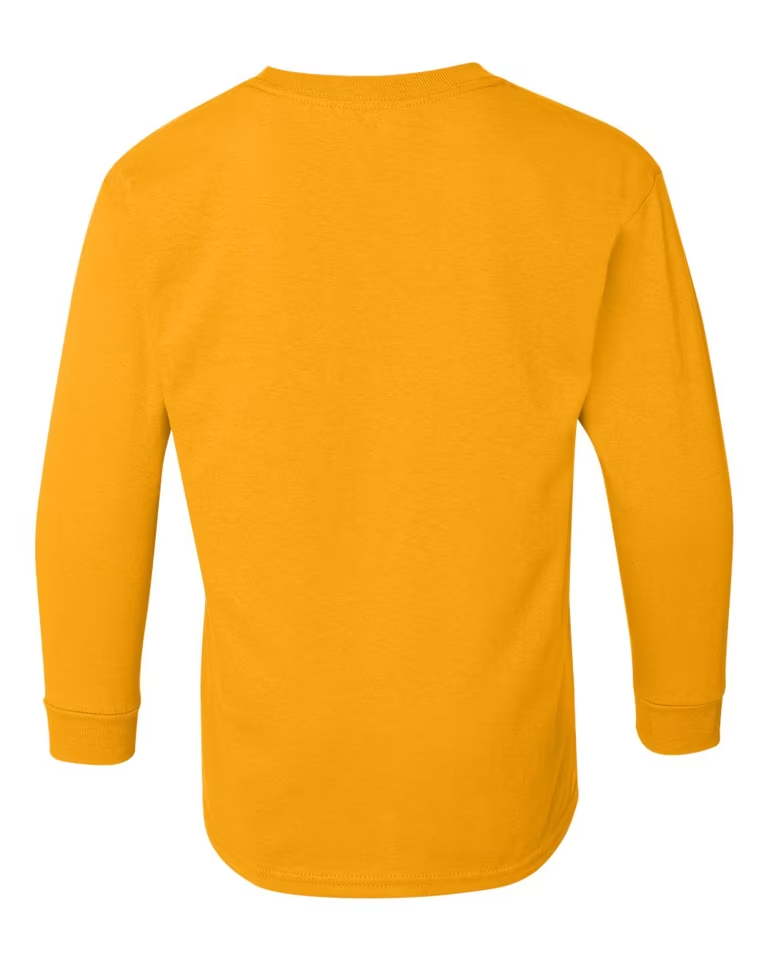
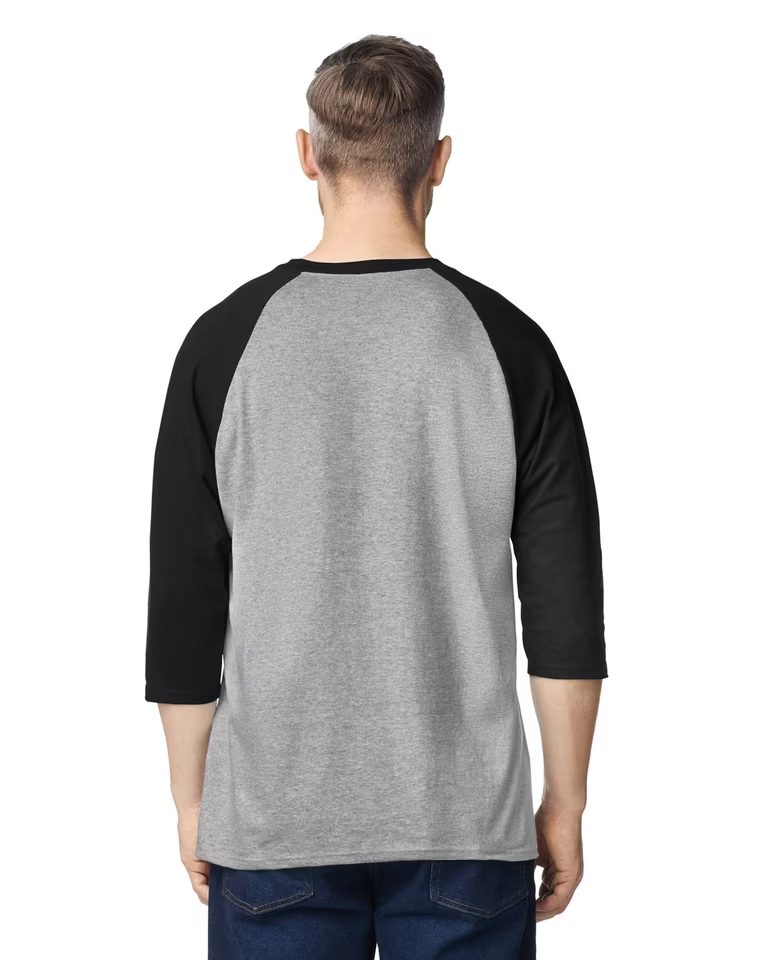
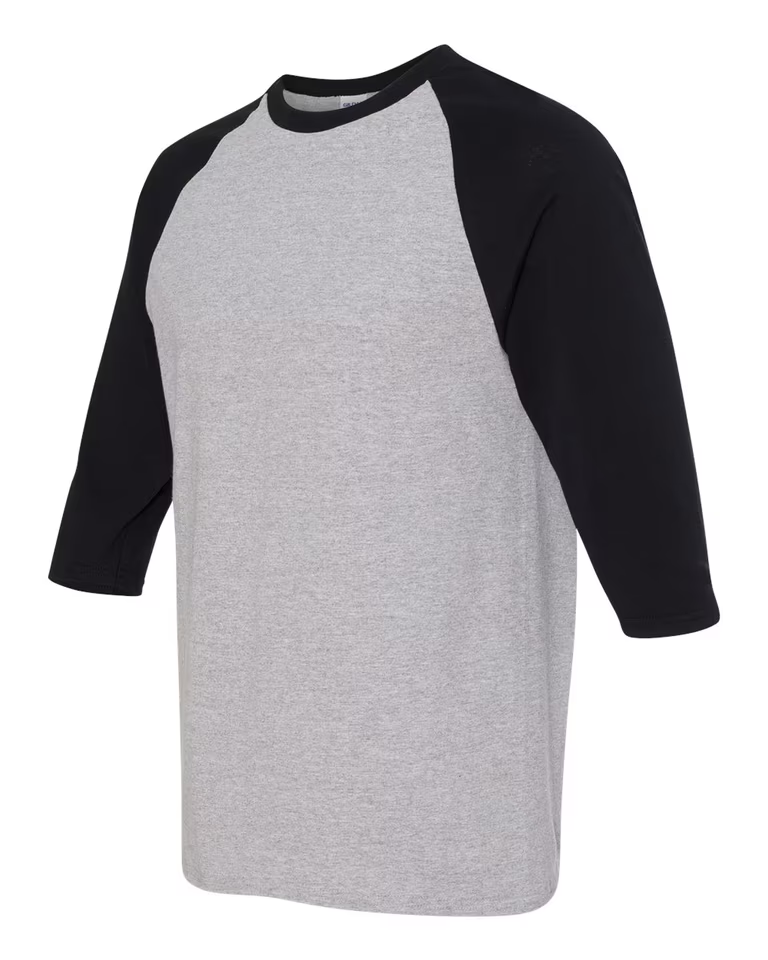
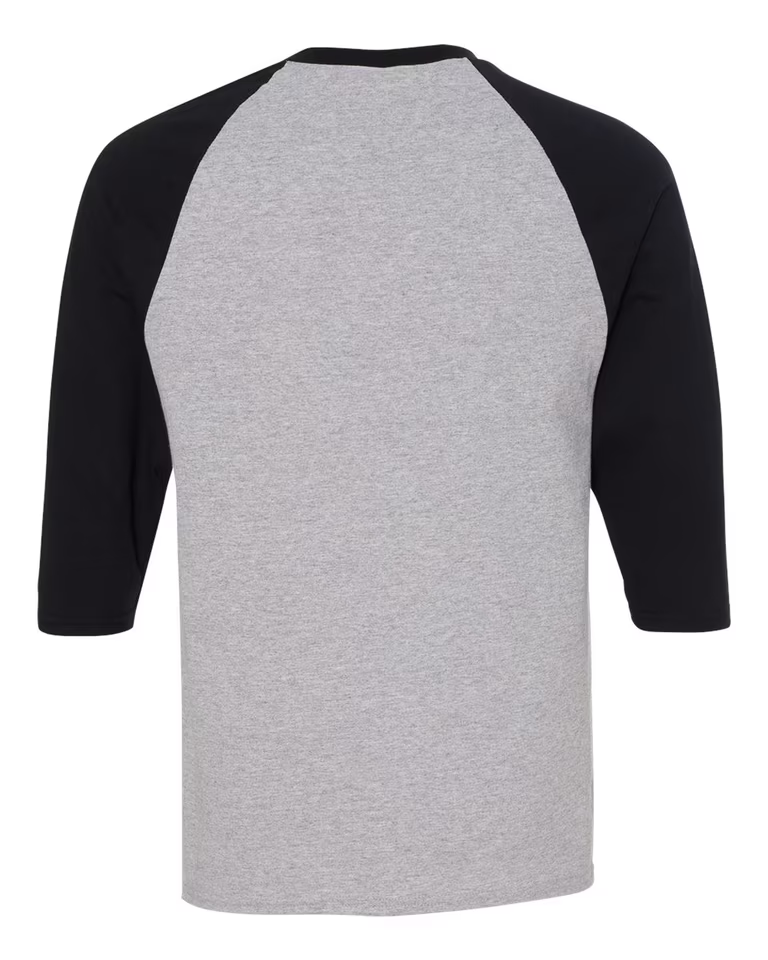
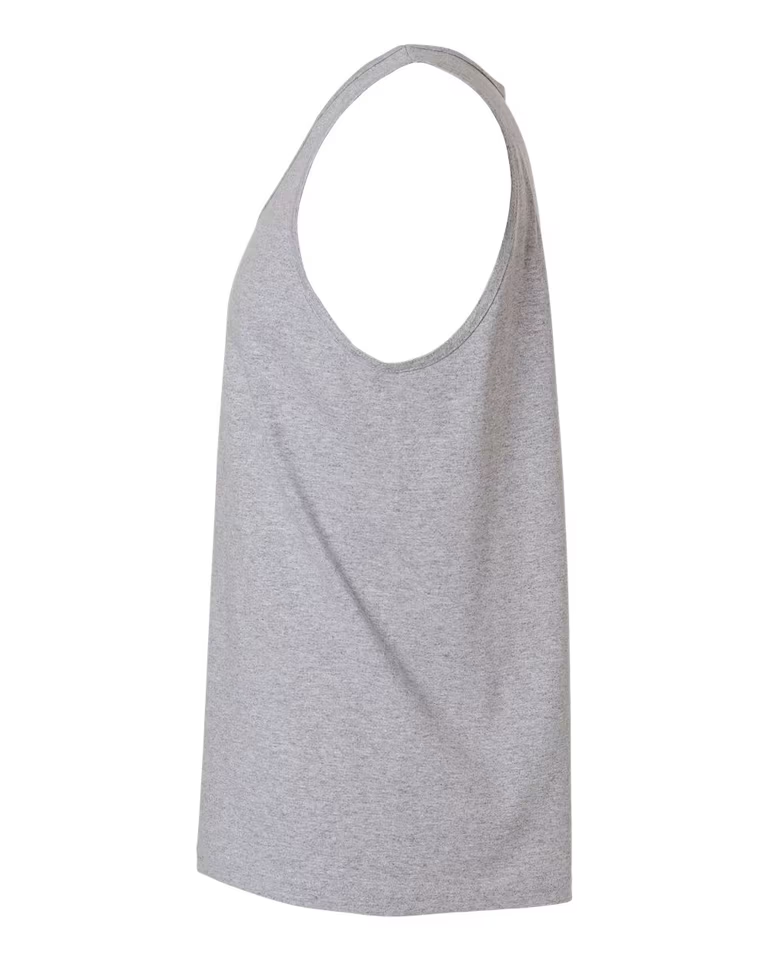
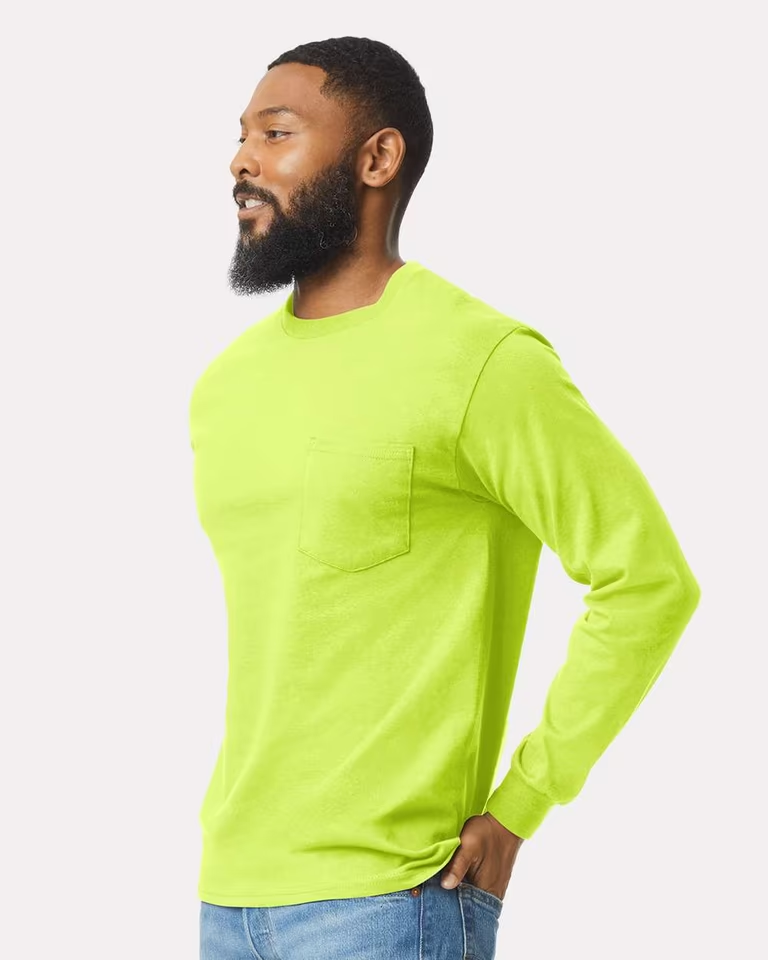
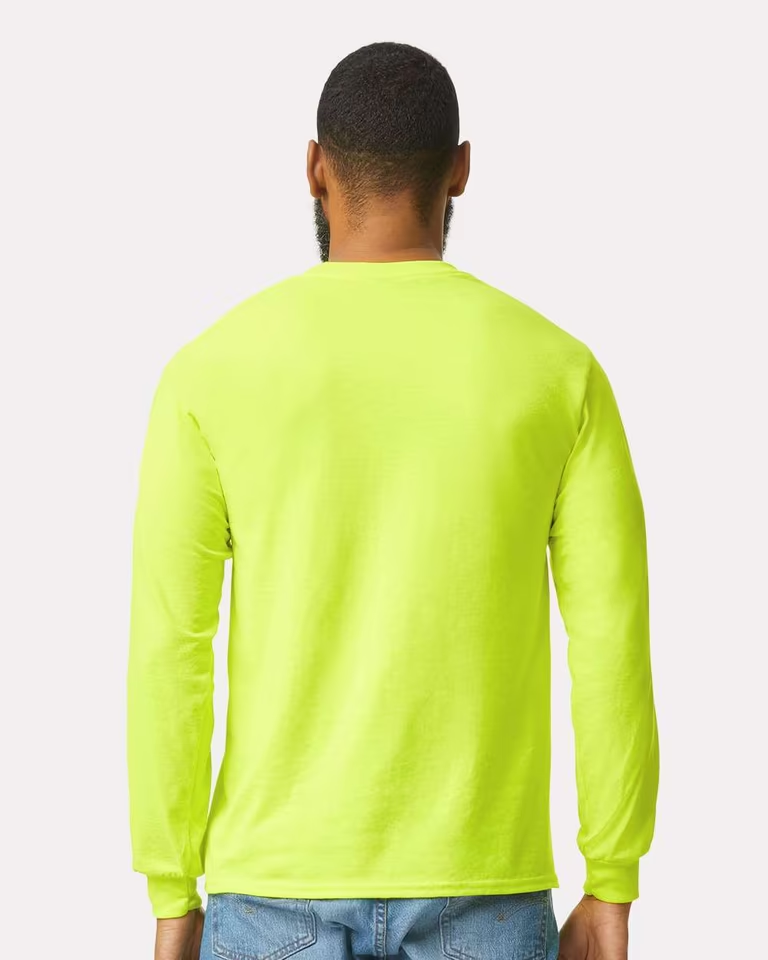
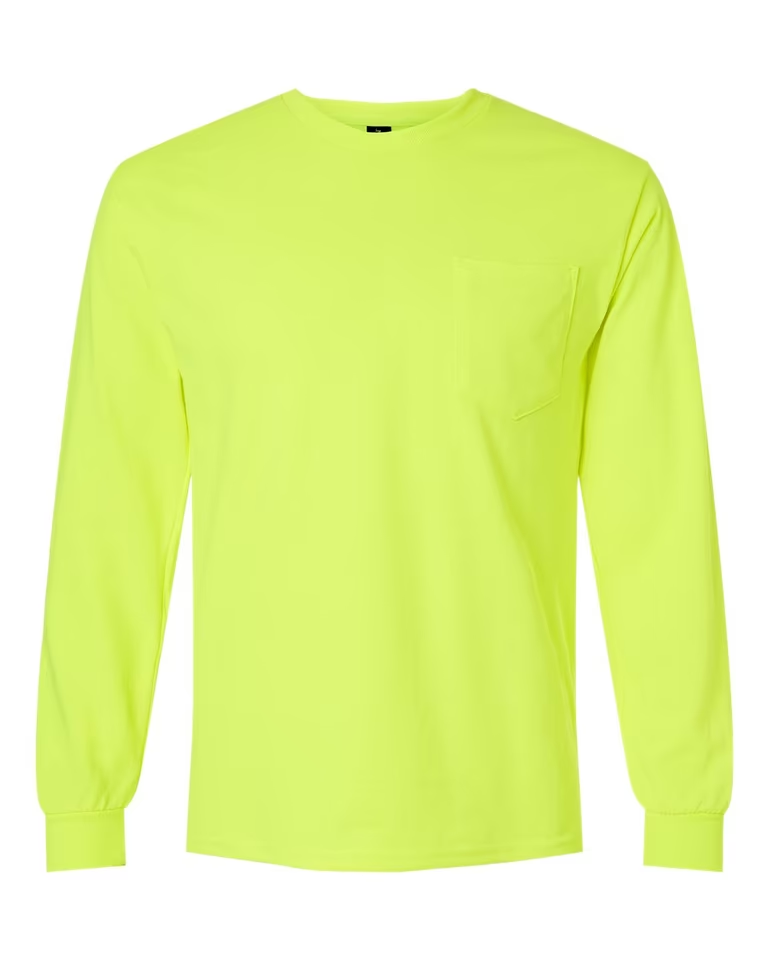
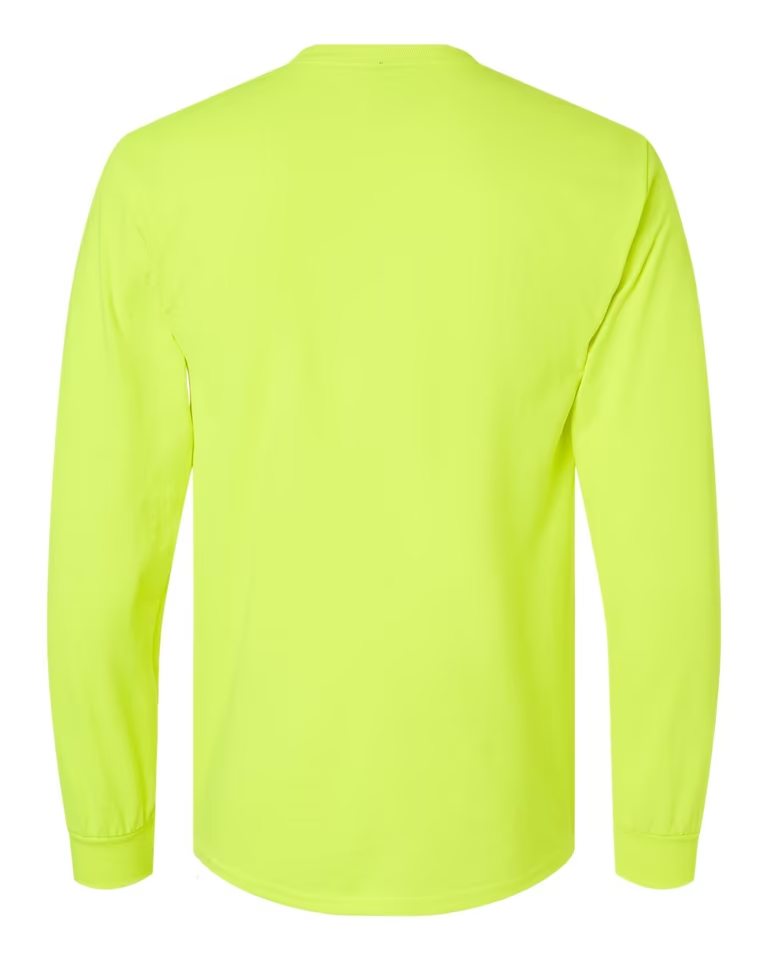
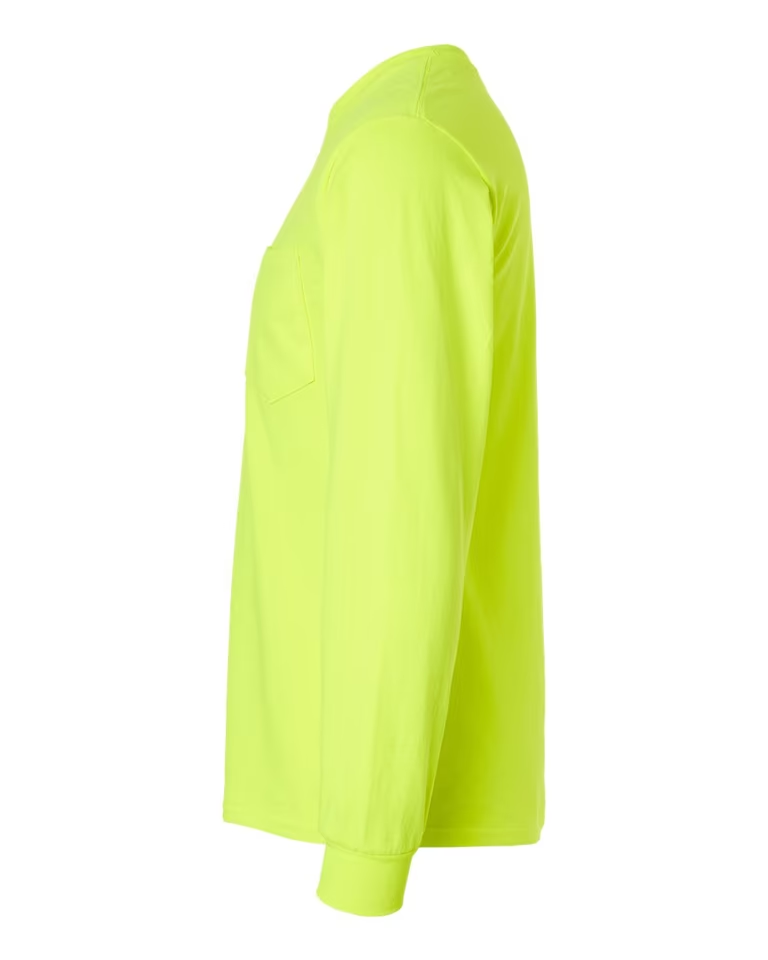
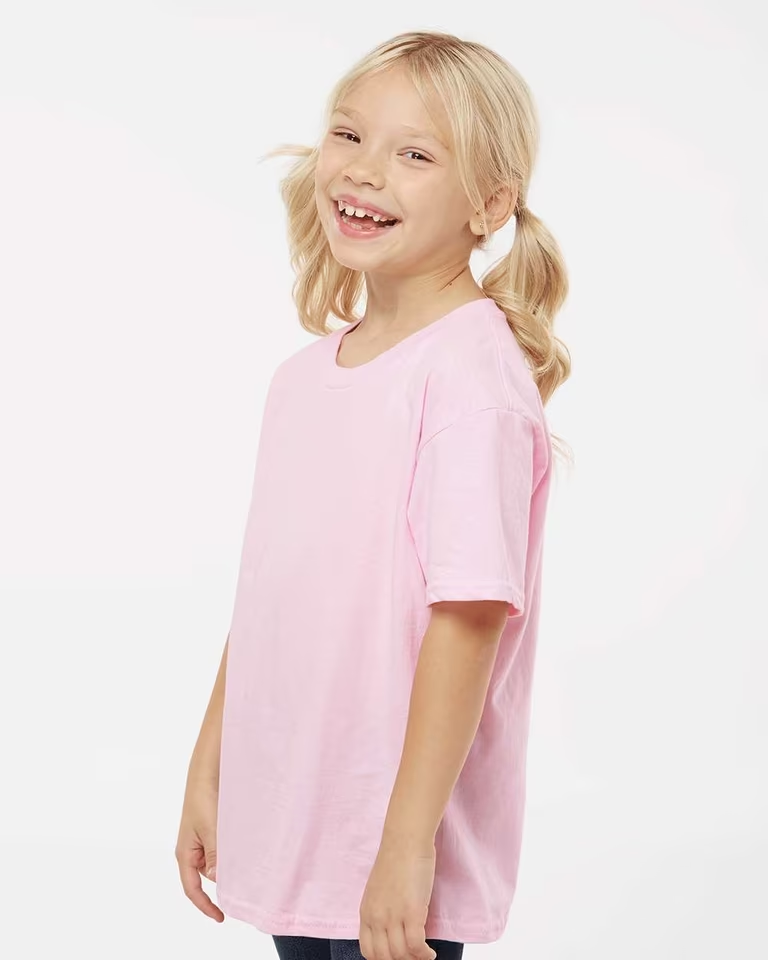
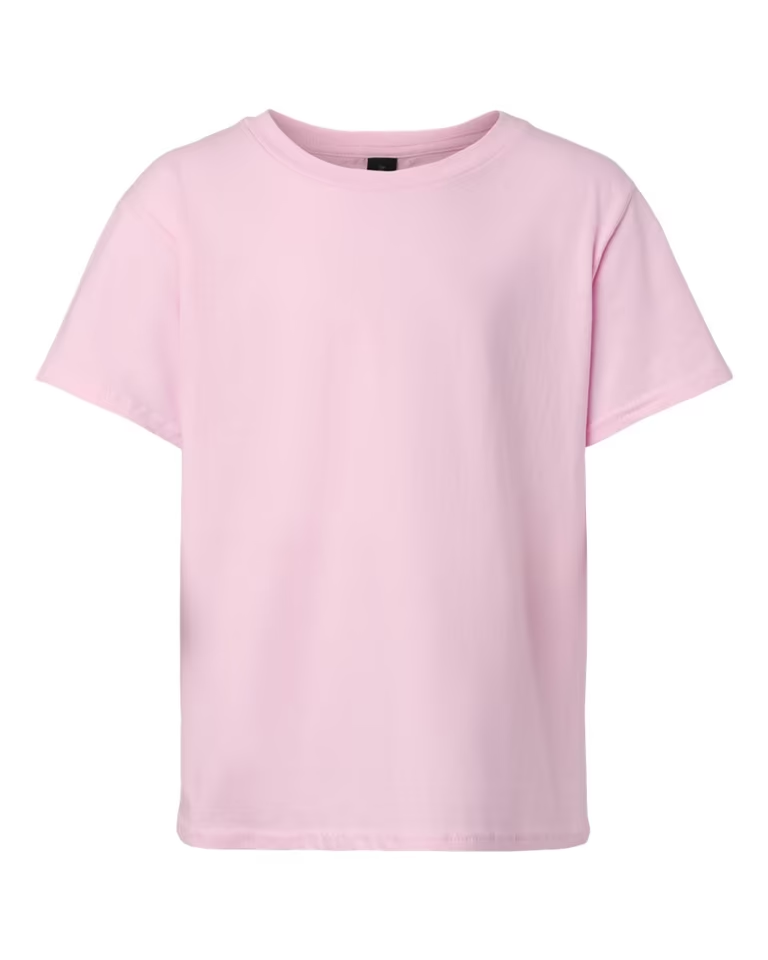
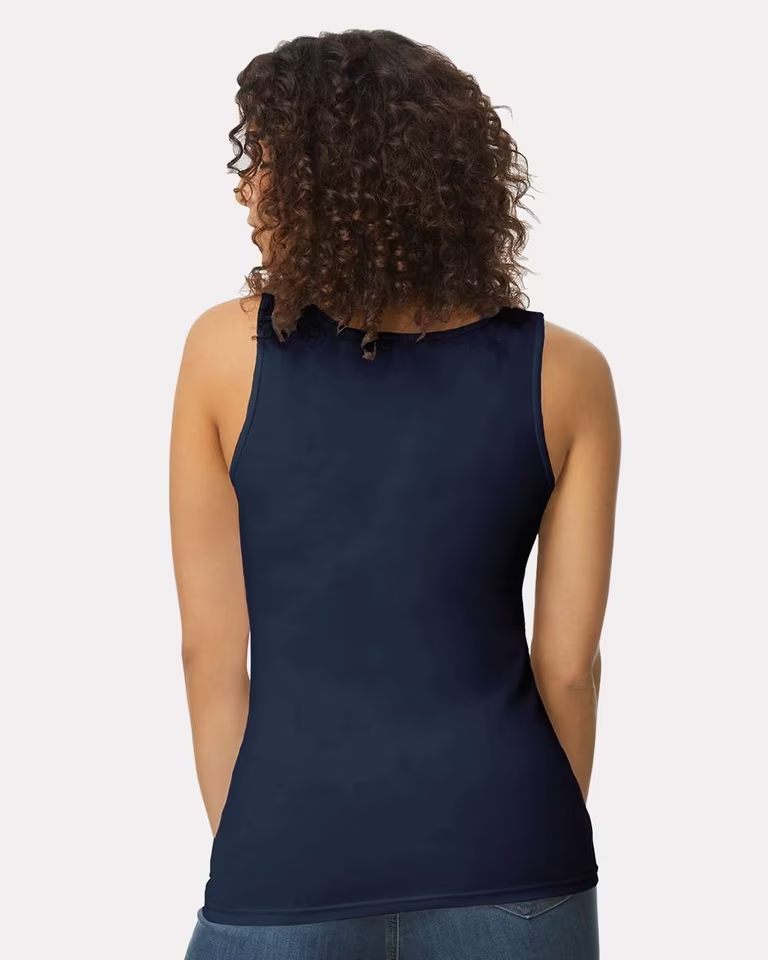
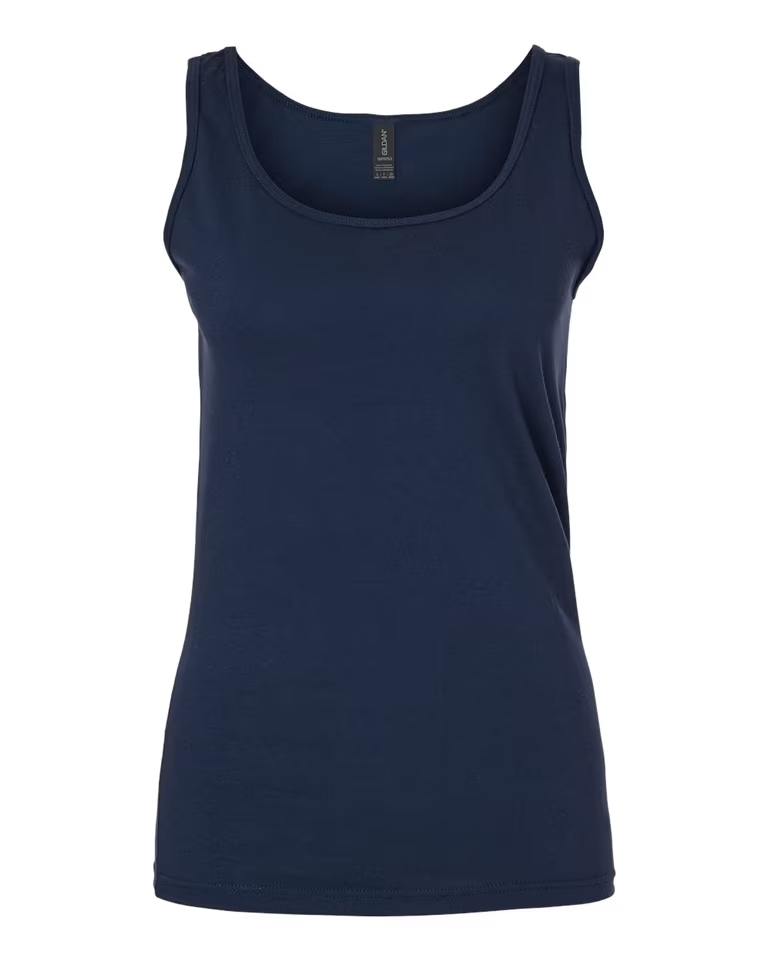
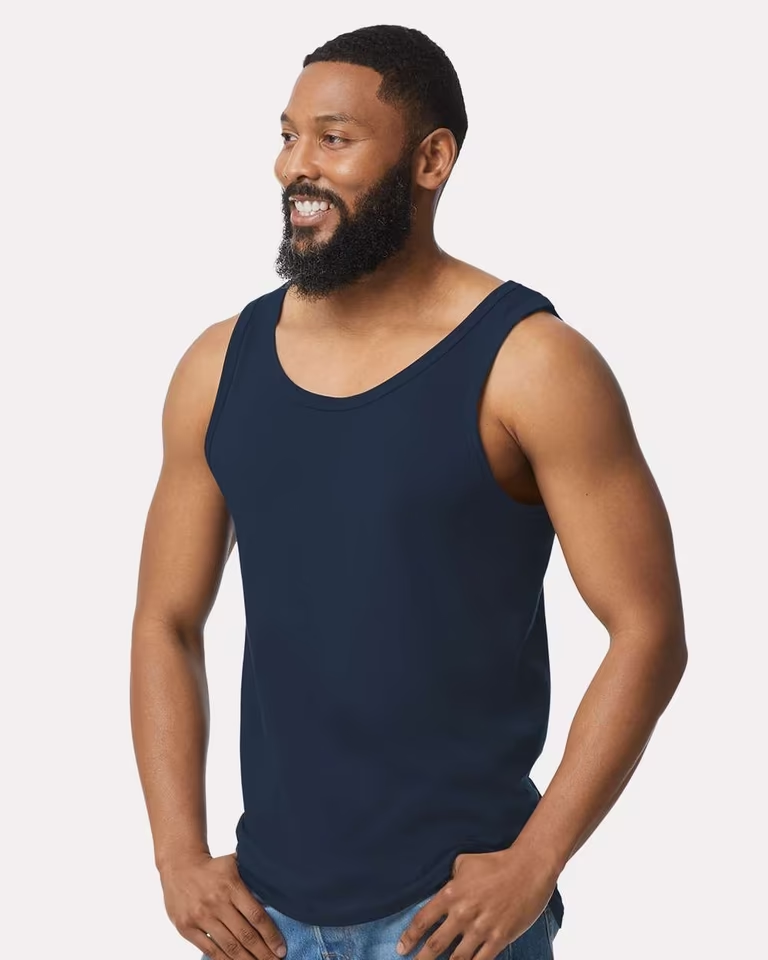
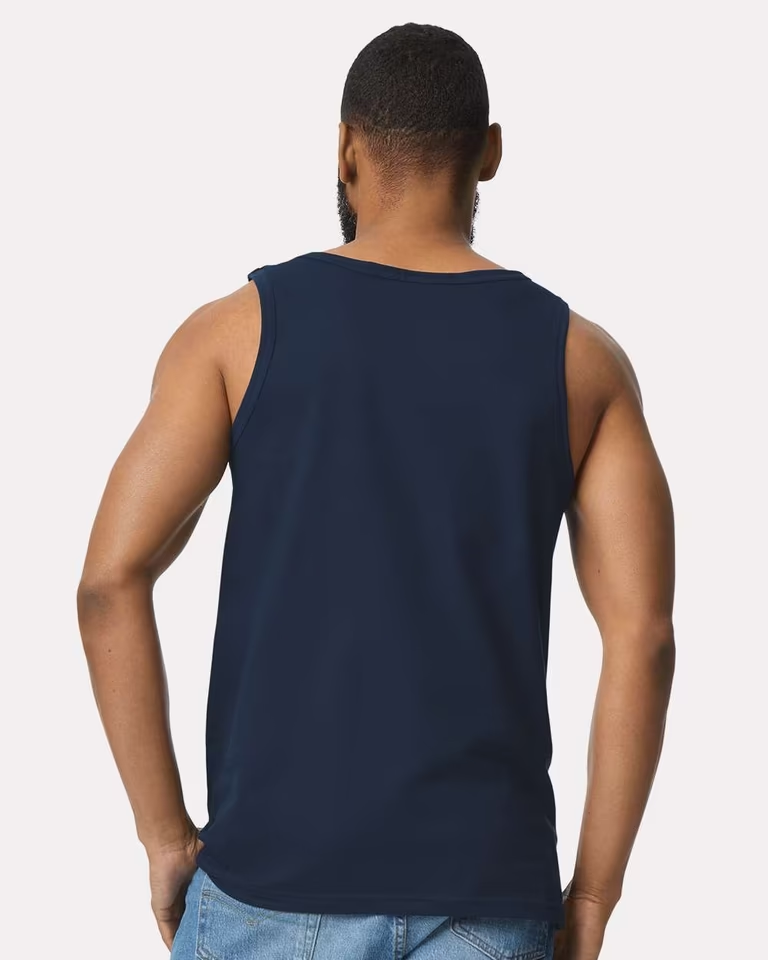
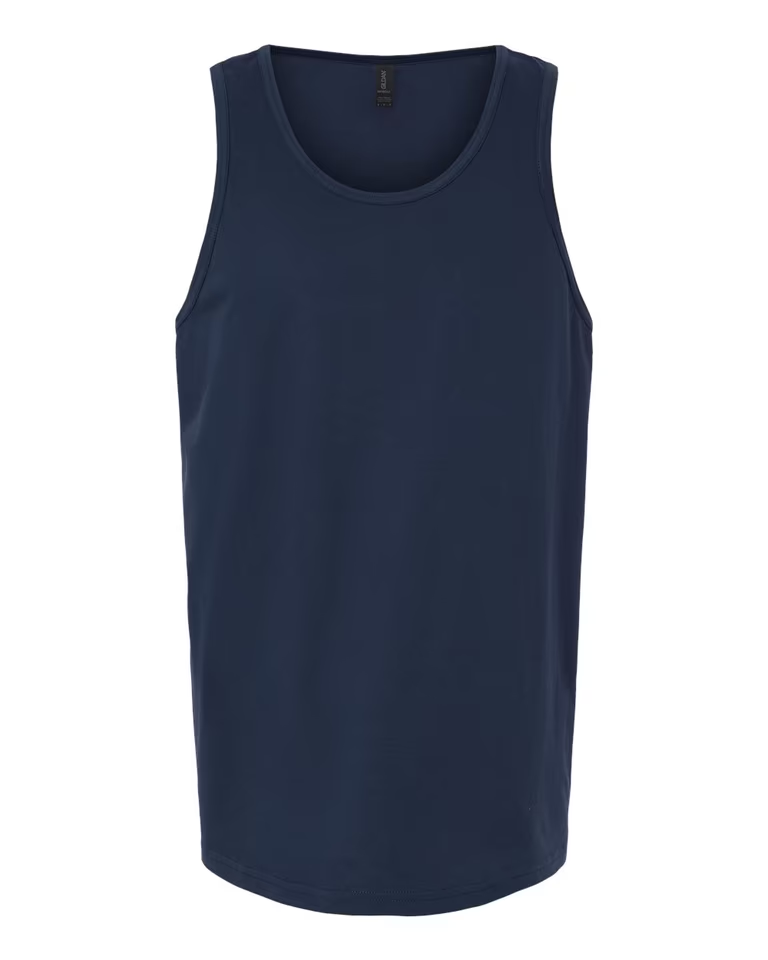
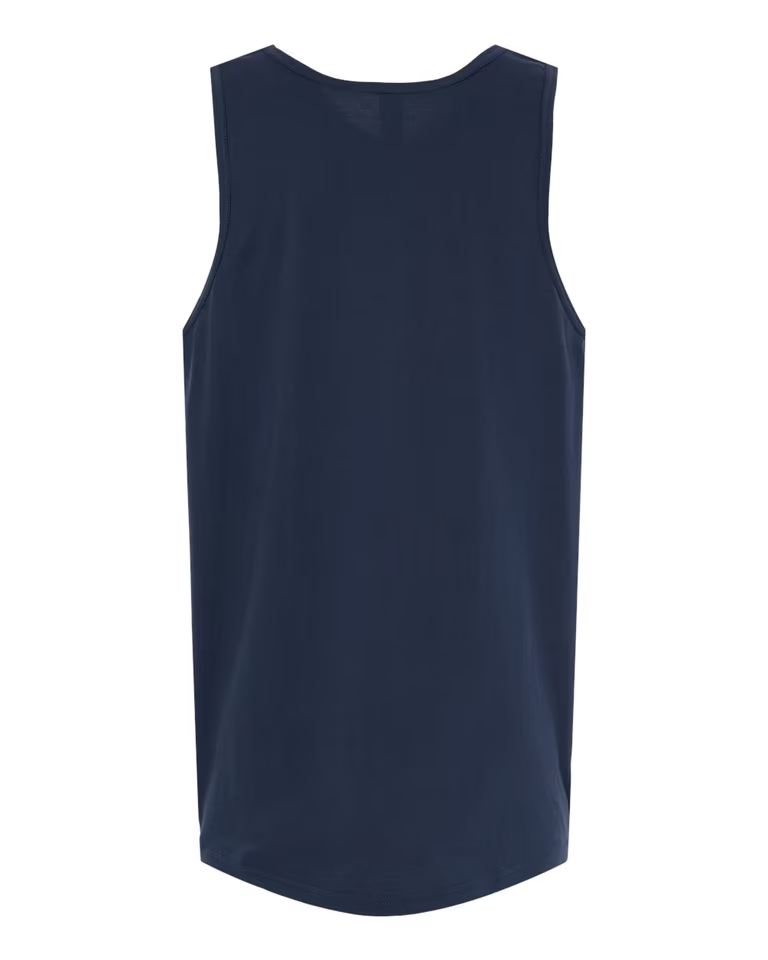
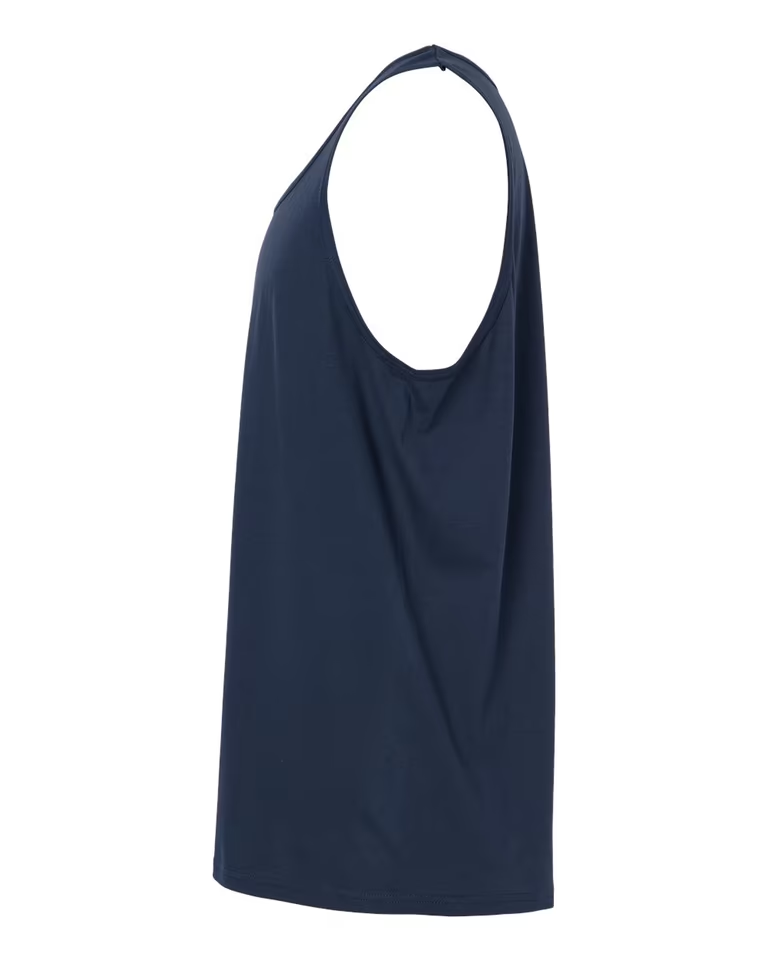
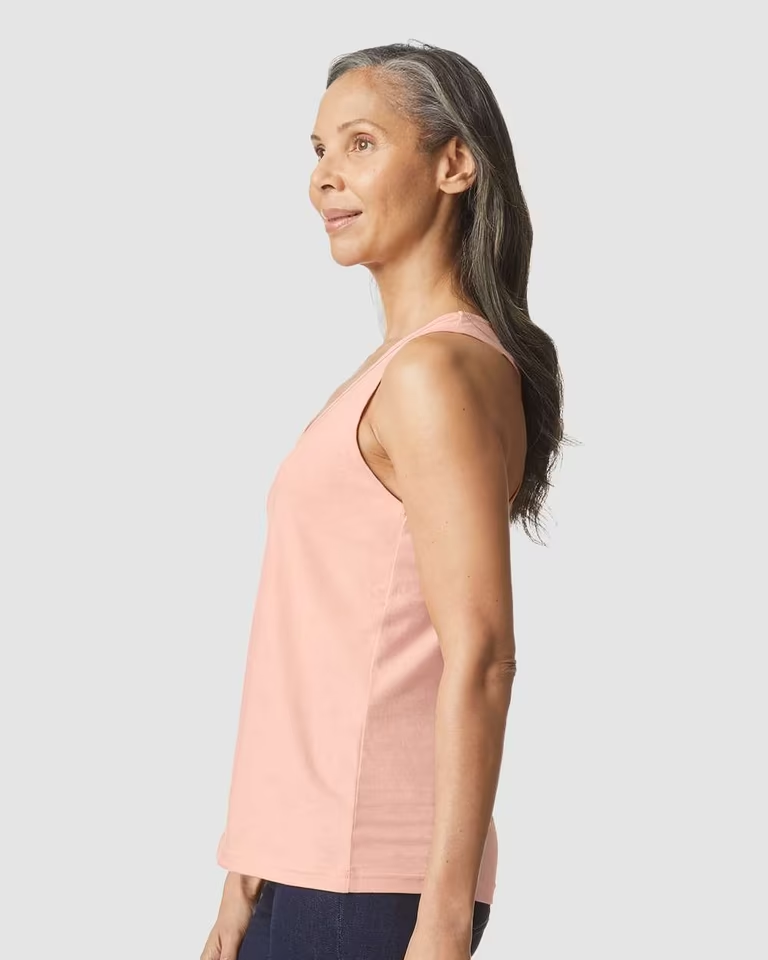
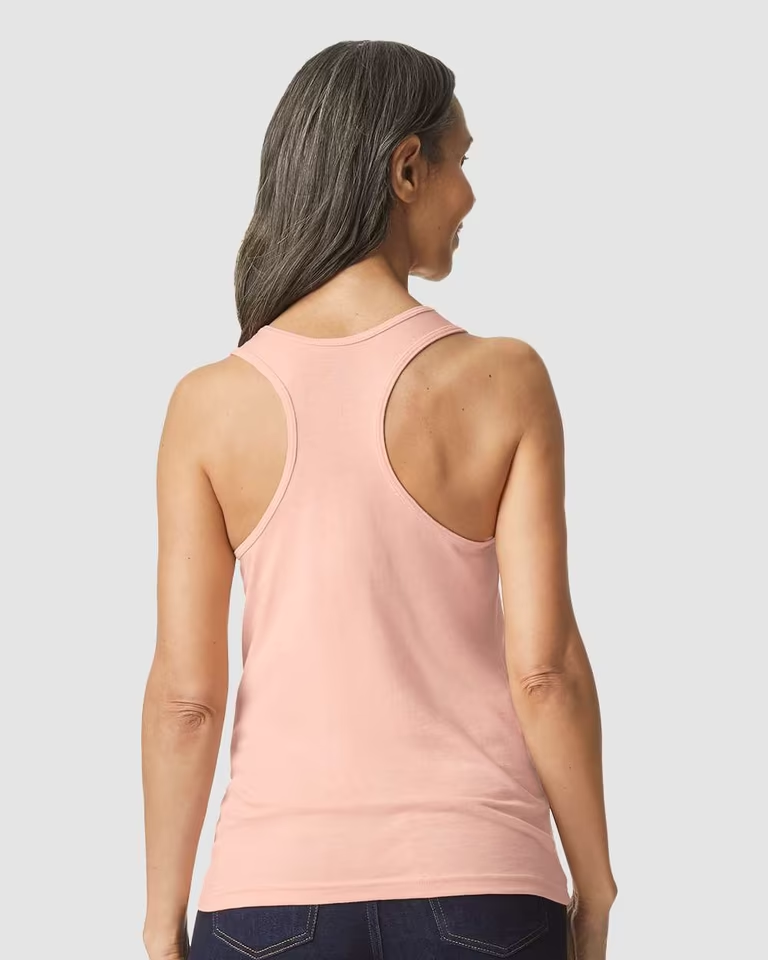
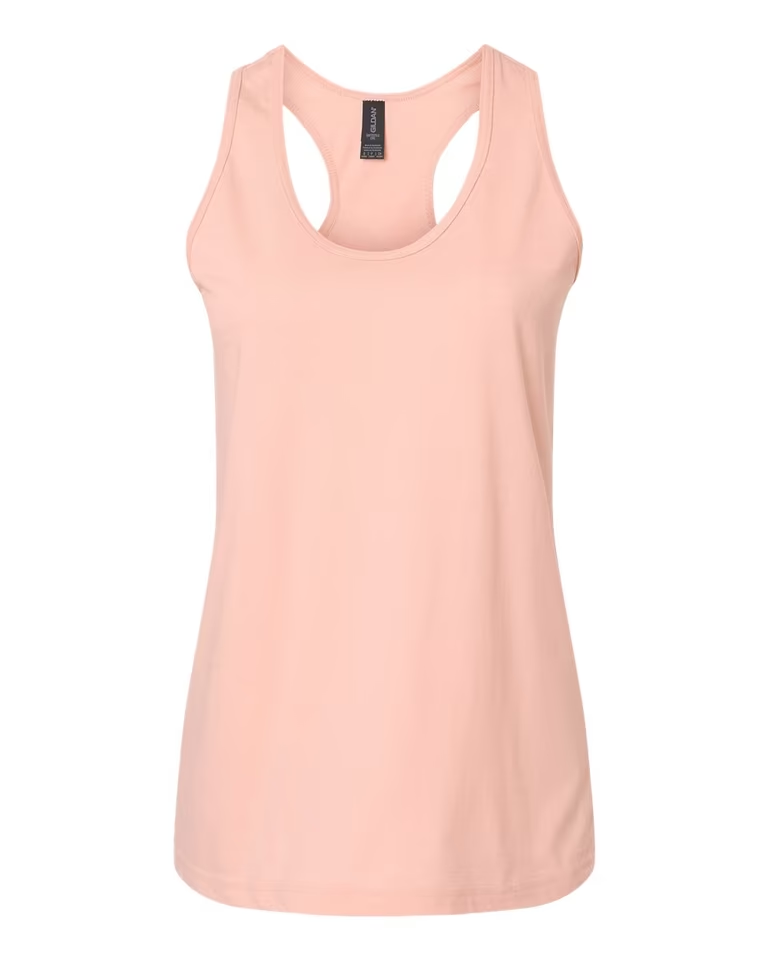
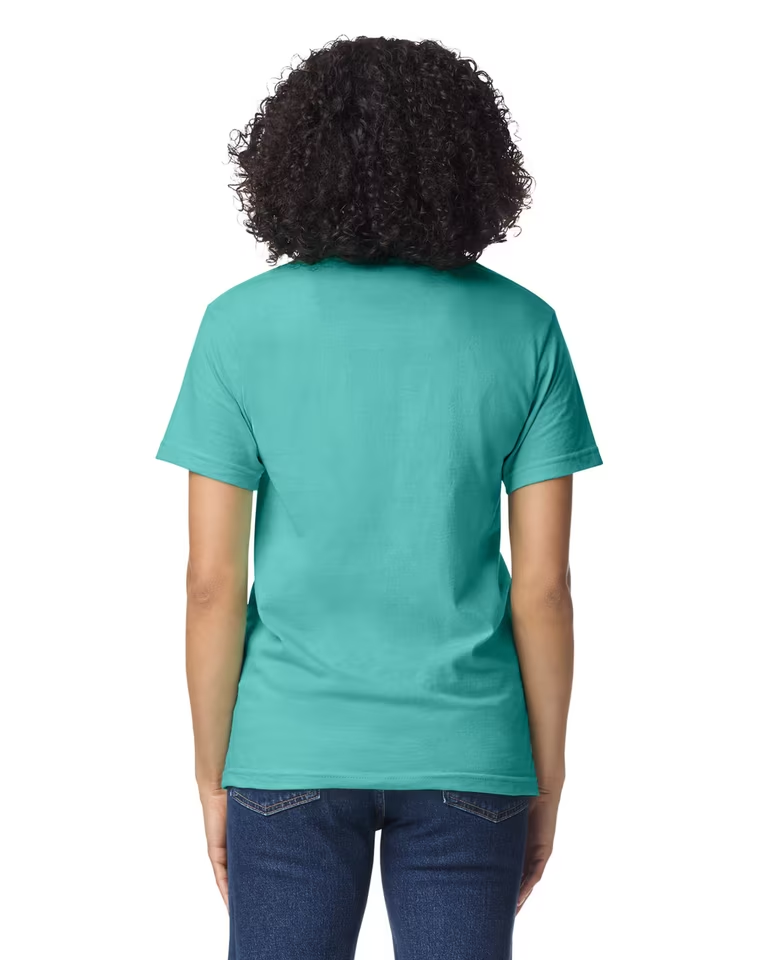
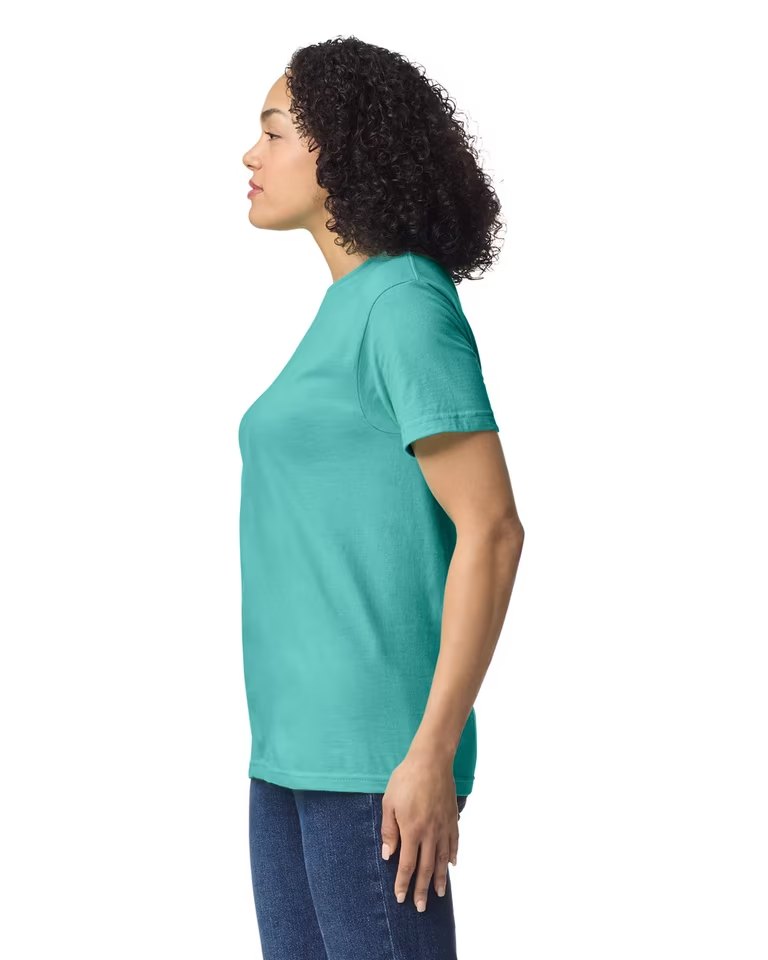
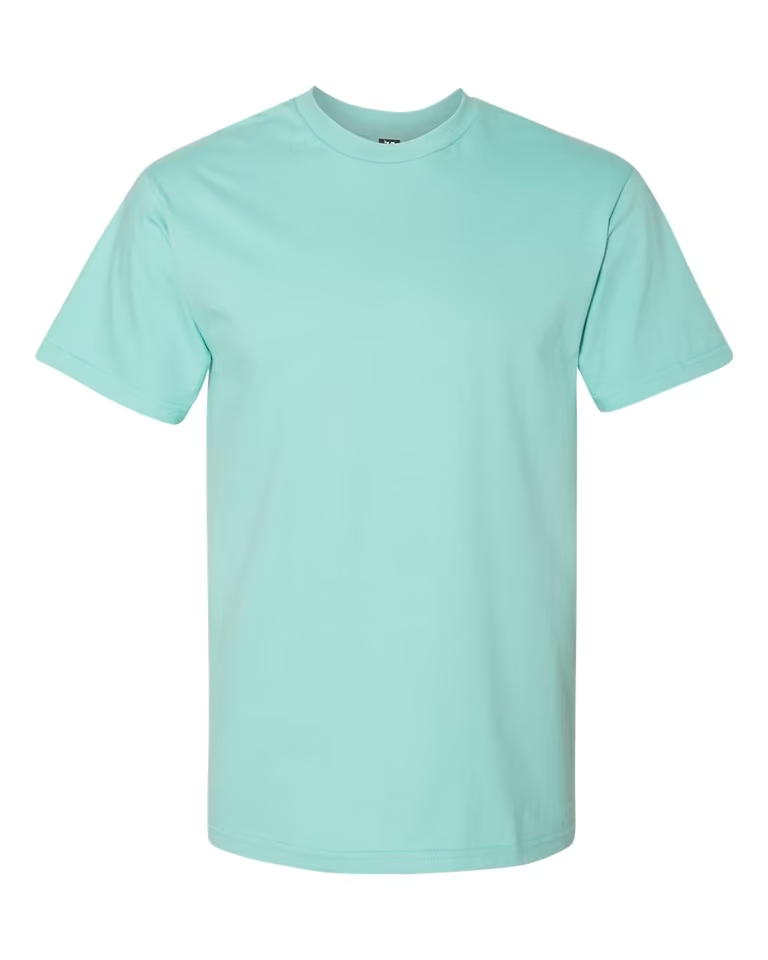
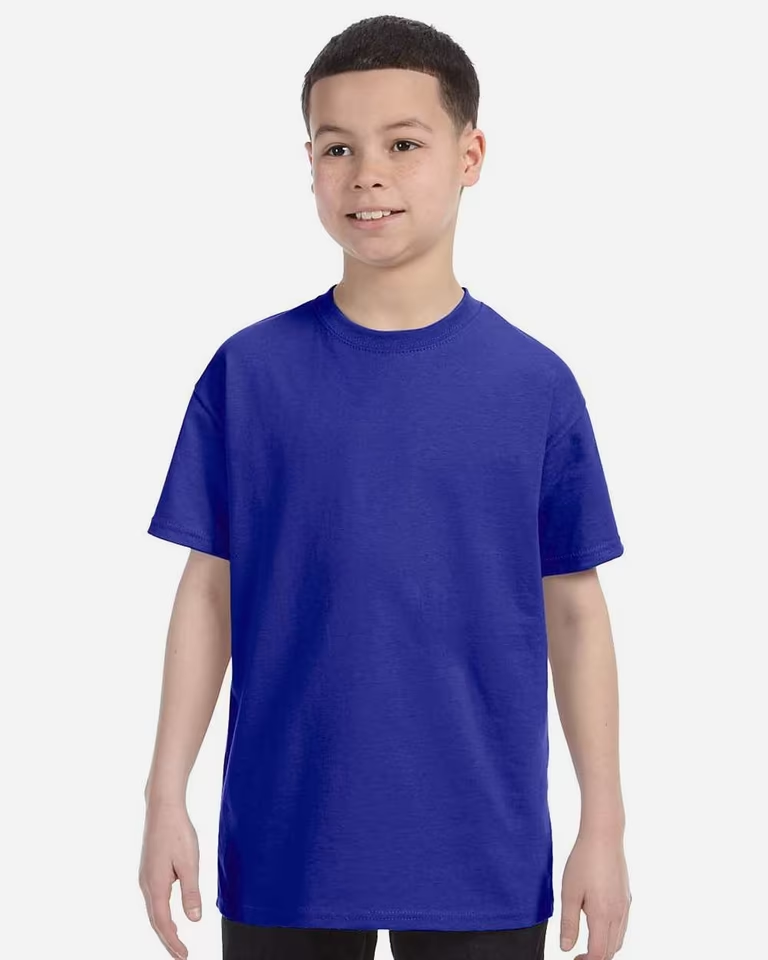
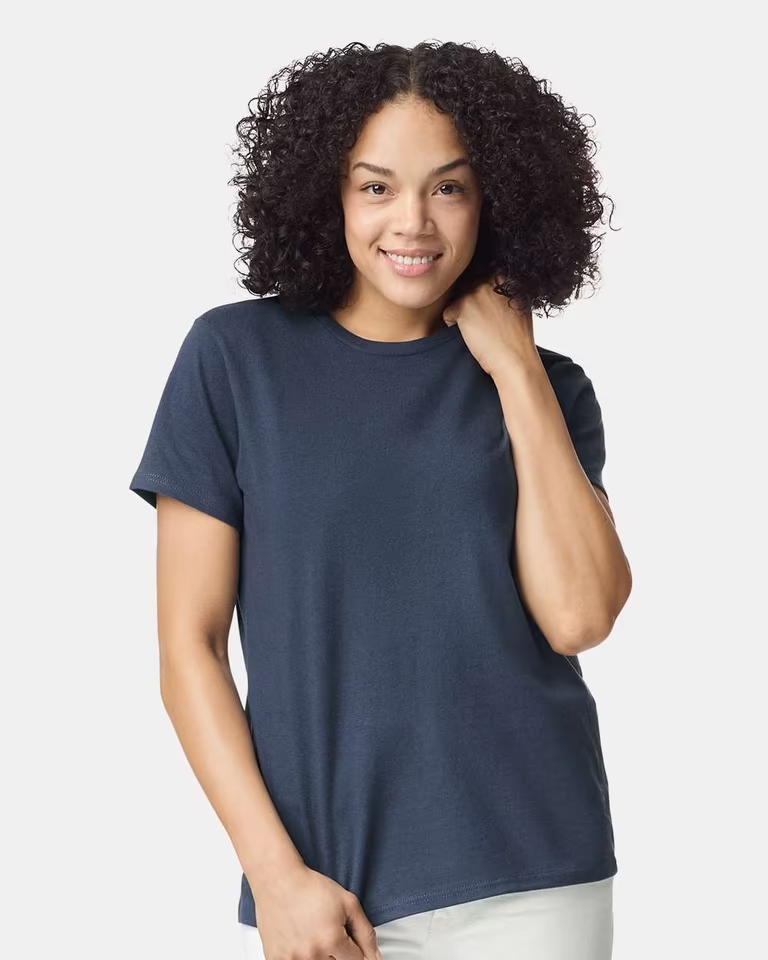
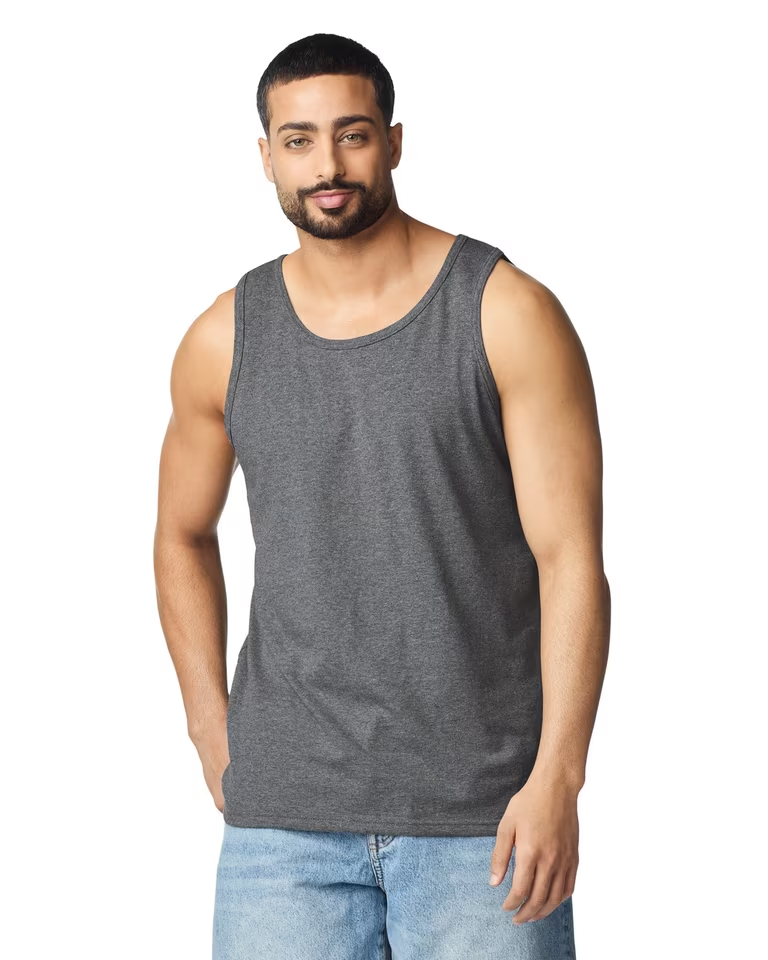
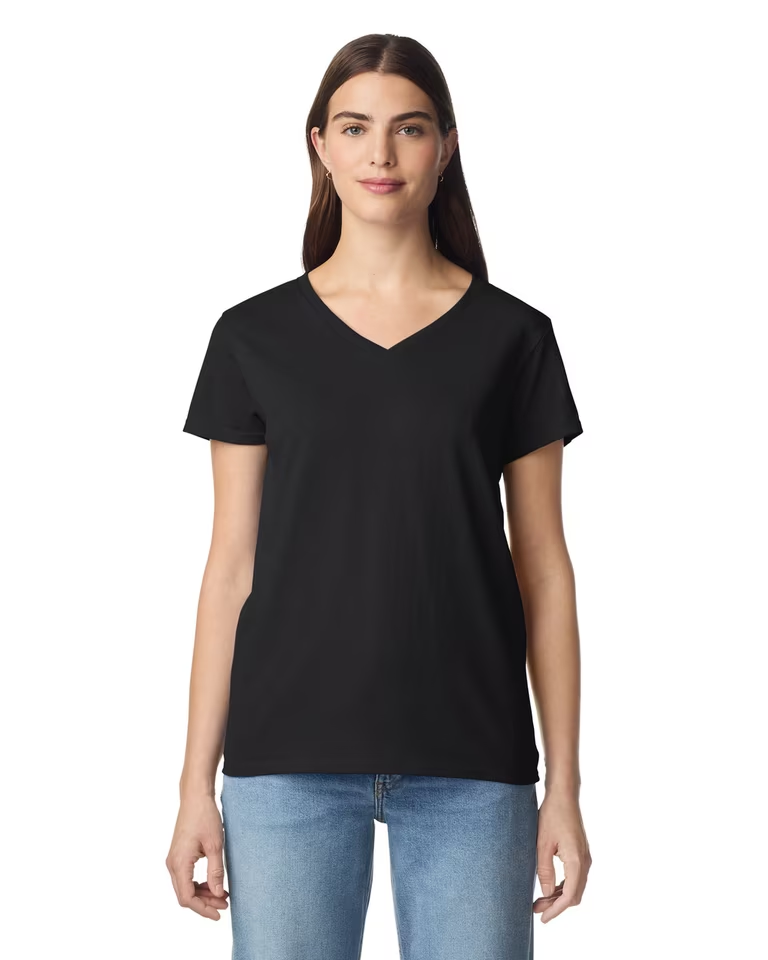
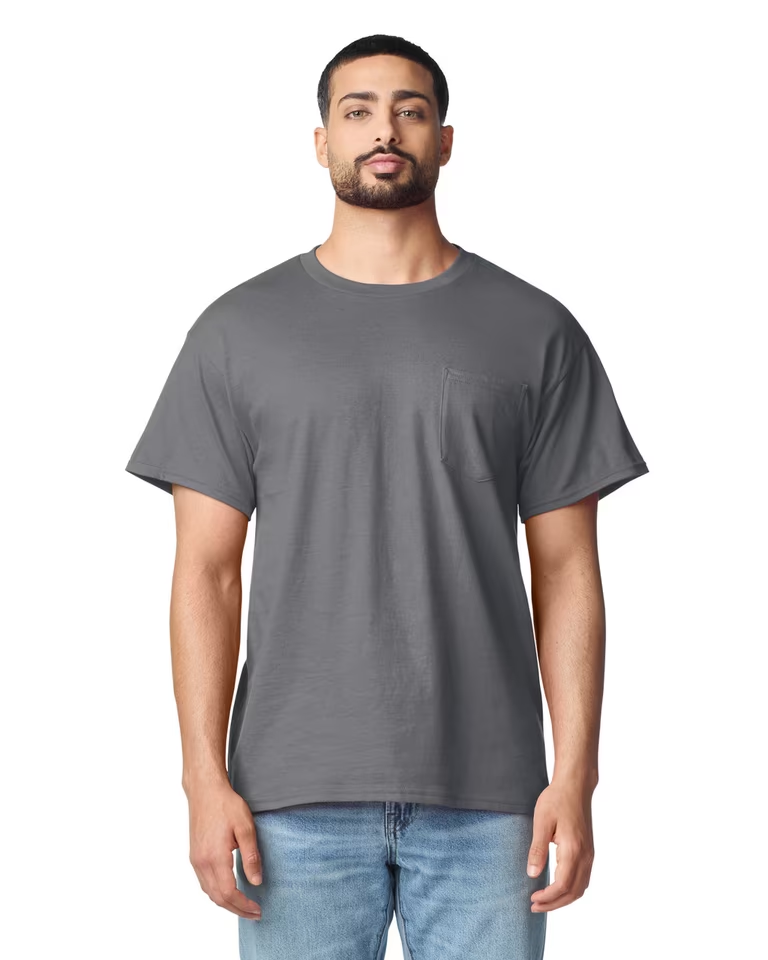
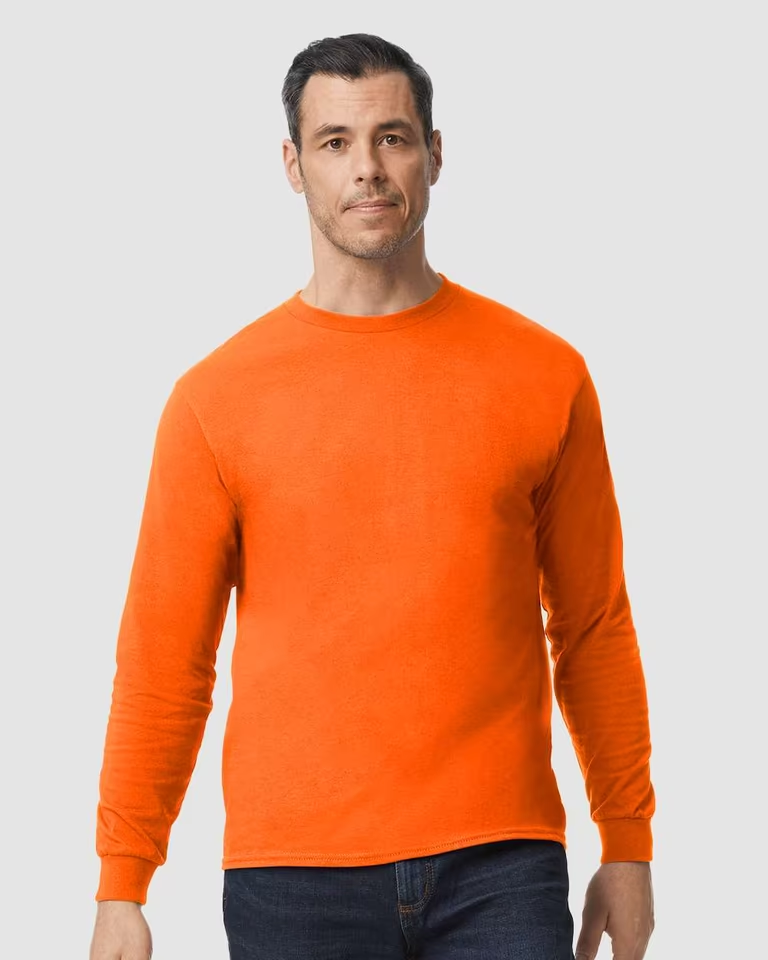
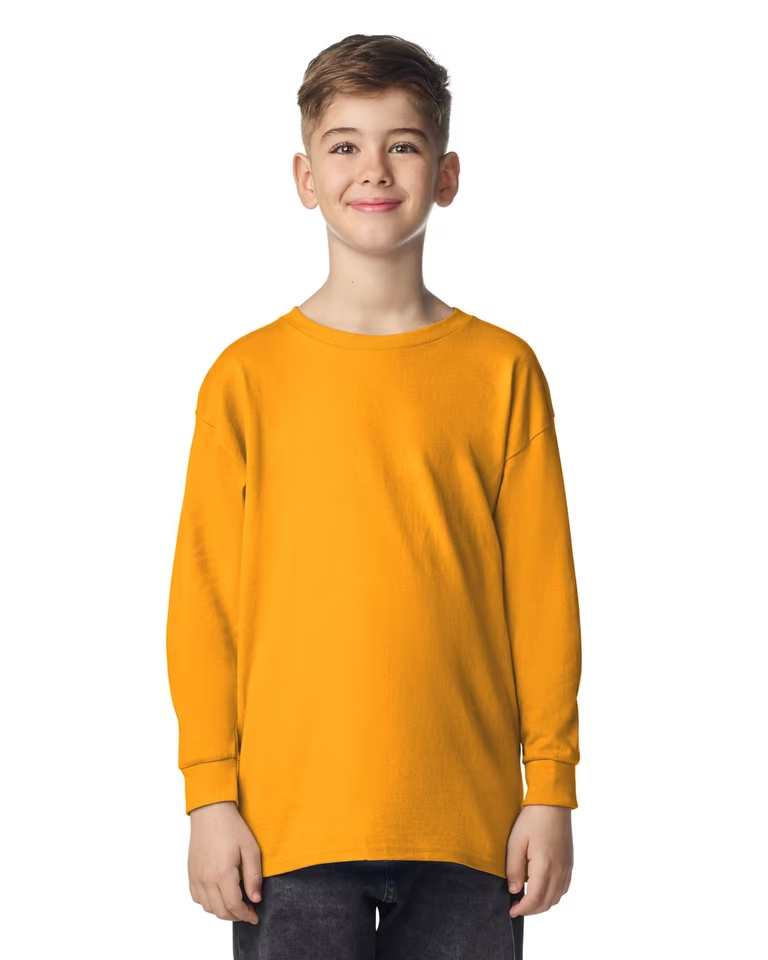
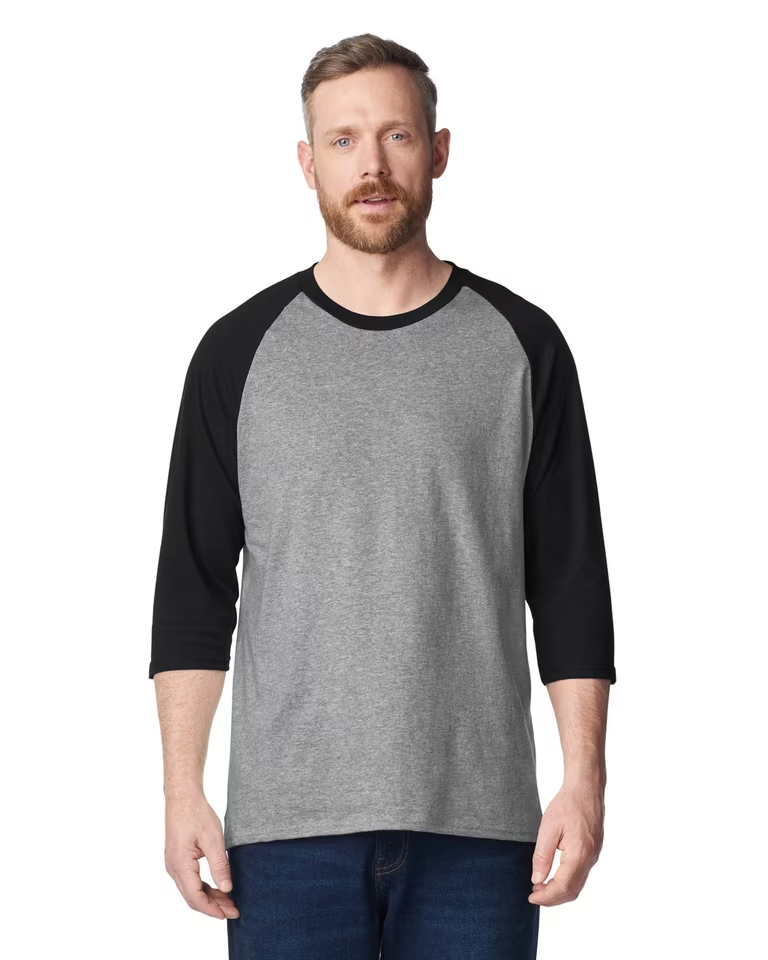
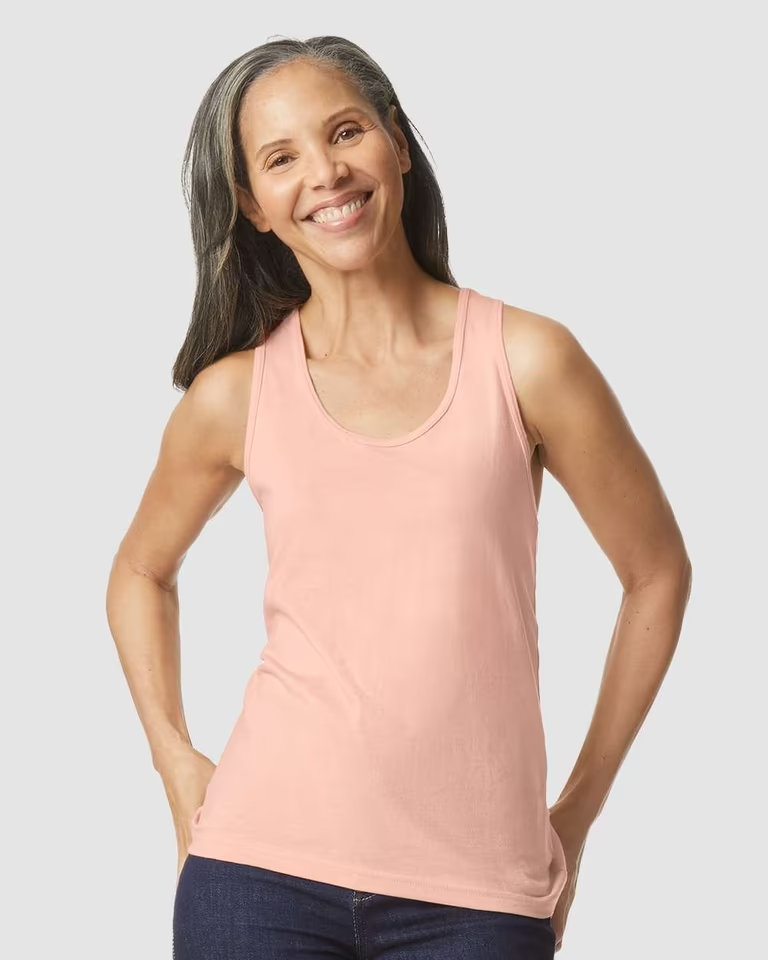
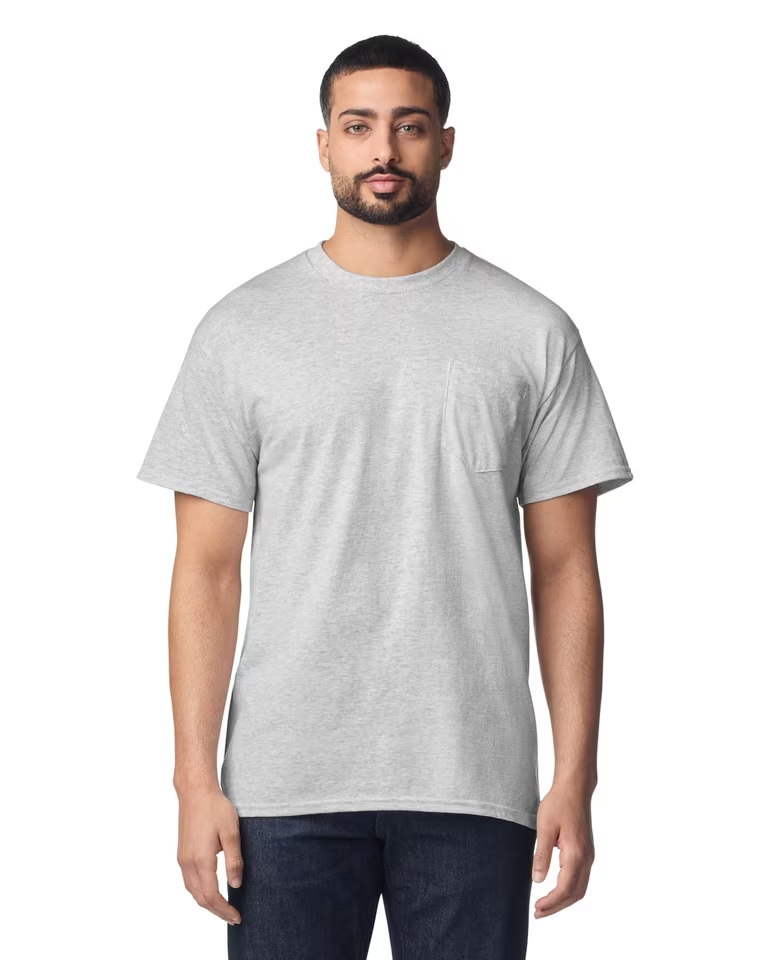
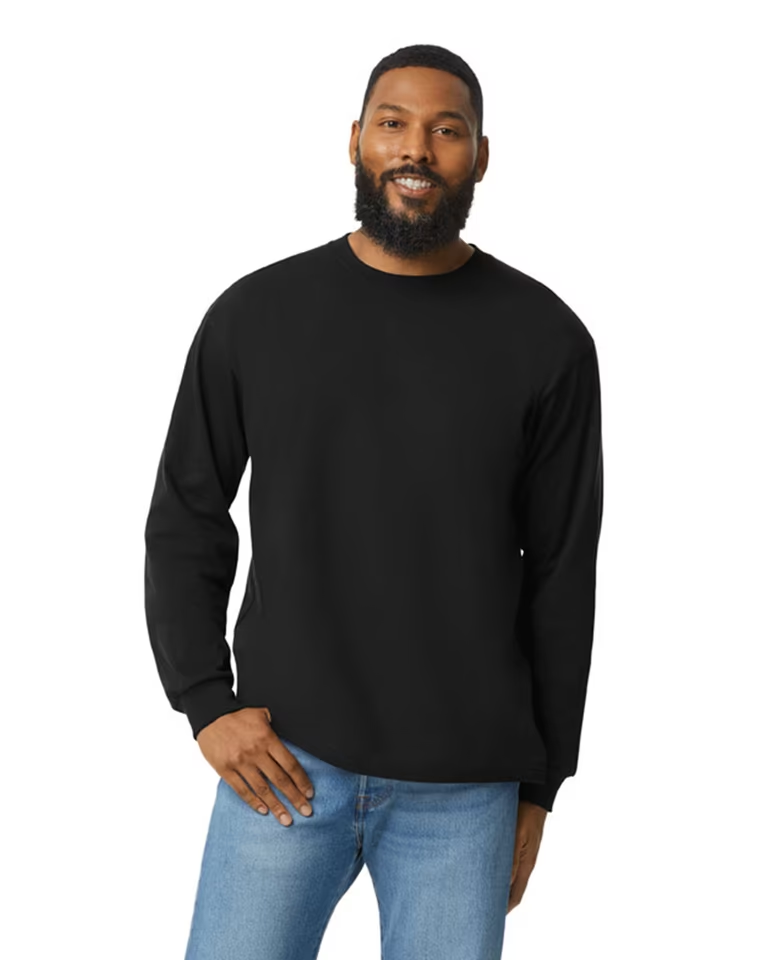
The 5000, the default How dense a knit fabric is, measured in oz/yd². Typical ranges: under 4.5 oz is lightweight fashion; 4.5–5.5 oz is the midweight band most everyday tees fall into; 5.5–6 oz is heavy everyday and fleece; 6 oz and up is the heavyweight range, with 7 oz and up the streetwear max-weight class. Heavier fabric drapes more substantially, holds prints flatter, and costs more per blank. promo tee, in unisex, youth, women's, V-neck, toddler, tank, pocket, long-sleeve, and raglan cuts. Same open-end cotton across the collection, so a mixed-size event order prints and reorders as one fabric.
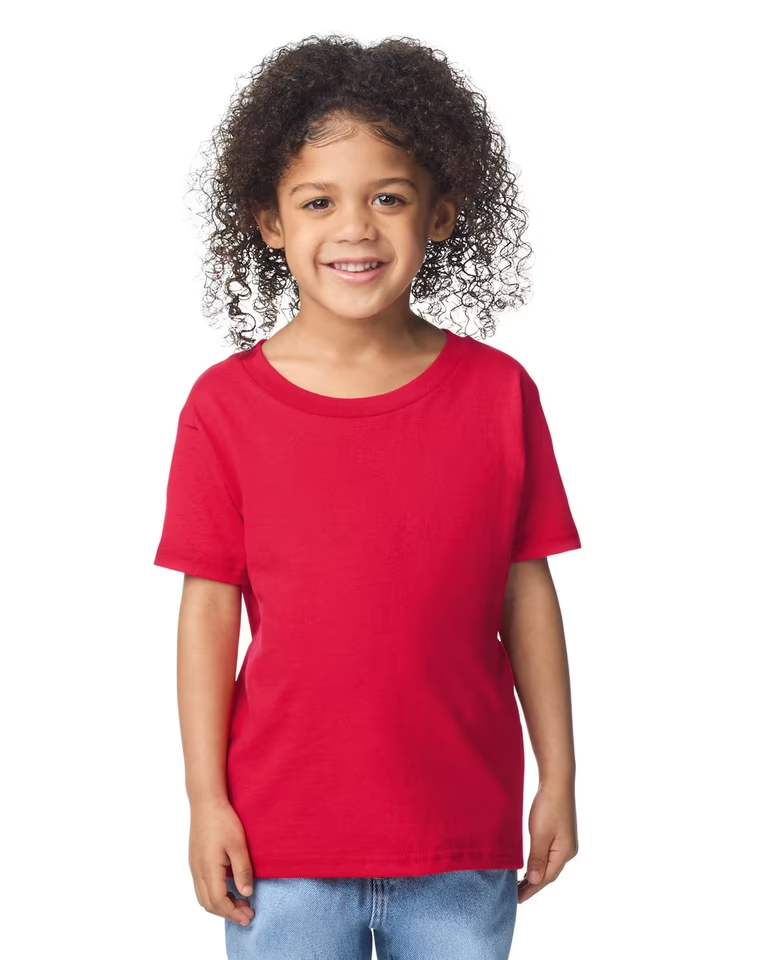
Gildan style number 5700
$8.55
Retail $11.39
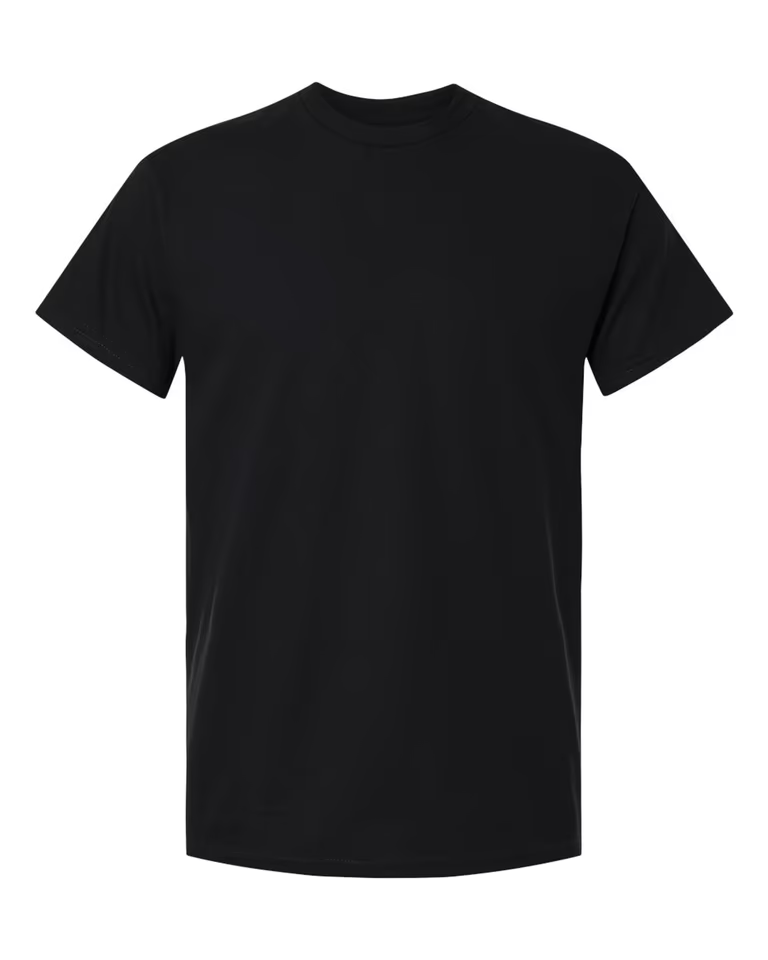
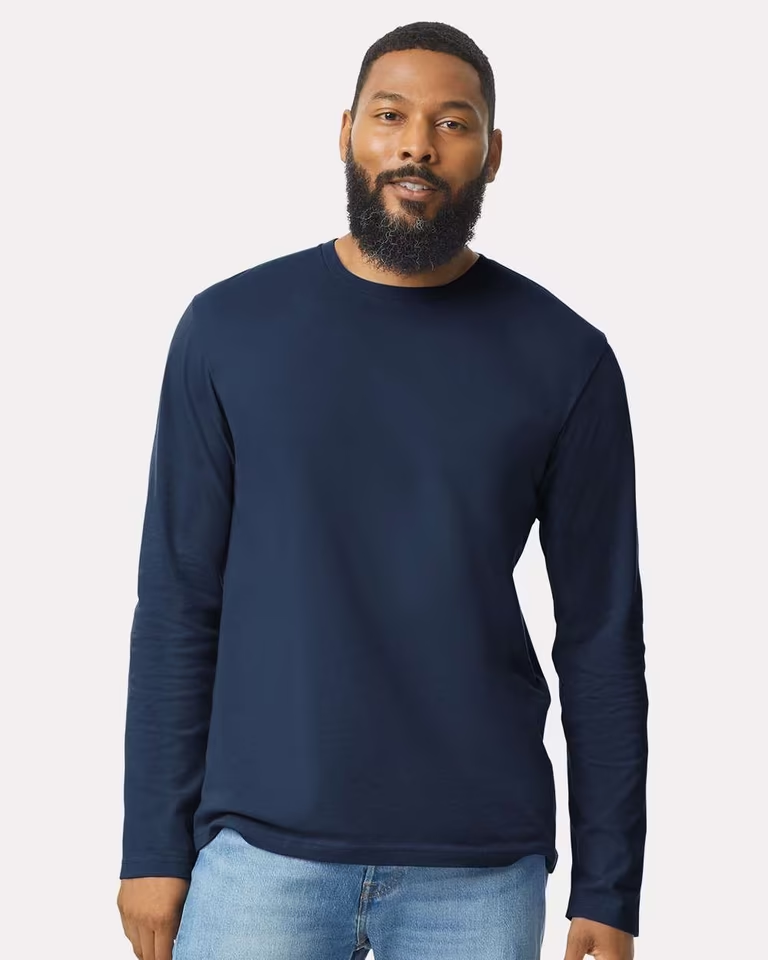
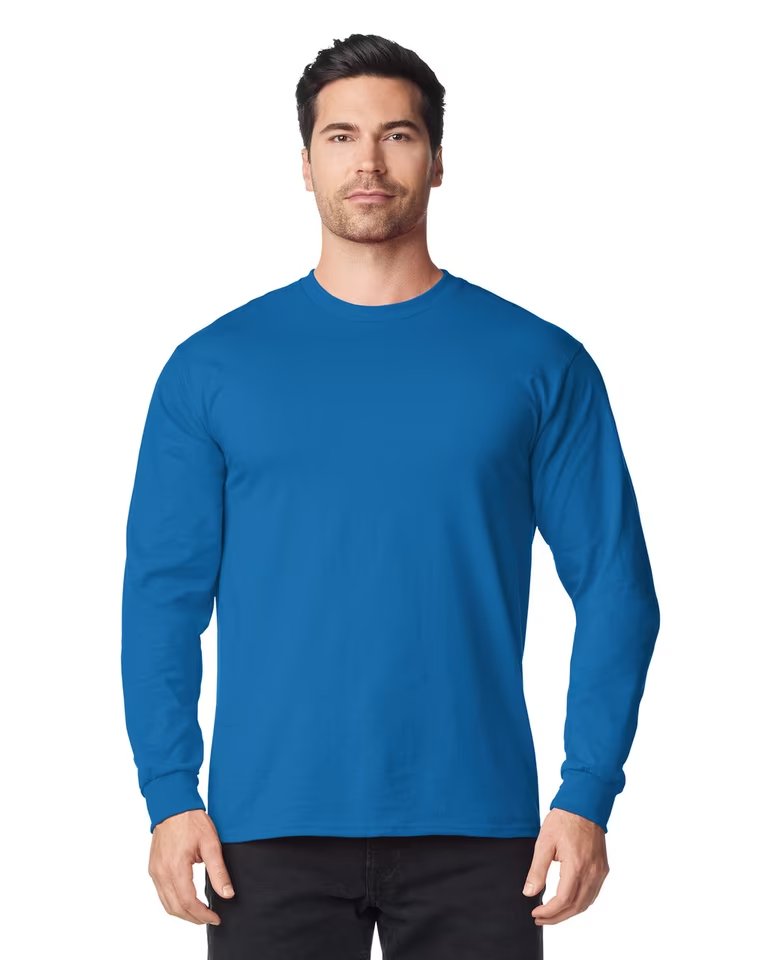
The 2000 collection, a heavier and more durable How dense a knit fabric is, measured in oz/yd². Typical ranges: under 4.5 oz is lightweight fashion; 4.5–5.5 oz is the midweight band most everyday tees fall into; 5.5–6 oz is heavy everyday and fleece; 6 oz and up is the heavyweight range, with 7 oz and up the streetwear max-weight class. Heavier fabric drapes more substantially, holds prints flatter, and costs more per blank. cotton in unisex, youth, women's, tall, tank, pocket, and long-sleeve cuts. Pick it over Heavy Cotton when the job calls for thicker fabric or heavy The most common screen-printing ink. PVC particles suspended in a plasticizer. It sits on top of the fabric rather than soaking in, which gives a slightly raised feel and very opaque coverage. deposits.
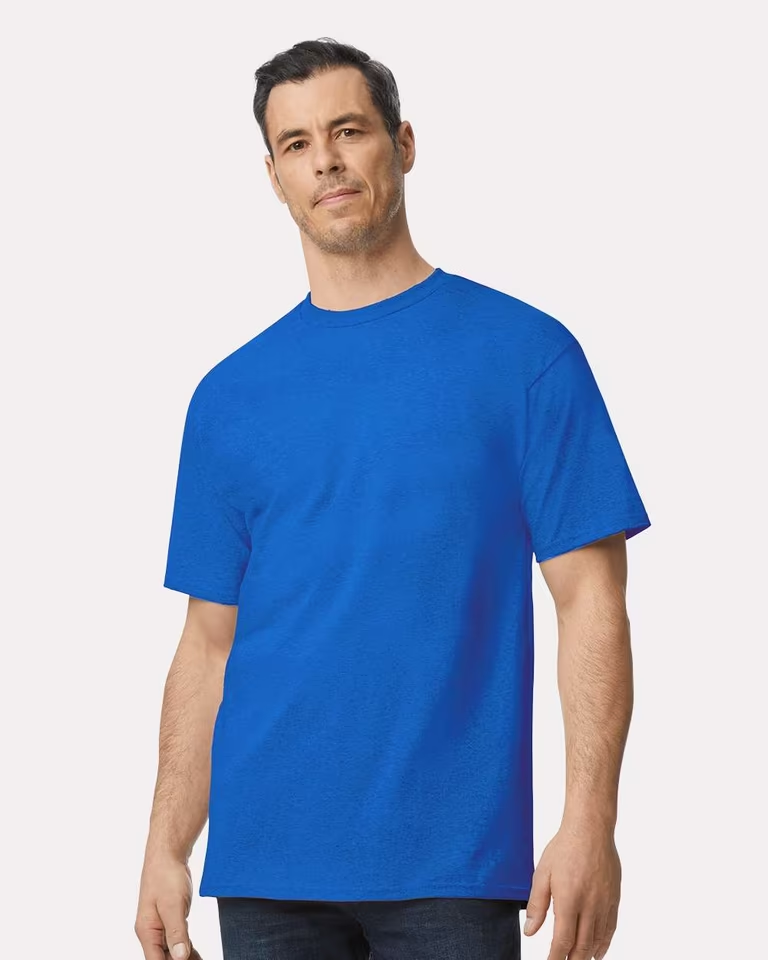
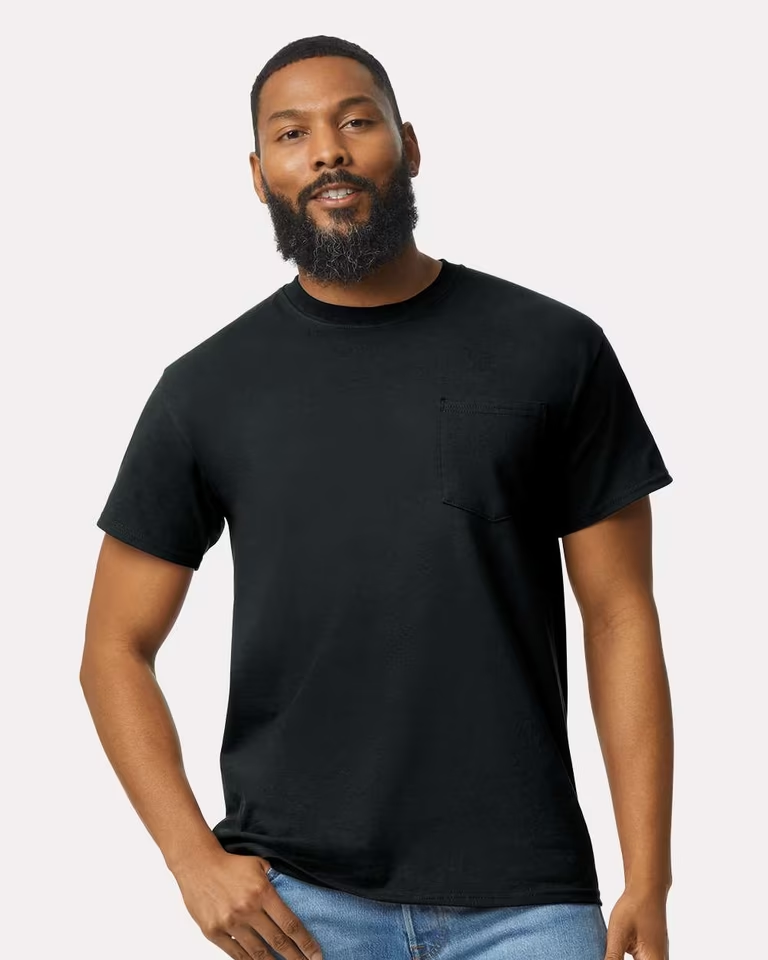
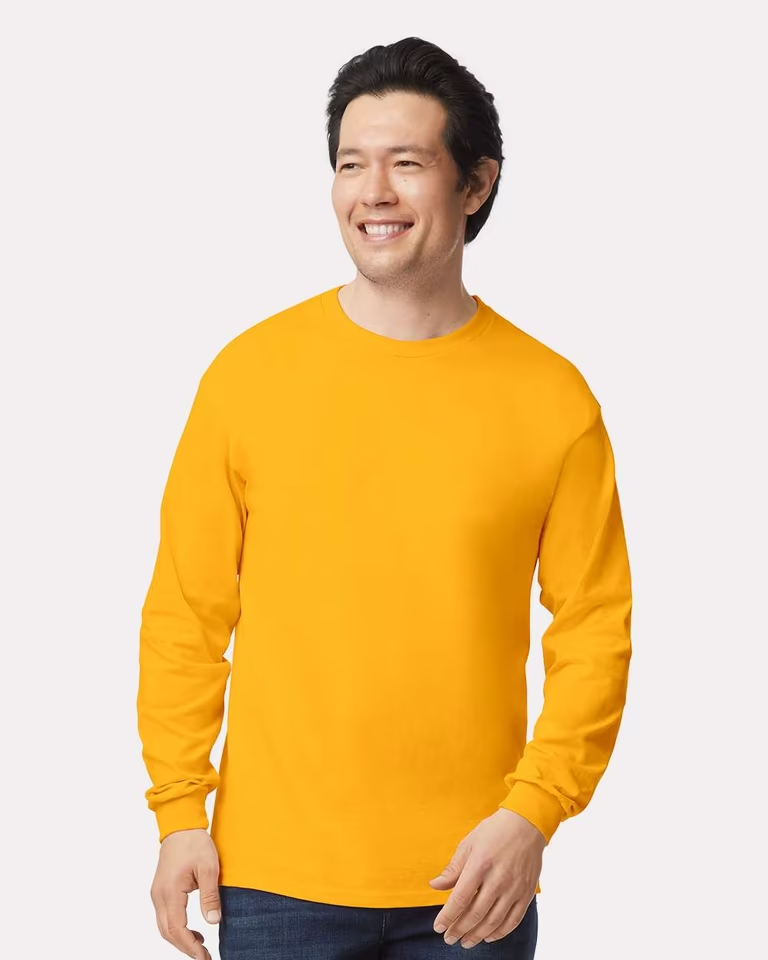
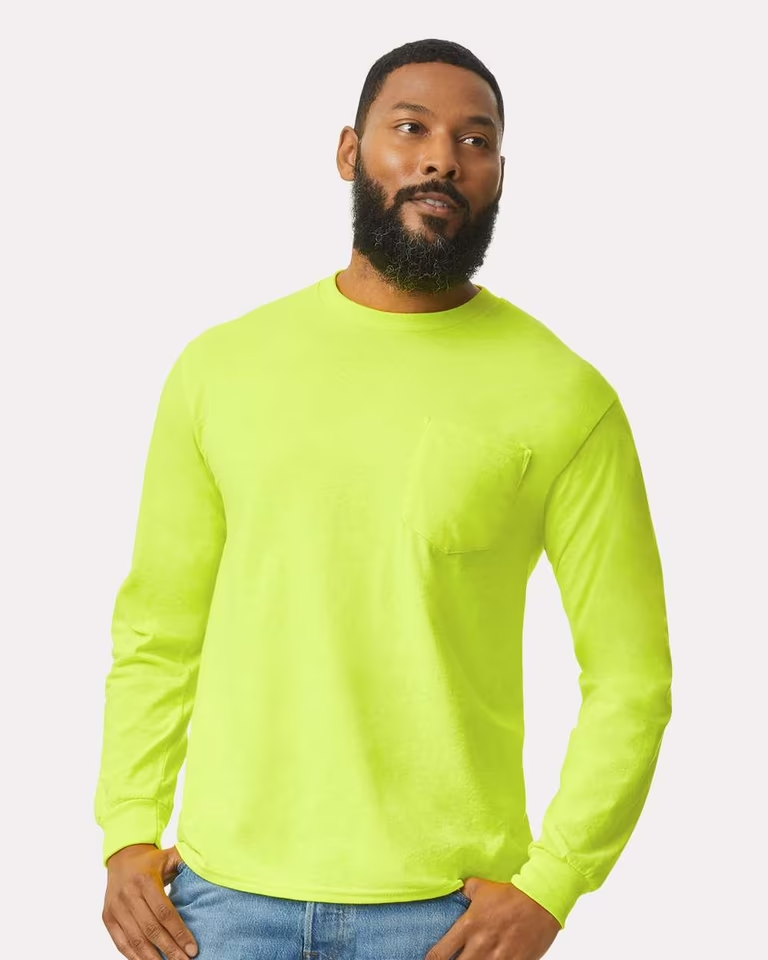
Gildan style number 2410
$13.74
Retail $18.31
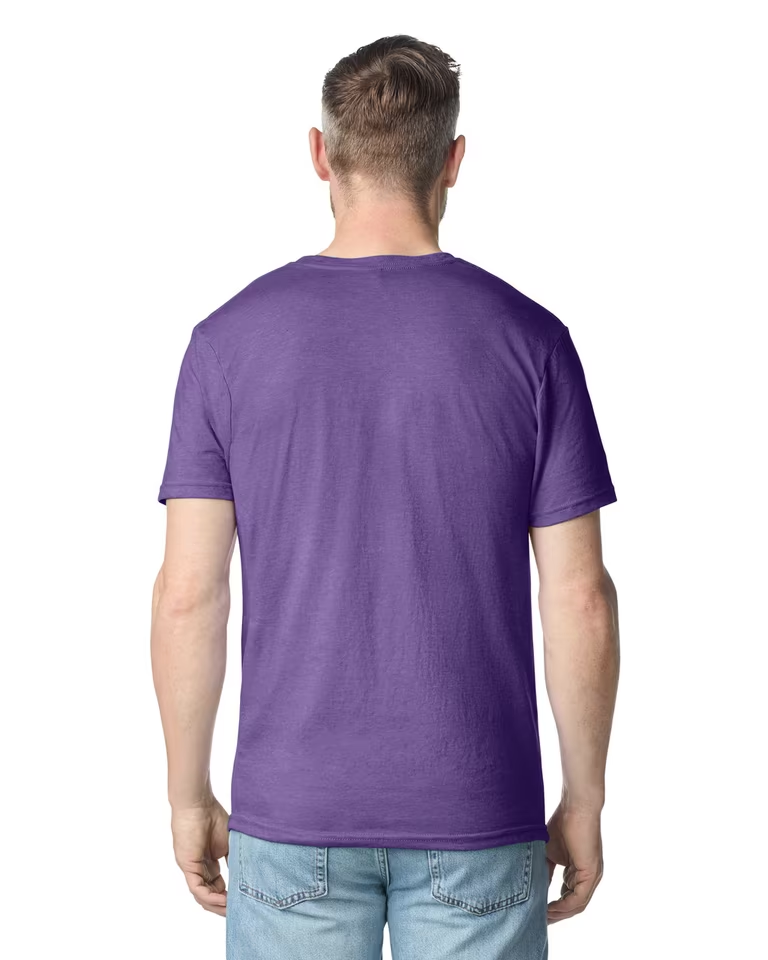
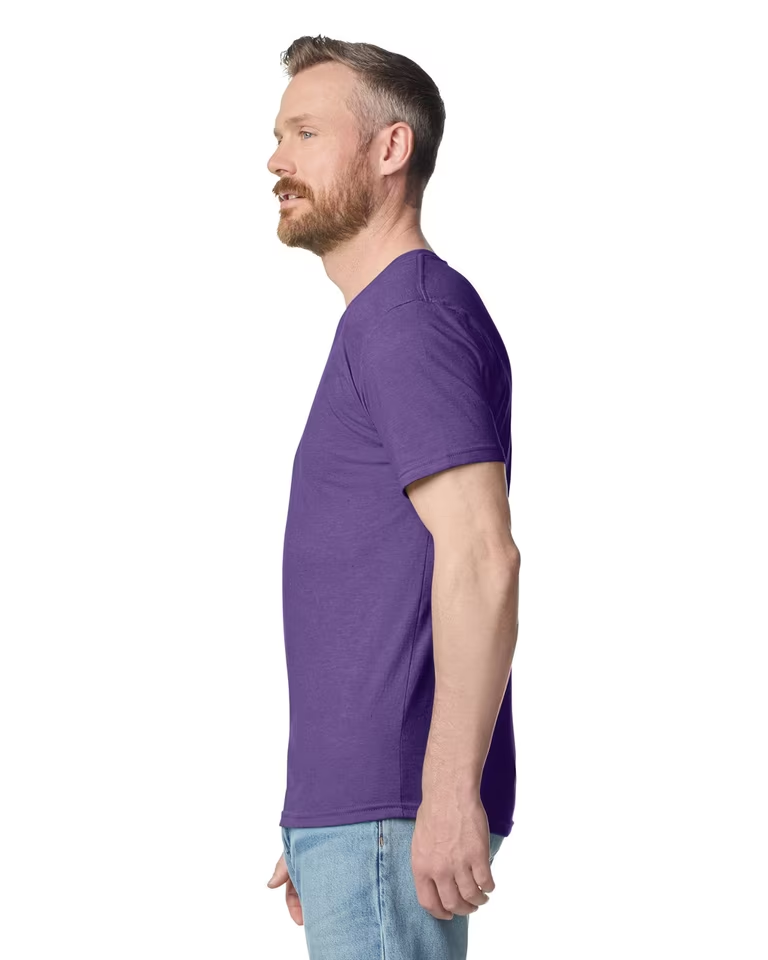
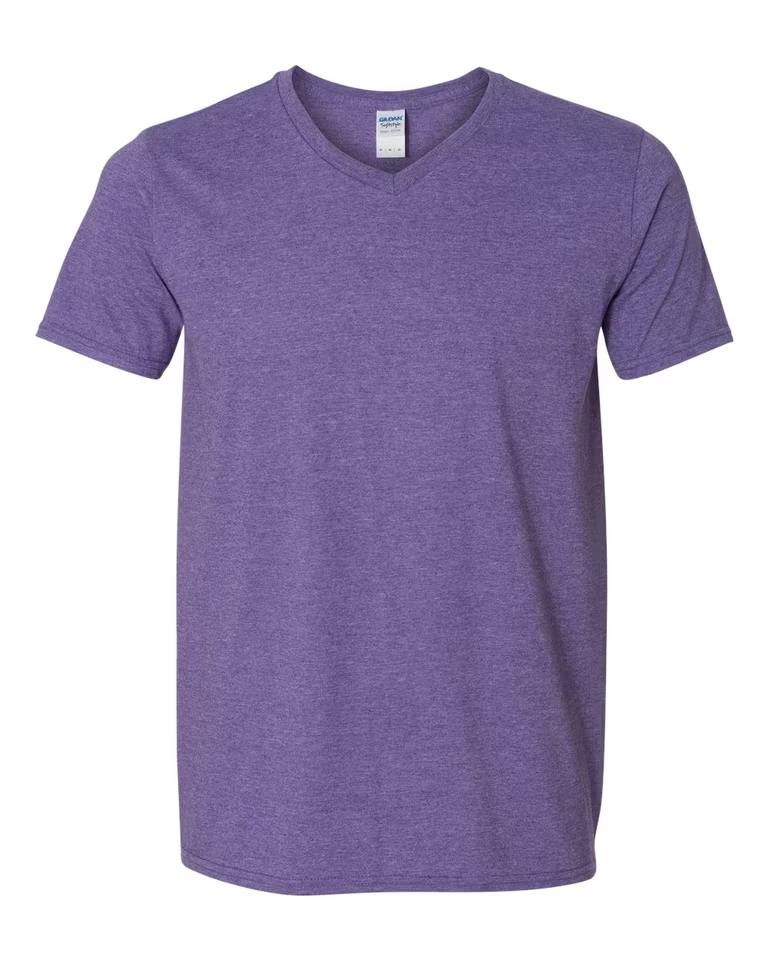
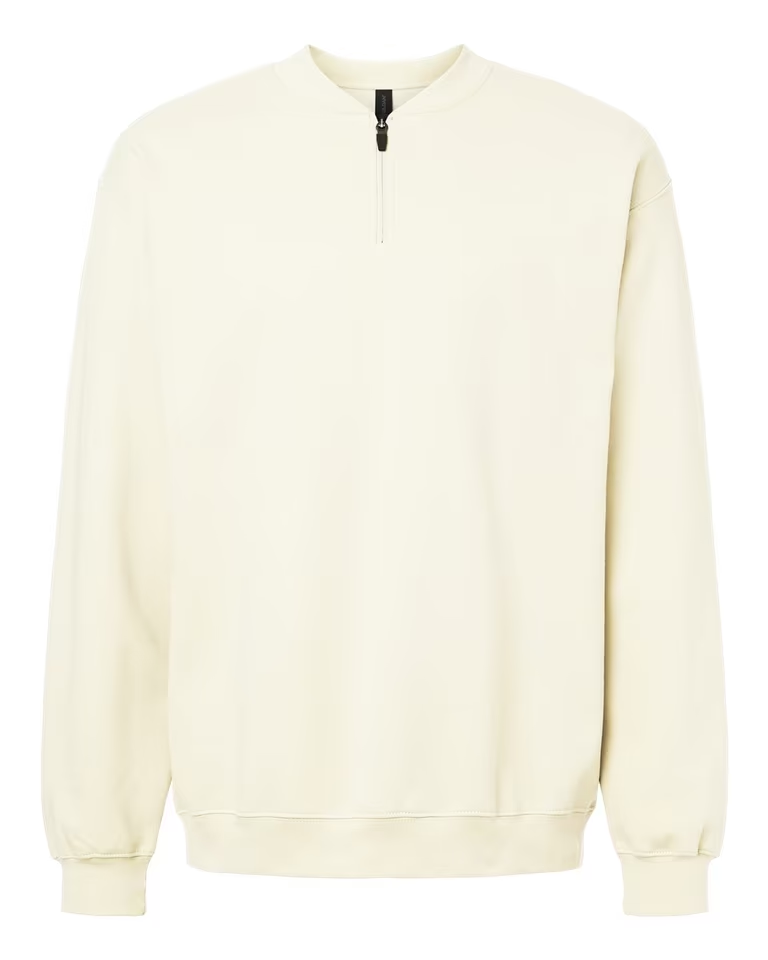
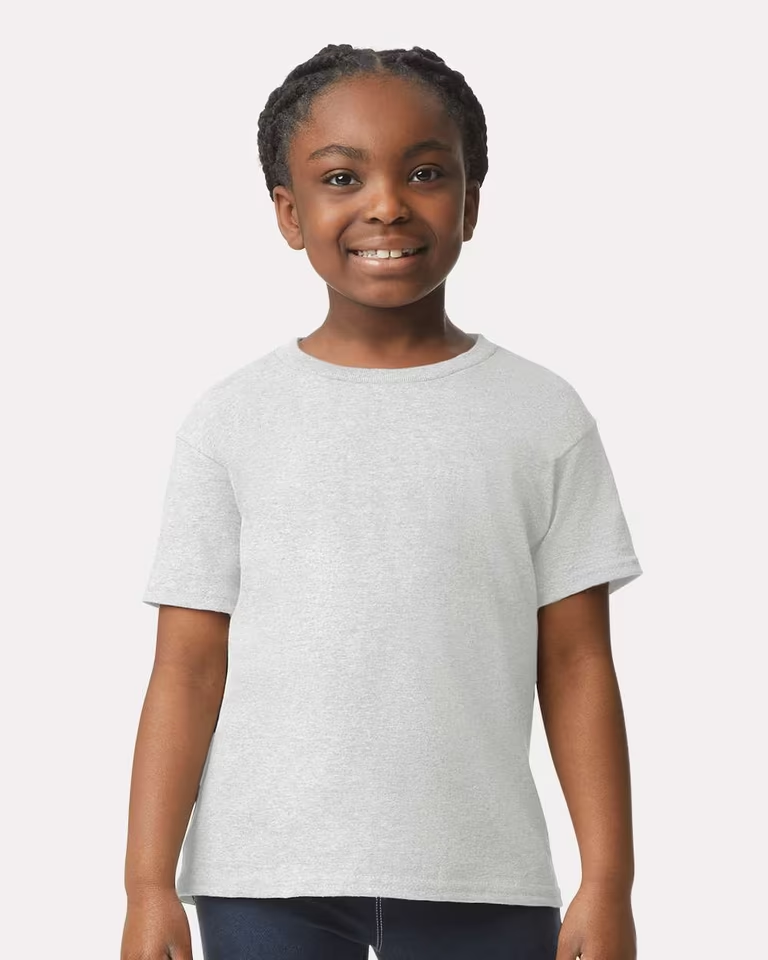
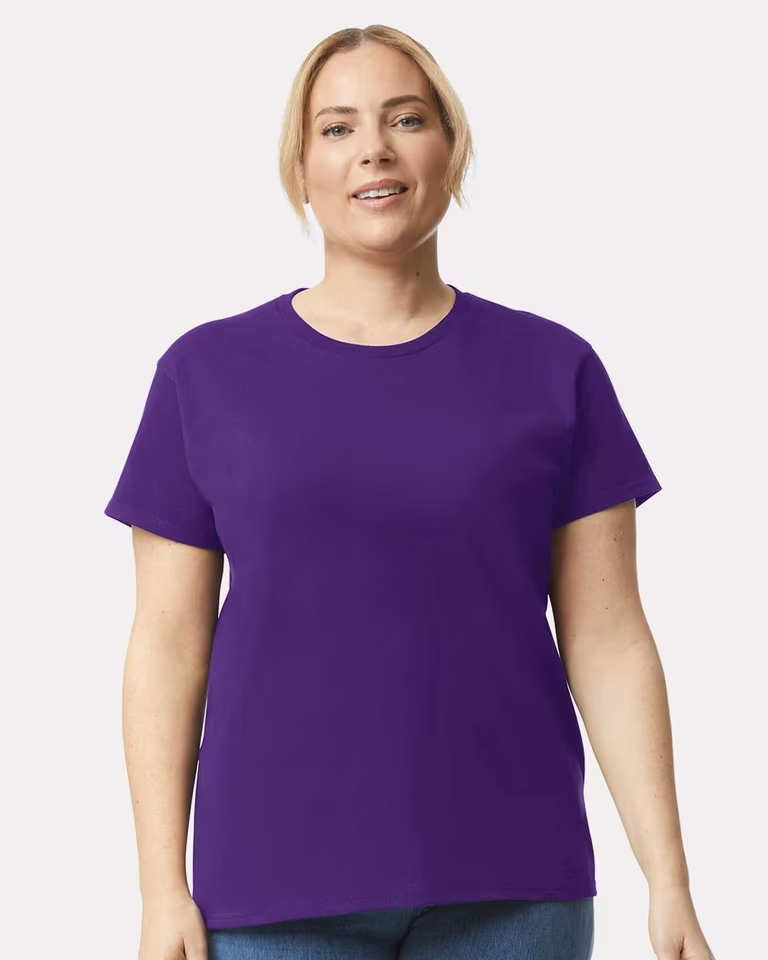
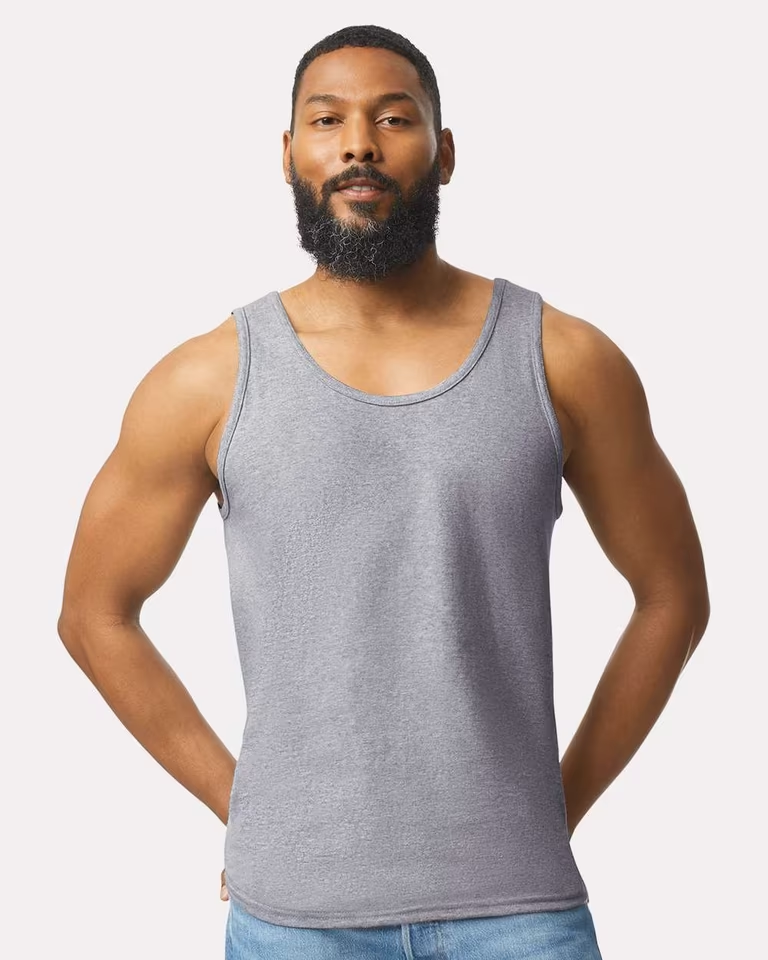
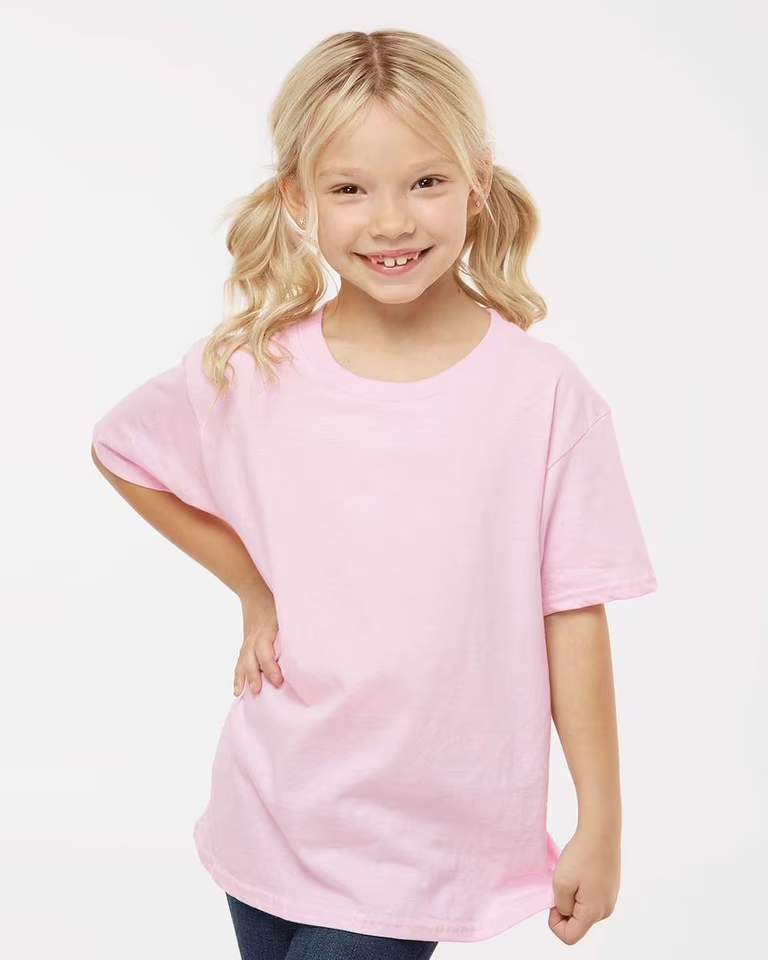
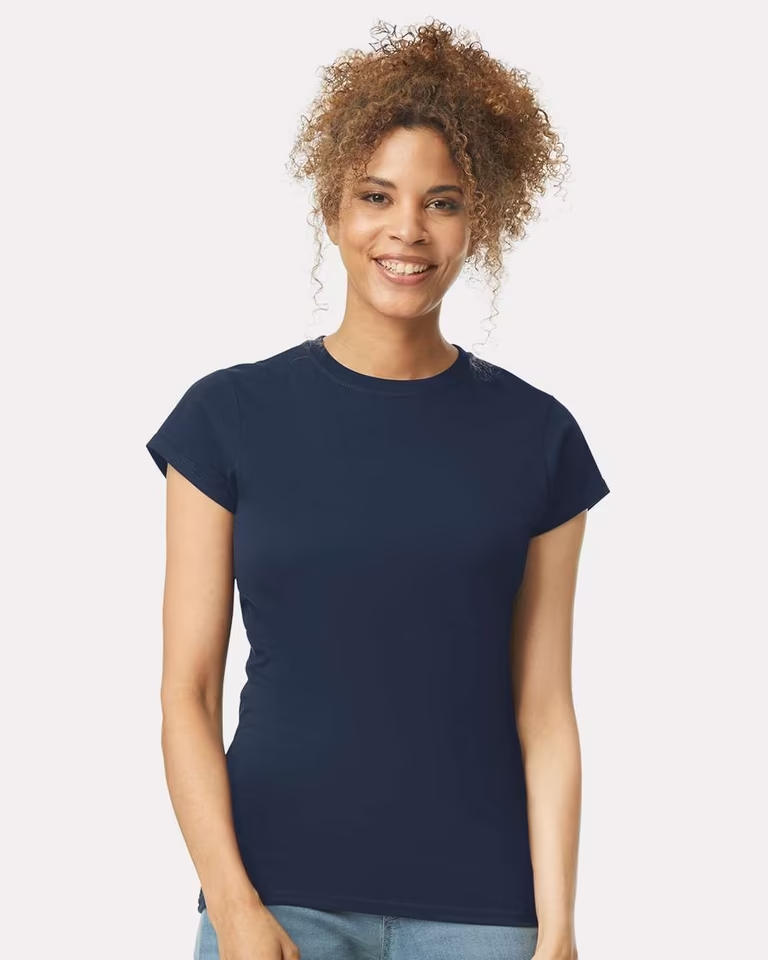
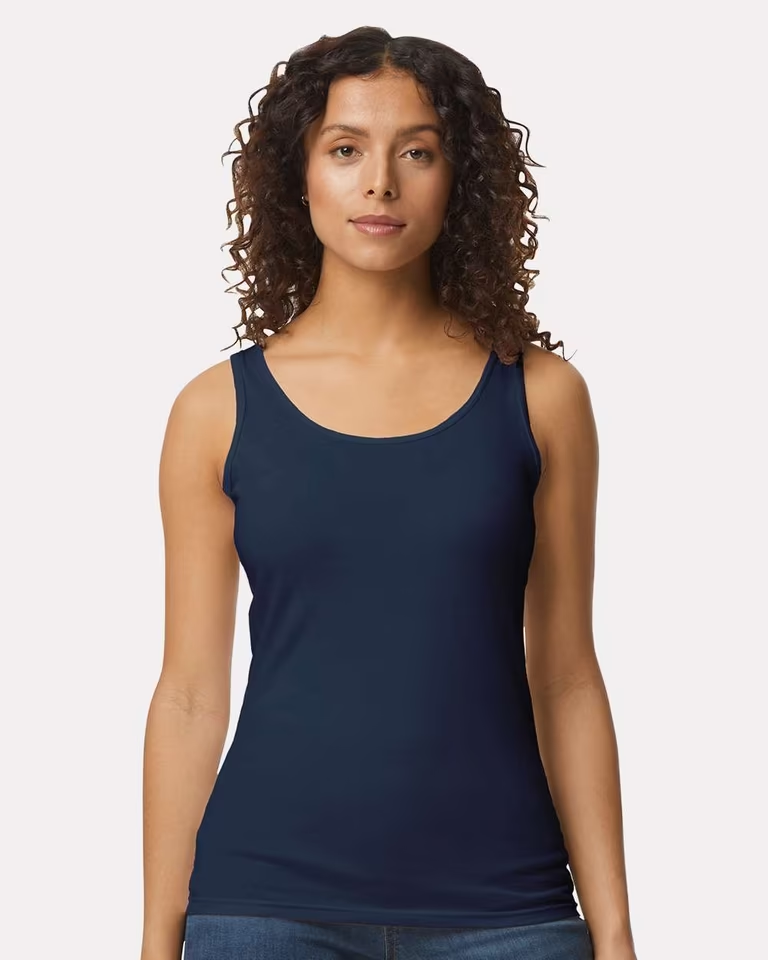
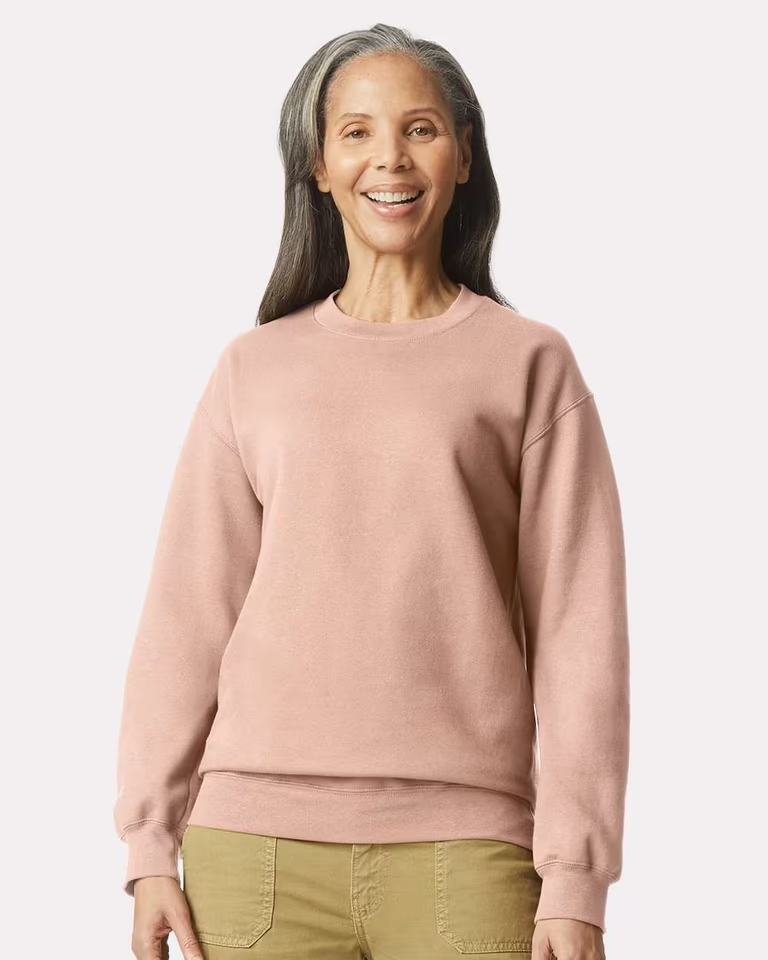
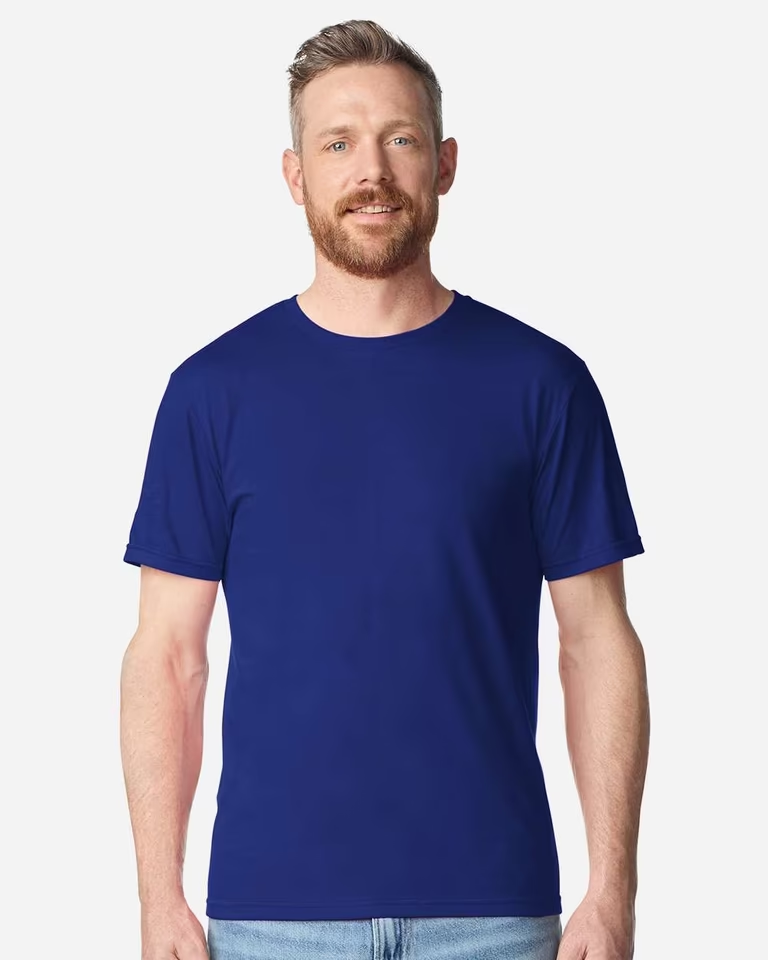
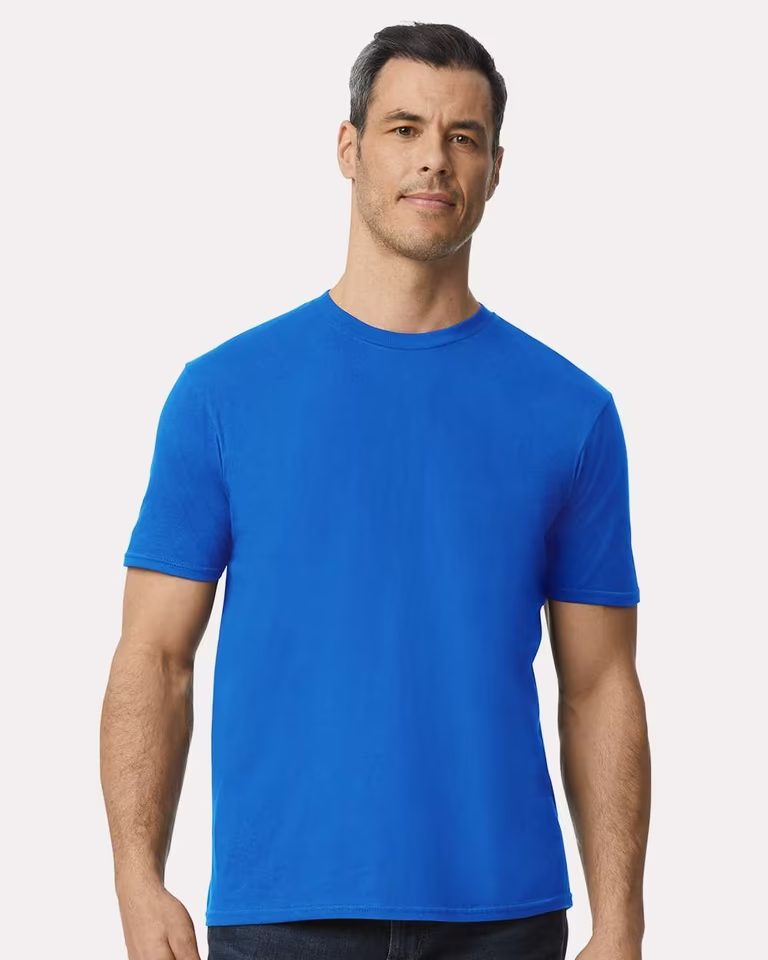
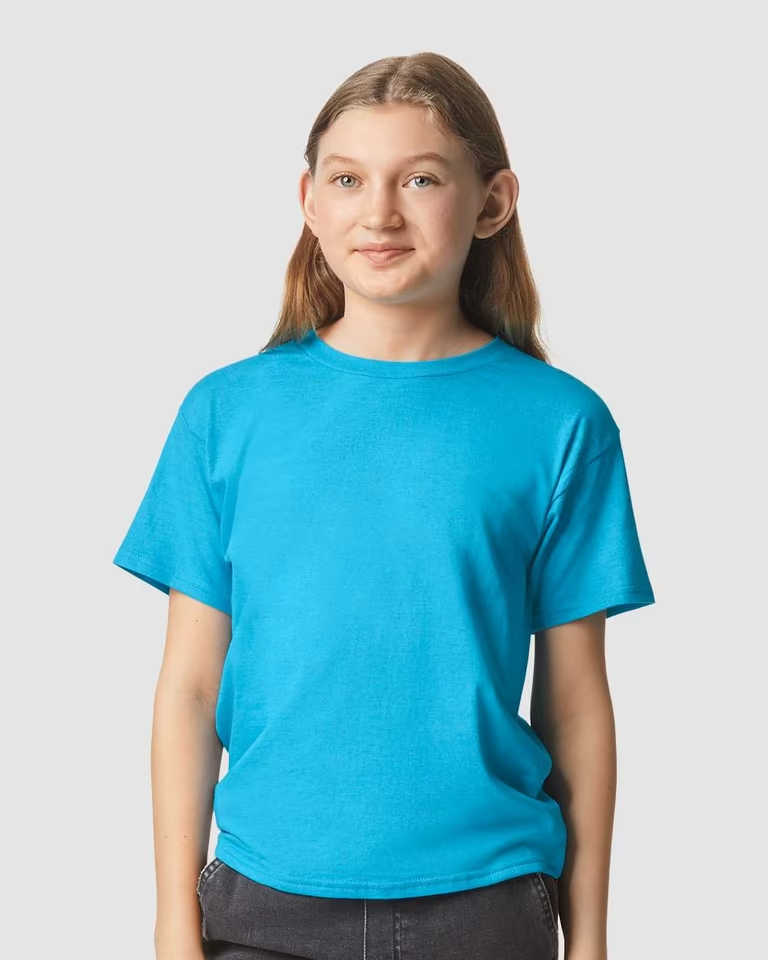
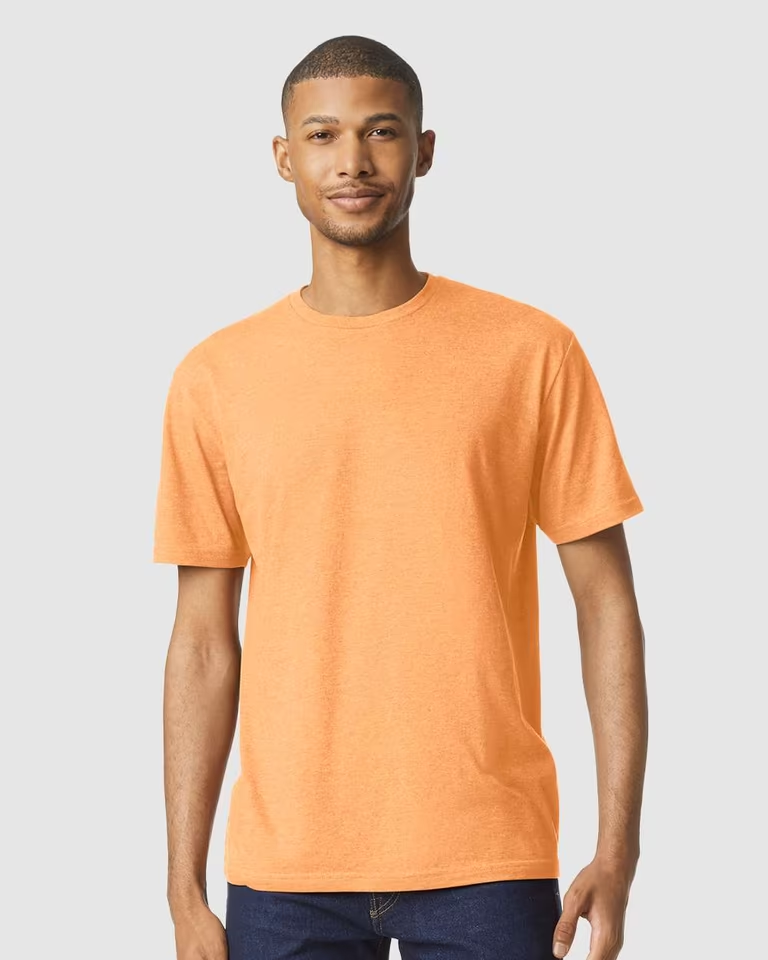
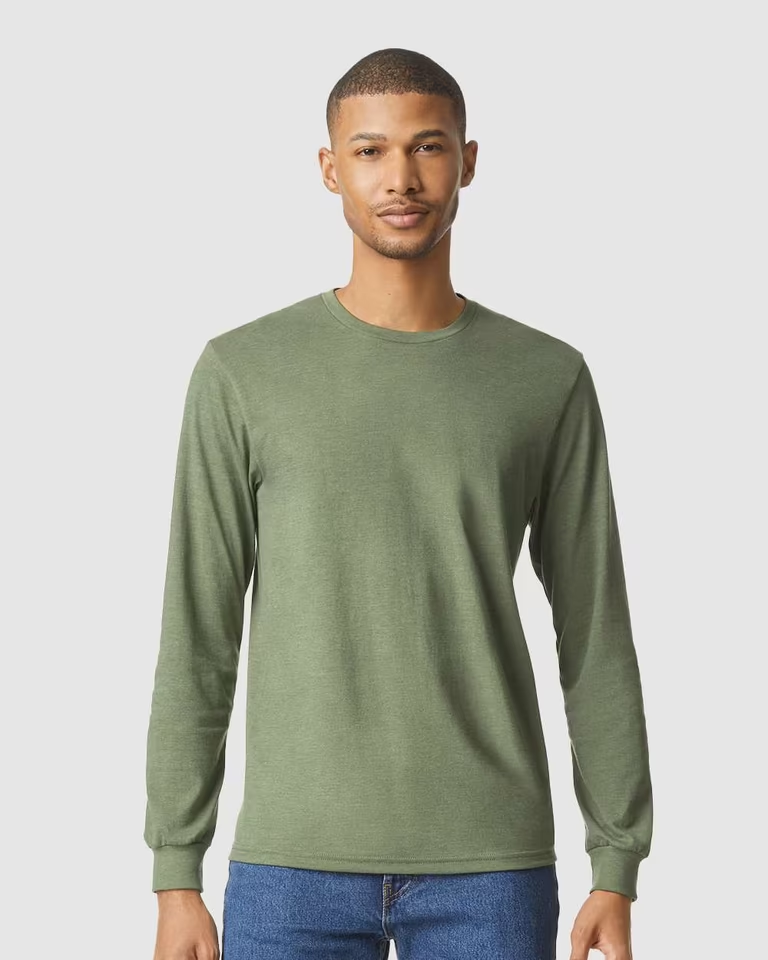
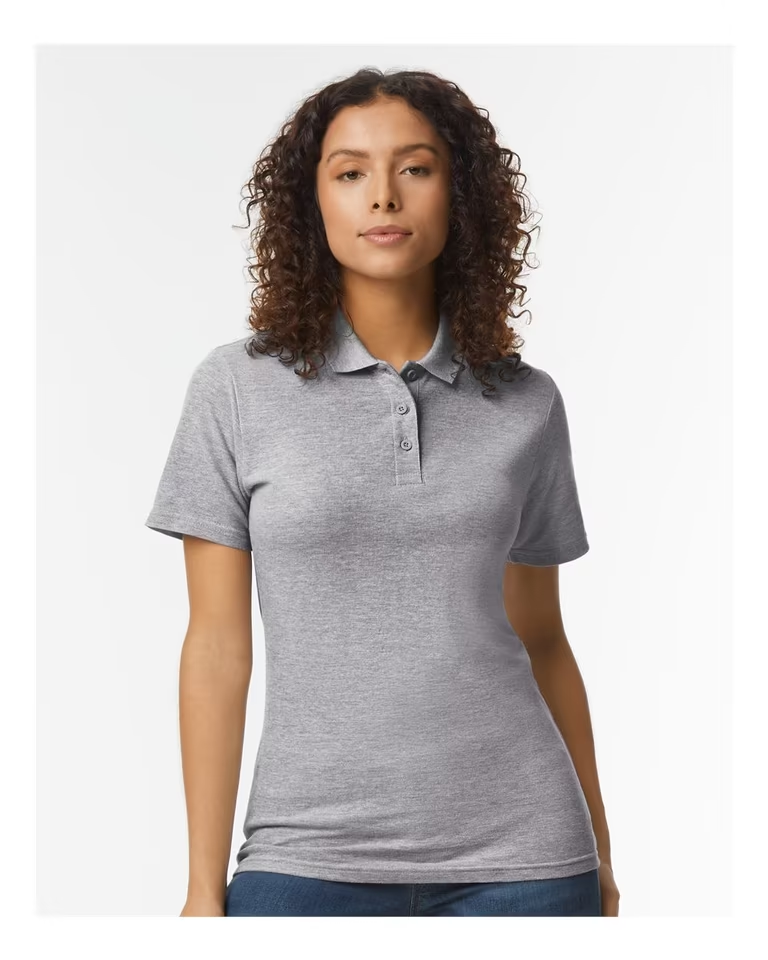
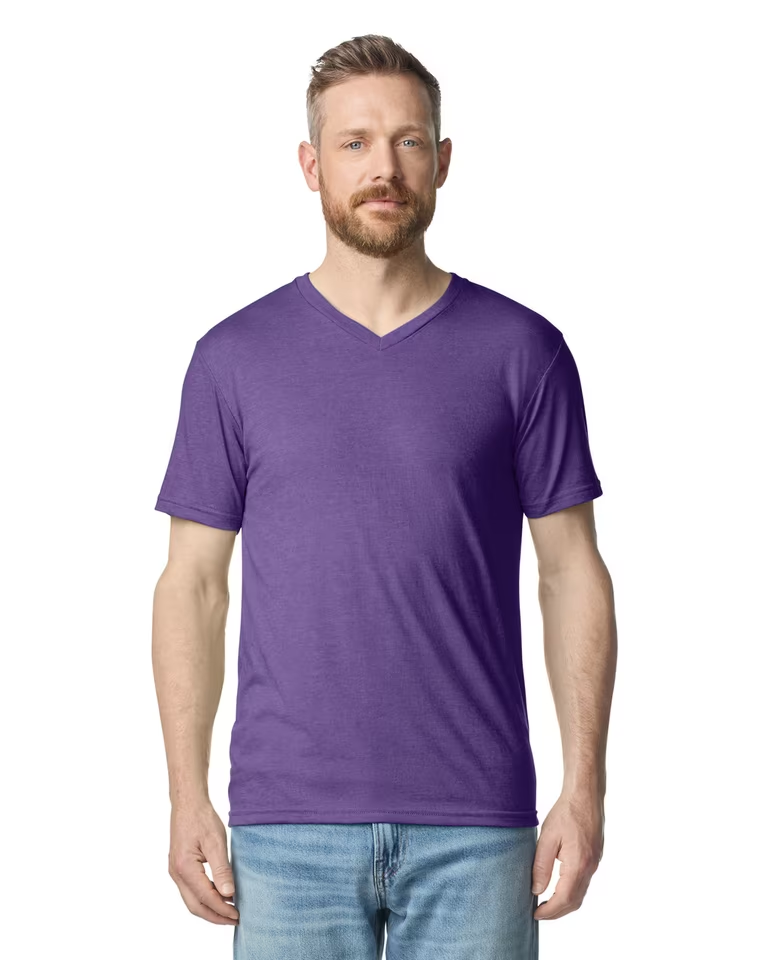
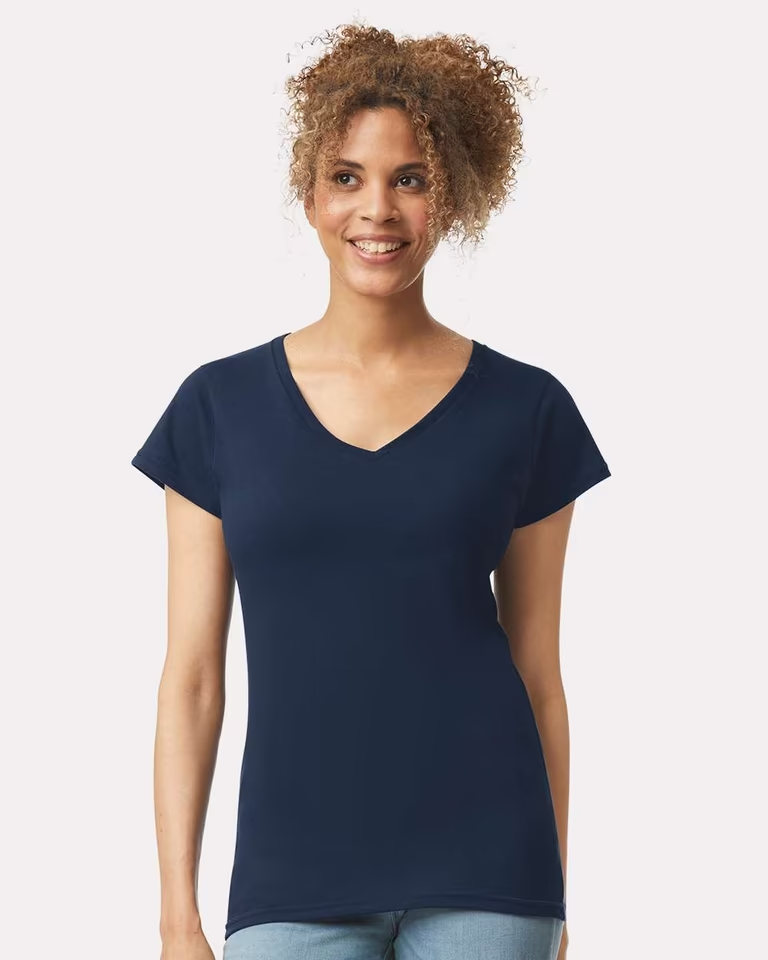
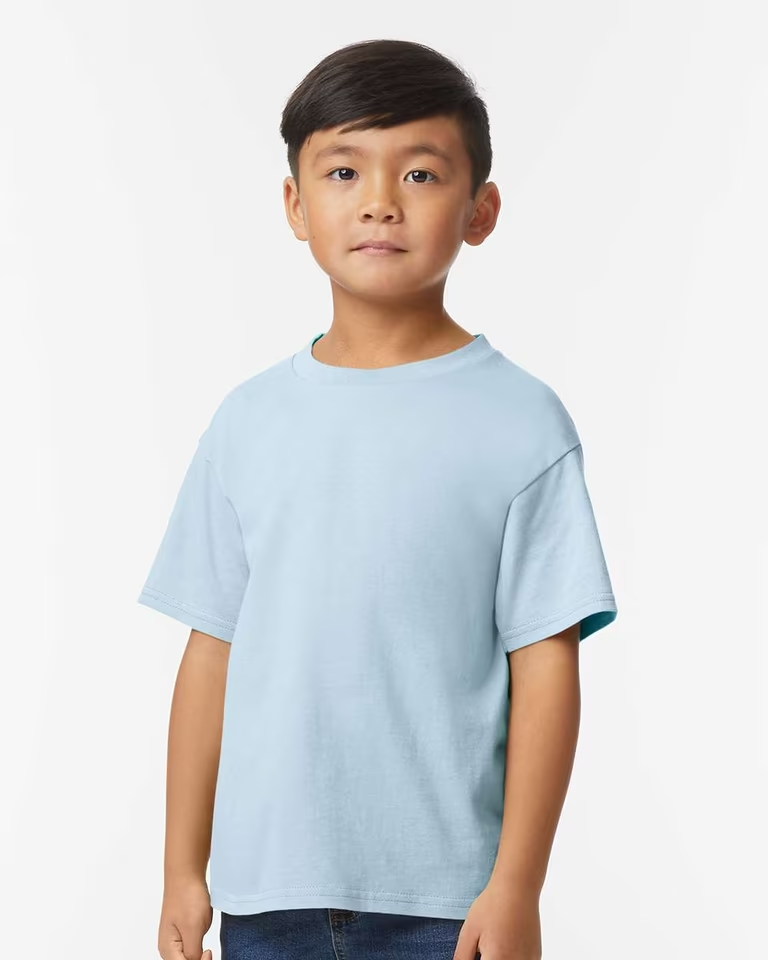
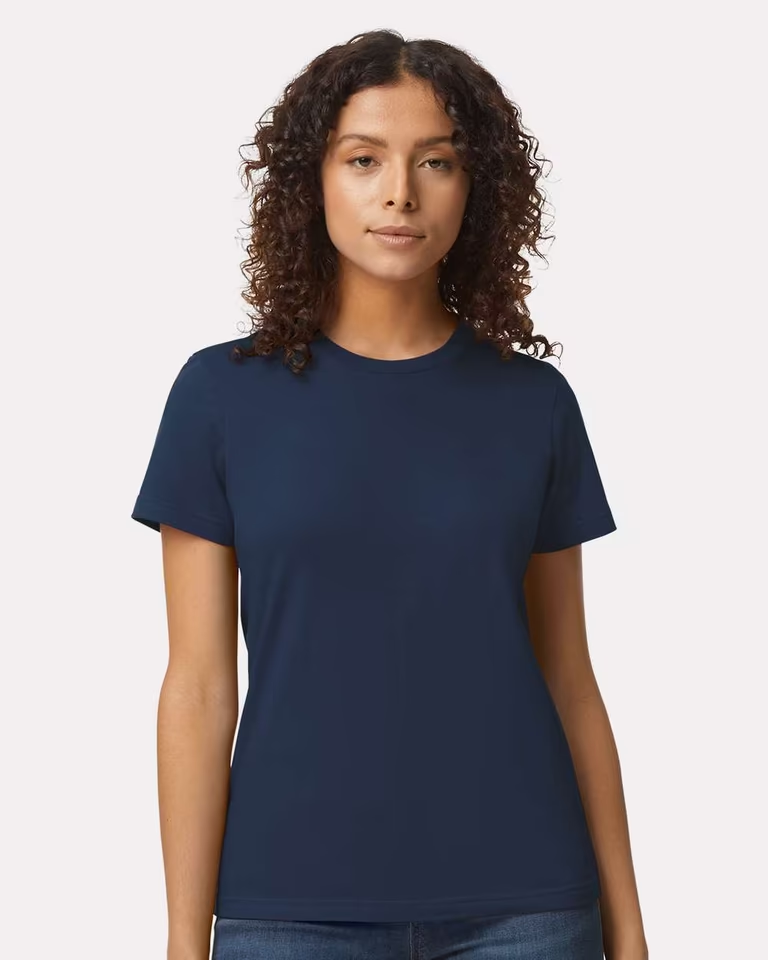
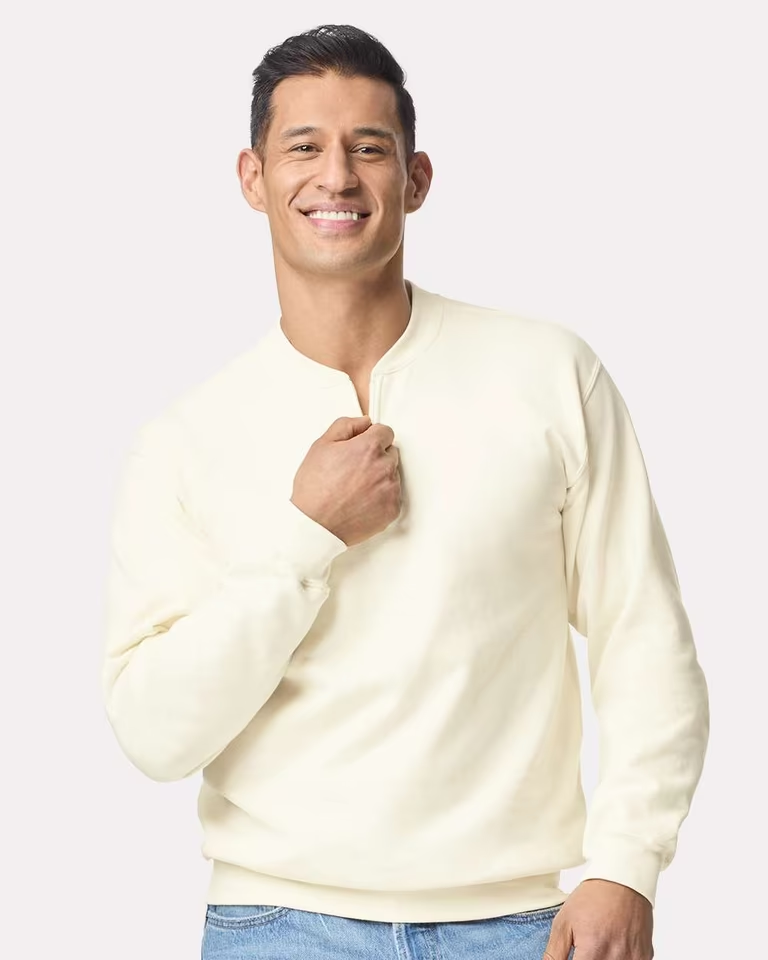
The 64000's ring-spun, retail-leaning collection, and the biggest collection here. Softer How a fabric feels against the skin. Printers also use it to describe the tactile thickness of an ink deposit (a thick plastisol print has "high hand"). , semi-fitted cut, plus CVC heathers, the midweight 65000, and the SF fleece extension. The Gildan to reach for on DTG and DTF jobs.
Gildan style number SF000
$14.37
Retail $20.04
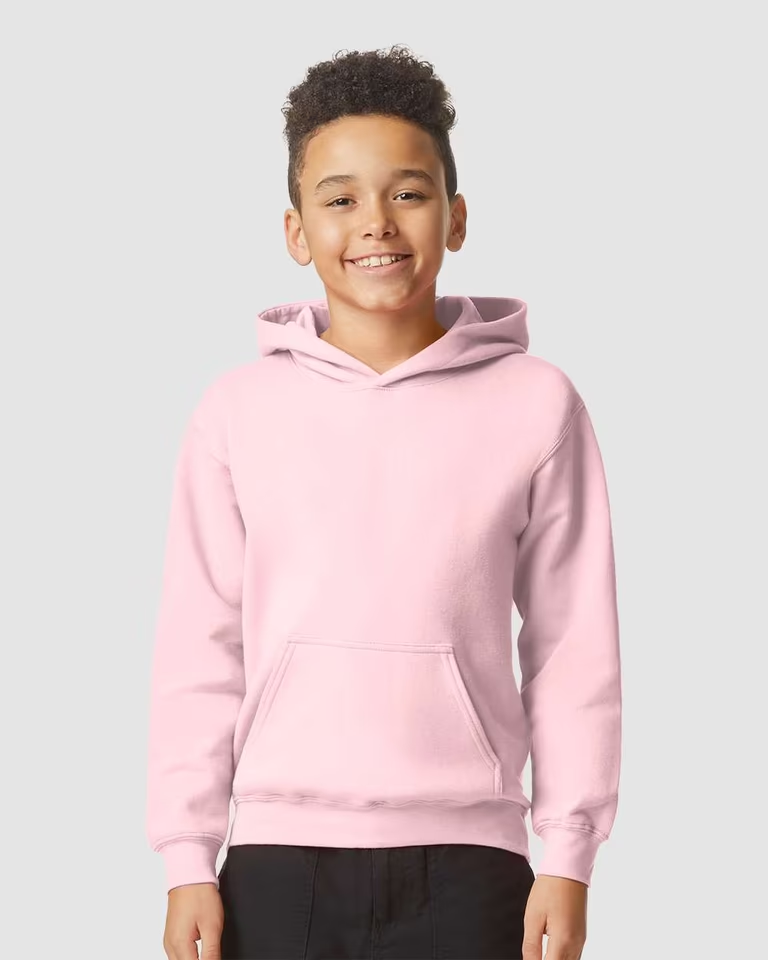
Gildan style number SF500B
$16.71
Retail $22.29
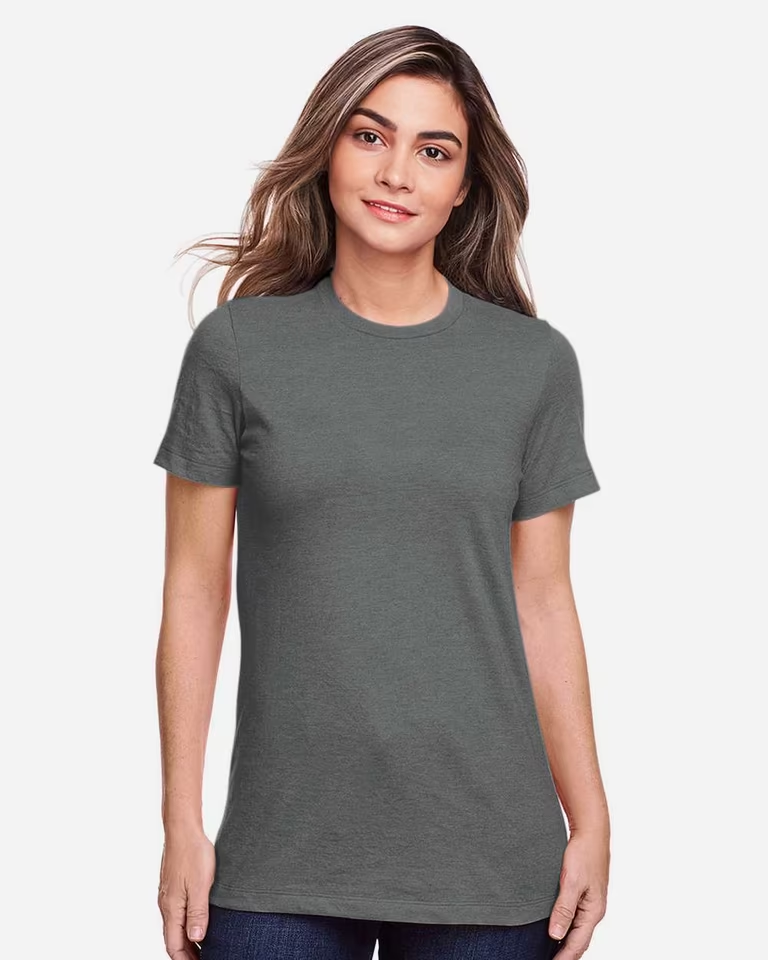
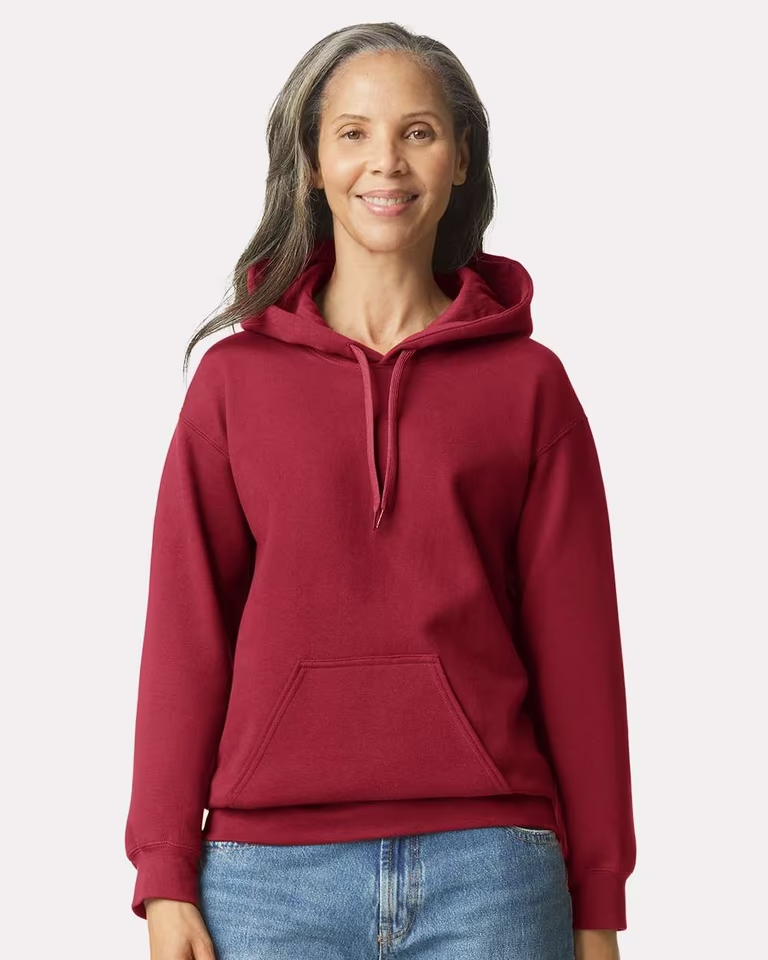
Gildan style number SF500
$18.60
Retail $24.80
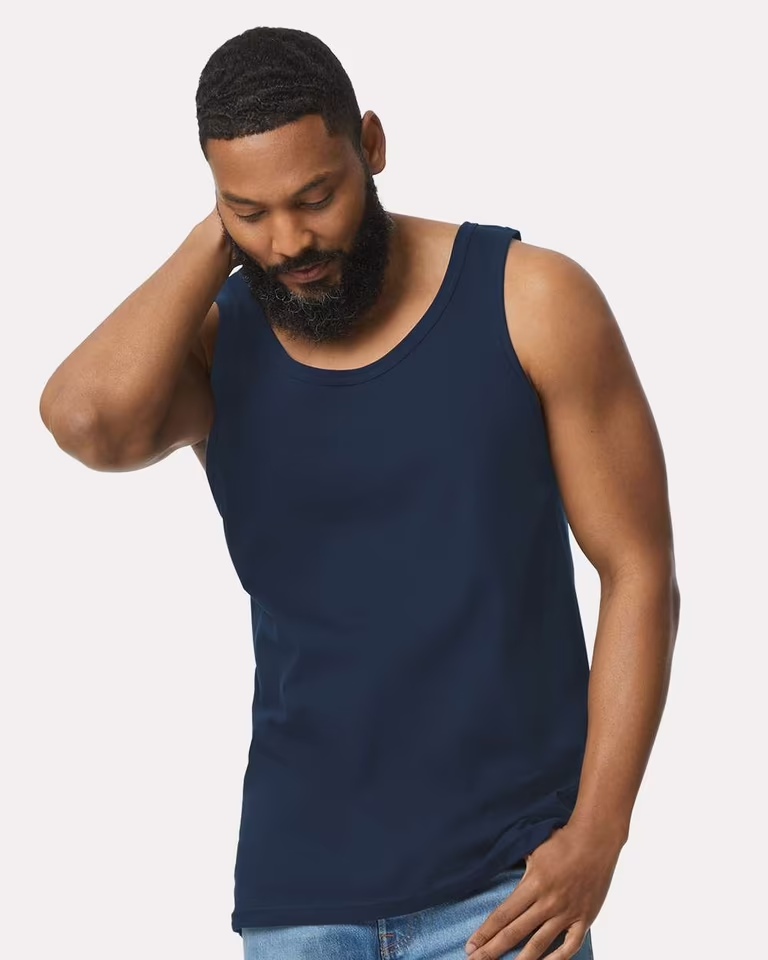
Gildan style number 64440CVC
$10.25
Retail $13.68
Gildan style number SF008
$23.16
Retail $30.88
Gildan style number SF100
$23.16
Retail $30.88
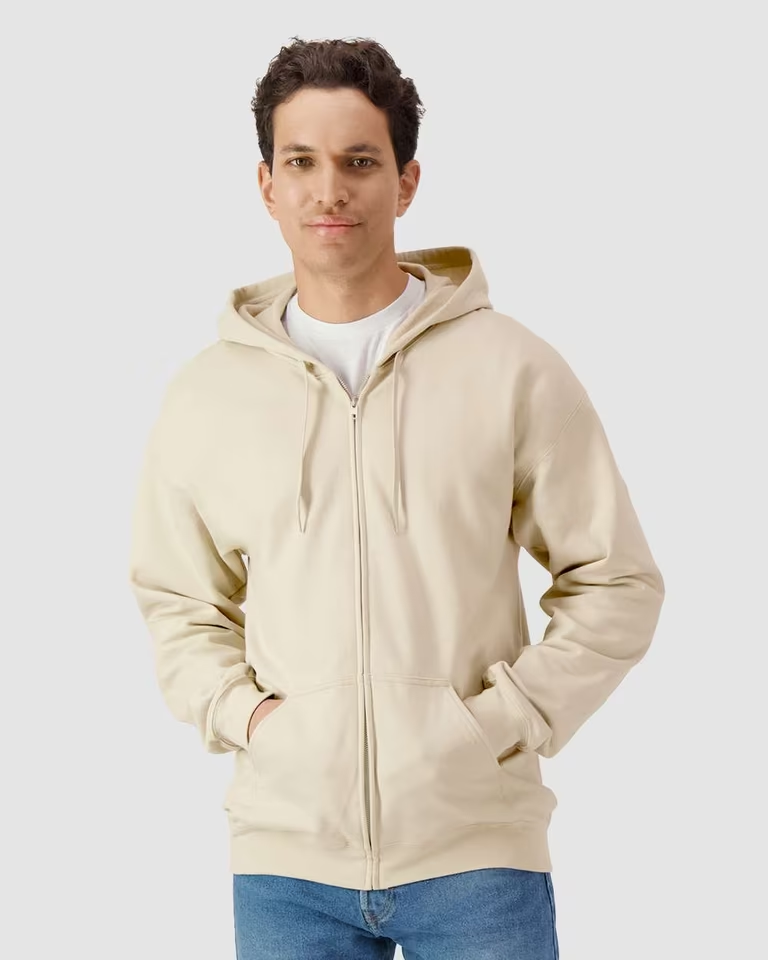
Gildan style number SF600
$25.43
Retail $33.90
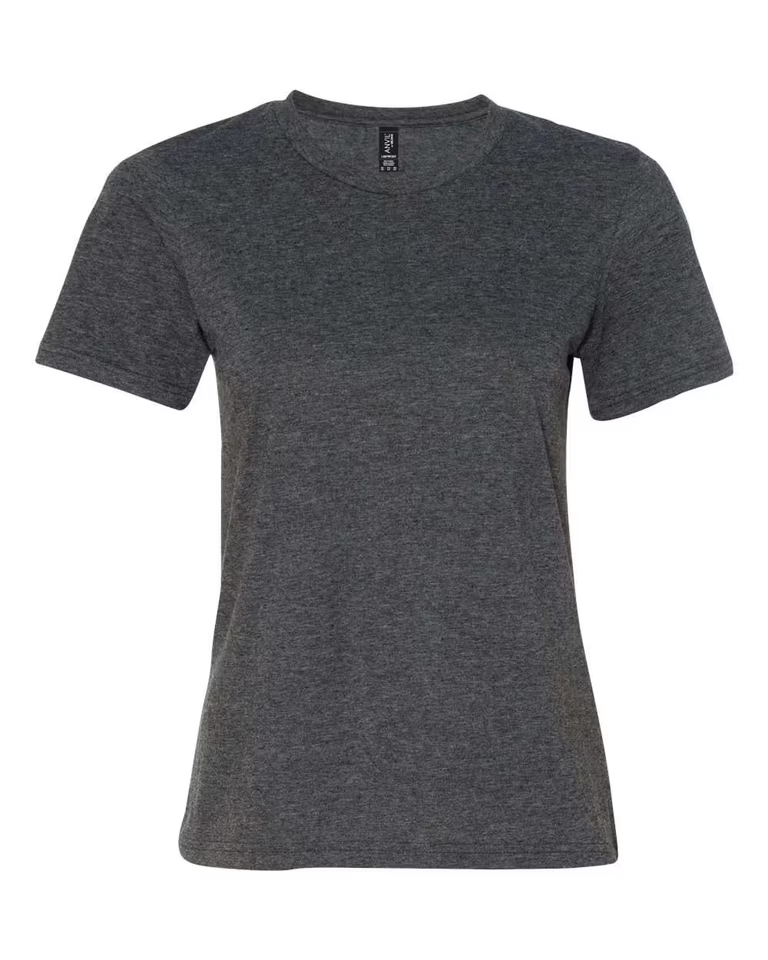
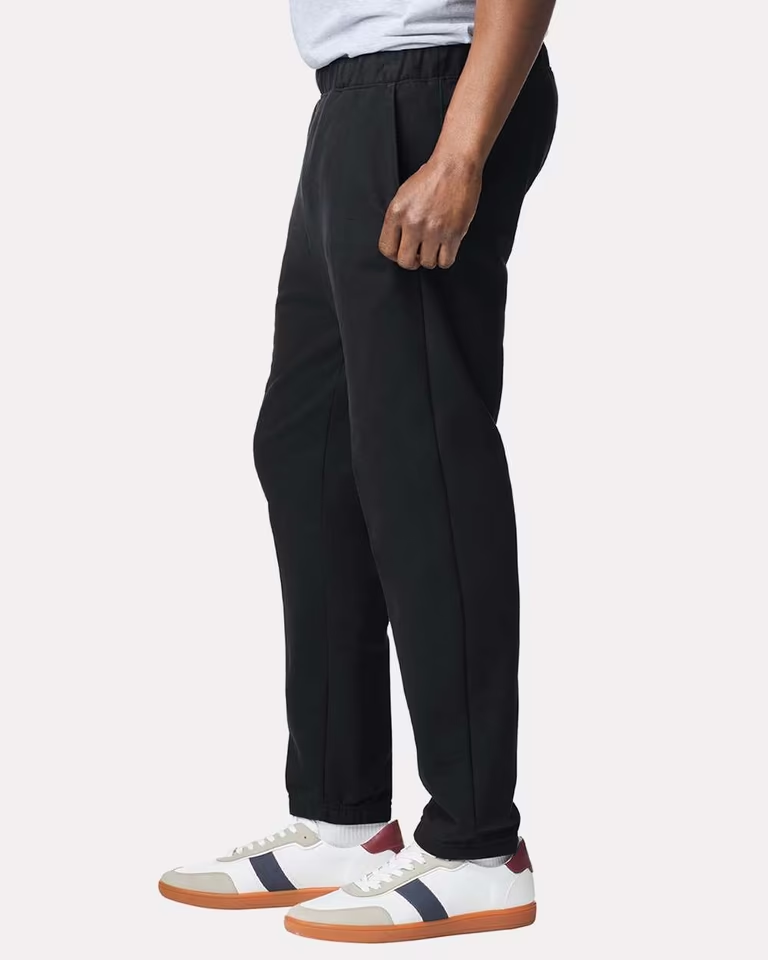
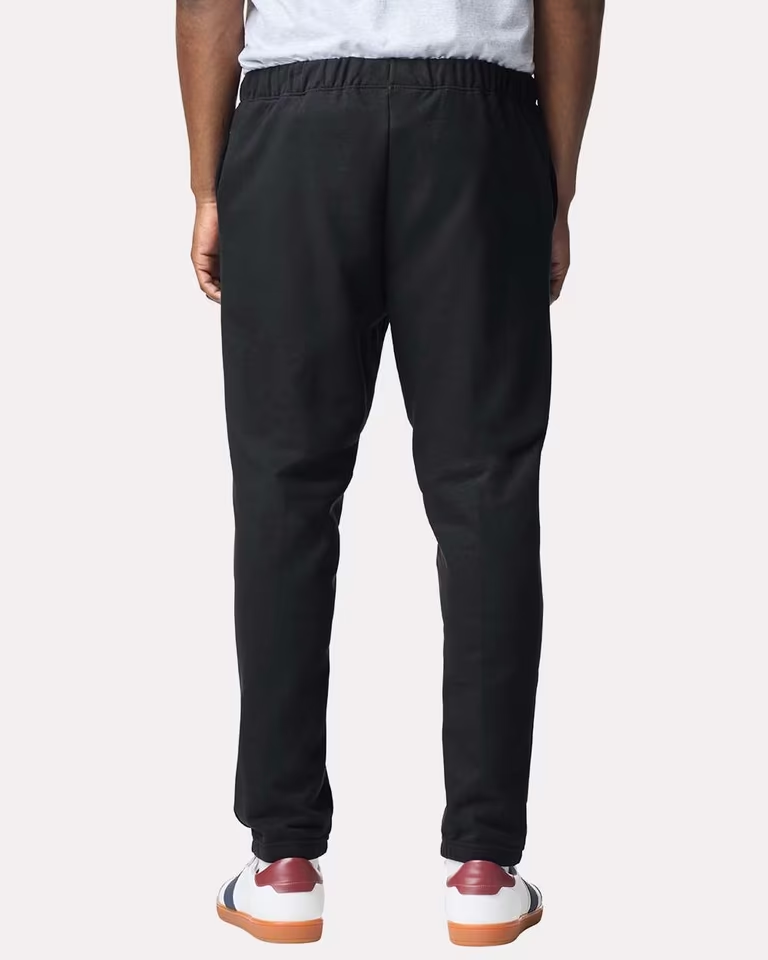
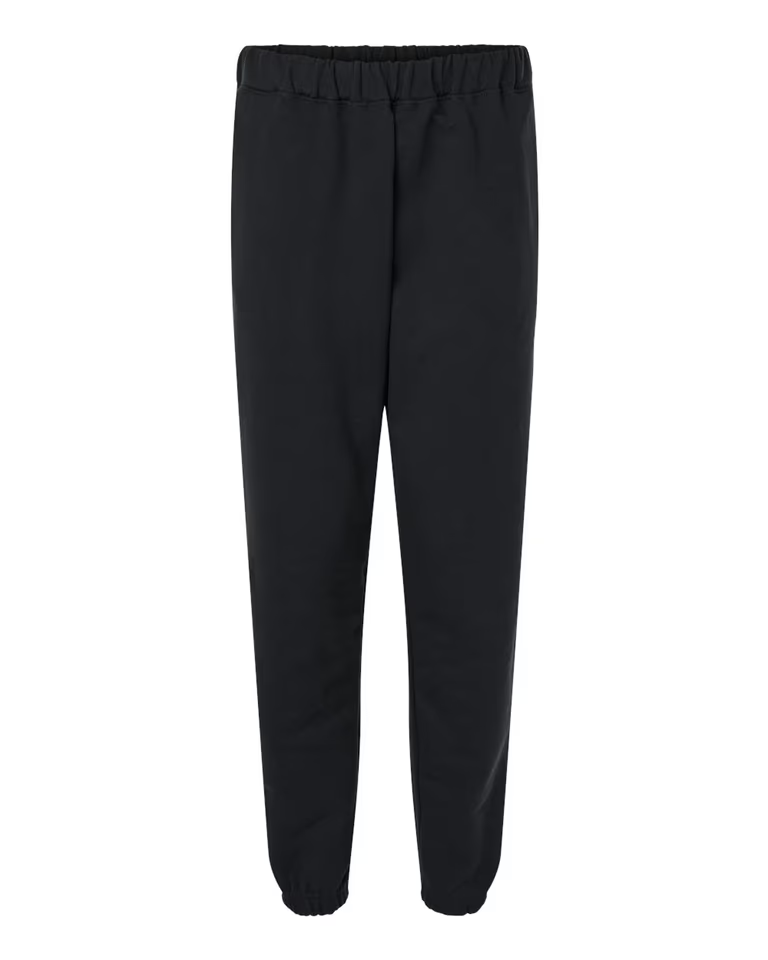
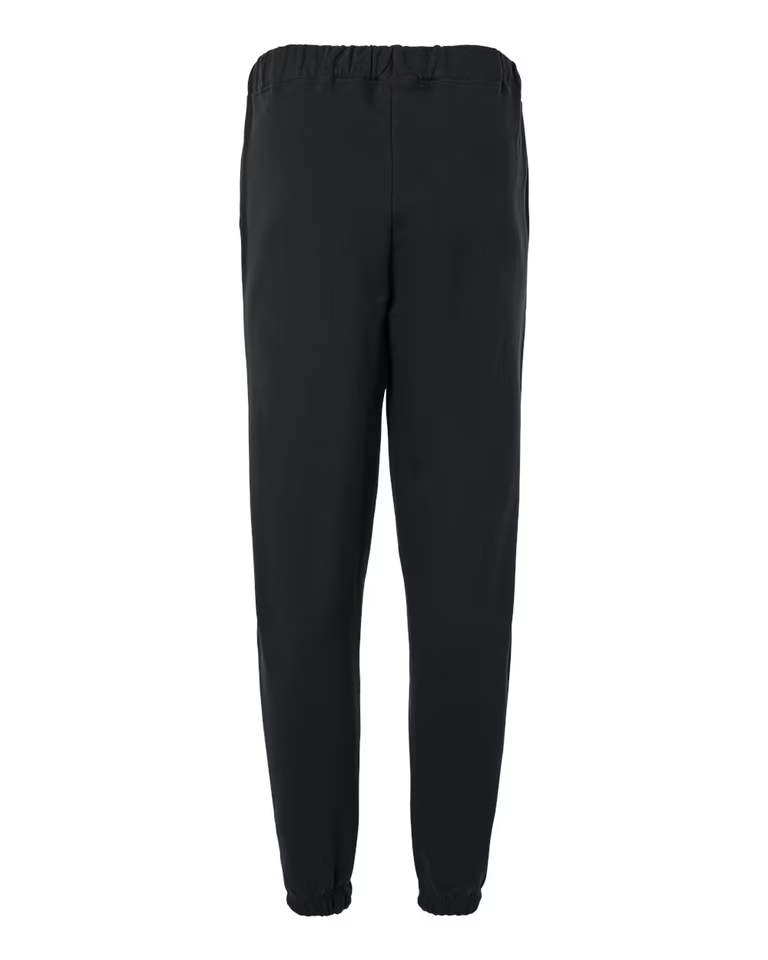
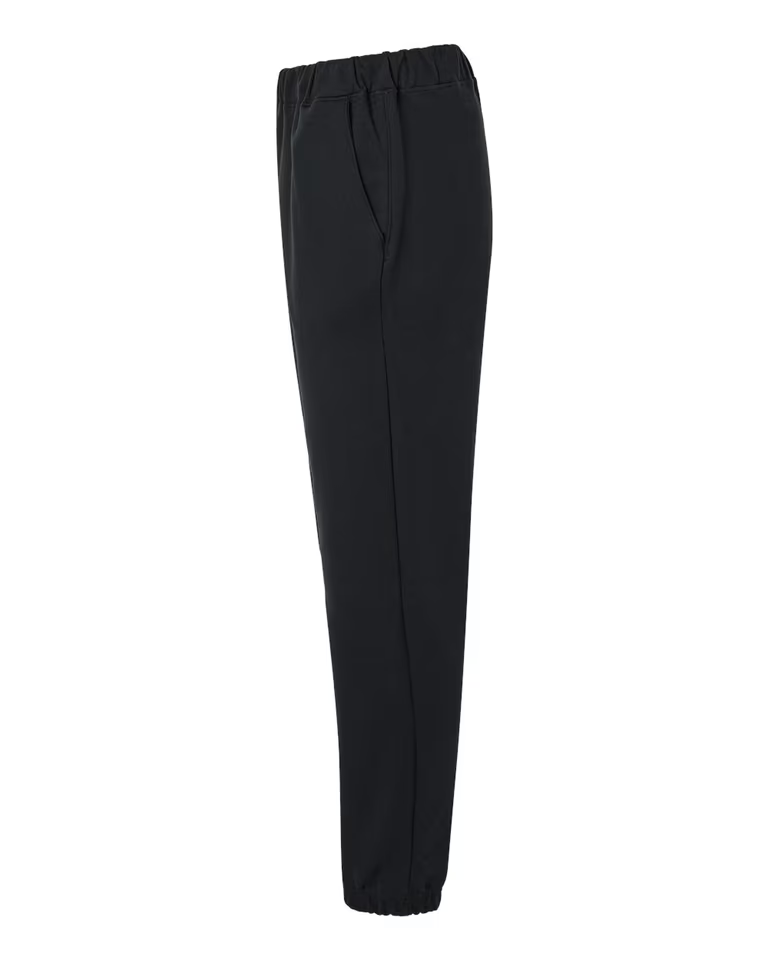
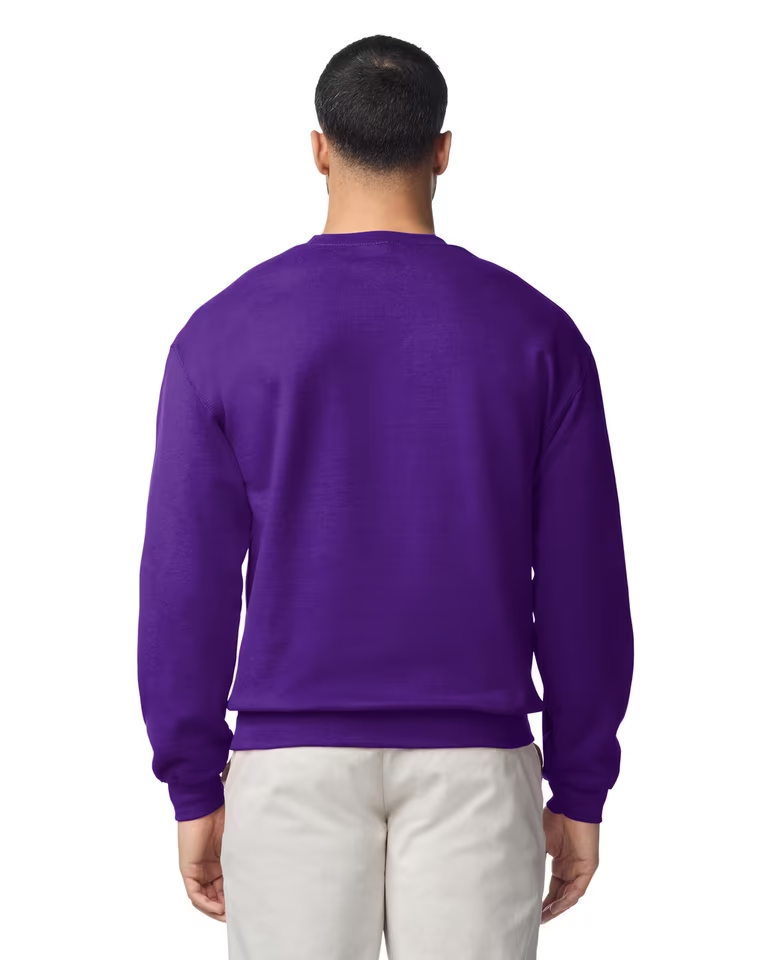
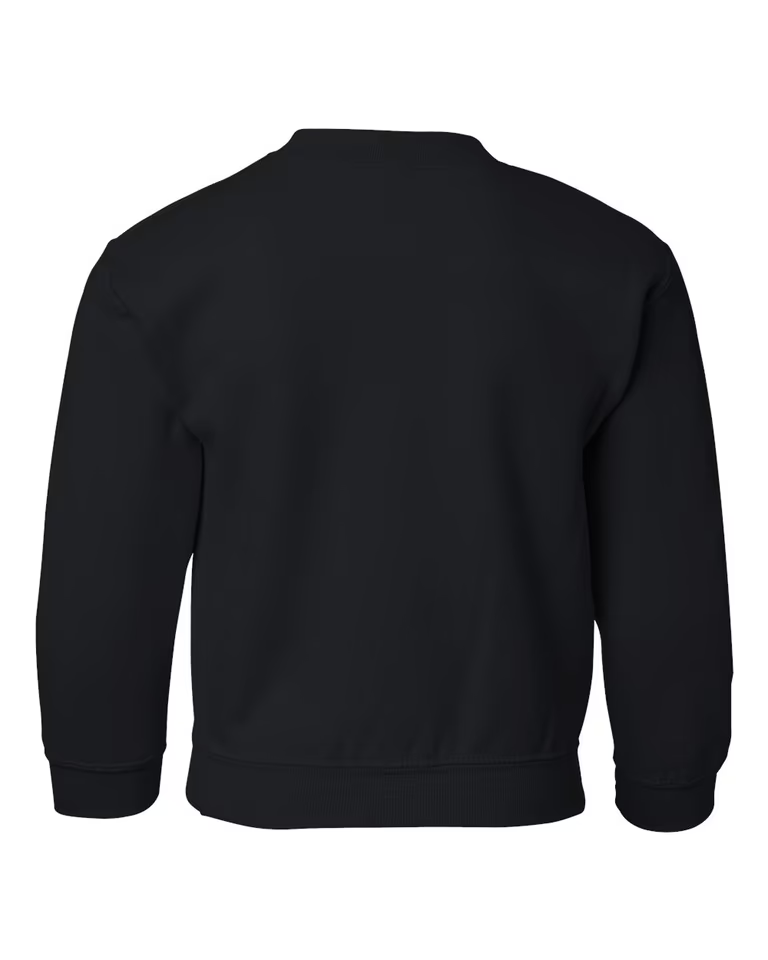
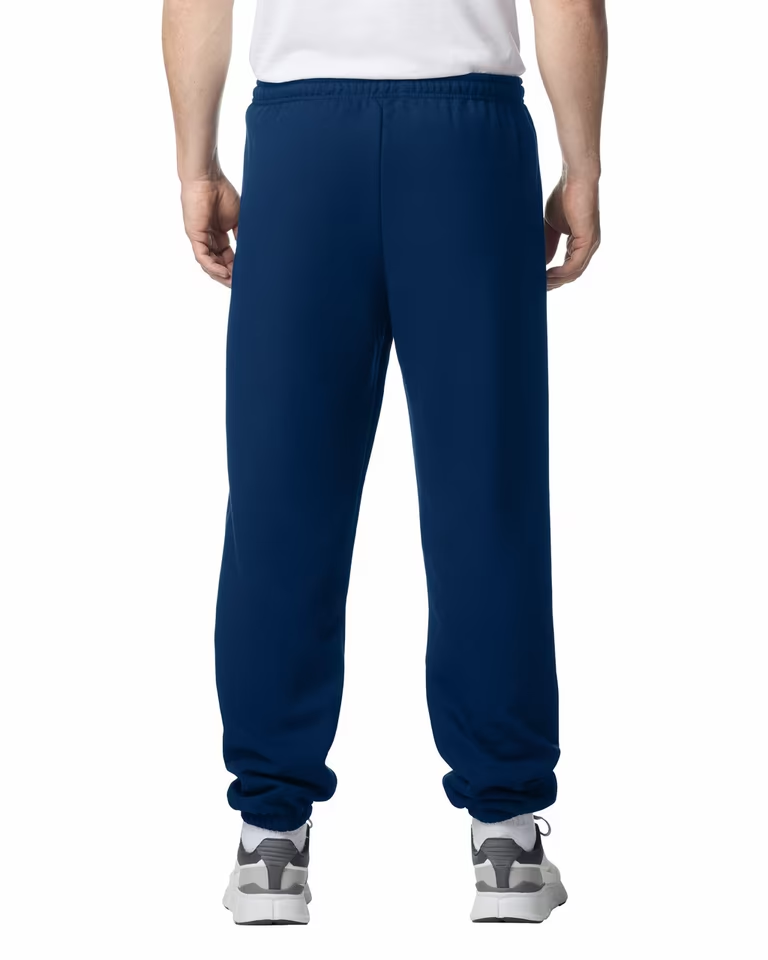
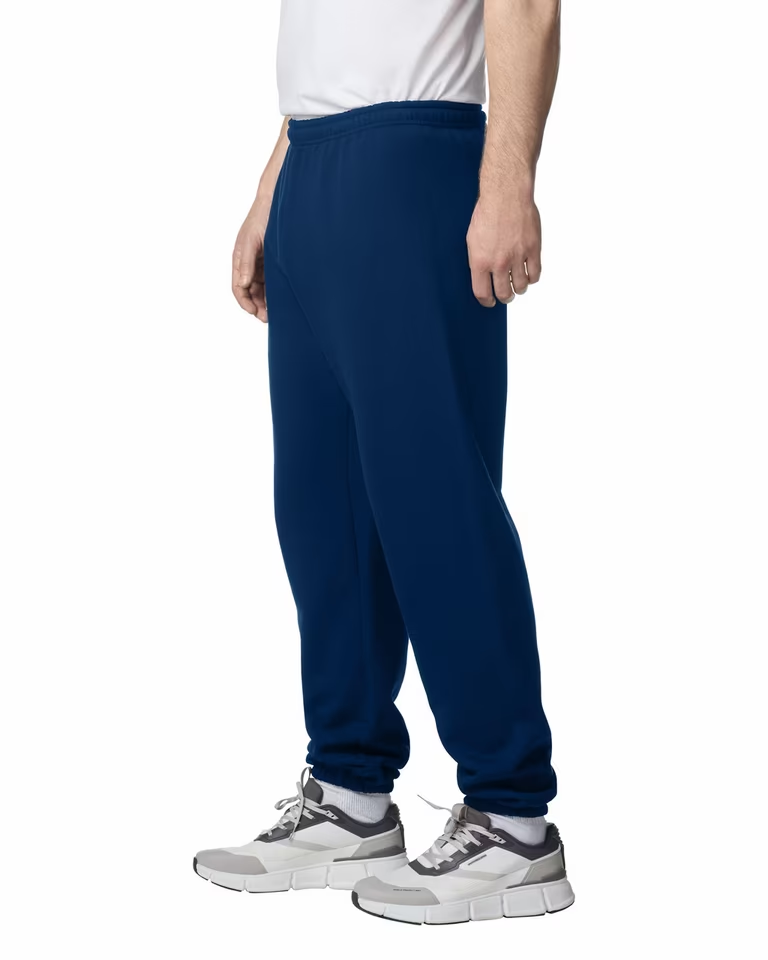
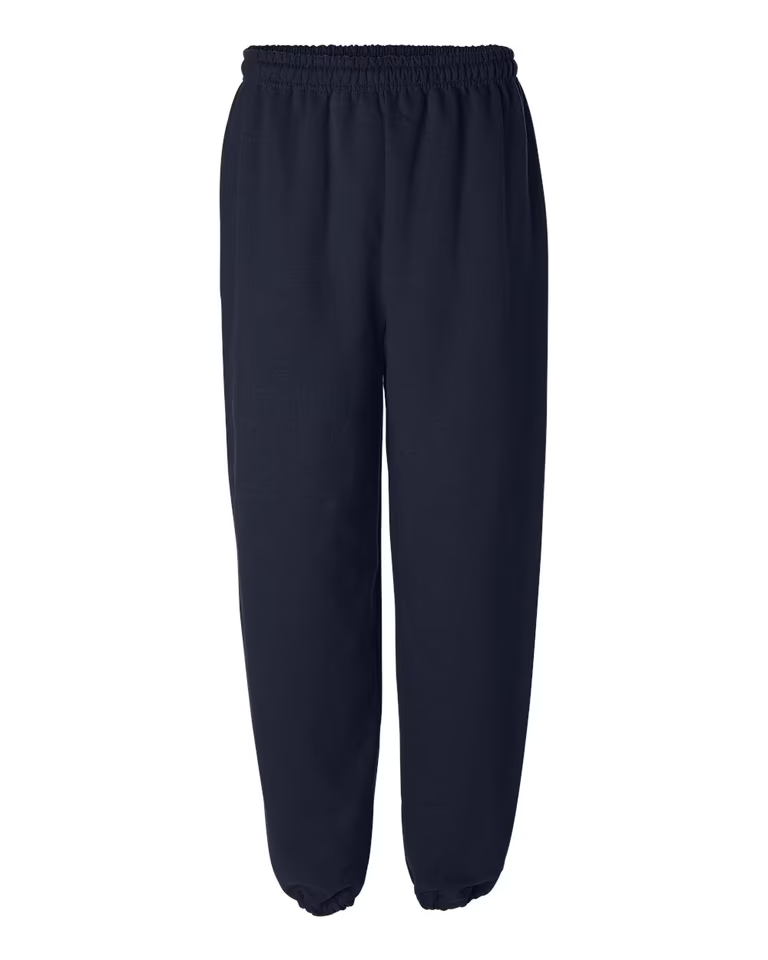
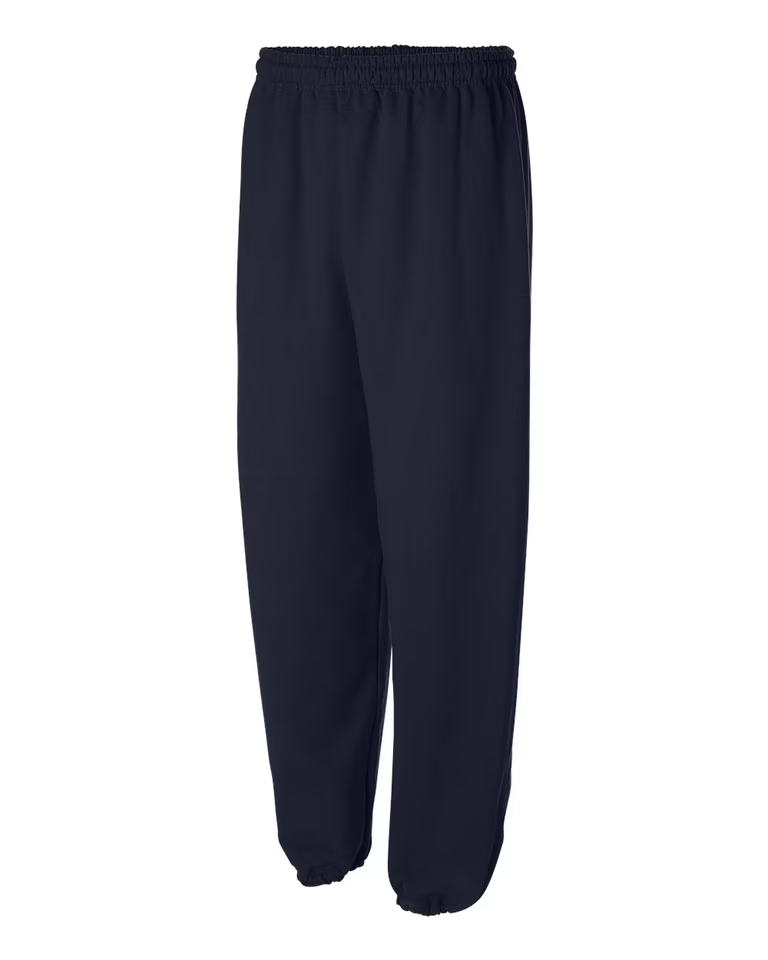
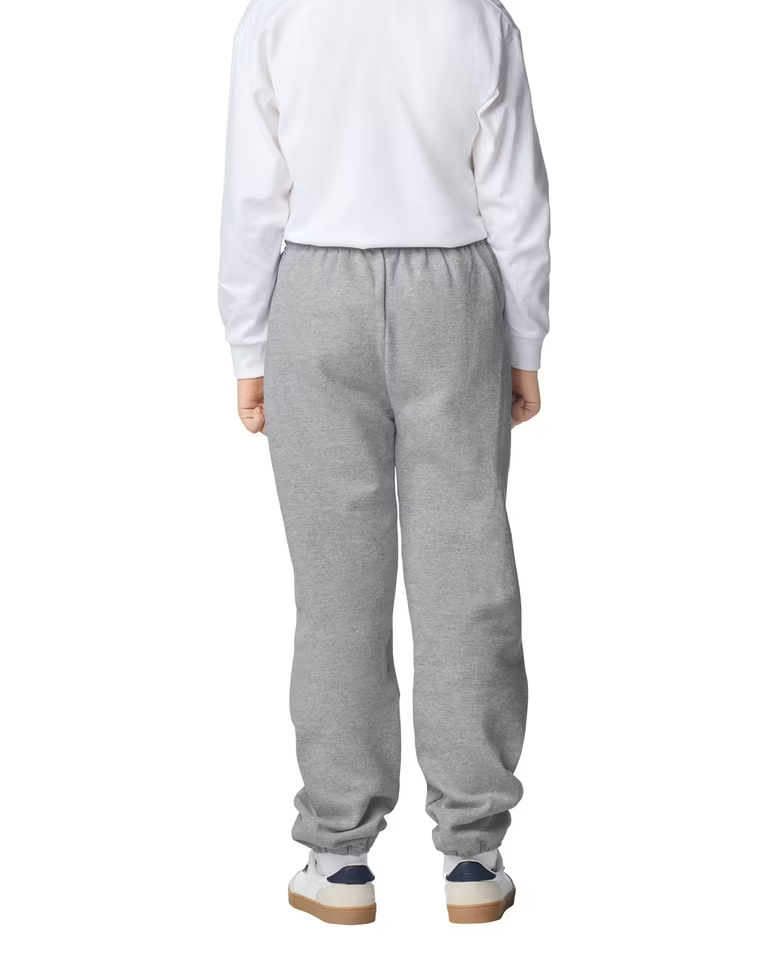
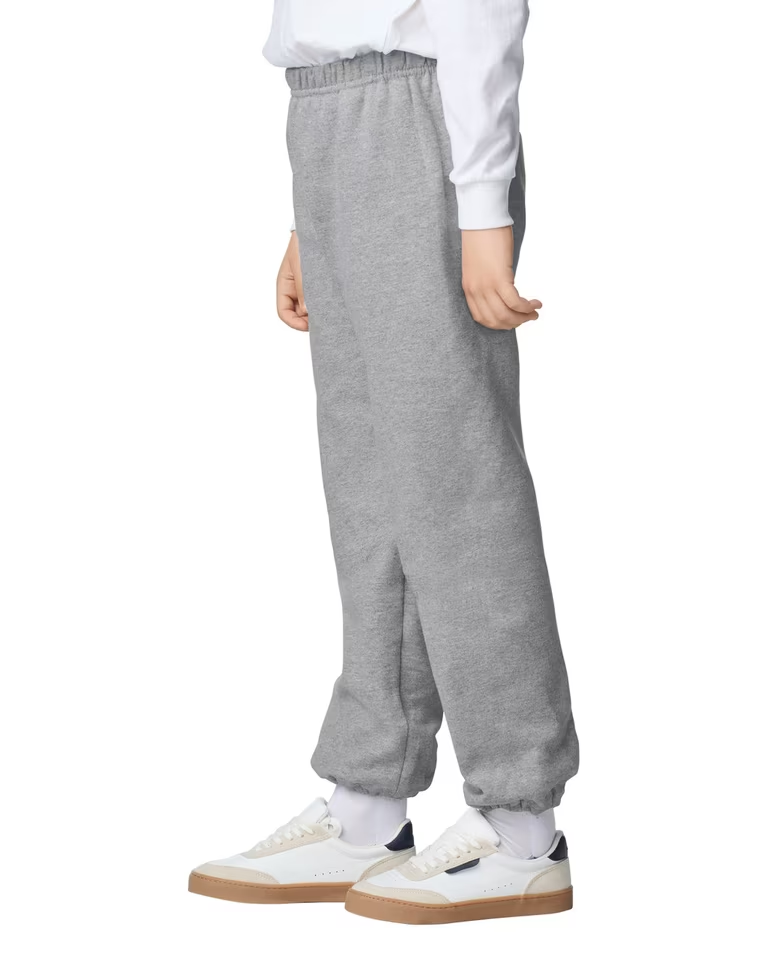
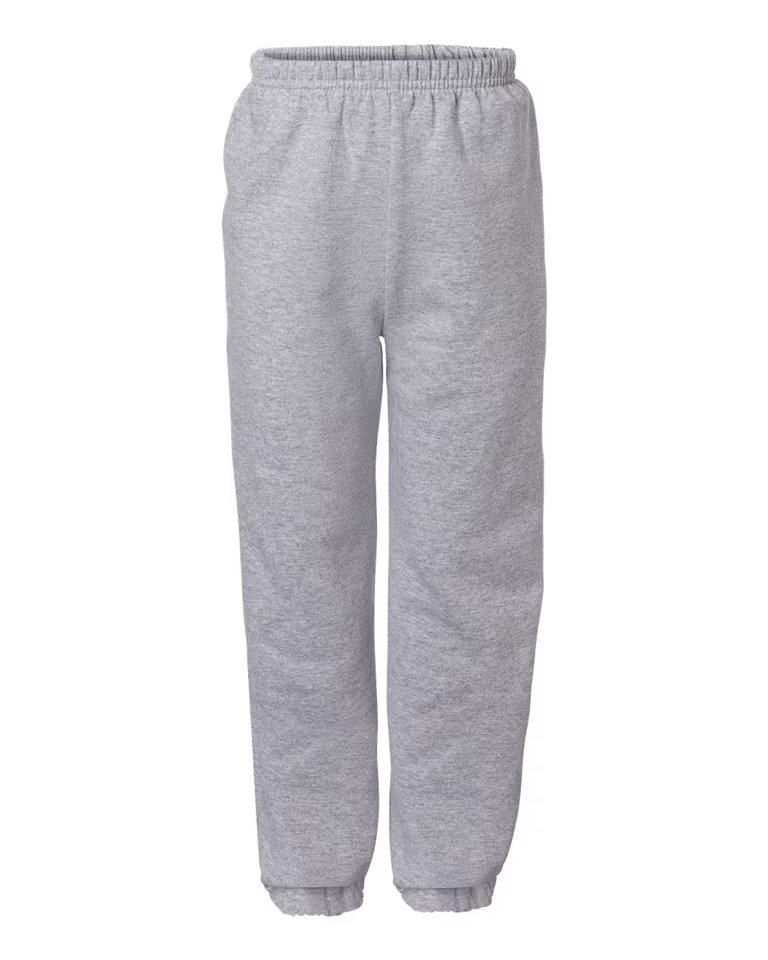
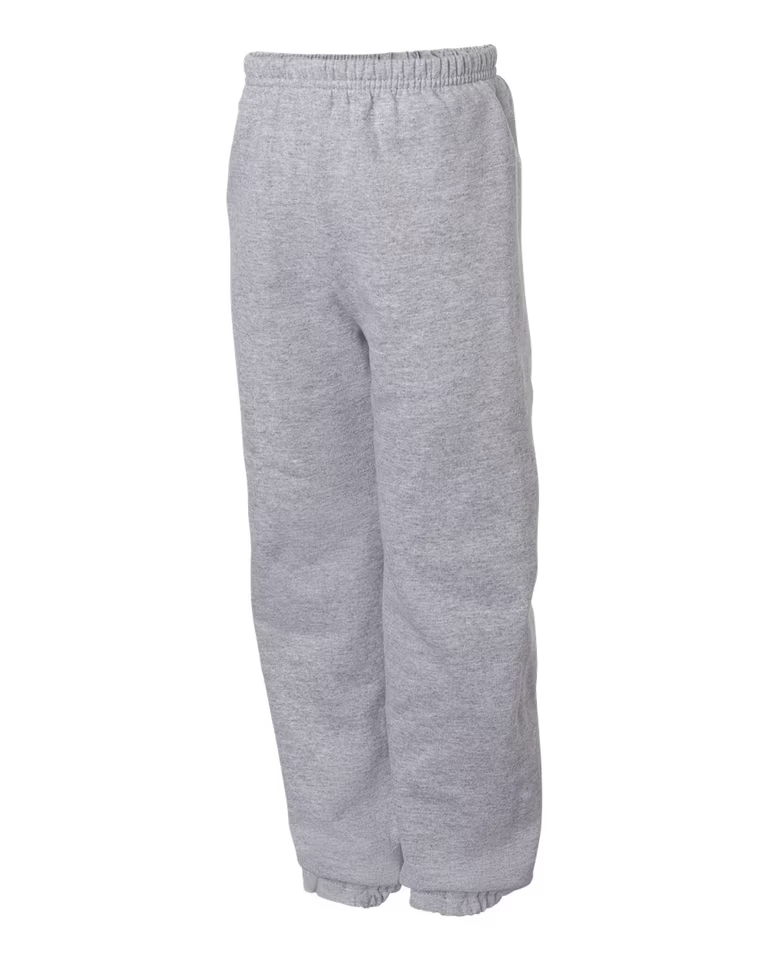
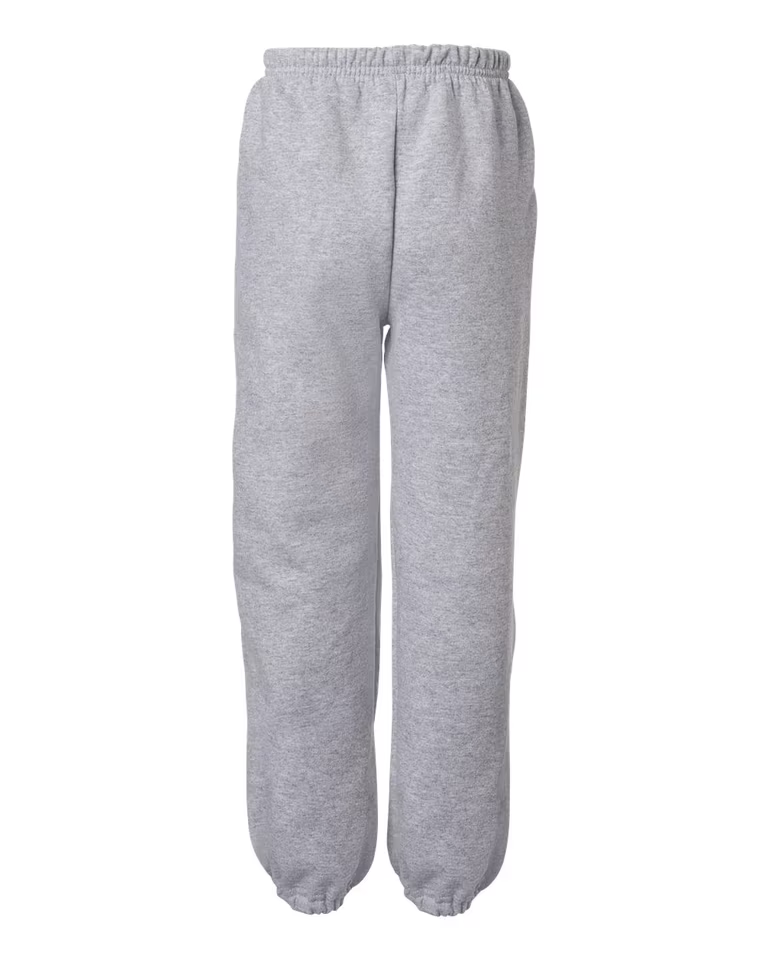
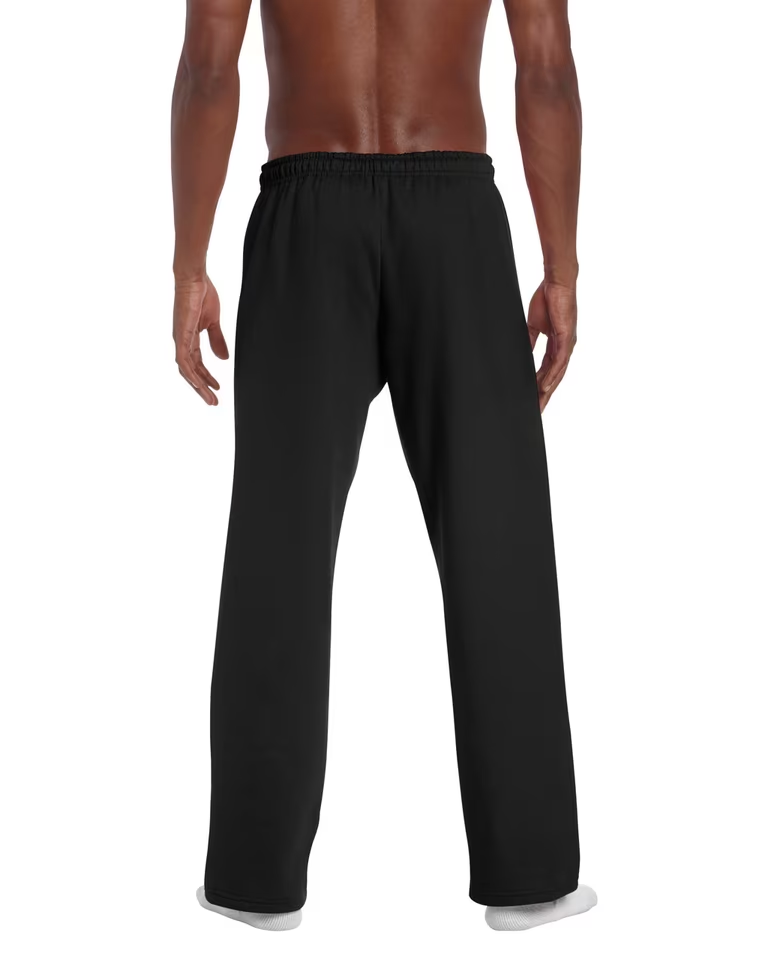
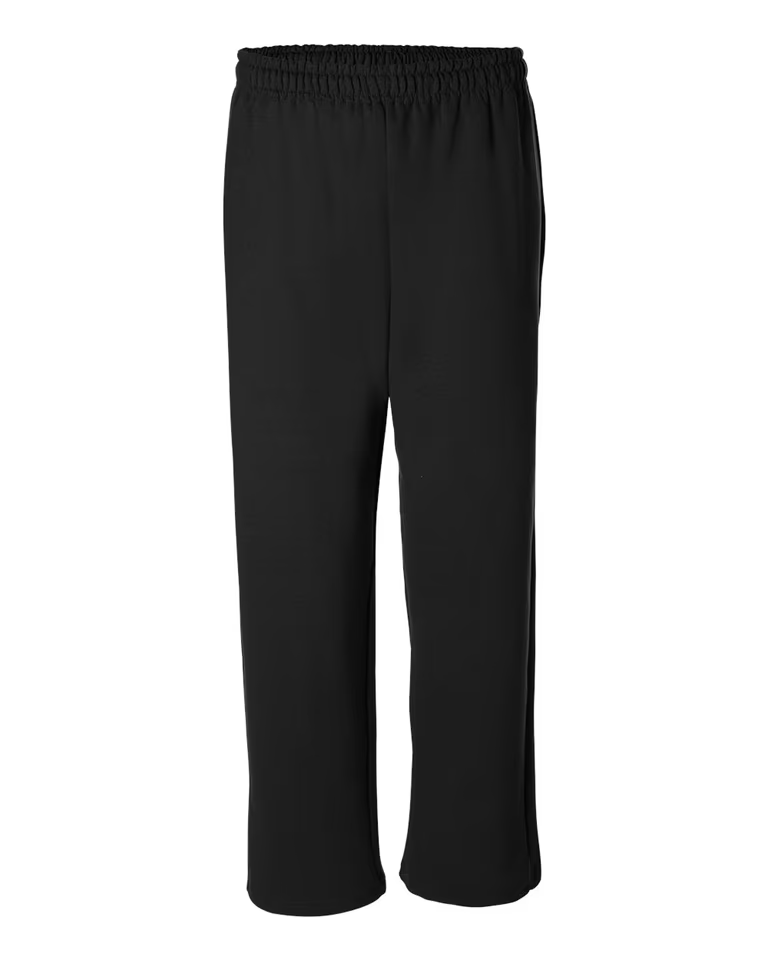
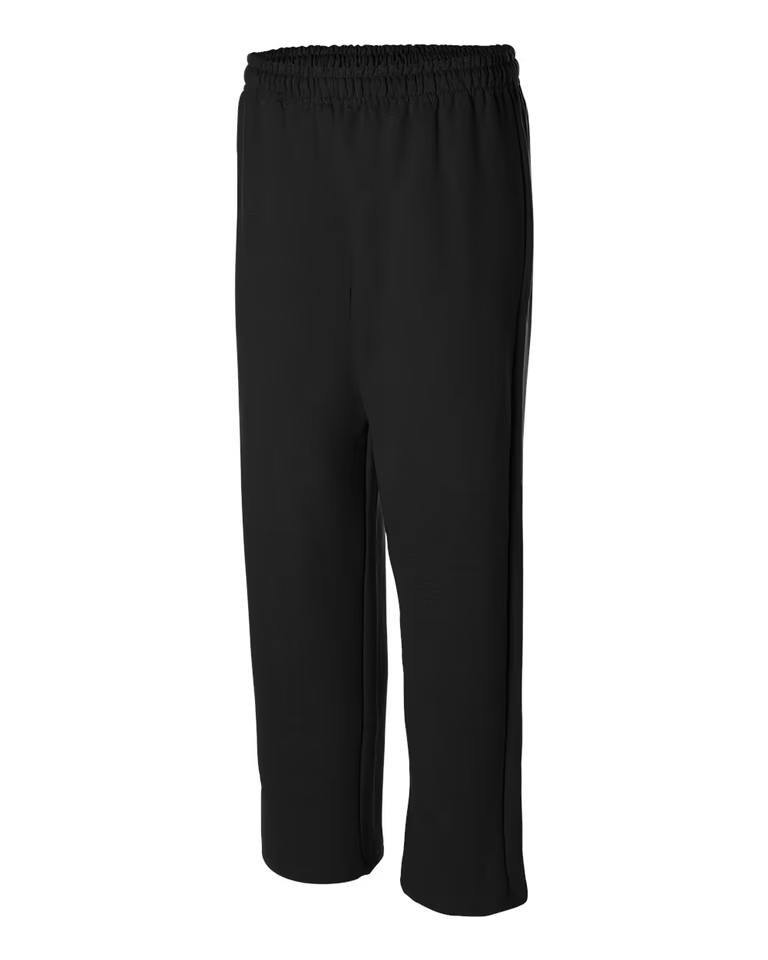
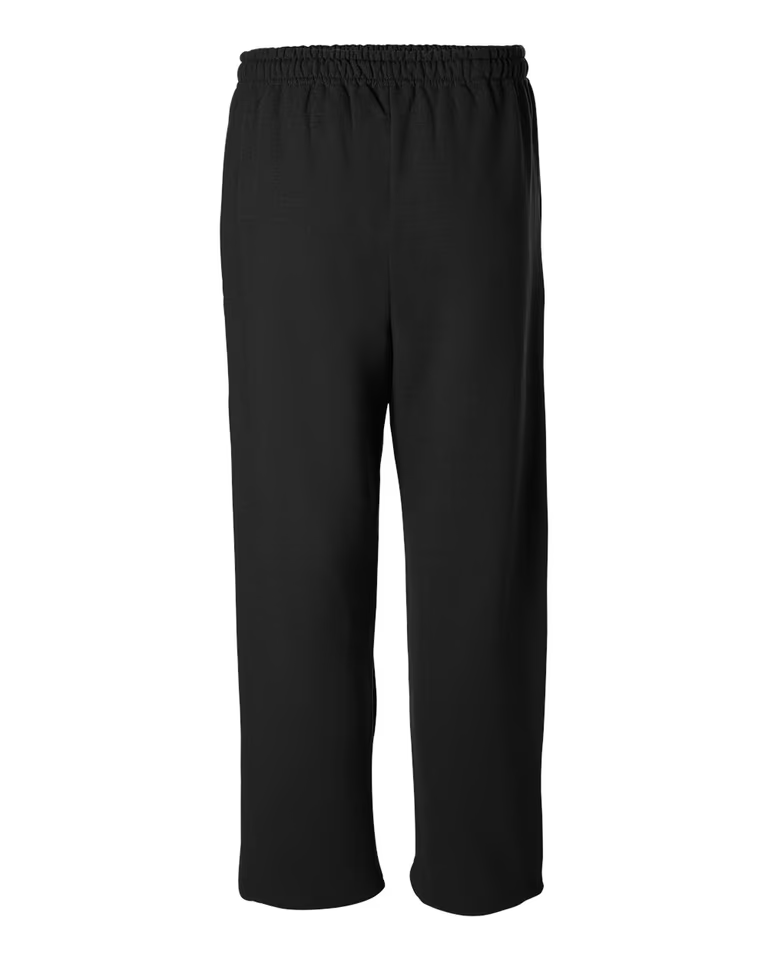
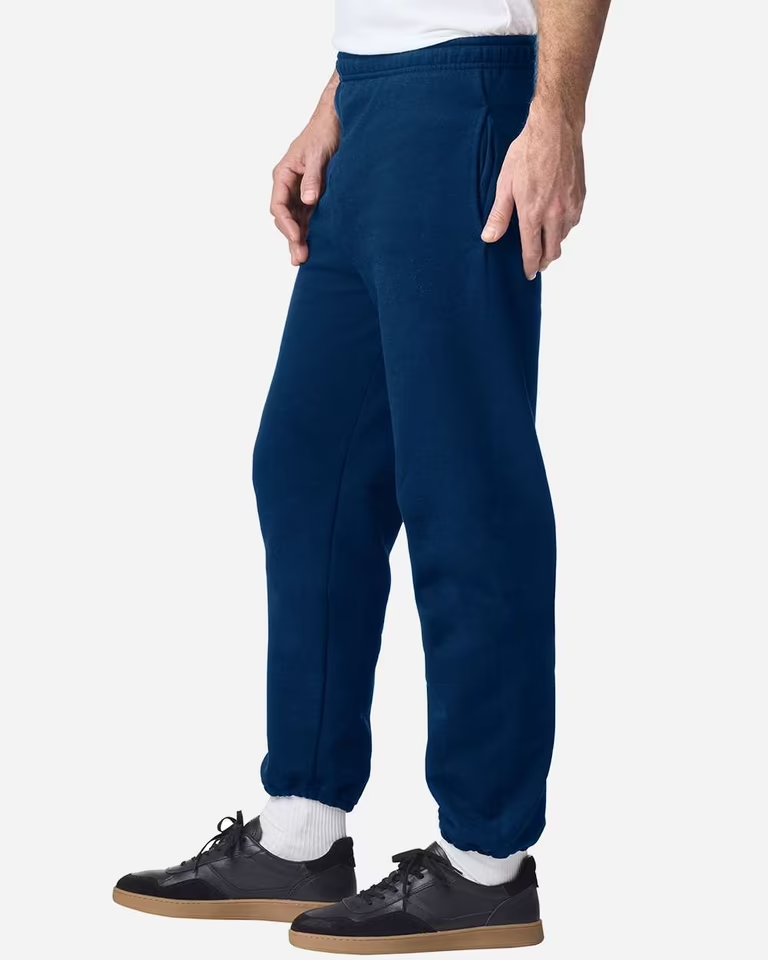
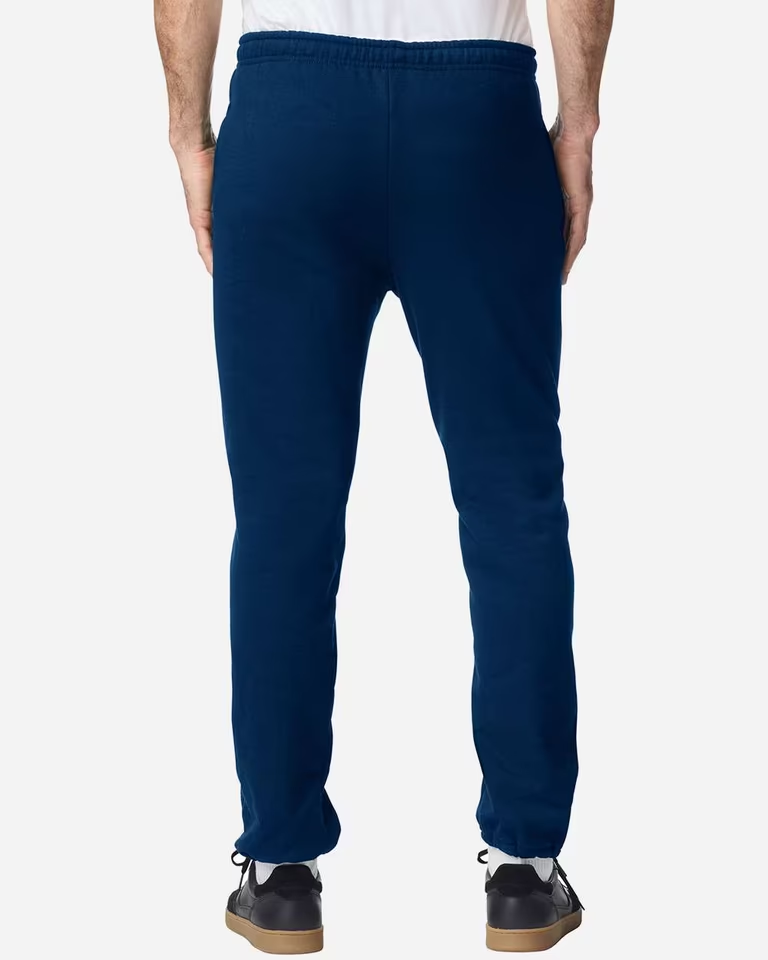
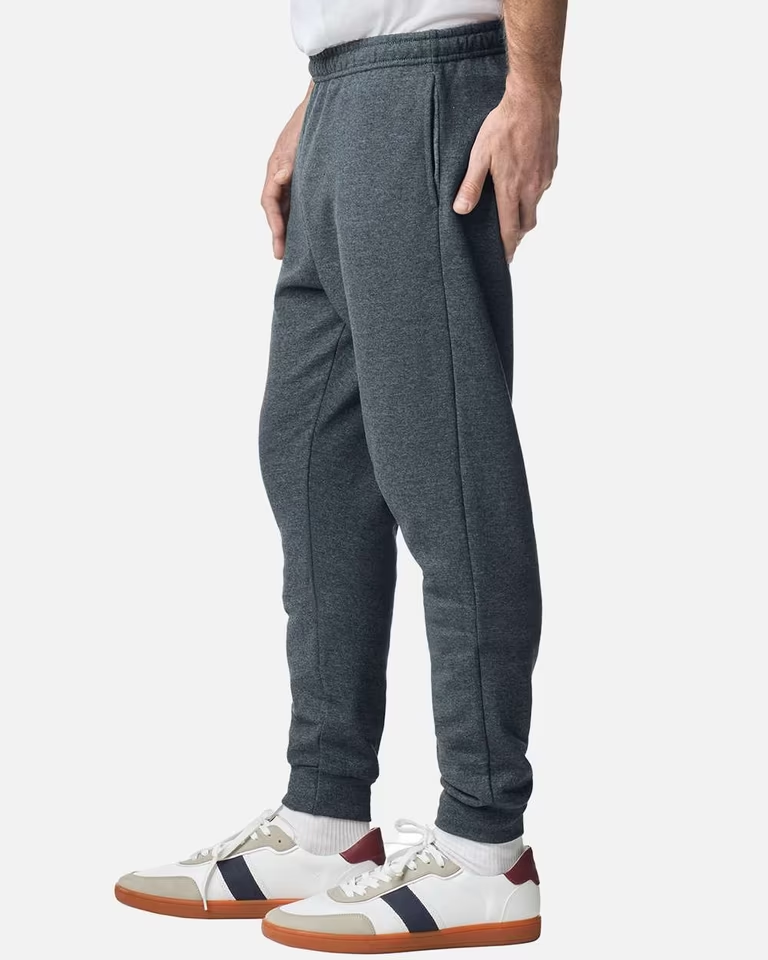
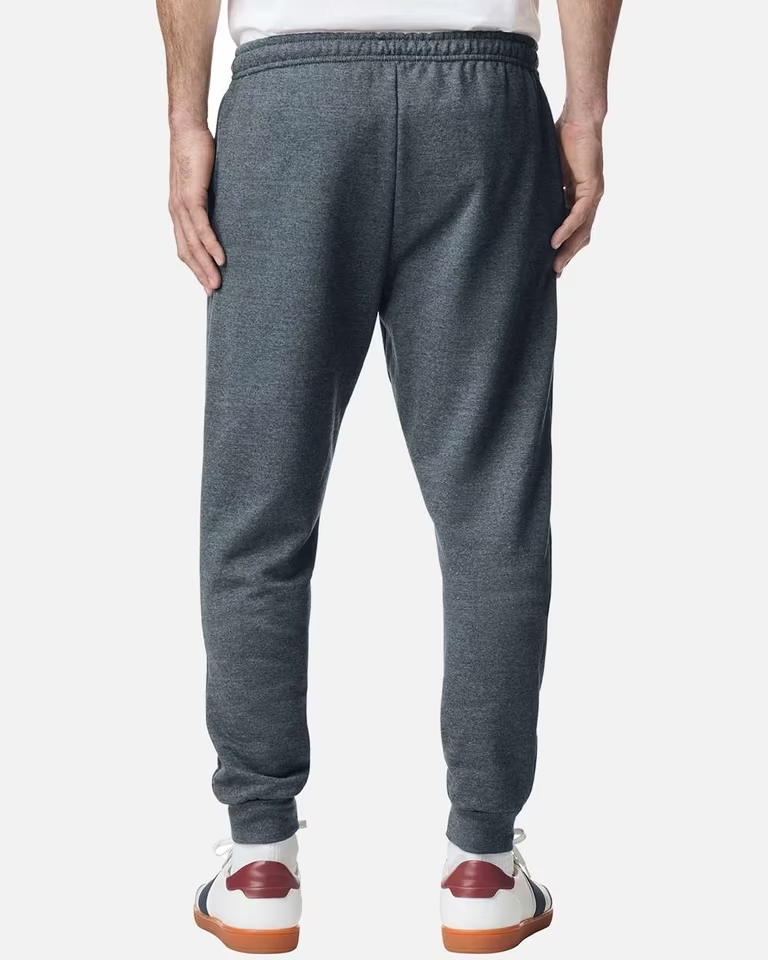
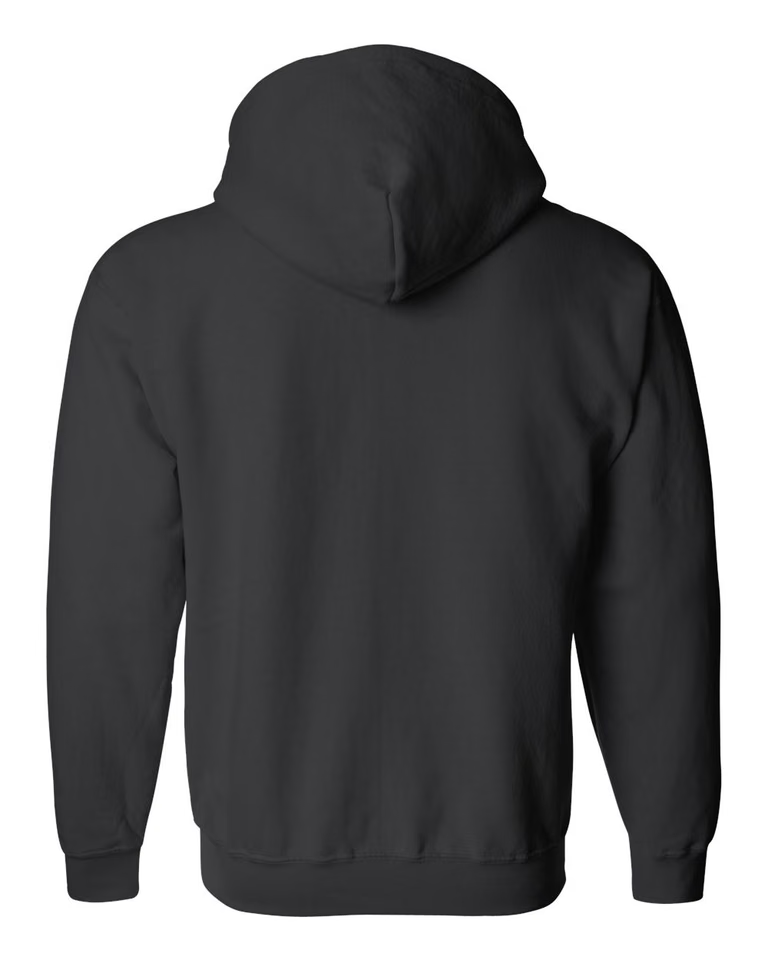
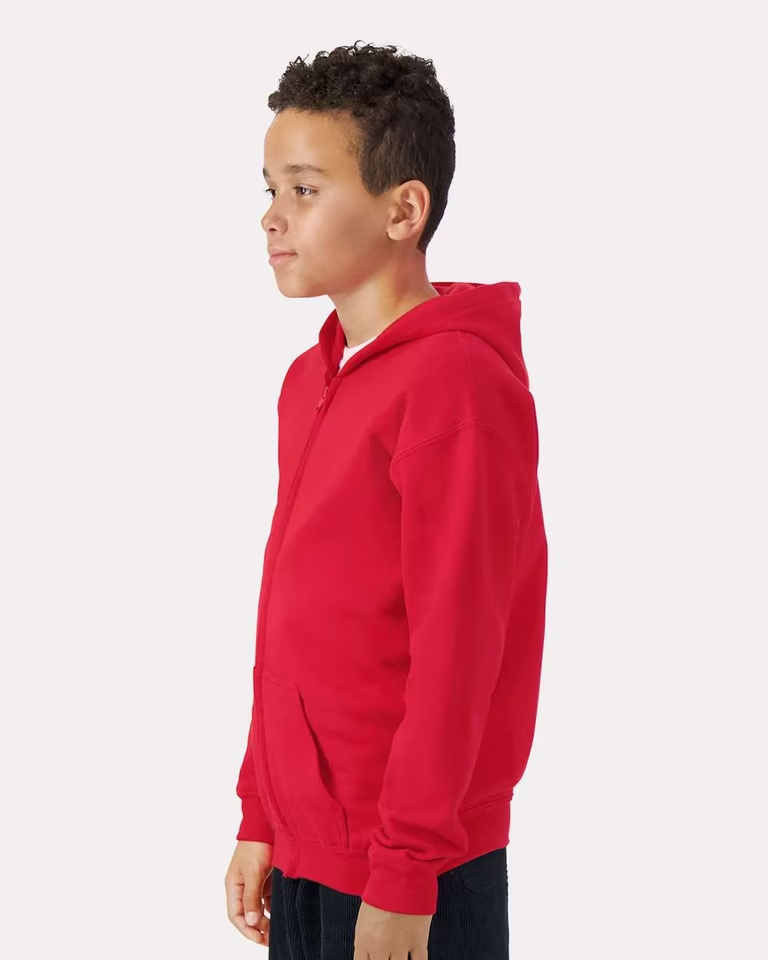
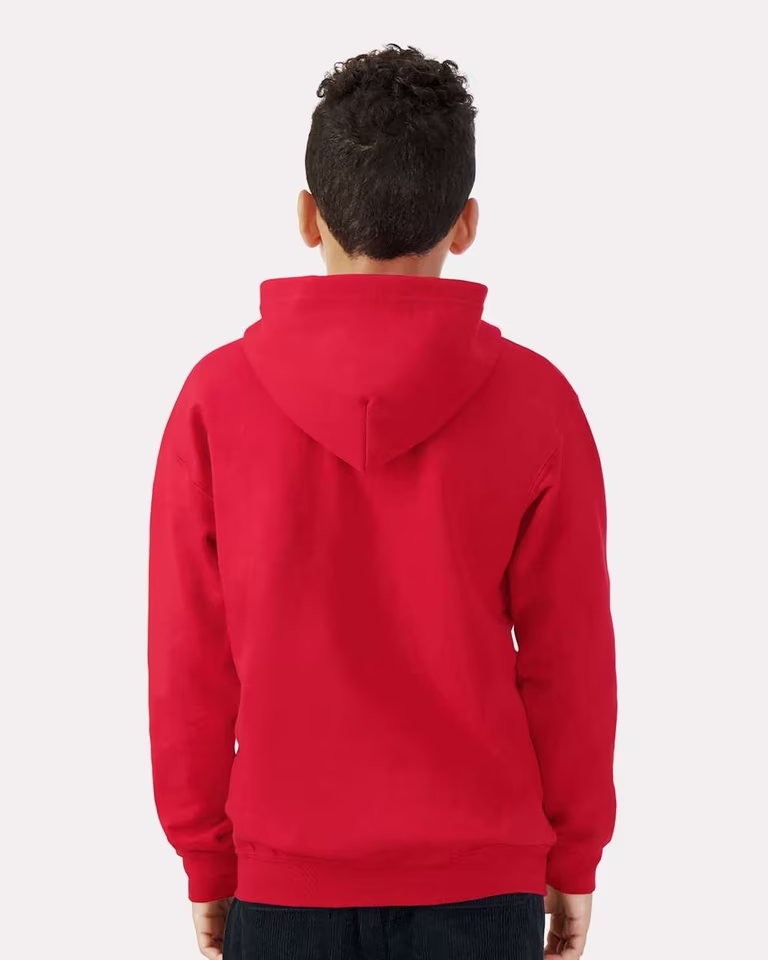
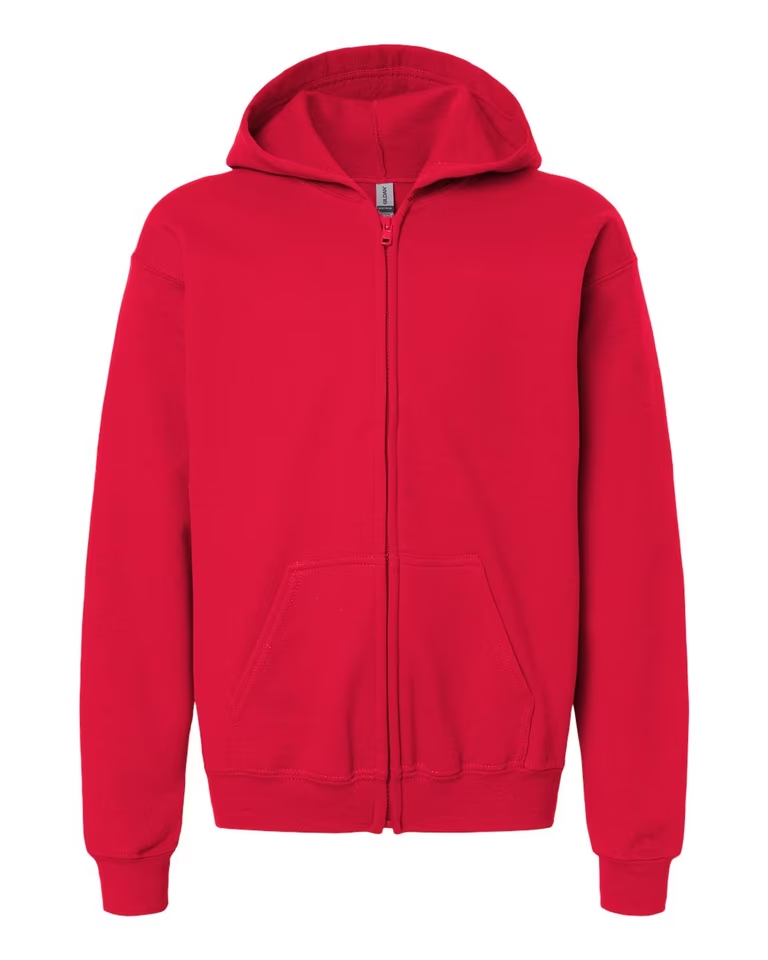
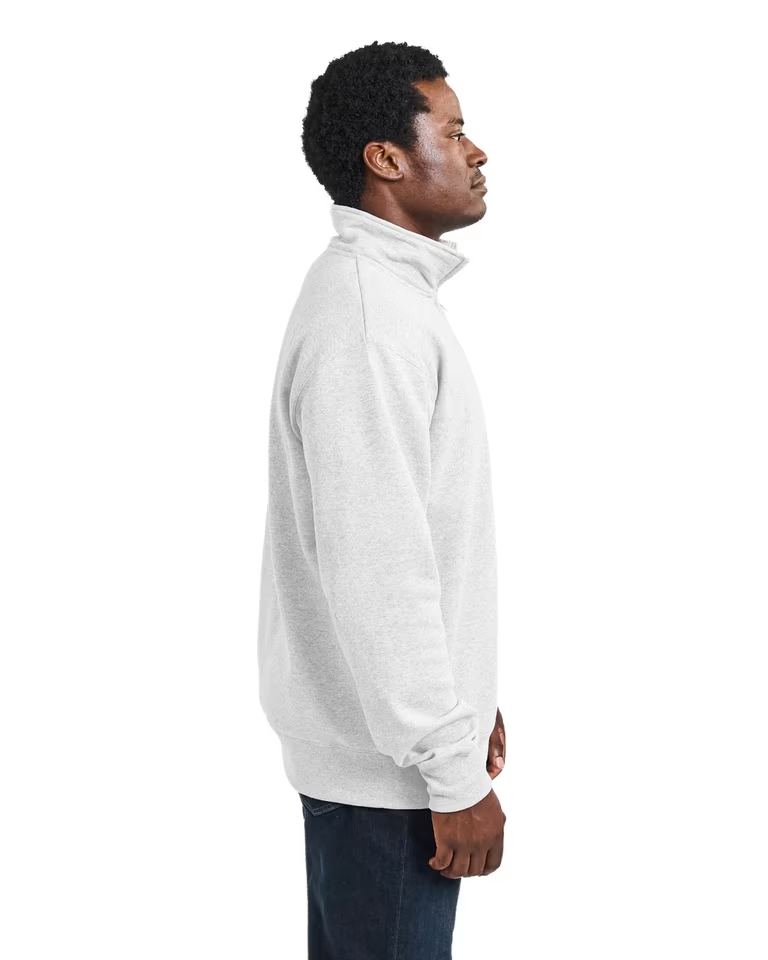
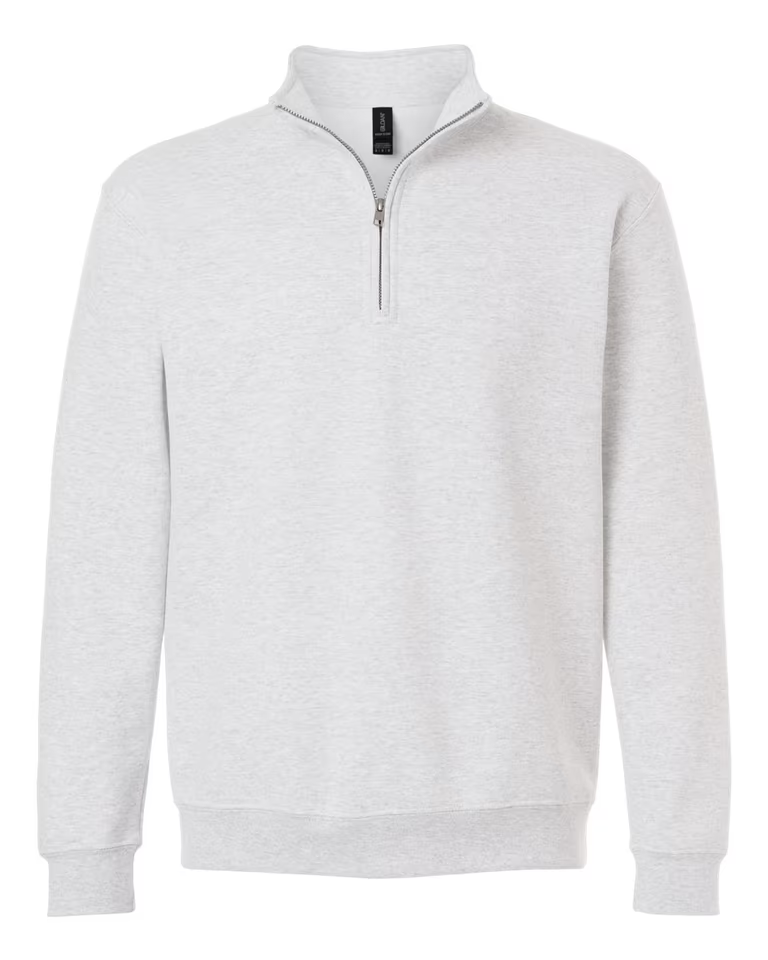
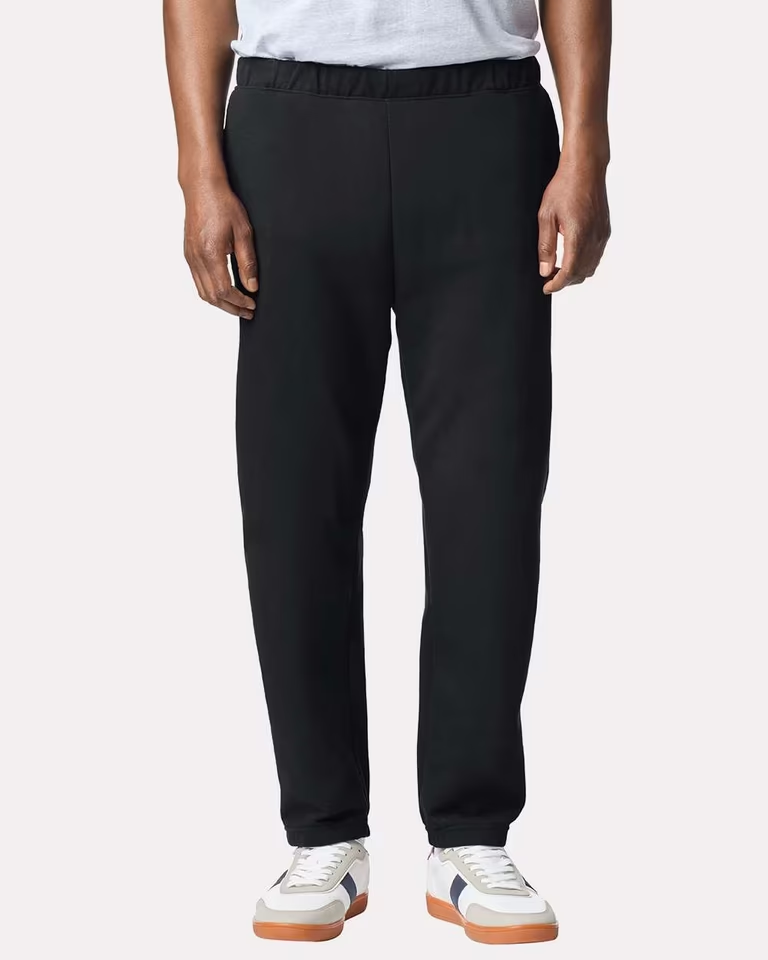
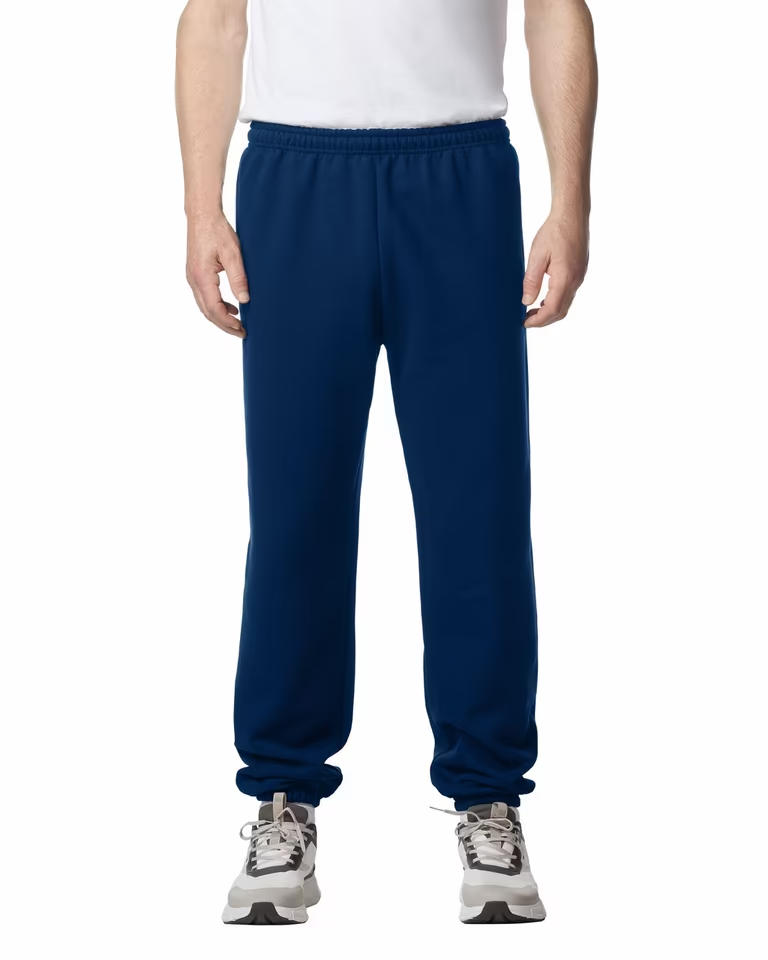
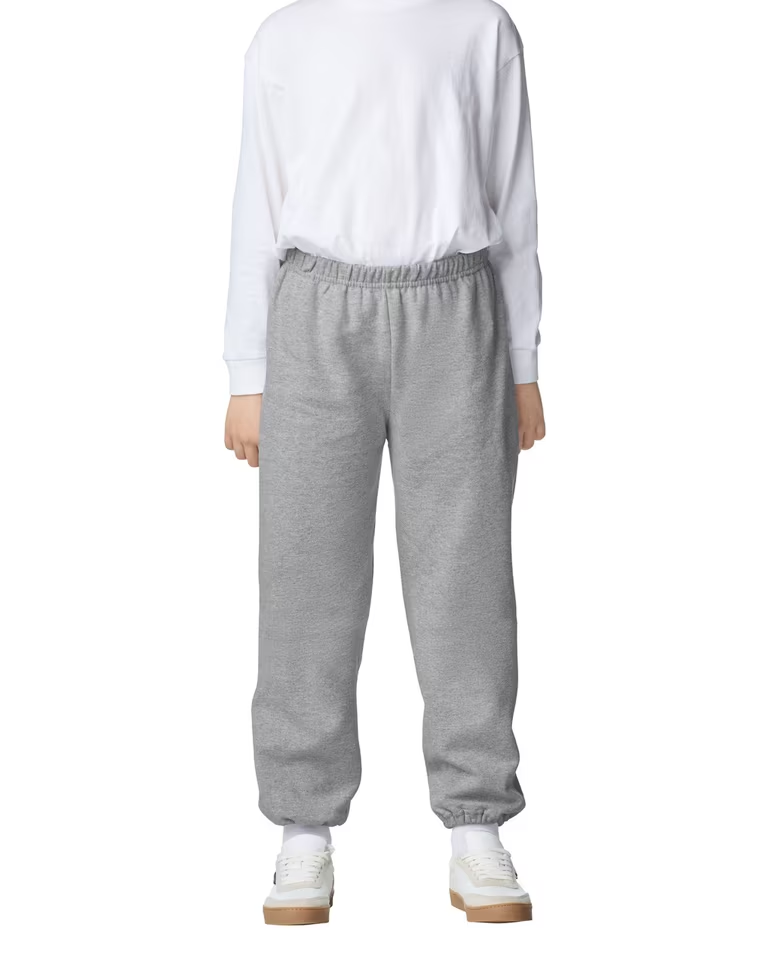
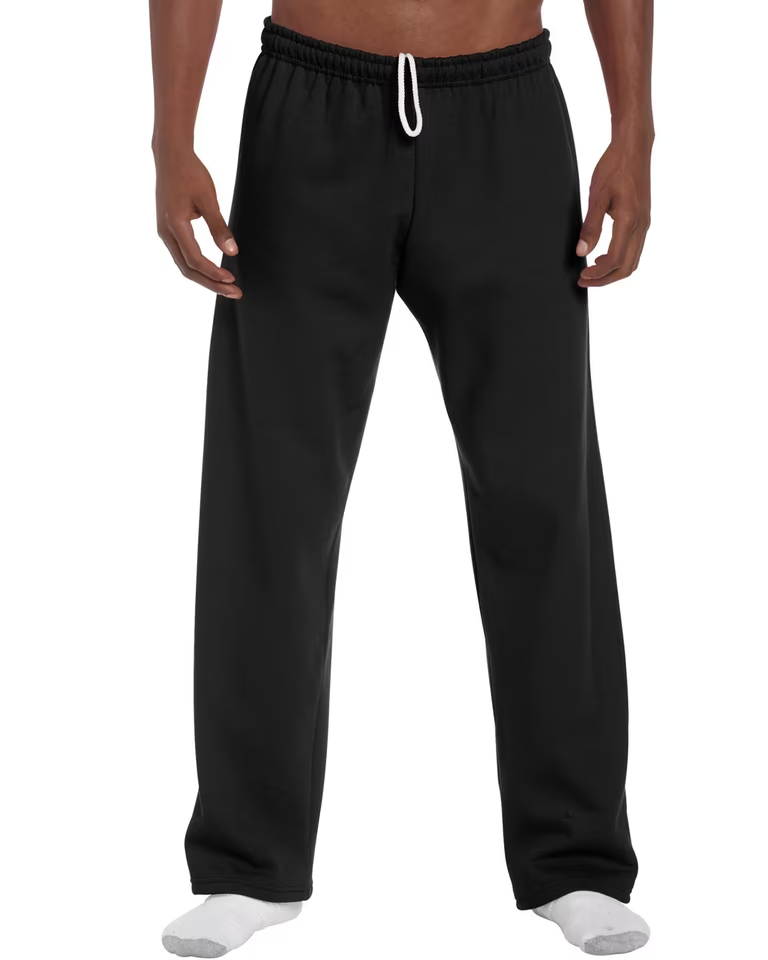
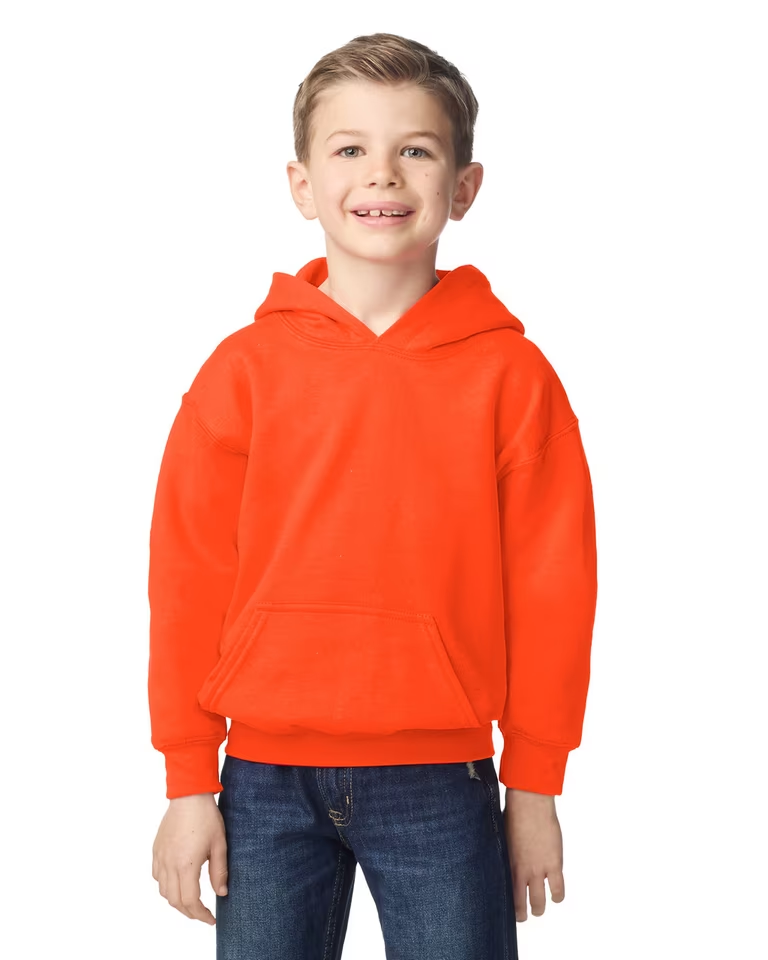
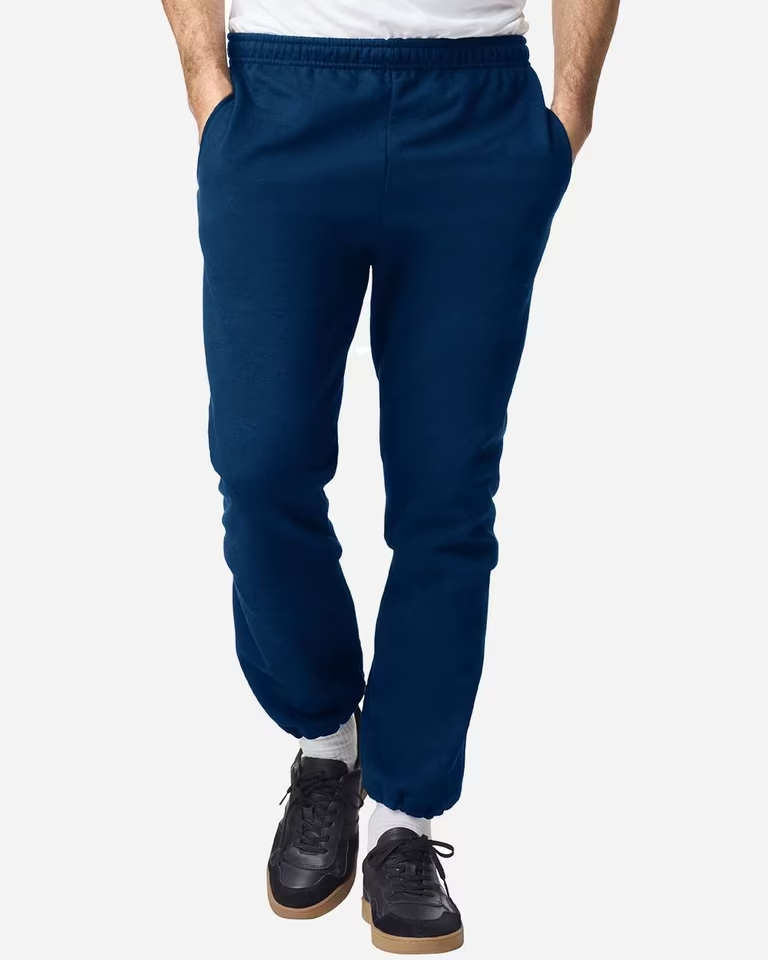
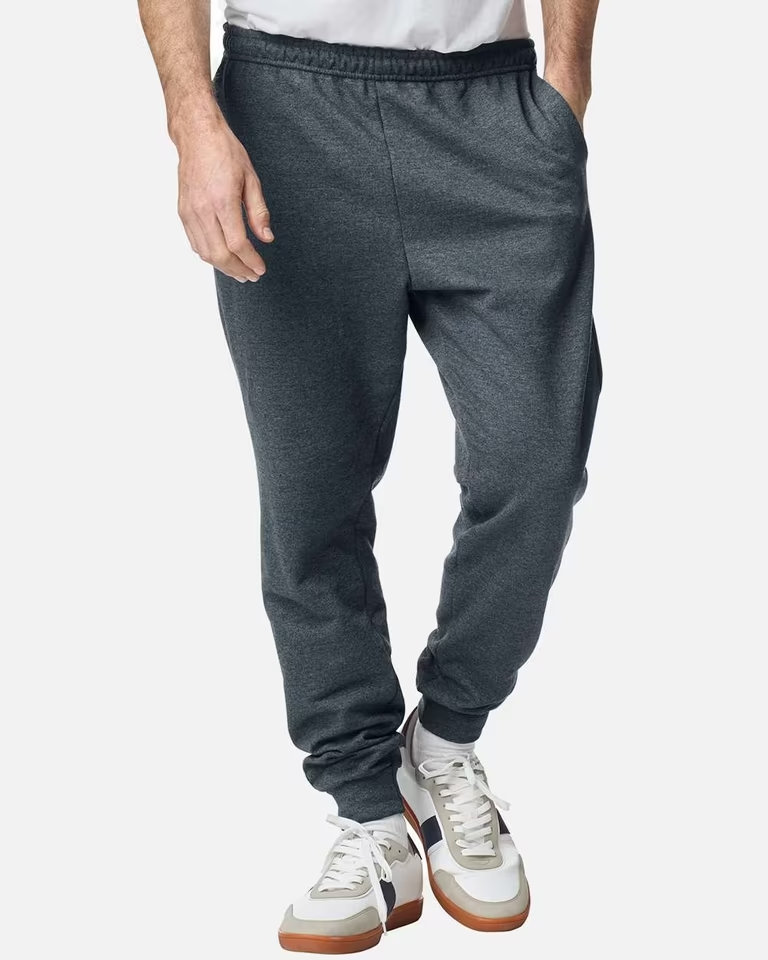
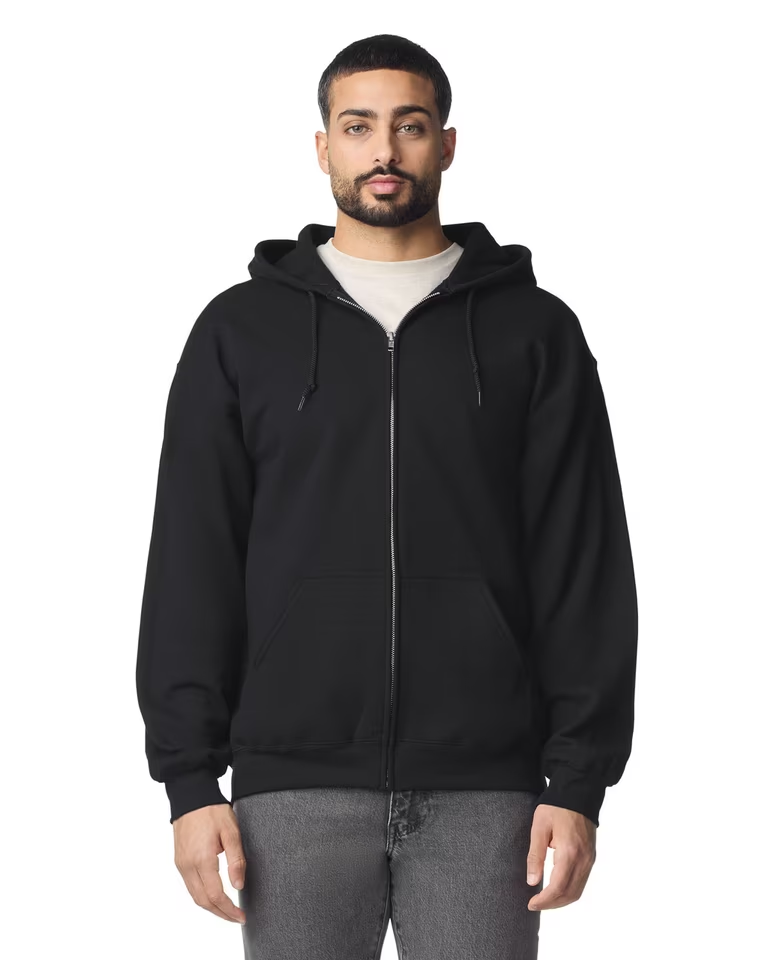
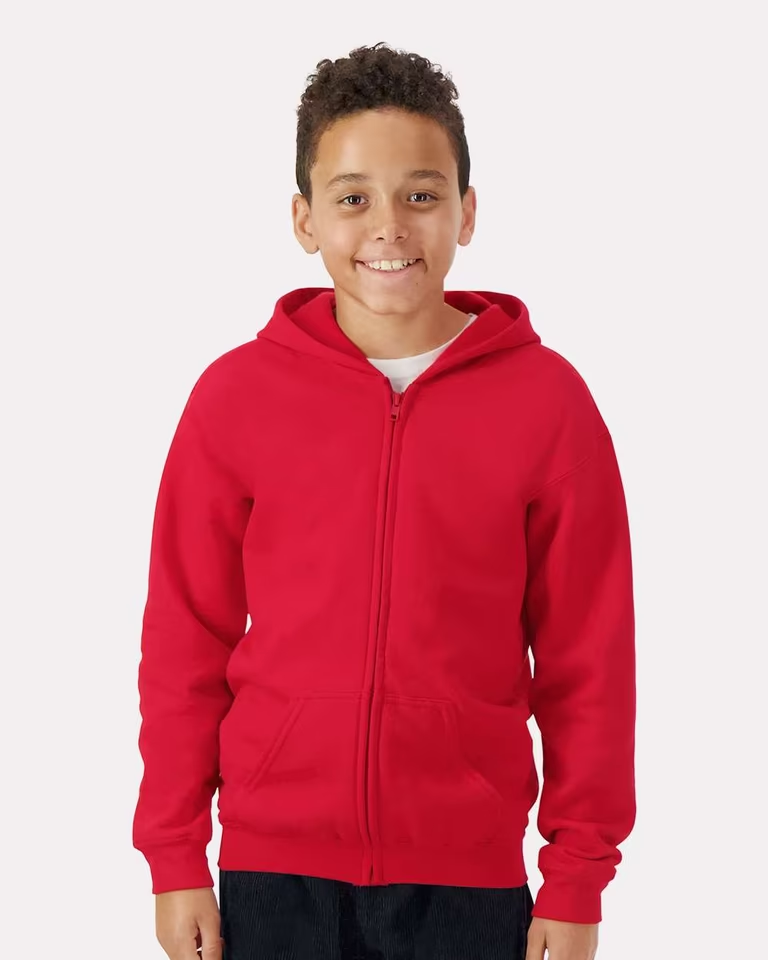
The 18500 hoodie's 50/50 cotton-poly fleece collection: hoodies, crews, full-zips, sweatpants, and joggers. The standard fleece for teams, schools, and events.
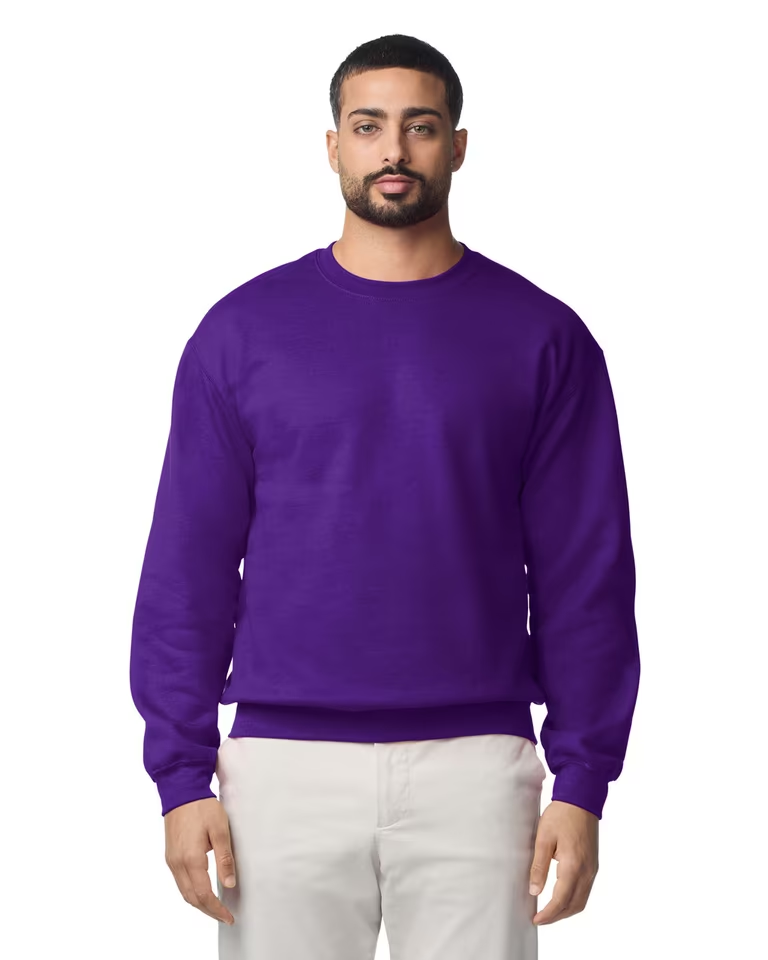
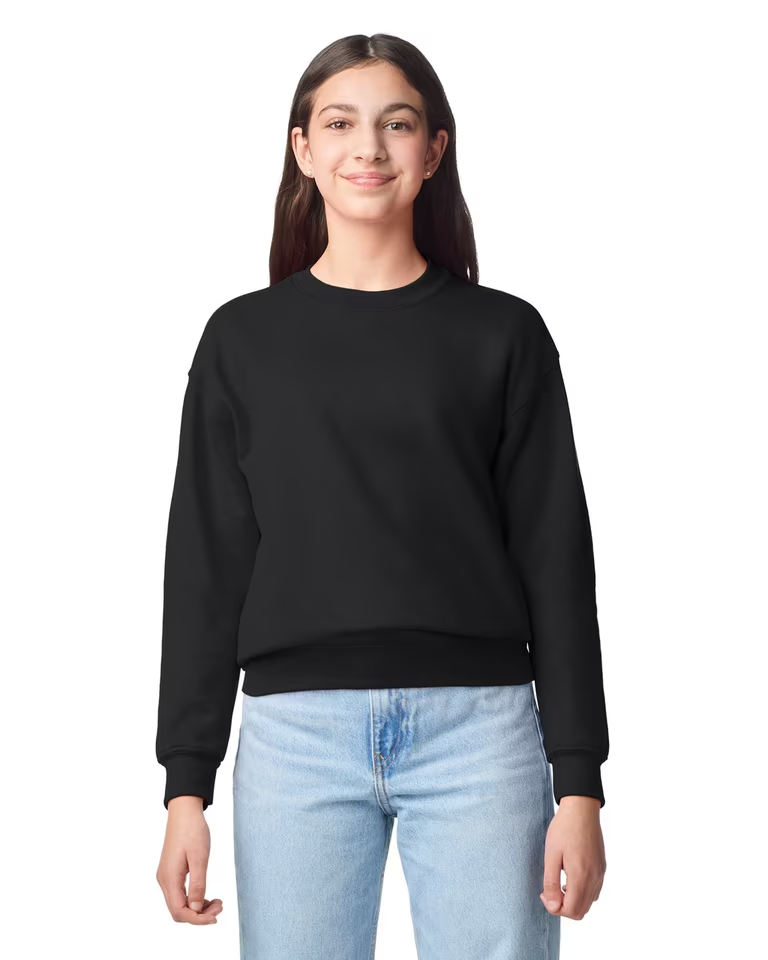
Gildan style number 18600
$21.65
Retail $39.36
Gildan style number 18600B
$21.63
Retail $28.84
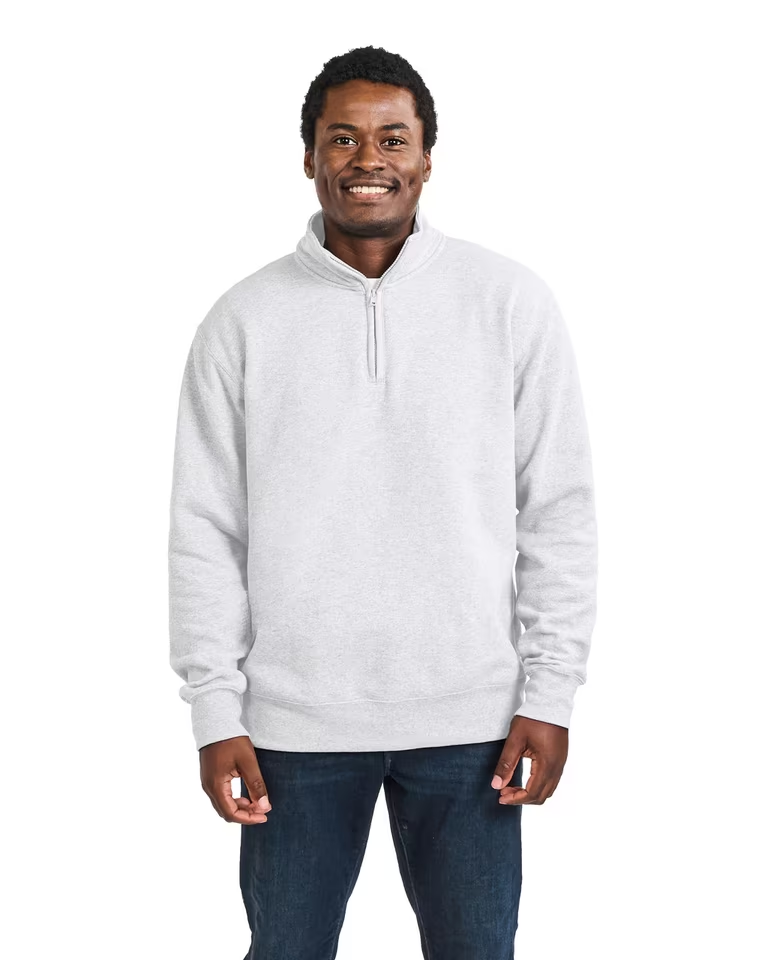
50/50 fleece with moisture-wicking, the uniform-friendly middle ground between Heavy Blend and true performance wear.
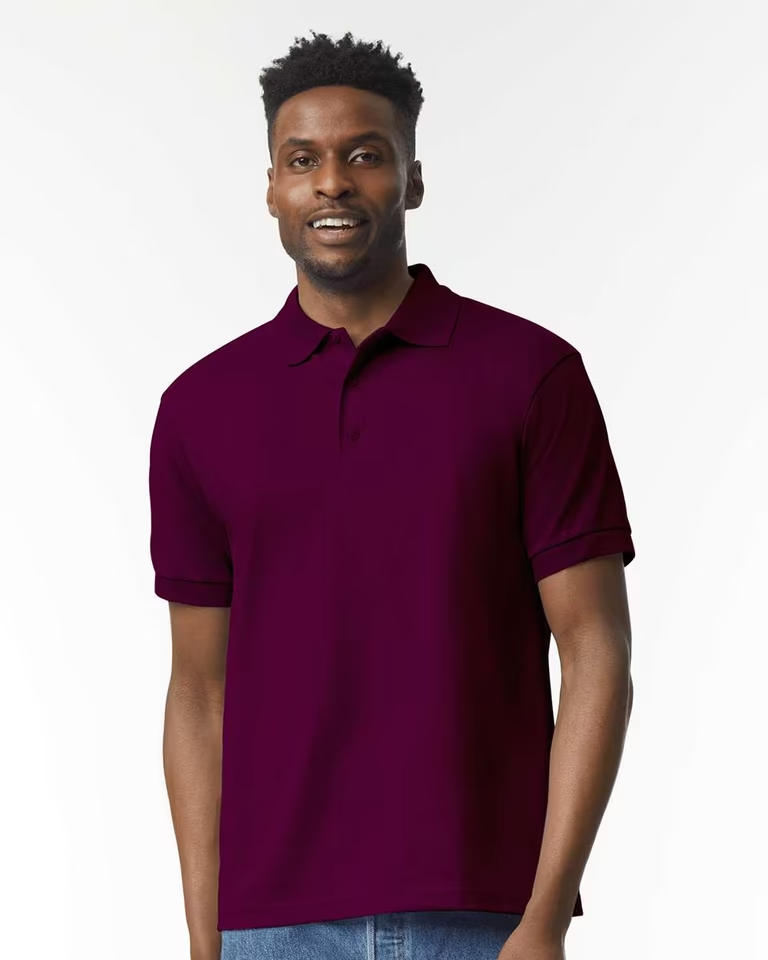
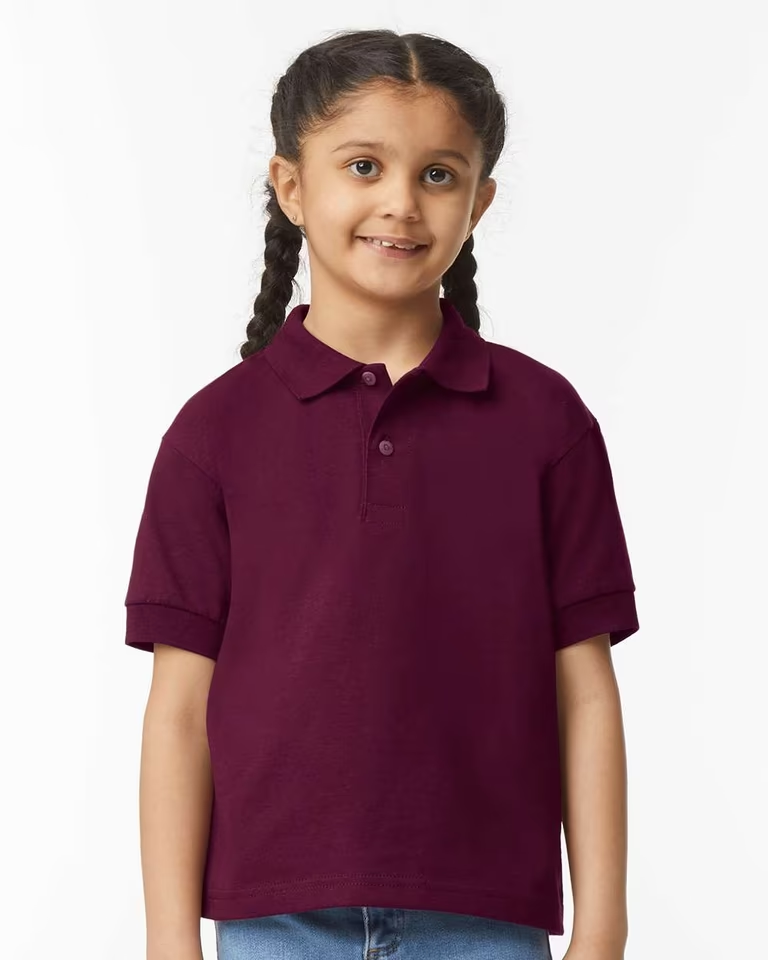
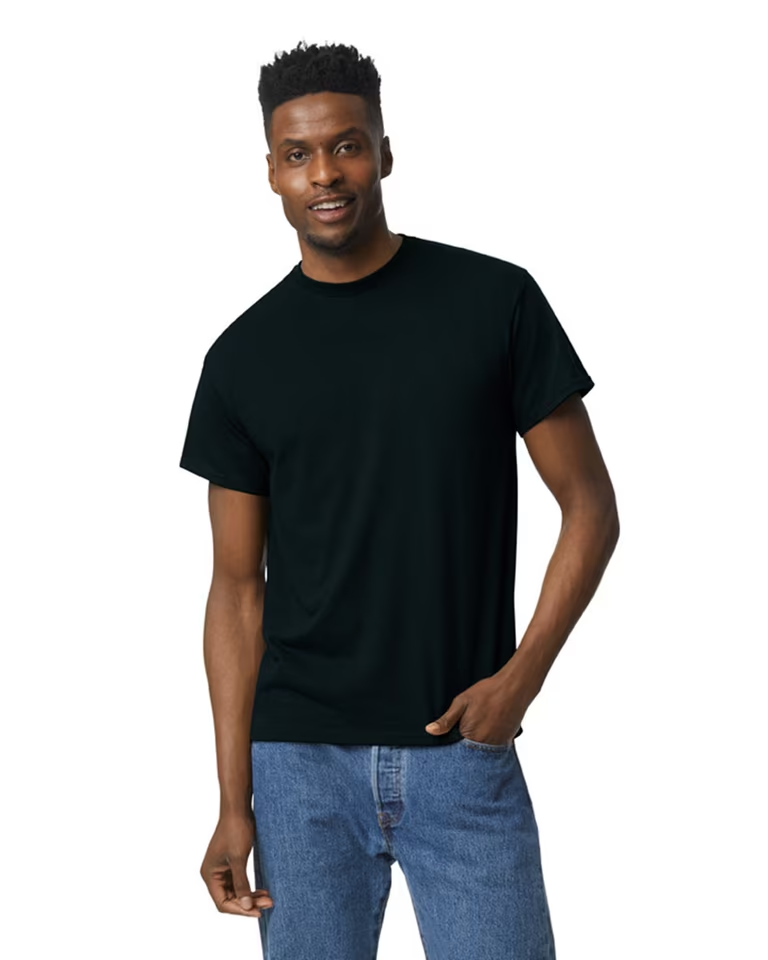
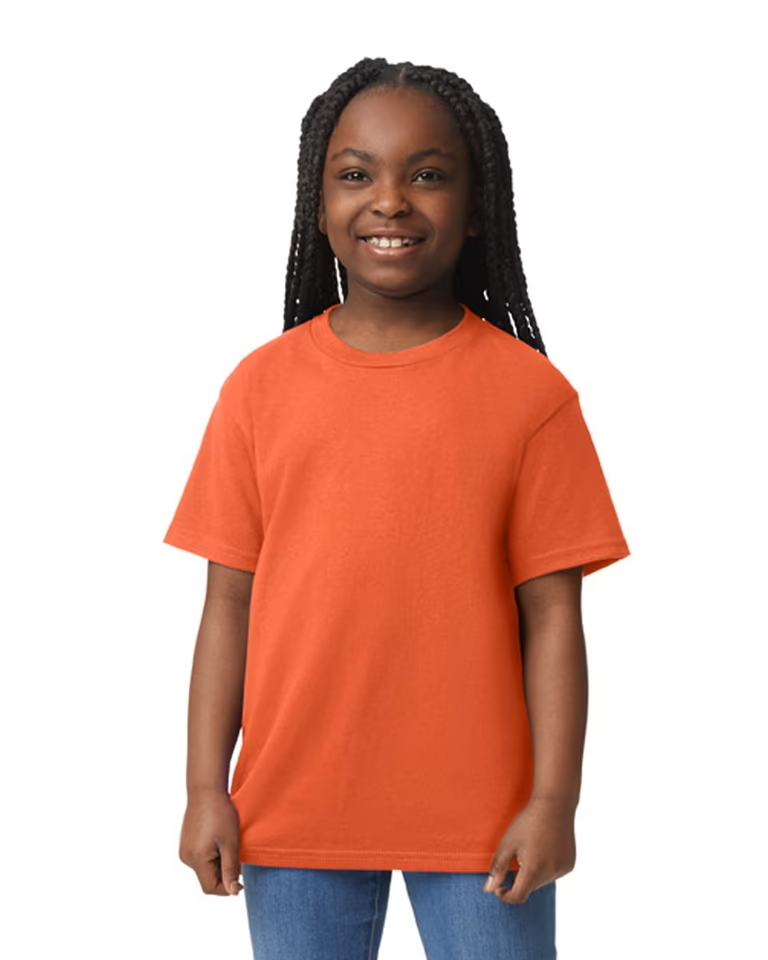
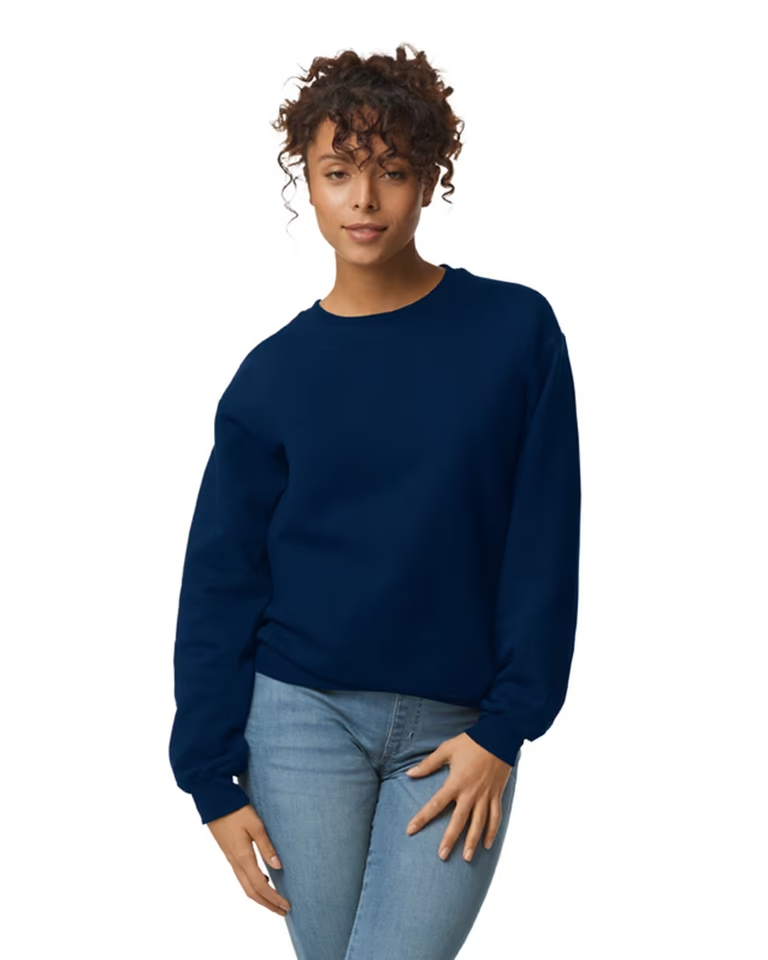
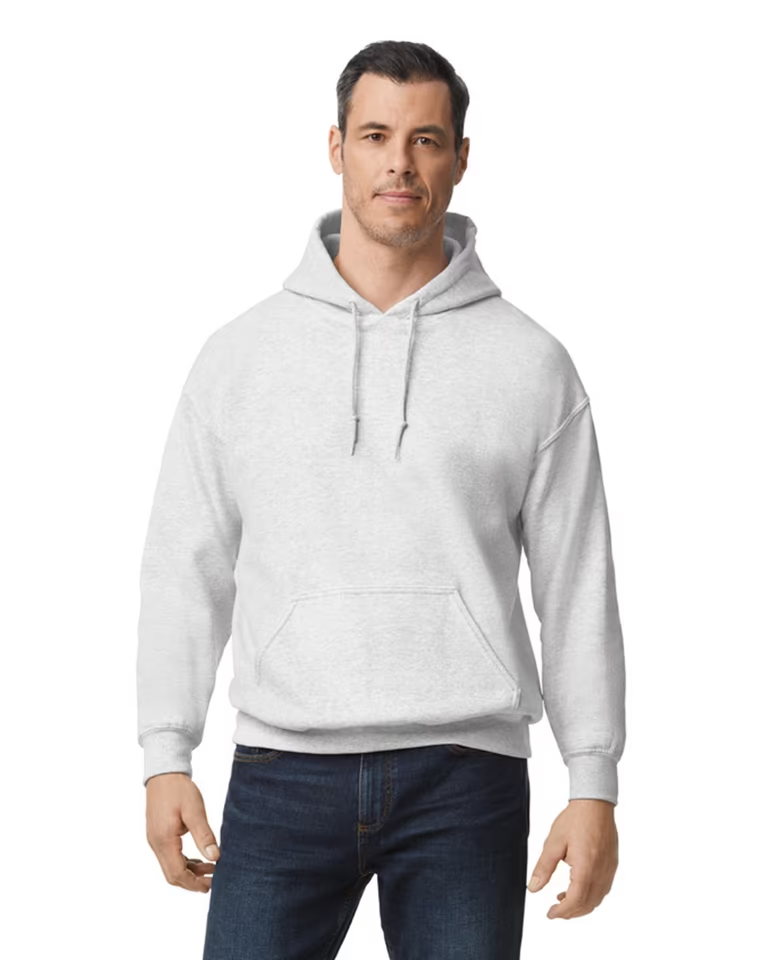
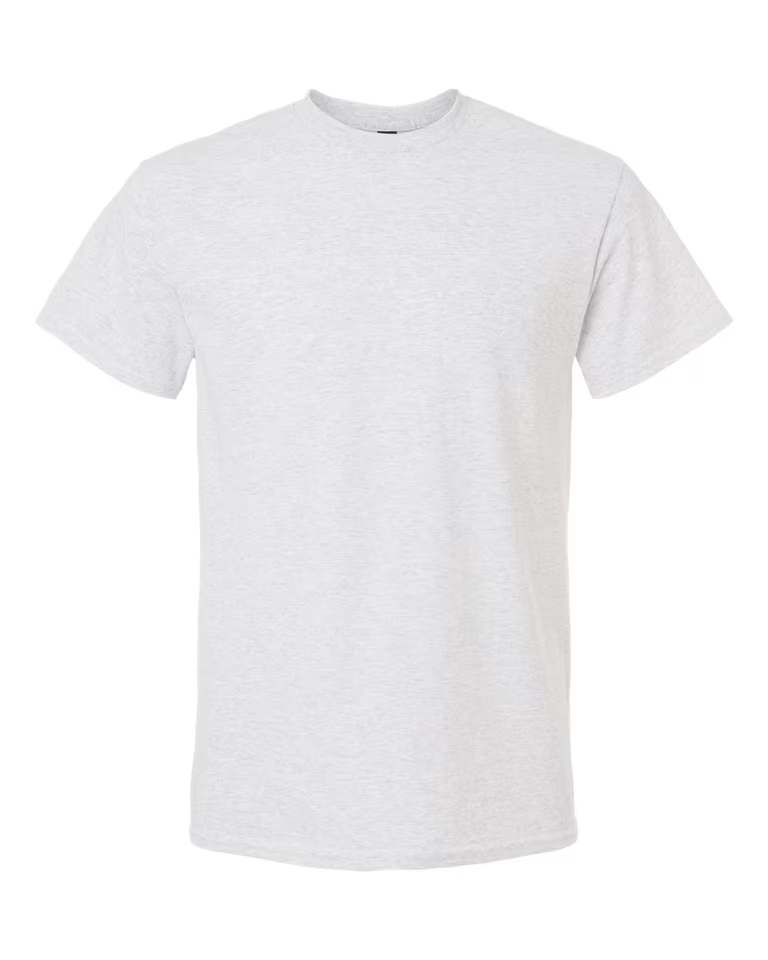
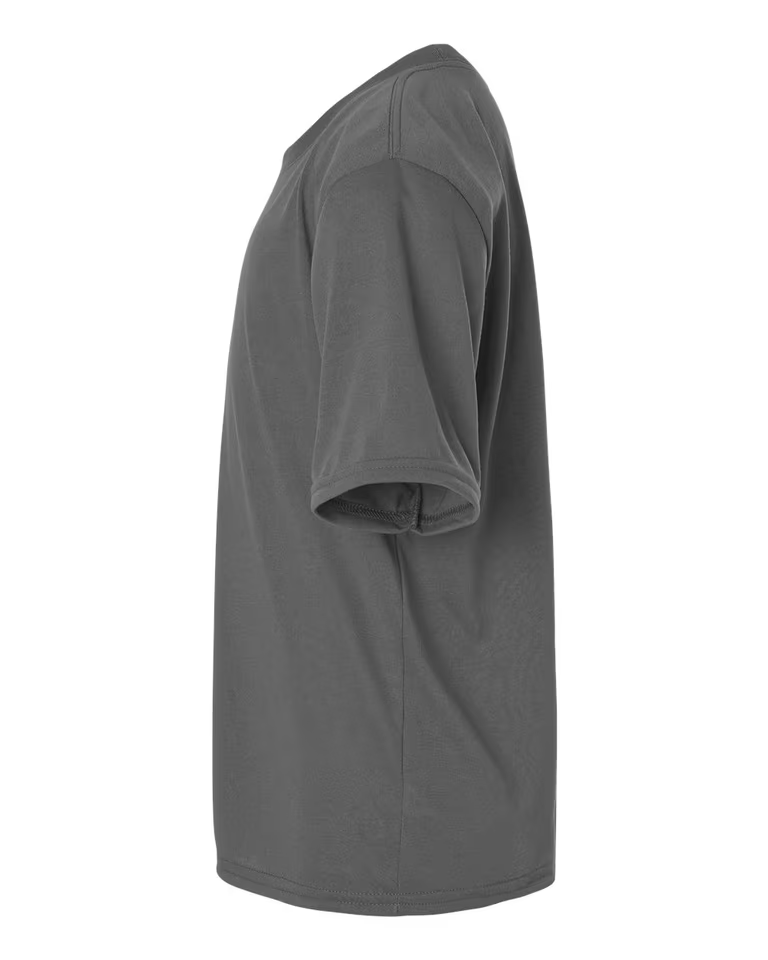
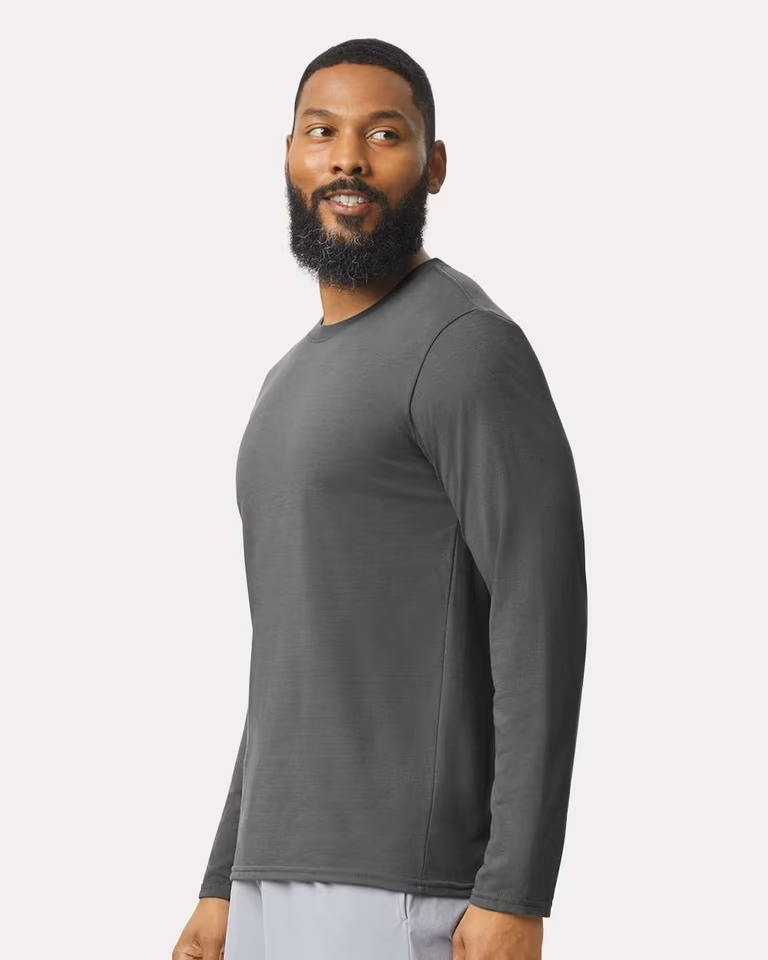
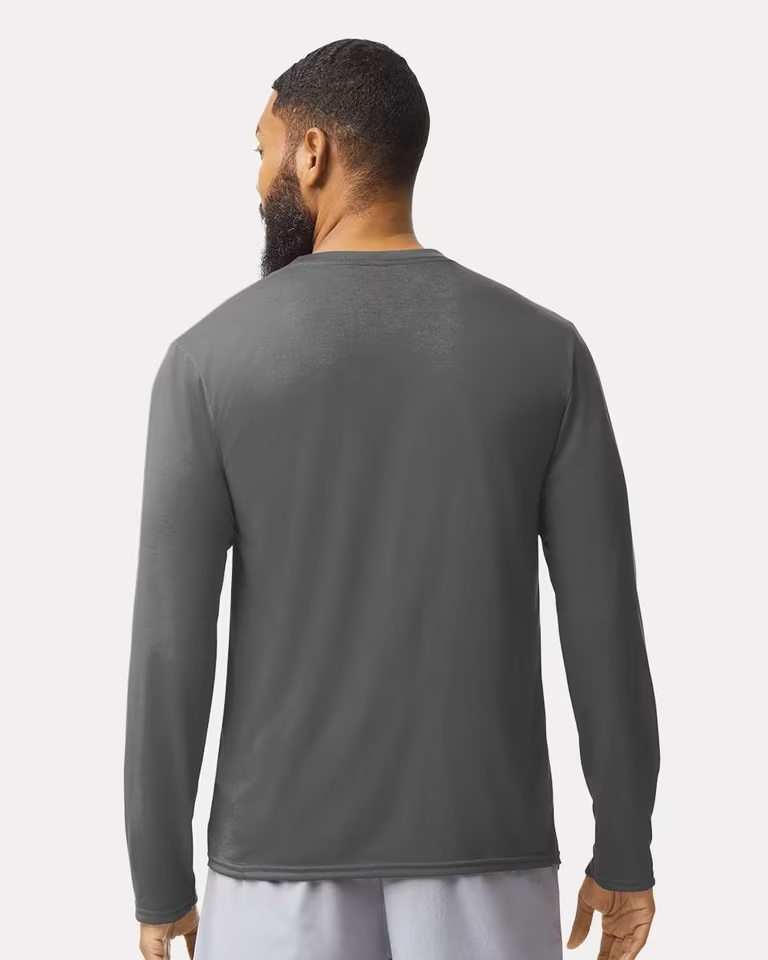
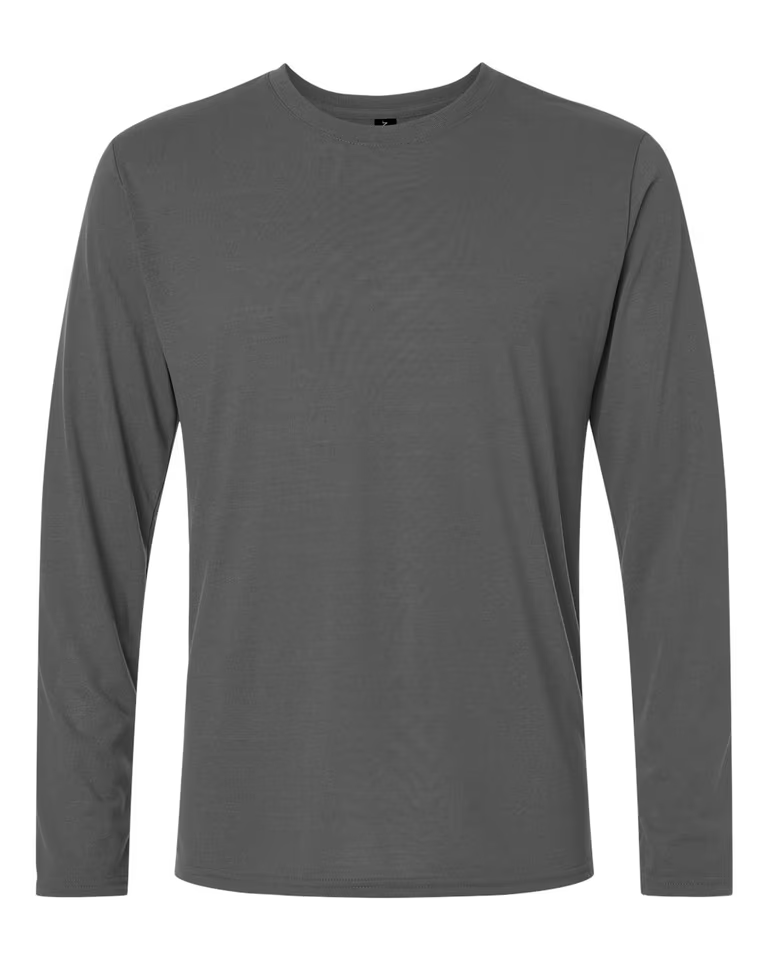
Moisture-wicking 100% polyester athletic tees, and the only Gildan collection sublimation accepts.
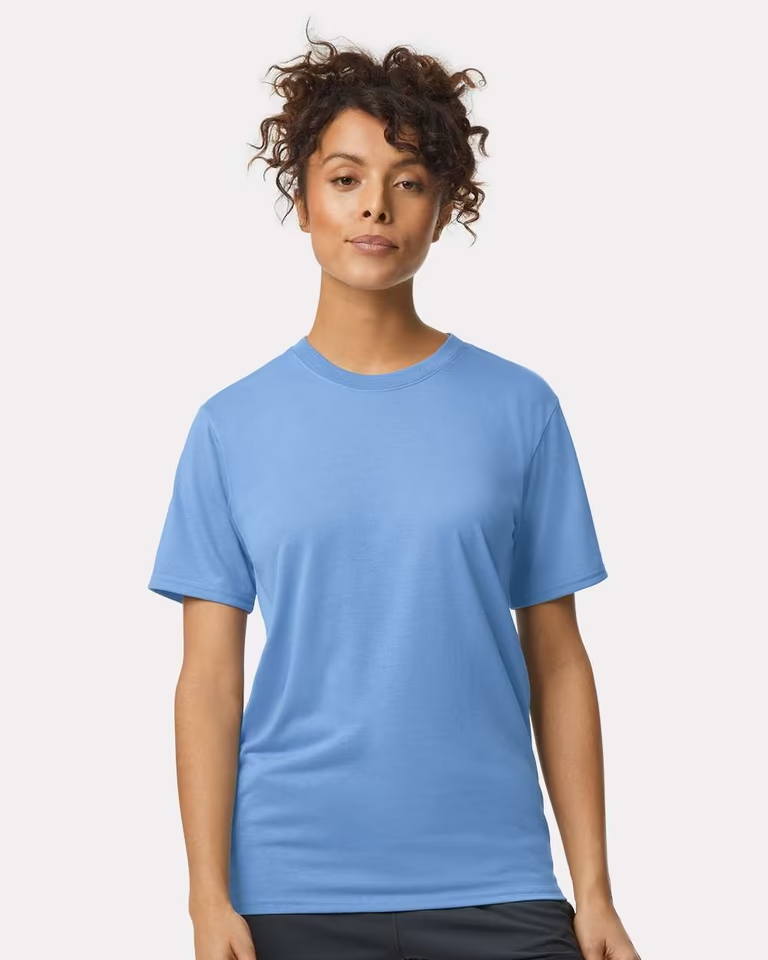
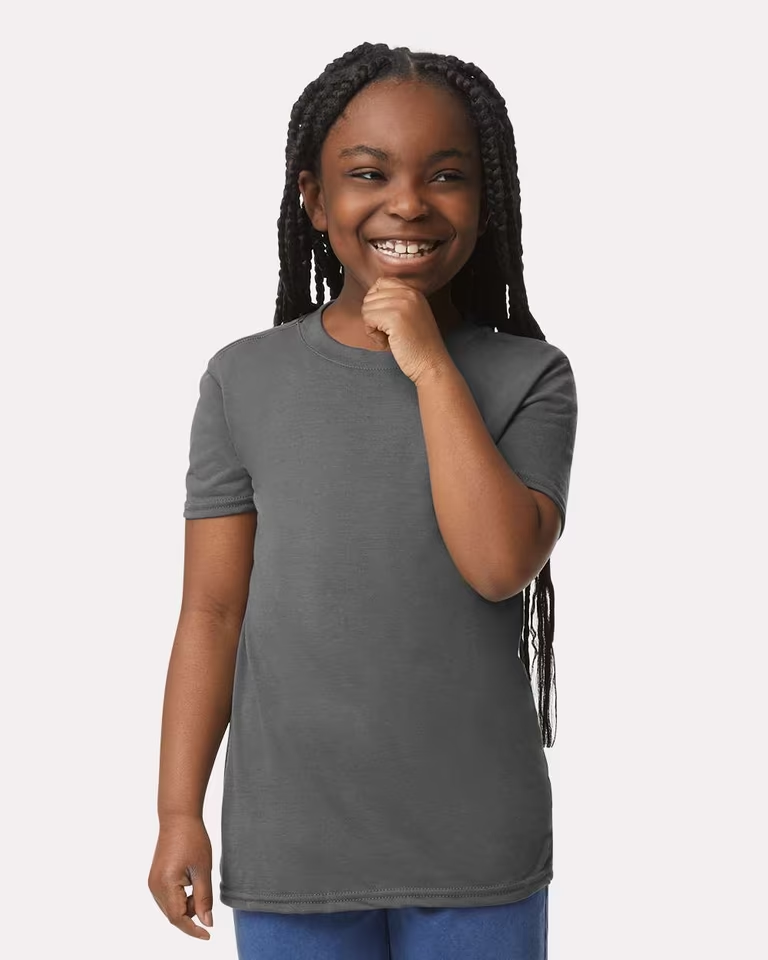
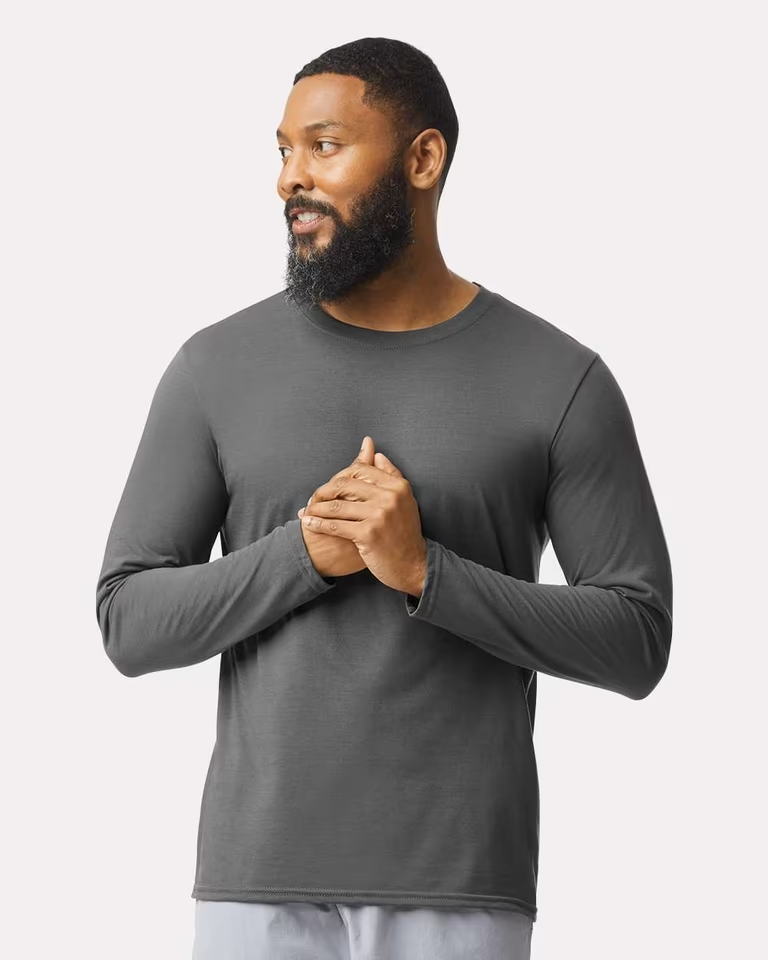
Featherweight promo tees for the lowest unit cost on high-count giveaways.
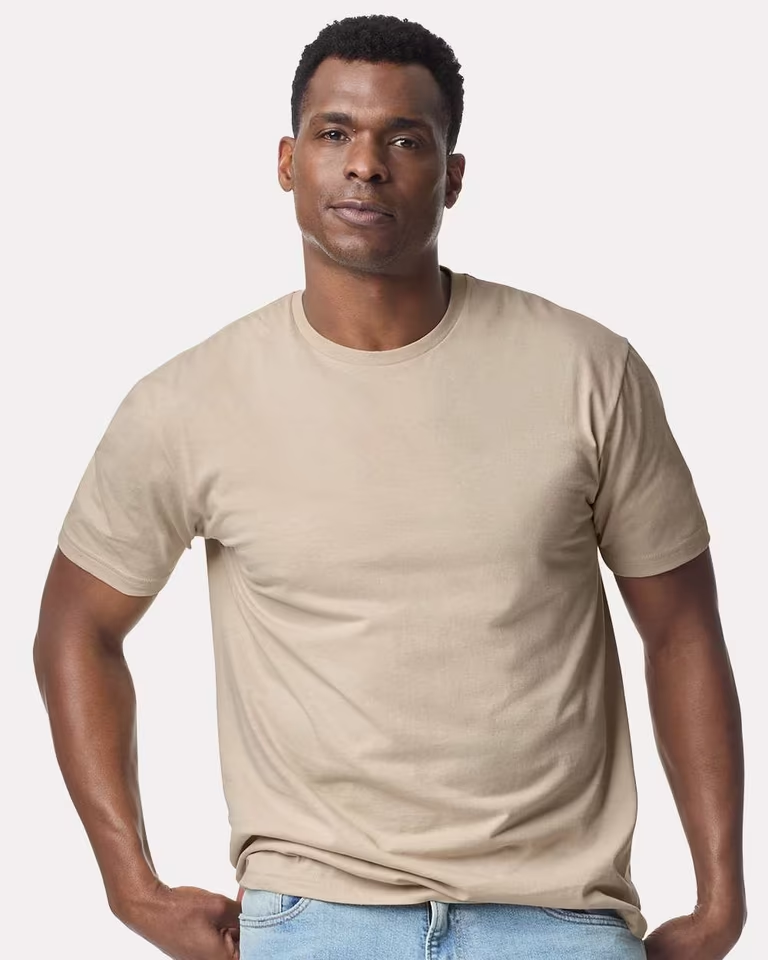
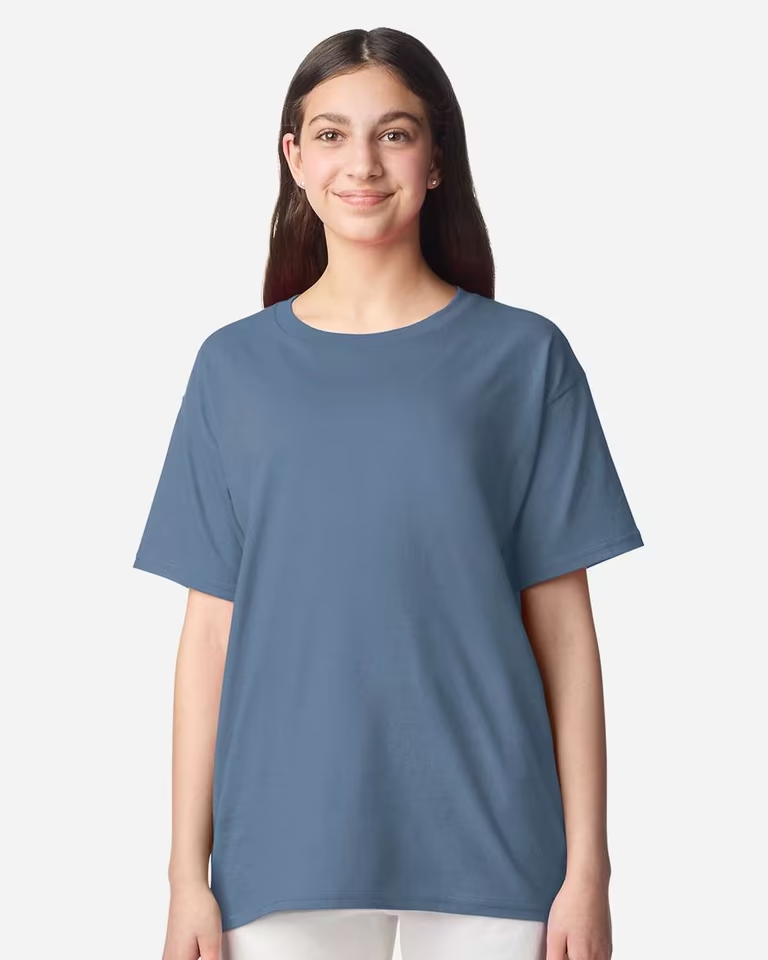
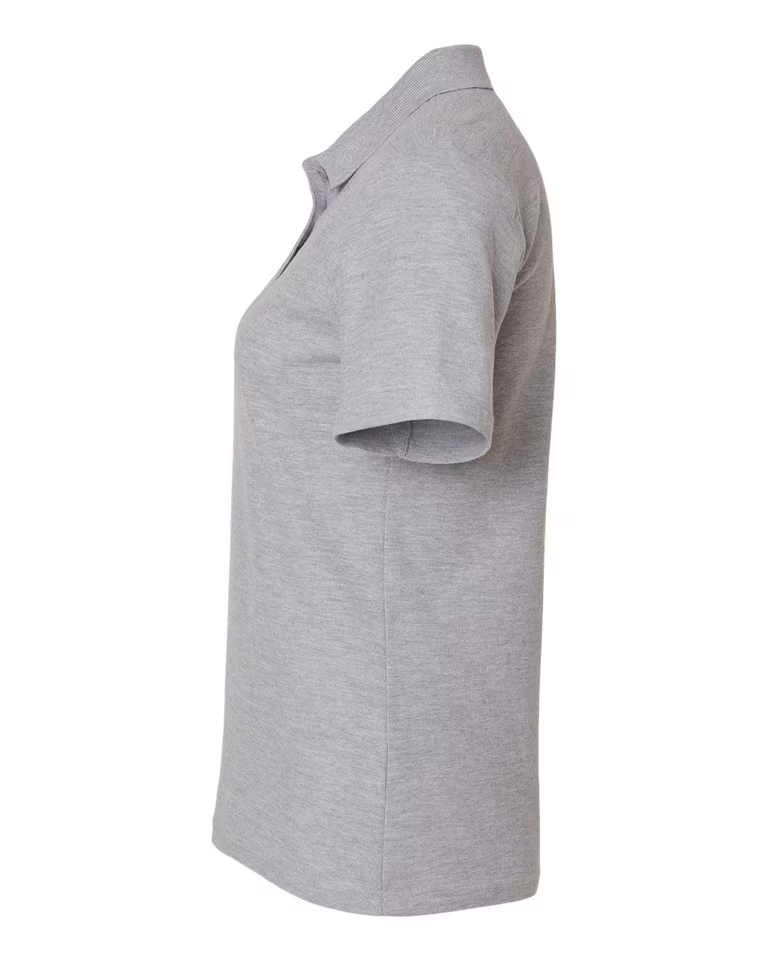
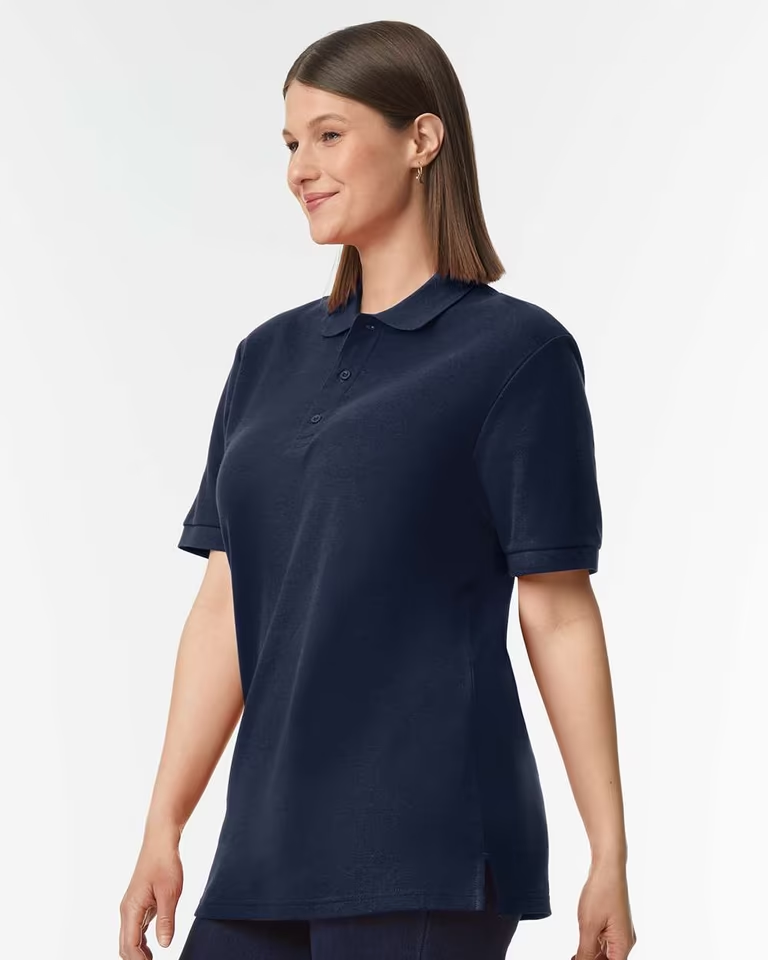
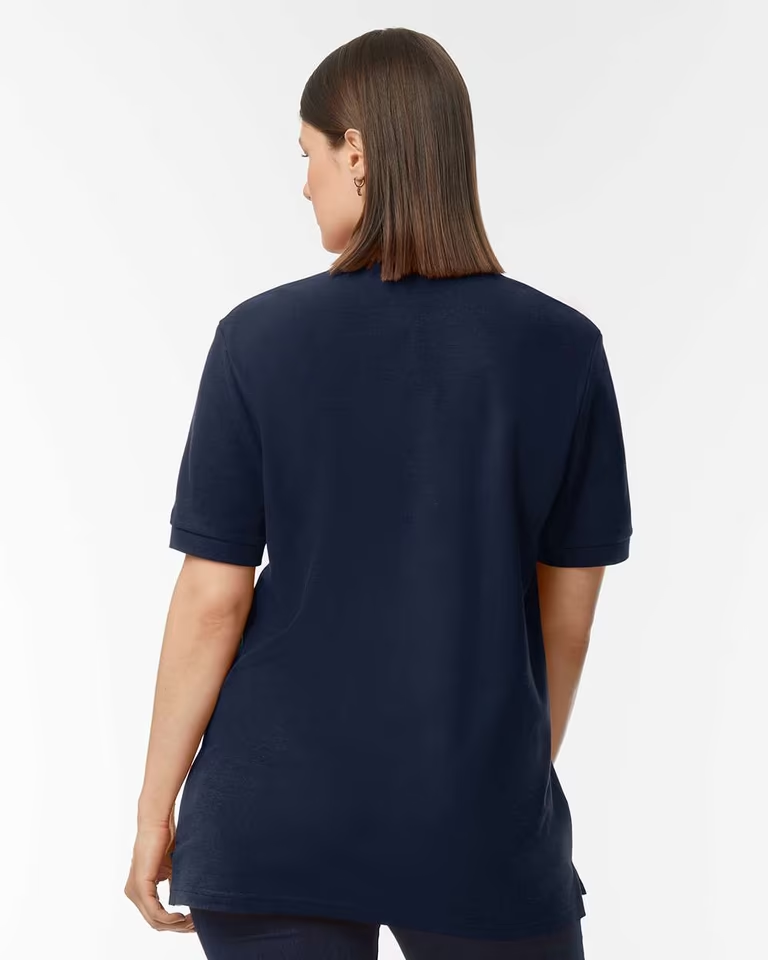
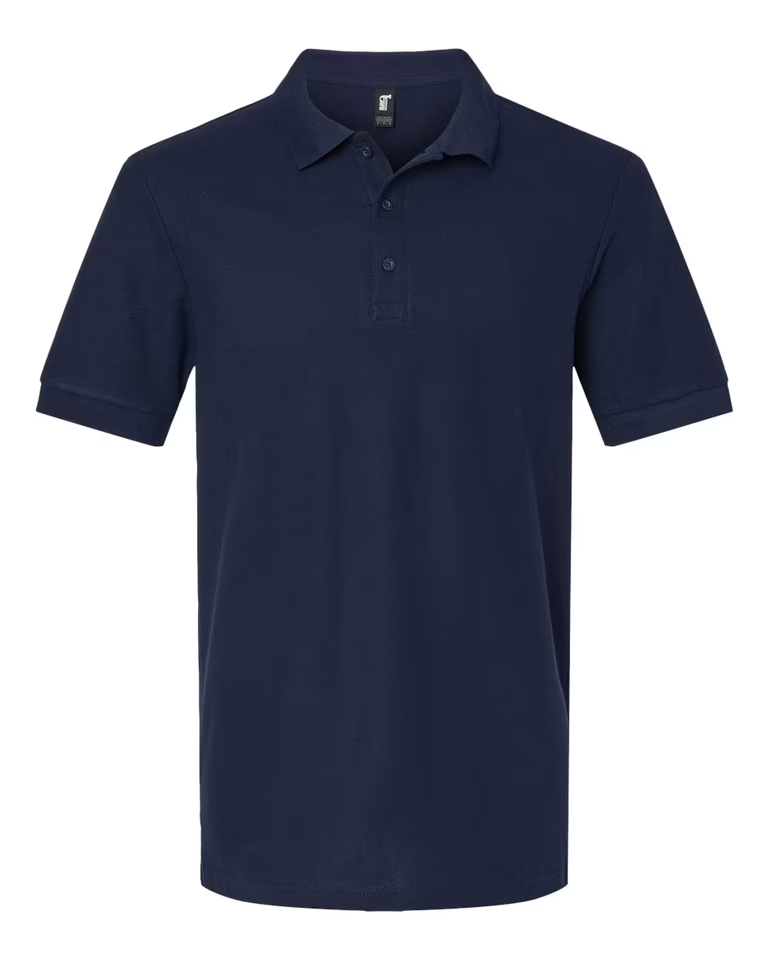
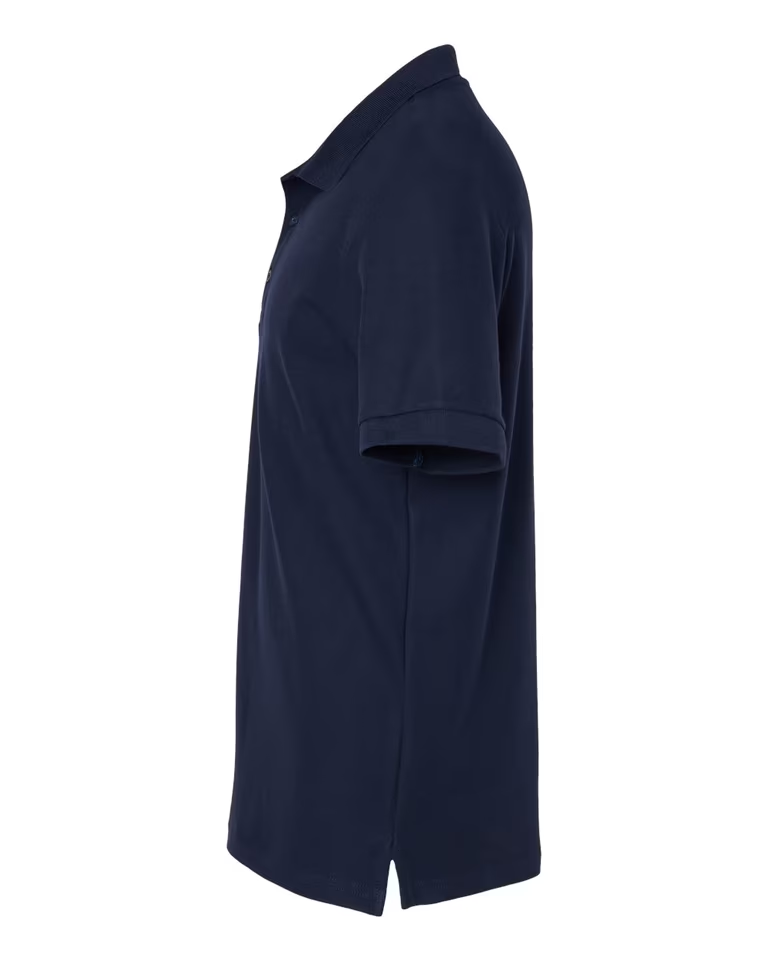
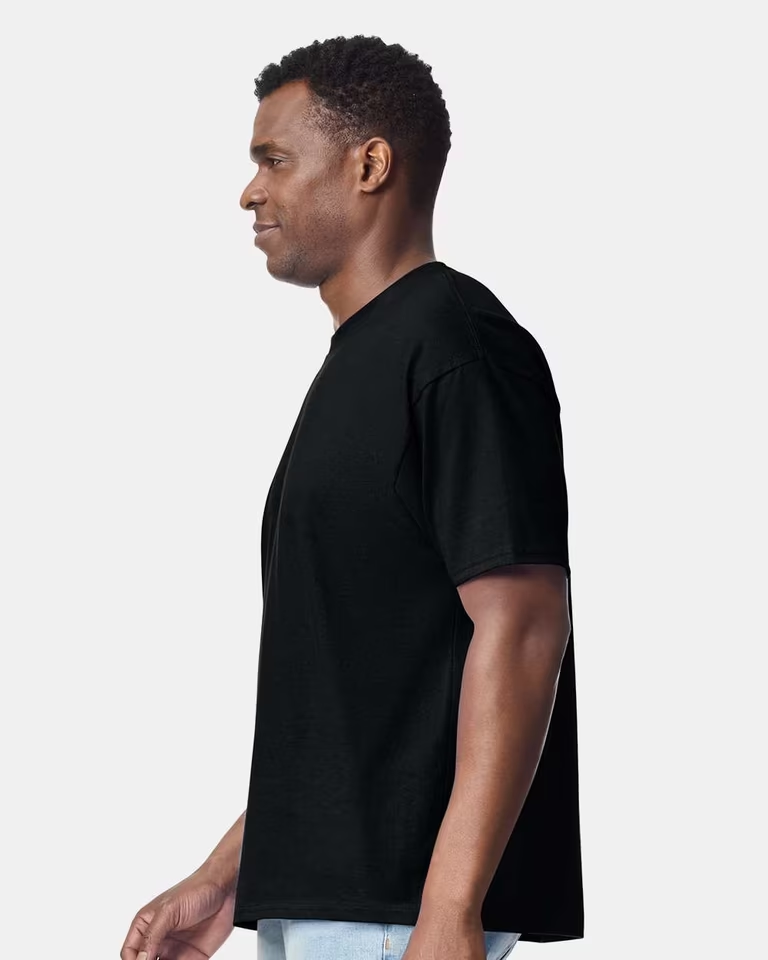
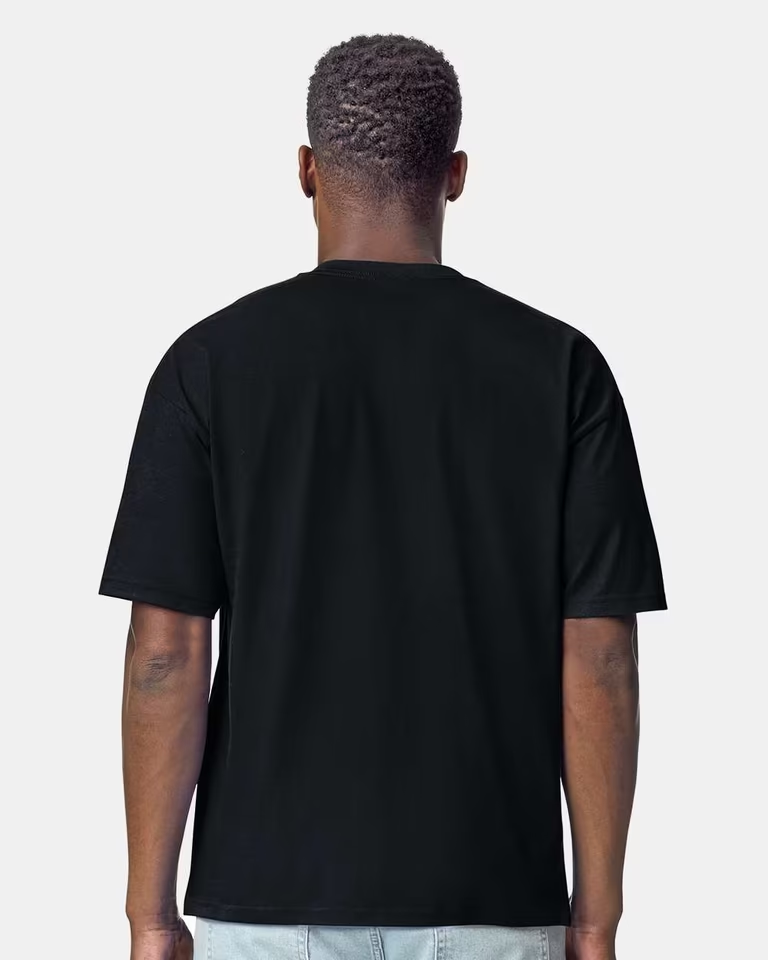
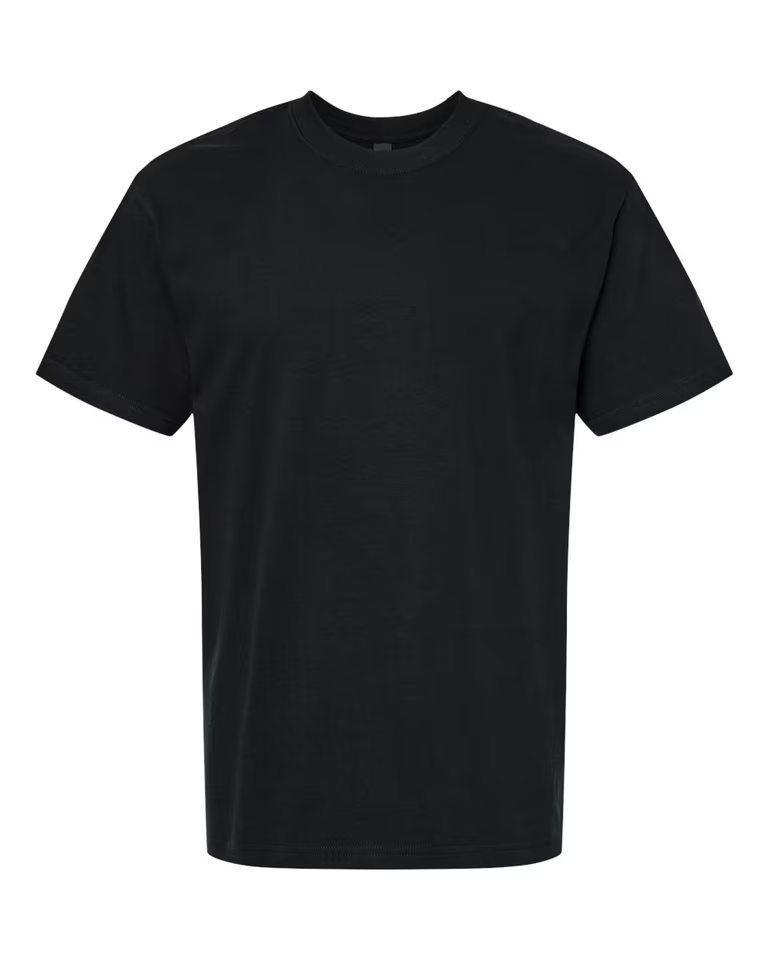
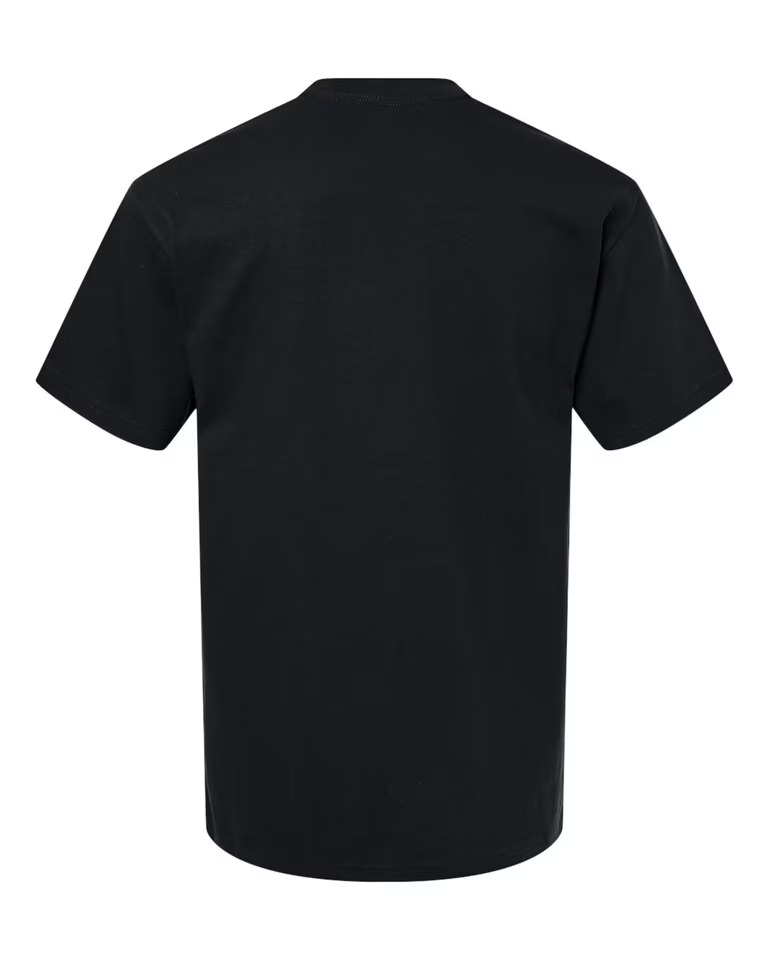
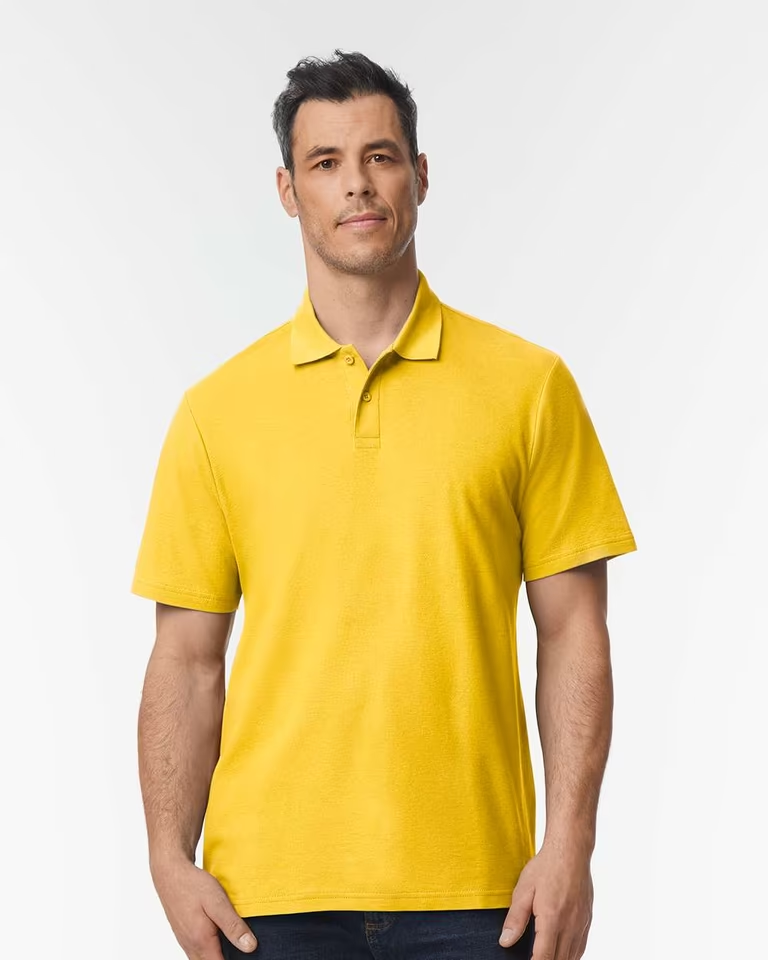
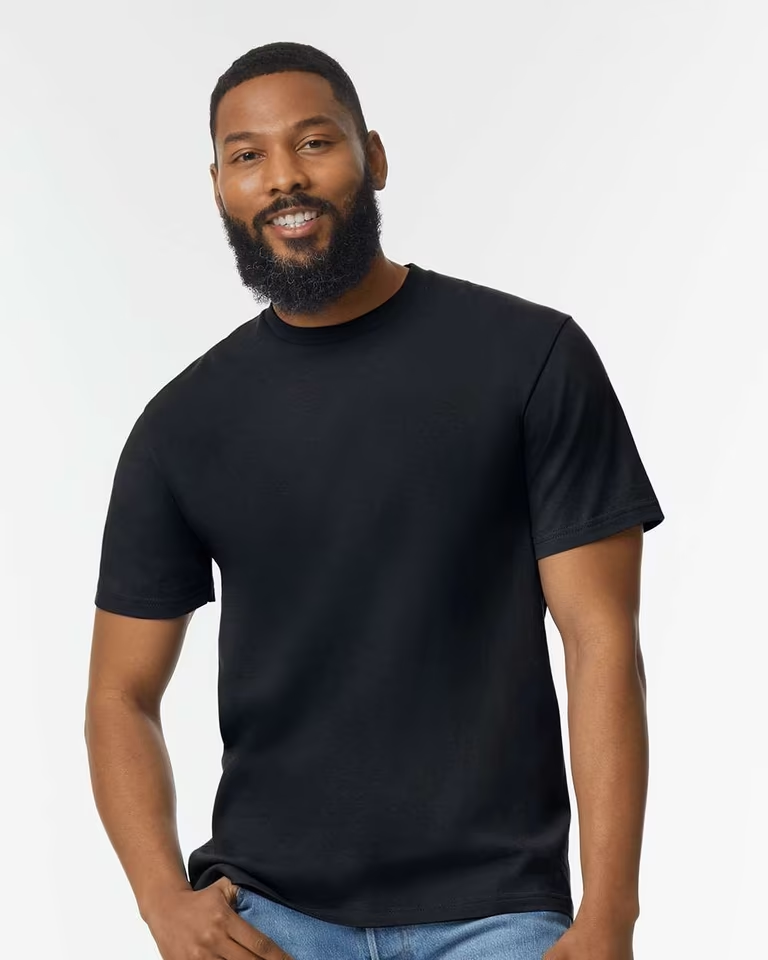
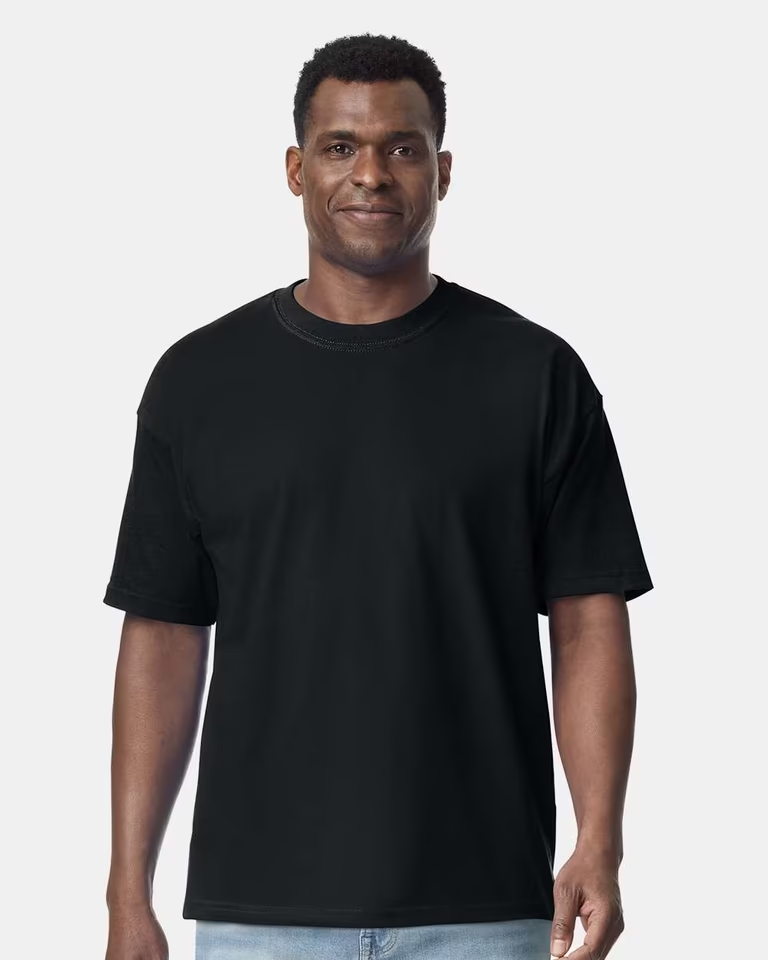
Gildan's heavyweight collection: thick ring-spun tees, fleece, and a piqué polo cut for the boxy streetwear look.
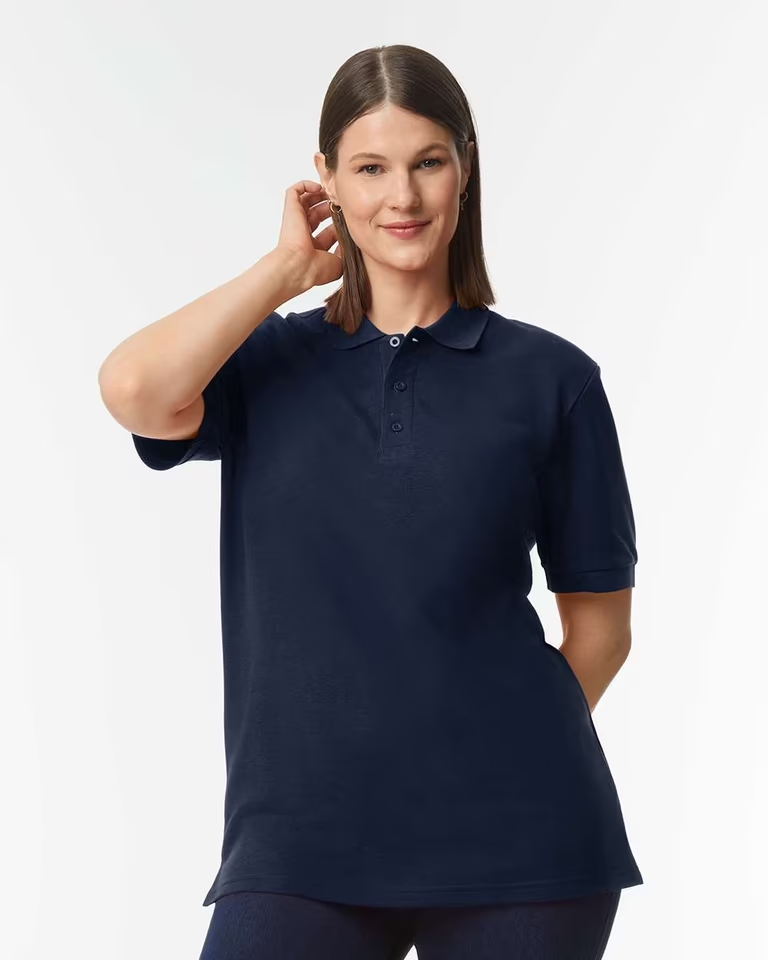
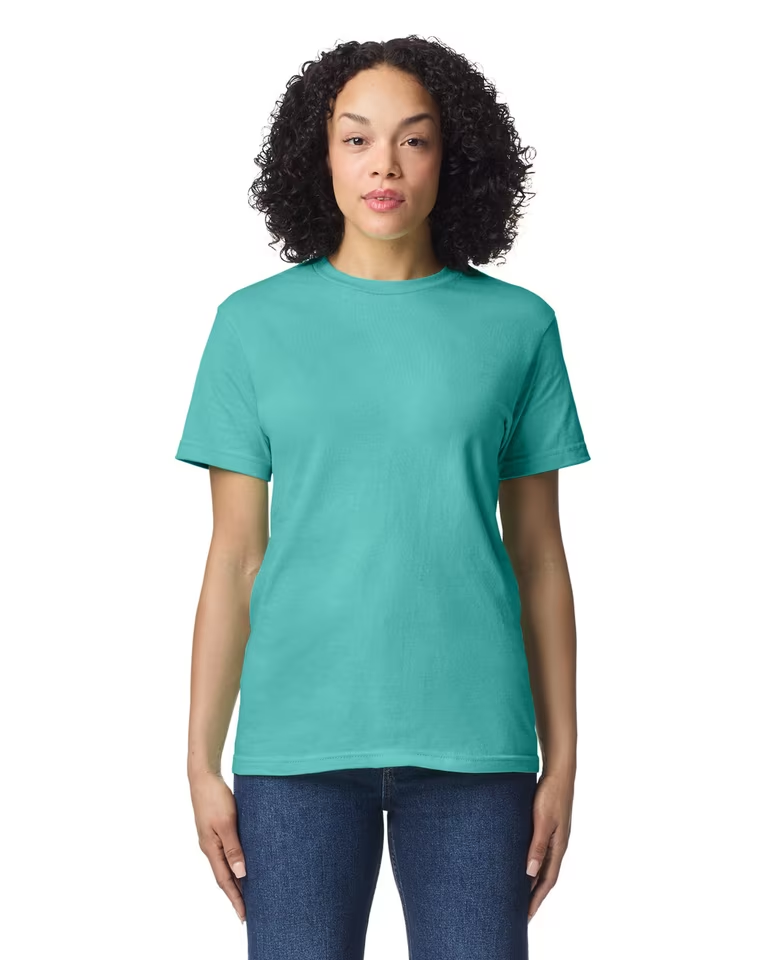
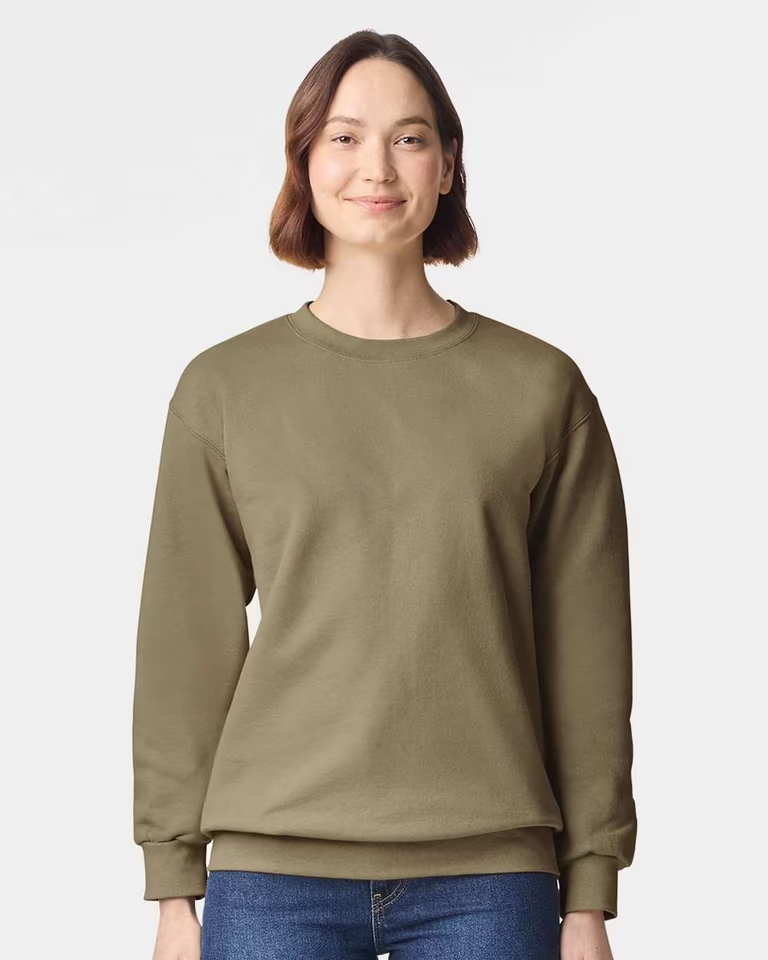
Gildan style number 19000
$21.92
Retail $29.23
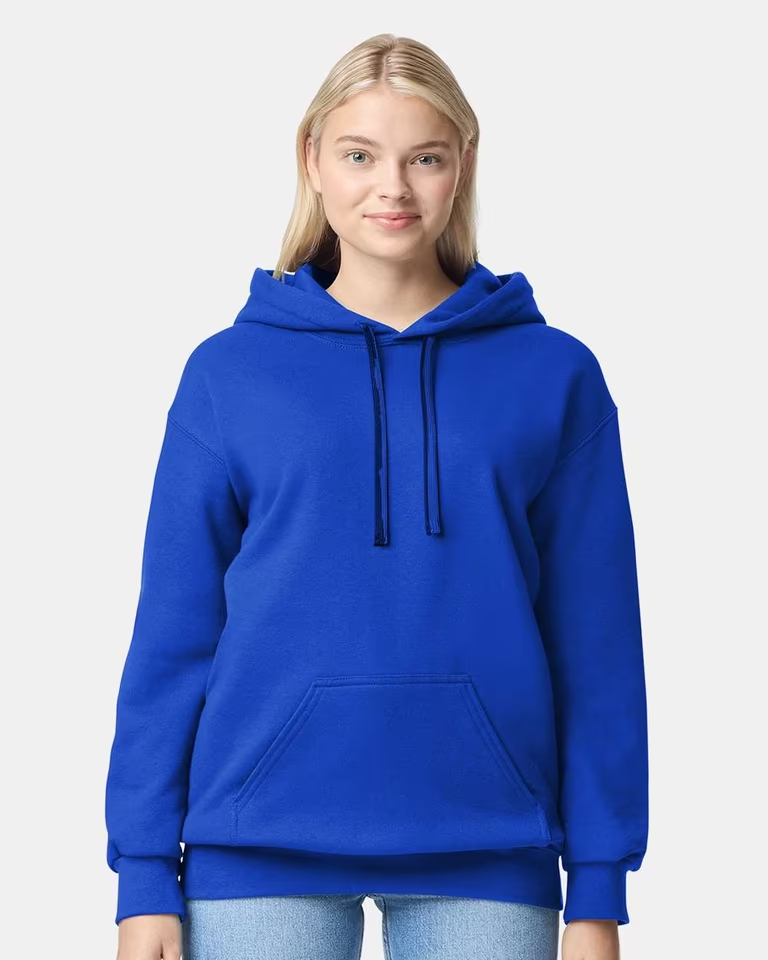
Or browse by category: