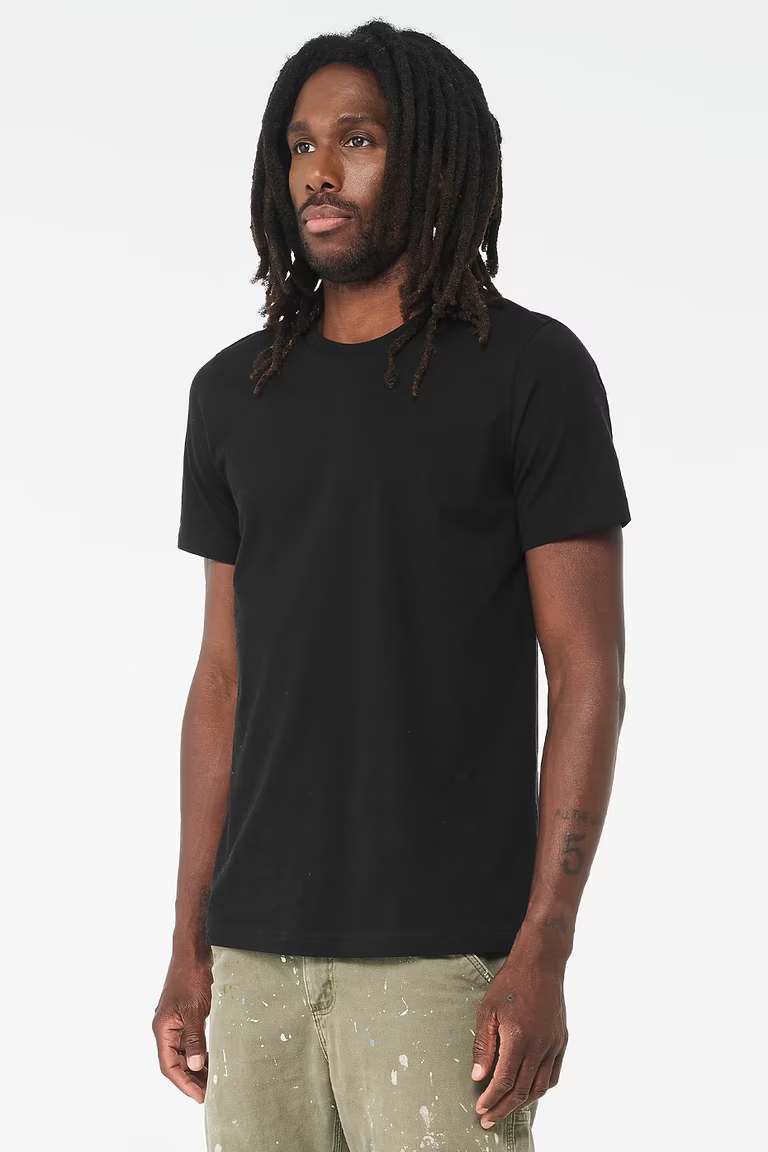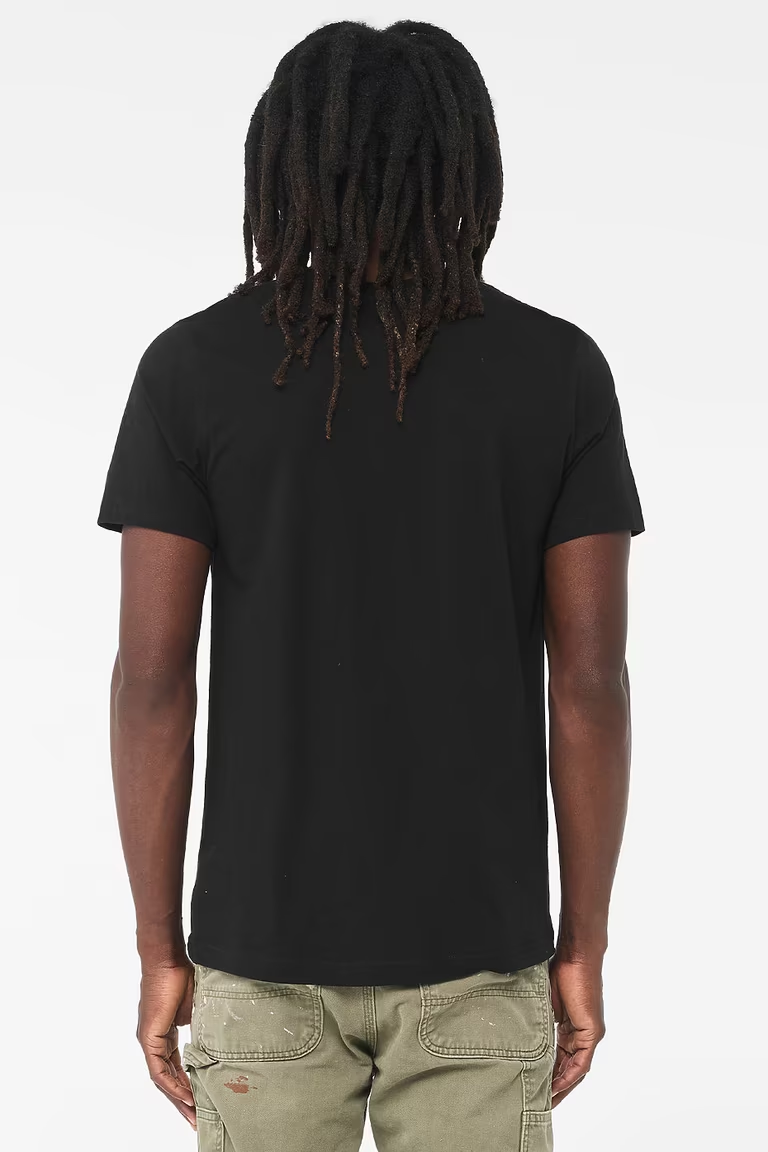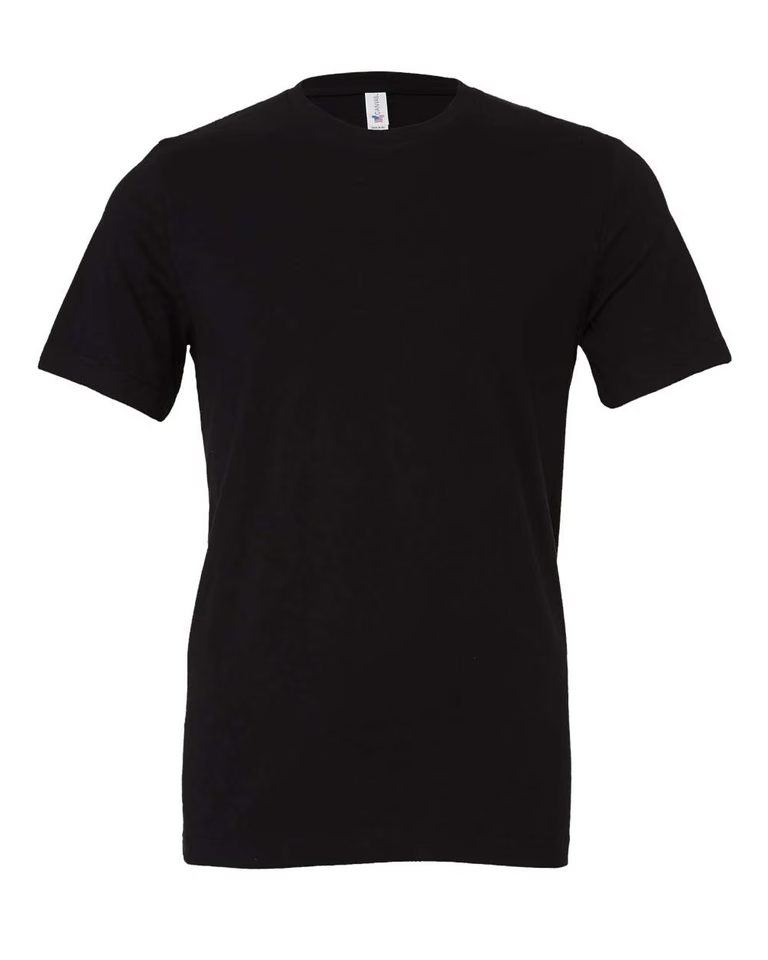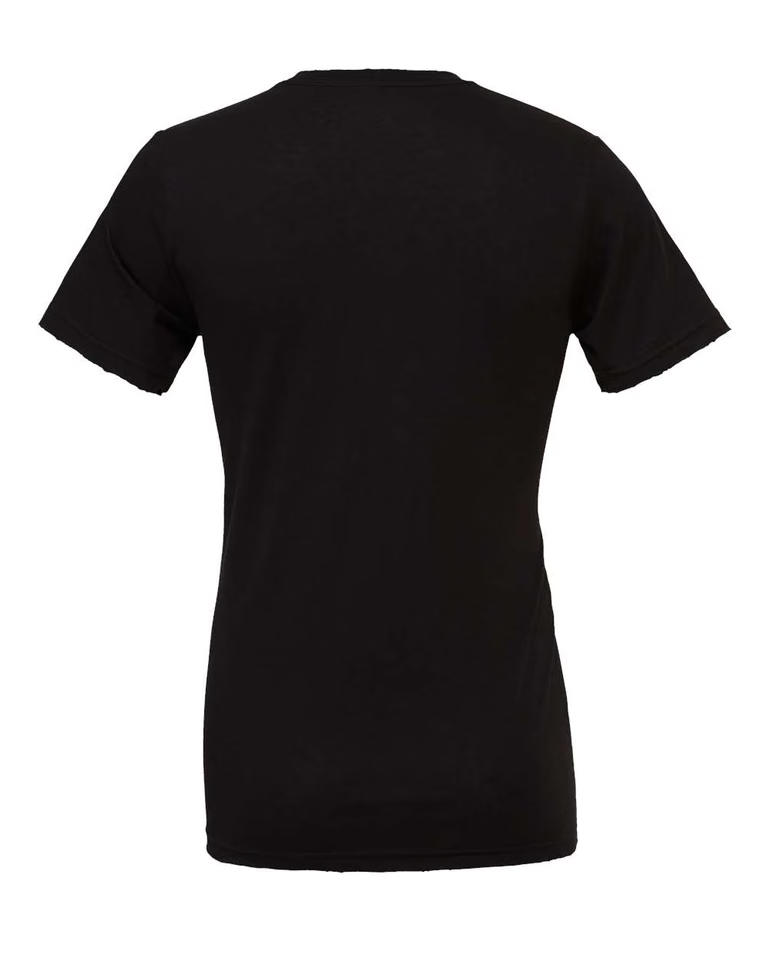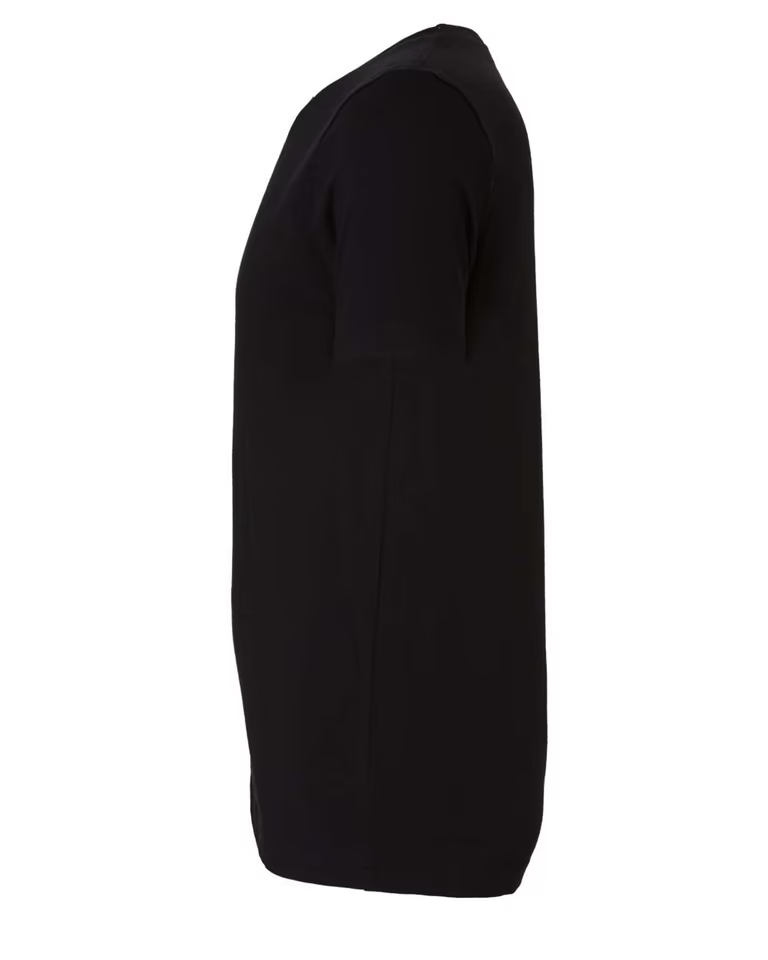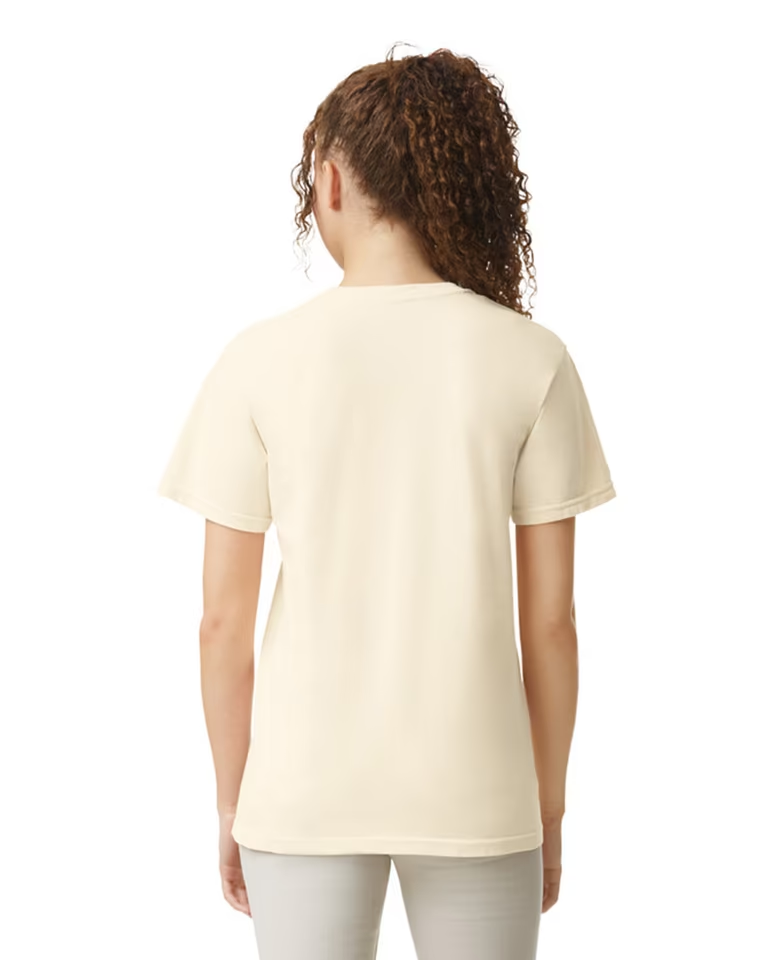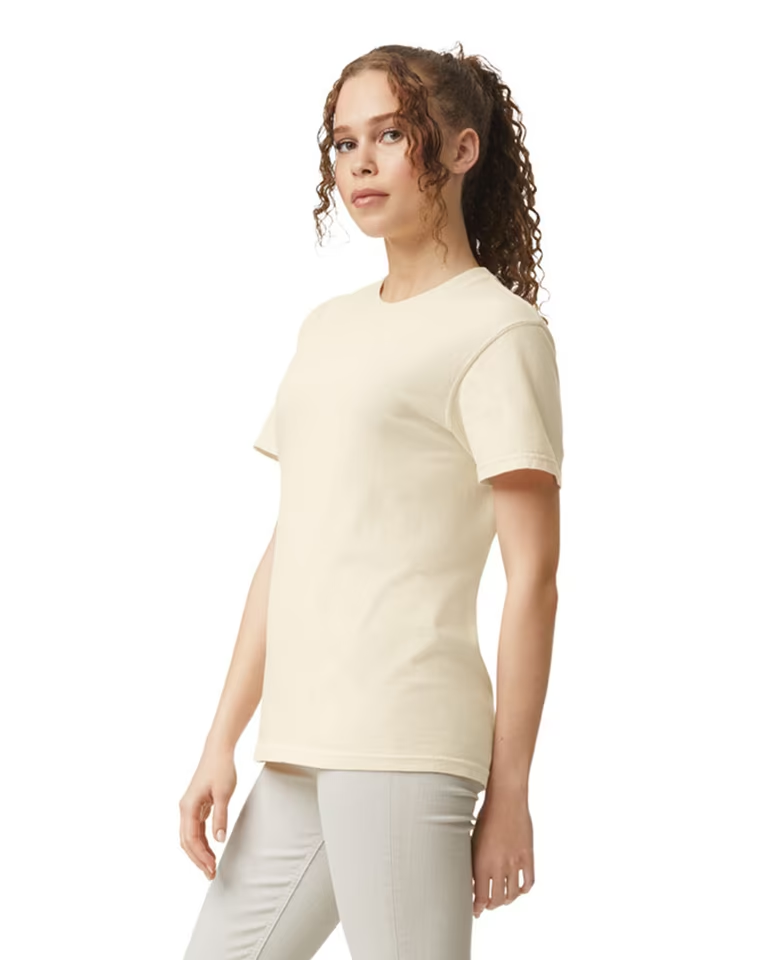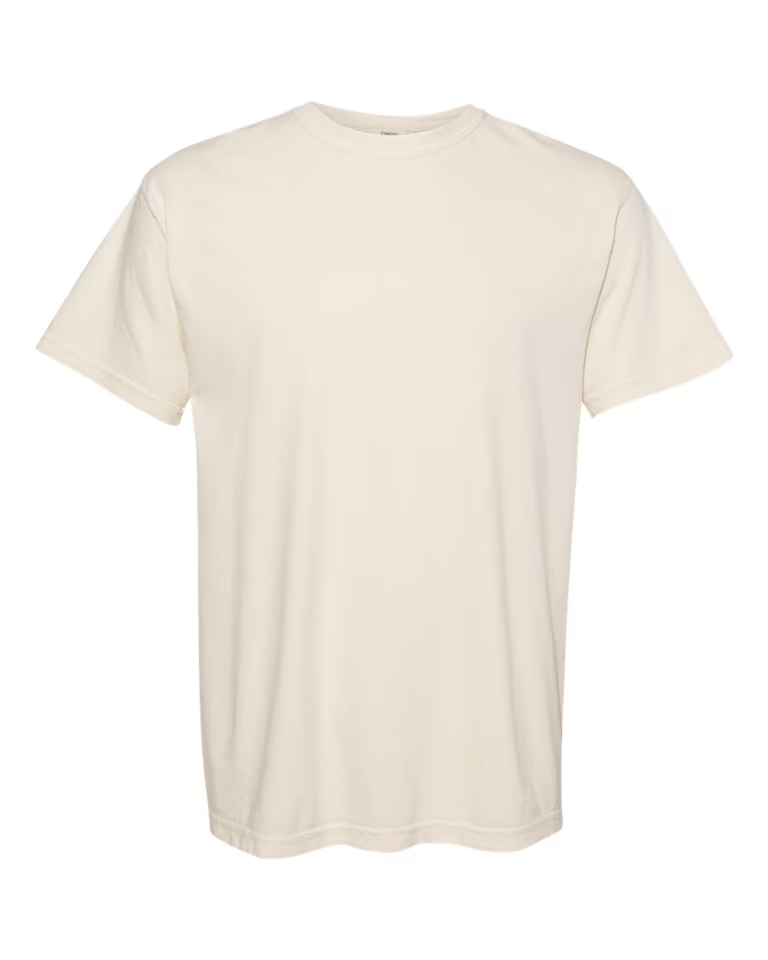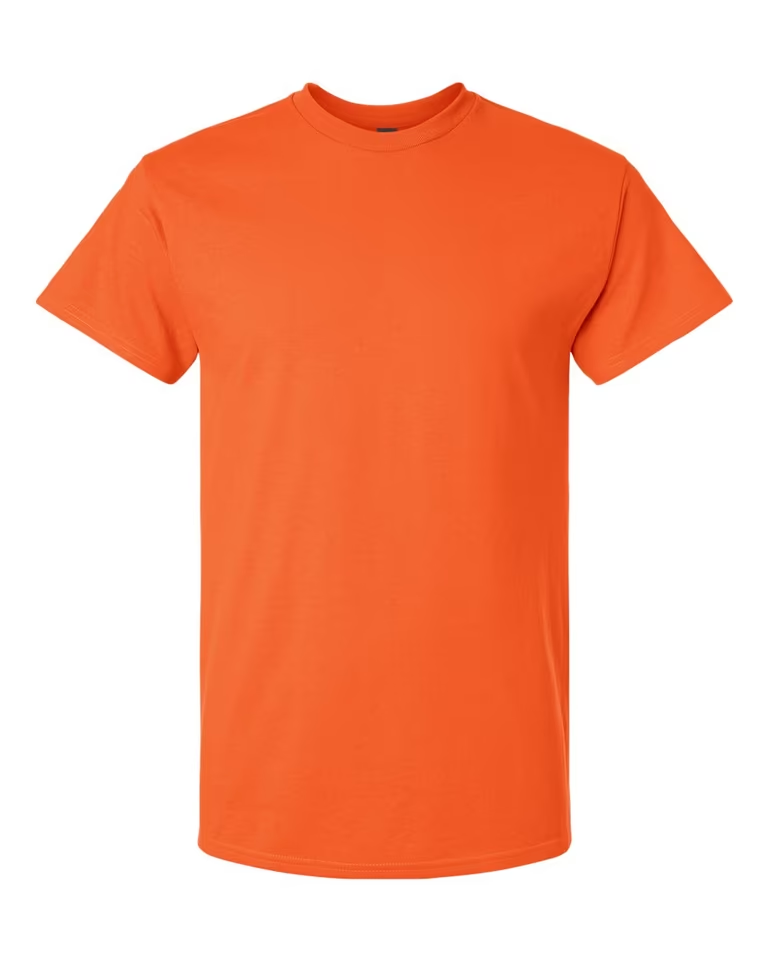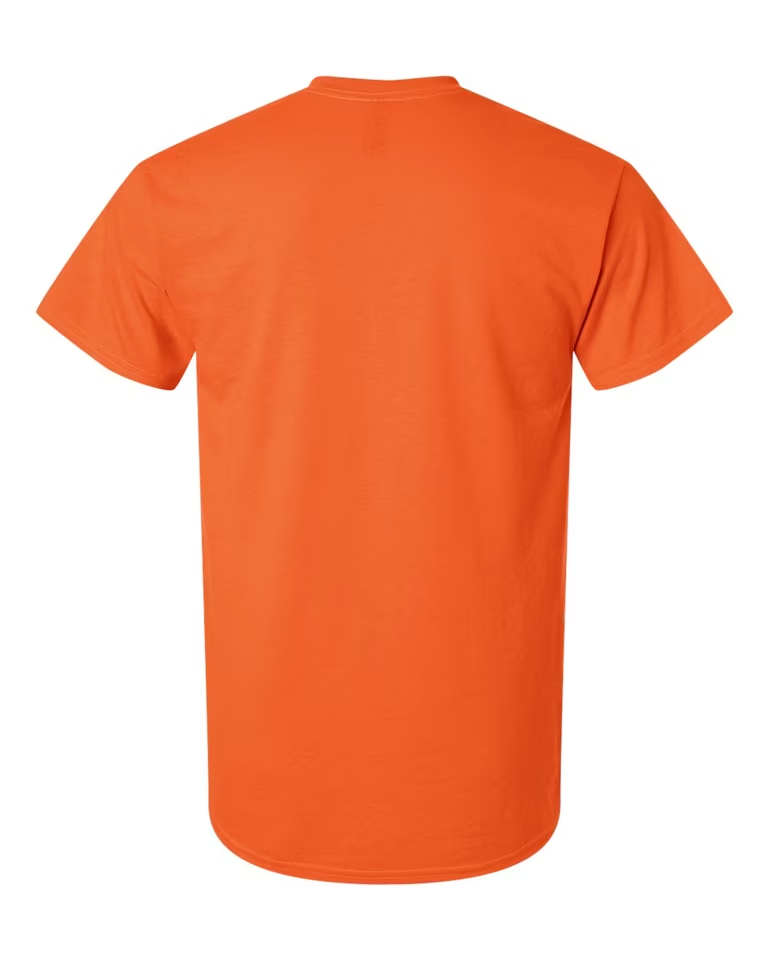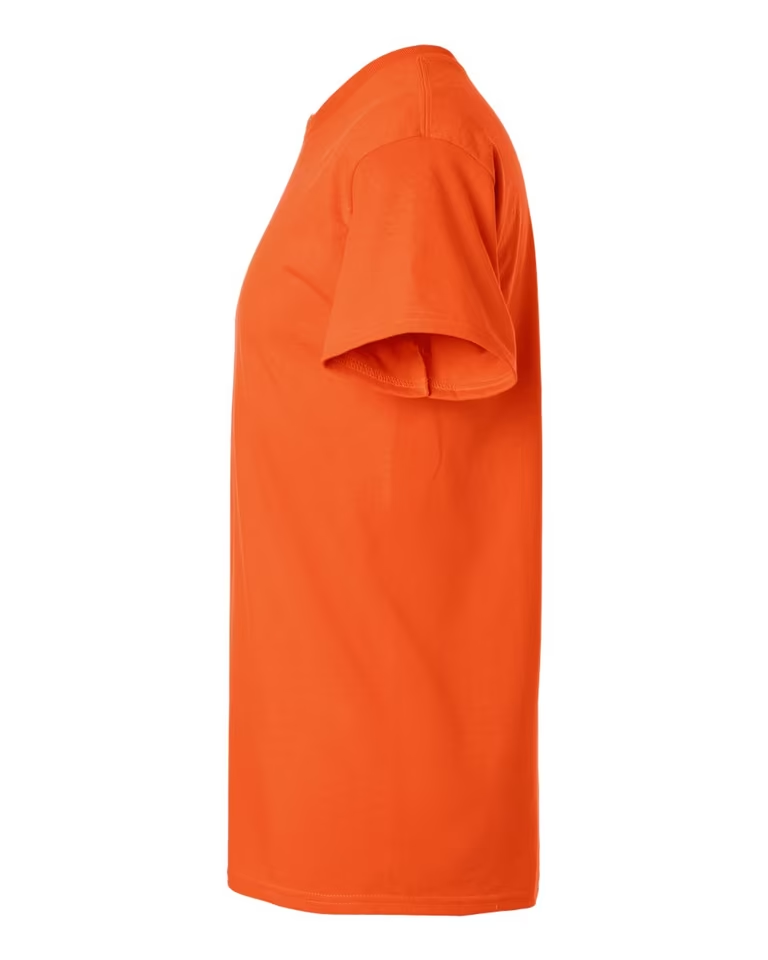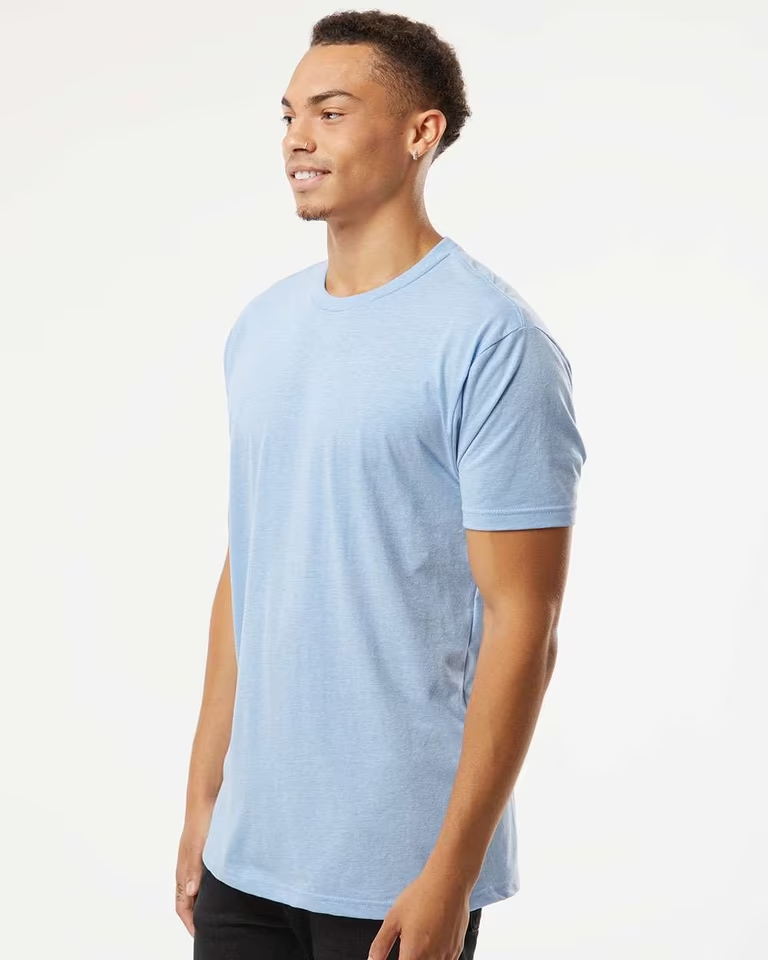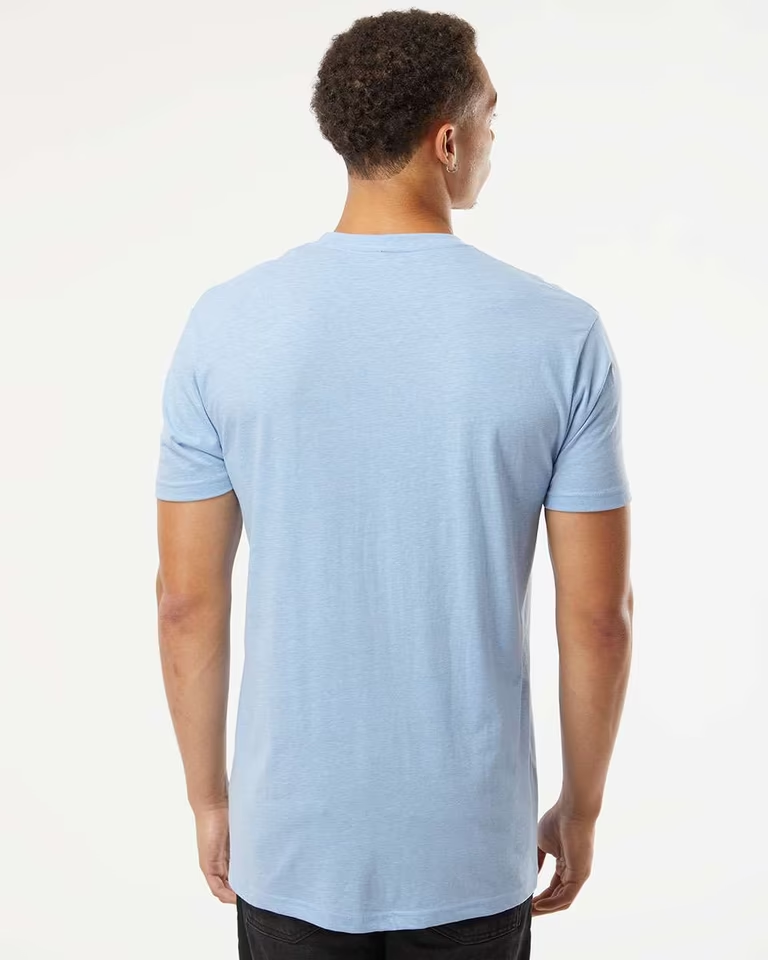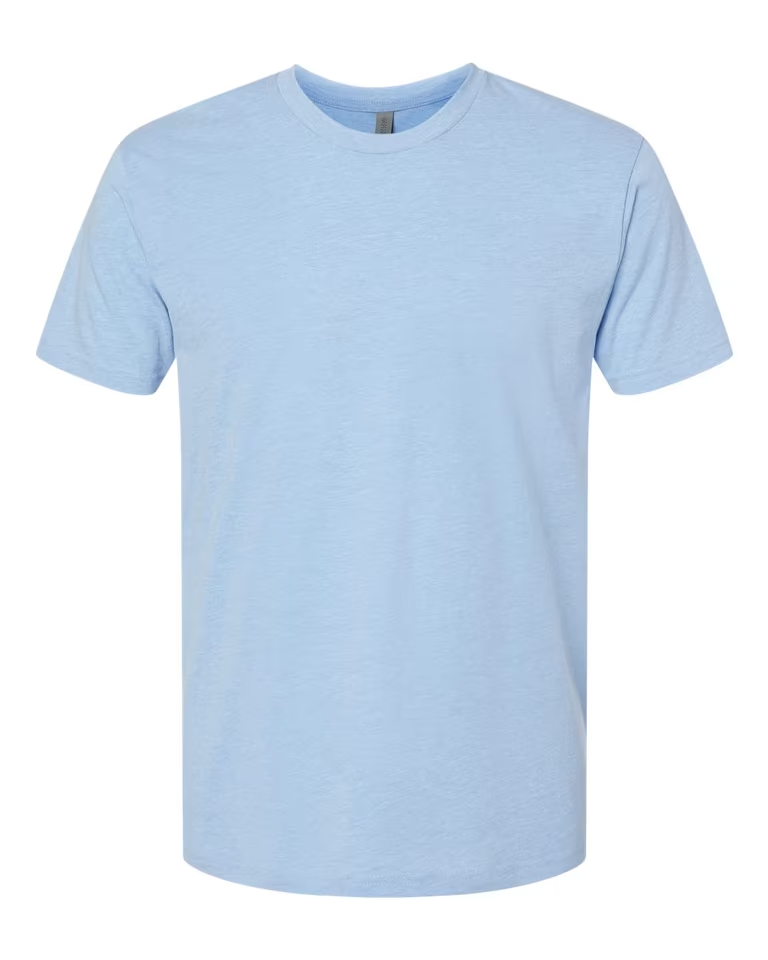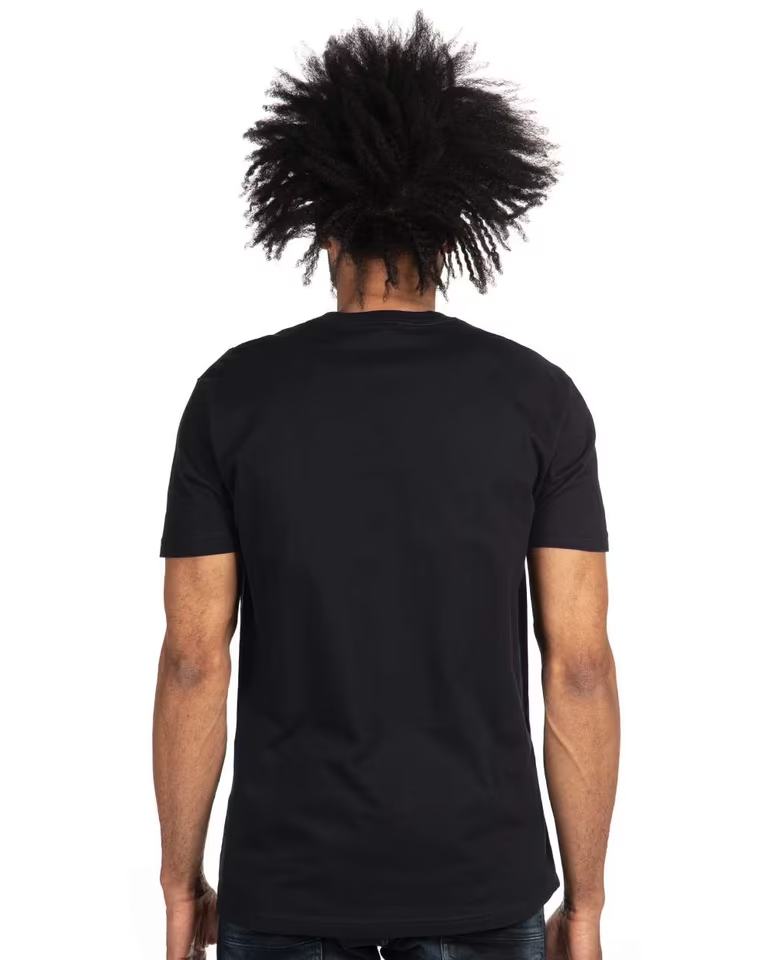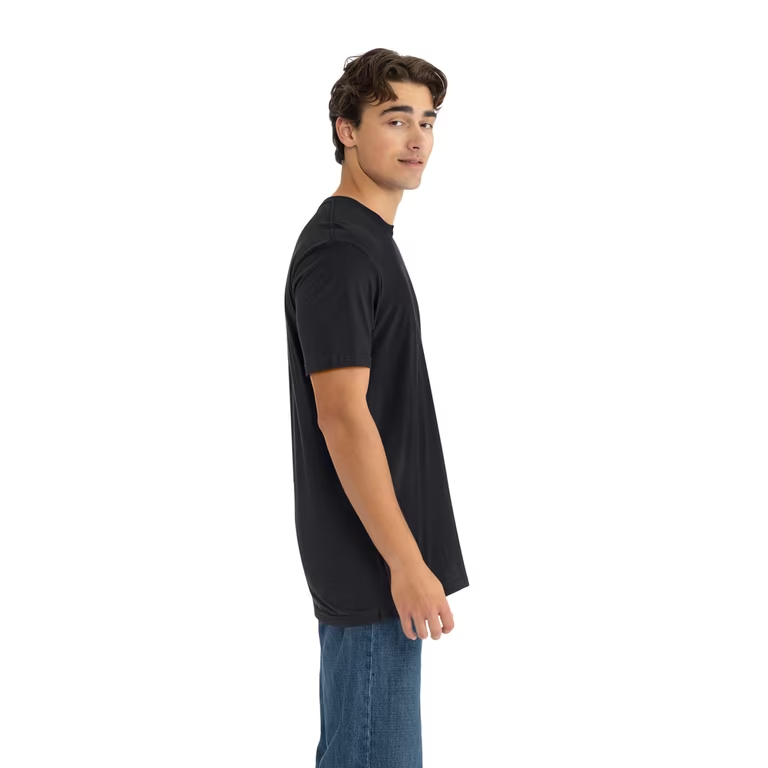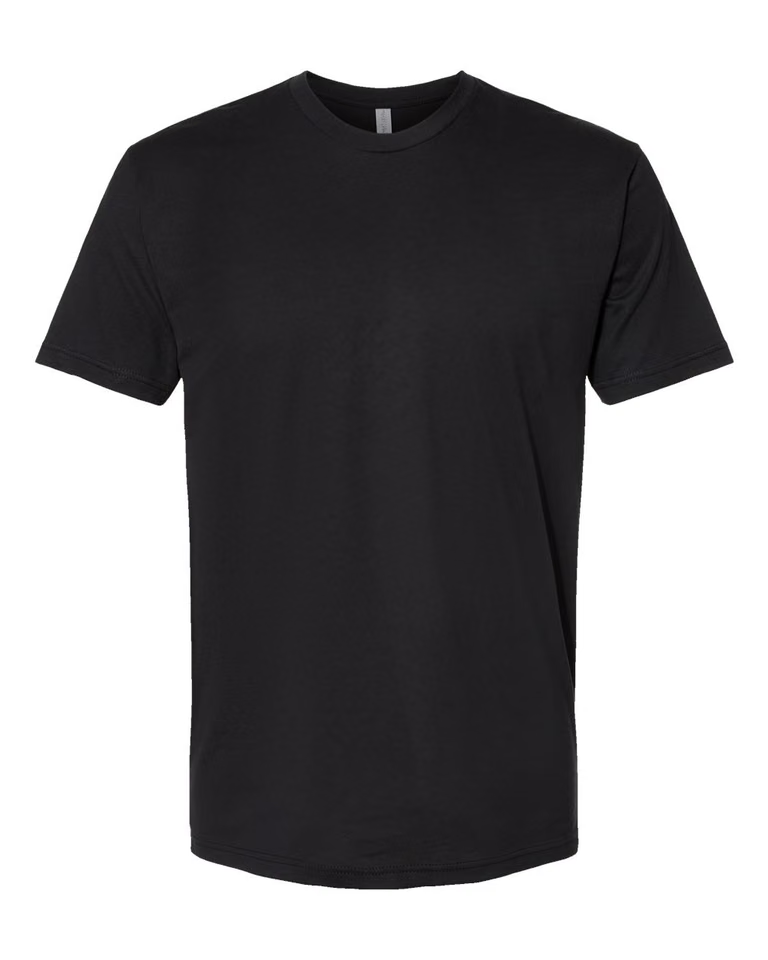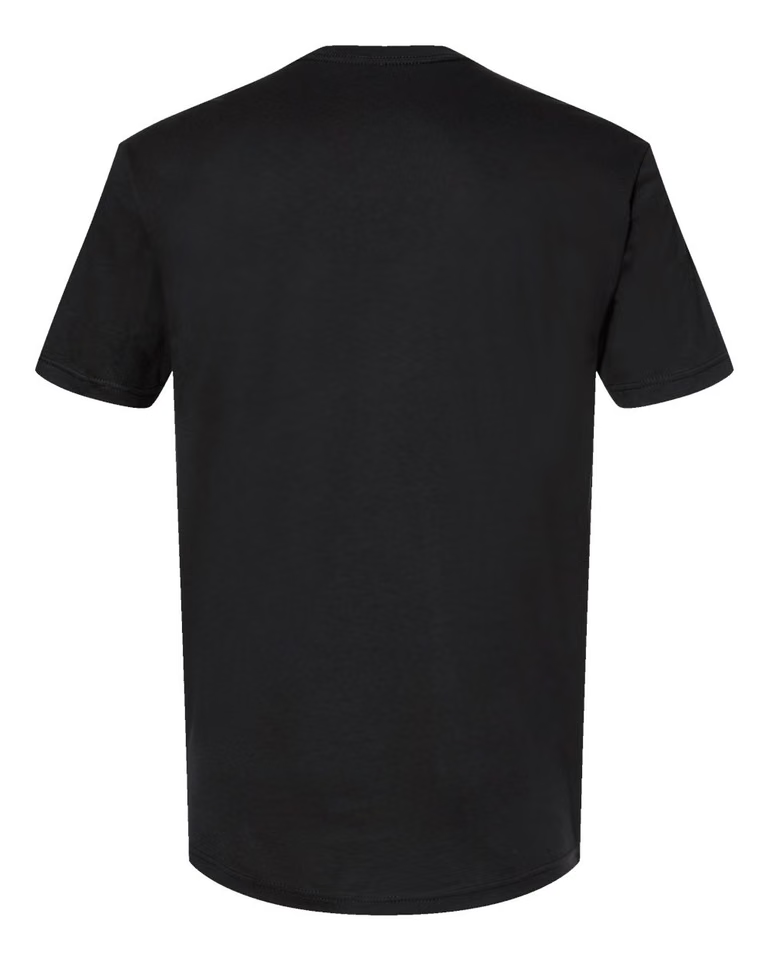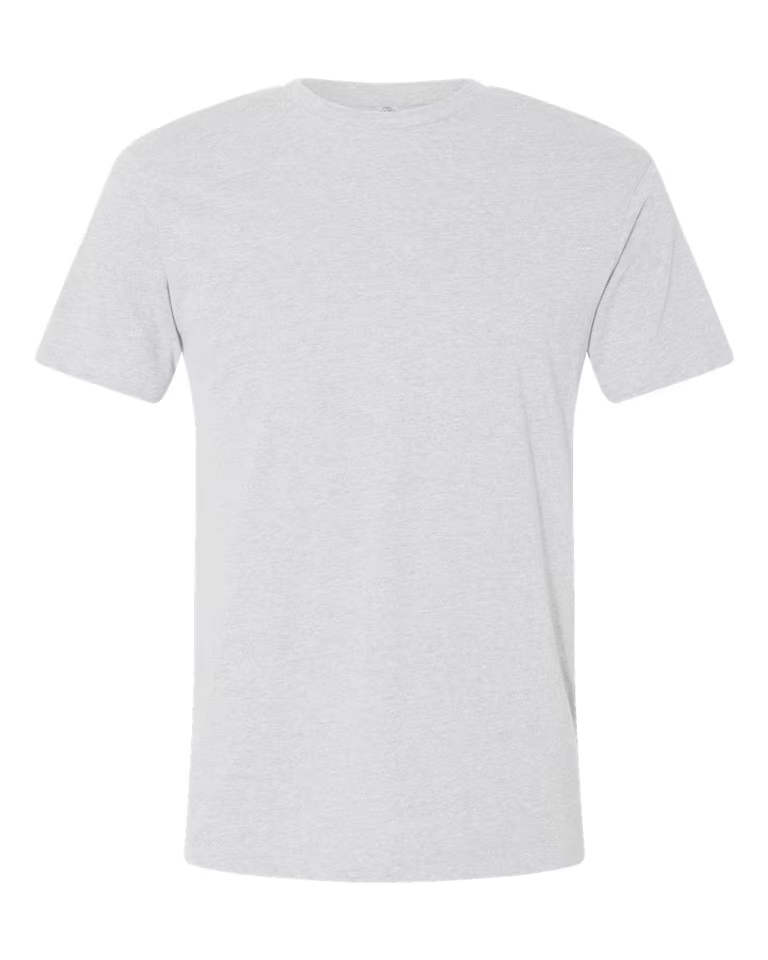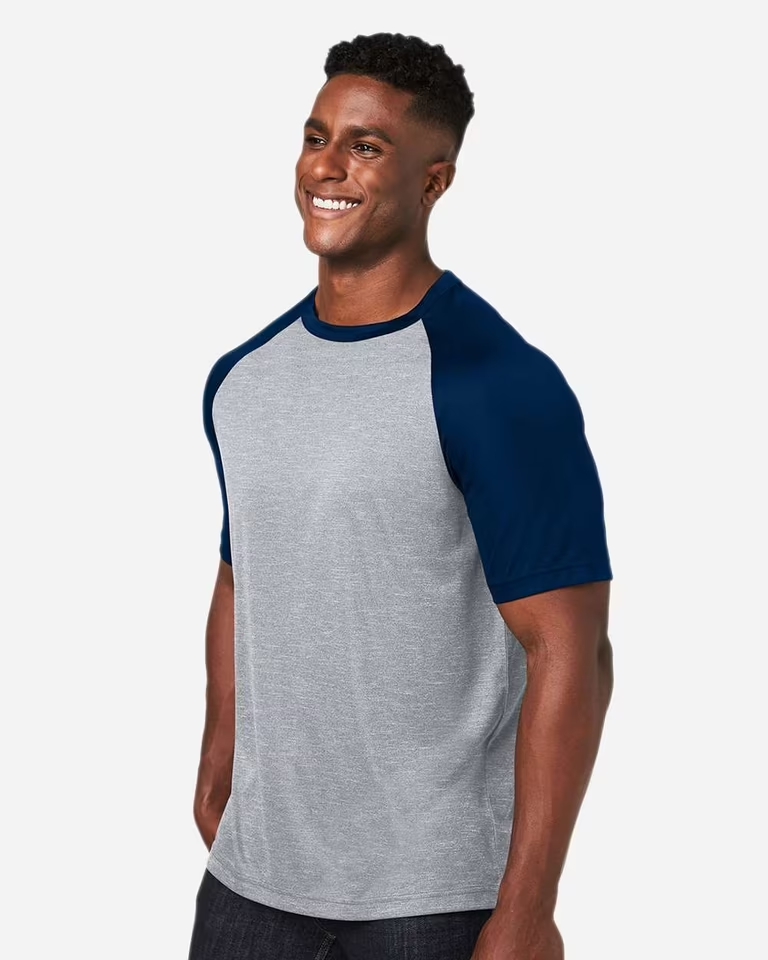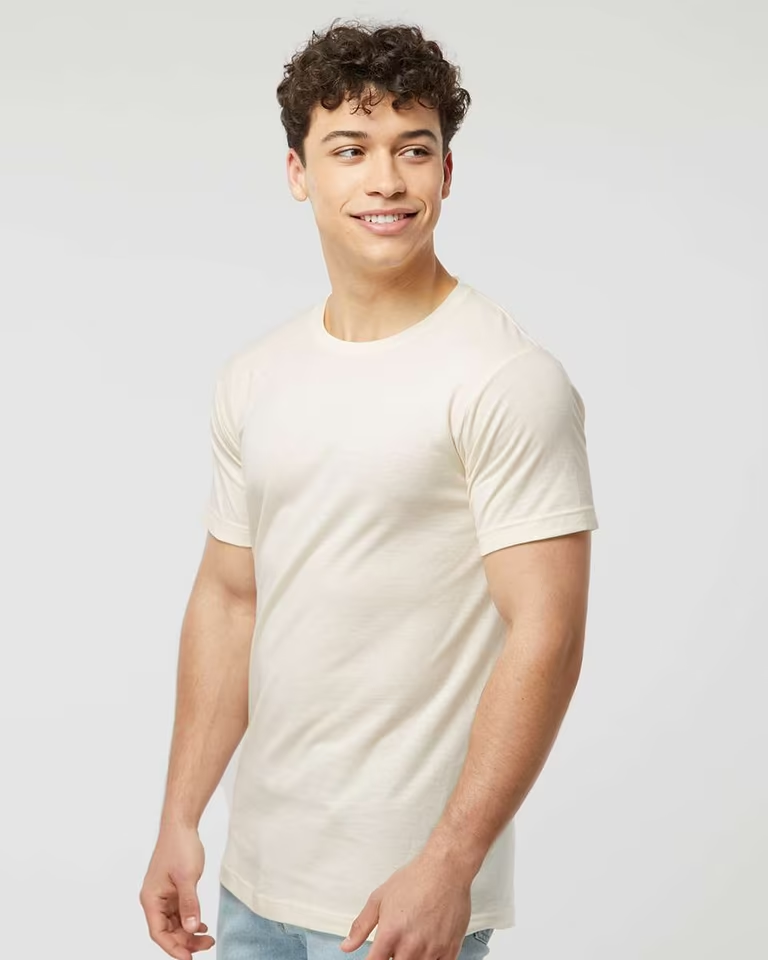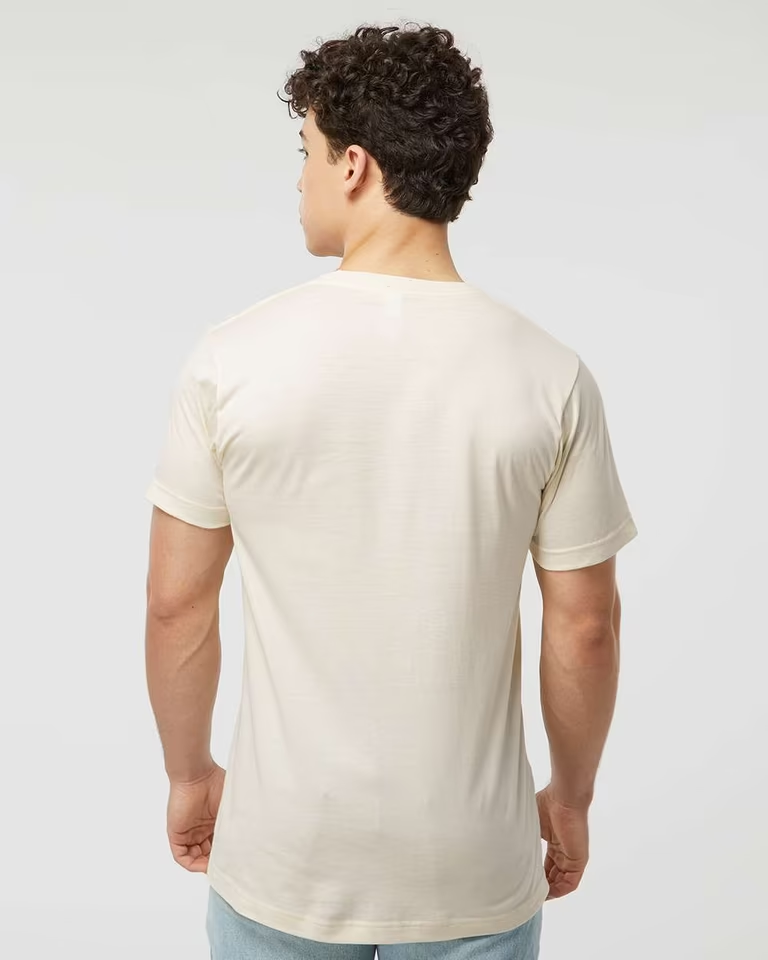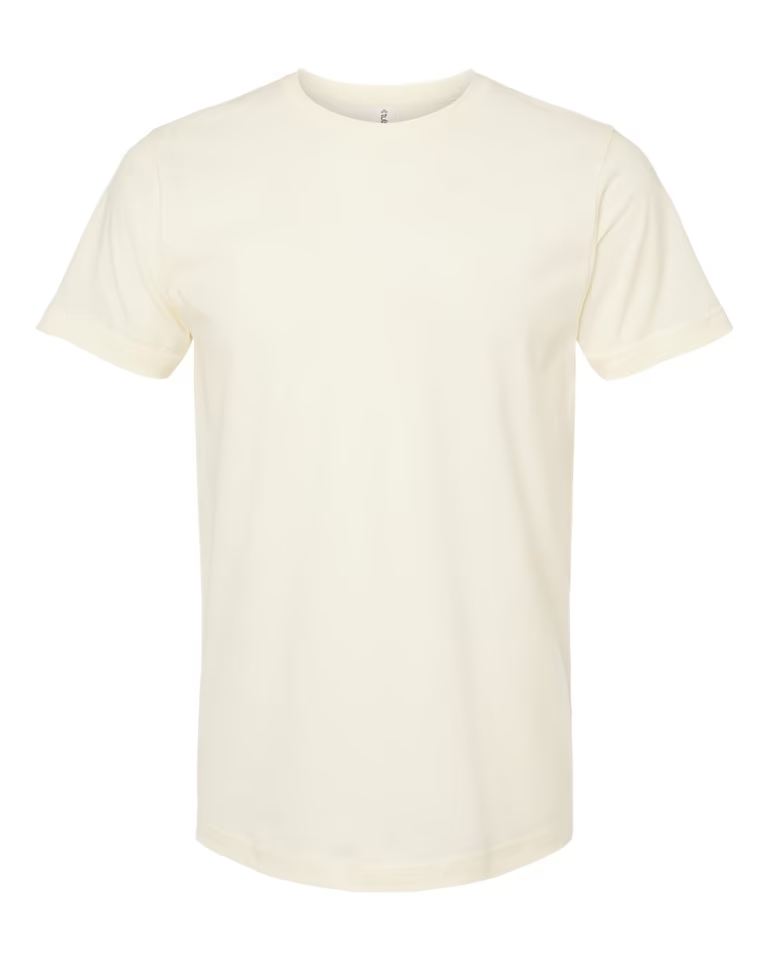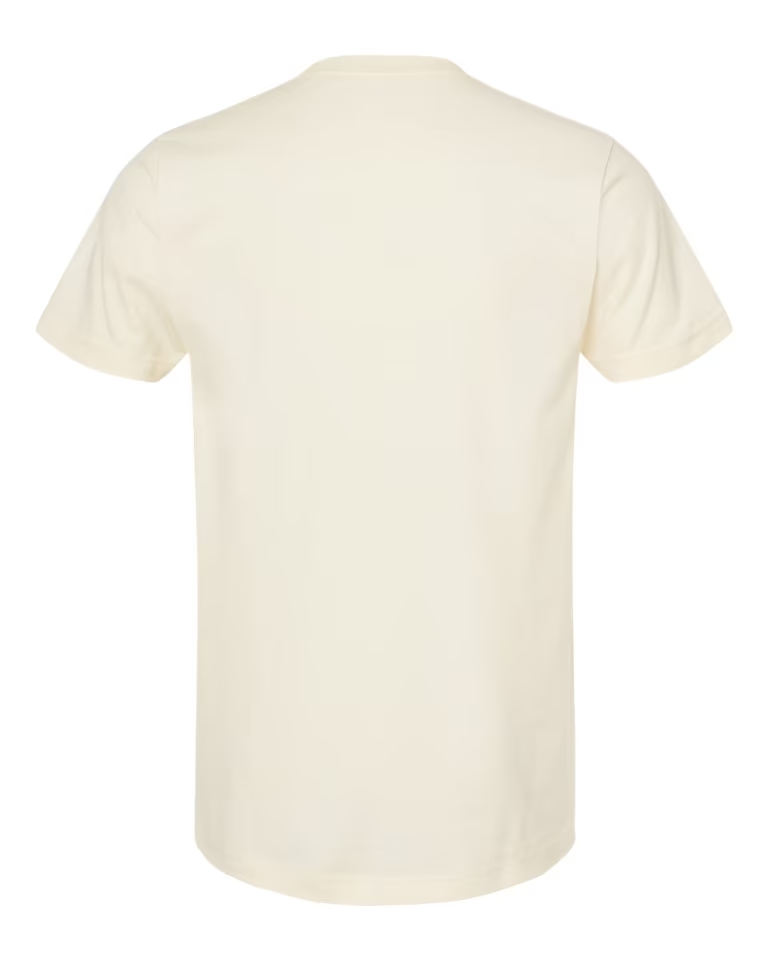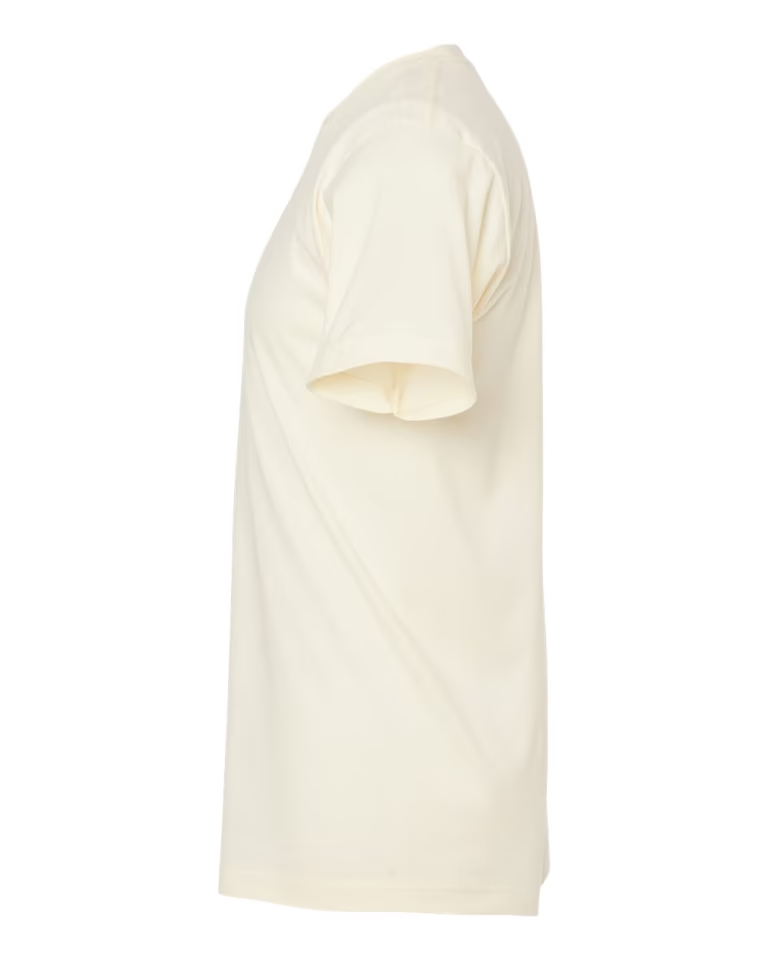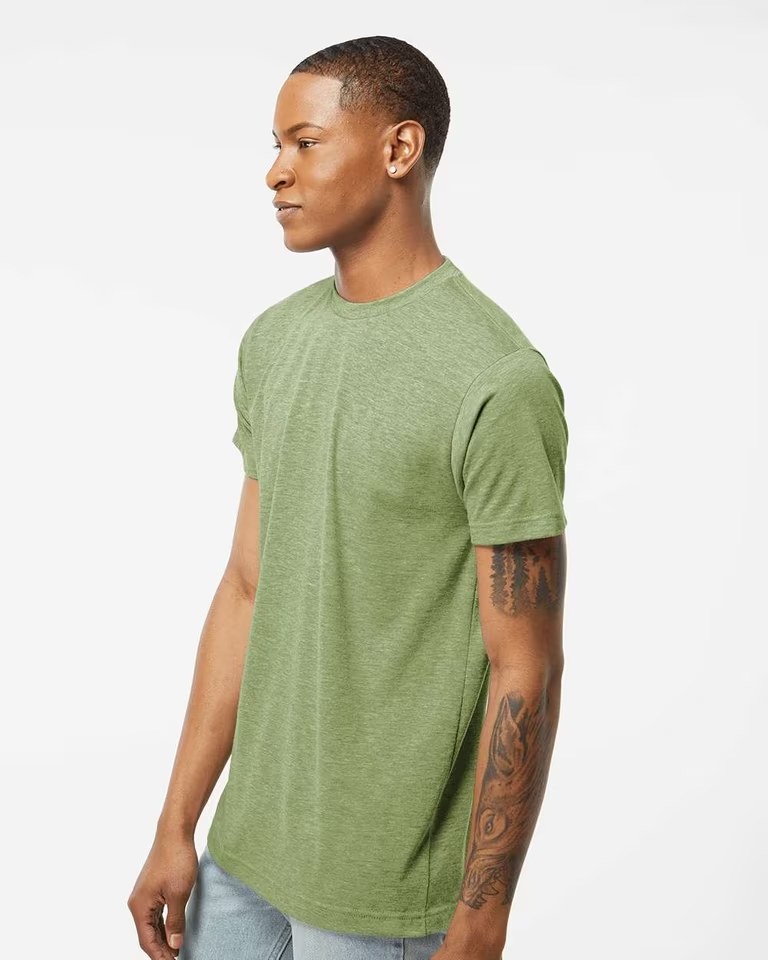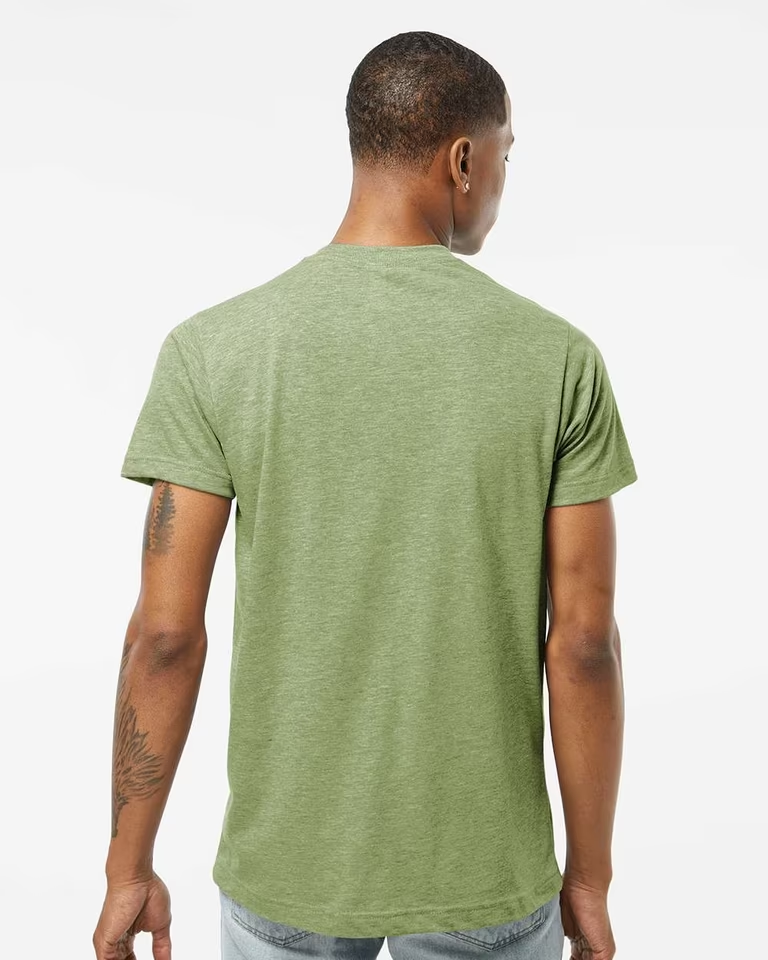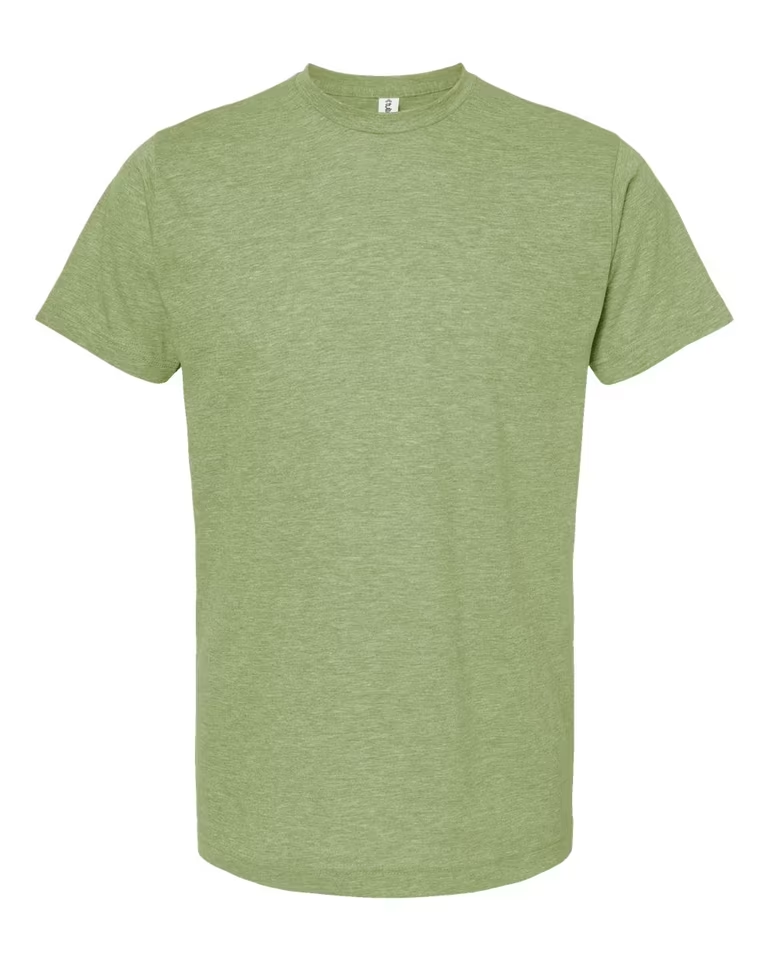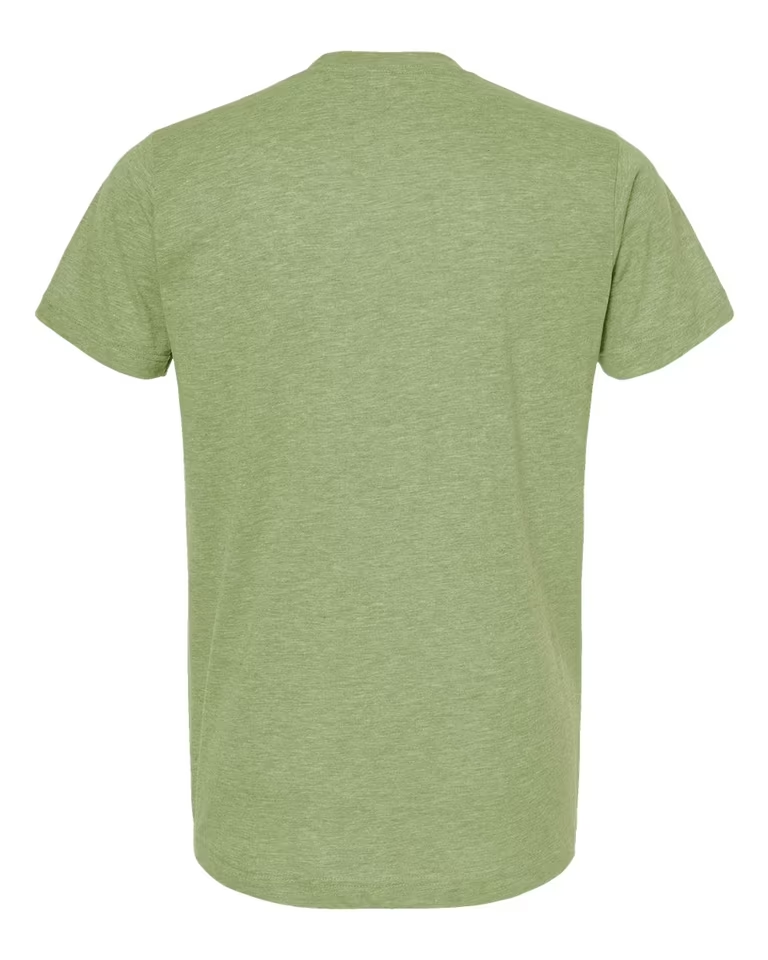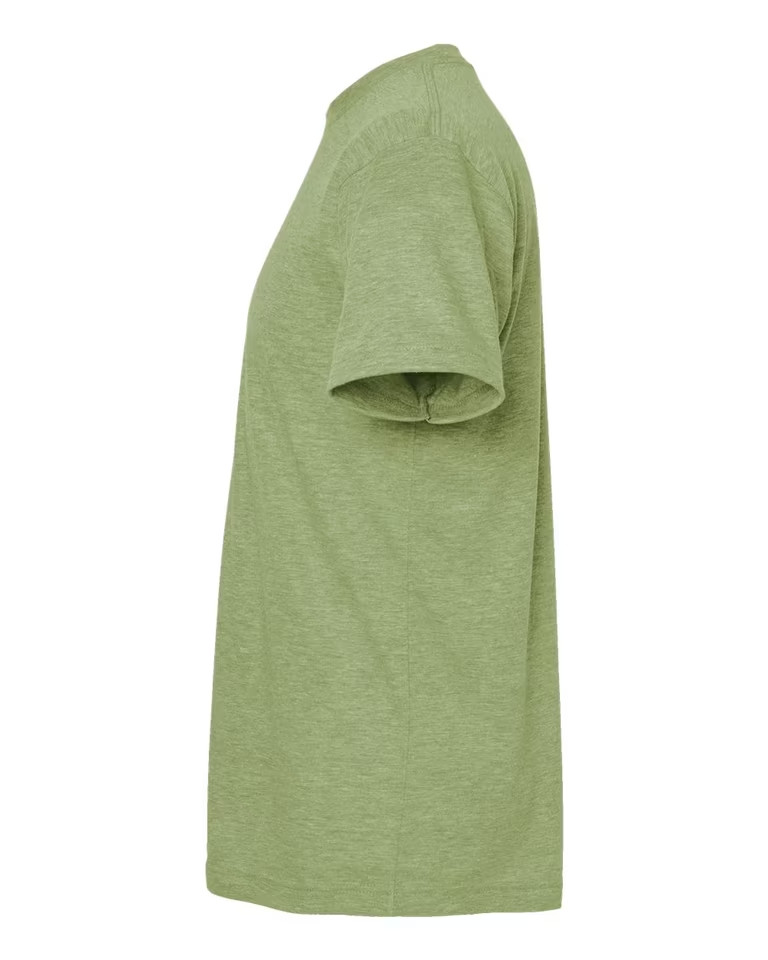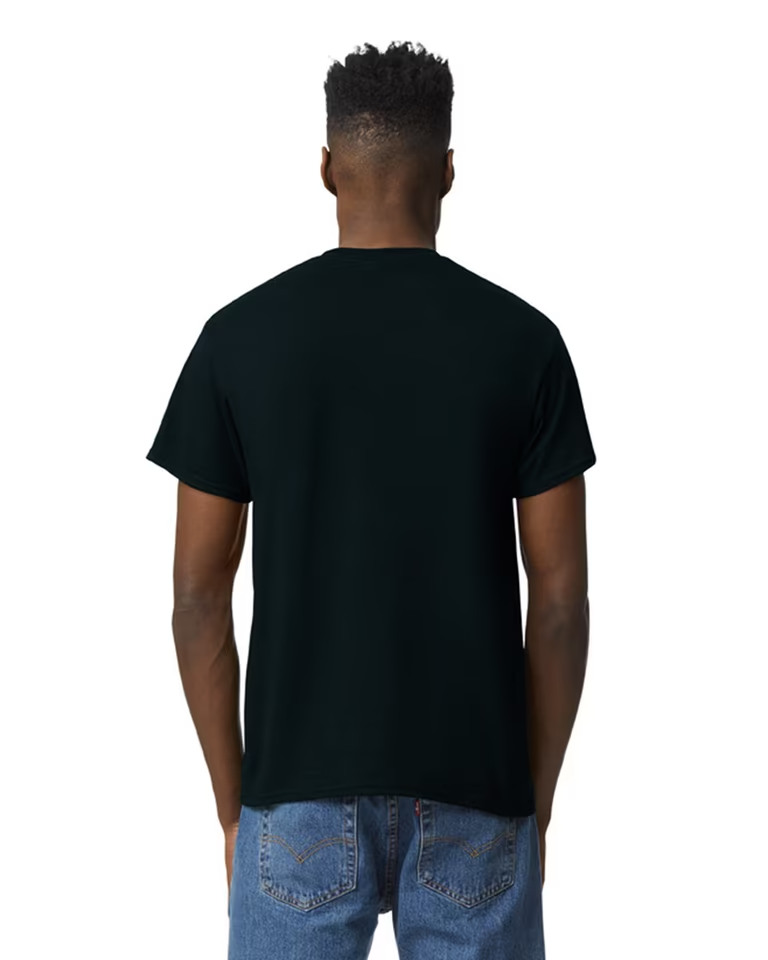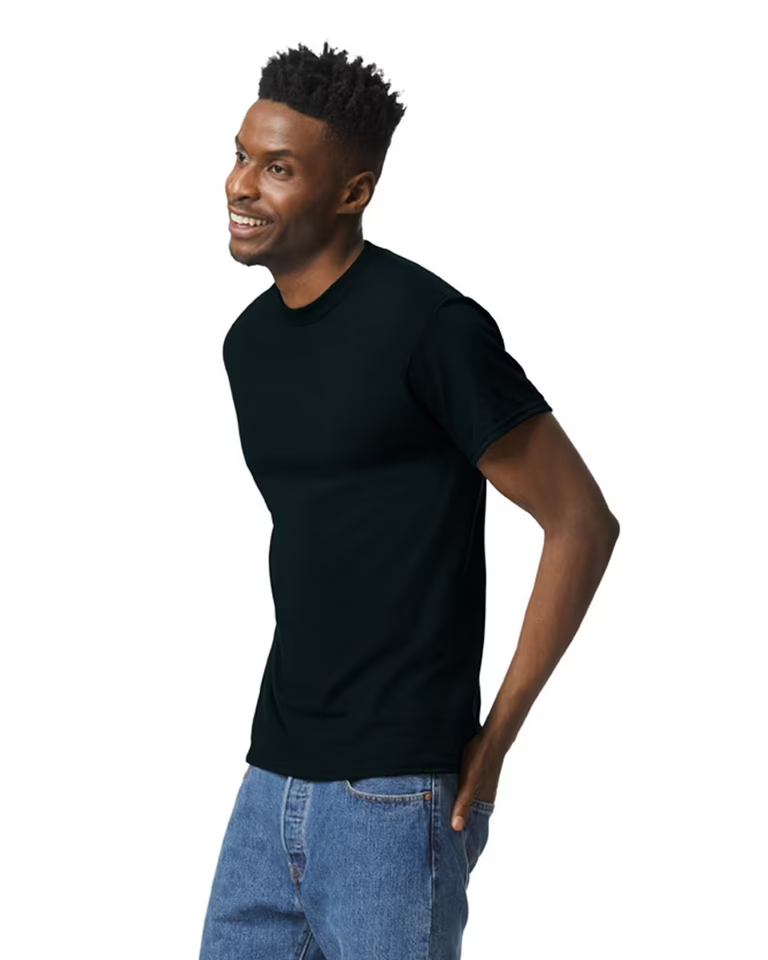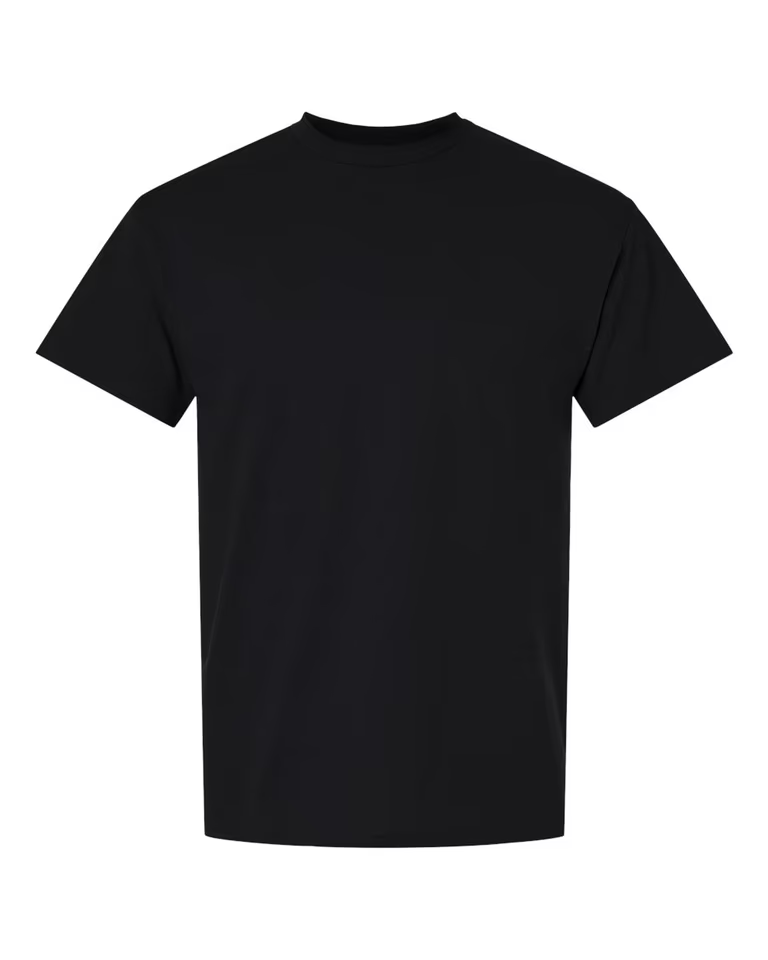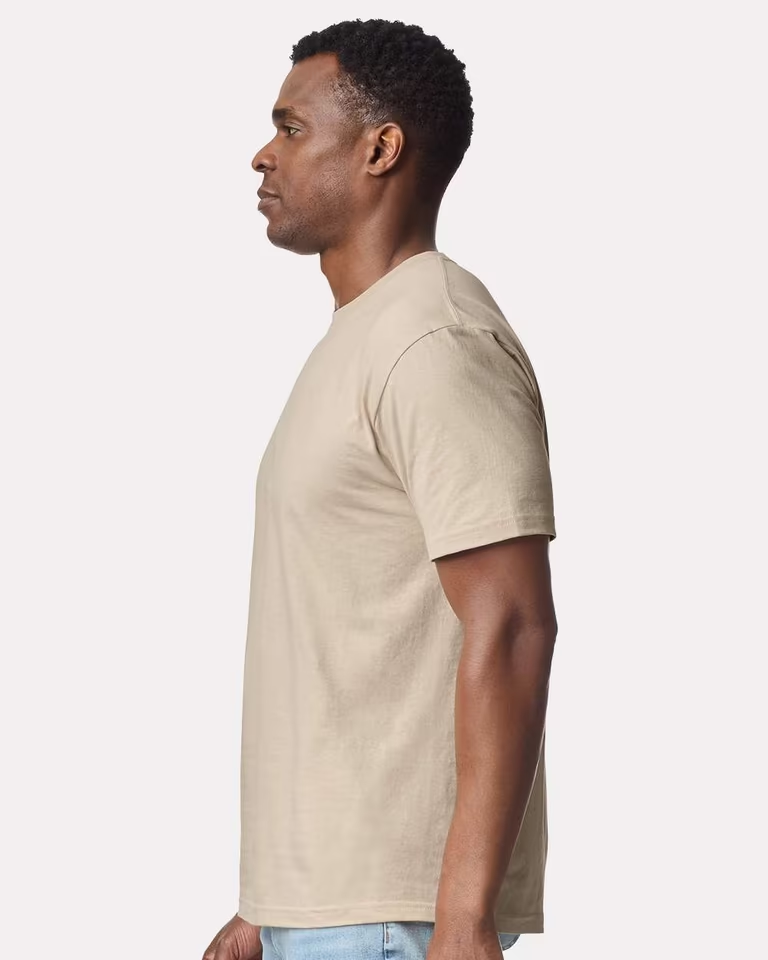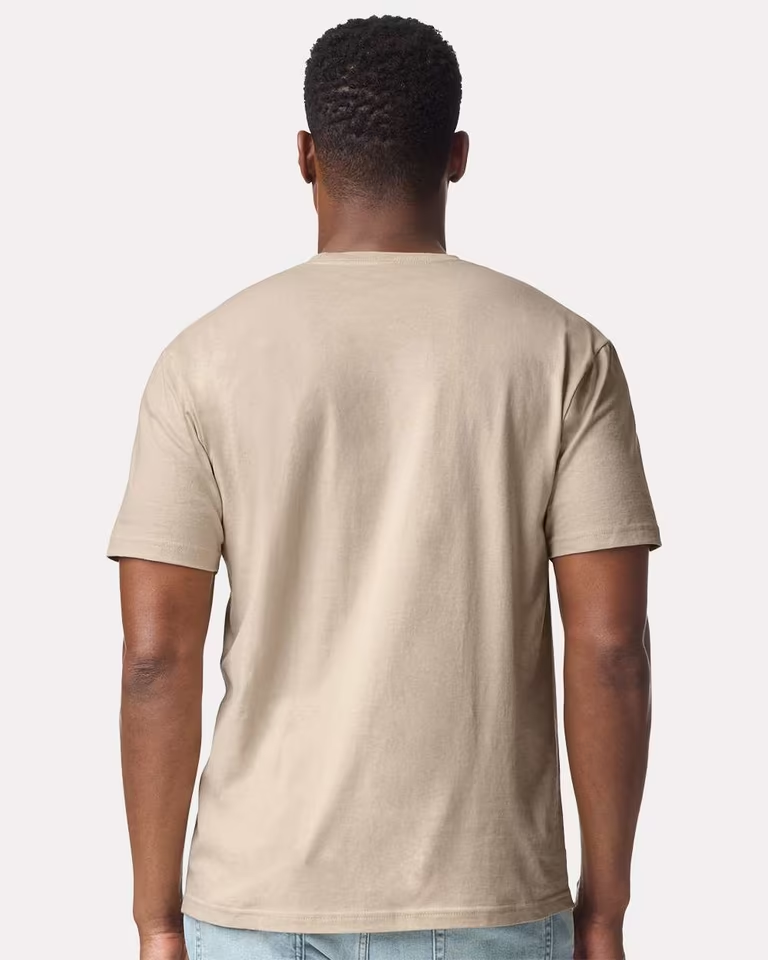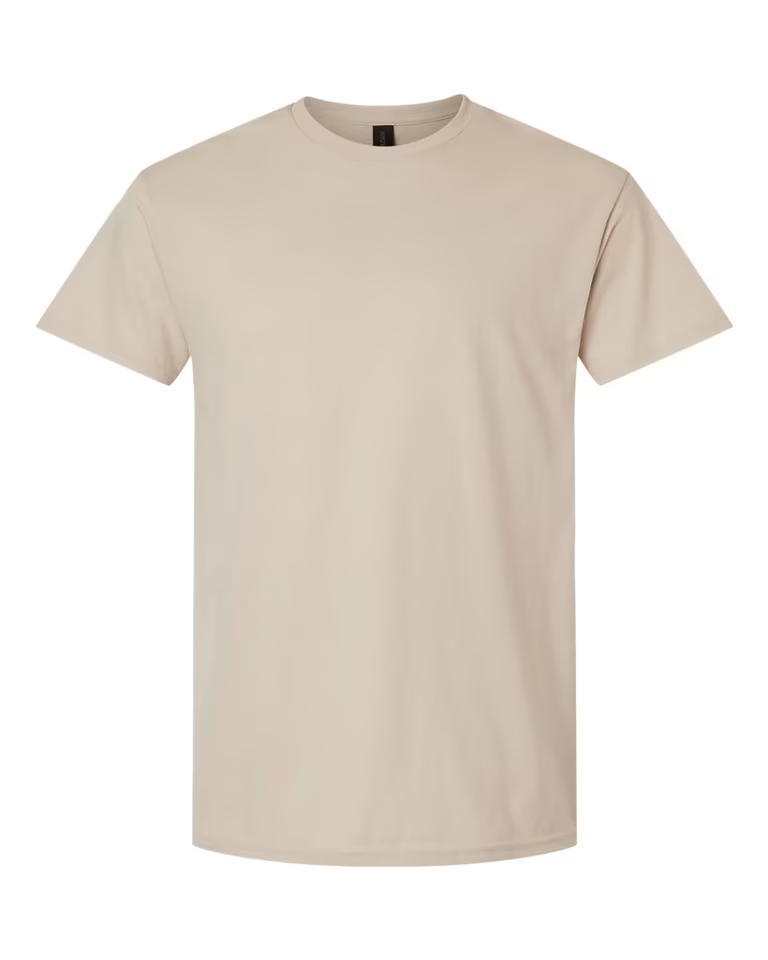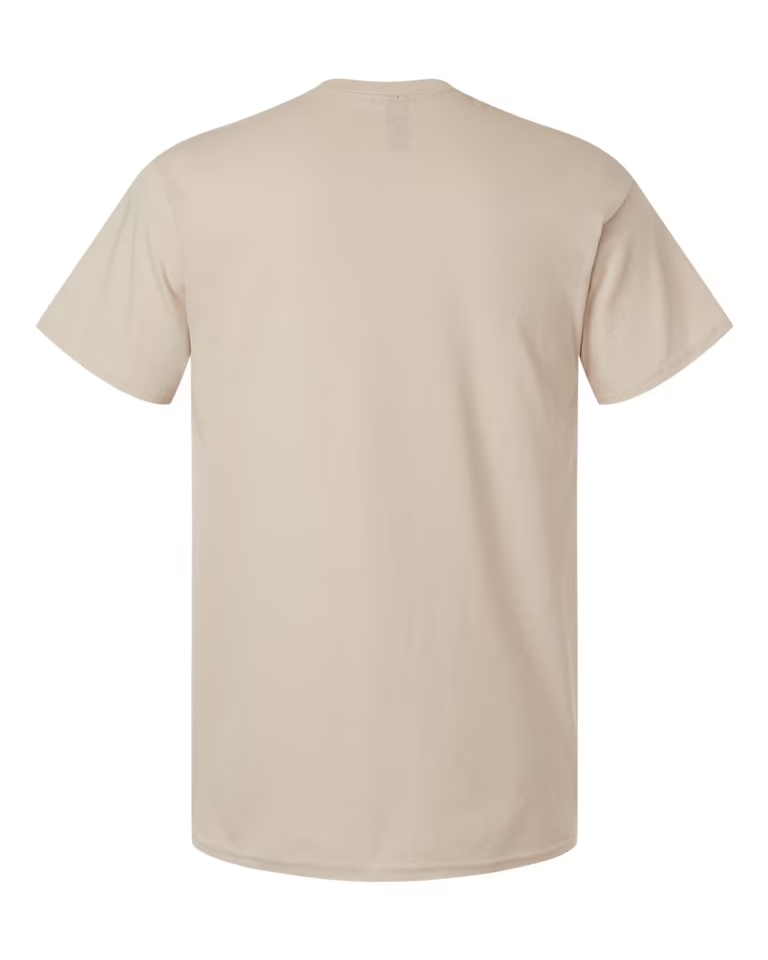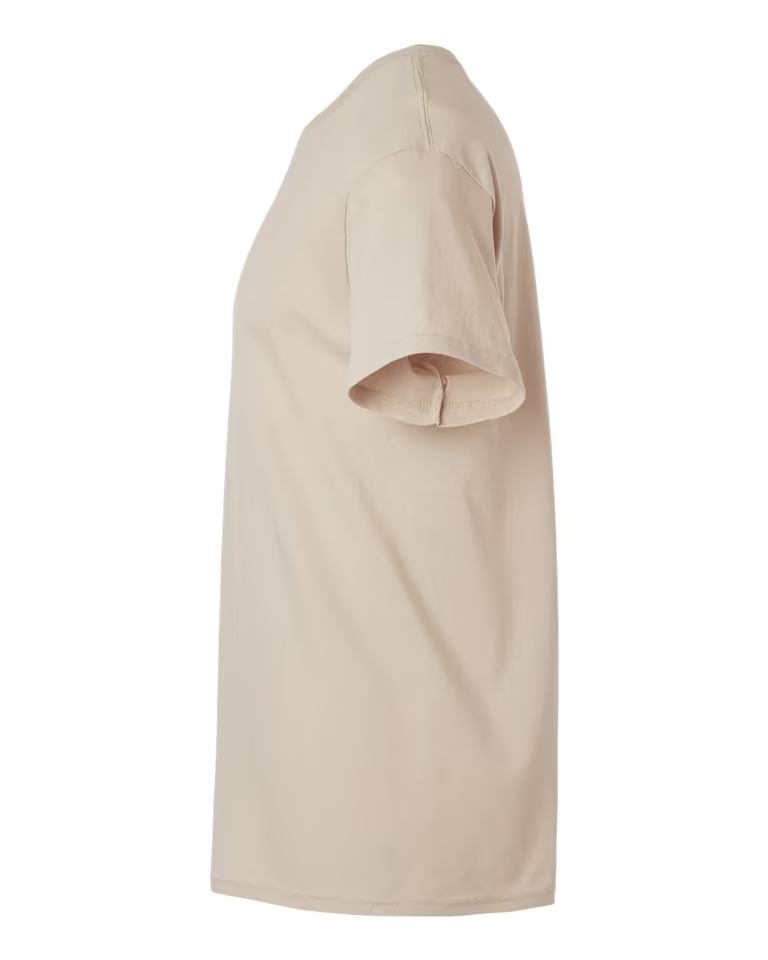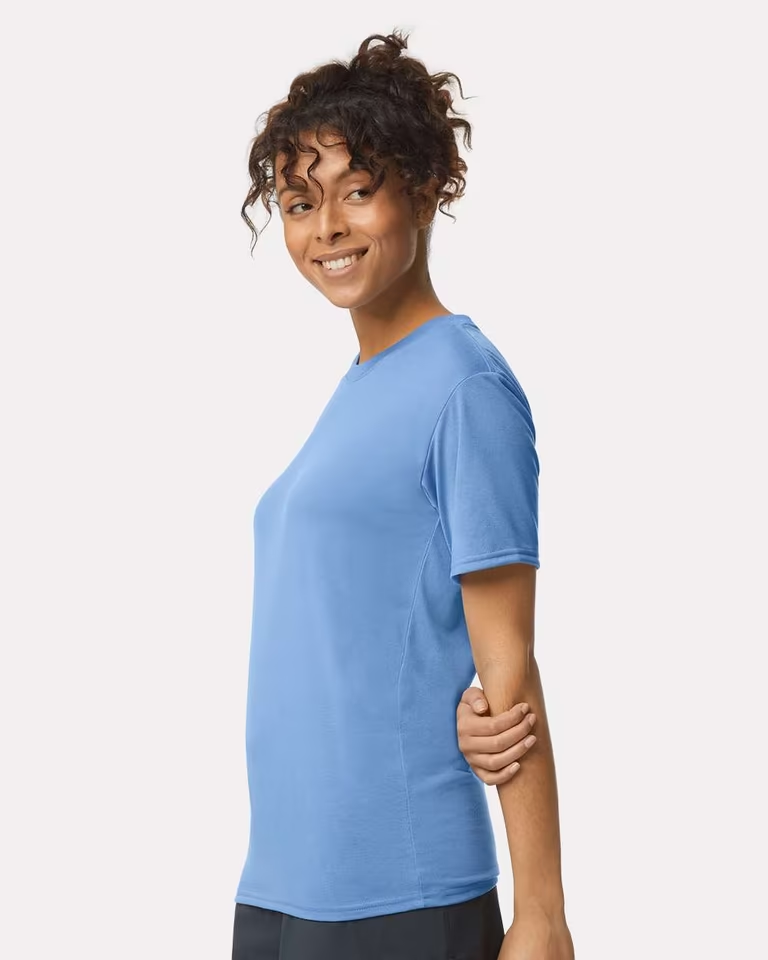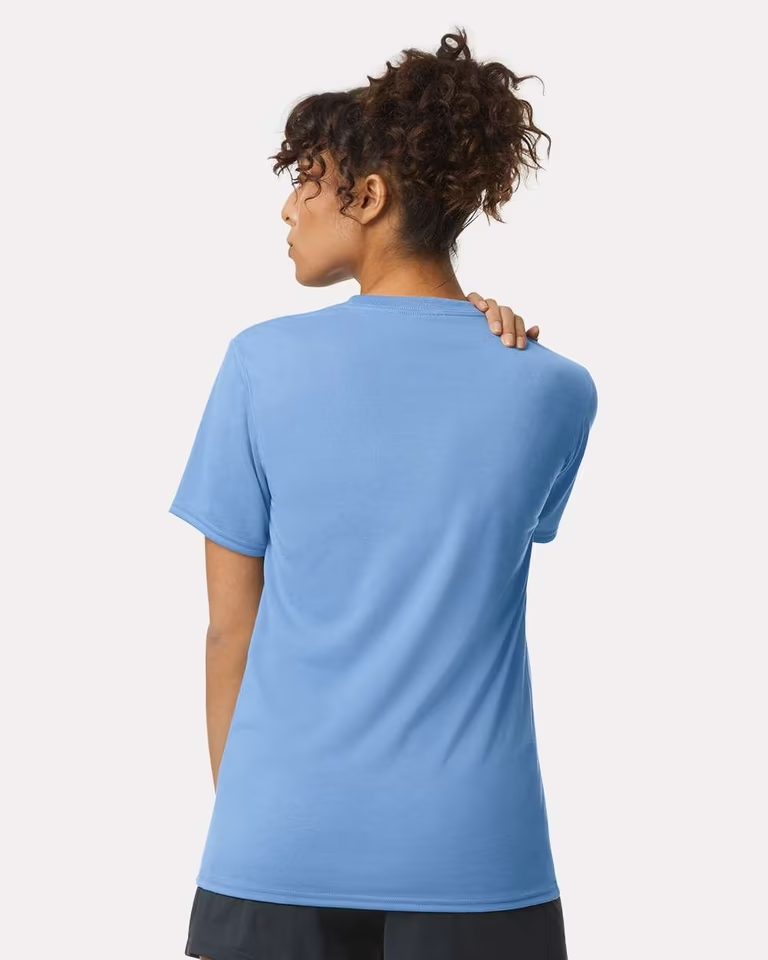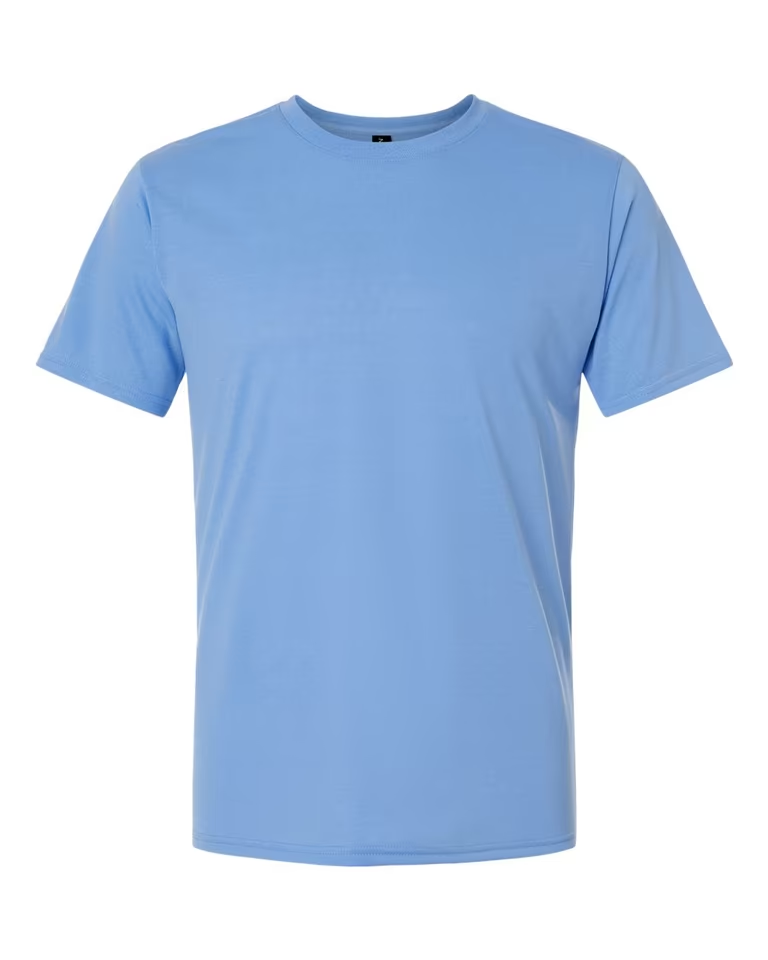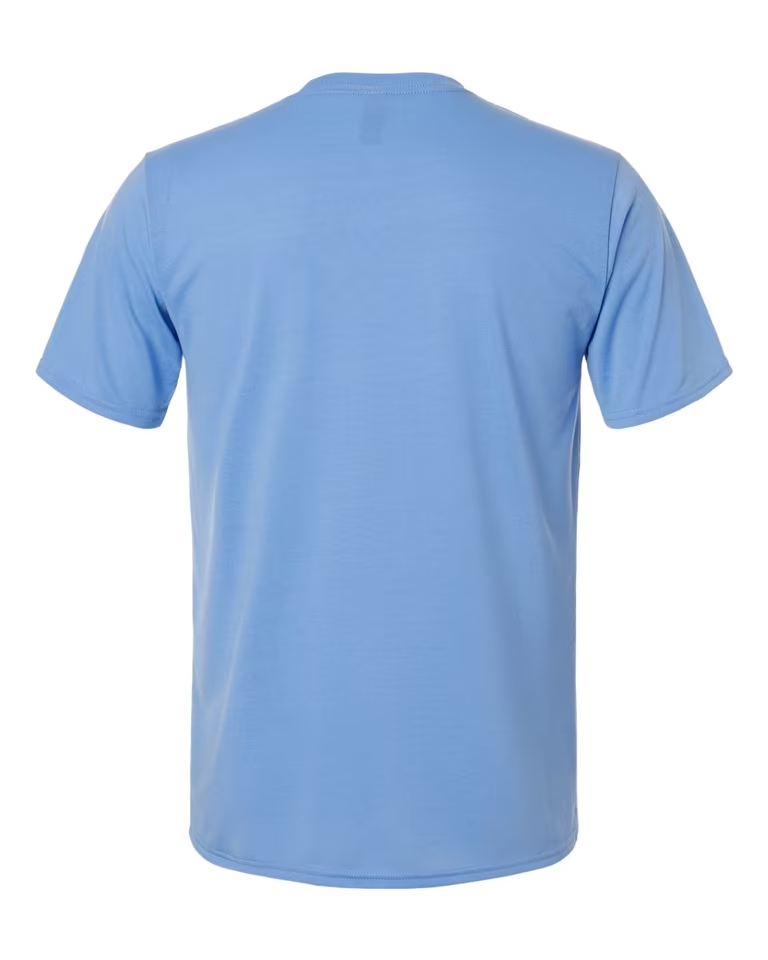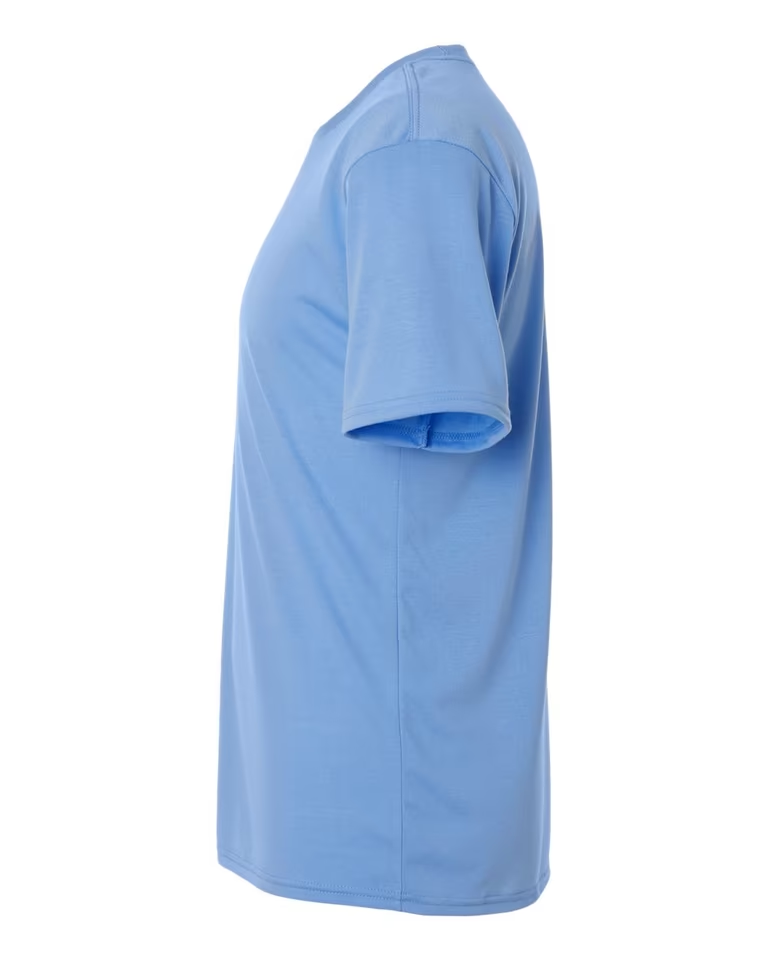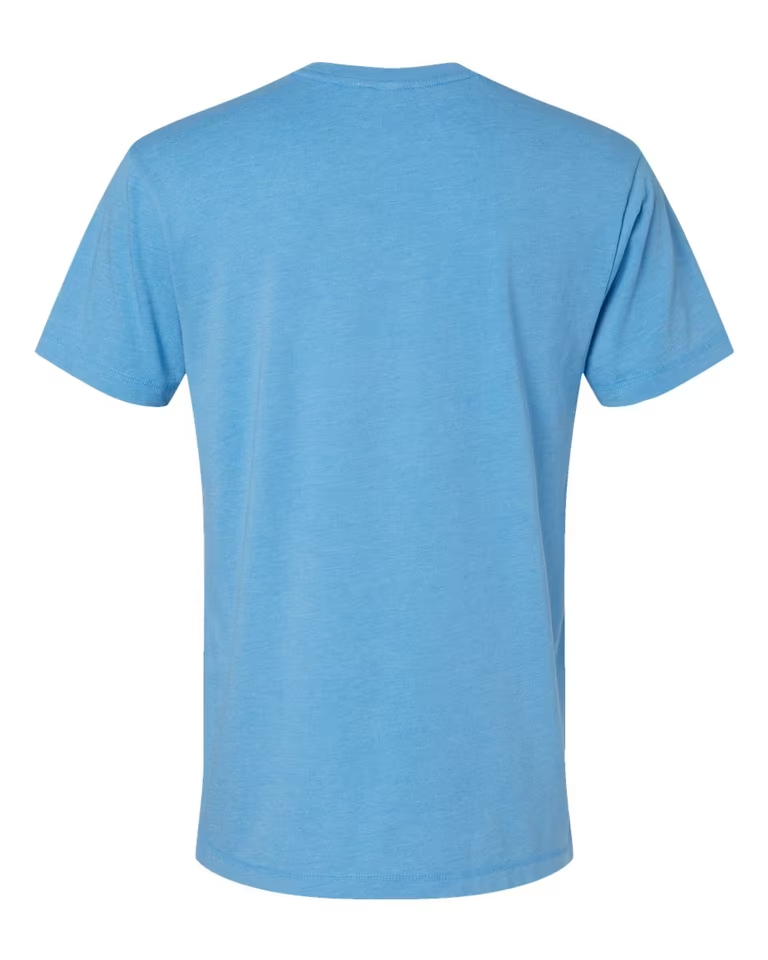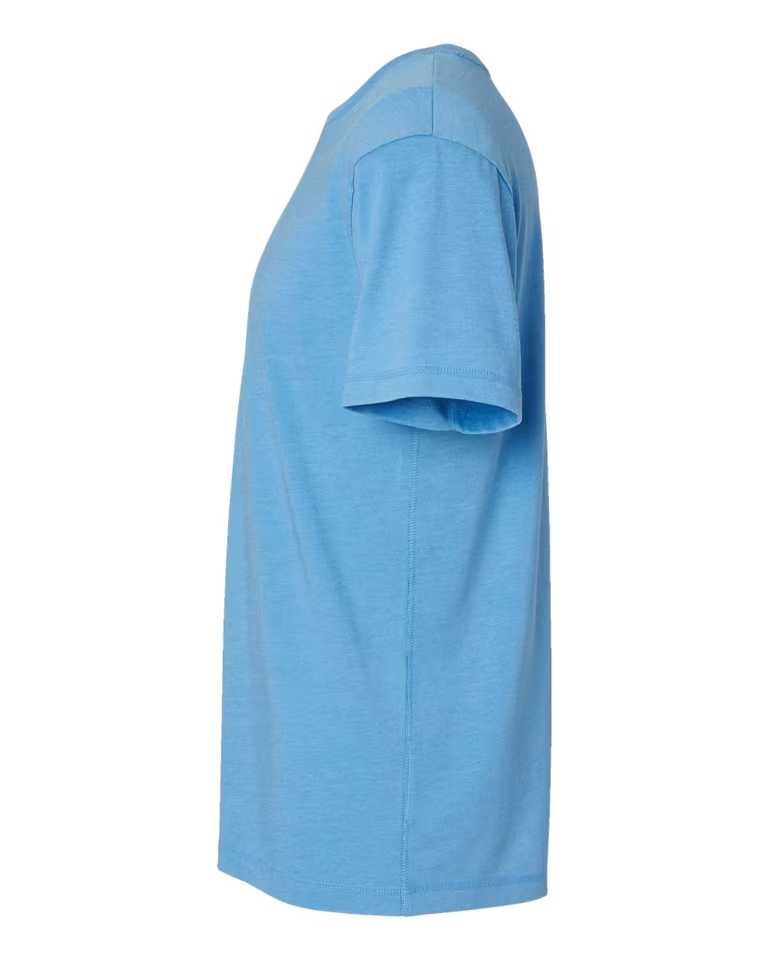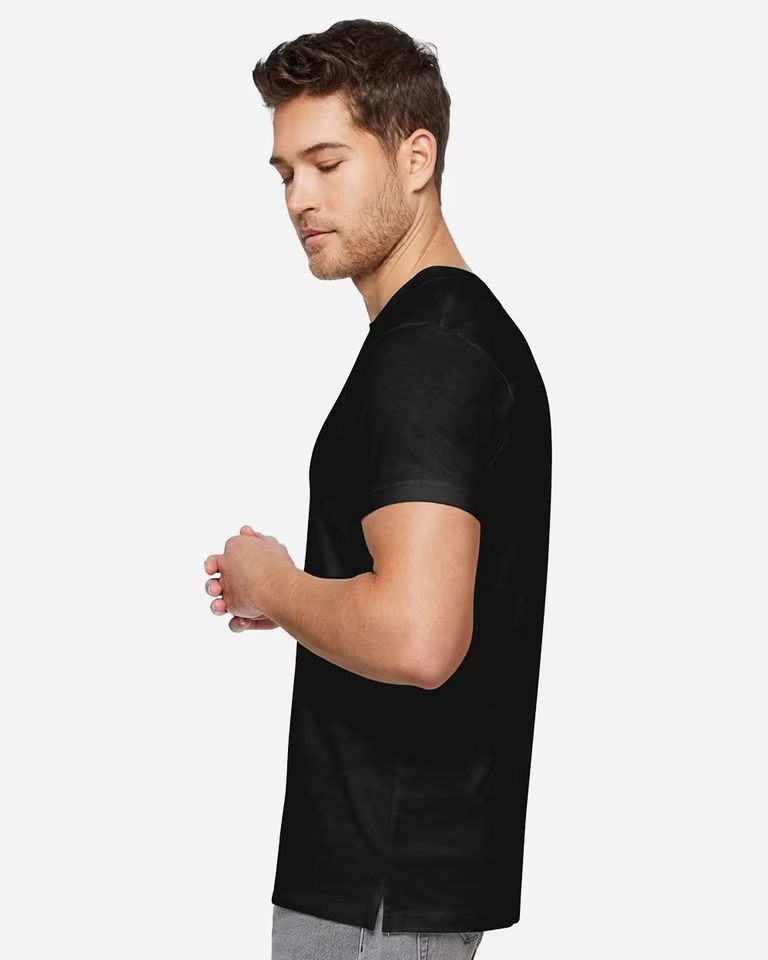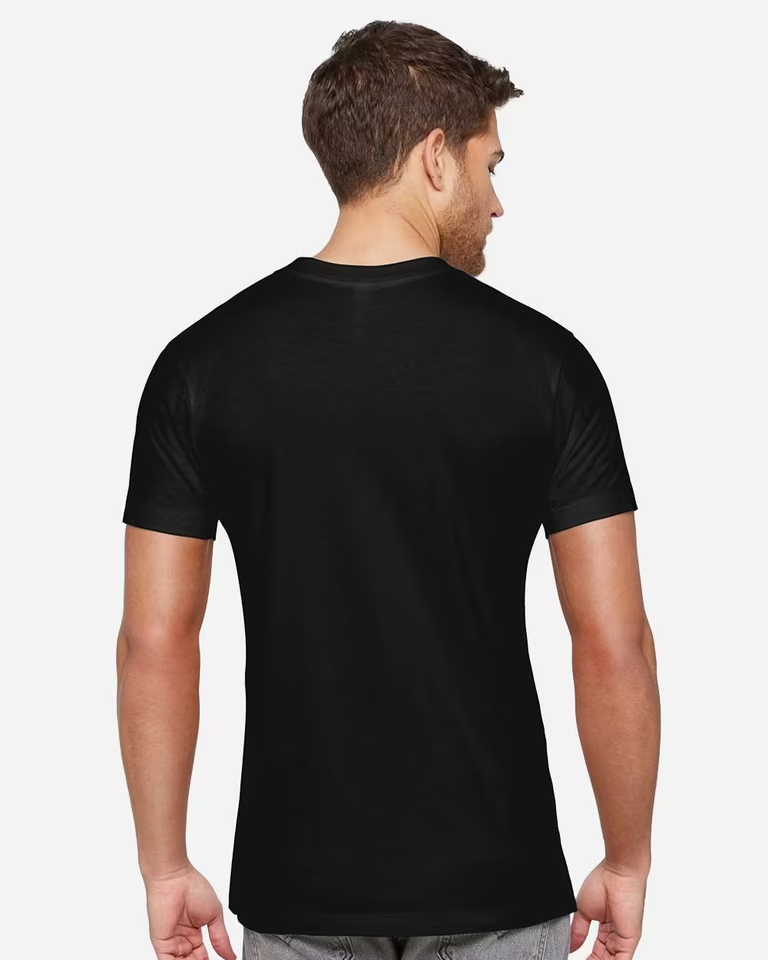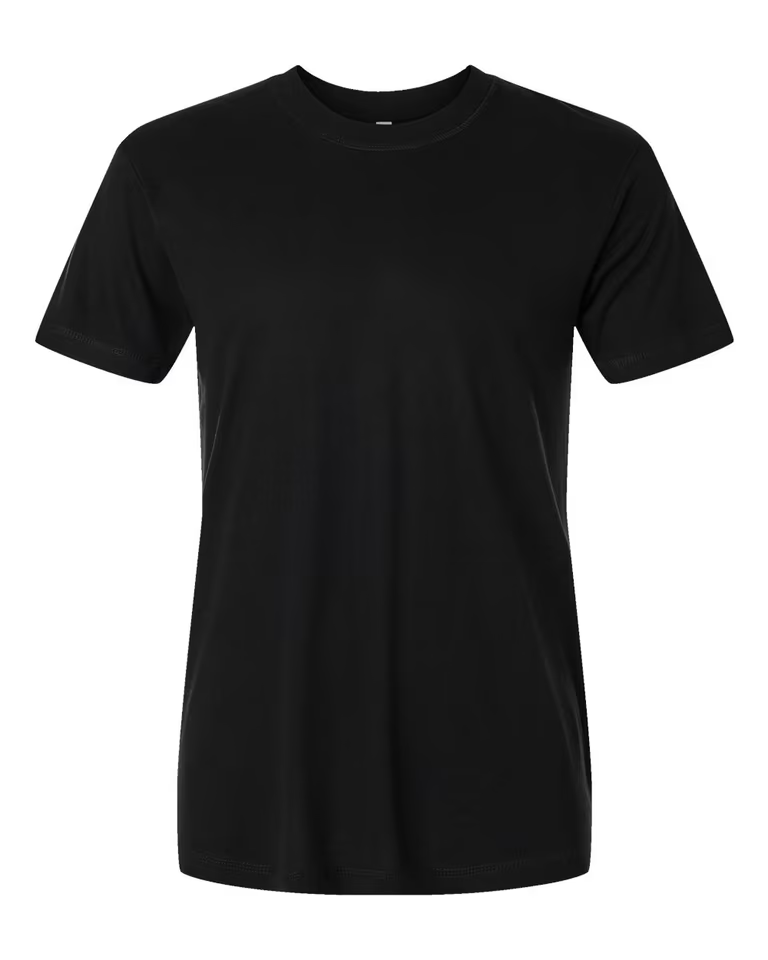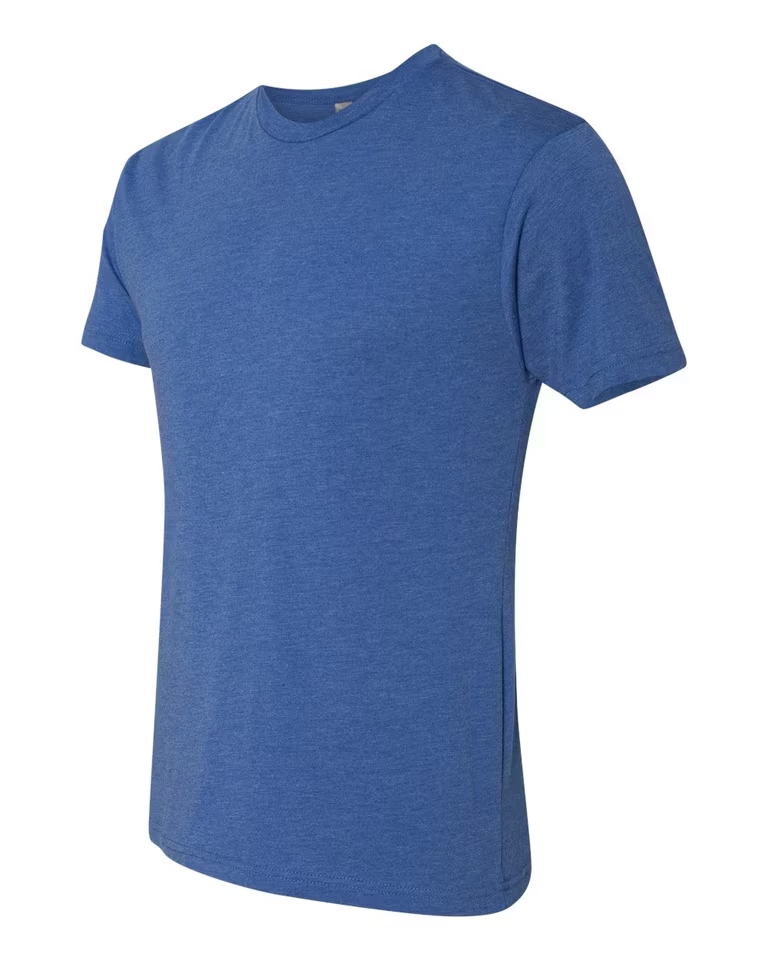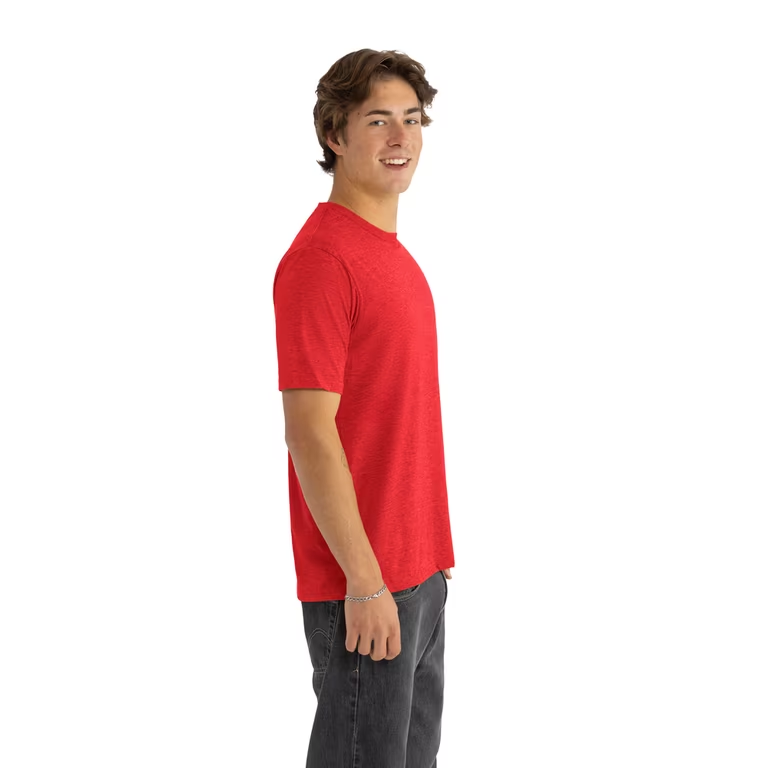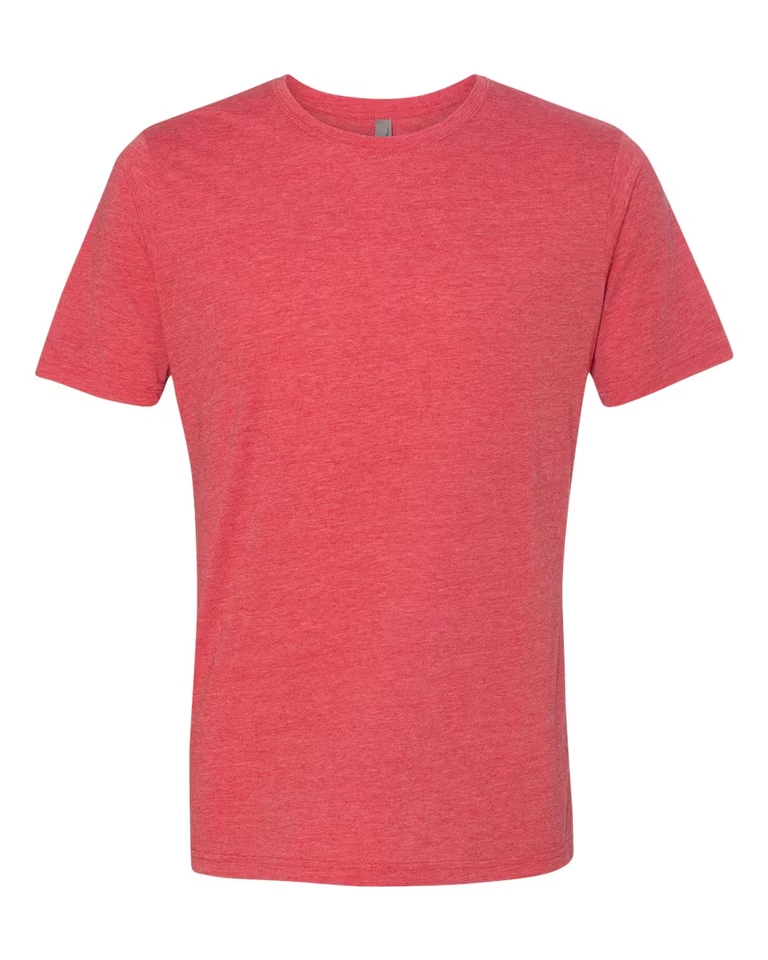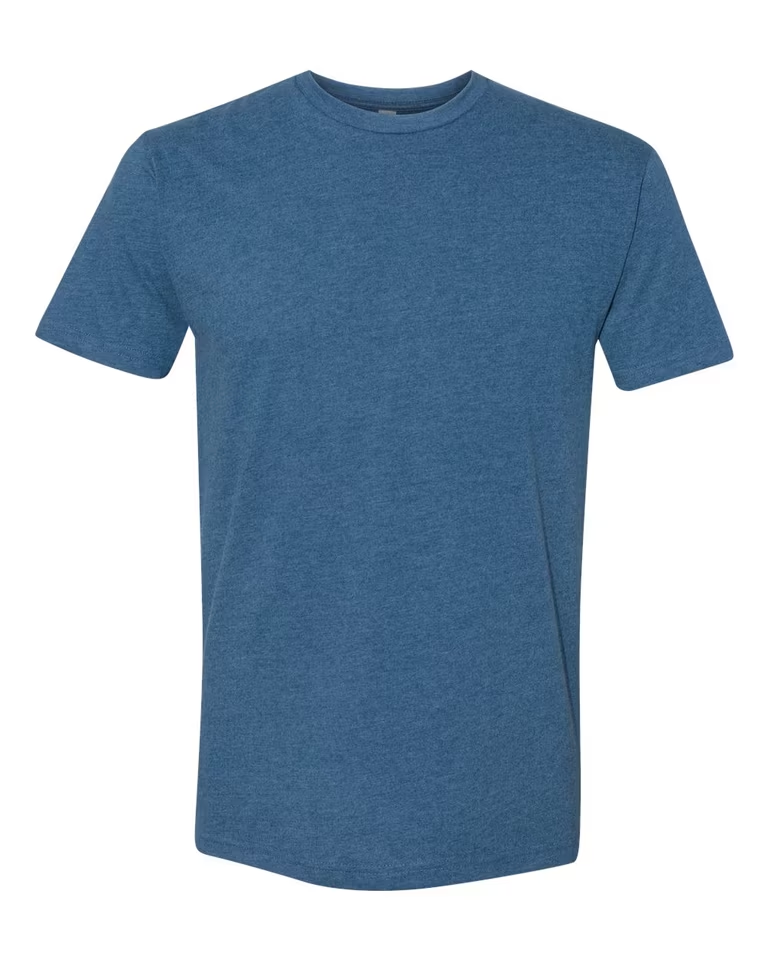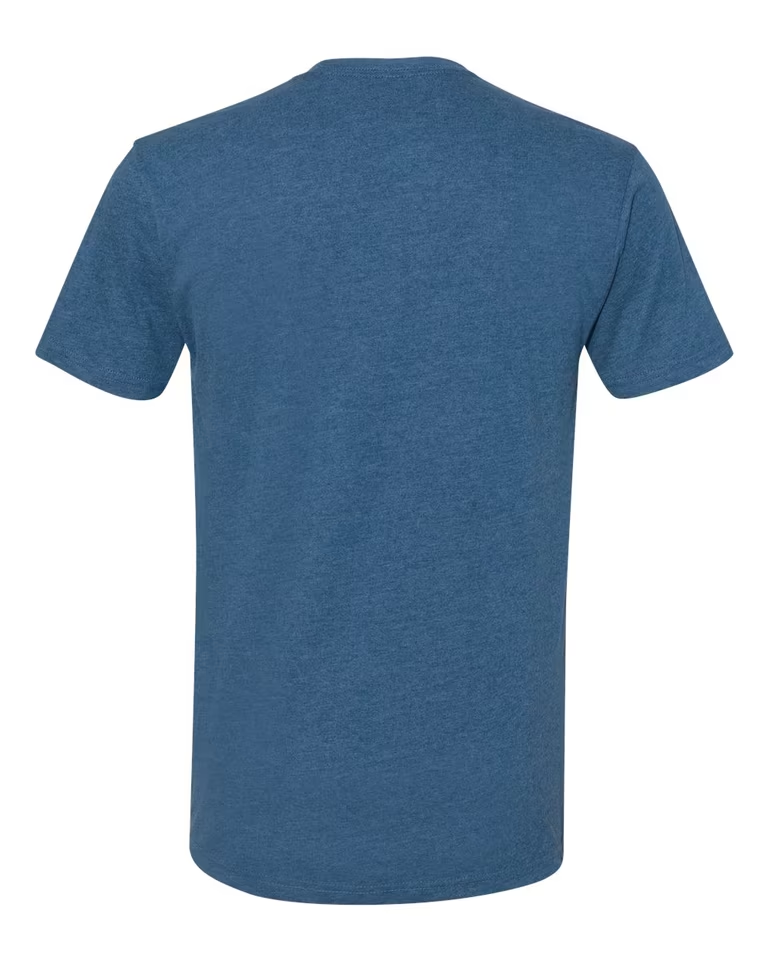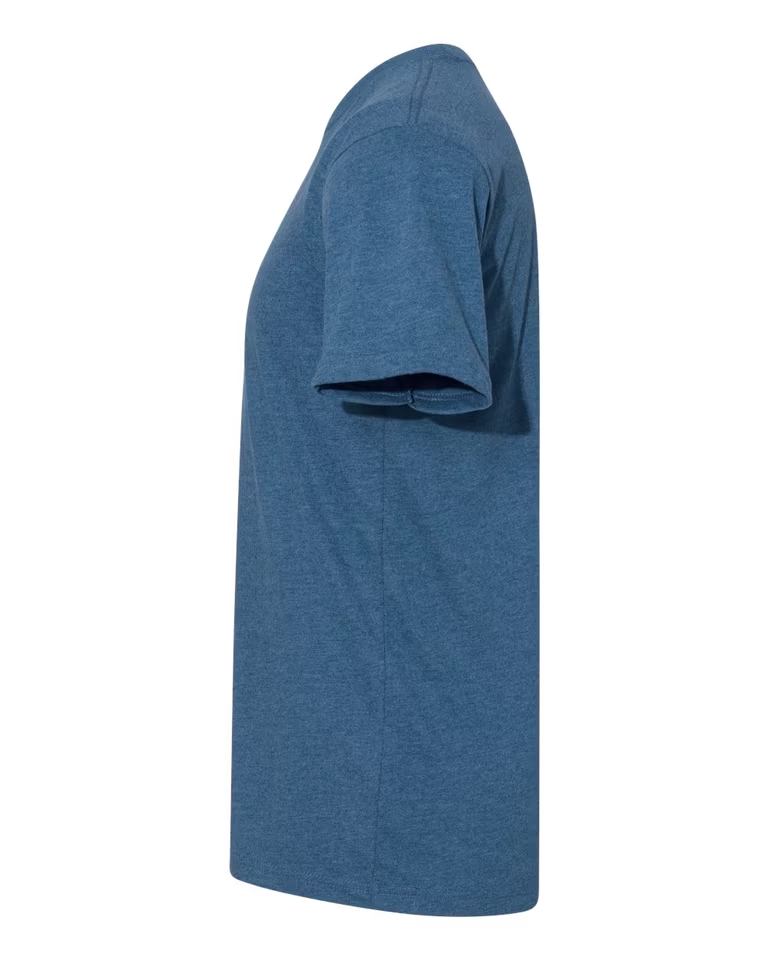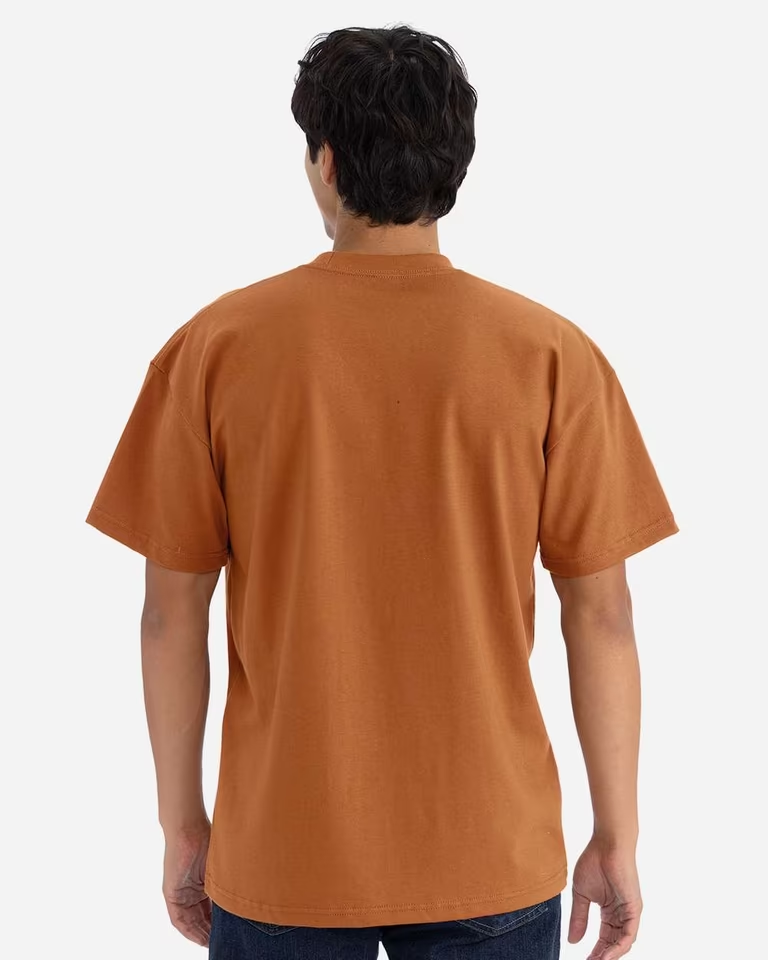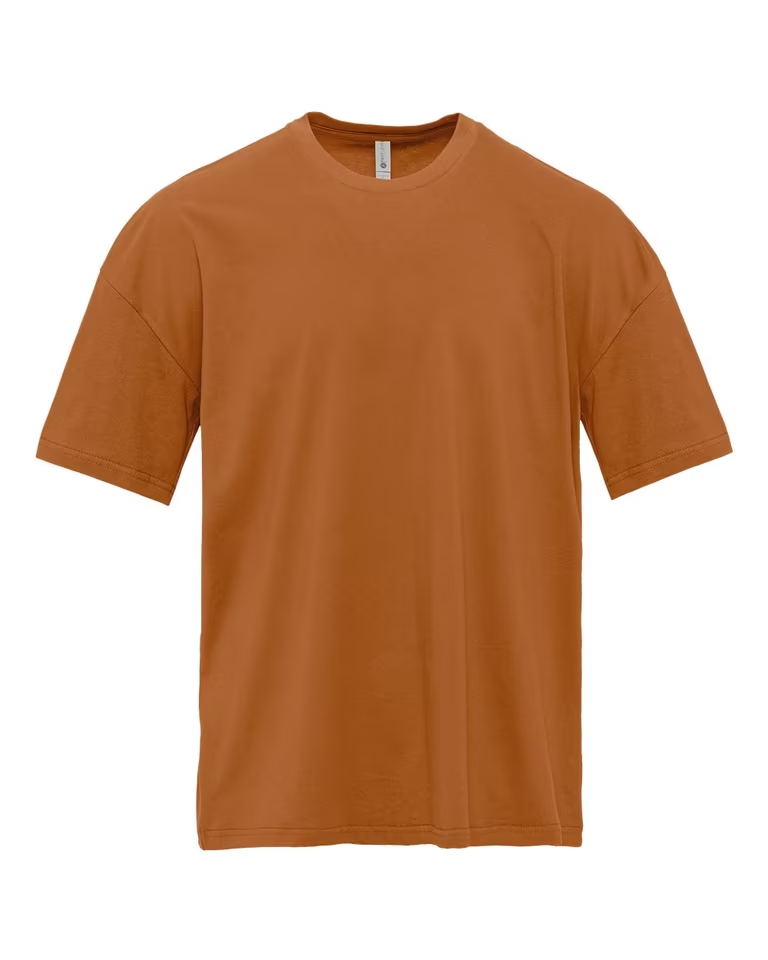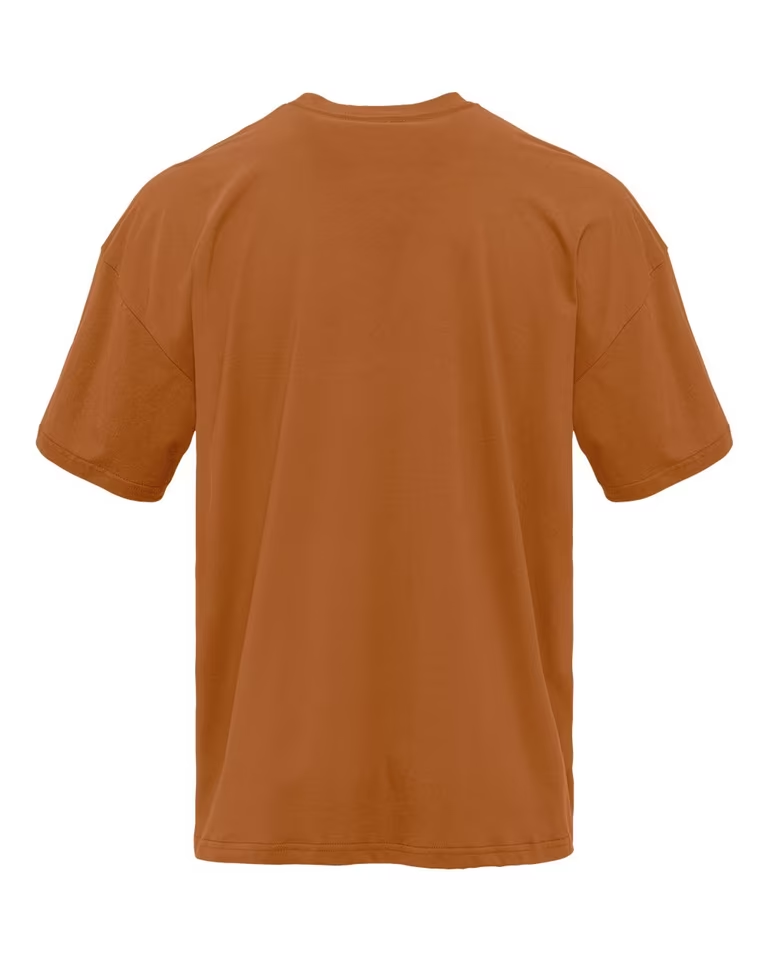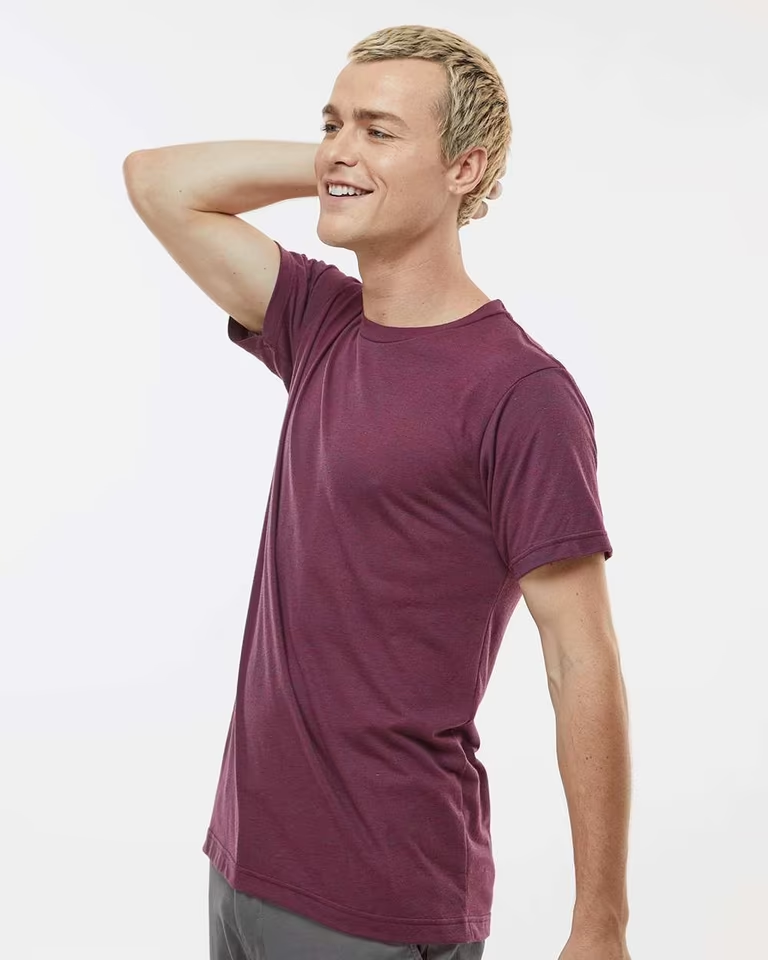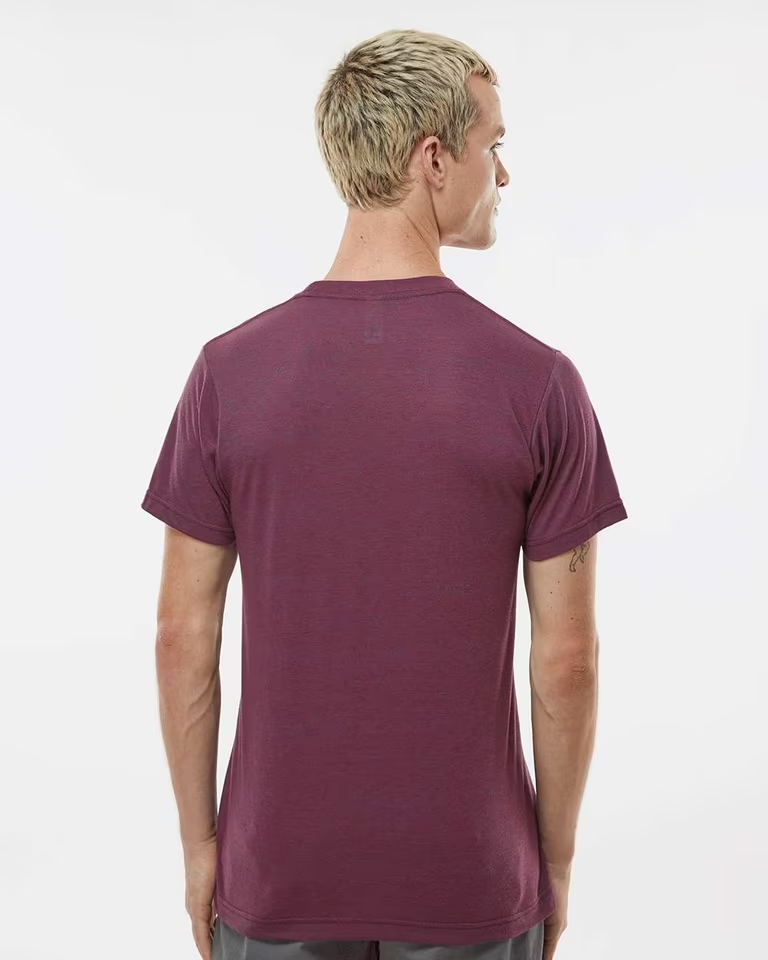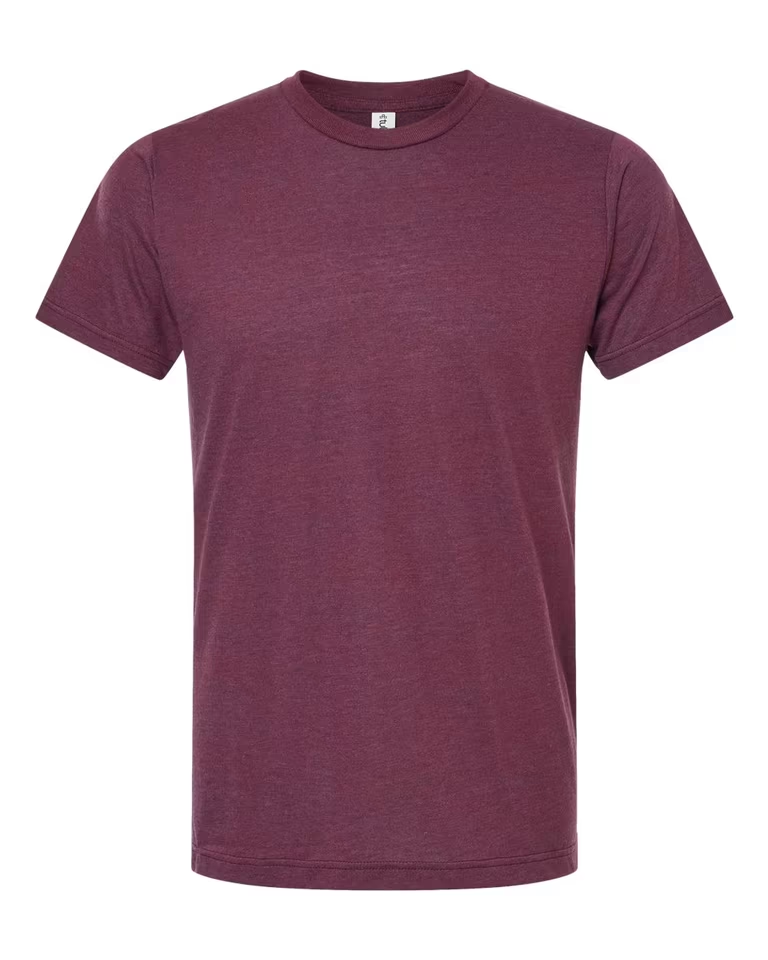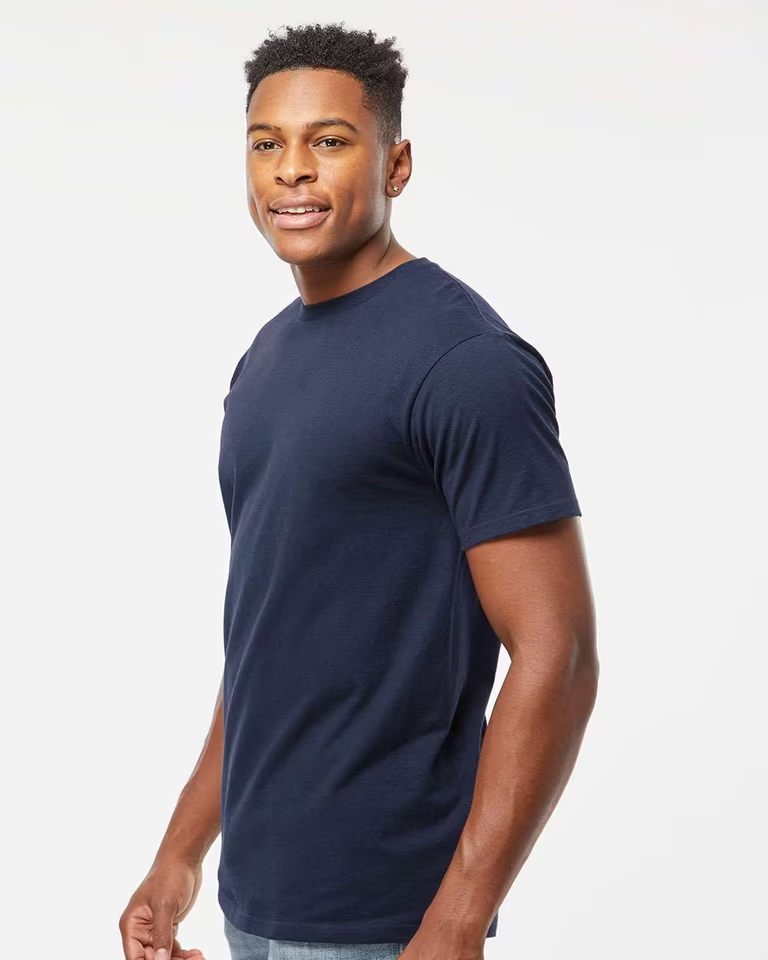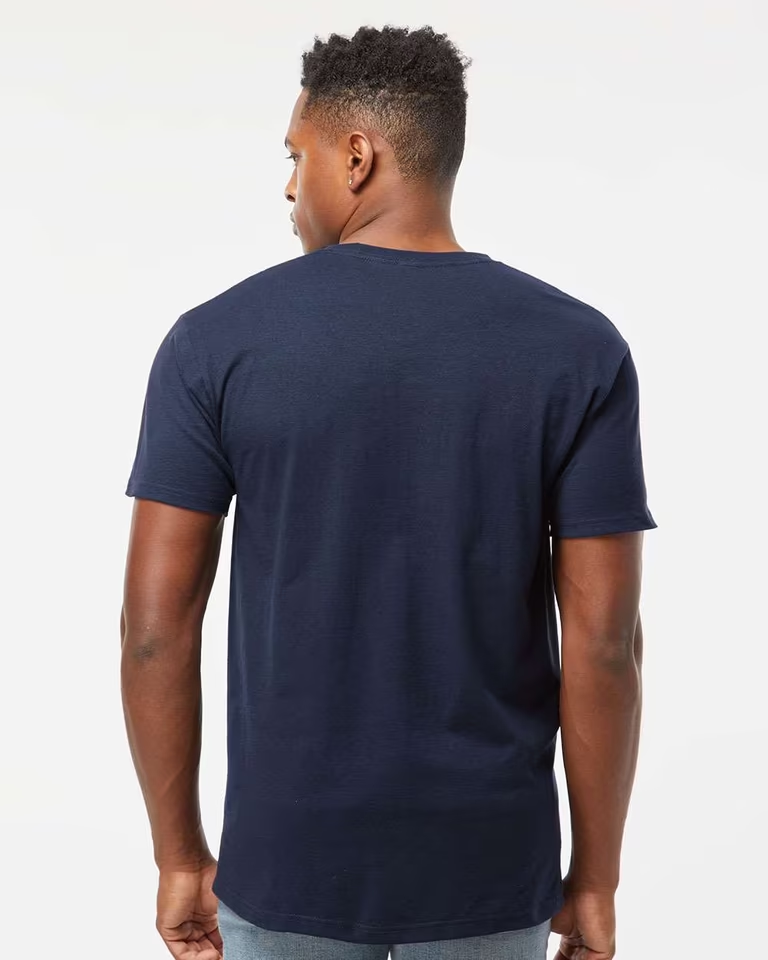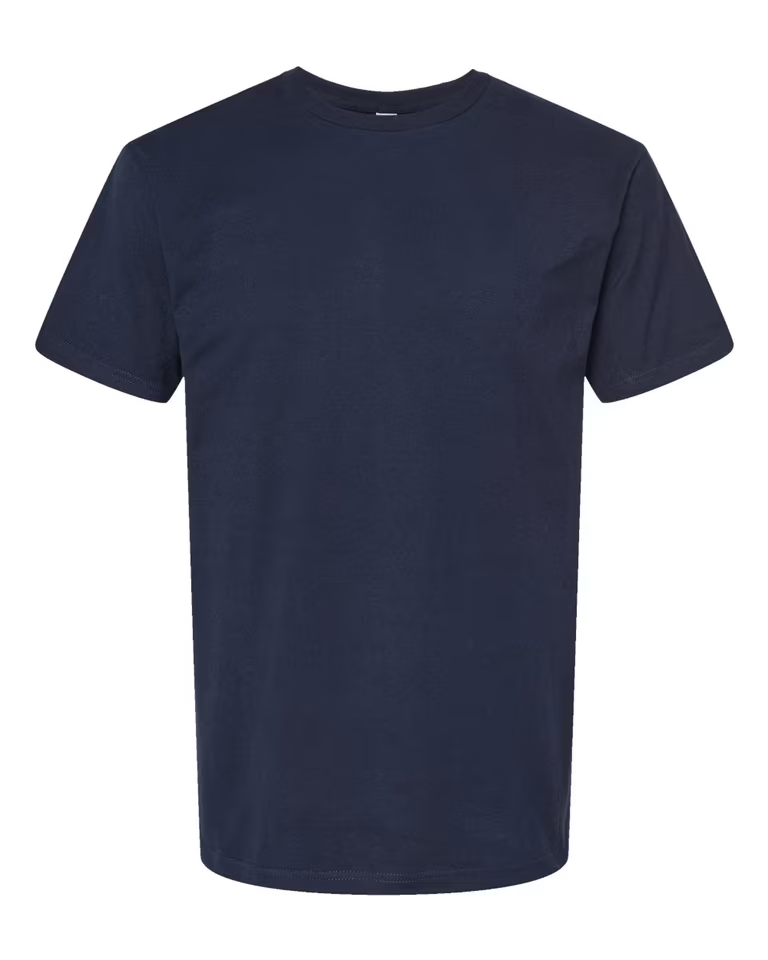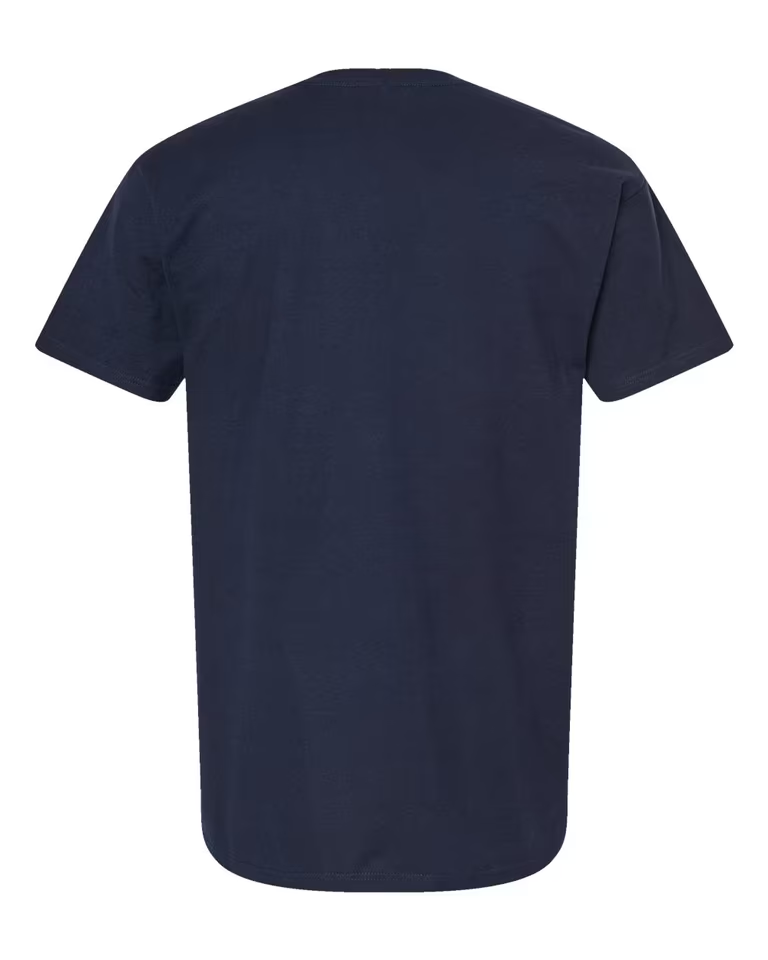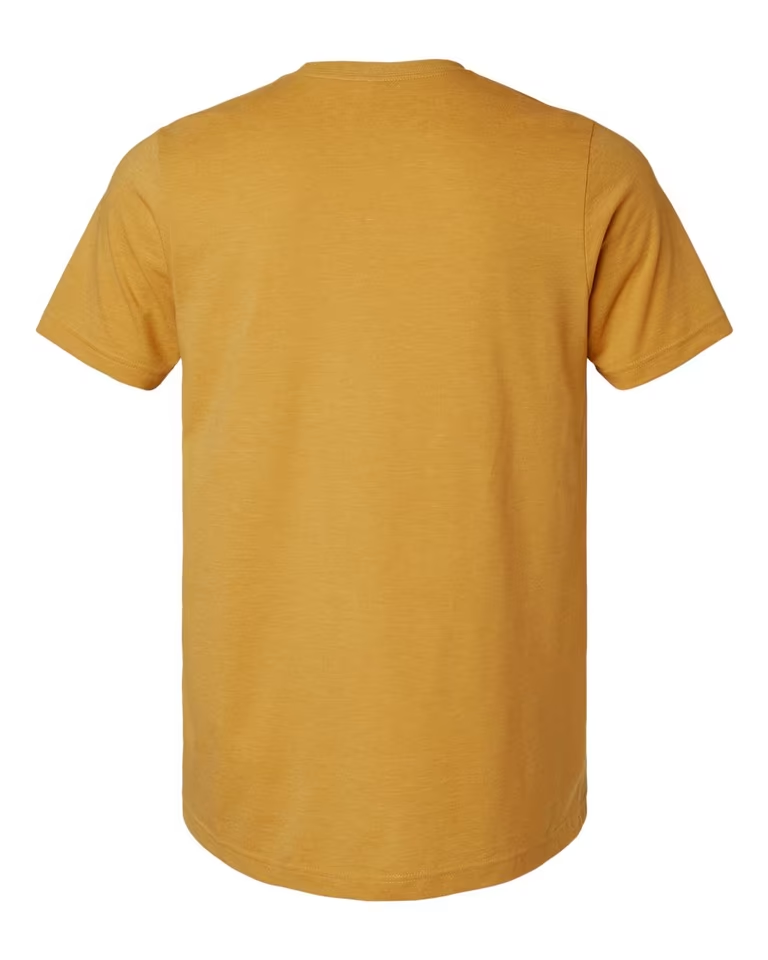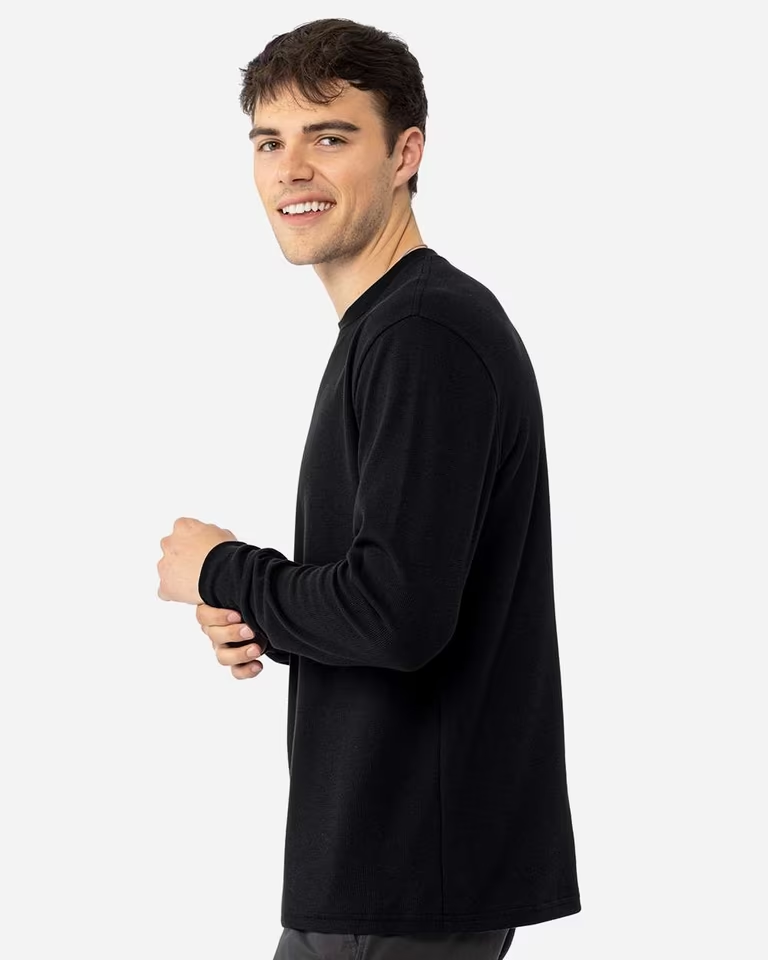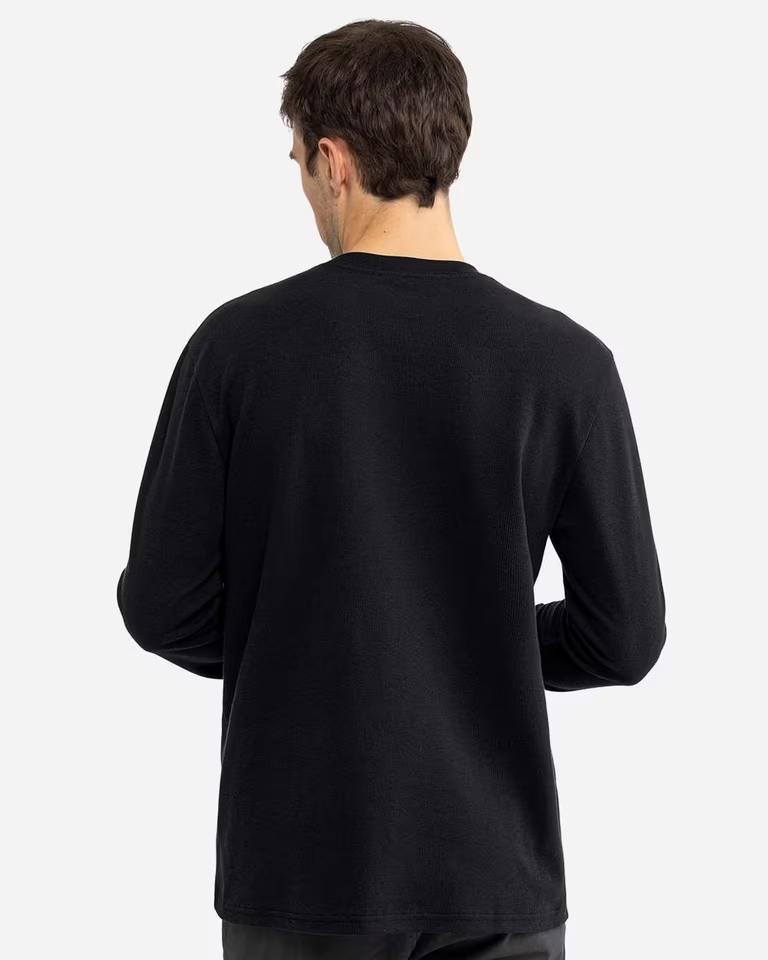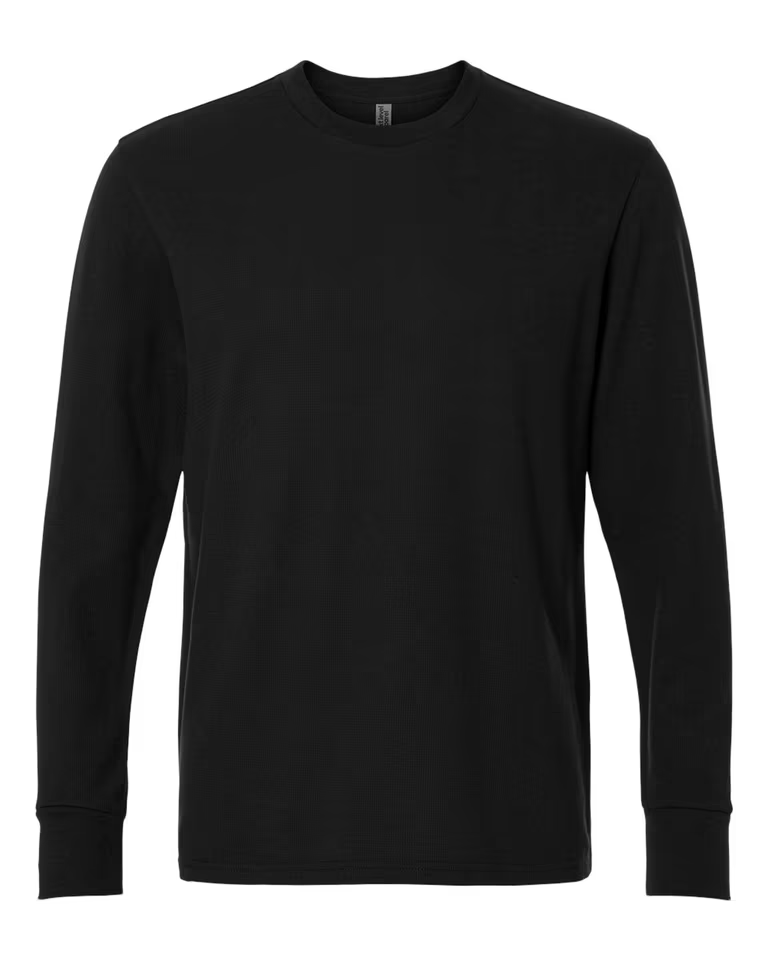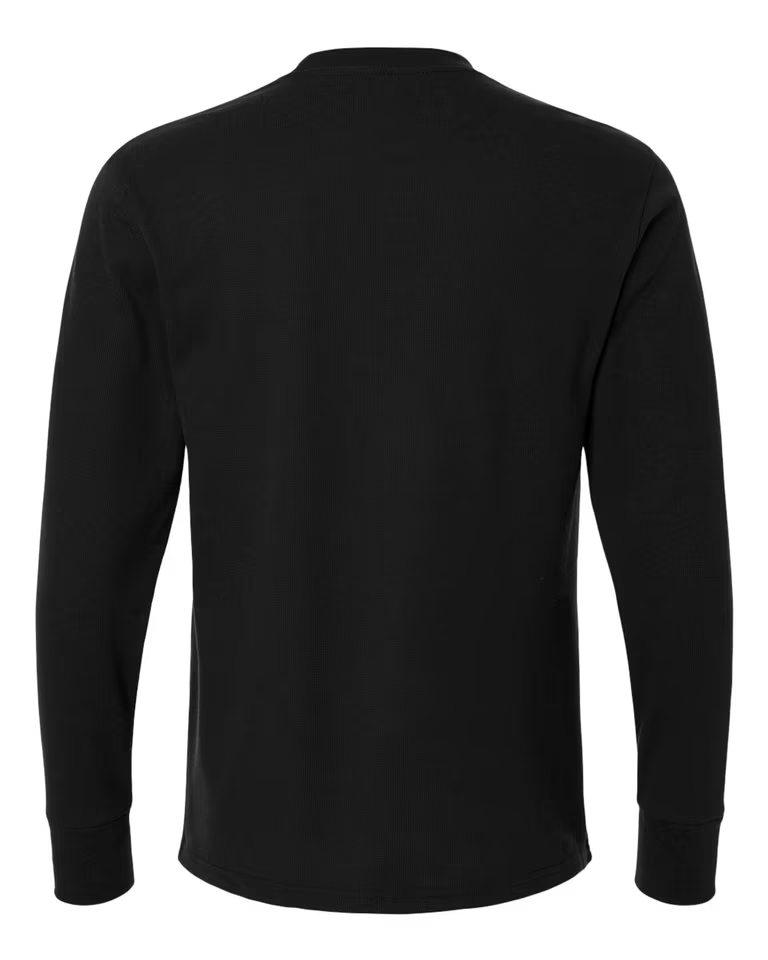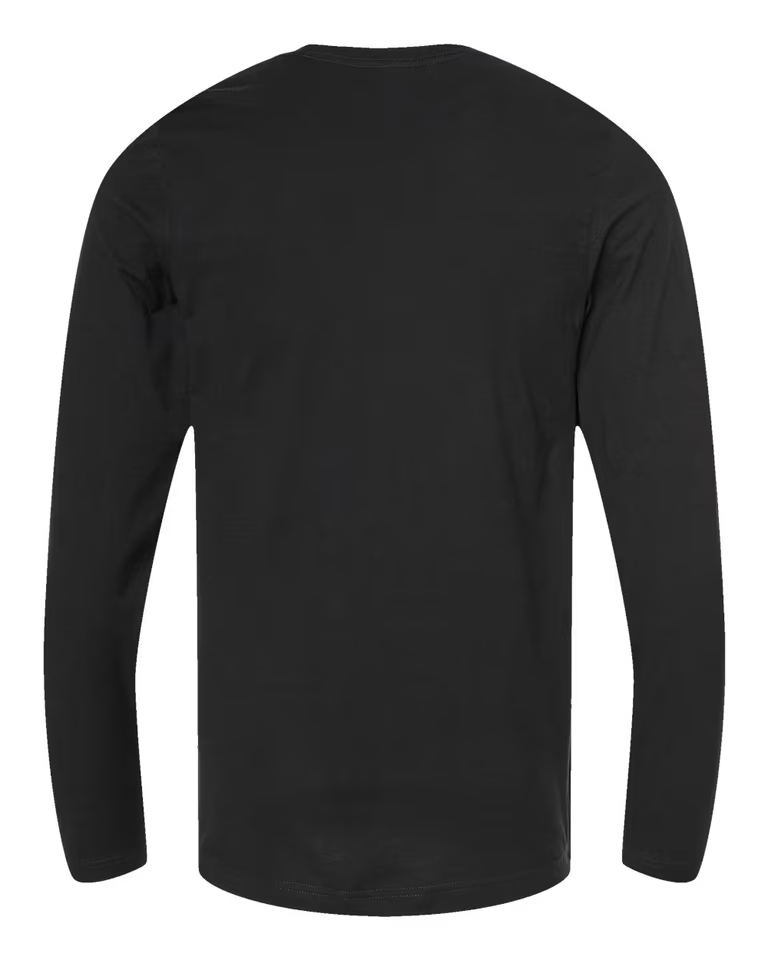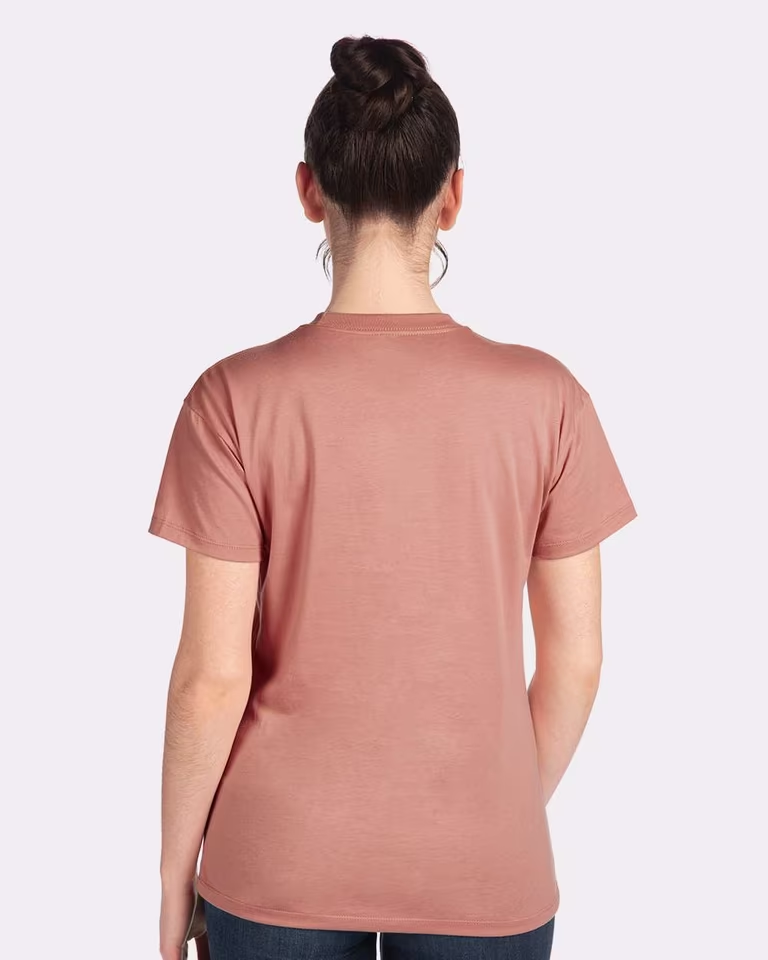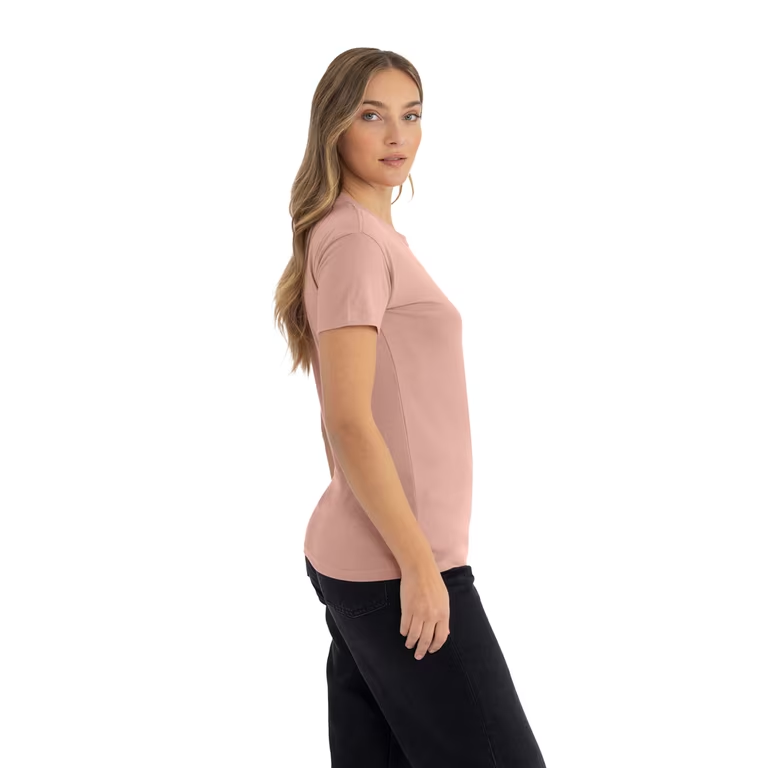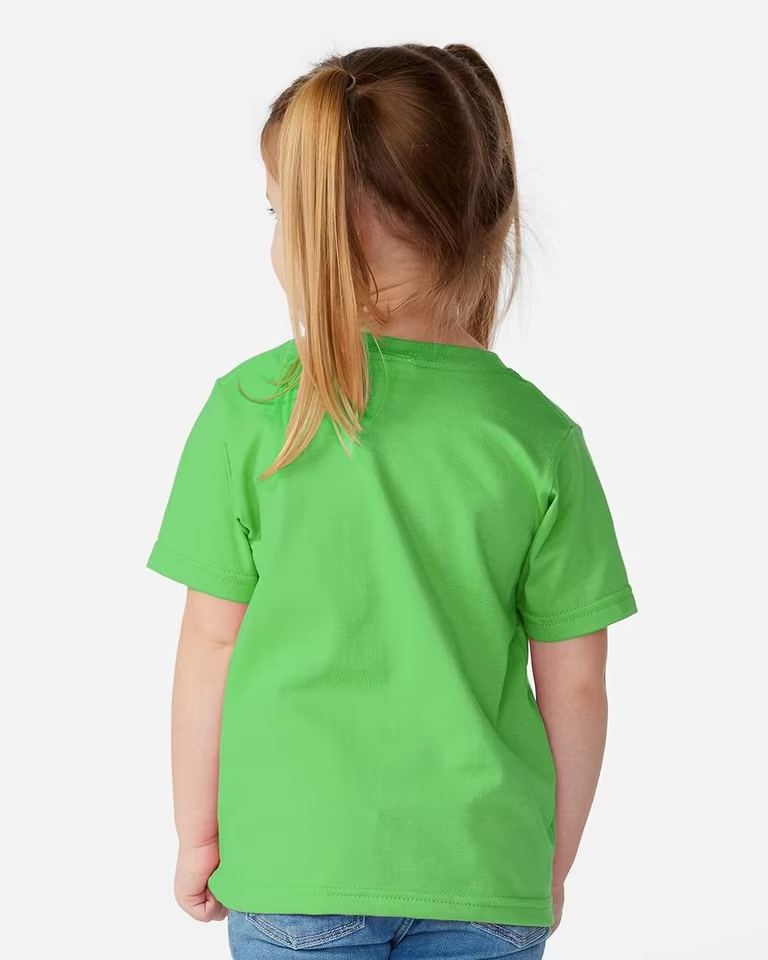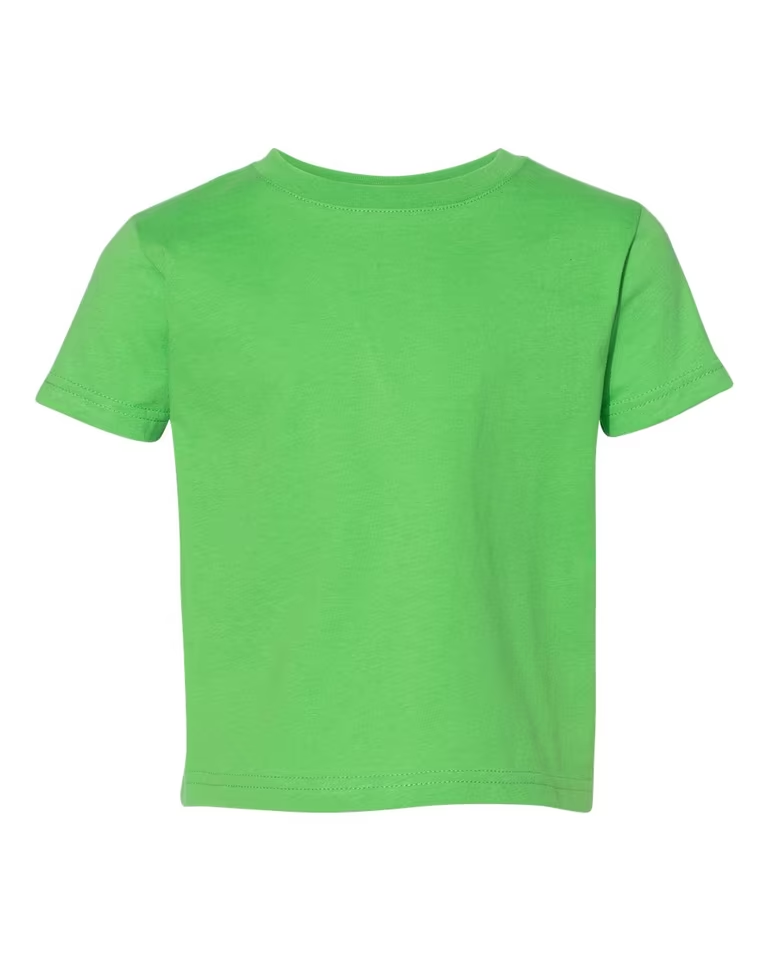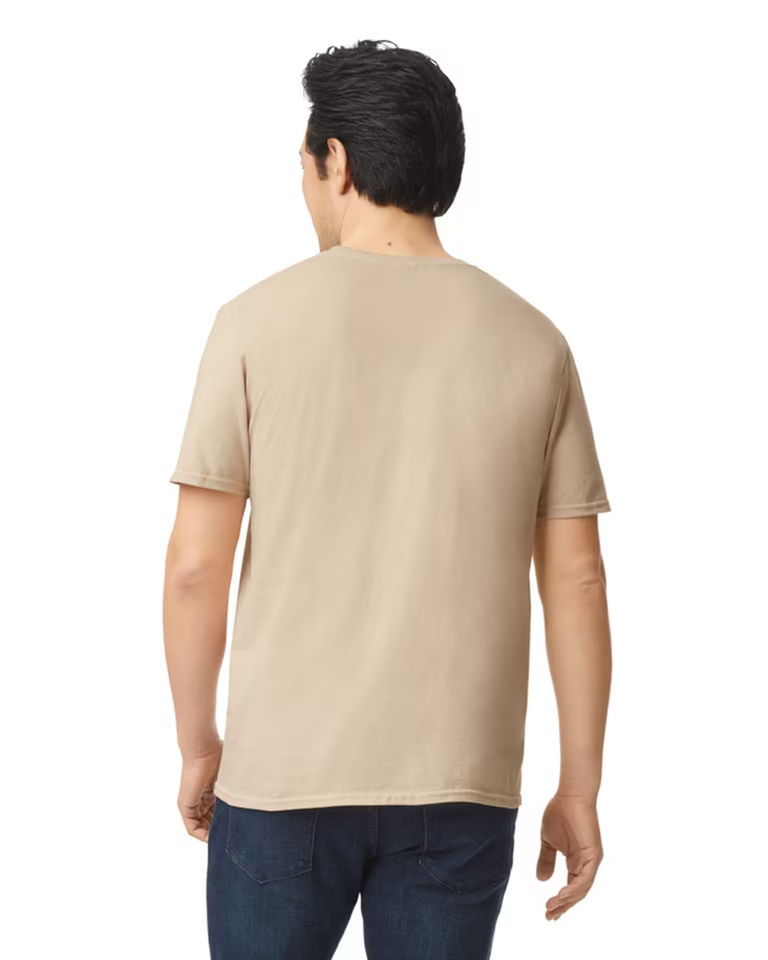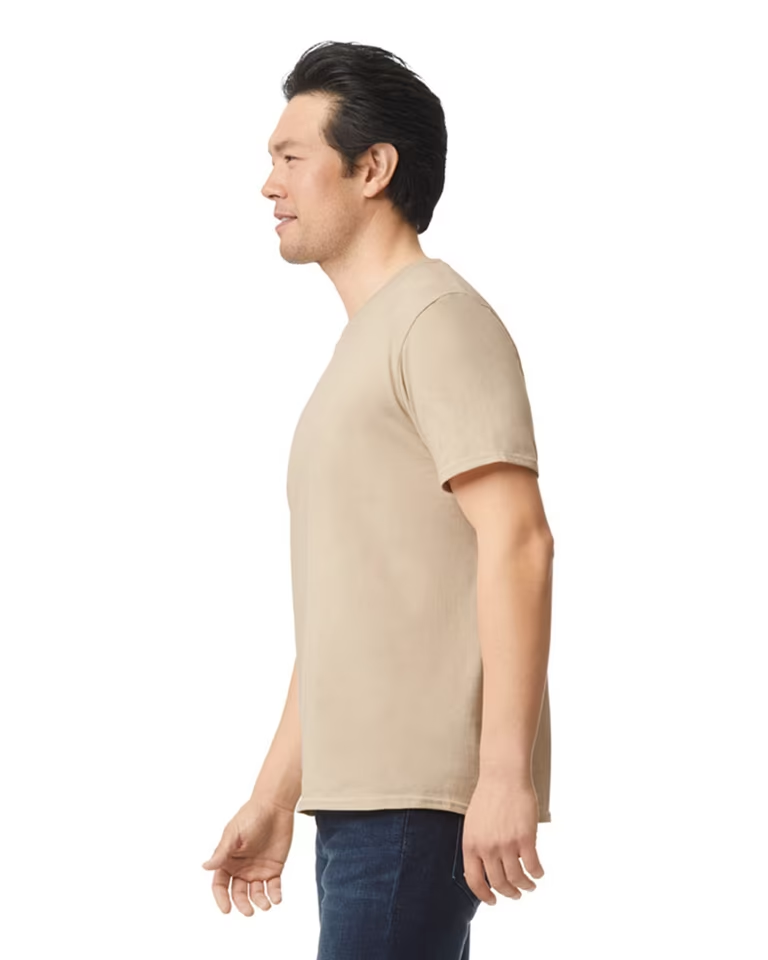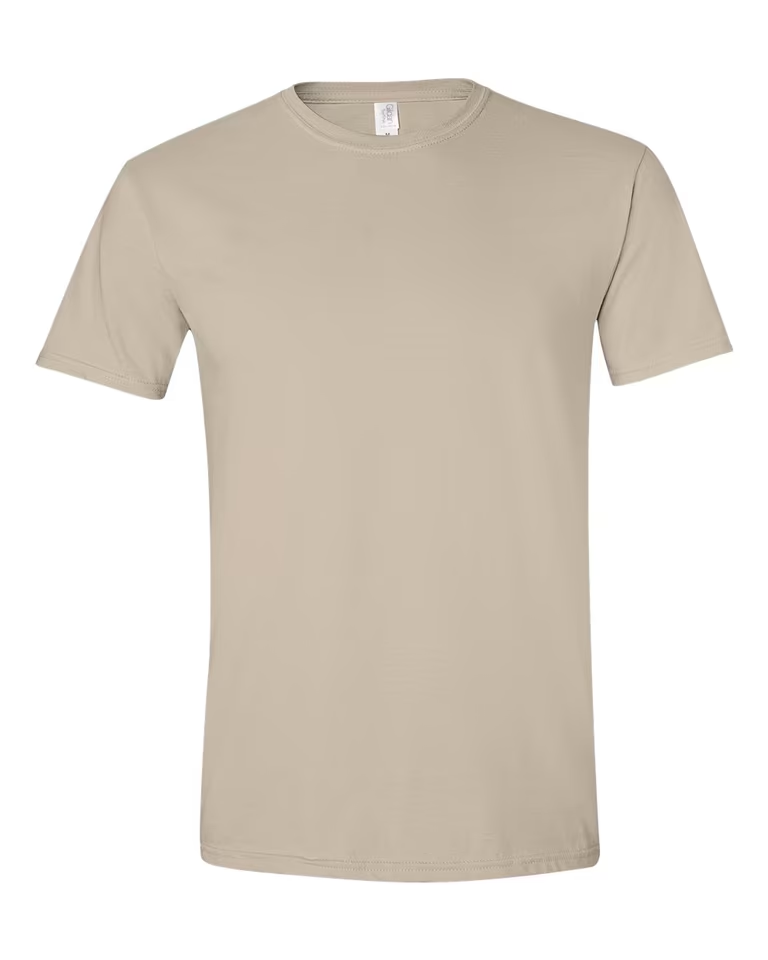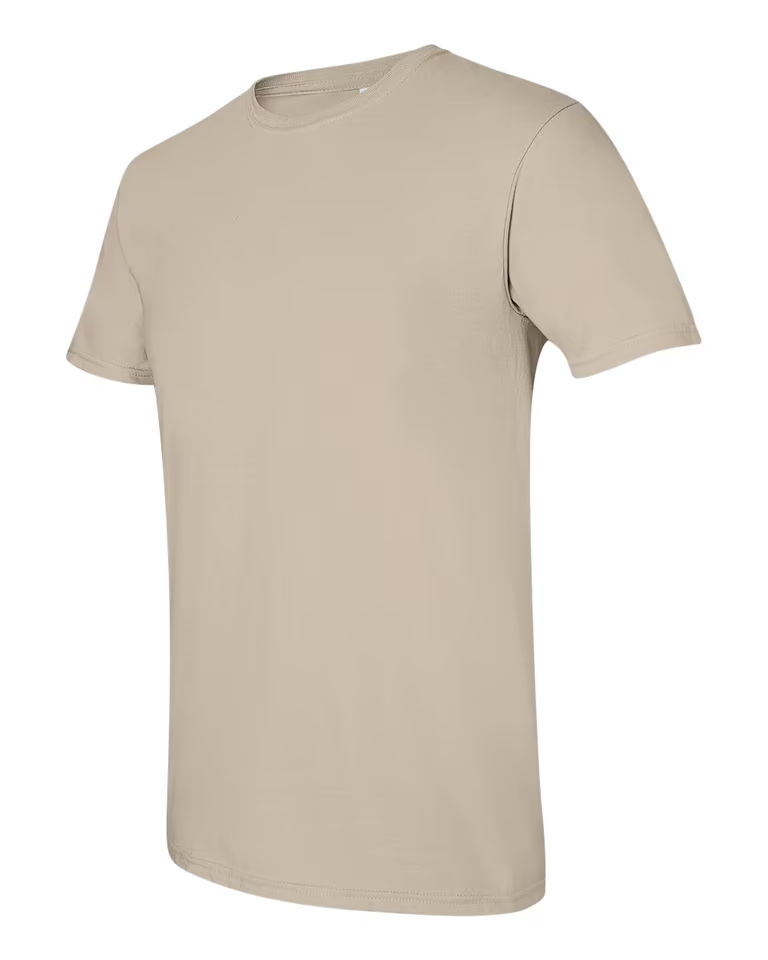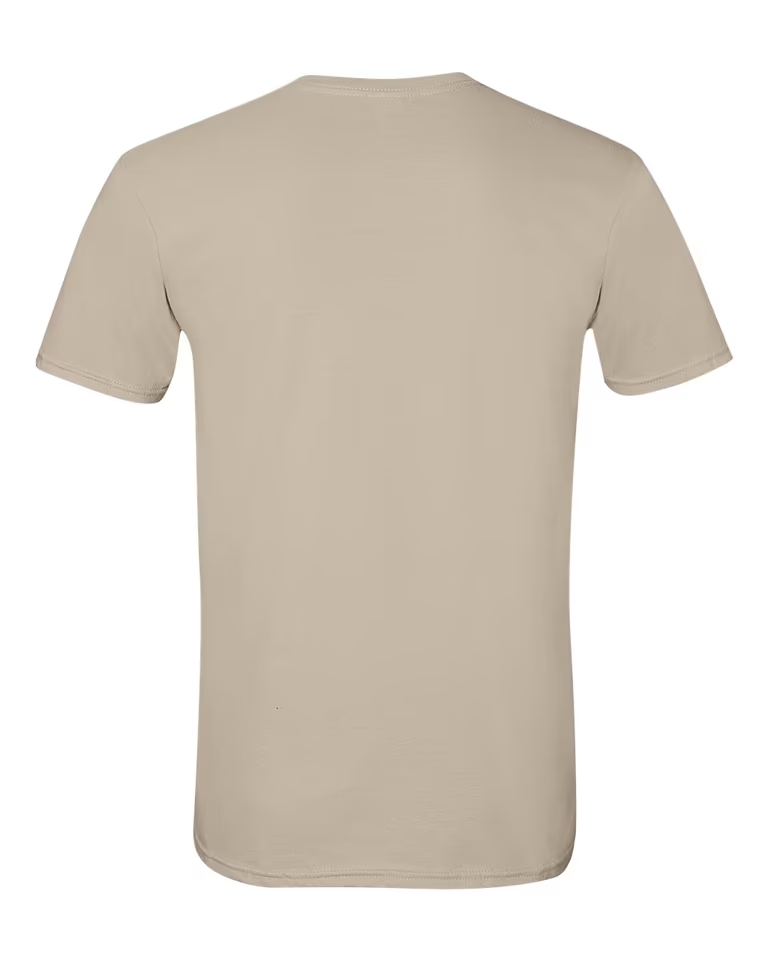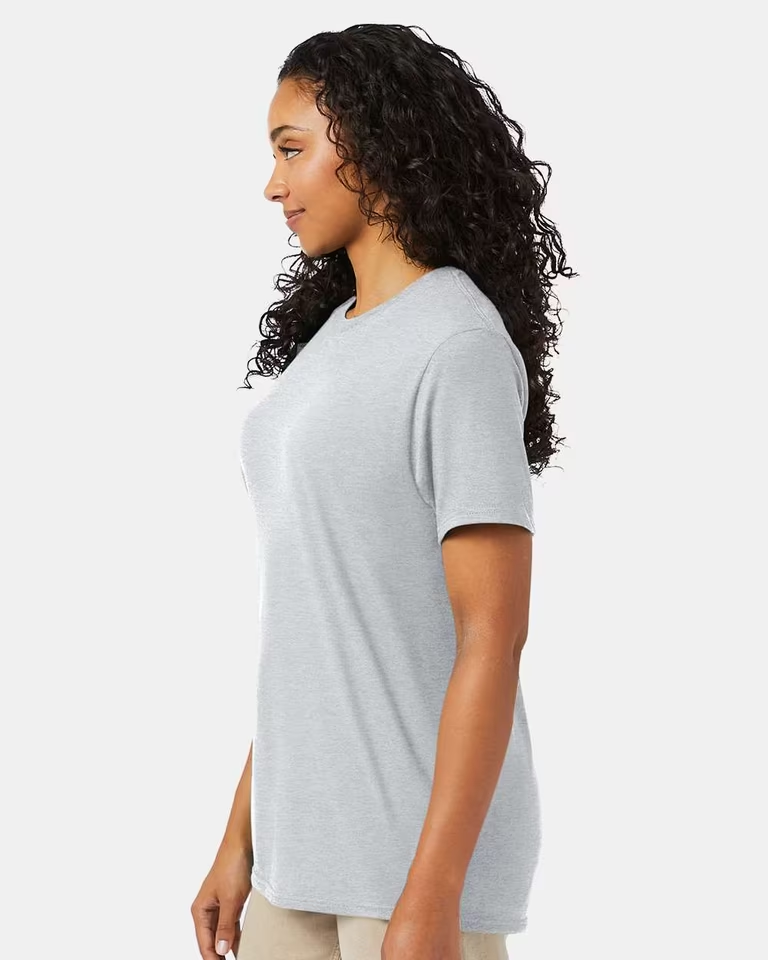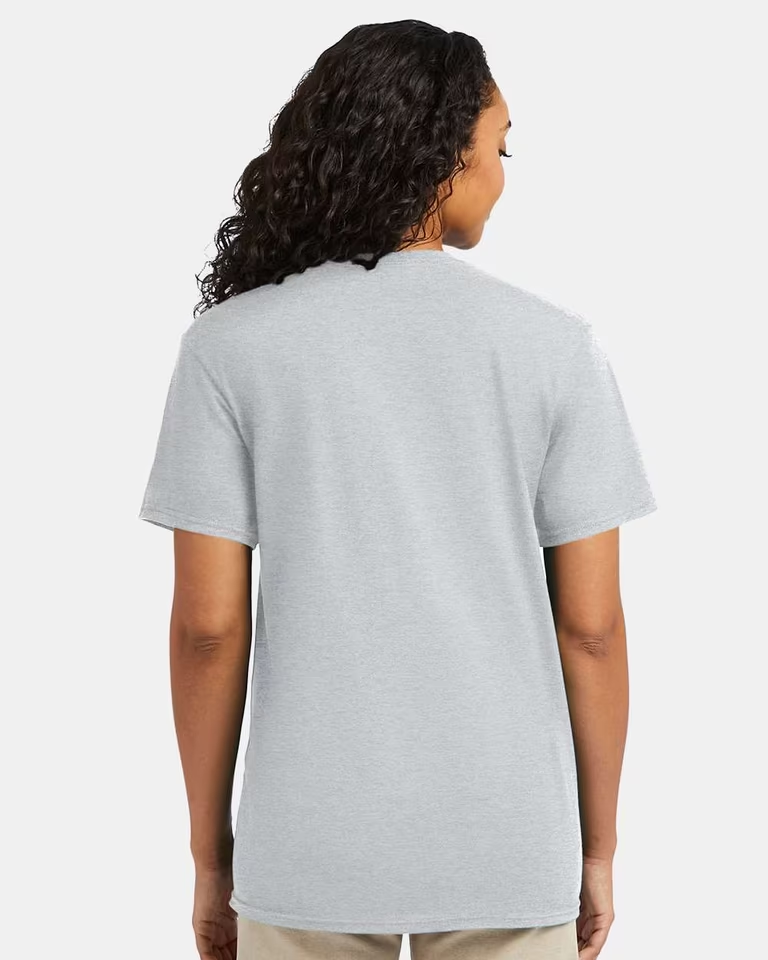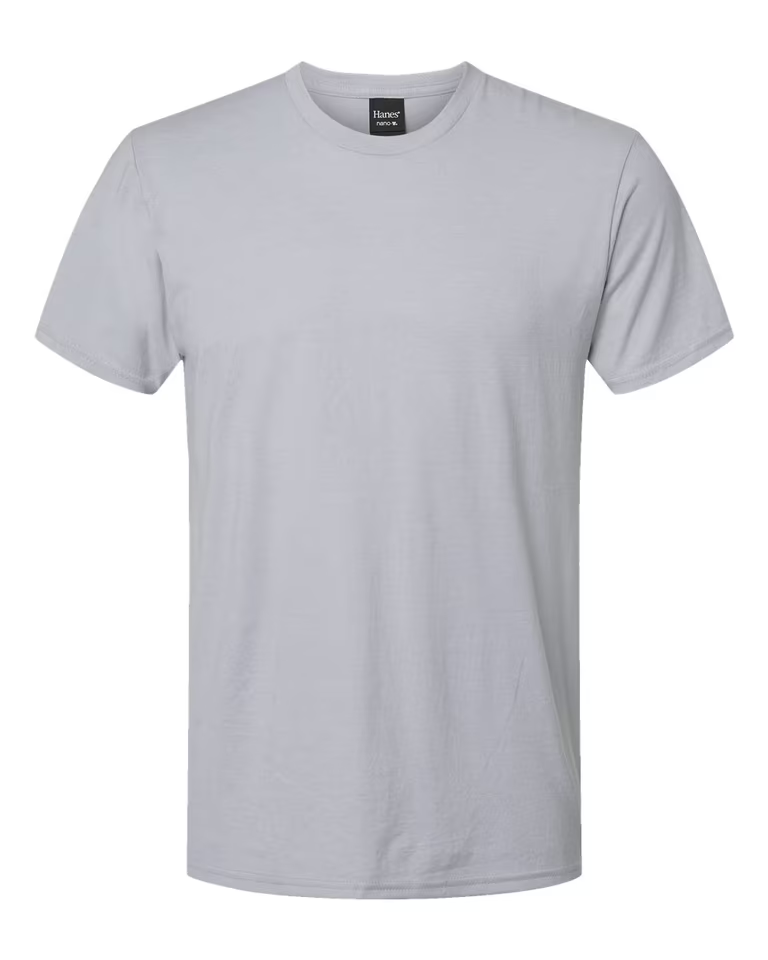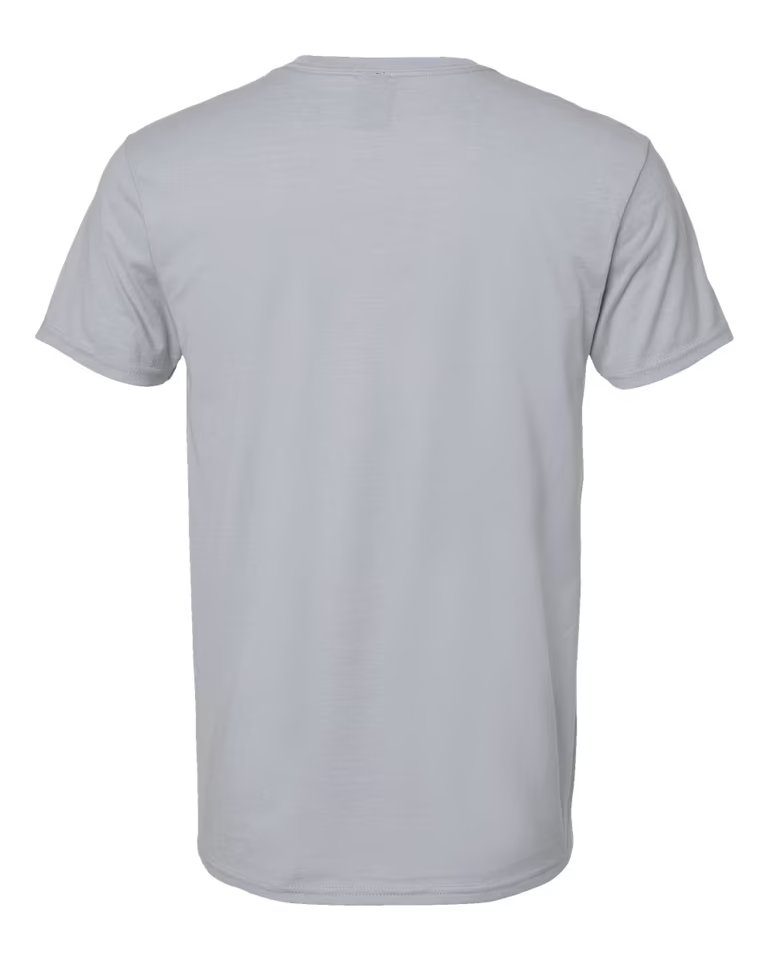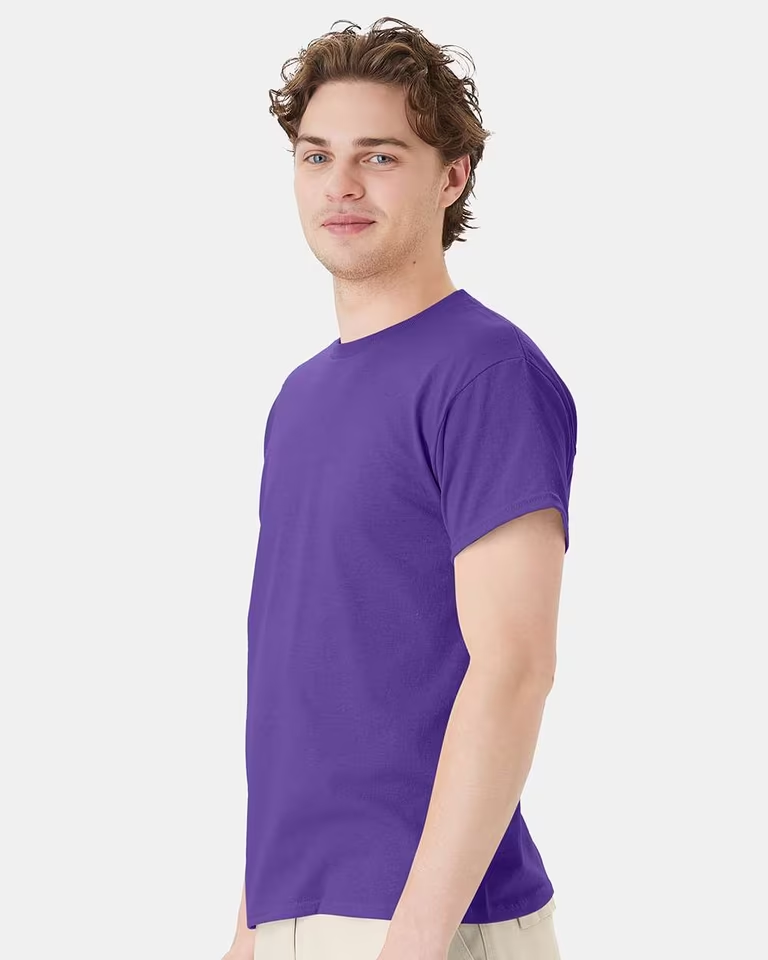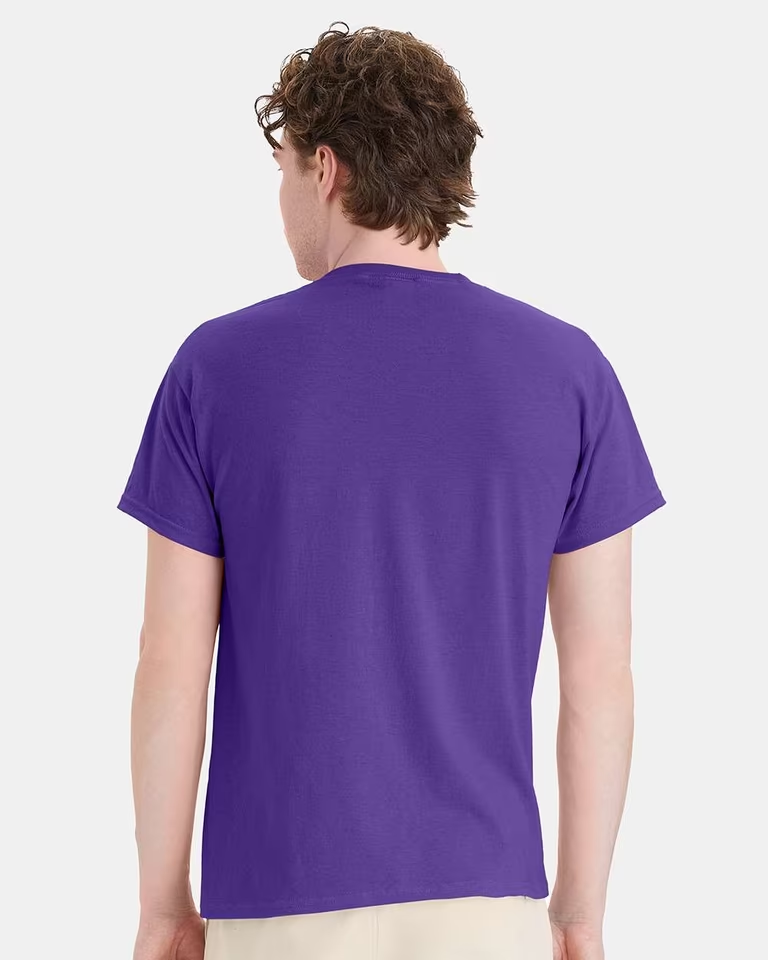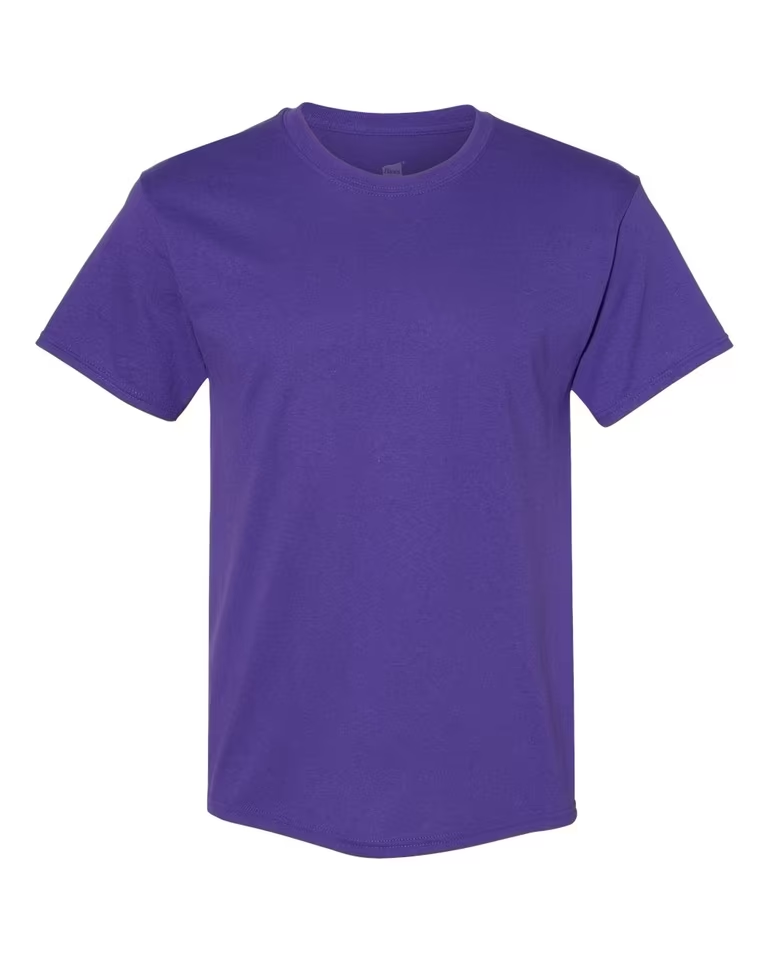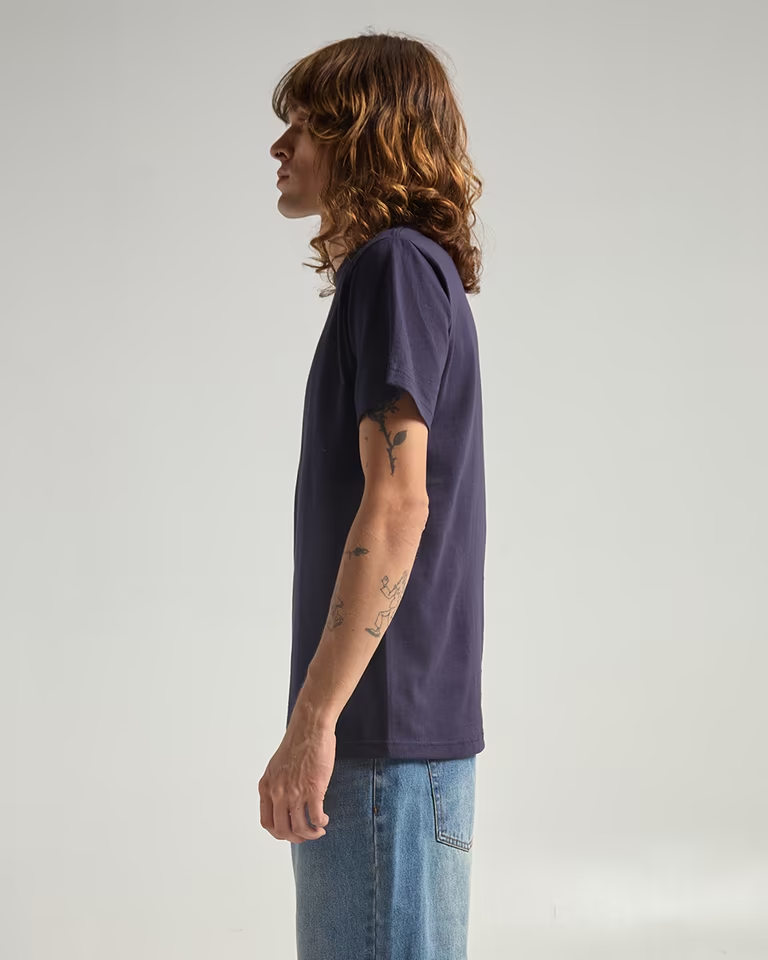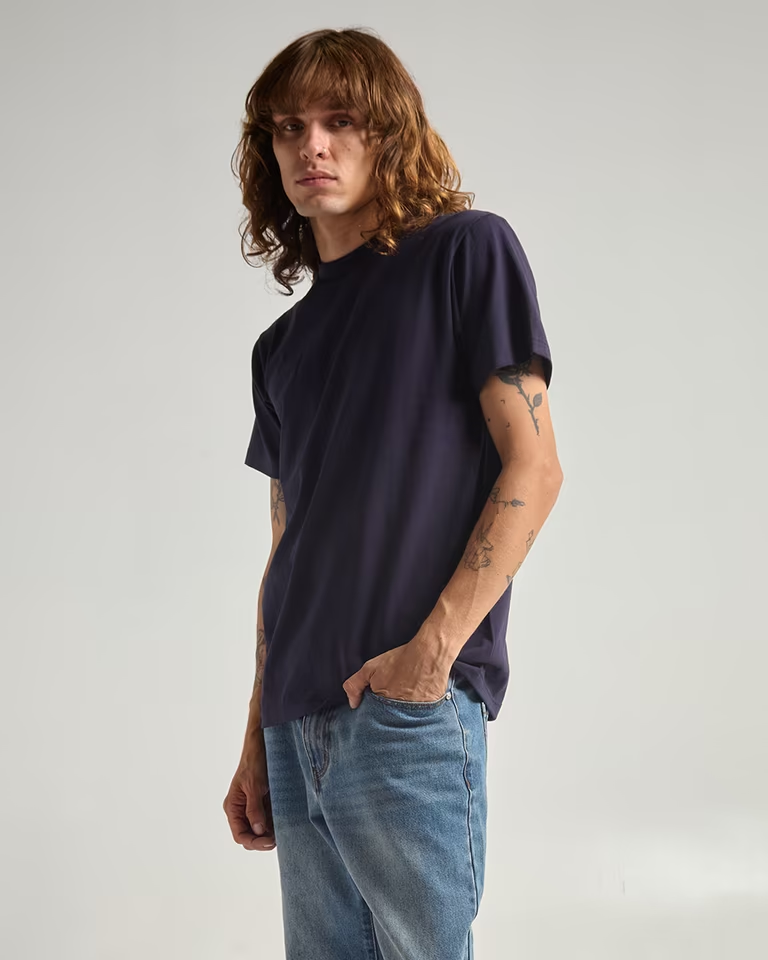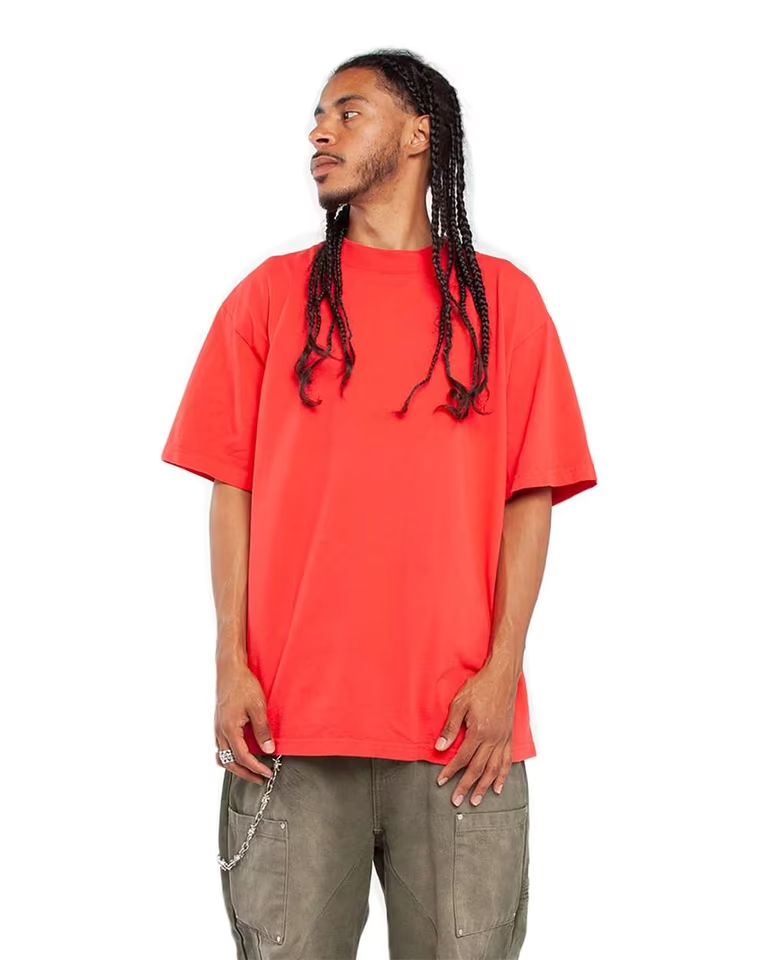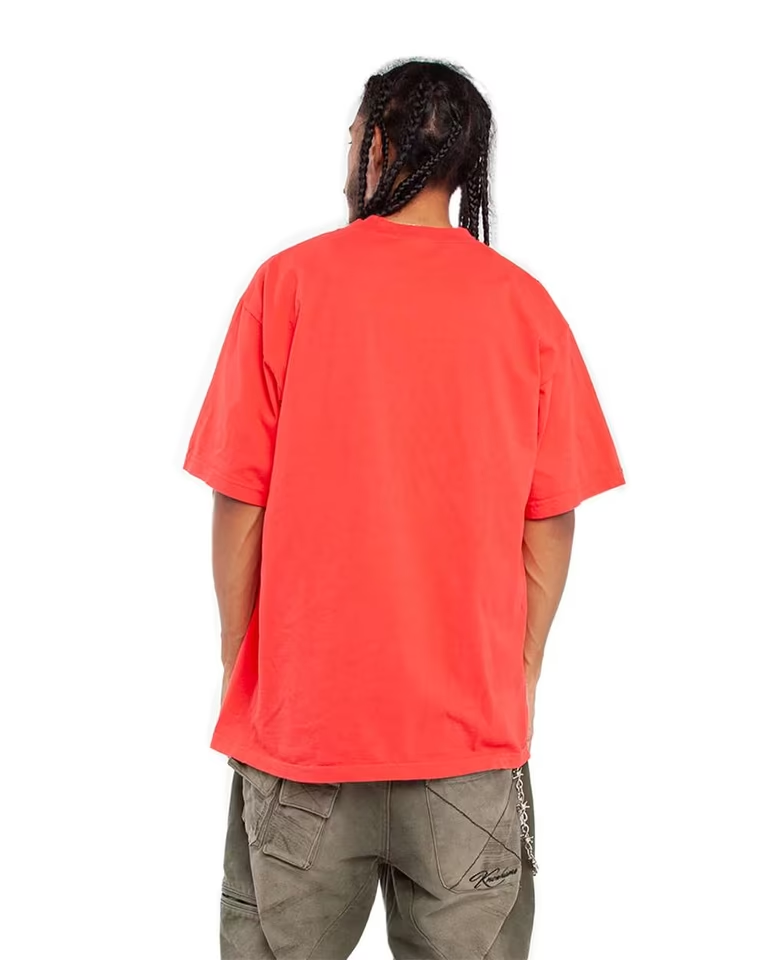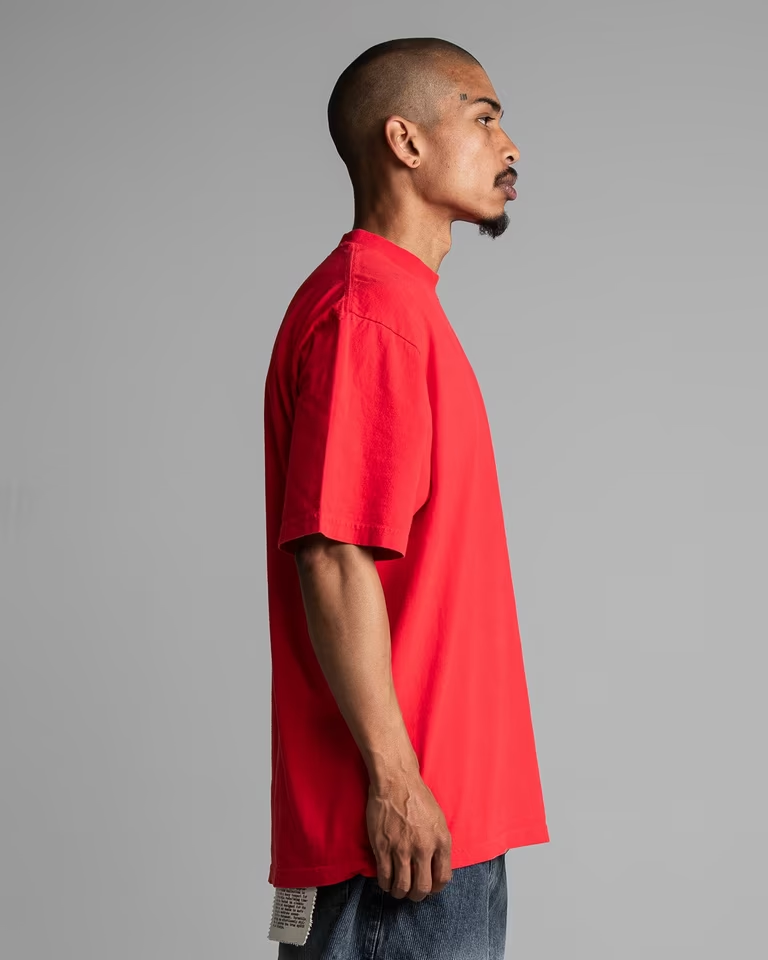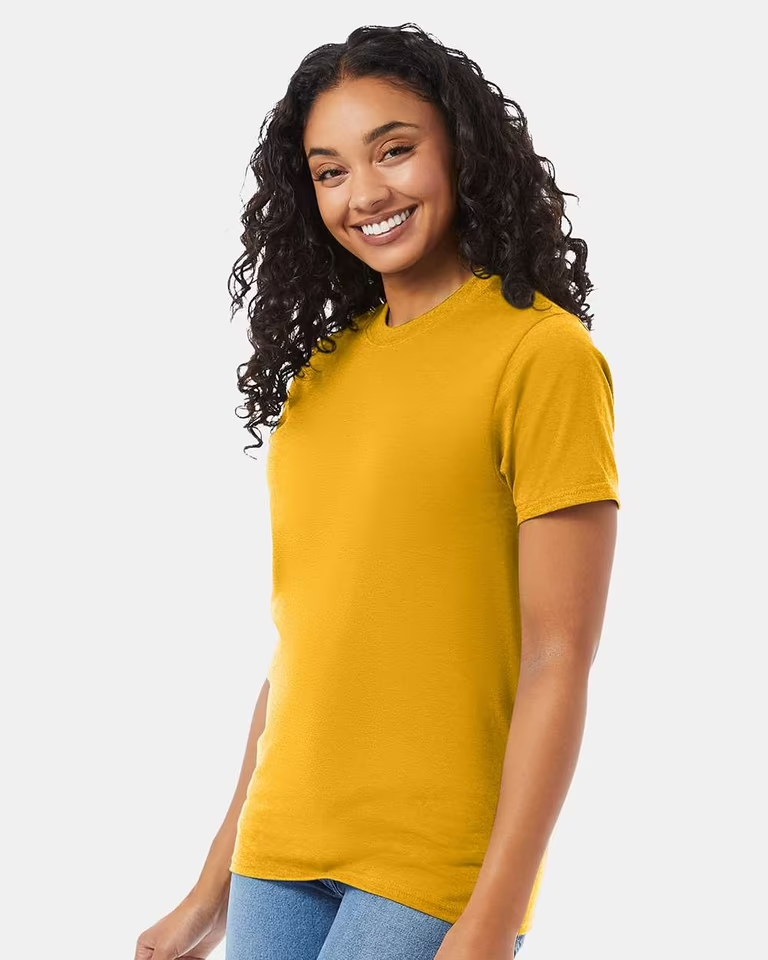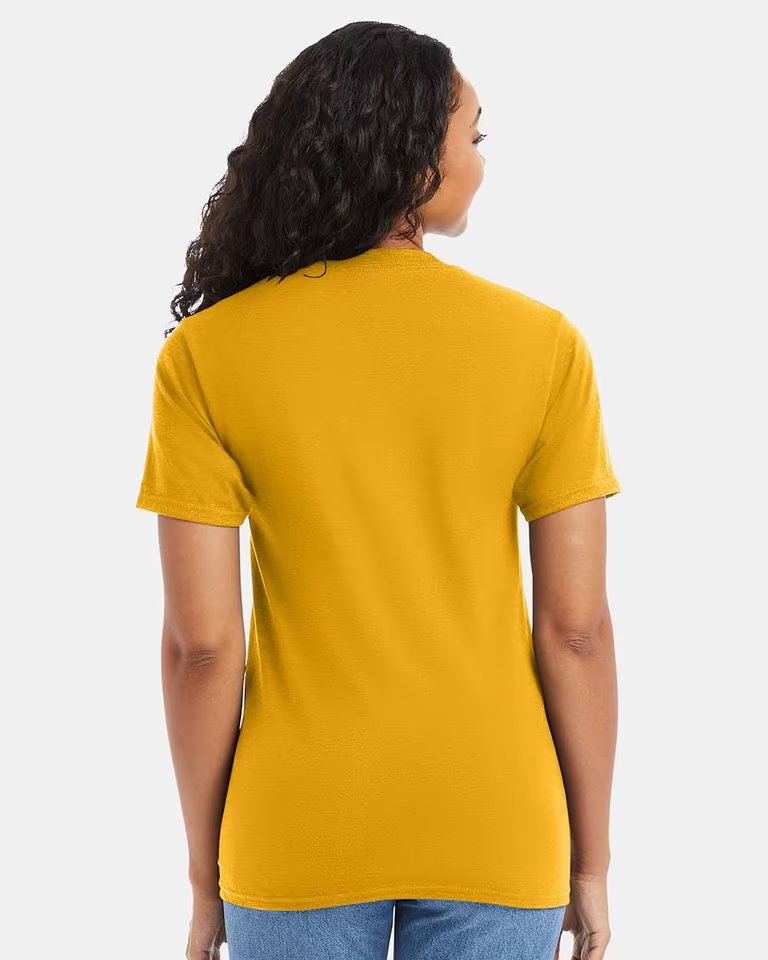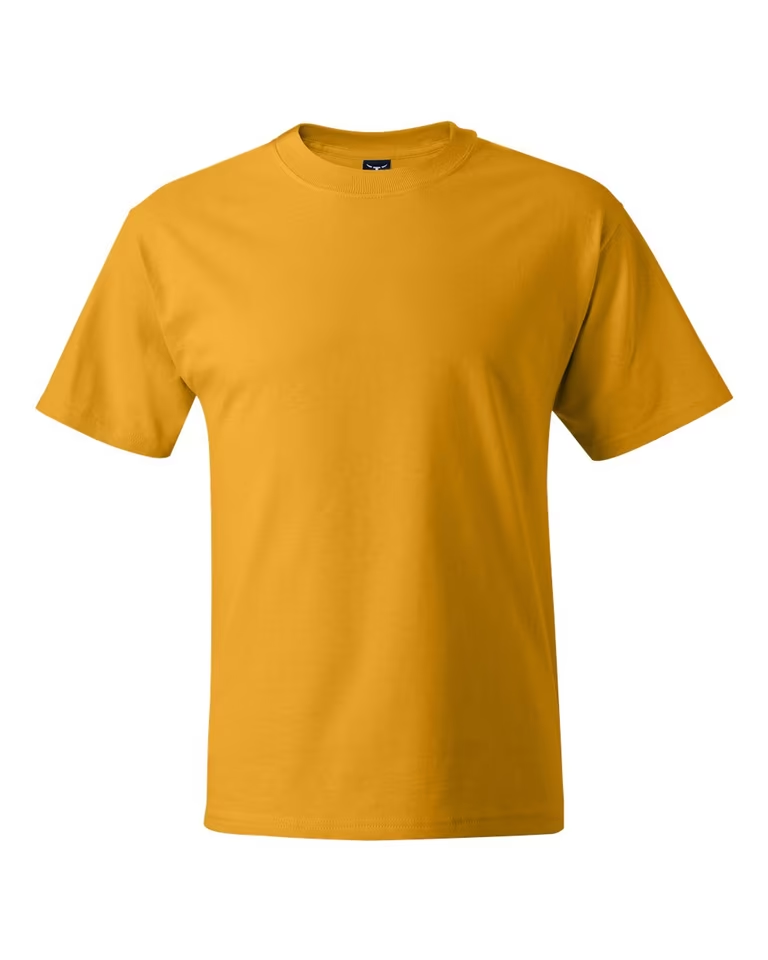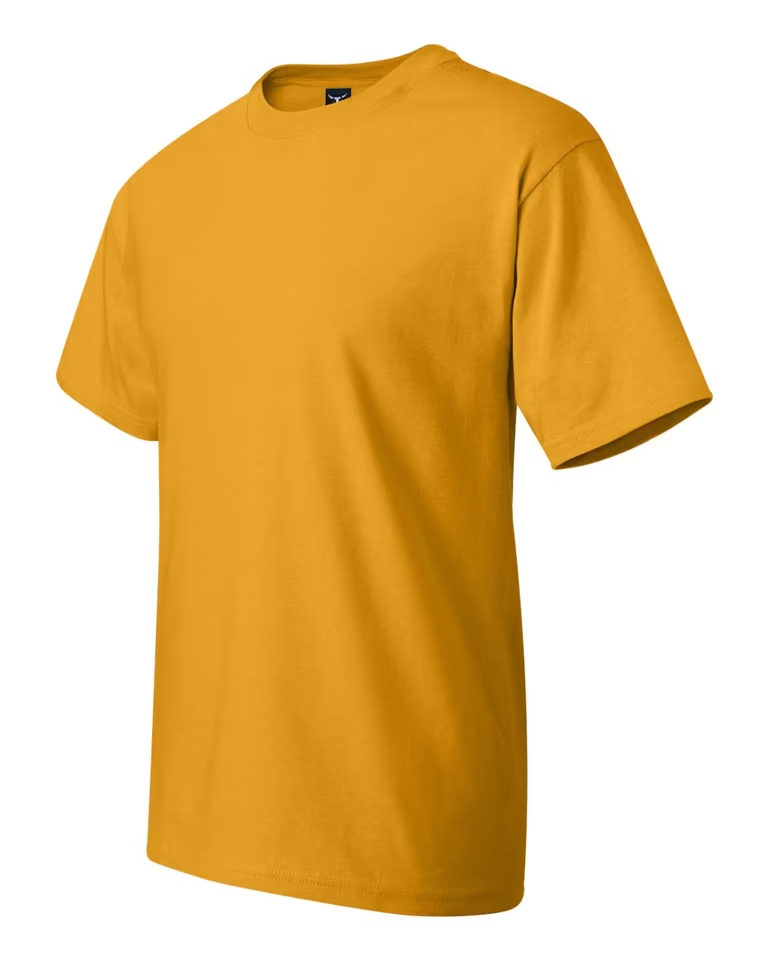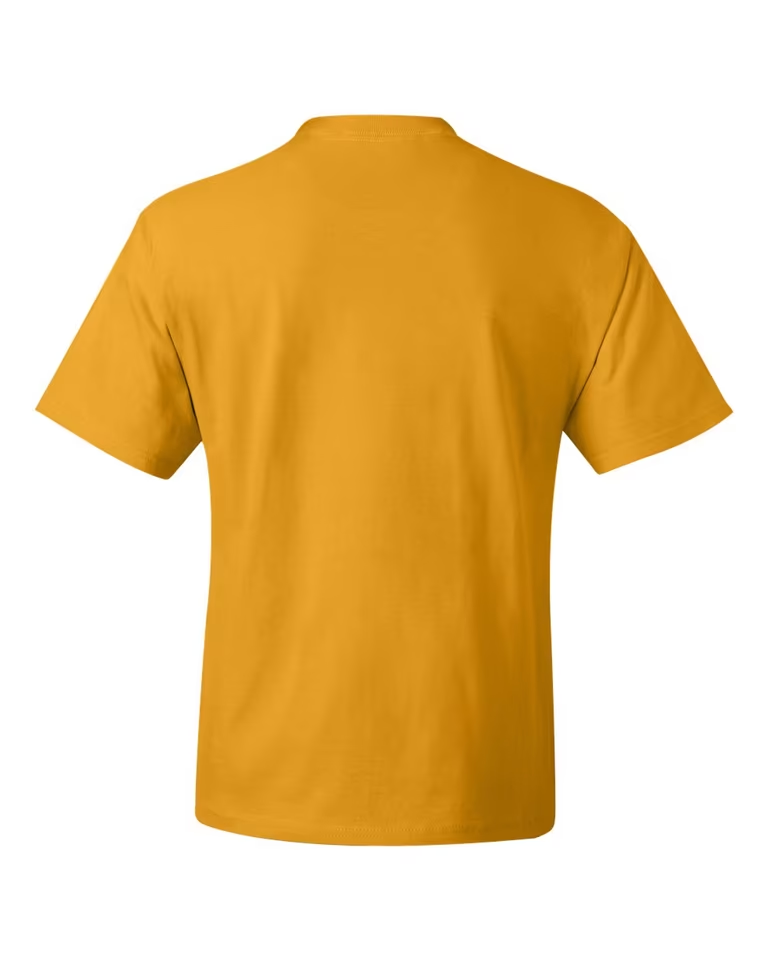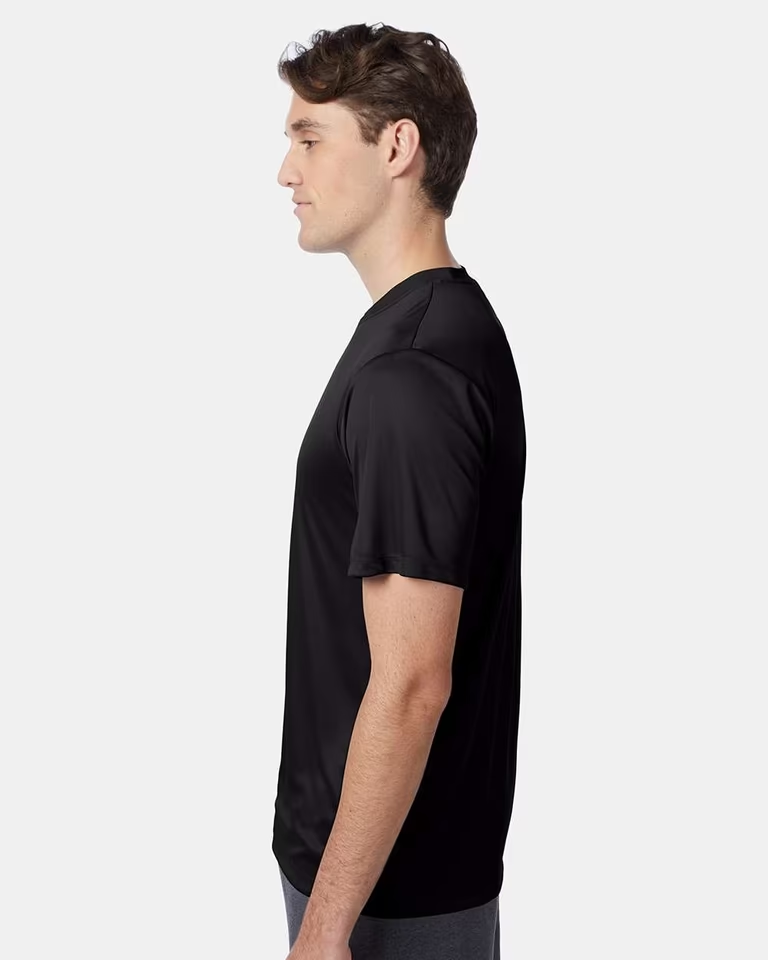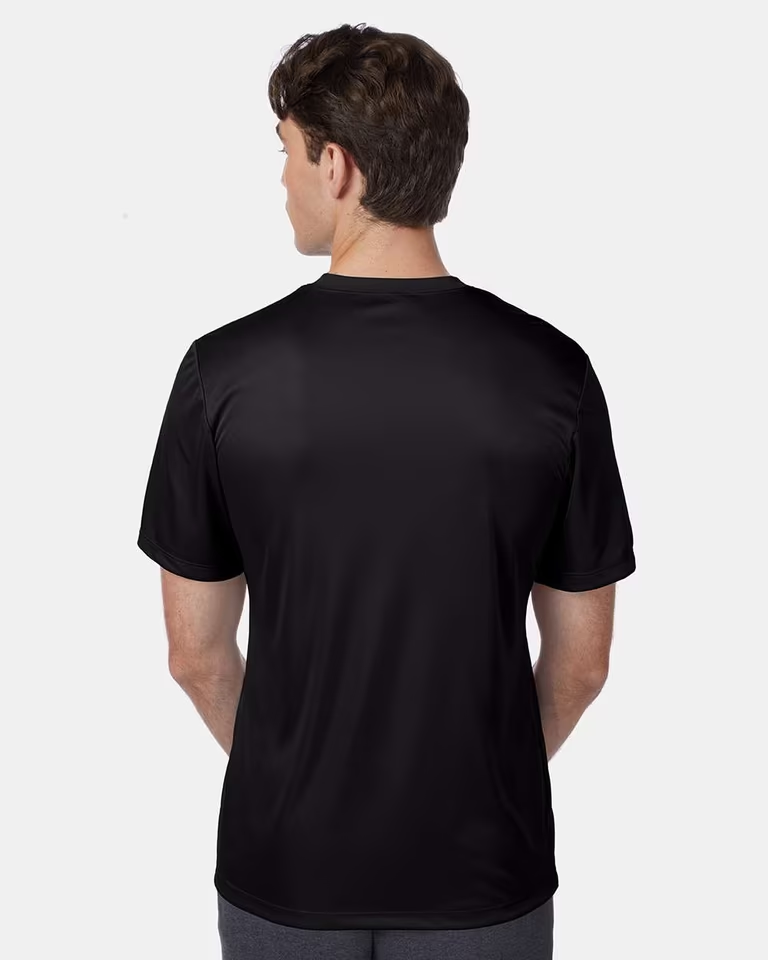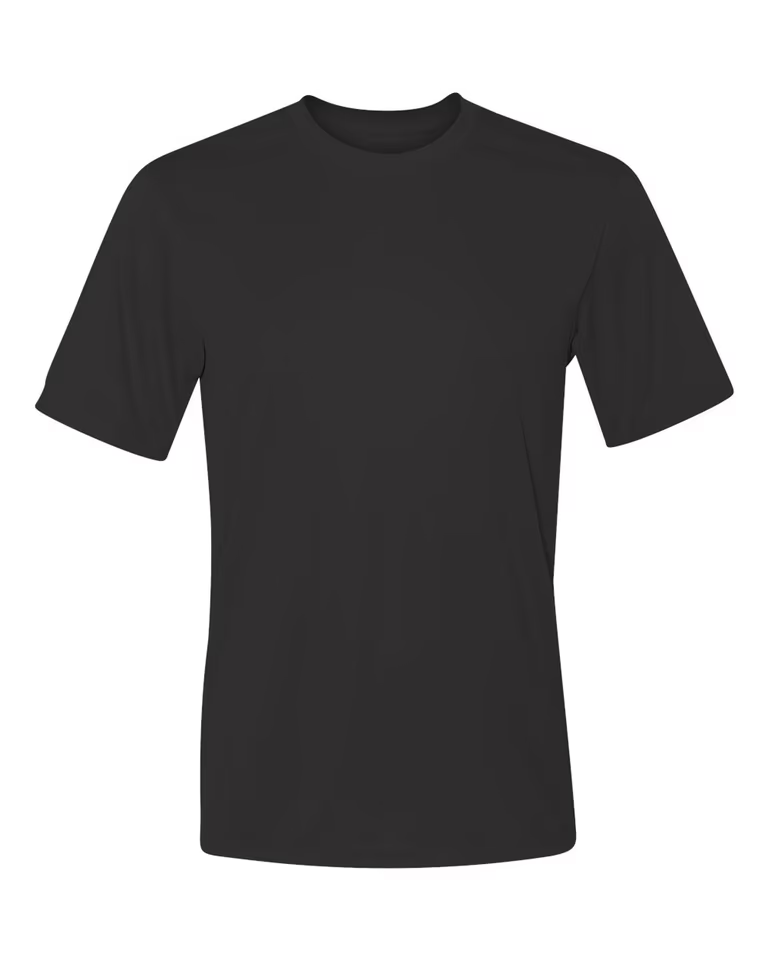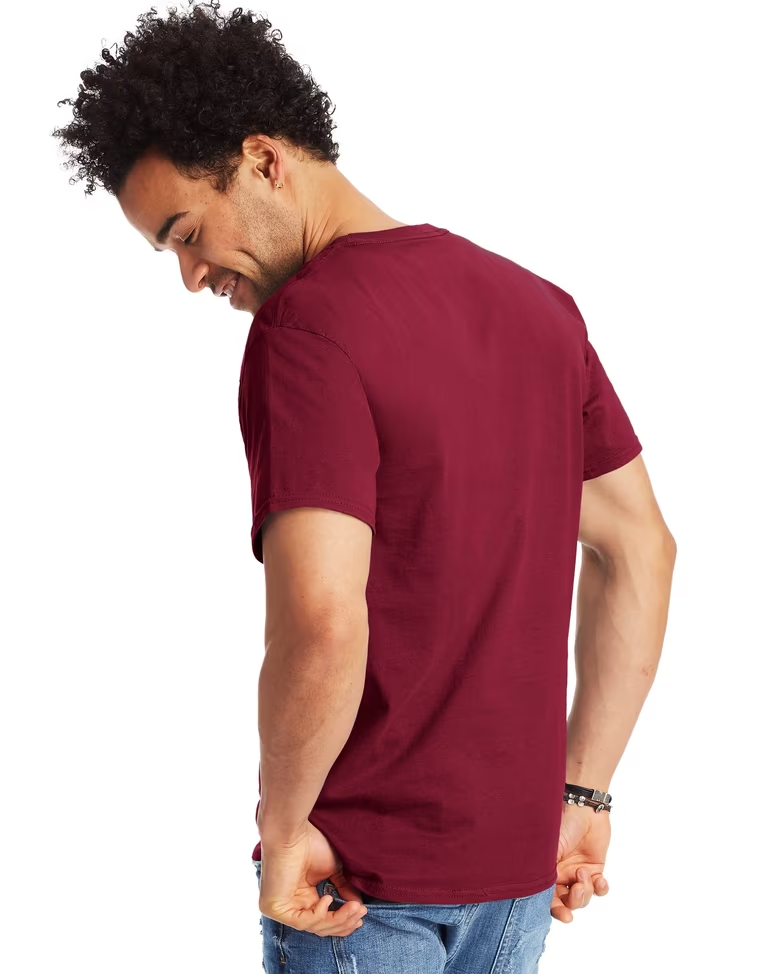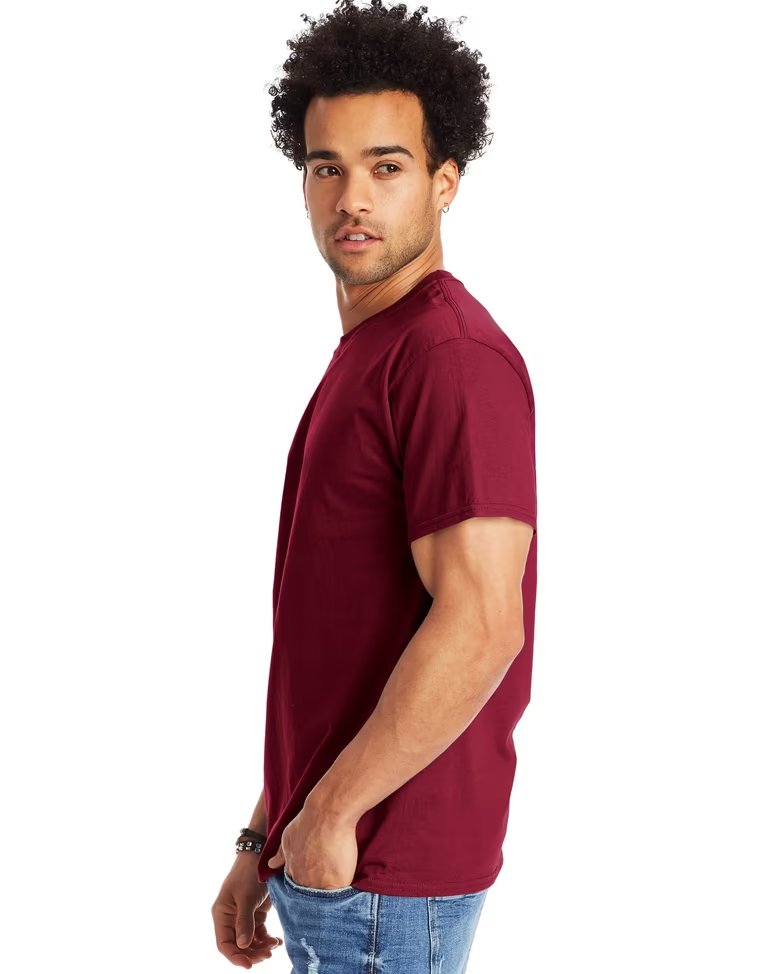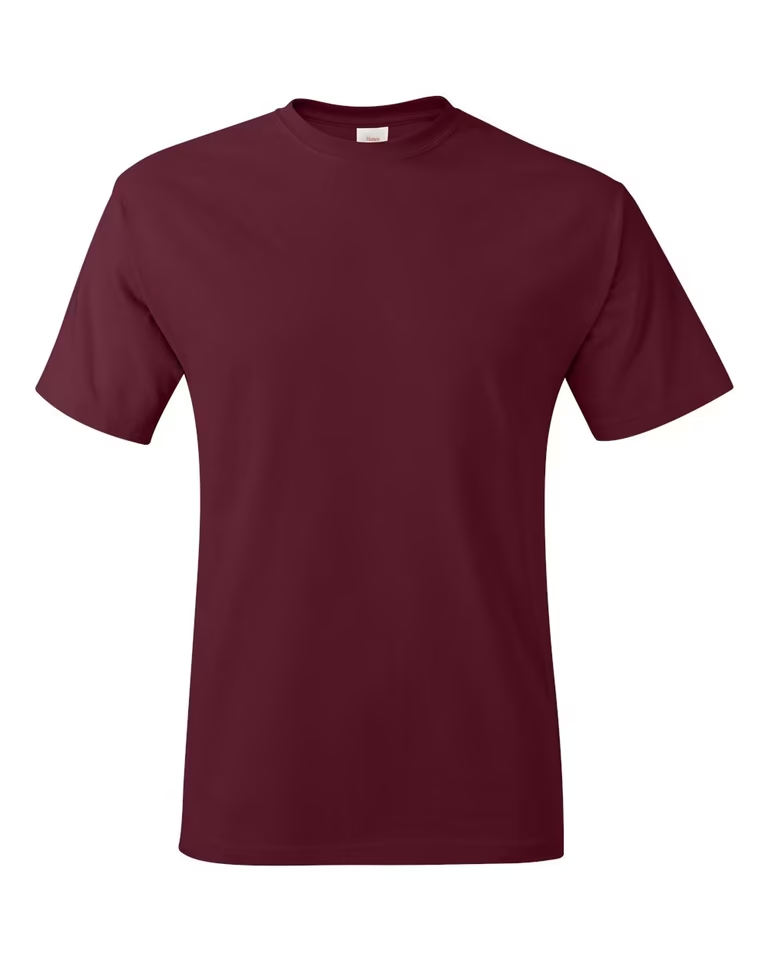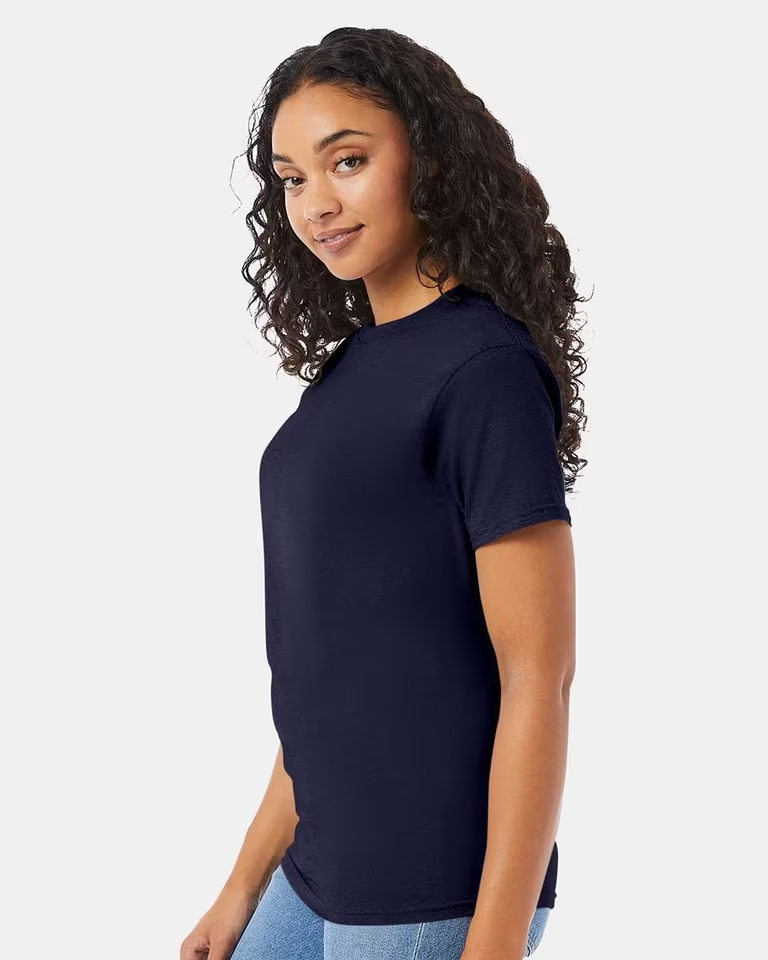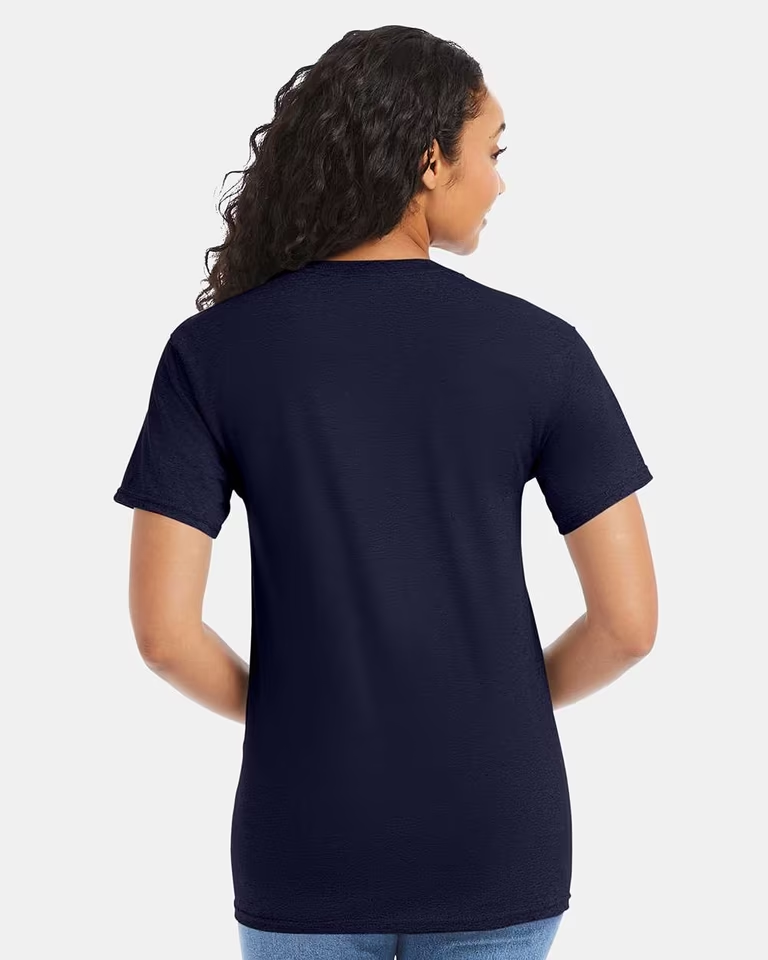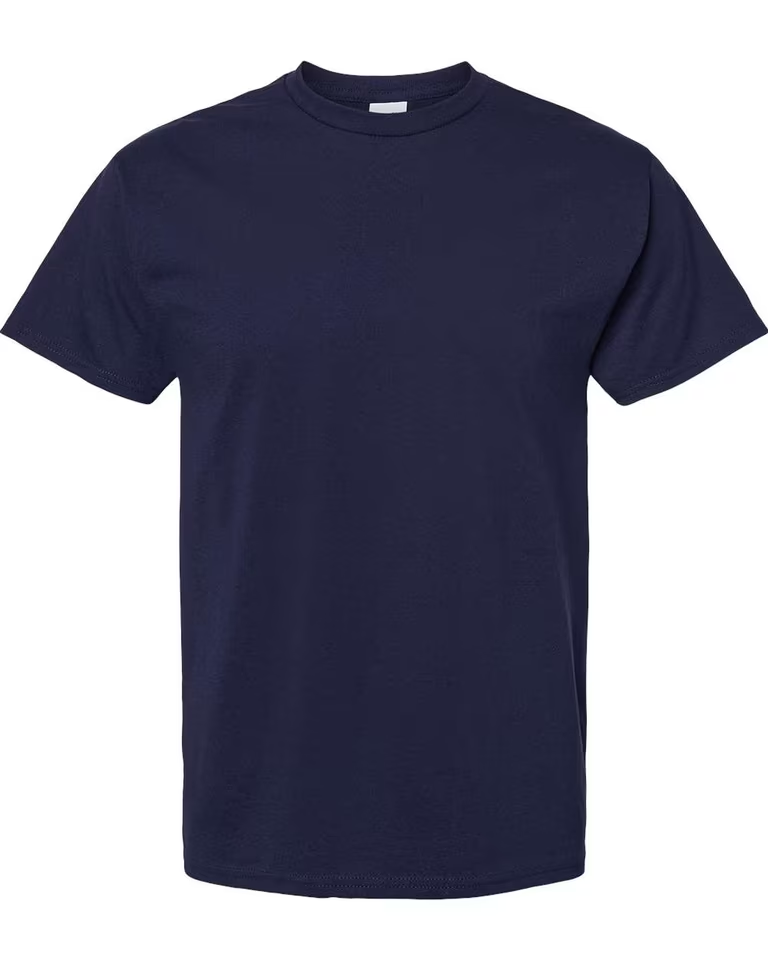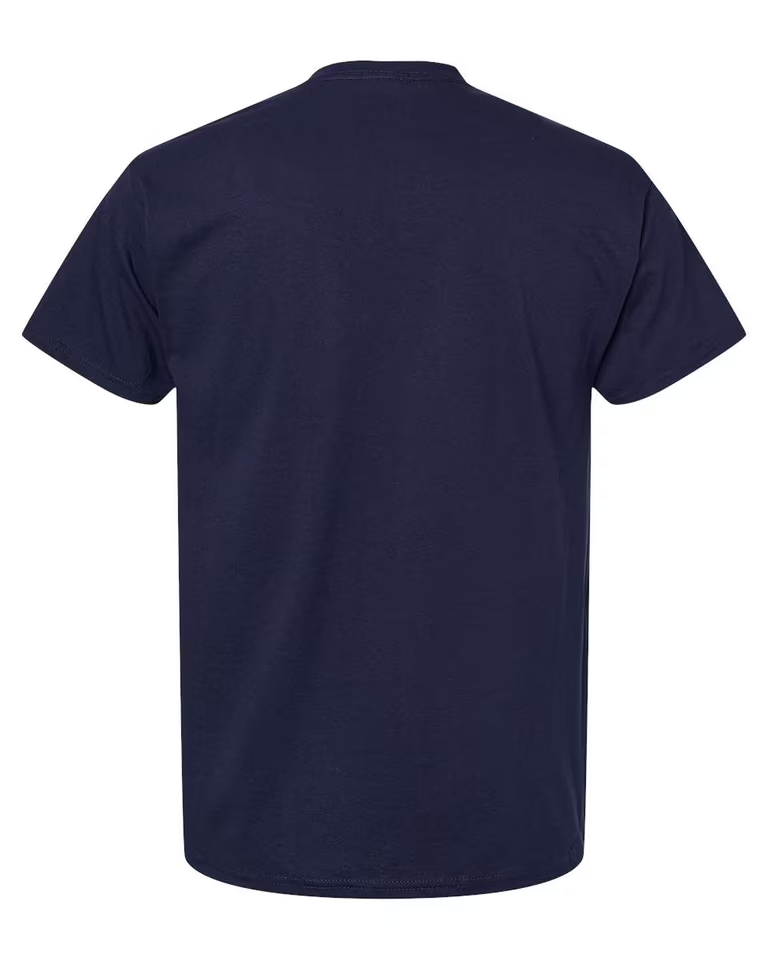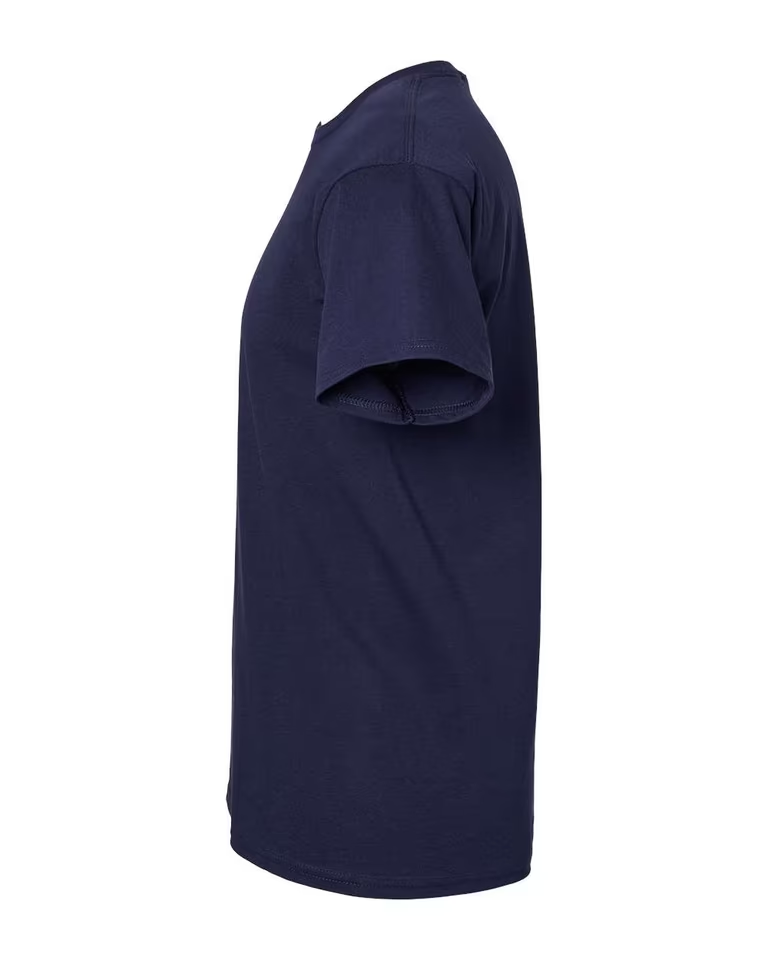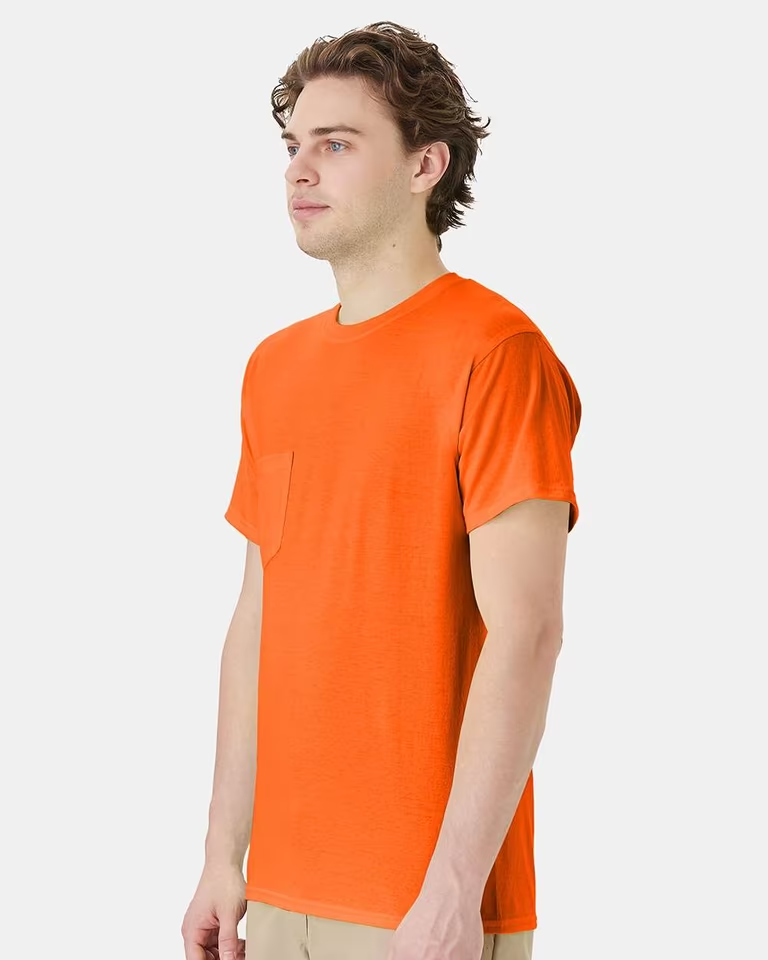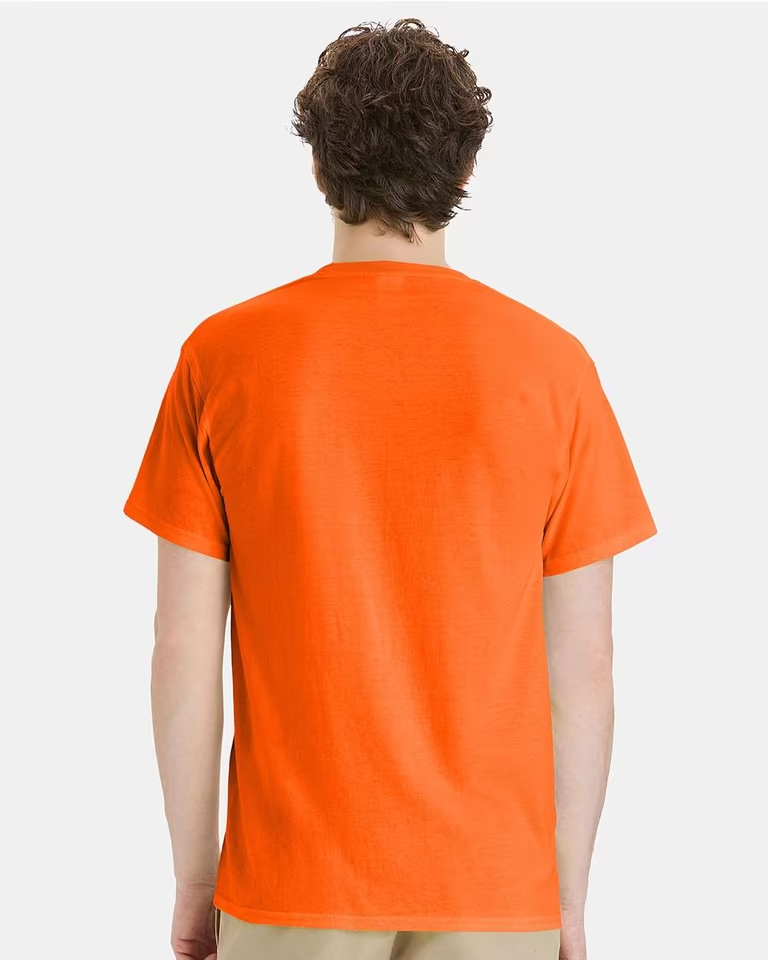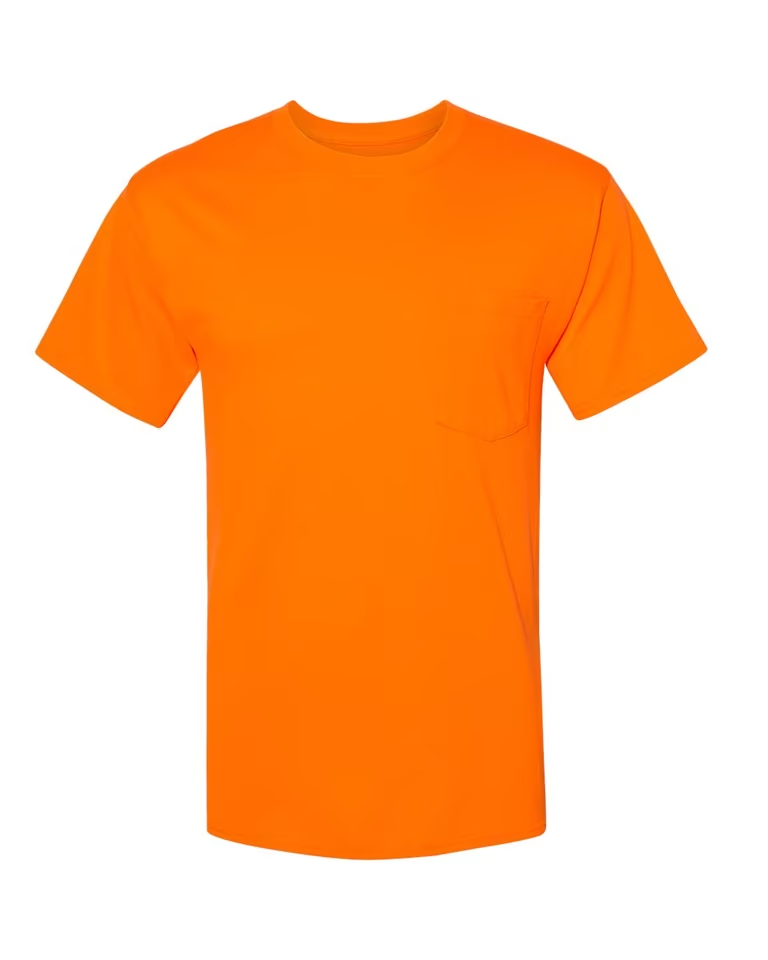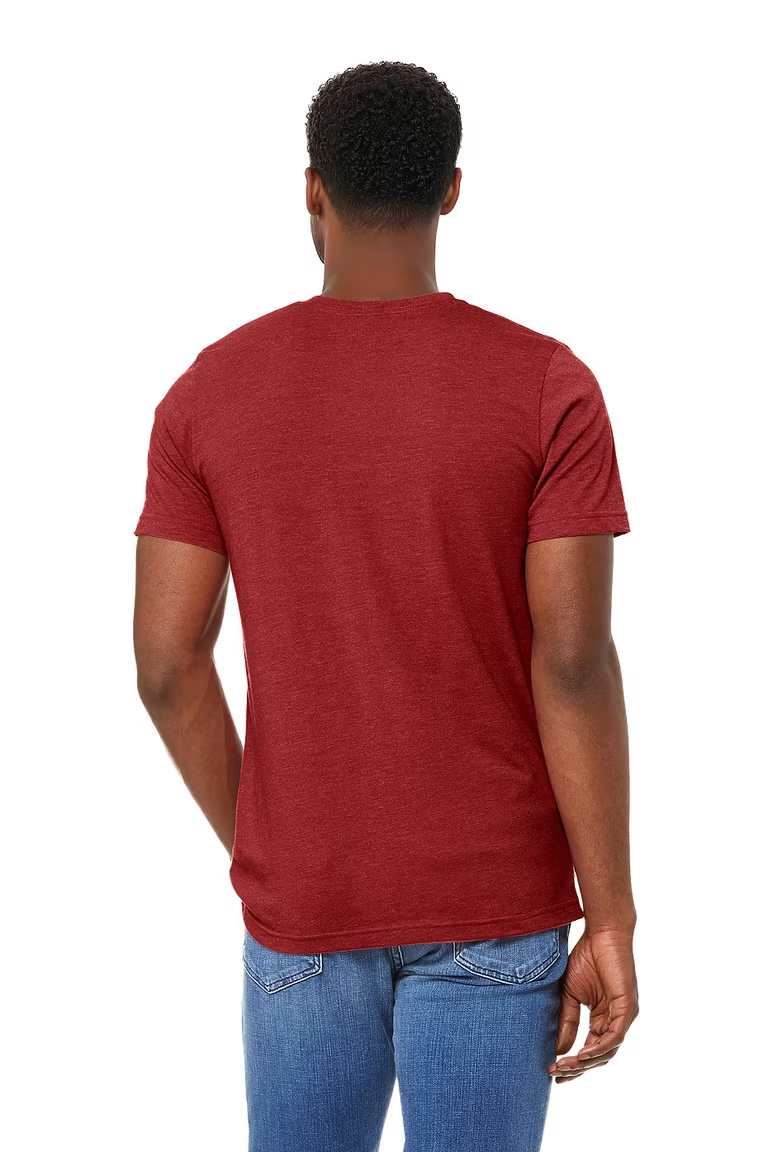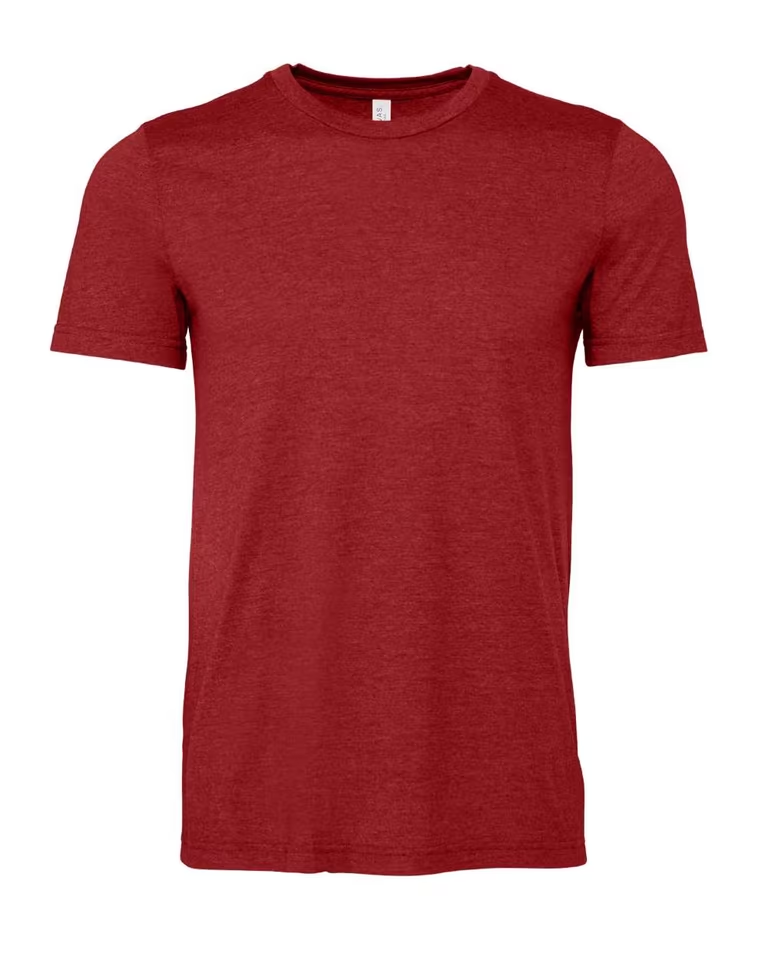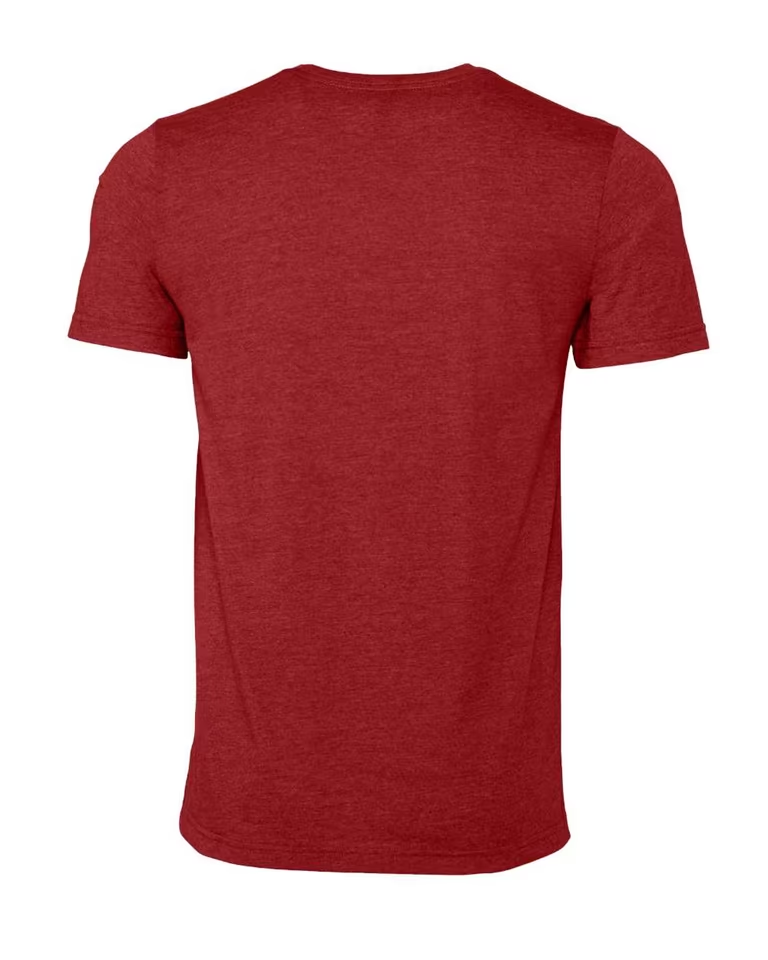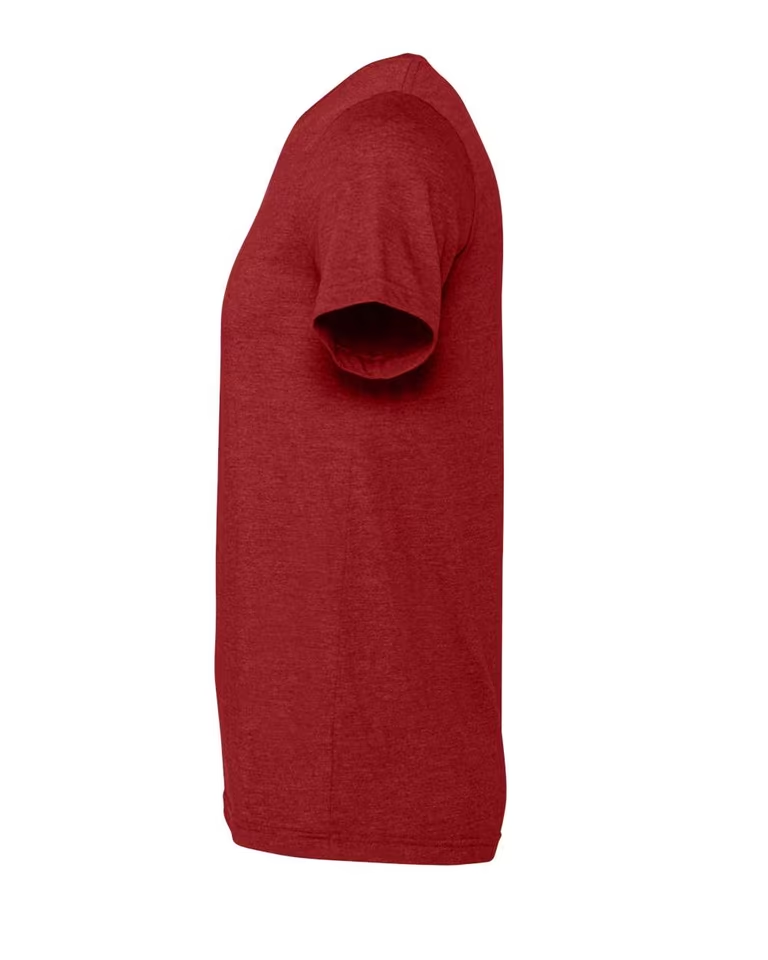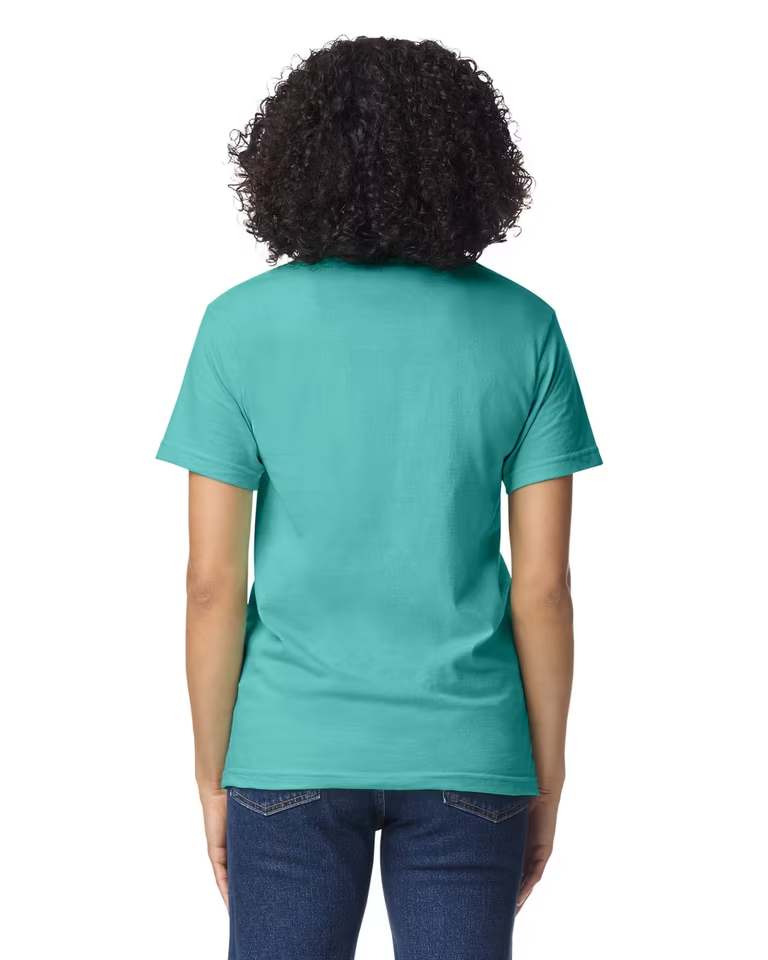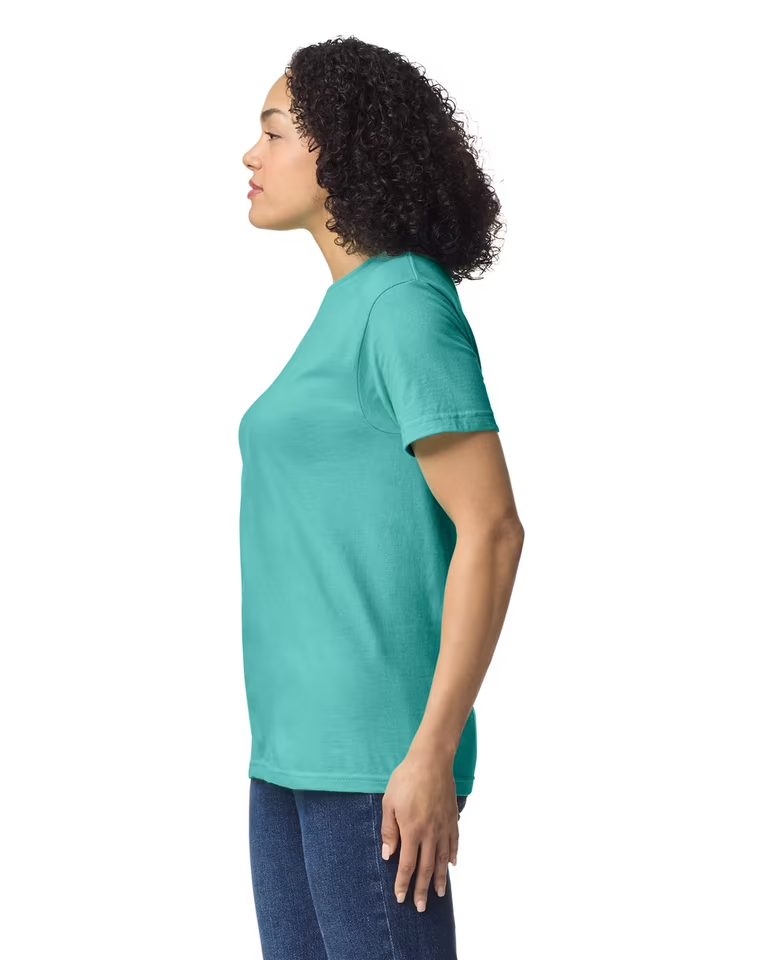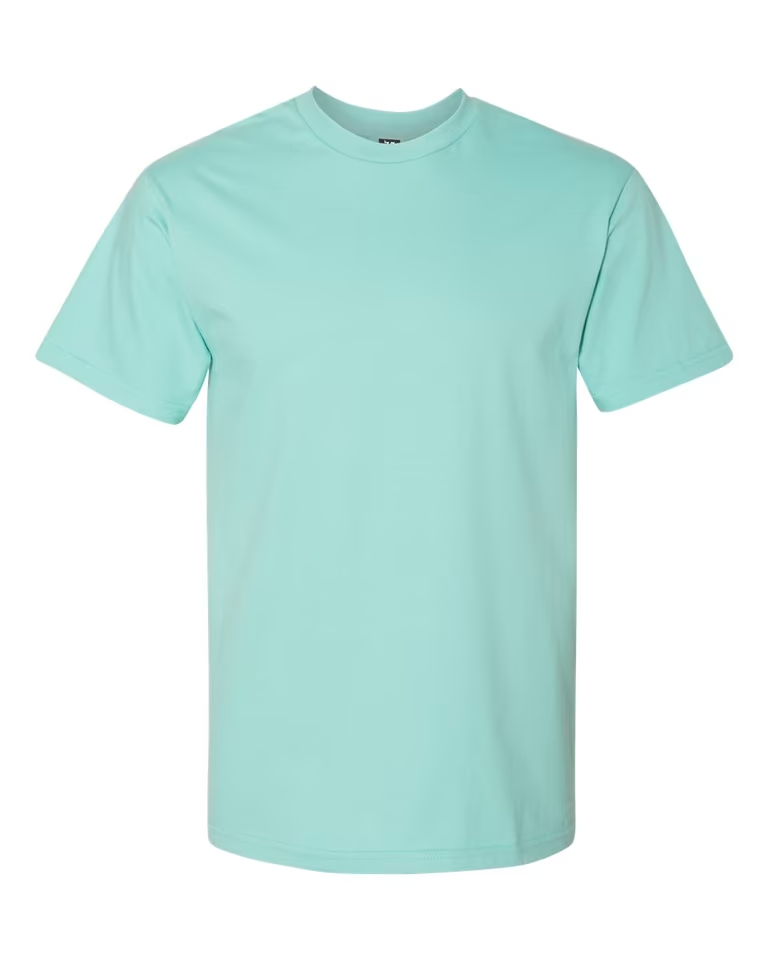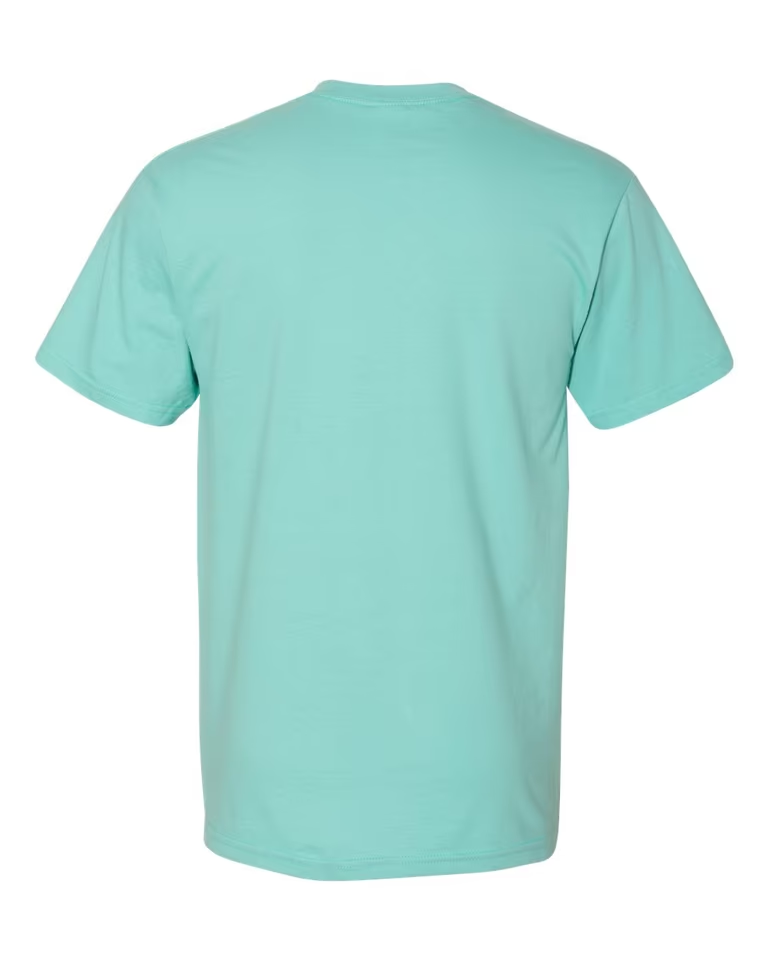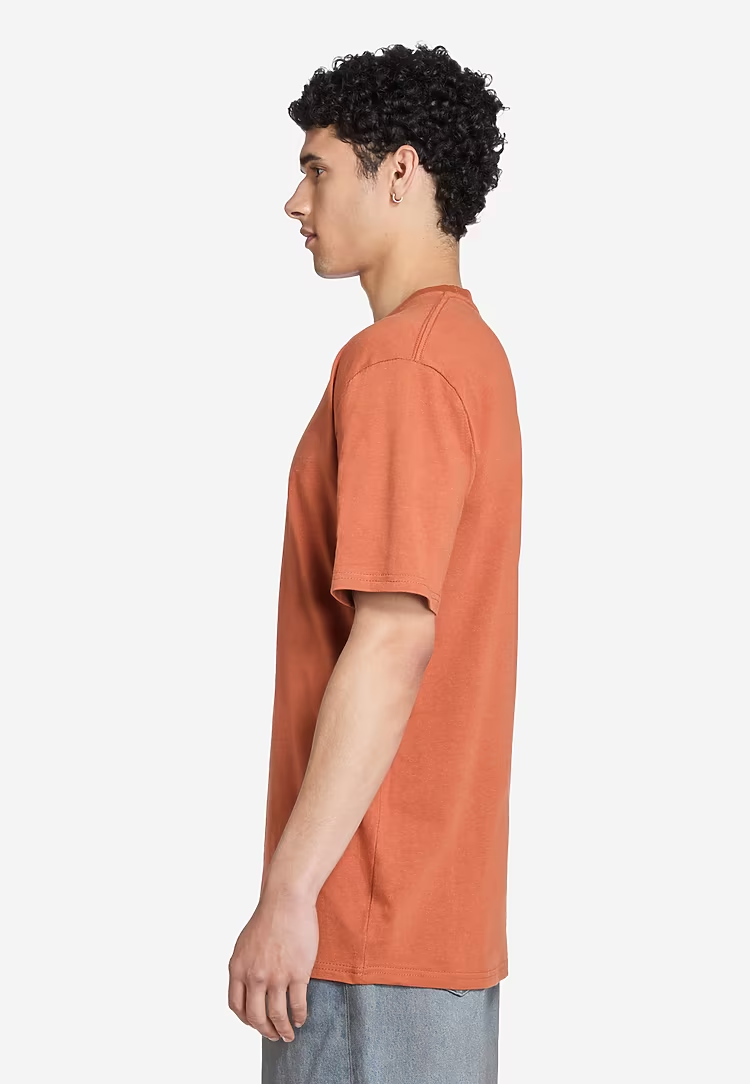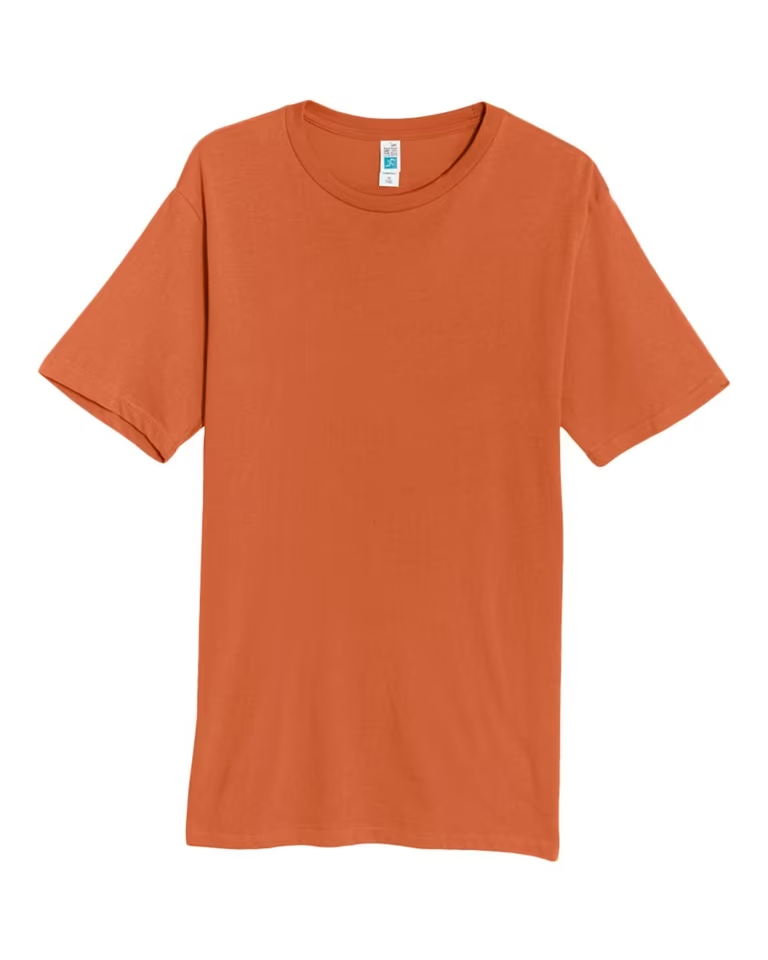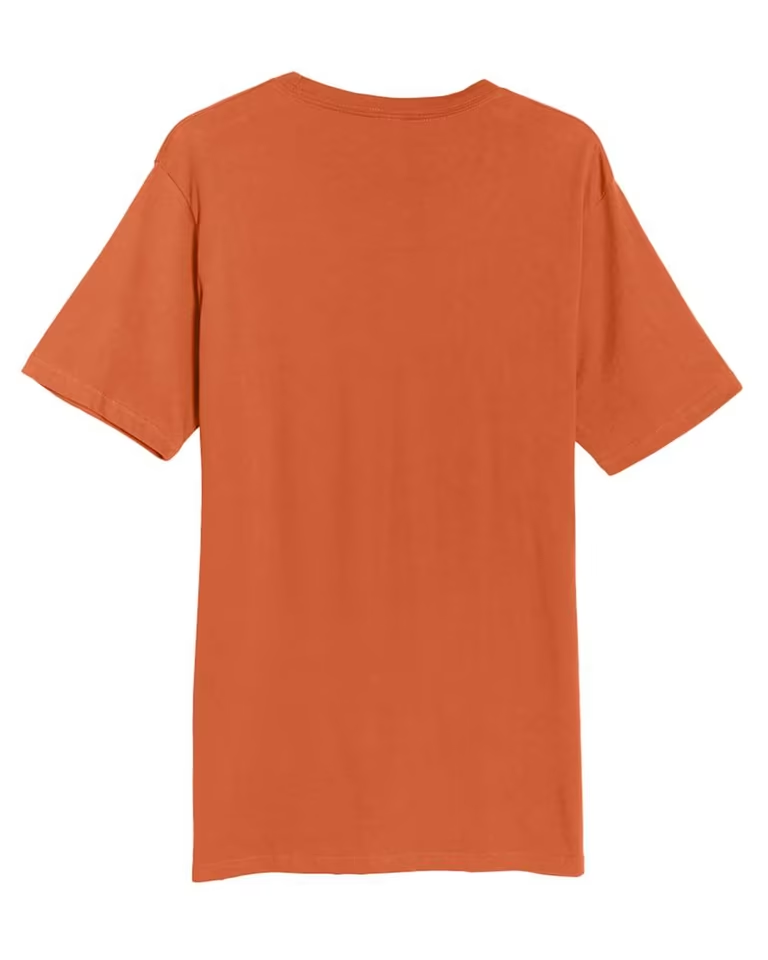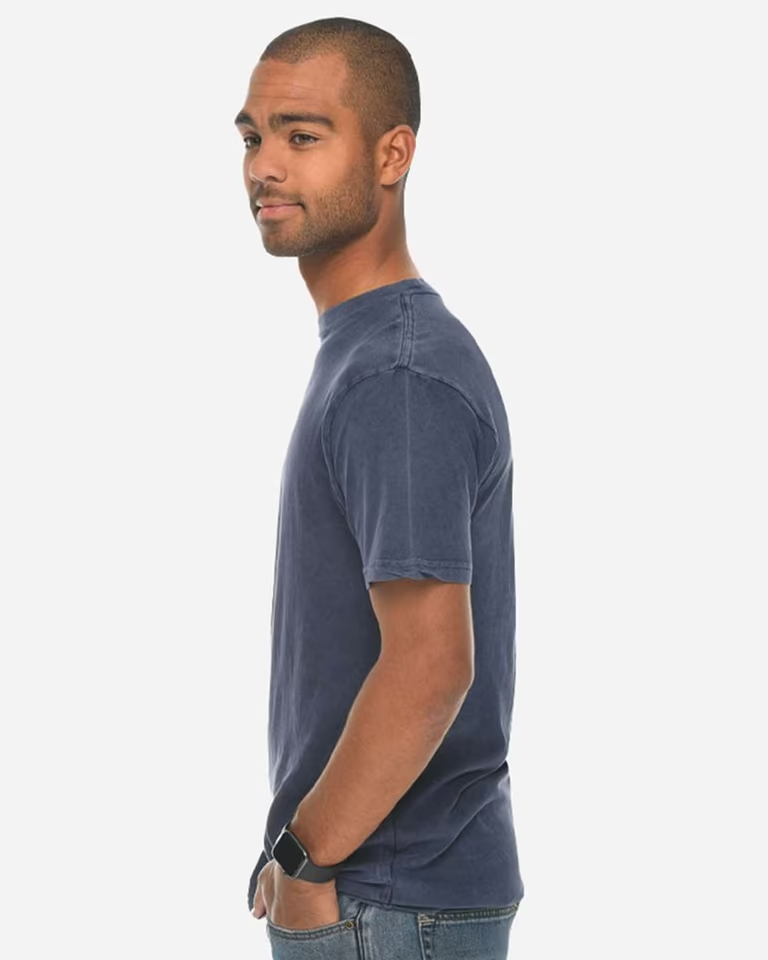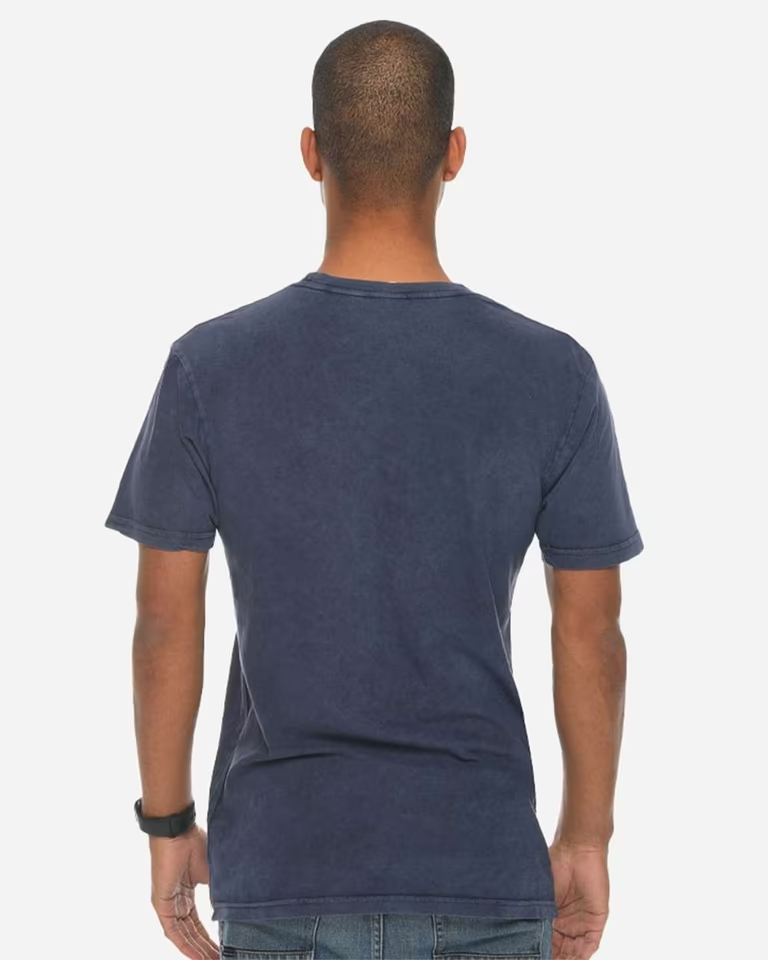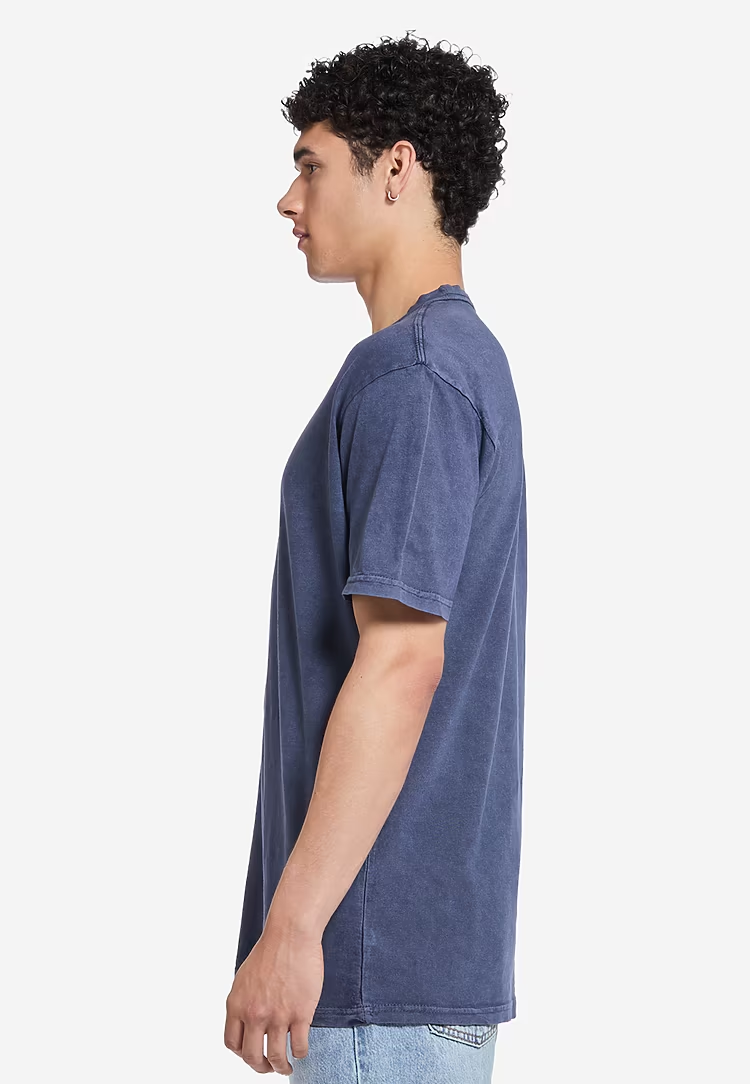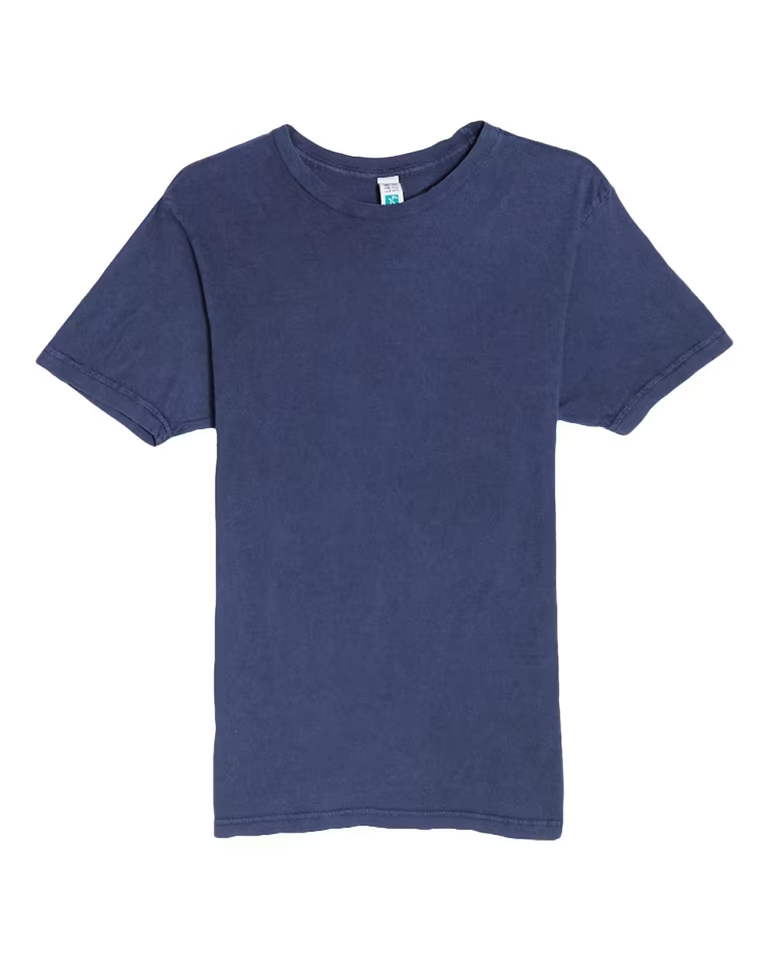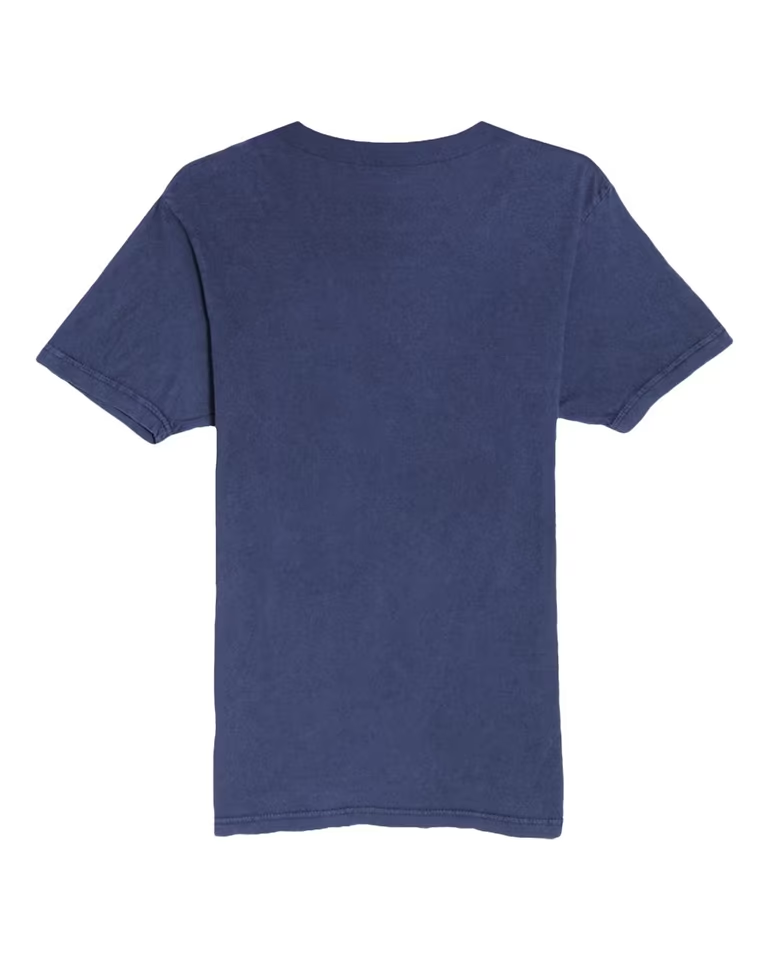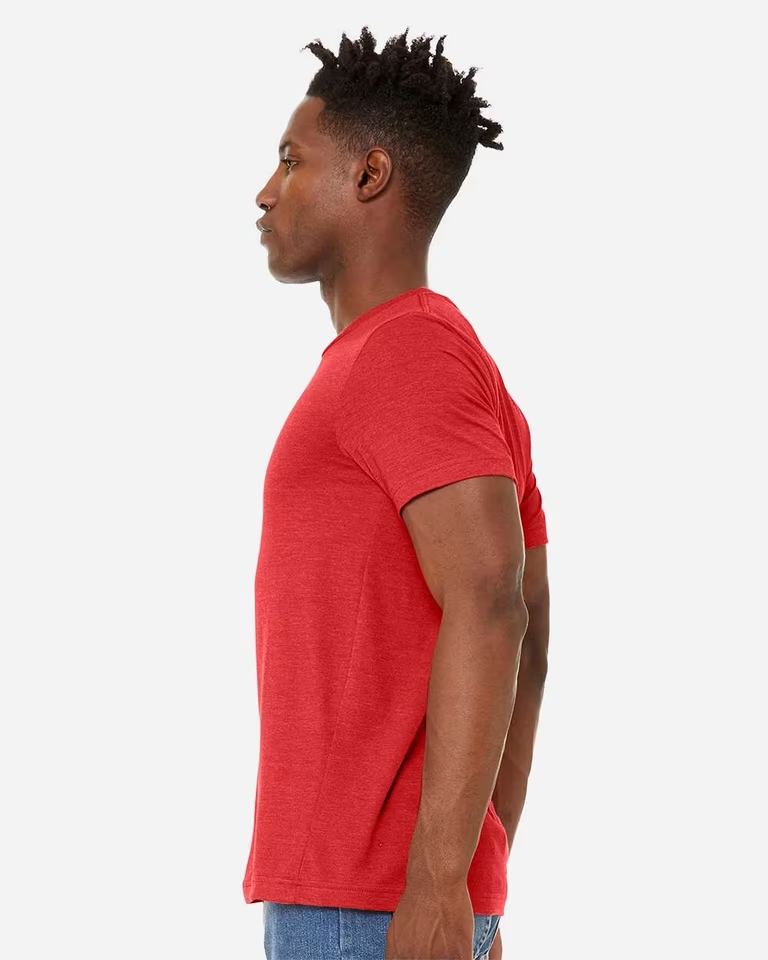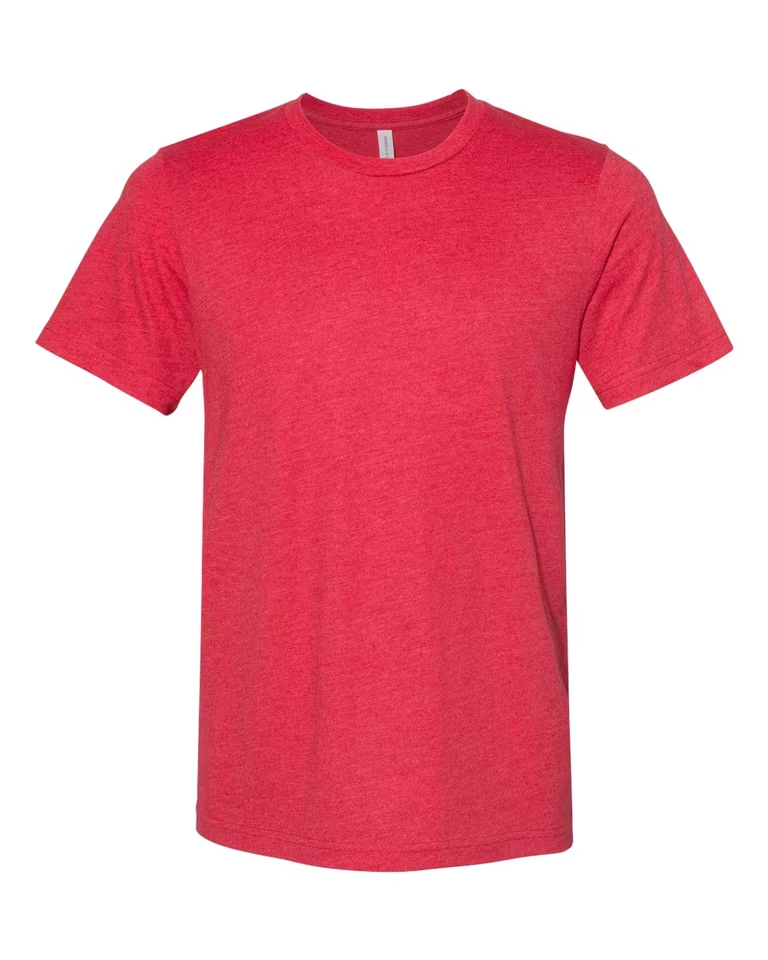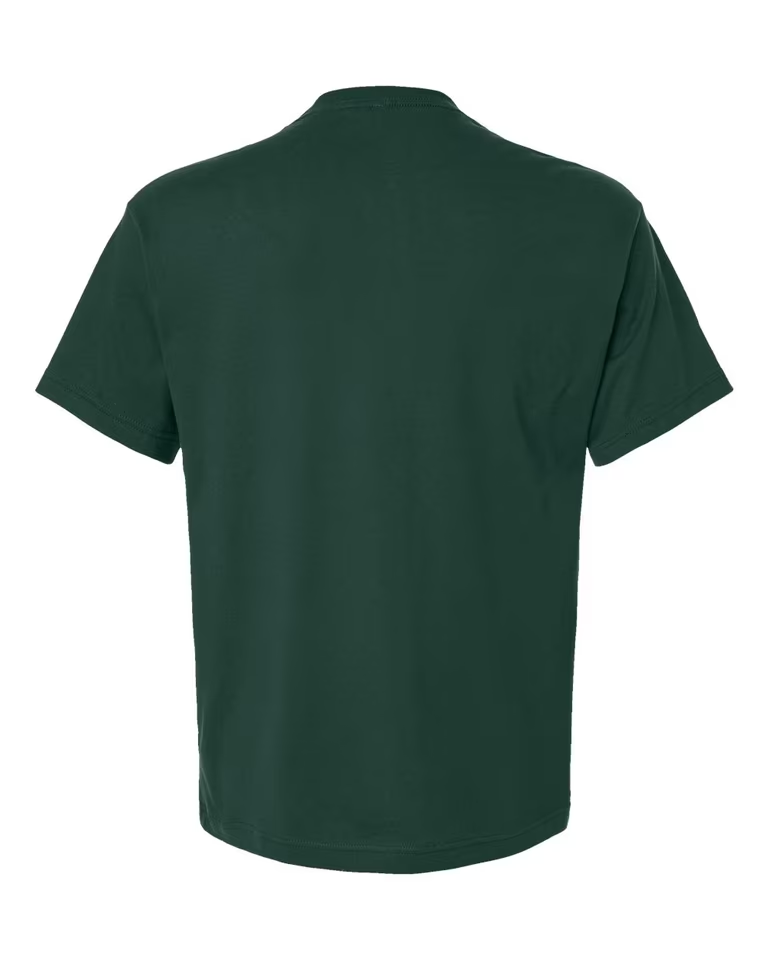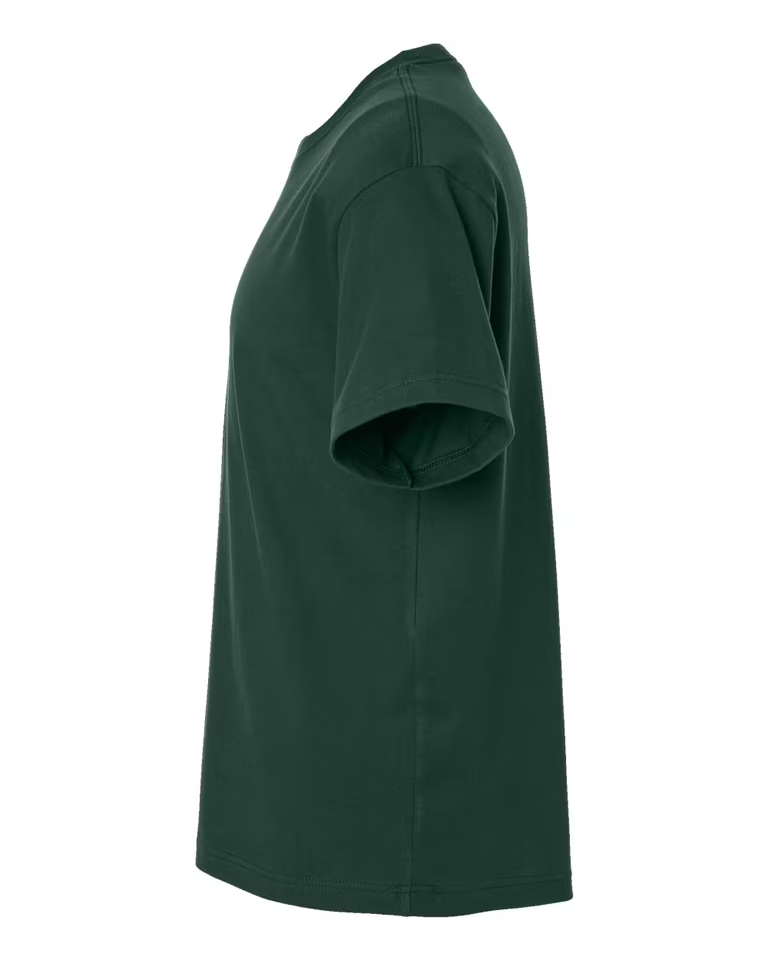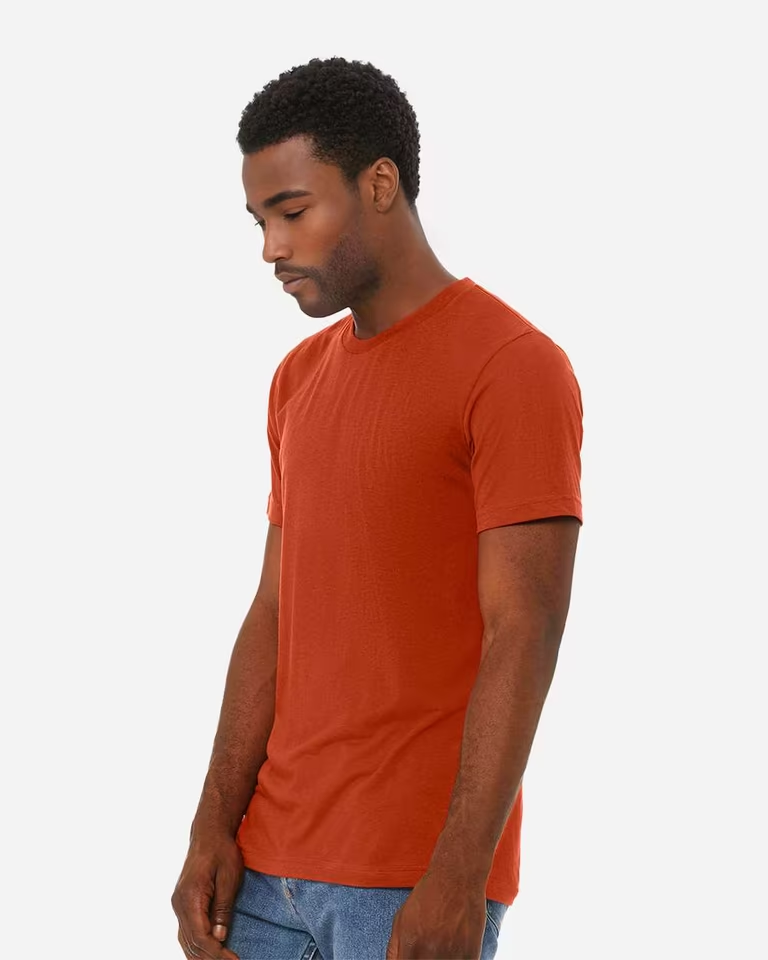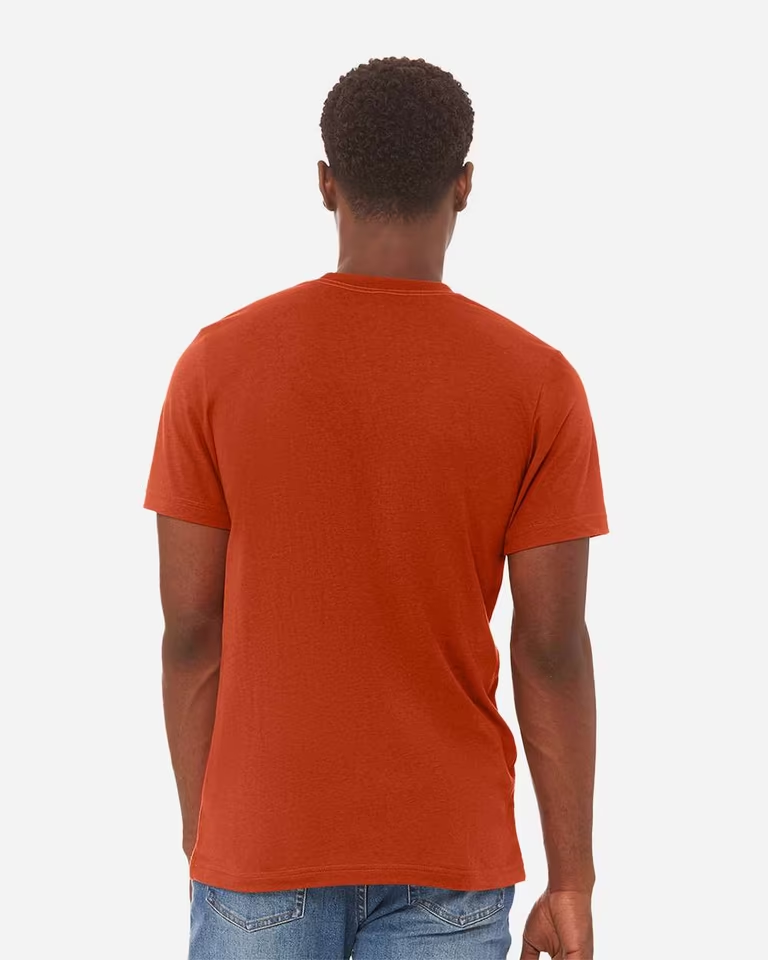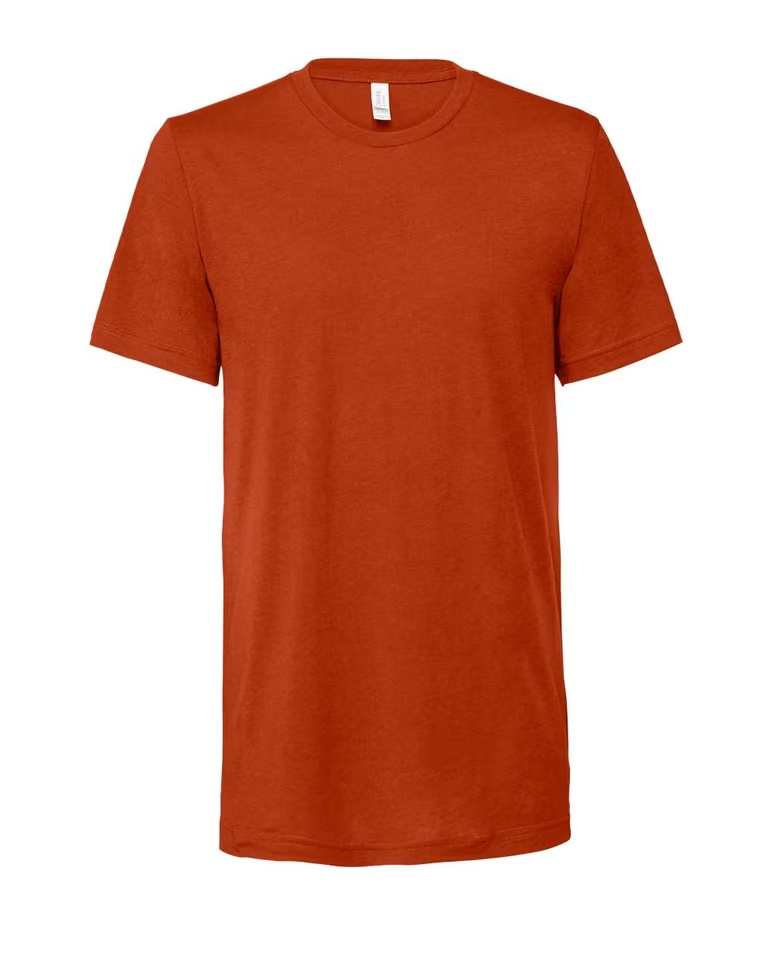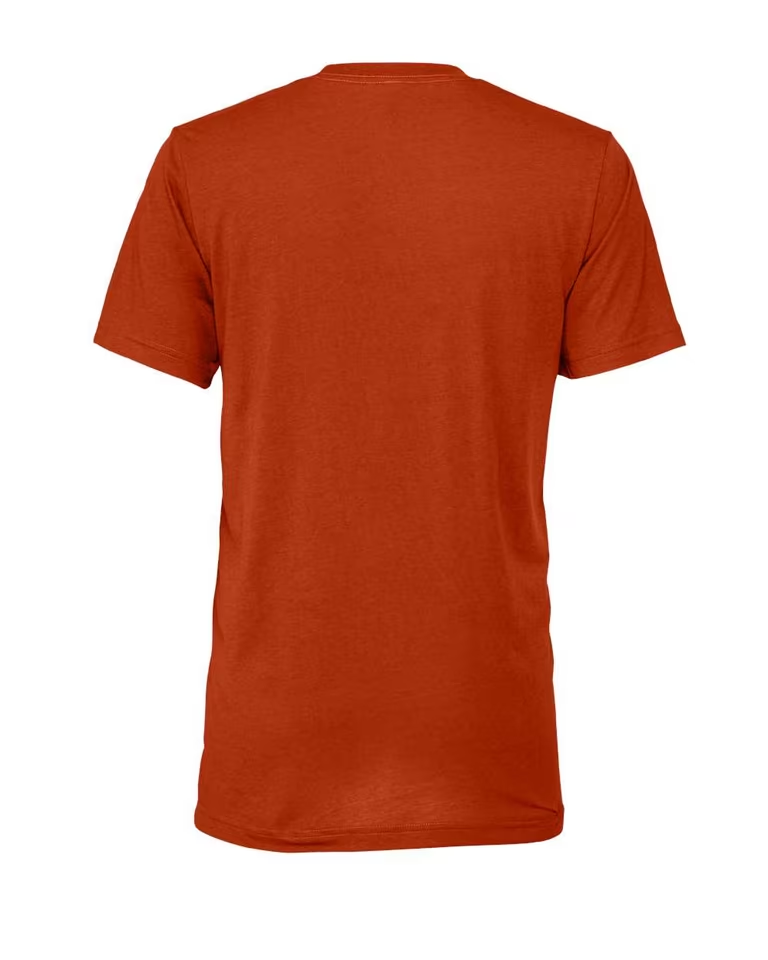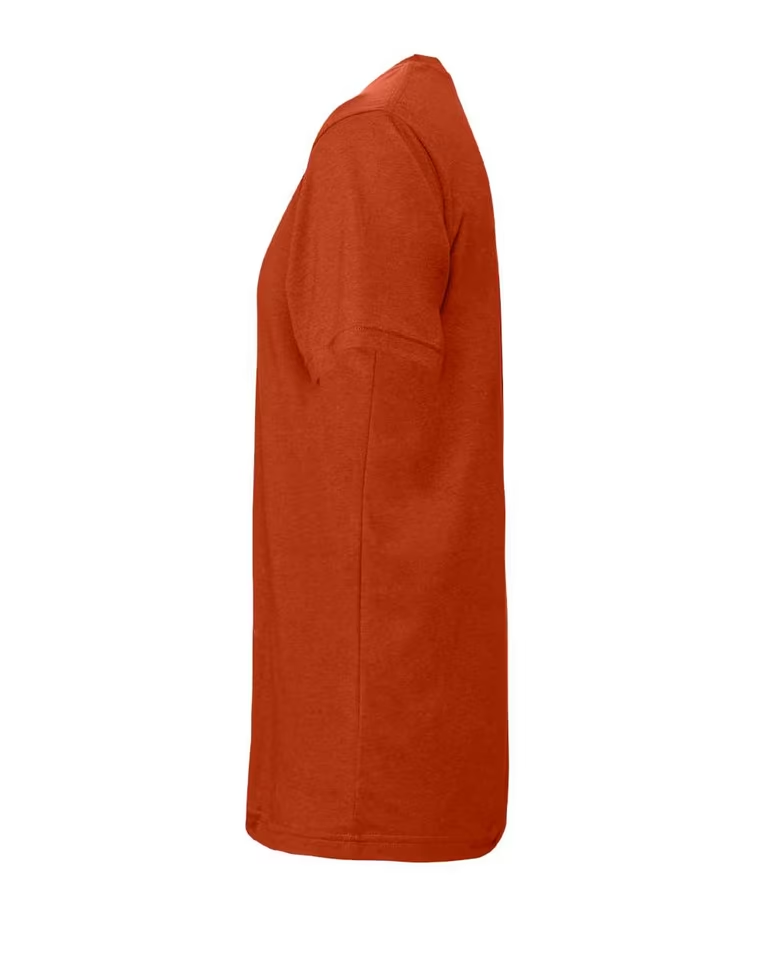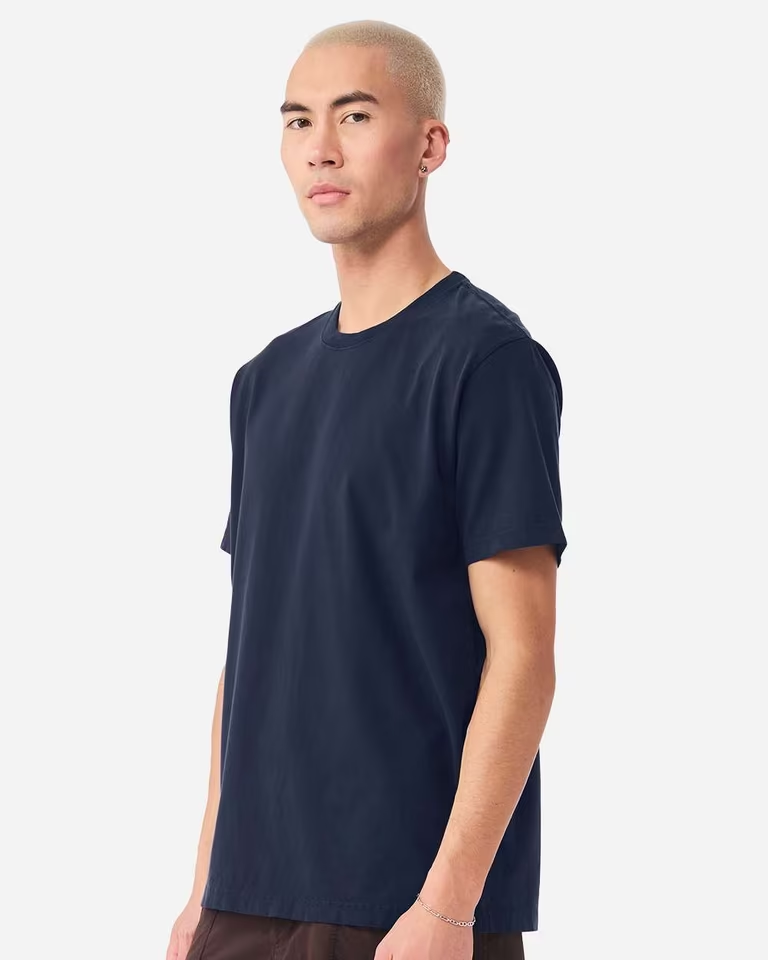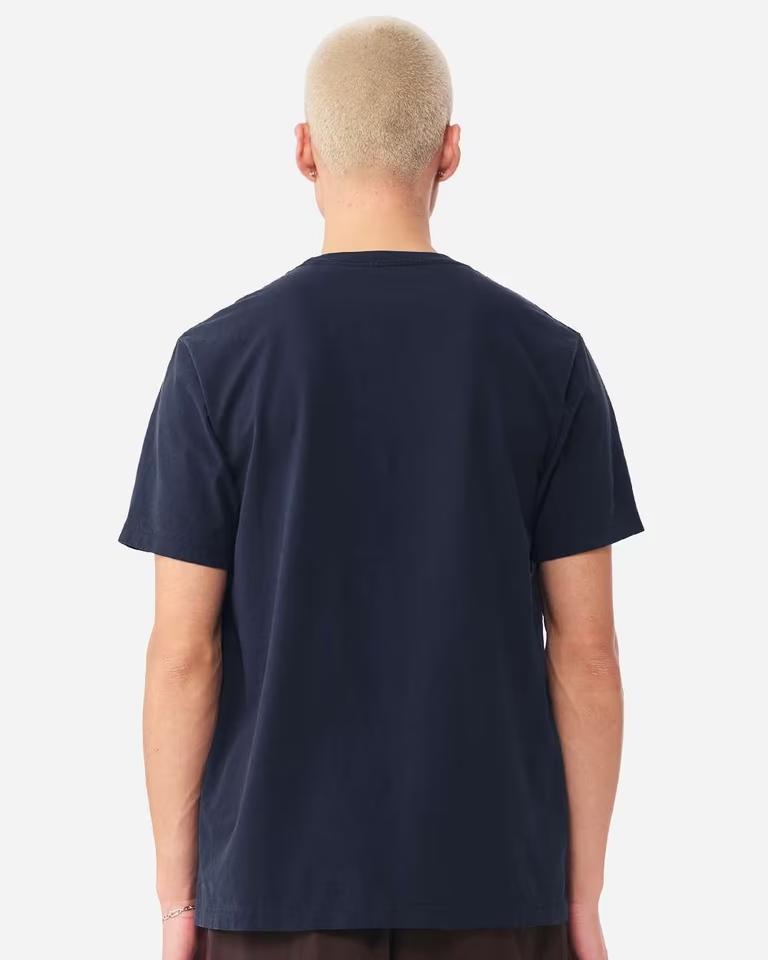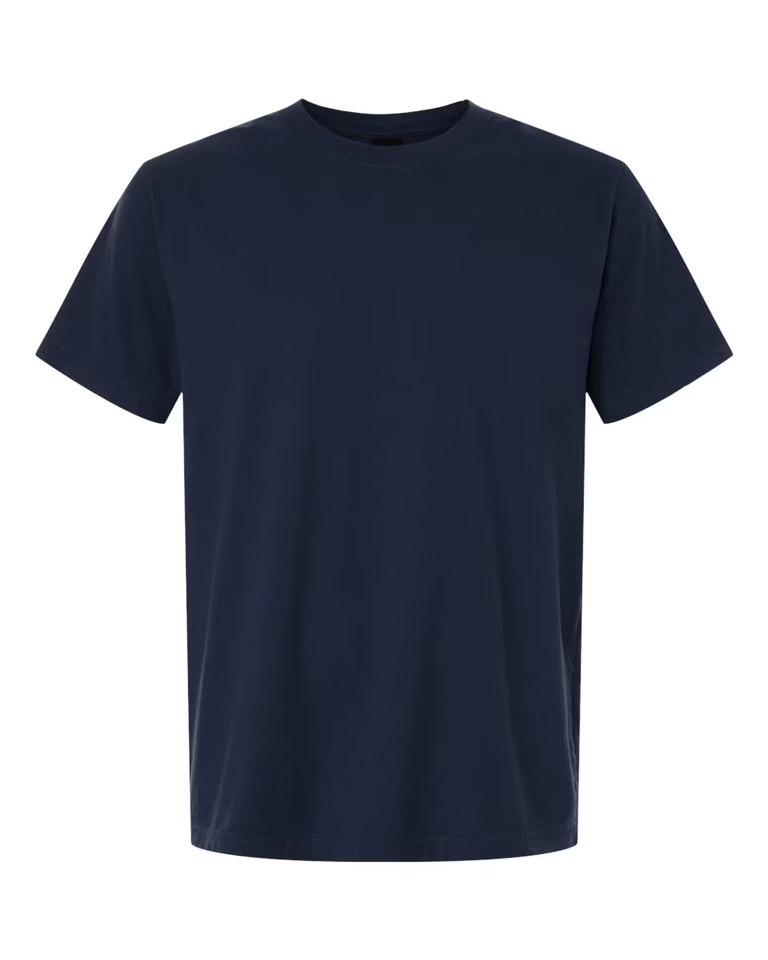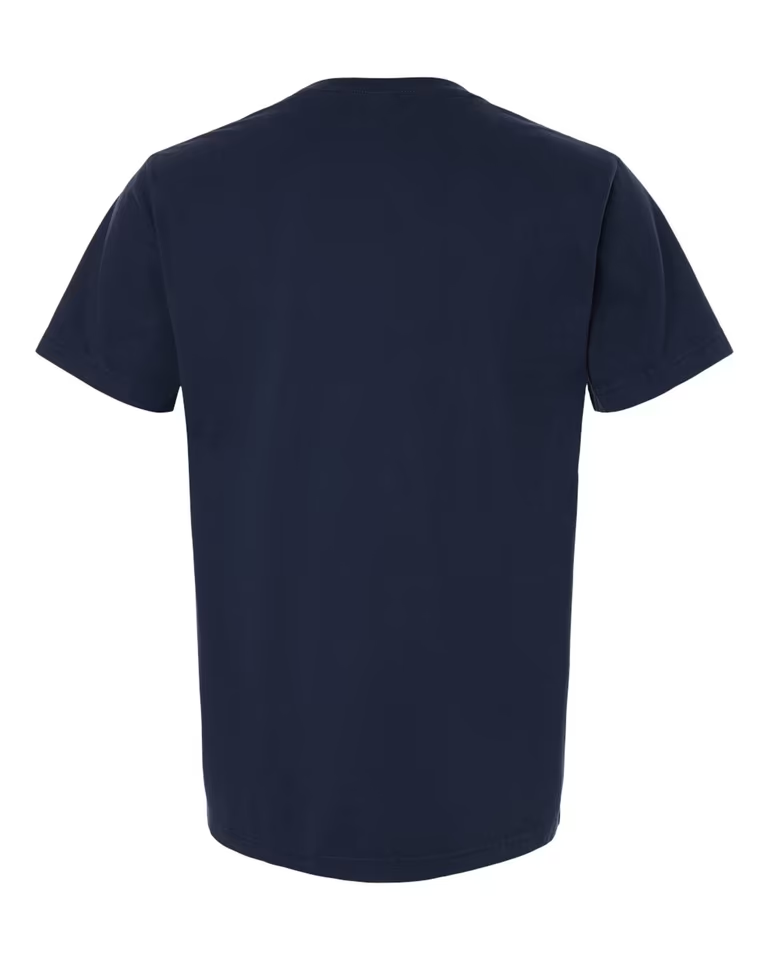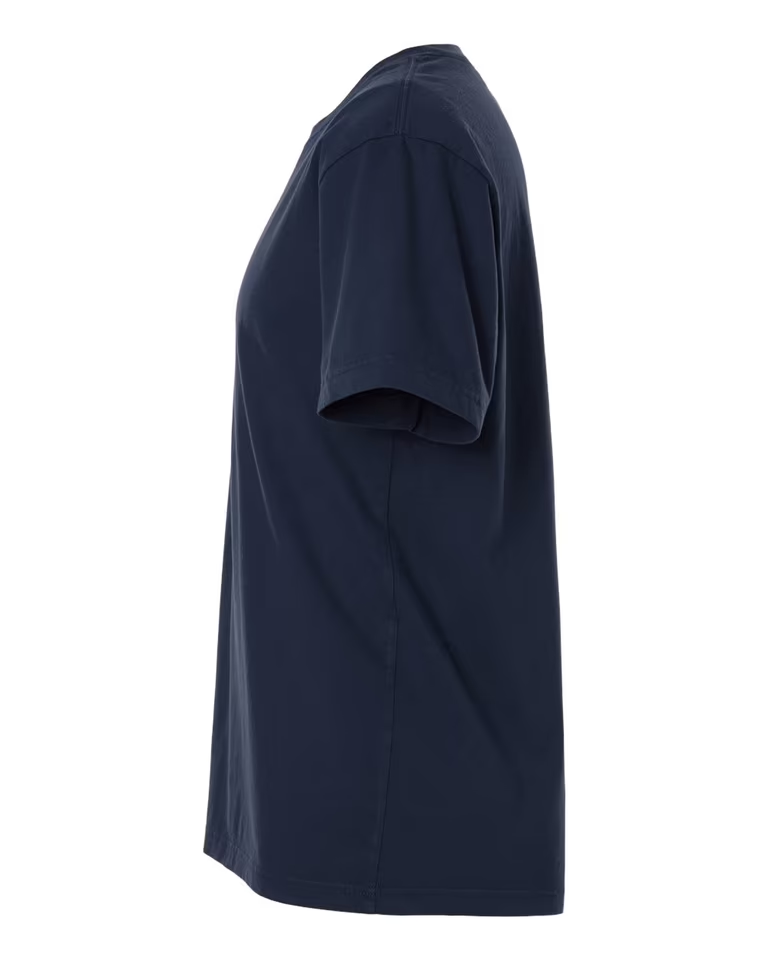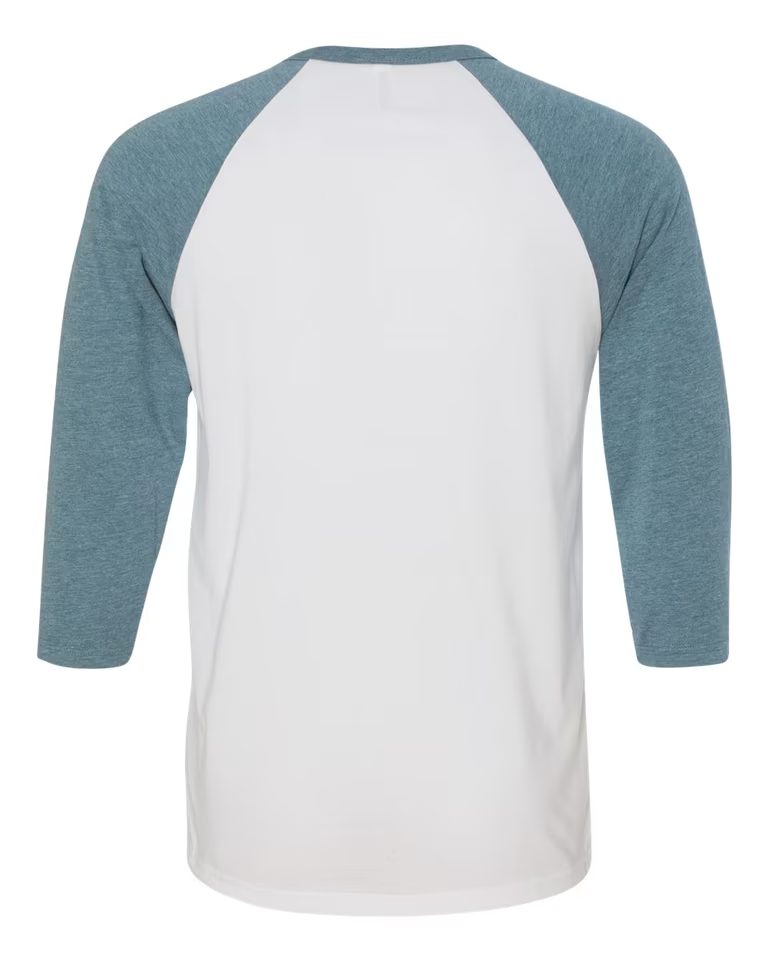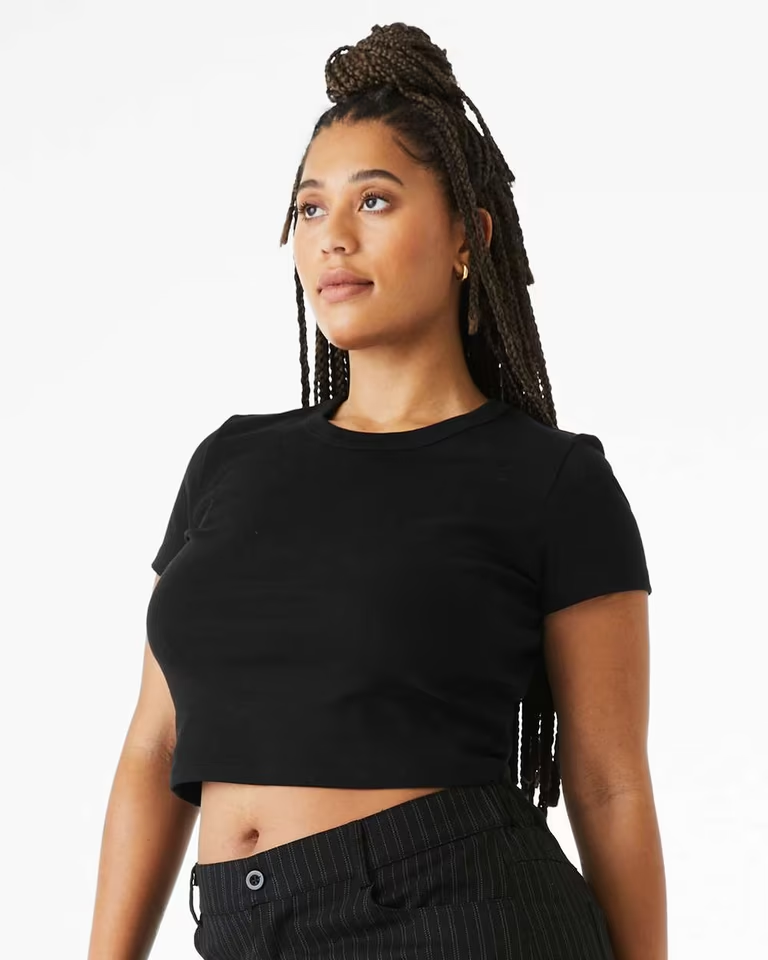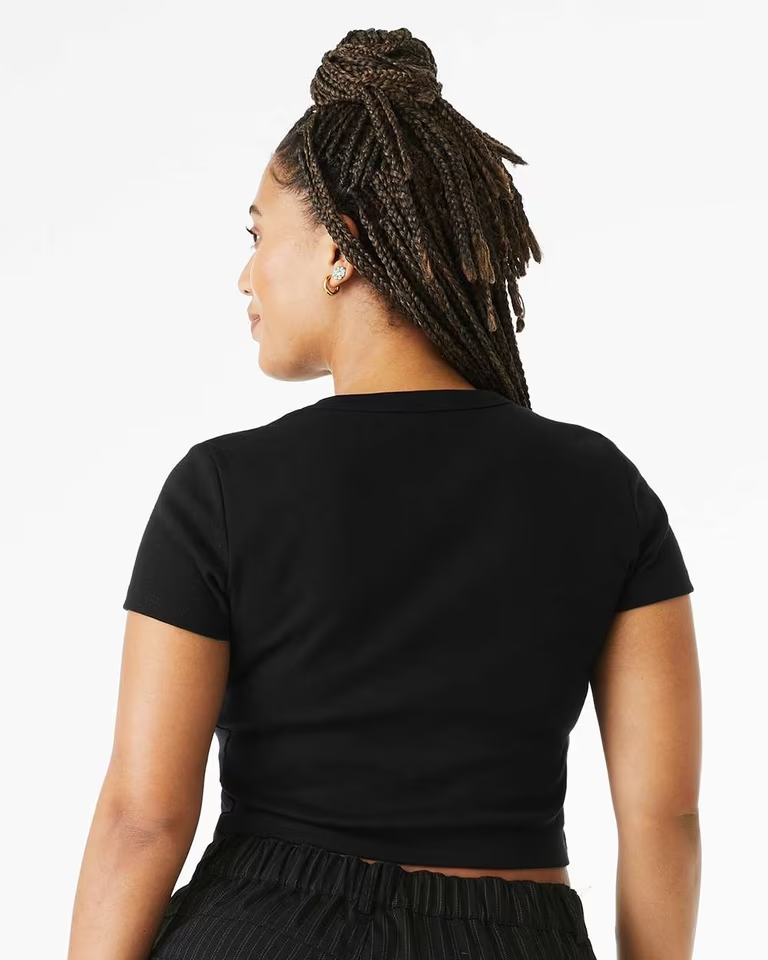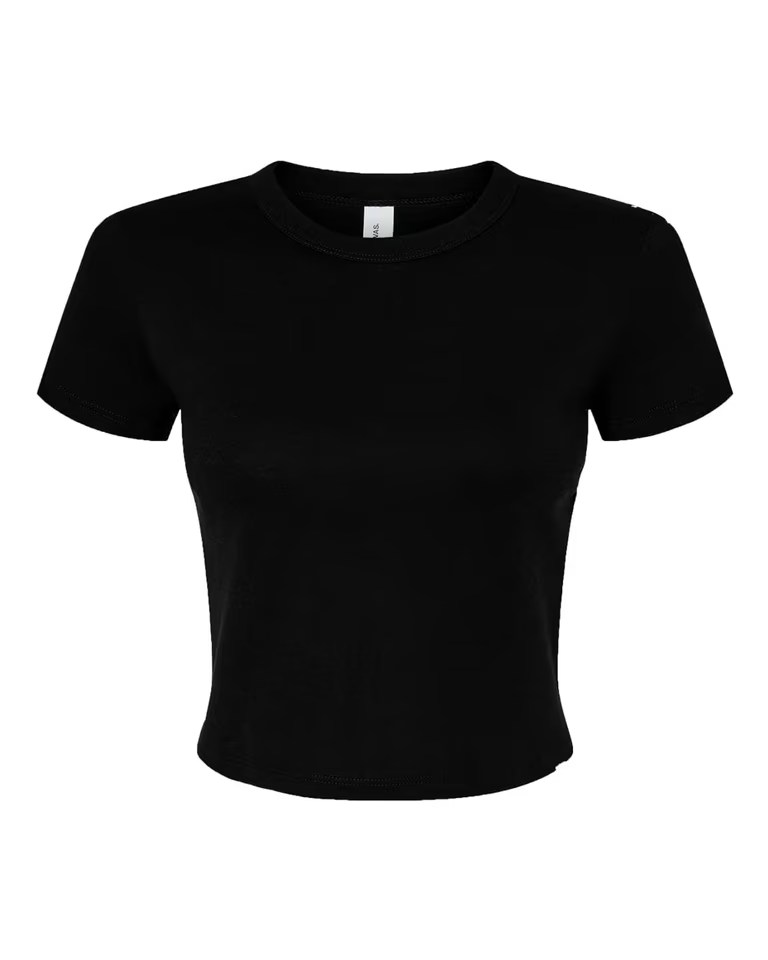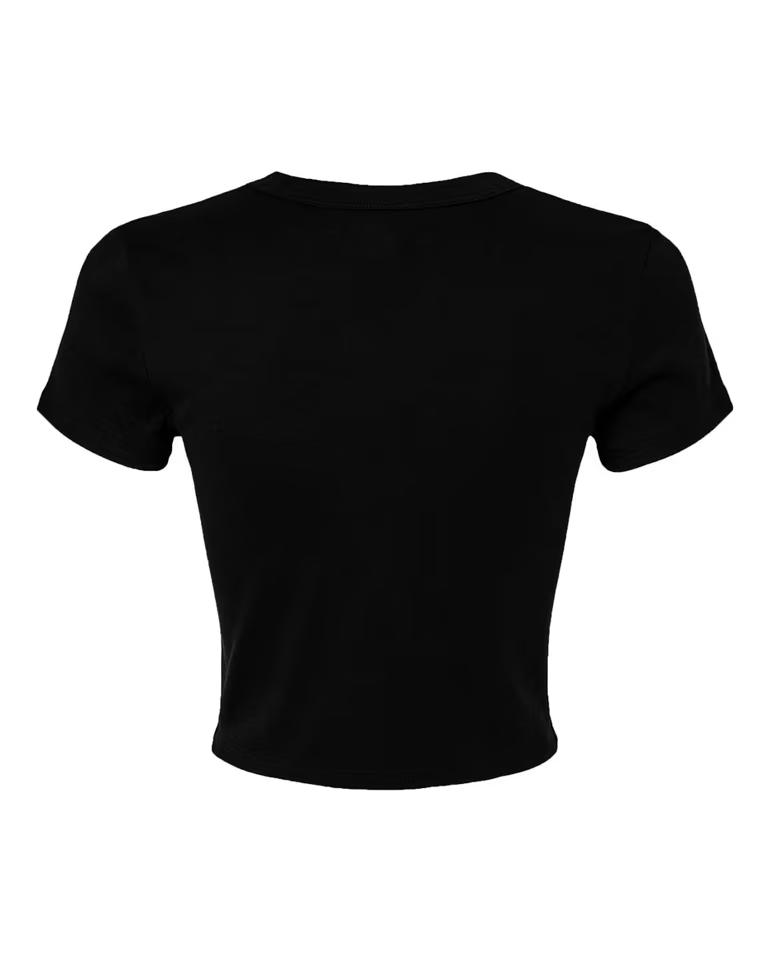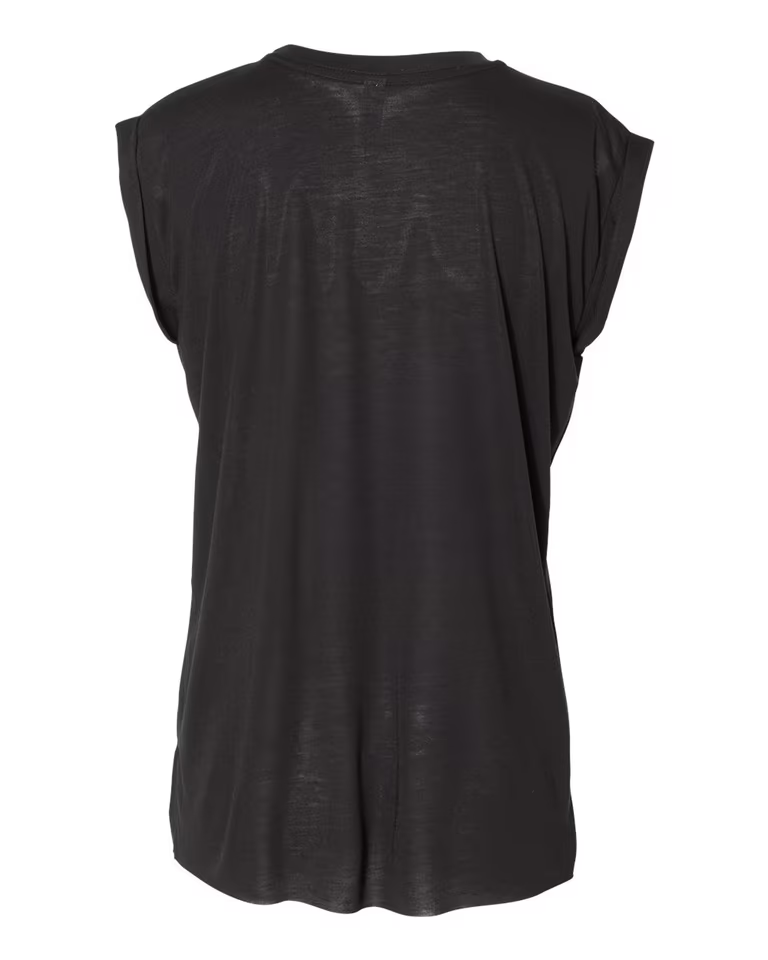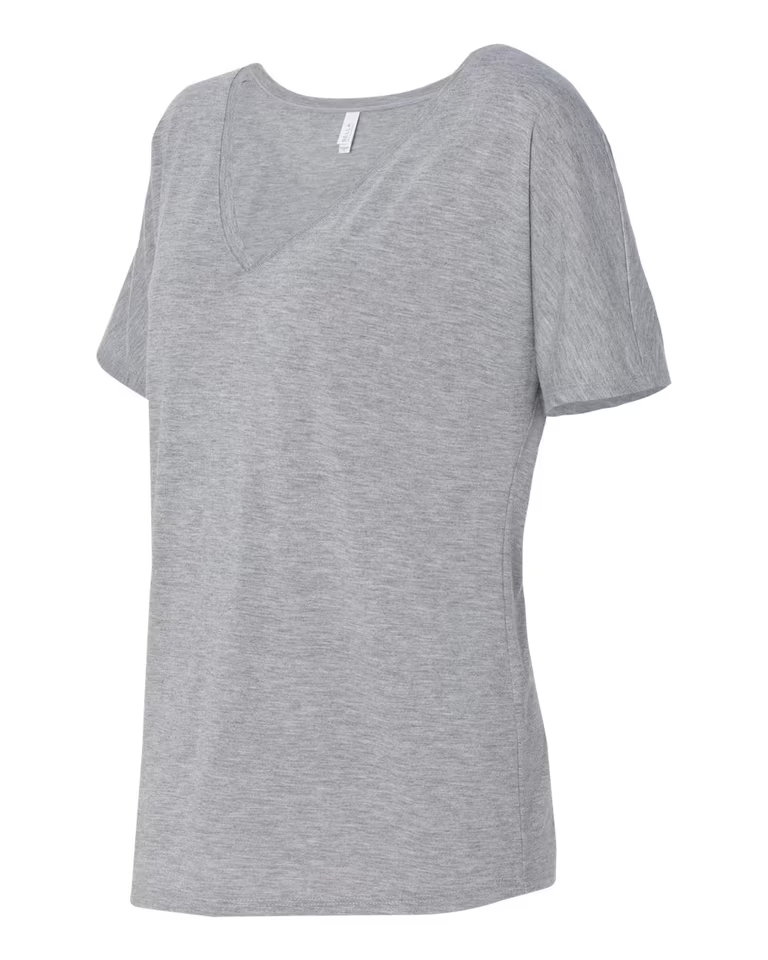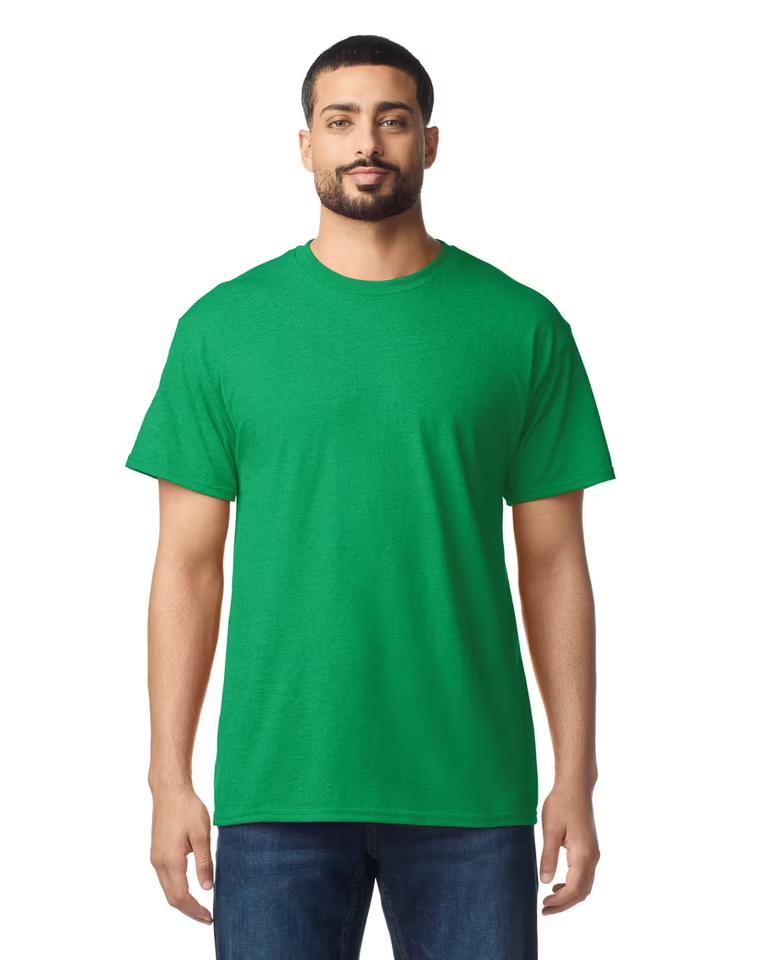
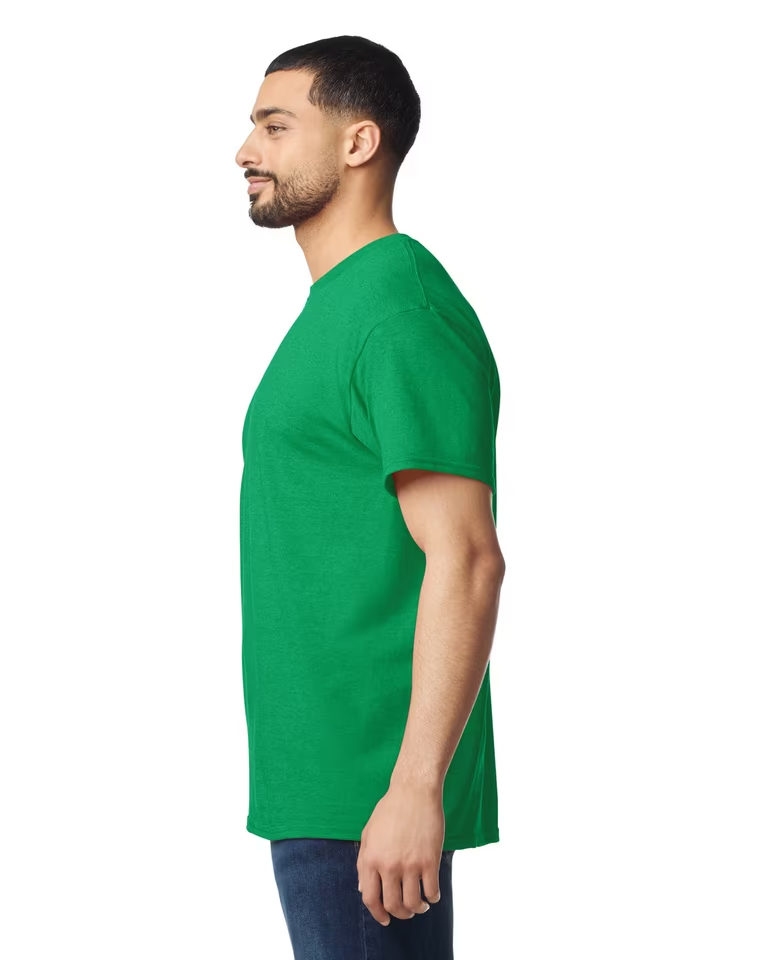
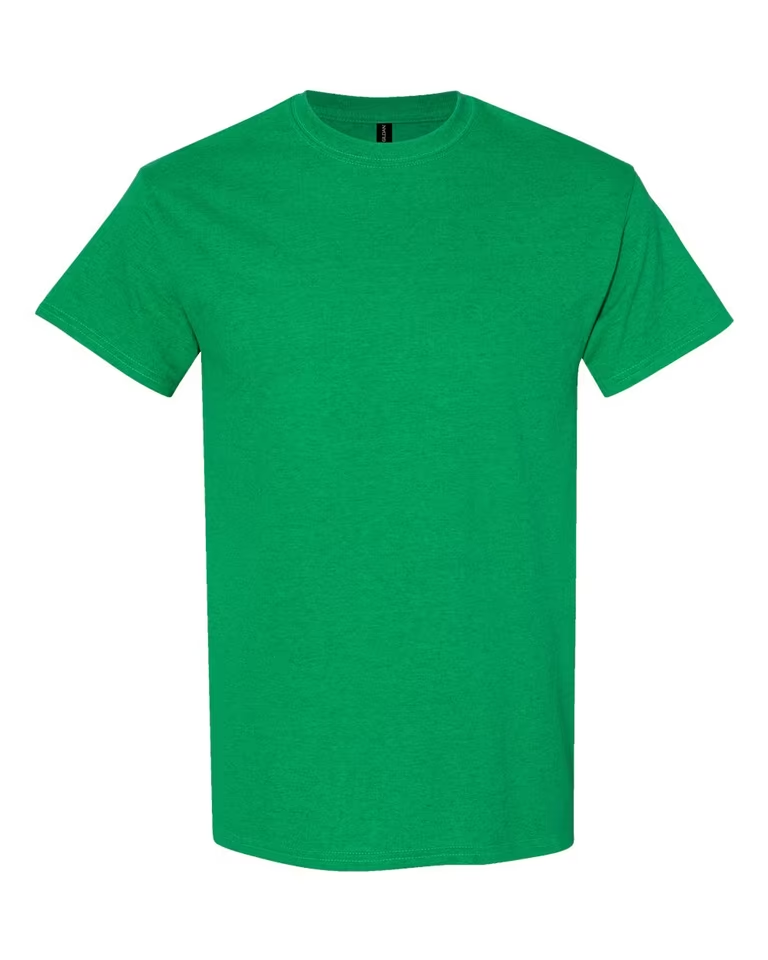
Tees are the volume backbone of every decoration business, and the 290 styles here run from How dense a knit fabric is, measured in oz/yd². Typical ranges: under 4.5 oz is lightweight fashion; 4.5–5.5 oz is the midweight band most everyday tees fall into; 5.5–6 oz is heavy everyday and fleece; 6 oz and up is the heavyweight range, with 7 oz and up the streetwear max-weight class. Heavier fabric drapes more substantially, holds prints flatter, and costs more per blank. lightweights to heavyweight cotton past How dense a knit fabric is, measured in oz/yd². Typical ranges: under 4.5 oz is lightweight fashion; 4.5–5.5 oz is the midweight band most everyday tees fall into; 5.5–6 oz is heavy everyday and fleece; 6 oz and up is the heavyweight range, with 7 oz and up the streetwear max-weight class. Heavier fabric drapes more substantially, holds prints flatter, and costs more per blank. . Matching the fabric and weight to the job, instead of defaulting to one blank, is where the margin lives.
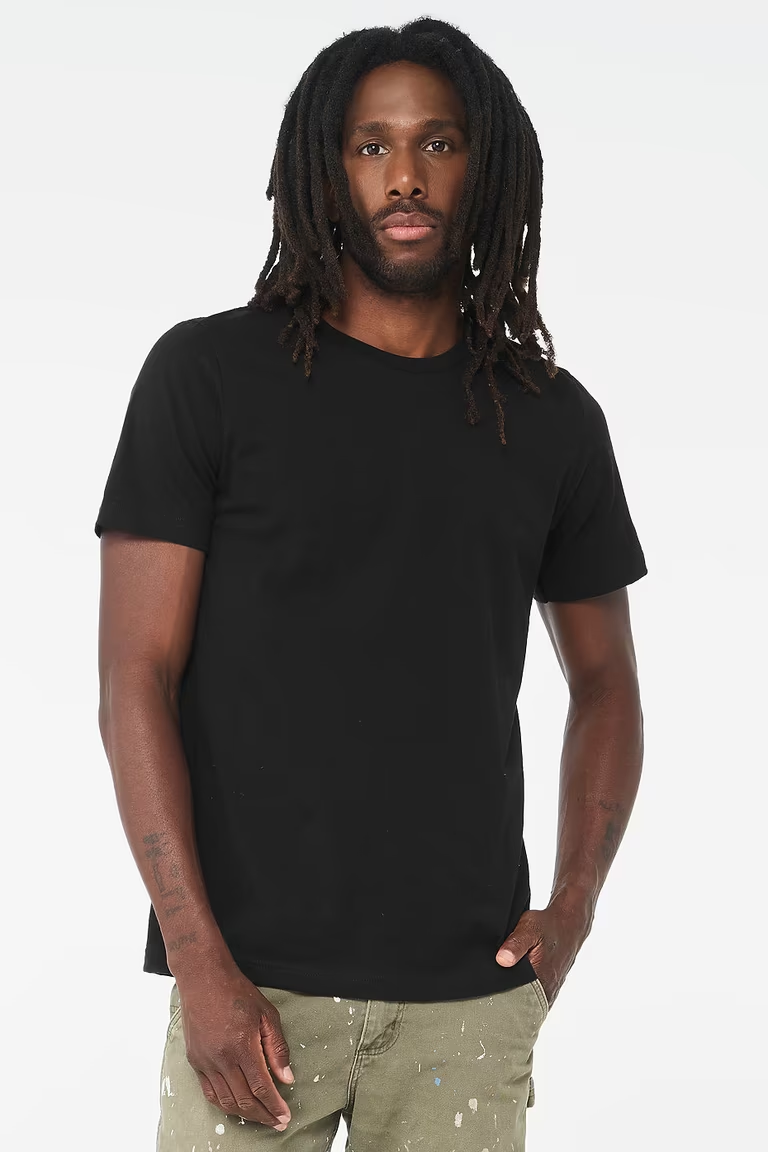
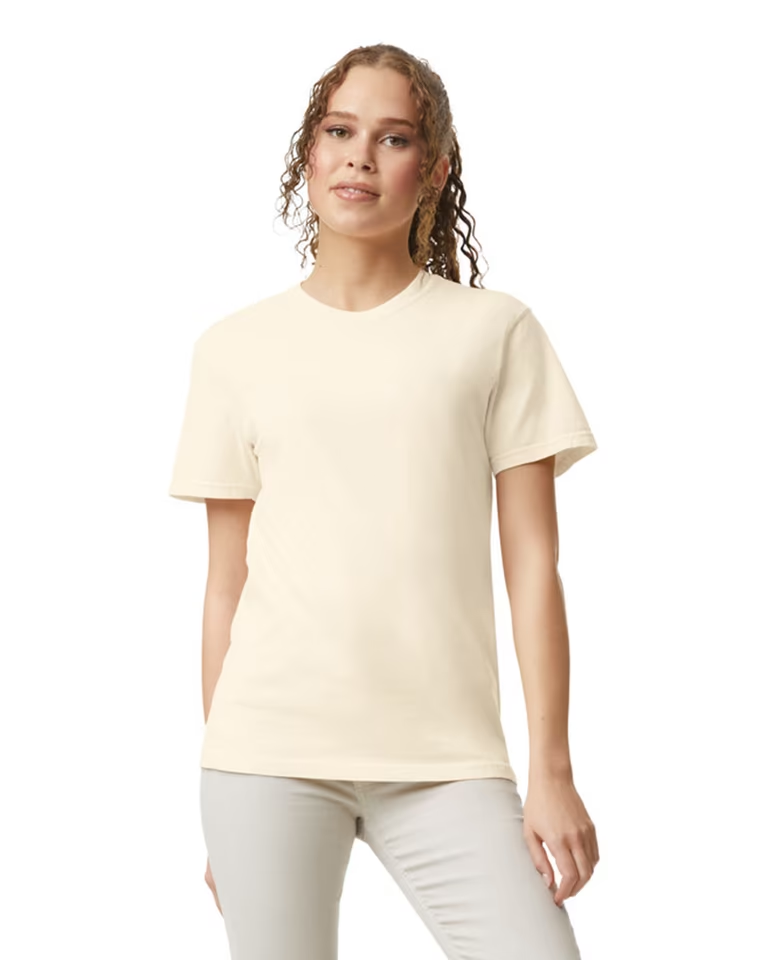
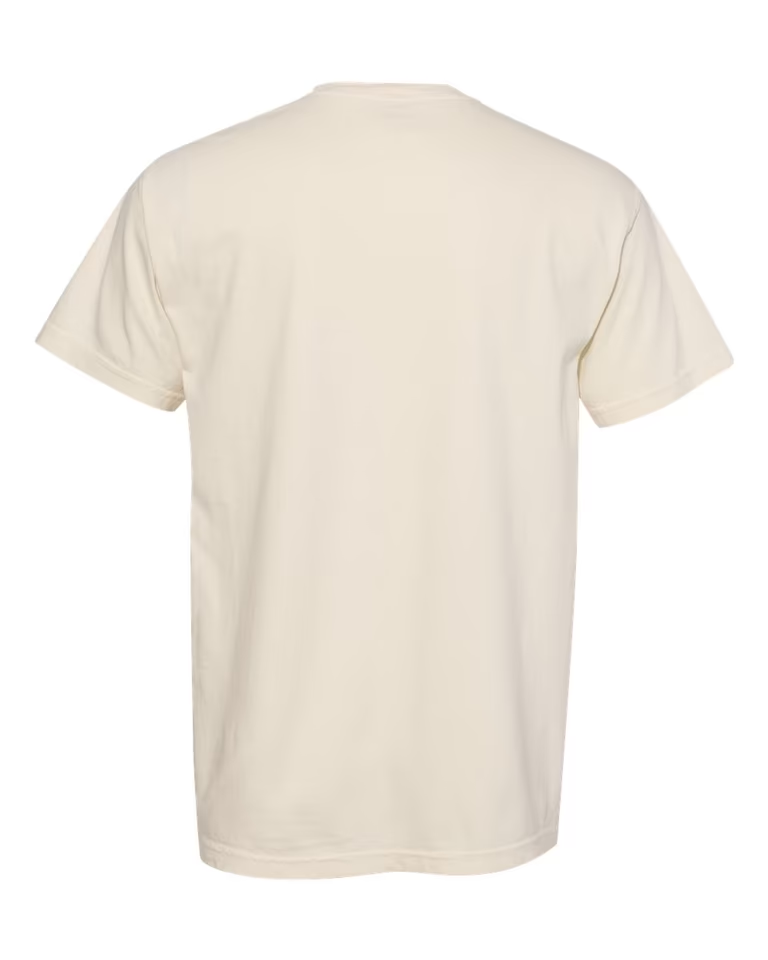
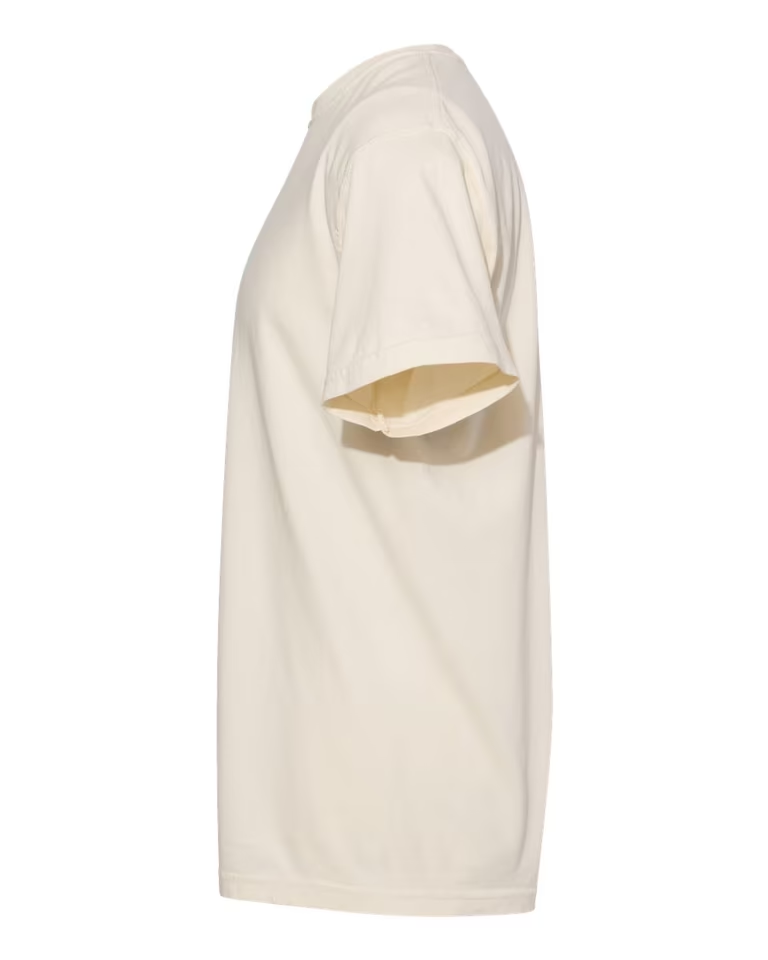
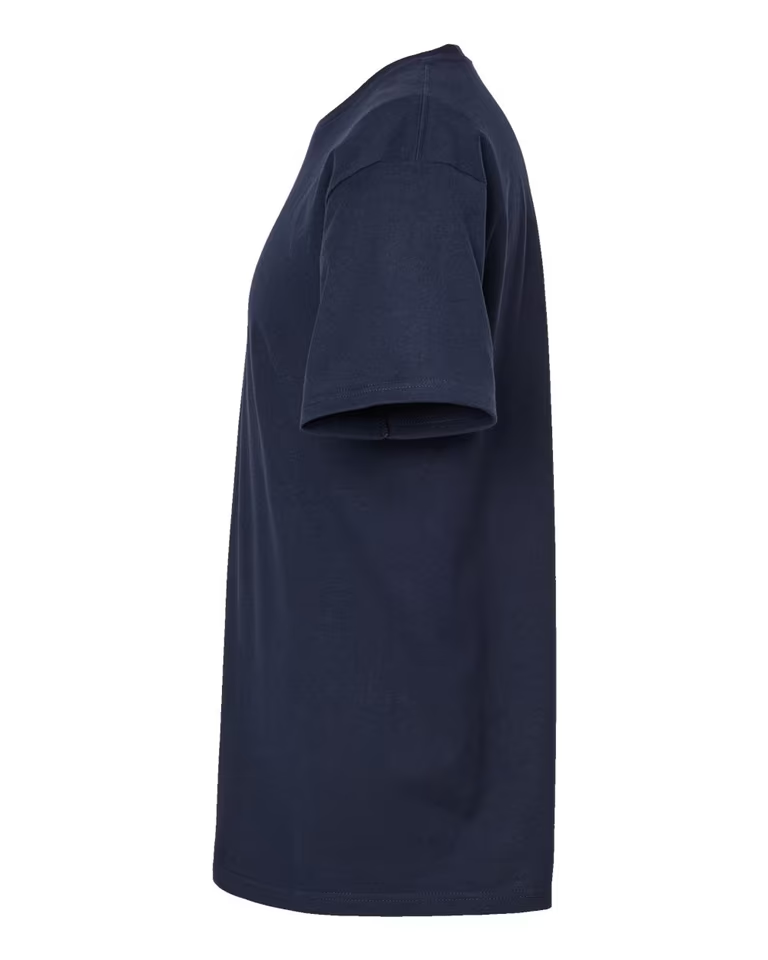
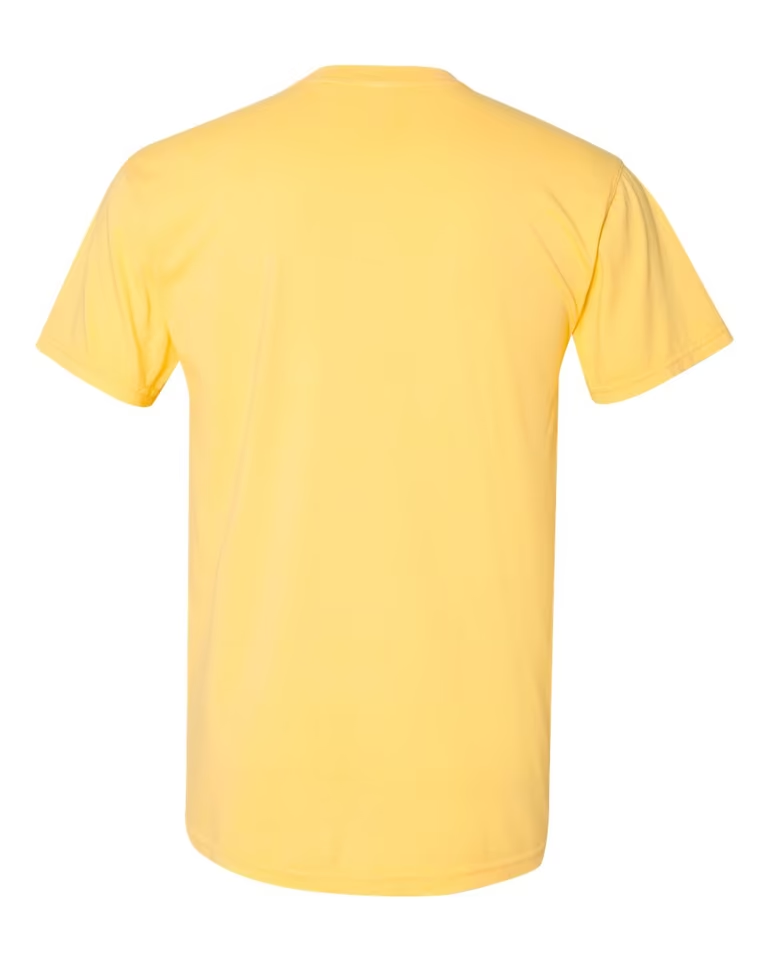
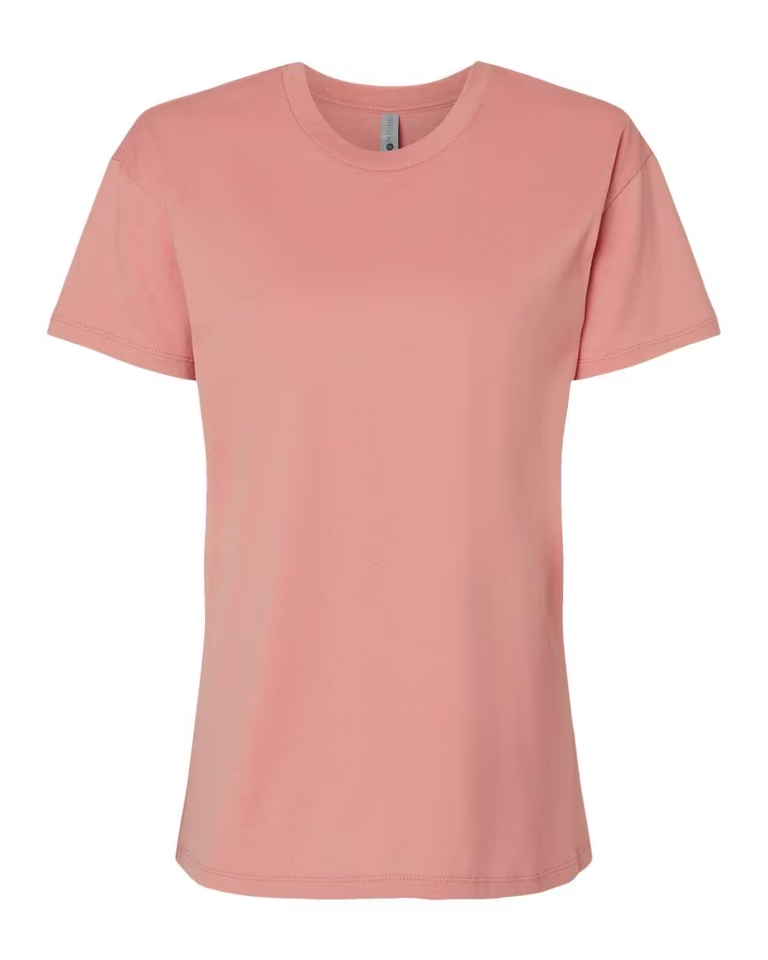
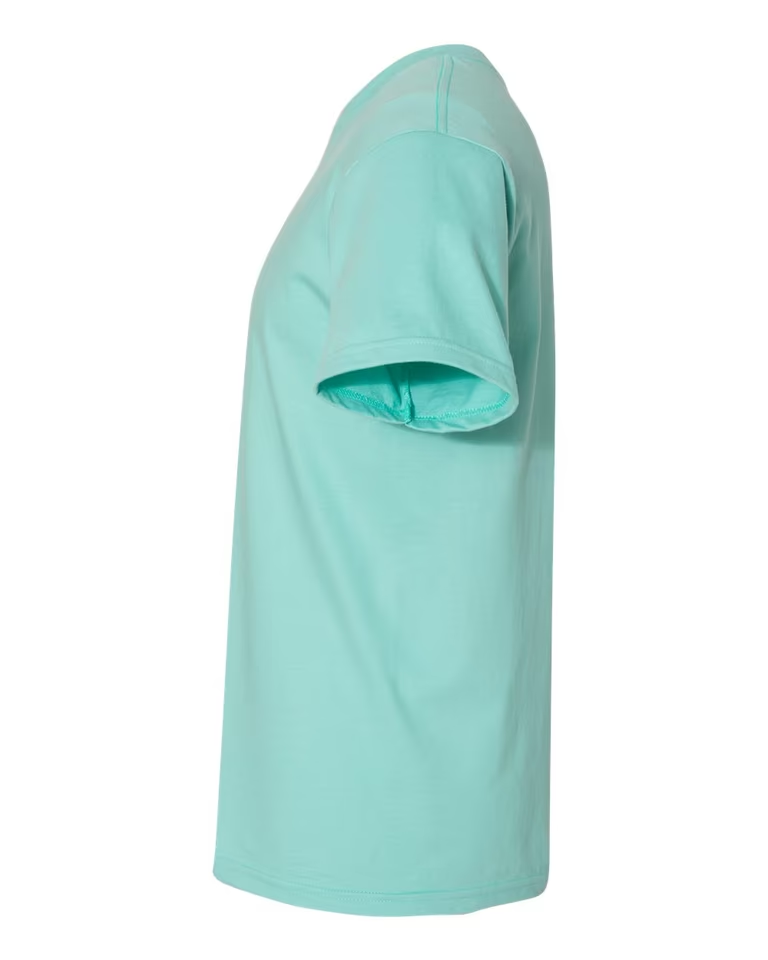
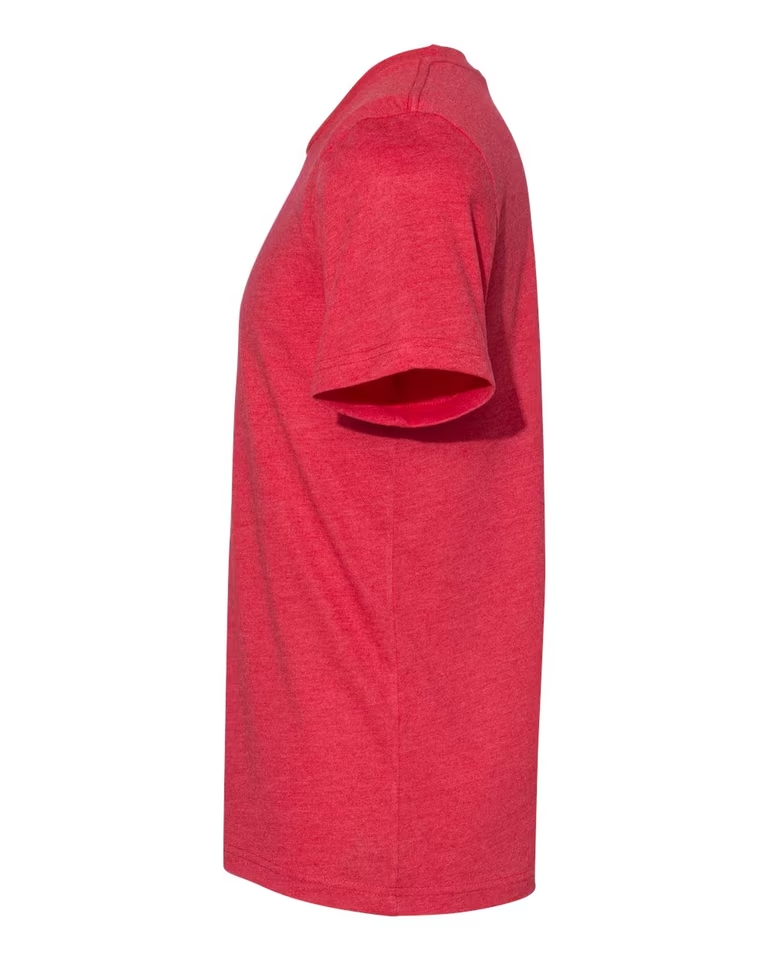
Comfort Colors style number 1717
$7.50
Retail $13.43
Save up to 44%
Most tee decisions come down to fiber and weight. Gildan's open-end cotton, Hanes Essential-T, and the 50/50 blends are the event, promo, and uniform picks: tough and deep in stock. Ring-spun bodies like Gildan Softstyle, Tultex Fine Jersey, and the heavyweight Hanes Beefy-T give a smoother print face and a softer How a fabric feels against the skin. Printers also use it to describe the tactile thickness of an ink deposit (a thick plastisol print has "high hand"). .
For resale and DTG, Bella + Canvas Bella+Canvas's branded name for their highest-grade cotton yarn. Combed removes short fibers; ring-spun twists them tighter. The result is a very smooth, pill-resistant fabric. ring-spun is the standard. Comfort Colors and Shaka Wear cover garment-dyed heavyweight in washed vintage shades, and Lane Seven adds structured heavyweight cotton. LAT and Rabbit Skins extend the range into youth, toddler, and infant so a family or school order stays in one fabric story.
The Gildan 5000 is the most widely used blank in custom apparel: available everywhere, consistent batch to batch, with a midweight surface that takes The most common screen-printing ink. PVC particles suspended in a plasticizer. It sits on top of the fabric rather than soaking in, which gives a slightly raised feel and very opaque coverage. with strong opacity. The Bella + Canvas 3001 is its retail-fit counterweight, Bella+Canvas's branded name for their highest-grade cotton yarn. Combed removes short fibers; ring-spun twists them tighter. The result is a very smooth, pill-resistant fabric. A step after carding where short fibers are combed out. Combed yarn is smoother, stronger, and pills less than straight-carded yarn. ring-spun cotton whose tight, smooth face is what DTG and DTF want. The Next Level 3600 sits between the two in How a fabric feels against the skin. Printers also use it to describe the tactile thickness of an ink deposit (a thick plastisol print has "high hand"). .
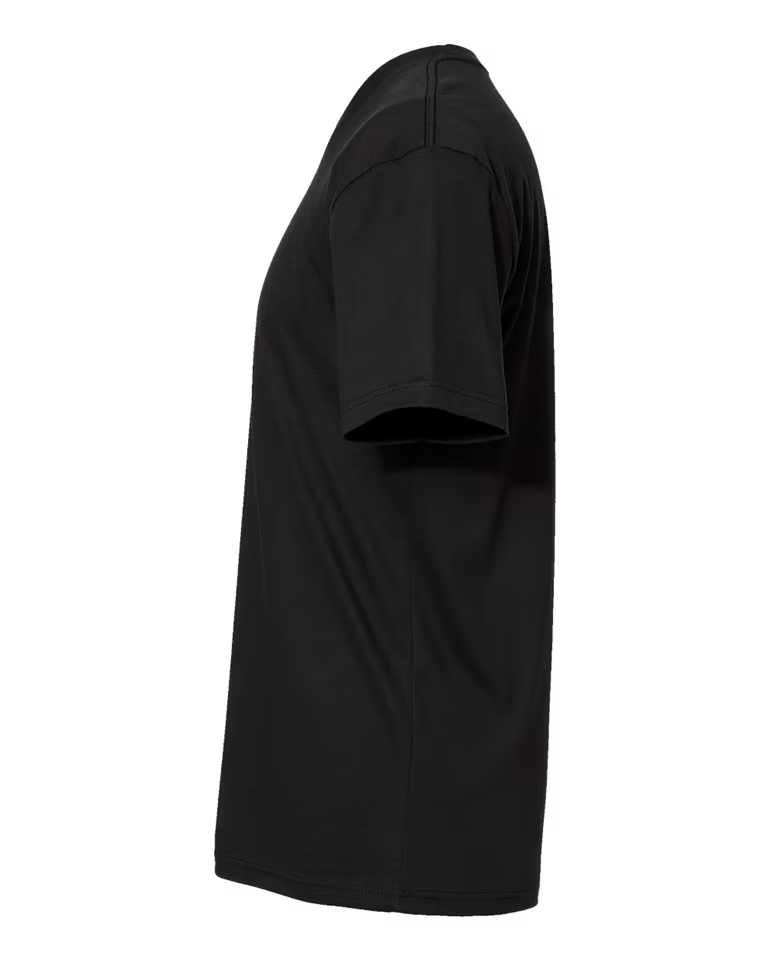
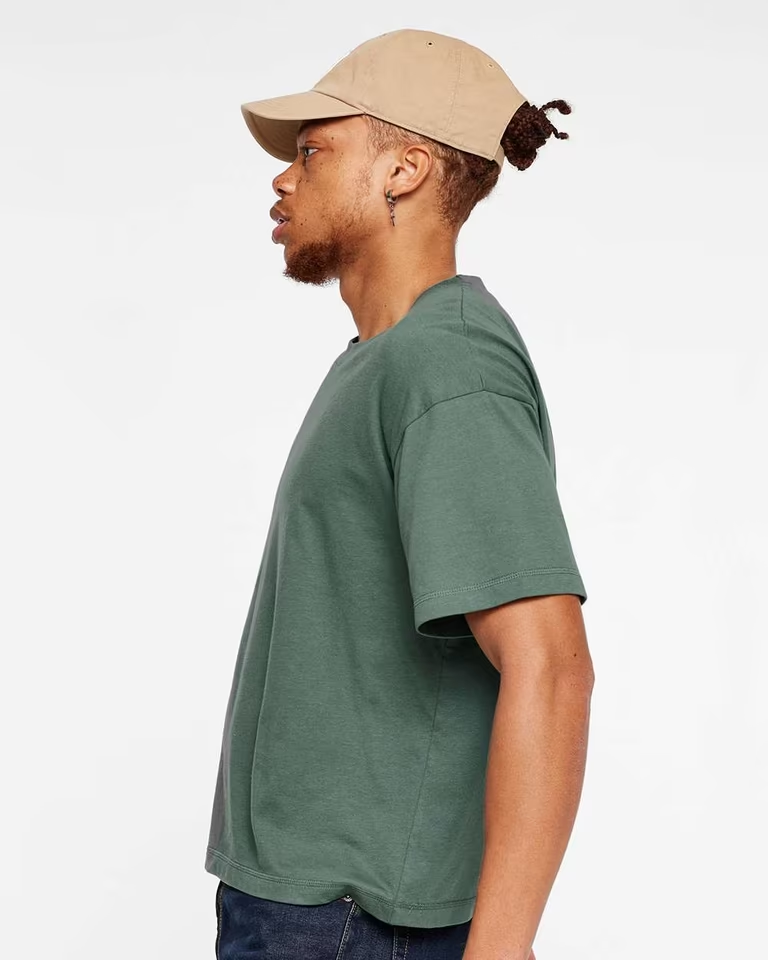
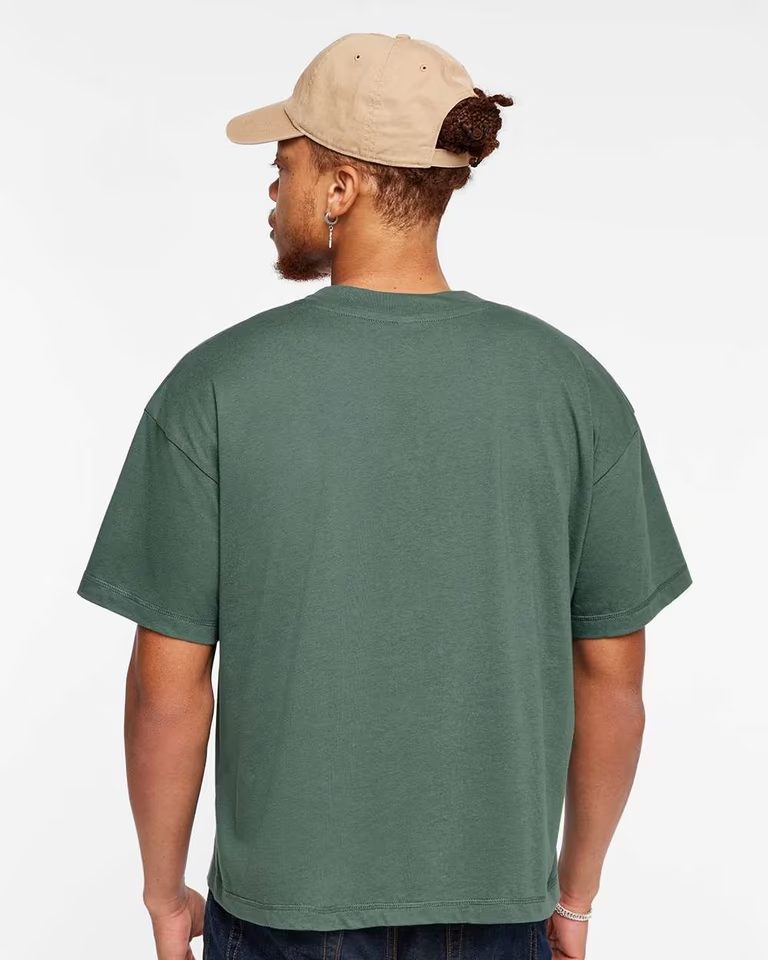
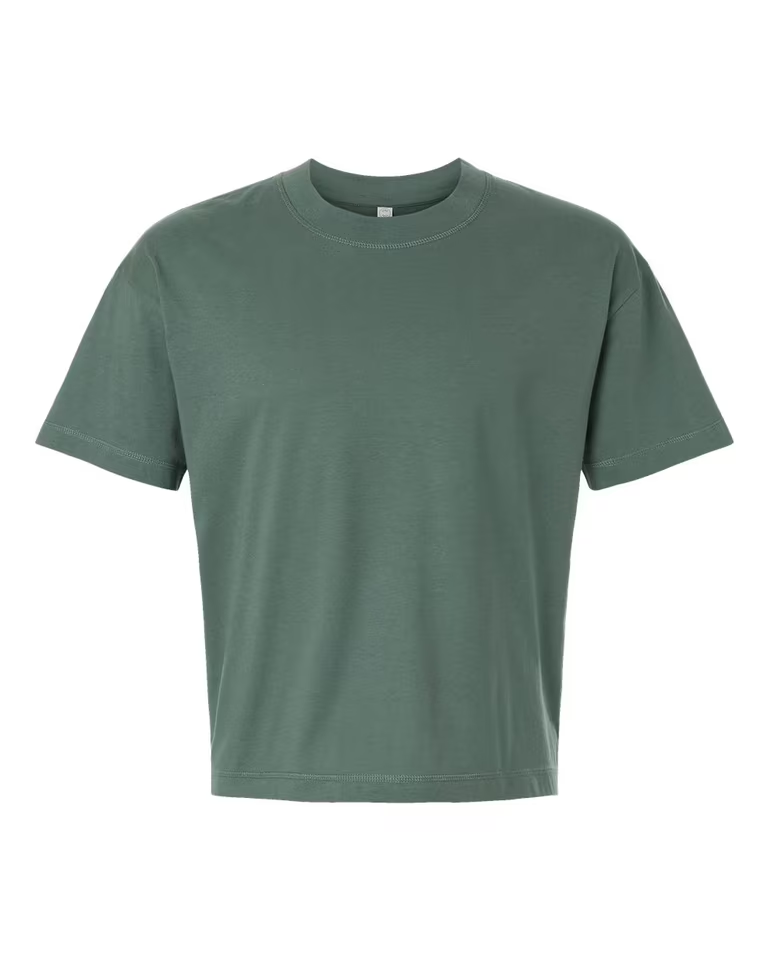
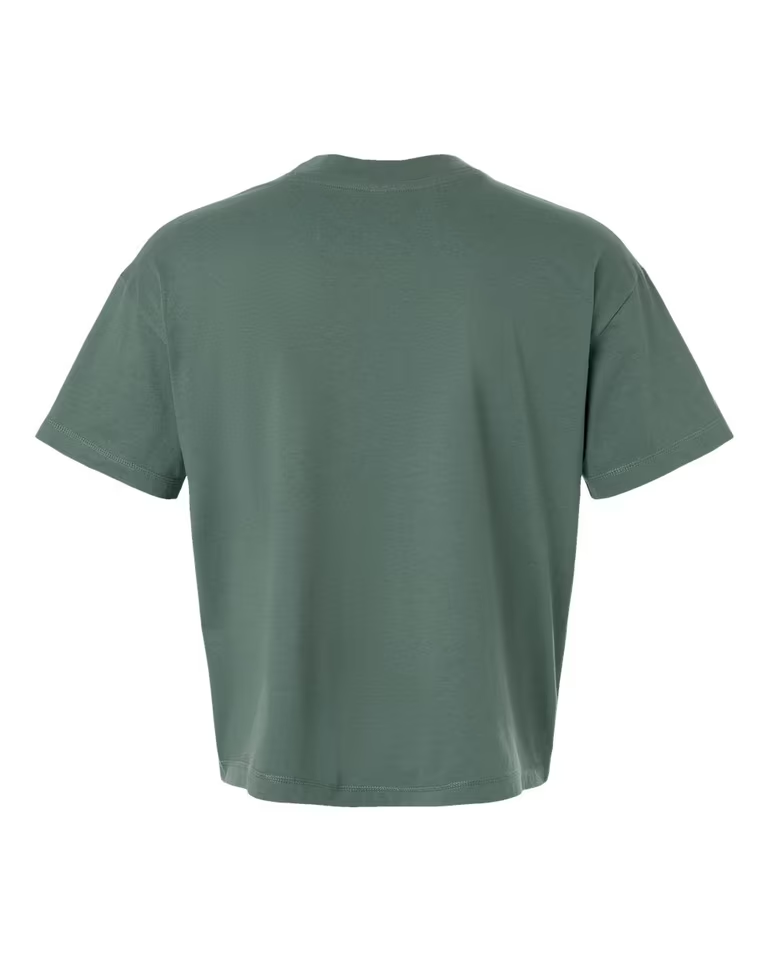
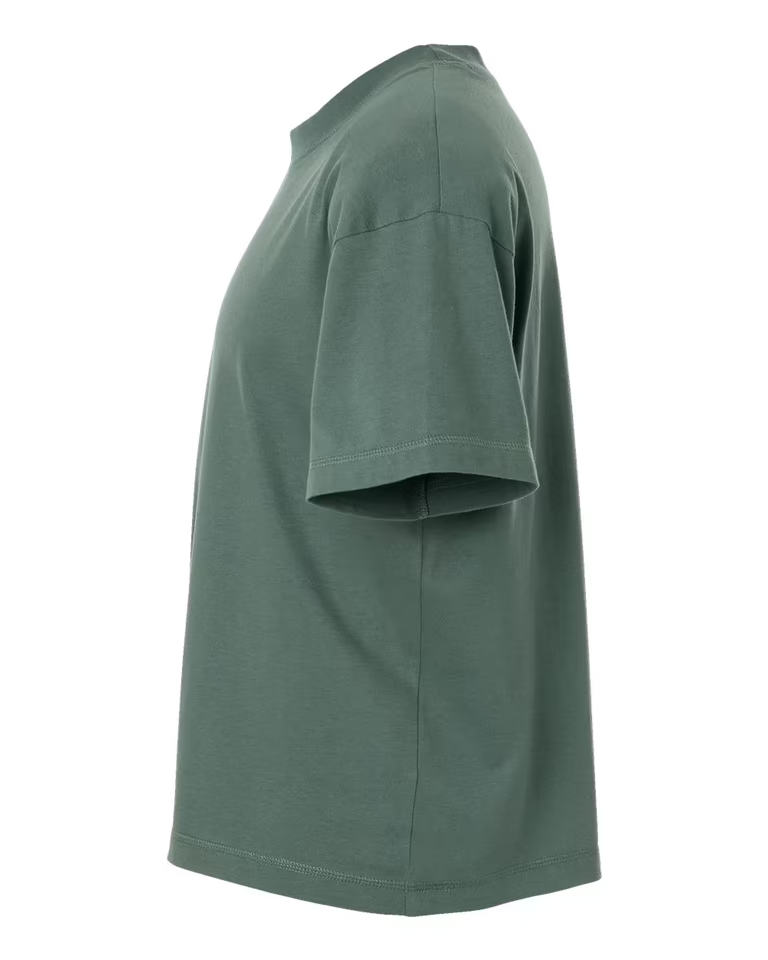
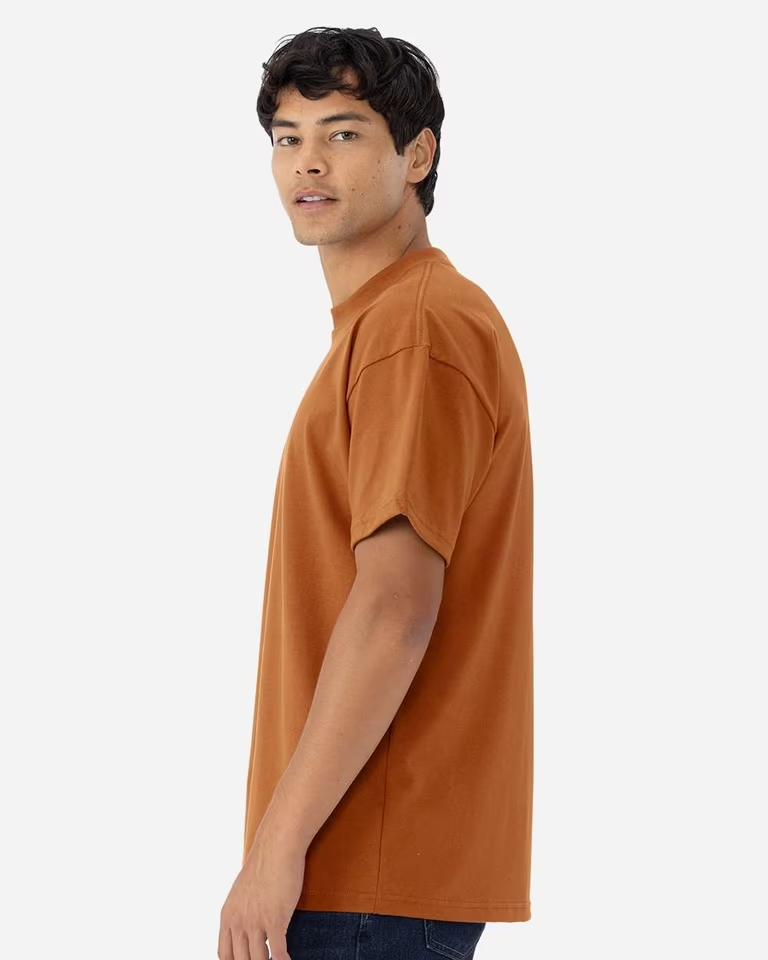
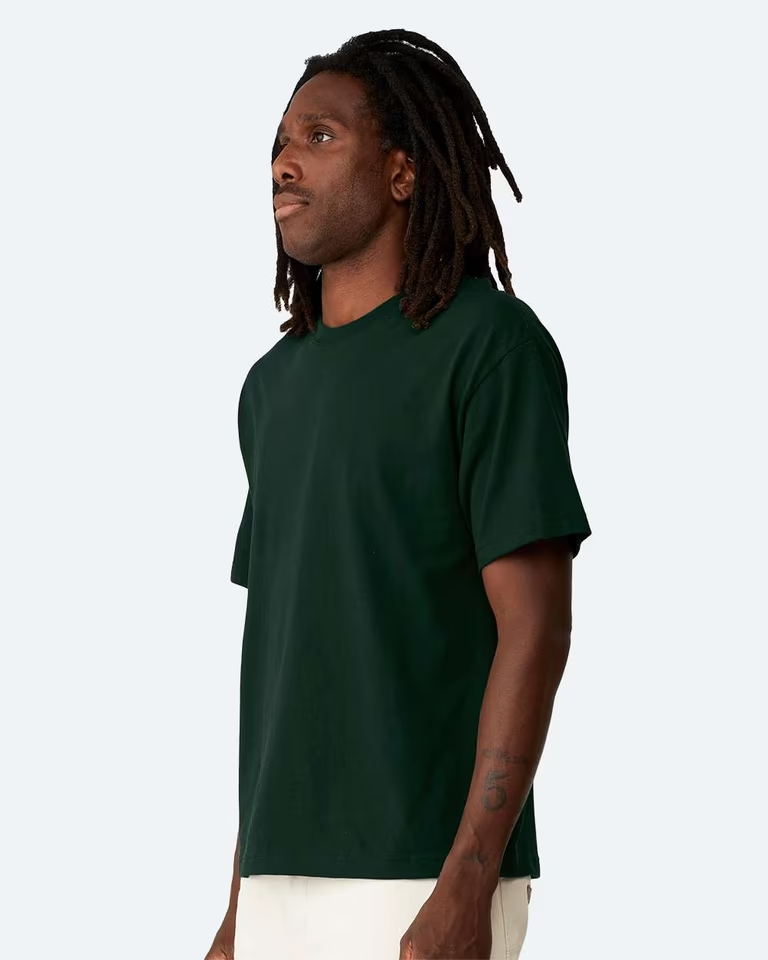
On the heavyweight side, the Comfort Colors 1717 pairs a How dense a knit fabric is, measured in oz/yd². Typical ranges: under 4.5 oz is lightweight fashion; 4.5–5.5 oz is the midweight band most everyday tees fall into; 5.5–6 oz is heavy everyday and fleece; 6 oz and up is the heavyweight range, with 7 oz and up the streetwear max-weight class. Heavier fabric drapes more substantially, holds prints flatter, and costs more per blank. garment-dyed body with the vintage palette retail brands chase, and Shaka Wear's How dense a knit fabric is, measured in oz/yd². Typical ranges: under 4.5 oz is lightweight fashion; 4.5–5.5 oz is the midweight band most everyday tees fall into; 5.5–6 oz is heavy everyday and fleece; 6 oz and up is the heavyweight range, with 7 oz and up the streetwear max-weight class. Heavier fabric drapes more substantially, holds prints flatter, and costs more per blank. garment-dye tees deliver the oversized drop-shoulder cut at max weight.
Open-end cotton prints bold spot color fine but swallows fine detail and A technique that simulates gradients and shading by printing tiny dots of solid color. The dots vary in size or spacing. Closer together they look darker; farther apart, lighter. , so move detailed art and all DTG work to ring-spun. Heavyweight fabric holds a print flat and resists cracking, which is part of why the boxy heavyweight trend keeps growing.
Garment-dyed blanks vary slightly between dye lots, so buy a reorder-sensitive job in one purchase. And stock women's cuts alongside unisex; relying on unisex-fits-everyone costs retail sales.
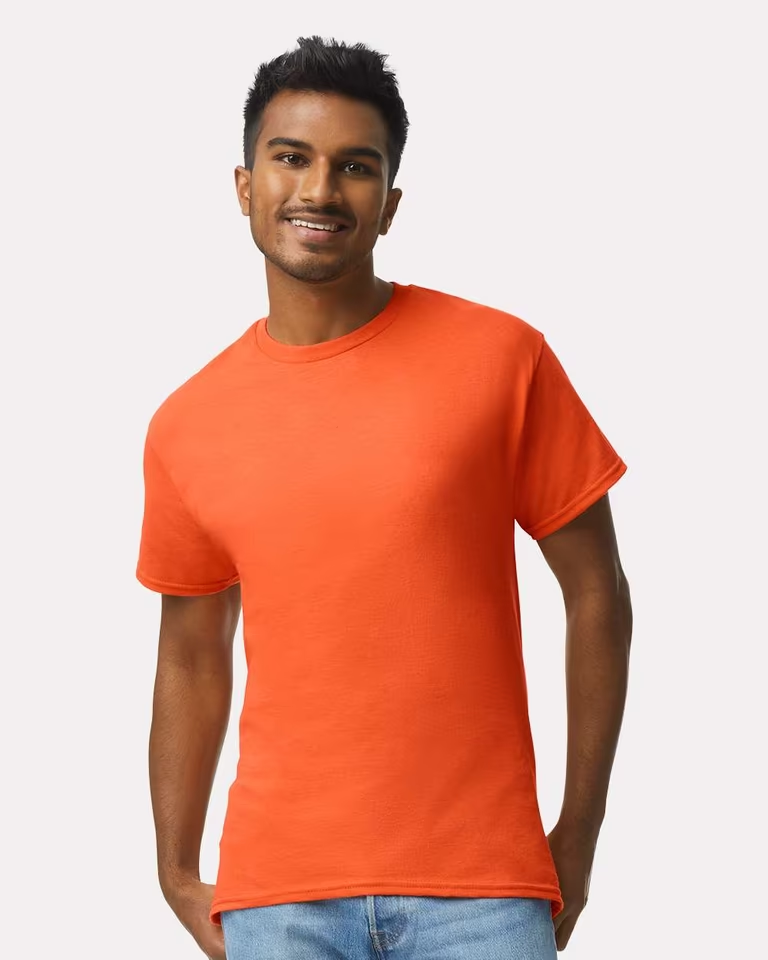
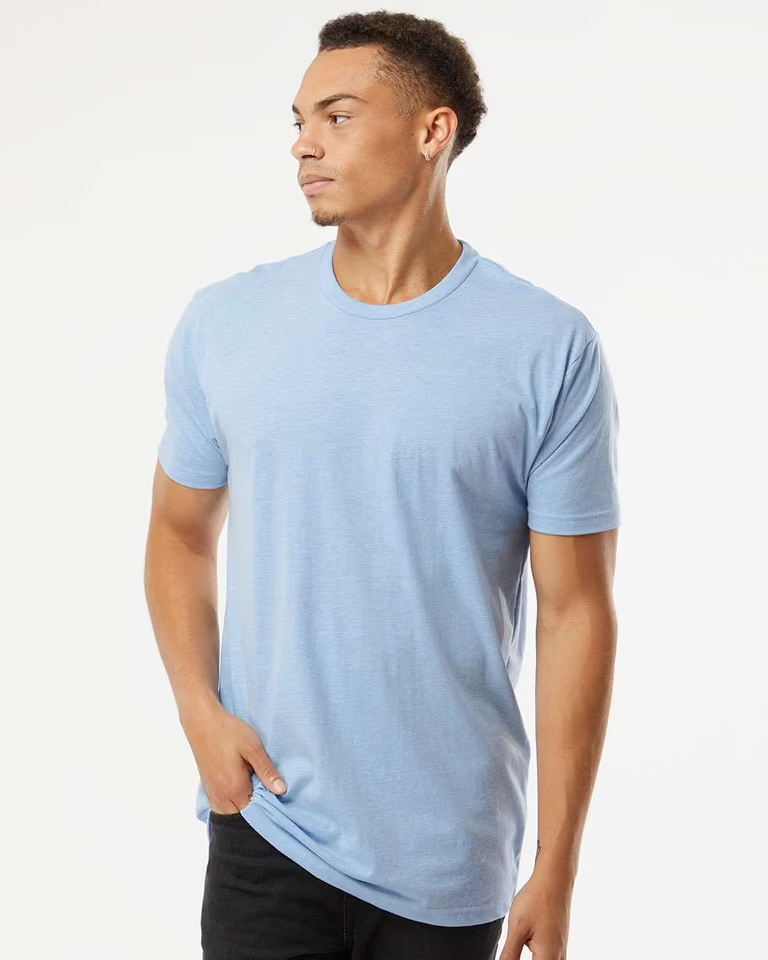
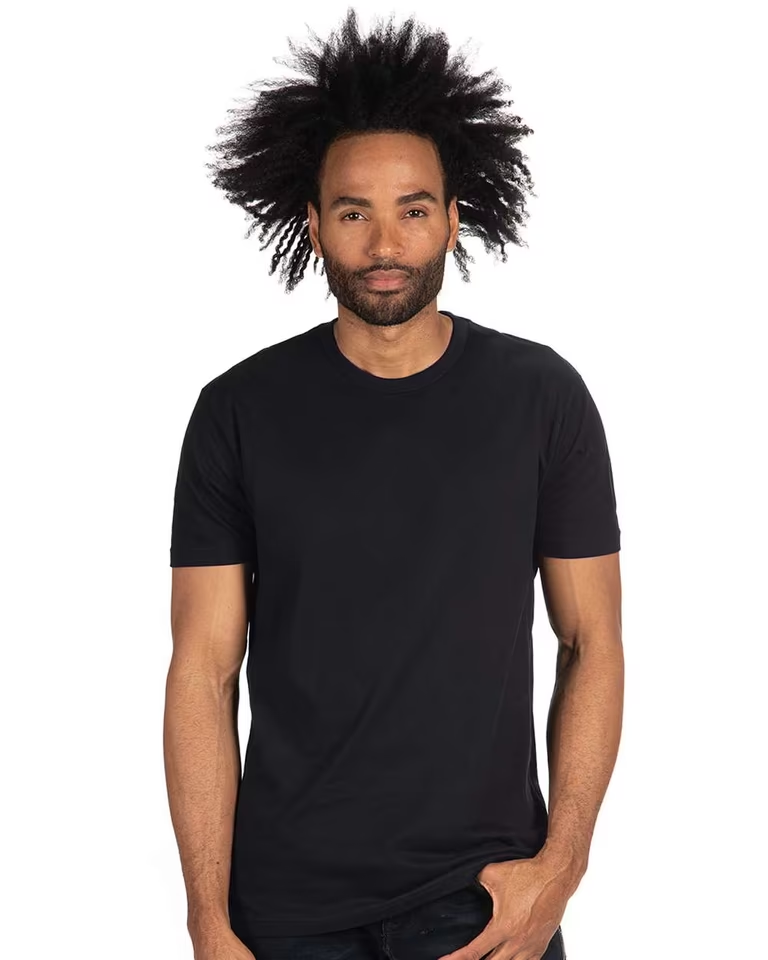
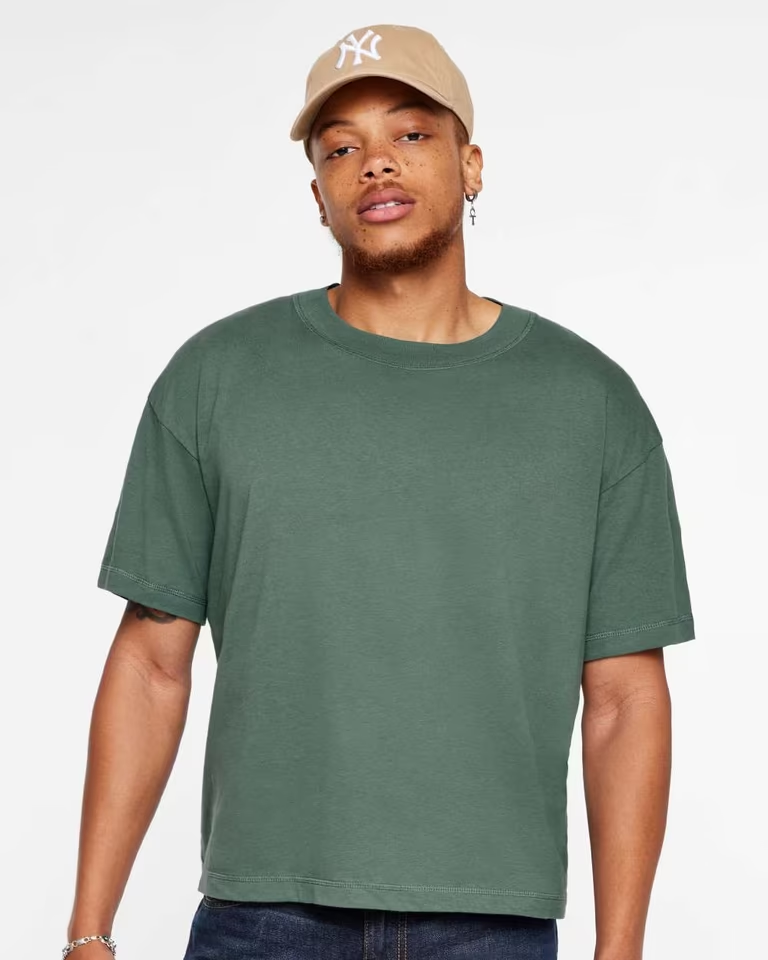
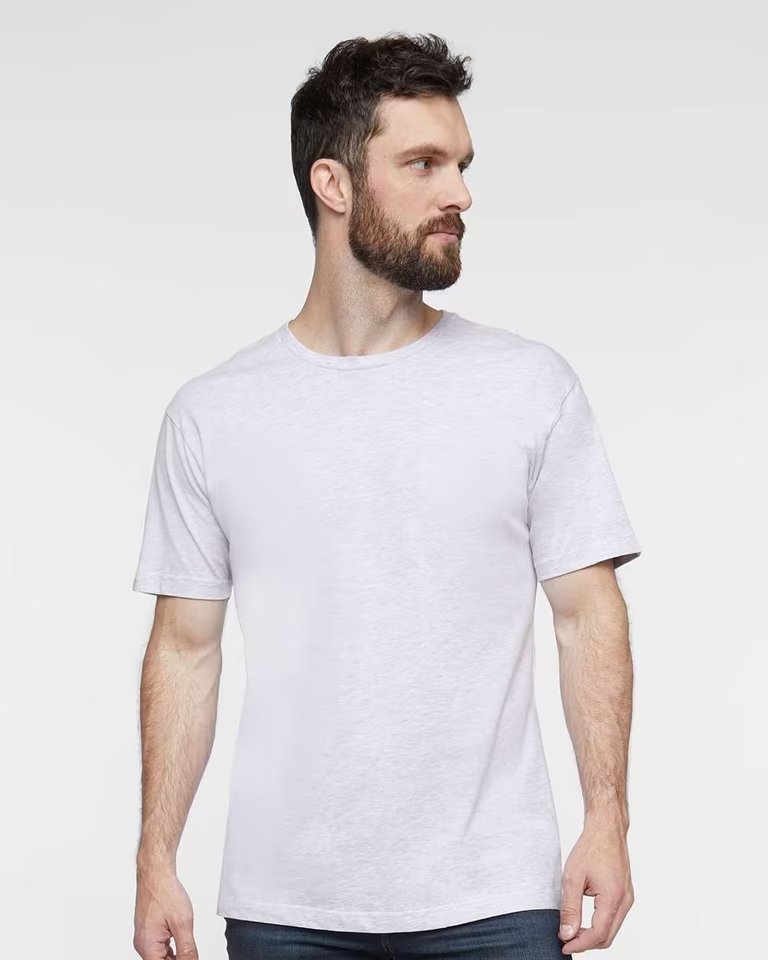
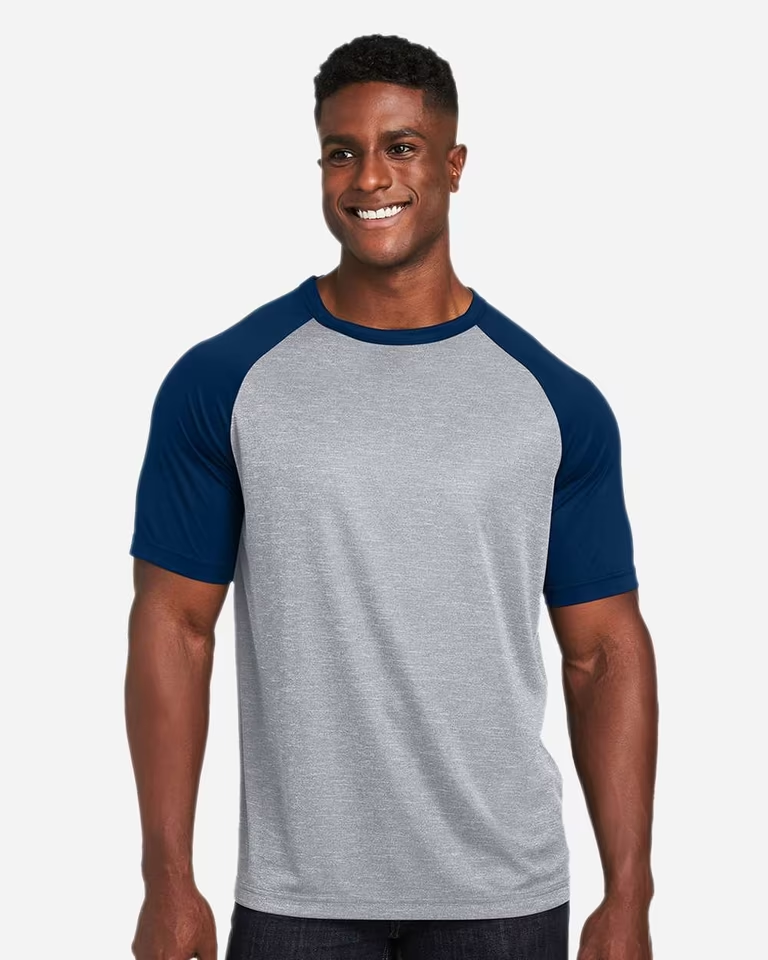
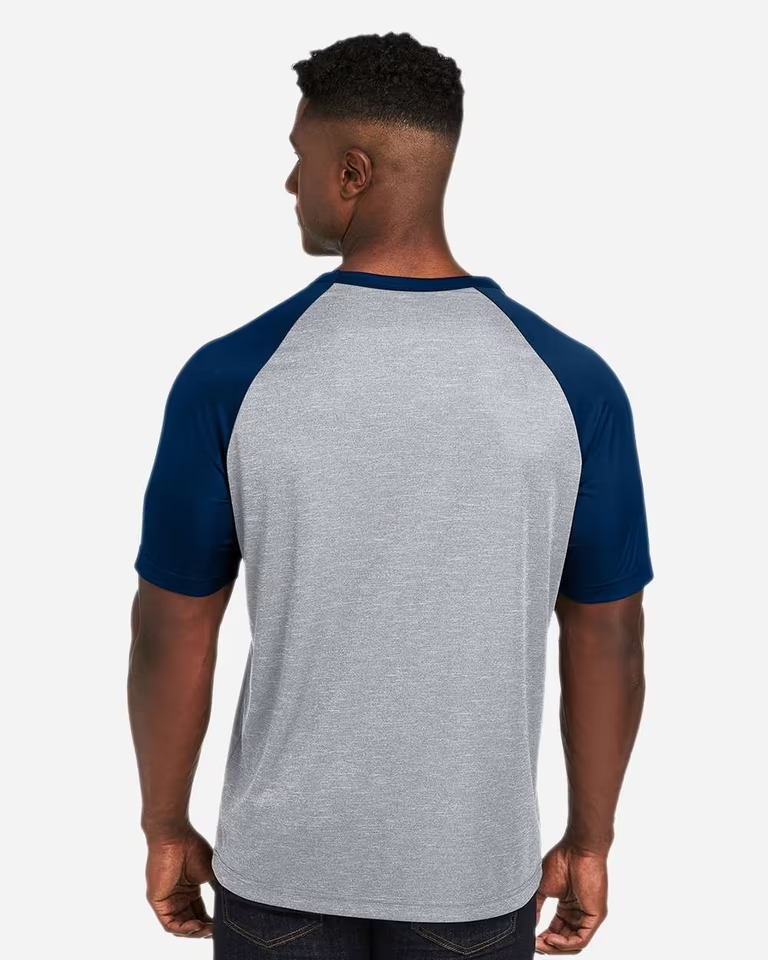
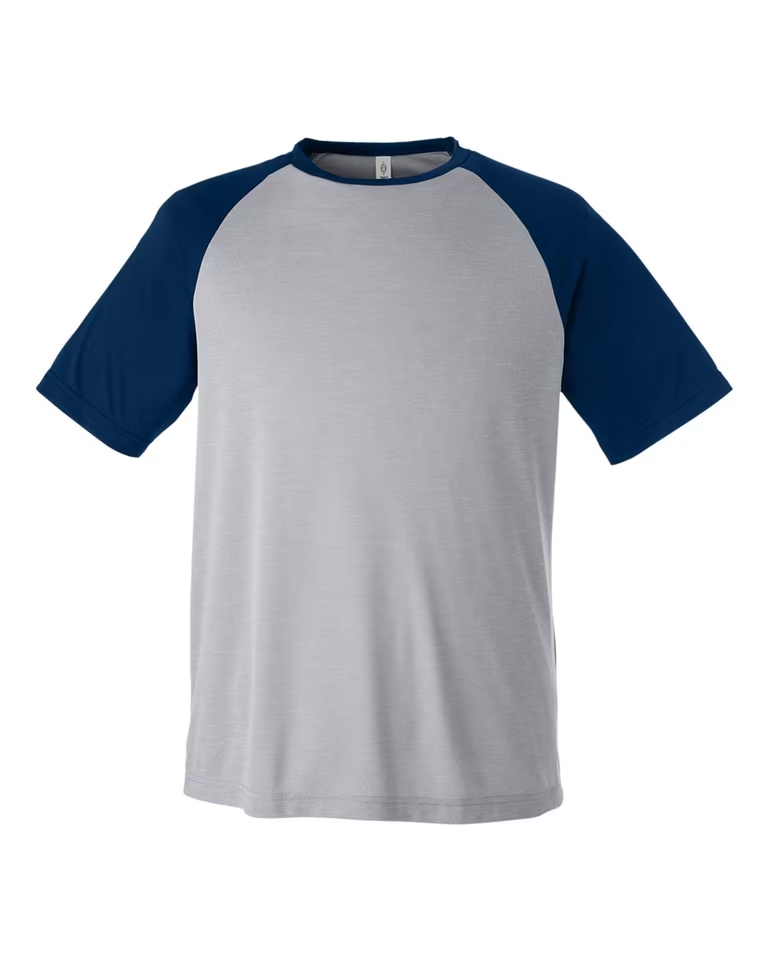
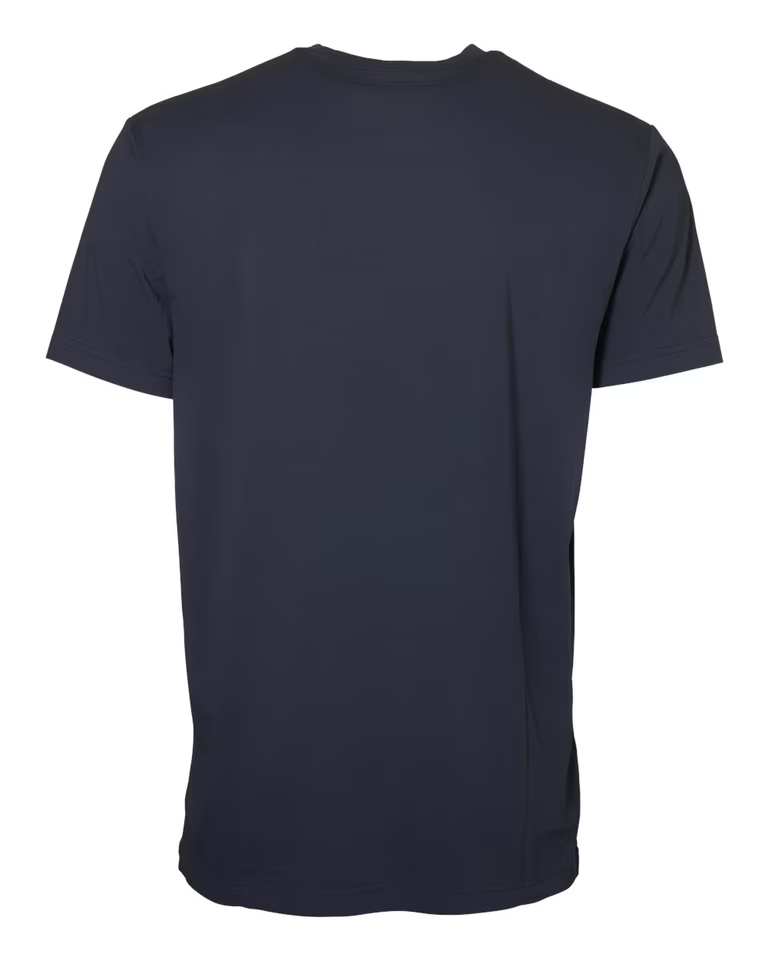
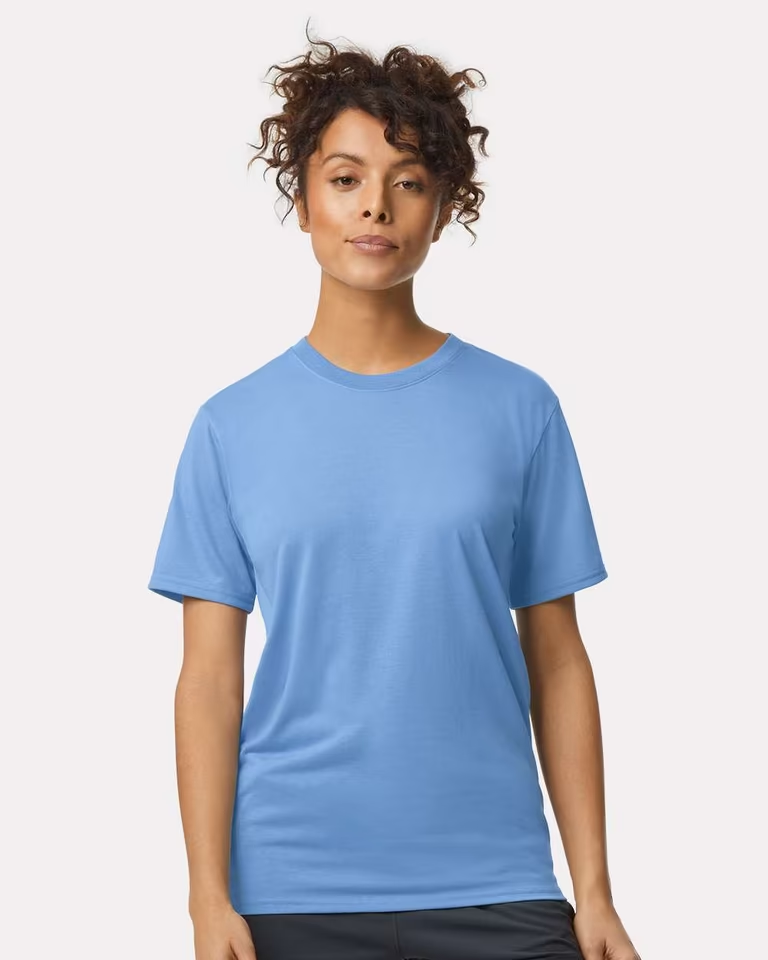
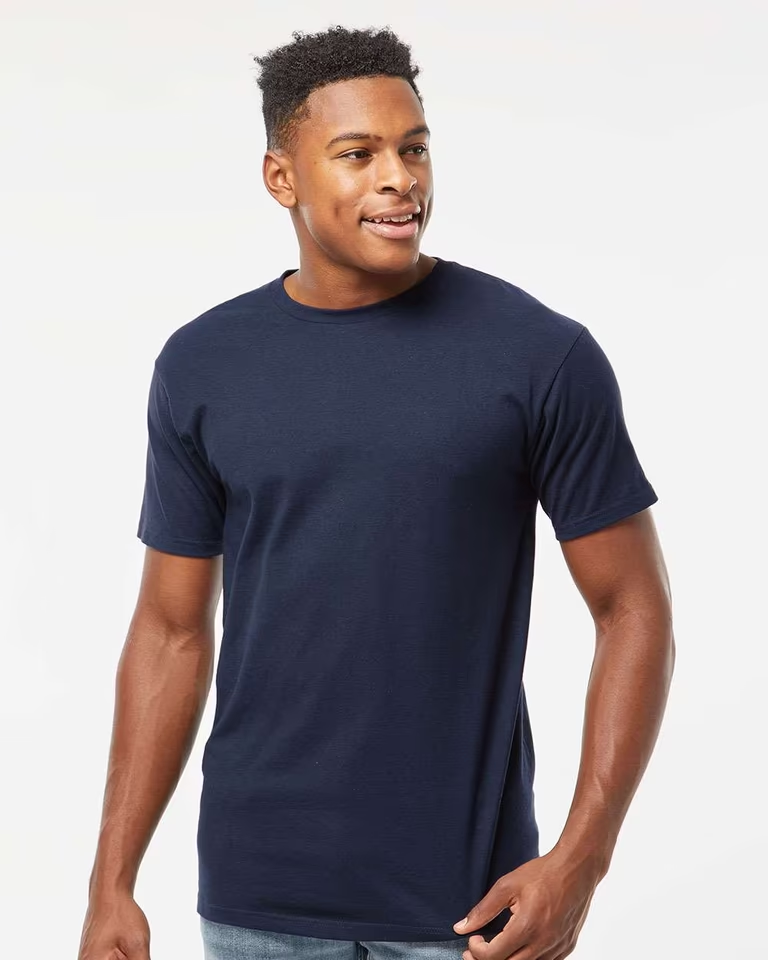
Team 365 style number TT62
$11.12
Retail $13.90
Save up to 20%
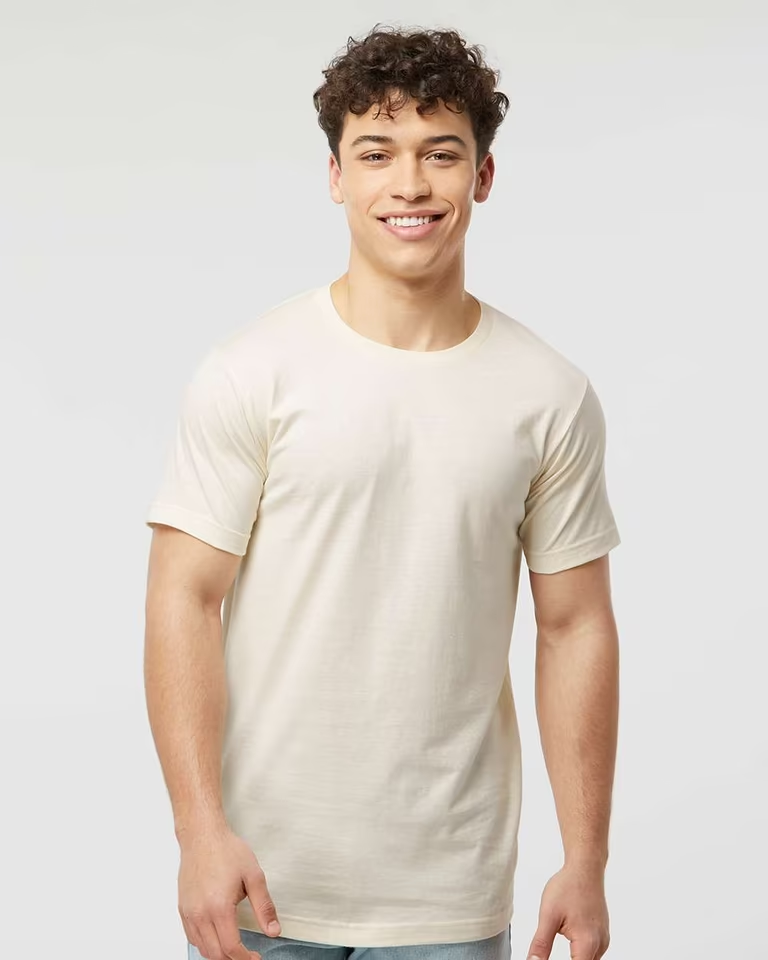
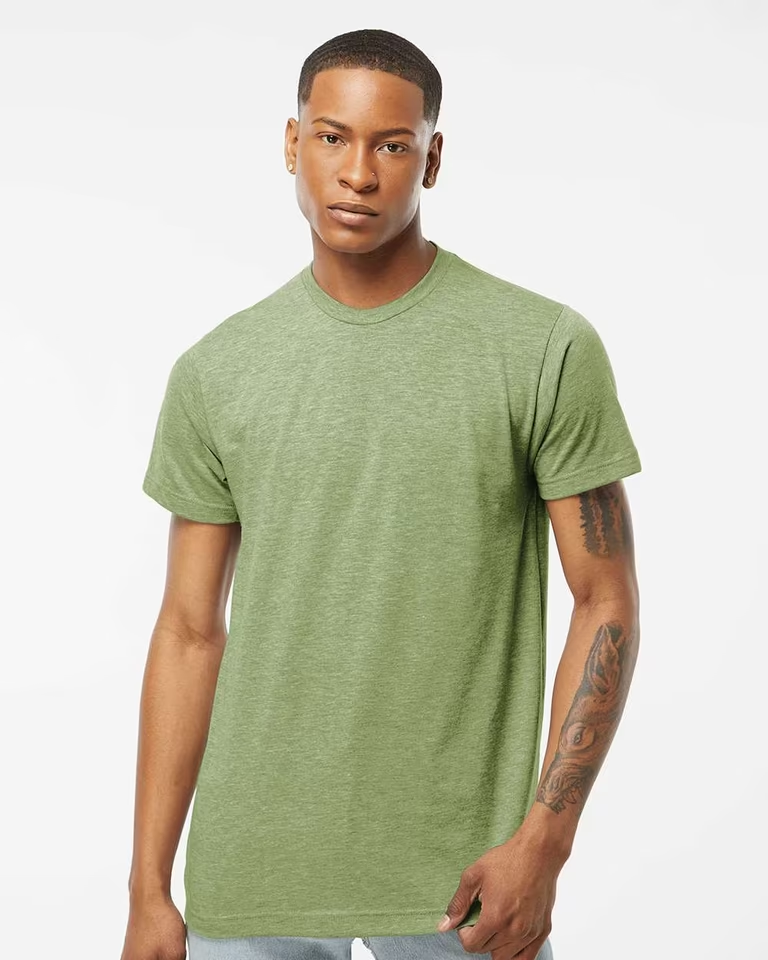
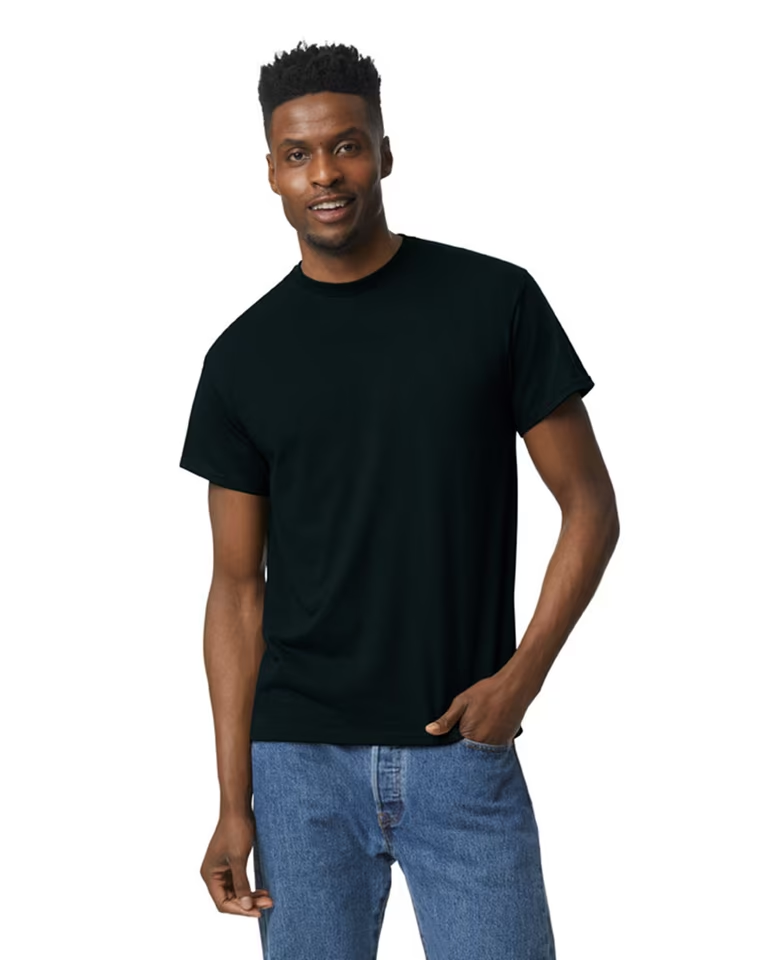
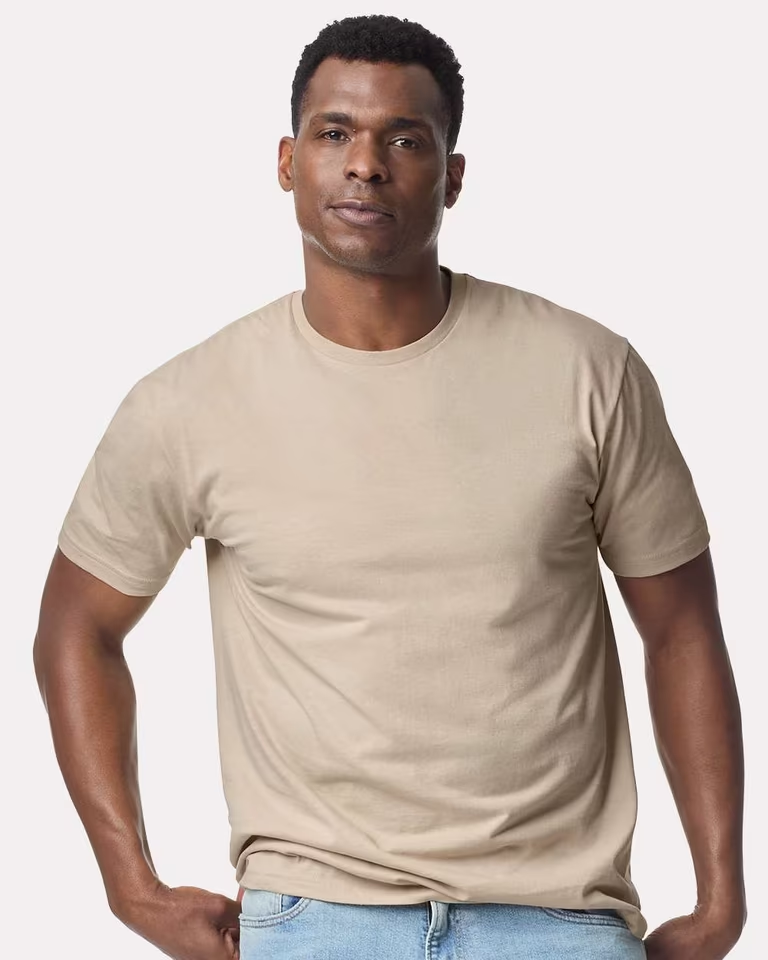
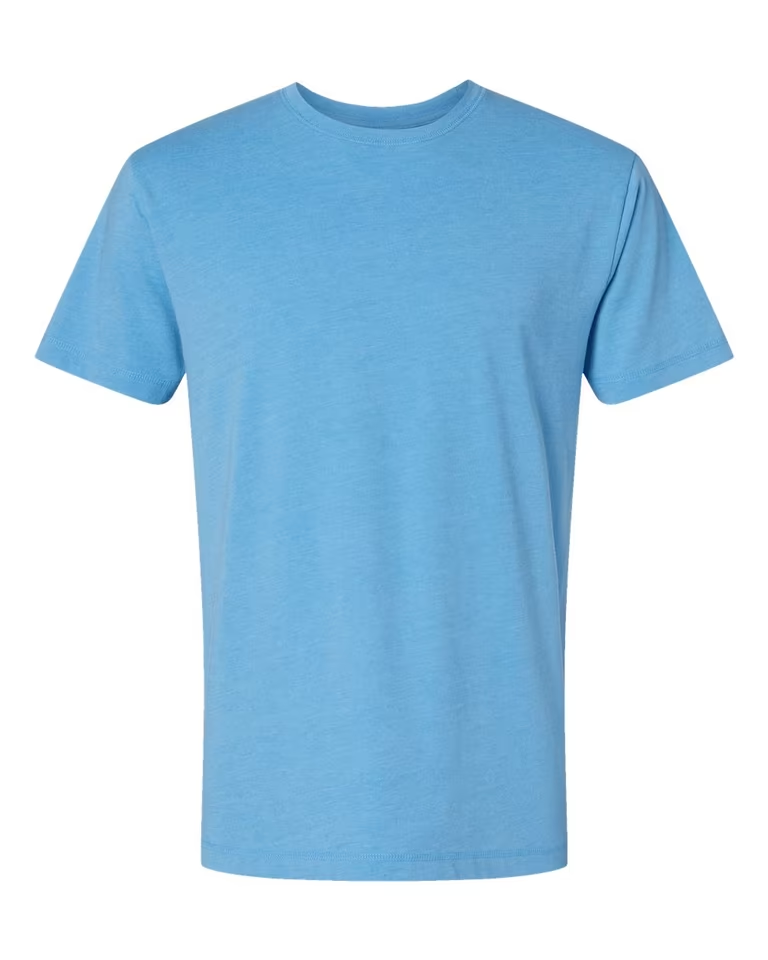
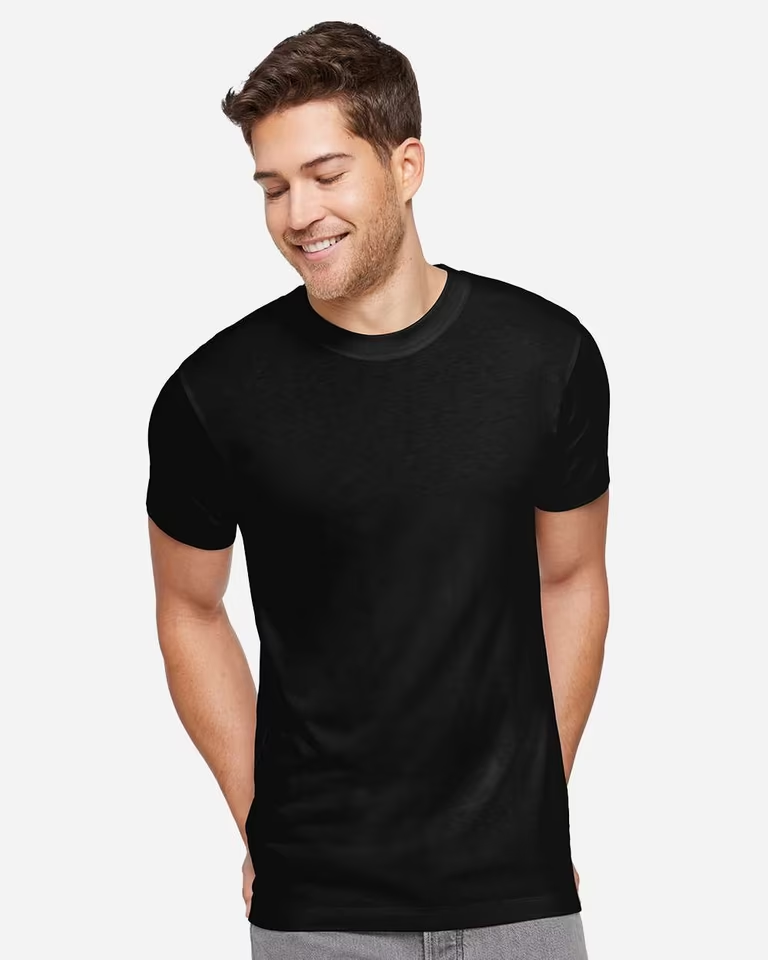
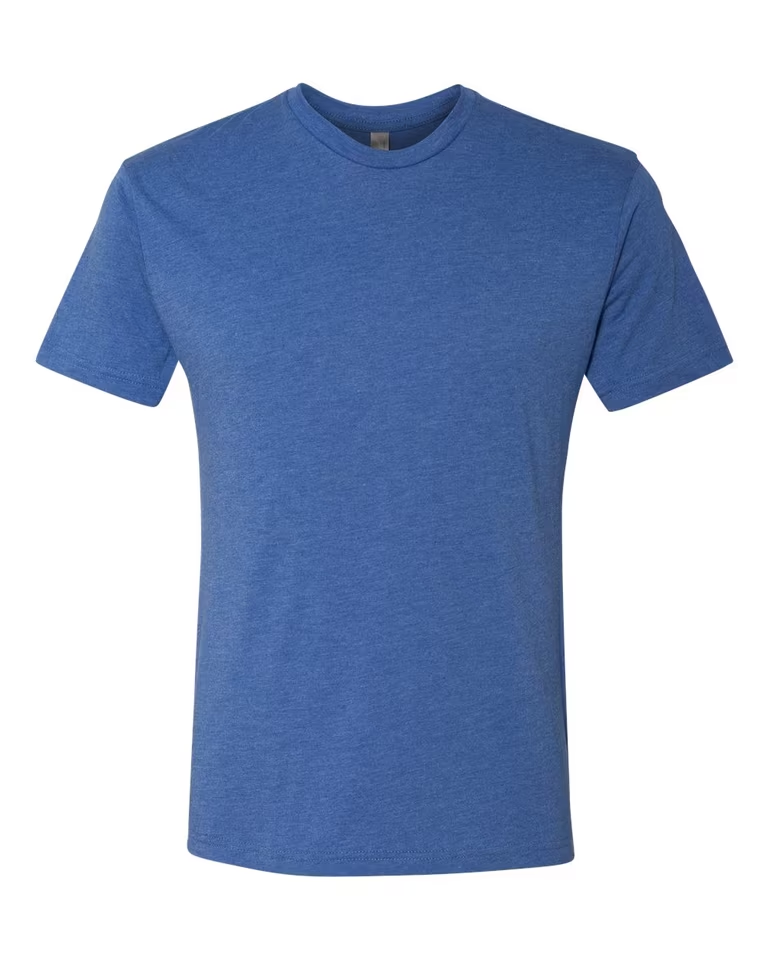
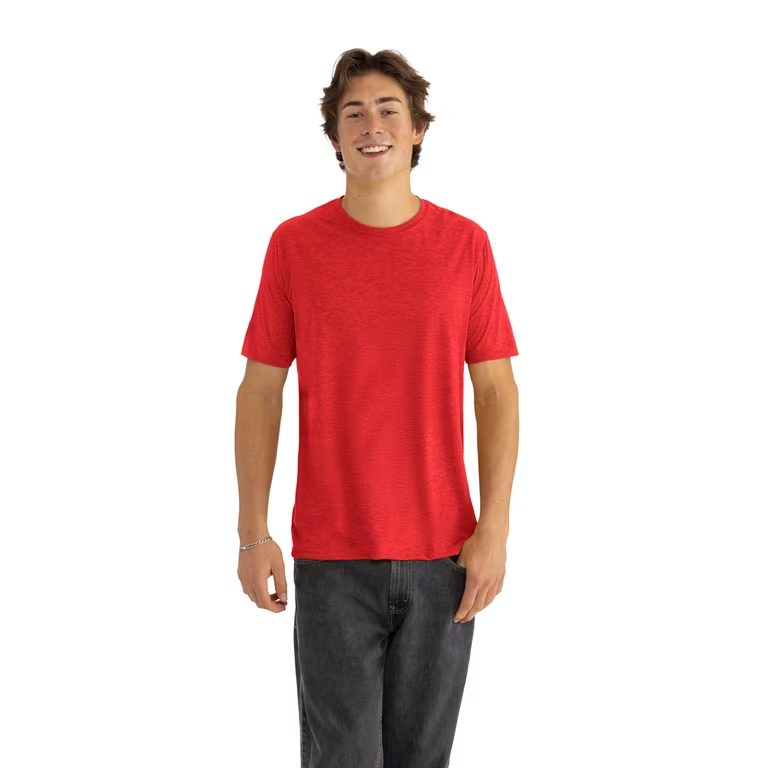
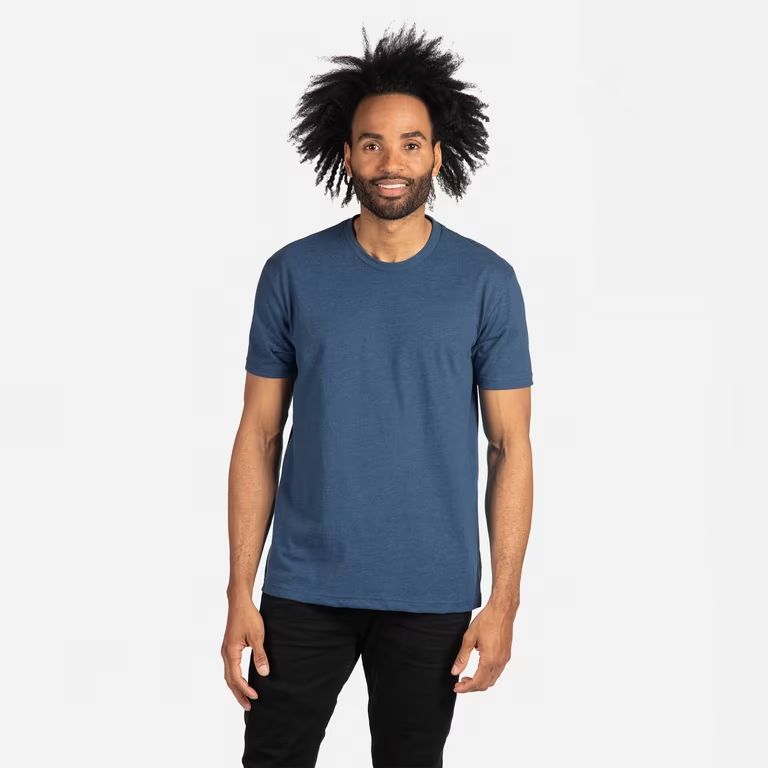
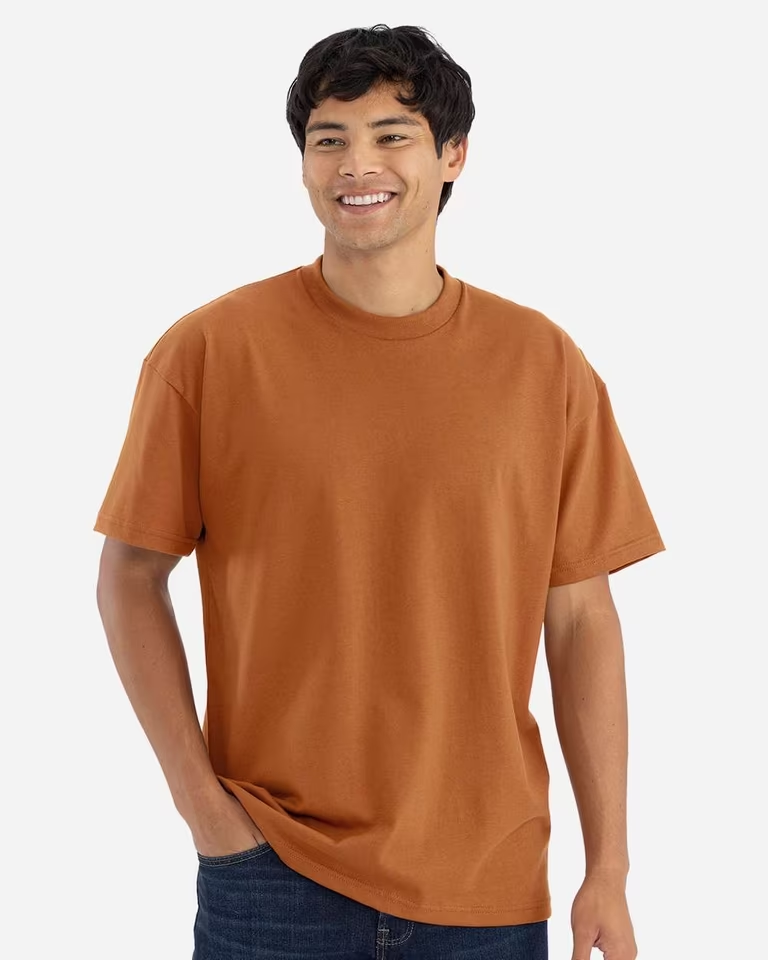
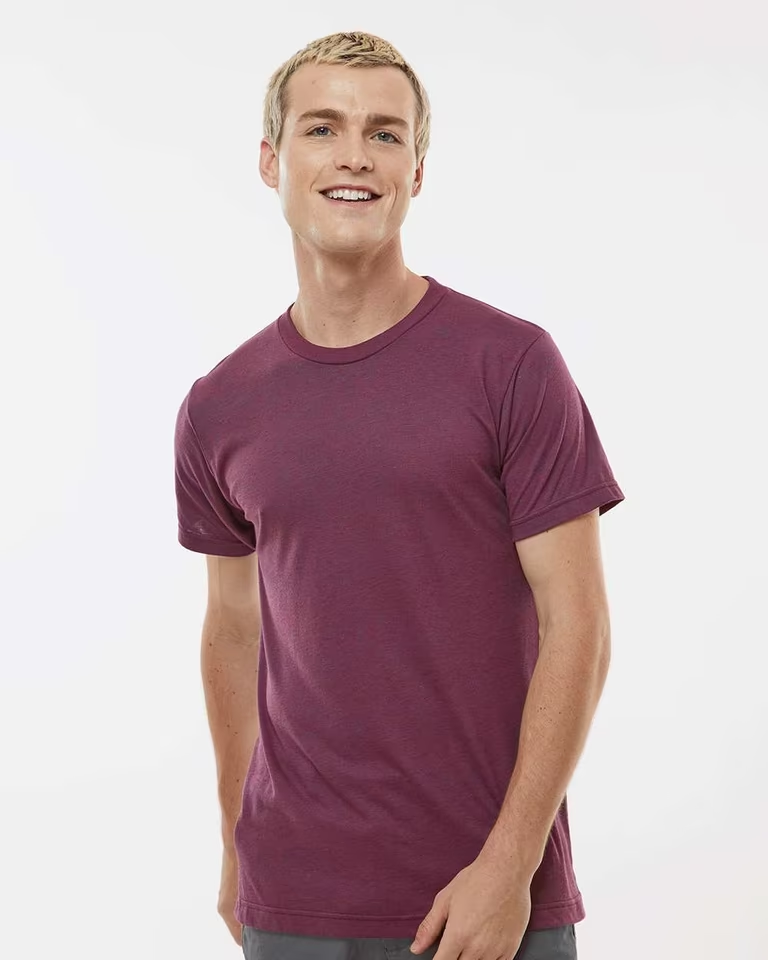
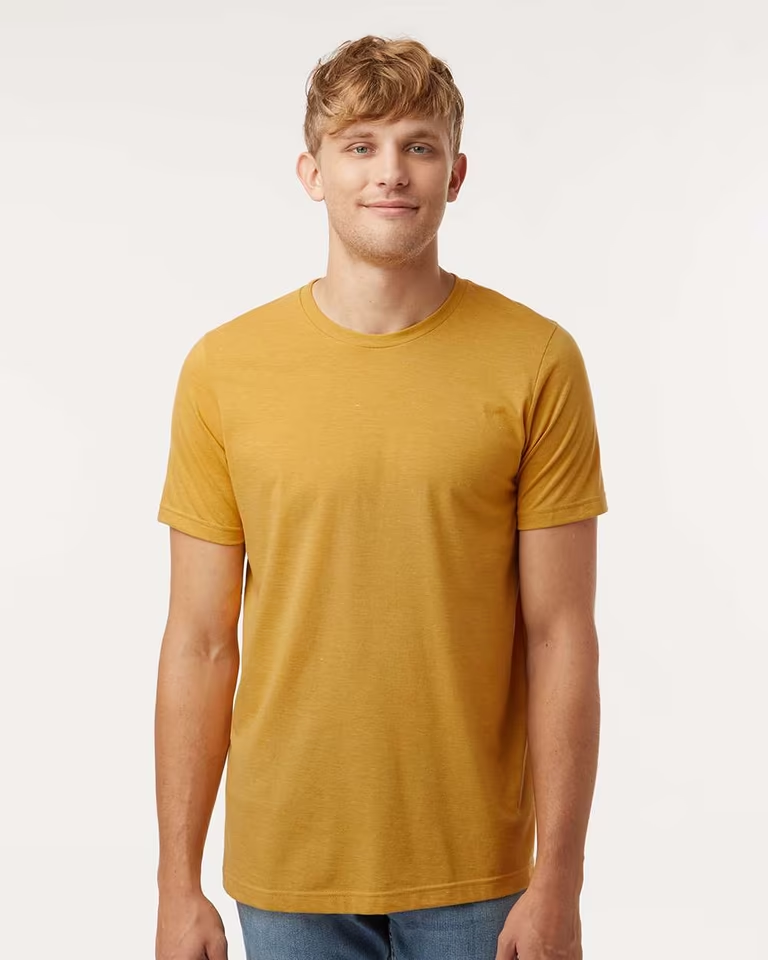
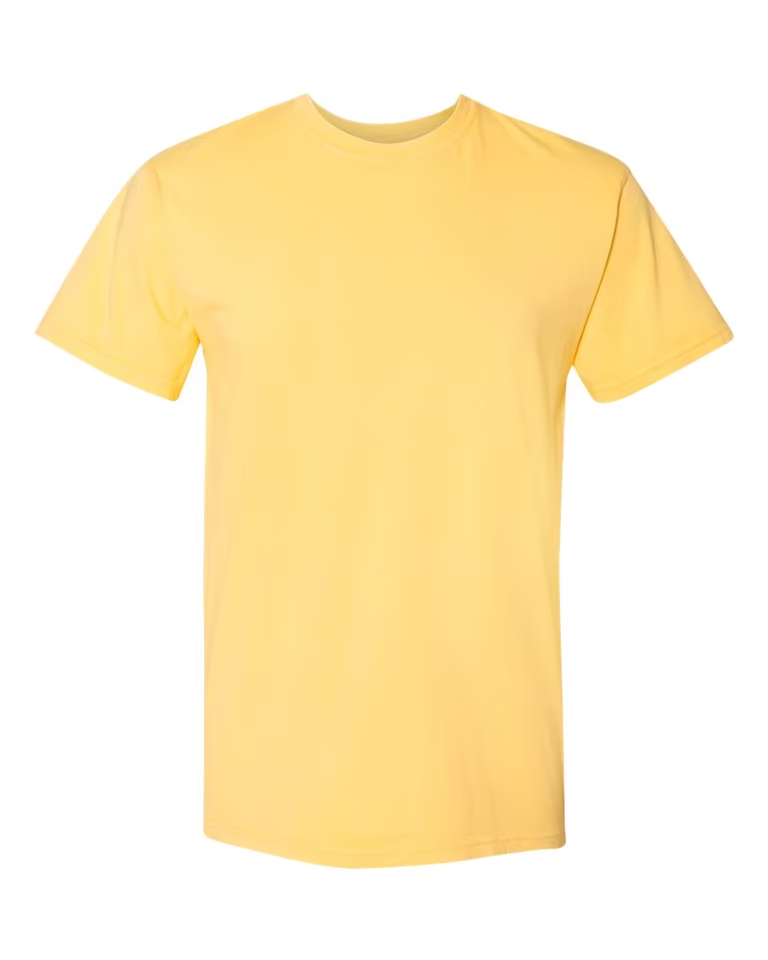
Tultex style number 290
$5.60
Retail $7.46
Save up to 25%
Next Level style number 7410
$9.27
Retail $12.36
Save up to 25%
3 styles
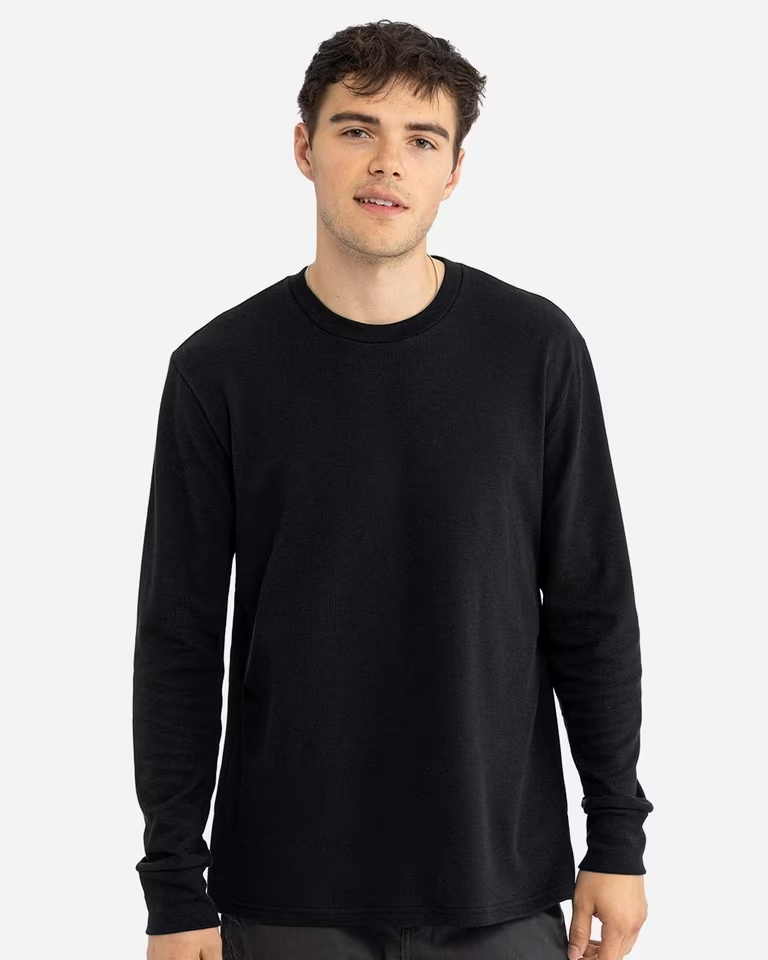
Next Level style number 8211
$12.75
Retail $16.99
Save up to 25%
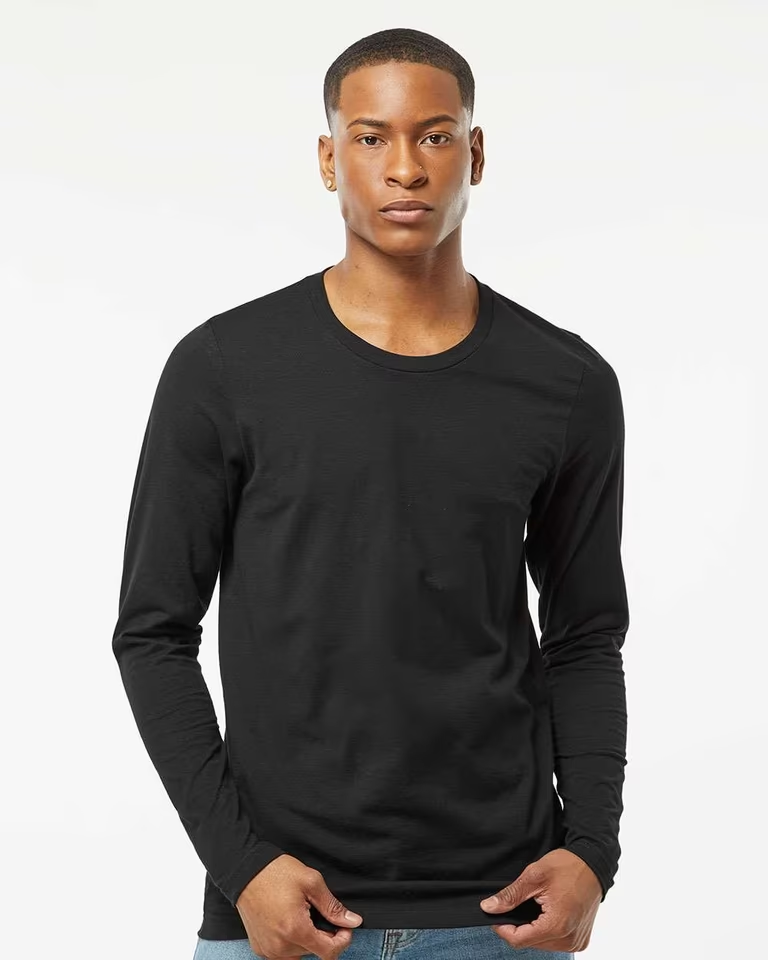
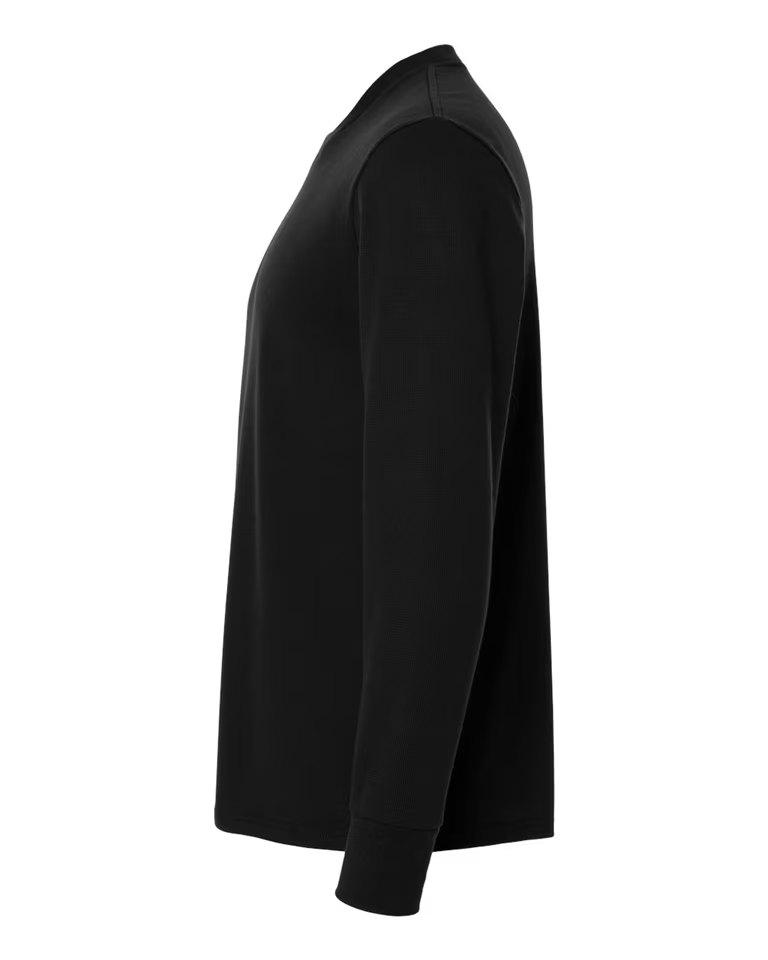
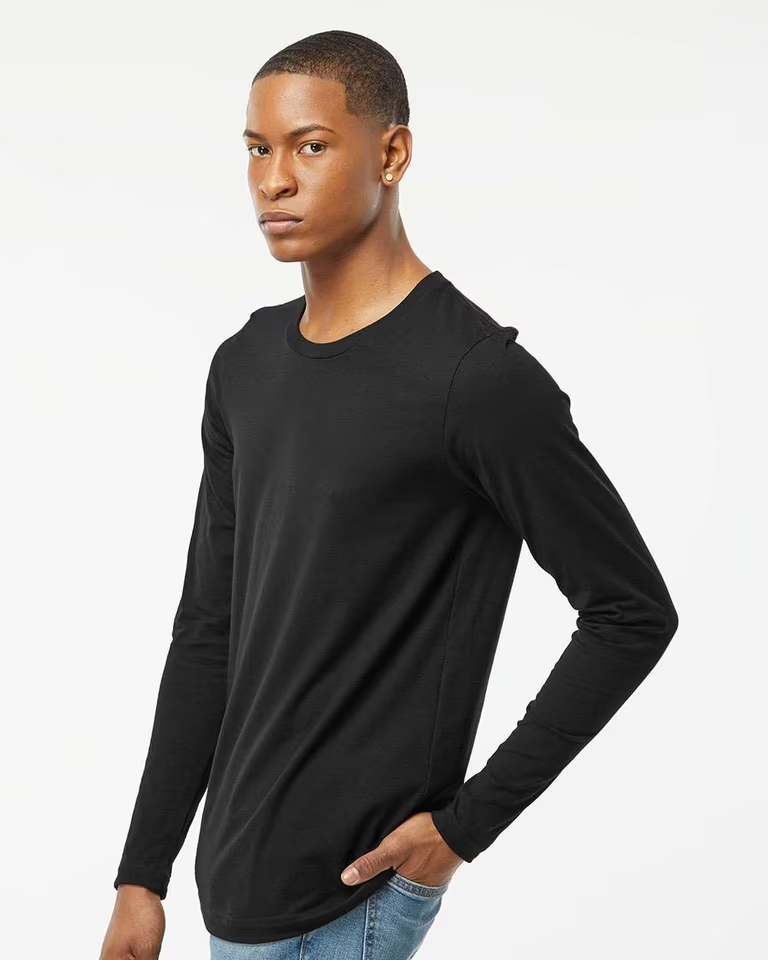
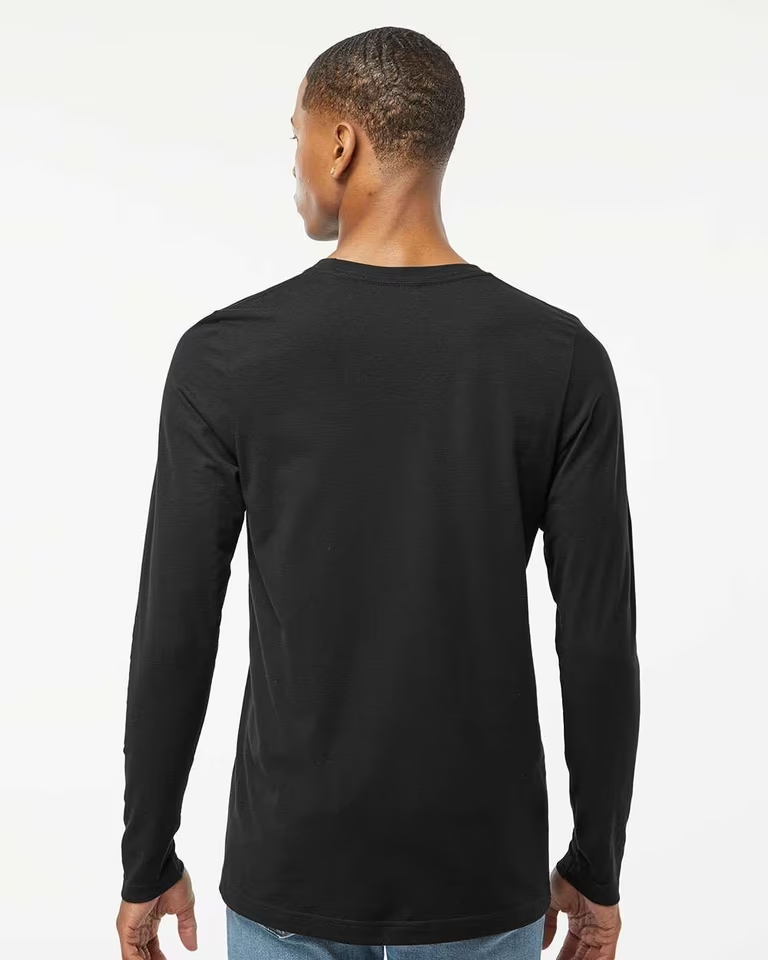
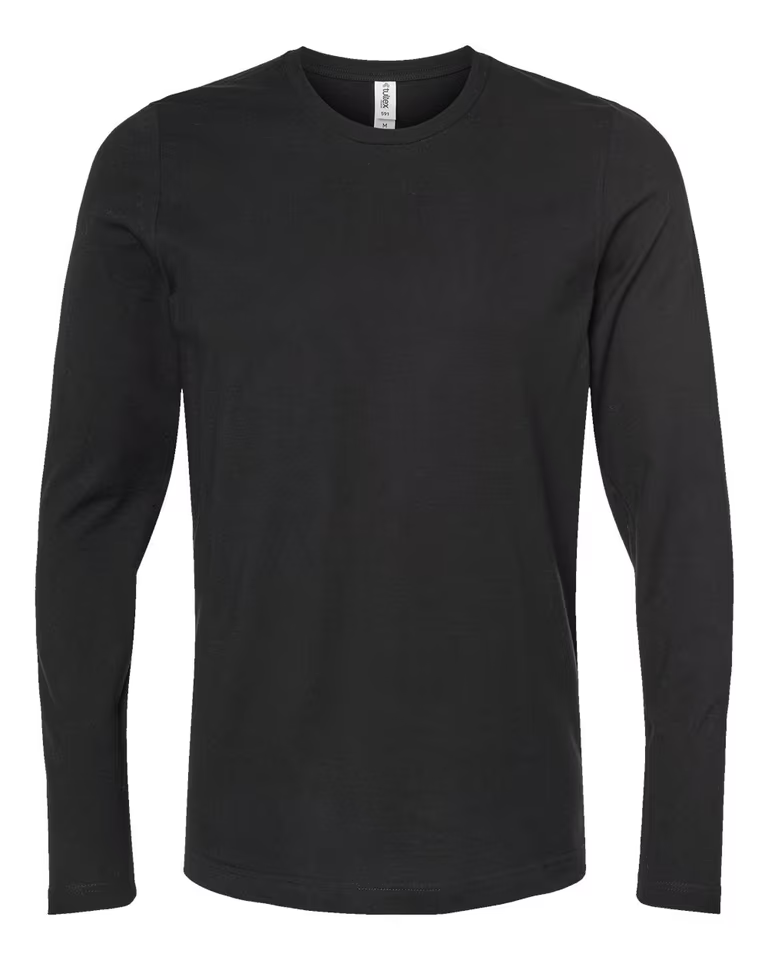
Tultex style number 591
$9.03
Retail $10.83
Save up to 17%
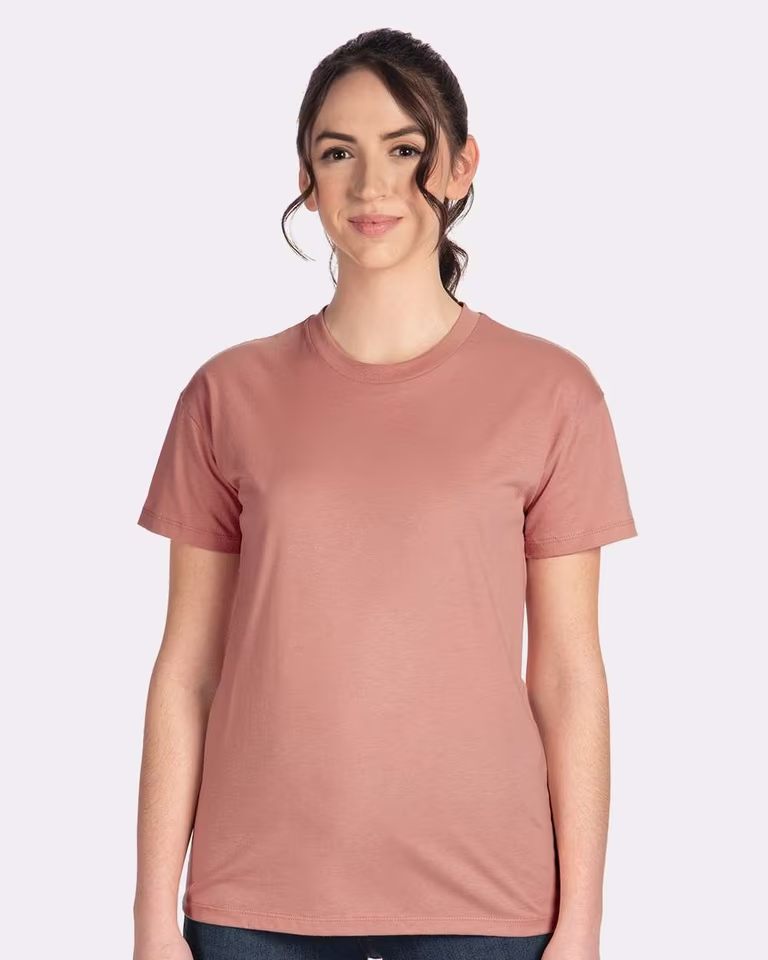
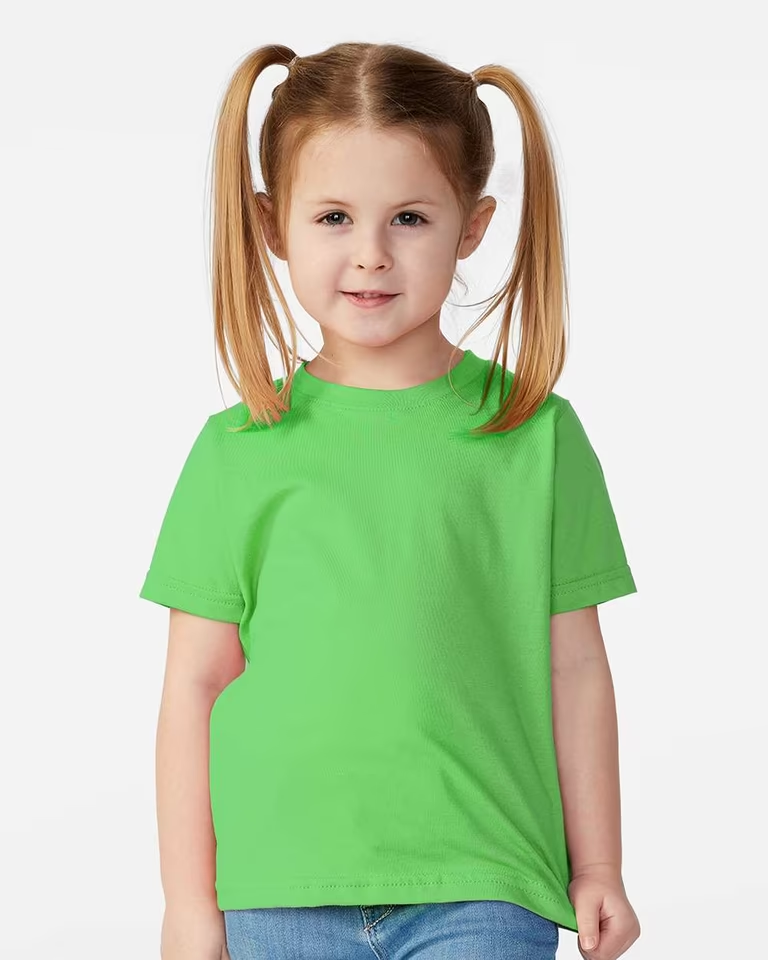
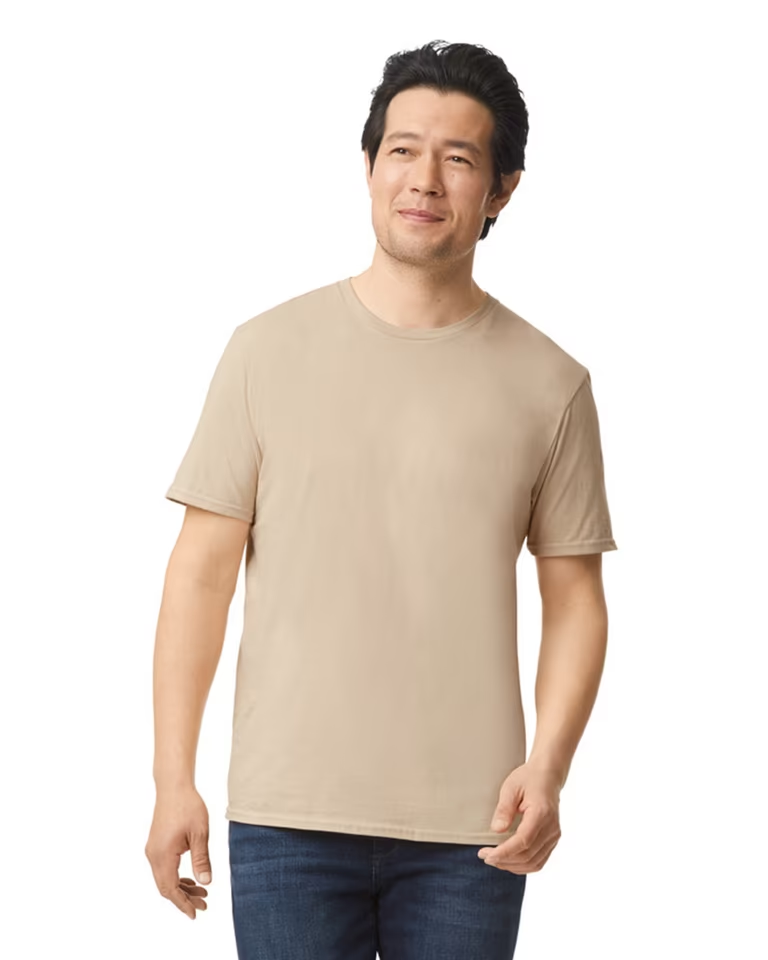
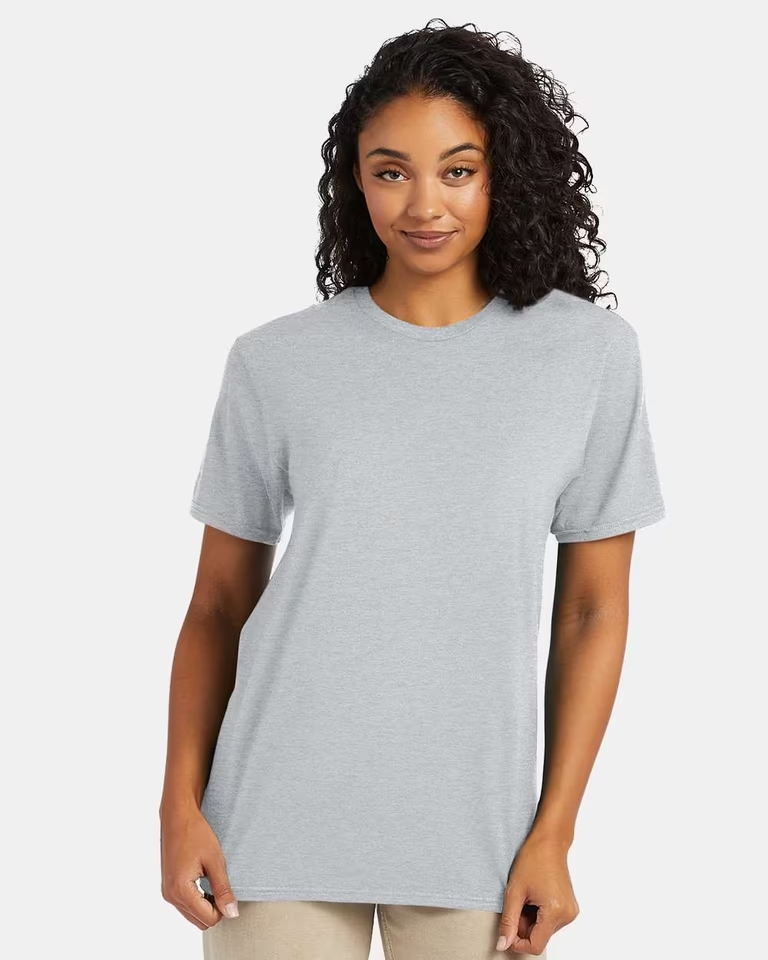
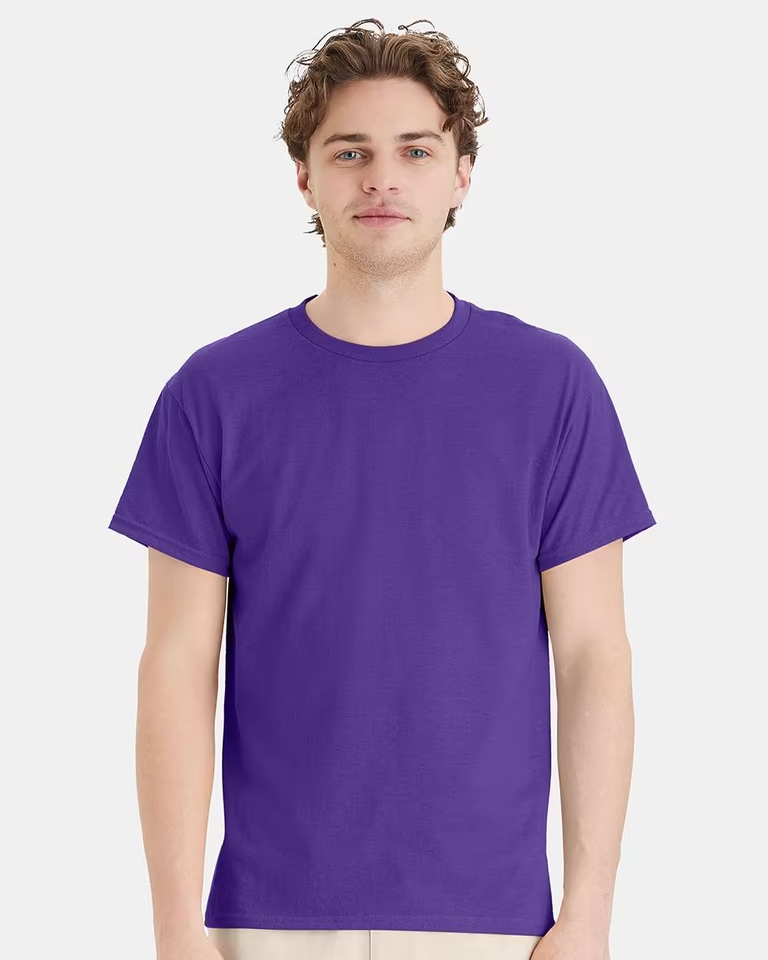
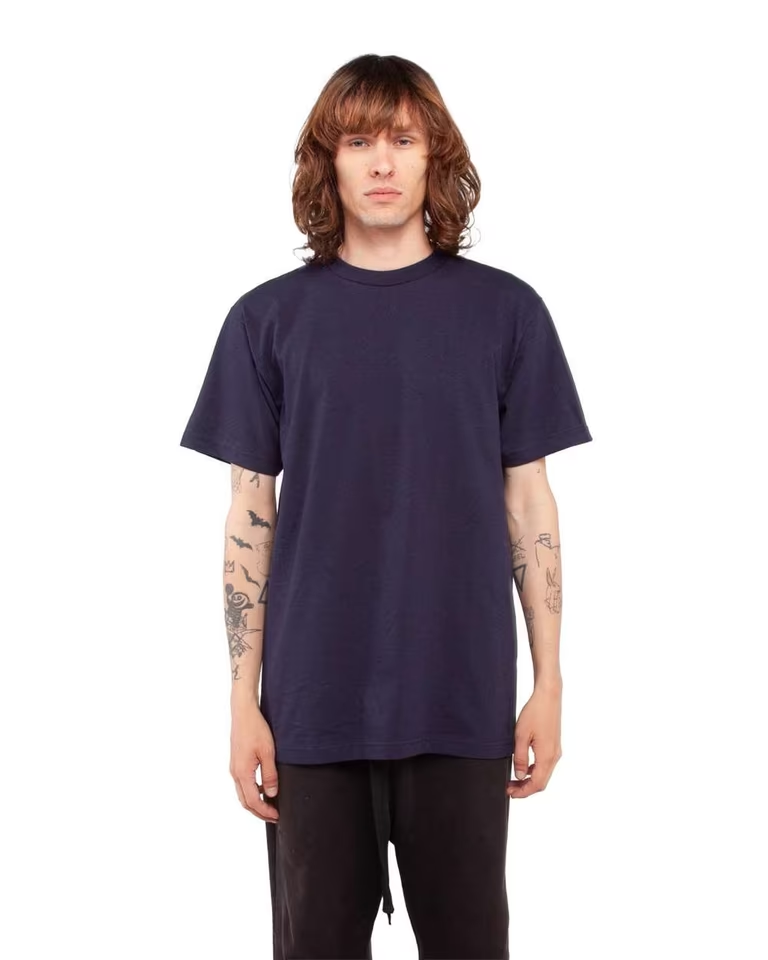
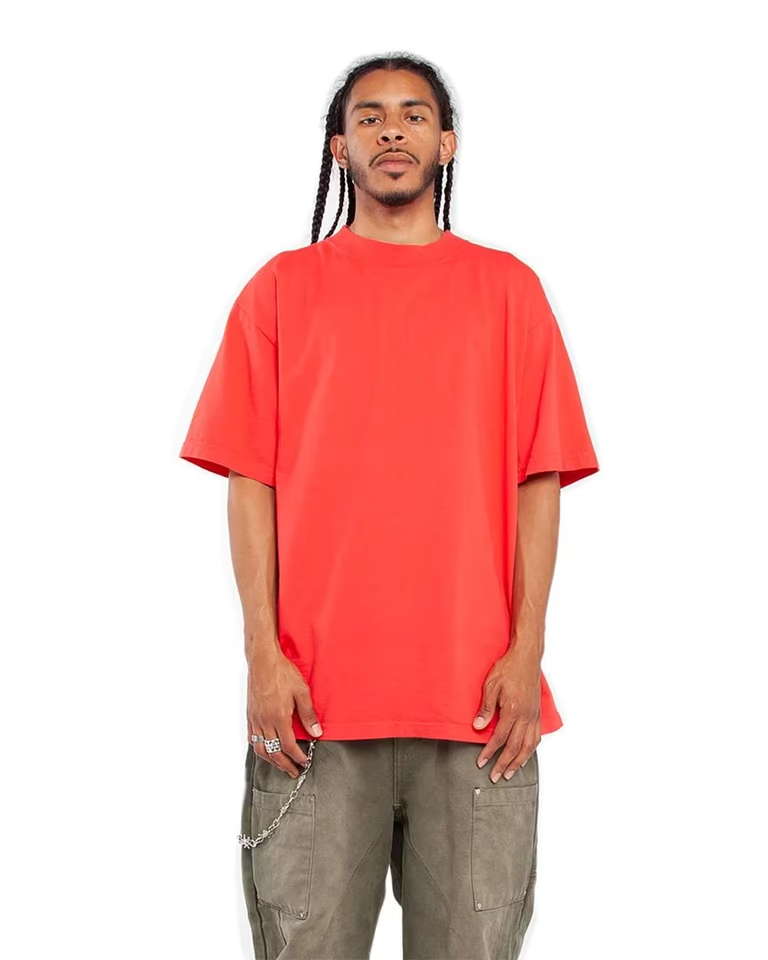
Shaka Wear style number SHGD
$11.27
Retail $15.02
Save up to 25%
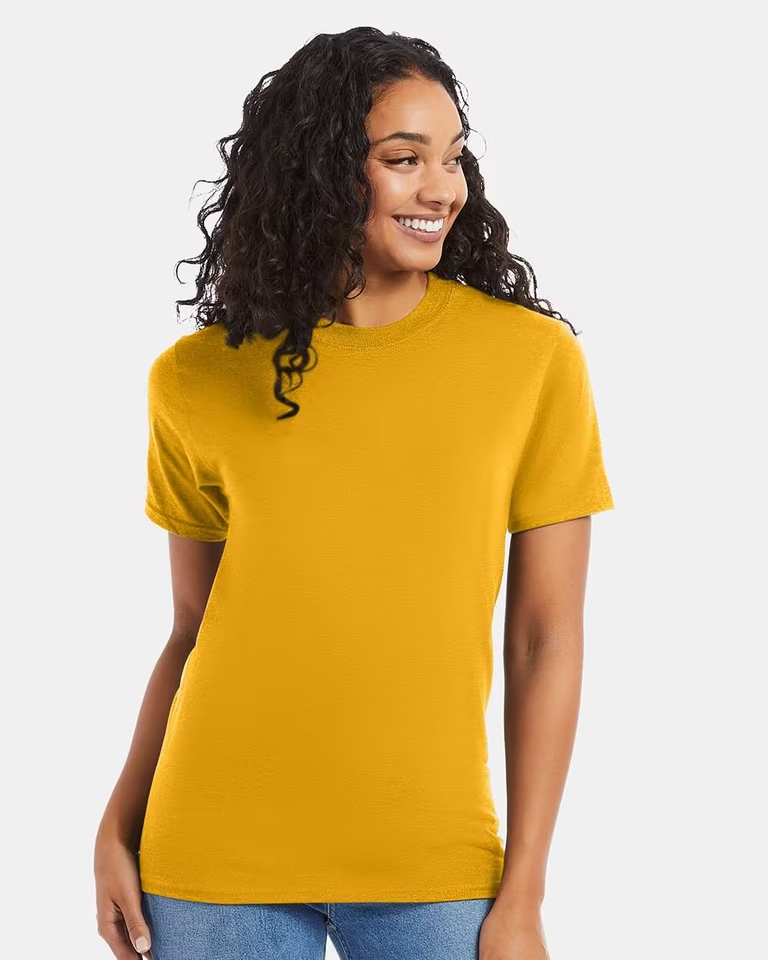
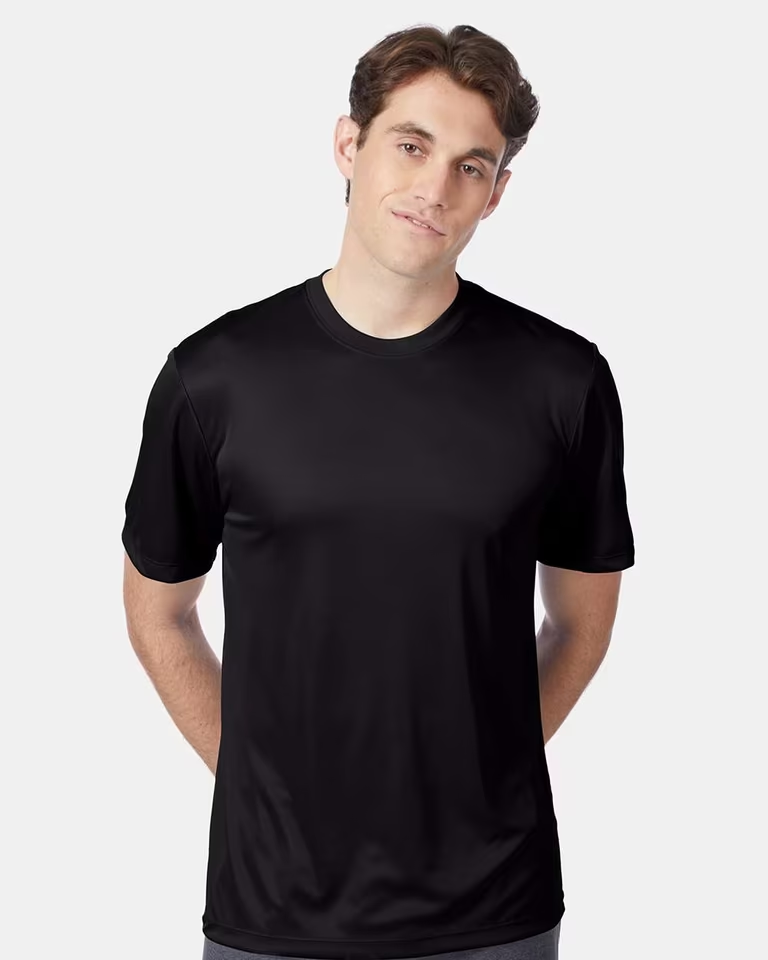
Hanes style number 4820
$10.79
Retail $14.38
Save up to 25%
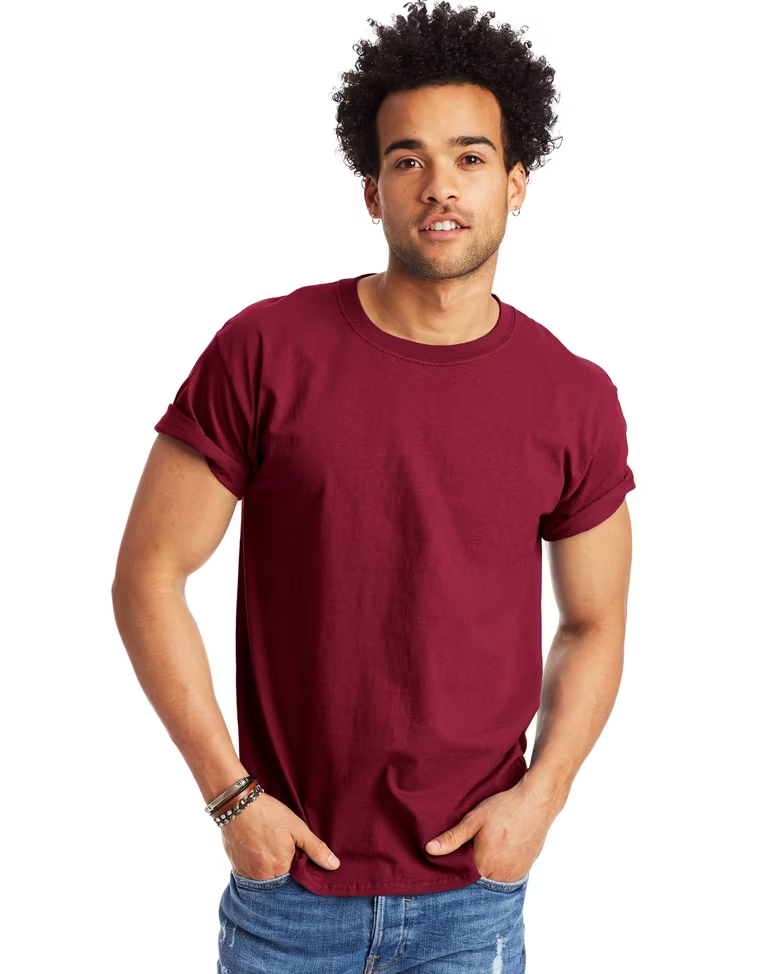
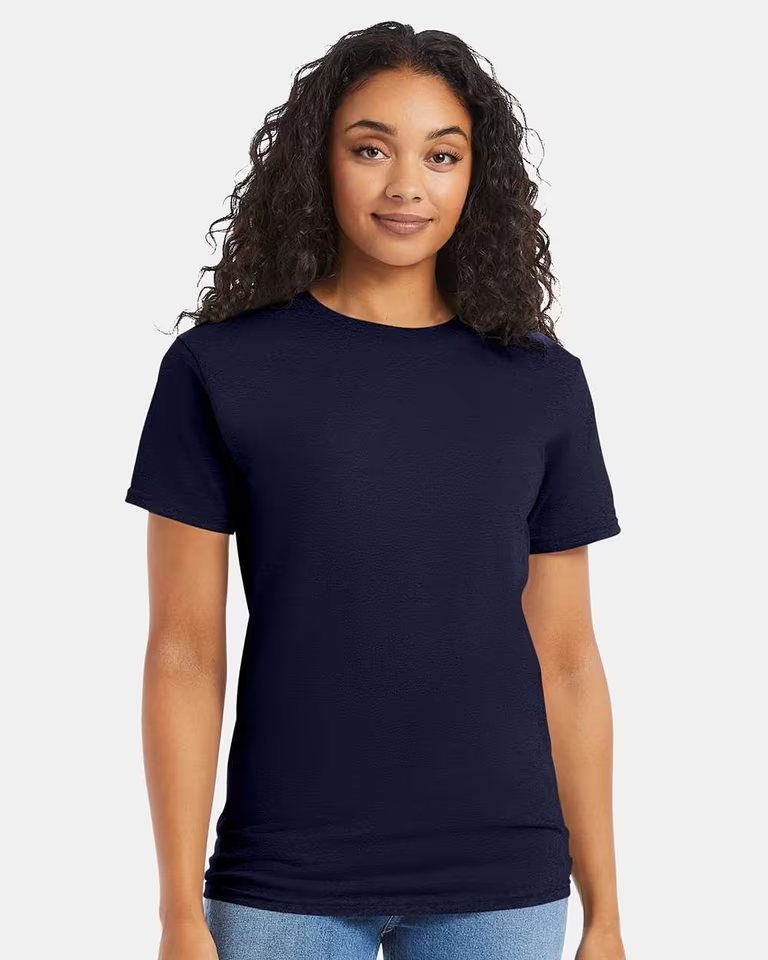
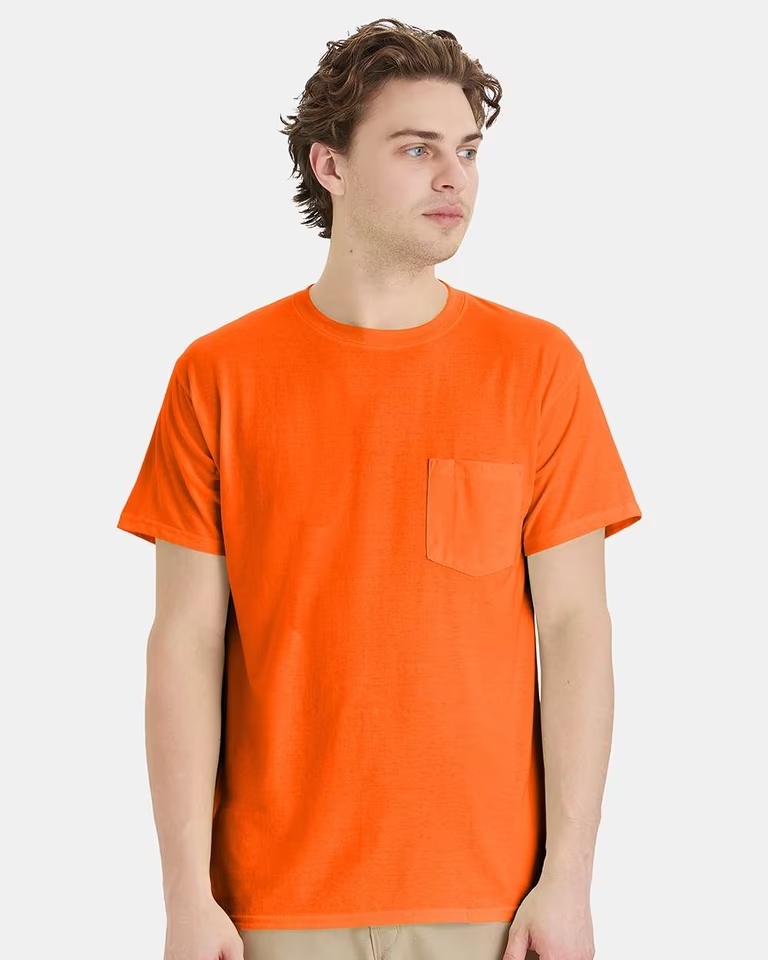
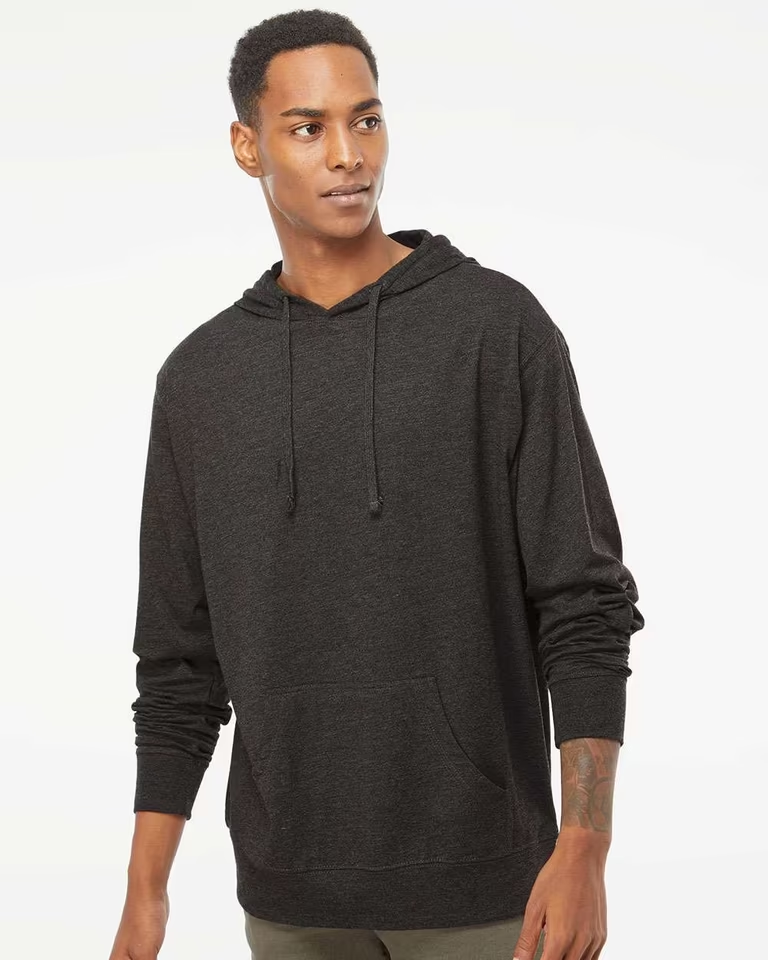
Independent Trading style number SS150J
$17.99
Retail $23.98
Save up to 25%
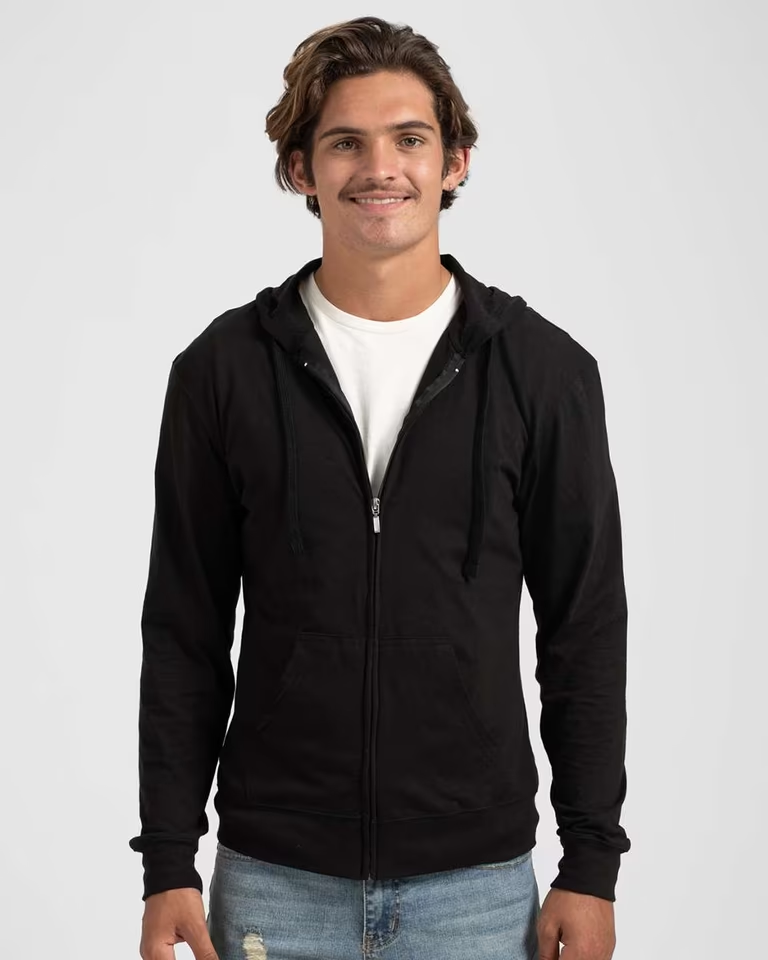
Tultex style number 260
$15.48
Retail $20.64
Save up to 25%
2 styles
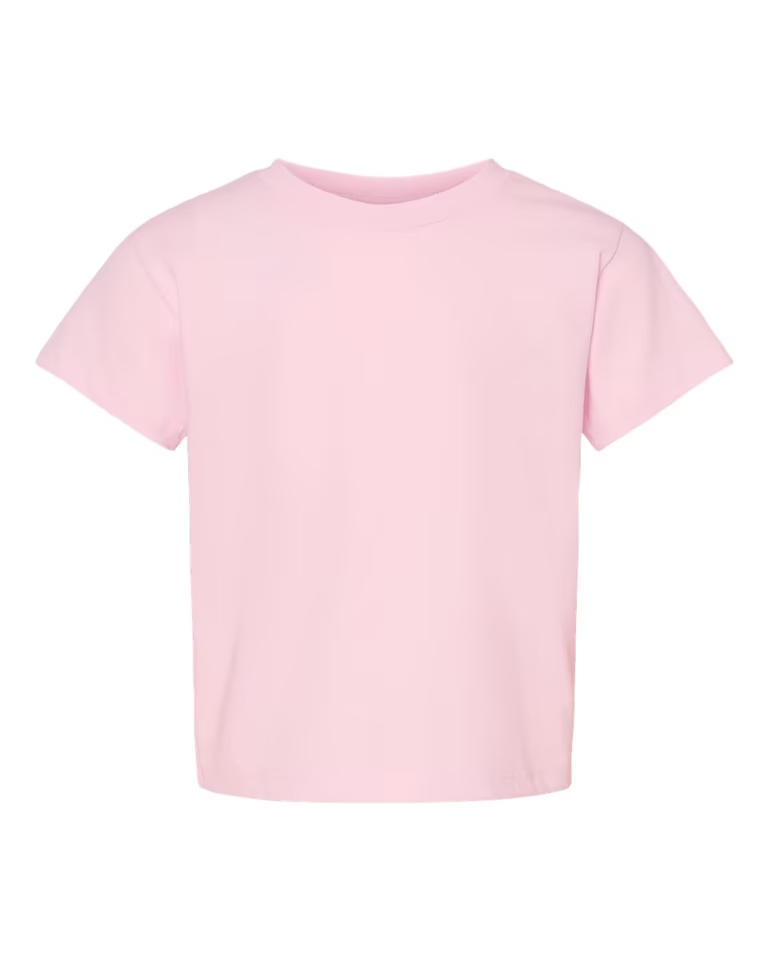
Rabbit Skins style number 3301T
$4.56
Retail $6.08
Save up to 25%
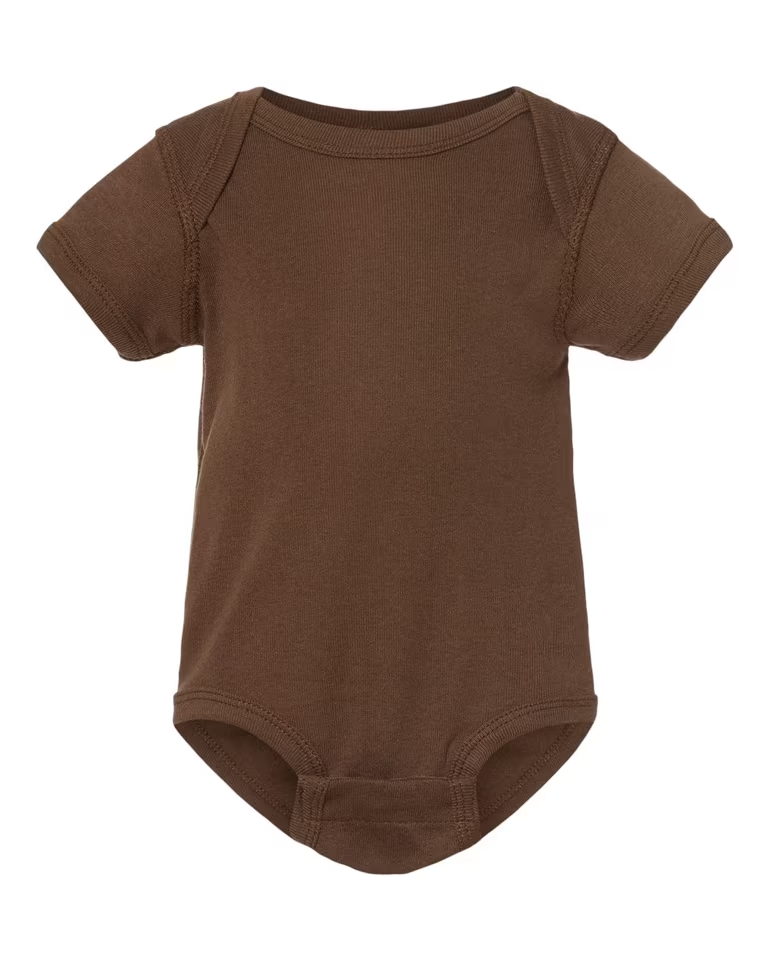
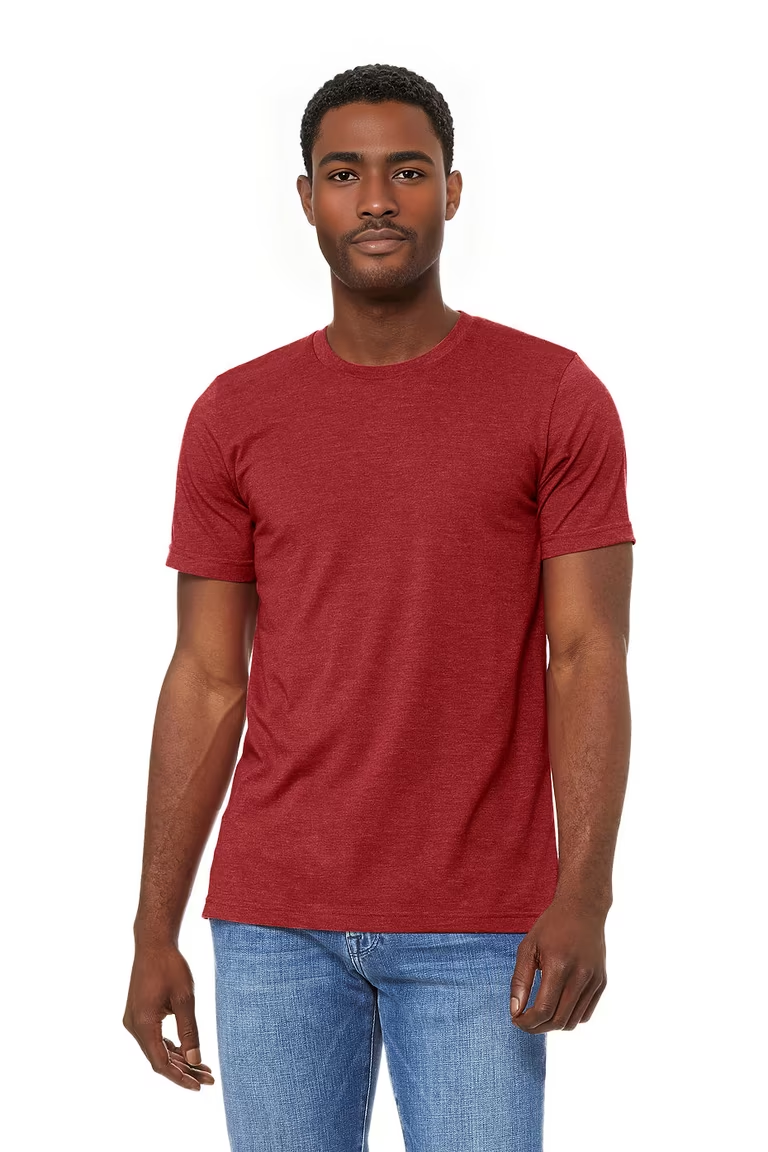
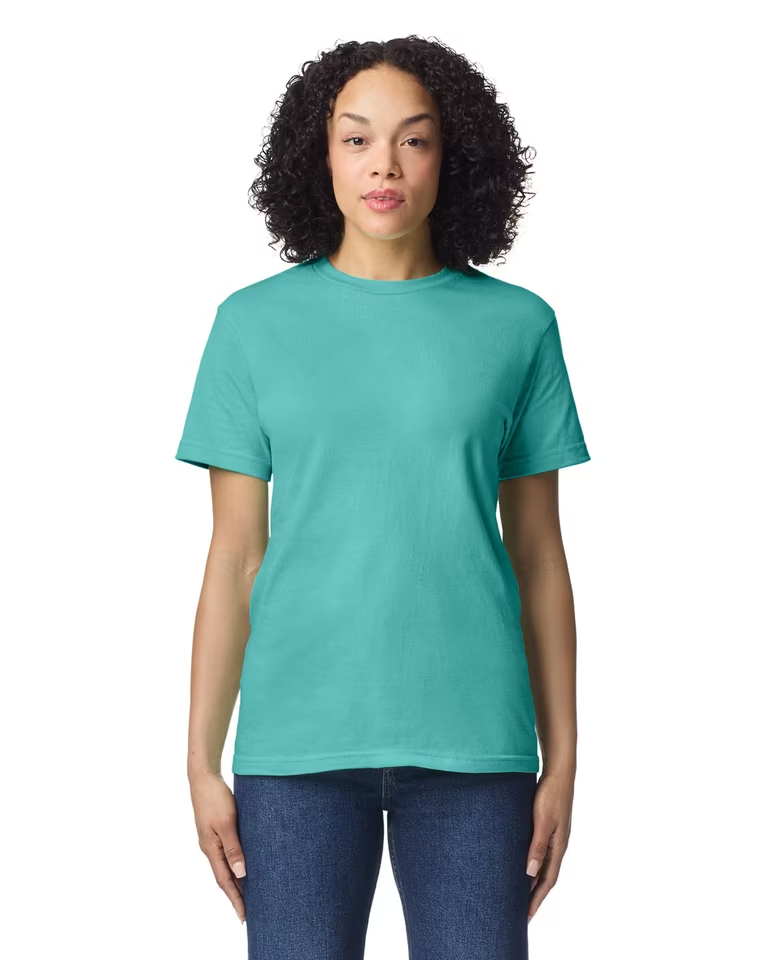
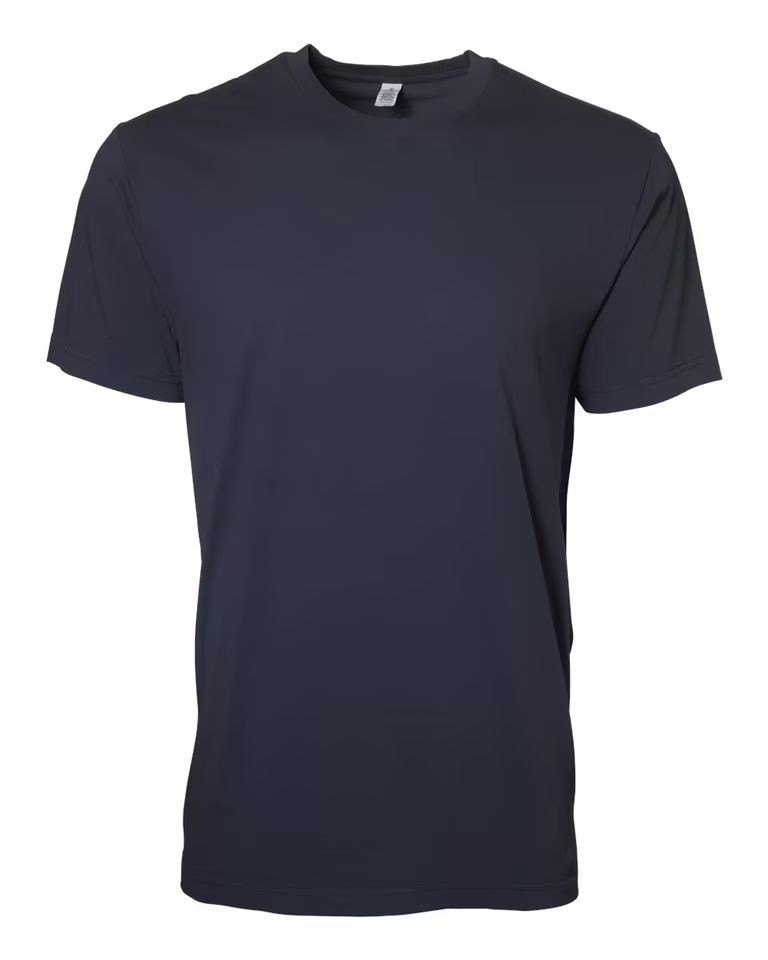
Comfort Colors style number 1717
$7.50
Retail $13.43
Save up to 44%
Independent Trading style number PRM180PT
$9.81
Retail $14.11
Save up to 30%
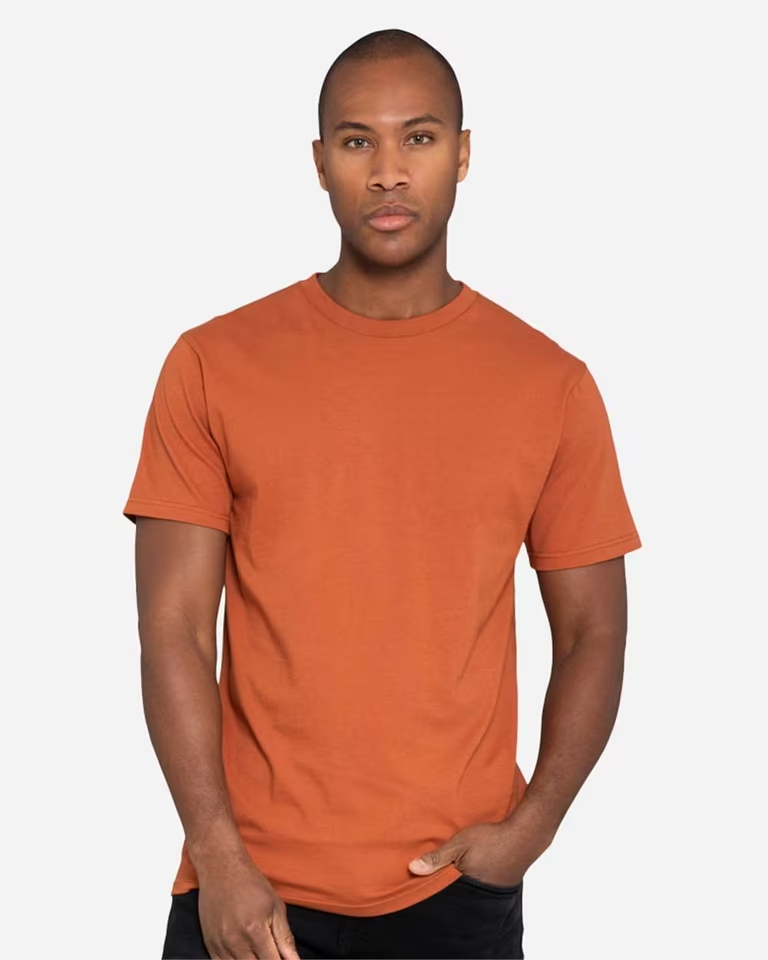
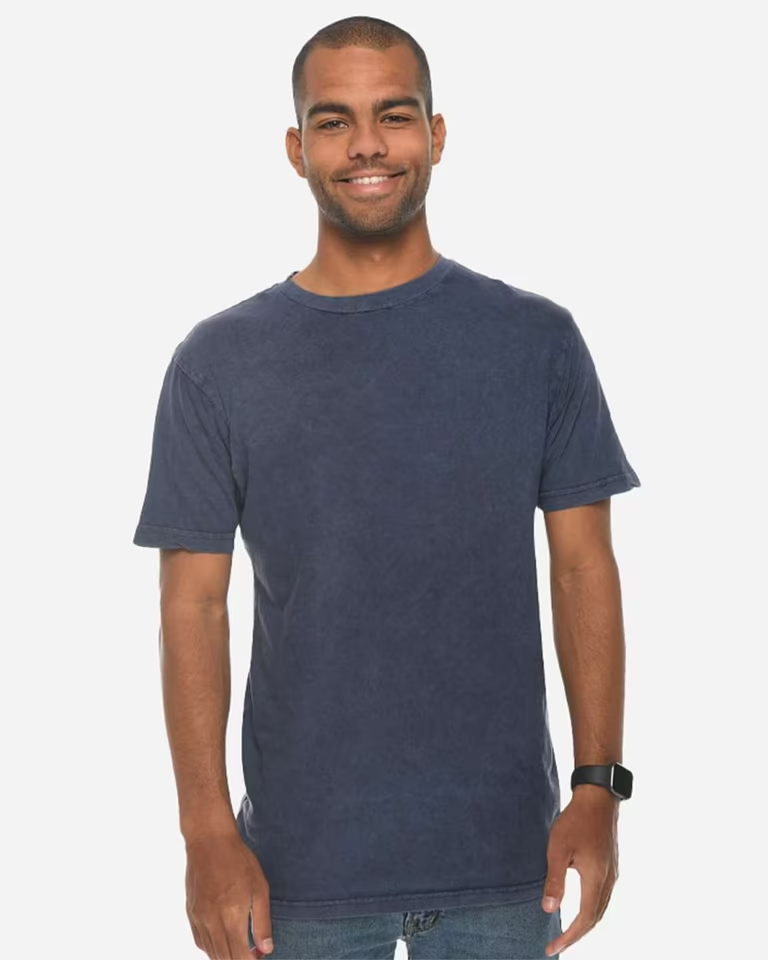
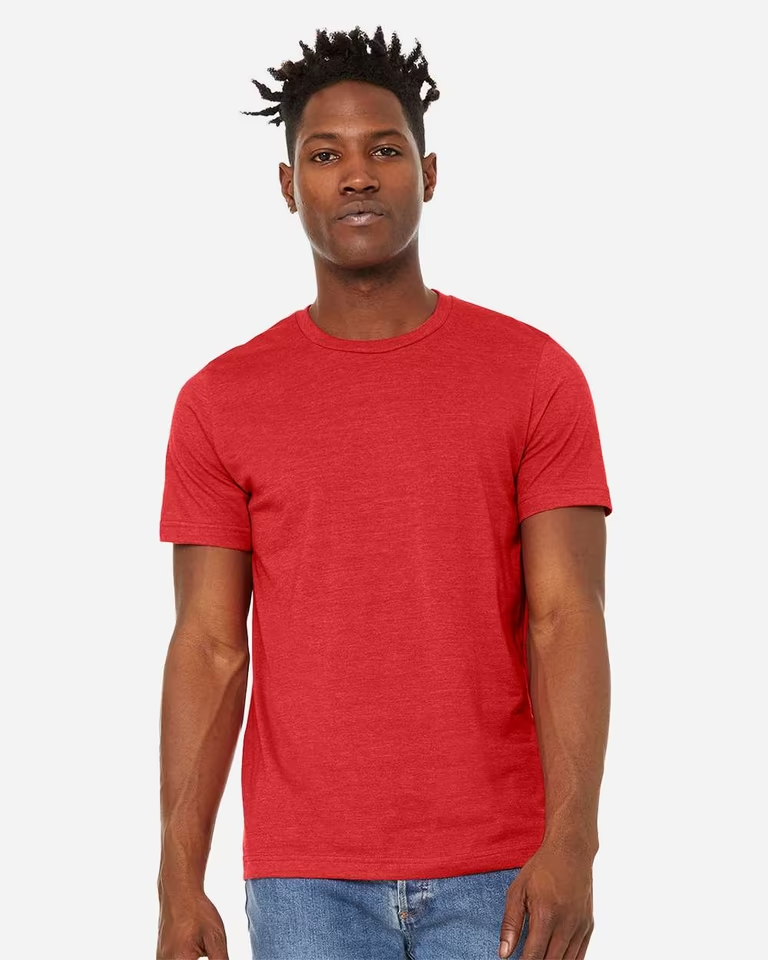
Bella + Canvas style number 3301
$7.77
Retail $13.16
Save up to 41%
Also in Women's
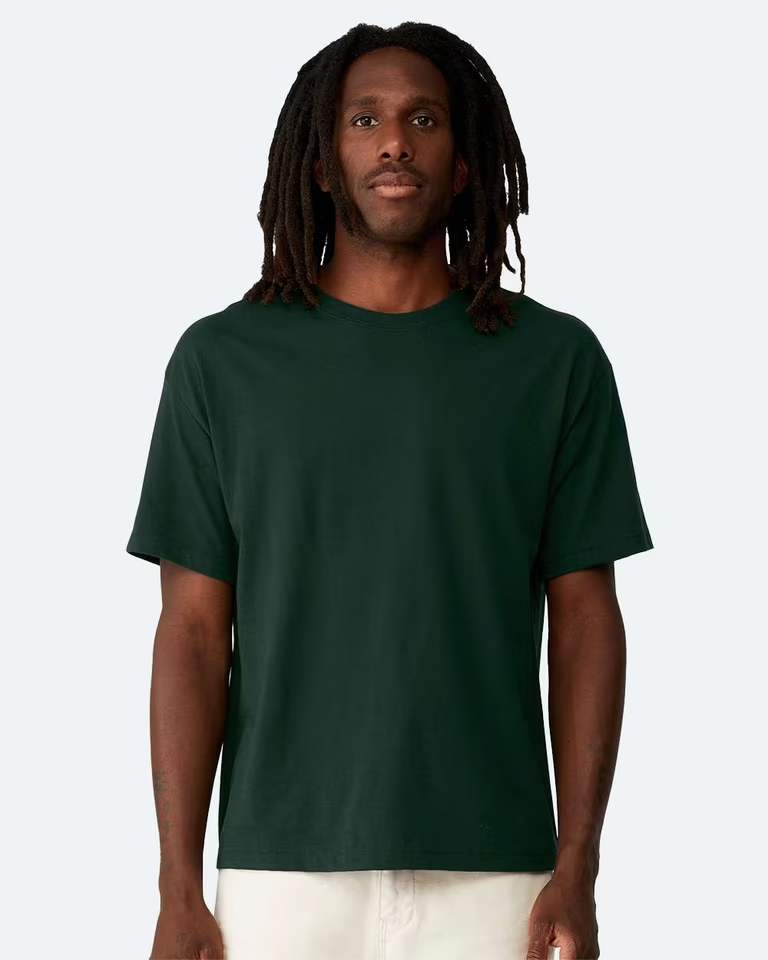
Bella + Canvas style number 3010
$8.79
Retail $11.72
Save up to 25%
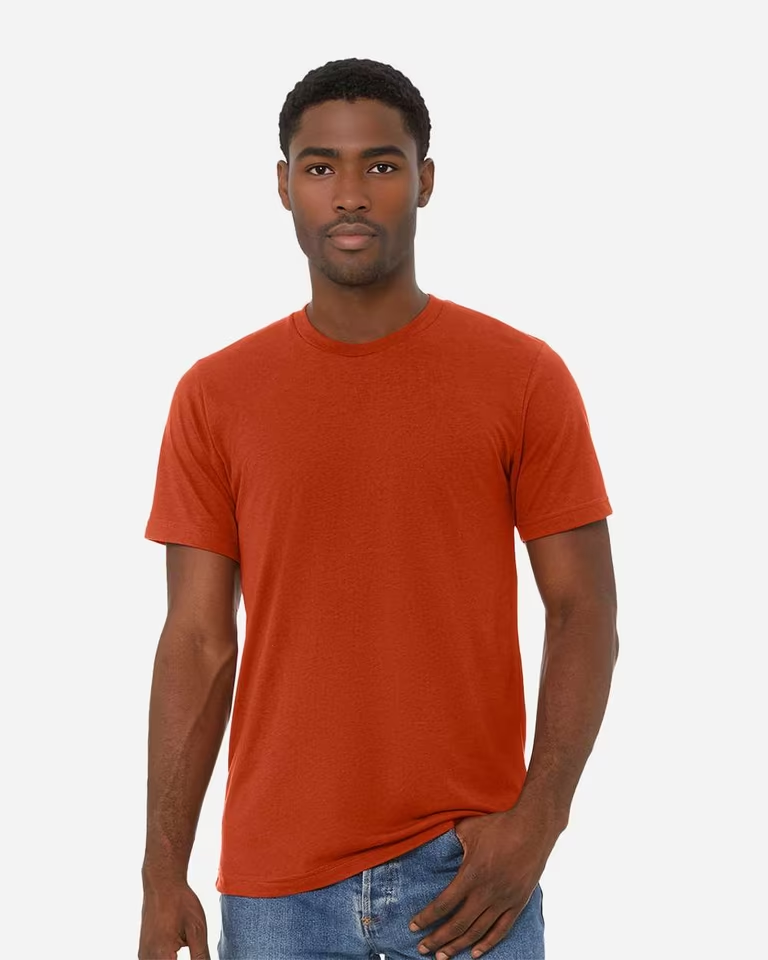
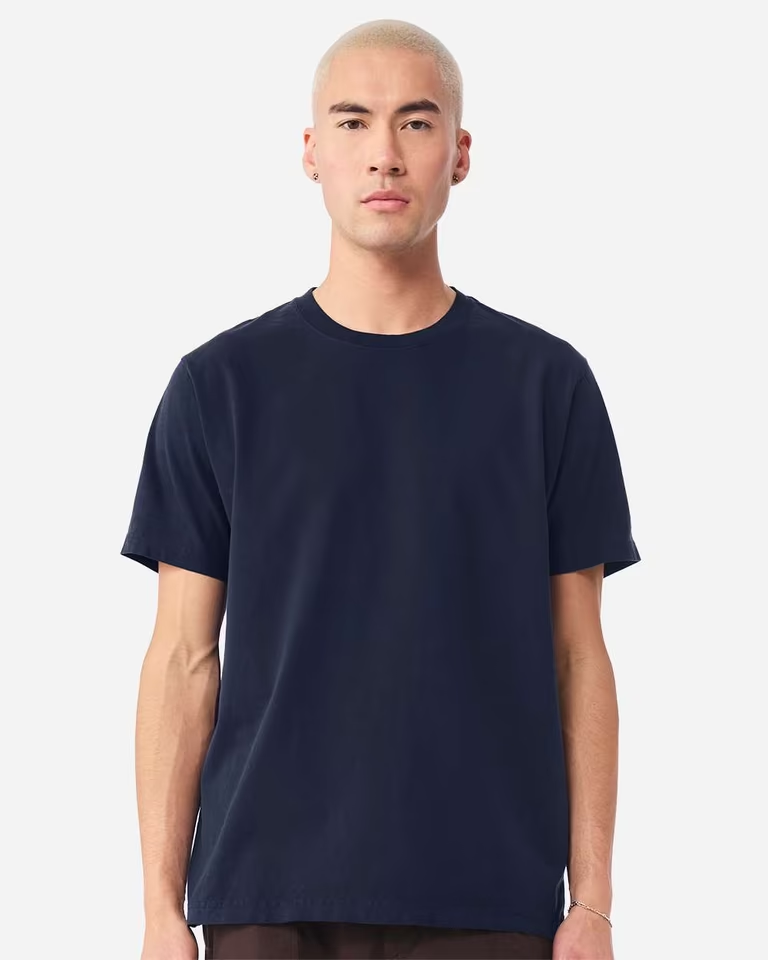
Bella + Canvas style number 4810GD
$12.20
Retail $16.25
Save up to 25%
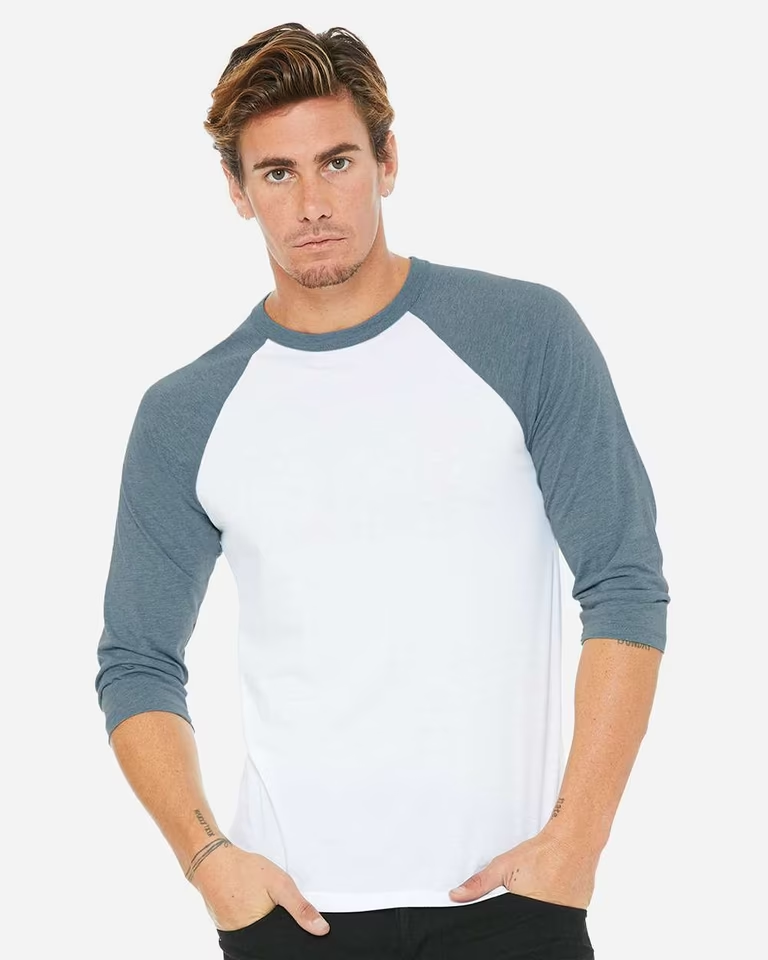
Bella + Canvas style number 3200
$11.55
Retail $15.41
Save up to 25%
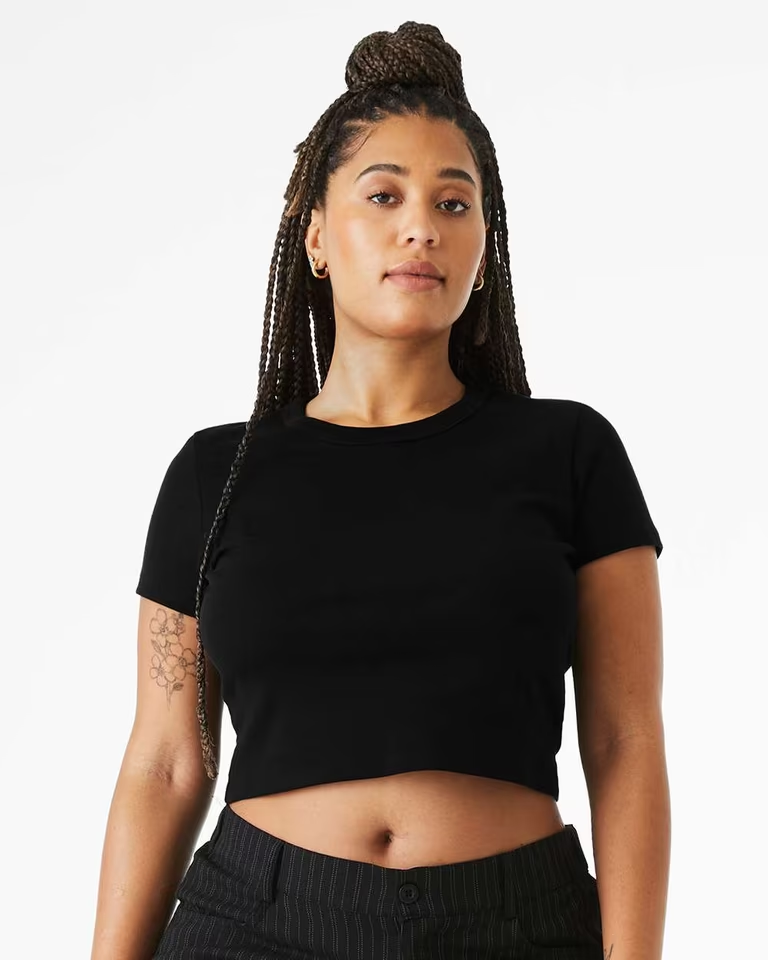
Bella + Canvas style number 1010
$9.57
Retail $12.75
Save up to 25%
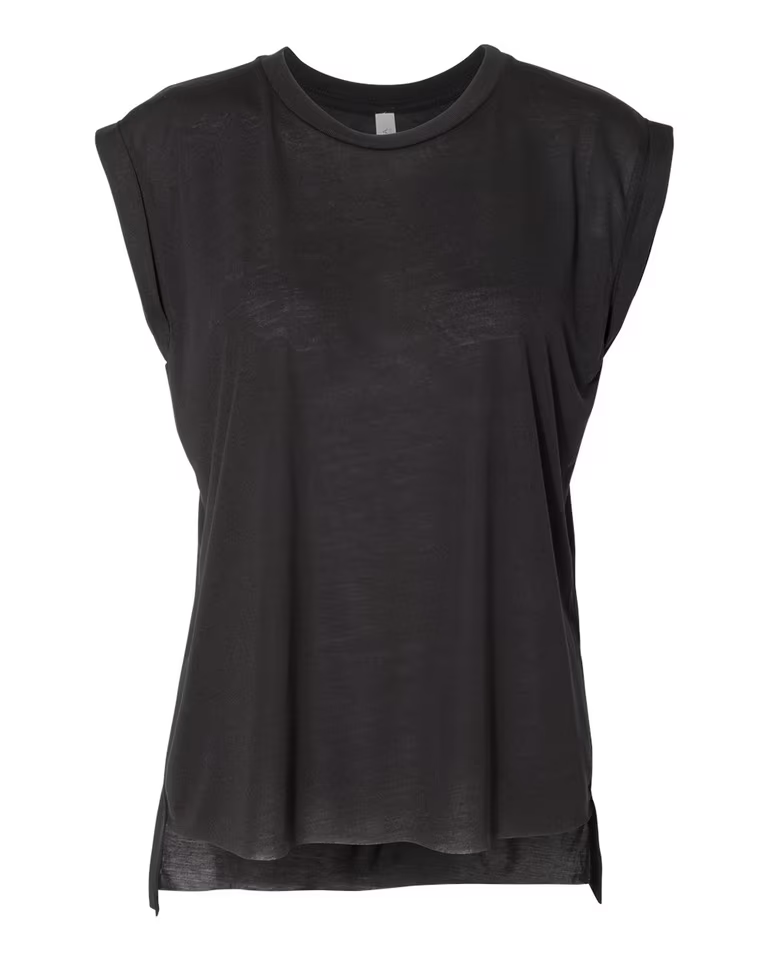
Bella + Canvas style number 8804
$10.02
Retail $13.37
Save up to 25%
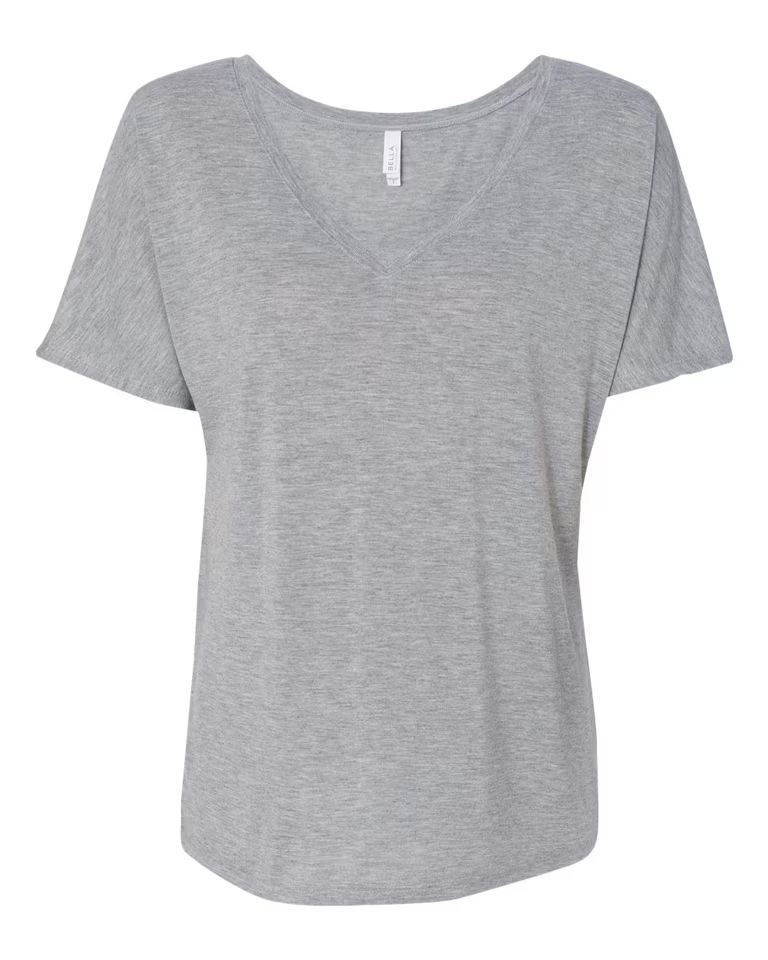
Bella + Canvas style number 8815
$10.02
Retail $13.37
Save up to 25%